
The Overseas Car Rental Playbook: Japan Zero-NOC Cover, Geneva Permits, and Accident Protocols
Dodging rental counter rejections: physical Geneva permit rules, zero-deductible NOC safety, and police reports
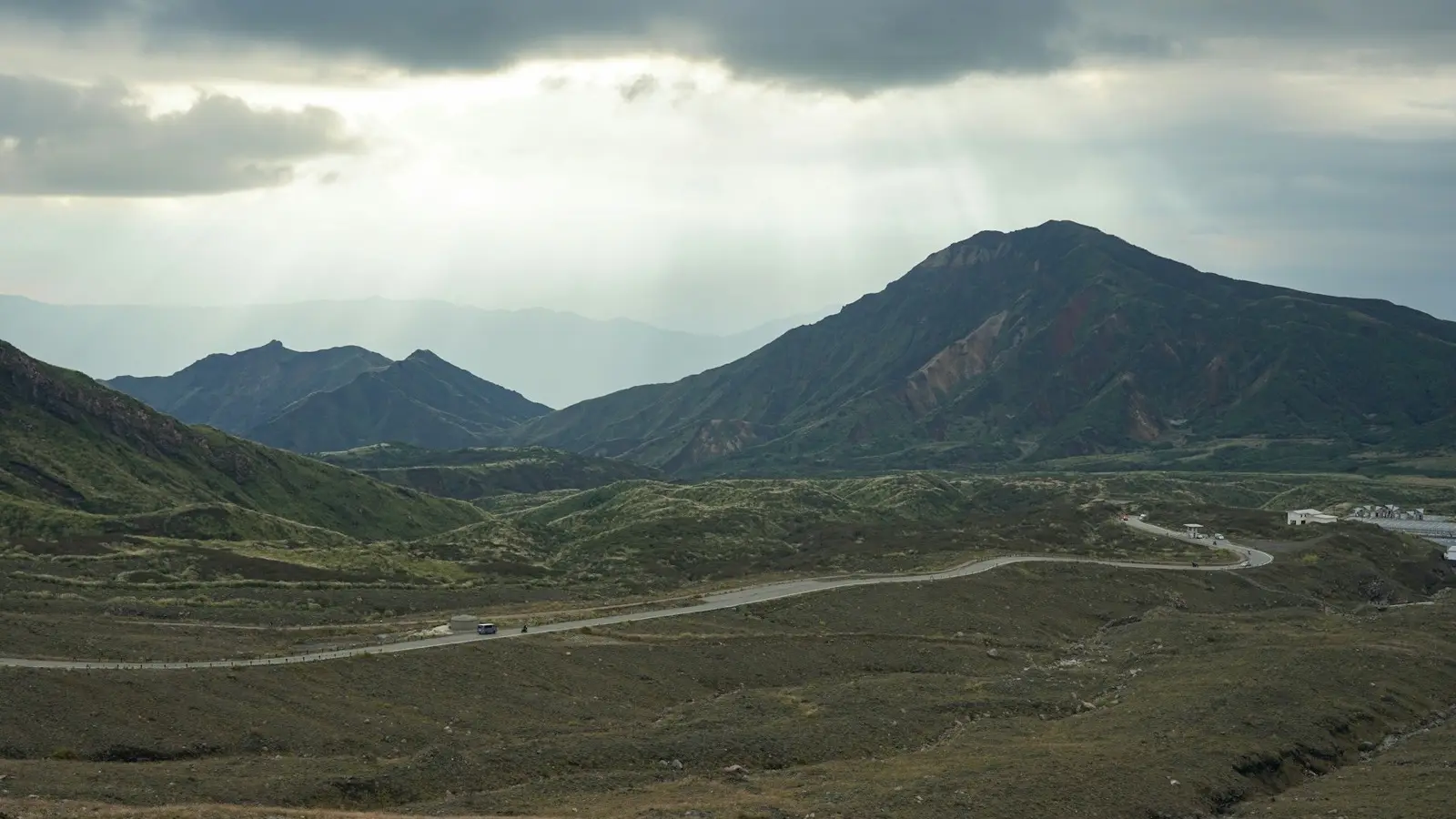
The Truth About Driver Permits Abroad: Physical Geneva Credentials vs Domestic Cards
The most devastating mistake international self-drive travelers make happens before even boarding the airplane: assuming a domestic digital or translated driver card is valid worldwide. While English-translated endorsements on modern licenses are accepted across parts of North America and Europe, nations like Japan strictly prohibit their use under municipal transportation codes.
Japan operates exclusively under the 1949 Geneva Convention on Road Traffic. To drive legally on Japanese tarmac, travelers must carry an original physical paper International Driving Permit (IDP) booklet stamped under Geneva protocols. The permit remains valid for exactly one year from issuance, and driving without the physical booklet carries severe criminal penalties equivalent to unlicensed operation.
When approaching the car rental depot reception desk, rental agents mandate the physical inspection of three non-negotiable original documents: your paper Geneva IDP booklet, your domestic plastic driver license from your home country, and your original passport. Missing even one credential or presenting mobile digital photos results in immediate forfeiture of the vehicle without refund.
Different reciprocal rules apply to specific nationalities. Travelers holding Taiwanese, Swiss, German, French, Belgian, or Monegasque driver licenses do not use the Geneva IDP; instead, they must present their domestic plastic license paired with an official Japanese translation certified by the JAF (Japan Automobile Federation) or recognized consular missions. Always verify your passport jurisdiction well in advance.
Why Basic CDW Falls Short: The Non-Operation Charge (NOC) Defense Formula
Aggregator price comparison platforms routinely display bargain daily rates that bundle only basic Collision Damage Waiver (CDW). While travelers assume CDW shields them from all accident costs, receiving a substantial unexpected invoice upon vehicle drop-off remains an alarmingly common shock.
The hidden culprit is the Non-Operation Charge (NOC). Unlike repair damages, the NOC compensates the rental company for business downtime while the vehicle is docked in a garage undergoing repairs. Under standard Japanese rental contracts, any minor scratch where the car remains drivable incurs a fixed 20,000 JPY charge, while towable damage demands an immediate 50,000 JPY penalty.
Savvy drivers bypass this financial liability by opting into comprehensive zero-deductible coverage packages during reservation, typically costing an additional 1,000 to 1,500 JPY per day. Programs like Toyota Rent a Car's Anshin W Plan, Nissan's Full Support Plan, or Orix's Safety Pack completely extinguish both the standard property deductible and the dreaded NOC.
Purchasing full zero-NOC coverage not only reduces your financial liability to zero yen across property and vehicular repairs, but it also bundles complimentary roadside assistance, flat tire changes, battery jump-starts, and emergency towing allowances. On long regional road trips across mountainous terrain, this small daily upgrade provides total peace of mind.
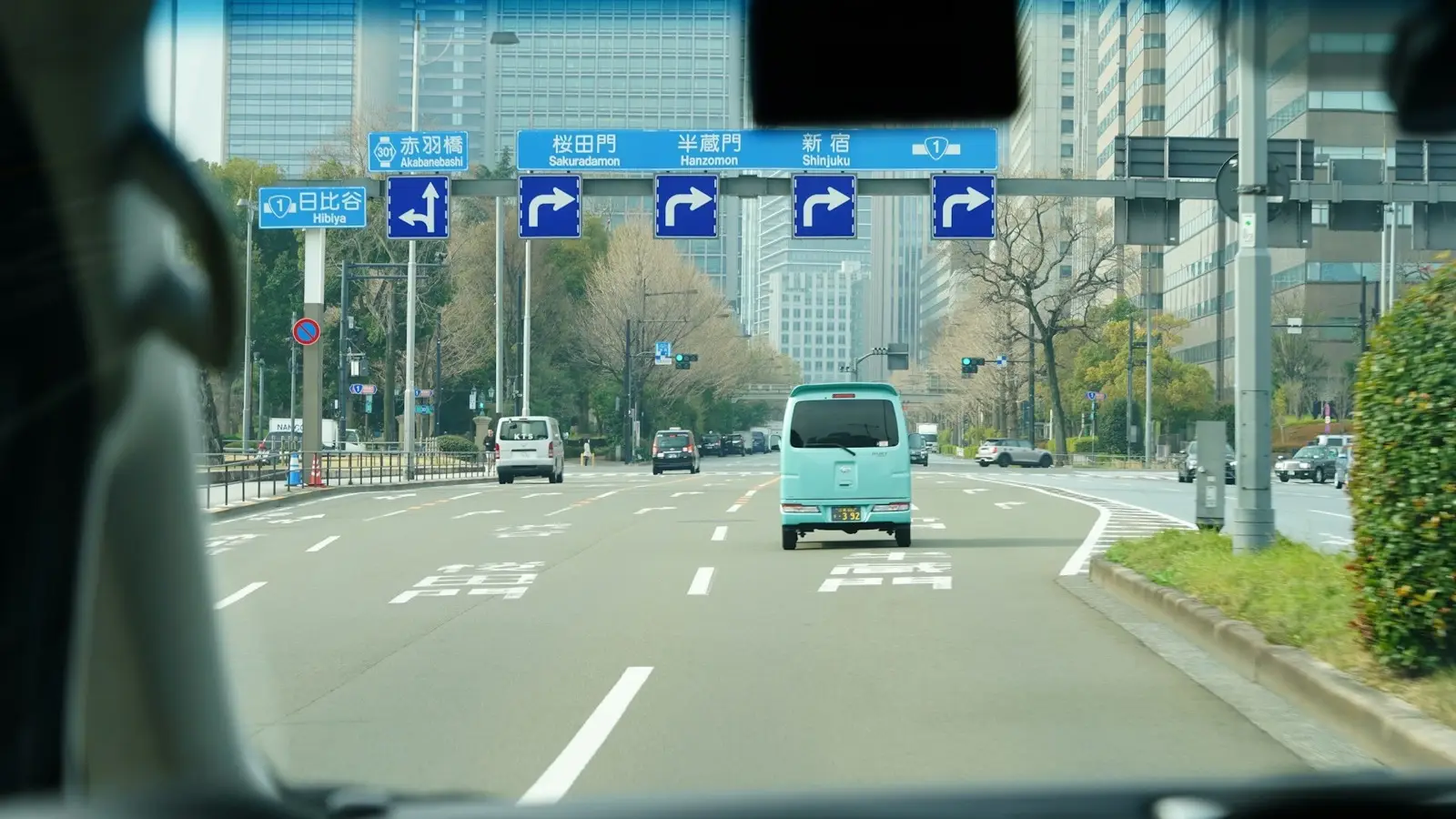
The 360-Degree Video Walkaround and Fuel Cap Inspection Protocol
The checkout inspection period in a depot parking bay lasts less than five minutes. If an attendant hastily tallies blemishes on an inspection sheet and prompts you to sign without verification, any unrecorded pre-existing damage might be billed directly to your credit card upon vehicle return.
Before taking the keys, mount your smartphone and record a continuous, uninterrupted 360-degree high-definition video circling the vehicle exterior. Pay meticulous attention to front and rear lower bumper lips, all four wheel alloy rims, exterior wing mirror caps, and rocker panels under bright ambient daylight. Documenting stone chips and curb scuffs in advance eliminates disputed handover claims.
Once inside the cabin, verify that the odometer and fuel gauge read completely full. Locate the fuel door release lever beside the driver seat floorboard or lower steering column. Japanese rental cars operate almost universally on Regular unleaded gasoline (red fuel cap label). Mistaking green diesel fuel for regular petrol triggers severe mechanical engine failures costing thousands of dollars to flush.
Finally, familiarize yourself with the onboard GPS navigation terminal. Instead of wrestling with Japanese kanji keyboards, enter your destination ten-digit telephone number or numerical MAPCODE (6 to 9 digits). Pre-compiling telephone numbers and MAPCODES for your planned ryokans, alpine overlooks, and scenic parking plazas streamlines departure tremendously.
Expressway Toll Arithmetic and Regional ETC Pass Strategies
Expressway tolls across Japan rank among the priciest globally. For instance, cruising from Fukuoka Airport to the mountain onsen hamlet of Yufuin commands roughly 3,500 JPY one-way, meaning a round-trip road journey exploring Beppu or Mount Aso easily surpasses 10,000 JPY in highway levies alone.
To navigate electronic toll plazas seamlessly without fumbling for cash, always rent an Electronic Toll Collection (ETC) card alongside your vehicle. Card rental costs merely 330 JPY for the entire trip duration, automatically logging all gantry crossings for consolidated credit card settlement upon drop-off.
For travelers embarking on extensive multi-day journeys across Kyushu, Hokkaido, or Tohoku, purchasing dedicated regional tourist expressway passes yields dramatic savings. Passes such as the Kyushu Expressway Pass (KEP) or Hokkaido Expressway Pass (HEP) unlock unlimited highway travel over fixed spans (such as 3 days for 6,800 JPY or 4 days for 7,800 JPY).
The economic arithmetic is straightforward: calculate your route tolls on route mapping tools, and if your projected tolls exceed the fixed pass tariff by even 1,000 JPY, opting for the regional ETC pass is an immediate net gain. Remember that localized urban bypass networks (like Fukuoka Urban Expressway) operate outside pass boundaries and settle separately.
Emergency Incident Protocols: 110 Police Filings and Agency Dispatch Rules
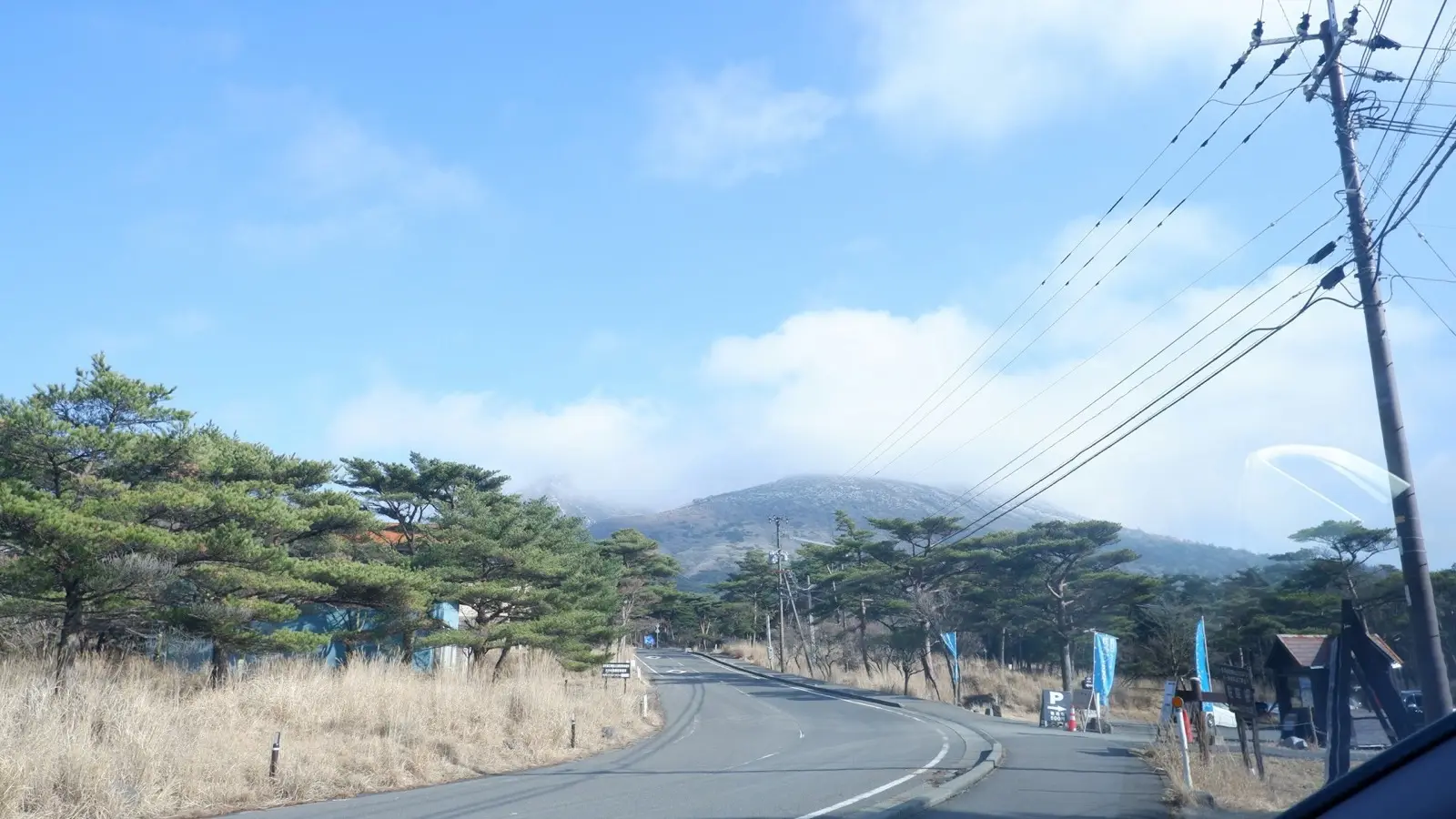
Navigating unfamiliar right-hand drive vehicles on narrow rural alleys occasionally leads to minor scraping against parking bollards or roadside guardrails. In such moments, the gravest mistake inexperienced motorists make is concealing the scratch and driving away, expecting to handle it during vehicle return.
Japanese statutory road regulations mandate that whenever an accident or vehicle impact occurs, no matter how microscopic, the driver must pull over safely, engage hazard flashers, and immediately dial 110 for the local police. Rental insurance contracts strictly require an official police accident verification report (Jiko Shomeisho) to validate claims.
After emergency dispatchers complete the on-site accident report, dial the 24-hour accident hotline indicated on your rental folder to log the incident time and location. If you return the vehicle with unreported collision damage, the insurance company declares the policy void, demanding full out-of-pocket restitution for repairs and maximum NOC penalties regardless of your premium plan.
Language barriers are easily resolved through Japanese emergency operator translation services. Stating 'English, please' connects you to three-way multilingual dispatchers who bridge communications with officers and depot mechanics. Maintaining calm and securing that police report ensures your holiday remains completely protected from unexpected liabilities.
Frequently Asked Questions
Field-tested answers to transit navigation, neighborhood choices, and payment traps.
Q1.Can I pick up a rental car in Japan using an international English-translated domestic driver card?
Q2.Does standard Collision Damage Waiver (CDW) cover all expenses if an accident occurs?
Q3.Do I need to call the police (110) for minor scratches against parking bollards with no other vehicle involved?
Q4.Does the Kyushu Expressway Pass (KEP) cover all toll roads without exception?
The Smart Traveler's Essential Toolkit
Prepare instant mobile data, private airport transfers, and skip-the-line passes in one place.
Pick a base in Fukuoka by your route
Choose the places you want to see and get the neighbourhood with the shortest travel.
Compare Fukuoka Hotel Rates
Find the cheapest channel across Agoda and major booking engines with Tripdify.
Share This Guide with Your Companions
When shared via chat or social media, a curated summary card is sent along.
Recommended Guides
How to Book Fukuoka Hotels Cheaply: Four-Star Rates in Tenjin and Hakata
A complete guide comparing Hakata Station vs Tenjin hotel zones, avoiding DCC currency markup with JPY payments, and handling local accommodation taxes.
Getting Around Fukuoka: Subway Lines and Where to Stay in Hakata or Tenjin
How to bypass crowded airport terminal shuttles with direct buses in Fukuoka, master contactless subway gates, and pick the best base between Hakata and Tenjin.
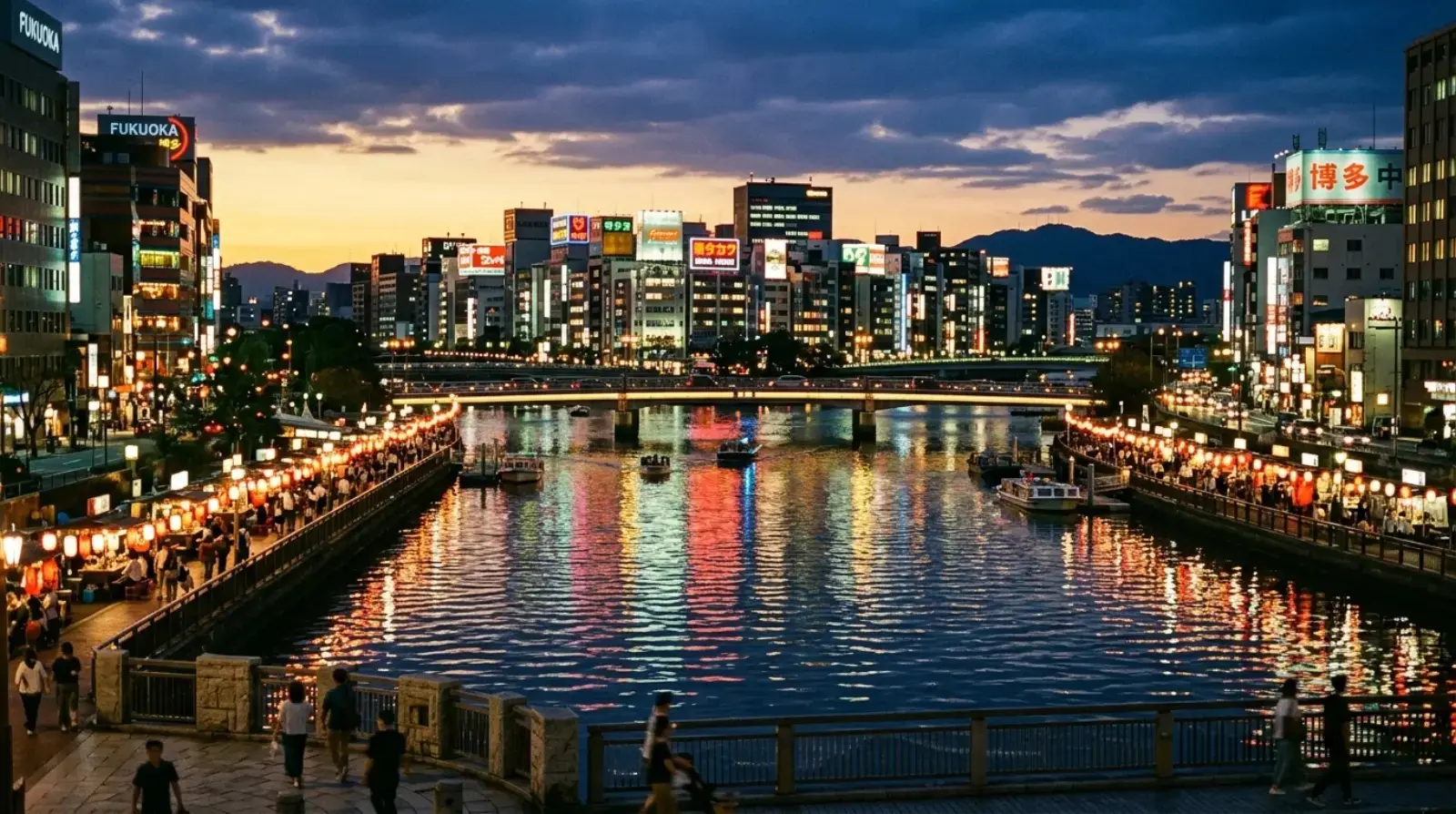
Fukuoka Day 1 Itinerary: Airport to Hakata and the Nakasu Yatai Stalls
From reaching Hakata Station in five subway minutes to securing station lockers, ordering authentic tonkotsu ramen with custom firmness, and navigating Nakasu yatai etiquette. A veteran guide to your first 24 hours.
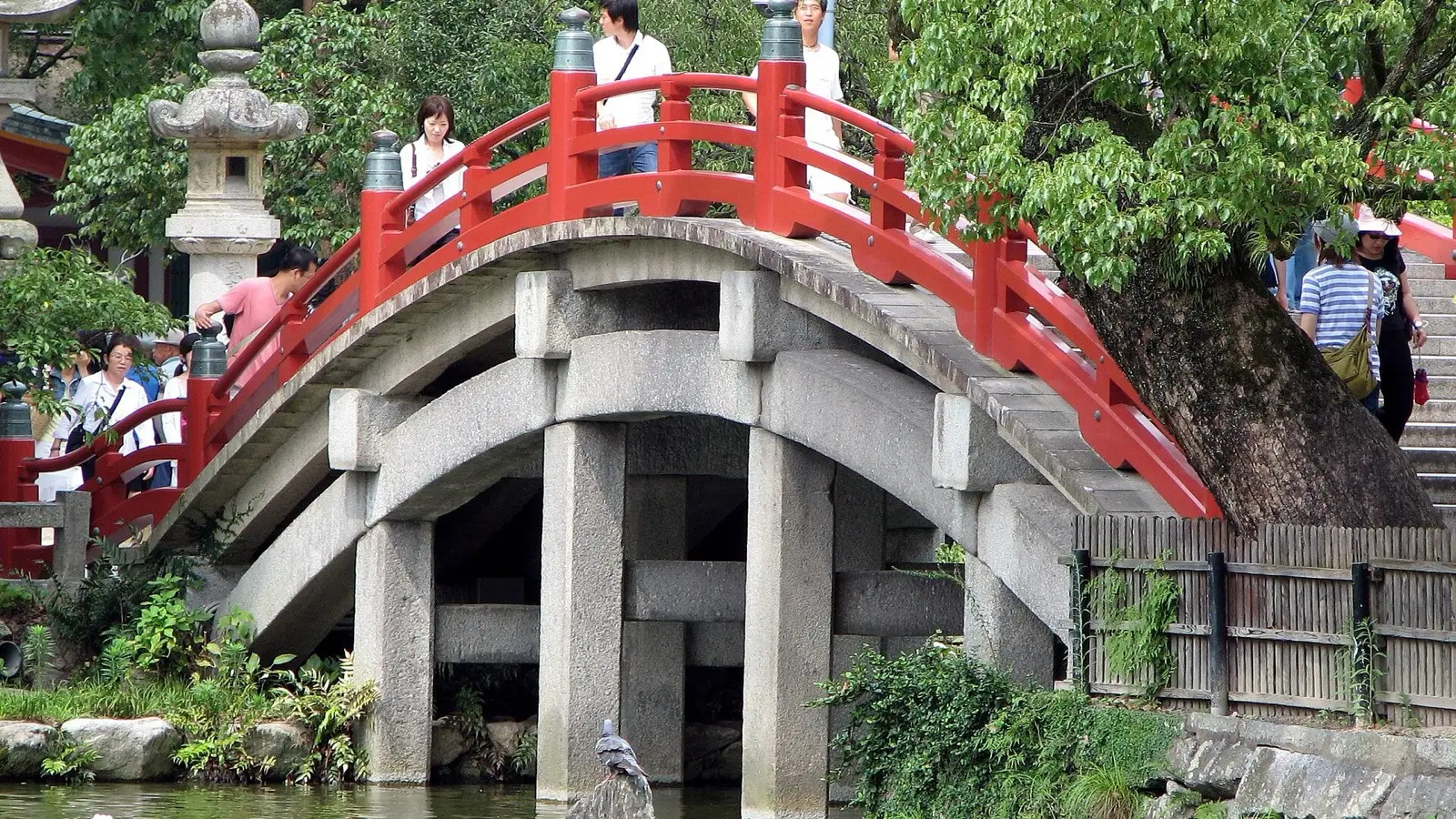
Fukuoka Day 2 Itinerary: Dazaifu, Ohori Park, Tenjin Shopping and Motsunabe
Day 2 immerses you in Fukuoka's finest cultural textures: riding the Nishitetsu express to ancient Dazaifu Tenmangu for crispy plum rice cakes, unwinding along the weeping willows of Ohori Park, exploring Tenjin Underground Mall's vaulted corridors, and dining over bubbling motsunabe beef offal hotpots.
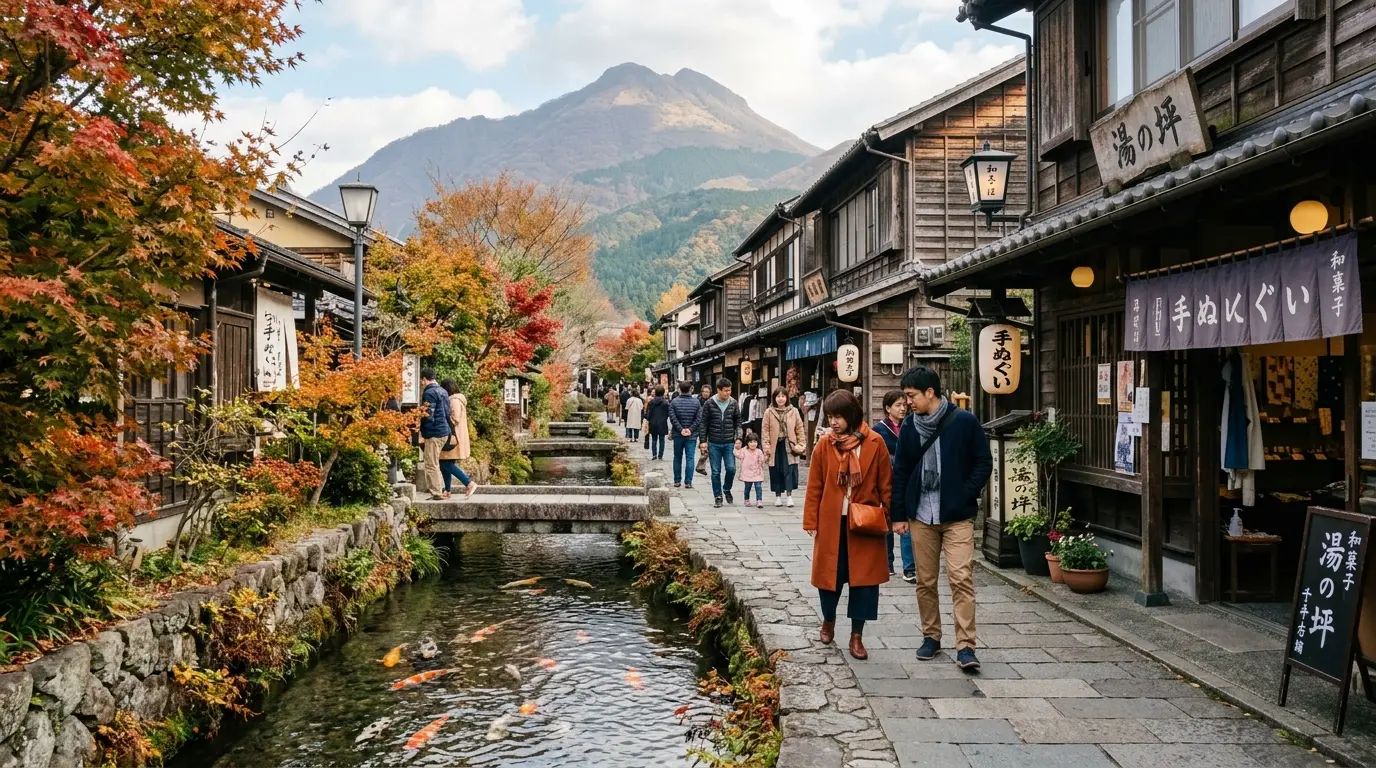
Fukuoka Day 3 Itinerary: Kushida Shrine, Canal City and Hakata Station Shopping
The ultimate finale for your Fukuoka journey: morning serenity at eighth-century Kushida Shrine, dynamic musical water shows at Canal City Hakata, souvenir hauls at Hakata Hankyu, and world-class subway airport transit clocking in at just five minutes flat.
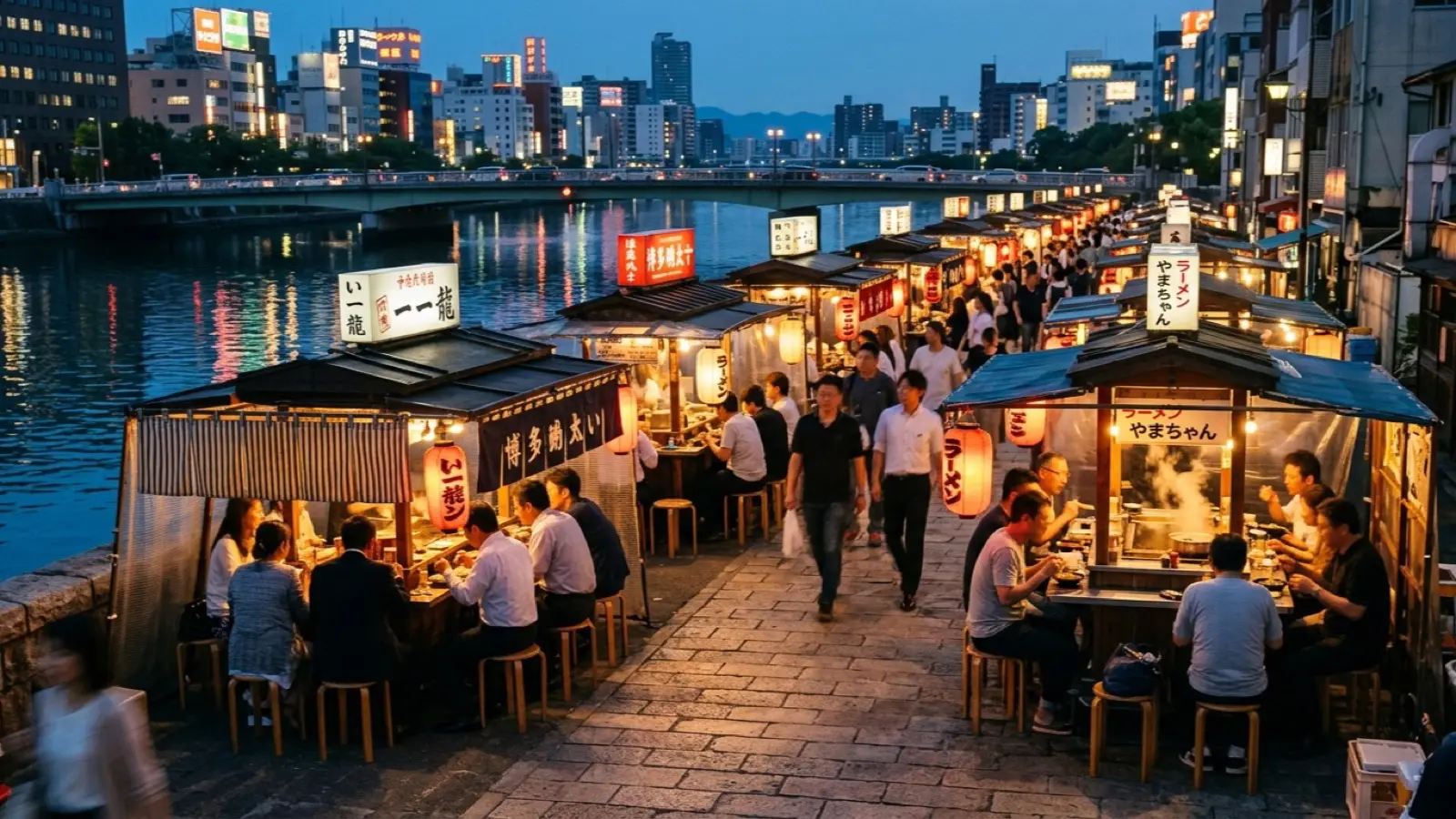
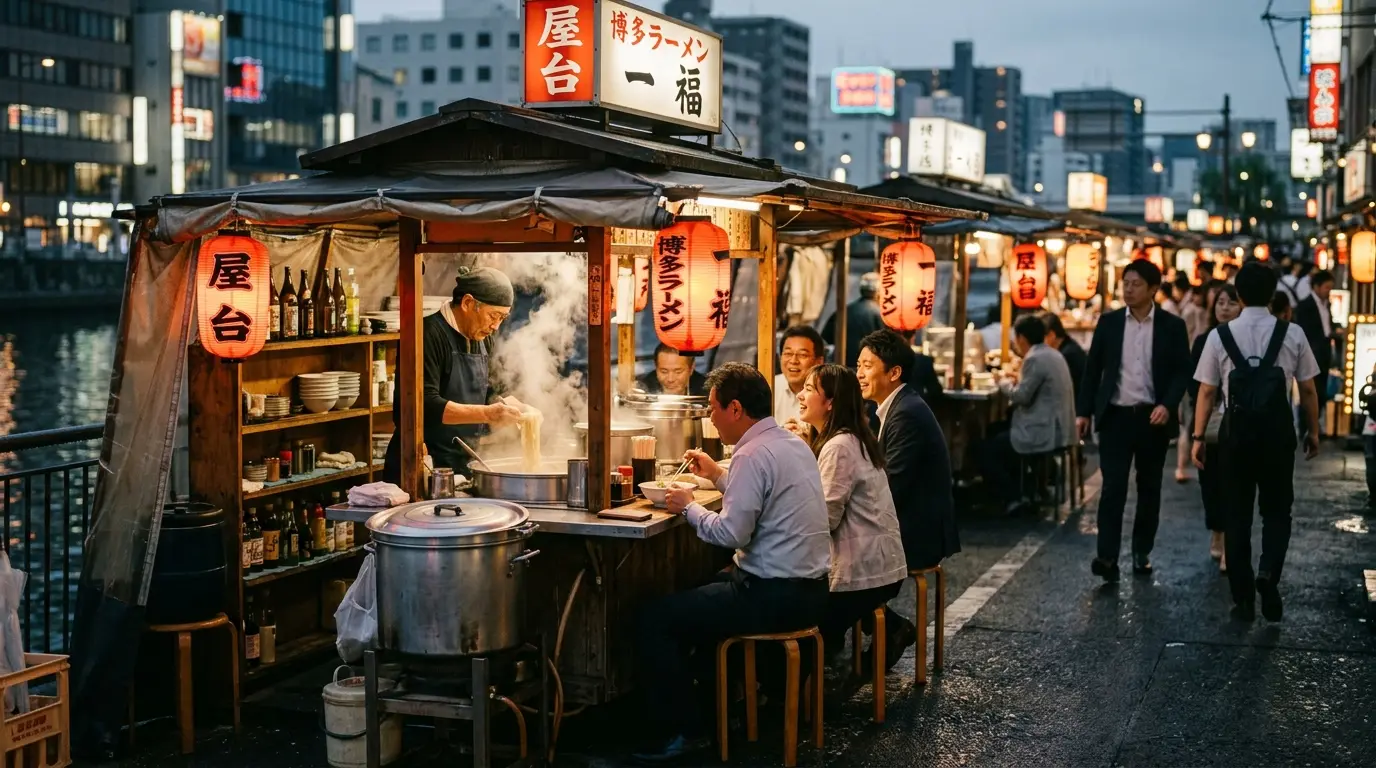
How to Use a Fukuoka Yatai: Ordering in Nakasu Without Overpaying
As twilight settles over the Naka River and red noren banners unfurl, Fukuoka's legendary street food scene comes alive. From seat fees and drink mandates to district rivalries across Nakasu, Tenjin, and Nagahama, here is how to savor Fukuoka's open-air yatai stalls like a seasoned local.
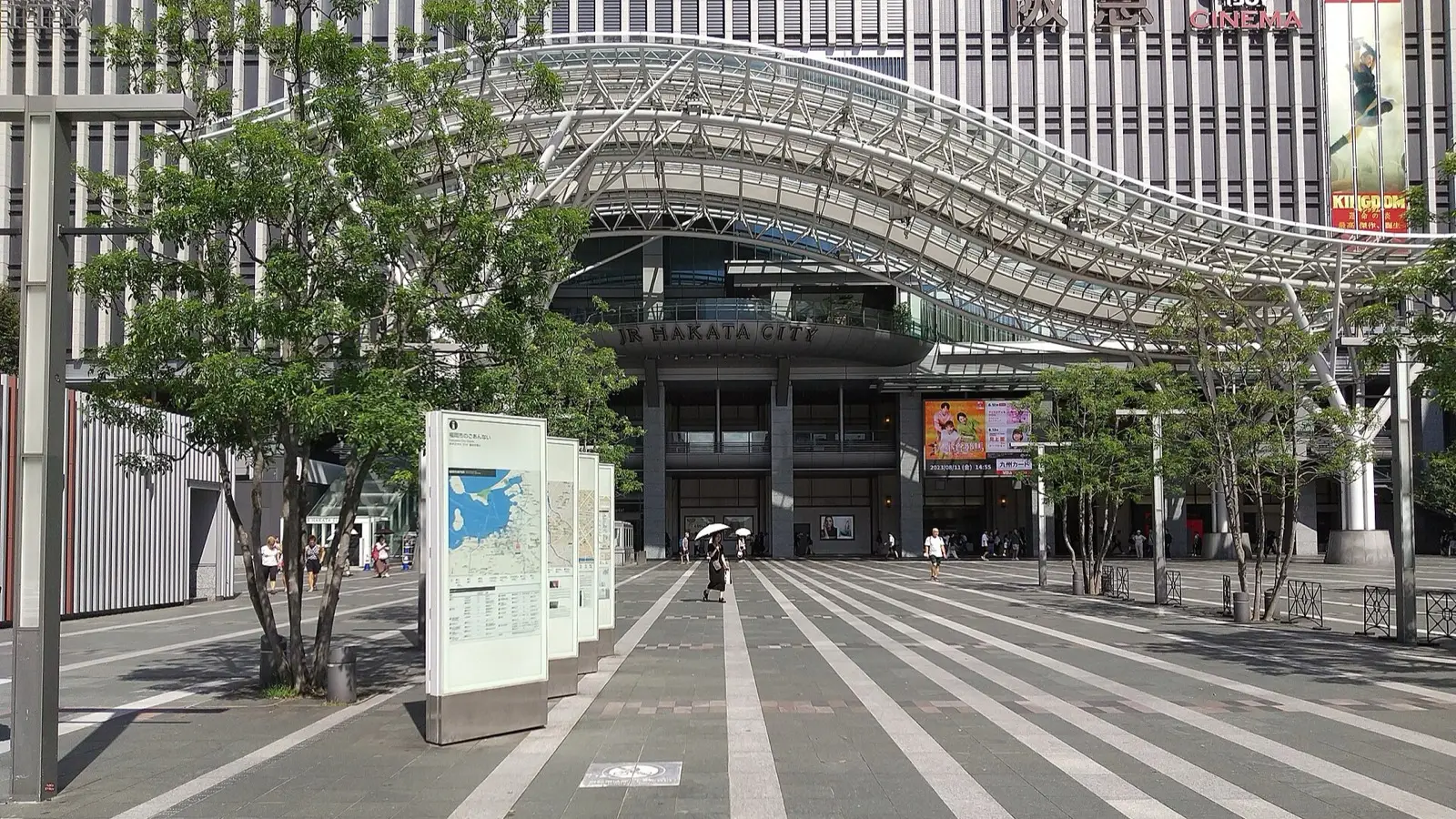
Best Hotels in Fukuoka: Hakata Station or Tenjin
The eternal question when planning a trip to Fukuoka is whether to stay in Hakata or Tenjin. From Hakata Station's unrivaled transit power just five minutes by subway from the airport, to Tenjin's lively department stores and nightlife, plus riverside Nakasu in between, we curate four standout stays tailored to your travel priorities.

Dawn at Fukuoka Dazaifu Tenmangu: Warm Umegae Mochi, Sacred Ox Statues, and Verdant Shrine Gardens
Revered as the final resting place of Sugawara no Michizane, the patron deity of scholarship and literature, Dazaifu Tenmangu stands as Kyushu's most celebrated historic Shinto shrine. Yet visiting at midday frequently plunges travelers into dense crowds of tour groups, megaphone announcements, and packed souvenir corridors. The authentic soul of Dazaifu reveals itself only to those who arrive early at 8:00 AM. In the cool dawn mist, Shinji Pond mirrors ancient weeping willows as you step onto the three arched vermilion bridges known as Taikobashi, symbolizing the spiritual passage through past, present, and future. From gently rubbing the polished horns of the bronze sacred ox statues for academic luck to savoring piping-hot, griddled Umegae-mochi rice cakes stamped with plum crests, this peaceful morning itinerary unveils the serene heart of Fukuoka heritage.
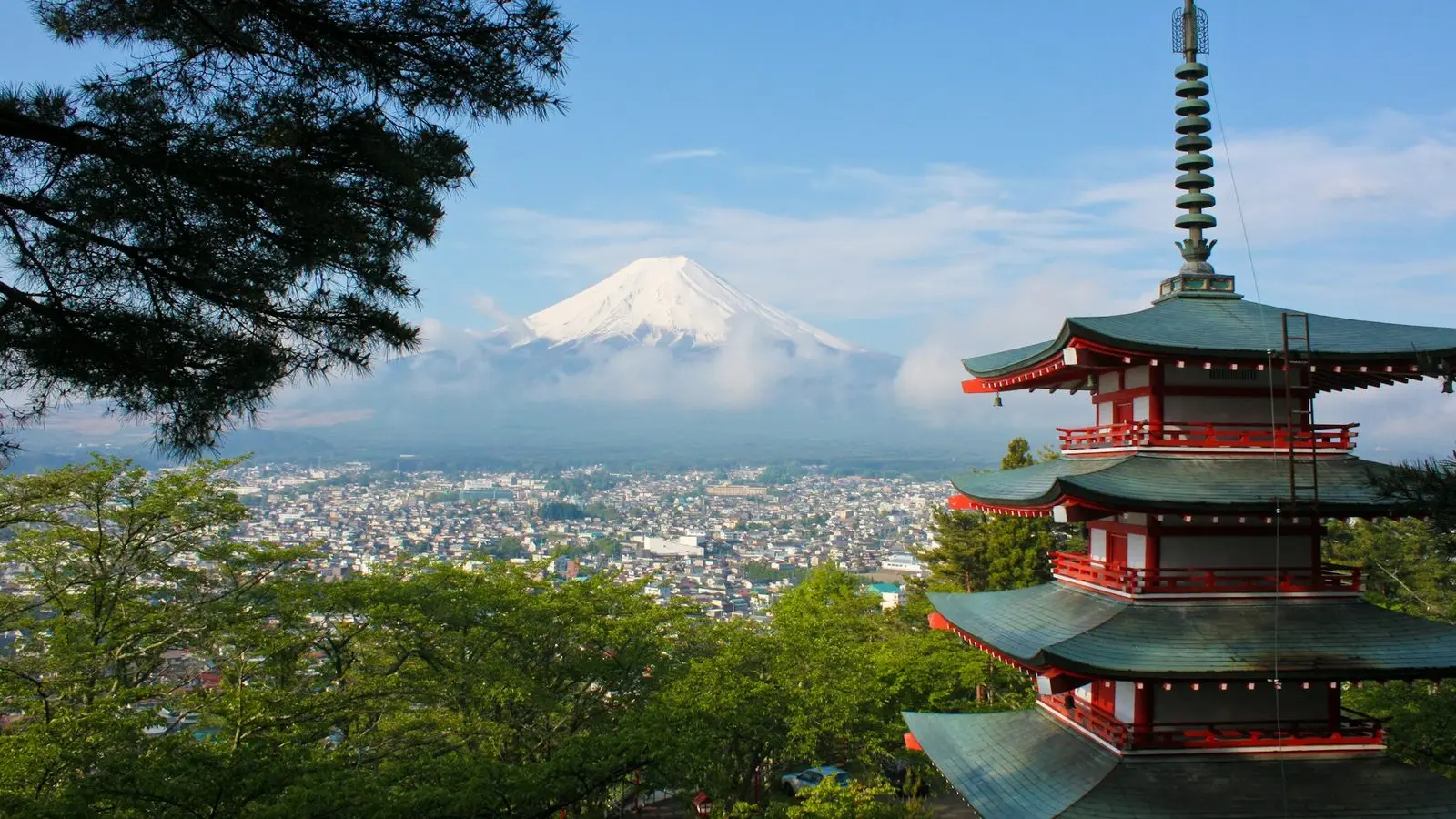
5 Best Value Hotels in Fukuoka Tenjin: 11-Minute Direct Airport Subway, Shopping Hubs, and Onsen Baths
When selecting an urban sanctuary in Fukuoka, travelers perpetually weigh the competing virtues of Hakata versus Tenjin. While Hakata Station reigns supreme for bullet train intercity transit and Kyushu rail loops, Tenjin captures the lifestyle heart of the city, placing premier department stores including Iwataya, Parco, and Daimaru alongside trendy Daimyo boutiques within effortless footfall. Moreover, the Fukuoka City Subway whisks passengers from the airport terminal directly into central Tenjin in just 11 minutes, while Nishitetsu Fukuoka Station provides swift rail departures to Dazaifu Tenmangu shrine. However, finding tranquility amidst bustling neon requires insider curation. We evaluated downtown properties to pinpoint five outstanding value hotels under $90 per night, boasting soothing natural onsen hot spring baths, complimentary evening noodles, and peaceful acoustic insulation.
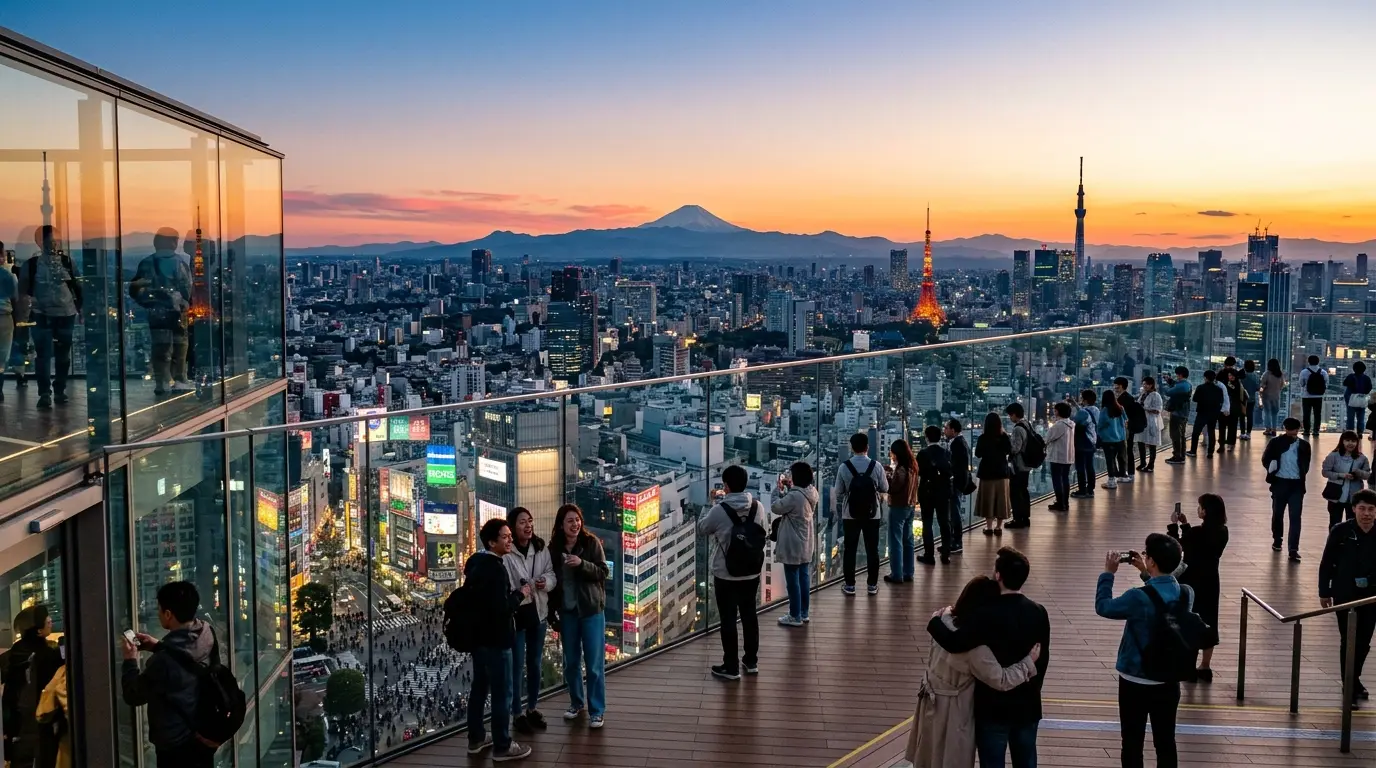
Where to Stay in Tokyo: Shinjuku vs Shibuya vs Ginza
Comparing room footprints across Shinjuku, Ginza, and Ueno, locking in sudden 14-day cancellation drops, and eliminating DCC fees with clean Yen checkout.

7 Budget Hotels in Tokyo Under $100 on the Yamanote Line
Even amid yen fluctuations, central Tokyo hotel rates have soared. Learn how to secure Yamanote loop line hotels at half the price of Shinjuku, compare onsen bath chains like Dormy Inn, trigger secret Agoda VIP and Booking.com Genius discounts, and dodge hidden currency fees with yen settlement.
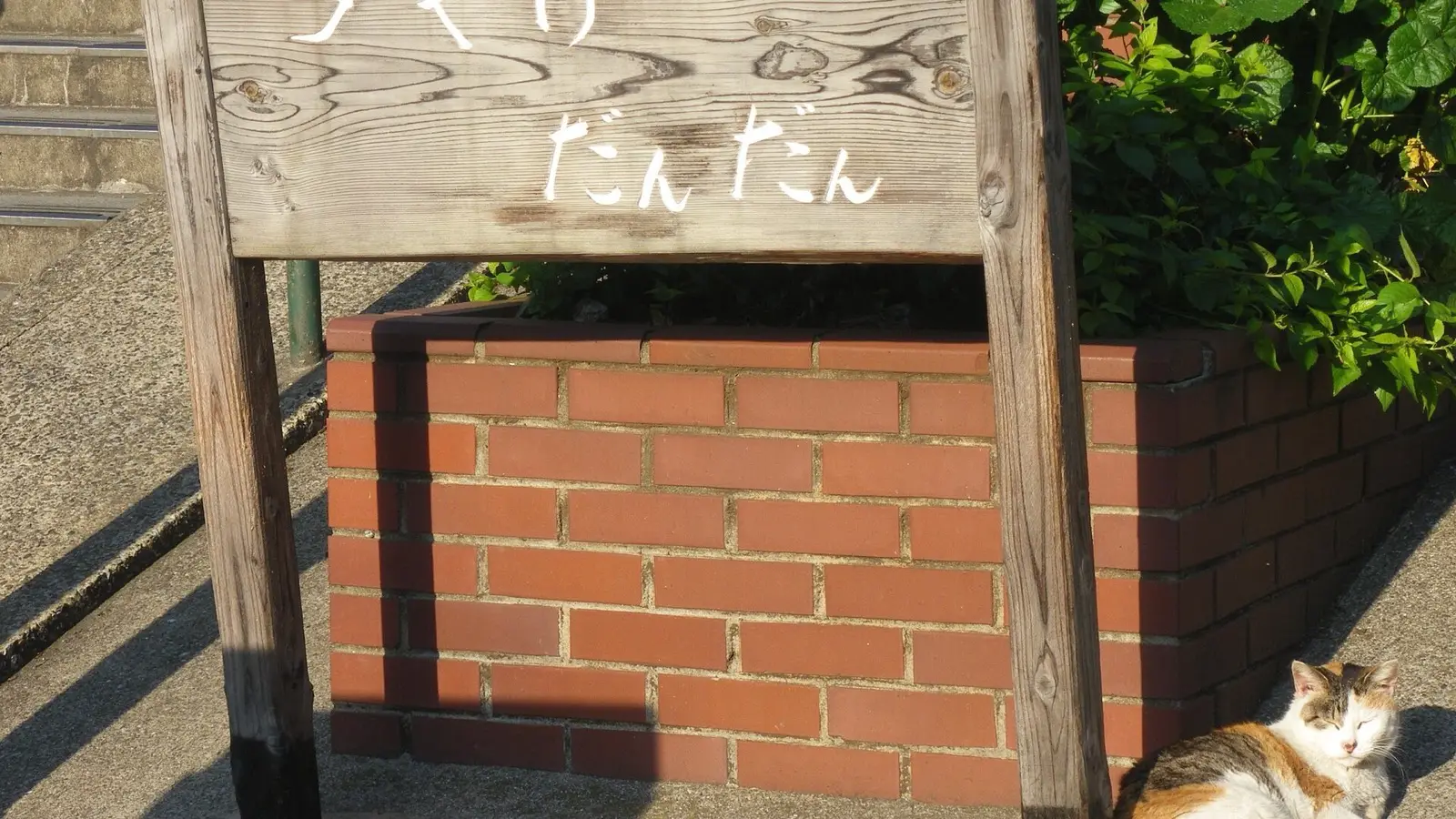
How to Read the Tokyo Subway Map and Where to Stay on the Yamanote Line
How to choose between Keisei Skyliner and Narita Express, avoid the Tokyo Subway Ticket trap, use Apple Wallet Suica, and select the ideal hotel base in Tokyo.