
Dawn at Fukuoka Dazaifu Tenmangu: Warm Umegae Mochi, Sacred Ox Statues, and Verdant Shrine Gardens
The 8 AM sanctuary: beating tour buses across three arched bridges, plum legends, and timber architecture
The 8 AM Miracle: Walking Peaceful Approaches Without Tour Crowds
Departing central Fukuoka early in the morning for Dazaifu delivers pure revitalizing tranquility. Because the vast majority of guided tour buses depart Hakata and Tenjin hotels well after 9:00 AM, arriving around 8:00 AM reveals the train station plaza and Omotesando pedestrian approach completely silent, save for the rhythmic sweeping of shopkeeper brooms.
The 250-meter stone-paved approach, packed shoulder-to-shoulder with selfie sticks by noon, offers an entirely different personality at dawn. Historic timber storefronts slowly slide back wooden shutters to prepare sweet red bean fillings, filling morning air with toasted rice aromas.
Crossing through the first stone torii gate into the sacred shrine precinct, the atmospheric density shifts noticeably. Towering cedar stands and ancient camphor groves emit rich phytoncides that clear the lungs, punctuated by clear birdsong and bubbling brook currents.
Rising just ninety minutes earlier than standard day-trippers rewards visitors with the exclusive privilege of wandering this millennia-old Shinto sanctuary without megaphone commentary or camera obstruction.
Crossing Past, Present, and Future on Taikobashi Arches and Sacred Oxen
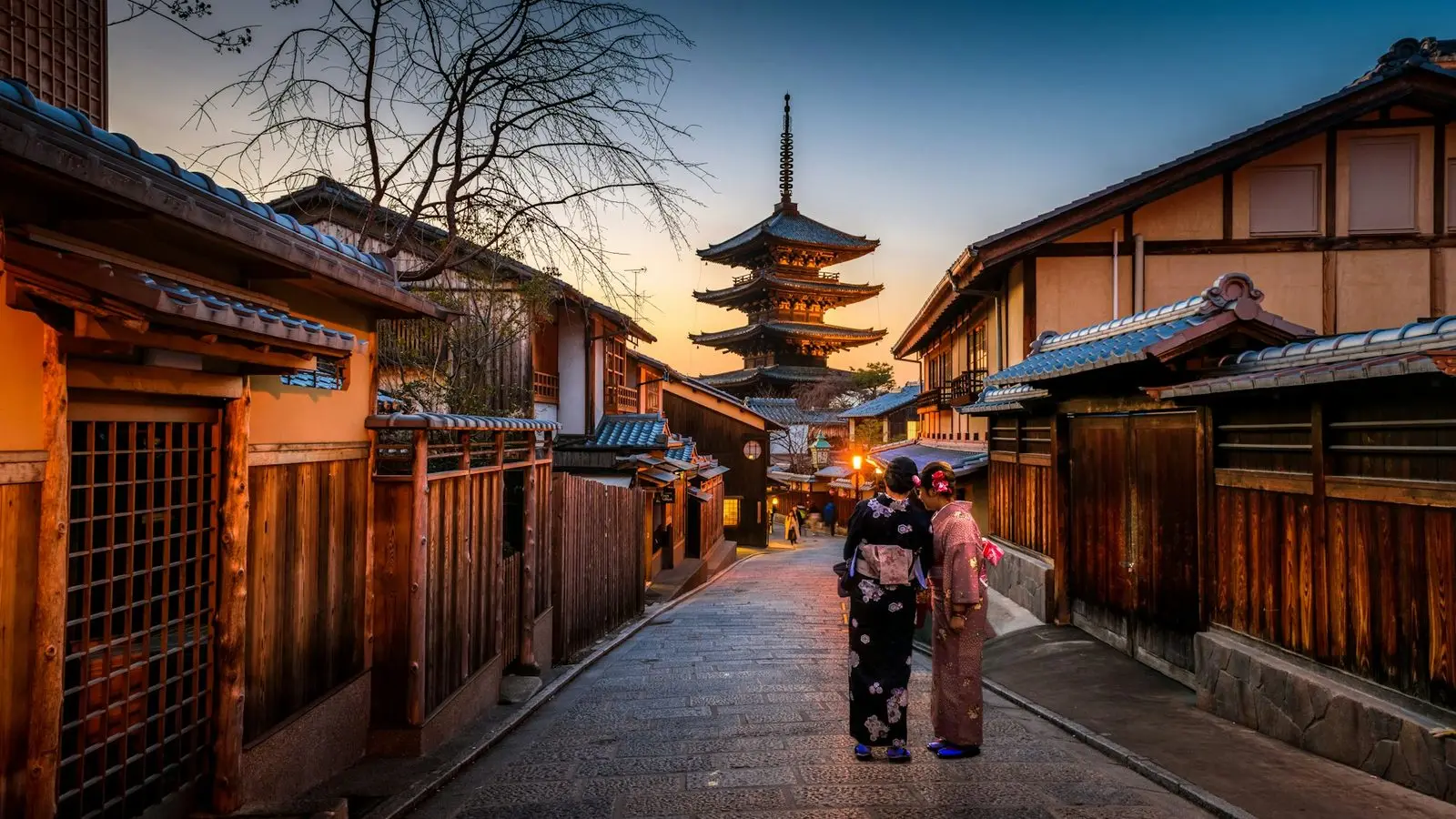
Entering deeper into sacred grounds, the immediate visual spectacle is Shinji Pond, sculpted in the flowing Japanese brushstroke shape of the kanji character for 'heart' (心), crossed by three brilliant vermilion arched trestle bridges known as Taikobashi.
These three spans carry profound Buddhist and Shinto symbolism: the first high arch reflects the 'past', the flat middle bridge embodies the 'present', and the final arch represents the 'future'. Ancient etiquette dictates mindful steps: when crossing the past, refrain from glancing backward; traversing the present, proceed without frantic hurry; crossing into the future, step carefully without stumbling.
Reaching the courtyard gates, travelers encounter the gleaming bronze statue of Goshinyu, the sacred resting ox. Shinto legend recounts that when Sugawara no Michizane died in 903 AD, the ox pulling his funeral cart suddenly stopped and refused to budge, leading followers to enshrine his spirit on that exact spot.
Decades of hopeful hands rubbing the horns and muzzle of the bronze ox for intellectual luck have polished the metal to a brilliant, glowing golden sheen. Placing your palms against the smooth bronze horns to whisper personal aspirations remains an enduring tradition.

Ancient Camphor Groves and the Legend of the Flying Plum Tree
Throughout the grounds of Dazaifu Tenmangu, massive sacred camphor trees designated as National Natural Monuments stand guard. Ranging between 1,000 and 1,500 years old, their massive moss-draped trunks require four adults with outstretched arms to encircle, embodying centuries of undisturbed reverence.
Flanking the right side of the main shrine hall stands the revered Tobiume ('The Flying Plum Tree'). Legend tells that when Michizane was unjustly exiled from the imperial court in Kyoto to distant Kyushu, his favorite Kyoto plum tree grieved so deeply that it uprooted itself and flew across the country in a single night to be reunited with its master.
Every year in early February, the Tobiume is the very first among the shrine's 6,000 plum trees to unfurl delicate white blossoms, heralding the arrival of Kyushu spring. Even during summer and autumn, standing beneath its lush foliage contemplation of Michizane devotion offers peaceful mindfulness.
The main hall is currently undergoing a historic 124-year renovation, fronted by an extraordinary temporary sanctuary designed by renowned architect Sou Fujimoto. Featuring a living floating forest planted directly atop its timber roof, this temporary pavilion harmonizes contemporary Japanese design with ancient spiritual reverence.
Griddled Umegae-Mochi Cakes and Kengo Kuma Timber Architecture
Emerging from the quiet morning shrine grounds back toward the Omotesando approach around 9:00 AM, traditional storefronts come alive. The essential culinary pilgrimage here centers on sampling freshly griddled Umegae-mochi rice cakes.
Crafted from a blend of glutinous and non-glutinous rice dough encasing sweet azuki red bean paste, each cake is pressed inside hot iron molds embossed with plum blossom crests. Served piping-hot in paper pockets for a uniform 150 JPY, the exterior crust is crackling and crispy, while the interior remains pillowy and chewy.
Midway along the approach stands the renowned Starbucks Dazaifu Tenmangu Omotesando, masterfully conceived by architectural titan Kengo Kuma. Utilizing traditional interlocking timber joinery without a single metal nail, more than 2,000 cedar batons weave across ceilings and walls like an organic wooden cave.
Visiting around 9:00 AM allows you to bypass the notorious queues, securing a warm matcha latte or drip brew to sip in the quiet back garden courtyard. Pairing the sweetness of hot plum cakes with rich coffee provides the ultimate morning indulgence.
Nishitetsu Tabito Tourist Train vs Direct Hakata Express Bus
Connecting Fukuoka downtown to Dazaifu centers on two primary transit methods: the Nishitetsu private railway network or the direct Tabito highway coach. Selecting the ideal option depends on starting points and schedule priorities.
The Nishitetsu railway provides the most reliable connection. Departing Nishitetsu Fukuoka (Tenjin) Station on the Tenjin-Omuta Line, passengers take express trains to Nishitetsu-Futsukaichi Station before transferring to the dedicated Dazaifu shuttle branch line, completing the trip in thirty minutes. Catching the themed 'Tabito' train decorated with heritage motifs and fortunes elevates the journey.
For travelers staying around Hakata Station, the direct 'Dazaifu Liner Bus Tabito' departing from Hakata Bus Terminal Platform 11 offers seamless convenience. Reaching Dazaifu station square in forty minutes without rail transfers costs 610 JPY one-way.
However, weekend highway traffic frequently bogs down bus transit by over thirty minutes during midday hours. Savvy travelers utilize punctual morning trains to reach the shrine early, saving direct airport-bound buses for seamless departures back to Fukuoka Airport.
Frequently Asked Questions
Field-tested answers to transit navigation, neighborhood choices, and payment traps.
Q1.What is the best time of day to visit Dazaifu Tenmangu without large tour crowds?
Q2.Should I take the train or the highway bus from central Fukuoka to Dazaifu?
Q3.Does the famous Umegae-mochi pastry actually contain real plum ingredients?
Q4.What is the cultural significance of rubbing the horns of the bronze ox statue (Goshinyu)?
The Smart Traveler's Essential Toolkit
Prepare instant mobile data, private airport transfers, and skip-the-line passes in one place.
Pick a base in Fukuoka by your route
Choose the places you want to see and get the neighbourhood with the shortest travel.
Compare Fukuoka Hotel Rates
Find the cheapest channel across Agoda and major booking engines with Tripdify.
Share This Guide with Your Companions
When shared via chat or social media, a curated summary card is sent along.

Recommended Guides
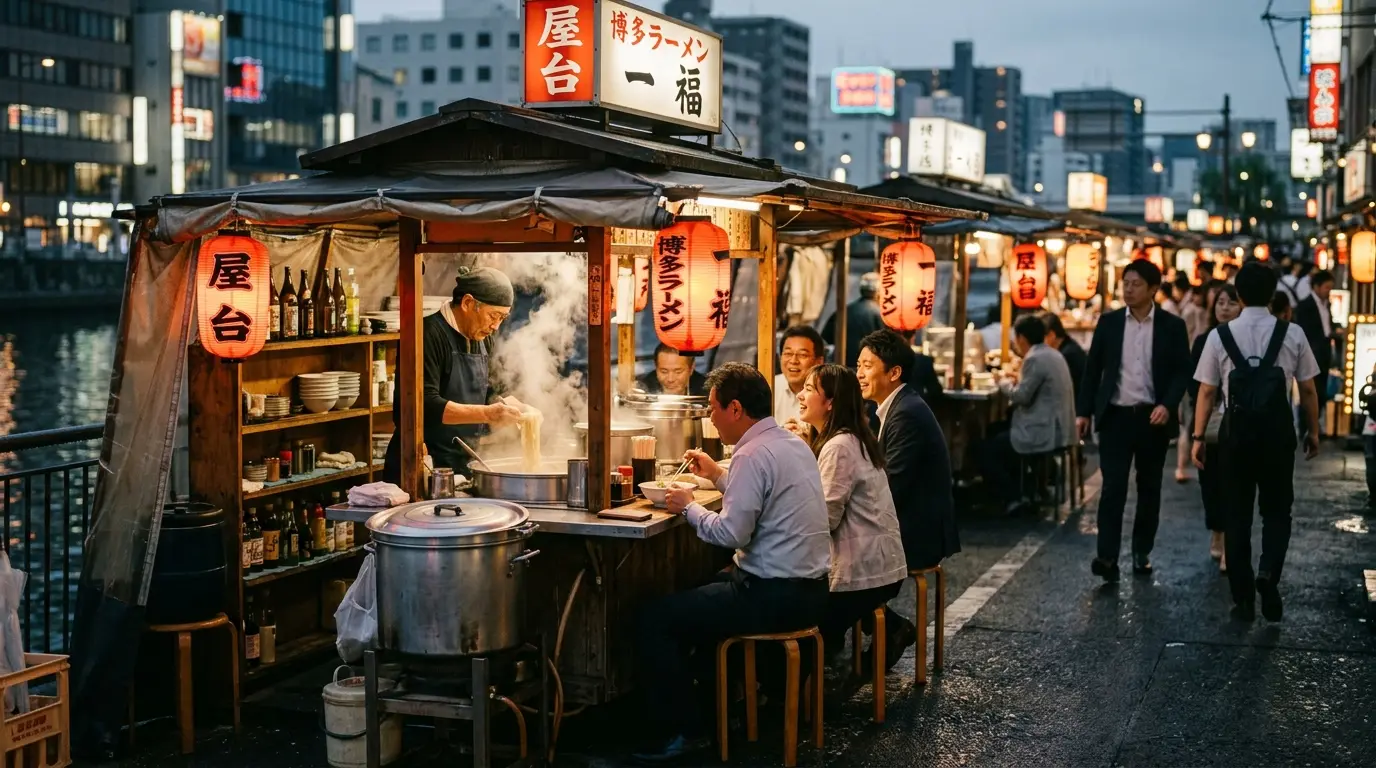
How to Book Fukuoka Hotels Cheaply: Four-Star Rates in Tenjin and Hakata
A complete guide comparing Hakata Station vs Tenjin hotel zones, avoiding DCC currency markup with JPY payments, and handling local accommodation taxes.
Getting Around Fukuoka: Subway Lines and Where to Stay in Hakata or Tenjin
How to bypass crowded airport terminal shuttles with direct buses in Fukuoka, master contactless subway gates, and pick the best base between Hakata and Tenjin.
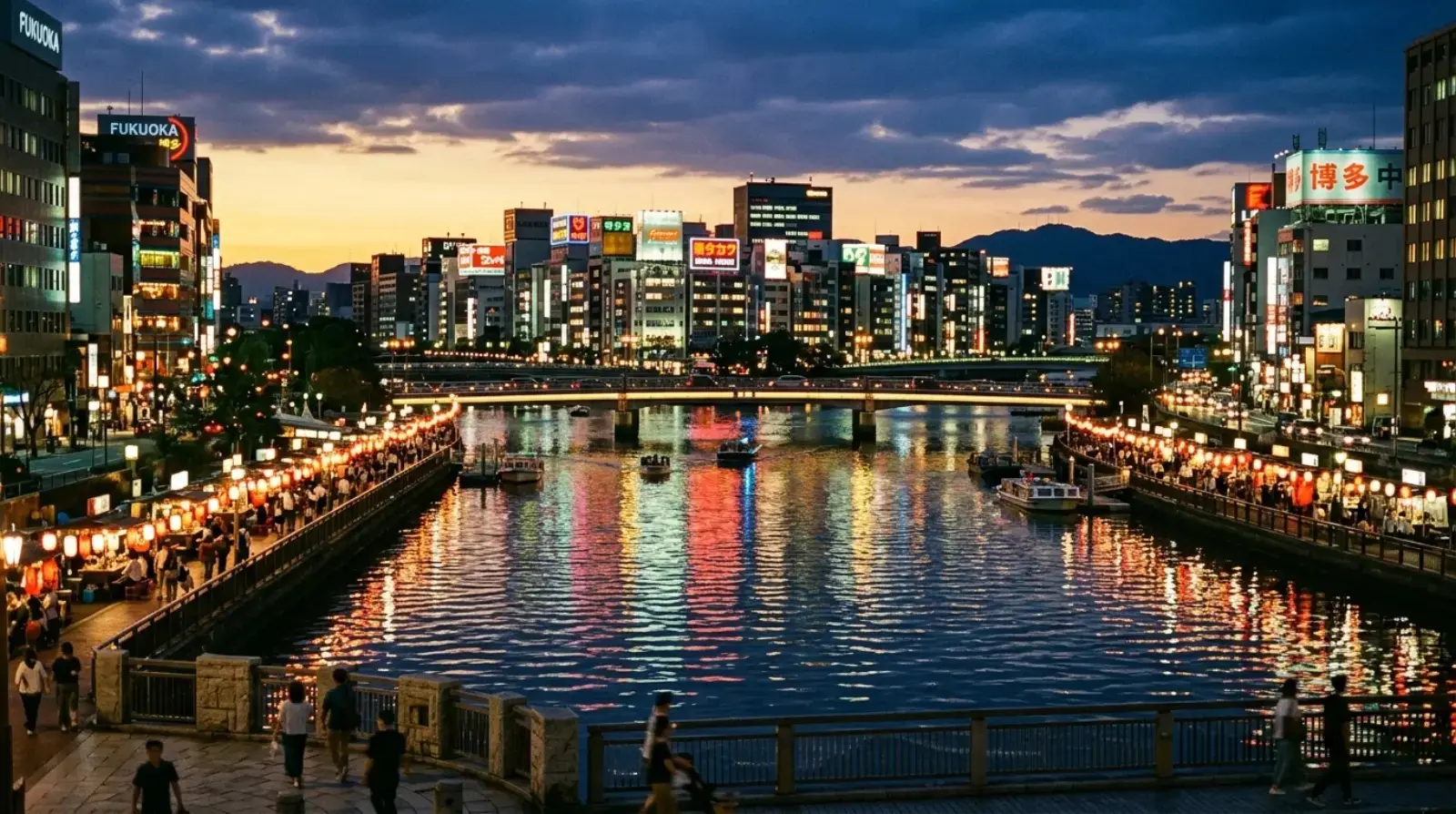
Fukuoka Day 1 Itinerary: Airport to Hakata and the Nakasu Yatai Stalls
From reaching Hakata Station in five subway minutes to securing station lockers, ordering authentic tonkotsu ramen with custom firmness, and navigating Nakasu yatai etiquette. A veteran guide to your first 24 hours.
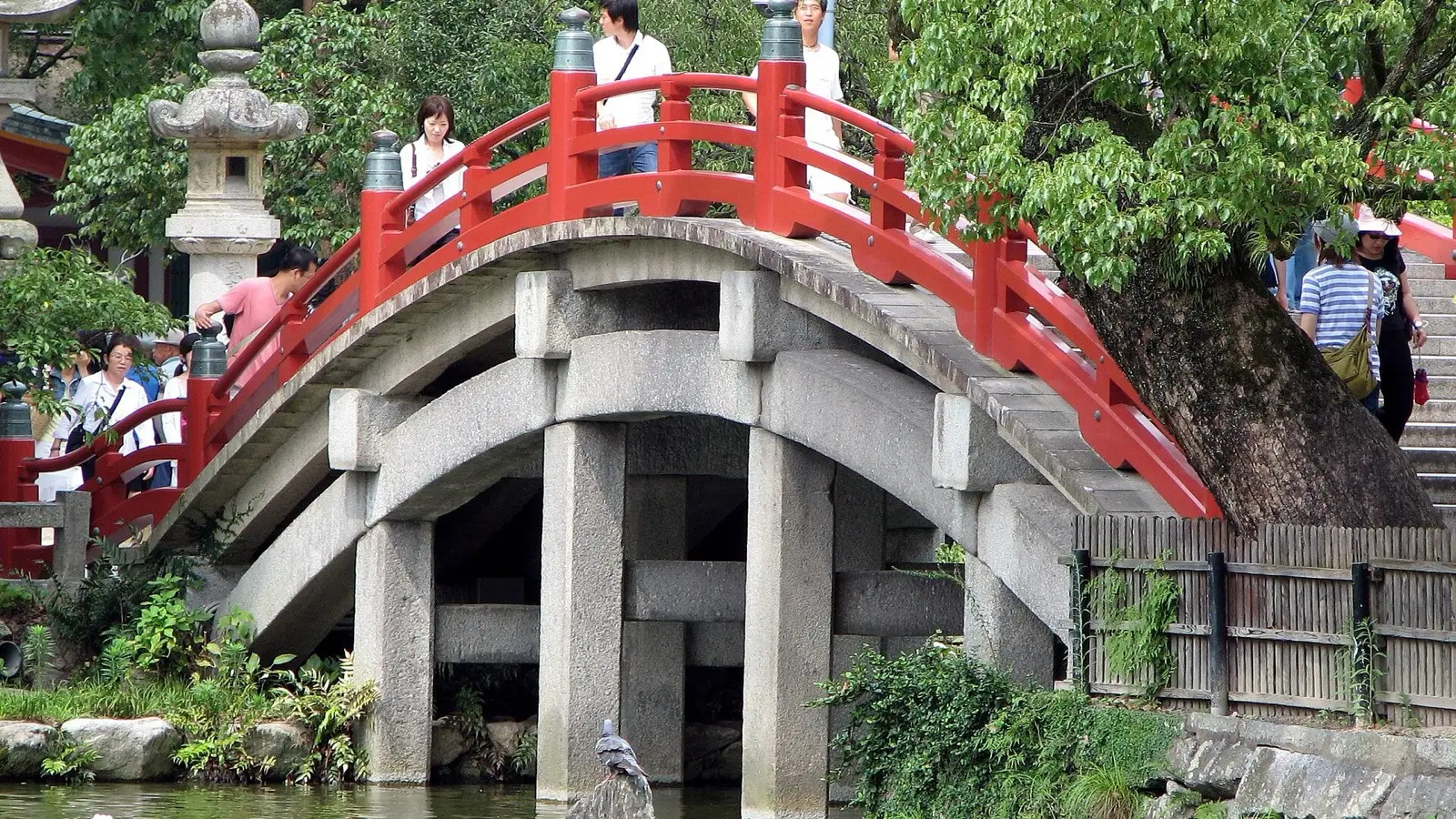
Fukuoka Day 2 Itinerary: Dazaifu, Ohori Park, Tenjin Shopping and Motsunabe
Day 2 immerses you in Fukuoka's finest cultural textures: riding the Nishitetsu express to ancient Dazaifu Tenmangu for crispy plum rice cakes, unwinding along the weeping willows of Ohori Park, exploring Tenjin Underground Mall's vaulted corridors, and dining over bubbling motsunabe beef offal hotpots.
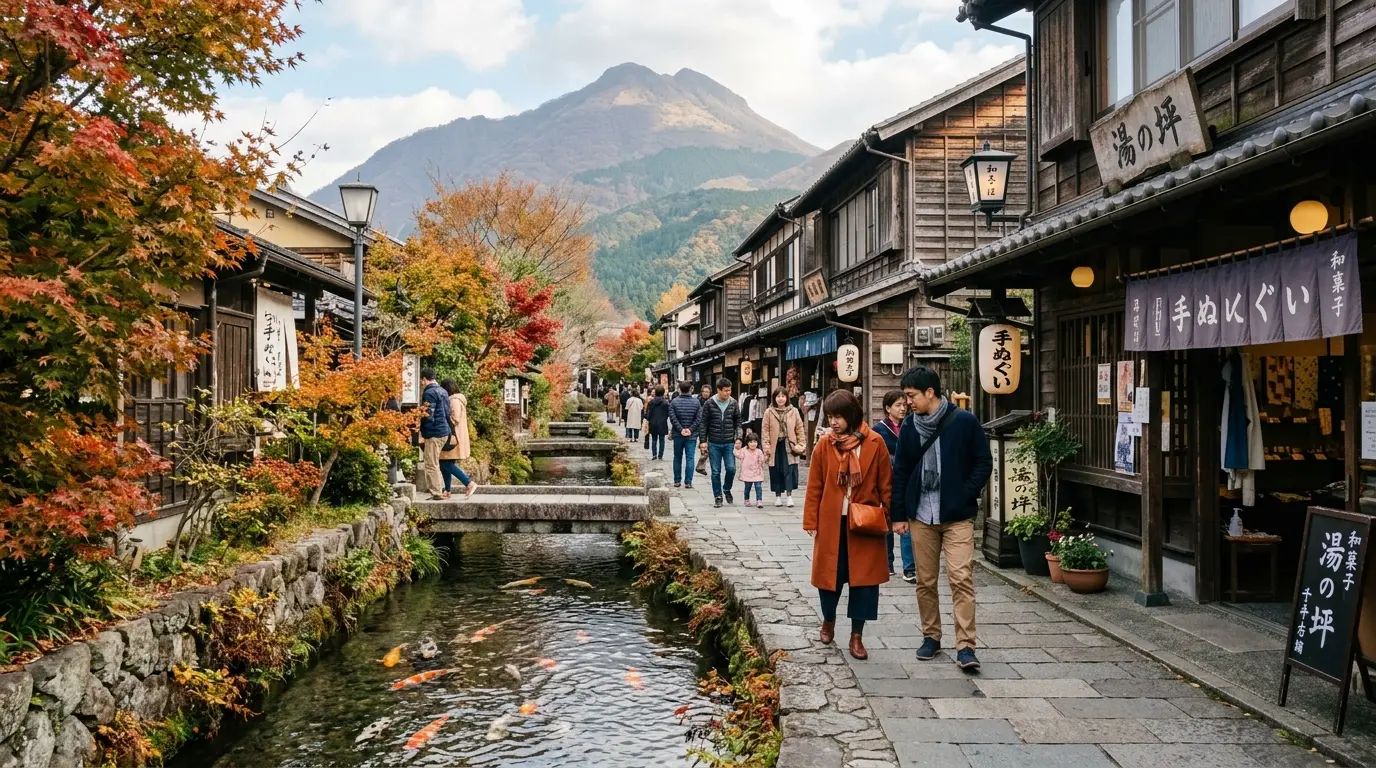
Fukuoka Day 3 Itinerary: Kushida Shrine, Canal City and Hakata Station Shopping
The ultimate finale for your Fukuoka journey: morning serenity at eighth-century Kushida Shrine, dynamic musical water shows at Canal City Hakata, souvenir hauls at Hakata Hankyu, and world-class subway airport transit clocking in at just five minutes flat.
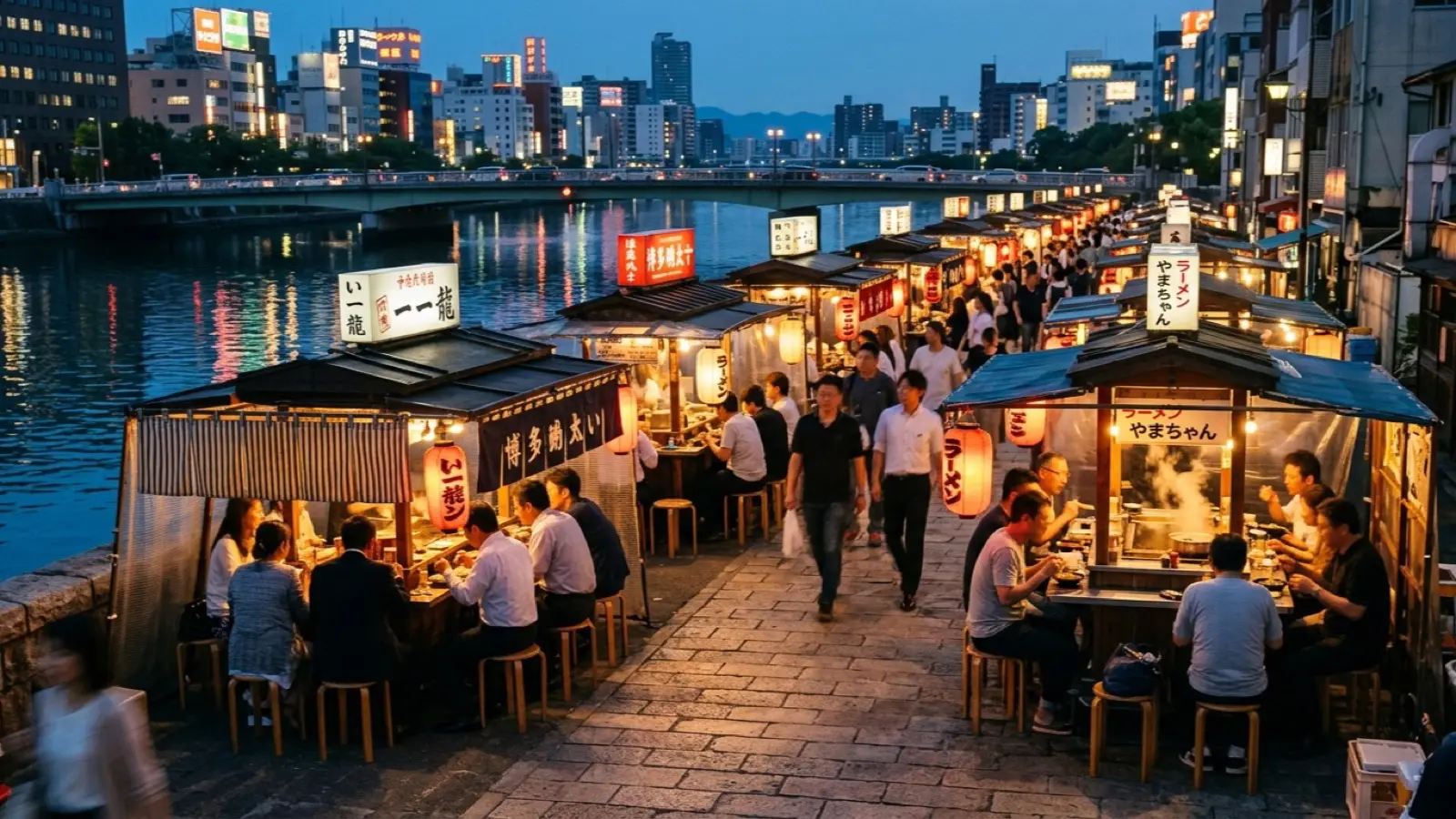
How to Use a Fukuoka Yatai: Ordering in Nakasu Without Overpaying
As twilight settles over the Naka River and red noren banners unfurl, Fukuoka's legendary street food scene comes alive. From seat fees and drink mandates to district rivalries across Nakasu, Tenjin, and Nagahama, here is how to savor Fukuoka's open-air yatai stalls like a seasoned local.
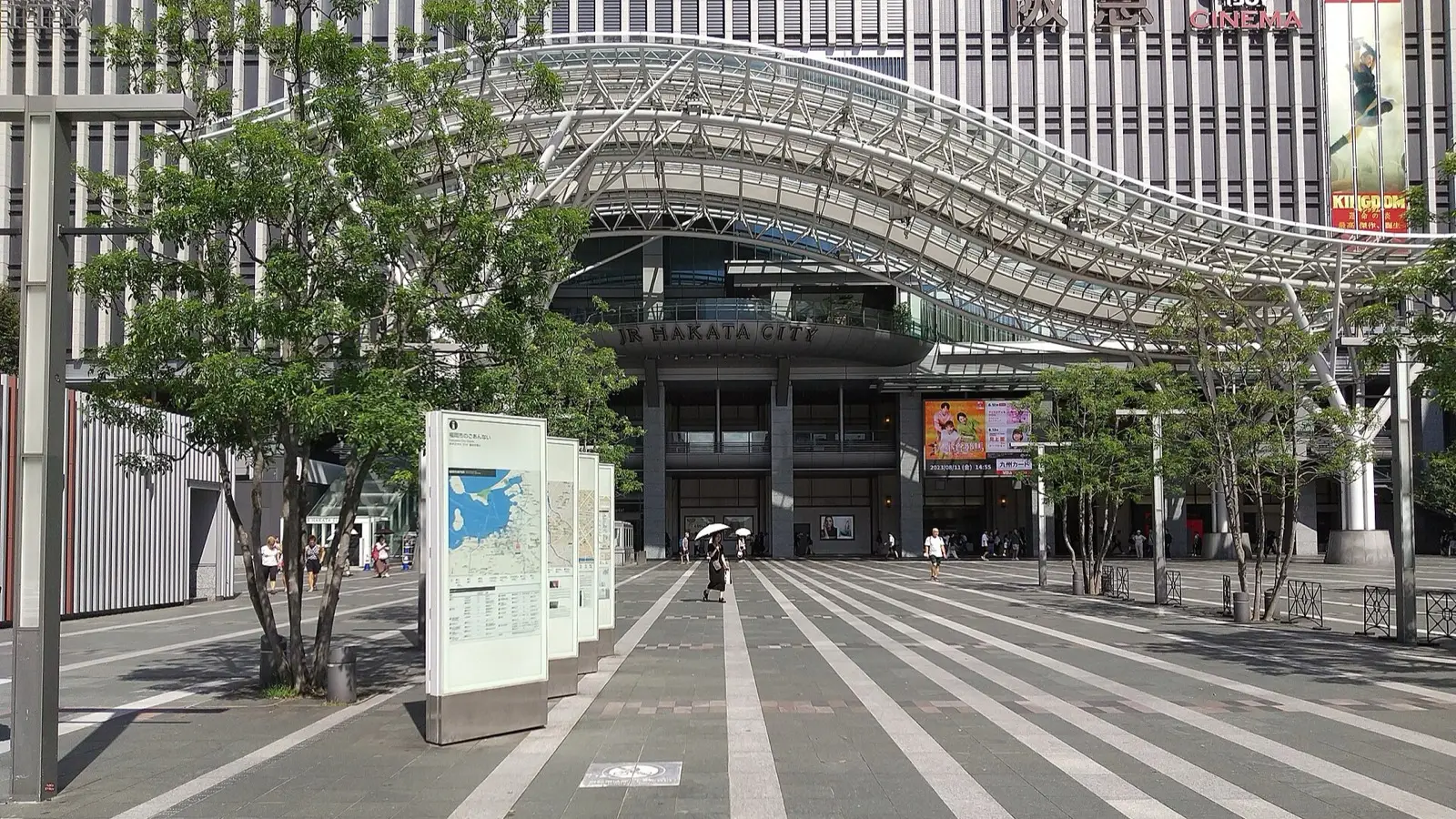
Best Hotels in Fukuoka: Hakata Station or Tenjin
The eternal question when planning a trip to Fukuoka is whether to stay in Hakata or Tenjin. From Hakata Station's unrivaled transit power just five minutes by subway from the airport, to Tenjin's lively department stores and nightlife, plus riverside Nakasu in between, we curate four standout stays tailored to your travel priorities.
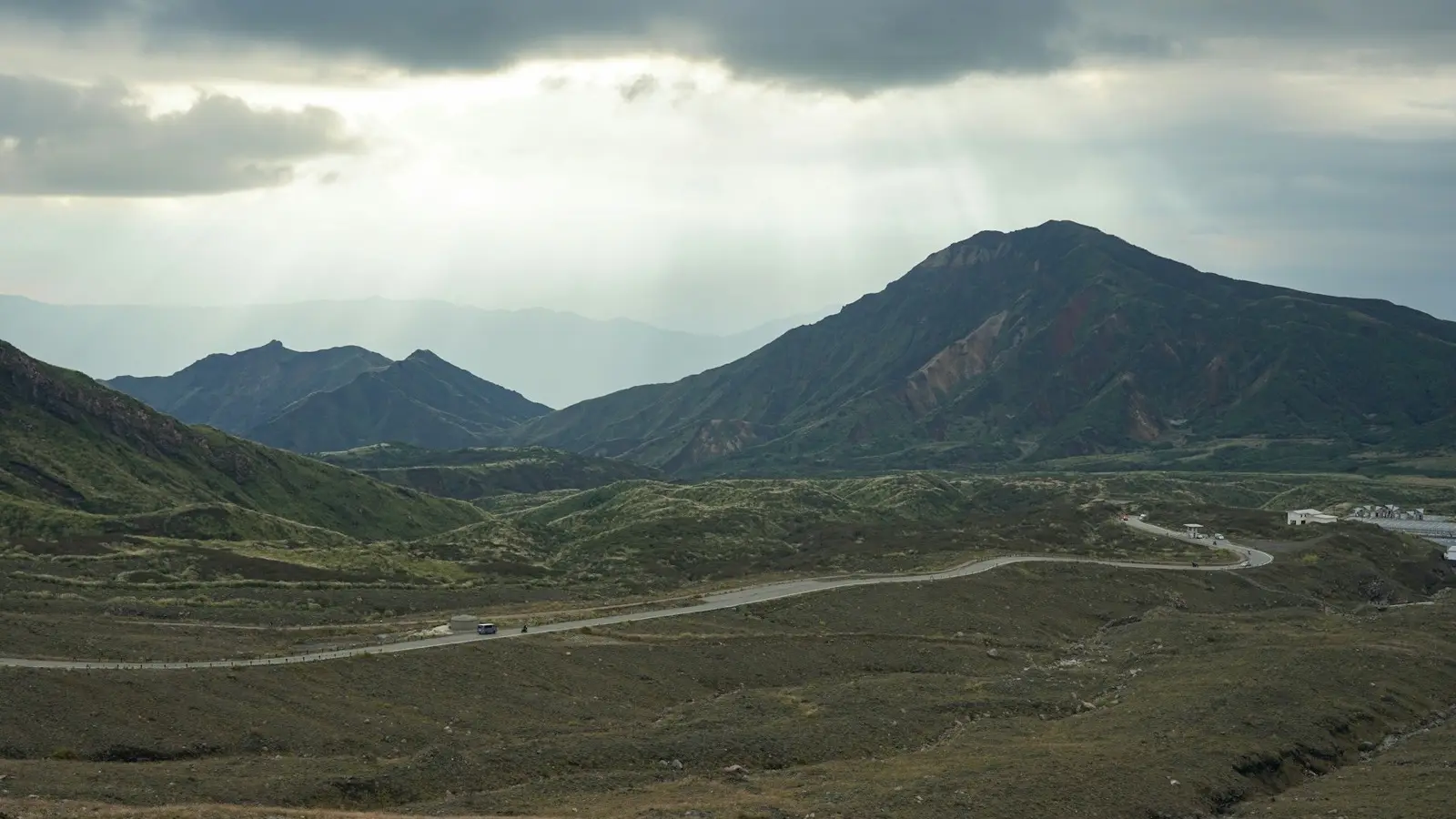
The Overseas Car Rental Playbook: Japan Zero-NOC Cover, Geneva Permits, and Accident Protocols
Exploring the secluded hot spring hamlets and coastal scenic bypasses of Kyushu, Hokkaido, or Okinawa by rental car unlocks unparalleled freedom that regional rail cannot match. Yet self-driving abroad harbors hidden regulatory and financial pitfalls that derail holidays before turning the ignition key. Many international travelers arrive at Japanese rental depots carrying standard domestic English driver licenses, only to be turned away because Japan strictly requires an original physical Geneva Convention 1949 International Driving Permit. Furthermore, settling for basic collision damage waivers (CDW) leaves drivers liable for steep Non-Operation Charges (NOC) when minor scratches occur, while failing to file a formal police report voids coverage entirely. This guide outlines every critical checkpoint, from foolproof permit validation and zero-deductible NOC packages to 360-degree vehicle inspection videos and regional expressway pass savings.
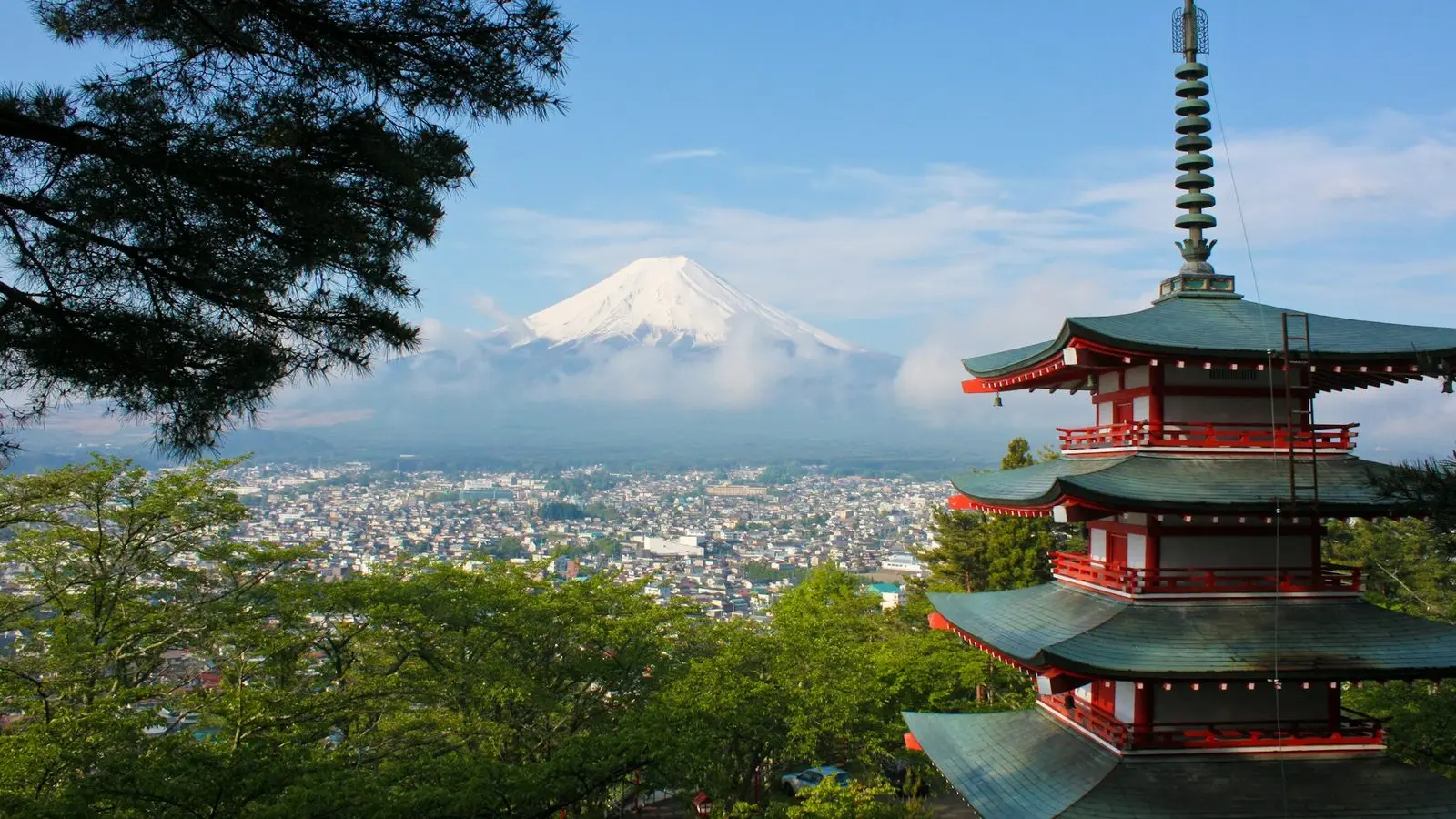
5 Best Value Hotels in Fukuoka Tenjin: 11-Minute Direct Airport Subway, Shopping Hubs, and Onsen Baths
When selecting an urban sanctuary in Fukuoka, travelers perpetually weigh the competing virtues of Hakata versus Tenjin. While Hakata Station reigns supreme for bullet train intercity transit and Kyushu rail loops, Tenjin captures the lifestyle heart of the city, placing premier department stores including Iwataya, Parco, and Daimaru alongside trendy Daimyo boutiques within effortless footfall. Moreover, the Fukuoka City Subway whisks passengers from the airport terminal directly into central Tenjin in just 11 minutes, while Nishitetsu Fukuoka Station provides swift rail departures to Dazaifu Tenmangu shrine. However, finding tranquility amidst bustling neon requires insider curation. We evaluated downtown properties to pinpoint five outstanding value hotels under $90 per night, boasting soothing natural onsen hot spring baths, complimentary evening noodles, and peaceful acoustic insulation.
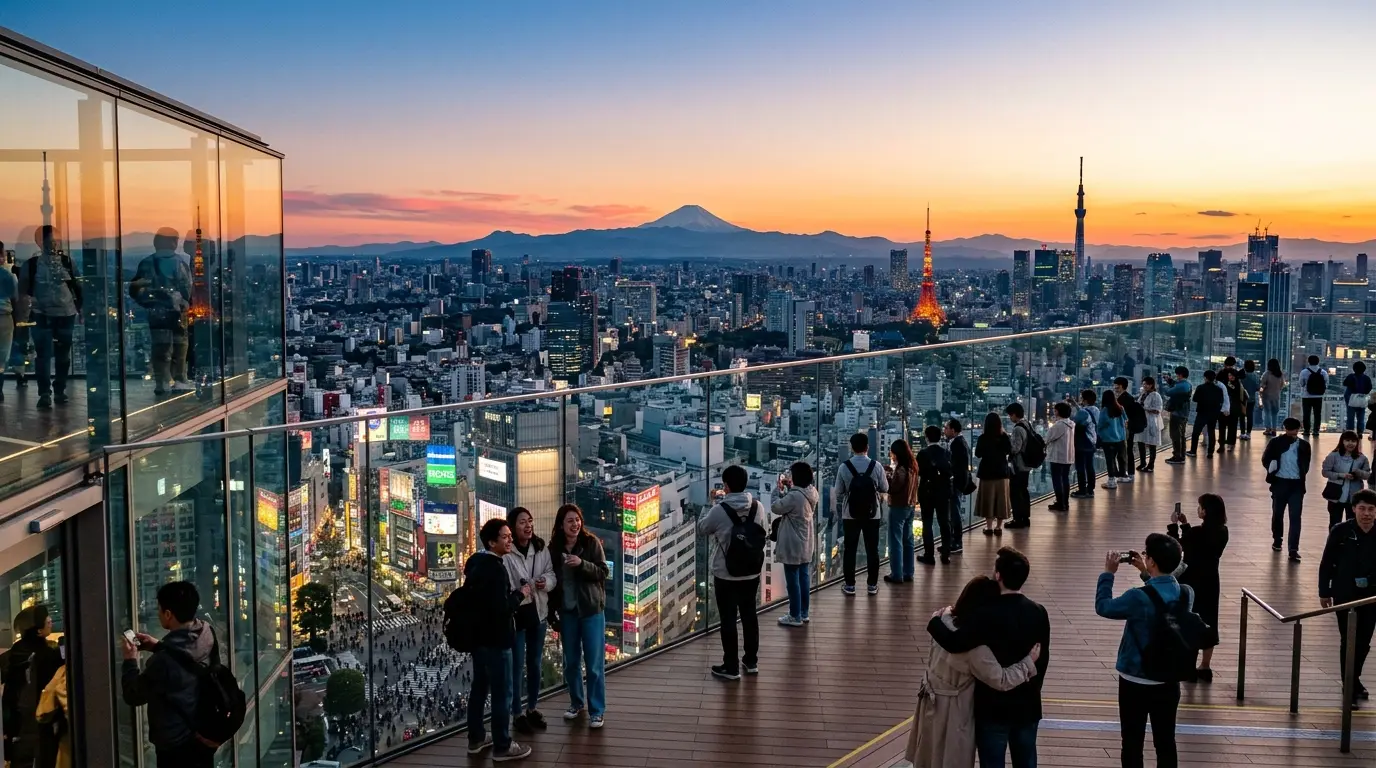
Where to Stay in Tokyo: Shinjuku vs Shibuya vs Ginza
Comparing room footprints across Shinjuku, Ginza, and Ueno, locking in sudden 14-day cancellation drops, and eliminating DCC fees with clean Yen checkout.
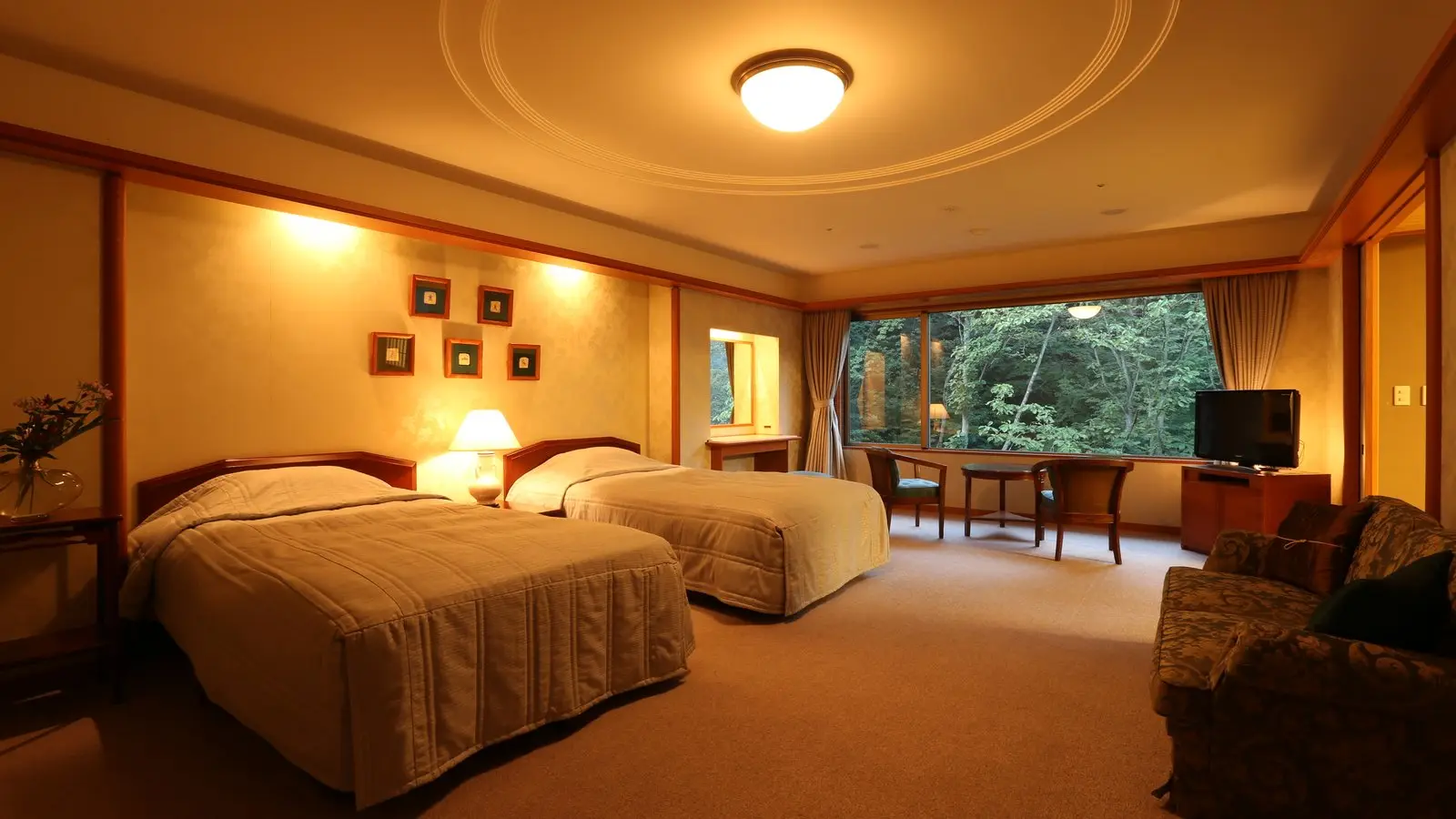
7 Budget Hotels in Tokyo Under $100 on the Yamanote Line
Even amid yen fluctuations, central Tokyo hotel rates have soared. Learn how to secure Yamanote loop line hotels at half the price of Shinjuku, compare onsen bath chains like Dormy Inn, trigger secret Agoda VIP and Booking.com Genius discounts, and dodge hidden currency fees with yen settlement.
How to Read the Tokyo Subway Map and Where to Stay on the Yamanote Line
How to choose between Keisei Skyliner and Narita Express, avoid the Tokyo Subway Ticket trap, use Apple Wallet Suica, and select the ideal hotel base in Tokyo.