
5 Best Value Hotels in Fukuoka Tenjin: 11-Minute Direct Airport Subway, Shopping Hubs, and Onsen Baths
Comparing Tenjin vs Hakata: Nishitetsu express rail links, bustling Daimyo dining, and sub-$90 properties
Hakata vs Tenjin: Why Retail Enthusiasts and Cafe Hunters Anchor in Tenjin
When deciding where to drop luggage in Fukuoka, your travel itinerary dictates the ideal district. Travelers relying on JR Kyushu Rail Passes for morning bullet train journeys to Kumamoto or Yufuin benefit from Hakata Station, whereas urban shoppers and culinary wanderers find Tenjin vastly superior.
Tenjin concentrates Fukuoka's premier retail powerhouses within a tight 500-meter radius: Iwataya Flagship, Tenjin Parco, Daimaru, and Solaria Plaza. For designer fashion drops and morning boutique releases, residing in Tenjin eliminates cross-town transit stress.
Moreover, the vibrant Daimyo district unfurls directly behind the department stores, brimming with artisanal roasteries, vintage boutiques, and intimate yakitori izakayas. Dropping afternoon shopping bags in your hotel room allows you to step out in comfortable sneakers past midnight to savor steaming tonkotsu ramen at local yatai street stalls.
Transit connectivity is equally impeccable. Boarding the subway Airport Line transports passengers from Fukuoka International Airport terminals straight to Tenjin Station in just 11 minutes without transfers, shielded completely from outdoor elements.

Head-to-Head Comparison: 5 Curated Value Hotels in Tenjin
Leading our downtown curation is Solaria Nishitetsu Hotel Fukuoka, integrated seamlessly into the Solaria Plaza and Nishitetsu station complex. Its doorstep retail access makes returning shopping hauls effortless, complemented by modern refurbished interiors and panoramic skyline breakfast dining.
For understated Japanese hospitality and spacious floor plans, Richmond Hotel Fukuoka Tenjin shines near Tenjin-Minami Station and Daimaru. Its generous work desks, premium Simmons mattresses, and warm front-desk service earn high loyalty among business and leisure travelers alike.
Hot spring lovers flock to Dormy Inn Premium Hakata Canal City, positioned strategically between Tenjin and Canal City. Guests relish natural alkaline mineral baths, soothing dry saunas, and complimentary steaming bowls of nighttime Yonaki soba noodles every evening.
Female travelers frequently favor Hotel Monte Hermana Fukuoka, renowned for its European boutique aesthetics, pastel palettes, and secure elevator keycard zoning. Rounding out the five is Nishitetsu Inn Tenjin, delivering exceptional value under $70 per night with spotlessly clean guest rooms and self-service laundromats for solo adventurers.

Weatherproof Navigation: The Subterranean Tenjin Underground Arcade (Tenchika)
Tenjin's premier urban asset is the 600-meter subterranean promenade known as Tenchika (Tenjin Underground Shopping Mall). Designed with 19th-century European stone pavers and vaulted ceilings, this climate-controlled arcade connects Tenjin and Tenjin-Minami subway stations.
The underground concourse proves invaluable during humid summer downpours or winter breezes. Travelers effortlessly glide suitcases along polished marble floors from airport subway exits directly to hotel basements without unfurling umbrellas.
Furthermore, the basement gourmet food halls (depachika) of Iwataya, Parco, and Daimaru connect directly into the corridor, allowing you to curate artisan pastries, sushi bento boxes, and seasonal fruits to enjoy in the comfort of your guest room.
However, select street exits feature stairs without escalators. When managing 28-inch suitcases, seek out the dedicated elevators inside Parco New Wing or Solaria Terminal to ascend comfortably.
Urban Onsen Sanctuaries: Reviving Tired Legs After 20,000 Steps
An authentic Fukuoka itinerary entails serious walking. Logging over 20,000 daily steps between department store floors, Daimyo alleyways, and the riverbank promenade across Nakasu is standard practice.
Sinking into a natural hot spring bath at day's end delivers restorative benefits infinitely superior to a cramped prefabricated guest room bathtub. Properties like Dormy Inn pump natural alkaline mineral waters from underground aquifers to soothe aching calf and back muscles.
Featuring aromatic cedar saunas, cold plunge pools, and open-air rotenburo baths caressed by night breezes, these wellness facilities elevate a standard city break into a deeply restorative spa retreat.
Savoring complimentary chilled fruit popsicles or probiotic drinks post-soak provides the ultimate nightly ritual before slipping into plush hotel bedding.
Effortless Day Trips to Dazaifu and Yanagawa via Nishitetsu Fukuoka Terminal
A crowning logistical advantage of staying in Tenjin is having Nishitetsu Fukuoka (Tenjin) Station as your personal front yard. As the northern terminus of the private Nishitetsu rail network, it provides unmatched day-trip mobility.
While reaching Dazaifu Tenmangu shrine or the scenic river punt canals of Yanagawa from Hakata requires waiting for crowded highway buses, boarding the Nishitetsu Express from Tenjin delivers you to Dazaifu in approximately 25 minutes.
Crucially, because Tenjin serves as the origin station, passengers are virtually guaranteed comfortable forward-facing seats even during peak holiday weekends without queueing in advance.
Purchasing a combined rail and sightseeing pass, departing unhurriedly after breakfast, wandering historic mossy shrine gardens, and returning to Tenjin by 2 PM for afternoon cafe hopping represents the pinnacle of efficient travel planning.
Frequently Asked Questions
Field-tested answers to transit navigation, neighborhood choices, and payment traps.
Q1.What is the fastest transit route from Fukuoka International Airport to Tenjin?
Q2.Should I book my Fukuoka hotel in Hakata or Tenjin?
Q3.How long does it take from Tenjin to Dazaifu Tenmangu shrine by train?
Q4.Where are the barrier-free elevators located along Tenjin Underground Shopping Mall?
The Smart Traveler's Essential Toolkit
Prepare instant mobile data, private airport transfers, and skip-the-line passes in one place.
Pick a base in Fukuoka by your route
Choose the places you want to see and get the neighbourhood with the shortest travel.
Compare Fukuoka Hotel Rates
Find the cheapest channel across Agoda and major booking engines with Tripdify.
Share This Guide with Your Companions
When shared via chat or social media, a curated summary card is sent along.
Recommended Guides
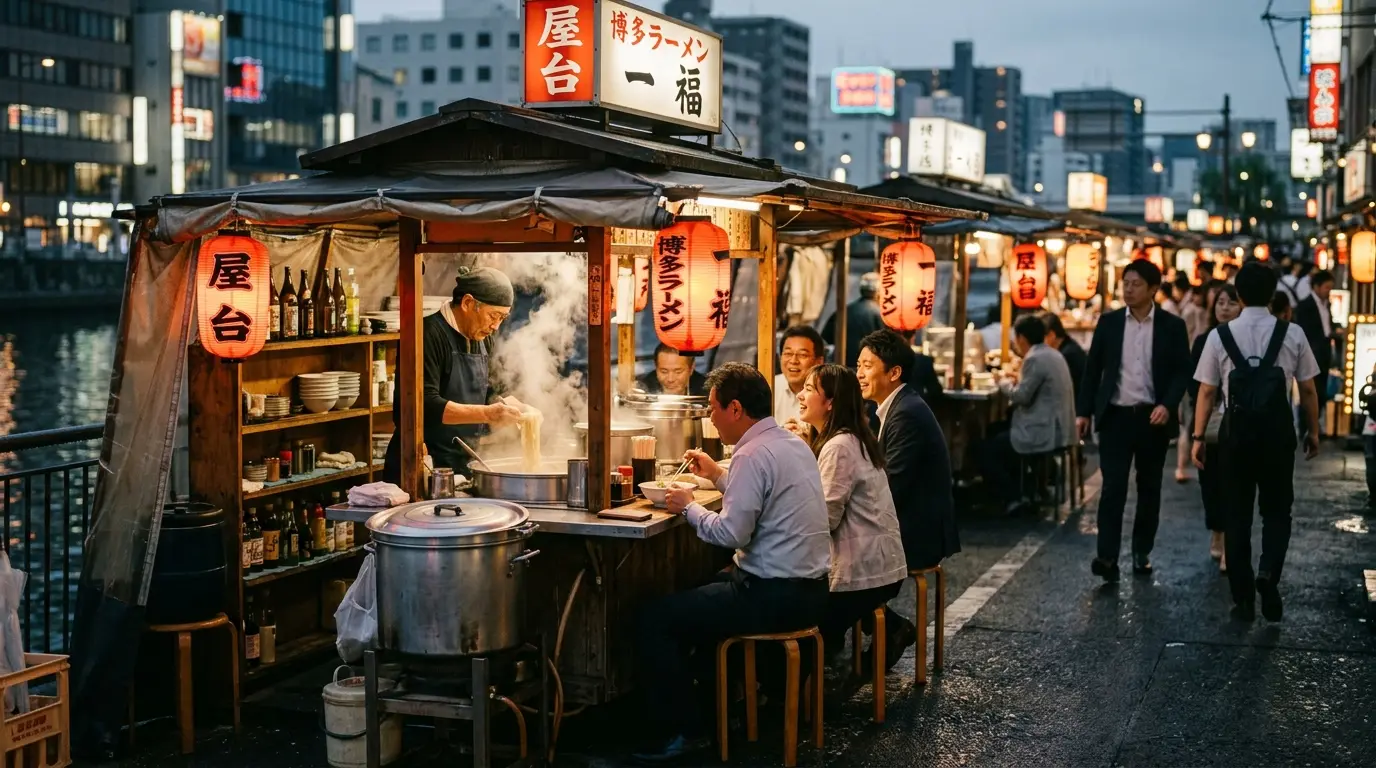
How to Book Fukuoka Hotels Cheaply: Four-Star Rates in Tenjin and Hakata
A complete guide comparing Hakata Station vs Tenjin hotel zones, avoiding DCC currency markup with JPY payments, and handling local accommodation taxes.
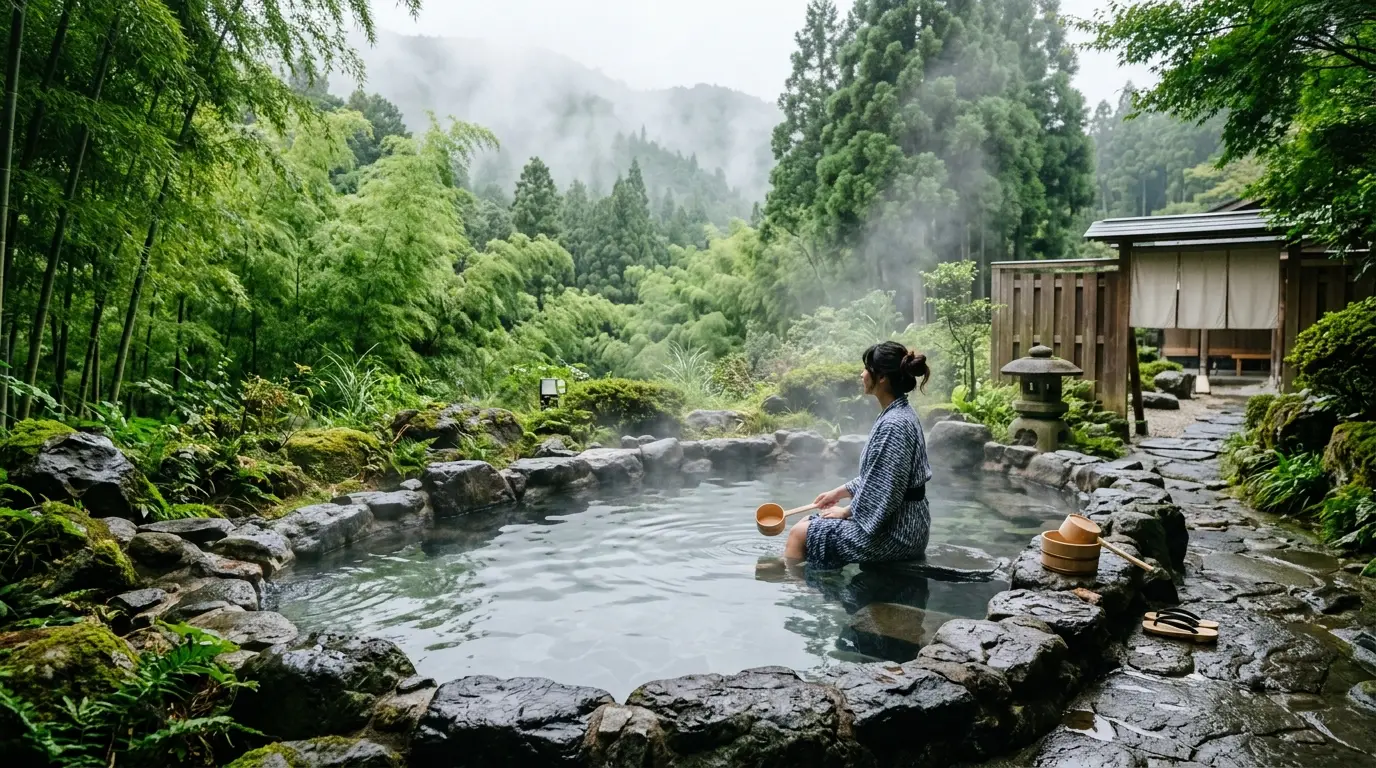
Getting Around Fukuoka: Subway Lines and Where to Stay in Hakata or Tenjin
How to bypass crowded airport terminal shuttles with direct buses in Fukuoka, master contactless subway gates, and pick the best base between Hakata and Tenjin.
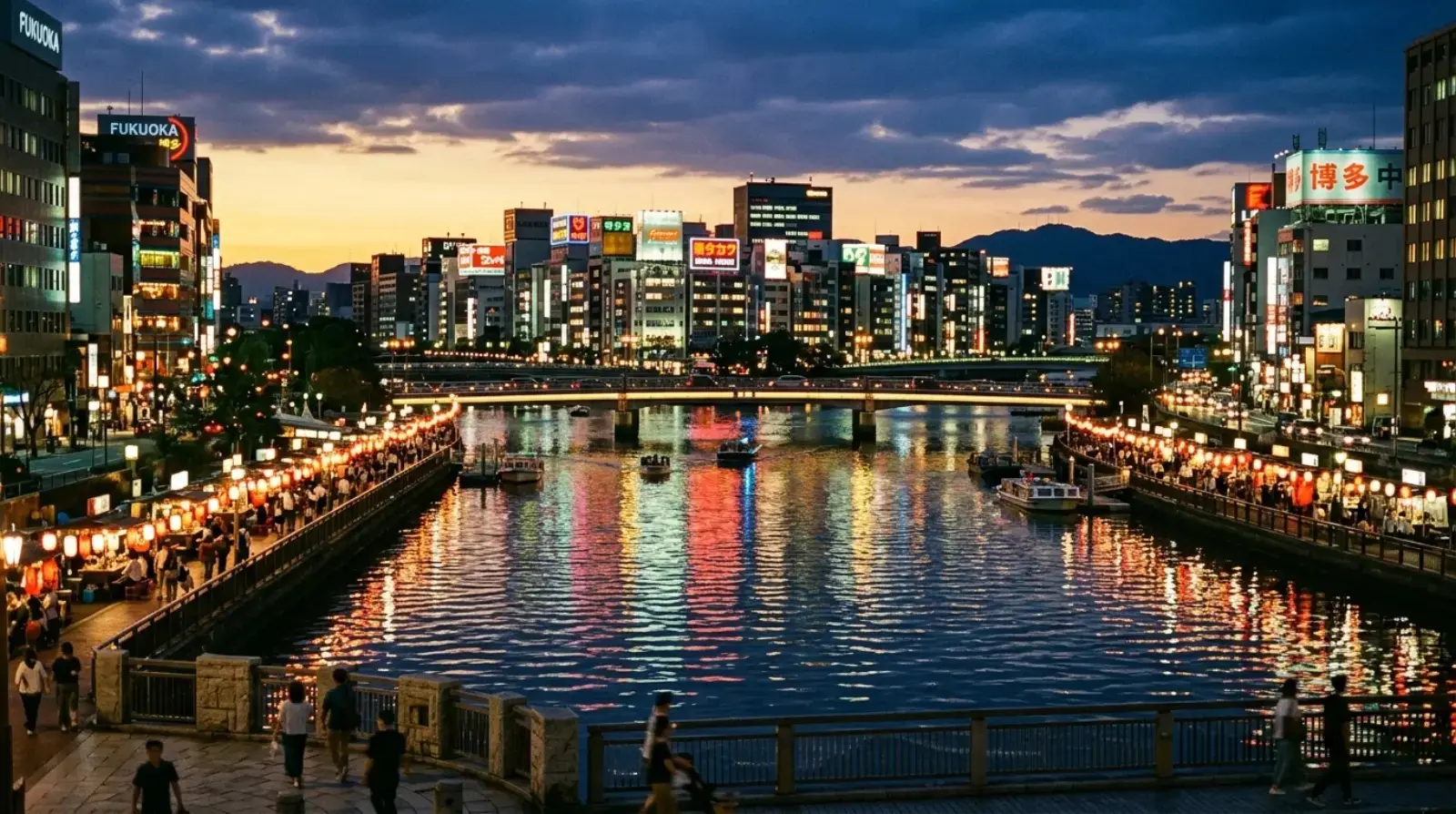
Fukuoka Day 1 Itinerary: Airport to Hakata and the Nakasu Yatai Stalls
From reaching Hakata Station in five subway minutes to securing station lockers, ordering authentic tonkotsu ramen with custom firmness, and navigating Nakasu yatai etiquette. A veteran guide to your first 24 hours.
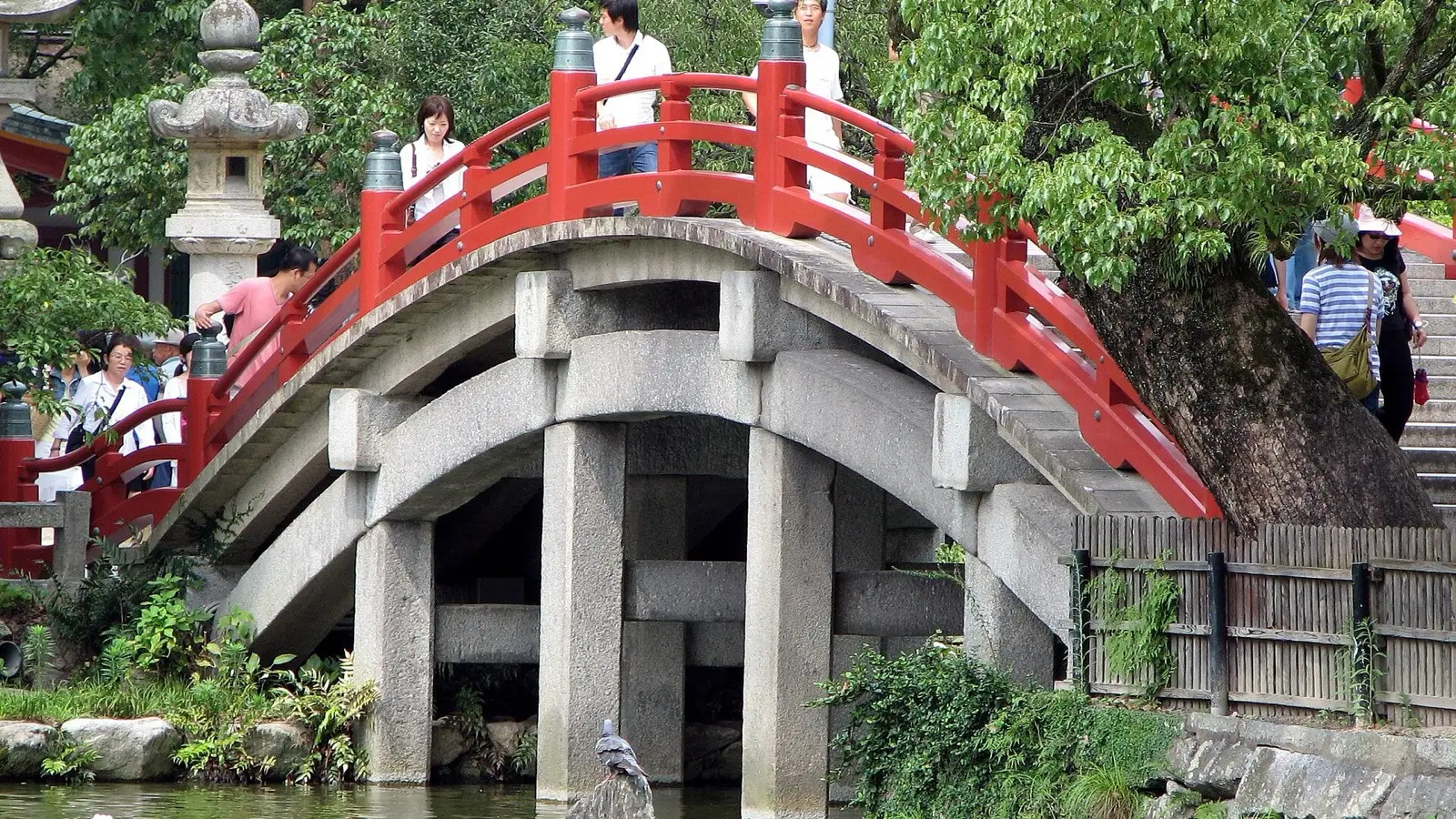
Fukuoka Day 2 Itinerary: Dazaifu, Ohori Park, Tenjin Shopping and Motsunabe
Day 2 immerses you in Fukuoka's finest cultural textures: riding the Nishitetsu express to ancient Dazaifu Tenmangu for crispy plum rice cakes, unwinding along the weeping willows of Ohori Park, exploring Tenjin Underground Mall's vaulted corridors, and dining over bubbling motsunabe beef offal hotpots.
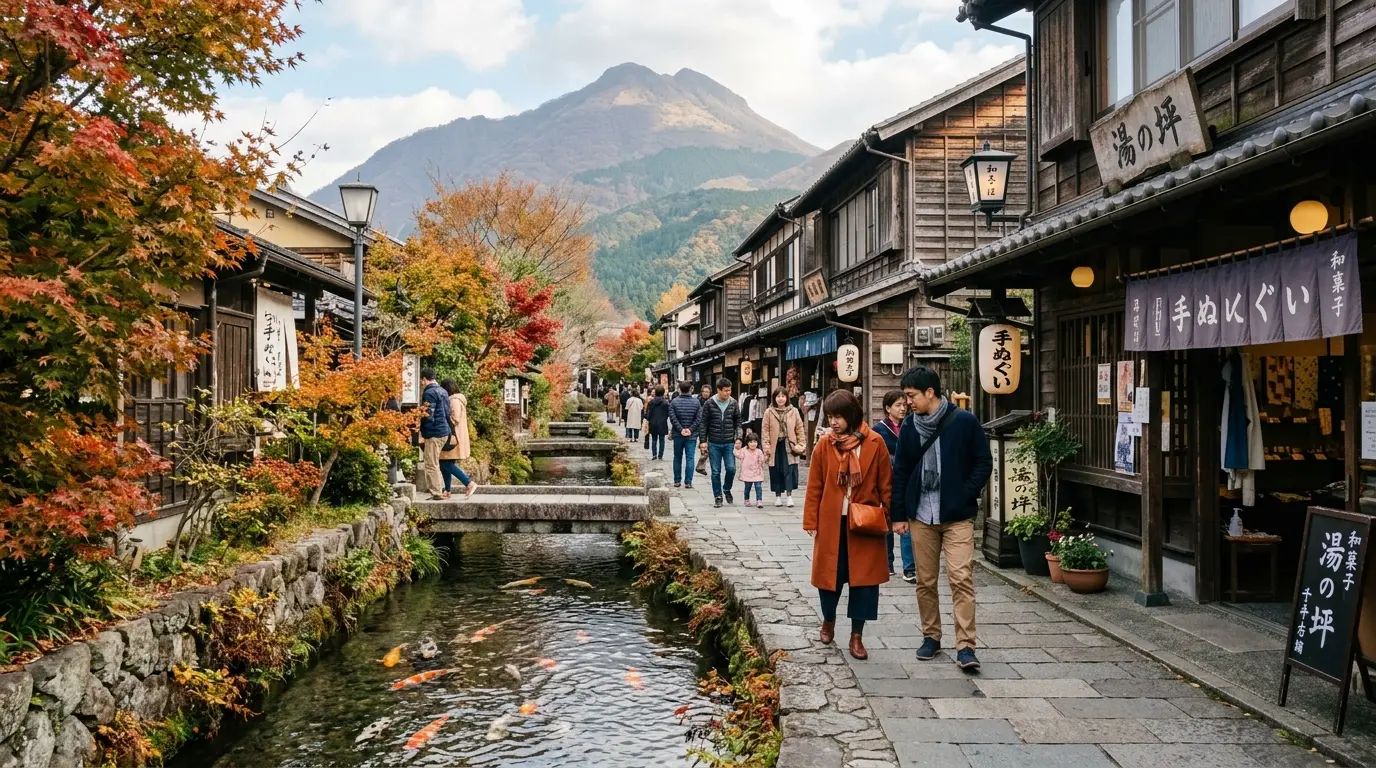
Fukuoka Day 3 Itinerary: Kushida Shrine, Canal City and Hakata Station Shopping
The ultimate finale for your Fukuoka journey: morning serenity at eighth-century Kushida Shrine, dynamic musical water shows at Canal City Hakata, souvenir hauls at Hakata Hankyu, and world-class subway airport transit clocking in at just five minutes flat.
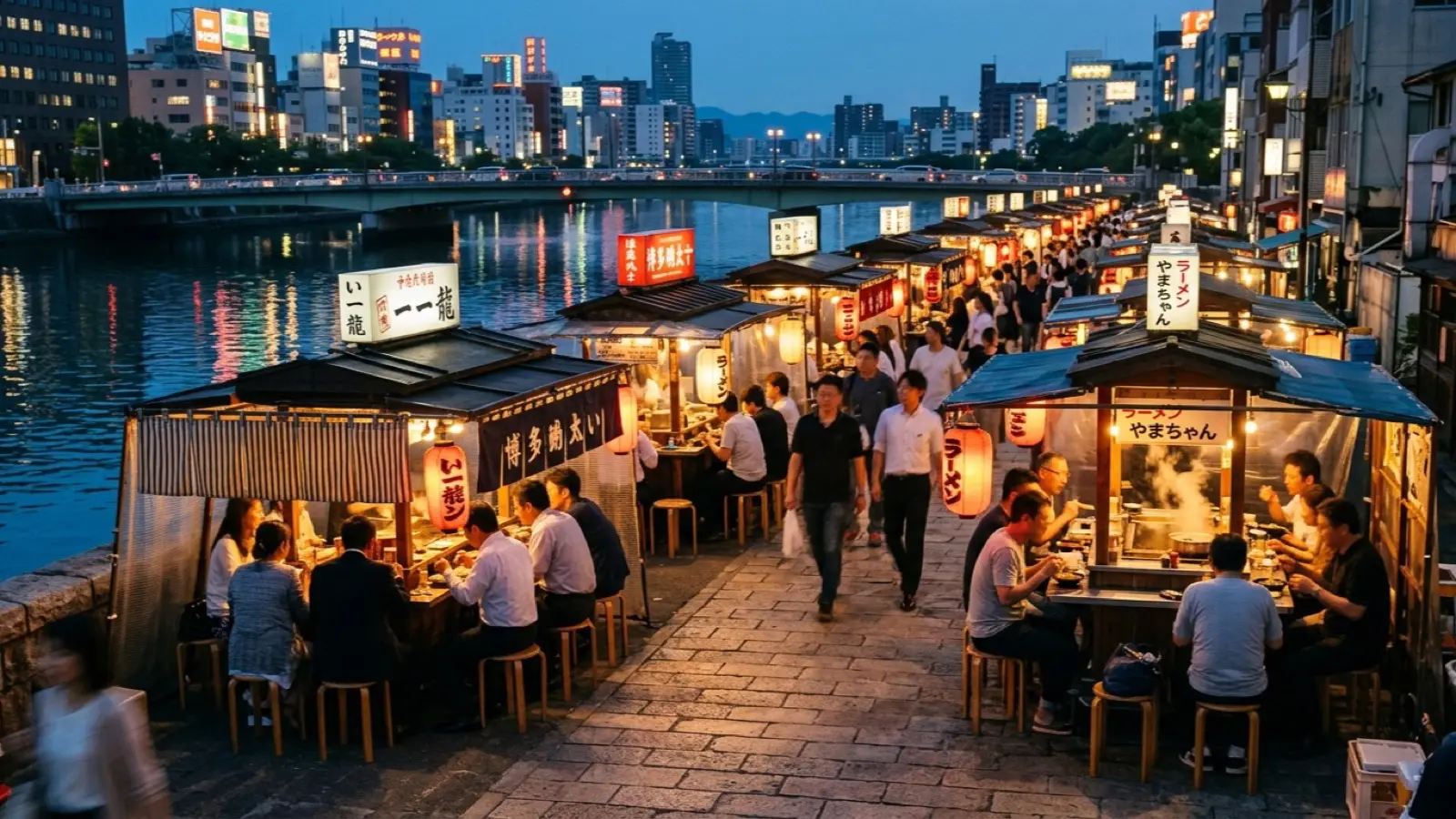
How to Use a Fukuoka Yatai: Ordering in Nakasu Without Overpaying
As twilight settles over the Naka River and red noren banners unfurl, Fukuoka's legendary street food scene comes alive. From seat fees and drink mandates to district rivalries across Nakasu, Tenjin, and Nagahama, here is how to savor Fukuoka's open-air yatai stalls like a seasoned local.
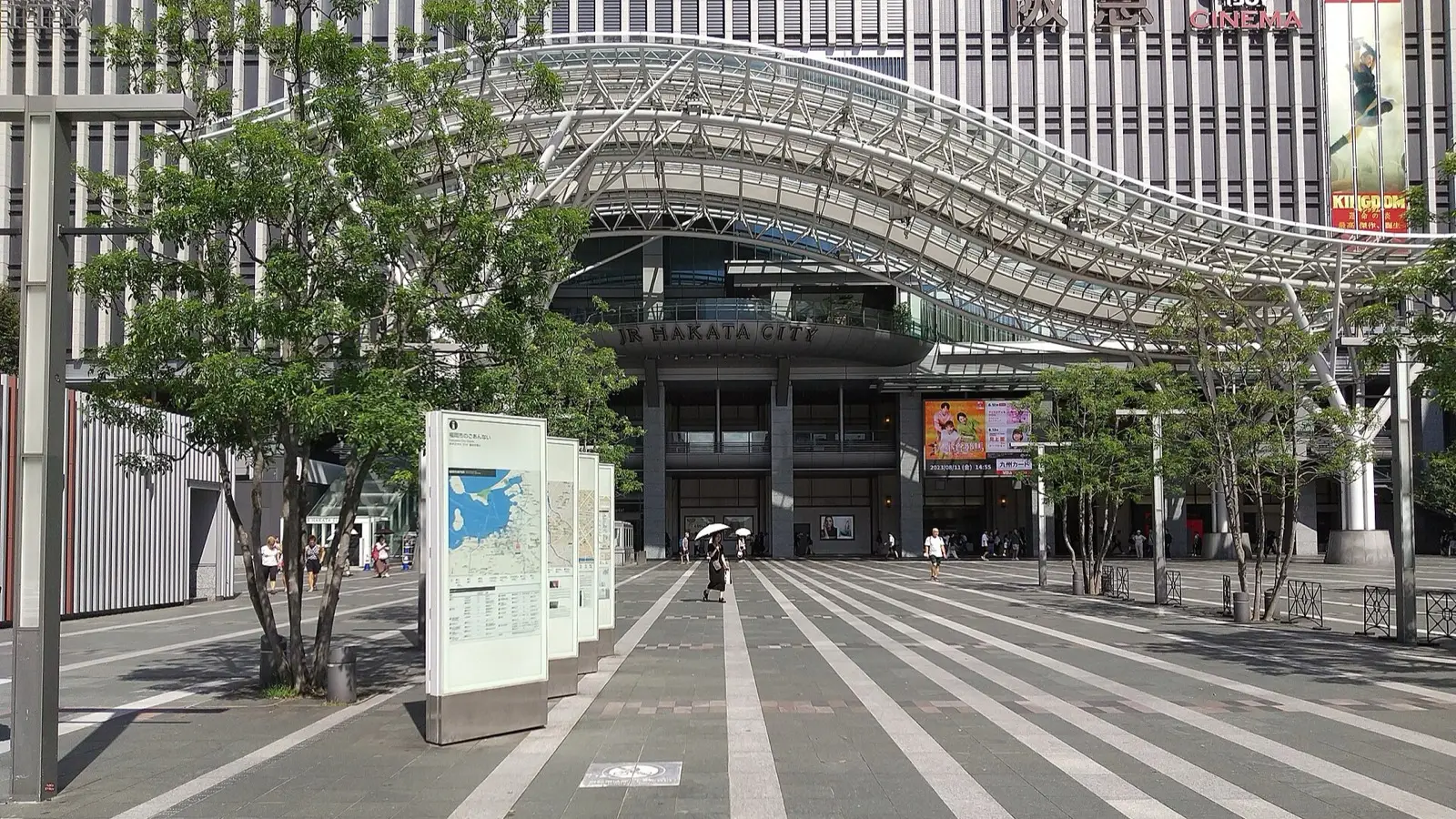
Best Hotels in Fukuoka: Hakata Station or Tenjin
The eternal question when planning a trip to Fukuoka is whether to stay in Hakata or Tenjin. From Hakata Station's unrivaled transit power just five minutes by subway from the airport, to Tenjin's lively department stores and nightlife, plus riverside Nakasu in between, we curate four standout stays tailored to your travel priorities.
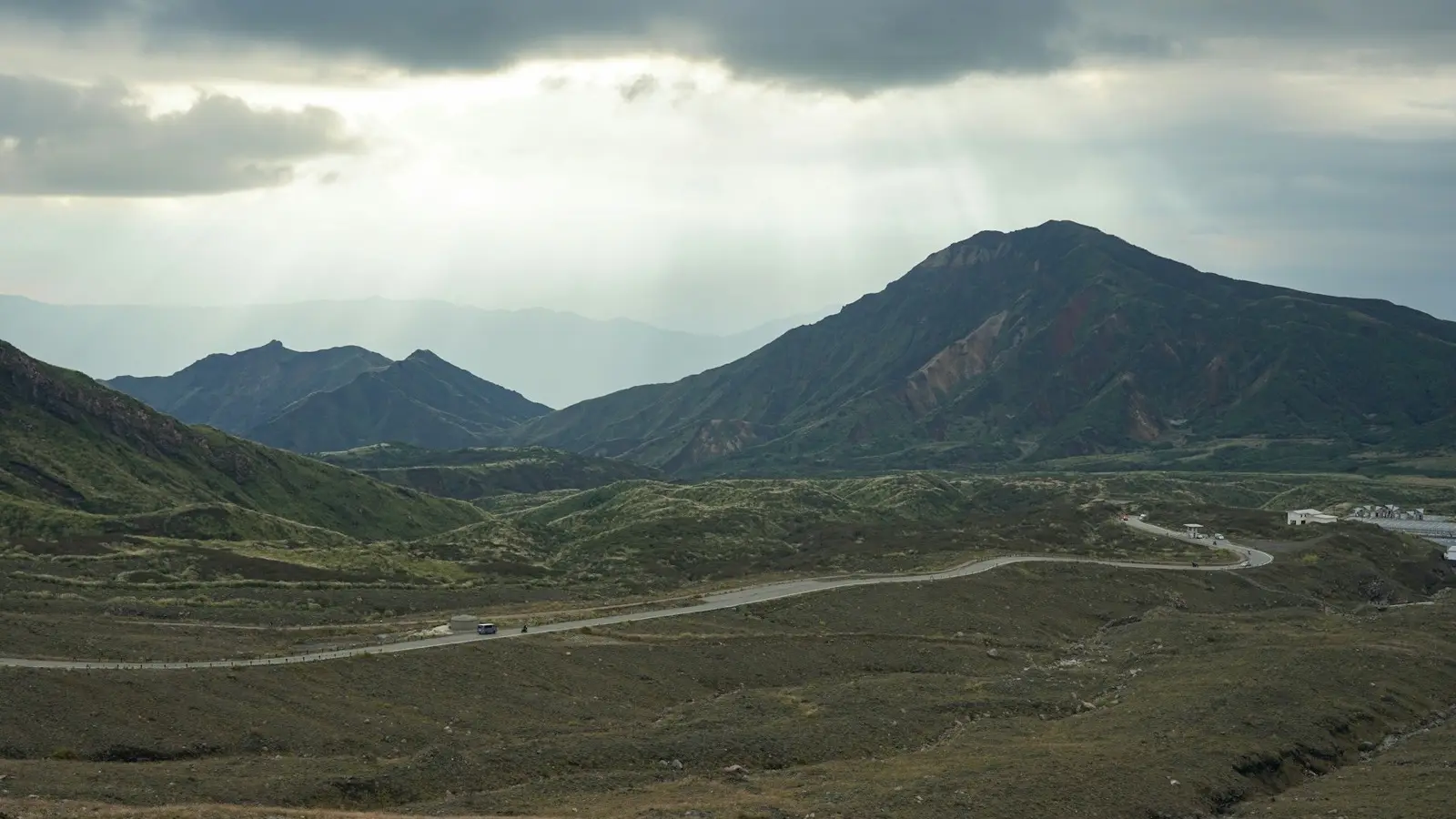
The Overseas Car Rental Playbook: Japan Zero-NOC Cover, Geneva Permits, and Accident Protocols
Exploring the secluded hot spring hamlets and coastal scenic bypasses of Kyushu, Hokkaido, or Okinawa by rental car unlocks unparalleled freedom that regional rail cannot match. Yet self-driving abroad harbors hidden regulatory and financial pitfalls that derail holidays before turning the ignition key. Many international travelers arrive at Japanese rental depots carrying standard domestic English driver licenses, only to be turned away because Japan strictly requires an original physical Geneva Convention 1949 International Driving Permit. Furthermore, settling for basic collision damage waivers (CDW) leaves drivers liable for steep Non-Operation Charges (NOC) when minor scratches occur, while failing to file a formal police report voids coverage entirely. This guide outlines every critical checkpoint, from foolproof permit validation and zero-deductible NOC packages to 360-degree vehicle inspection videos and regional expressway pass savings.
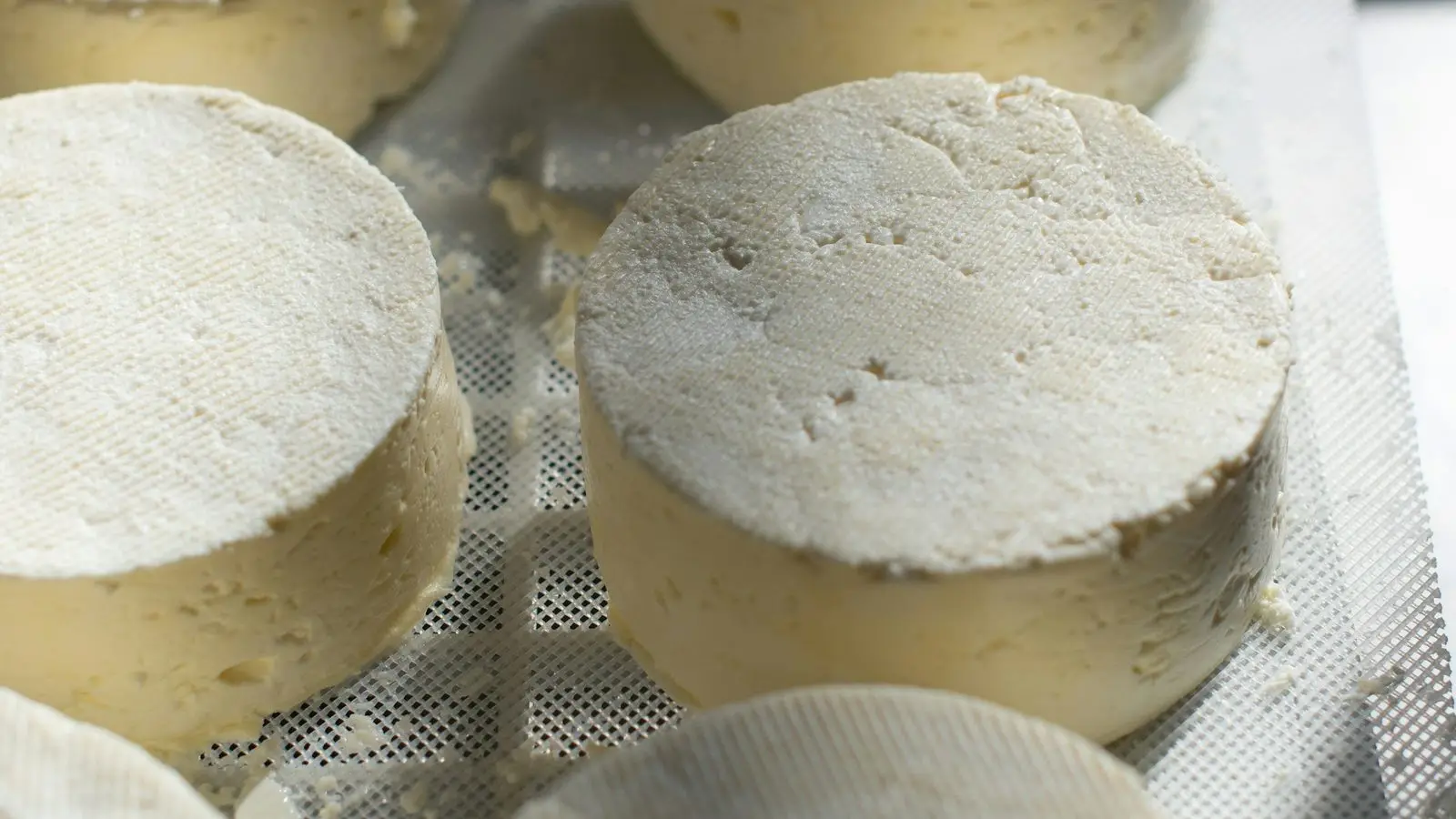
Dawn at Fukuoka Dazaifu Tenmangu: Warm Umegae Mochi, Sacred Ox Statues, and Verdant Shrine Gardens
Revered as the final resting place of Sugawara no Michizane, the patron deity of scholarship and literature, Dazaifu Tenmangu stands as Kyushu's most celebrated historic Shinto shrine. Yet visiting at midday frequently plunges travelers into dense crowds of tour groups, megaphone announcements, and packed souvenir corridors. The authentic soul of Dazaifu reveals itself only to those who arrive early at 8:00 AM. In the cool dawn mist, Shinji Pond mirrors ancient weeping willows as you step onto the three arched vermilion bridges known as Taikobashi, symbolizing the spiritual passage through past, present, and future. From gently rubbing the polished horns of the bronze sacred ox statues for academic luck to savoring piping-hot, griddled Umegae-mochi rice cakes stamped with plum crests, this peaceful morning itinerary unveils the serene heart of Fukuoka heritage.
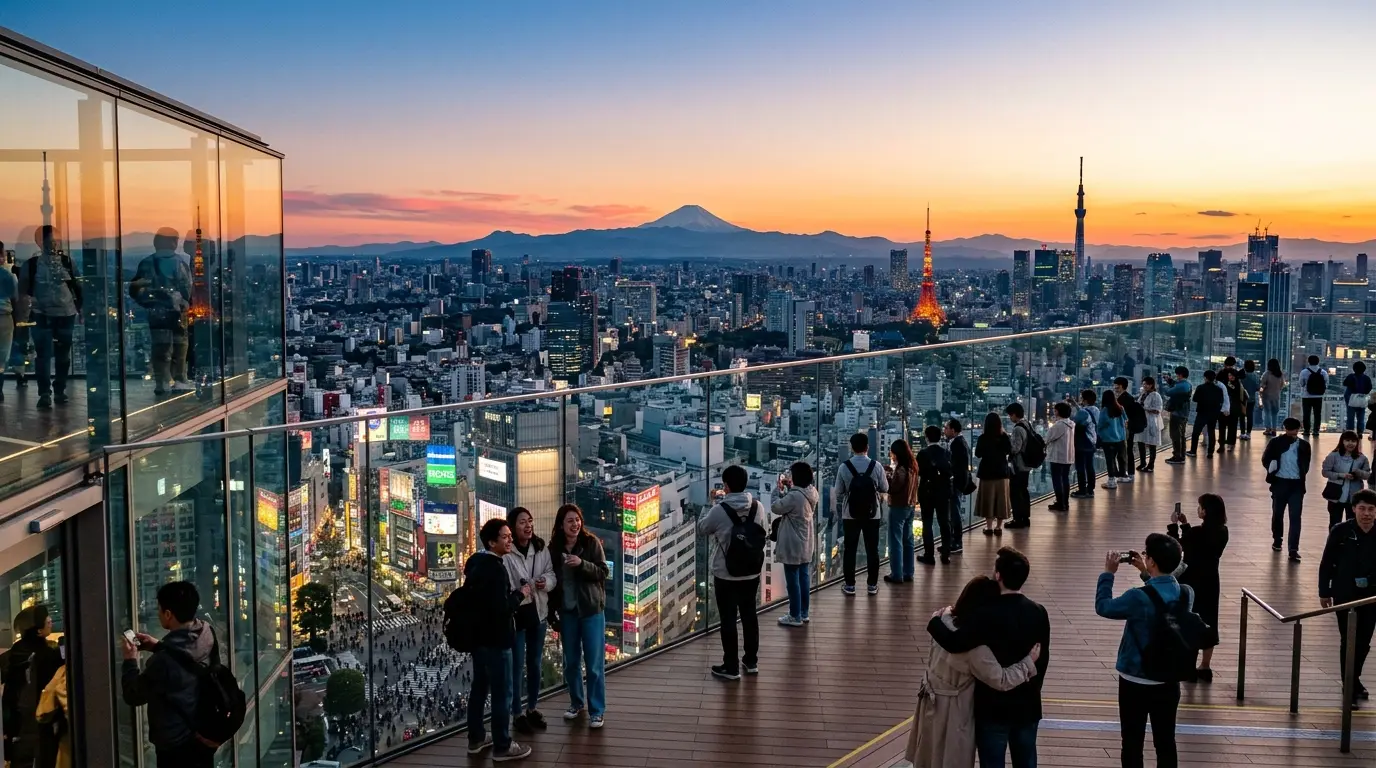
Where to Stay in Tokyo: Shinjuku vs Shibuya vs Ginza
Comparing room footprints across Shinjuku, Ginza, and Ueno, locking in sudden 14-day cancellation drops, and eliminating DCC fees with clean Yen checkout.
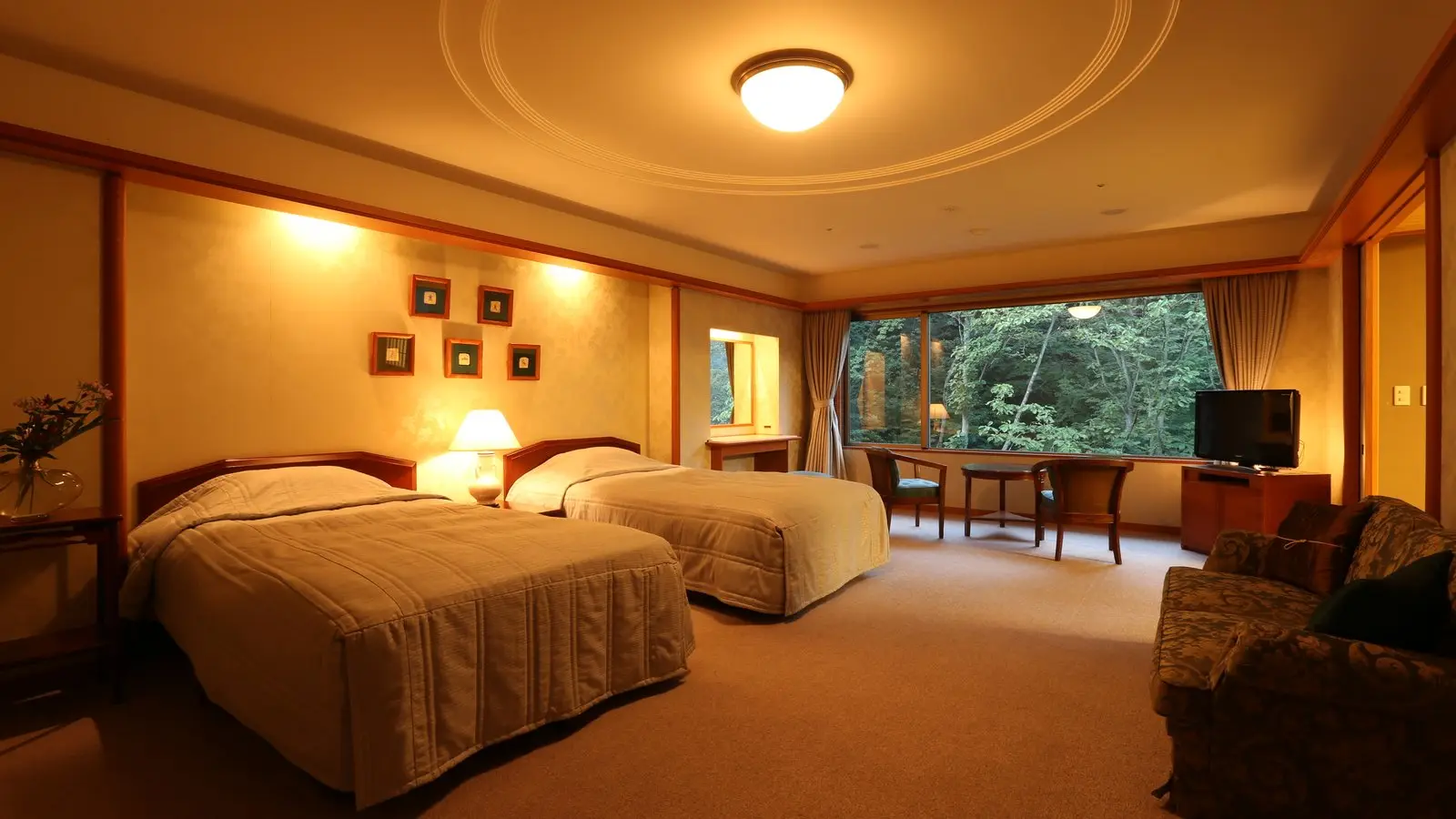
7 Budget Hotels in Tokyo Under $100 on the Yamanote Line
Even amid yen fluctuations, central Tokyo hotel rates have soared. Learn how to secure Yamanote loop line hotels at half the price of Shinjuku, compare onsen bath chains like Dormy Inn, trigger secret Agoda VIP and Booking.com Genius discounts, and dodge hidden currency fees with yen settlement.
How to Read the Tokyo Subway Map and Where to Stay on the Yamanote Line
How to choose between Keisei Skyliner and Narita Express, avoid the Tokyo Subway Ticket trap, use Apple Wallet Suica, and select the ideal hotel base in Tokyo.