
FukuokaGuide
Fukuoka Day 2 Itinerary: Dazaifu, Ohori Park, Tenjin Shopping and Motsunabe
Vermilion arched bridges at the god of learning's shrine, lakeside matcha and coffee at Ohori Park, 19th-century European stone arcades in Tenjin, and simmering garlic motsunabe.
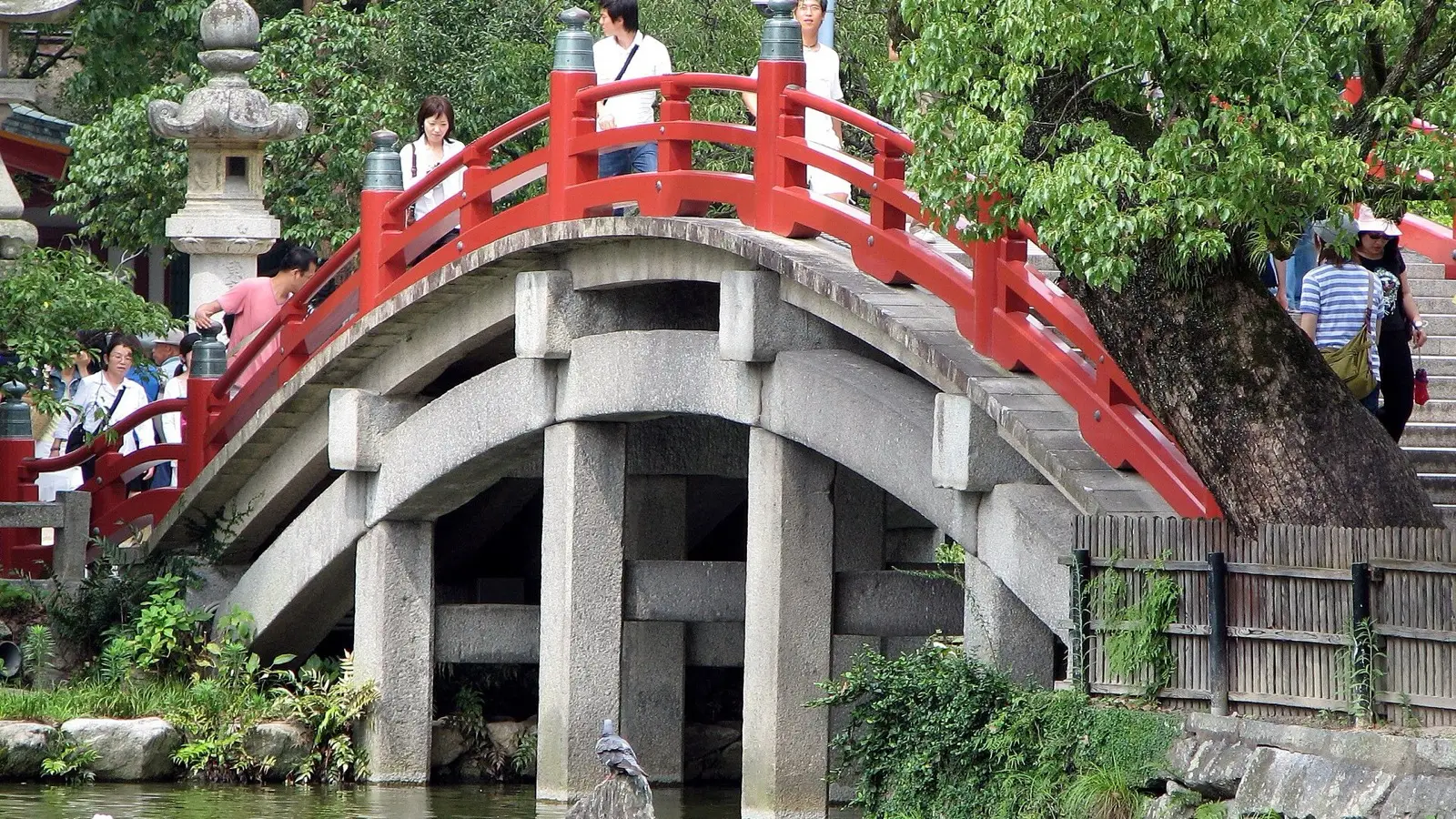
Nishitetsu Rails to Dazaifu Tenmangu: Sacred Bridges and Bronze Ox
Launch your second day in Fukuoka by boarding a Nishitetsu express or the exquisitely painted 'Tabito' sightseeing train from Nishitetsu Fukuoka (Tenjin) Station. In roughly thirty minutes via Nishitetsu-Futsukaichi, you arrive at Dazaifu Station, trading vibrant modern cityscapes for forested hillsides and venerable wooden shrine architecture.
Approaching the stone torii gate, visitors encounter the iconic bronze 'Goshin-gyu' sacred ox statue. Regional tradition holds that rubbing the horns and brow of this benevolent beast imparts wisdom, academic success, and clear-headed fortune, leaving its metallic forehead gleaming mirror-bright from millions of reverent touches.
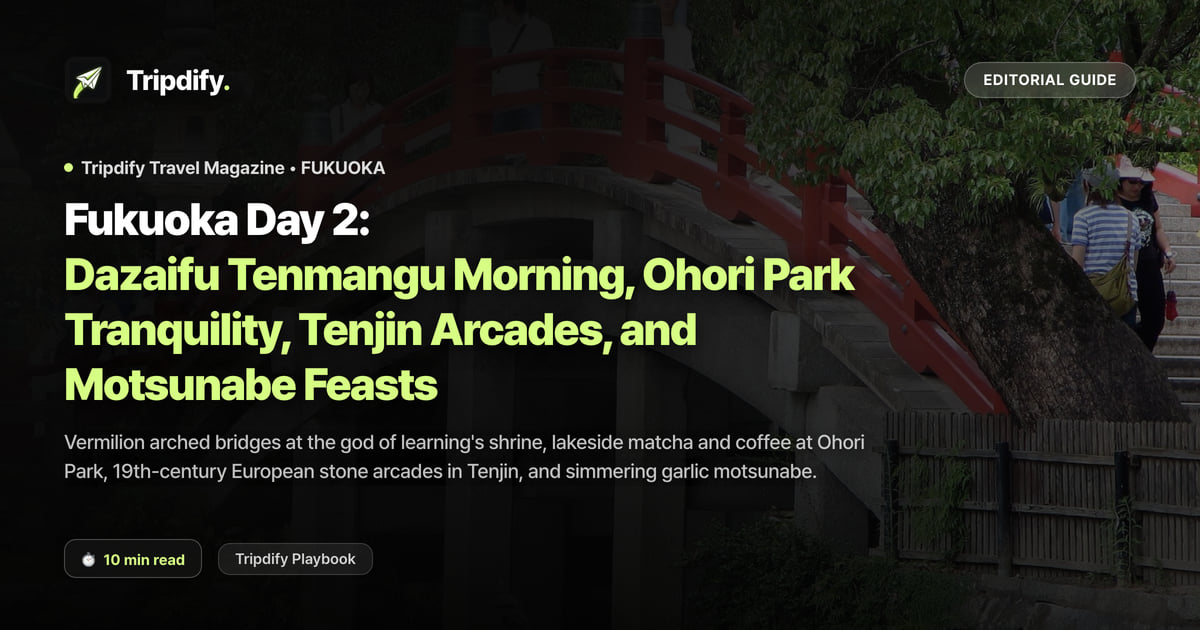
Crossing the Shinji-ike Pond leads across three arched vermilion Taikobashi bridges representing the past, present, and future. Local lore advises treading mindfully: never look back on the first bridge of the past, walk steadily without stopping on the flat bridge of the present, and tread carefully without stumbling on the final bridge toward your future.
Before the main sanctuary stands the Tobiume (Flying Plum), a legendary sacred tree said to have flown across Japan from Kyoto overnight out of longing for its exiled master. Bow twice, clap twice, and bow once before the shrine's eaves to offer your prayers for peaceful travels and personal endeavors.

Strolling Dazaifu Sando: Crispy Umegae Mochi and Kengo Kuma Starbucks
Returning toward the station along the pedestrian approach (sando), dozens of heritage confectionery houses and boutique craft shops buzz with morning activity. The irresistible centerpiece of the promenade is fresh Umegae Mochi, griddled continuously on heavy iron molds by artisan bakers.
Stamping each rice cake with an intricate plum blossom seal crisps the exterior into a delicate golden crust while maintaining a delightfully chewy interior bursting with warm, sweet red adzuki bean paste. Sitting on a wooden bench outside Kasanoya with a steaming cup of bitter green tea provides an unforgettable culinary interlude.
Further down the avenue stands the celebrated Starbucks Dazaifu Tenmangu Omotesando, masterminded by acclaimed Japanese architect Kengo Kuma. Using more than 2,000 interlocking cedar wood batons assembled without a single nail, the interior mimics a warm forest canopy guiding visitors gently through the pavilion.
Sipping an iced pour-over coffee while gazing out the rear floor-to-ceiling glass wall onto a mossy Japanese courtyard garden replenishes your spirit after a rewarding morning of exploration.
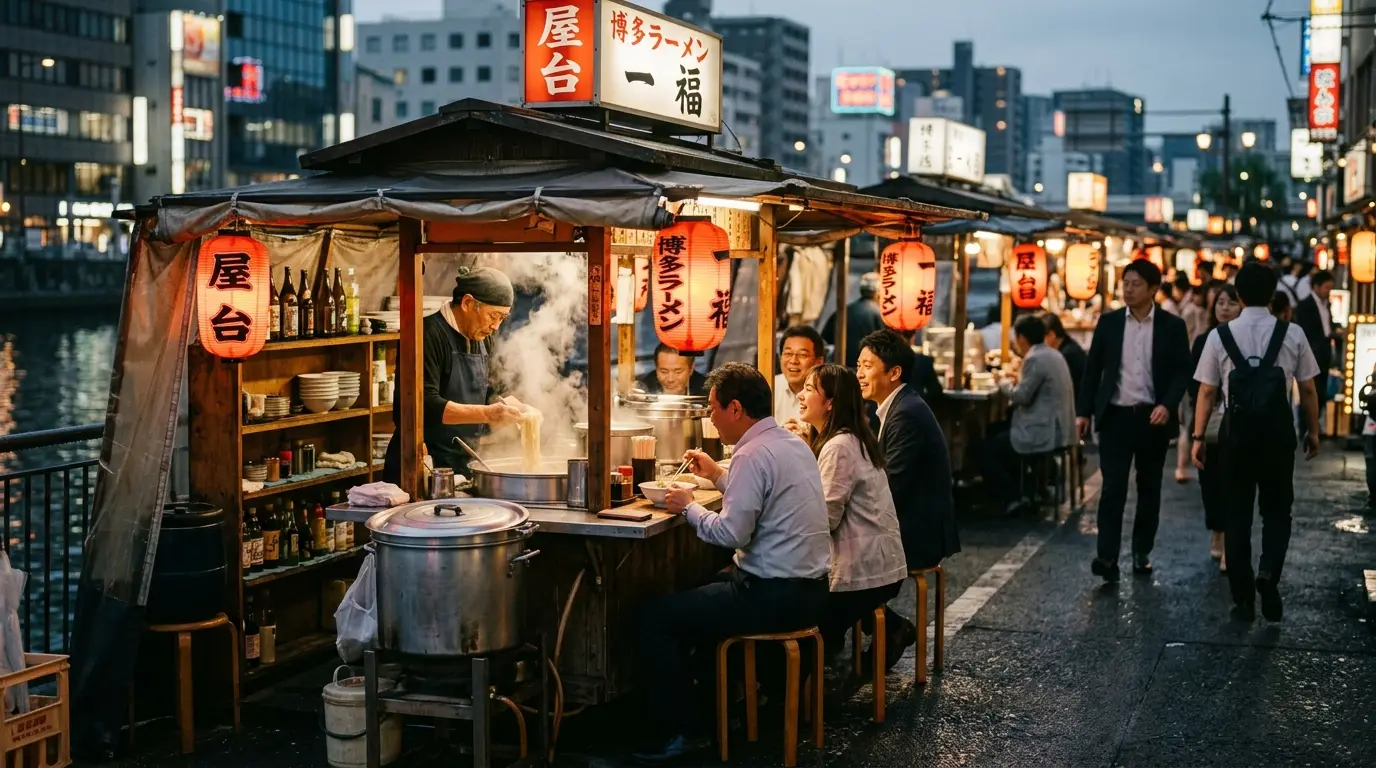
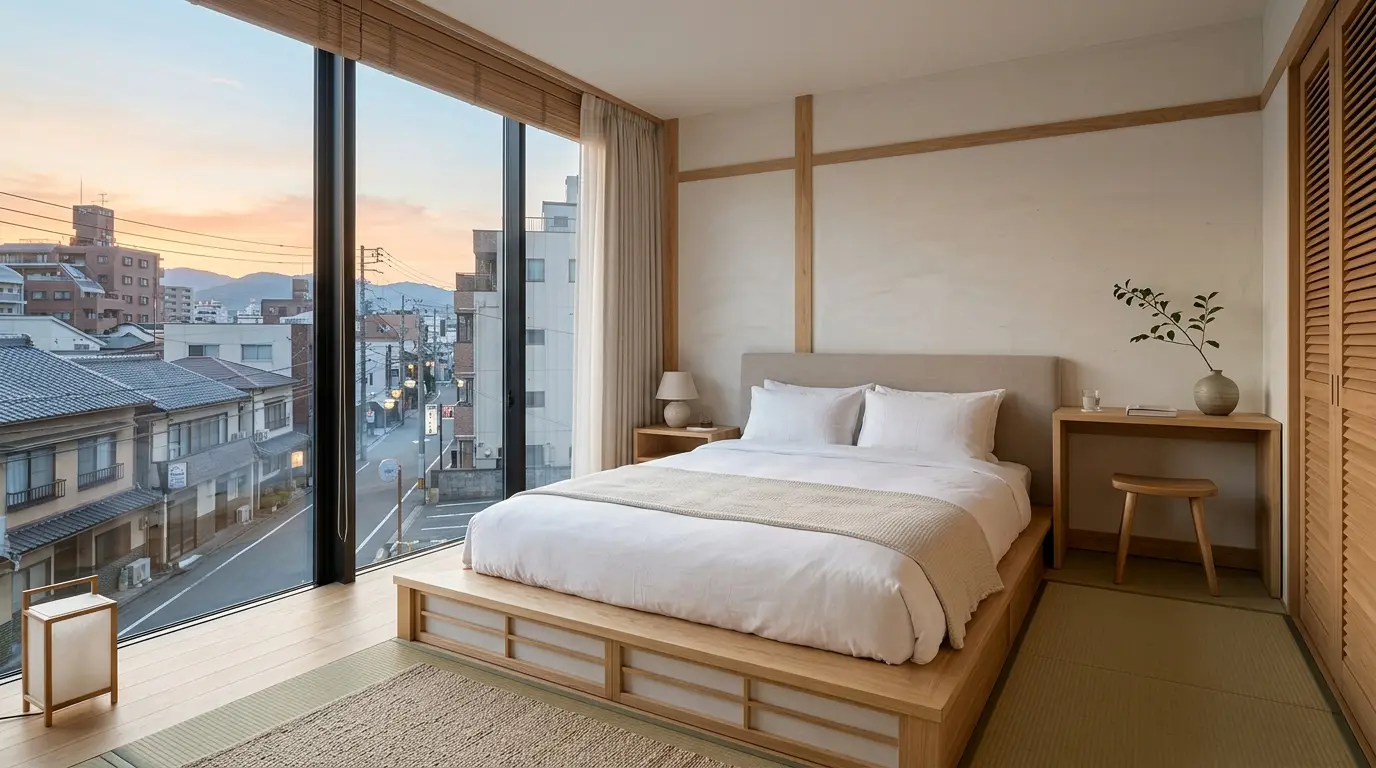
Urban Sanctuary Ohori Park: Waterfront Paths and Traditional Gardens
Returning to Tenjin via Nishitetsu rail and riding the Kuko subway line just two stops westward brings you to Ohori-koen Station. Conceived using the historic defensive water moats of Fukuoka Castle and landscaped in homage to West Lake in China, this tranquil park serves as the cherished green heart of the city.
A two-kilometer paved walking loop hugs the water under the cool shade of weeping willows and black pine trees, providing idyllic strolling conditions. Crossing four scenic stone footbridges connecting mid-lake islands leads you to Ukimidou, an octagonal vermilion pavilion perched over clear water where grey herons and koi carp cruise peacefully.
On the southern bank, enter the walled Ohori Park Japanese Garden, an exquisite masterpiece of classical landscape design featuring dry stone zen gardens (karesansui), bubbling brooks, and manicured bonsai pines. For a nominal fee, resting on the wooden teahouse veranda listening to miniature waterfalls delivers deep restorative serenity.
Enjoying afternoon refreshments on the lakeside terrace of the Boathouse or the park's eco-friendly wooden Starbucks provides front-row views of swans gliding across the shimmering reservoir.
If time permits, wander immediately eastward into Maizuru Park to climb the stone ruins of the Fukuoka Castle Tenshudai lookout platform. Standing atop the ancient ramparts rewards you with sweeping panoramas encompassing Ohori Park, the distant spire of Fukuoka Tower, and Hakata Bay.
Shopping Tenjin Underground Mall: 19th-Century European Arcades
In the afternoon, return to the commercial epicenter of Tenjin and descend into Tenjin Underground Mall (Tenjin Chikagai). Stretching 590 meters along two parallel avenues from 1st to 12th Street, the promenade features dark cobblestone pavers, ornate cast-iron arches, and stained-glass ceiling panels inspired by vintage European arcades.
The subterranean concourse hosts over 150 premier boutiques encompassing bespoke Japanese apparel, natural cosmetics ateliers, artisan stationery, and lifestyle accessories. Because the concourse links directly into basements of major department stores like Daimaru, Mitsukoshi, and Iwataya, you can navigate your entire retail checklist without stepping out into inclement weather.
Be sure to notice the five uniquely themed public restrooms spaced along the corridors, each lavishly designed with European wallpaper, bronze chandeliers, and classical grooming vanities.
When midday fatigue sets in, stop before BAKE Cheese Tart or RINGO Apple Pie. Biting through the crisp, buttery pastry crust into warm, spiced apple chunks and velvety custard cream provides the ultimate handheld confectionery recharge.
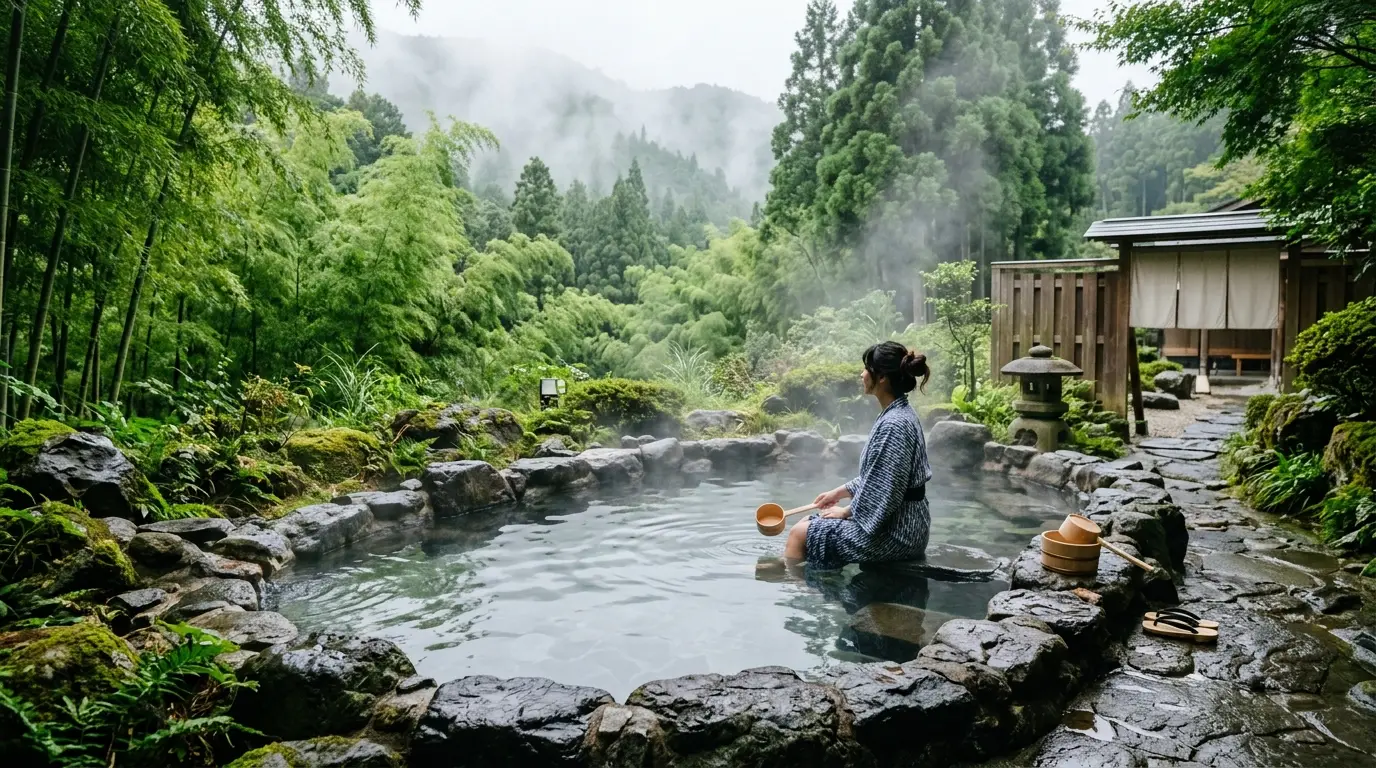
Hakata Motsunabe Feast and Riverside Nightscapes
Crown your second evening in Fukuoka with the region's legendary gastronomic masterpiece: Hakata Motsunabe (beef offal hotpot). Tucked along the bustling alleyways of Tenjin and Daimyo, storied dining halls like Shoraku, Rakutenchi, and Maedaya fill the twilight air with savory garlic and dashi aromas that draw passionate food lovers.
A wide shallow iron pot arrives laden with clean, tender beef offal buried beneath a majestic mountain of fresh green garlic chives, sweet cabbage, sliced garlic, and red chili pepper rings. As the broth simmers and the vegetables soften, dip tender morsels of rich offal into zesty ponzu or spicy yuzu kosho, unleashing waves of succulent umami flavor.
Diners can choose between a clear, savory soy sauce (shoyu) broth or a rich, creamy fermented miso base. Once the offal and vegetables are savored, the non-negotiable conclusion is ordering 'shime' champon noodles, which soak up the concentrated broth to create an unforgettable finale.
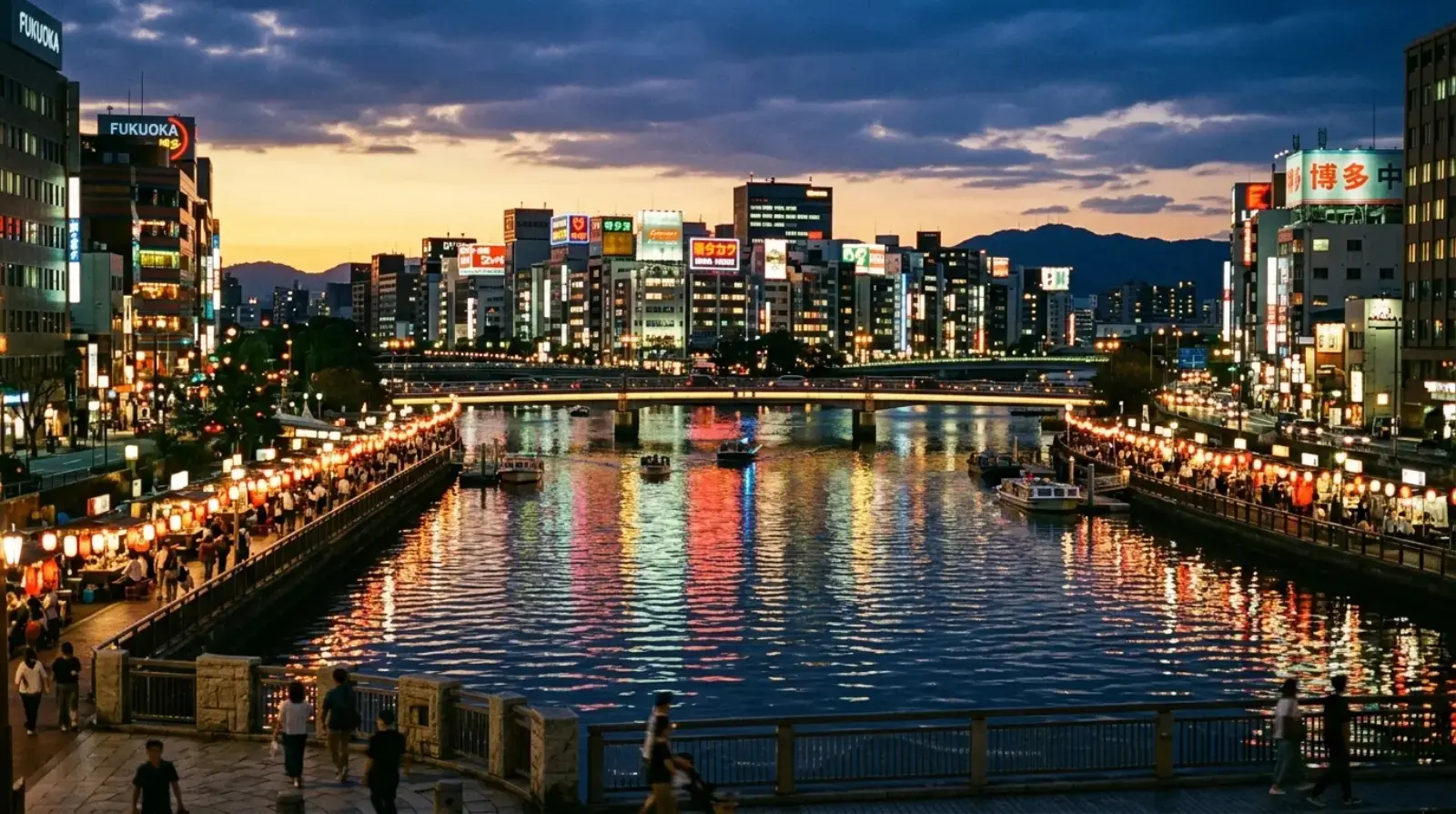
After dinner, stroll leisurely through Daimyo's craft cocktail bars or wander eastward along the lantern-lit banks of the Naka River beside Nakasu. Watching the city's golden neon reflections shimmer upon dark rippling waters wraps up a day that seamlessly united sacred shrines, green parklands, and sublime regional gastronomy.
Frequently Asked Questions
Field-tested answers to transit navigation, neighborhood choices, and payment traps.
Q1.What is the fastest and most convenient train from Tenjin to Dazaifu Tenmangu?
Q2.Which vendor along Dazaifu Sando serves the best Umegae Mochi?
Q3.Which broth is recommended for first-time motsunabe diners: Soy sauce (Shoyu) or Miso?
Q4.How much time should I budget to explore Ohori Park and the adjacent castle ruins?
The Smart Traveler's Essential Toolkit
Prepare instant mobile data, private airport transfers, and skip-the-line passes in one place.
Pick a base in Fukuoka by your route
Choose the places you want to see and get the neighbourhood with the shortest travel.
Compare Fukuoka Hotel Rates
Find the cheapest channel across Agoda and major booking engines with Tripdify.
Share This Guide with Your Companions
When shared via chat or social media, a curated summary card is sent along.
Recommended Guides
How to Book Fukuoka Hotels Cheaply: Four-Star Rates in Tenjin and Hakata
A complete guide comparing Hakata Station vs Tenjin hotel zones, avoiding DCC currency markup with JPY payments, and handling local accommodation taxes.
Getting Around Fukuoka: Subway Lines and Where to Stay in Hakata or Tenjin
How to bypass crowded airport terminal shuttles with direct buses in Fukuoka, master contactless subway gates, and pick the best base between Hakata and Tenjin.
Fukuoka Day 1 Itinerary: Airport to Hakata and the Nakasu Yatai Stalls
From reaching Hakata Station in five subway minutes to securing station lockers, ordering authentic tonkotsu ramen with custom firmness, and navigating Nakasu yatai etiquette. A veteran guide to your first 24 hours.
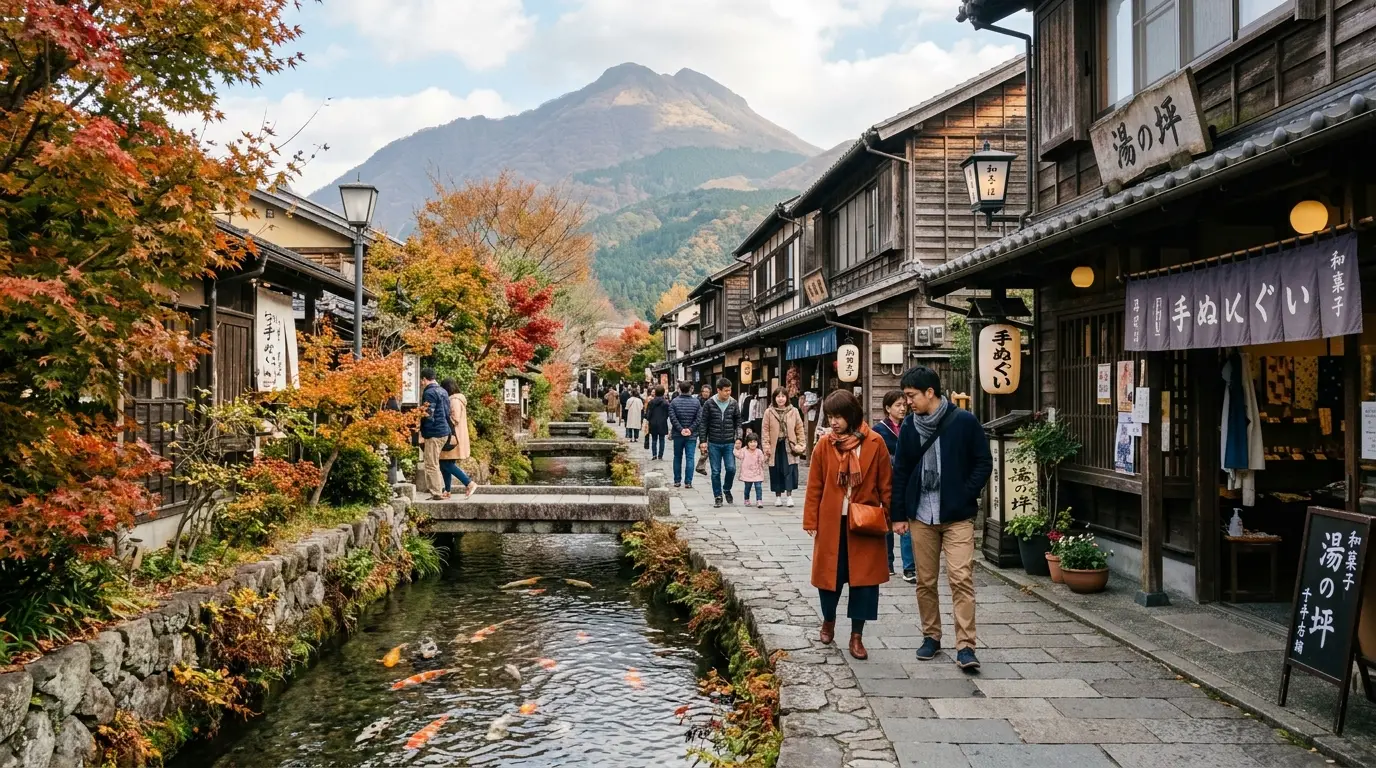
Fukuoka Day 3 Itinerary: Kushida Shrine, Canal City and Hakata Station Shopping
The ultimate finale for your Fukuoka journey: morning serenity at eighth-century Kushida Shrine, dynamic musical water shows at Canal City Hakata, souvenir hauls at Hakata Hankyu, and world-class subway airport transit clocking in at just five minutes flat.
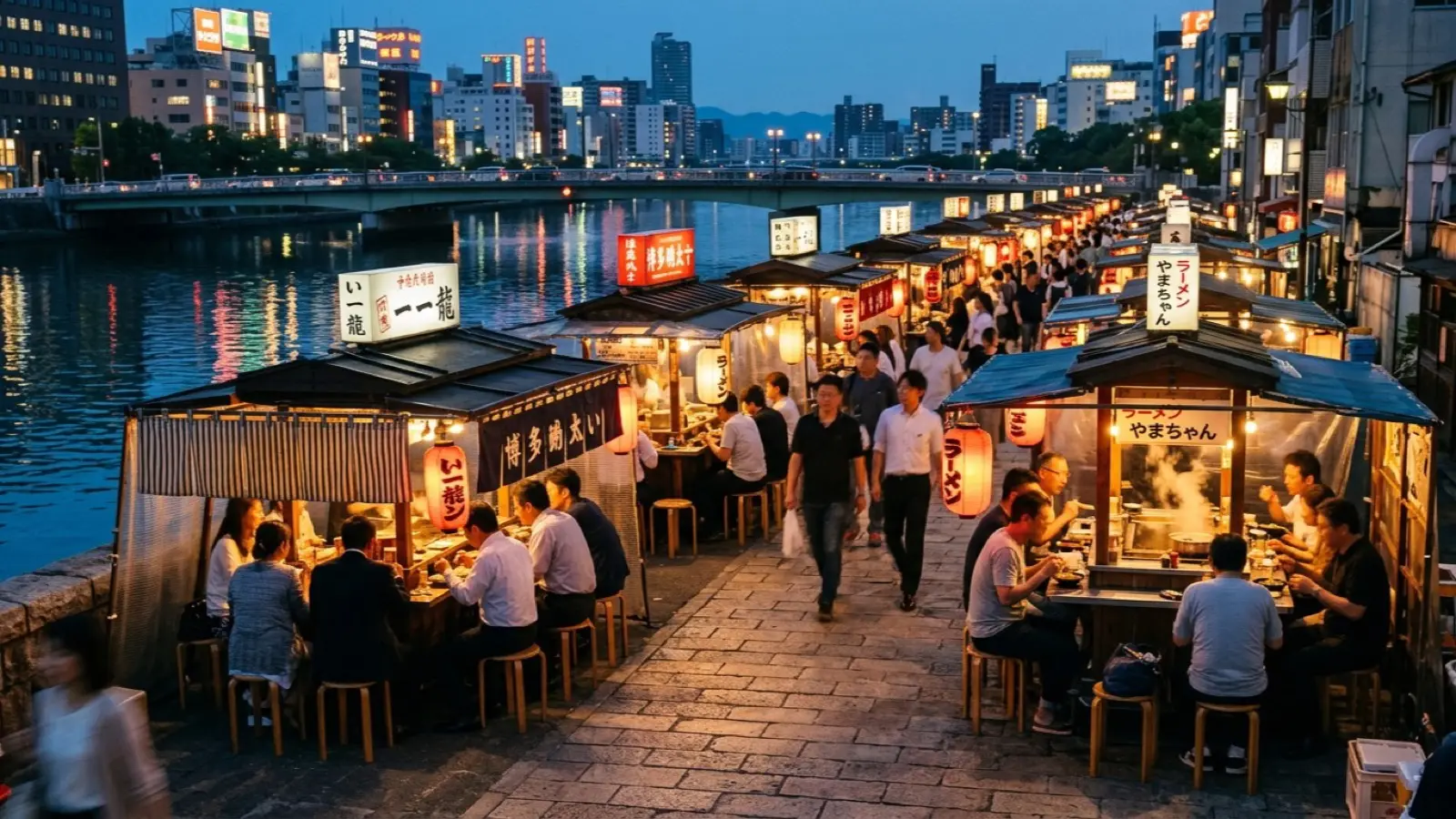
How to Use a Fukuoka Yatai: Ordering in Nakasu Without Overpaying
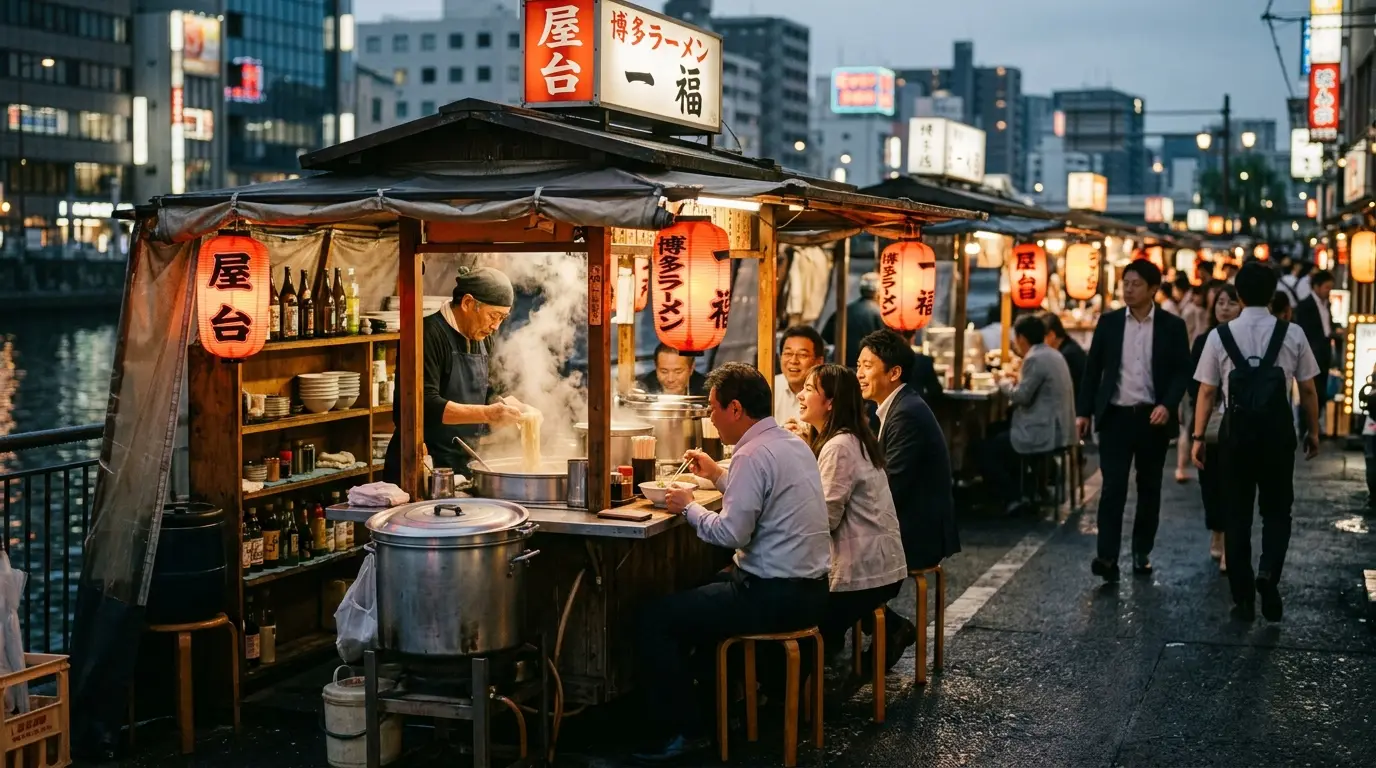
As twilight settles over the Naka River and red noren banners unfurl, Fukuoka's legendary street food scene comes alive. From seat fees and drink mandates to district rivalries across Nakasu, Tenjin, and Nagahama, here is how to savor Fukuoka's open-air yatai stalls like a seasoned local.
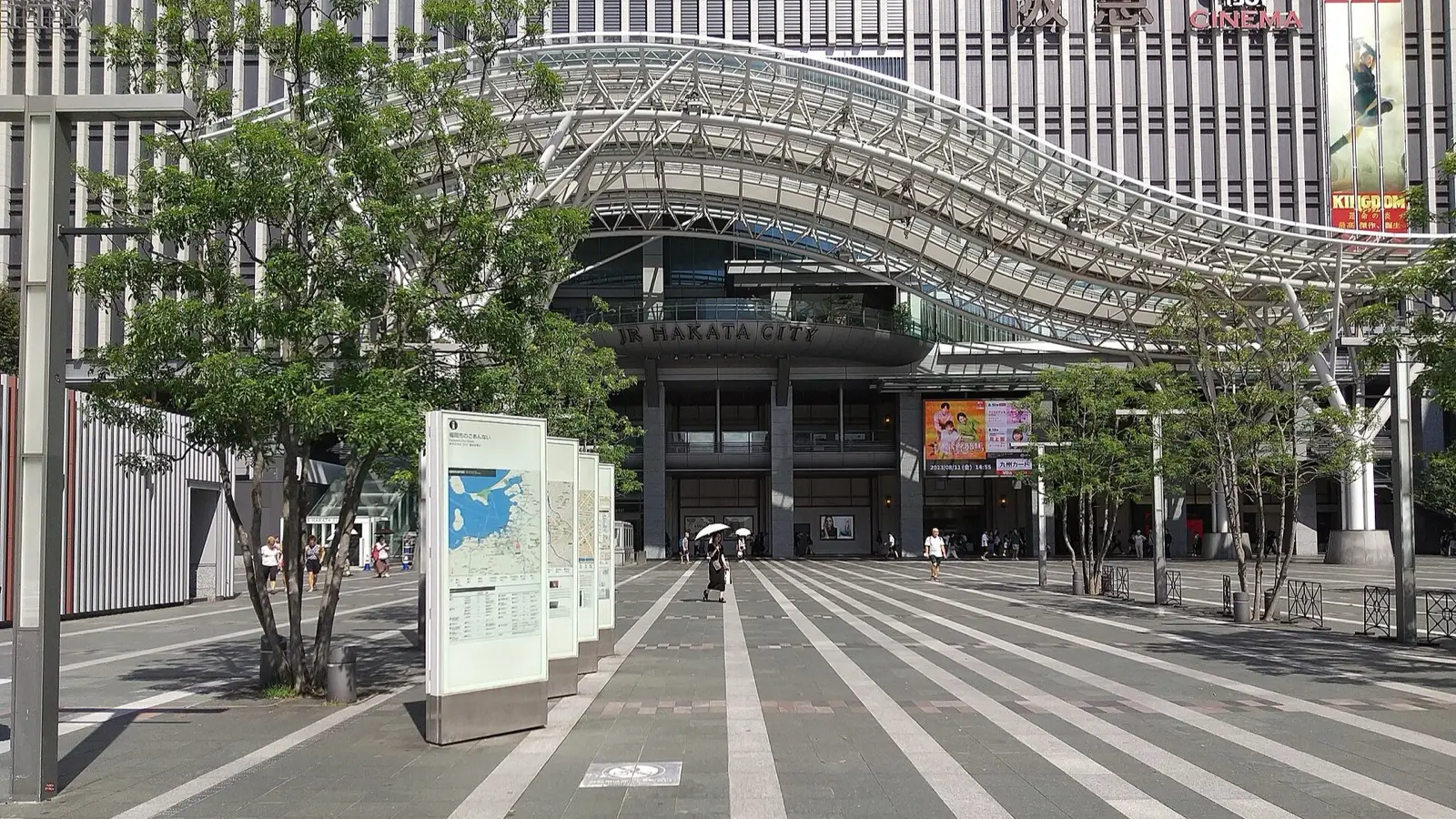
Best Hotels in Fukuoka: Hakata Station or Tenjin
The eternal question when planning a trip to Fukuoka is whether to stay in Hakata or Tenjin. From Hakata Station's unrivaled transit power just five minutes by subway from the airport, to Tenjin's lively department stores and nightlife, plus riverside Nakasu in between, we curate four standout stays tailored to your travel priorities.

The Overseas Car Rental Playbook: Japan Zero-NOC Cover, Geneva Permits, and Accident Protocols
Exploring the secluded hot spring hamlets and coastal scenic bypasses of Kyushu, Hokkaido, or Okinawa by rental car unlocks unparalleled freedom that regional rail cannot match. Yet self-driving abroad harbors hidden regulatory and financial pitfalls that derail holidays before turning the ignition key. Many international travelers arrive at Japanese rental depots carrying standard domestic English driver licenses, only to be turned away because Japan strictly requires an original physical Geneva Convention 1949 International Driving Permit. Furthermore, settling for basic collision damage waivers (CDW) leaves drivers liable for steep Non-Operation Charges (NOC) when minor scratches occur, while failing to file a formal police report voids coverage entirely. This guide outlines every critical checkpoint, from foolproof permit validation and zero-deductible NOC packages to 360-degree vehicle inspection videos and regional expressway pass savings.
Dawn at Fukuoka Dazaifu Tenmangu: Warm Umegae Mochi, Sacred Ox Statues, and Verdant Shrine Gardens
Revered as the final resting place of Sugawara no Michizane, the patron deity of scholarship and literature, Dazaifu Tenmangu stands as Kyushu's most celebrated historic Shinto shrine. Yet visiting at midday frequently plunges travelers into dense crowds of tour groups, megaphone announcements, and packed souvenir corridors. The authentic soul of Dazaifu reveals itself only to those who arrive early at 8:00 AM. In the cool dawn mist, Shinji Pond mirrors ancient weeping willows as you step onto the three arched vermilion bridges known as Taikobashi, symbolizing the spiritual passage through past, present, and future. From gently rubbing the polished horns of the bronze sacred ox statues for academic luck to savoring piping-hot, griddled Umegae-mochi rice cakes stamped with plum crests, this peaceful morning itinerary unveils the serene heart of Fukuoka heritage.
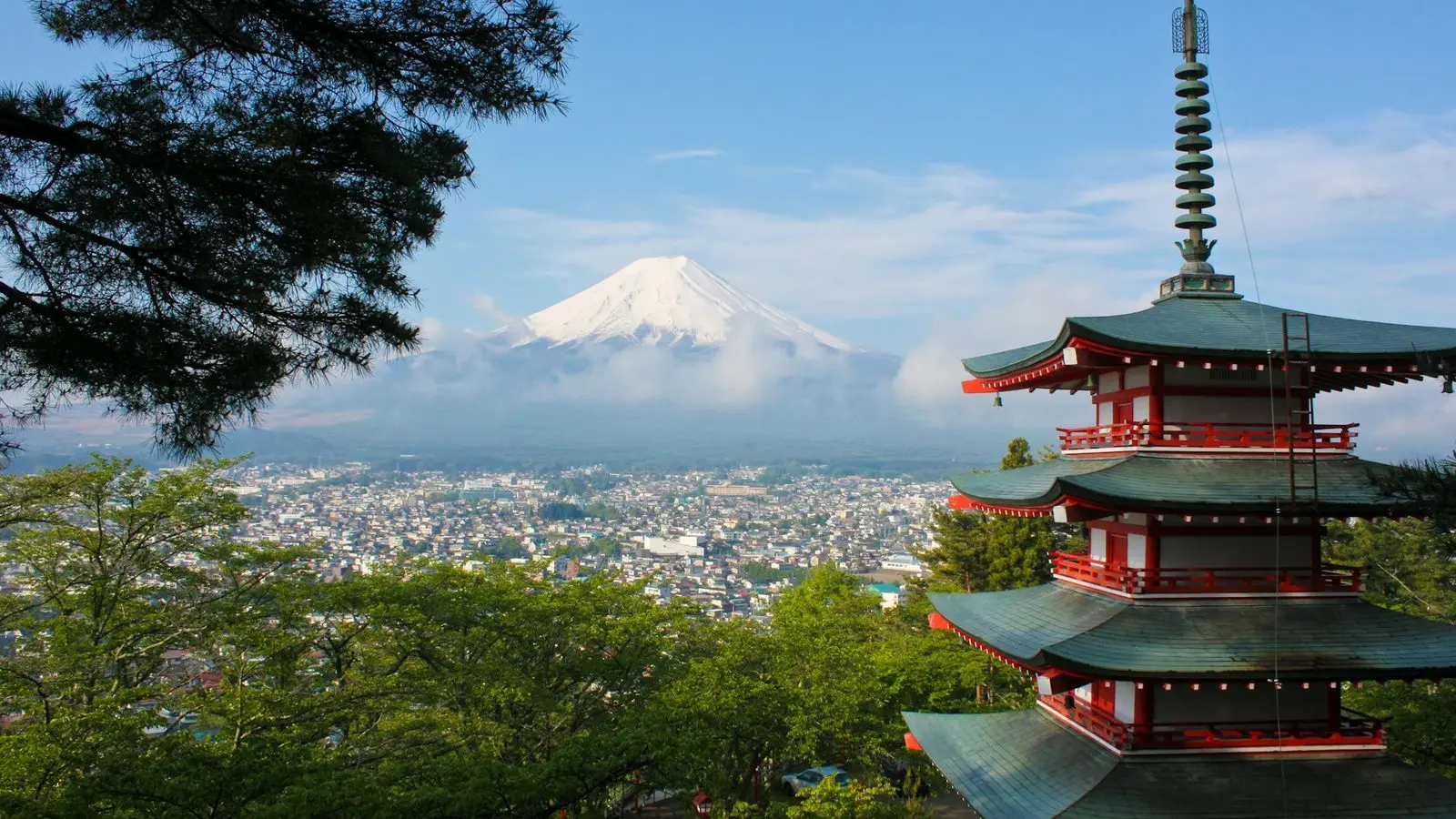
5 Best Value Hotels in Fukuoka Tenjin: 11-Minute Direct Airport Subway, Shopping Hubs, and Onsen Baths
When selecting an urban sanctuary in Fukuoka, travelers perpetually weigh the competing virtues of Hakata versus Tenjin. While Hakata Station reigns supreme for bullet train intercity transit and Kyushu rail loops, Tenjin captures the lifestyle heart of the city, placing premier department stores including Iwataya, Parco, and Daimaru alongside trendy Daimyo boutiques within effortless footfall. Moreover, the Fukuoka City Subway whisks passengers from the airport terminal directly into central Tenjin in just 11 minutes, while Nishitetsu Fukuoka Station provides swift rail departures to Dazaifu Tenmangu shrine. However, finding tranquility amidst bustling neon requires insider curation. Here are five downtown value hotels, boasting soothing natural onsen hot spring baths, complimentary evening noodles, and peaceful acoustic insulation.
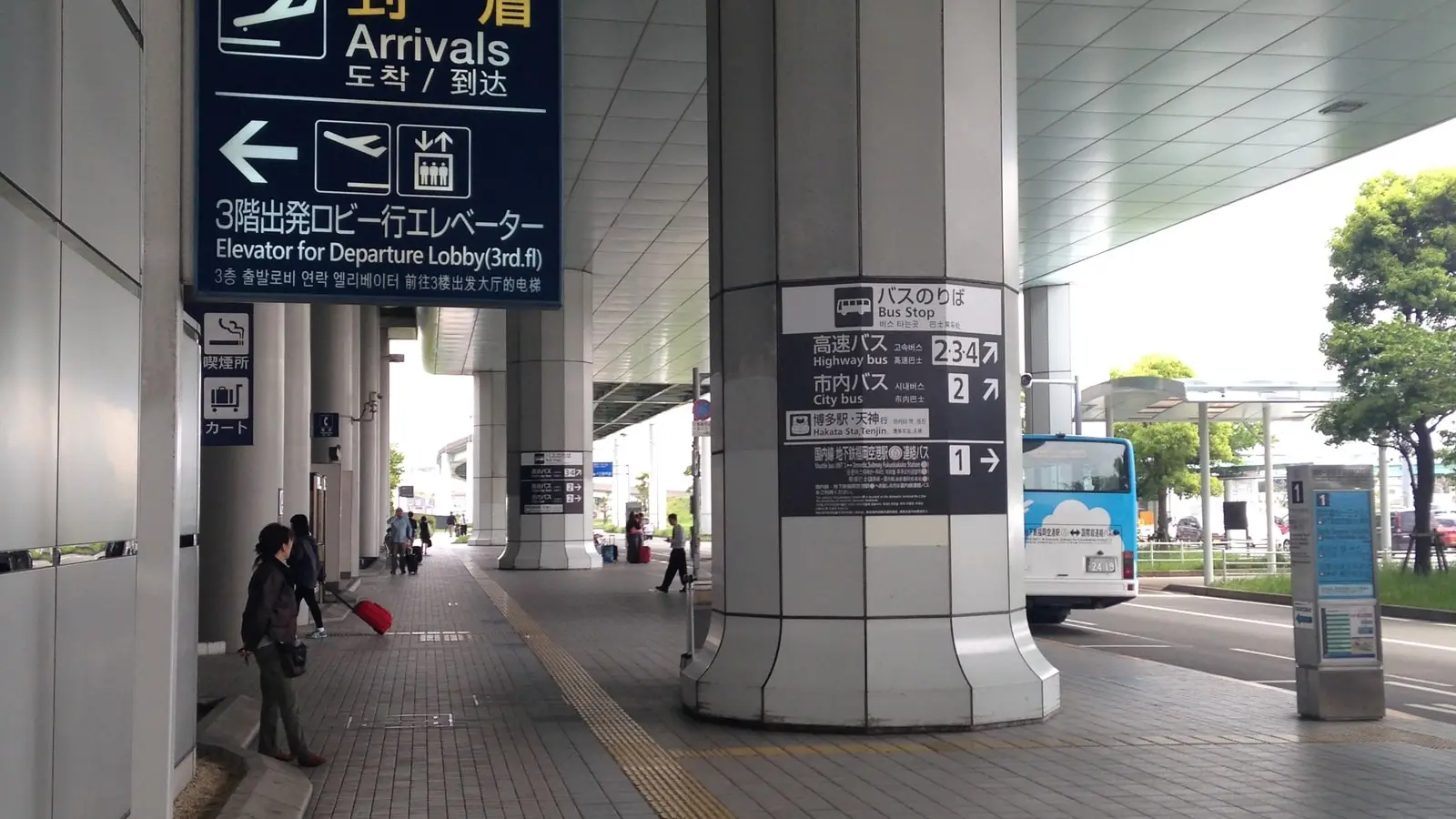
Fukuoka Airport to Hakata and Tenjin: The 5-Minute Subway Miracle, Free Shuttle, Bus, and 1,500 Yen Taxis
Fukuoka Airport boasts arguably the finest urban accessibility of any major Asian hub. By subway, Hakata Station is just two stops and five minutes away for 260 yen, with Tenjin reached in eleven. However, the International Terminal lacks a direct train station, requiring travelers to take a free shuttle bus to the Domestic terminal or board a direct 310-yen highway coach. For parties of two or more, taking a 1,500-yen metered taxi directly to your hotel doorstep is vastly more convenient.
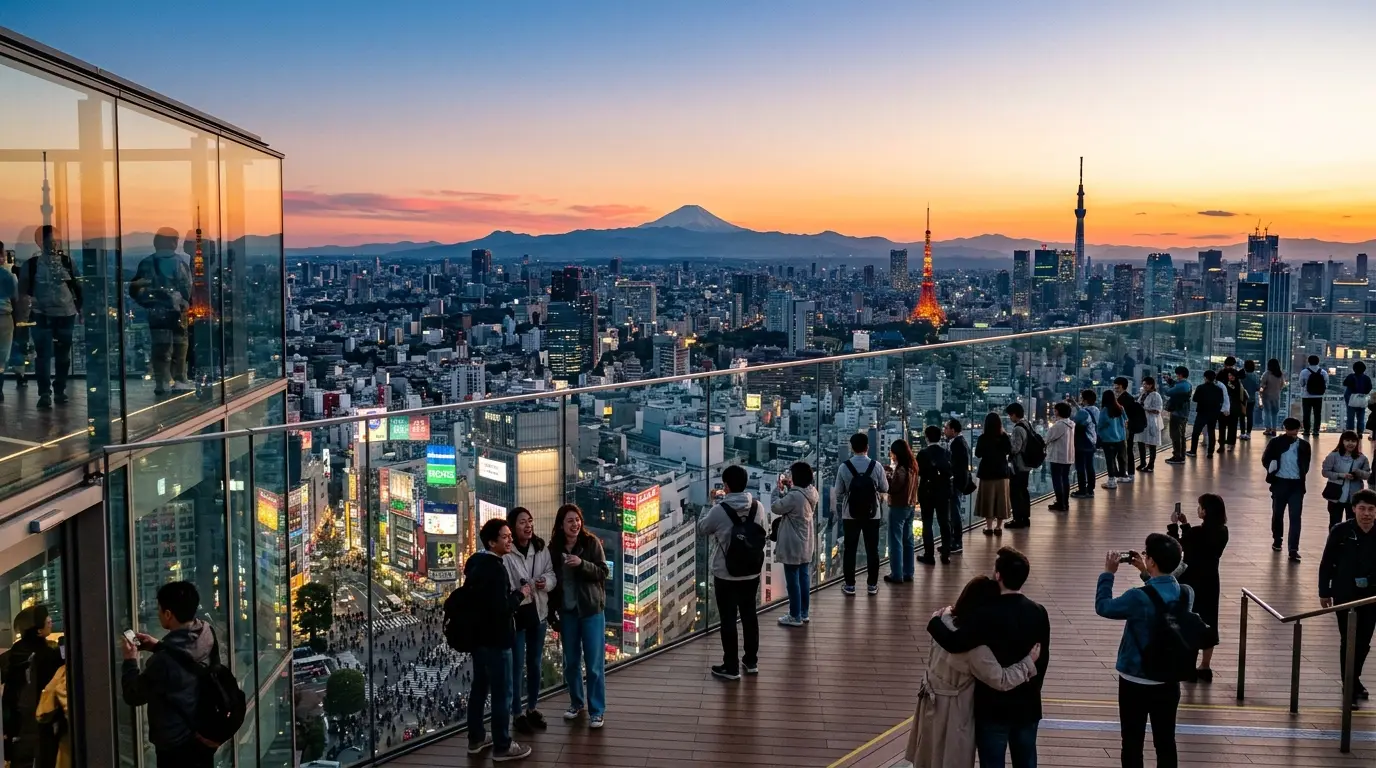
Where to Stay in Tokyo: Shinjuku vs Shibuya vs Ginza
Comparing room footprints across Shinjuku, Ginza, and Ueno, locking in sudden 14-day cancellation drops, and eliminating DCC fees with clean Yen checkout.
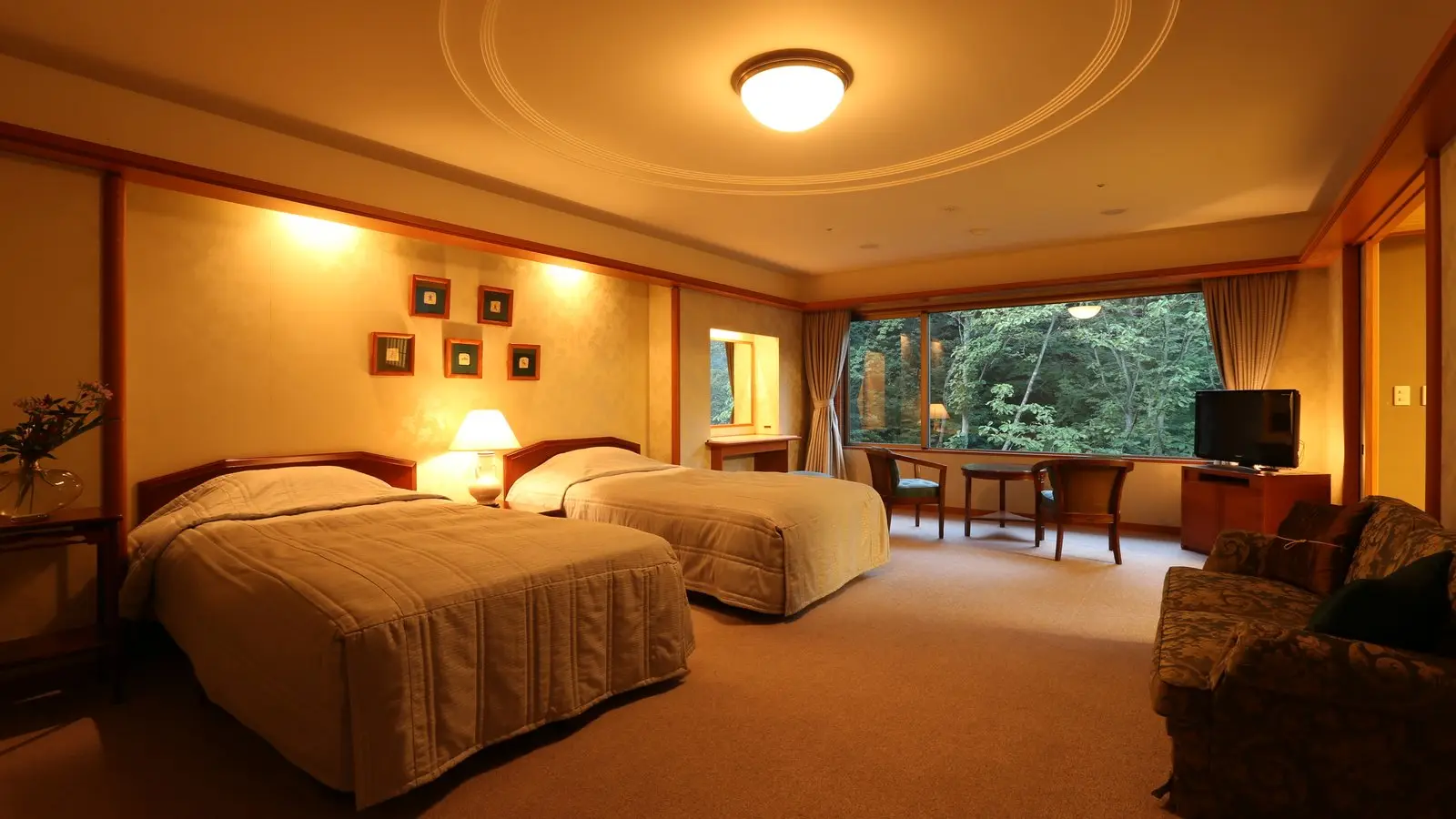
7 Budget Hotels in Tokyo Under $100 on the Yamanote Line
Even amid yen fluctuations, central Tokyo hotel rates have soared. Learn how to secure Yamanote loop line hotels at half the price of Shinjuku, compare onsen bath chains like Dormy Inn, trigger secret Agoda VIP and Booking.com Genius discounts, and dodge hidden currency fees with yen settlement.