
SapporoGuide
Sapporo Day 2 Itinerary: Beer Museum Jingisukan and the Mount Moiwa Night View
Three-glass brewery tasting flights, sizzling lamb on helmet-shaped griddles, virgin forest shrines, and diamond nightscapes from 531 meters.
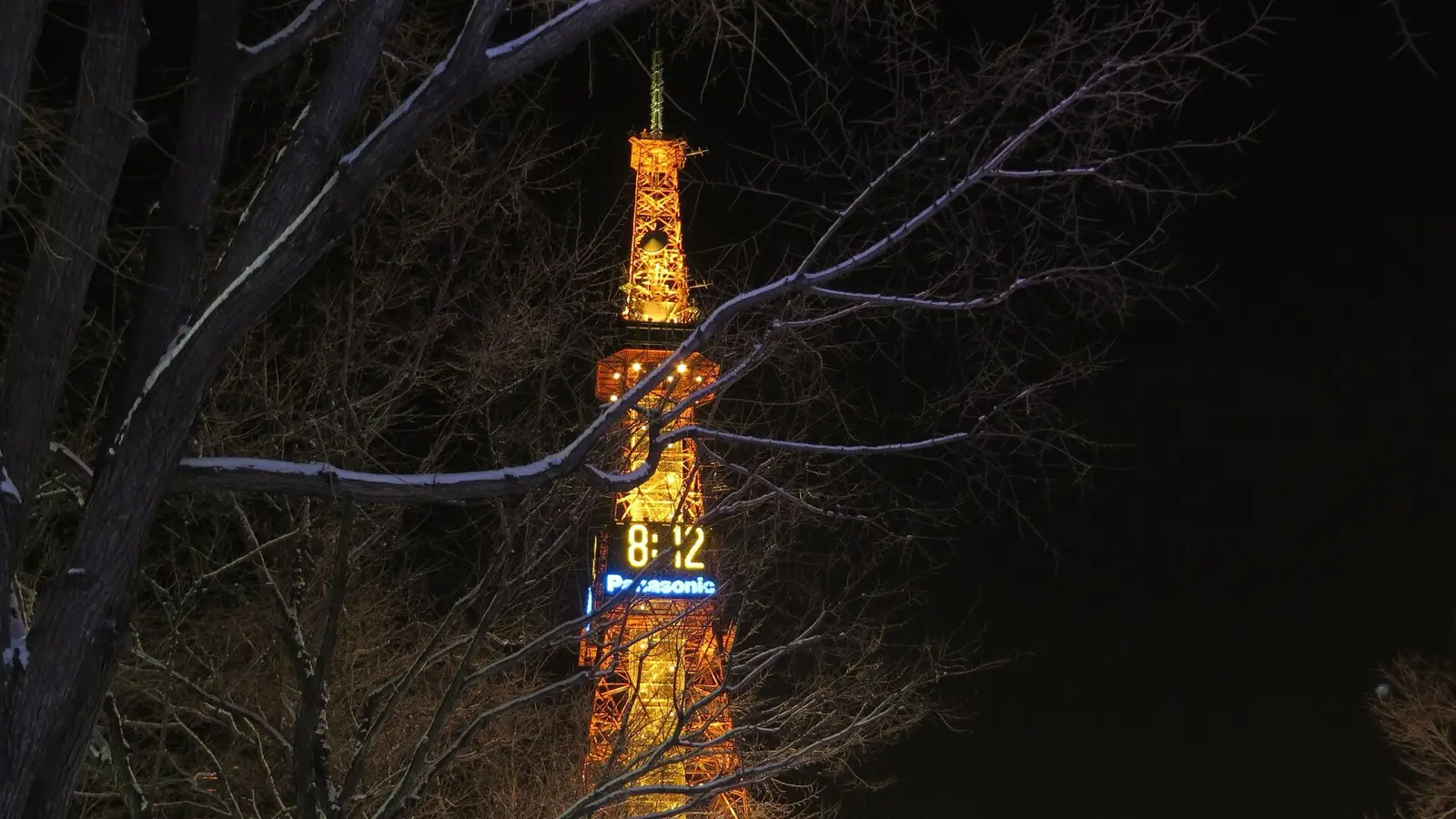
Sapporo Beer Museum: Red-Brick Heritage and a Three-Pounder Tasting Flight
The second morning in Sapporo commences at the birthplace of Japanese brewing culture: the historic Sapporo Beer Museum. A short city bus ride from Sapporo Station brings you before soaring industrial chimneys and ivy-clad Bavarian-style brick buildings framed by snow-covered birch trees.
Self-guided exhibits ascend to the 3rd floor, centered around a monumental copper wort kettle once used in production. Archival photographs narrate the daring saga of the Kaitakushi pioneers and Seibei Nakagawa, the Japanese brewmaster who learned German lager techniques at a Berlin brewery before the Kaitakushi Brewery opened in 1876.
The crowning finale is Star Hall on the ground floor. Order the paid signature three-glass tasting flight. Skilled draught masters pour rich, malty 'Kaitakushi Beer' brewed to the original 1876 recipe, Hokkaido-exclusive crisp 'Sapporo Classic', and Japan's flagship 'Black Label' beneath thick caps of velvety micro-foam.
Comparing the brews side by side reveals distinct flavor profiles: the caramelized richness of the Kaitakushi gives way to the clean, brisk snap of the Classic. Crunchy smoked cheese biscuits included with the flight heighten the bright herbal bitterness of the hops.
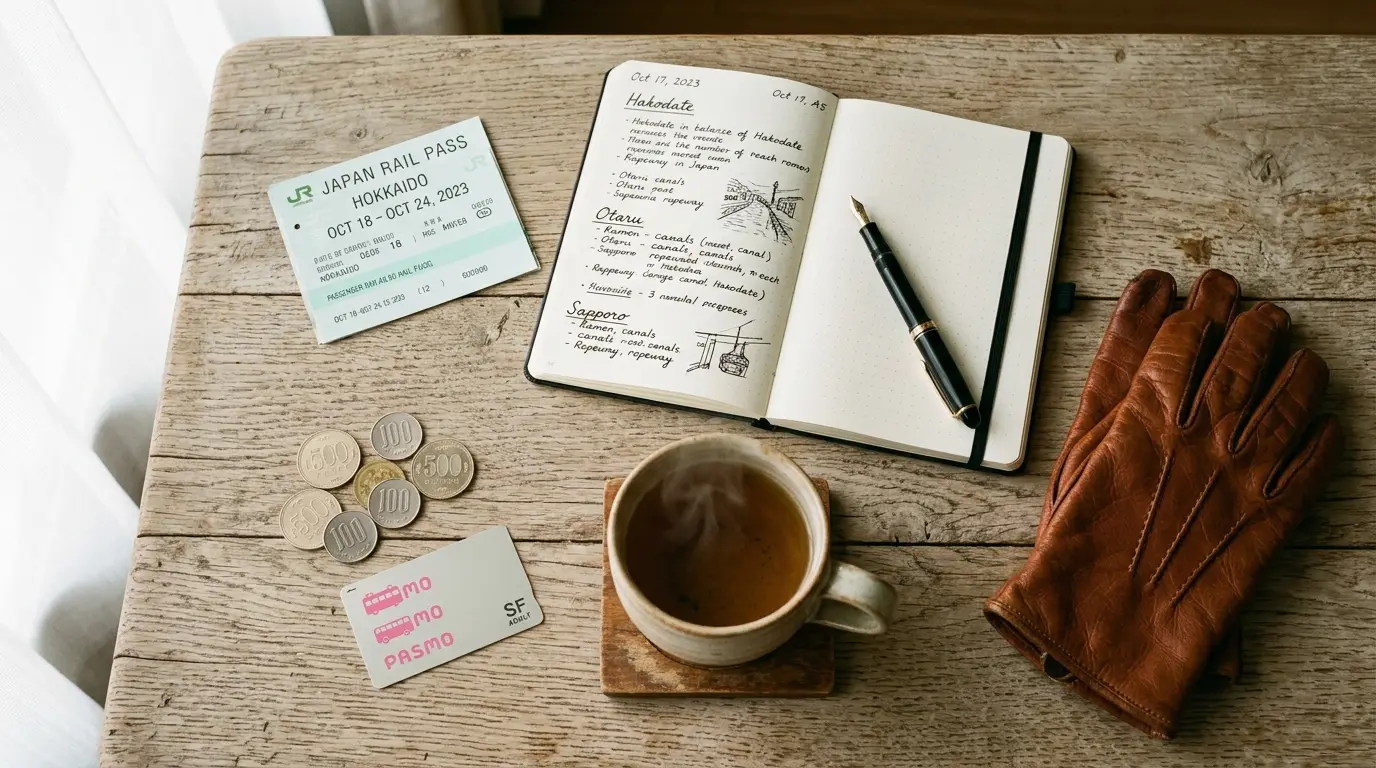
Sapporo Beer Garden Feast: Sizzling Genghis Khan Lamb on Cast-Iron Griddles
Stepping from the museum across the brick courtyard into the Kaitakushi Hall of the Sapporo Beer Garden, sensory intensity peaks. Beneath soaring timber rafters dating back to 1890, the convivial roar of hundreds of diners and the sizzling aroma of seared mutton envelop the cavernous hall.
Hokkaido's premier culinary staple, 'Genghis Khan', is a vibrant barbecue tradition grilled over convex, helmet-shaped cast-iron dome griddles. Place a cube of beef tallow on the apex to coat the hot ridges, followed by generous mounds of chilled fresh Australian lamb chops and tender loin.
Ring the perimeter with thick rings of sweet Hokkaido yellow onions, crisp shredded cabbage, and bean sprouts. As the lamb sears at searing temperatures, rich meat drippings cascade down the slanted channels, naturally caramelizing the vegetables into sweet, tender perfection.
Dipping tender slices of medium-rare lamb into the garden's secret apple-and-onion soy sauce yields phenomenal richness with zero unpleasant gaminess. Washing it down with frosty steins of draft Sapporo Classic beer sweeps your palate clean, sparking instant cravings for another round.
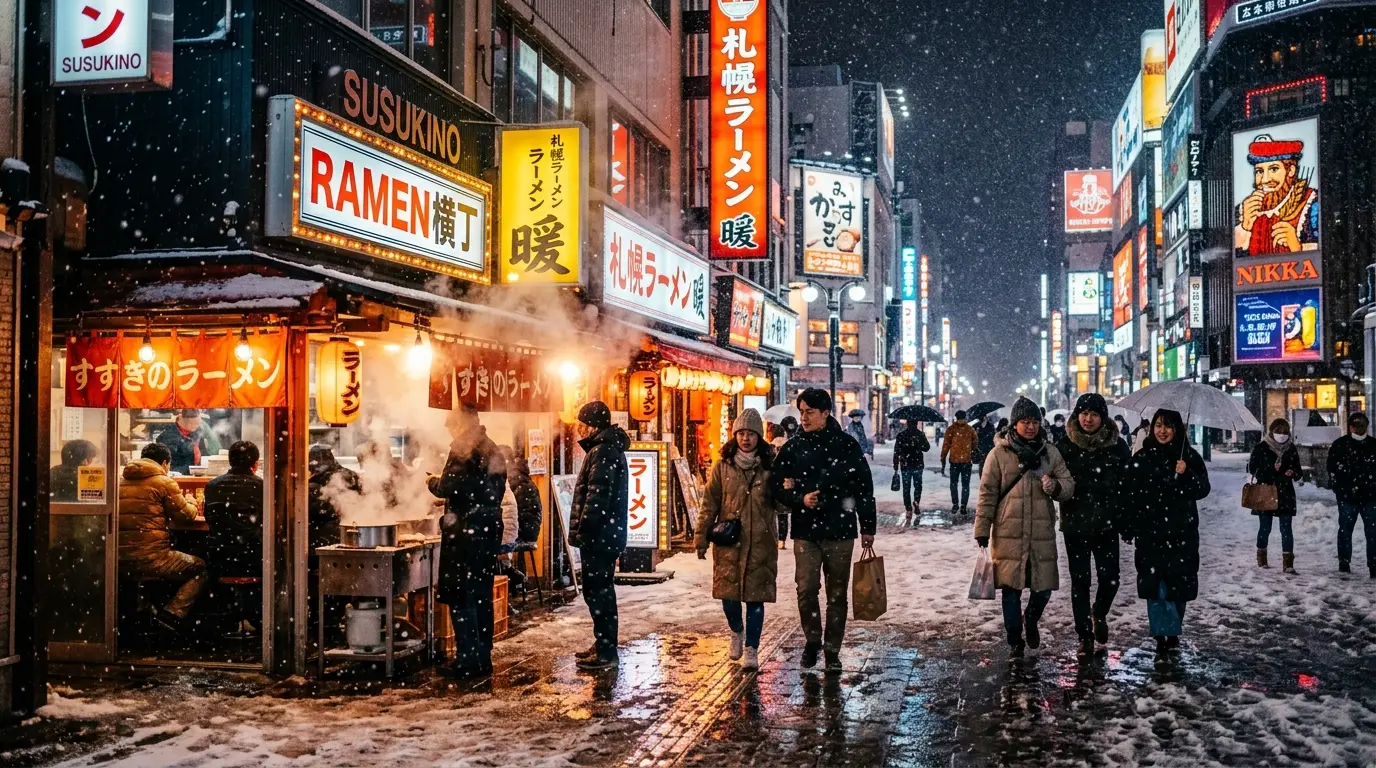
Maruyama Park & Hokkaido Shrine: Virgin Forest Paths and Toasted Buckwheat Cakes
Riding the Tozai Subway Line west to Maruyama-Koen Station transports you into another realm. Emerging onto gentle snowy trails, you enter the ancient virgin forest canopy of Maruyama Park, where giant centuries-old Katsura and elm trees form a snow-draped natural cathedral overhead.
Walking beneath the towering timber Grand Torii Gate brings you before the main sanctuary of Hokkaido Shrine. Established by Emperor Meiji in 1869, the shrine features pitched copper roofs laden with thick blankets of powder snow, creating a mesmerizing monochrome tableau of spiritual calm.
After bowing at the offering hall, seek out Rokkatei Jingu Chaya, an intimate heritage teahouse tucked inside the forested grounds. Operated by Hokkaido's revered confectioner Rokkatei, the shop serves an exclusive specialty baked fresh on-site: 'Hangan-sama' buckwheat mochi cakes.
Pan-seared on a cast-iron flat top until crisp and golden on both sides, the chewy soba-flour mochi hides a molten core of subtly sweet red adzuki bean paste. Savoring the steaming cake alongside complimentary hot roasted barley tea sends soothing warmth spreading all the way to frozen fingertips.
Strolling down toward the boutique streets of Maruyama Village reveals quiet residential lanes lined with upscale French bistros, artisan roasteries, and ceramic studios, offering a sophisticated glimpse of suburban Sapporo.
Mount Moiwa Ropeway: Ascending to Japan's Top Three Night Views at 531m
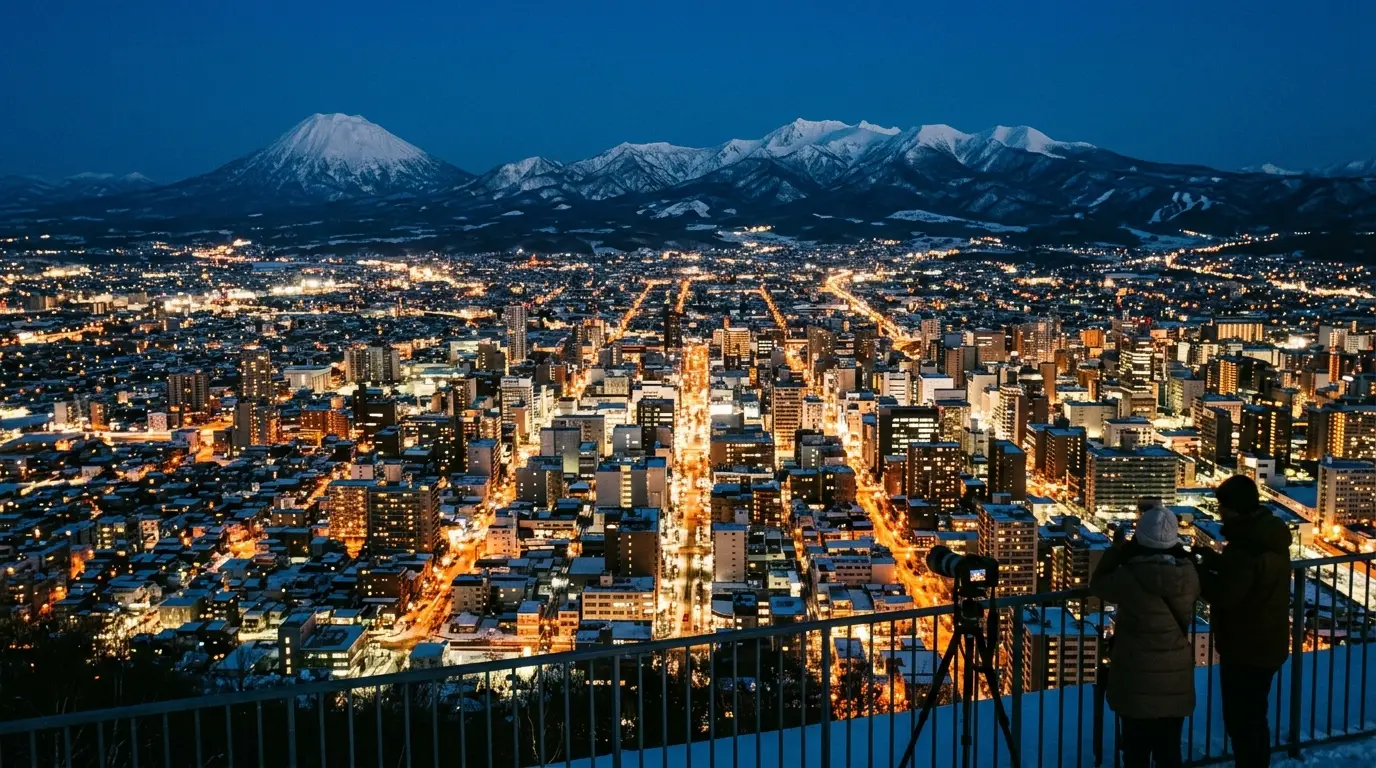
Transferring via the Sapporo Streetcar or taking a short taxi to the base of Mount Moiwa brings you to the lower ropeway terminal. Rising 531 meters above sea level, Mount Moiwa commands the definitive panoramic angle over central Sapporo's geometric grid.
Boarding the large glass cable car gondola, you glide swiftly above snowy forest canopies for five minutes to reach the mid-station. From there, transfer to the 'Maurice Car', an innovative double-car mini funicular that scales steep snowbanks to deposit you at the summit deck in two minutes.
Stepping onto the open-air observation platform into brisk sub-zero winds, the view takes your breath away. The immaculate grid of Sapporo's streetlights reflects against endless expanses of pure white snow, creating a dazzling sea of diamonds laid out on a dark velvet tapestry.
At the summit terrace center, couples ring the 'Bell of Happiness' against the starry sky. Heading inside to the heated observation lounge with a hot cup of dark cocoa, you can marvel at the endless carpet of urban light in cozy comfort.
Susukino Seafood Izakaya: Savoring Grilled Atka Mackerel and Dry Local Junmai
Riding the historic streetcar back into the buzzing neon glow of Susukino, night two reaches its pinnacle at an authentic Hokkaido robatayaki seafood izakaya.
Mounds of crushed ice behind counter seats display colossal hairy crabs, sea urchin roe (uni), and ruby-red botan ebi prawns. The undeniable centerpiece of any Hokkaido tavern feast is an extra-large charcoal-grilled 'Hokke' (Atka mackerel).
Plucked from the icy Sea of Okhotsk, this fish spans nearly the length of a forearm. As it roasts over glowing binchotan charcoal, the skin blisters crisp while natural oils bubble across rich, tender white meat. Squeezing fresh lemon over the steaming fillet unlocks pure savory bliss.
Pair your fish with a chilled masu wooden box of 'Chitosezuru' special dry junmai sake. The crisp, clean finish cuts through rich fish oils effortlessly, sealing an unforgettable second day where mountain heights and coastal delicacies unite in harmony.
Frequently Asked Questions
Field-tested answers to transit navigation, neighborhood choices, and payment traps.
Q1.Is admission to the Sapporo Beer Museum free, and how does the tasting lounge work?
Q2.Is advance table booking necessary for Genghis Khan at Sapporo Beer Garden?
Q3.What are the operating hours and fares for the Mount Moiwa Ropeway?
Q4.Can I take away Hangan-sama buckwheat cakes from Rokkatei Jingu Chaya?
The Smart Traveler's Essential Toolkit
Prepare instant mobile data, private airport transfers, and skip-the-line passes in one place.
Pick a base in Sapporo by your route
Choose the places you want to see and get the neighbourhood with the shortest travel.
Compare Sapporo Hotel Rates
Find the cheapest channel across Agoda and major booking engines with Tripdify.
Share This Guide with Your Companions
When shared via chat or social media, a curated summary card is sent along.
Recommended Guides
What to Pack for Sapporo in Winter and How to Handle a Suitcase on Ice
An insider guide to heated underground walkways, making early-morning Biei snow tour departures at Sapporo Station, and evading New Chitose airport blizzard traps.
Sapporo and Otaru Itinerary: Susukino Food and Canal-Side Onsen Ryokan
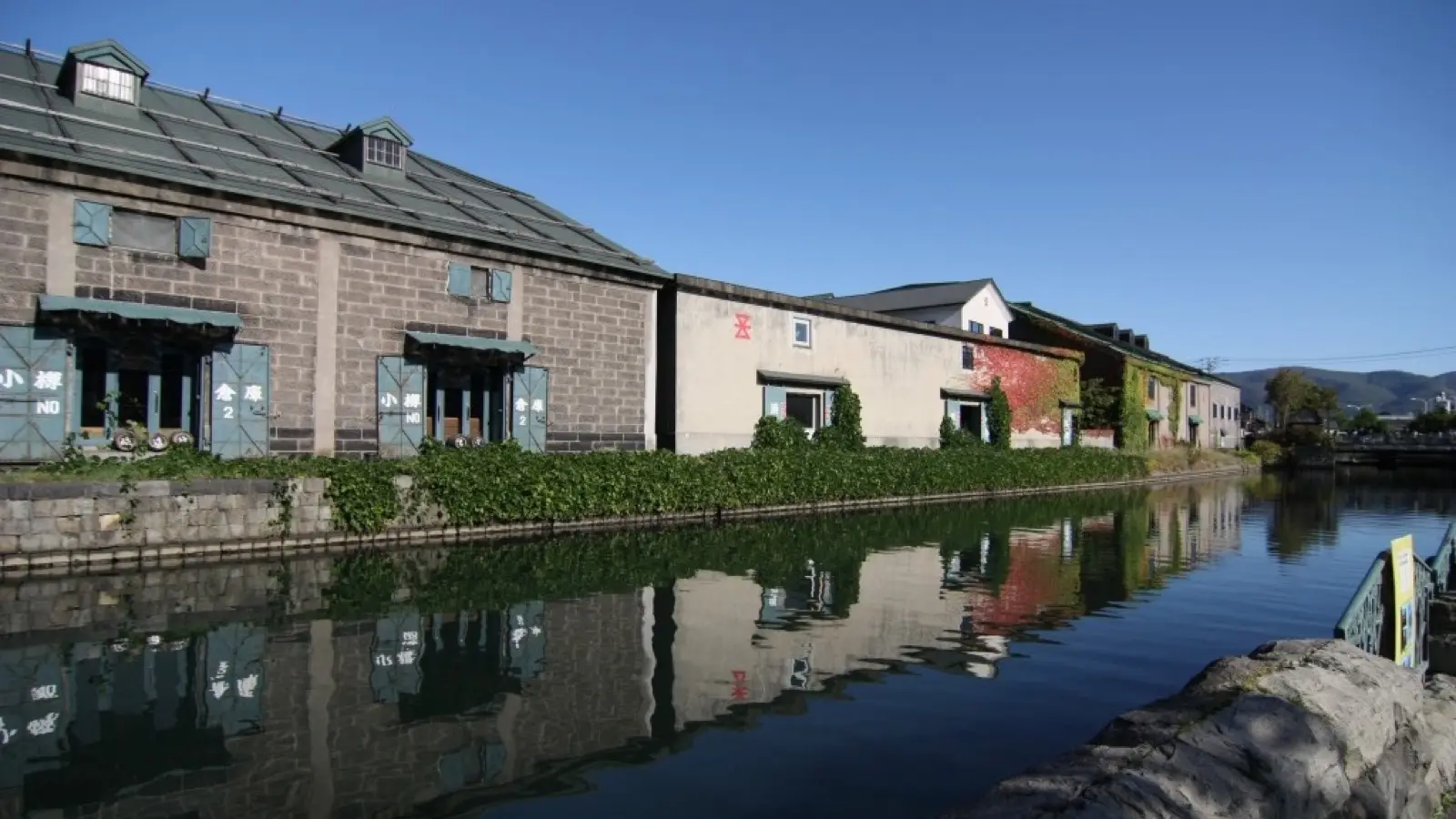
When winter descends upon Hokkaido, Sapporo transforms into a silent, snow-carpeted wonderland. Beneath the freezing surface lies an astonishingly warm culture: bubbling cauldrons of soup curry in Susukino, century-old stone canal warehouses in Otaru, and secluded steaming rotenburo hot springs in Jozankei. Here is the definitive field guide to mastering Hokkaido's premier winter duo with insider precision.
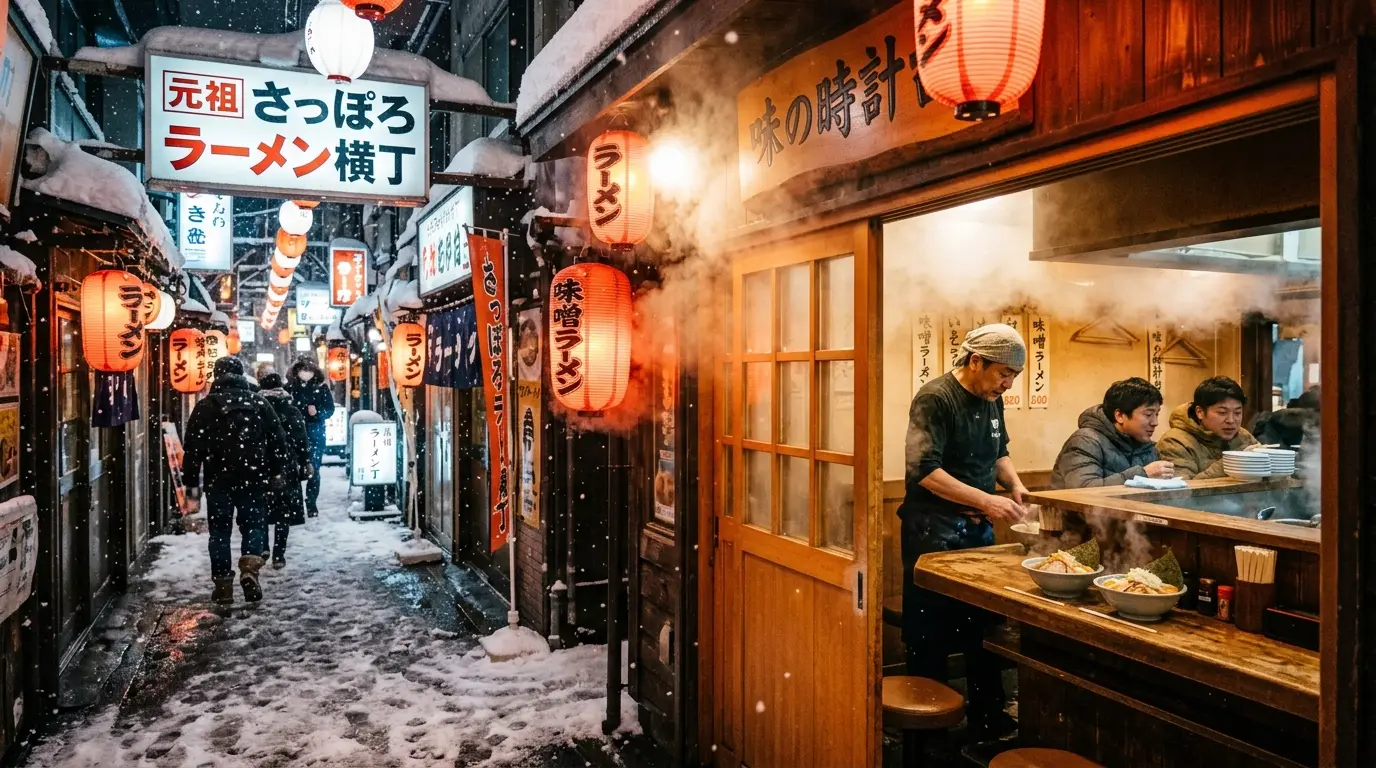
Sapporo Day 1 Itinerary: New Chitose Airport to the City and a Night in Susukino
The essential first 24 hours in Hokkaido's snow capital: mastering the 37-minute JR Rapid Airport train, walking the heated Chi-Ka-Ho underground labyrinth, watching the twilight snowfall from Odori Park, devouring rich butter-corn ramen in historic Susukino, and tasting an architectural midnight shime parfait.
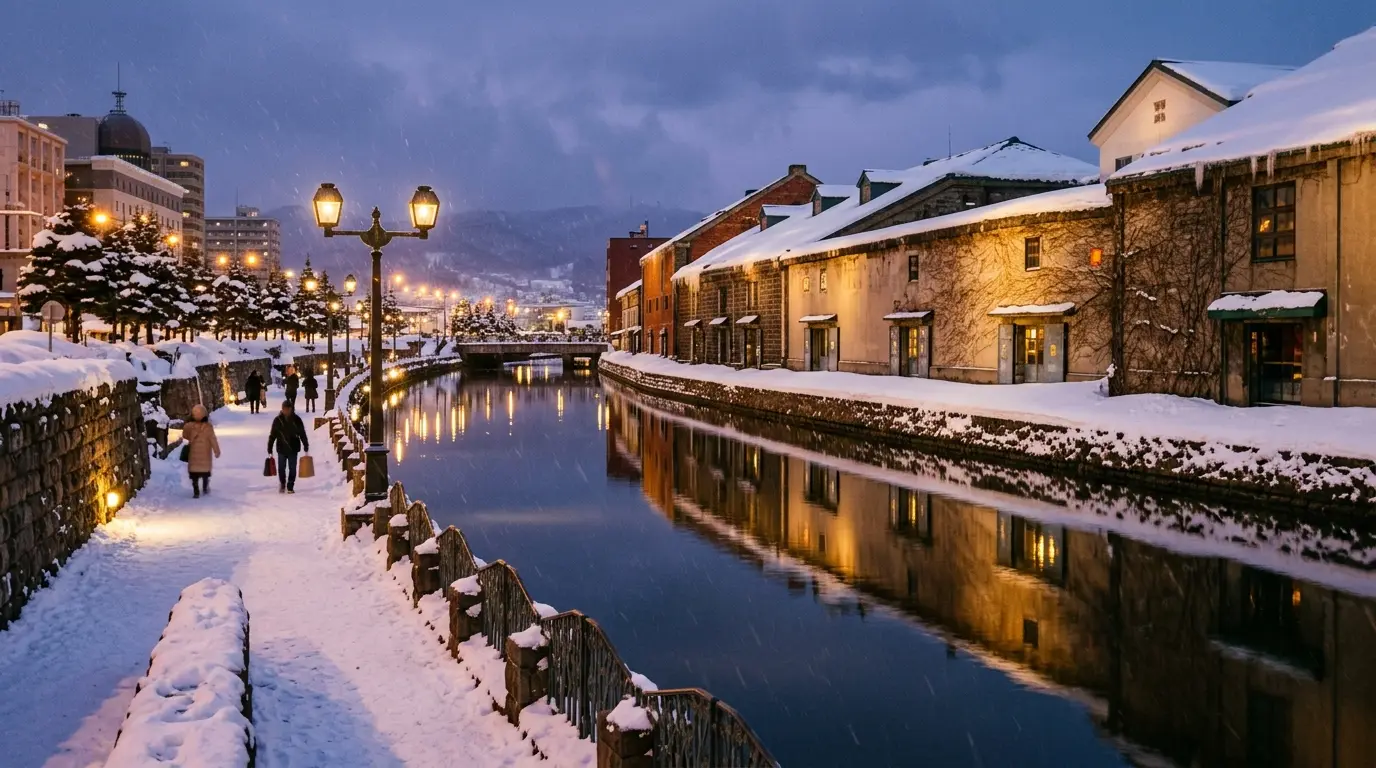
Sapporo Day 3 Itinerary: A Day Trip to Otaru and Shopping at New Chitose
The definitive grand finale: riding the coastal JR Rapid train along snow-covered Ishikari Bay to Otaru, admiring century-old stone canal warehouses and gas lamps, savoring freshly made double fromage cheesecake at LeTAO's flagship, indulging in mountain-high sea urchin kaisendon at Sankaku Market, and sweeping through New Chitose Airport's legendary confectionery halls.
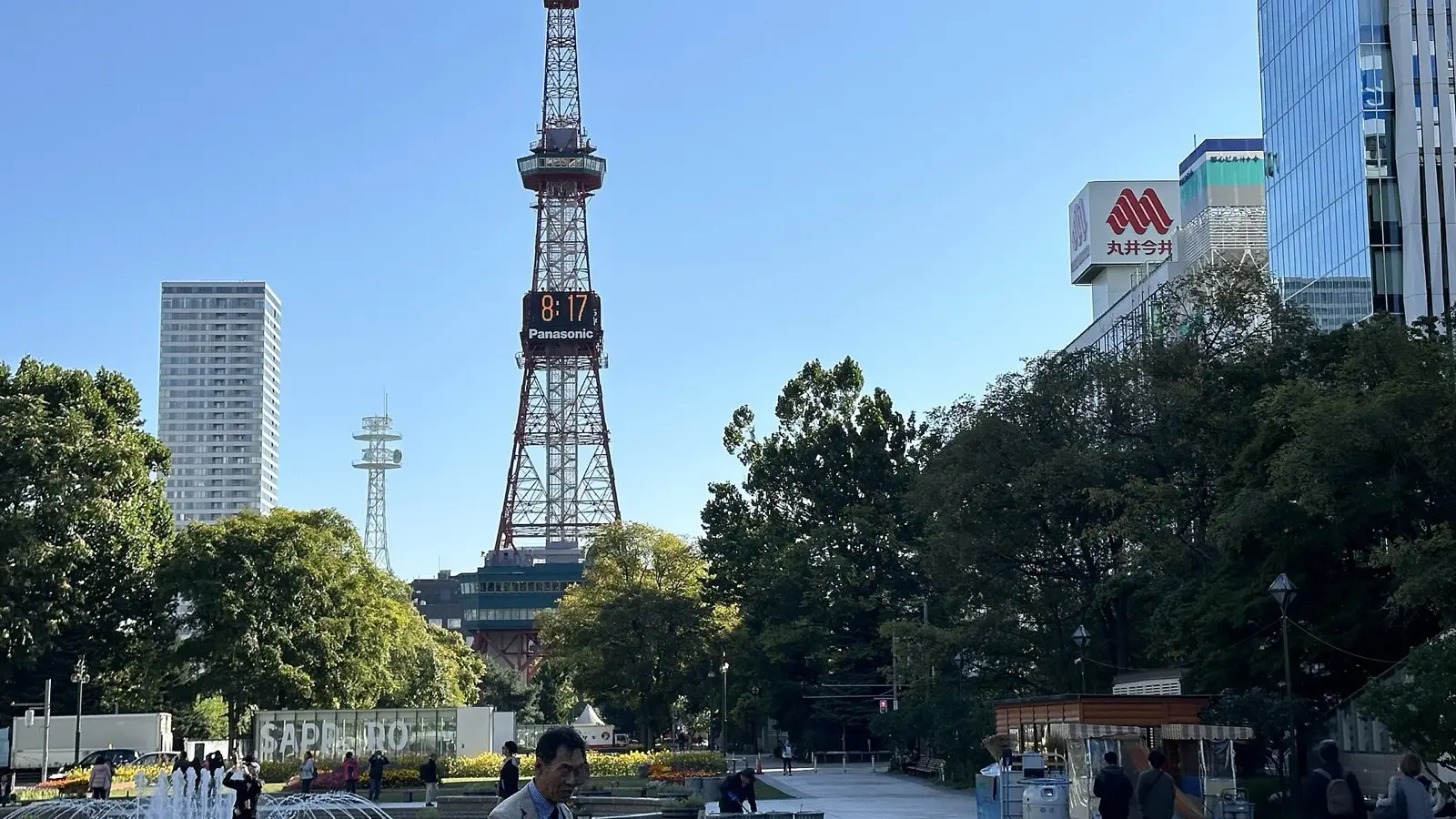
Sapporo Hotels with Large Baths: Dormy Inn, Vessel and JR Inn Compared
In winter Hokkaido, the line between a joyful journey and shivering exhaustion is whether your hotel has a proper hot spring bath. From snow-free underground access at Sapporo Station to natural mineral waters and bottomless salmon roe breakfast buffets, we compare Sapporo's top four onsen business stays.
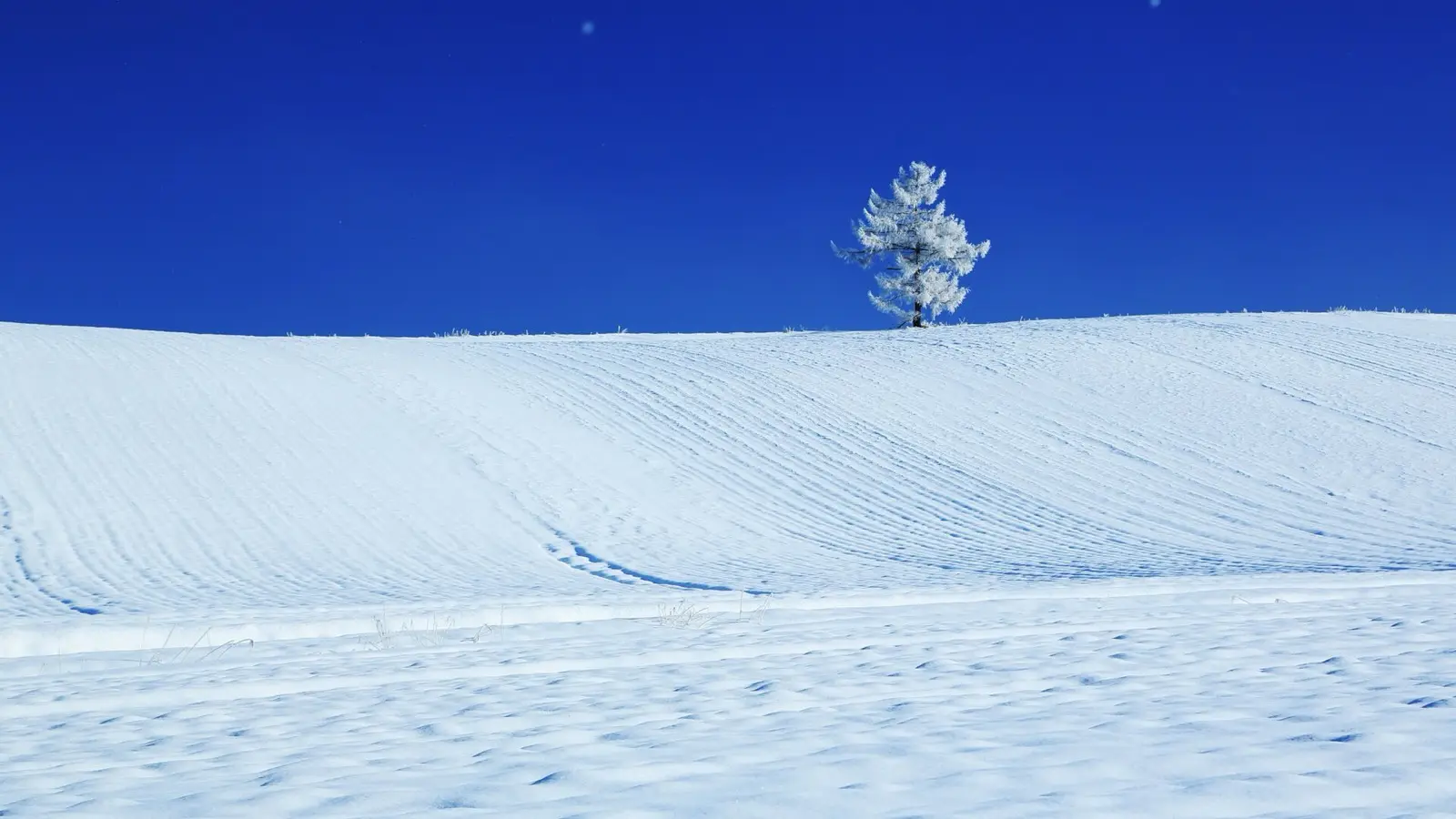
Biei Winter Driving Route: Shirahige Falls and Driving on Snow
A solitary birch tree standing tall against a boundless, pure-white horizon. Picking up a rental car from Asahikawa Airport and driving south for thirty minutes, city noises vanish completely, replaced by the crisp crunch of snow under studless tires. From the Ken and Mary Tree and Seven Stars Hill to the steaming cobalt waters of Shirahige Falls at Shirogane Onsen, here is an authentic journey through Hokkaido's winter wonderland with essential ice-road driving hacks and cozy soup curry cabins.
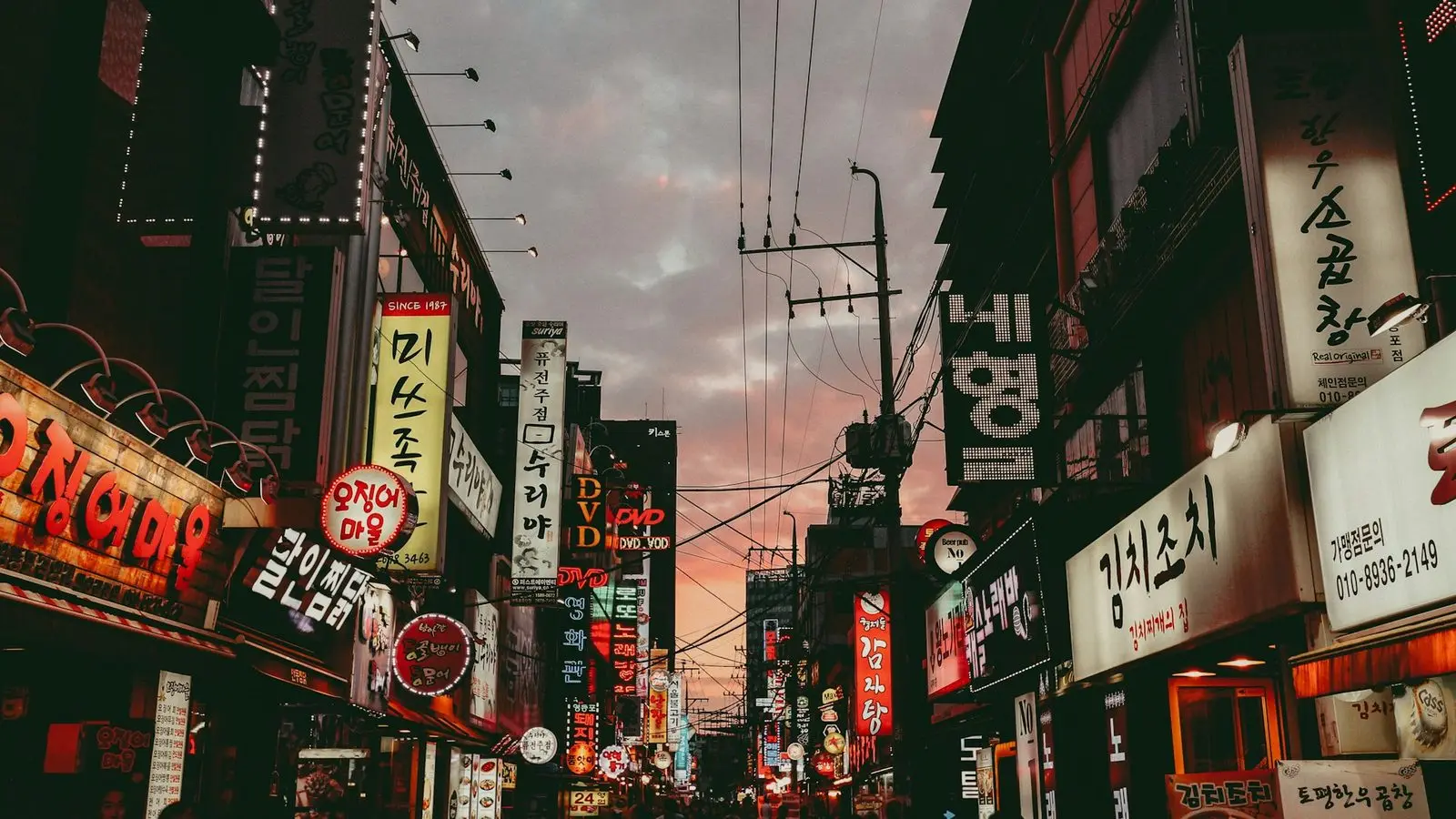
5 Best Value Hotels in Sapporo Odori & Susukino: Snow-Free Tanukikoji Arcade Access and Onsen Baths
When orchestrating a winter journey through Hokkaido, the most daunting logistical hurdle is navigating heavy rolling suitcases across frozen, snow-packed sidewalks. Even after an effortless 37-minute ride from New Chitose Airport aboard the JR Rapid Airport express to Sapporo Station, dragging luggage across unplowed streets for ten minutes frequently results in jammed wheels, soaked canvas, and dangerous slips on black ice. The definitive antidote to this winter friction is anchoring in the vibrant Odori and Susukino corridors. Here, airport limousine buses drop passengers right outside hotel entrances, while the massive covered Tanukikoji Shopping Arcade and subterranean Chikaho pedestrian tunnels allow you to walk between subway lines, ramen shops, and hotel lobbies completely shielded from blizzard winds. We evaluated downtown properties to pinpoint five outstanding value hotels under $100 per night, complete with DIY seafood kaisendon breakfasts, natural hot spring onsens, and cedar saunas.
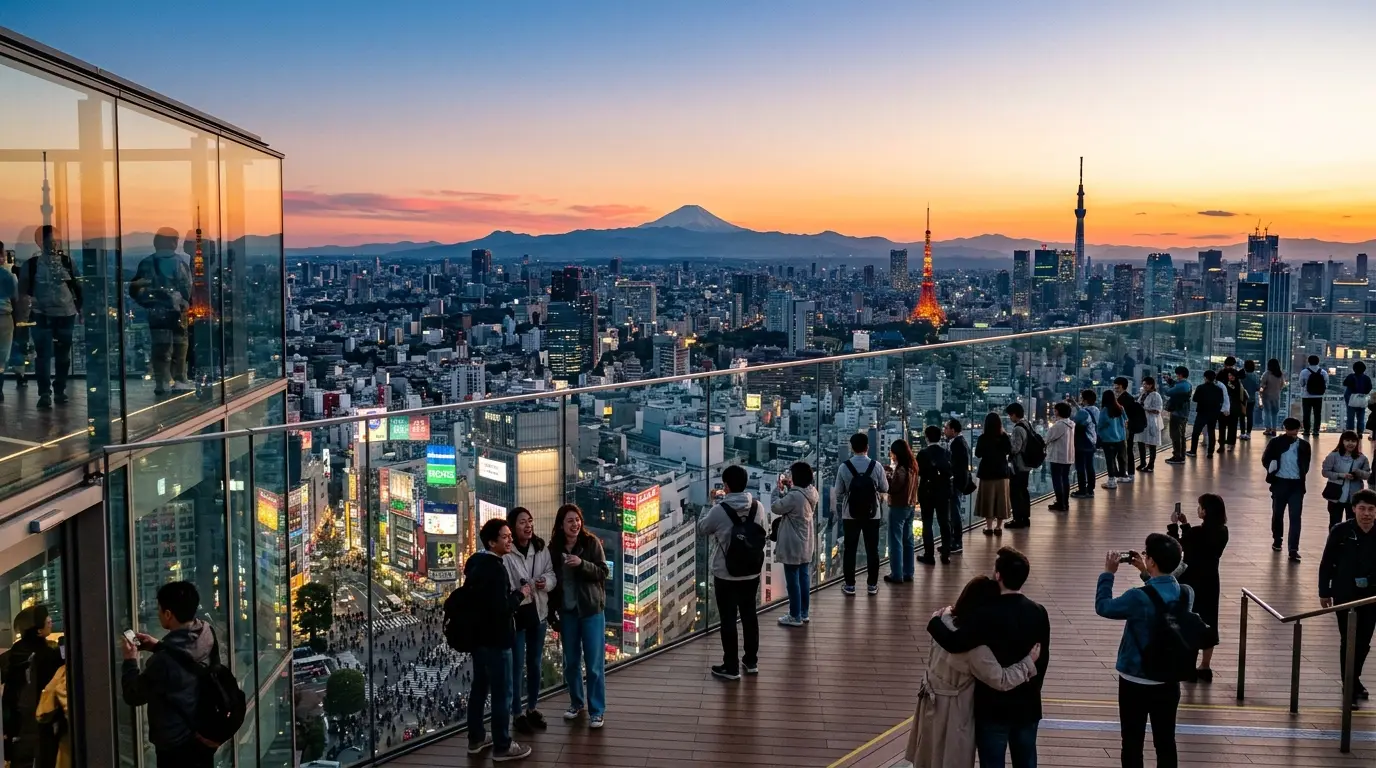
Where to Stay in Tokyo: Shinjuku vs Shibuya vs Ginza
Comparing room footprints across Shinjuku, Ginza, and Ueno, locking in sudden 14-day cancellation drops, and eliminating DCC fees with clean Yen checkout.
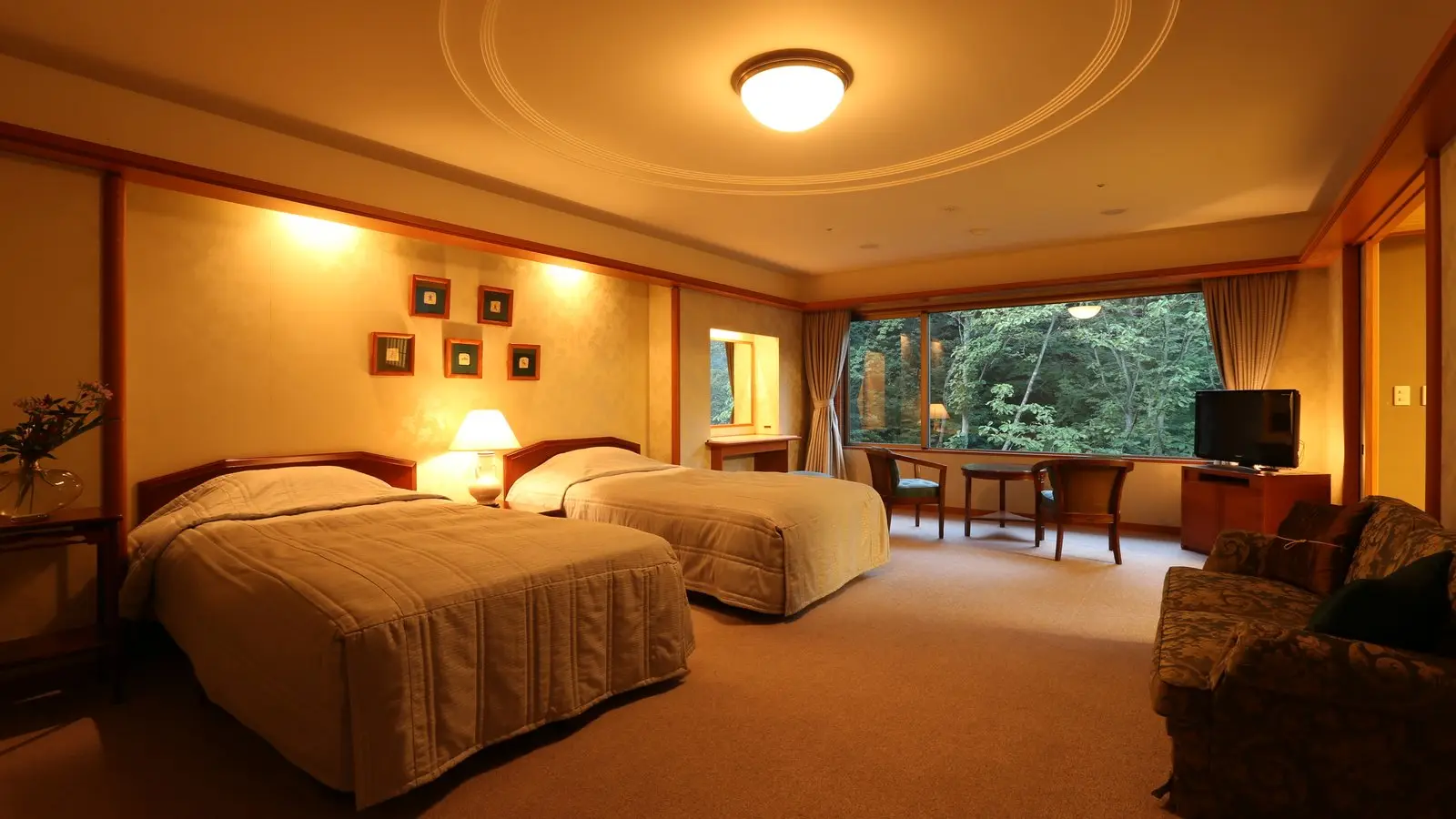
7 Budget Hotels in Tokyo Under $100 on the Yamanote Line
Even amid yen fluctuations, central Tokyo hotel rates have soared. Learn how to secure Yamanote loop line hotels at half the price of Shinjuku, compare onsen bath chains like Dormy Inn, trigger secret Agoda VIP and Booking.com Genius discounts, and dodge hidden currency fees with yen settlement.
How to Read the Tokyo Subway Map and Where to Stay on the Yamanote Line
How to choose between Keisei Skyliner and Narita Express, avoid the Tokyo Subway Ticket trap, use Apple Wallet Suica, and select the ideal hotel base in Tokyo.
Tokyo Day 1 Itinerary: Narita Airport to the City and Your First 24 Hours
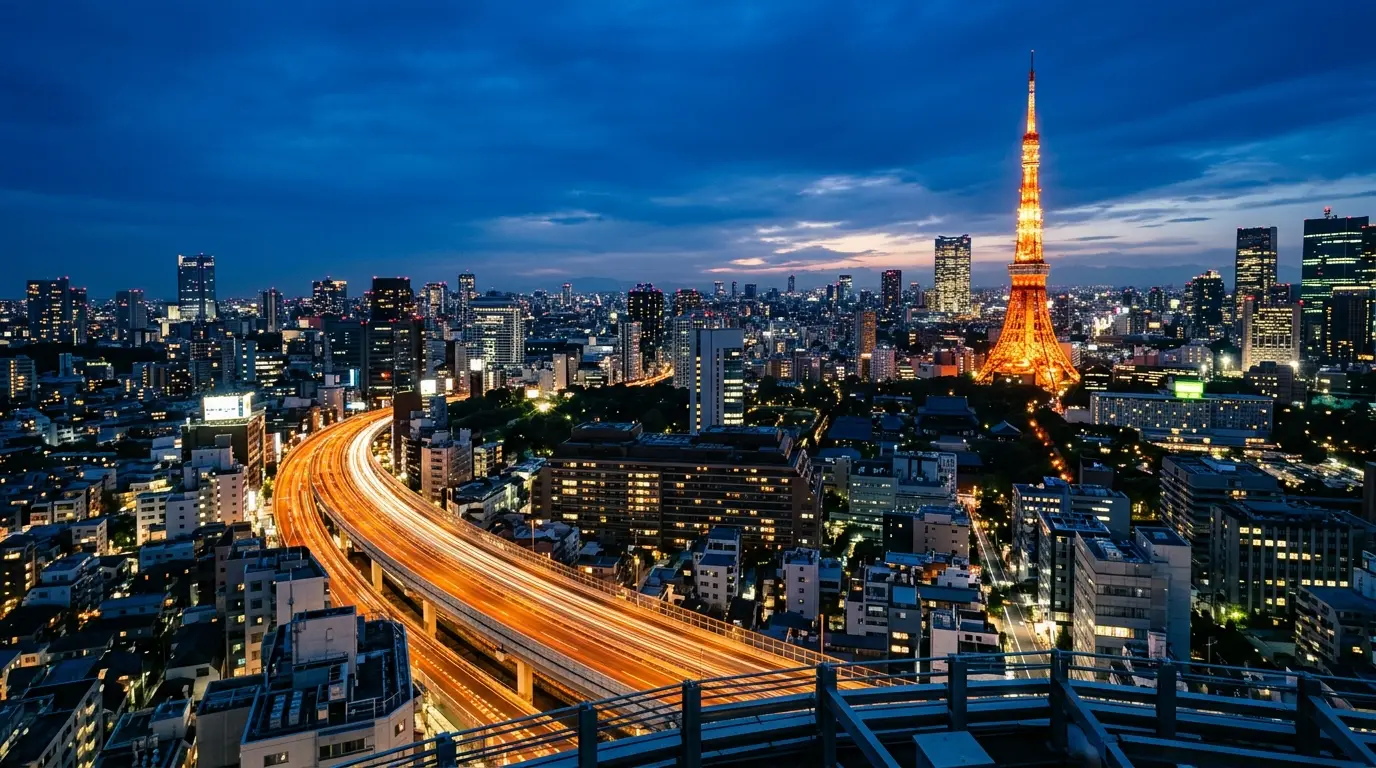
From stepping off at Narita Airport to mastering high-speed trains, navigating Tokyo's sprawling transit hubs, ordering counter ramen effortlessly, and catching sunset from Roppongi Hills. A definitive guide for your first 24 hours in Tokyo.
Tokyo Day 2 Itinerary: Booking Shibuya Sky, Harajuku Backstreets and Roppongi at Night
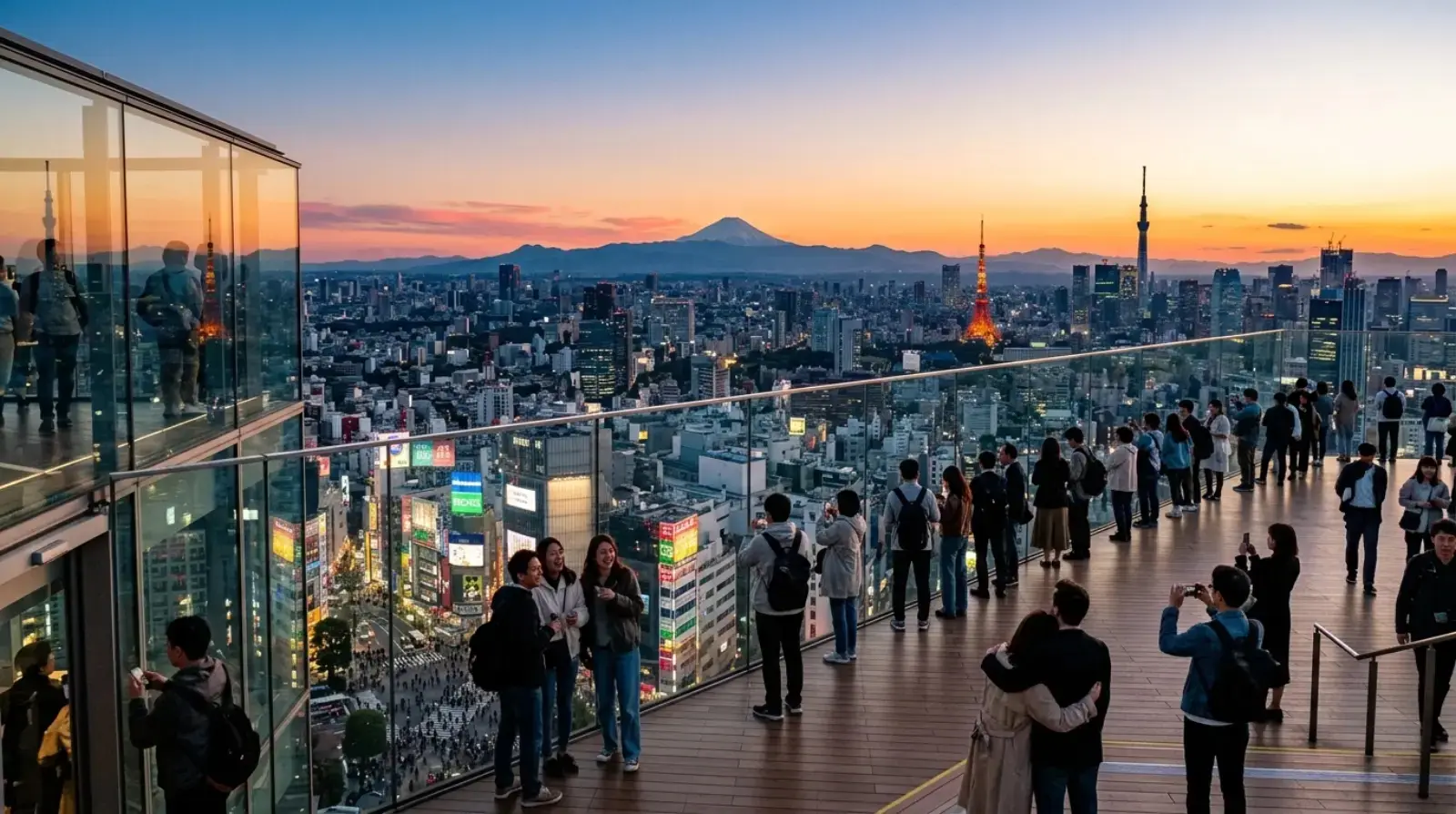
Securing prime sunset slots atop Shibuya Sky, navigating hidden boutiques along Harajuku Cat Street, immersing in the forested serenity of Meiji Jingu, and marveling at the crimson glow of Tokyo Tower from Roppongi Hills. A masterclass in Day 2 pacing.