
SapporoGuide
Sapporo Day 3 Itinerary: A Day Trip to Otaru and Shopping at New Chitose
32-minute coastal rail lines, steam clock chimes, Sankaku uni-crab bowls, and Royce' Chocolate World sweet finishes.
Coastal Rail Magic: 32-Minute Rapid Train Hugging Ishikari Bay
The grand finale of your three-day Hokkaido escape journeys thirty-nine kilometers northwest to the storied canal port of Otaru. Checking out from your Susukino hotel, head to Sapporo Station and board the westbound JR Hakodate Line Rapid Airport train. The single journey costs under 1,000 JPY and whisks you away in just over thirty minutes.
The vital insider secret for this rail route is securing a seat on the right-hand side facing forward. The moment the train clears the suburban perimeter past Zenibako Station, the tracks hug the dramatic coastal cliffs of Ishikari Bay directly at the water's edge.
Crashing winter surf batters black volcanic boulders, sending plumes of sea spray dancing through falling snowflakes. Gazing out over the wild, icy seascape creates the exhilarating sensation of skimming directly over northern waters, providing an unforgettable prelude before arriving at historic Otaru Station.
Stepping onto the platform, 333 vintage paraffin lamps glowing along the station concourse welcome arriving travelers. If catching an evening flight from New Chitose Airport later today, store your heavy luggage in the station's electronic coin lockers (700 to 900 JPY) to explore completely unburdened.
Otaru Canal Promenade: Century-Old Warehouses and Mirrored Winter Waters
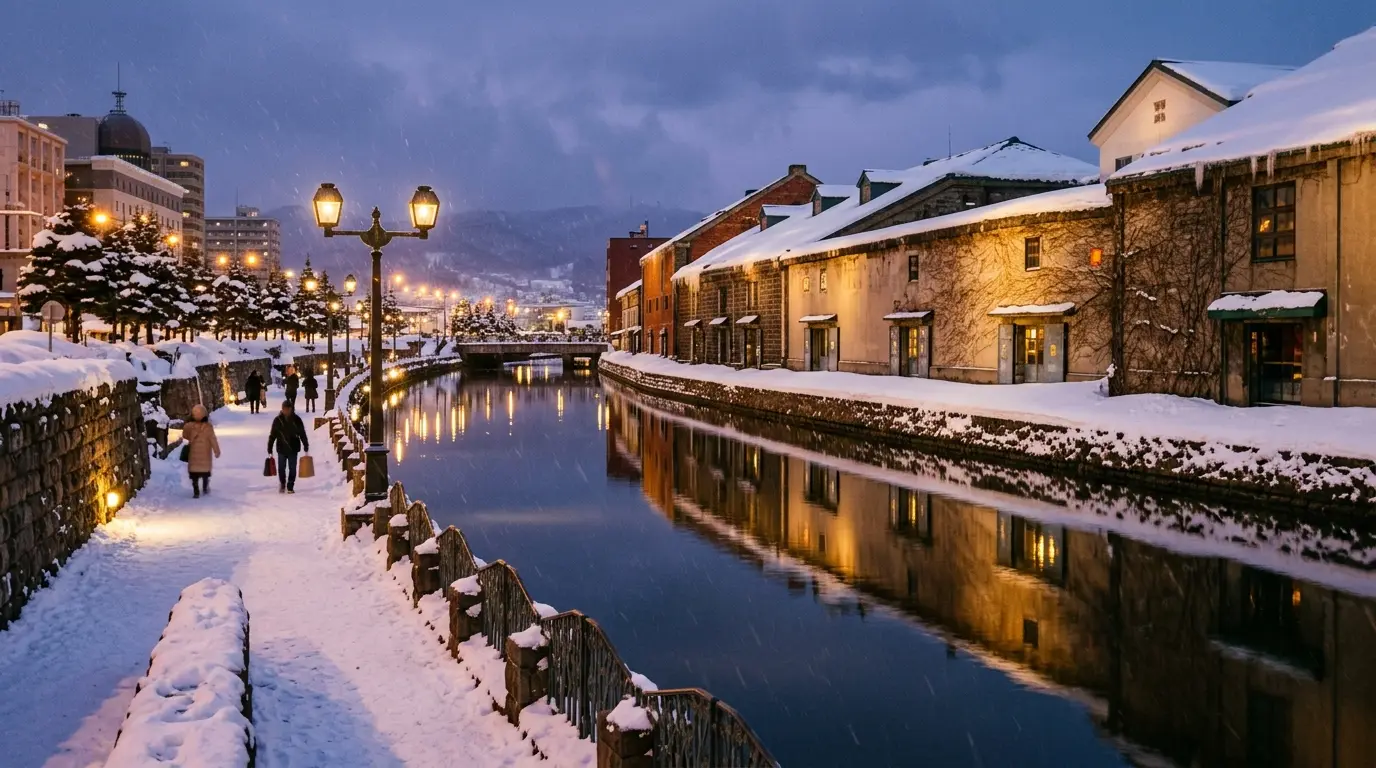
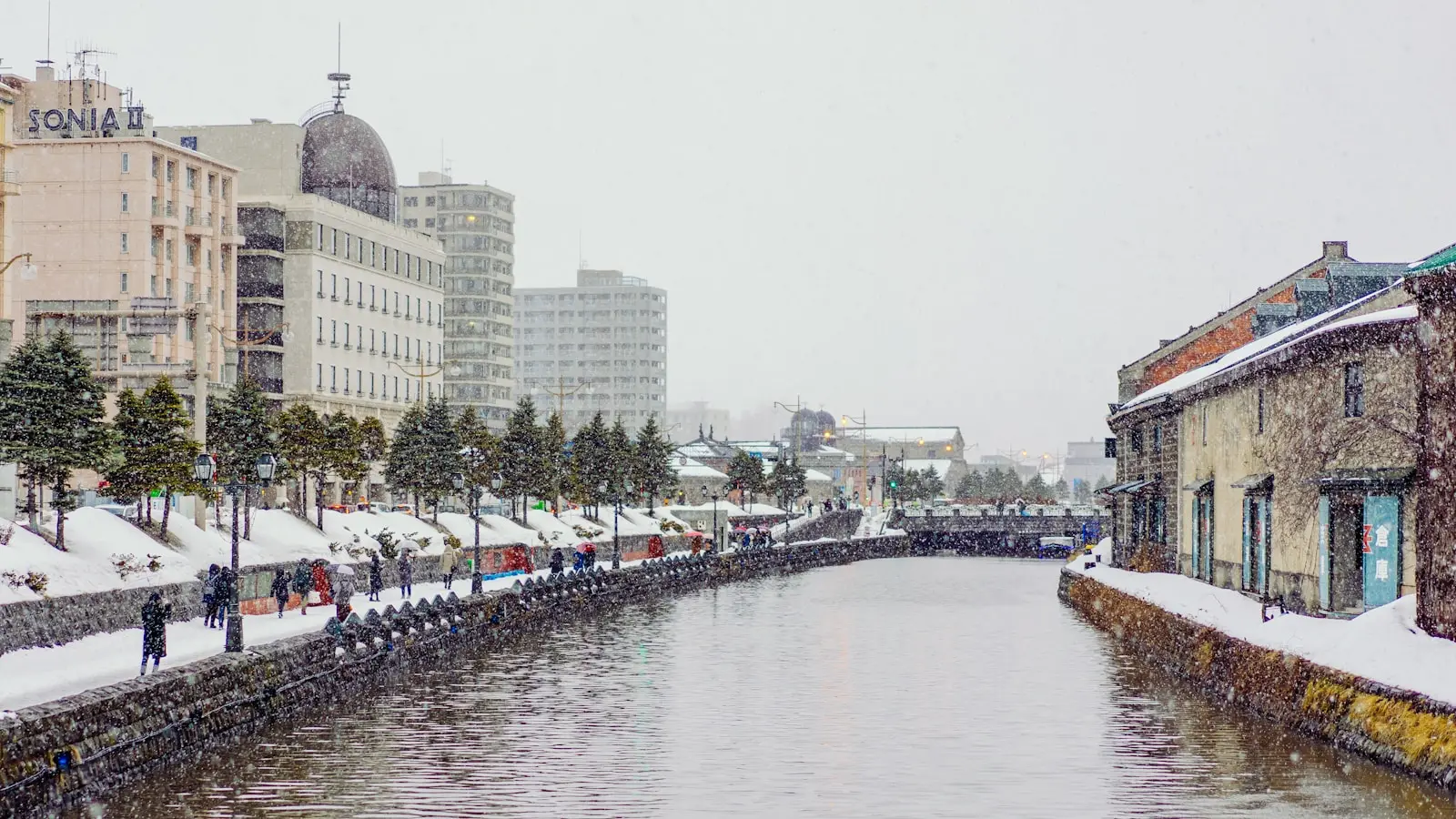
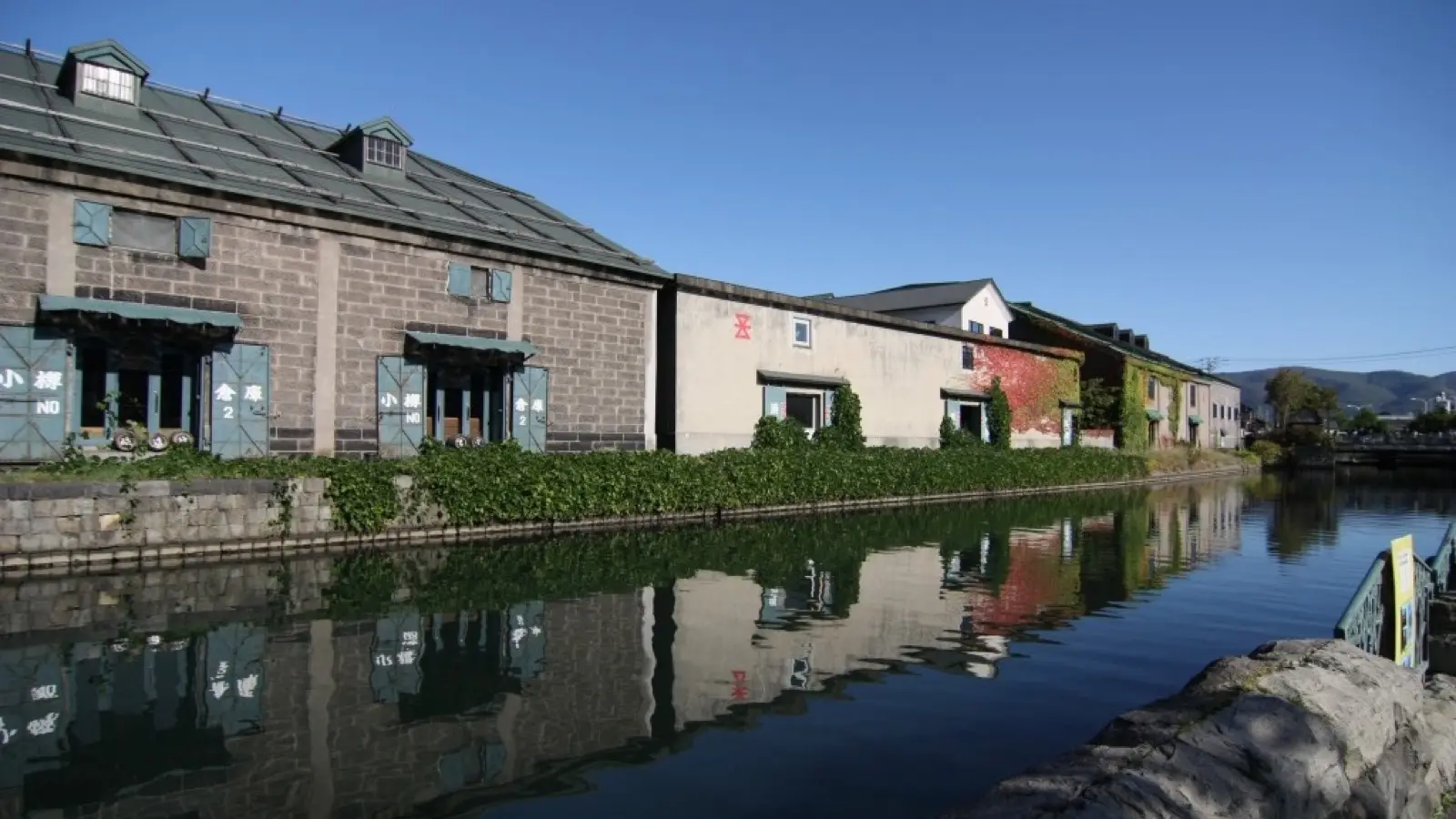
Exiting Otaru Station and walking ten minutes down the gentle slope of Chuo-dori brings you before northern Japan's most romantic watercourse: the legendary Otaru Canal. Completed in 1923 to allow lighters to transport freight directly into shoreside godowns, this historic waterway preserves the grandeur of Hokkaido's maritime herring boom.
The prime vantage point sits atop Asakusa Bridge. Leaning against the curved stone balustrade, rows of timber-framed stone warehouses built from local Otaru tufa stone reflect mirror-like across calm green waters. Thick pillows of snow topping pitched rooflines contrast beautifully with dried ivy tracing ancient masonry.
Stroll leisurely along the riverside promenade. Sixty-three vintage black gas lamps line the stone path, their soft light casting warm glows across fresh powder snow with each satisfyingly crunchy step.
Today, these repurposed stone godowns house artisan microbreweries, seafood grills, and hand-blown glass studios. Venturing further north toward the quieter North Canal offers peaceful solitude away from tour groups, echoing the tranquil harbor atmosphere of a century ago.
Sakaimachi Street Culture: Steam Clocks and Flagship LeTAO Double Fromage
Turning southeast from the canal leads into the historic merchant boulevard of Sakaimachi-dori. Once lined with shipping magnates and colonial banking houses during the Meiji era, this preserved streetscape has evolved into Hokkaido's premier epicurean dessert and glass craft enclave.
Anchoring the five-way intersection at the street's end stands the flagship Otaru Music Box Museum. Outside the 1912 red-brick hall stands a world-famous bronze steam clock crafted by Vancouver artisan Raymond Saunders, which releases billowing white steam plumes while chiming a five-tone melody every fifteen minutes.
Inside the creaking cedarwood hall, tens of thousands of sparkling glass, crystal, and ceramic music boxes chime softly beneath grand chandeliers. Finding a bespoke music box playing your favorite Studio Ghibli or classical melody creates a treasured keepsake.
Across the intersection rises the charming stone tower of LeTAO Main Store. Head up to the 2nd-floor tearoom to taste the freshly made, chilled 'Double Fromage' cheesecake. Layering dense baked cream cheese beneath light Italian mascarpone mousse, each forkful melts effortlessly across the tongue like sweet chilled velvet.
Complete your neighborhood walk at Kitaichi Glass Hall No. 3. Housed inside an immense herring warehouse from 1891, the cavernous hall is illuminated entirely by 167 flickering kerosene paraffin lamps, wrapping visitors in enchanting amber warmth.
Sankaku Market Kaisendon: A Mountainous Feast of Fresh Uni and Sweet Crab
Wandering back toward Otaru Station, ascend the steep stone stairway beside the terminal entrance into Sankaku Market (Triangle Market). Named for its triangular land tract dating to 1948, this narrow hillside arcade is packed with vibrant seafood stalls and bubbling seawater holding tanks.
The undisputed crown jewel of the market is Takinami Shokudo, celebrated for generous, customized Kaisendon seafood bowls. Pull a queue ticket, browse the market stalls, and return to assemble your bespoke triple or quadruple seafood crown.
A massive bowl arrives laden with lustrous orange sea urchin (uni), glistening ruby pearls of salmon roe (ikura), thick chunks of sweet king crab meat, and tender Hokkaido scallop medallions. Taking a mouthful of creamy, unpasteurized sea urchin over vinegared rice releases an explosion of clean, sweet oceanic flavor with zero bitterness.
Sipping a steaming bowl of Tepojiru (hearty crab miso soup) while devouring the final sweet grains of rice clarifies why food lovers travel thousands of miles to this unassuming market stall.
New Chitose Airport Sweet Finale: Royce' Chocolate World and Pure Milk Soft-Serve
Retrieving your bags from Otaru Station lockers, board the 15:30 direct JR Rapid Airport train for the relaxing 75-minute glide across snowy plains directly into New Chitose Airport.
New Chitose is widely celebrated as Japan's ultimate 'Entertainment Airport'. Ascending to the 3rd-floor Smile Road corridor, explore 'Royce' Chocolate World', Japan's first in-airport chocolate factory. Watch robotic arms mold and wrap delicate chocolate bars through panoramic glass windows amidst rich cacao aromas.
Down on the 2nd-floor gourmet shopping boulevard, sampling Kinotoya's legendary 'Extreme Milk Soft-Serve' is an essential rite of passage. Ultra-dense and remarkably creamy, each swirl of pasture-fresh Hokkaido dairy provides the ultimate decadent goodbye to the island.
Clearing security into the international departures lounge, gather gift boxes of Shiroi Koibito cookies, Jaga Pokkuru potato crisps, and insulated packs of Royce' Nama Chocolate. As your flight lifts off into the starry northern night, memories of snow-blanketed canals, warm onsen baths, and rich miso ramen linger in your heart.
Frequently Asked Questions
Field-tested answers to transit navigation, neighborhood choices, and payment traps.
Q1.What is the train fare and travel time between Sapporo Station and Otaru Station?
Q2.Can I travel directly from Otaru Station to New Chitose Airport without transfers?
Q3.What is the wait time and signature dish at Takinami Shokudo in Sankaku Market?
Q4.What is the must-try last-minute sweet treat at New Chitose Airport?
The Smart Traveler's Essential Toolkit
Prepare instant mobile data, private airport transfers, and skip-the-line passes in one place.
Pick a base in Sapporo by your route
Choose the places you want to see and get the neighbourhood with the shortest travel.
Compare Sapporo Hotel Rates
Find the cheapest channel across Agoda and major booking engines with Tripdify.
Share This Guide with Your Companions
When shared via chat or social media, a curated summary card is sent along.
Recommended Guides
What to Pack for Sapporo in Winter and How to Handle a Suitcase on Ice
An insider guide to heated underground walkways, making early-morning Biei snow tour departures at Sapporo Station, and evading New Chitose airport blizzard traps.
Sapporo and Otaru Itinerary: Susukino Food and Canal-Side Onsen Ryokan
When winter descends upon Hokkaido, Sapporo transforms into a silent, snow-carpeted wonderland. Beneath the freezing surface lies an astonishingly warm culture: bubbling cauldrons of soup curry in Susukino, century-old stone canal warehouses in Otaru, and secluded steaming rotenburo hot springs in Jozankei. Here is the definitive field guide to mastering Hokkaido's premier winter duo with insider precision.
Sapporo Day 1 Itinerary: New Chitose Airport to the City and a Night in Susukino
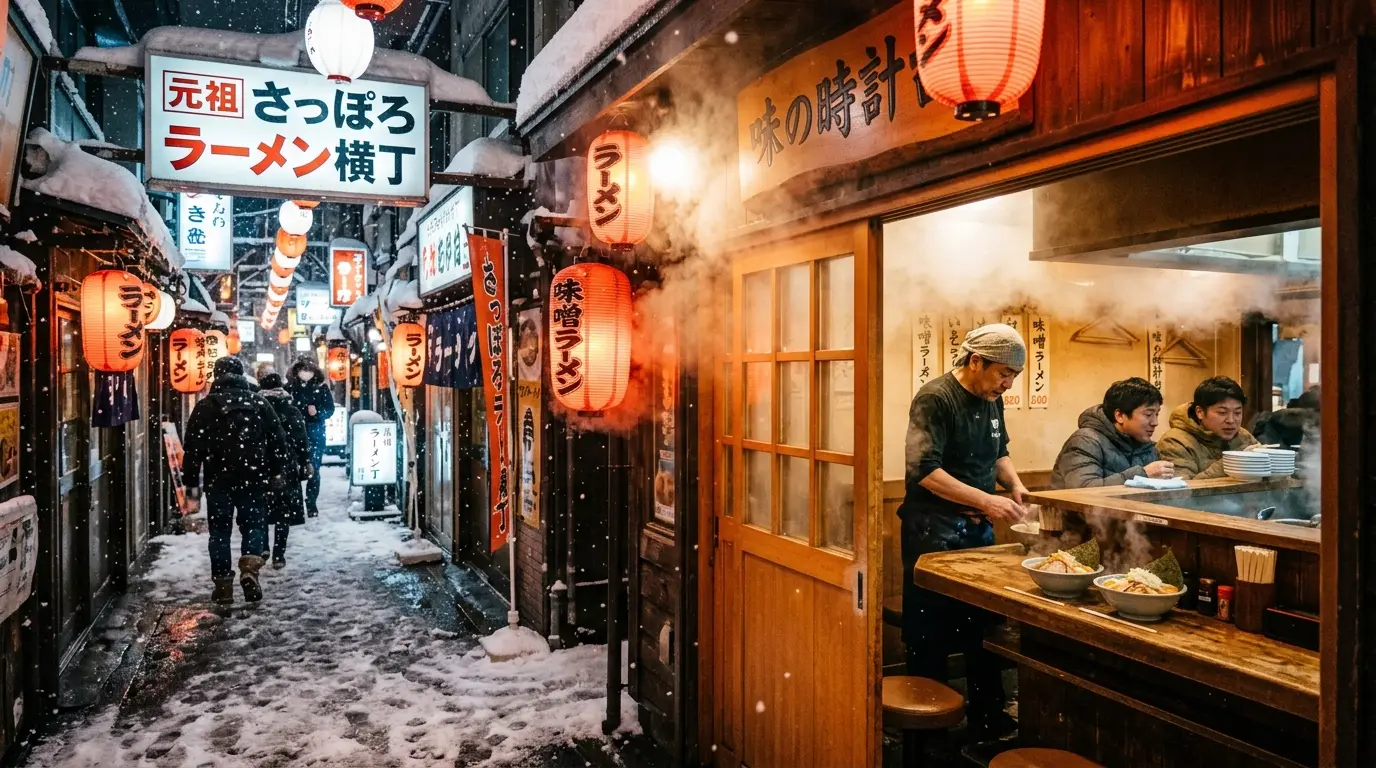
The essential first 24 hours in Hokkaido's snow capital: mastering the 37-minute JR Rapid Airport train, walking the heated Chi-Ka-Ho underground labyrinth, watching the twilight snowfall from Odori Park, devouring rich butter-corn ramen in historic Susukino, and tasting an architectural midnight shime parfait.
Sapporo Day 2 Itinerary: Beer Museum Jingisukan and the Mount Moiwa Night View
Immerse yourself in Hokkaido's premier sights: touring the historic 1890 red-brick Sapporo Beer Museum with a freshly poured three-glass flight, savoring sizzling Genghis Khan grilled lamb in a soaring Bavarian-style hall, walking the snow-clad forest paths of Hokkaido Shrine, and ascending Mount Moiwa for one of Japan's Top Three Night Views.
Sapporo Hotels with Large Baths: Dormy Inn, Vessel and JR Inn Compared
In winter Hokkaido, the line between a joyful journey and shivering exhaustion is whether your hotel has a proper hot spring bath. From snow-free underground access at Sapporo Station to natural mineral waters and bottomless salmon roe breakfast buffets, we compare Sapporo's top four onsen business stays.
Biei Winter Driving Route: Shirahige Falls and Driving on Snow
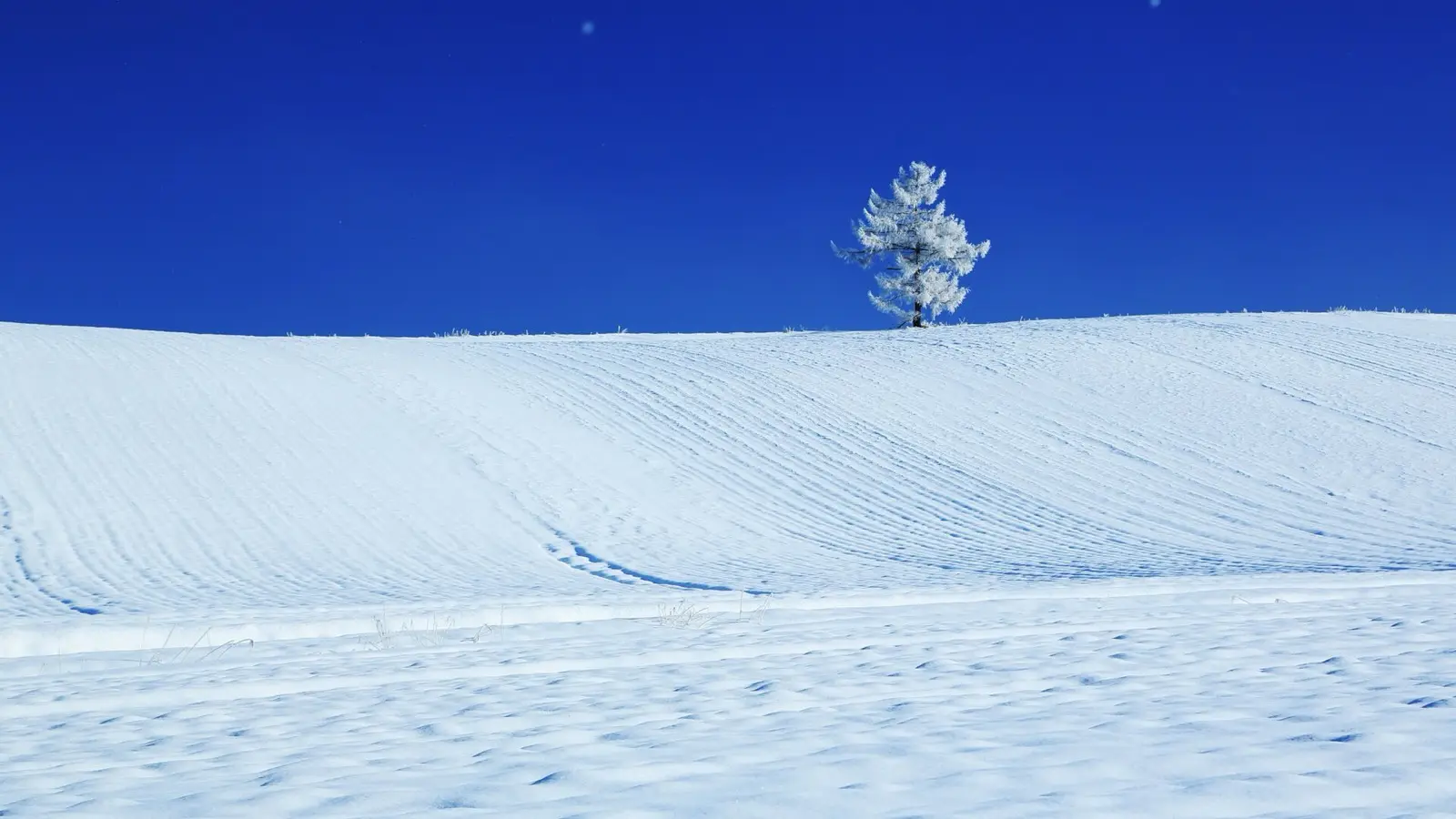
A solitary birch tree standing tall against a boundless, pure-white horizon. Picking up a rental car from Asahikawa Airport and driving south for thirty minutes, city noises vanish completely, replaced by the crisp crunch of snow under studless tires. From the Ken and Mary Tree and Seven Stars Hill to the steaming cobalt waters of Shirahige Falls at Shirogane Onsen, here is an authentic journey through Hokkaido's winter wonderland with essential ice-road driving hacks and cozy soup curry cabins.
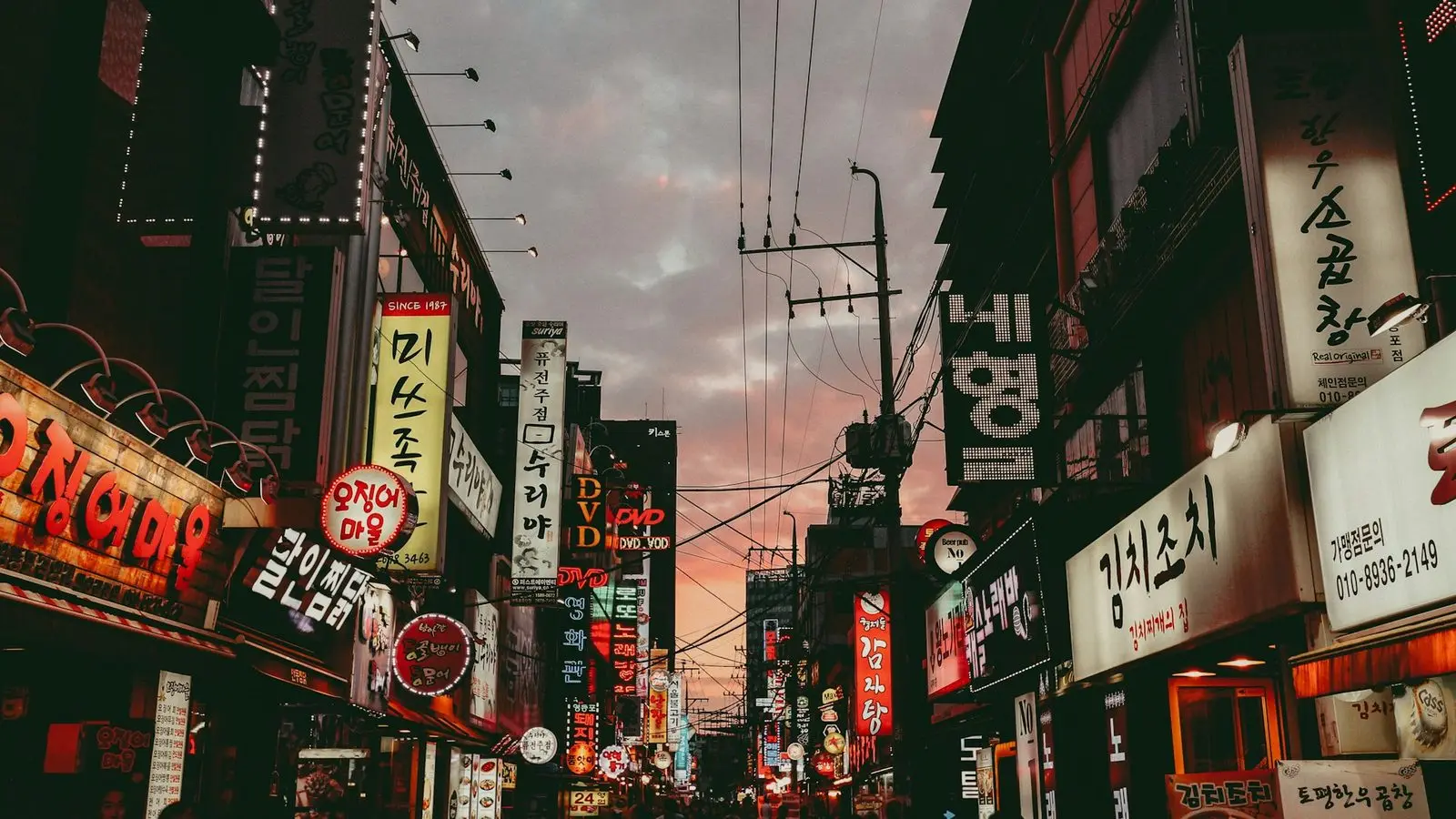
5 Best Value Hotels in Sapporo Odori & Susukino: Snow-Free Tanukikoji Arcade Access and Onsen Baths
When orchestrating a winter journey through Hokkaido, the most daunting logistical hurdle is navigating heavy rolling suitcases across frozen, snow-packed sidewalks. Even after an effortless 37-minute ride from New Chitose Airport aboard the JR Rapid Airport express to Sapporo Station, dragging luggage across unplowed streets for ten minutes frequently results in jammed wheels, soaked canvas, and dangerous slips on black ice. The definitive antidote to this winter friction is anchoring in the vibrant Odori and Susukino corridors. Here, airport limousine buses drop passengers right outside hotel entrances, while the massive covered Tanukikoji Shopping Arcade and subterranean Chikaho pedestrian tunnels allow you to walk between subway lines, ramen shops, and hotel lobbies completely shielded from blizzard winds. We evaluated downtown properties to pinpoint five outstanding value hotels under $100 per night, complete with DIY seafood kaisendon breakfasts, natural hot spring onsens, and cedar saunas.
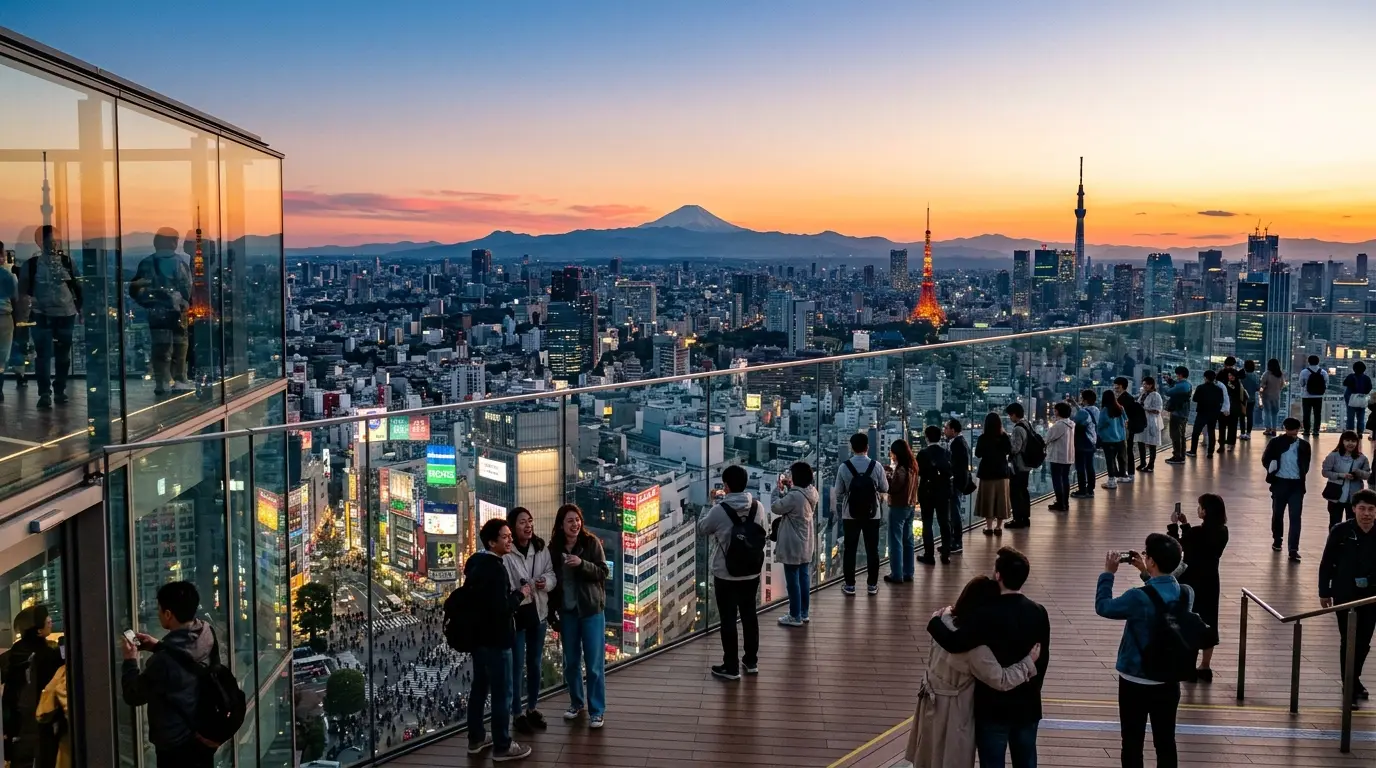
Where to Stay in Tokyo: Shinjuku vs Shibuya vs Ginza
Comparing room footprints across Shinjuku, Ginza, and Ueno, locking in sudden 14-day cancellation drops, and eliminating DCC fees with clean Yen checkout.
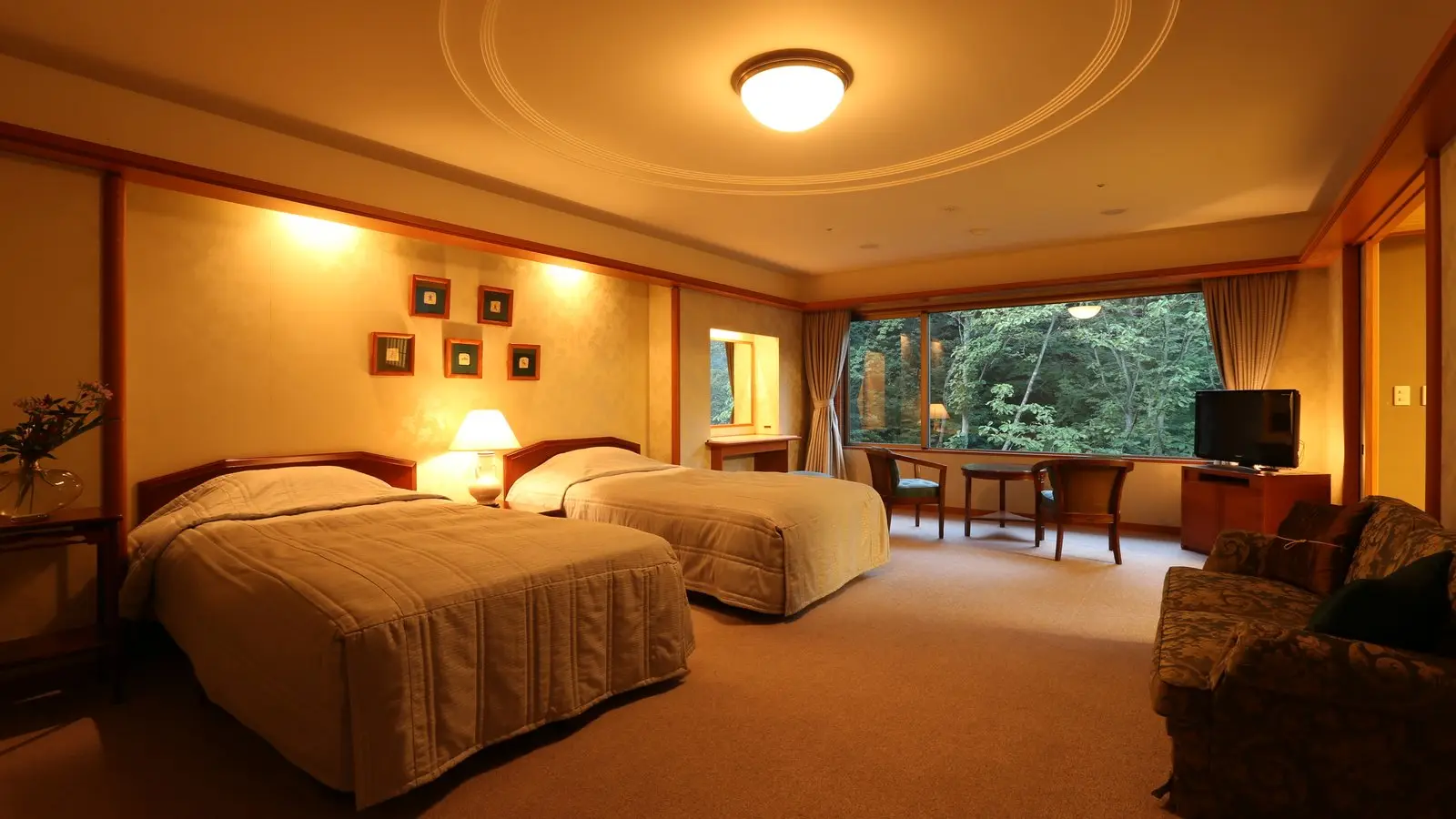
7 Budget Hotels in Tokyo Under $100 on the Yamanote Line
Even amid yen fluctuations, central Tokyo hotel rates have soared. Learn how to secure Yamanote loop line hotels at half the price of Shinjuku, compare onsen bath chains like Dormy Inn, trigger secret Agoda VIP and Booking.com Genius discounts, and dodge hidden currency fees with yen settlement.
How to Read the Tokyo Subway Map and Where to Stay on the Yamanote Line
How to choose between Keisei Skyliner and Narita Express, avoid the Tokyo Subway Ticket trap, use Apple Wallet Suica, and select the ideal hotel base in Tokyo.
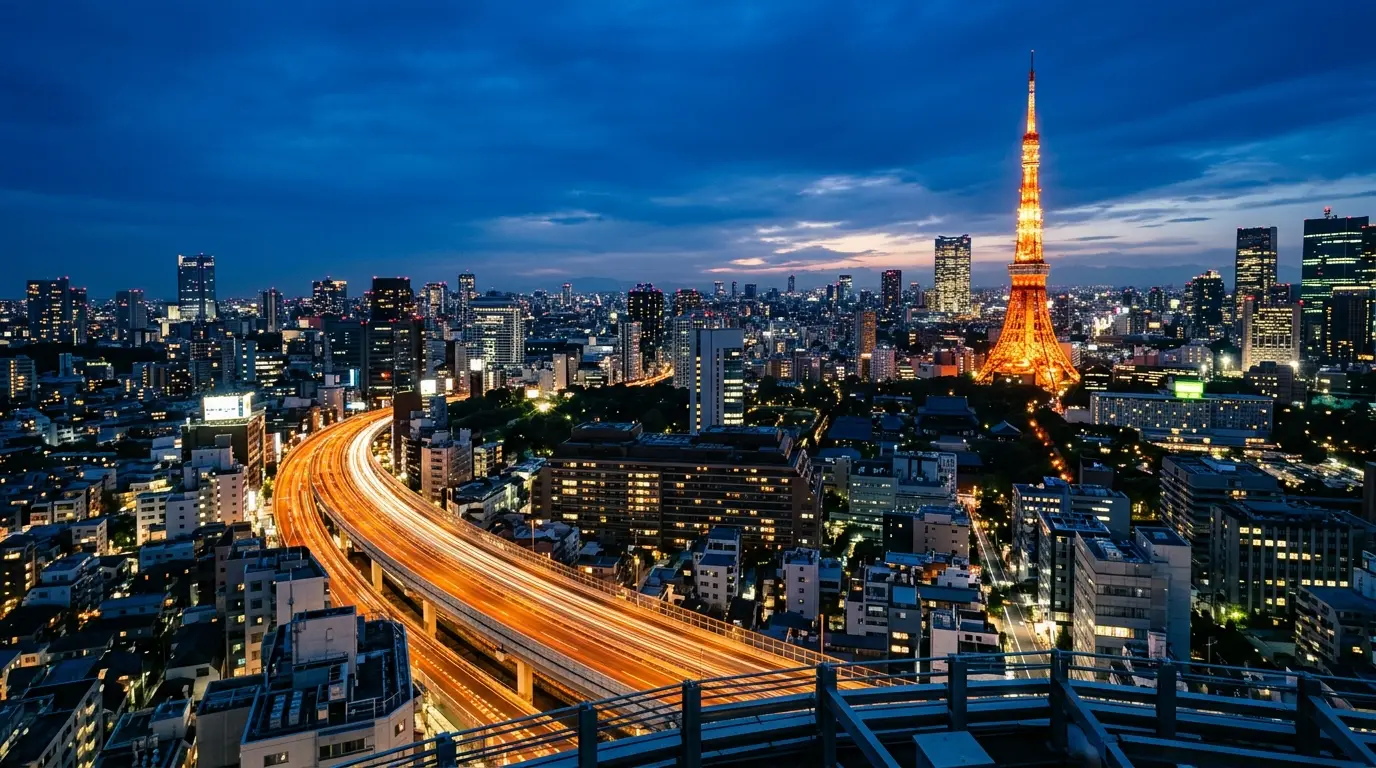
Tokyo Day 1 Itinerary: Narita Airport to the City and Your First 24 Hours
From stepping off at Narita Airport to mastering high-speed trains, navigating Tokyo's sprawling transit hubs, ordering counter ramen effortlessly, and catching sunset from Roppongi Hills. A definitive guide for your first 24 hours in Tokyo.
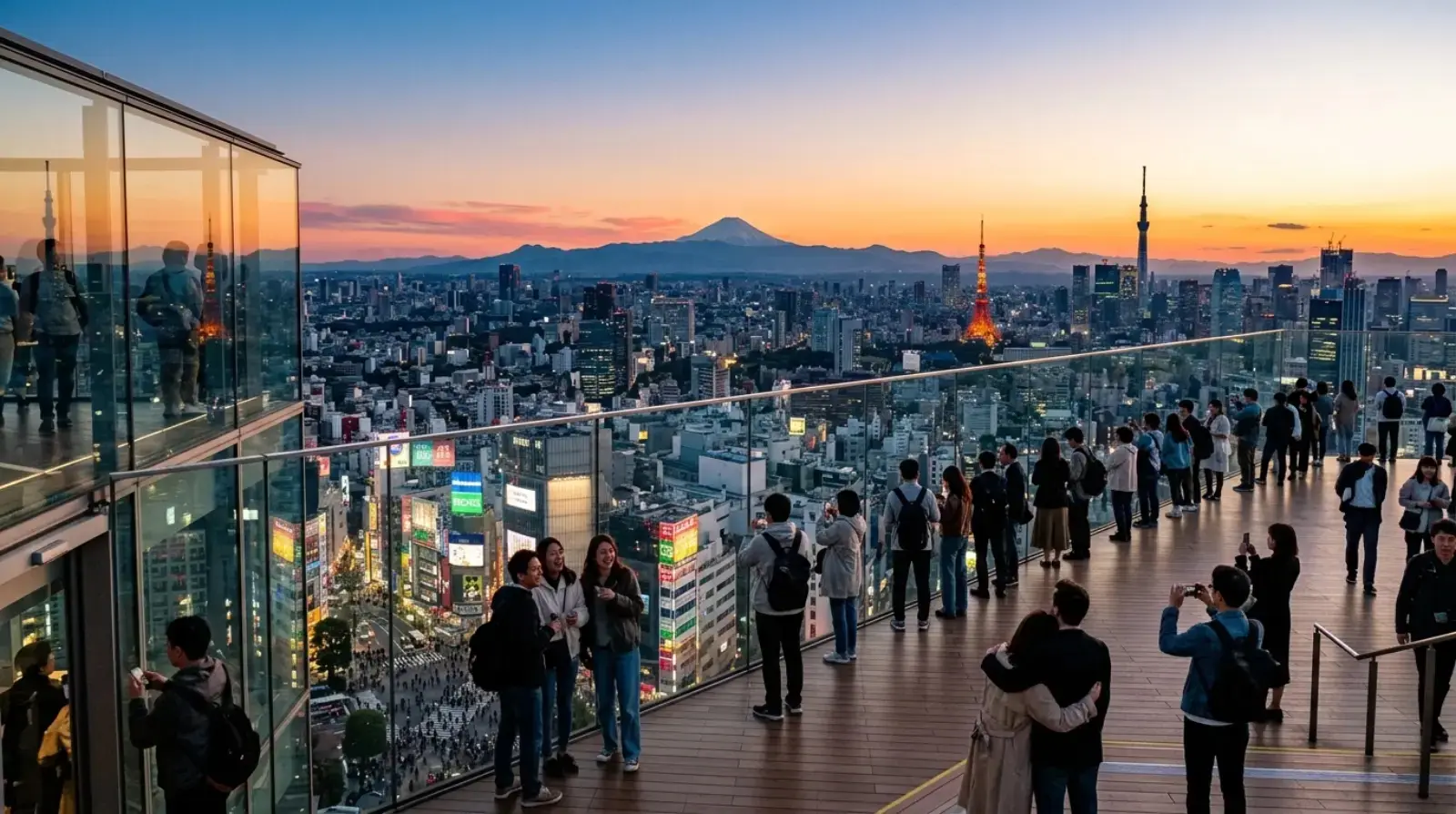
Tokyo Day 2 Itinerary: Booking Shibuya Sky, Harajuku Backstreets and Roppongi at Night
Securing prime sunset slots atop Shibuya Sky, navigating hidden boutiques along Harajuku Cat Street, immersing in the forested serenity of Meiji Jingu, and marveling at the crimson glow of Tokyo Tower from Roppongi Hills. A masterclass in Day 2 pacing.