
SapporoStory
Sapporo and Otaru Itinerary: Susukino Food and Canal-Side Onsen Ryokan
Navigating the heated Chi-Ka-Ho subterranean grid, claiming coastal-side seats on the JR Otaru train, and beating the Daruma queue.
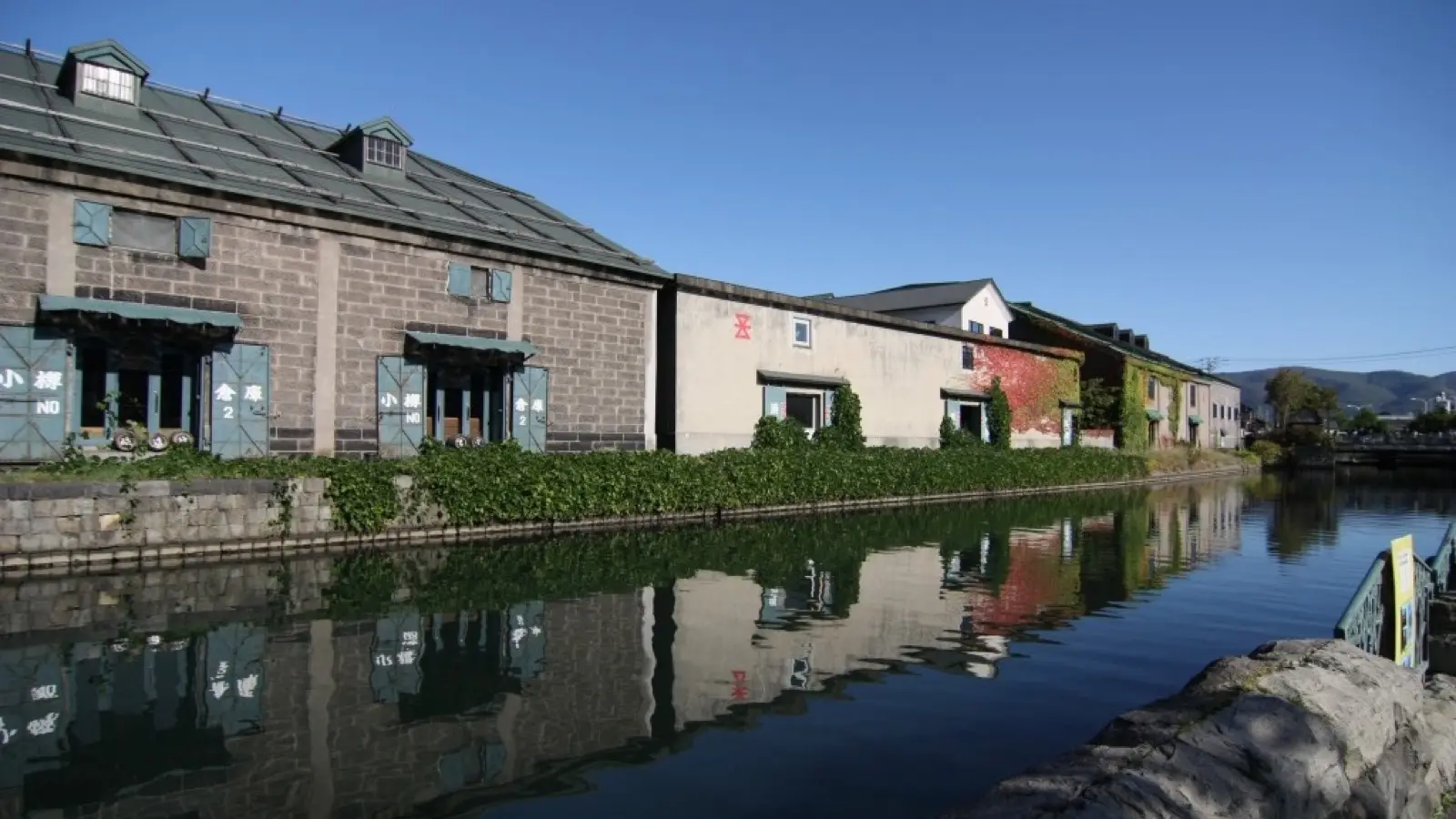
Sub-Zero Blizzards and the Heated Chi-Ka-Ho Spine: First Steps in Winter Sapporo
Stepping off the JR Rapid Airport express into Sapporo Station in midwinter delivers an immediate shock of Arctic air. Outside the ticket barriers, knee-deep powder and fierce blizzard gusts can swallow the swivel wheels of a 28-inch suitcase in seconds. Yet local residents navigate the downtown core effortlessly in light woolen overcoats without a flake of snow on their shoulders. Their secret weapon is the Chi-Ka-Ho, a heated underground walkway running about 520 meters beneath the city between Sapporo Station and Odori.
Linking at Odori with the Pole Town underground arcade that continues to the nightlife district of Susukino, Chi-Ka-Ho is far more than a typical transit tunnel. Fully heated and brilliantly lit, this underground highway bypasses frozen crosswalks, traffic lights, and treacherous black ice. It connects directly into department store basements, subway junctions, and dozens of major hotels. When selecting your winter accommodation, the key specification is not street distance, but whether the property offers direct sheltered elevator access into the Chi-Ka-Ho grid.
Hauling luggage five minutes across icy street pavement requires twenty minutes of grueling physical effort. Hotels such as Sapporo Grand Hotel, connected directly to Chi-Ka-Ho, and JR Tower Hotel Nikko Sapporo, above Sapporo Station, offer direct indoor links that allow travelers to reach the front lobby without facing the blizzard. Eliminating the risk of frozen baggage casters and slippery sidewalks cuts arrival friction in half from day one.
When traveling in from New Chitose Airport, reserving a U-Seat on the JR Rapid Airport train, about 1,000 yen on top of the base fare (less when booked ticketless online), is well worth the surcharge. It guarantees dedicated overhead and floor luggage racks, sparing you the exhaustion of standing packed shoulder-to-shoulder with ski gear bags on a crowded 37-minute commuter run into the central terminus.
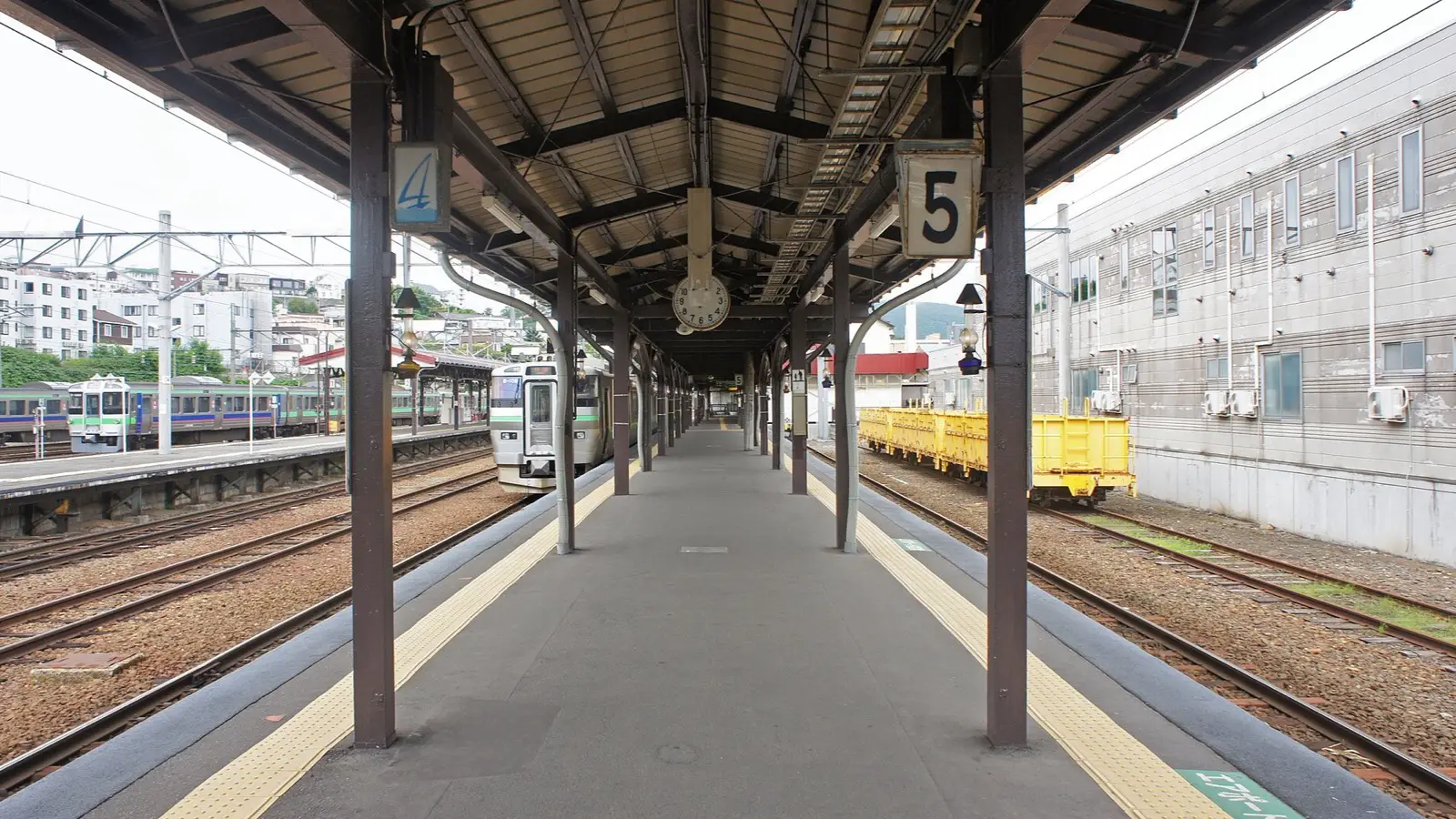
Day-Tripping to Otaru via JR Coastal Rail: Right-Side Window Views and Heritage Canals
Located 38 kilometers west along Ishikari Bay, the historic merchant port of Otaru represents the quintessential day excursion from Sapporo. The JR Hakodate Main Line express whisks passengers between the two cities in just 35 minutes. The cardinal rule of this rail journey is securing a seat on the right-hand side of the train when departing Sapporo. Past Zenibako Station, the tracks run along the sea edge, offering cinematic panoramas of crashing surf against snow-capped boulders.
Savvy travelers disembark at Minami-Otaru Station rather than the central Otaru terminus. Starting from Minami-Otaru positions you at the crest of the gentle downhill slope leading through the Marchen Crossroads, past the antique music box museum and Sakaimachi Dori, ending naturally at the Otaru Canal. Reversing this route forces you to trudge uphill against biting coastal sea breezes.
Along Sakaimachi Street, take refuge in the LeTAO pastry flagship for double fromage cheesecake or enter the Kitaichi Glass Hall No. 3, where 167 antique kerosene gas lamps provide the sole illumination. Sipping hot pour-over coffee beneath the soft amber flicker of oil lamps provides a deeply atmospheric respite from the biting winter cold.
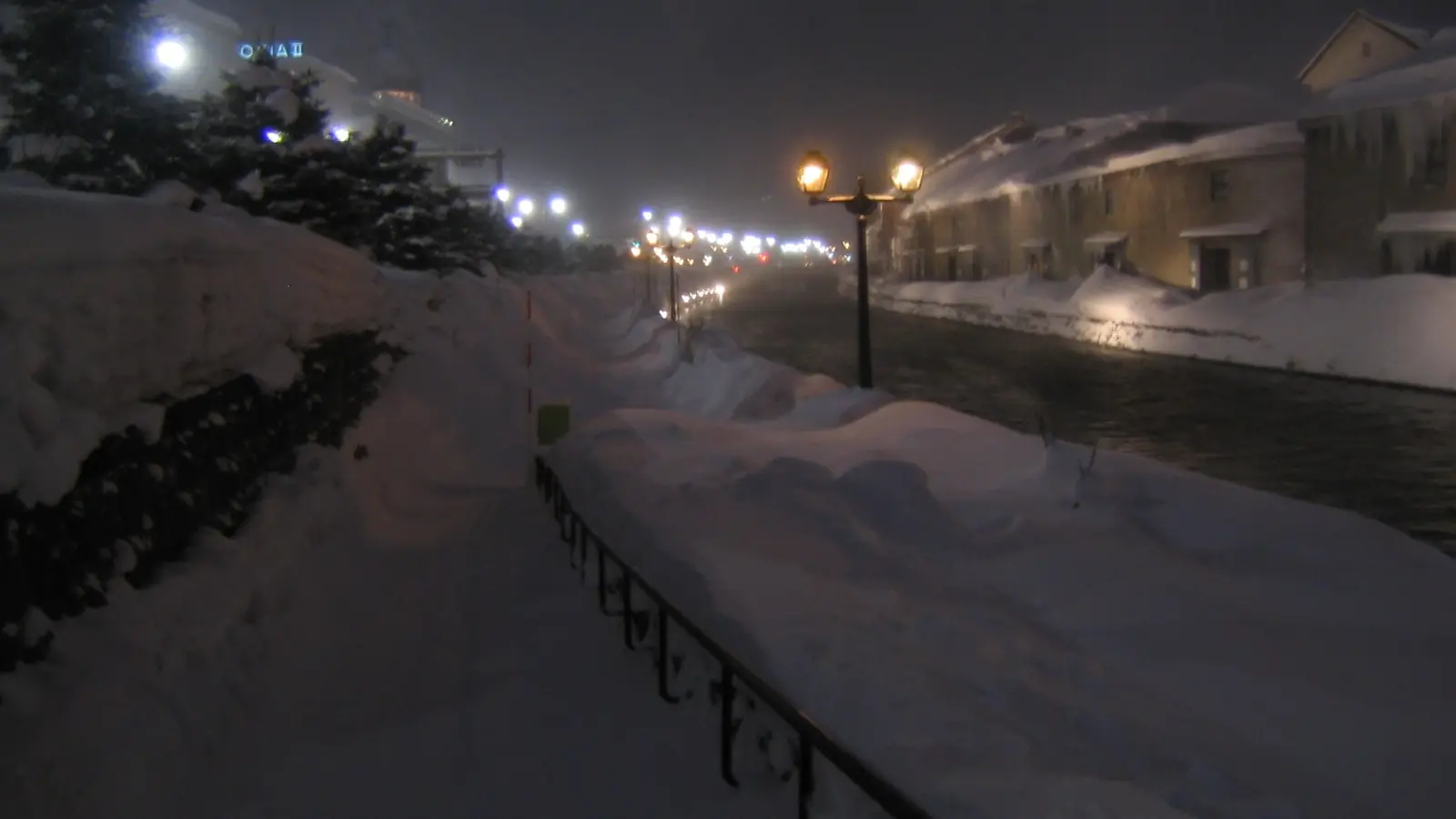
By 4:30 PM, sixty-three authentic gas lamps illuminate along the snow-covered stone promenade of the Otaru Canal. The brick warehouse facades built a century ago reflect off the glassy water, evoking a timeless romantic ambiance. Tour bus crowds peak around 5:00 PM, so secure your tripod spot on the Asakusa Bridge thirty minutes before twilight to capture the pristine blue-hour glow.
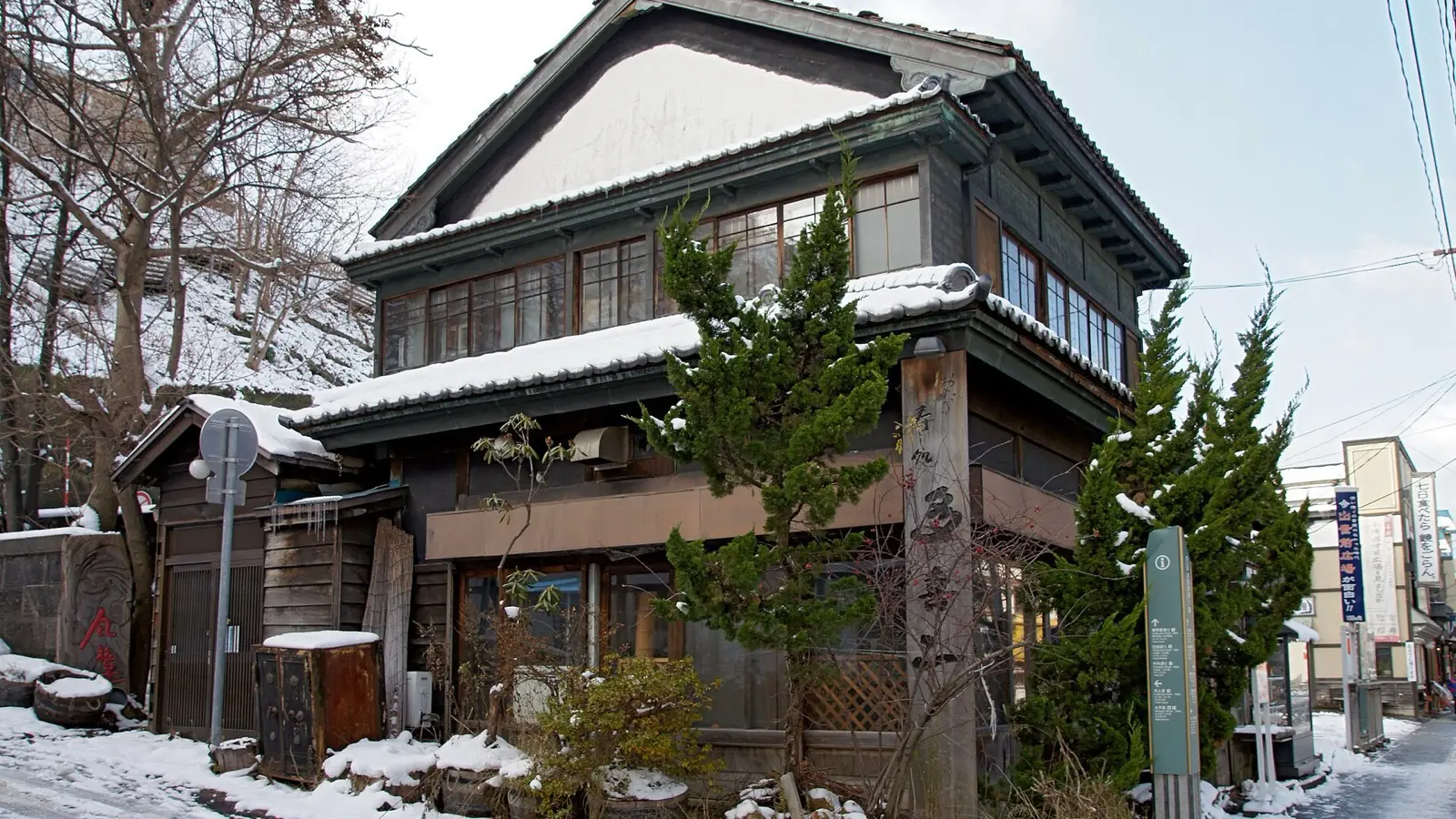
The Late-Night Susukino Food Battlefield: Daruma Genghis Khan and Soup Curry Secrets
As dusk falls and temperatures drop past minus ten degrees, Sapporo's heartbeat shifts southward to Susukino beneath the neon glow of the iconic Nikka Whisky billboard. The definitive local feast is Genghis Khan, succulent cuts of tender mutton and sweet yellow onions grilled over a dome-shaped cast-iron skillet. Founded in 1954, Daruma remains the undisputed pilgrimage destination, drawing block-long queues through blinding snowstorms.
Rather than shivering outside the cramped historic flagship for two hours, seasoned foodies divert to nearby direct branches such as Daruma 5.5 or 6.4. These modern outposts feature high-efficiency ventilation hoods, private coat lockers, and identical prime cuts of chilled Australian lamb. Dipped into house-made garlic soy sauce spiked with chili flakes and washed down with cold Sapporo Classic draft beer, it is an unforgettable culinary ritual.
Equally famous is Sapporo soup curry, a rich, aromatic medicinal broth packed with whole roasted root vegetables and fall-off-the-bone chicken drumsticks. Suage+ and GARAKU anchor the city's soup curry hierarchy. Suage+ skewers sweet Hokkaido pumpkin, lotus root, and crisp potatoes before flash-frying them, preserving supreme texture within a complex chicken-and-pork broth.
GARAKU emphasizes a dashi-forward profile infused with twenty-one delicate ground spices, though peak lunch hours command long waits. Take advantage of their digital line queue system, grab a numbered QR ticket, and browse the covered Tanukikoji shopping arcade while awaiting your table.
Cap off your culinary expedition with Shime-Parfait, Sapporo's unique late-night ritual of eating extravagant soft-serve parfaits after drinks. Specialty late-night parlors like Parfaiteria PaL serve architectural dessert wonders layered with seasonal fruit and ice cream.
An Overnighter in Jozankei Onsen: Kappa Liner Bookings and Secluded Snow Rotenburo
To escape the neon buzz and immerse yourself in absolute winter tranquility, journey one hour southwest to Jozankei Onsen. Nestled along the Toyohira River gorge, this historic hot spring enclave yields sodium chloride waters renowned for deep heat retention, ensuring bathers remain toasty hours after stepping out of the steam.
Transit logistics hinge on the Kappa Liner direct express bus departing from Sapporo Station bus terminal. Because seats are reserved and popular winter weekend departures can fill up, book online in advance. Day-trippers should look for package tickets that bundle the round-trip coach fare with bath entry, which usually cost less than buying both separately.
Jozankei accommodation falls into two distinct categories. Historic luxury ryokans like Jozankei Daiichi Hotel Suizantei and Hanamomiji deliver multi-course seasonal kaiseki dinners served in private dining rooms alongside private cypress-wood baths. Soaking on your private balcony while gazing upon snow-dusted birch forests provides an exquisite sense of quiet indulgence.
Alternatively, sprawling family onsen resorts like Jozankei View Hotel offer large communal rotenburo and indoor pool facilities at competitive pricing. Submerging your body into steaming natural mineral springs while snowflakes dissolve across your hair remains the quintessential Hokkaido winter dream.
Defeating New Chitose Airport Bottle-Necks and DCC Foreign Exchange Fees
New Chitose Airport is widely celebrated as Japan's ultimate shopping haven, housing a massive culinary bazaar on the domestic terminal's second floor and a ramen dojo on the third. However, the international departure lounge past security is notoriously cramped, and checkout queues build up quickly for popular confectioneries like Shiroi Koibito cookies and Royce chocolate bars.
The professional strategy is completing tax-free souvenir shopping in the domestic terminal prior to clearing security. Many domestic-side shops handle tax-free sales (8 percent on food, 10 percent on general goods) on purchases over 5,000 yen upon passport presentation; from November 2026 Japan switches to a refund system, where you pay the tax at the till and get it back once customs confirms export at departure. Shops also pack perishable sweets with ice packs in insulated bags. You can then breeze through international customs carrying only your duty-free receipts.
When paying for lodging or shopping, beware of Dynamic Currency Conversion (DCC). When a payment terminal asks whether you wish to be billed in your home currency or JPY, selecting your home currency imposes an unnecessary 3 to 5 percent foreign exchange margin. Always select Japanese Yen (JPY) to ensure your bank handles conversion at clean mid-market wholesale rates.
Pairing multi-currency cards like Wise or Revolut with fee-free credit cards guarantees zero FX markups and frictionless IC card reloads. With thoughtful transit planning and sharp financial tactics, your journey across Sapporo and Otaru transcends ordinary tourism, cementing itself as a timeless winter masterpiece.
Frequently Asked Questions
Field-tested answers to transit navigation, neighborhood choices, and payment traps.
Q1.How long does it take from New Chitose Airport to Sapporo Station?
Q2.How do I get from Sapporo to Otaru?
Q3.Can I avoid the snow when walking around Sapporo in winter?
Q4.How do I get from Sapporo to Jozankei Onsen?
The Smart Traveler's Essential Toolkit
Prepare instant mobile data, private airport transfers, and skip-the-line passes in one place.
Pick a base in Sapporo by your route
Choose the places you want to see and get the neighbourhood with the shortest travel.
Compare Sapporo Hotel Rates
Find the cheapest channel across Agoda and major booking engines with Tripdify.
Share This Guide with Your Companions
When shared via chat or social media, a curated summary card is sent along.
Recommended Guides
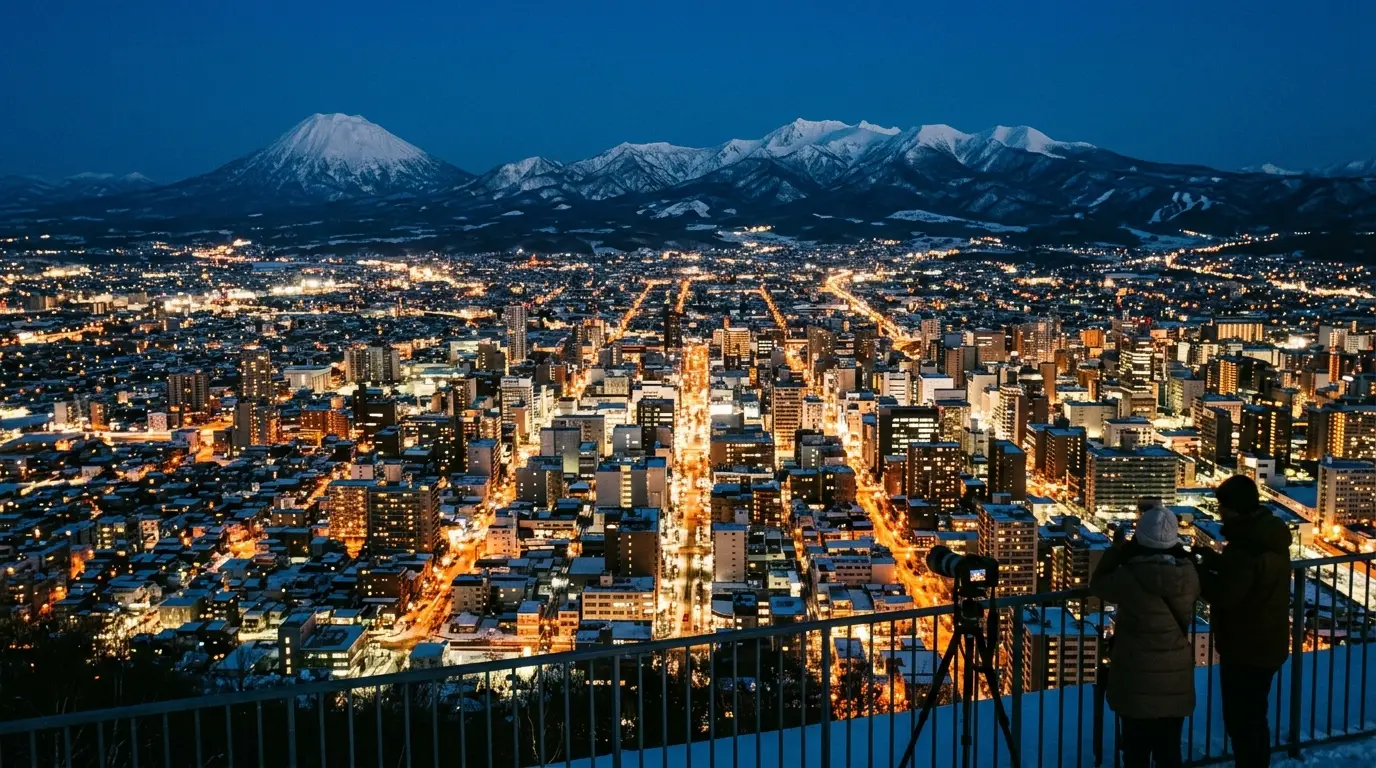
What to Pack for Sapporo in Winter and How to Handle a Suitcase on Ice
An insider guide to heated underground walkways, making early-morning Biei snow tour departures at Sapporo Station, and evading New Chitose airport blizzard traps.
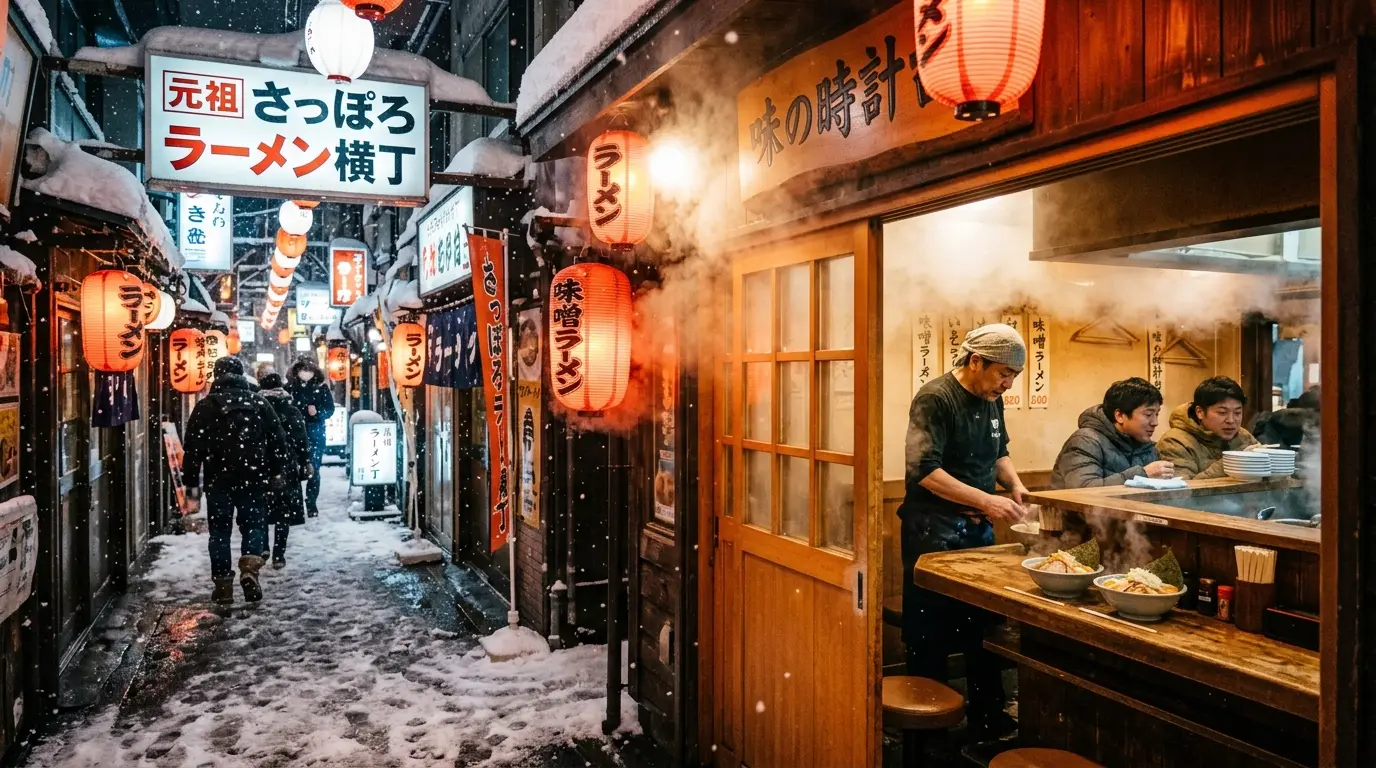
Sapporo Day 1 Itinerary: New Chitose Airport to the City and a Night in Susukino
The essential first 24 hours in Hokkaido's snow capital: mastering the 37-minute JR Rapid Airport train, walking the heated Chi-Ka-Ho underground labyrinth, watching the twilight snowfall from Odori Park, devouring rich butter-corn ramen in historic Susukino, and tasting an architectural midnight shime parfait.
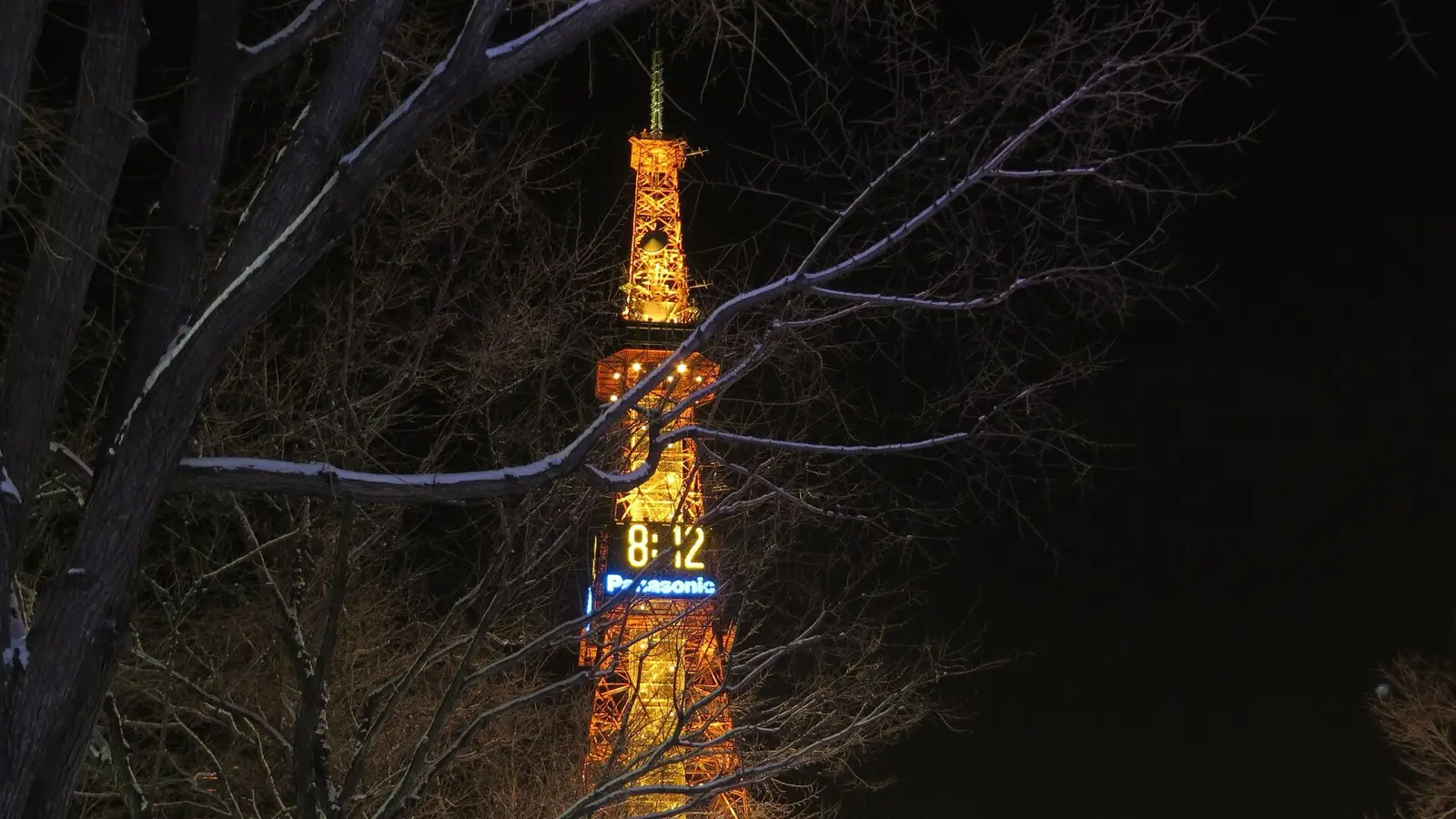
Sapporo Day 2 Itinerary: Beer Museum Jingisukan and the Mount Moiwa Night View
Immerse yourself in Hokkaido's premier sights: touring the historic 1890 red-brick Sapporo Beer Museum with a freshly poured three-glass flight, savoring sizzling Genghis Khan grilled lamb in a soaring Bavarian-style hall, walking the snow-clad forest paths of Hokkaido Shrine, and ascending Mount Moiwa for one of Japan's Top Three Night Views.
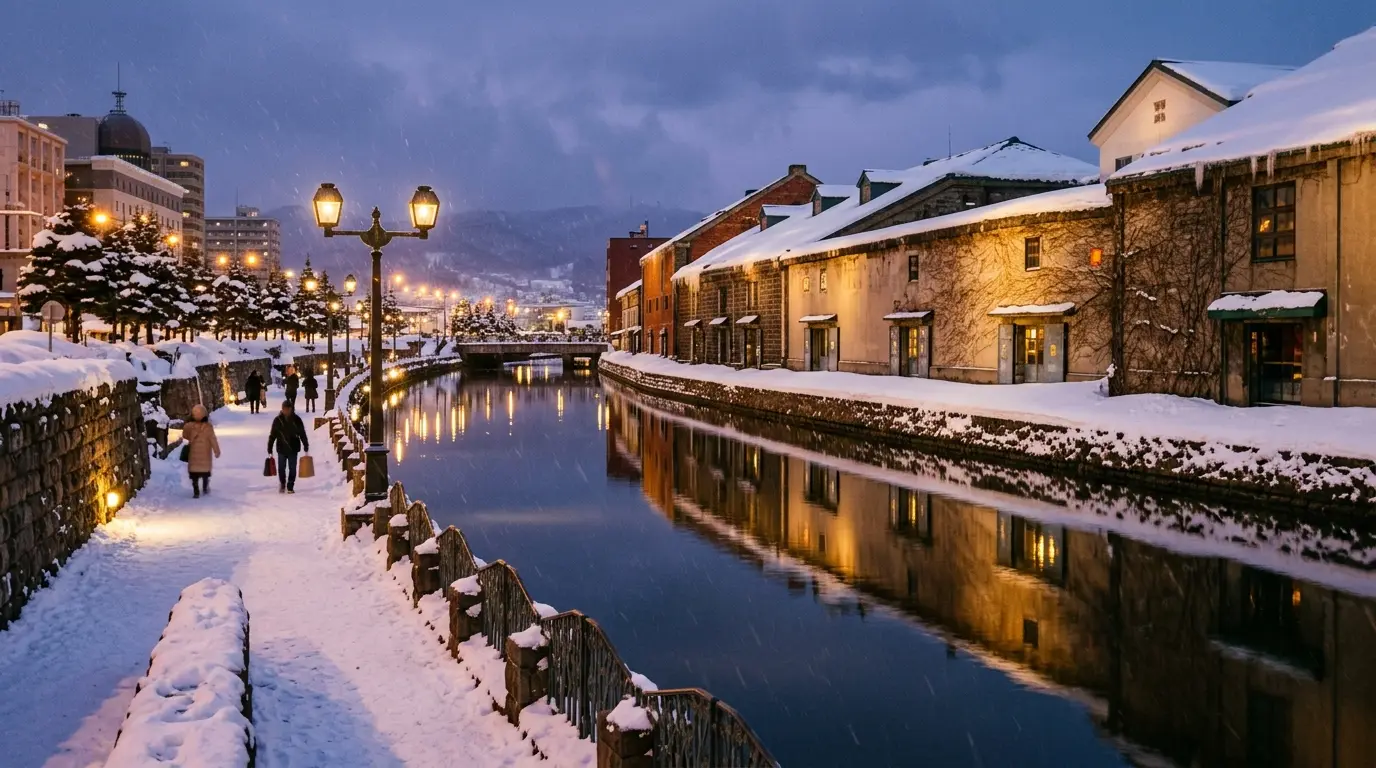
Sapporo Day 3 Itinerary: A Day Trip to Otaru and Shopping at New Chitose
The definitive grand finale: riding the coastal JR Rapid train along snow-covered Ishikari Bay to Otaru, admiring century-old stone canal warehouses and gas lamps, savoring freshly made double fromage cheesecake at LeTAO's flagship, indulging in mountain-high sea urchin kaisendon at Sankaku Market, and sweeping through New Chitose Airport's legendary confectionery halls.
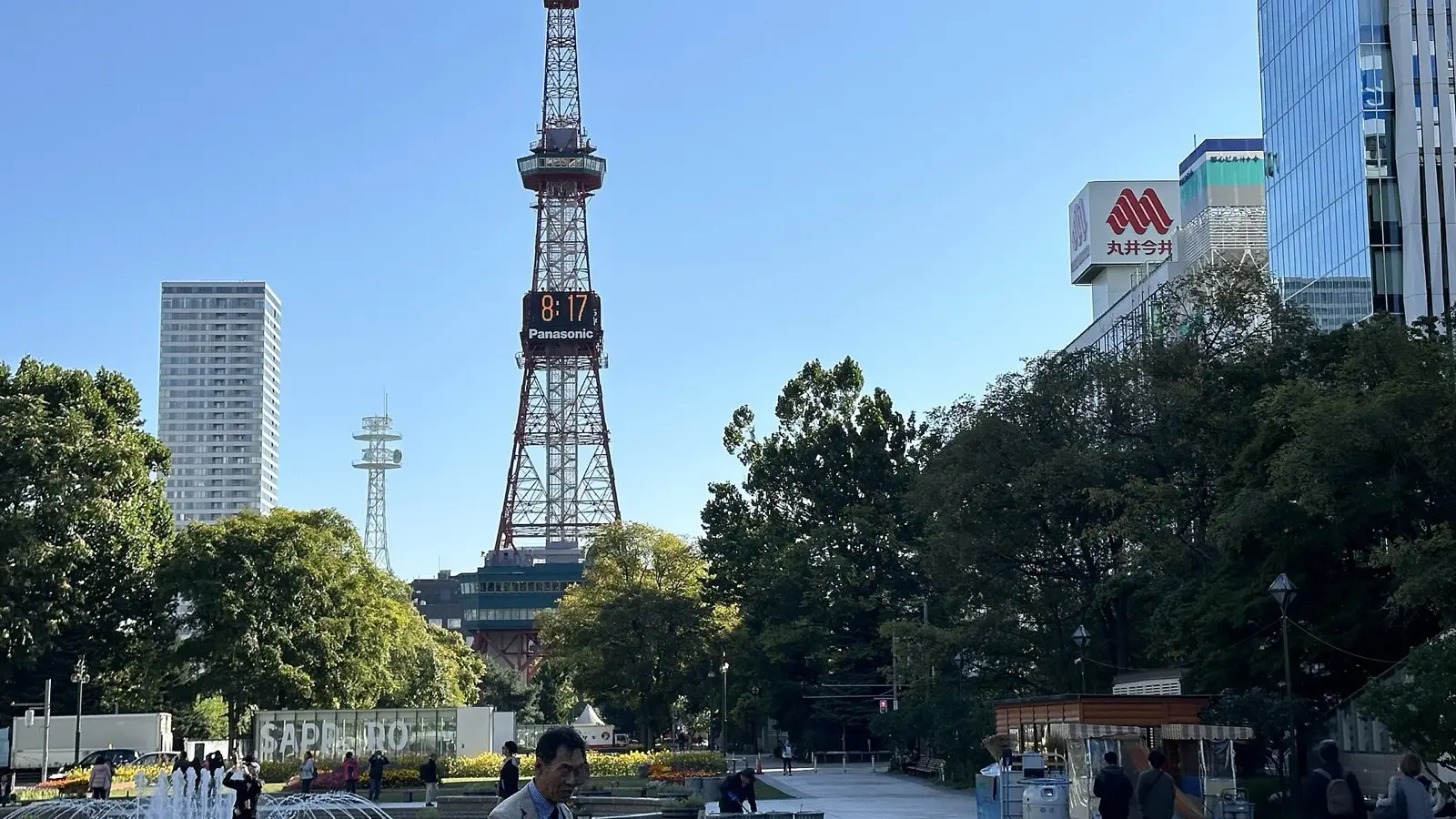
Sapporo Hotels with Large Baths: Dormy Inn, Vessel and JR Inn Compared
In winter Hokkaido, the line between a joyful journey and shivering exhaustion is whether your hotel has a proper hot spring bath. From snow-free underground access at Sapporo Station to natural mineral waters and bottomless salmon roe breakfast buffets, we compare Sapporo's top four onsen business stays.
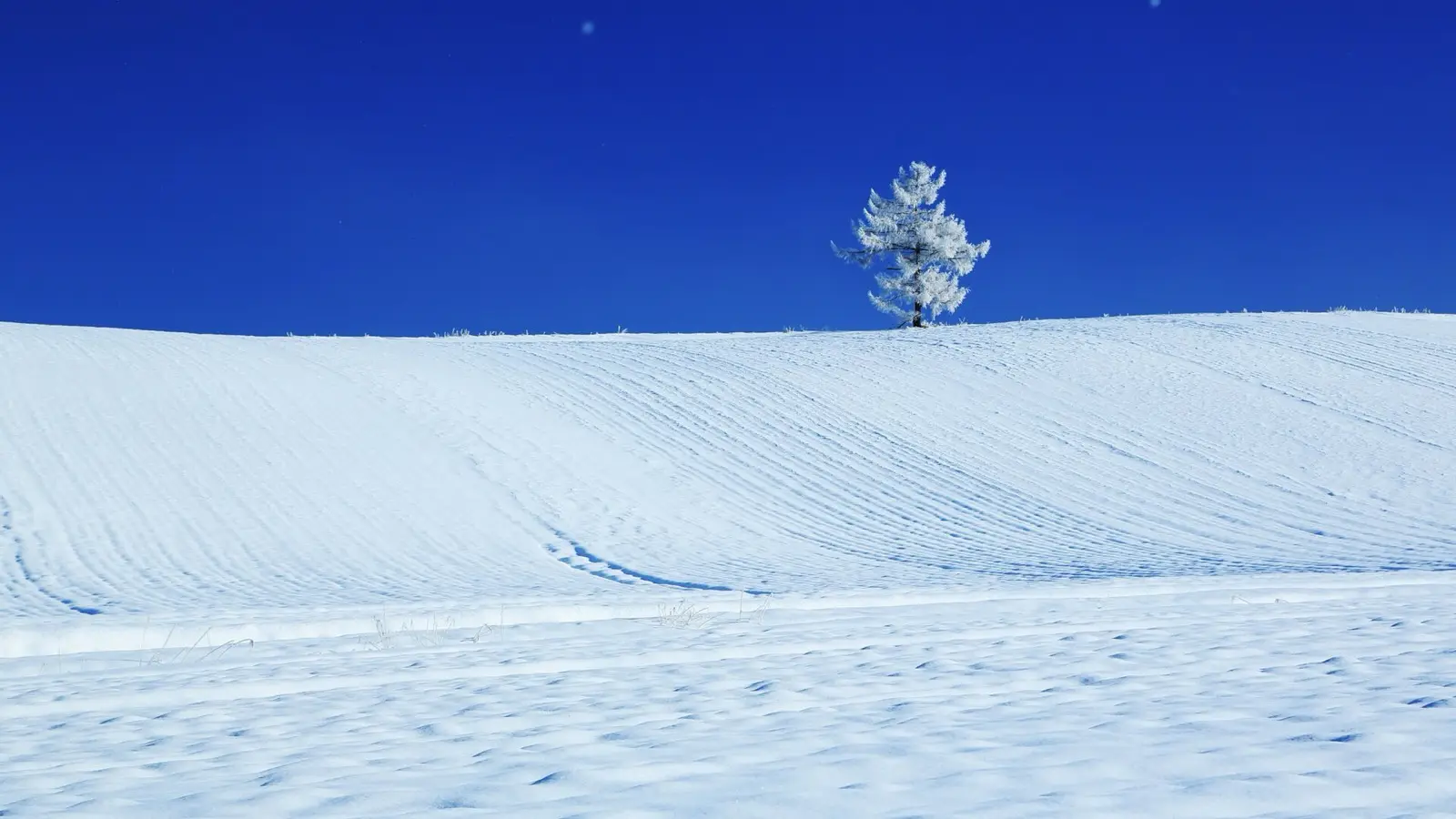
Biei Winter Driving Route: Shirahige Falls and Driving on Snow
A solitary birch tree standing tall against a boundless, pure-white horizon. Picking up a rental car from Asahikawa Airport and driving south for thirty minutes, city noises vanish completely, replaced by the crisp crunch of snow under studless tires. From the Ken and Mary Tree and Seven Stars Hill to the steaming cobalt waters of Shirahige Falls at Shirogane Onsen, here is an authentic journey through Hokkaido's winter wonderland with essential ice-road driving hacks and cozy soup curry cabins.
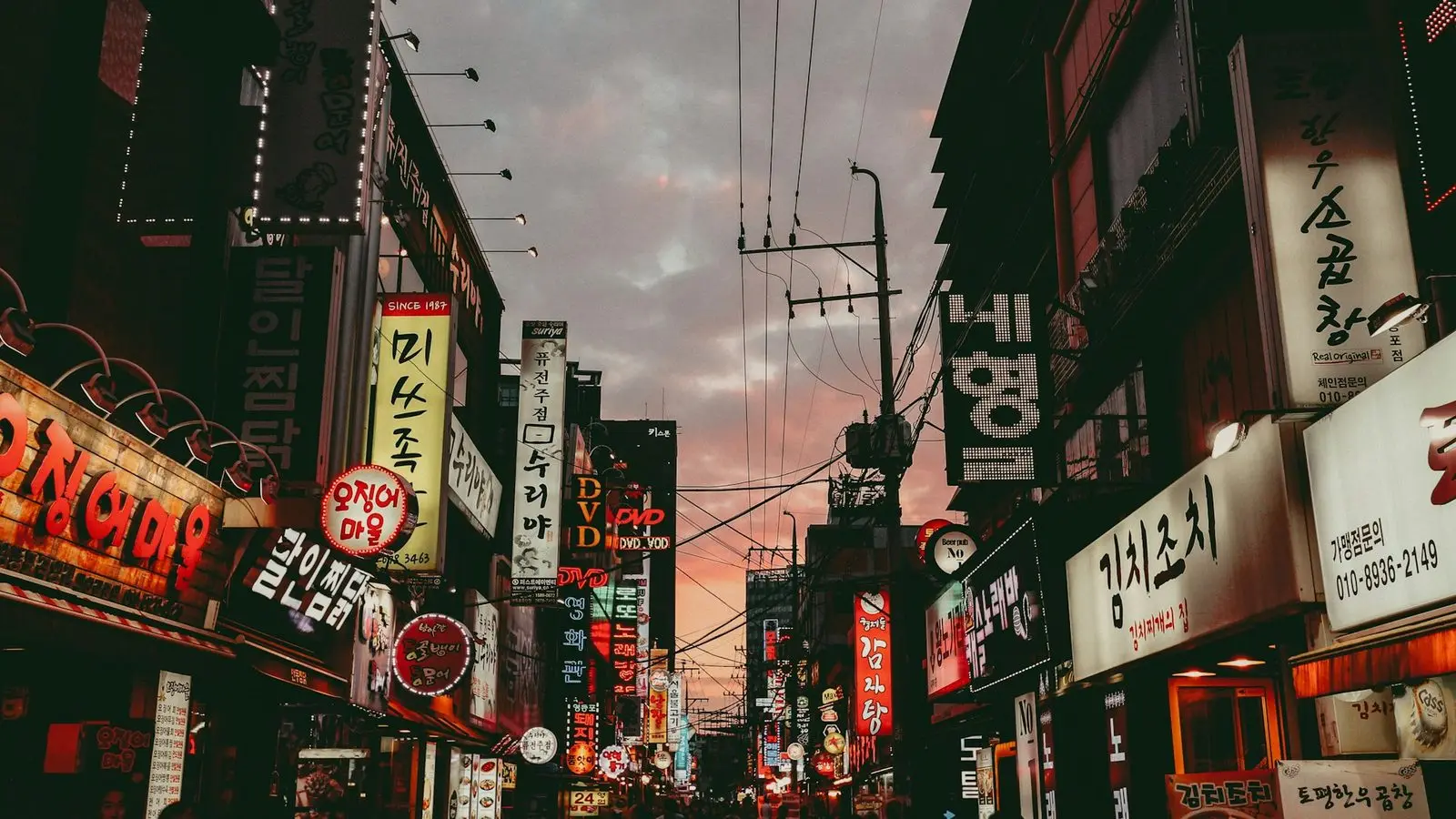
5 Best Value Hotels in Sapporo Odori & Susukino: Snow-Free Tanukikoji Arcade Access and Onsen Baths
When orchestrating a winter journey through Hokkaido, the most daunting logistical hurdle is navigating heavy rolling suitcases across frozen, snow-packed sidewalks. Even after an effortless 37-minute ride from New Chitose Airport aboard the JR Rapid Airport express to Sapporo Station, dragging luggage across unplowed streets for ten minutes frequently results in jammed wheels, soaked canvas, and dangerous slips on black ice. The definitive antidote to this winter friction is anchoring in the vibrant Odori and Susukino corridors. Here, airport limousine buses drop passengers right outside hotel entrances, while the massive covered Tanukikoji Shopping Arcade and subterranean Chikaho pedestrian tunnels allow you to walk between subway lines, ramen shops, and hotel lobbies completely shielded from blizzard winds. We evaluated downtown properties to pinpoint five outstanding value hotels under $100 per night, complete with DIY seafood kaisendon breakfasts, natural hot spring onsens, and cedar saunas.
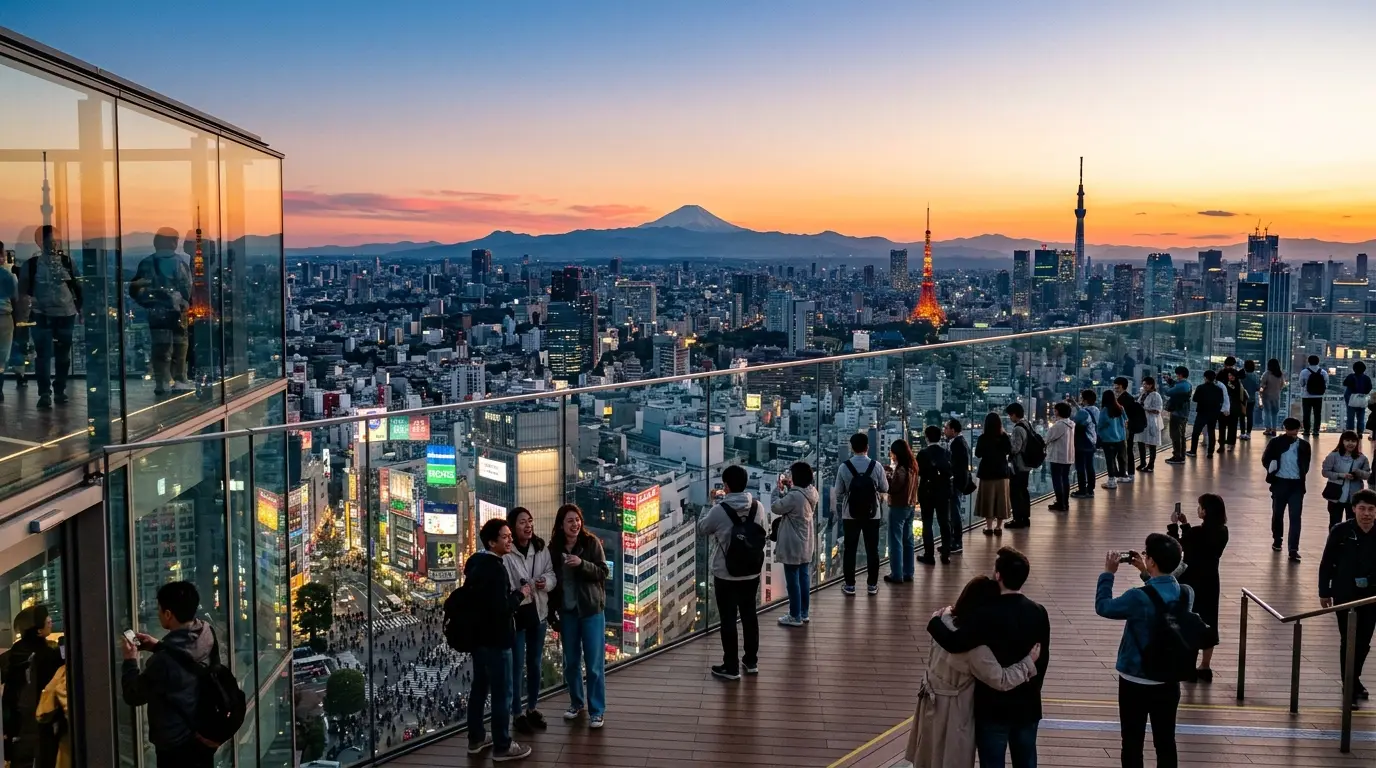
Where to Stay in Tokyo: Shinjuku vs Shibuya vs Ginza
Comparing room footprints across Shinjuku, Ginza, and Ueno, locking in sudden 14-day cancellation drops, and eliminating DCC fees with clean Yen checkout.
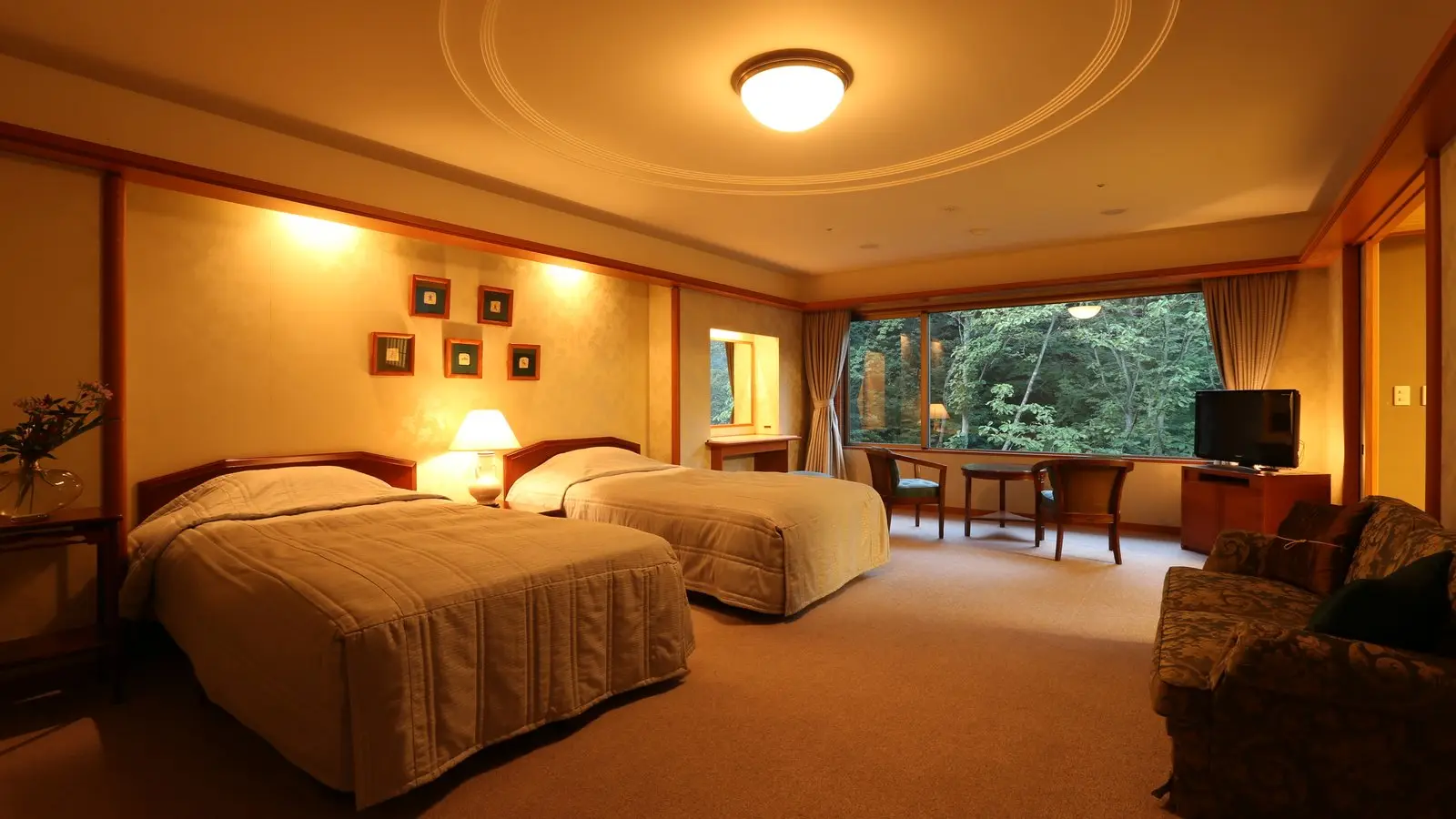
7 Budget Hotels in Tokyo Under $100 on the Yamanote Line
Even amid yen fluctuations, central Tokyo hotel rates have soared. Learn how to secure Yamanote loop line hotels at half the price of Shinjuku, compare onsen bath chains like Dormy Inn, trigger secret Agoda VIP and Booking.com Genius discounts, and dodge hidden currency fees with yen settlement.
How to Read the Tokyo Subway Map and Where to Stay on the Yamanote Line
How to choose between Keisei Skyliner and Narita Express, avoid the Tokyo Subway Ticket trap, use Apple Wallet Suica, and select the ideal hotel base in Tokyo.
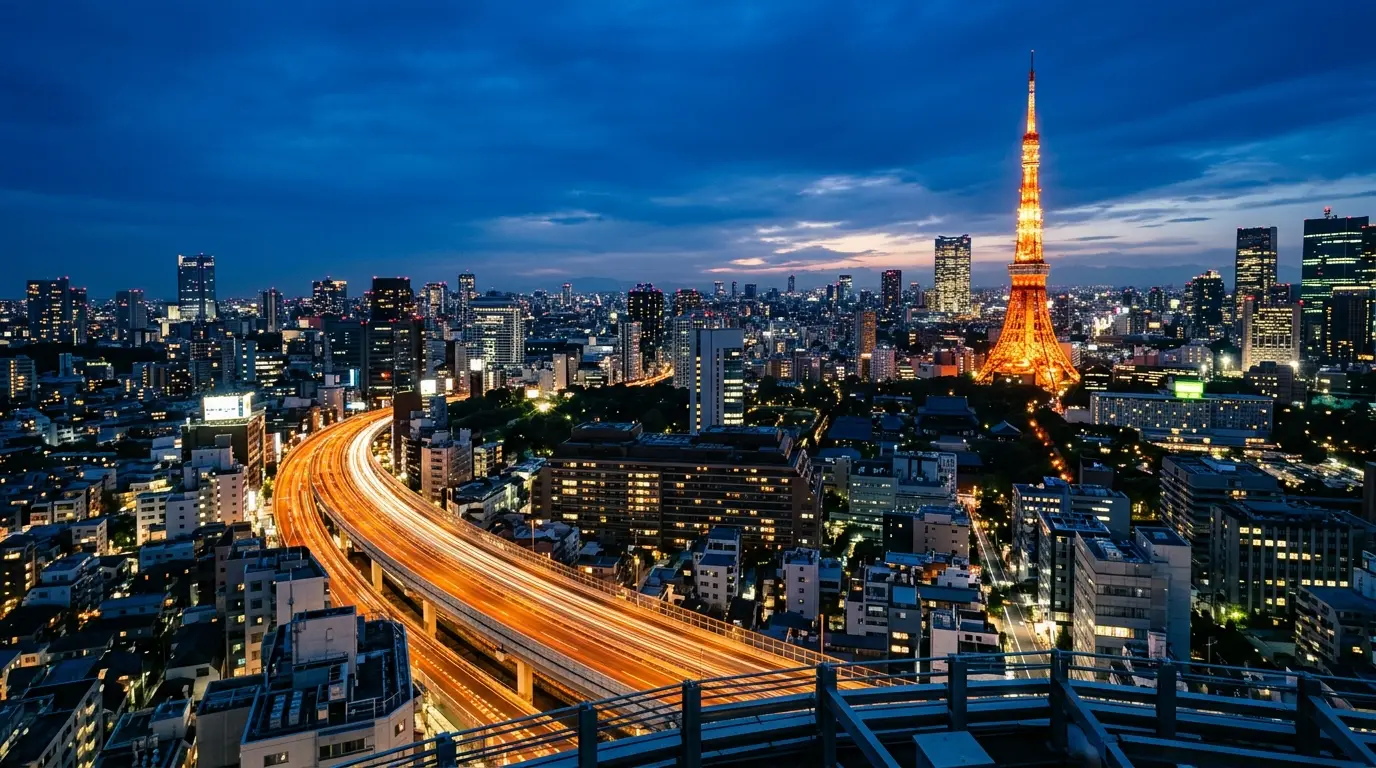
Tokyo Day 1 Itinerary: Narita Airport to the City and Your First 24 Hours
From stepping off at Narita Airport to mastering high-speed trains, navigating Tokyo's sprawling transit hubs, ordering counter ramen effortlessly, and catching sunset from Roppongi Hills. A definitive guide for your first 24 hours in Tokyo.
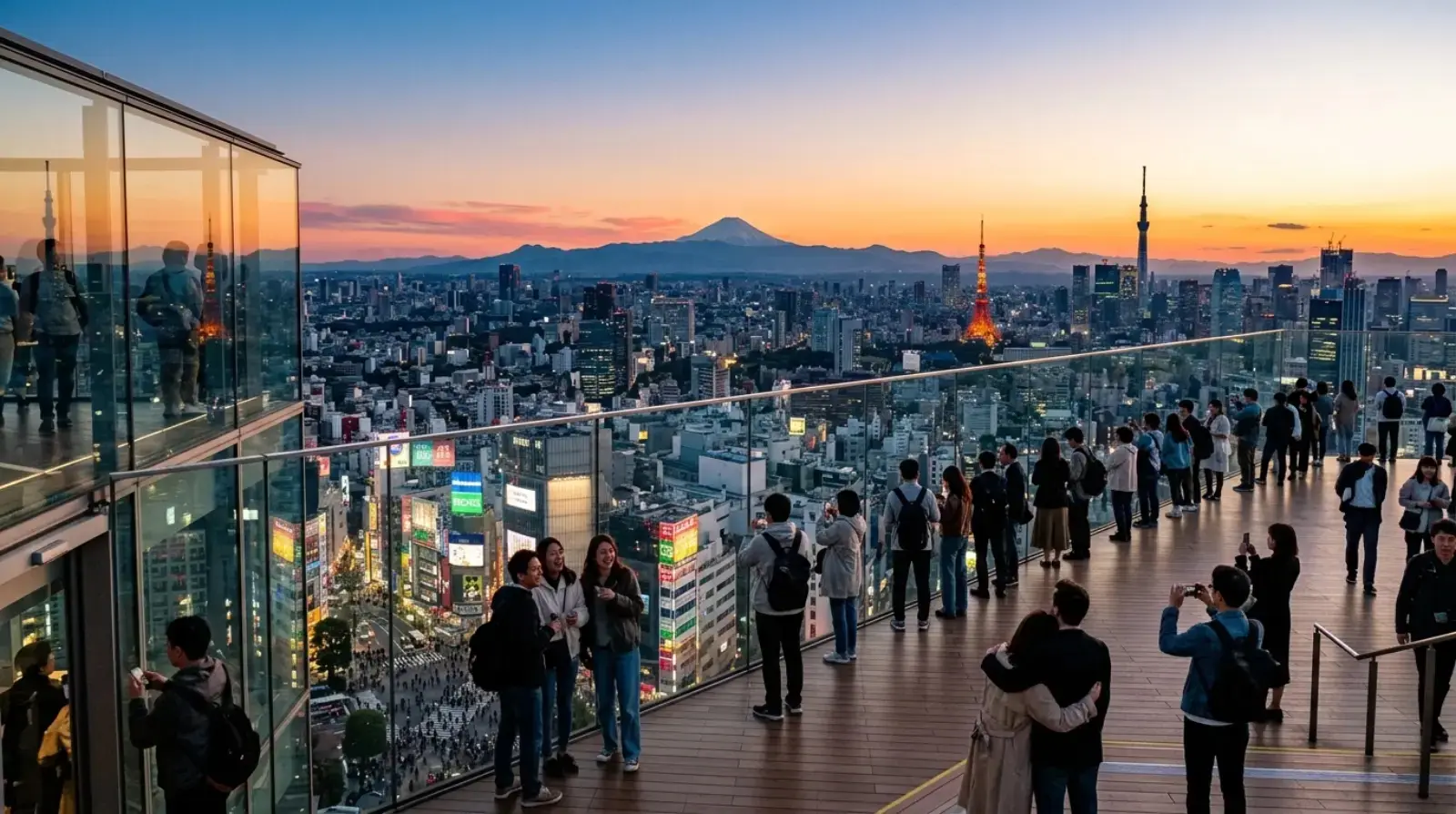
Tokyo Day 2 Itinerary: Booking Shibuya Sky, Harajuku Backstreets and Roppongi at Night
Securing prime sunset slots atop Shibuya Sky, navigating hidden boutiques along Harajuku Cat Street, immersing in the forested serenity of Meiji Jingu, and marveling at the crimson glow of Tokyo Tower from Roppongi Hills. A masterclass in Day 2 pacing.