
InterlakenGuide
Interlaken Itinerary: Getting Up to Jungfraujoch and Where to Stay
From the Eiger Express 3S gondola to Swiss Travel Pass vs VIP Pass math and Grindelwald chalet choices, conquer the Bernese Oberland.
Top of Europe & Eiger Express: Ascending to 3,454 Meters
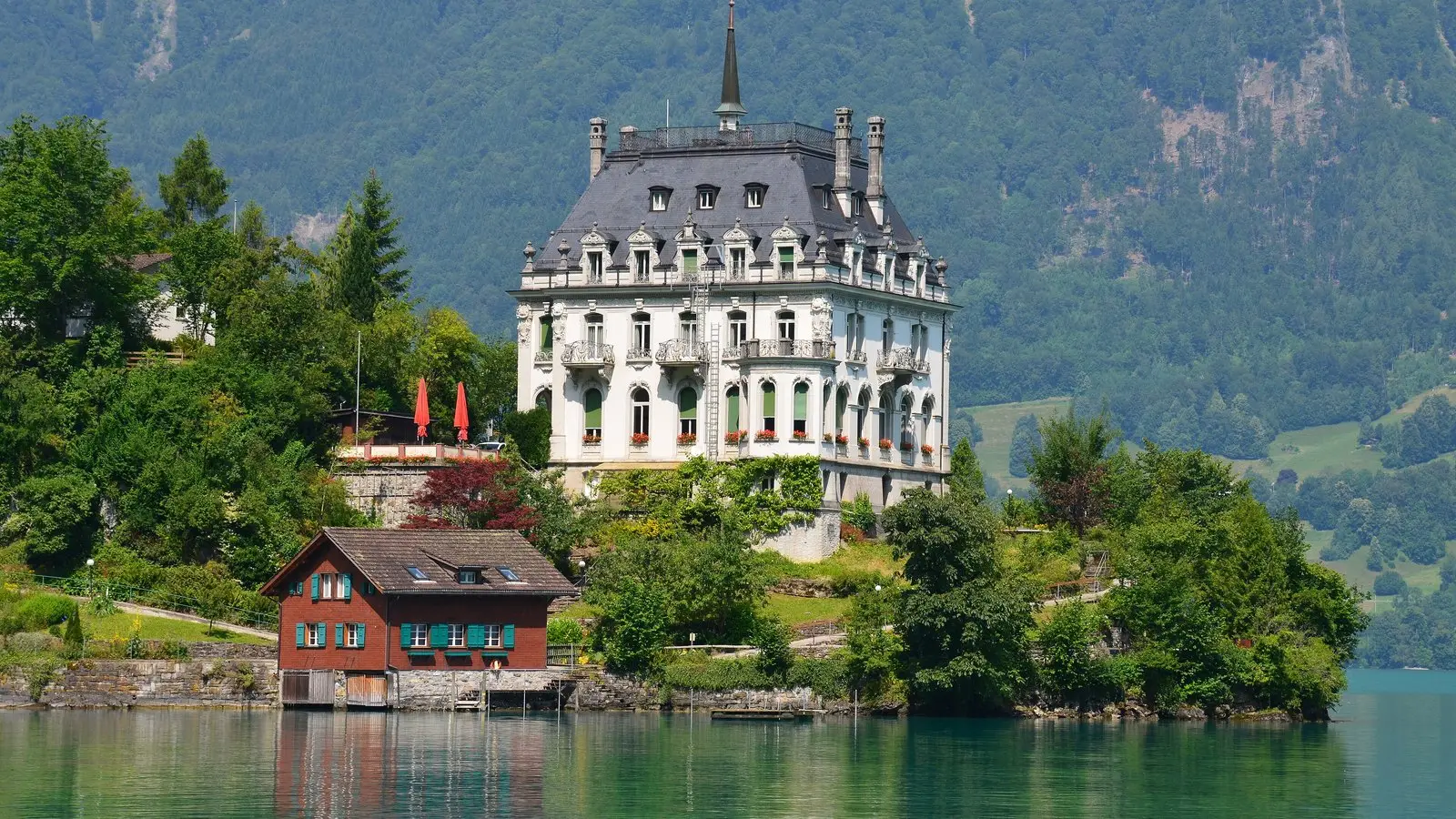
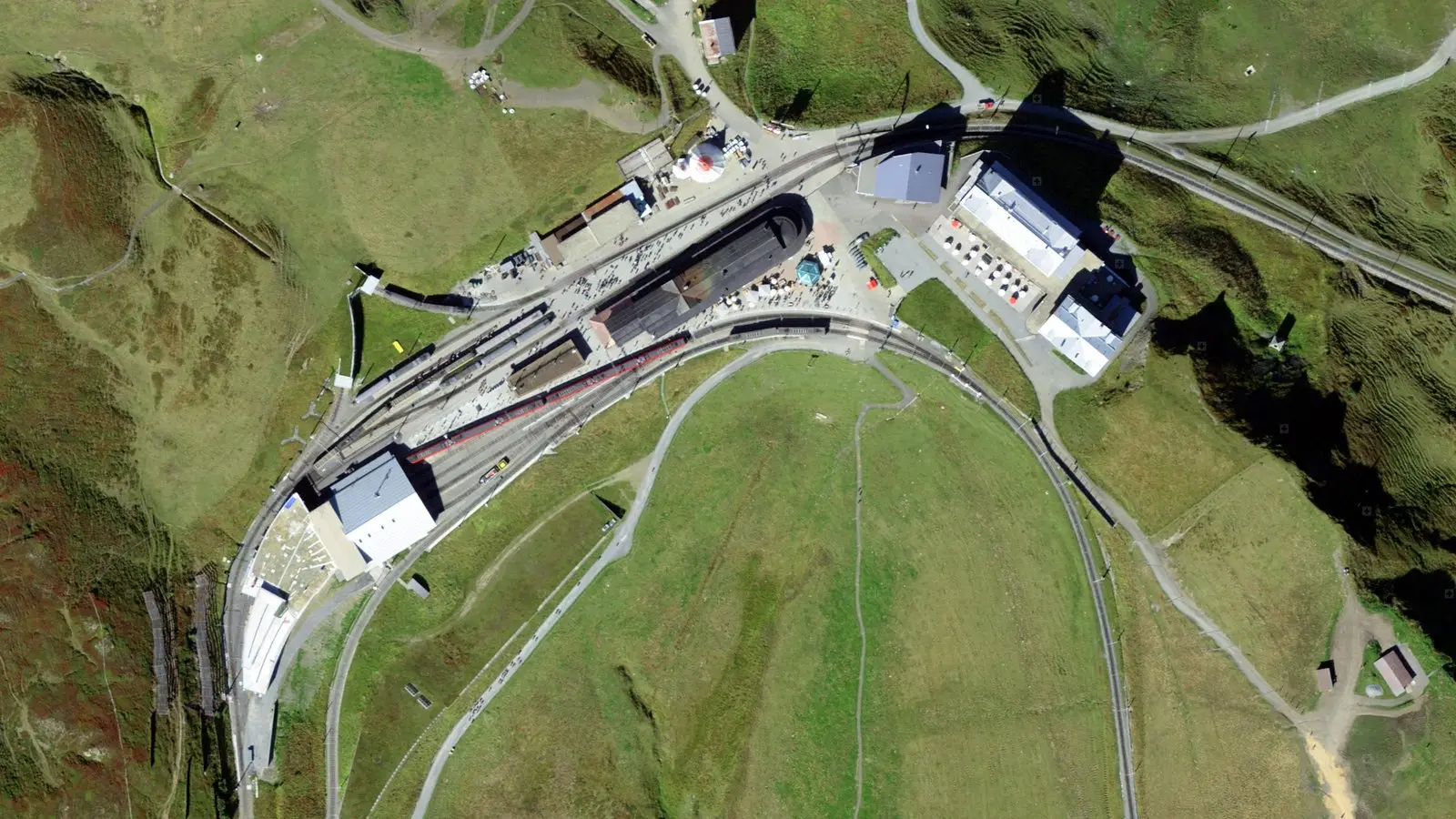
The journey to Jungfraujoch, Europe's highest railway station perched at 3,454 meters, underwent a generational leap forward with the launch of the state-of-the-art Eiger Express 3S tricable gondola. What once required over two hours of winding cogwheel transfers from Interlaken Ost has been trimmed down by over 40 minutes, whisking passengers from Grindelwald Terminal right beneath the sheer Eiger North Face up to Eigergletscher in just 15 minutes.
Transferring to the historic tunnel train up to the summit rewards you with endless panoramas over the vast Aletsch Glacier, a UNESCO World Heritage expanse of eternal ice spanning 22 kilometers. The monumental ice river leaves every spectator in awe.
When touring the Sphinx Observatory deck and the Ice Palace, take slow, deliberate steps and drink water regularly to acclimatize smoothly against reduced barometric pressure. Giving your body 30 minutes to adjust prevents sudden altitude headaches.
For the return journey, descending via the classic cogwheel railway through Kleine Scheidegg and Wengen provides two completely distinct alpine perspectives across a single excursion.
Swiss Travel Pass vs Jungfrau VIP Pass: Doing the Math
Choosing the correct rail pass dictates the entire cost structure of your Swiss journey. The nationwide Swiss Travel Pass covers intercity trains, panoramic postal buses, and lake steamers seamlessly across the country, but grants only a 25% partial discount on the mountain railway section between Wengen/Grindelwald and Jungfraujoch.
If dedicating three or more consecutive days to exploring the Bernese Oberland peaks, purchasing the regional Jungfrau Travel Pass is vastly more economical. It delivers unlimited rides on mountain railways and cable cars to Grindelwald First, Harder Kulm, and Männlichen, plus passenger cruises on Lake Thun and Lake Brienz.
If your plans include riding the First Cliff Walk and experiencing the mountain cart or glider zipline down the slopes, the regional pass gets better value still, since the cable car rides are covered. The glider, cart and other activity fees themselves are not included.
For brief day-trippers visiting from Zurich or Lucerne, securing the Swiss Half Fare Card provides a flat 50% discount across every train, cable car, and ferry leg, ensuring balanced expenditure.
Interlaken Ost vs West vs Grindelwald: Decoding Chalet Basecamps
Your accommodation hub directly determines morning logistics and evening tranquility throughout the Bernese Oberland.
Interlaken Ost serves as the primary rail nexus, connecting mainline express routes from Zurich, Bern, and Lucerne with narrow-gauge alpine branches. It is the gold standard for travelers who prioritize frictionless day trips without hauling luggage across multiple village transfers. A massive Coop supermarket directly opposite the station makes daily self-catering effortless.
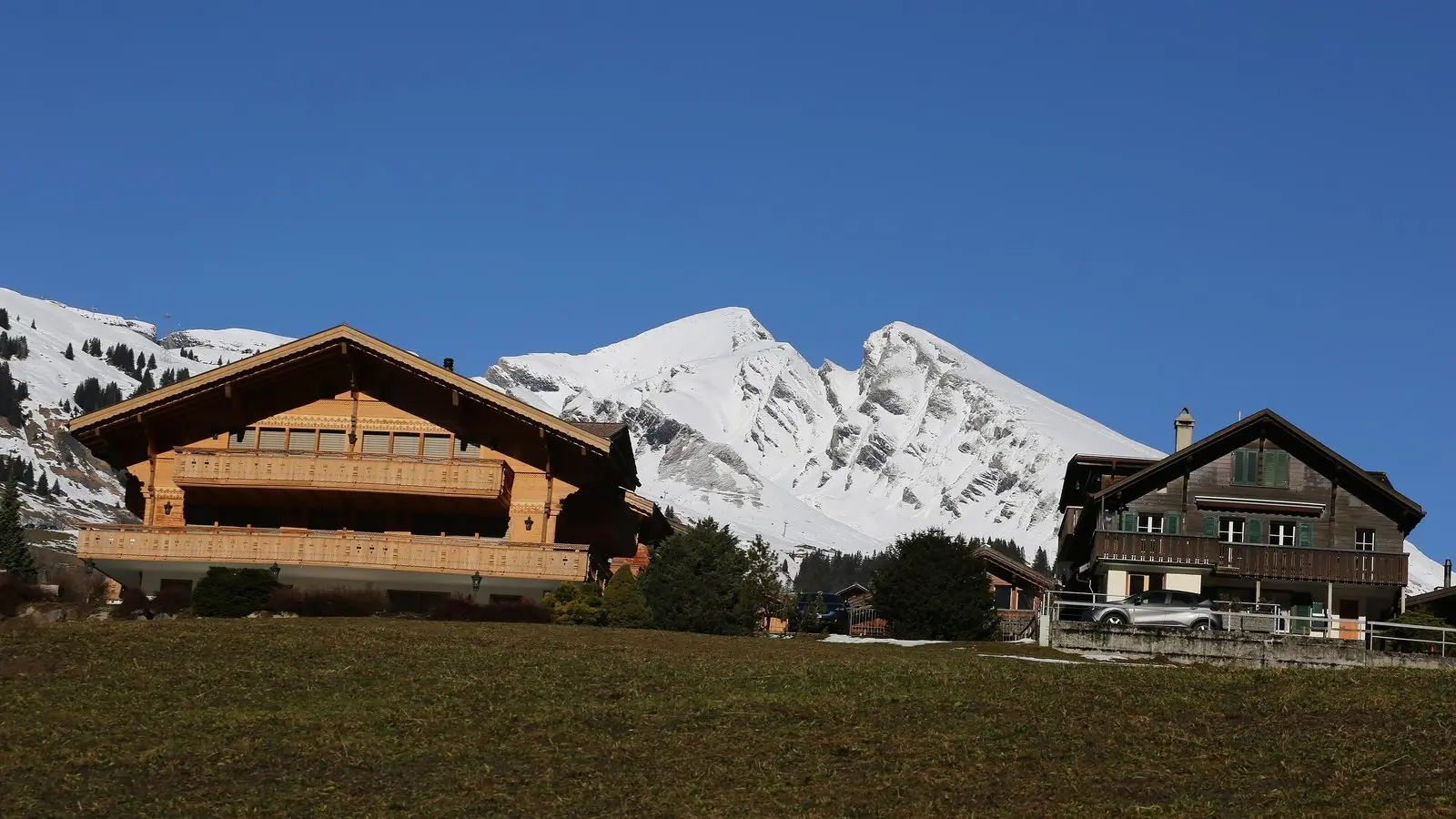
Grindelwald is custom-made for those who dream of waking to timber chalets and panoramic vistas of the towering Eiger North Face. Stepping onto a wooden balcony breathing crisp mountain air delivers an immersive alpine sanctuary impossible to replicate in downtown commercial hotels.
Interlaken West offers concentrated shopping streets and diverse dining, but requires a commuter hop over to Ost every time you set out for mountain summits.
When securing lodging online, ensure your card transaction settles in Swiss Francs (CHF) rather than home currencies to prevent payment gateways from layering on a 3% to 5% Dynamic Currency Conversion margin.
Lauterbrunnen 72 Waterfalls & Car-Free Mürren Cliff Trails
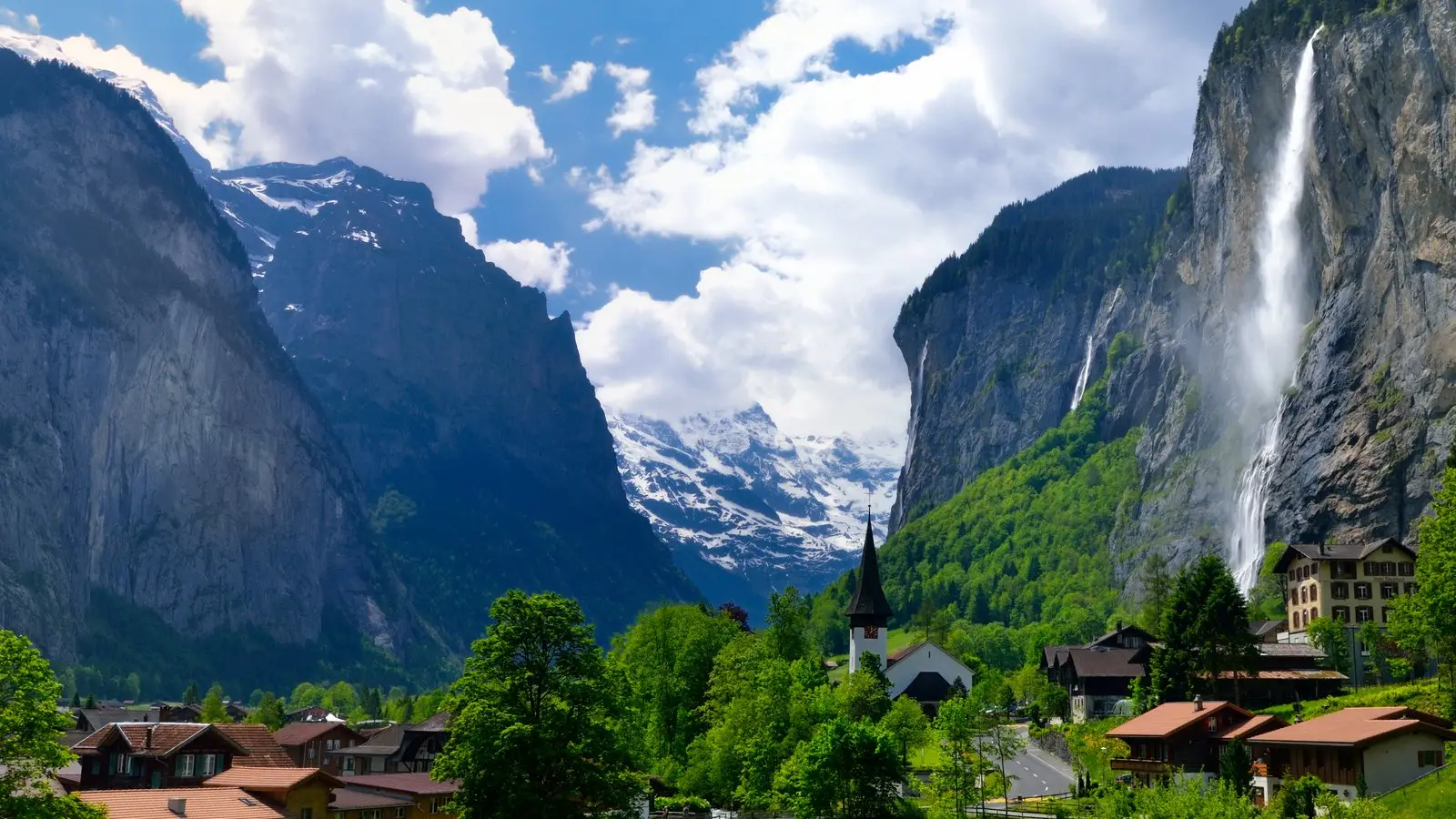
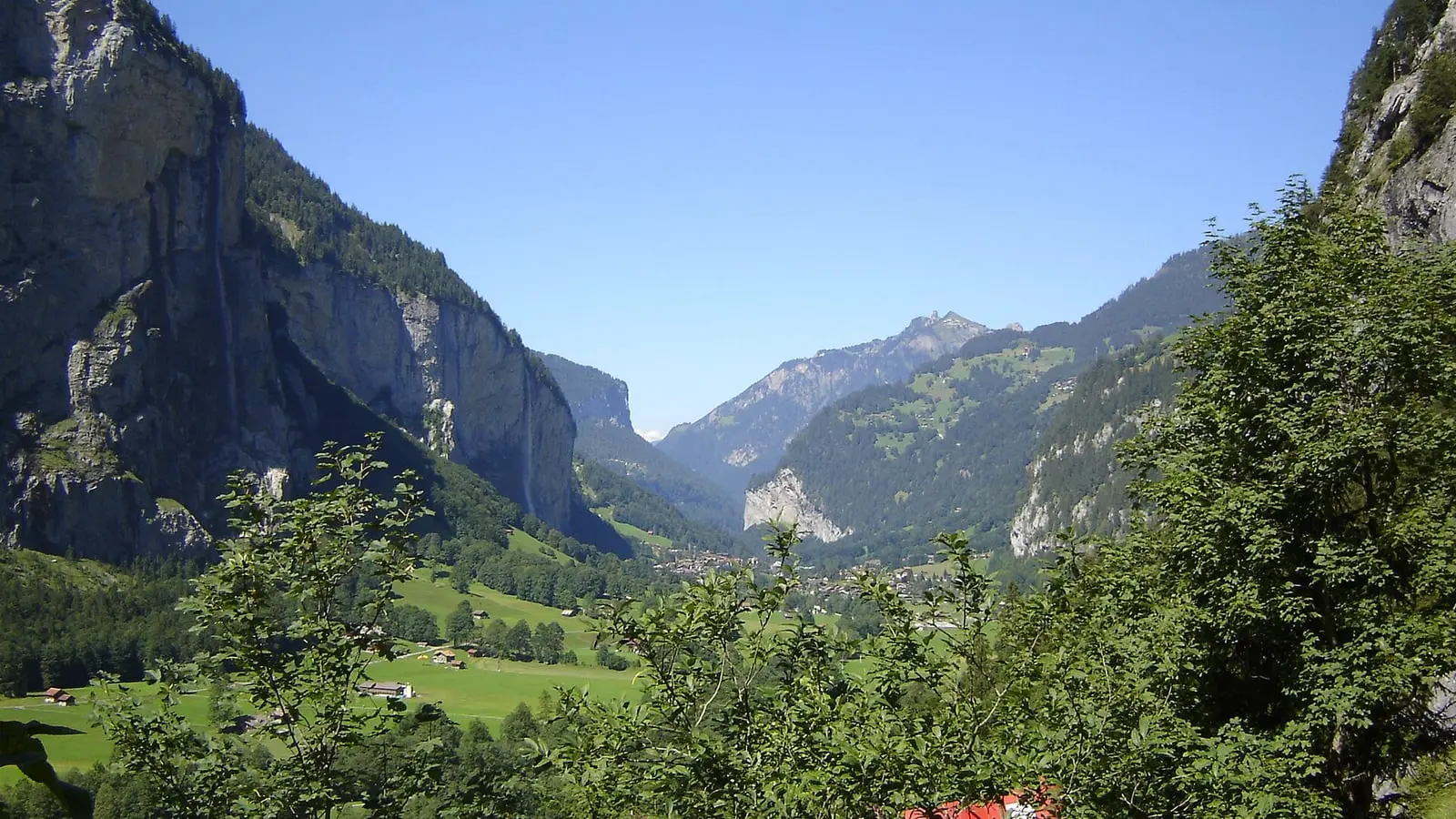
Nestled deep within a steep glacial U-shaped valley, Lauterbrunnen features vertical limestone bluffs plunging straight down into emerald pastures. The landscape lives up to its reputation as a fairytale valley of waterfalls.
The most celebrated cascade, Staubbach Falls, drops nearly 300 meters like an airborne veil, famously inspiring poet Johann Wolfgang von Goethe during his travels. Nearby, Trümmelbach Falls cascades through the interior of the mountain cavern, channeling up to 20,000 liters of glacial meltwater per second.
Riding the cable car up to the clifftop village of Mürren transports you into an eco-haven where internal combustion vehicles are completely barred. Gazing across the valley toward the Jungfrau trio from quiet timber lanes is unforgettable.
The gentle downhill trail connecting Mürren to Gimmelwald takes roughly 40 minutes along paved alpine paths, offering beginner hikers and families unobstructed snow-capped panoramas at every turn.
Lake Brienz Cruise to Iseltwald & Smart Swiss Budget Rules
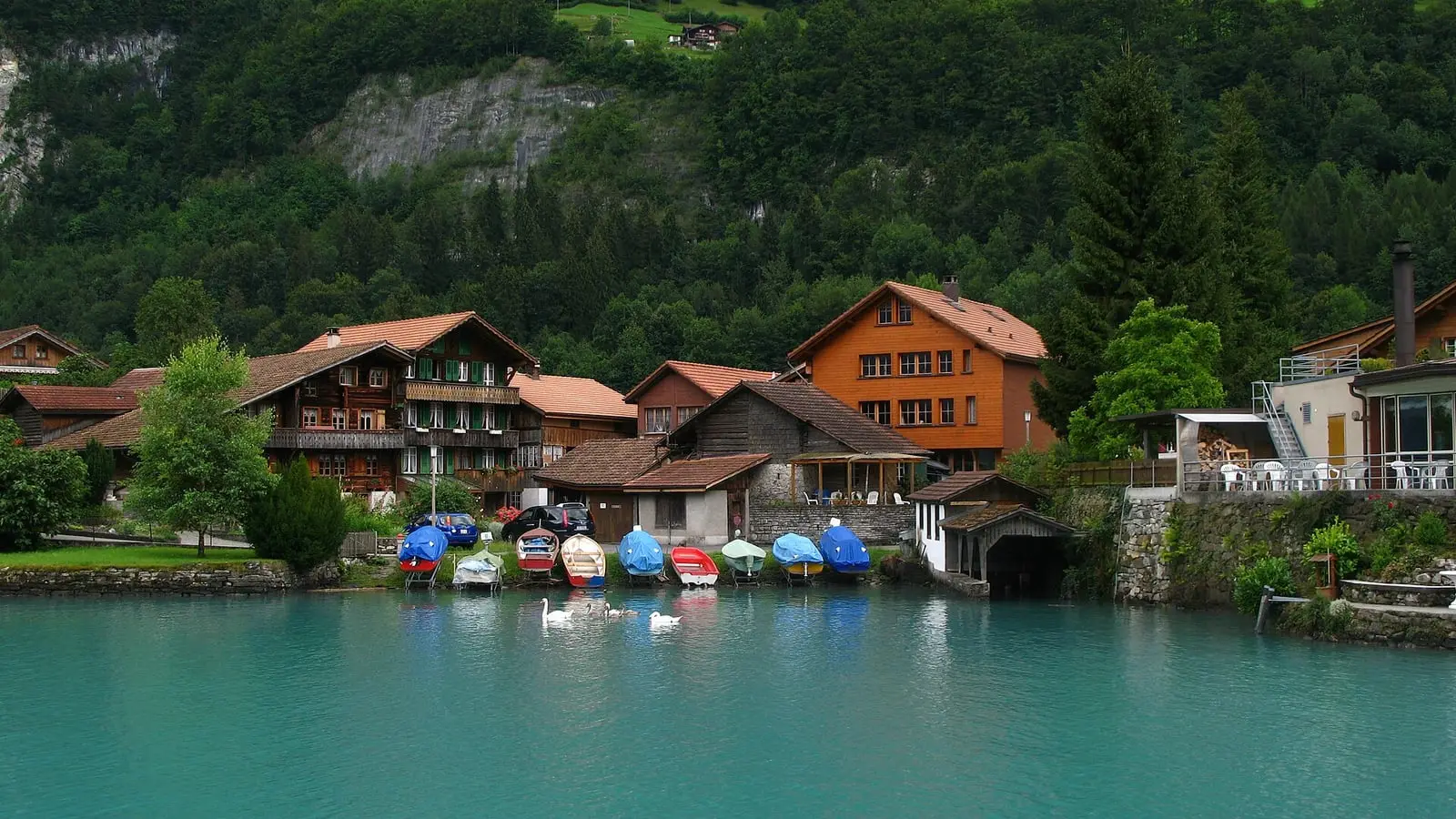
When alpine trekking leaves your legs weary, boarding a Lake Brienz passenger steamer from the dock behind Interlaken Ost is the ultimate remedy. Gliding across turquoise glacial waters colored by limestone minerals provides an unhurried, luxurious afternoon of sightseeing.
The steamer calls at the picturesque village of Iseltwald, celebrated worldwide for its lakeside wooden jetty featured in Crash Landing on You. Wandering along the quiet peninsula paths surrounded by traditional Swiss timber homes offers deep serenity.
To keep Swiss travel costs manageable, take full advantage of hot deli counters at Coop and Migros supermarkets. Picking up freshly roasted rotisserie chickens, bakery sandwiches, and alpine cheese for an open-air picnic along the lake costs far less than sit-down restaurant tabs.
Remember that hotel guests in Interlaken receive a complimentary municipal guest card upon check-in, unlocking free rides on local city buses throughout your stay.
Frequently Asked Questions
Field-tested answers to transit navigation, neighborhood choices, and payment traps.
Q1.What is the fastest way from Interlaken to Jungfraujoch?
Q2.Does the Swiss Travel Pass cover the trip to Jungfraujoch?
Q3.When is the Jungfrau Travel Pass worth buying?
Q4.Should I stay in Interlaken Ost or Grindelwald?
The Smart Traveler's Essential Toolkit
Prepare instant mobile data, private airport transfers, and skip-the-line passes in one place.
Share This Guide with Your Companions
When shared via chat or social media, a curated summary card is sent along.
Recommended Guides
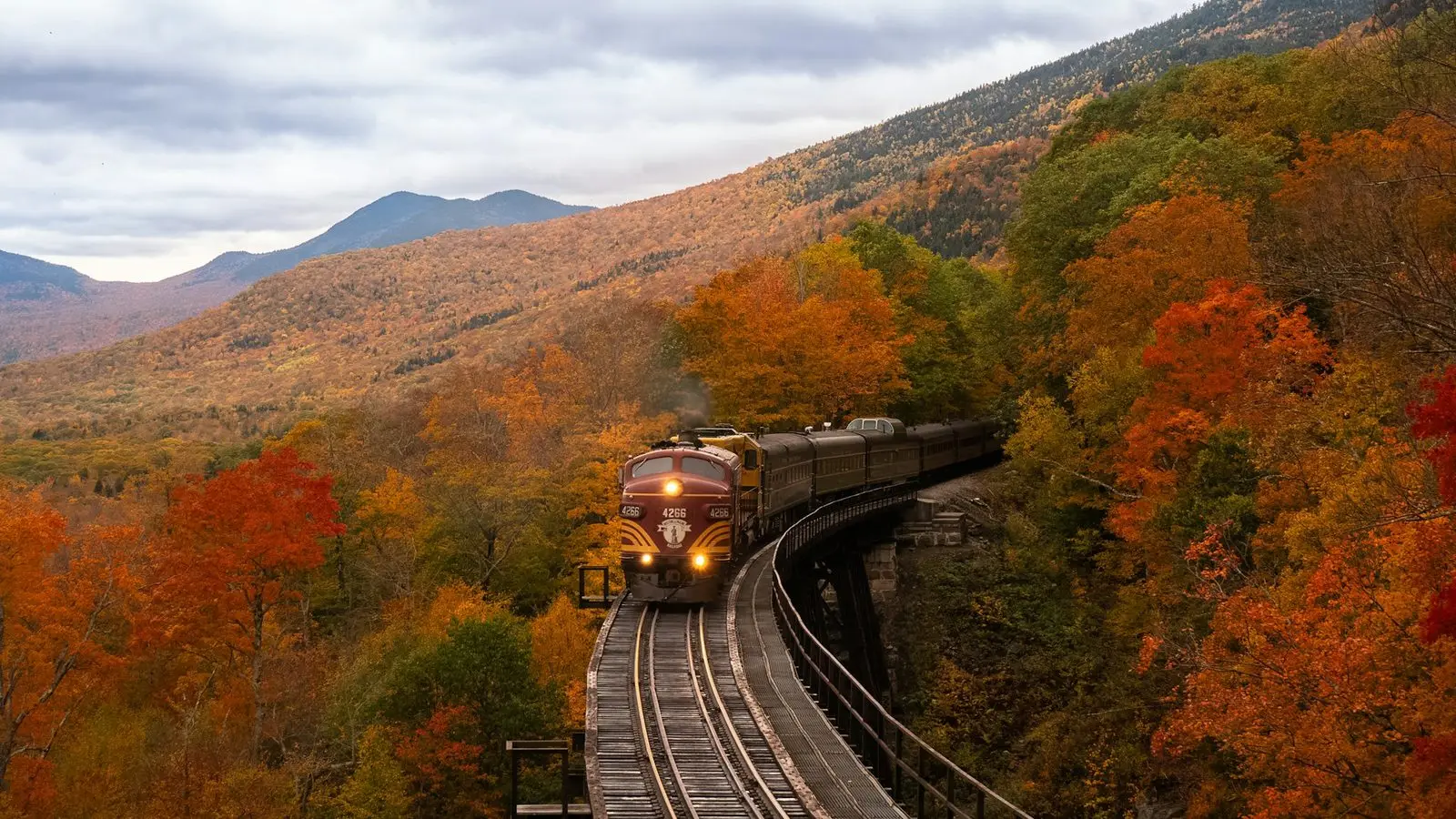
Eurail Pass vs Point-to-Point Train Tickets: Mandatory Seat Reservations, Early-Bird Fares, and Swiss Travel Pass Value
Planning European rail travel consistently revolves around one fundamental debate: purchasing a Eurail Global Pass or booking point-to-point tickets individually. While legacy guidebooks framed rail passes as ticketless golden tickets, modern high-speed networks across France (TGV), Italy (Frecciarossa), and Spain (AVE) enforce mandatory seat reservations costing €10 to €20 per segment on top of pass costs. Conversely, point-to-point early-bird tickets bought the day sales open often sell for just €19 to €29 on prime trunk routes. In contrast, Switzerland's domestic transit network makes the Swiss Travel Pass extraordinarily lucrative due to free mountain boats, urban trams, and museum admissions. We unpack the concrete mathematical thresholds that dictate whether a pass or individual tickets will save you more money.
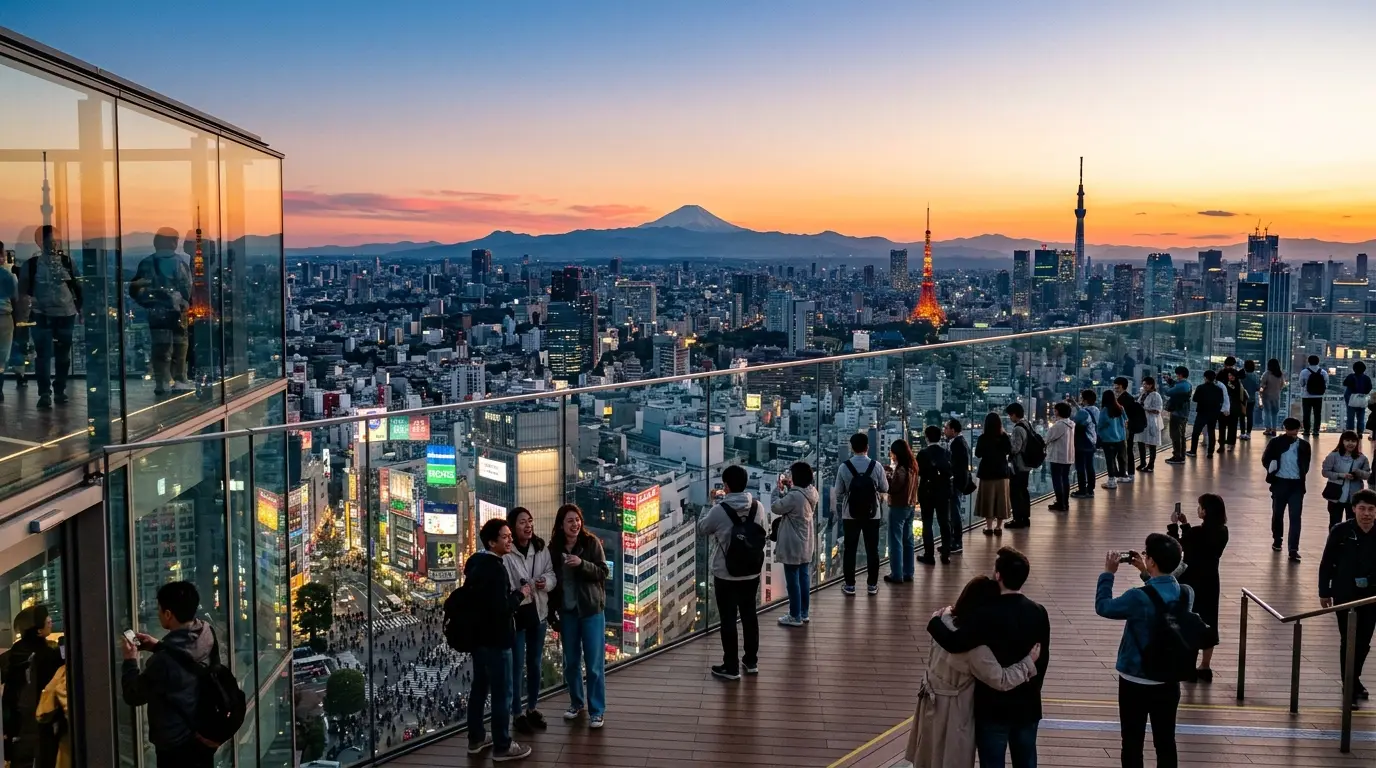
Where to Stay in Tokyo: Shinjuku vs Shibuya vs Ginza
Comparing room footprints across Shinjuku, Ginza, and Ueno, locking in sudden 14-day cancellation drops, and eliminating DCC fees with clean Yen checkout.
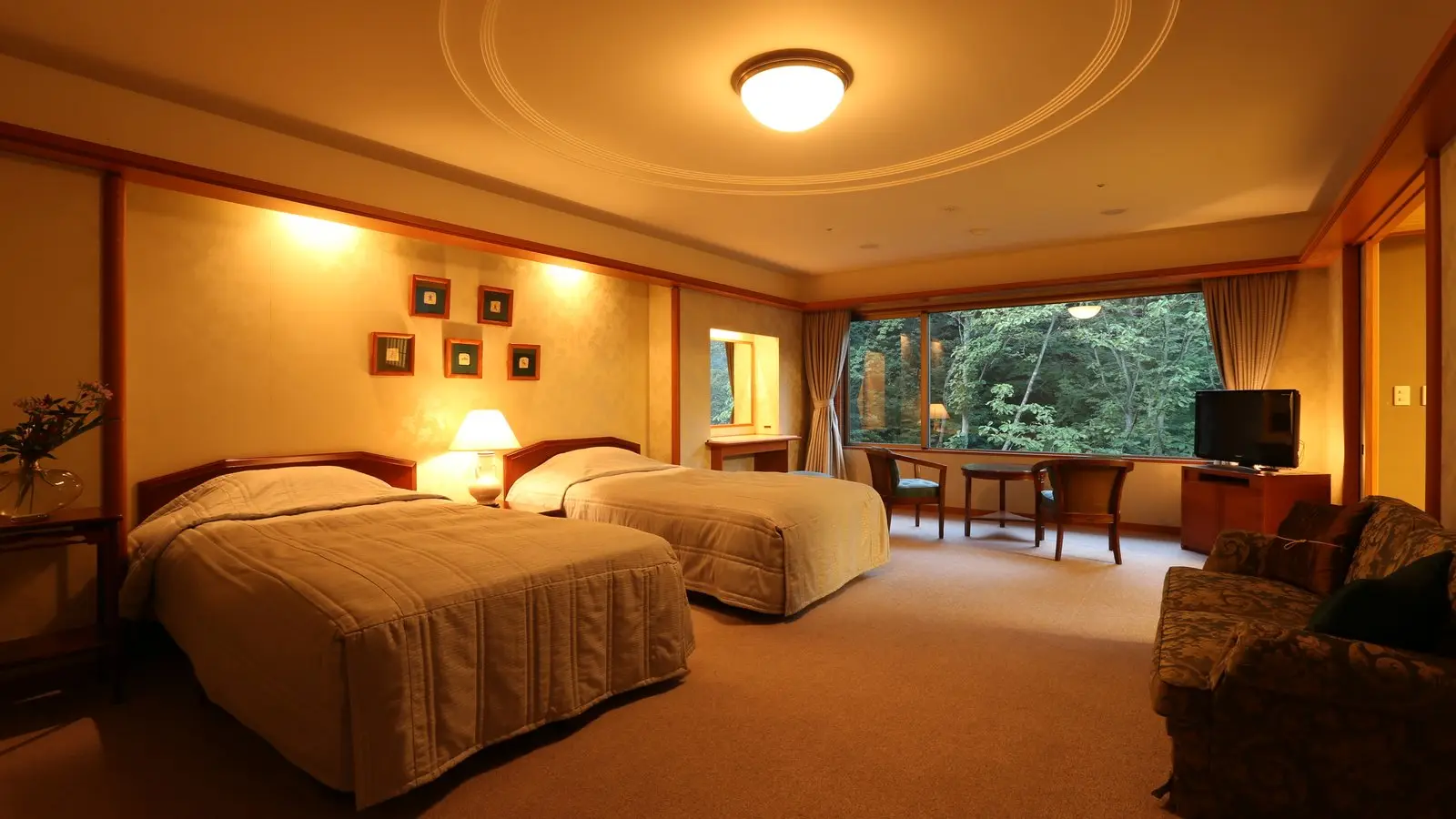
7 Budget Hotels in Tokyo Under $100 on the Yamanote Line
Even amid yen fluctuations, central Tokyo hotel rates have soared. Learn how to secure Yamanote loop line hotels at half the price of Shinjuku, compare onsen bath chains like Dormy Inn, trigger secret Agoda VIP and Booking.com Genius discounts, and dodge hidden currency fees with yen settlement.
How to Read the Tokyo Subway Map and Where to Stay on the Yamanote Line
How to choose between Keisei Skyliner and Narita Express, avoid the Tokyo Subway Ticket trap, use Apple Wallet Suica, and select the ideal hotel base in Tokyo.
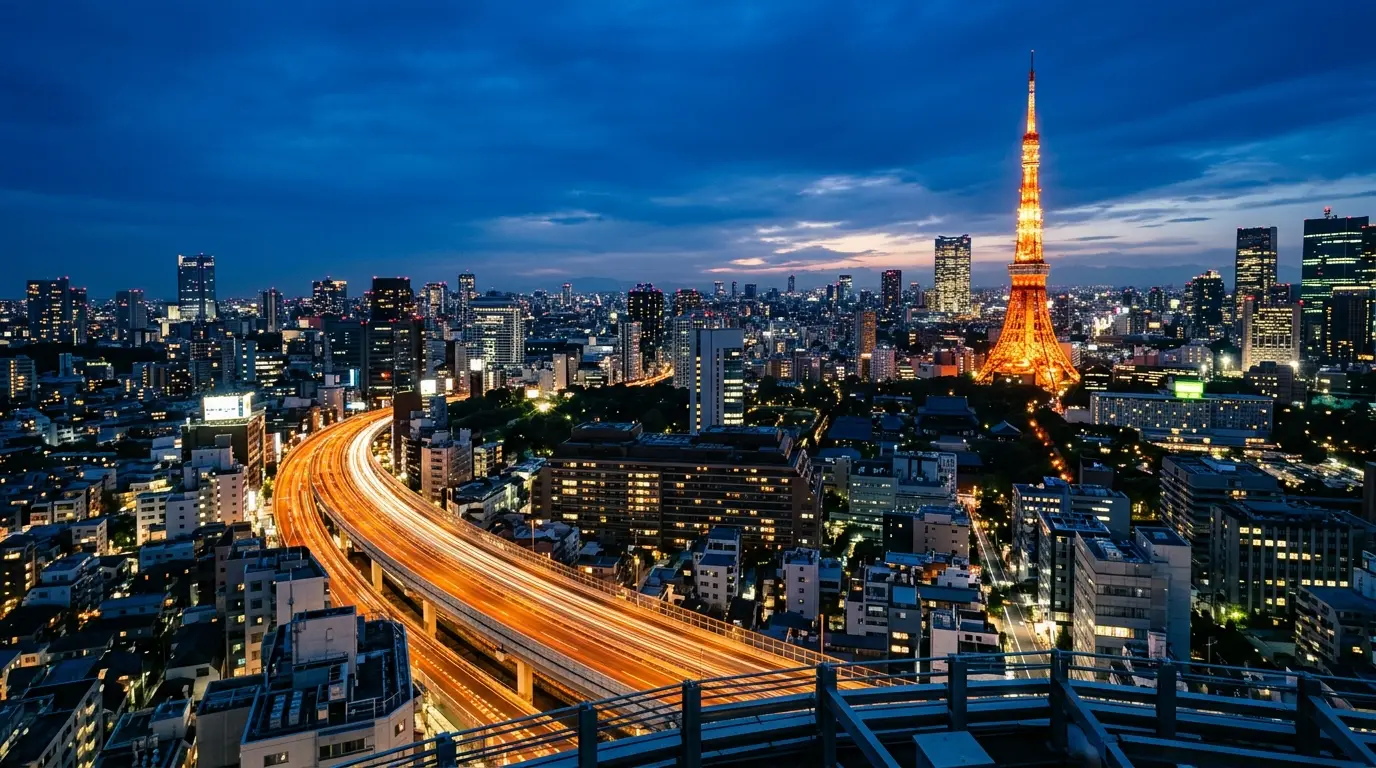
Tokyo Day 1 Itinerary: Narita Airport to the City and Your First 24 Hours
From stepping off at Narita Airport to mastering high-speed trains, navigating Tokyo's sprawling transit hubs, ordering counter ramen effortlessly, and catching sunset from Roppongi Hills. A definitive guide for your first 24 hours in Tokyo.
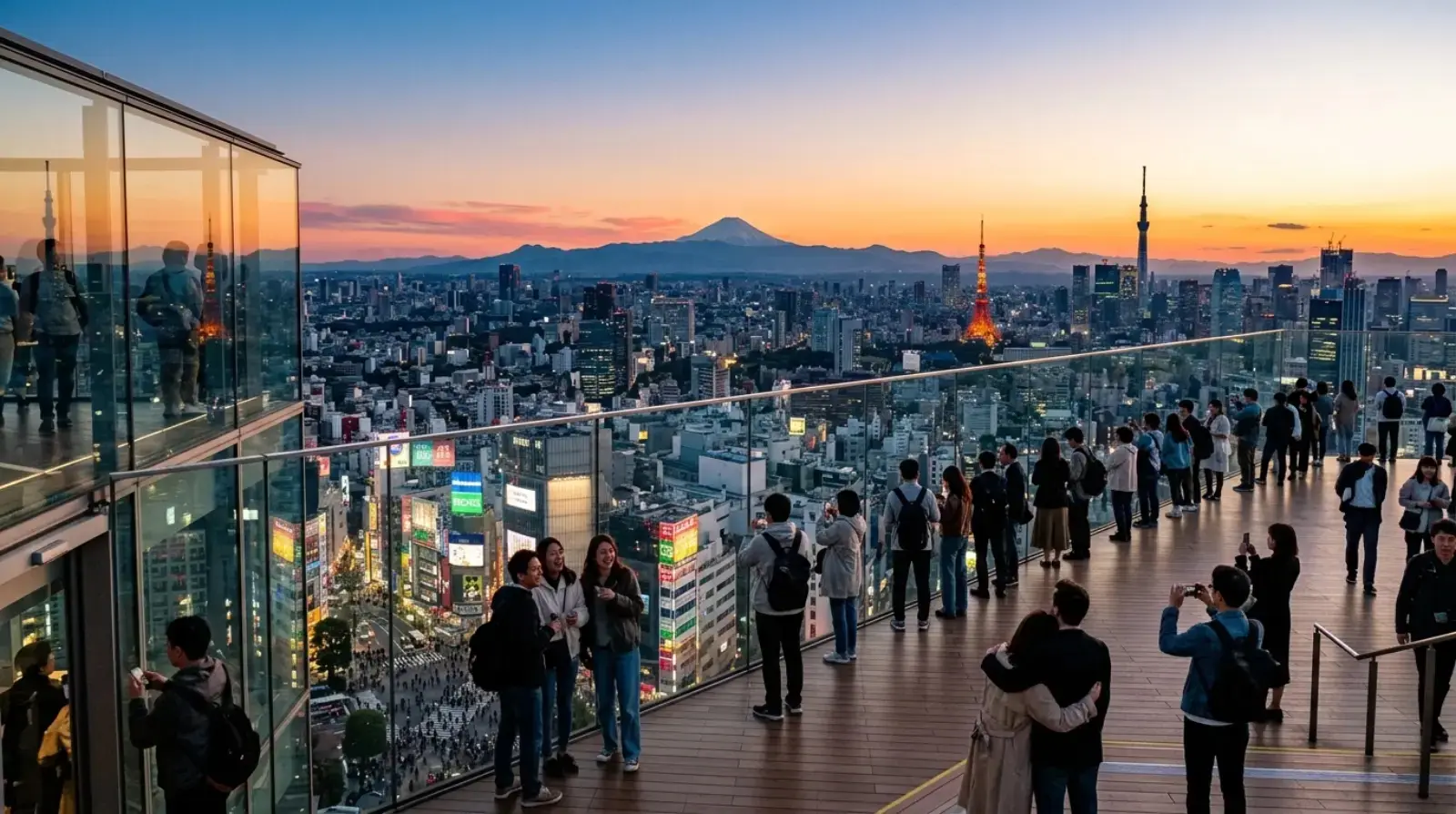
Tokyo Day 2 Itinerary: Booking Shibuya Sky, Harajuku Backstreets and Roppongi at Night
Securing prime sunset slots atop Shibuya Sky, navigating hidden boutiques along Harajuku Cat Street, immersing in the forested serenity of Meiji Jingu, and marveling at the crimson glow of Tokyo Tower from Roppongi Hills. A masterclass in Day 2 pacing.
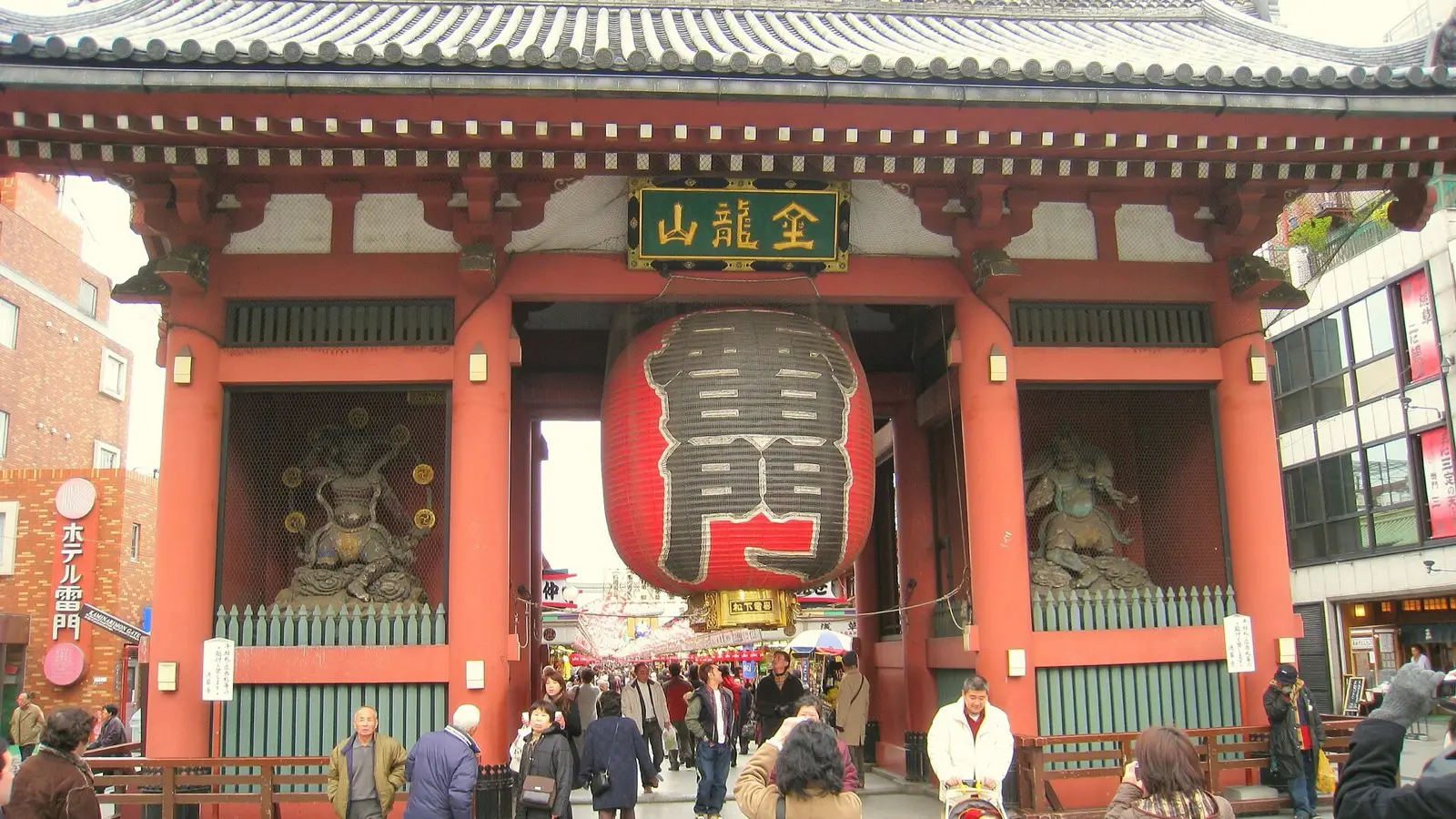
Tokyo Day 3 Itinerary: Asakusa, Akihabara, Ginza Depachika and Flying Home
The ultimate finale for your Tokyo stay: tranquil morning worship at Sensoji, retro subculture in Akihabara, Ginza Six architectural rooftop views and basement depachika feasts, capped by seamless Skyliner and N'EX airport connections.
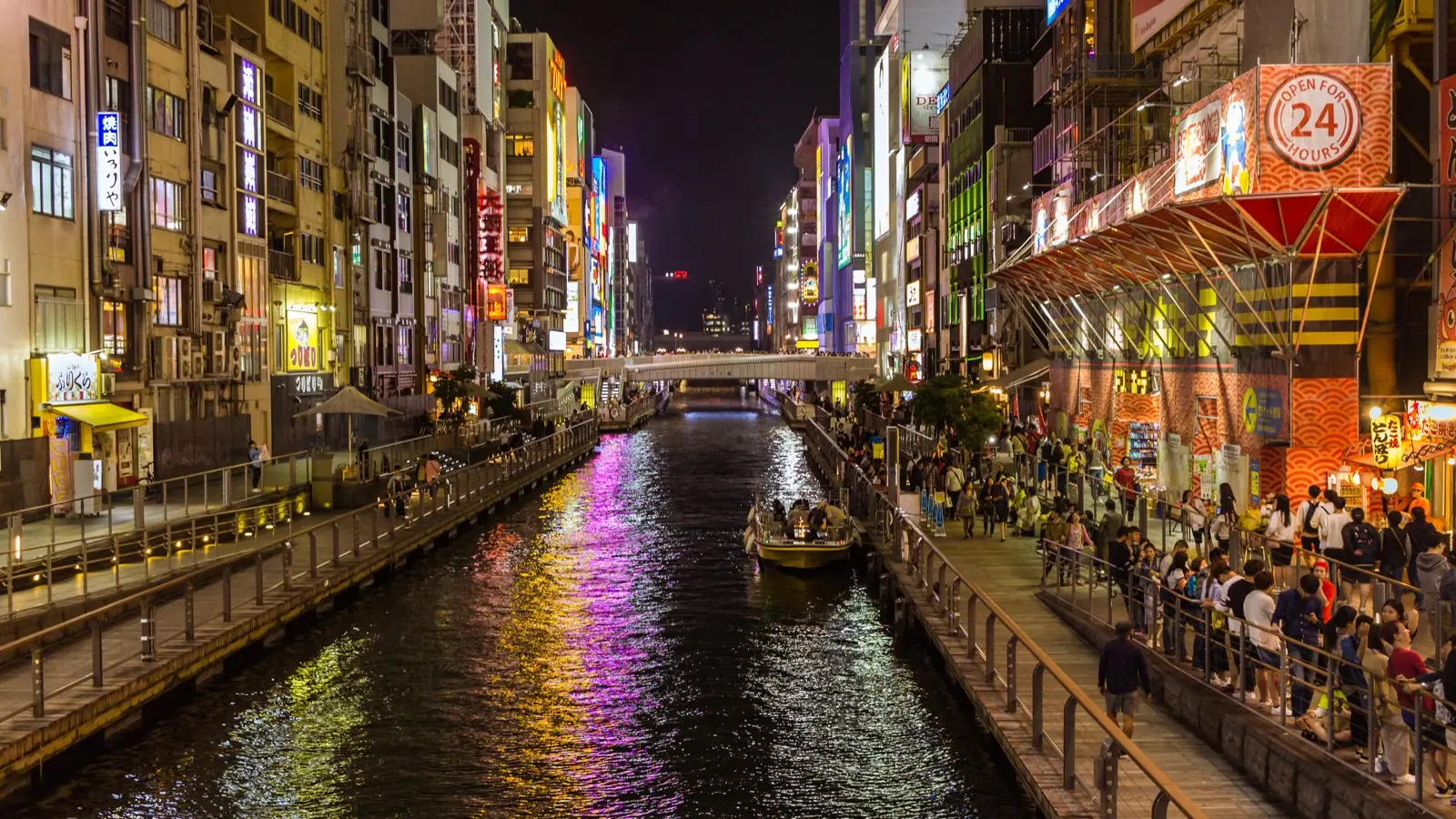
Osaka Itinerary: Dotonbori and Umeda in Two Nights
Osaka is Japan culinary powerhouse where feasting is an art. Navigate Rapi:t airport transfers, Namba vs Umeda hotels, and street food corridors with veteran precision.
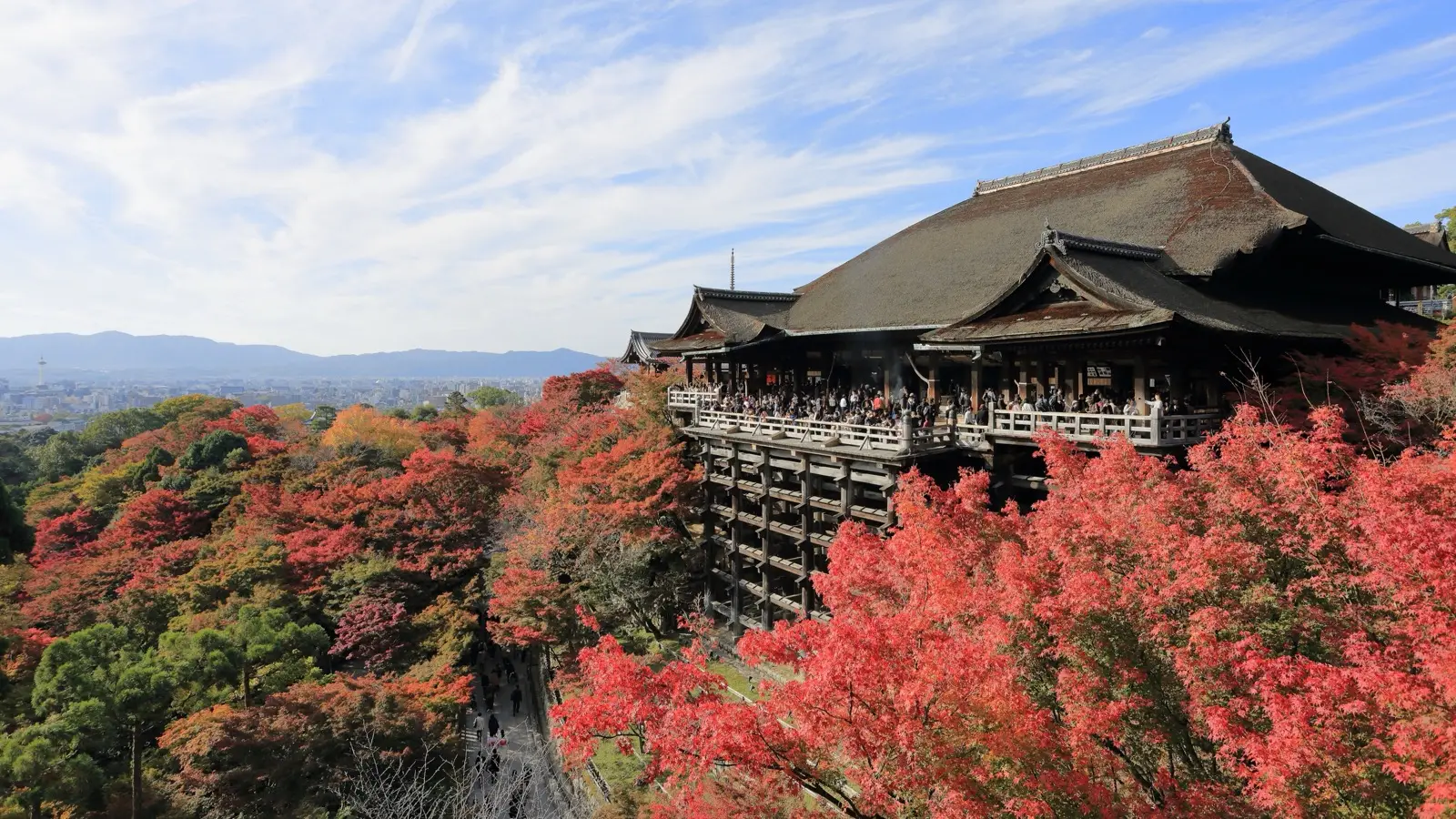
Kyoto Itinerary: Arashiyama, Gion and How to Pick a Ryokan
Kyoto compresses a millennium of Japanese aesthetic mastery. Discover how to evade bus congestion with private railways, master ryokan kaiseki booking windows, and savor early dawn stillness.
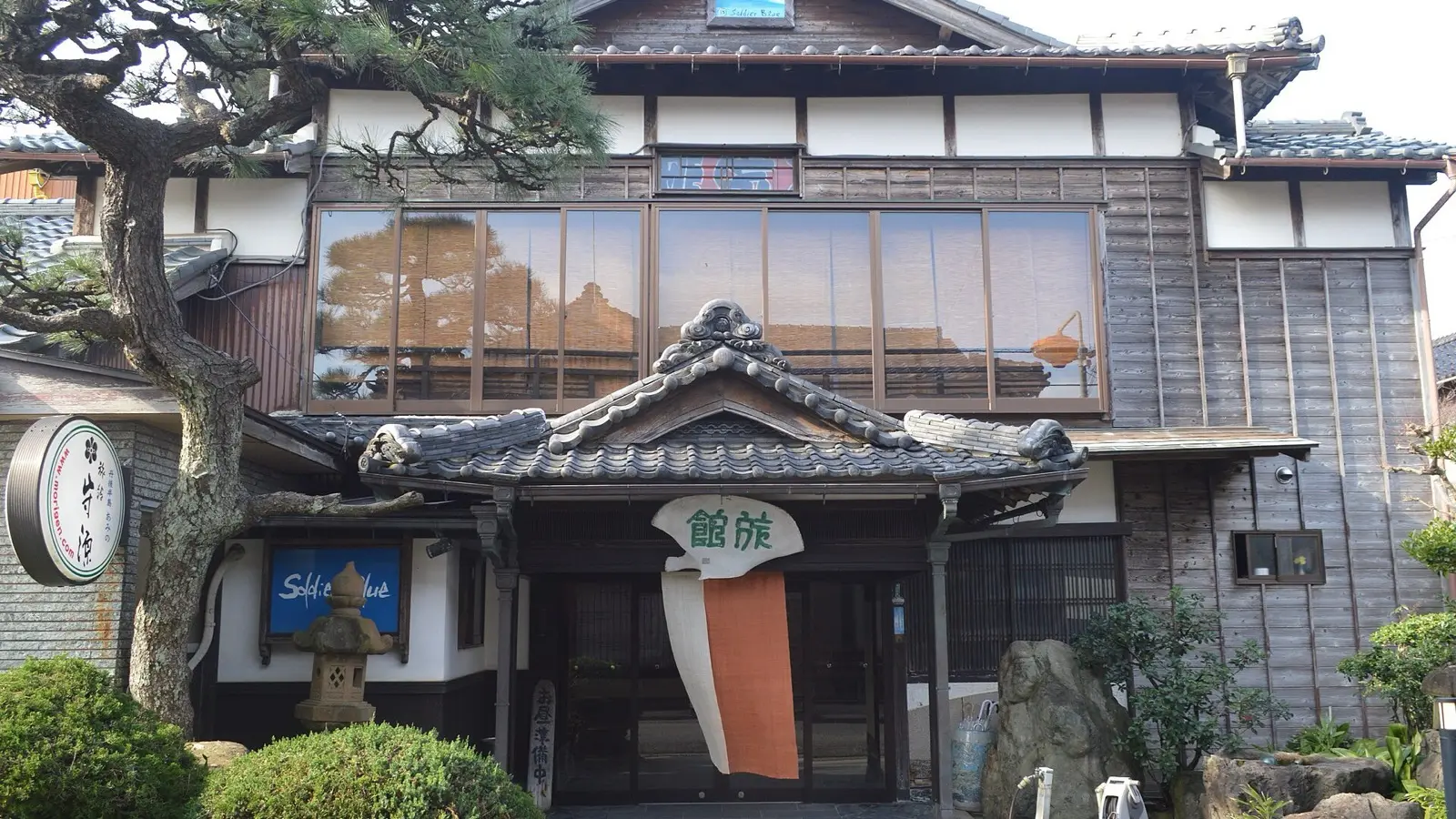
Kyoto Ryokan Prices and How to Choose: Kaiseki Terms and Machiya Stays
From hundred-year-old timber townhouses in Gion to misty Arashiyama riverside ryokan, staying in Kyoto demands cultural fluency and sharp booking discipline. An honest receipt audit covering kaiseki dinner curfews, private onsen etiquette, and avoiding dynamic pricing spikes.
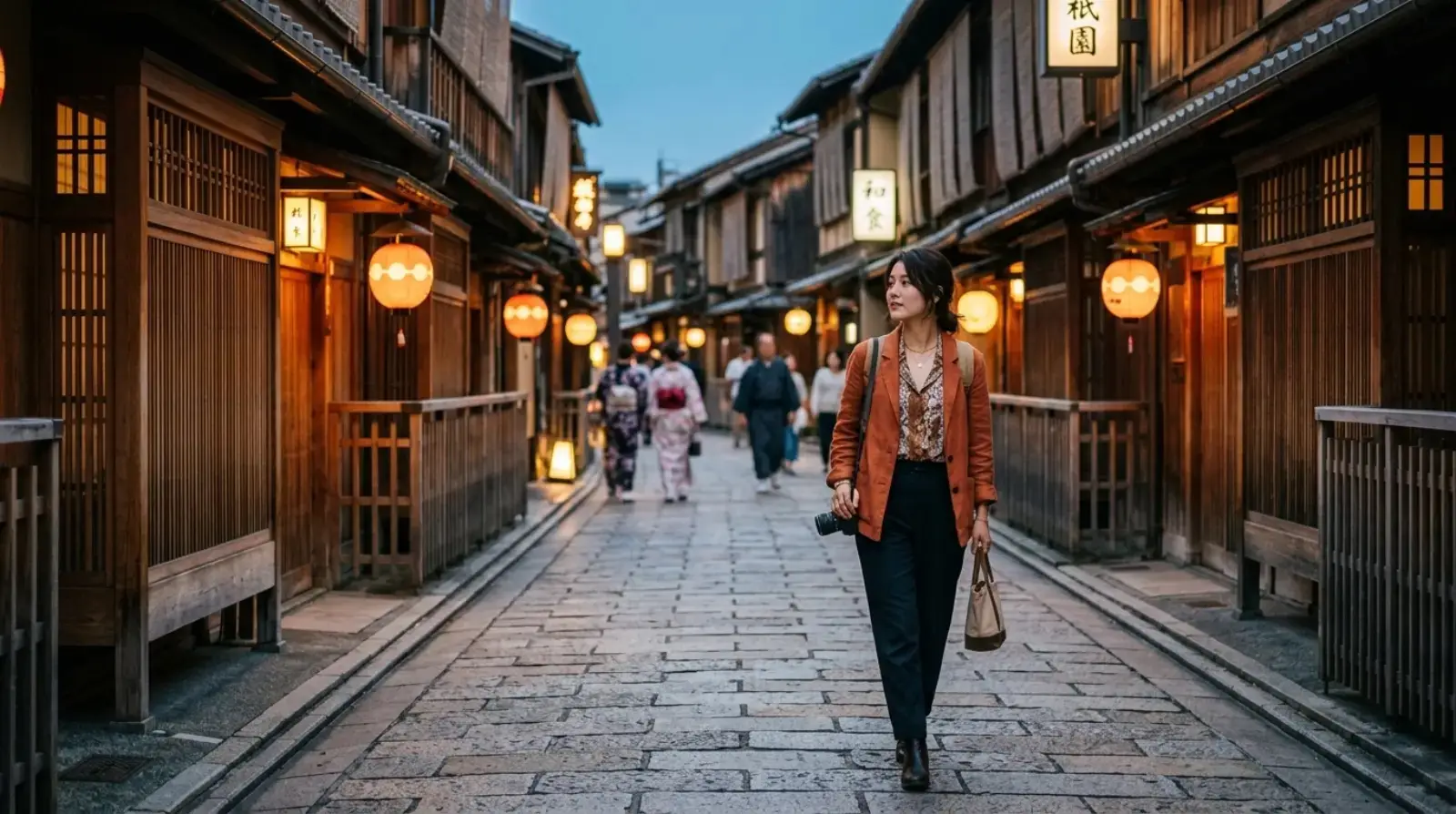
Kyoto Day 1 Itinerary: Kansai Airport to Kyoto and Your First Evening in Gion
Boarding the 75-minute Haruka Express from Kansai Airport, forwarding heavy bags straight to your hotel via Crosta at Kyoto Station, avoiding gridlocked buses using the subway, and an evening stroll through Gion to the Kamogawa. A field guide to your first 24 hours.
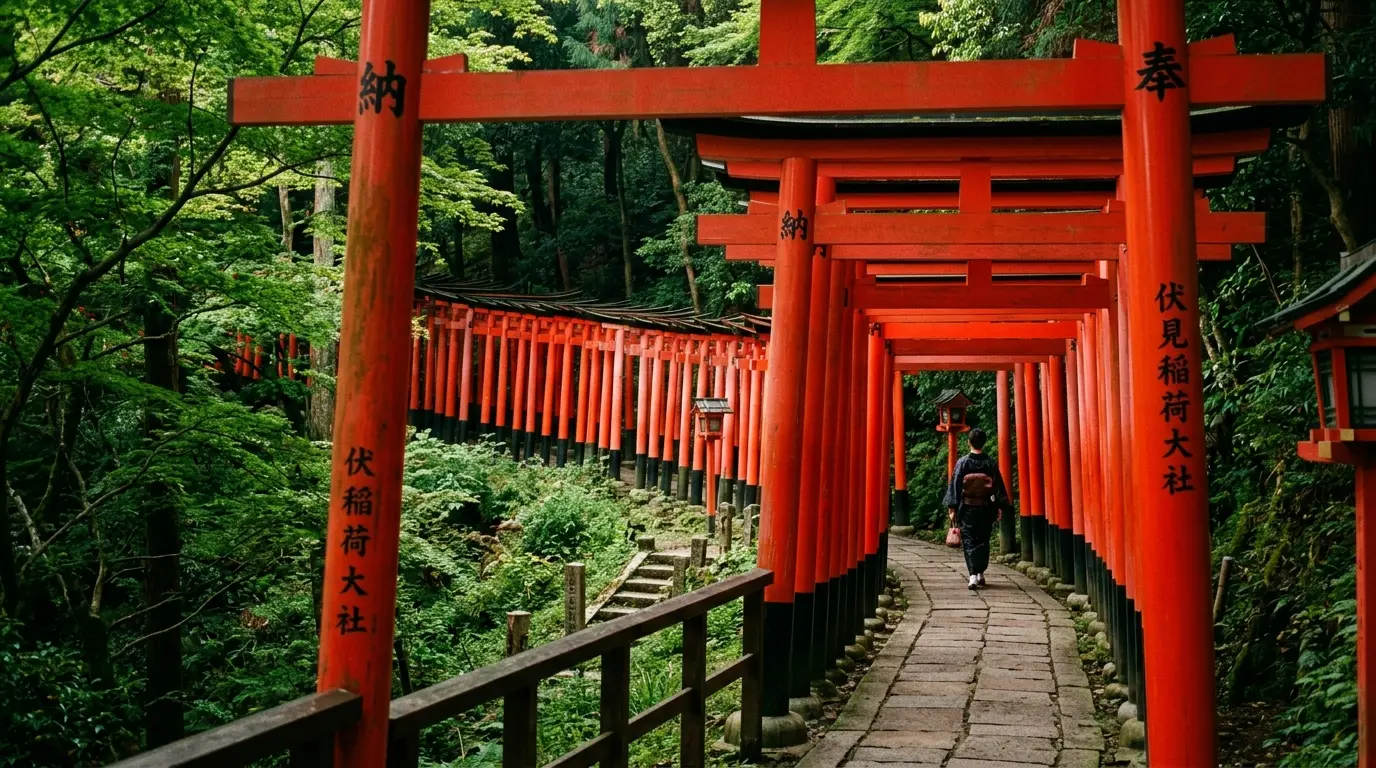
Kyoto Day 2 Itinerary: Fushimi Inari, Kiyomizu-dera, Sannenzaka and Gion
Day 2 immerses travelers into the spiritual heartbeat and preserved historic streets of Kyoto: early morning solace along thousands of vermilion torii gates at Fushimi Inari, sweeping mountain panoramas from the legendary wooden stage of Kiyomizu-dera, artisan tea shops and matcha sweets across cobblestoned Ninenzaka and Sannenzaka, followed by lantern-lit strolls in Gion Shirakawa and a refined multi-course Kaiseki dinner.