
Eurail Pass vs Point-to-Point Train Tickets: Mandatory Seat Reservations, Early-Bird Fares, and Swiss Travel Pass Value
Dodge €10 to €20 seat booking surcharges on TGV and Frecciarossa with real cost comparison formulas across European rail corridors.
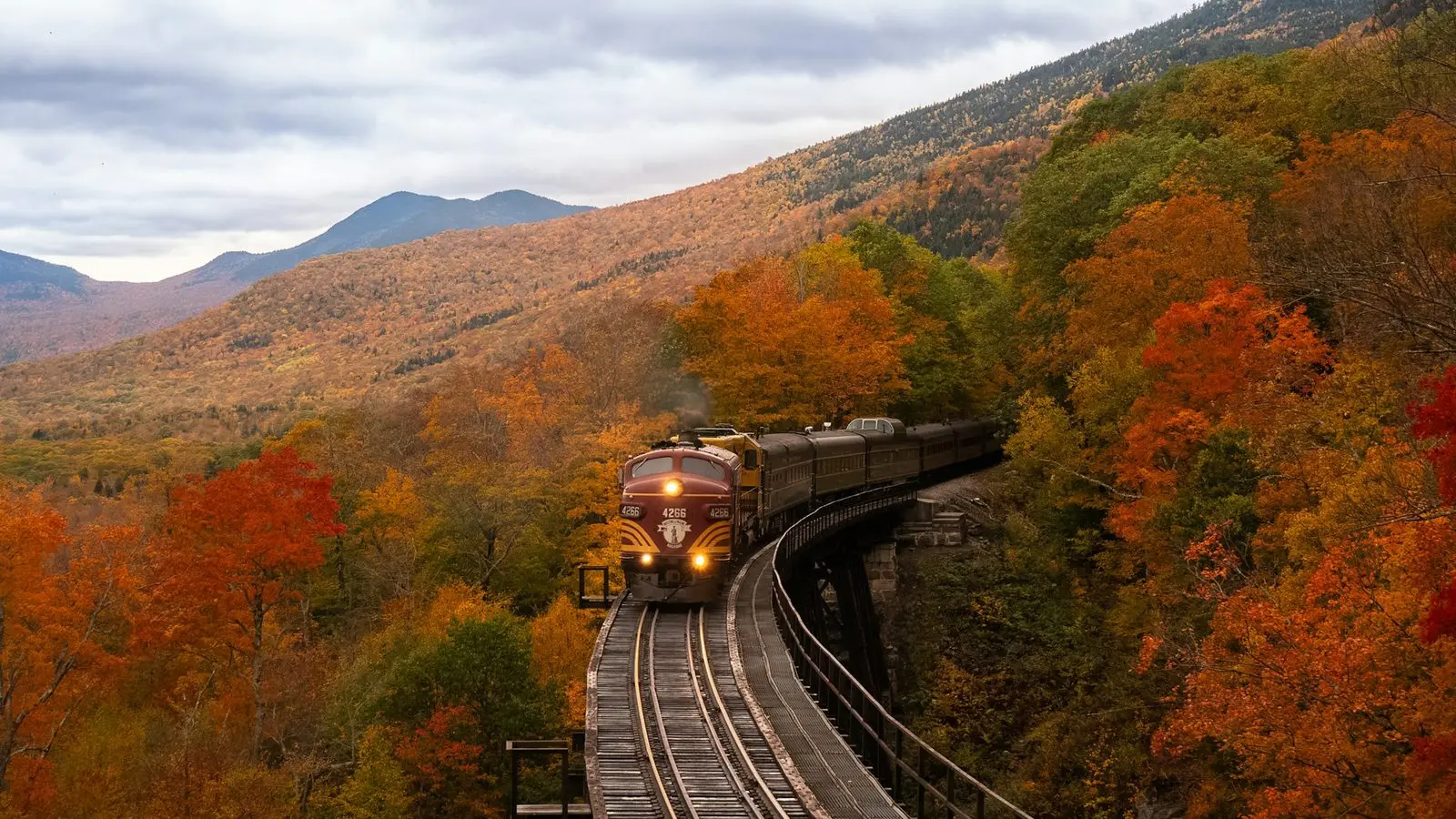
The Eurail Pass Myth: Unpacking €10 to €20 Mandatory Seat Reservation Fees
For generations of international backpackers, purchasing a Eurail Global Pass represented the ultimate symbol of romantic European travel. The alluring promise of boarding unlimited trains across dozens of countries creates the illusion of frictionless mobility. Yet thousands of travelers face hefty fines or outright turnstile refusals every day upon learning that a pass alone does not permit immediate boarding.
The friction stems from mandatory seat reservation mandates enforced across Western Europe's premier rail arteries. France's high-speed TGV, Italy's Frecciarossa and Italo, Spain's Renfe AVE, and cross-channel Eurostar services legally require pass holders to purchase supplementary seat reservations ranging from €10 to over €30 per passenger, per journey.
Crucially, state railway operators allocate extremely tight pass-holder seat quotas on flagship high-speed services. Even when standard commercial tickets remain plentiful, the subsidized pass allocation routinely sells out weeks in advance, forcing stranded pass holders to purchase full-fare walk-up tickets exceeding €150.
Unless your itinerary concentrates heavily on countries where express trains require no seat bookings, such as Germany's ICE or Austria's Railjet, travelers must realize that buying a pass frequently triggers an expensive secondary cascade of mandatory reservation fees.

The 90-Day Early-Bird Advantage: Grabbing €19 Trunk Route Tickets
Once travelers look past the promotional aura of all-inclusive rail passes, individual point-to-point tickets booked direct with state rail operators emerge as the superior financial strategy. National carriers including SNCF Connect (France), Trenitalia and Italo (Italy), DB Navigator (Germany), and Renfe (Spain) release low-cost promotional tiers exactly 90 days before departure.
Snagging tickets during these early-bird windows secures standard second-class high-speed seats between marquee pairings like Paris to Strasbourg, Rome to Florence, or Madrid to Barcelona for as low as €19 to €29. These fares include guaranteed reserved seats with zero supplemental booking charges.
For a typical two-week vacation connecting four major hubs (e.g., Paris to Strasbourg to Basel to Milan to Rome), stringing together four early-bird tickets amounts to approximately €120 to €150 per traveler. In contrast, pairing a 4-day Eurail Pass with compulsory seat fees easily breaches €380, making point-to-point tickets more than twice as economical.
The trade-off for early-bird savings is ticket rigidity; low-cost tiers generally exclude refunds or last-minute changes. However, for holidaymakers operating on pre-booked flight windows and fixed hotel stays, locked dates present minimal risk while preserving hundreds of euros in hard cash.

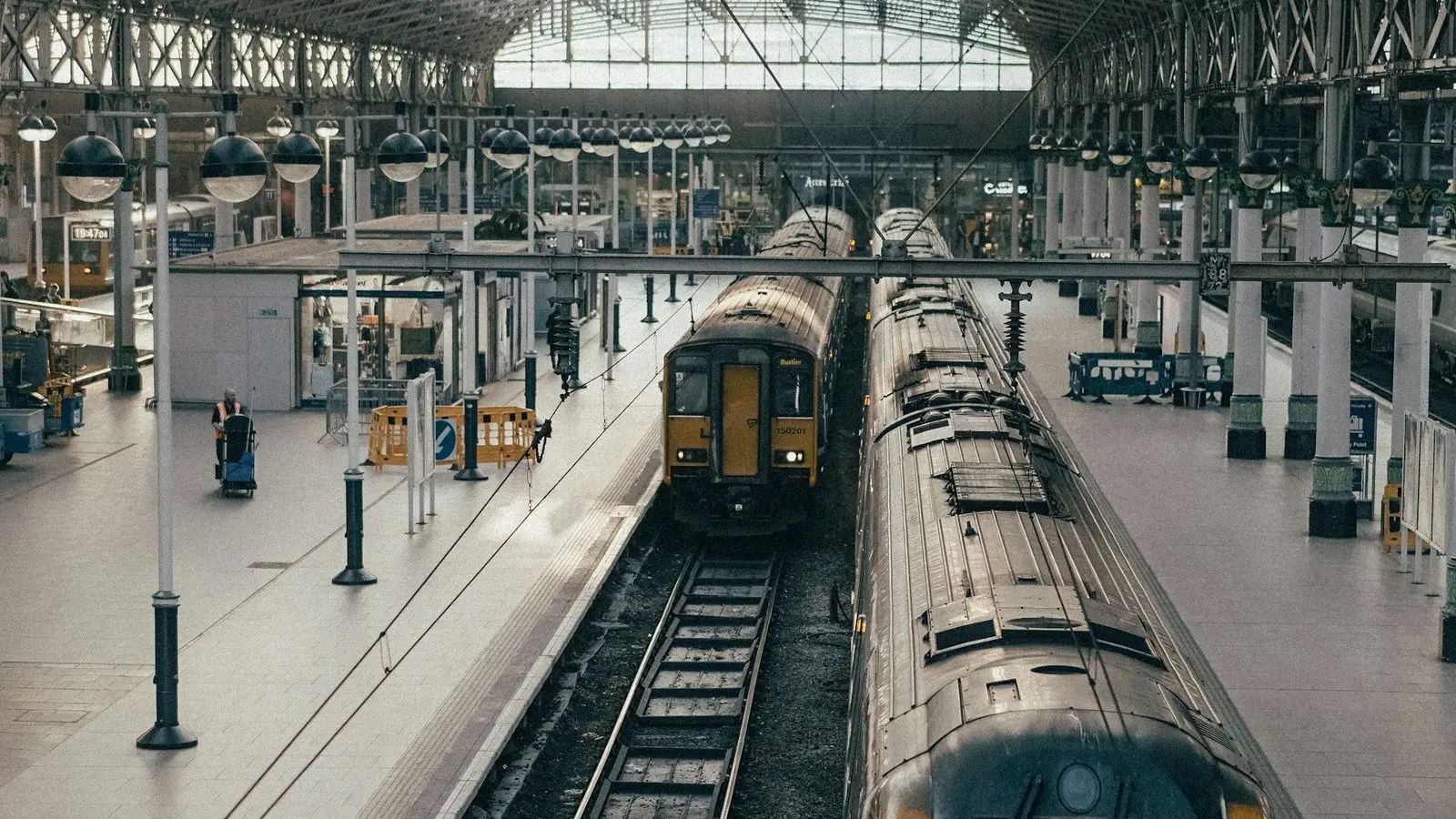
Switzerland's Ultimate Travel Key: Swiss Travel Pass Mathematical Thresholds
While Eurail passes demonstrate questionable value across multi-country express routes, stepping into Switzerland flips the entire operational equation. Switzerland maintains the planet's most flawlessly synchronized public transport grid, and the comprehensive Swiss Travel Pass (STP) represents an unbeatable asset.
The supreme advantage of the Swiss Travel Pass is the complete eradication of seat reservations. Travelers can hop aboard any Swiss Federal Railways (SBB) service connecting Zurich, Geneva, Interlaken, Lucerne, and Zermatt simply by flashing their digital pass QR code. Furthermore, panoramic lake steamers on Lake Thun and Lake Brienz, alongside municipal trams and post buses, are 100% complimentary.
Even more compelling is the inclusion of iconic Alpine mountain excursions. Ascending legendary peaks like Mount Rigi, Stoos, and Stanserhorn is entirely covered at zero additional charge. Cardholders also enjoy a 25% discount on the Jungfraujoch cogwheel railway, 50% off Gornergrat in Zermatt, and free entry to over 500 museums nationwide.
The financial formula is unmistakable: if your journey spans four or more days in Switzerland, involves two intercity rail legs, one scenic lake cruise, and one mountain excursion, the cumulative cost of individual tickets substantially exceeds the pass price. For Swiss explorations, the Swiss Travel Pass delivers unmatched value.
Cross-Border Night Trains: Nightjet Sleeper Logistics and Romantic Efficiency
One of Europe's most rewarding travel experiences is boarding the modern Nightjet sleeper fleet operated by Austrian Federal Railways (ÖBB). Gliding between Paris and Vienna, Berlin and Zurich, or Amsterdam and Innsbruck overnight seamlessly doubles transit hours into comfortable hotel accommodations while preserving daytime sightseeing.
Nightjet configurations range from standard seated coaches and 4-to-6-berth shared couchettes to private deluxe sleeper cabins equipped with ensuite showers. Eurail pass holders must still pay mandatory couchette supplements of €35 to €45 or sleeper fees reaching €100.
An insider booking tactic is targeting ÖBB's Sparschiene promotional sleeper fares three to four months in advance. Because couchette packages bundling linen service and morning breakfast open at just €49 to €69, purchasing standalone promotional tickets directly through nightjet.com regularly beats pass supplements.
Falling asleep to the gentle cadence of European rail before waking to alpine peaks painted in golden morning light stands as an irreplaceable highlight of European travel.

Matching Your Route to the Right Strategy: The Final Decision Checklist
Choosing between a rail pass and individual tickets ultimately resolves into clear operational variables. First, if your departure is more than 60 days away and your city itinerary is firmly locked, stringing together promotional early-bird tickets across state rail portals remains the undisputed cost-saving route.
Second, if your journey spans several flexible weeks with spontaneous route changes, or centers on Germany, Austria, and Switzerland where reservations are optional, the freedom of a Eurail Flexi Pass delivers significant peace of mind.
Third, if your voyage centers around Switzerland, the definitive playbook is purchasing a dedicated Swiss Travel Pass, while booking standalone point-to-point international tickets to cross borders into France or Italy.
Equip your smartphone with the Rail Planner app, DB Navigator for pan-European timetables, and SBB Mobile for real-time Swiss connections. Armed with rigorous planning, European rail travel transforms into an effortless, panoramic journey.
Frequently Asked Questions
Field-tested answers to transit navigation, neighborhood choices, and payment traps.
Q1.If Eurostar or TGV pass holder reservations sell out, can I still board with a Eurail Pass?
Q2.Is a Swiss Travel Pass better than a Eurail Global Pass for traveling in Switzerland?
Q3.How early do point-to-point European advance train tickets open for booking?
Q4.What compensation rights apply during European train delays or strikes?
The Smart Traveler's Essential Toolkit
Prepare instant mobile data, private airport transfers, and skip-the-line passes in one place.
Share This Guide with Your Companions
When shared via chat or social media, a curated summary card is sent along.
Recommended Guides

Interlaken Itinerary: Getting Up to Jungfraujoch and Where to Stay
Master Switzerland's Bernese Oberland: Top of Europe ascent routes, Swiss Travel Pass vs Jungfrau VIP Pass comparisons, Lauterbrunnen hikes, and DCC currency savings.
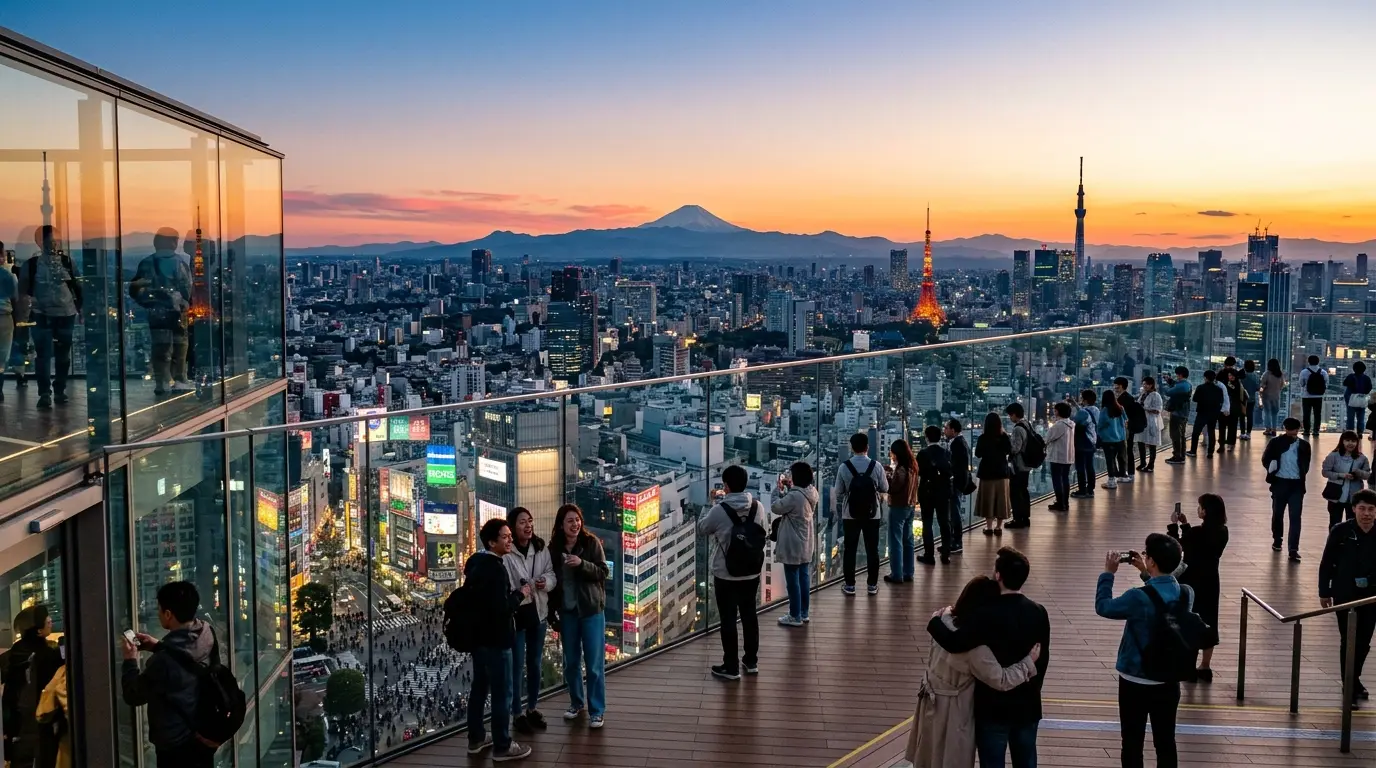
Where to Stay in Tokyo: Shinjuku vs Shibuya vs Ginza
Comparing room footprints across Shinjuku, Ginza, and Ueno, locking in sudden 14-day cancellation drops, and eliminating DCC fees with clean Yen checkout.
7 Budget Hotels in Tokyo Under $100 on the Yamanote Line
Even amid yen fluctuations, central Tokyo hotel rates have soared. Learn how to secure Yamanote loop line hotels at half the price of Shinjuku, compare onsen bath chains like Dormy Inn, trigger secret Agoda VIP and Booking.com Genius discounts, and dodge hidden currency fees with yen settlement.
How to Read the Tokyo Subway Map and Where to Stay on the Yamanote Line
How to choose between Keisei Skyliner and Narita Express, avoid the Tokyo Subway Ticket trap, use Apple Wallet Suica, and select the ideal hotel base in Tokyo.
Tokyo Day 1 Itinerary: Narita Airport to the City and Your First 24 Hours
From stepping off at Narita Airport to mastering high-speed trains, navigating Tokyo's sprawling transit hubs, ordering counter ramen effortlessly, and catching sunset from Roppongi Hills. A definitive guide for your first 24 hours in Tokyo.
Tokyo Day 2 Itinerary: Booking Shibuya Sky, Harajuku Backstreets and Roppongi at Night
Securing prime sunset slots atop Shibuya Sky, navigating hidden boutiques along Harajuku Cat Street, immersing in the forested serenity of Meiji Jingu, and marveling at the crimson glow of Tokyo Tower from Roppongi Hills. A masterclass in Day 2 pacing.
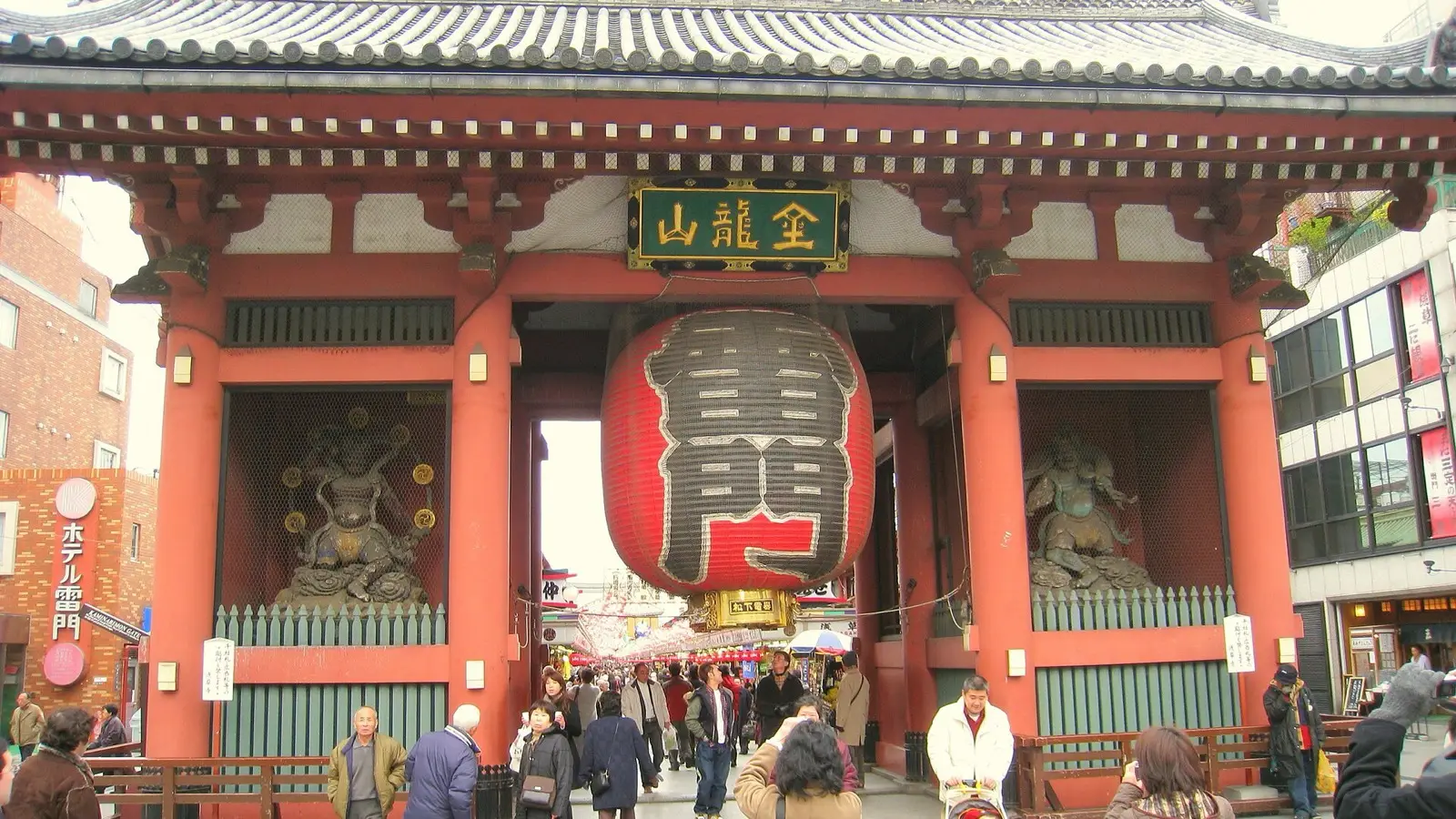
Tokyo Day 3 Itinerary: Asakusa, Akihabara, Ginza Depachika and Flying Home
The ultimate finale for your Tokyo stay: tranquil morning worship at Sensoji, retro subculture in Akihabara, Ginza Six architectural rooftop views and basement depachika feasts, capped by seamless Skyliner and N'EX airport connections.
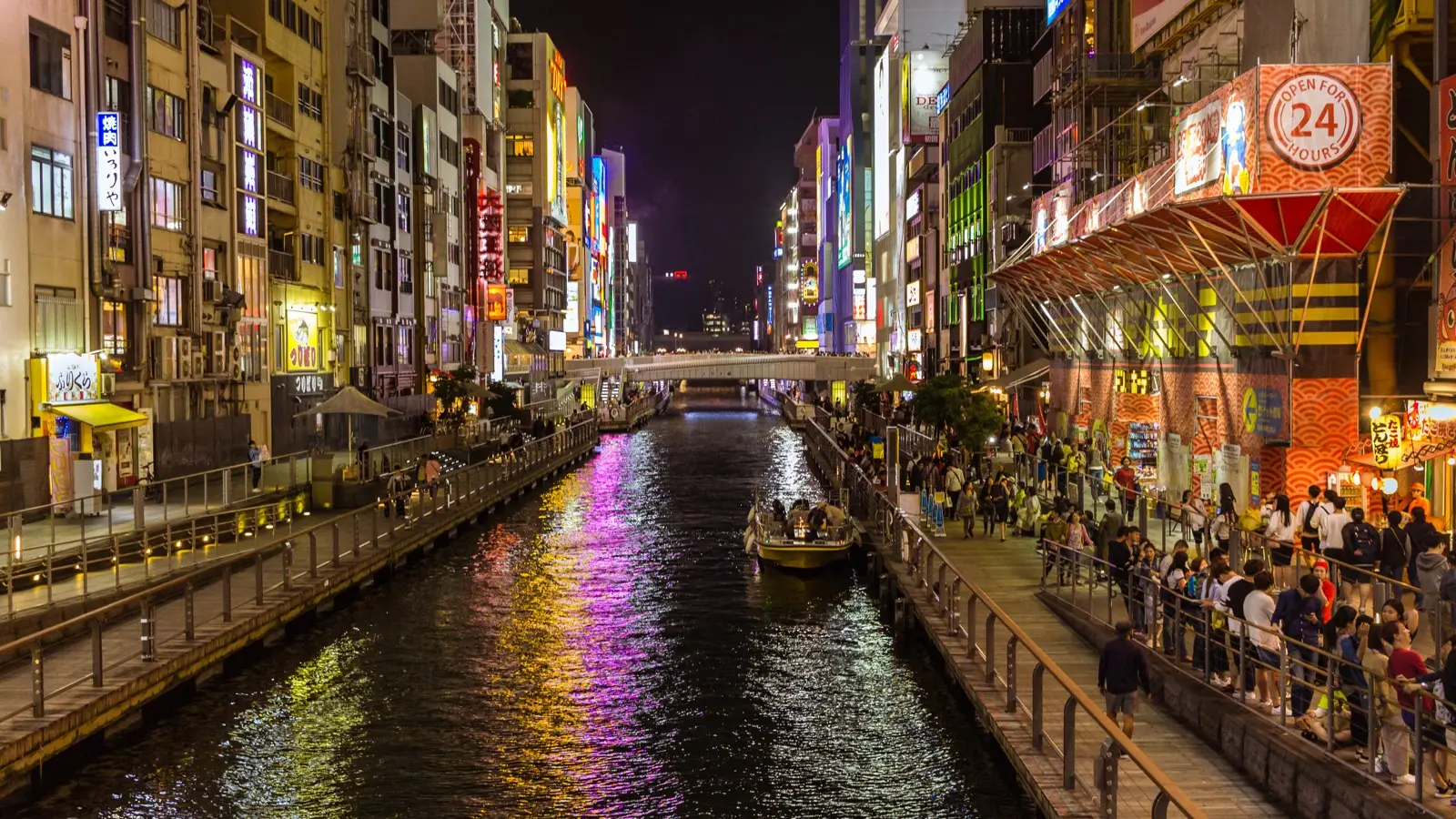
Osaka Itinerary: Dotonbori and Umeda in Two Nights
Osaka is Japan culinary powerhouse where feasting is an art. Navigate Rapi:t airport transfers, Namba vs Umeda hotels, and street food corridors with veteran precision.
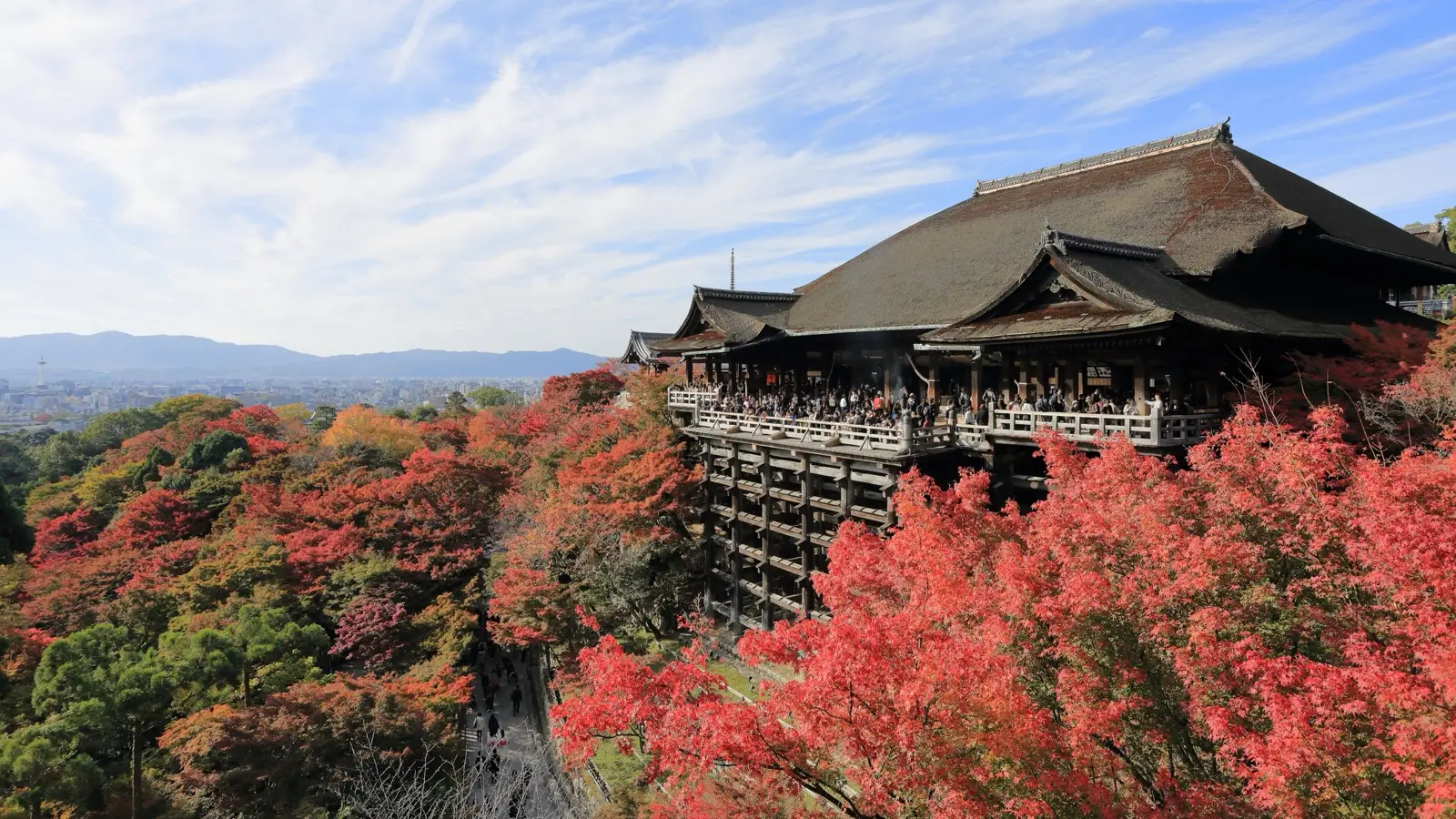
Kyoto Itinerary: Arashiyama, Gion and How to Pick a Ryokan
Kyoto compresses a millennium of Japanese aesthetic mastery. Discover how to evade bus congestion with private railways, master ryokan kaiseki booking windows, and savor early dawn stillness.
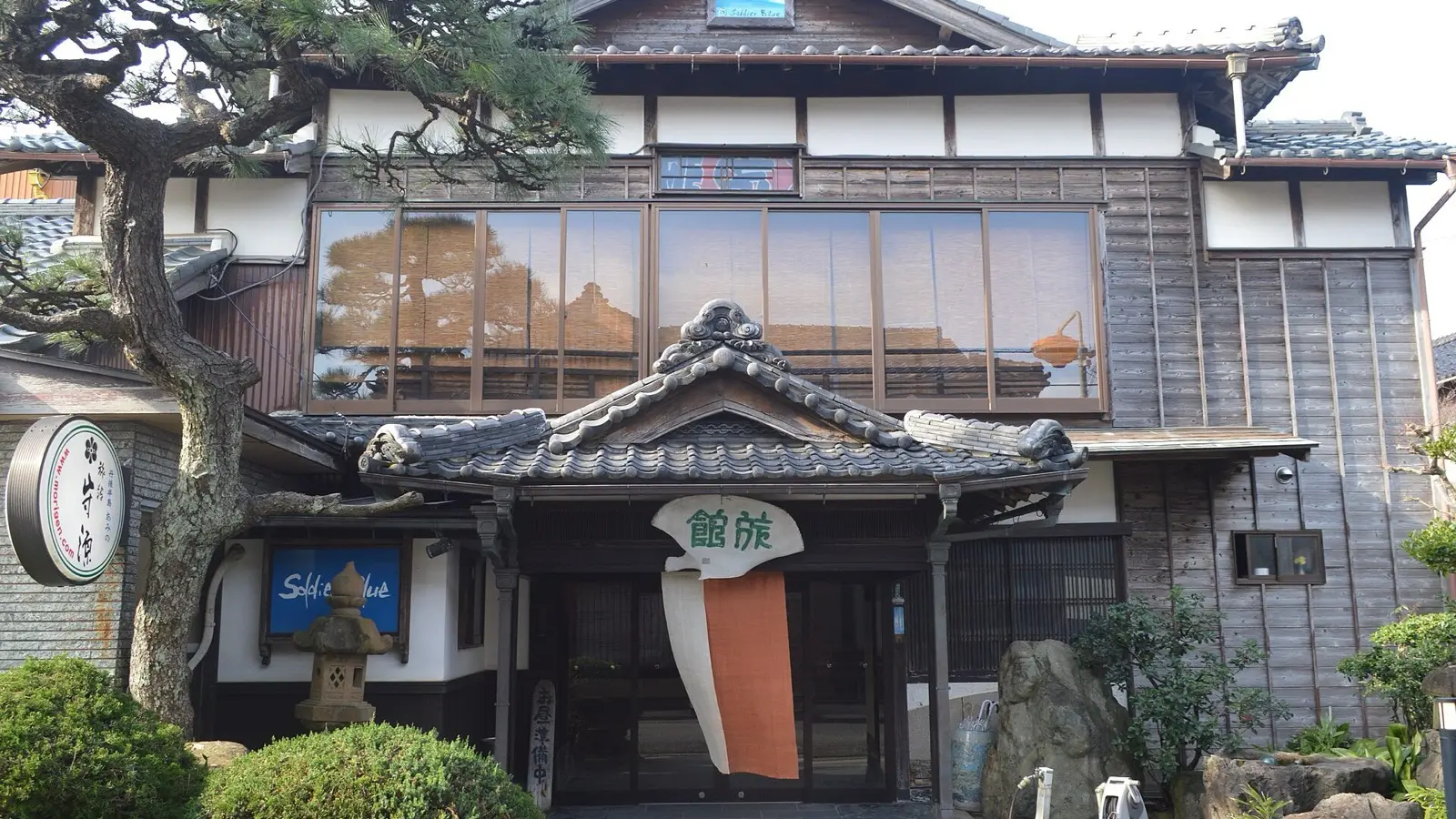
Kyoto Ryokan Prices and How to Choose: Kaiseki Terms and Machiya Stays
From hundred-year-old timber townhouses in Gion to misty Arashiyama riverside ryokan, staying in Kyoto demands cultural fluency and sharp booking discipline. An honest receipt audit covering kaiseki dinner curfews, private onsen etiquette, and avoiding dynamic pricing spikes.

Kyoto Day 1 Itinerary: Kansai Airport to Kyoto and Your First Evening in Gion
Boarding the 75-minute Haruka Express from Kansai Airport, forwarding heavy bags straight to your hotel via Crosta at Kyoto Station, avoiding gridlocked buses using the subway, and an evening stroll through Gion to the Kamogawa. A field guide to your first 24 hours.
Kyoto Day 2 Itinerary: Fushimi Inari, Kiyomizu-dera, Sannenzaka and Gion
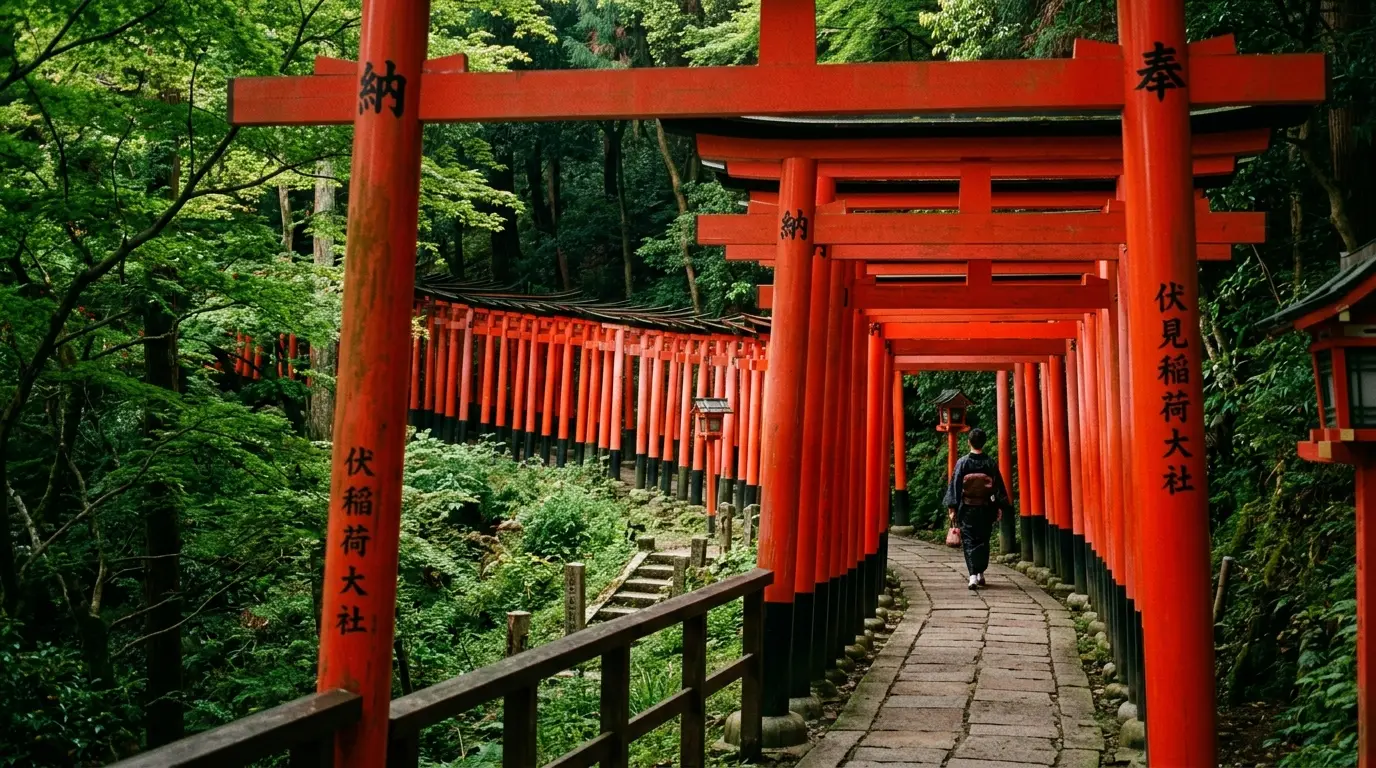
Day 2 immerses travelers into the spiritual heartbeat and preserved historic streets of Kyoto: early morning solace along thousands of vermilion torii gates at Fushimi Inari, sweeping mountain panoramas from the legendary wooden stage of Kiyomizu-dera, artisan tea shops and matcha sweets across cobblestoned Ninenzaka and Sannenzaka, followed by lantern-lit strolls in Gion Shirakawa and a refined multi-course Kaiseki dinner.