
BangkokCurated
Where to Stay in Bangkok: Sukhumvit vs Silom vs Ari Compared
Navigating Asok interchange bottlenecks, Grand Palace closure scams, Grab vs Bolt pricing, and street food hygiene rules.
Bangkok Gridlock Realities: BTS Skytrain and MRT Interchange Logic
When examining a map of Bangkok, the primary metric of lodging viability is not linear proximity to ancient monuments, but foot travel time to an operational rapid transit station. Bangkok suffers from some of the most paralyzing vehicular congestion on earth. During weekday evening rush hours (5:00 PM to 8:00 PM) compounded by tropical monsoon rain, traversing two kilometers along Sukhumvit Road can easily consume over an hour in a standstill taxi. Staying at a scenic riverside villa or suburban condo located more than a ten-minute walk from a station turns every excursion into an exhausting transit battle.
The supreme strategic basecamp for pragmatic travelers is the central nexus surrounding Asok BTS Station and Sukhumvit MRT Station. Anchoring the junction between the elevated BTS Sukhumvit line and the subterranean MRT Blue loop line, Asok enables seamless transfers in every cardinal direction. Siam commercial malls and Chatuchak Weekend Market are reached swiftly via BTS, while the Grand Palace, Chinatown, and Wat Arun are accessible directly via MRT without street congestion. Booking a hotel connected to the elevated Asok skywalk network shields you entirely from midday heat and flash floods.
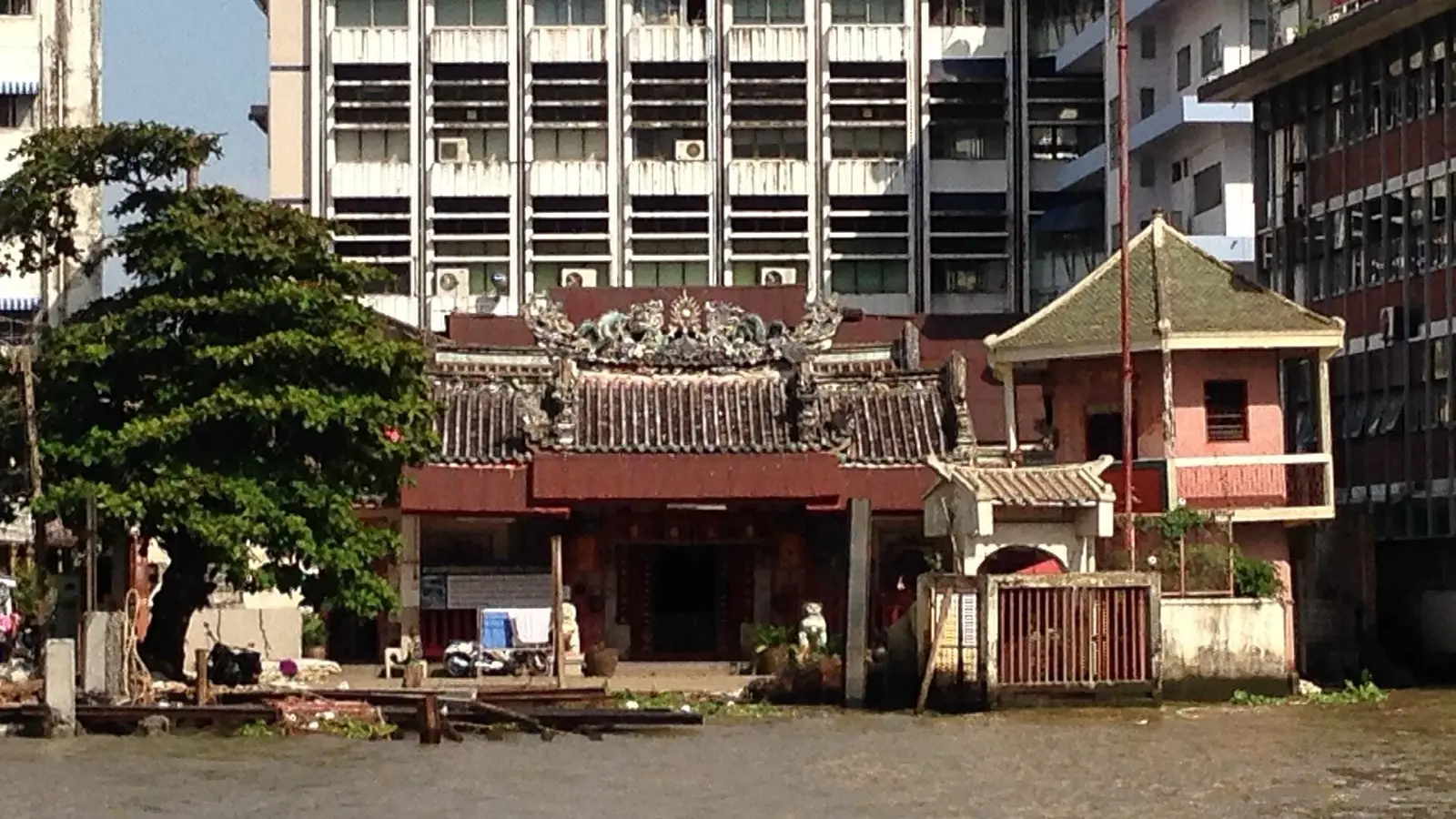
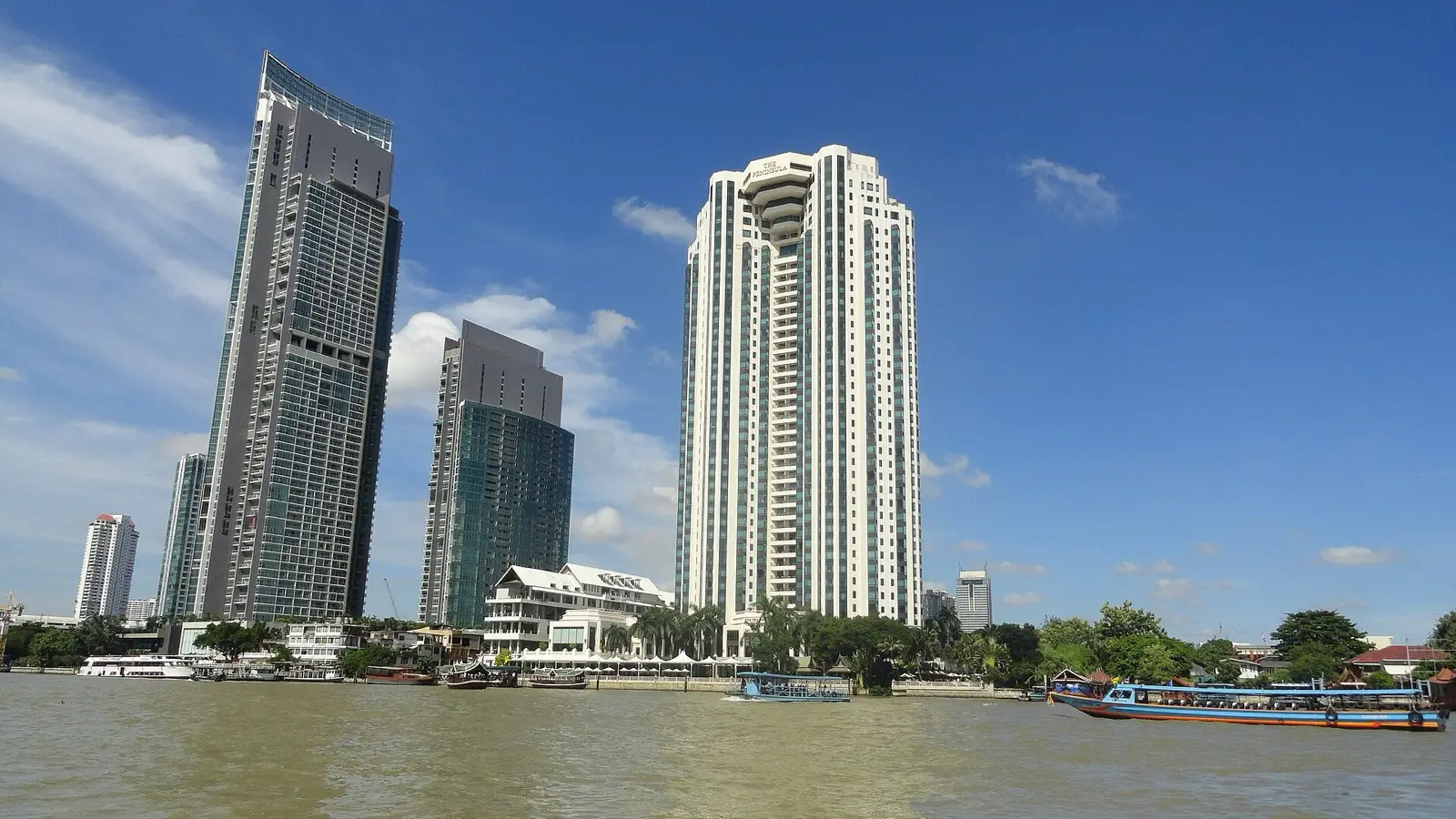
Conversely, the historic luxury enclave along the Chao Phraya River (home to the Mandarin Oriental, Peninsula, and Shangri-La) presents distinct transit frictions despite its scenic grandeur. Venturing inland to shopping or dining districts requires boarding private hotel shuttle boats to Sathorn Pier (Saphan Taksin BTS), introducing a recurring 30-minute buffer to every outbound trip. For itineraries weighted toward urban exploration and dining, reserving downtown transit-adjacent lodging for the initial days, followed by a dedicated concluding resort stay along the river, provides a far superior balance.
Another zone demanding careful consideration is the backpacker hub of Khaosan Road. Devoid of urban rail connections, travelers residing around Khaosan must rely entirely on local buses, river ferries, or aggressively negotiated taxis and tuk-tuks. Pounding outdoor sound systems from competing street clubs shatter nocturnal peace into the early hours, while intoxicated crowds create heightened pickpocket liabilities. Those wishing to witness Khaosan's bustling nightlife are better served lodging near MRT Sam Yot station and taking a brief ride home.
The Grand Palace 'Closed Today' Racket and Meter Taxi Tactics
Approaching the perimeter walls of Bangkok's Grand Palace or Wat Pho, travelers frequently encounter well-dressed local men speaking polished English who offer polite greetings. They helpfully explain that the primary shrine is 'temporarily closed for private royal Buddhist prayers' and offer to hail an inexpensive 50-THB tuk-tuk tour to visit an 'exclusive lucky Buddha temple' and artisan export centers. This is Bangkok's classic tailor shop and gemstone commission racket, operating successfully for decades.
Accepting this ride delivers you to a cursory five-minute stop at an obscure neighborhood shrine, followed immediately by high-pressure sales pitches inside private tailoring ateliers or gem emporiums where doors are discreetly blocked. The Grand Palace and major royal temples open almost every day, and the rare closures for royal ceremonies are announced in advance on the palace's official website. Treat anyone on a sidewalk claiming a landmark is shut as a scam operator. Avert eye contact, offer a firm 'No, thank you', and proceed directly to the ticket gates.
Hailing conventional pink or green-and-yellow street taxis requires firm price boundaries. In bad weather, late at night, or outside premier tourist draws, drivers almost universally refuse to engage the taximeter, demanding inflated flat cash rates of 300 to 500 THB. Before entering the vehicle, open the front passenger window, state your destination, and ask clearly: 'Meter please?' If the driver shakes his head or quotes a flat price, close the door immediately and step back to flag the next approaching vehicle.
To eliminate haggling tension and language friction, ride-hailing applications Grab and Bolt are indispensable. Bolt often comes out cheaper than Grab and is popular with local residents, though dispatch times can lag during severe rain. PromptPay QR codes are now common even at fruit vendors, and some foreign banking apps and travel wallets can scan them; check before you fly whether yours does. Paying by QR settles the exact amount down to 1 THB and removes the chance of being shortchanged.
Where Real Travelers Base Themselves: Ari vs Thonglor vs Charoenkrung
Moving beyond the generic commercialism of Asok reveals distinct residential quarters favored by Bangkok's design community and international residents. Foremost among these is the tranquil enclave of Ari, located on the northern BTS Sukhumvit line. Shaded by mature tropical trees, Ari's residential sois host specialty third-wave coffee roasters, independent bookshops, and Michelin Bib Gourmand noodle bars. Free from rowdy nightlife venues and boasting exceptional pedestrian safety, Ari serves as an ideal sanctuary for solo travelers.
Second is the affluent lifestyle strip of Thonglor (Sukhumvit Soi 55) and neighboring Ekkamai. Long established as the preferred residential district for Japanese expatriates and Bangkok creative professionals, Thonglor offers immaculate streetscapes, 24-hour gourmet grocers, and design-led lifestyle hubs such as The Commons. Featuring high-end serviced residences with rooftop infinity pools and bespoke cocktail lounges, this area is tailored for couples seeking elevated dining and vibrant evening culture.
Third is the riverside cultural corridor of Charoenkrung, Bangkok's oldest paved thoroughfare. Over the past decade, vintage brick warehouses and shophouses along Charoenkrung have been transformed into art complexes (Warehouse 30, TCDC), avant-garde galleries, and natural wine bistros. Interspersed with 80-year-old Cantonese roast duck eateries and handmade fishball noodle stalls, Charoenkrung provides an authentic tactile immersion into Bangkok's maritime trading history.
When evaluating accommodations, tropical monsoon building conditions demand strict vigilance. Older condominium towers and unrenovated guesthouses frequently suffer from airborne mold trapped in wall coverings and air conditioning blower units due to relentless year-round humidity. If your assigned room smells noticeably musty upon entry, request a relocation immediately. Screen guest reviews for terms like 'mold' or 'musty smell' prior to finalizing any non-refundable reservation.
Acoustic insulation is an equally crucial selection factor. Bangkok's arterial thoroughfares rumble through the night with modified racing motorcycles and unbaffled tuk-tuk exhausts. Staying in a low-floor room facing a major soi guarantees broken sleep. Always register a booking request for a high-floor room positioned away from arterial streets, and inspect room photography to ensure exterior windows feature sealed double-glazing.
Suvarnabhumi Public Taxi Kiosks and the Airport Rail Link
Touching down at Suvarnabhumi Airport (BKK) and descending to Level 1 introduces arriving passengers to persistent transport touts. Desks advertising 'executive airport limousines' aggressively quote arbitrary flat fares of 1,200 to 1,500 THB for transit into central Bangkok. Bypassing these sales desks and stepping through the exterior glass doors brings you to the official municipal Public Taxi stand managed by the airport authority.
The public taxi staging area operates via automated touch-screen queue kiosks. Tapping the screen dispenses a printed slip indicating the designated lane number where your assigned taxi is parked, alongside the driver's name and registration credentials. Crucially, you must retain this printed paper slip yourself rather than surrendering it to the driver. Keeping this voucher in your possession ensures you retain official tracking credentials in the event of fare disputes, baggage loss, or misconduct.
Legitimate Suvarnabhumi public taxi fares follow a strict formula: the metered distance fare, plus a mandatory 50-THB airport surcharge, plus expressway toll fees (roughly 75 THB on the Sirat Highway). For transit to downtown Asok or Silom, the meter typically registers 250 to 300 THB, resulting in a total all-inclusive fare between 400 and 450 THB. When approaching highway toll plazas, hand the driver 50 or 100 THB cash to pay the booth directly, collecting receipts and change immediately.
For solo travelers or those arriving during peak evening gridlock, the Airport Rail Link (ARL) offers an unbeatable combination of speed and frugality. Operating from the terminal's basement level, the ARL whisks passengers via Makkasan Station (MRT interchange) to Phaya Thai Station (BTS interchange) in about 26 minutes for at most 45 THB. Bypassing surface congestion entirely, it guarantees a predictable arrival timeline when highway traffic is stalled.
Street Food Hygiene Protocols and Sunset at Wat Arun
Sampling Bangkok's street gastronomy is the cornerstone of any visit, but careless dining choices can quickly trigger debilitating digestive illness. The primary vector of contamination is rarely cooked food, but the ice cubes used in cold beverages and desserts. Factory-produced commercial tube ice featuring hollow cylindrical cores is purified, licensed, and safe for consumption. Conversely, crushed ice chipped manually from massive blocks transported on open truck beds carries significant microbiological contamination risks.
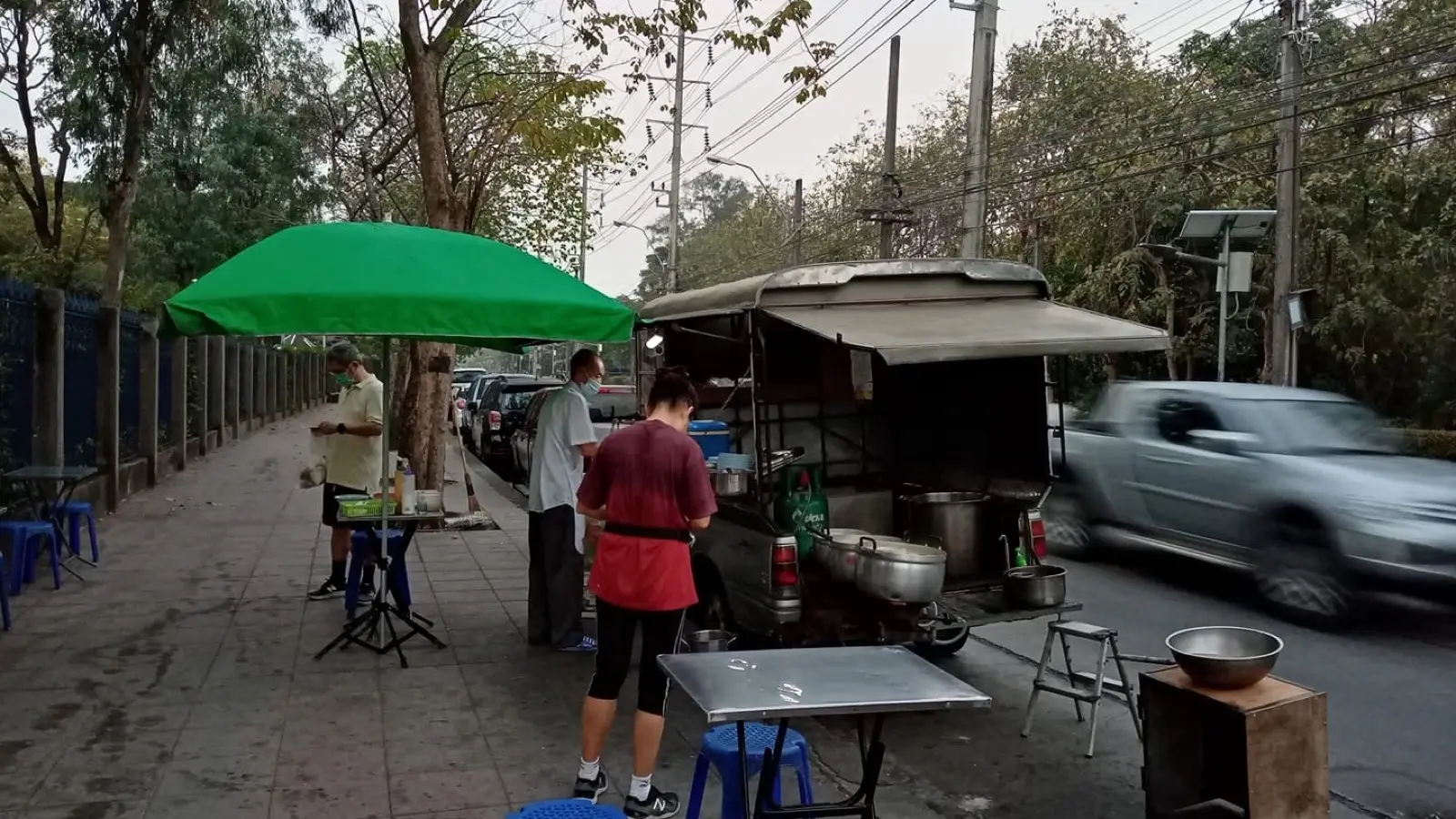
When selecting street stalls for pad thai, som tum, or boat noodles, bypass deserted vendors and gravitate toward operations commanding brisk queues of local office workers where stocks turn over continuously. Opt for stalls that simmer broths at rolling boils and prepare papaya salads fresh to order, avoiding pre-cut fruit trays displayed openly to dust and insects. Never drink municipal tap water, and use bottled commercial water even for oral rinsing if you possess a sensitive stomach.
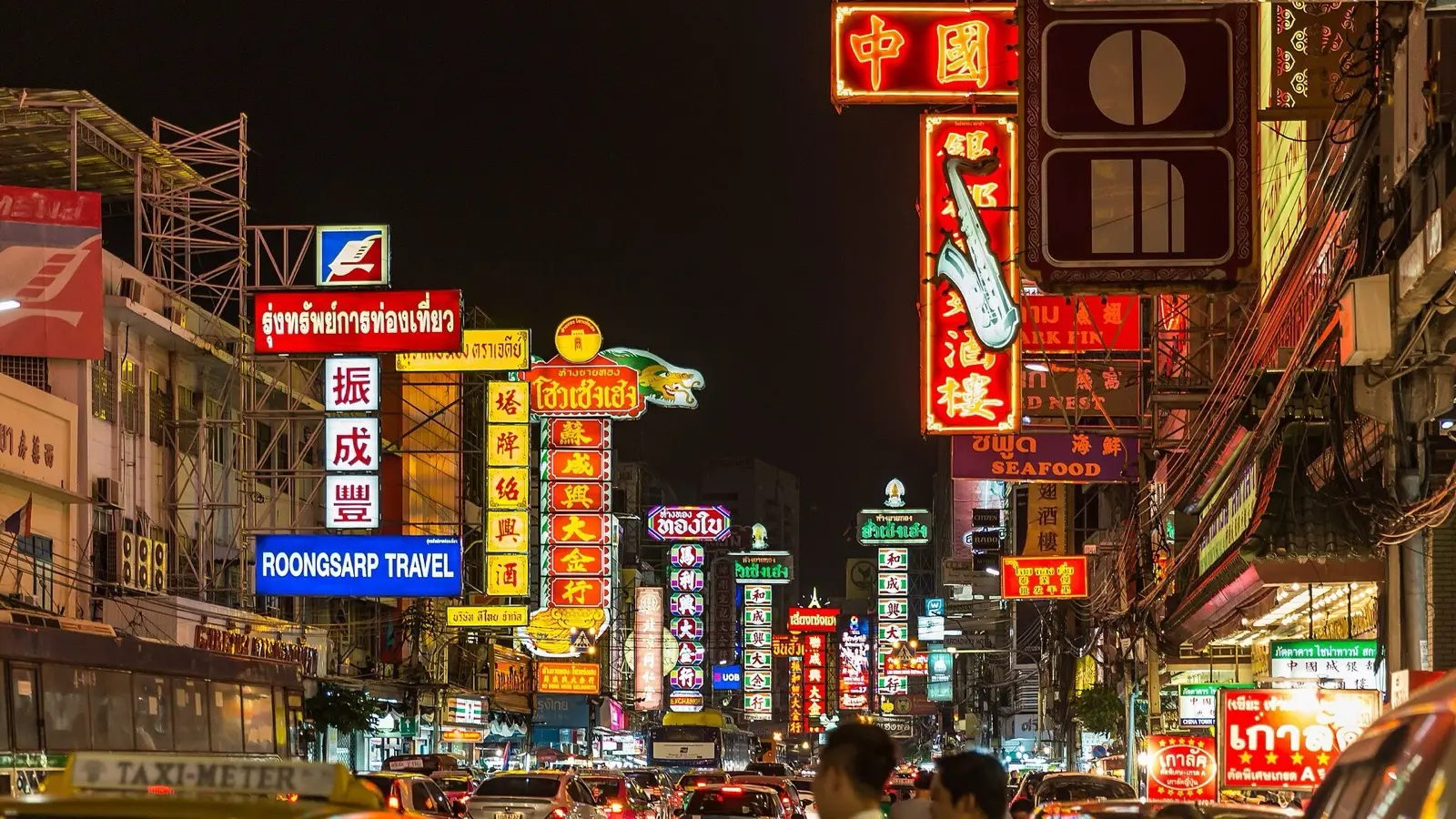
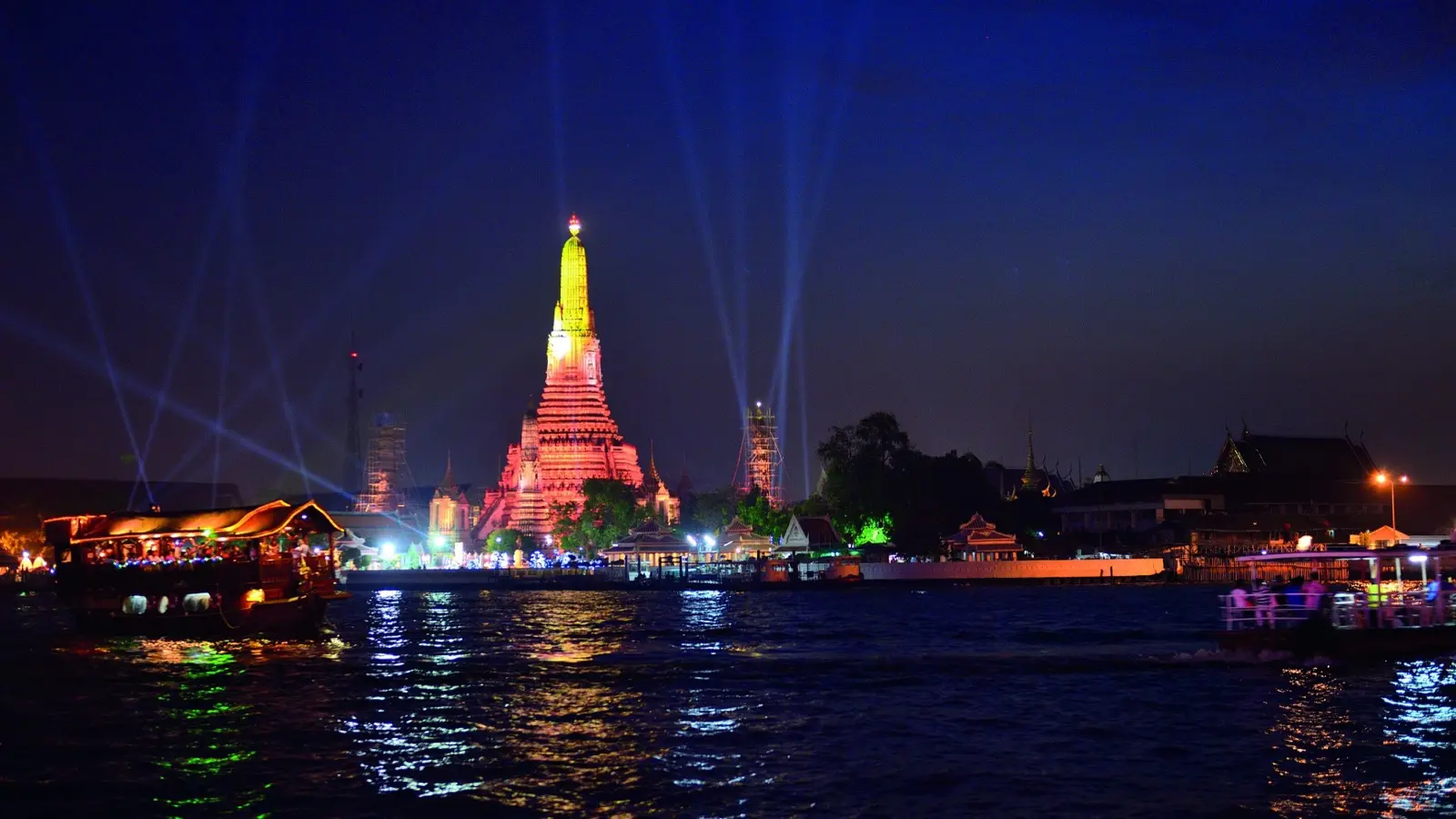
Replacing overpriced dinner cruises with an authentic twilight experience requires heading to the narrow alleyways flanking Tha Tien Pier on the eastern bank of the Chao Phraya. As dusk settles, the soaring prang of Wat Arun across the river glows in deep amber against the twilight sky, culminating in the golden floodlights switching on after dark. Front-row tables at popular riverside terrace bars often go to reservations, but arriving well before sunset gives you the best chance at walk-in bar seating for the price of a cold Singha beer.
Bangkok remains a city that rewards those who navigate its intensity with strategic poise. By rooting your stay at an efficient transit interchange, bypassing tourist scams with polite resolve, and honoring the rhythmic cadence of neighborhood life, the Thai capital unfolds as one of the world's most vibrant urban landscapes. Armed with these practical ground truths, your journey through Bangkok will be characterized by effortless transit, culinary excellence, and lasting wonder.
Frequently Asked Questions
Field-tested answers to transit navigation, neighborhood choices, and payment traps.
Q1.From Suvarnabhumi Airport to downtown Bangkok, is Public Taxi or Grab better?
Q2.Can I transfer between BTS Skytrain and MRT Subway with a single transit card?
Q3.Should first-time visitors stay in Asok (Sukhumvit) or Sathorn?
Q4.Is it better to pay the hotel deposit with a credit card or cash in Bangkok?
The Smart Traveler's Essential Toolkit
Prepare instant mobile data, private airport transfers, and skip-the-line passes in one place.
Pick a base in Bangkok by your route
Choose the places you want to see and get the neighbourhood with the shortest travel.
Compare Bangkok Hotel Rates
Find the cheapest channel across Agoda and major booking engines with Tripdify.
Share This Guide with Your Companions
When shared via chat or social media, a curated summary card is sent along.
Recommended Guides
Bangkok 3-Day Itinerary and Where to Stay
Master Bangkok with confidence: airport express logistics, Riverside vs Sukhumvit accommodation bases, temple morning protocols, and cashless GLN QR payments.
Bangkok Five-Star Hotels on a Budget: River Views and Infinity Pools
Comparing riverside and BTS shopping hubs, hacking executive club dining packages, and locking in pure THB settlement to dodge costly DCC card spreads.
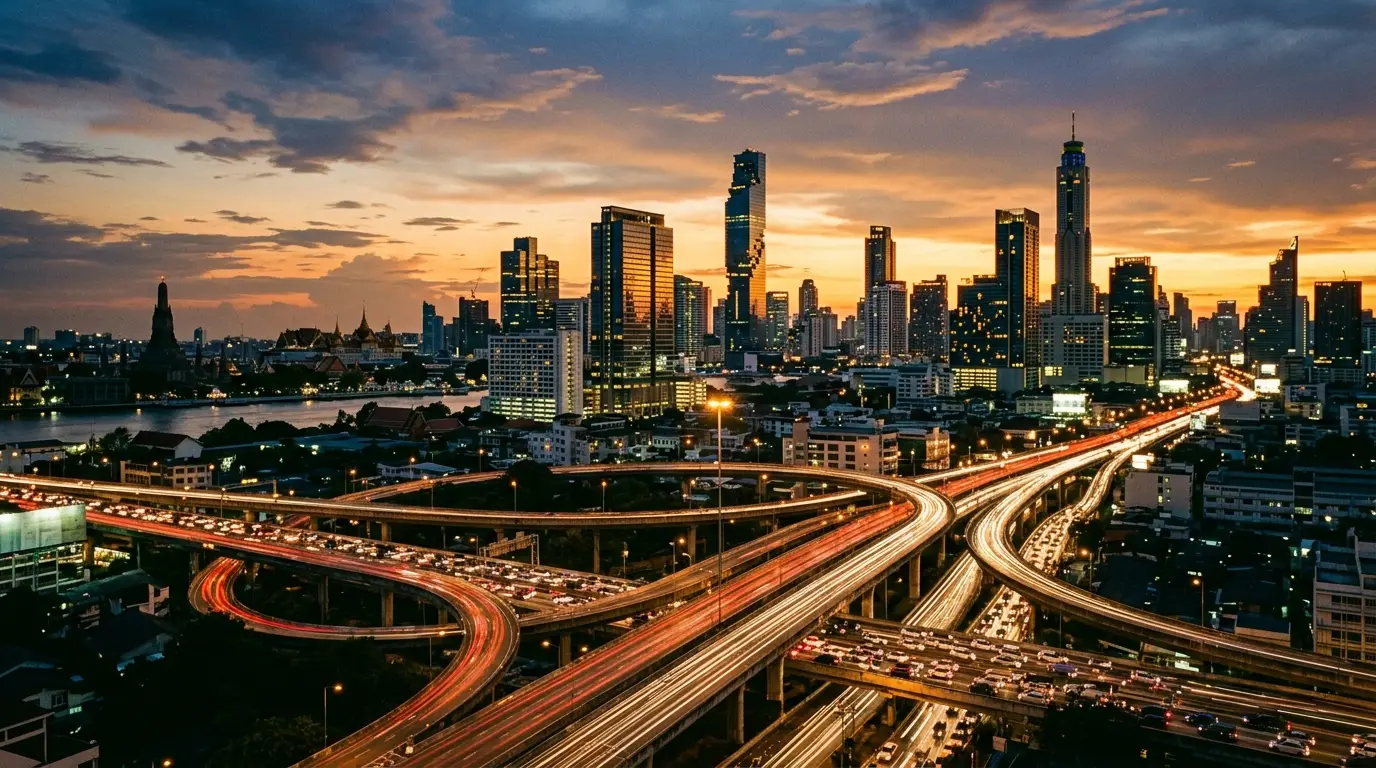
Bangkok Day 1 Itinerary: Suvarnabhumi Airport to the City and Your First Night
How to escape Suvarnabhumi Airport for 45 THB, order stress-free first meals without cilantro, catch golden hour at Lumphini Park, and stock up at 7-Eleven.
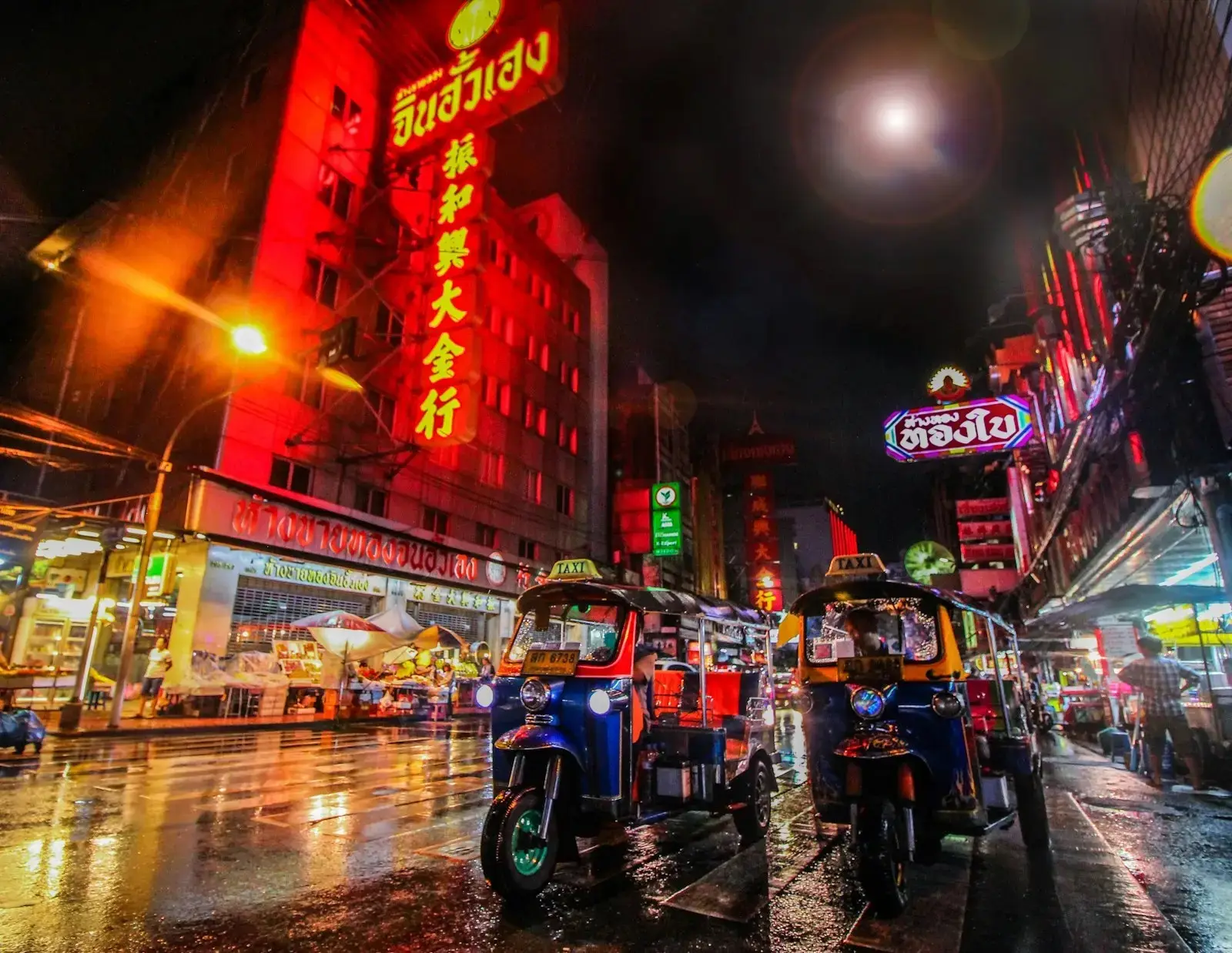
Bangkok Day 2 Itinerary: Wat Arun, the Chao Phraya Boat, ICONSIAM and Yaowarat
A sensory odyssey along the River of Kings on Day 2: breezy Chao Phraya express boats, the colossal 46-meter reclining gold Buddha at Wat Pho, shimmering porcelain spires of Wat Arun, air-conditioned street food delights inside ICONSIAM's SookSiam, and late-night wok-fried Michelin feasts in neon-lit Yaowarat.
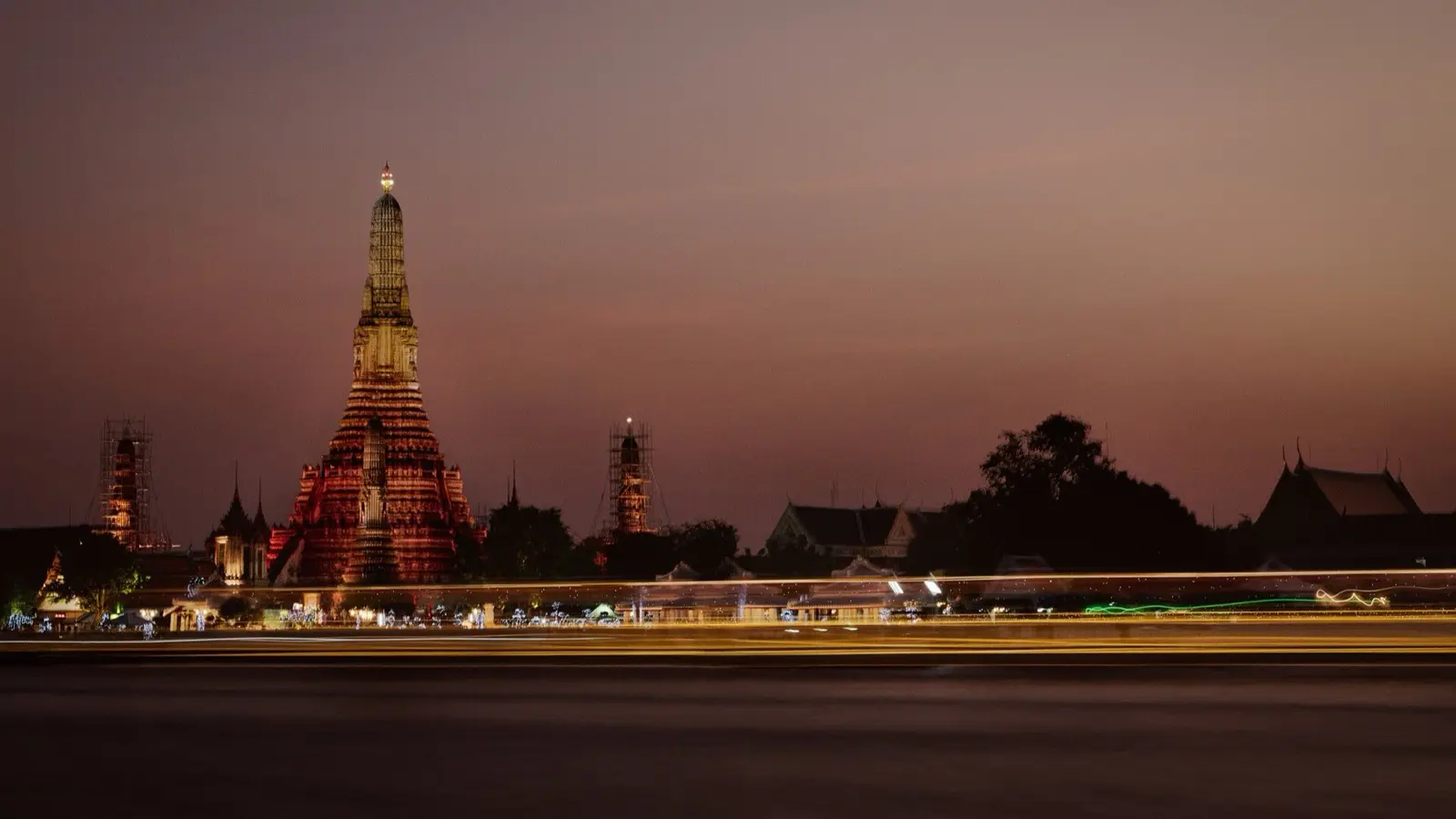
Bangkok Day 3 Itinerary: Chatuchak Weekend Market, Siam Shopping and the Airport Run
A flawless final 24 hours in Bangkok: treasure hunting across 15,000 stalls at Chatuchak Weekend Market, vacuum-sealed mango and tom yum snack hauls in Siam, soothing two-hour traditional herbal massages, and friction-free Airport Rail Link connections to Suvarnabhumi Airport (BKK).
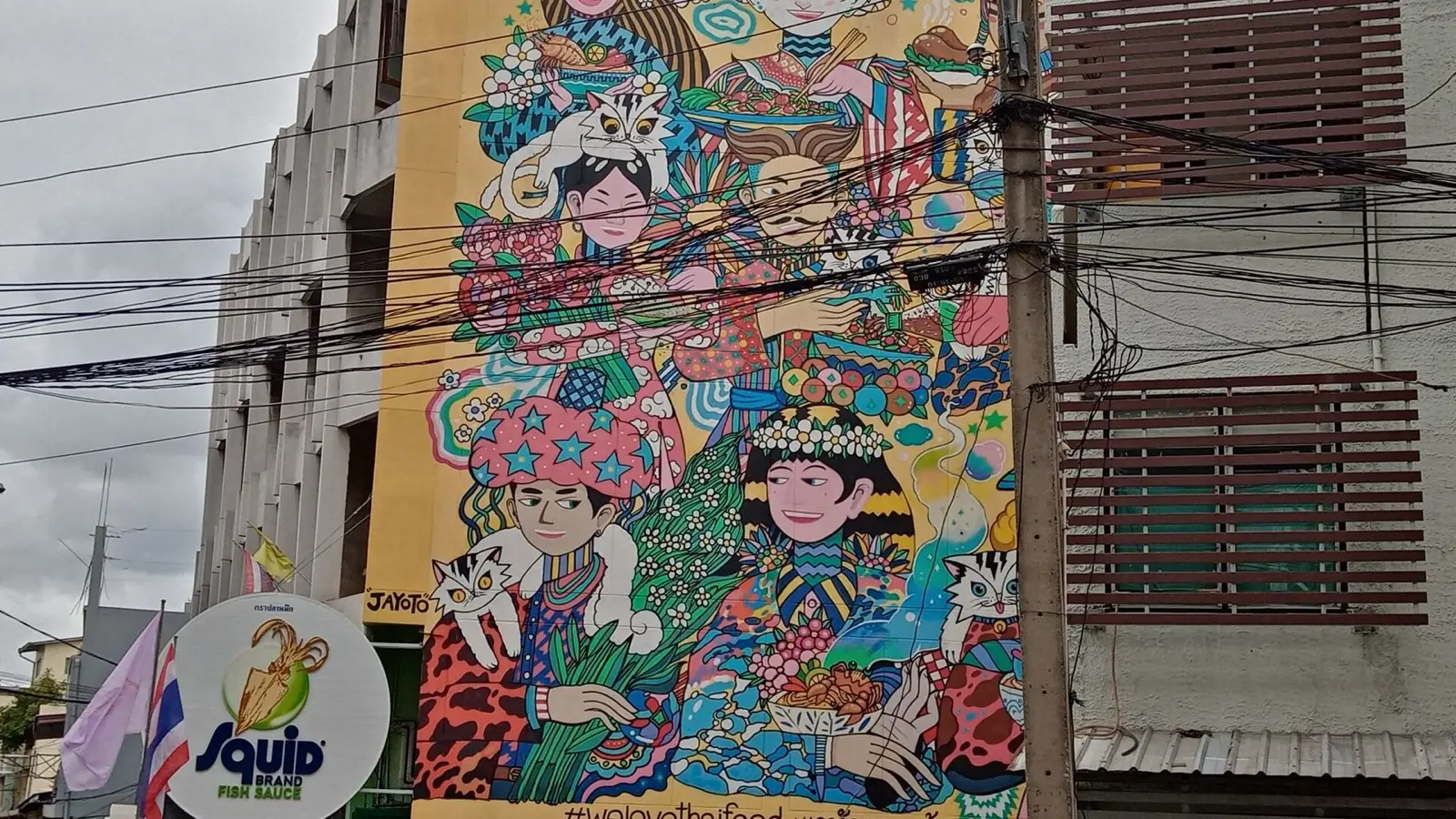
Walking Talat Noi in Bangkok: Chinatown Backstreets and Vintage Cafes
Leaving behind the air-conditioned mega-malls of Sukhumvit, we wander into Talat Noi, Bangkok's storied riverside quarter south of Chinatown. Among grease-stained alleyways stacked with vintage engine parts (Sieng Kong), contemporary coffee roasteries and street murals emerge beside the 200-year-old courtyard of So Heng Tai mansion, capturing an intimate narrative of the Chao Phraya at dusk.
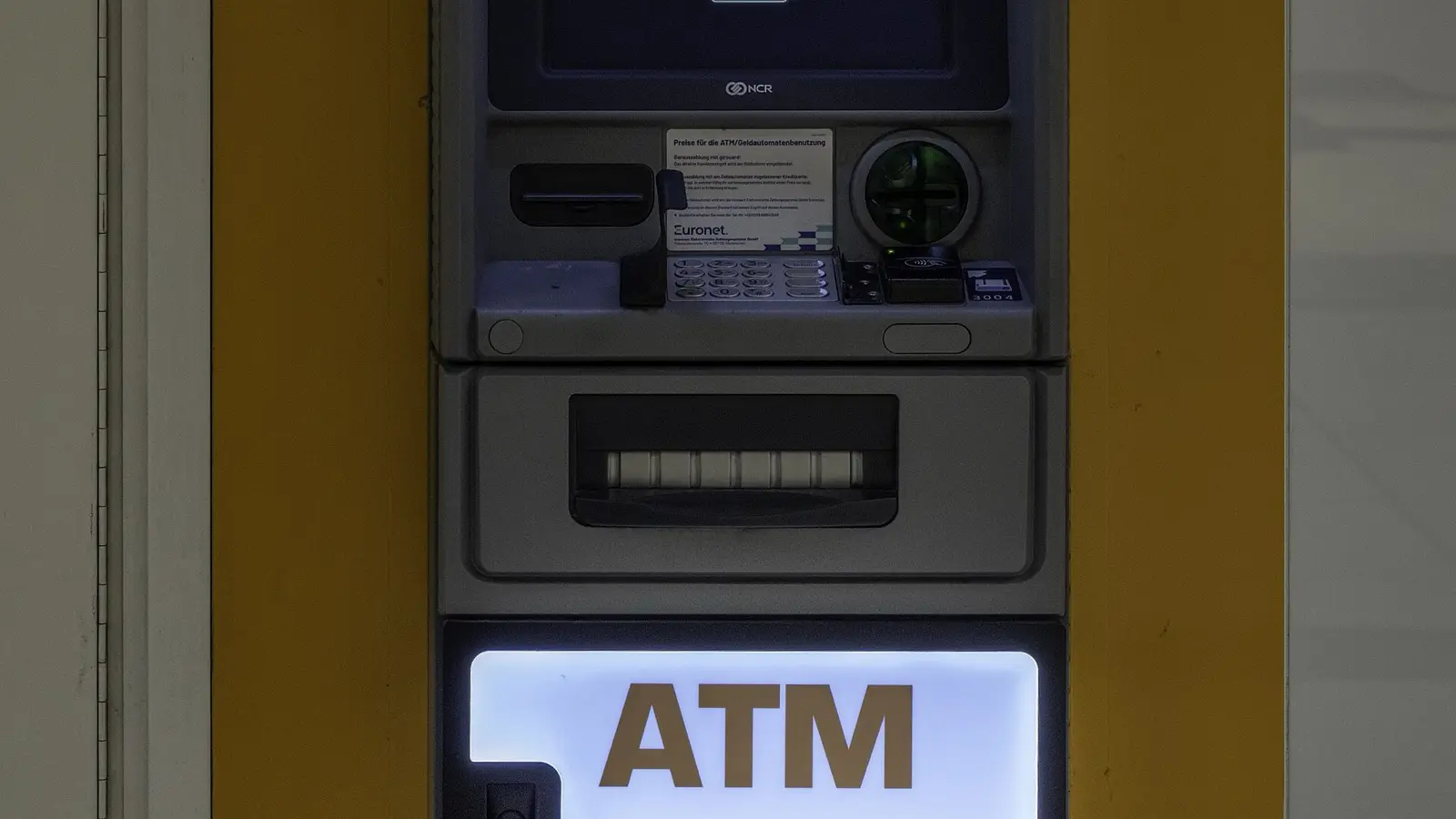
Cutting ATM Fees Abroad and How to Refuse DCC
Inserting your card into a brightly colored standalone ATM on a tourist street often triggers an immediate financial ambush with steep currency conversion markups and hefty fixed operator fees. Even armed with fee-free global travel debit cards, tapping 'Accept with Conversion' forfeits hard-earned savings. From mastering the counter-intuitive 'Without Conversion' prompt to softening Thailand's 220-baht surcharge and guarding against magnetic skimmers, here is your definitive field guide to overseas cash withdrawals.
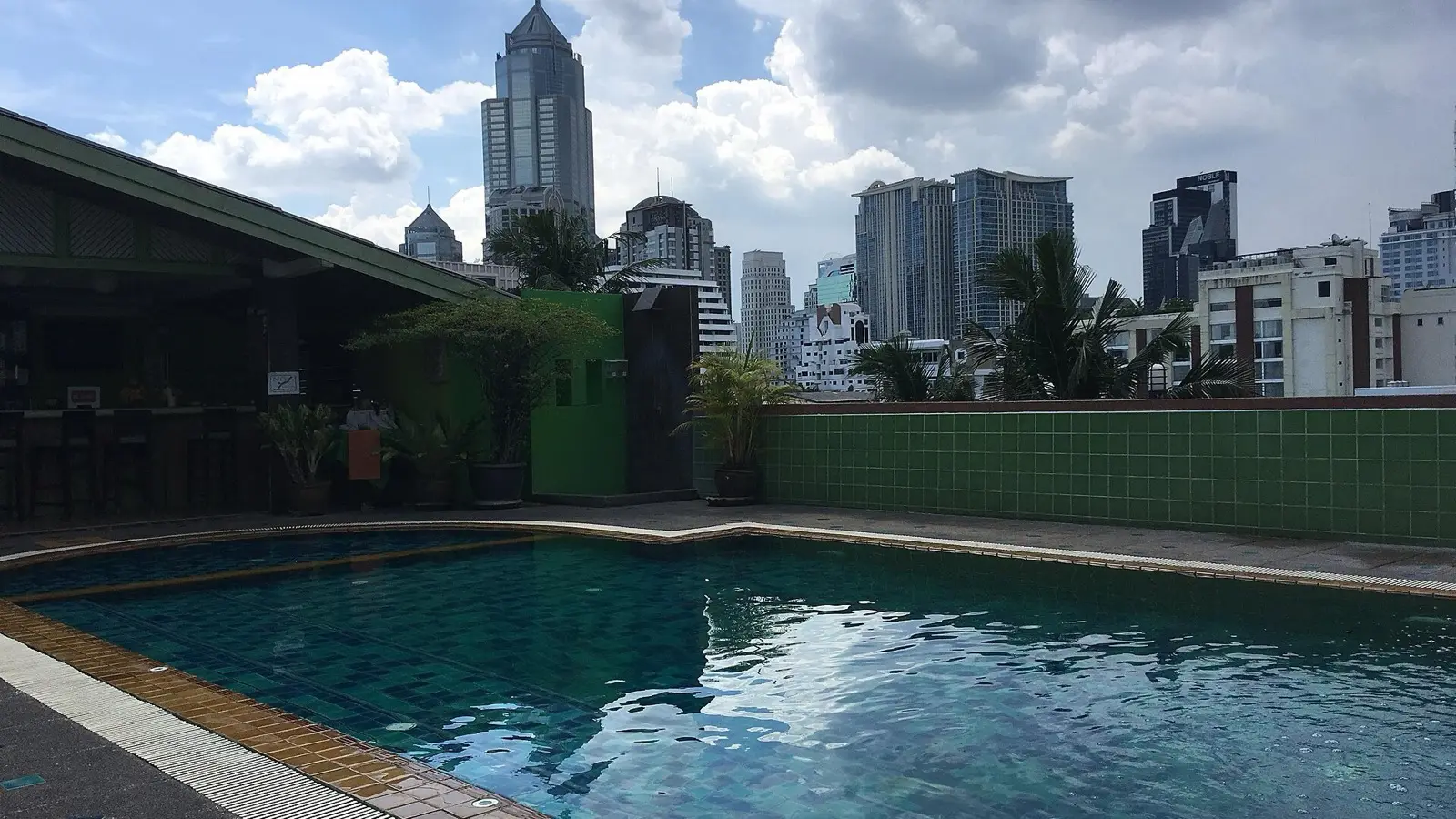
Bangkok's Ultimate Value Hotel Field Guide: 4 Prime Neighborhoods, Infinity Pools, and Transit-Connected Stays Under $60
Bangkok is universally celebrated as the world capital of budget hospitality, where a nightly budget of 40 to 60 dollars easily unlocks stylish four-star stays equipped with rooftop infinity pools and generous breakfast buffets. However, choosing solely based on staged photos often leaves travelers trapped behind Bangkok's infamous gridlock or trekking down dark, winding alleyways (sois) for twenty minutes in humid heat. From the dual-transit interchange of Asok and the leafy dining enclaves of Silom to authentic residential Phra Khanong and hipster cafe haven Ari, here is an unvarnished neighborhood breakdown for smart budget bookings.
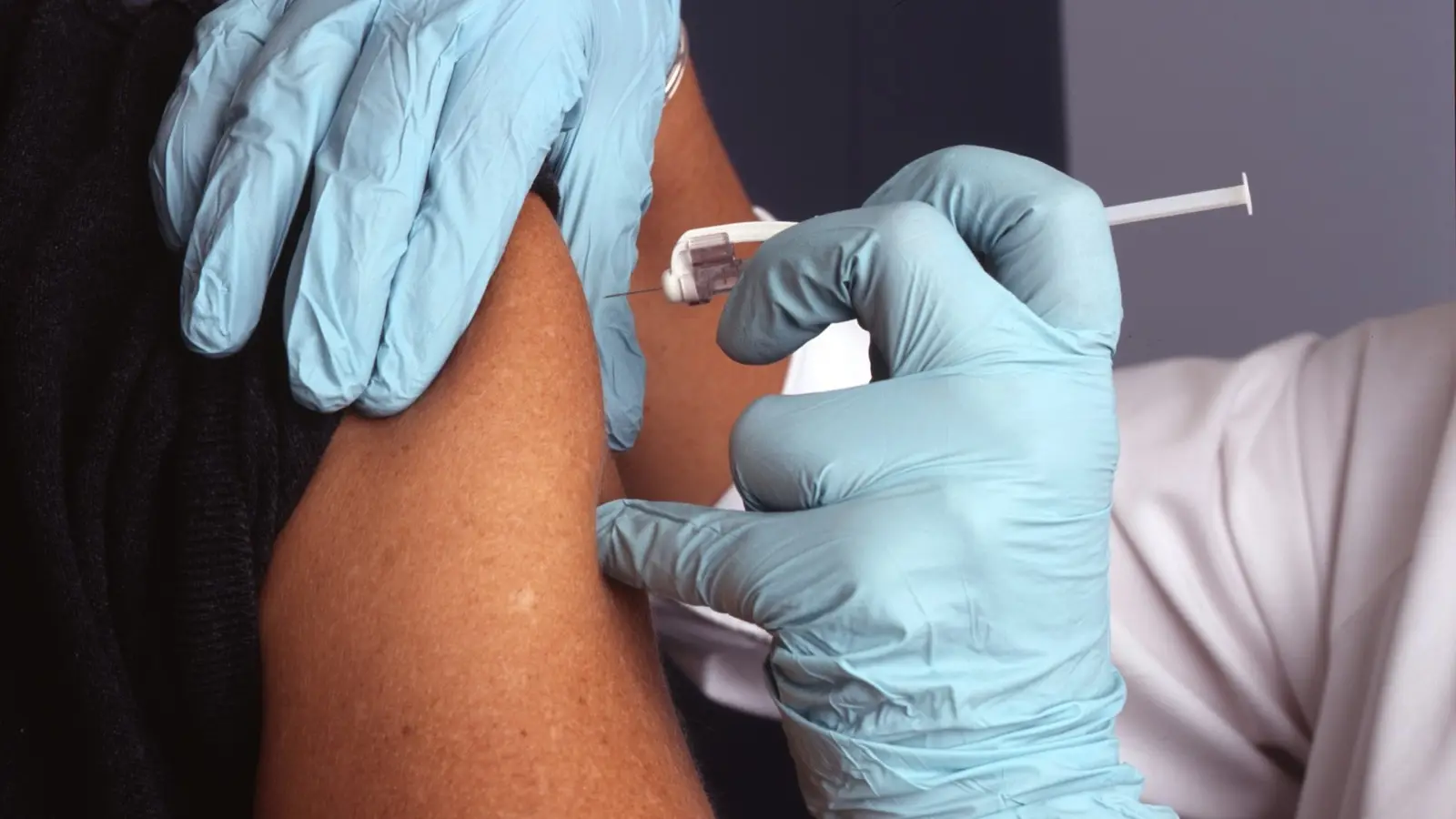
The Overseas Travel Insurance Claims Playbook: Emergency Medical Refunds and Stolen Gear Police Reports
Facing a sudden case of acute gastroenteritis, dengue fever, or a fractured ankle abroad can quickly escalate into a financial nightmare when private emergency room invoices reach thousands of dollars. Across Southeast Asia, Europe, and North America, uninsured foreign travelers face uncapped private medical fees where routine blood tests and IV hydration easily exceed $1,000 USD. While most savvy travelers purchase travel insurance policies before takeoff, shockingly few understand the precise documentation needed to get a claim paid smoothly upon returning home. From requesting non-negotiable clauses on English medical certificates to filing airtight local police incident reports after street theft, this field manual ensures you never absorb unfair out-of-pocket costs.
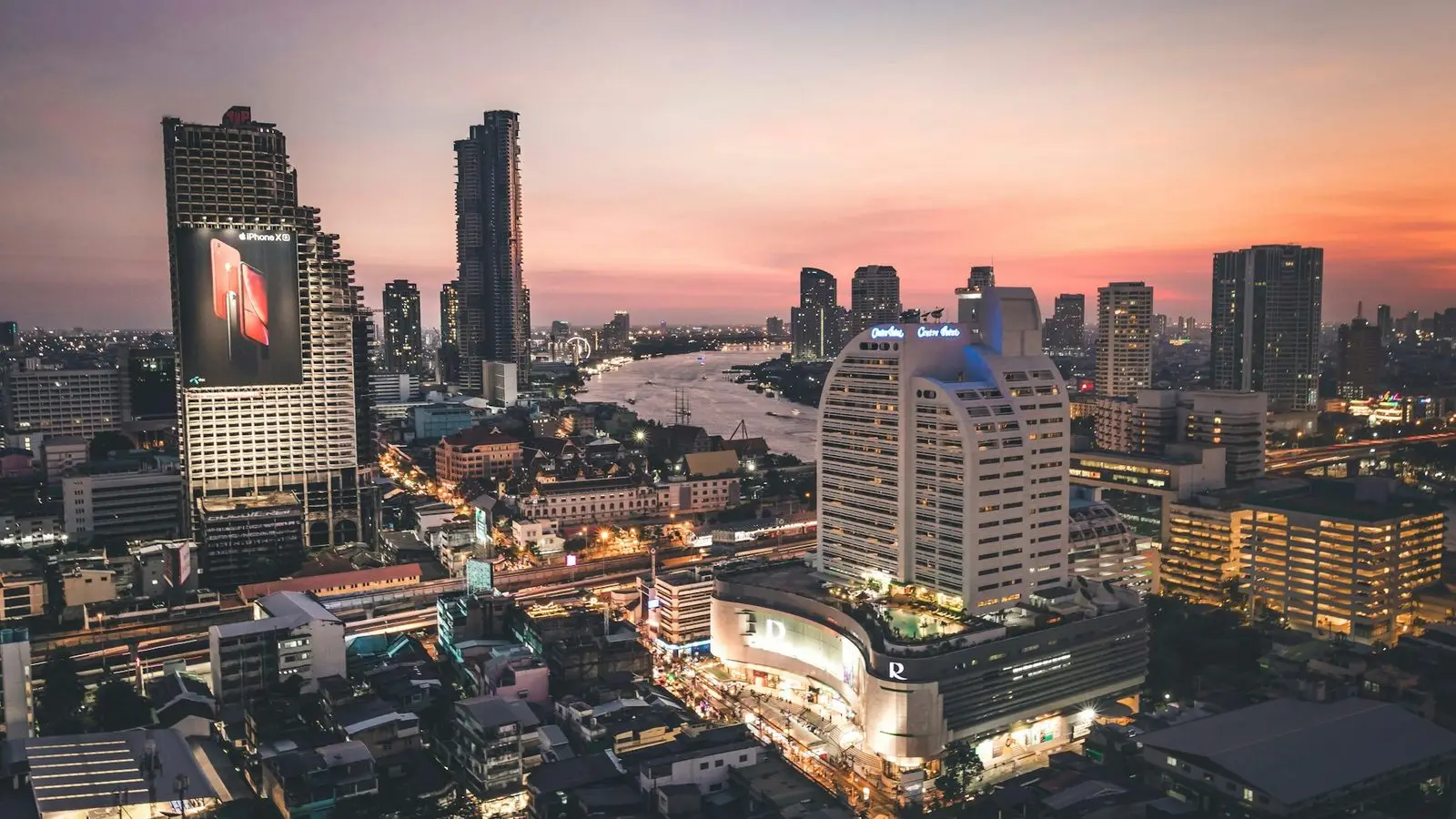
5 Best Bangkok Chao Phraya Riverside Hotels: Free ICONSIAM Shuttle Boats, Sunset Rooftop Pools, and Value River Stays
When planning a getaway to Bangkok, escaping the concrete canyons of Sukhumvit and Siam for the historic banks of the Chao Phraya River unlocks the authentic spirit of the Venice of the East. Dining on tropical breakfast spreads as longtail commuter boats glide across morning waters, and soaking in sunset rooftop infinity pools with chilled cocktails as the city skyline turns molten gold represents a sensory luxury unique to riverfront living. Critically, leading riverside properties eliminate Bangkok notorious traffic gridlock by operating complimentary private wooden shuttle boats running every twenty to thirty minutes between Sathorn Pier (BTS Saphan Taksin) and the mega-lifestyle hub ICONSIAM. From stylish design boutique gems priced near $100 per night to premier five-star urban sanctuaries framing front-row views of Wat Arun, here is an expertly curated review of Bangkok finest riverside stays.
Global Traveler Ride-Hailing Playbook: Grab, Uber, and Bolt Fare Hacks, DCC Elimination, and Airport Pickups
Stepping out of an international arrival terminal into a cacophony of aggressive touts and inflated taxi fares can instantly sour a holiday. Persistent airport scams like refusing the taximeter, claiming flat exorbitant prices, double-charging highway tolls, or taking circuitous detours remain universal traveler headaches from Southeast Asia to Southern Europe. Fortunately, mastering contemporary ride-hailing applications including Grab, Bolt, Uber, and Japan's GO completely revolutionizes airport and urban transit. By locking in guaranteed upfront fixed fares, passengers eliminate awkward cash negotiations and language barriers entirely. However, a major trap lies in foreign payment settings: allowing in-app billing in home currency triggers punitive Dynamic Currency Conversion (DCC) markups between 3% and 8%. This exhaustive guide details regional app pairings, strategic local currency billing, airport-specific pickup bay navigation, and tricks to bypass peak surge pricing.
Suvarnabhumi Airport to Bangkok City: ARL Train for 45 Baht, Level 1 Public Taxis, Tolls, and Grab
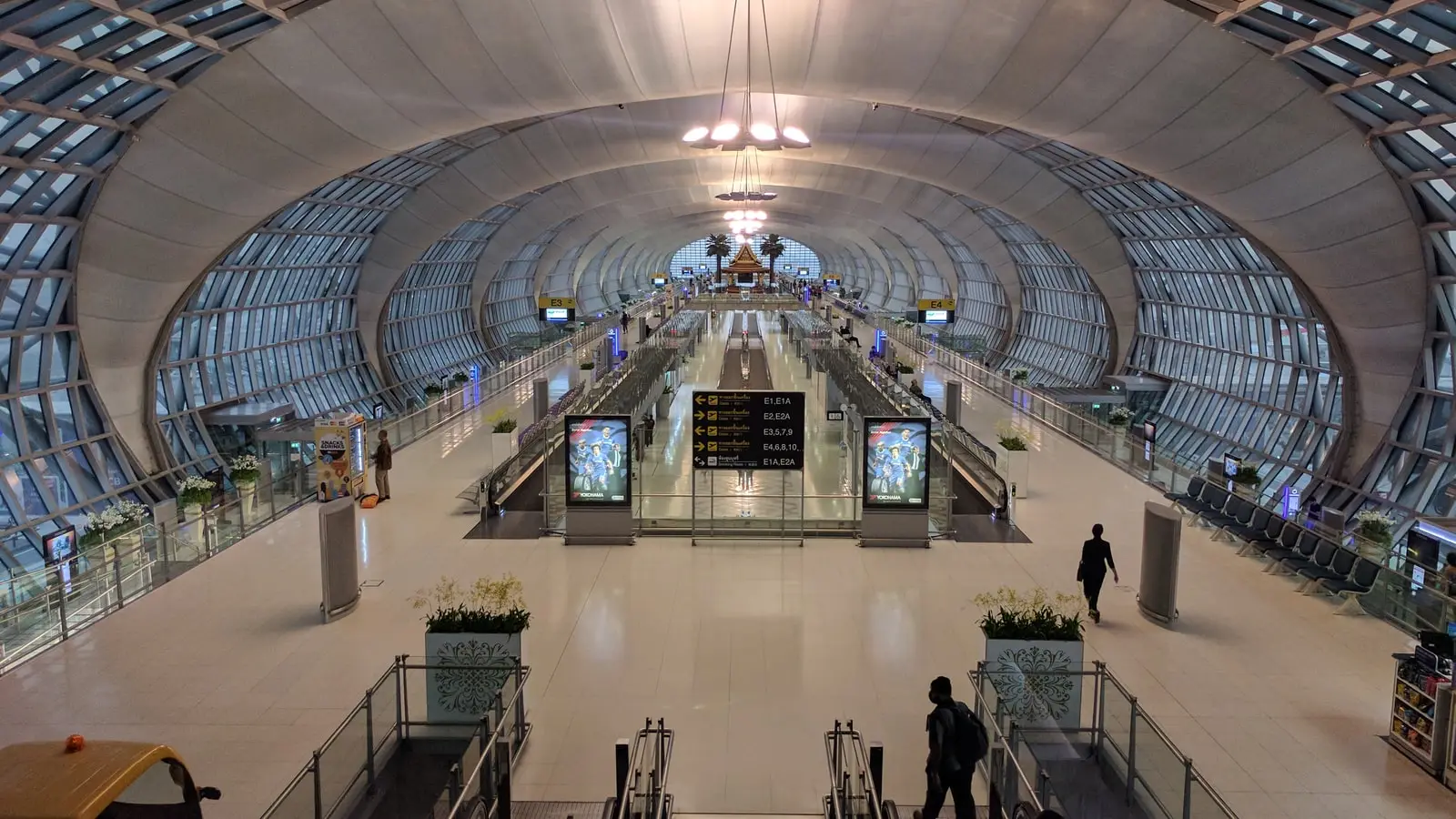
The smartest gateway from Suvarnabhumi Airport into central Bangkok is the Airport Rail Link (ARL). Departing from basement level B, it reaches Phaya Thai terminus in 26 minutes for just 45 THB. For travelers with bulky bags or groups of three, official metered public taxis from Level 1 kiosk bays offer direct door-to-door comfort, with 75 THB expressway tolls paid in cash.