
BangkokStory
Walking Talat Noi in Bangkok: Chinatown Backstreets and Vintage Cafes
Beyond mega-malls to 200-year-old courtyard mansions and atmospheric mechanical alleyways along the Chao Phraya
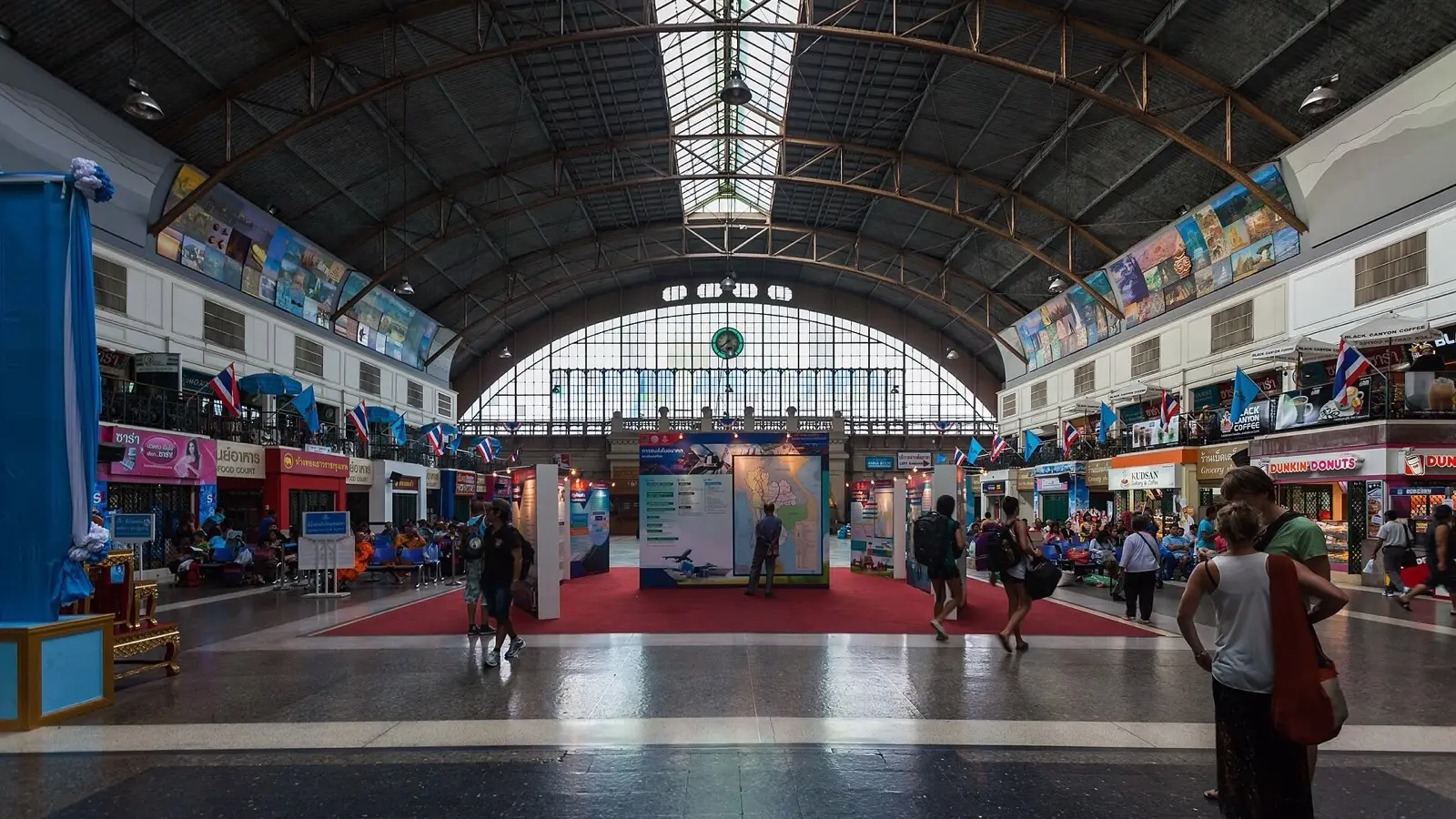
Time Travel from Hua Lamphong: Into Chinatown's Quiet Labyrinth
Stepping away from the glitzy skyscrapers of Asok into MRT Hua Lamphong Station shifts Bangkok's temporal rhythm immediately. Backing away from the historic 1916 neo-renaissance terminal, which served as Thailand's central railway gateway for over a century, you steer toward Chinatown's quieter periphery.
Leaving behind the glittering gold merchant storefronts and bird's nest dining rooms of Yaowarat Road, you turn south into the slender capillary alleys leading toward the Chao Phraya River. Here unfolds Talat Noi, a historic riverside community established by Chinese merchants and Portuguese settlers following the fall of Ayutthaya in the late 18th century.
Paved with worn pavers smoothed by decades of pushcarts and scooters, these pedestrian passages forbid automotive traffic. Giant banyan roots drape over sunbaked terracotta brick walls, while crimson lanterns and porcelain household shrines release fragrant tendrils of sandalwood smoke into the humid air.
Rather than the jarring clatter of tourist tuk-tuks, the soundtrack here consists solely of gentle metal hammers clinking in repair shops and vintage melodies floating from elderly shopkeepers' cassette radios. Bangkok's oldest commercial quarter seems to slumber peacefully between centuries.
The Iron Scents of Sieng Kong: Street Murals Among Mechanical Relics
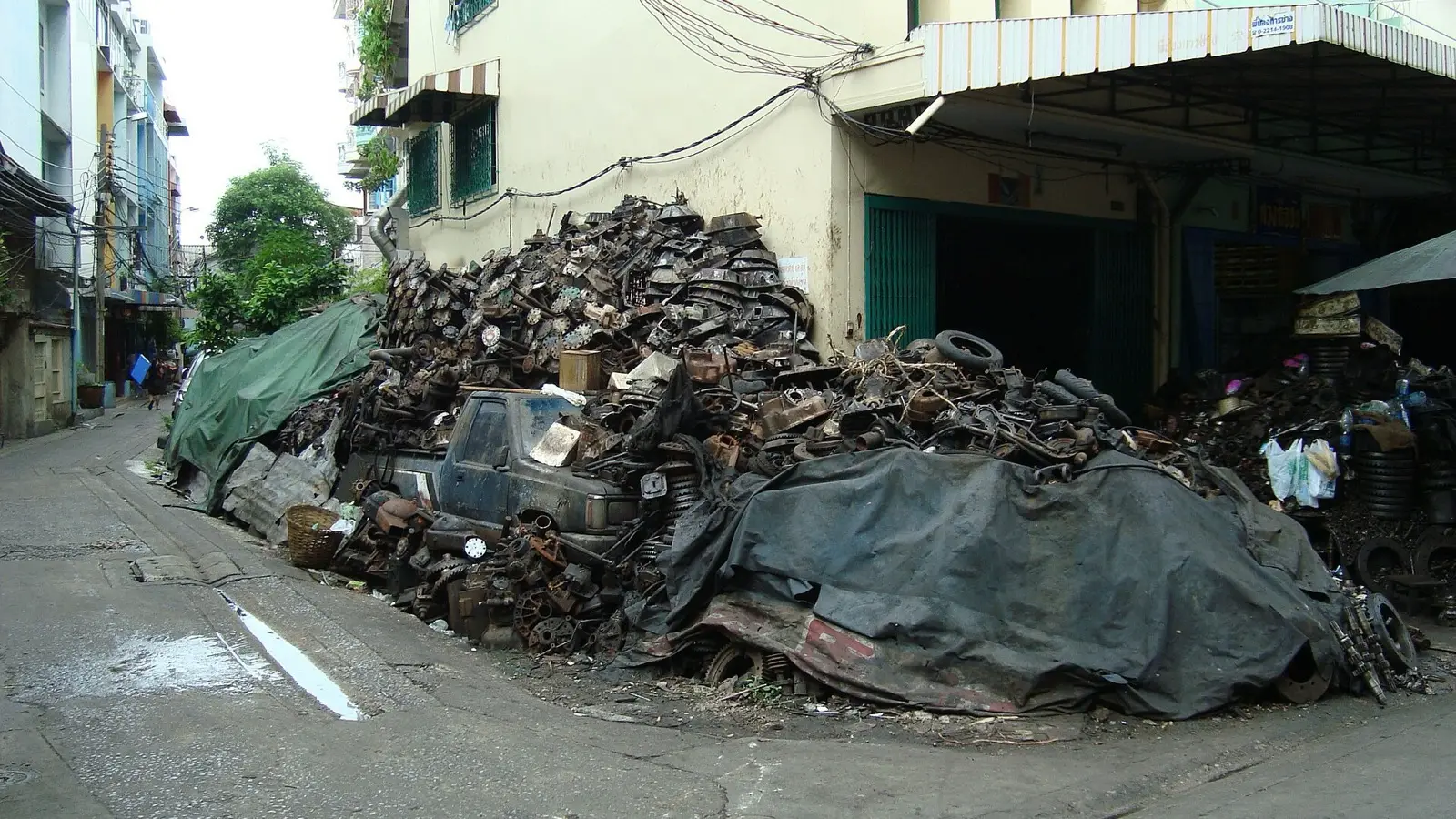
Wandering deeper into Talat Noi, olfactory cues announce the neighborhood's identity before visuals catch up. The unmistakable tang of machine grease and iron filings drifting on river breezes marks Sieng Kong, Bangkok's legendary center for repurposed vehicular hardware.
Towering stacks of rusted engine blocks, pistons, and transmission housings rise two stories high beside narrow lanes. Veteran mechanics in oil-blackened overalls skillfully strip, polish, and reconstruct imported hardware, breathing renewed vitality into machinery gathered across the globe.
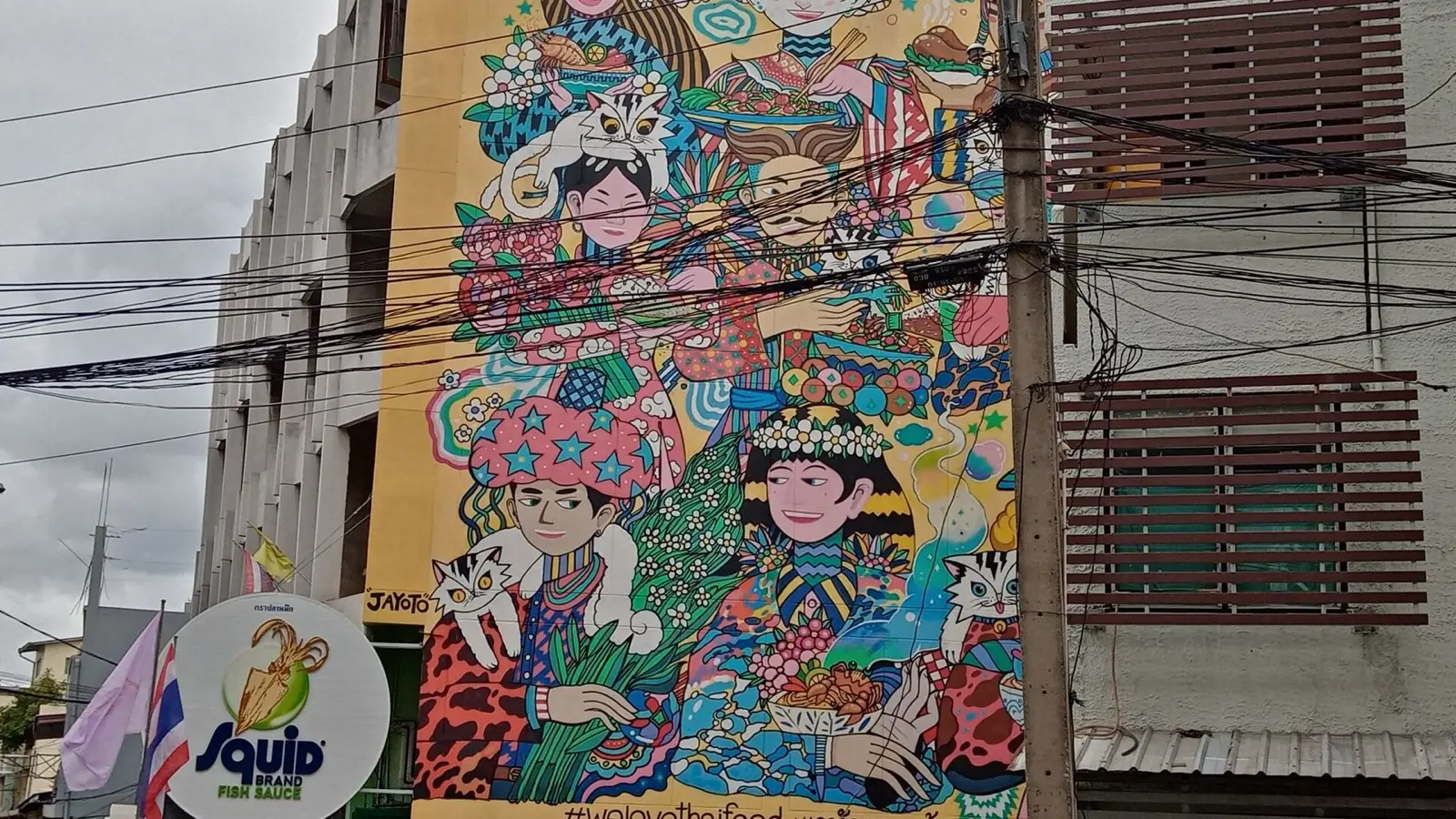
The delightful surprise lies right beside these gritty industrial yards, where colorful contemporary street murals adorn centuries-old plastered walls. Whimsical depictions of boys balancing dim sum steamers and stray cats lounging on vintage Volkswagen Beetles inject spirited artistic vitality into the historic streetscape.
The unpretentious juxtaposition of working metal shops and modern urban street art creates an authentic neighborhood texture that artificial heritage theme parks could never replicate.
So Heng Tai Mansion: Two Centuries of Quiet Heritage and Courtyard Brews
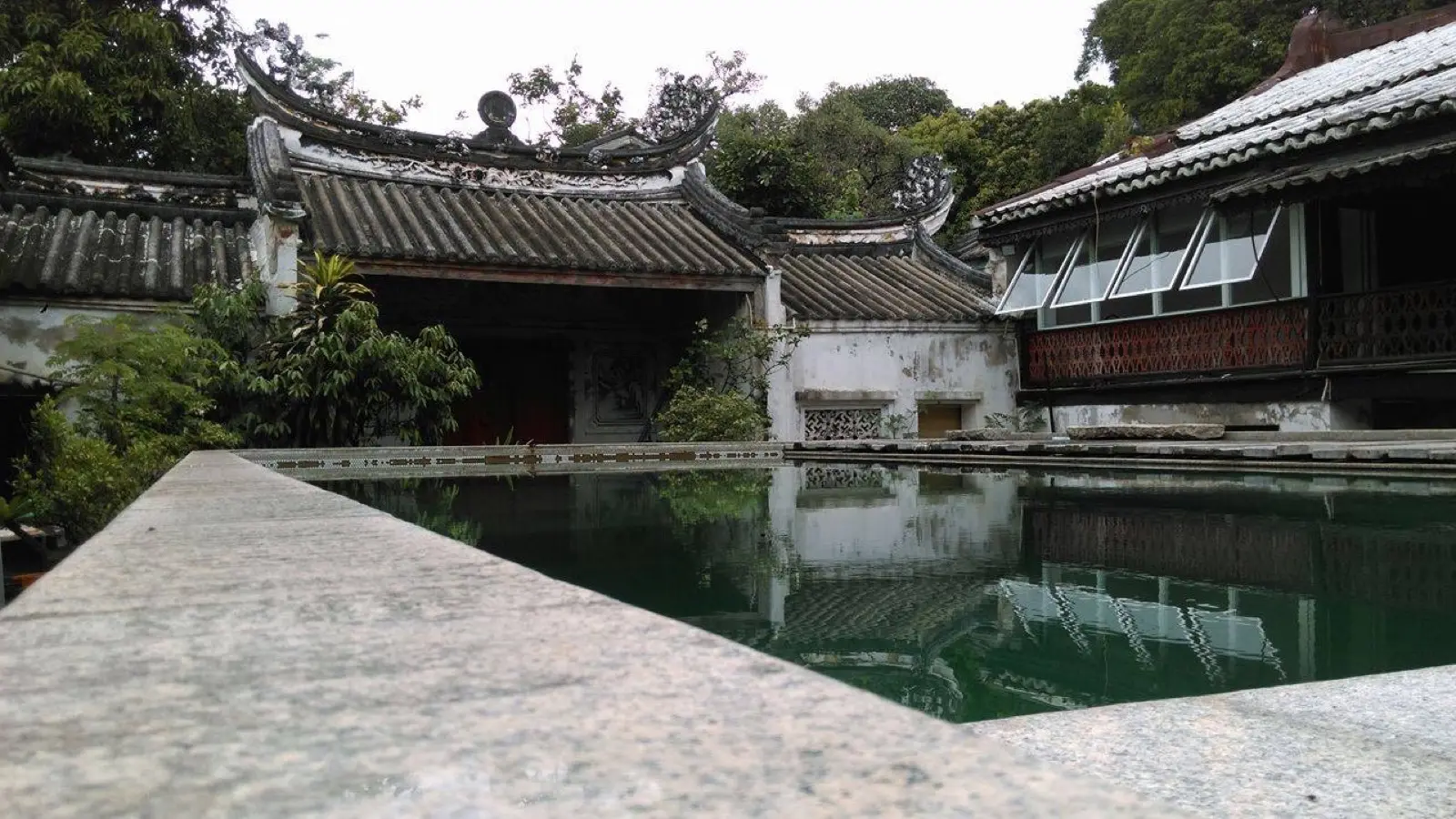
Navigating past the metal workshops brings you before a monumental pair of Chinese wooden gates. This is So Heng Tai, one of Bangkok's last surviving 200-year-old Qing-style courtyard mansions, erected by the Hokkien shipping magnate Phra Aphaivanich (Posayachinda) in the early 19th century.
Crossing the worn crimson threshold immediately mutes the street noise outside. Built around a classic four-sided siheyuan courtyard, the residence features an astonishing modern anomaly: a deep sapphire diving pool occupying the central courtyard, creating a surreal contrast with the surrounding timber balustrades.
Maintained by direct descendants of the family who still inhabit the upper quarters, the ground level operates as an intimate cafe for heritage visitors. Ascending the creaking wooden stairs to the second-floor gallery reveals ancestral black-and-white portraits and ornate wooden carvings commemorating centuries of maritime commerce.
Resting on a weathered timber bench with a chilled glass of Thai iced milk tea, watching cloud reflections glide across the pool's tranquil surface, offers profound sanctuary from Bangkok's relentless midday energy.
The Chao Phraya at Dusk: Golden Water Through Rusting Window Frames
After 5:00 PM, pedestrian foot traffic naturally gravitates toward the western Chao Phraya riverfront. Converted industrial warehouses with floor-to-ceiling glass and rickety timber piers perched over the tidal waters begin welcoming travelers seeking the setting sun.
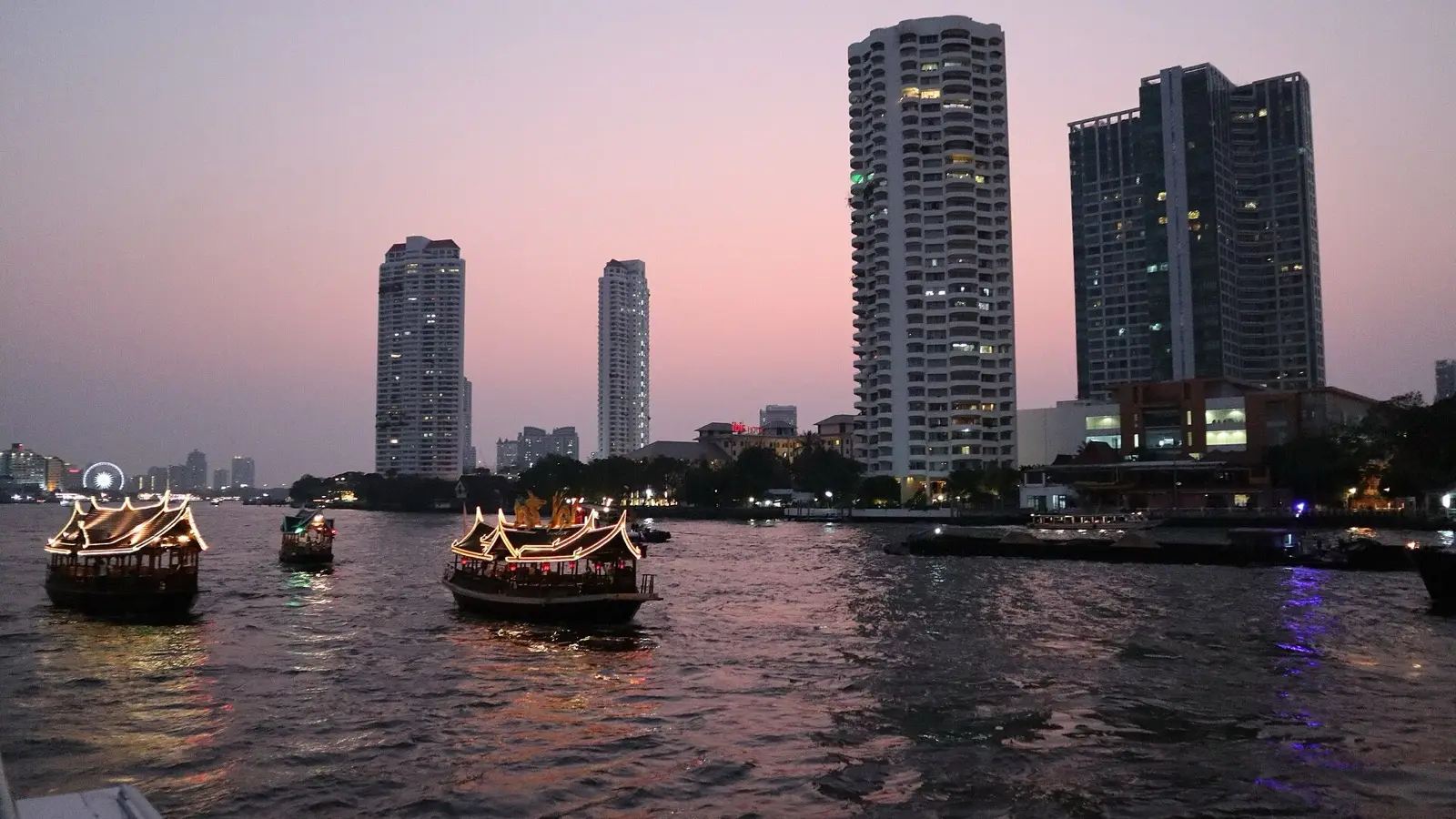
As cooling river breezes dilute the sticky heat, longtail boats and loaded freight barges carve foaming wakes across the water, which transforms into molten copper beneath the evening sky. Across the water in Thonburi, historic stupas silhouetted against the sunset glow with ethereal brilliance.
Condensation beads along chilled Chang beer glasses, catching the crimson rays of fading daylight. While glamorous rooftop lounges offer sweeping panoramic vistas, watching the Chao Phraya from water level with waves lapping against mossy wooden pilings leaves a far deeper, more intimate impression.
As night arrives, outdoor riverside dining lights flicker awake, and roadside woks begin searing fragrant pad thai with shallots and tamarind. Talat Noi gently settles into its evening cadence, radiant with unpretentious local warmth.
The Walker's Field Blueprint: Designing Heat Shields and Navigation Routes
The cardinal rule for exploring Talat Noi is avoiding the sweltering hours between noon and 3:00 PM. While alleyway overhanging eaves provide intermittent shade, tropical humidity accumulates rapidly. Starting around 3:30 PM from Hua Lamphong, wandering murals and mansions, and settling into a riverside pier by 5:00 PM forms the ideal trajectory.
Proper footwear is non-negotiable. Pavement stones are irregular, and grease residue around mechanical workshops makes sandals and flip-flops hazardous. Closed-toe walking sneakers, lightweight breathable cotton clothing, and a pocket fan ensure maximum personal comfort.
Carrying local cash remains essential. While stylish specialty roasteries readily process credit cards and mobile QR codes, neighborhood family stalls selling legendary herbal teas and handmade soybean pudding operate on cash only. Keep small fifty and one-hundred baht notes readily accessible.
If mega-malls and Michelin-starred dining showcase Bangkok's cosmopolitan polish, Talat Noi preserves its genuine, beating heart. By slowing your cadence and walking without haste, you uncover the tender soul of this unforgettable river city.
Frequently Asked Questions
Field-tested answers to transit navigation, neighborhood choices, and payment traps.
Q1.Is Talat Noi safe for solo travelers walking alone?
Q2.Is there an admission fee to enter the So Heng Tai mansion?
Q3.How much time is recommended for a walking tour of Talat Noi?
Q4.What nearby attractions pair well with a Talat Noi visit?
The Smart Traveler's Essential Toolkit
Prepare instant mobile data, private airport transfers, and skip-the-line passes in one place.
Pick a base in Bangkok by your route
Choose the places you want to see and get the neighbourhood with the shortest travel.
Compare Bangkok Hotel Rates
Find the cheapest channel across Agoda and major booking engines with Tripdify.
Share This Guide with Your Companions
When shared via chat or social media, a curated summary card is sent along.
Recommended Guides
Bangkok 3-Day Itinerary and Where to Stay
Master Bangkok with confidence: airport express logistics, Riverside vs Sukhumvit accommodation bases, temple morning protocols, and cashless GLN QR payments.
Bangkok Five-Star Hotels on a Budget: River Views and Infinity Pools
Comparing riverside and BTS shopping hubs, hacking executive club dining packages, and locking in pure THB settlement to dodge costly DCC card spreads.
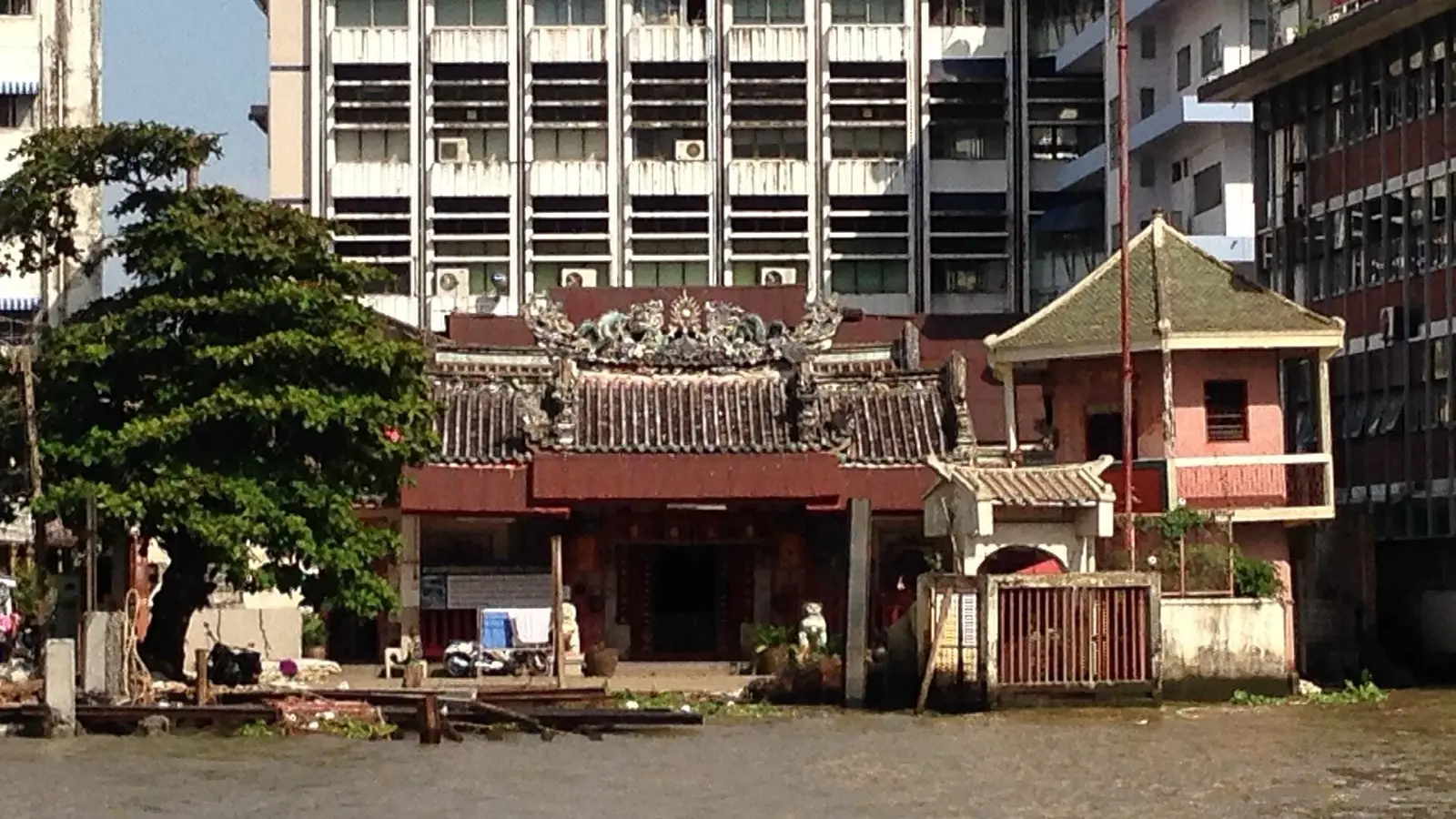
Where to Stay in Bangkok: Sukhumvit vs Silom vs Ari Compared
Beneath Bangkok's golden stupas and celebrated culinary vitality lies the world's most notorious gridlock and predatory transport rackets. Choosing where to drop your luggage dictates whether your holiday is spent absorbing local charm or trapped in exhaust-choked taxis. Here is an unvarnished field guide to selecting strategically sound lodging, evading classic tout operations, and mastering local transit.
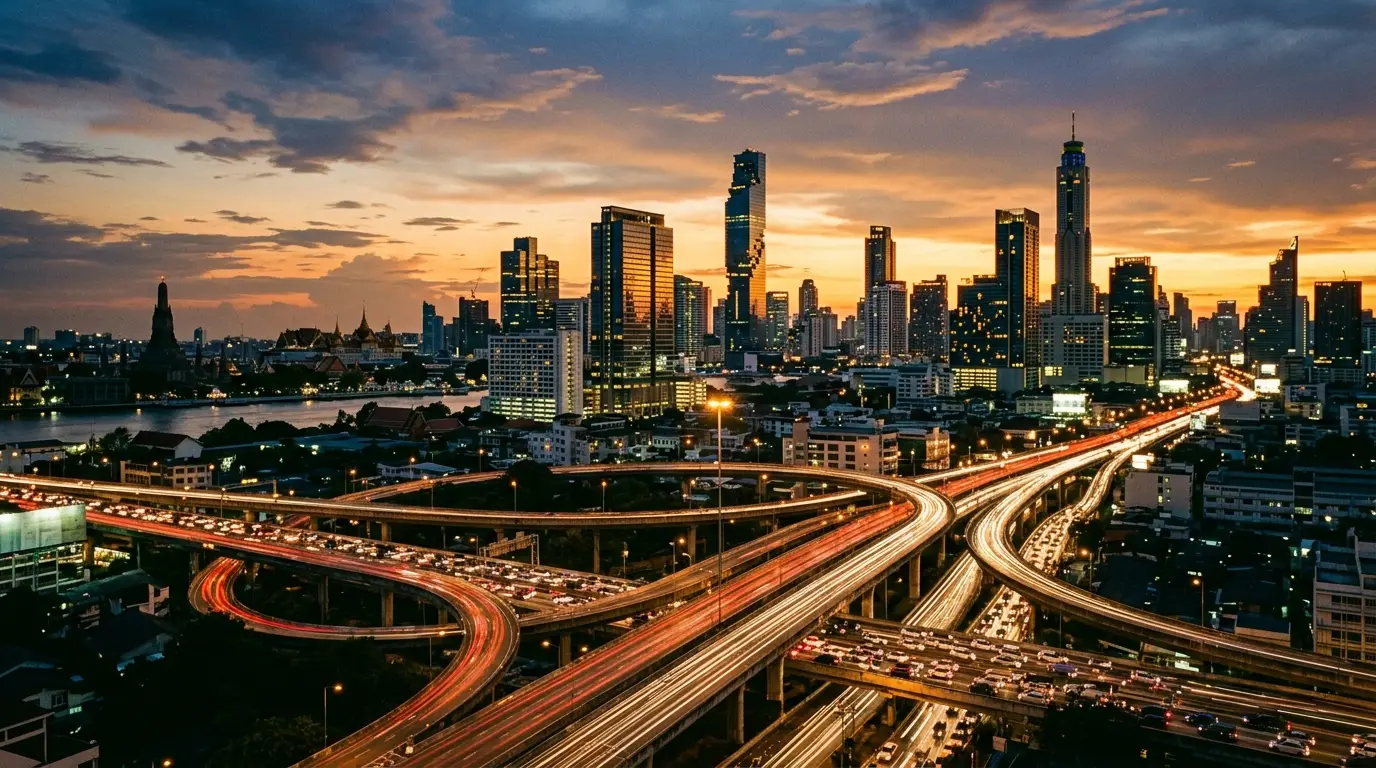
Bangkok Day 1 Itinerary: Suvarnabhumi Airport to the City and Your First Night
How to escape Suvarnabhumi Airport for 45 THB, order stress-free first meals without cilantro, catch golden hour at Lumphini Park, and stock up at 7-Eleven.
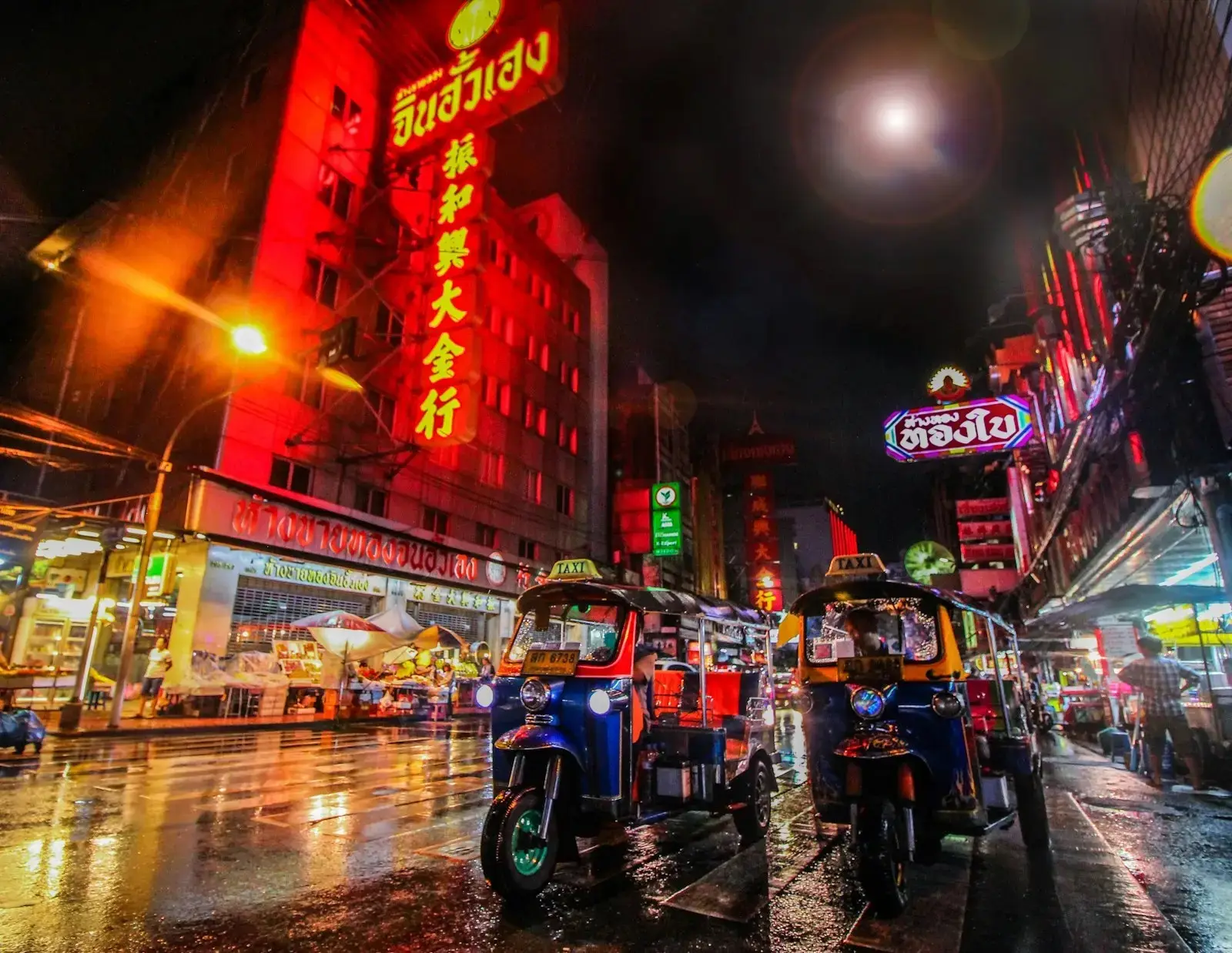
Bangkok Day 2 Itinerary: Wat Arun, the Chao Phraya Boat, ICONSIAM and Yaowarat
A sensory odyssey along the River of Kings on Day 2: breezy Chao Phraya express boats, the colossal 46-meter reclining gold Buddha at Wat Pho, shimmering porcelain spires of Wat Arun, air-conditioned street food delights inside ICONSIAM's SookSiam, and late-night wok-fried Michelin feasts in neon-lit Yaowarat.
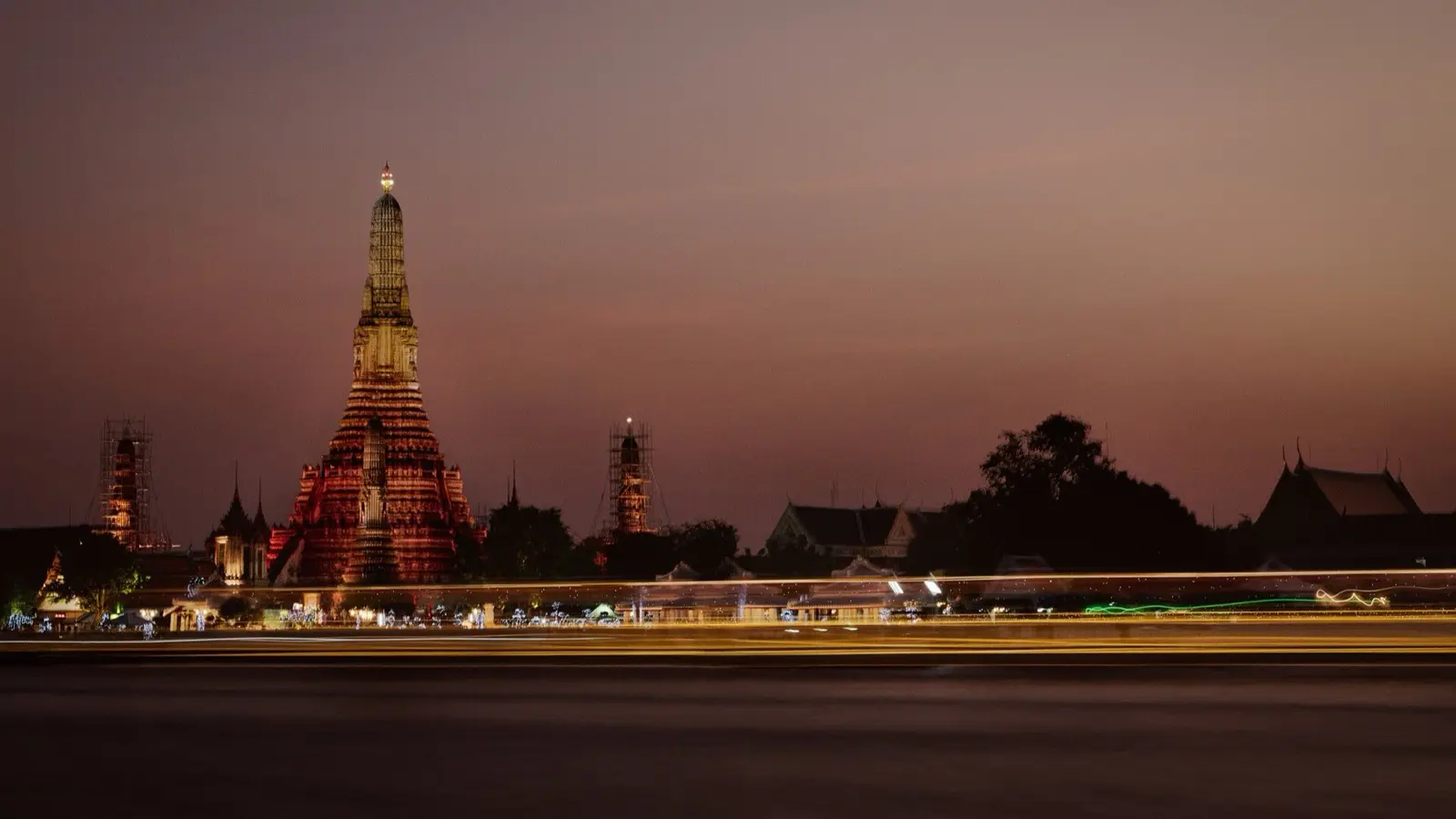
Bangkok Day 3 Itinerary: Chatuchak Weekend Market, Siam Shopping and the Airport Run
A flawless final 24 hours in Bangkok: treasure hunting across 15,000 stalls at Chatuchak Weekend Market, vacuum-sealed mango and tom yum snack hauls in Siam, soothing two-hour traditional herbal massages, and friction-free Airport Rail Link connections to Suvarnabhumi Airport (BKK).
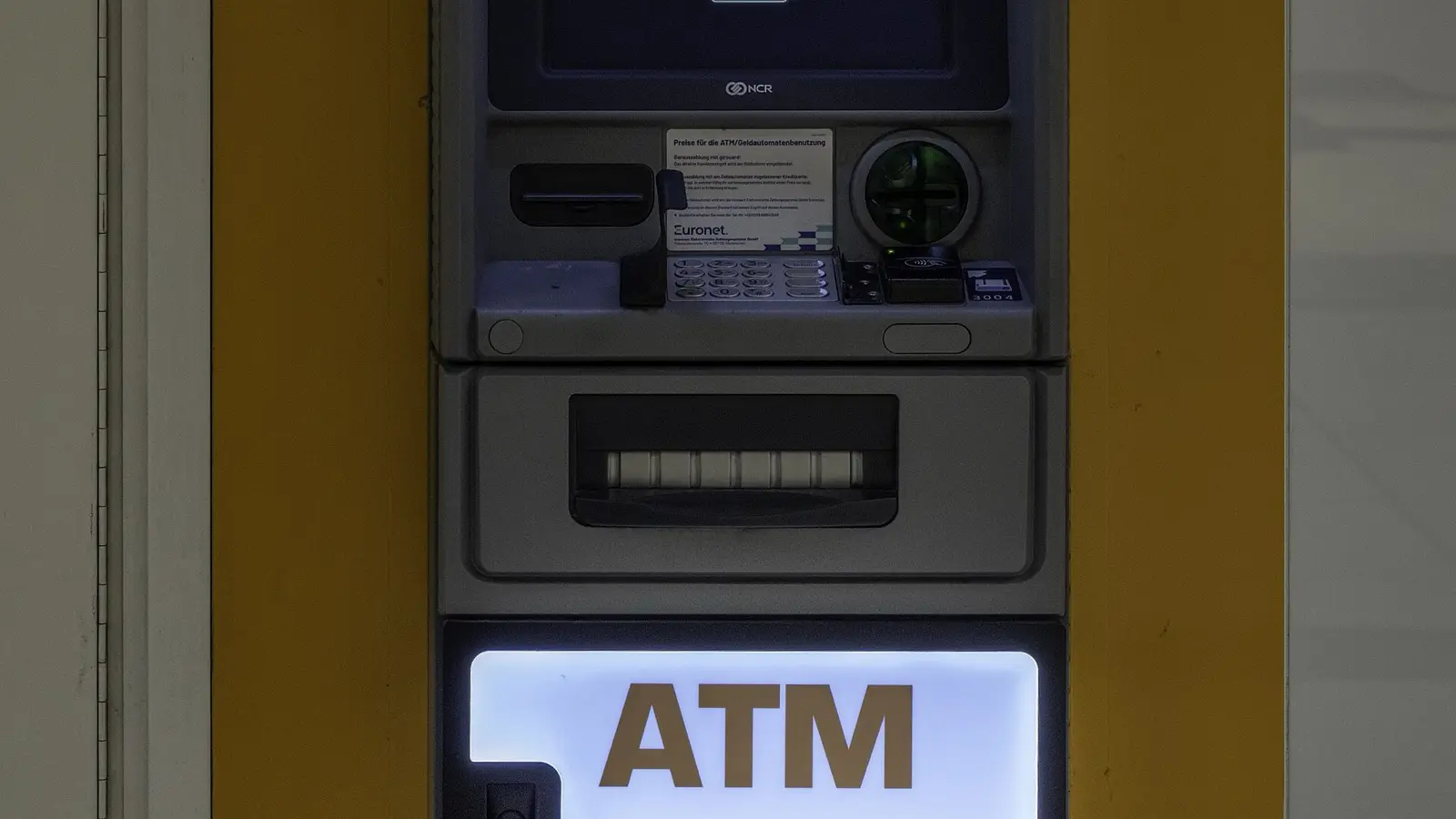
Cutting ATM Fees Abroad and How to Refuse DCC
Inserting your card into a brightly colored standalone ATM on a tourist street often triggers an immediate financial ambush with steep currency conversion markups and hefty fixed operator fees. Even armed with fee-free global travel debit cards, tapping 'Accept with Conversion' forfeits hard-earned savings. From mastering the counter-intuitive 'Without Conversion' prompt to softening Thailand's 220-baht surcharge and guarding against magnetic skimmers, here is your definitive field guide to overseas cash withdrawals.
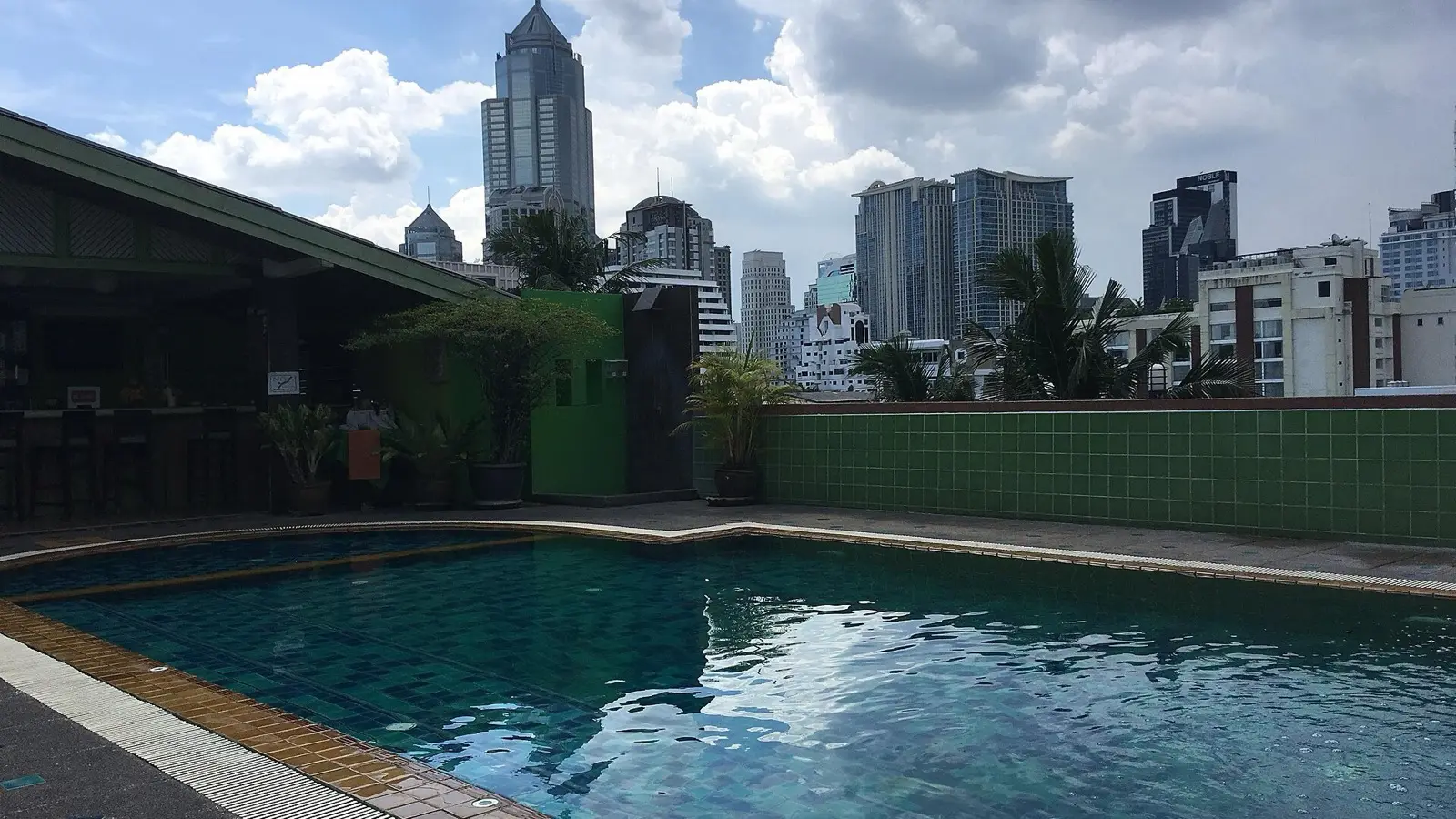
Bangkok's Ultimate Value Hotel Field Guide: 4 Prime Neighborhoods, Infinity Pools, and Transit-Connected Stays Under $60
Bangkok is universally celebrated as the world capital of budget hospitality, where a nightly budget of 40 to 60 dollars easily unlocks stylish four-star stays equipped with rooftop infinity pools and generous breakfast buffets. However, choosing solely based on staged photos often leaves travelers trapped behind Bangkok's infamous gridlock or trekking down dark, winding alleyways (sois) for twenty minutes in humid heat. From the dual-transit interchange of Asok and the leafy dining enclaves of Silom to authentic residential Phra Khanong and hipster cafe haven Ari, here is an unvarnished neighborhood breakdown for smart budget bookings.

The Overseas Travel Insurance Claims Playbook: Emergency Medical Refunds and Stolen Gear Police Reports
Facing a sudden case of acute gastroenteritis, dengue fever, or a fractured ankle abroad can quickly escalate into a financial nightmare when private emergency room invoices reach thousands of dollars. Across Southeast Asia, Europe, and North America, uninsured foreign travelers face uncapped private medical fees where routine blood tests and IV hydration easily exceed $1,000 USD. While most savvy travelers purchase travel insurance policies before takeoff, shockingly few understand the precise documentation needed to get a claim paid smoothly upon returning home. From requesting non-negotiable clauses on English medical certificates to filing airtight local police incident reports after street theft, this field manual ensures you never absorb unfair out-of-pocket costs.
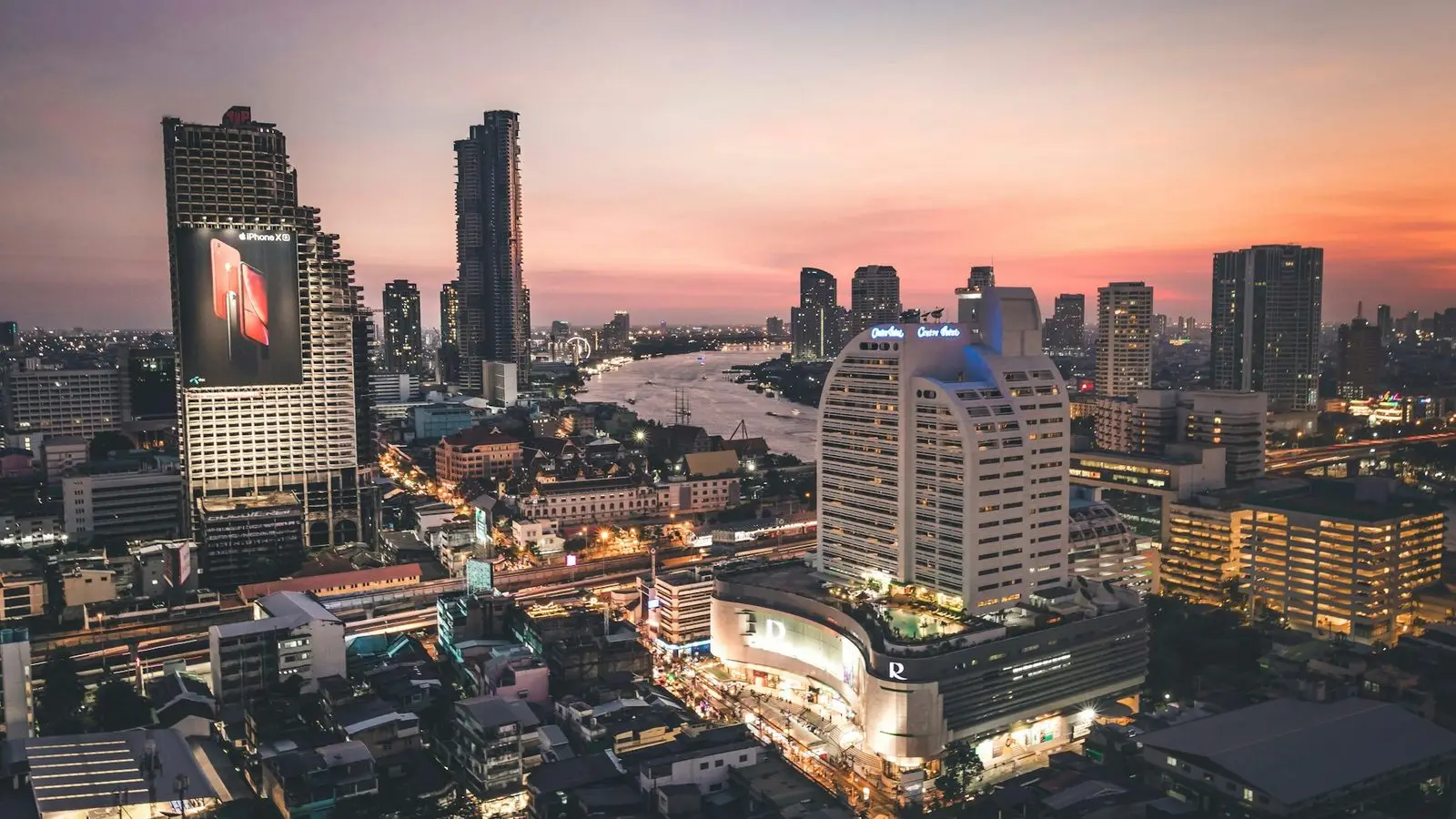
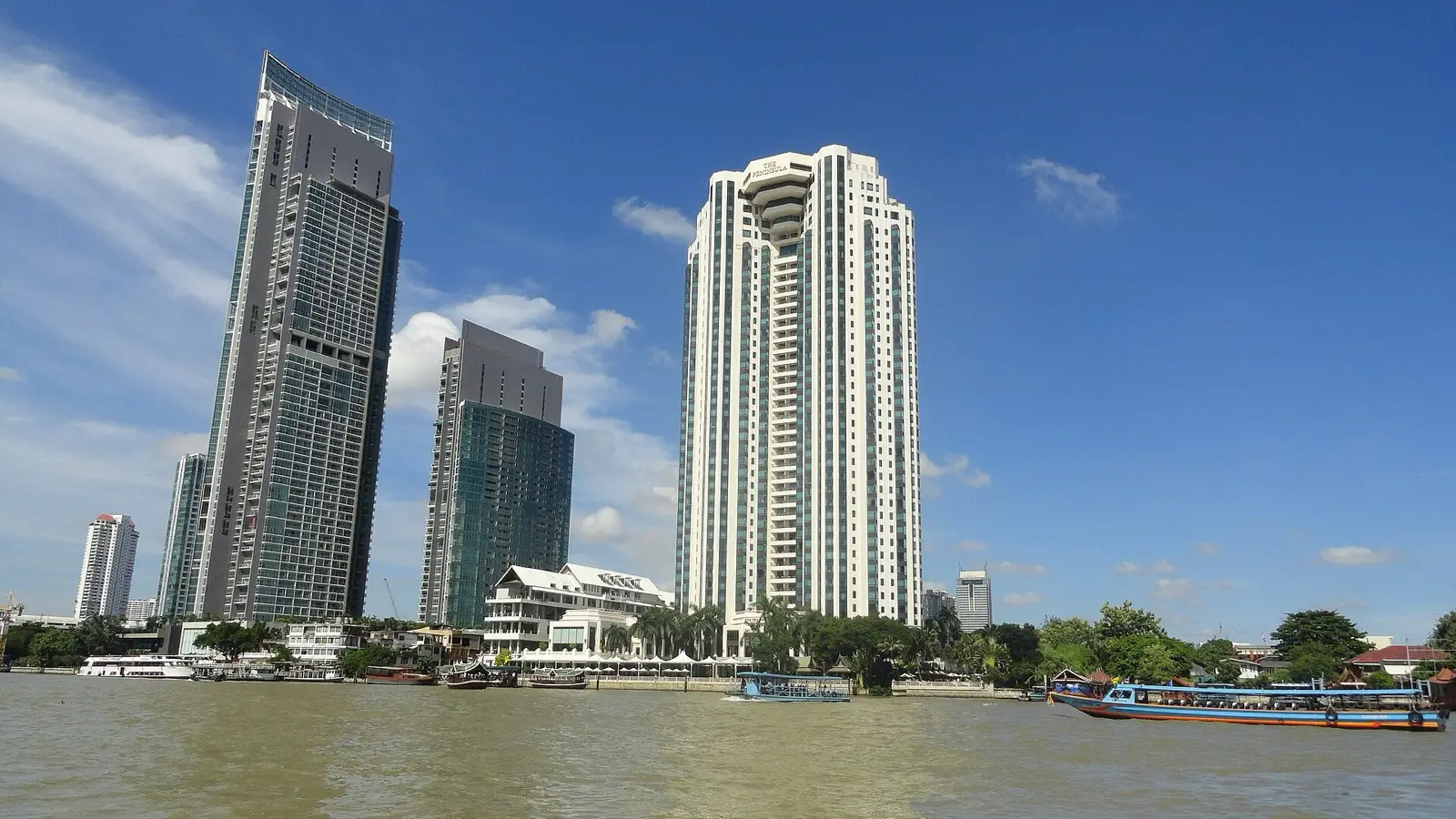
5 Best Bangkok Chao Phraya Riverside Hotels: Free ICONSIAM Shuttle Boats, Sunset Rooftop Pools, and Value River Stays
When planning a getaway to Bangkok, escaping the concrete canyons of Sukhumvit and Siam for the historic banks of the Chao Phraya River unlocks the authentic spirit of the Venice of the East. Dining on tropical breakfast spreads as longtail commuter boats glide across morning waters, and soaking in sunset rooftop infinity pools with chilled cocktails as the city skyline turns molten gold represents a sensory luxury unique to riverfront living. Critically, leading riverside properties eliminate Bangkok notorious traffic gridlock by operating complimentary private wooden shuttle boats running every twenty to thirty minutes between Sathorn Pier (BTS Saphan Taksin) and the mega-lifestyle hub ICONSIAM. From stylish design boutique gems priced near $100 per night to premier five-star urban sanctuaries framing front-row views of Wat Arun, here is an expertly curated review of Bangkok finest riverside stays.
Global Traveler Ride-Hailing Playbook: Grab, Uber, and Bolt Fare Hacks, DCC Elimination, and Airport Pickups
Stepping out of an international arrival terminal into a cacophony of aggressive touts and inflated taxi fares can instantly sour a holiday. Persistent airport scams like refusing the taximeter, claiming flat exorbitant prices, double-charging highway tolls, or taking circuitous detours remain universal traveler headaches from Southeast Asia to Southern Europe. Fortunately, mastering contemporary ride-hailing applications including Grab, Bolt, Uber, and Japan's GO completely revolutionizes airport and urban transit. By locking in guaranteed upfront fixed fares, passengers eliminate awkward cash negotiations and language barriers entirely. However, a major trap lies in foreign payment settings: allowing in-app billing in home currency triggers punitive Dynamic Currency Conversion (DCC) markups between 3% and 8%. This exhaustive guide details regional app pairings, strategic local currency billing, airport-specific pickup bay navigation, and tricks to bypass peak surge pricing.
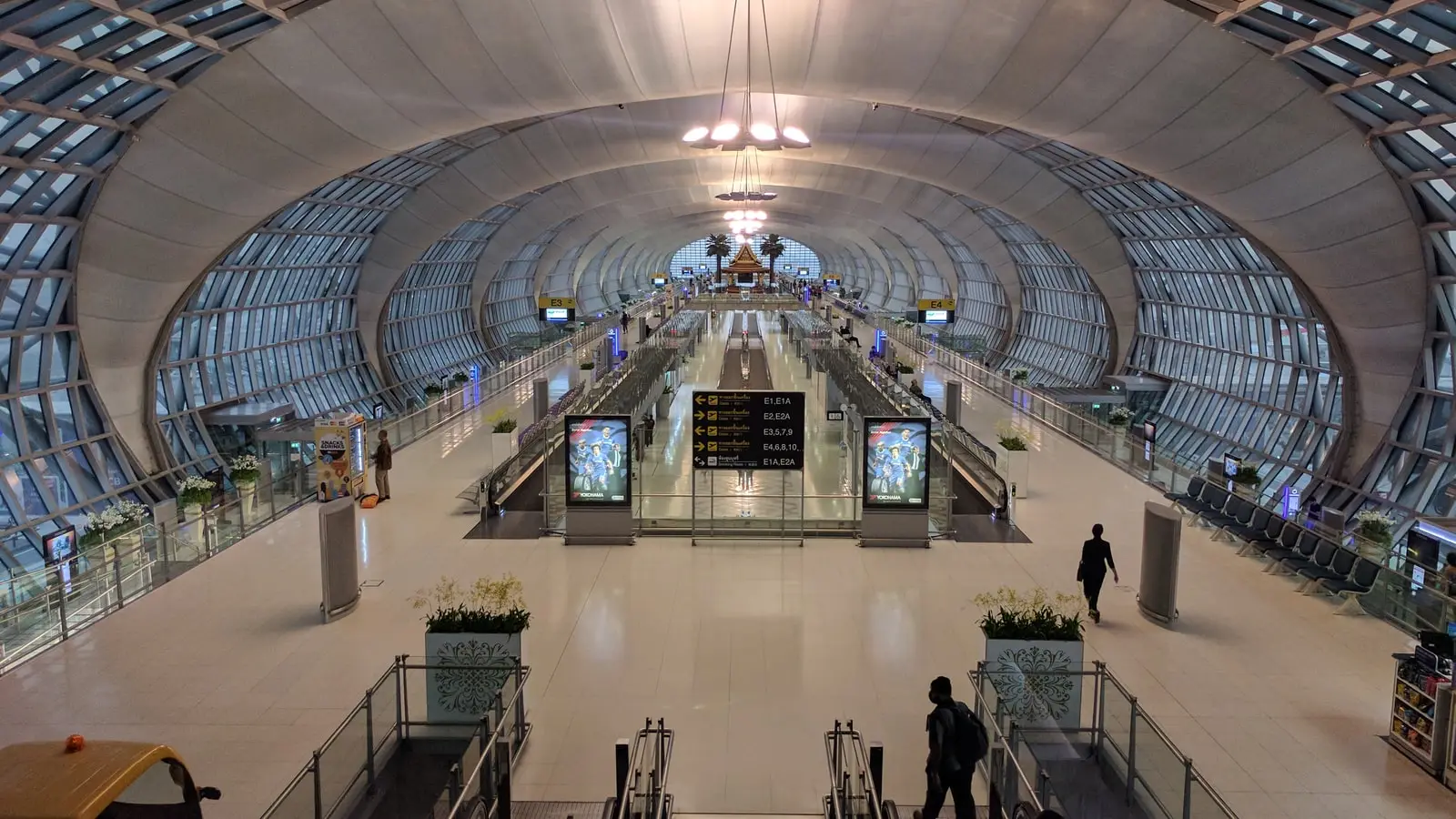
Suvarnabhumi Airport to Bangkok City: ARL Train for 45 Baht, Level 1 Public Taxis, Tolls, and Grab
The smartest gateway from Suvarnabhumi Airport into central Bangkok is the Airport Rail Link (ARL). Departing from basement level B, it reaches Phaya Thai terminus in 26 minutes for just 45 THB. For travelers with bulky bags or groups of three, official metered public taxis from Level 1 kiosk bays offer direct door-to-door comfort, with 75 THB expressway tolls paid in cash.