
Da NangStory
Splitting a Stay Between Da Nang and Hoi An: How Many Nights in Each
The golden 2+1 split-stay ratio: navigating Thu Bon River lantern boat markups, Grab long-distance airport transfers, and VND zero-commission card settings.
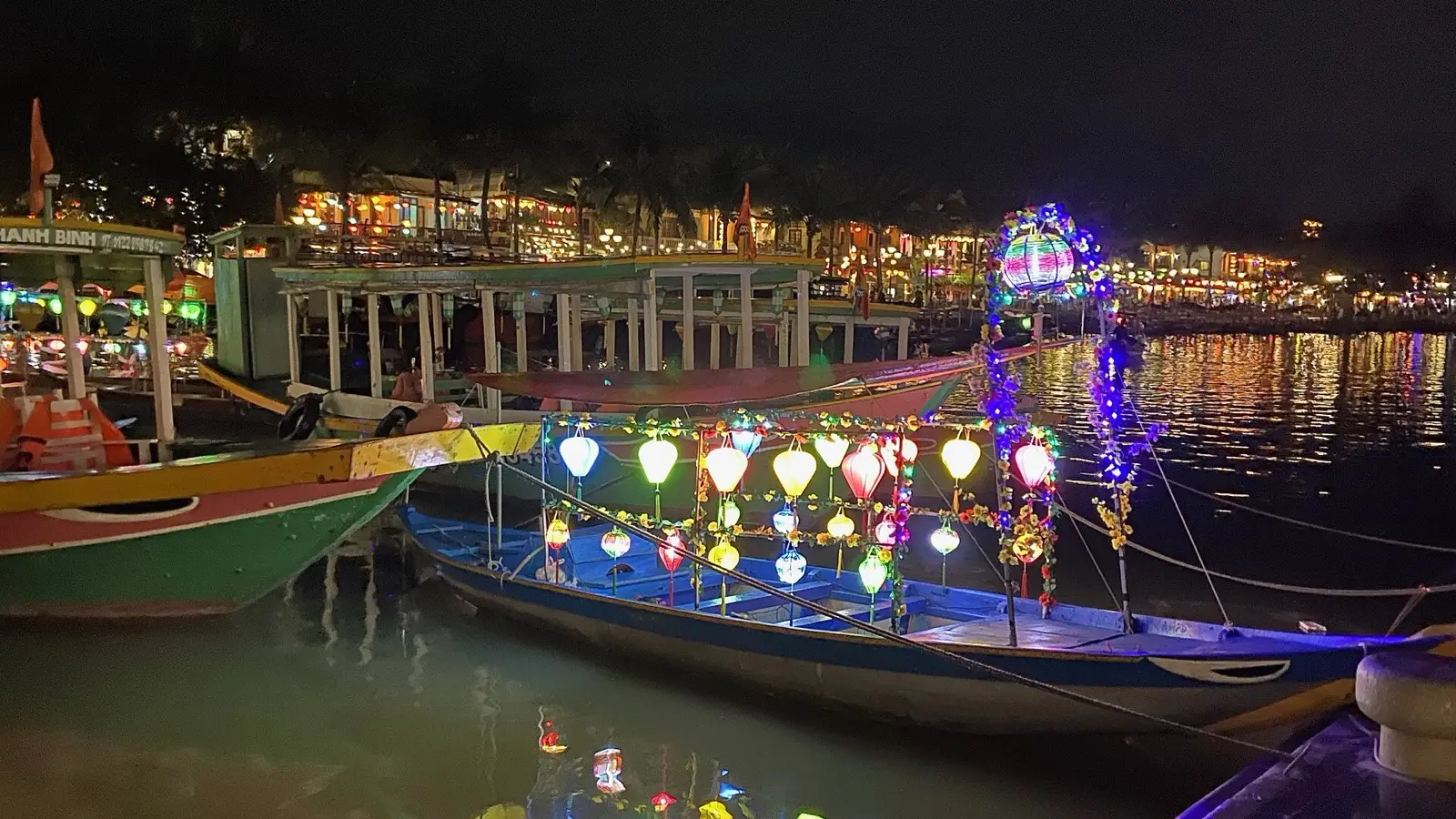
Thu Bon Sunsets and My Khe Surf: Two Cities Separated by Thirty Kilometers
At half past five in the afternoon, a forty-minute drive south from Da Nang International Airport lands you in Hoi An Ancient Town, a sanctuary preserved from another century. As twilight deepens along the historic Thu Bon River, silk lanterns in crimson, turquoise, and amber cast rippling reflections across water bordered by centuries-old ochre merchant shophouses. The daytime heat fades into a refreshing river breeze, carrying scents of warm crusty baguettes, fresh cilantro, and the soft wooden creak of sampan oars.
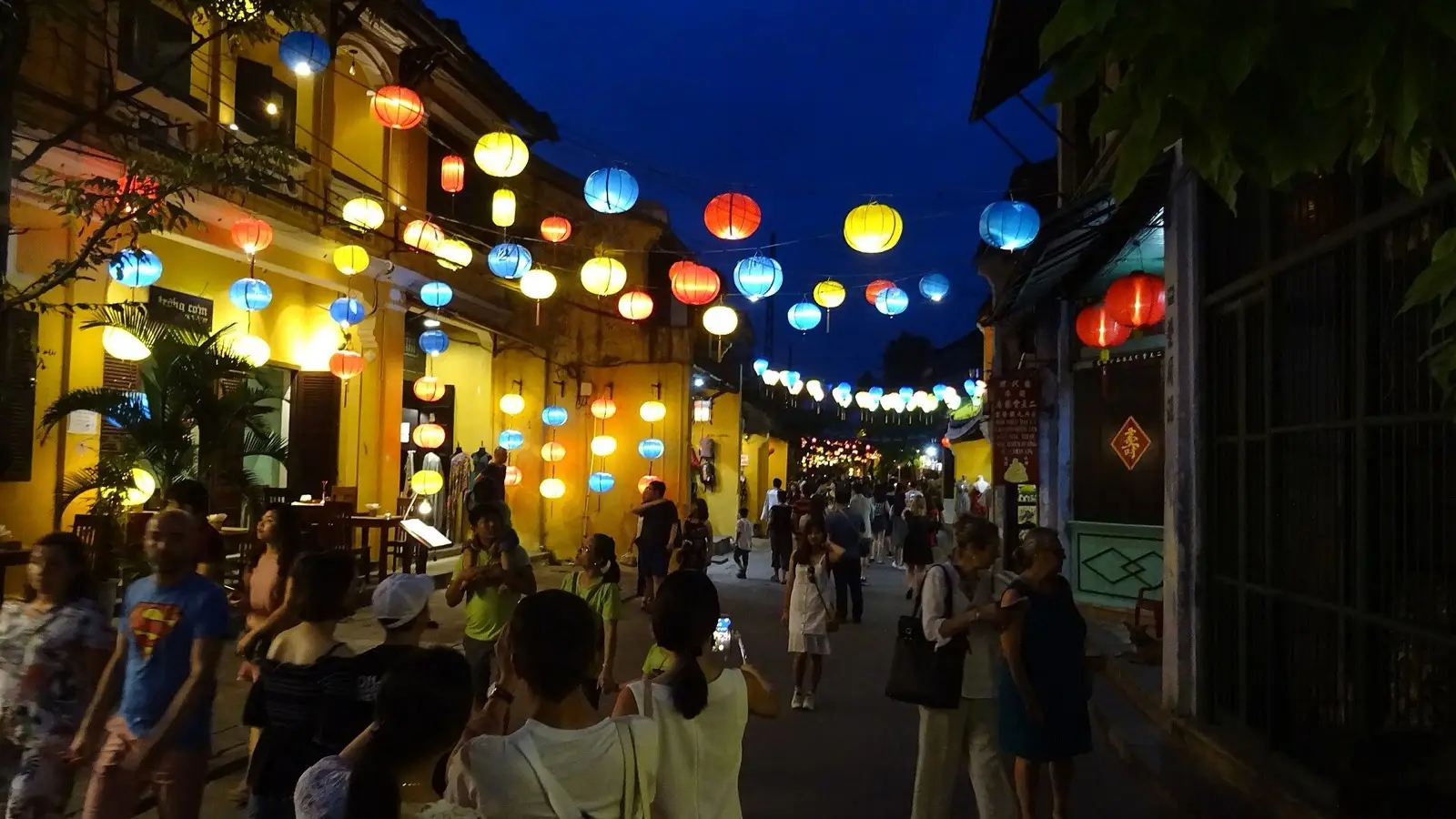
Most package tour groups make the mistake of treating Hoi An as an exhausting late-afternoon excursion from Da Nang, trailing tour flags for two hours before rushing back to their beach hotels. That rapid visit misses the soul of the ancient port entirely. The true magic reveals itself after half past nine at night, when day-trippers disperse and quiet returns to the cobblestones, or at seven the next morning as local residents bicycle past century-old timber shophouse facades.
To the north, Da Nang's My Khe Beach pulses with modern coastal energy. Sweeping South China Sea breakers roll onto endless white sands, early-morning swimmers gather at dawn, and contemporary five-star glass towers rise along coastal boulevards. Where Da Nang delivers urban convenience, expansive ocean vistas, and dynamic resort amenities, Hoi An offers slow-paced living, deep heritage, and sensory culinary indulgence.
Attempting to anchor your entire stay in just one of these cities creates unnecessary friction. The thirty-kilometer transit takes forty to fifty minutes each way, meaning round trips burn two hours and forty dollars in cab fares. To experience the complementary rhythm of central Vietnam, executing a structured split-stay itinerary across both destinations is the only rational approach.
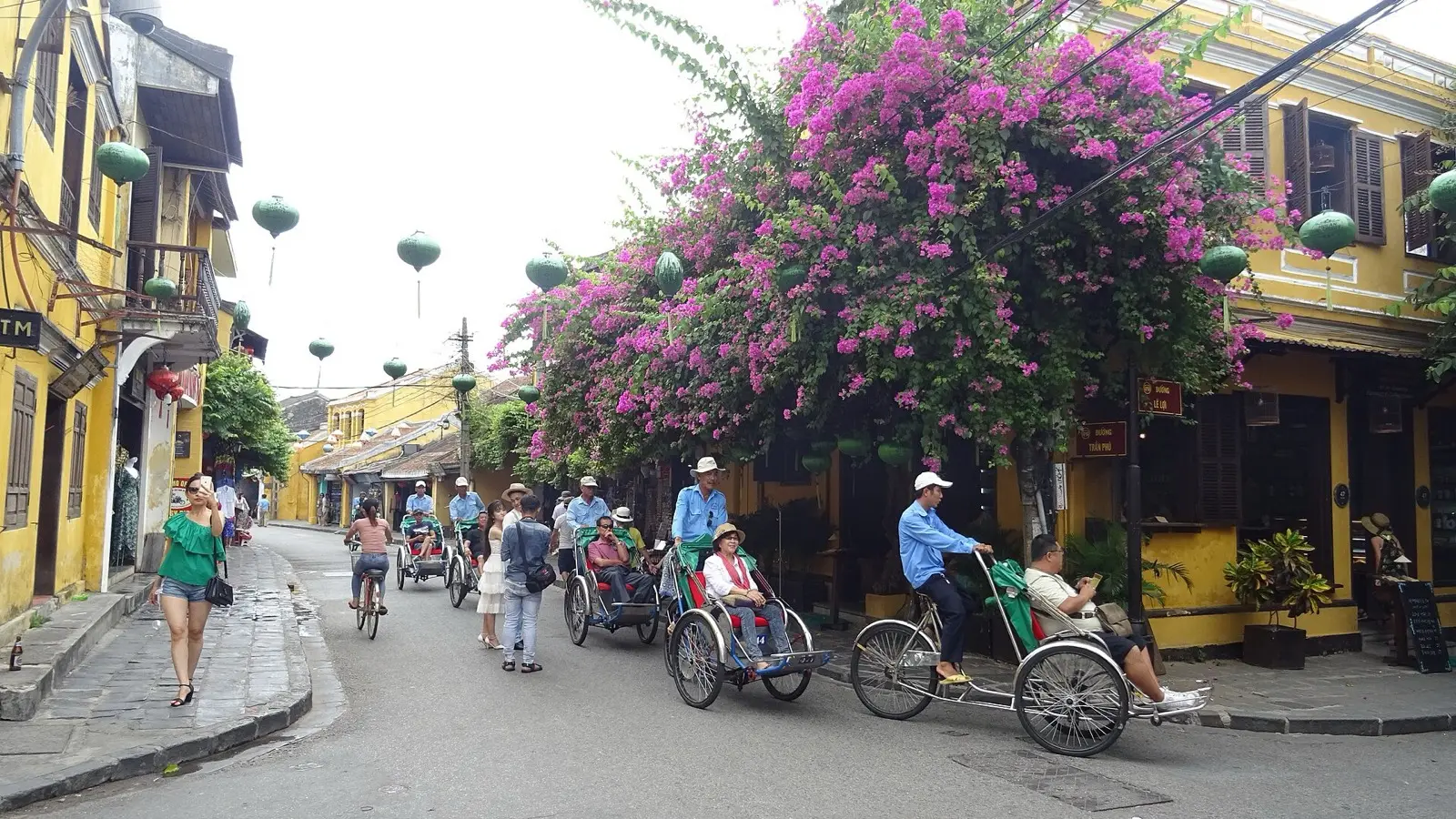
The Economics of the 2+1 Split-Stay: Auditing $150 Resort Value
For a typical four or five-night journey through central Vietnam, allocating two nights along Da Nang's coastline and one or two nights inside Hoi An achieves ideal equilibrium. Spend the first two nights in a sleek beachfront tower along My Khe Beach, exploring Ba Na Hills, the Lady Buddha pagoda, and lively seafood street stalls. Then transition south to a boutique riverside resort or private An Bang beach villa to dedicate your remaining days to unhurried culinary exploration.
This division also optimizes accommodation spending. Modern four-star beachfront properties along My Khe Beach frequently price between $50 and $90 per night including full breakfast, a fraction of comparable Asian coastal hubs. Redirecting your savings toward Hoi An allows you to secure expansive boutique pool suites with lush courtyard gardens and open-air bathtubs for $130 to $180 per night.
Guarding against currency pitfalls on booking platforms is essential. When checking out on global booking portals, never allow the interface to charge your credit card in your home currency. Dynamic Currency Conversion (DCC) embeds an unfavorable three to five percent markup. Always specify Vietnamese Dong (VND) or US Dollars (USD) and use a zero-transaction-fee travel card. For cash exchanges, skip airport kiosks and visit authorized gold merchants near Da Nang's Han Market to secure peak interbank rates.
Baggage logistics between the two cities are effortlessly resolved using the Grab rideshare application. Leave your luggage with the Da Nang front desk upon morning checkout, enjoy lunch in town, and call a six-seater Grab around two o'clock to transport your party directly to your Hoi An resort. The one-way fare runs approximately 350,000 to 400,000 VND (around fifteen dollars), making it remarkably economical when split among travelers.

My Khe, Non Nuoc, An Bang, and Old Town: Neighborhood Blueprint
The core My Khe Beach strip suits travelers who demand immediate access to urban conveniences and ocean horizons. Cross the boulevard and pristine sand unfolds before you, while the streets behind host twenty-four-hour convenience stores, local seafood barbecues, and massage spas. Choosing a high-floor suite provides endless ocean sunrises, though guests sensitive to scooter traffic should request rooms above the twentieth floor.
Families and couples seeking quiet seclusion should head toward the Non Nuoc coastal strip midway between Da Nang and Hoi An. International luxury compounds like Hyatt Regency, Shilla Monogram, and Da Nang Marriott feature private beach frontages and sprawling lagoon pools. While these sanctuaries offer peaceful tranquility, dining outside the resort requires a ten to fifteen-minute taxi ride into town.
An Bang Beach, situated five kilometers northeast of Hoi An Ancient Town, has evolved into a bohemian coastal haven. Once a sleepy fishing village, it now attracts independent travelers with open-air beach clubs serving craft beer and grilled prawns directly on the sand. Staying in a boutique villa here offers refreshing ocean swimming combined with quick bicycle access to the historic center.
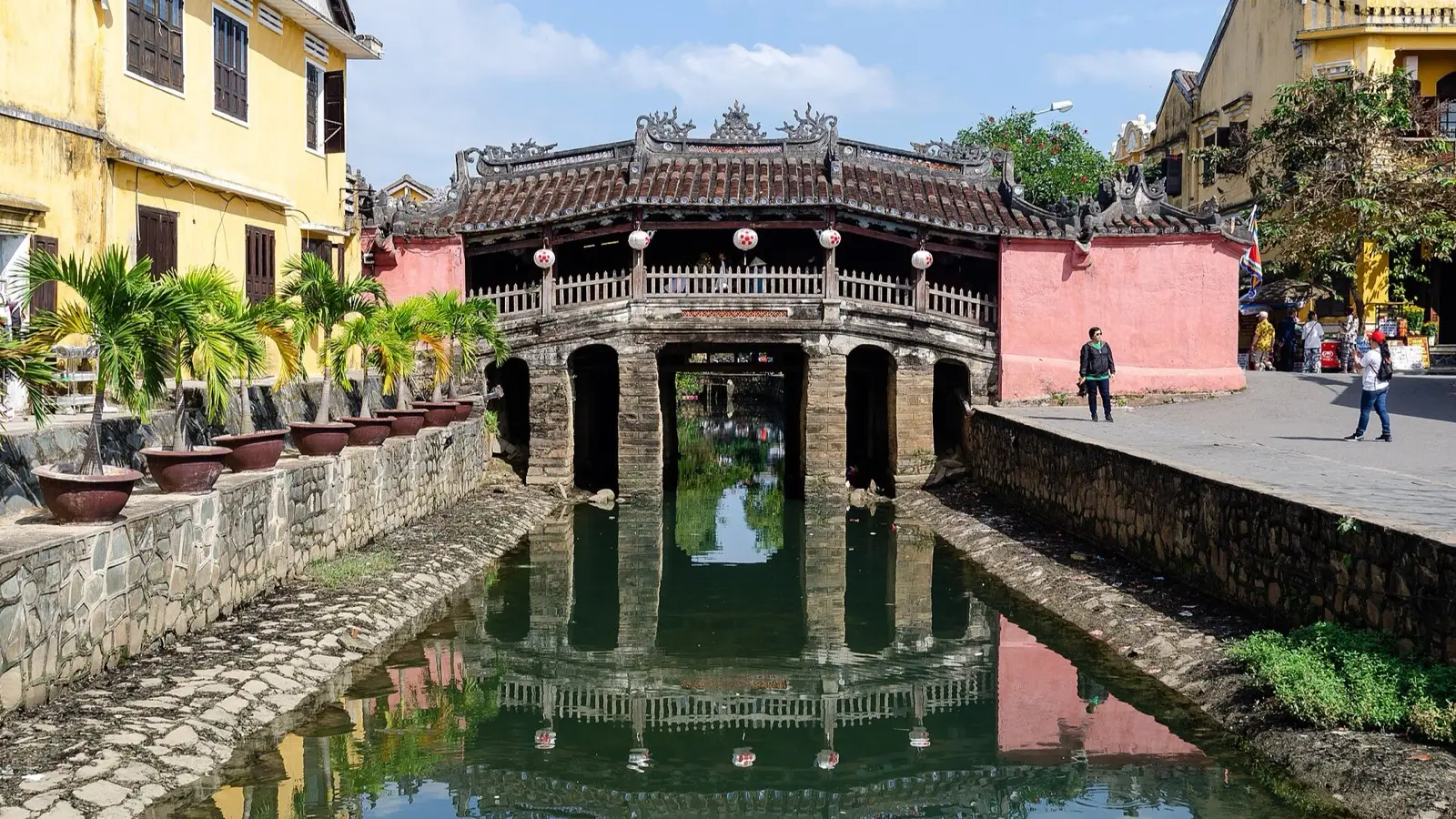
For direct immersion in cultural heritage, boutique resorts within walking distance of Hoi An Ancient Town (such as La Siesta or Allegro) remain the gold standard. Featuring French-colonial balconies, riverside terraces, and complimentary cruiser bicycles, these sanctuaries let you stroll into the lantern night market for dinner and wander back to your suite at midnight without transport friction.
When evaluating prospective resorts, scrutinize swimming pool landscaping and breakfast execution. Central Vietnam's tropical humidity makes outdoor sightseeing punishing between noon and three in the afternoon, meaning comfortable shaded cabanas and high-grade pool water are paramount. A property featuring a live pho noodle station ensures refreshing recovery before venturing out for the evening.
Thu Bon Lantern Boats and Ba Na Hills: Dodging Tourist Traps
Boarding a wooden sampan boat along the Thu Bon River is an iconic Hoi An ritual that frequently traps first-time visitors in price gouging. Street touts along the riverbanks aggressively quote 200,000 to 300,000 VND per passenger. However, municipal authorities enforce strict fixed pricing at official riverfront ticket kiosks: 150,000 VND for up to three passengers, or 200,000 VND for four to five guests per twenty-minute ride. Bypass street hustlers and purchase tickets exclusively at the yellow official booths.
Paper candle lanterns cost approximately 10,000 VND (under fifty cents) at roadside stalls. Buy two or three lanterns before boarding rather than purchasing them on the water at marked-up prices. Drifting along the dark river as your candle joins hundreds of glowing lights on the current delivers an evocative visual memory that easily justifies the modest fare.
Conquering Ba Na Hills, perched 1,487 meters above sea level west of Da Nang, requires precision timing against tour crowds and mountain weather. The viral Golden Bridge, held aloft by weathered stone hands, becomes overwhelmed with thousands of visitors by eleven in the morning, often obscured by afternoon fog. Departing central Da Nang at quarter past seven in the morning to board the opening eight o'clock cable car guarantees unobstructed photography across the empty suspension bridge.
For Ba Na Hills transport, booking a dedicated round-trip private car with driver is significantly more economical than calling on-demand rides. Drivers comfortably wait four to five hours in the parking facility, costing approximately 550,000 to 650,000 VND (around twenty-five dollars) total, preventing stranded waits for return cabs during peak afternoon rain showers.
Warm Crusty Banh Mi and Condensed Milk Coffee: What Central Vietnam Leaves Behind
Late at night, as lantern lights dim along Hoi An's riverbanks, the crackle of fresh baguettes emerges from street carts on quiet corners. Biting into a warm banh mi from Madam Khanh, layered with savory pate, crisp cucumber, fresh herbs, and spicy chili sauce, provides immediate culinary revelation. Priced at barely thirty thousand dong, this humble sandwich rivals Michelin-starred courses in authentic flavor.
Morning calls for pulling up a low plastic stool at an open-air sidewalk cafe to watch dark drip coffee slowly filter through a metal phin onto sweetened condensed milk. Stirring ice into the brew creates a bold, bittersweet elixir that cuts through tropical morning humidity, offering an authentic taste of Vietnamese street culture.
The enduring appeal of Da Nang and Hoi An lies in their harmonious coexistence: the indulgence of modern oceanfront resorts balanced against the quiet dignity of a five-hundred-year-old trading post. Lazy sunny afternoons by the pool paired with reflective evening strolls beneath glowing silk lanterns leave an indelible imprint on the traveler's spirit.
Boarding your departure flight at Da Nang Airport with roasted coffee beans and colorful silk lanterns packed in your luggage, you realize that splitting your days between coast and heritage was the finest decision of your journey, providing lasting energy long after returning home.
Frequently Asked Questions
Field-tested answers to transit navigation, neighborhood choices, and payment traps.
Q1.How many nights should I split between Da Nang and Hoi An?
Q2.How much is a Grab from Da Nang to Hoi An?
Q3.How much should a Thu Bon River lantern boat ride cost in Hoi An?
Q4.Can cars and motorbikes enter Hoi An Ancient Town?
The Smart Traveler's Essential Toolkit
Prepare instant mobile data, private airport transfers, and skip-the-line passes in one place.
Pick a base in Da Nang by your route
Choose the places you want to see and get the neighbourhood with the shortest travel.
Compare Da Nang Hotel Rates
Find the cheapest channel across Agoda and major booking engines with Tripdify.
Share This Guide with Your Companions
When shared via chat or social media, a curated summary card is sent along.

Recommended Guides
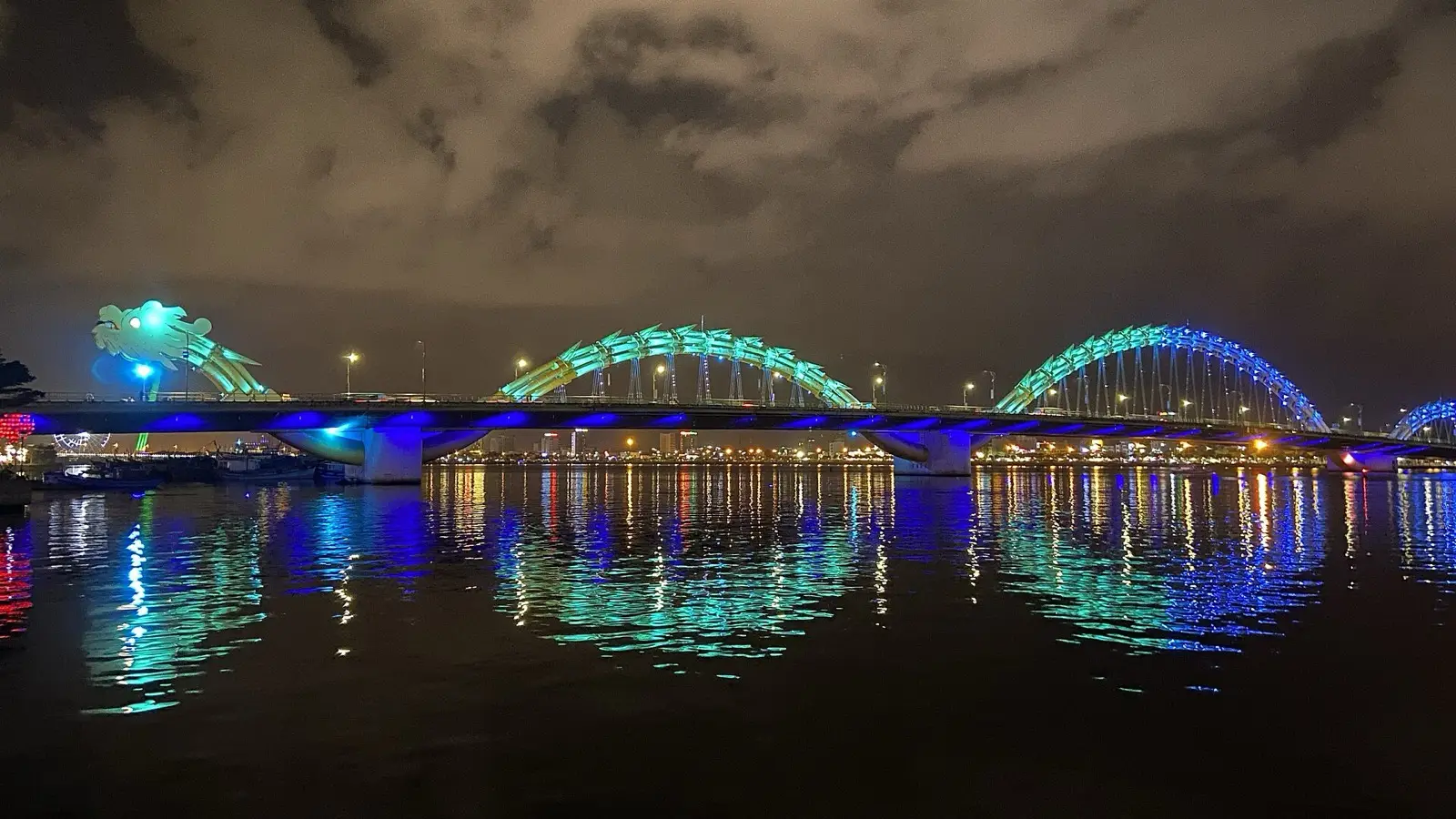
Da Nang Resorts and Pool Villas: When to Book for the Best Rate
A strategic breakdown of My Khe, Non Nuoc, and Hoi An lodging hubs, locking in 60-day early-bird villa rates, and mastering VND zero-markup payments.
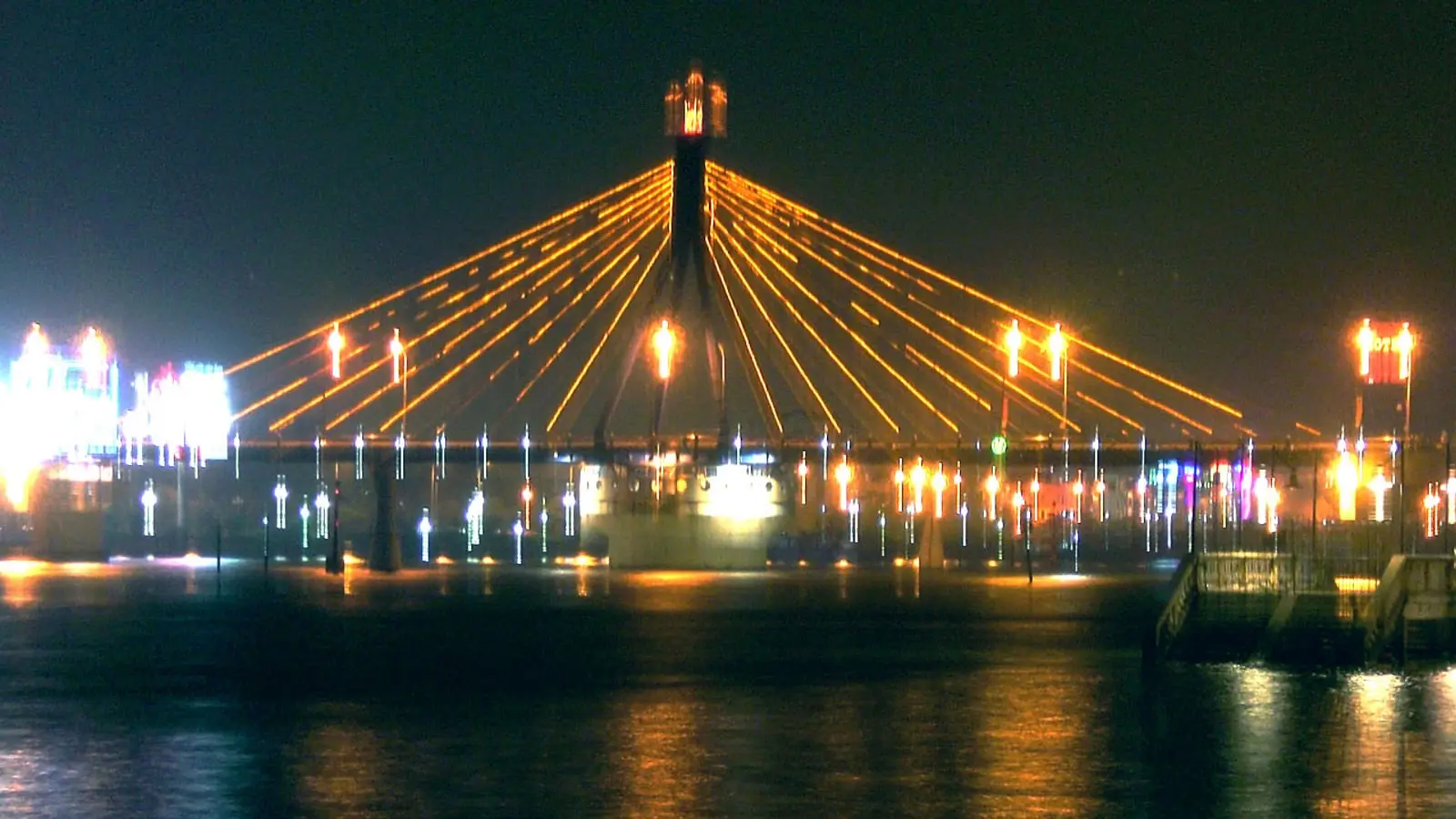
Where to Stay in Da Nang: My Khe Beach, the Han River or Hoi An
How to dodge airport taxi traps with official Grab bays in Da Nang, analyze ride-hailing economics, and choose the right stay between My Khe Beach, downtown, and Hoi An.
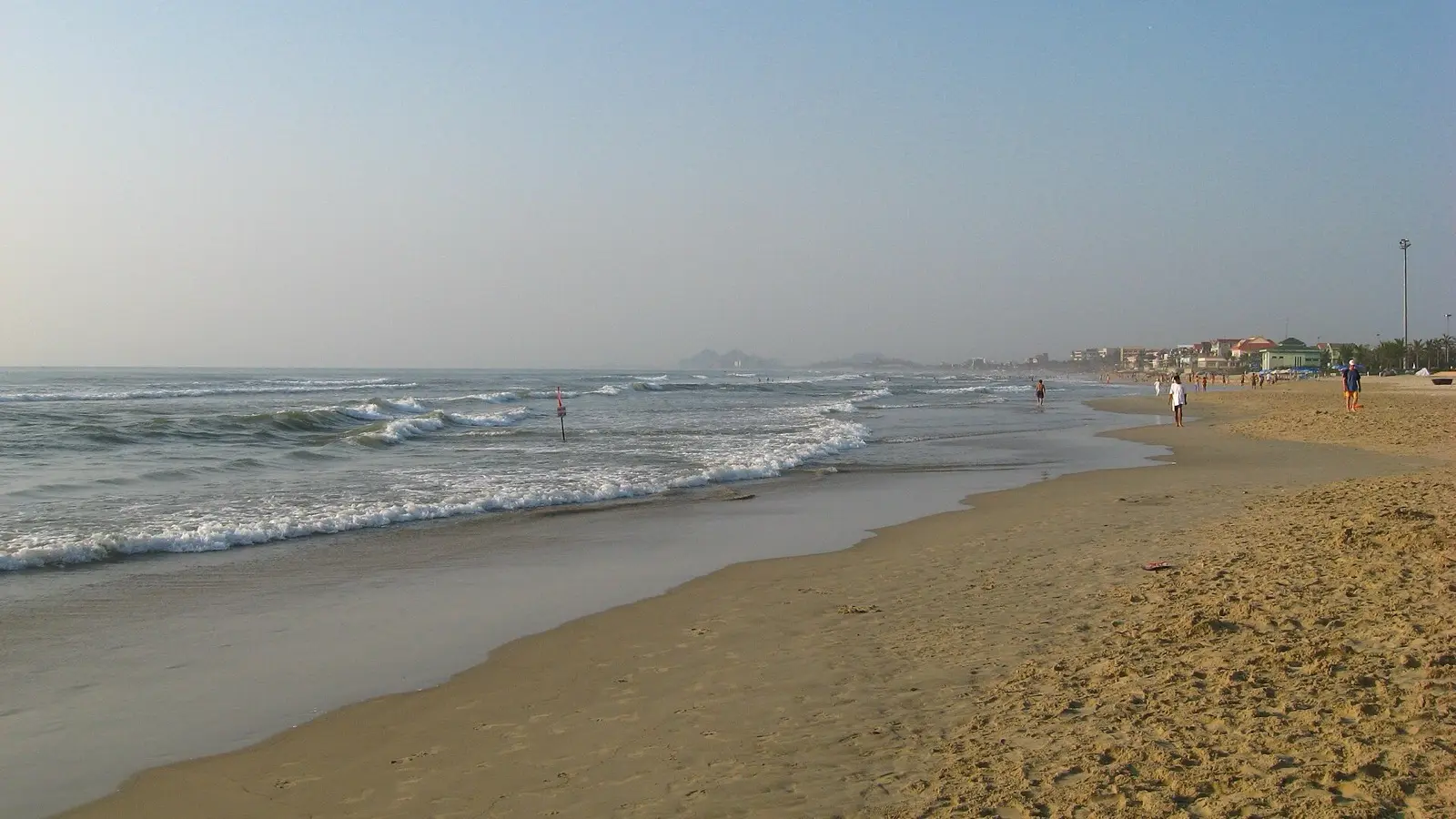
Da Nang Day 1 Itinerary: Airport to the City and Your First Night on My Khe Beach
From escaping Da Nang airport crowds via official Grab bays and swapping cash near Han Market, to stress-free bánh mì ordering and Dragon Bridge sunsets. A veteran playbook for your first 24 hours.

Da Nang Day 2 Itinerary: Ba Na Hills Golden Bridge, Marble Mountains and the Dragon Bridge
An exhilarating day connecting Danang's mountain heights, coastal wonders, and illuminated riverbanks: ascend through morning clouds aboard world-record cable cars to the iconic Golden Bridge at Sun World Ba Na Hills, explore mystical cavern shrines bathed in natural skylight inside Marble Mountains, feast on fresh grilled seafood along My Khe Beach, and cap off the night witnessing the fire-breathing Dragon Bridge over the Han River.

Da Nang Day 3 Itinerary: Son Tra Peninsula, Han Market Shopping and the Airport Run
A sublime finale to your central Vietnam holiday: morning vistas beneath the 67-meter Lady Buddha on the Son Tra Peninsula, lively bargaining for artisan coffee and roasted cashews inside Han Market, coconut basket boat rides, rejuvenating pre-flight hot-stone spa rituals, followed by a swift 15-minute Grab ride to Danang International Airport for effortless departures.
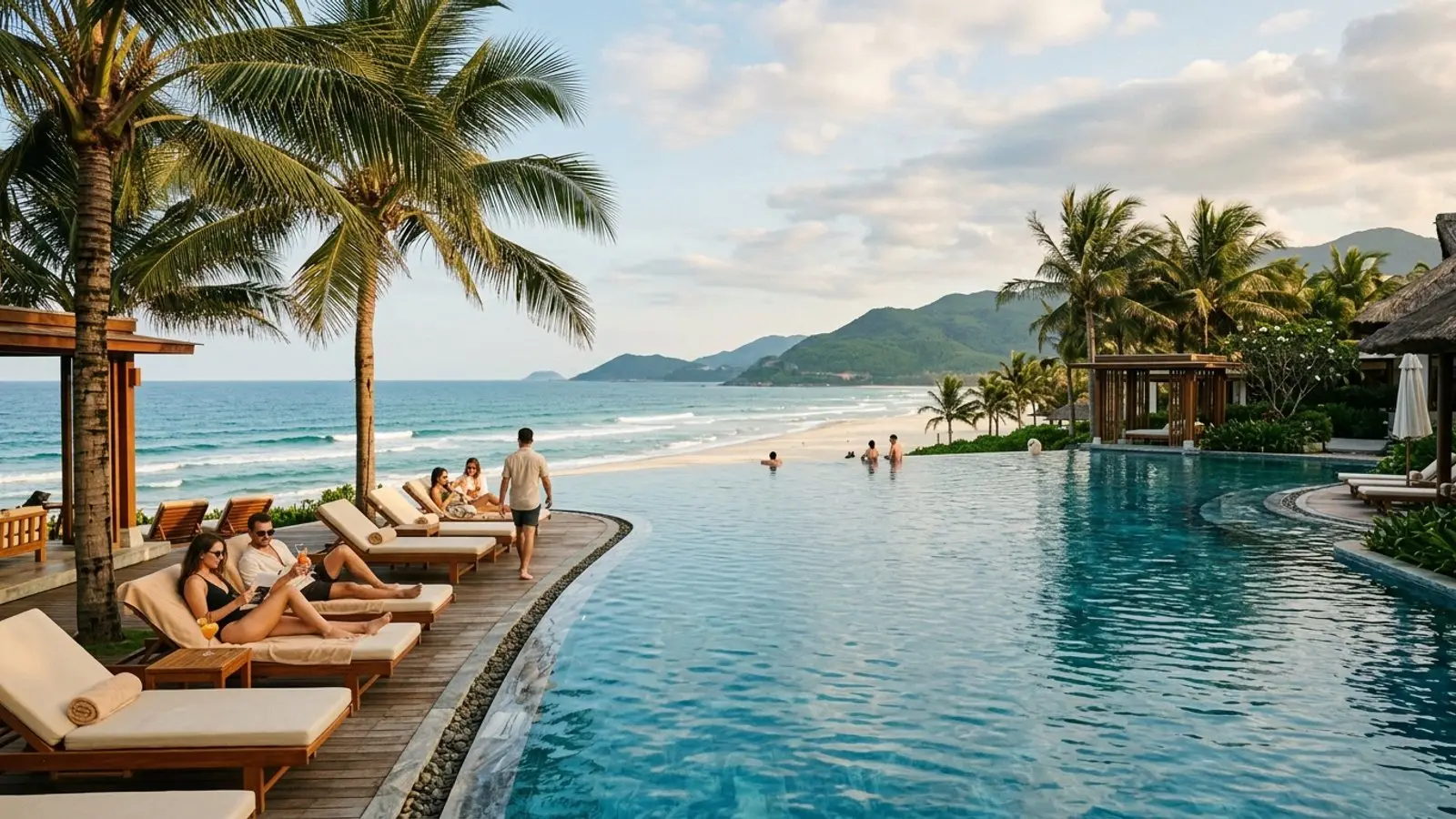
Da Nang and Hoi An Beachfront Resort Field Guide: My Khe, Non Nuoc, and An Bang Pool Villas Compared
The coastal corridor linking Da Nang to Hoi An offers arguably the finest value-to-luxury ratio in Southeast Asia, spanning five-star oceanfront towers for under 70 dollars a night to sprawling multi-bedroom private pool estates nestled in palm groves. Yet selecting accommodations based merely on aerial beach photography often leads to regret: staying directly on busy thoroughfares subjects light sleepers to relentless scooter horns, while booking remote resort outposts saddles families with 40-minute cab rides for every restaurant outing. From urban My Khe and the tranquil sands of Non Nuoc to bohemian An Bang and the dramatic sea cliffs of the Son Tra Peninsula, here is your unvarnished field guide to navigating Da Nang's resort landscape.
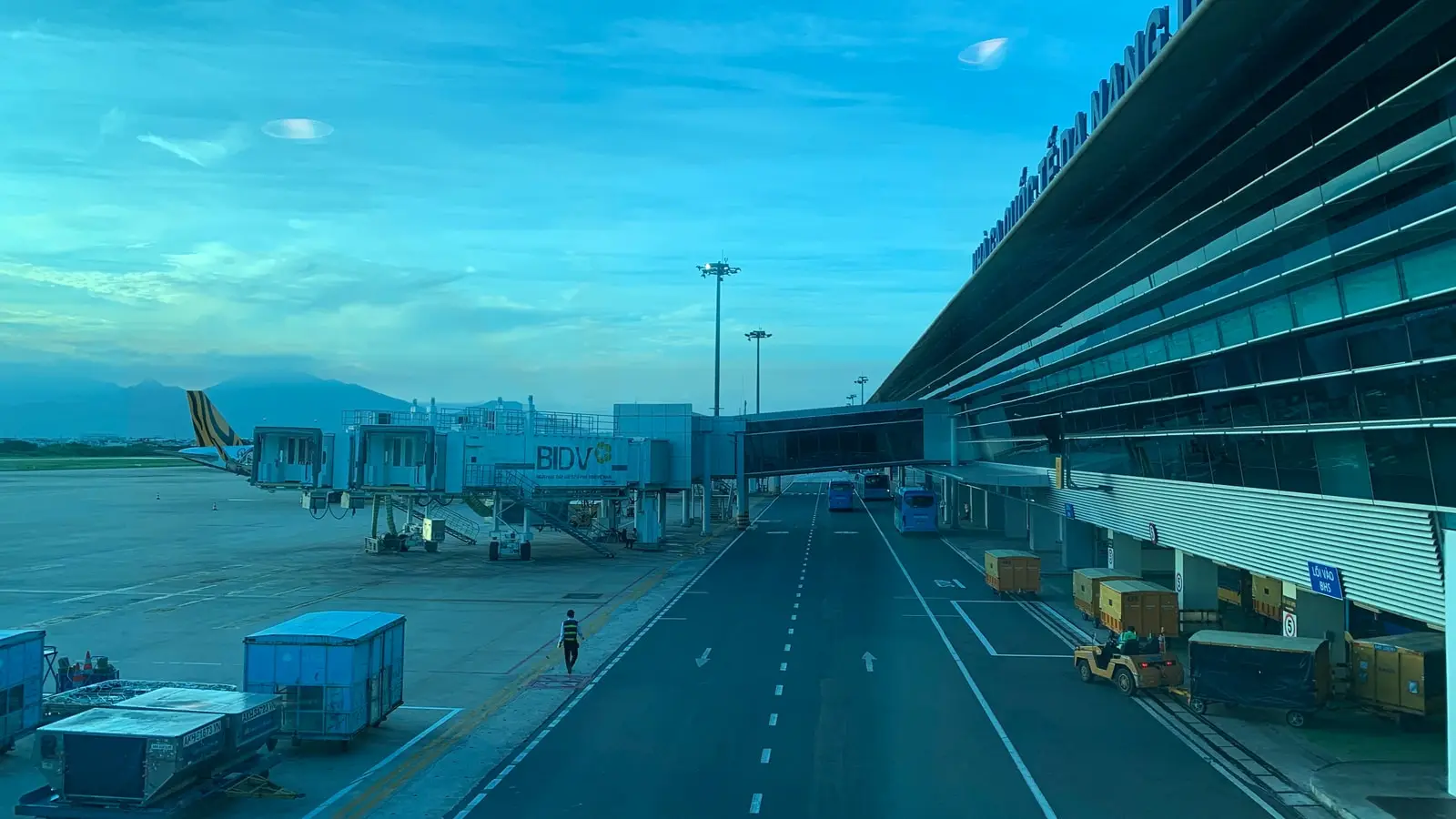
Da Nang Airport to City, My Khe & Hoi An: Grab Bays, 350K VND Private Cars, Tolls & Scams
Da Nang International Airport (DAD) sits extraordinarily close to the urban core, located barely ten minutes (3 km) from Han Market and Dragon Bridge, and fifteen minutes from My Khe Beach. However, stepping outside the arrivals hall exposes travelers to aggressive touts masquerading as Grab drivers. For travelers heading directly to Hoi An (28 km), pre-booking a private transfer for 300,000 to 350,000 VND is vastly cheaper than metered airport cabs.

Where to Stay in Tokyo: Shinjuku vs Shibuya vs Ginza
Comparing room footprints across Shinjuku, Ginza, and Ueno, locking in sudden 14-day cancellation drops, and eliminating DCC fees with clean Yen checkout.
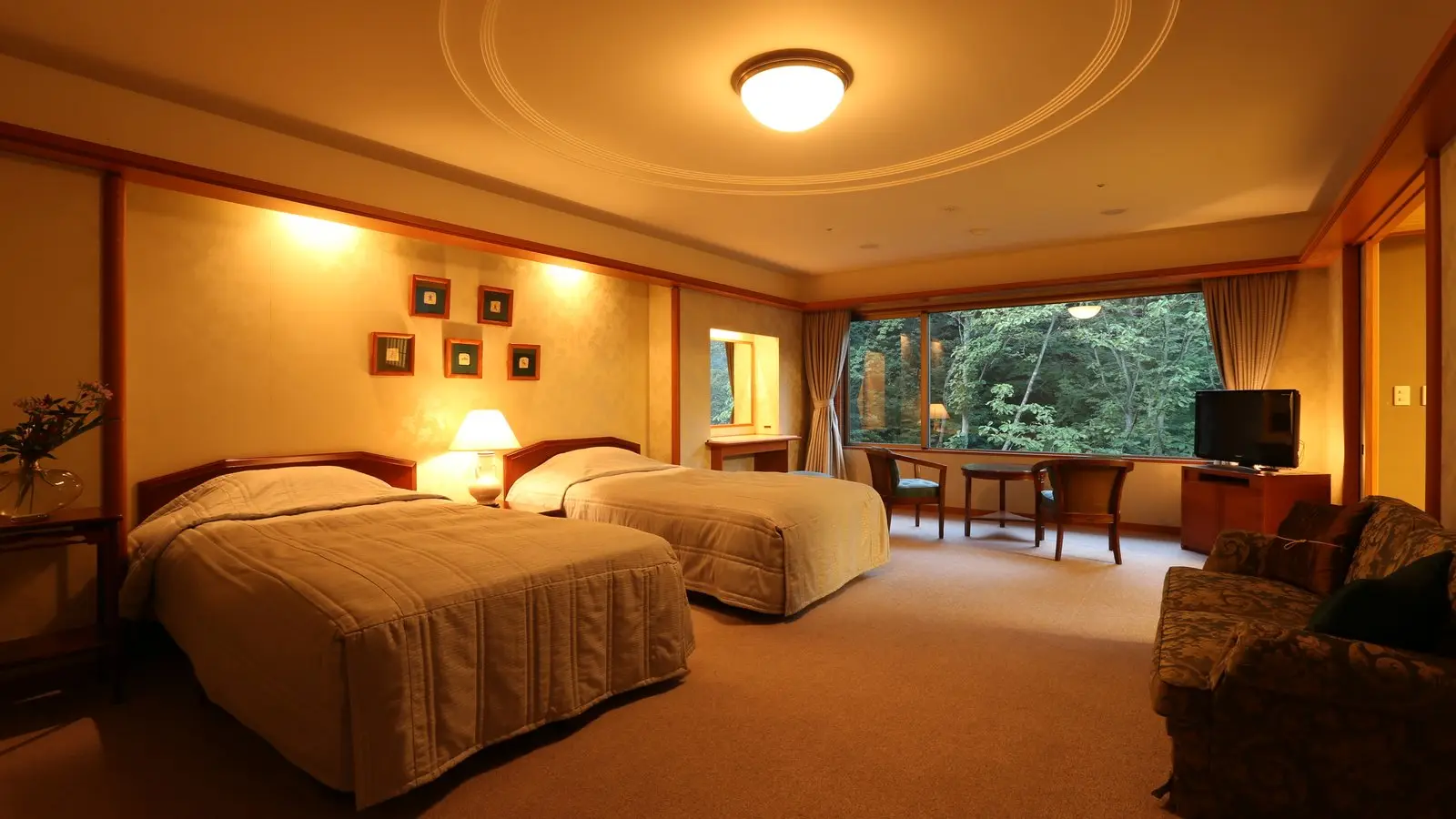
7 Budget Hotels in Tokyo Under $100 on the Yamanote Line
Even amid yen fluctuations, central Tokyo hotel rates have soared. Learn how to secure Yamanote loop line hotels at half the price of Shinjuku, compare onsen bath chains like Dormy Inn, trigger secret Agoda VIP and Booking.com Genius discounts, and dodge hidden currency fees with yen settlement.

How to Read the Tokyo Subway Map and Where to Stay on the Yamanote Line
How to choose between Keisei Skyliner and Narita Express, avoid the Tokyo Subway Ticket trap, use Apple Wallet Suica, and select the ideal hotel base in Tokyo.

Tokyo Day 1 Itinerary: Narita Airport to the City and Your First 24 Hours
From stepping off at Narita Airport to mastering high-speed trains, navigating Tokyo's sprawling transit hubs, ordering counter ramen effortlessly, and catching sunset from Roppongi Hills. A definitive guide for your first 24 hours in Tokyo.

Tokyo Day 2 Itinerary: Booking Shibuya Sky, Harajuku Backstreets and Roppongi at Night
Securing prime sunset slots atop Shibuya Sky, navigating hidden boutiques along Harajuku Cat Street, immersing in the forested serenity of Meiji Jingu, and marveling at the crimson glow of Tokyo Tower from Roppongi Hills. A masterclass in Day 2 pacing.