
LondonCurated
Where to Stay in London: Soho, Shoreditch, Kensington and the South Bank
Evading the £10 Oyster card fee trap via contactless tapping, mastering the Elizabeth Line, and navigating townhouse walk-ups.
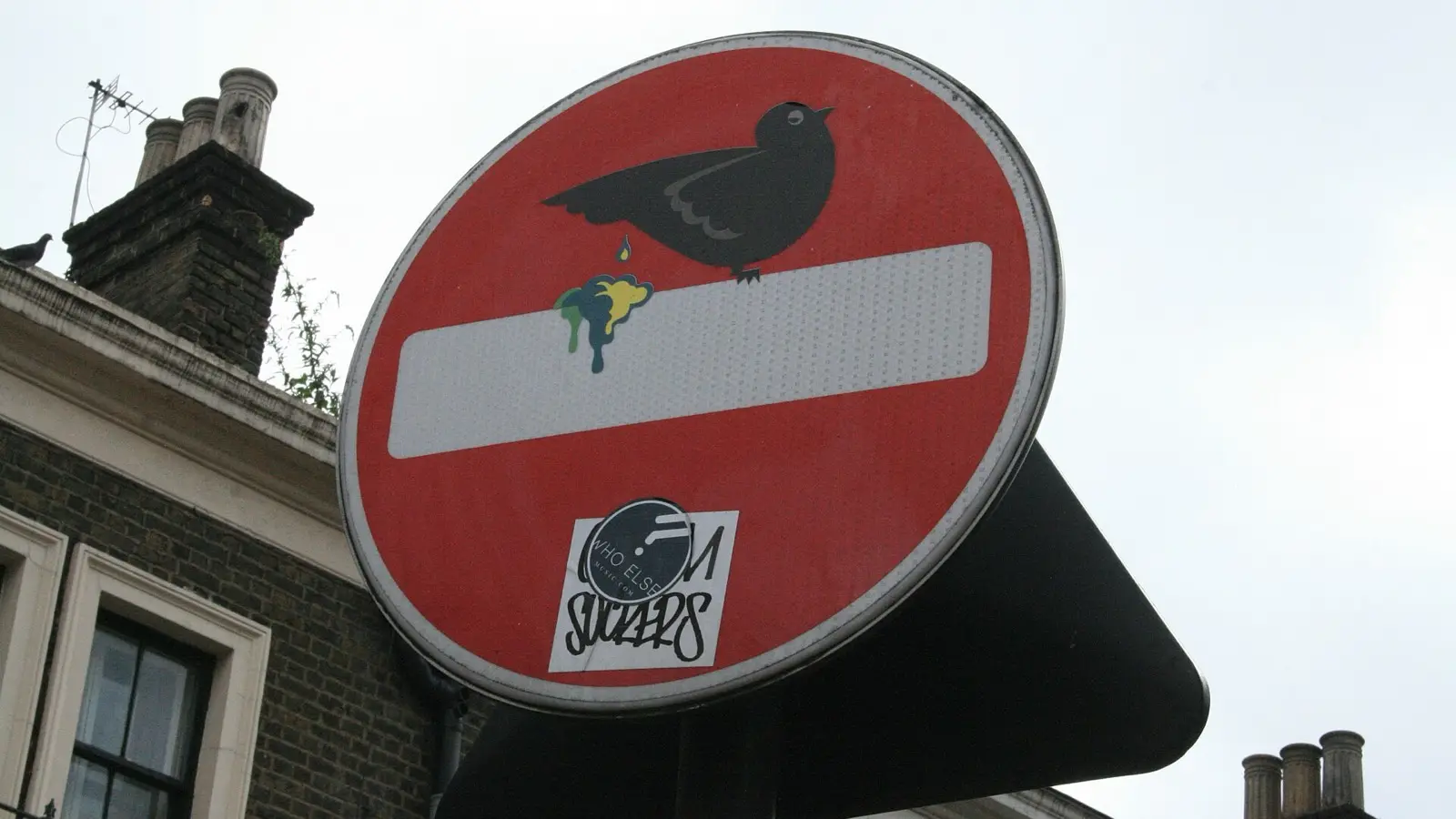
The Four Urban Villages of London: Soho, Shoreditch, Kensington, and South Bank
London's hotel market carries a notorious global reputation for high prices and claustrophobic square footage. Spending less than £200 a night frequently lands you in a windowless 10-square-meter basement room. Booking blindly under the vague umbrella of Central London almost guarantees frustration with deafening street noise or awkward tube connections. Success hinges on matching your lifestyle rhythm to the distinct personalities of London's four primary quarters.
For travelers who thrive on late-night energy, theater culture, and walking access to the West End, Soho and Covent Garden reign supreme. When an evening musical wraps past 10:30 PM, you stroll leisurely back to your room without scrambling for midnight tube connections. Heritage pubs and subterranean jazz dens flank your doorstep, though you must accept weekend street bustle and historic narrow stairwells.
If you gravitate toward industrial minimalism, cutting-edge art, and artisan coffee, Shoreditch in East London is your creative haven. Converted Victorian brick warehouses now host aesthetic design properties like The Hoxton and Redchurch boutique ateliers. Sunday mornings place you within strolling distance of the Columbia Road Flower Market and Brick Lane vintage stalls, well served by the Overground and Northern lines.
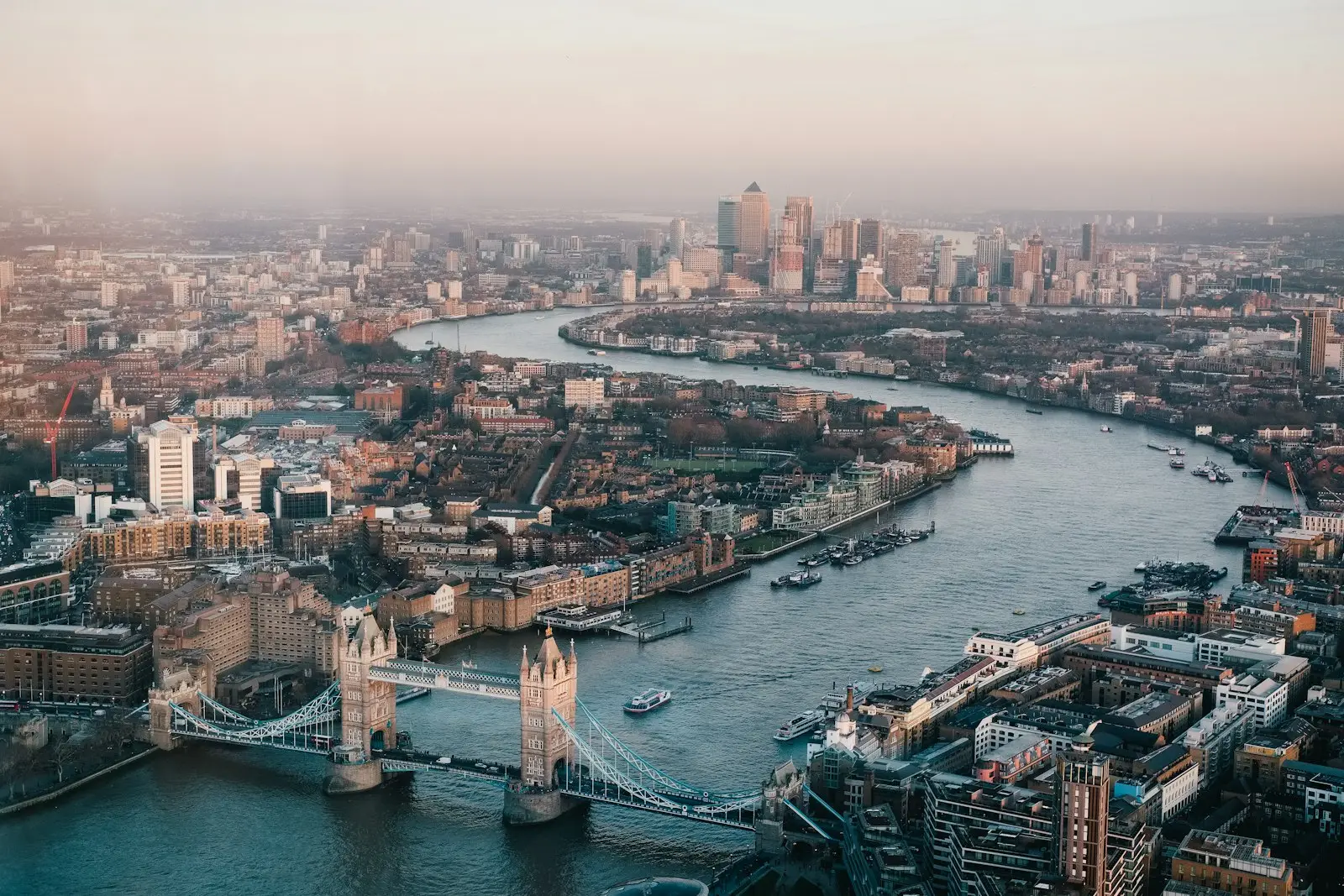
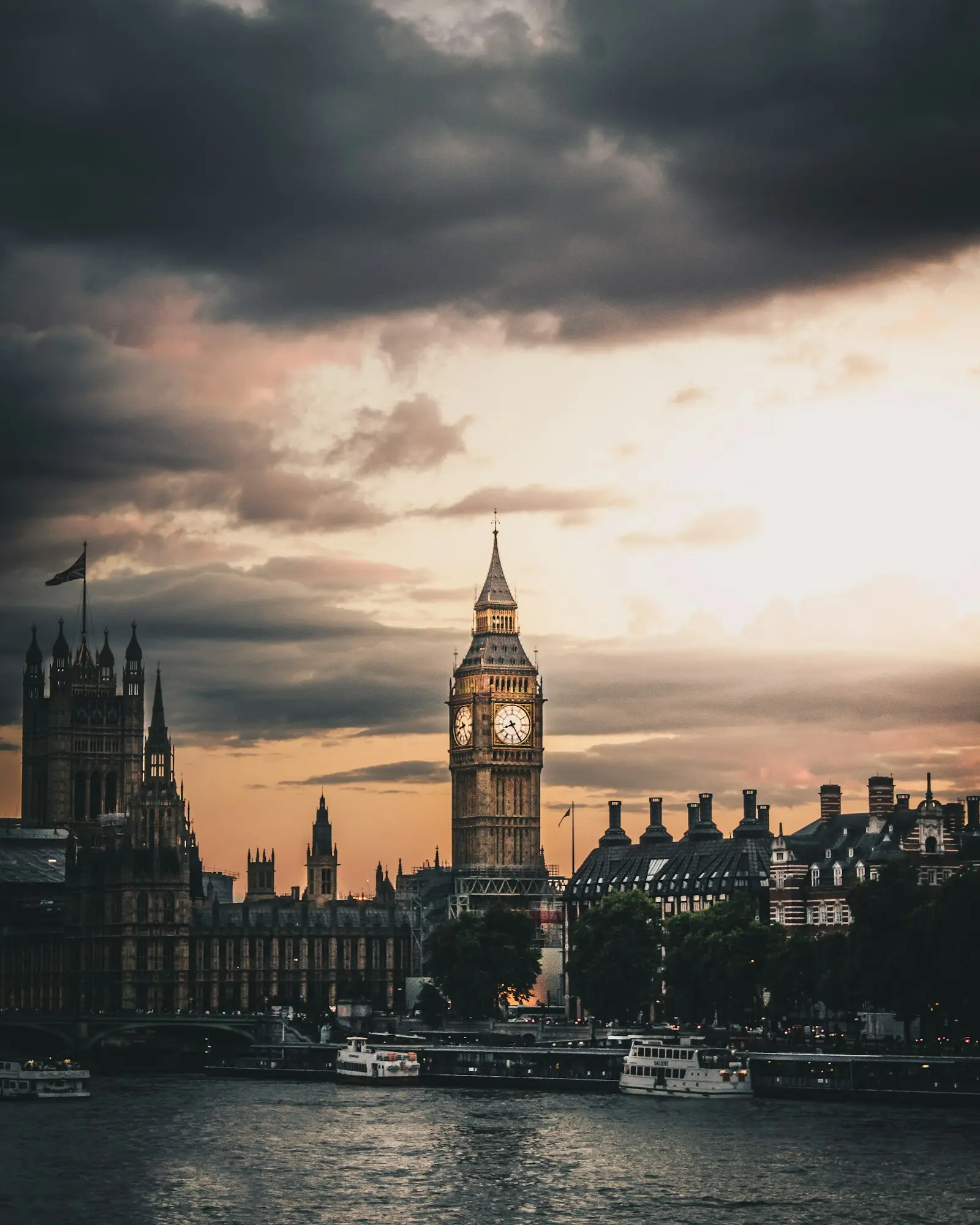
For tranquil luxury, family security, and manicured garden squares, head west to South Kensington. Flanked by the Natural History Museum, Victoria and Albert Museum, and sprawling Hyde Park, this neighborhood showcases white stucco Victorian townhouses and represents the safest residential enclave in London. Lastly, South Bank pairs panoramic Thames river skyline views with immediate access to Tate Modern and Borough Market.
The £10 Oyster Card Fee Trap and Contactless Math: Zones 1 and 2 Daily Cap Economics
The most common financial mistake arriving travelers make at Heathrow ticket kiosks is purchasing a traditional plastic Oyster Card. Transport for London (TfL) turned the old refundable deposit into a non-refundable card fee in September 2022, and in September 2025 that fee rose from £7 to £10. Attempting to refund unused card balances has become equally cumbersome.
The professional solution is utilizing your existing contactless credit card or smartphone Apple Pay. Tapping any contactless payment card displaying the four-curved radio wave symbol on the yellow card reader grants precisely the identical discounted fare structure as an Oyster Card, with zero card issuance fees and zero trapped leftover currency.
The crown jewel of London transport economics is the Daily Cap. Within central Zones 1 and 2, whether you take five Underground journeys or fifteen bus hops, TfL automatically freezes your total transit deduction once you hit the daily ceiling of £8.90. You hit this cap after merely three tube rides, drastically reducing transportation overhead if your hotel borders the Zone 1 and 2 perimeter.
One crucial operational rule applies: you must tap in and tap out using the exact same physical card or device. Entering the turnstile with a physical plastic card and exiting with an Apple Watch linked to that same card registers as two separate incomplete journeys, triggering two maximum penalty fares on your statement.
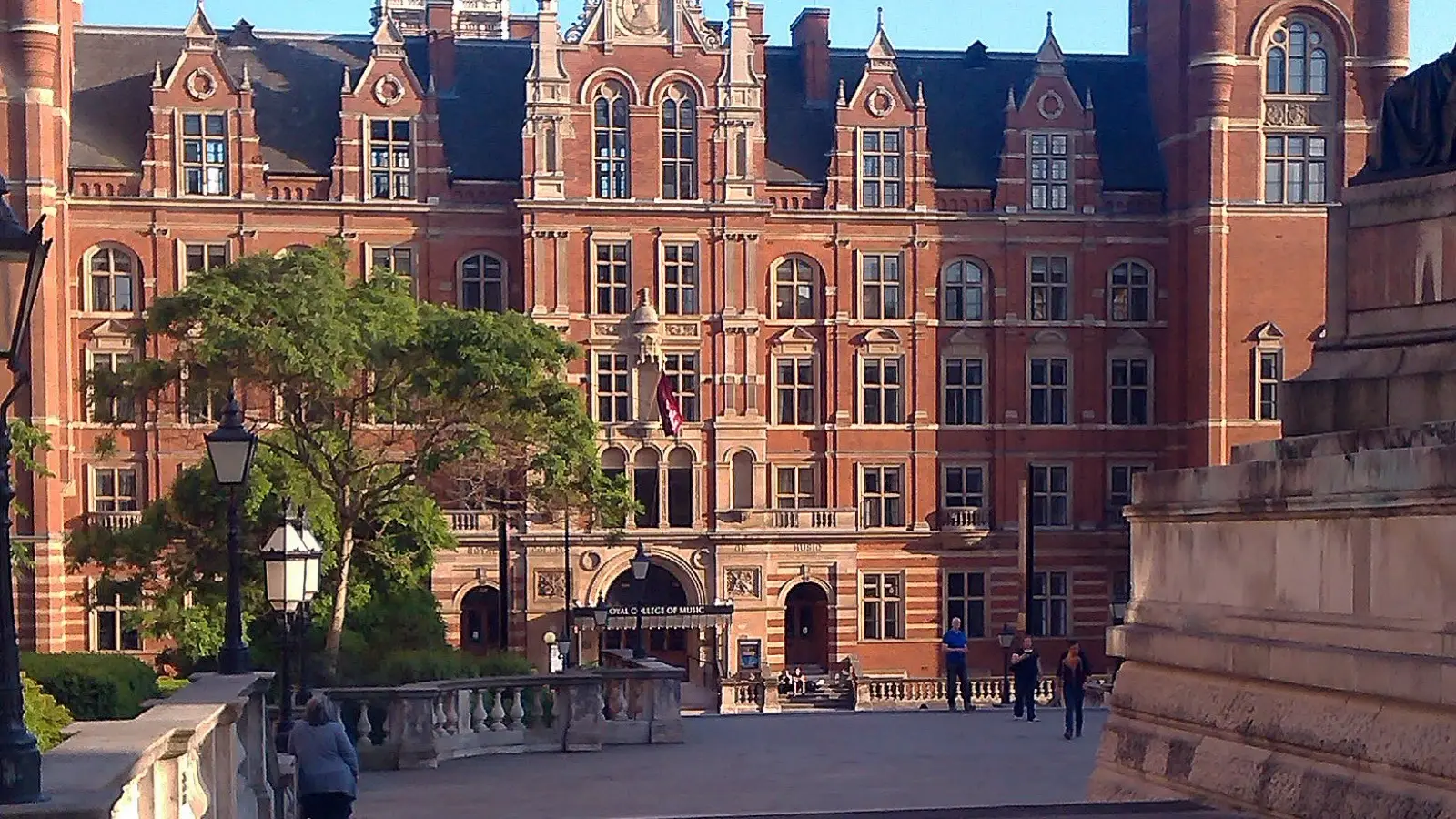
Heathrow Express Price-Gouging vs the Elizabeth Line Miracle: Central London Transit
Stepping through Heathrow arrivals, travelers are confronted by flashy digital billboards aggressively promoting the Heathrow Express at an extortionate £26 walk-up one-way fare. While marketing materials tout a 15-minute dash to Paddington, Paddington Station is rarely your final destination, forcing you into deep underground stairwells for luggage transfers.
The definitive modern rail connection is the Elizabeth Line, inaugurated in 2022. Charging £15.50 one-way from central London (fares from March 2026), more than £10 below the Heathrow Express walk-up fare, the sleek purple trains provide a peerless commuter experience featuring full climate control and generous dedicated luggage bays.
The Elizabeth Line's supreme advantage is direct, transfer-free crosstown access. Departing Heathrow, trains slice straight through central London, calling at Tottenham Court Road for Soho, Farringdon, Liverpool Street for Shoreditch, and Canary Wharf. Skipping the frantic Paddington interchange saves ten minutes of stressful walking and elevator queues, often delivering faster total door-to-door transit times.
The bargain-basement Piccadilly Line (£5.90 one-way) relies on 1970s tube cars, requiring over 55 minutes to reach central London without air conditioning, creating a punishing journey during peak rush hours with oversized suitcases. Balancing budget and speed, the Elizabeth Line represents the undisputed sweet spot.
Take care when boarding at Heathrow to verify your terminal platform. Trains depart separately between Terminals 2 and 3, 4, and 5, so confirm the digital train destination (Shenfield or Abbey Wood) before boarding eastbound services.
Victorian Townhouse Walk-Up Stairs and Soho Noise: The Pre-Booking Checklist
Many of London's most charming independent boutique hotels inhabit 19th-century Georgian and Victorian residential townhouses. While promotional photos highlight ornate plaster cornices and classic sash windows, British Listed Building preservation statutes strictly prohibit retrofitting exterior or interior elevator shafts in numerous properties.
If the front desk assigns you an attic guest room on the fourth floor, you face the grueling reality of hauling a 23kg suitcase up narrow, uncarpeted spiral staircases without staff assistance. Always filter booking portals for property lift access and search guest reviews for keywords like 'stairs', 'walk-up', and 'luggage' before confirming non-refundable rooms.
A second hazard in vibrant neighborhoods like Soho and Covent Garden is late-night urban noise. Historic properties situated directly above or opposite ground-floor corner pubs and basement nightclubs will vibrate with heavy bass and reveler shouting until 2:00 AM on Friday and Saturday evenings.
Traditional British single-glazed timber windows provide minimal acoustic insulation. When reserving accommodations in central entertainment hubs, proactively request an interior courtyard-facing room on a high floor and pack high-fidelity earplugs to safeguard your sleep.

Borough Market Morning Runs and Defending Against GBP Dynamic Currency Conversion
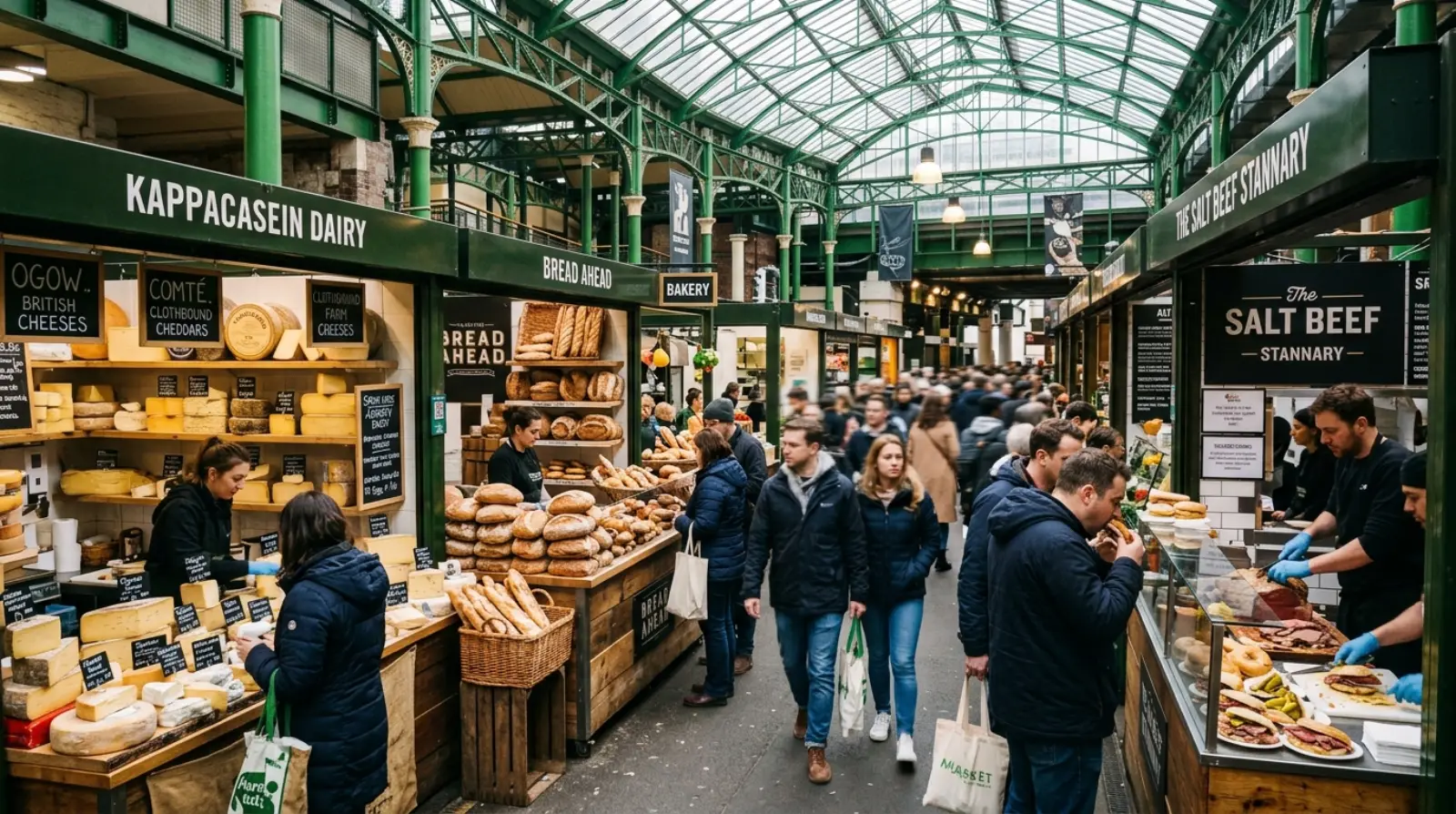
For the premier breakfast experience in London, cross the River Thames to historic Borough Market. While midday hours descend into impenetrable gridlock, visiting prior to 10:00 AM allows you to savor warm artisan Scotch eggs, fresh vanilla custard doughnuts from Bread Ahead, and flat whites from Monmouth Coffee without queuing.
A large share of shops in modern London, including many Borough Market vendors, operate on a strictly cashless basis. Presenting paper banknotes often prompts polite refusals due to lack of change registers. Limiting cash to a £20 emergency note and relying entirely on multi-currency cards is standard field practice.
When settling hotel bills or restaurant tabs, never fall into the Dynamic Currency Conversion (DCC) trap. When the payment terminal prompts you to choose between your home currency and Great British Pounds (GBP), selecting your home currency authorizes a punishing 3.5 to 5 percent conversion spread. Always insist on paying in GBP.
Utilizing multi-currency debit cards like Wise or Revolut guarantees real-time wholesale exchange rates with zero hidden markups. Pairing neighborhood-specific lodging with contactless fare caps and clean currency management transforms London from an intimidatingly expensive maze into an impeccably sophisticated home base.
Frequently Asked Questions
Field-tested answers to transit navigation, neighborhood choices, and payment traps.
Q1.Do I need an Oyster card to visit London?
Q2.What is the cheapest way from Heathrow to central London?
Q3.What is the daily cap on the London Underground?
Q4.Which area of London is best to stay in for a first visit?
The Smart Traveler's Essential Toolkit
Prepare instant mobile data, private airport transfers, and skip-the-line passes in one place.
Pick a base in London by your route
Choose the places you want to see and get the neighbourhood with the shortest travel.
Compare London Hotel Rates
Find the cheapest channel across Agoda and major booking engines with Tripdify.
Share This Guide with Your Companions
When shared via chat or social media, a curated summary card is sent along.
Recommended Guides
Best Hotels in London: How to Avoid a Tiny Room
Insider rules to avoid tiny Zone 1 micro-rooms, comparing King's Cross and South Bank value, and maximizing TfL daily fare caps with contactless payment.
London Day 1 Itinerary: Heathrow to the City, Big Ben and Borough Market
Mastering the 15-minute Heathrow Express sprint to Paddington, unlocking TfL contactless daily fare capping, admiring Big Ben chimes, strolling along the vibrant Thames South Bank, and feasting on artisan street fare at Borough Market: here is your definitive first 24 hours in London.

London Day 2 Itinerary: British Museum, Covent Garden and a West End Show
Standing beneath the breathtaking glass canopy of the British Museum's Great Court, savoring Monmouth filter coffee amid the operatic buskers of Covent Garden, exploring independent fashion across Seven Dials and Soho, and witnessing world-class West End musical theatre before midnight Chinatown dim sum: here is your essential London Day 2.
London Day 3 Itinerary: Tower of London, Tower Bridge and Shoreditch Street Art
Witnessing the 530-carat Cullinan diamond in the Crown Jewels at the Tower of London, stepping onto the glass floor 42 meters above the Thames on Tower Bridge, diving into the vintage markets and street art of Shoreditch, and enjoying Hyde Park afternoon tea before an effortless Elizabeth Line airport departure: your definitive London finale.

East London Soul Walk: Shoreditch Murals, Brick Lane Vintage, and 24-Hour Salt Beef Bagels
While morning in the neighboring City of London pulses with corporate suits rushing toward glassy skyscrapers, Shoreditch wakes to a distinctly subversive rhythm. These weathered Victorian brick corridors, which once housed textile mills, timber yards, and breweries, became the crucible of London's underground arts movement in the 1990s as creative pioneers claimed cheap derelict studios. From the monumental typography murals of Chance Street and ROA's delicate monochrome wildlife on Hanbury Street to rare vinyl digging at Old Spitalfields Market, East London unfolds as a living museum. We explore the 24-hour culinary warmth of Beigel Bake's steaming salt beef bagels and the third-wave roasters of Redchurch Street.
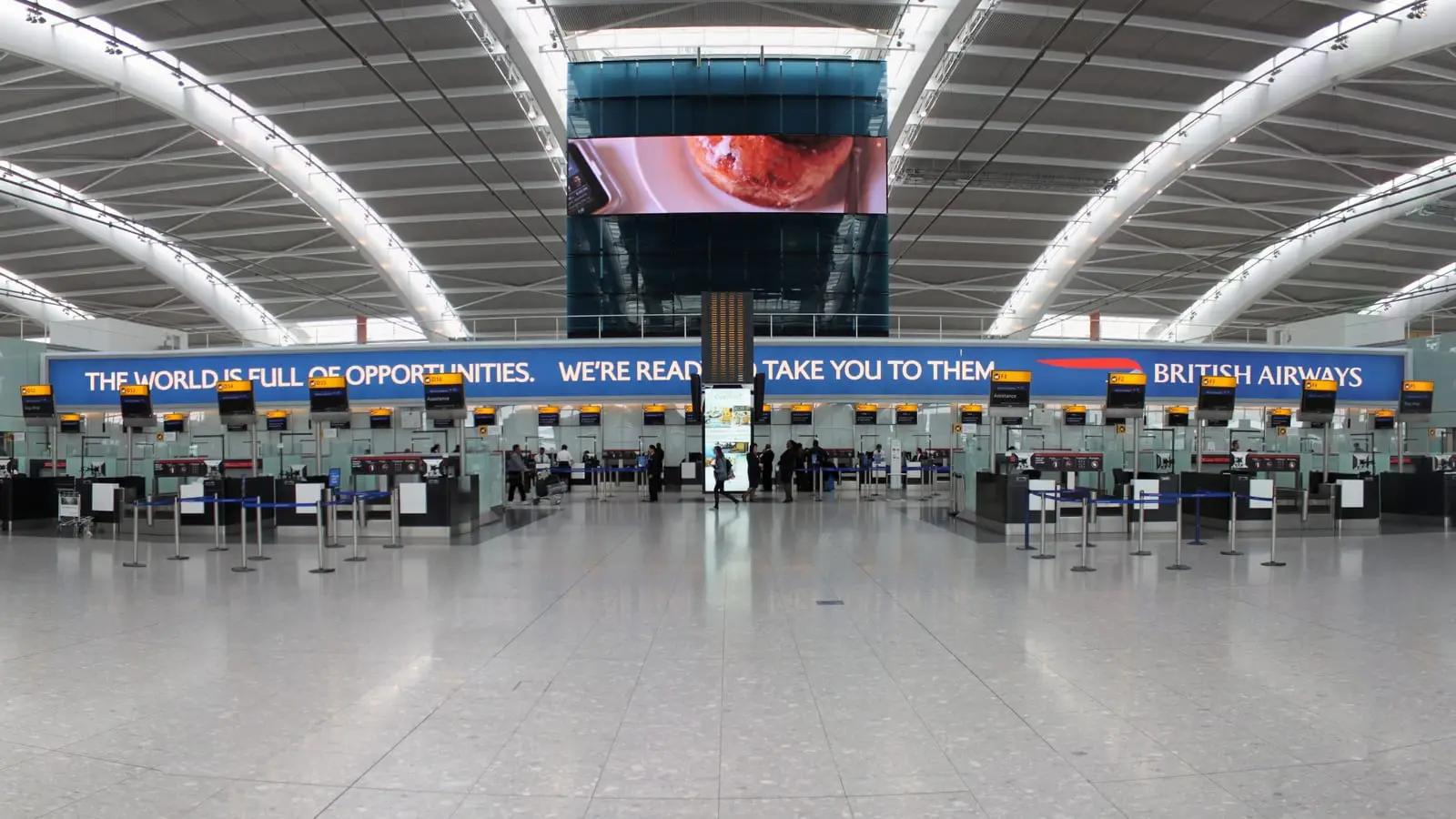
London Heathrow to City Centre: £13.30 Elizabeth Line, £5.60 Piccadilly Tube, Express Traps, and Contactless Hacks
The debut of London's Elizabeth line has fundamentally rewritten the airport transit playbook from Heathrow (LHR). By offering direct, high-capacity cross-city rail from £12.20 off-peak / £13.30 peak, it effectively renders the £25 walk-up Heathrow Express obsolete for most travelers. Elizabeth line trains carry you not merely to Paddington in 28 minutes, but deep into Central London: Tottenham Court Road (West End) in 33 minutes and Liverpool Street in 39 minutes with zero transfers. For ultra-budget backpackers, the classic Piccadilly line tube delivers unbeatable value at £5.60.

Where to Stay in Tokyo: Shinjuku vs Shibuya vs Ginza
Comparing room footprints across Shinjuku, Ginza, and Ueno, locking in sudden 14-day cancellation drops, and eliminating DCC fees with clean Yen checkout.

7 Budget Hotels in Tokyo Under $100 on the Yamanote Line
Even amid yen fluctuations, central Tokyo hotel rates have soared. Learn how to secure Yamanote loop line hotels at half the price of Shinjuku, compare onsen bath chains like Dormy Inn, trigger secret Agoda VIP and Booking.com Genius discounts, and dodge hidden currency fees with yen settlement.

How to Read the Tokyo Subway Map and Where to Stay on the Yamanote Line
How to choose between Keisei Skyliner and Narita Express, avoid the Tokyo Subway Ticket trap, use Apple Wallet Suica, and select the ideal hotel base in Tokyo.

Tokyo Day 1 Itinerary: Narita Airport to the City and Your First 24 Hours
From stepping off at Narita Airport to mastering high-speed trains, navigating Tokyo's sprawling transit hubs, ordering counter ramen effortlessly, and catching sunset from Roppongi Hills. A definitive guide for your first 24 hours in Tokyo.

Tokyo Day 2 Itinerary: Booking Shibuya Sky, Harajuku Backstreets and Roppongi at Night
Securing prime sunset slots atop Shibuya Sky, navigating hidden boutiques along Harajuku Cat Street, immersing in the forested serenity of Meiji Jingu, and marveling at the crimson glow of Tokyo Tower from Roppongi Hills. A masterclass in Day 2 pacing.
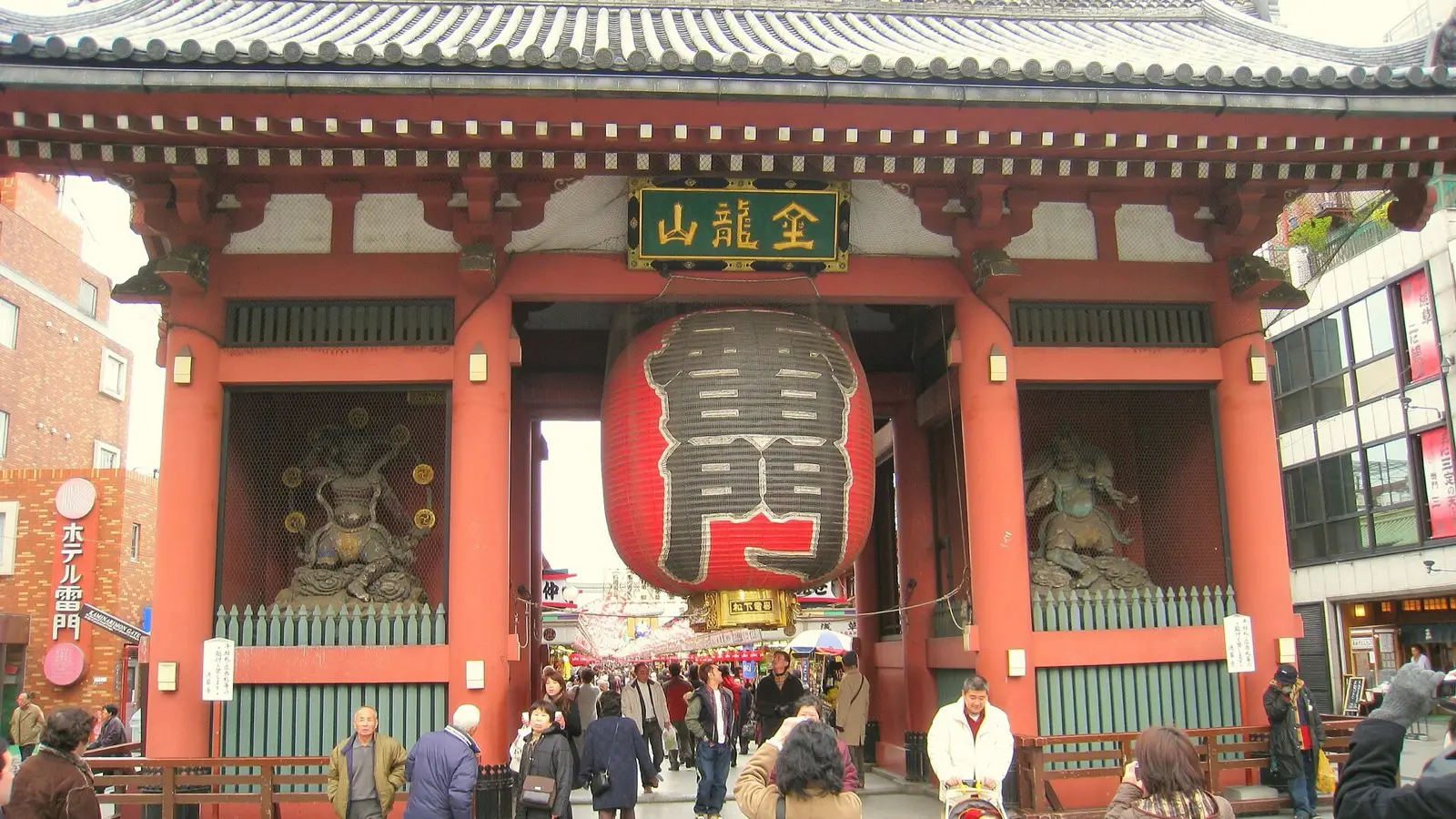
Tokyo Day 3 Itinerary: Asakusa, Akihabara, Ginza Depachika and Flying Home
The ultimate finale for your Tokyo stay: tranquil morning worship at Sensoji, retro subculture in Akihabara, Ginza Six architectural rooftop views and basement depachika feasts, capped by seamless Skyliner and N'EX airport connections.