
OsakaGuide
Osaka Day 1 Itinerary: Kansai Airport to Namba and Your First Night in Dotonbori
Choosing between 34-min Nankai Rapi:t and JR Haruka, navigating Namba labyrinth, takoyaki and kushikatsu etiquette, Dotonbori cruise, and 551 Horai buns.
Escaping Kansai Airport: The 34-Min Rapi:t vs JR Haruka Strategy
Touching down on the artificial island of Kansai International Airport (KIX), your first strategic maneuver after customs is crossing the second-floor pedestrian skybridge directly to the railway concourse. Transit efficiency into Osaka depends entirely on matching train lines to your hotel neighborhood. If staying in southern hubs like Namba, Shinsaibashi, or Dotonbori (Minami), descend immediately to the Nankai platform for the iconic deep-blue, retro-futuristic 'Nankai Rapi:t' express. Flashing by in just 34 minutes direct to Namba Station, it offers reserved seating and secure luggage stowage.
Conversely, if your accommodations are located in northern transit centers such as Umeda (Osaka Station), Shin-Osaka, or if traveling onward directly to Kyoto, board the celebrated 'JR Kansai Airport Express Haruka' featuring its charming Hello Kitty livery. Gliding into Tennoji in 35 minutes and Shin-Osaka in 50 minutes without a single transfer, it spares travelers the exhaustion of negotiating crowded station stairwells with heavy baggage. Regular airport rapid trains run frequently as economical alternatives should express departure slots be full.
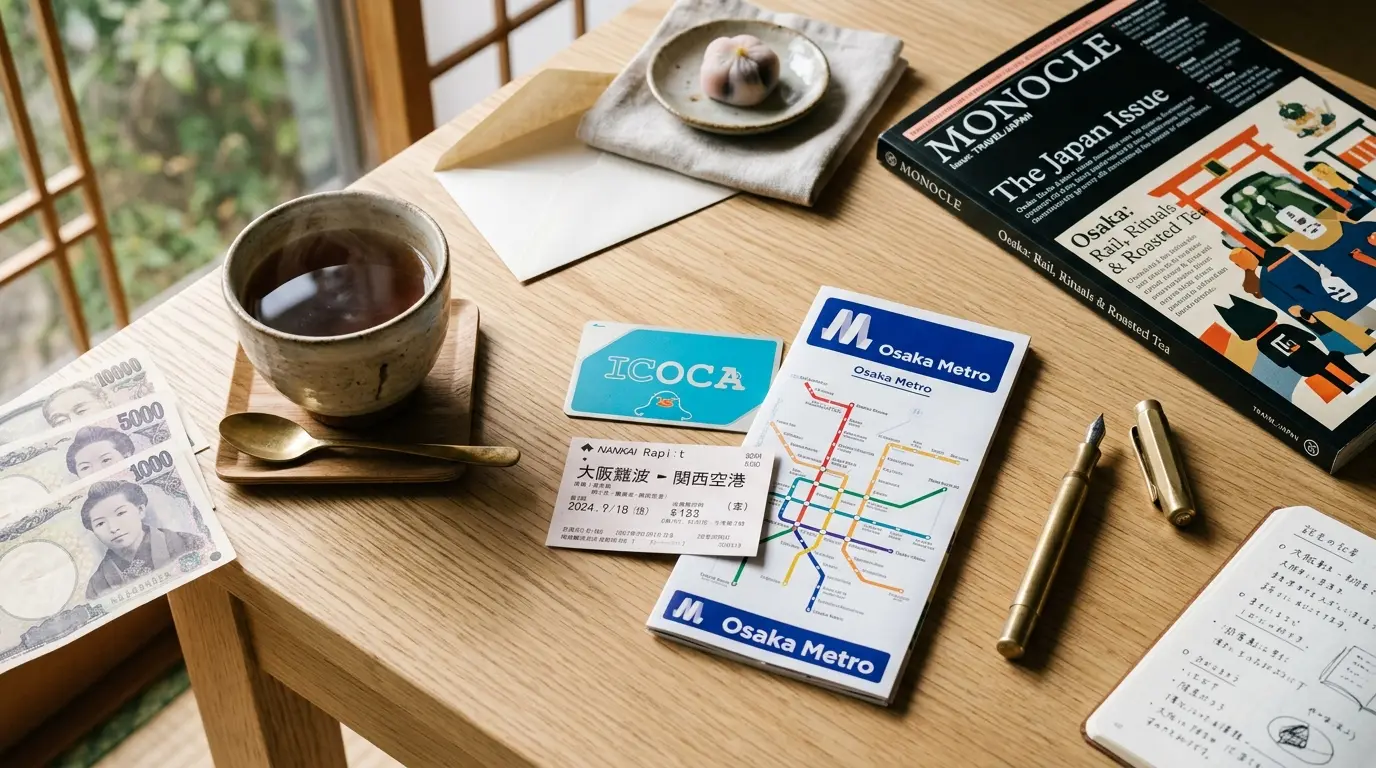
For seamless fare payments, acquire Kansai's dedicated IC smartcard, 'ICOCA', or add a digital ICOCA directly within Apple Wallet on your smartphone for frictionless contactless taps. If planning extensive subway exploration, purchase an 'Enjoy Eco Card' at subway ticket machines for unlimited daily rides on the Osaka Metro (820 JPY weekdays, 620 JPY weekends), delivering exceptional travel savings.
Currency exchange kiosks in airport arrival halls levy steep markups; instead, locate Seven Bank ATMs across Terminal 1 to withdraw modest amounts of Japanese Yen cash, usually at a better rate than exchange counters. Armed with an ICOCA tap and pocket cash, your journey into downtown Osaka unfolds with consummate ease.
Conquering Namba Station: Coin Locker Storage and Local Etiquette
Alighting on the 3rd-floor terminal platform of Nankai Namba Station, travelers enter one of western Japan's most dynamic transport complexes. Namba seamlessly interconnects the Nankai line with three Osaka Metro subway routes (Midosuji, Sennichimae, Yotsubashi), alongside Kintetsu and Hanshin railways. Resist wandering into sprawling subterranean arcades like Namba Walk; instead, keep eyes fixed on elevated signage following the Midosuji Line (Red M) or North Exit (Kitaguchi) leading up toward street level.
If arriving before the standard 3:00 PM check-in hour, delivering luggage to your hotel front desk is always the most economical, stress-free strategy. Nearly all Osaka accommodations willingly safe-keep guest baggage free of charge. If launching sightseeing immediately from the transit hub, station coin lockers along the 3rd-floor concourse offer reliable storage, payable via IC card taps.
If station lockers are occupied, seek out paid luggage holding services around Namba instead of wandering between lockers. Always take a smartphone photograph of your locker number and nearest numbered pillar before walking away to prevent disorientation in the bustling underground network.
When stepping out onto public escalators, take note of an essential Kansai regional distinction: while Tokyo commuters stand on the left, Osaka tradition dictates standing strictly on the RIGHT side, leaving the left open for active walkers. Embracing this regional custom ensures smooth harmony with local residents from your very first hour.
The Frictionless First Meal: Authentic Takoyaki and Kushikatsu Rules
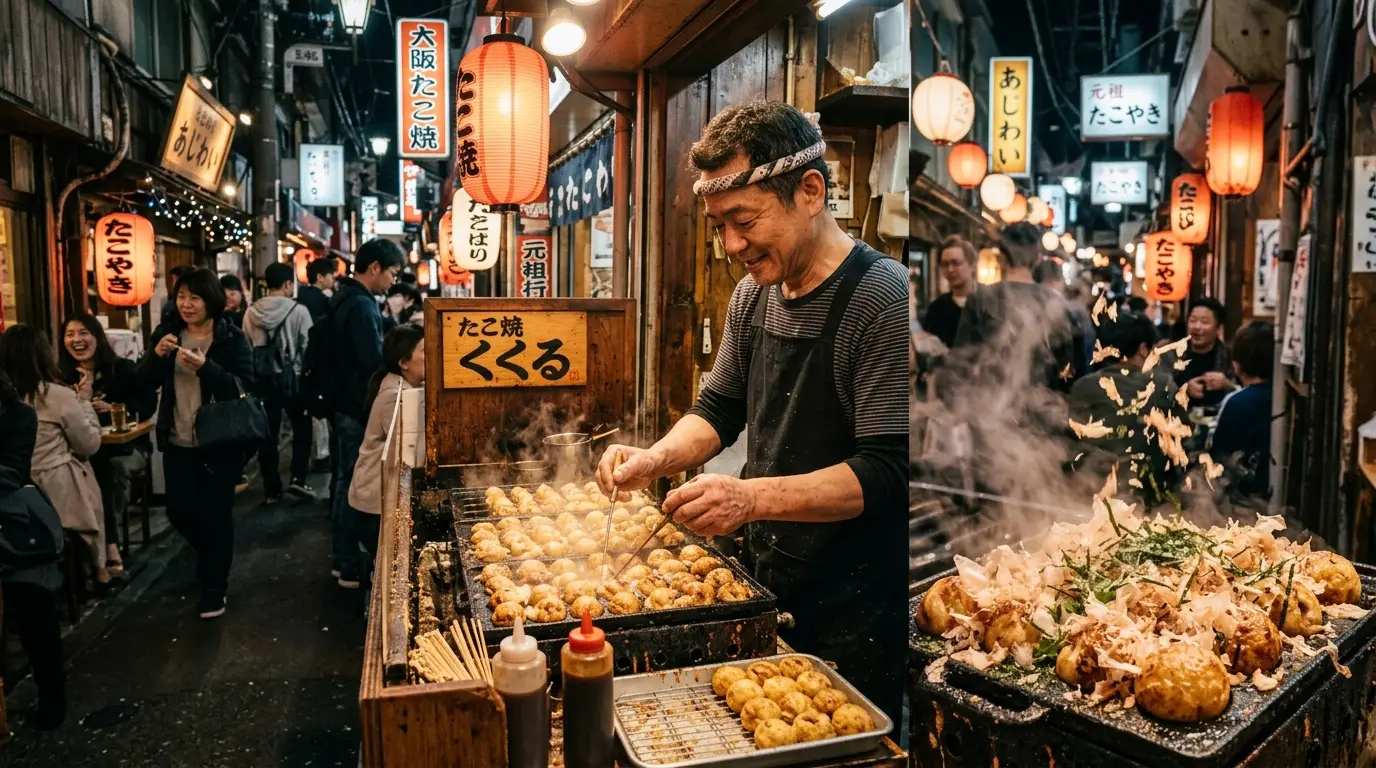
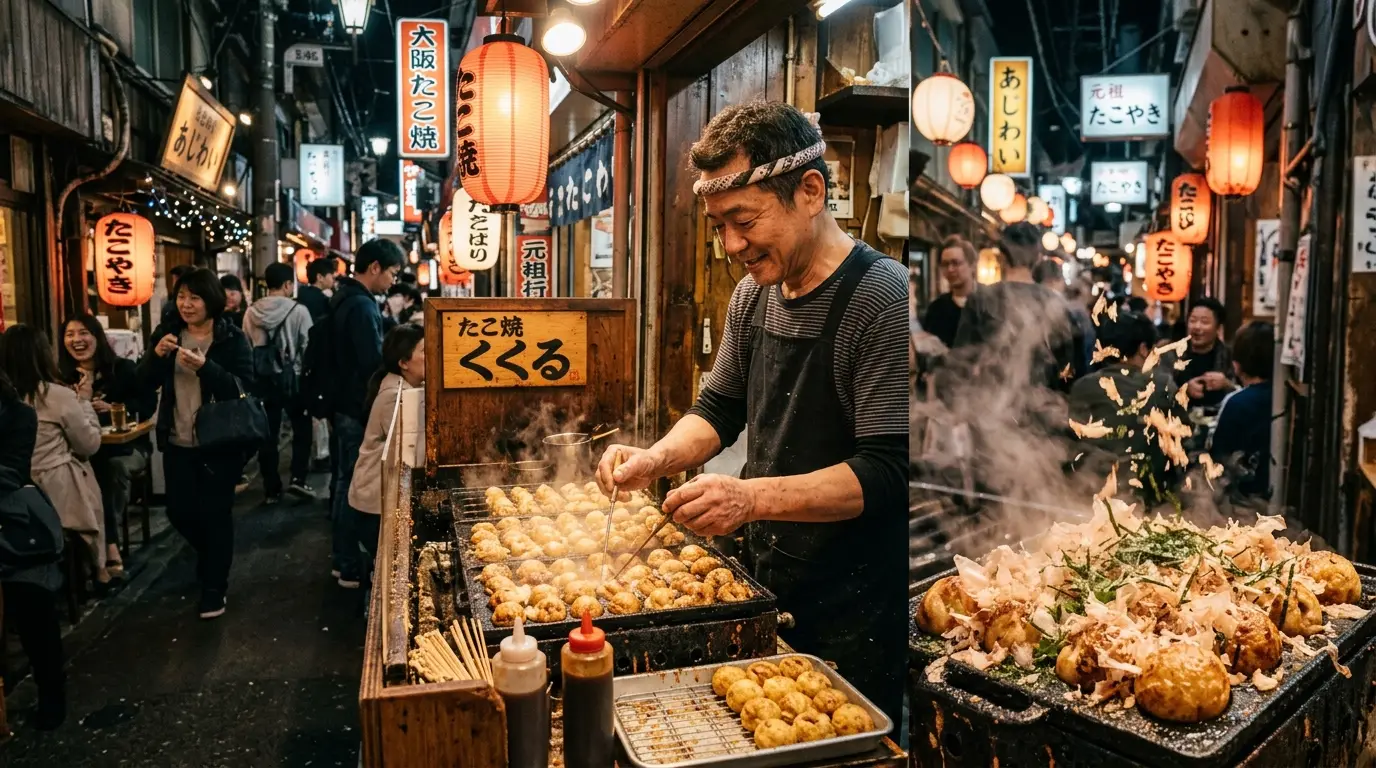
Hands unburdened by 1:00 PM, your inaugural culinary experience belongs to piping hot, authentic Osaka takoyaki (たこ焼き). Bypassing long tourist queues on main neon thoroughfares, slip into a quiet alleyway near Amerikamura or Namba backstreets where seasoned local masters expertly rotate golden batter balls across sizzling cast-iron indentations with twin metal skewers.
Ordering is straightforward: specify quantity first, typically 8 pieces ('Hakko') or 10 pieces ('Jukko'). While traditional sweet-savory brown sauce with Japanese mayonnaise is popular, local connoisseurs frequently recommend 'Shio' (flaked sea salt) or 'Shoyu' (dashi soy sauce) to allow the rich savory dashi broth inside the batter to shine. Topping with fresh scallions ('Negimayo') adds wonderful crispness.
Exercise extreme caution during your first bite: while the exterior is crisp, the molten dashi interior is searingly hot. Pierce the shell with a wooden toothpick to vent escaping steam before savoring the tender octopus nugget inside, avoiding a scalded palate while enjoying the contrasting textures.
If craving deep-fried delicacies, seek out a traditional kushikatsu (串カツ) counter in Shinsekai or alleyway izakayas. Skewers of beef, lotus root, and asparagus arrive golden and crisp. Remember Osaka's sacred dining rule: 'No double-dipping sauce' (ソースの二度漬け禁止). For sanitary reasons, dip your skewer into the communal sauce tub only once before biting; use provided raw cabbage leaves as ladles to drizzle extra sauce if needed.
As you conclude your meal and rise from the counter, offer a warm Kansai-dialect farewell: 'Ookini!' (おおきに, thank you very much). The chef's beaming smile will confirm your warm welcome into Osaka's vibrant food culture.
Dotonbori Golden Hour: Tombori River Cruise and Sunset Canal Strolls
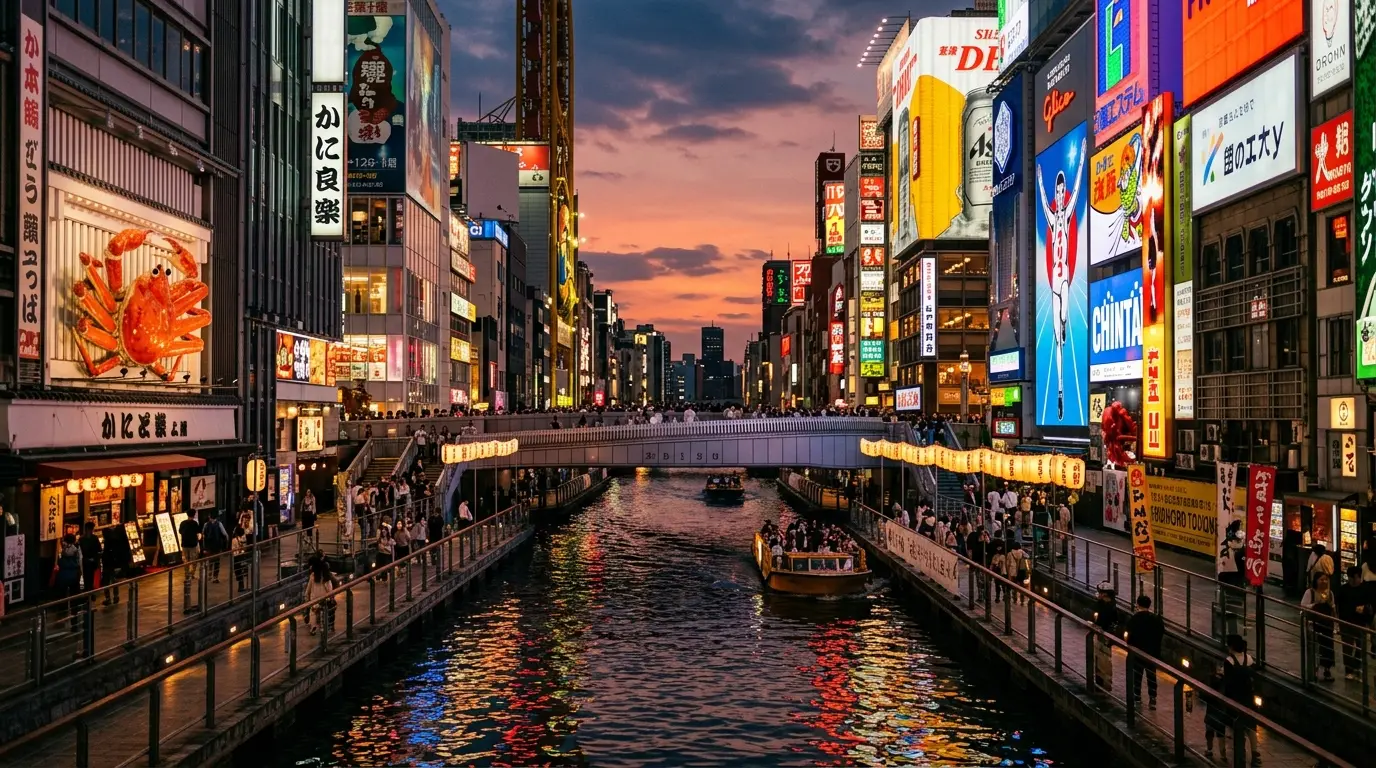
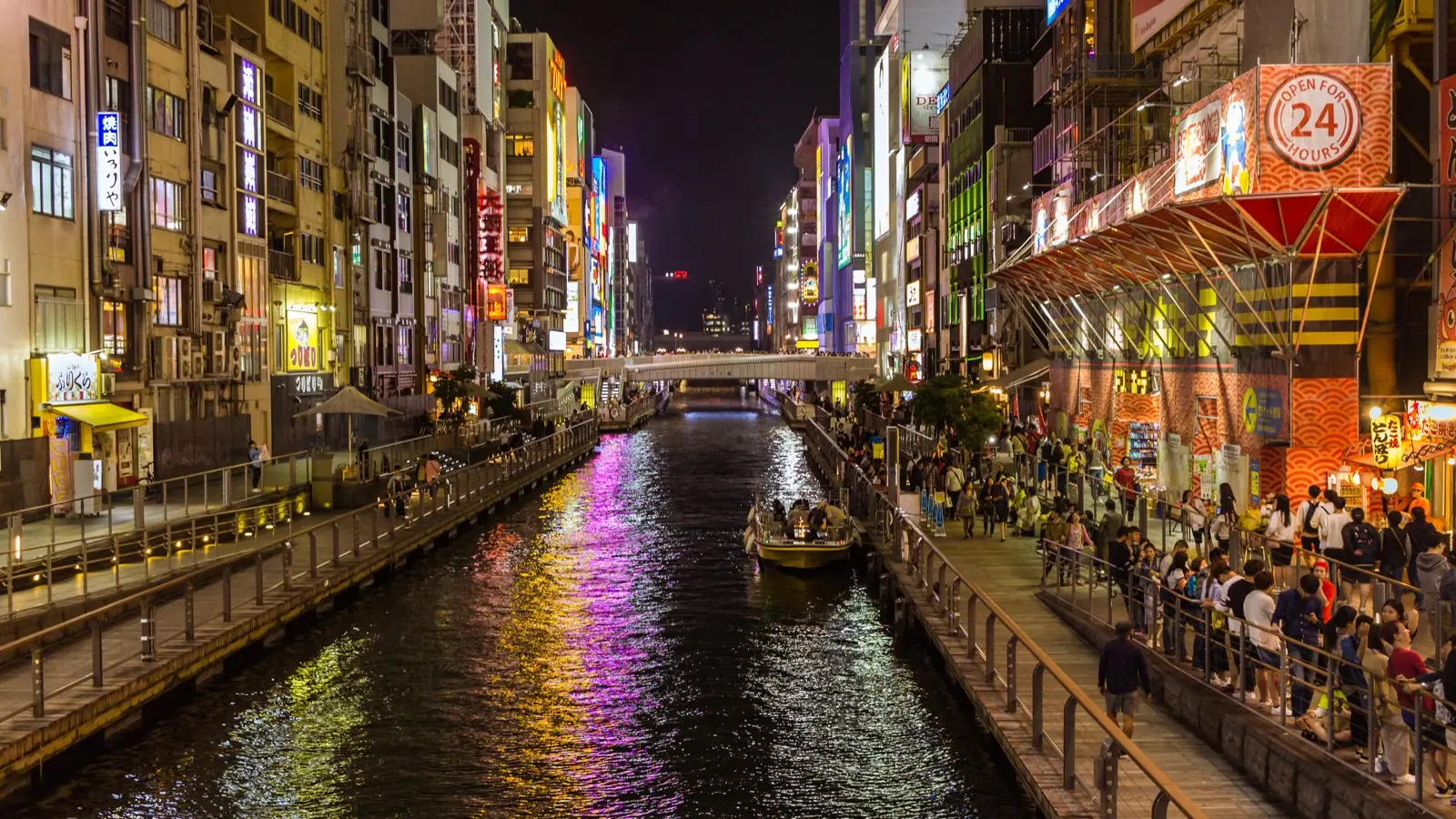
After lunch, return to your hotel around 3:30 PM to complete formal check-in, unpack essentials, and take a reviving shower. By 4:40 PM, venture back toward the iconic Dotonbori canal. As twilight settles across the water, the colossal animated billboards ignite in incandescent neon, transforming the corridor into an electrifying open-air theater.
The premier vantage point for taking in the canal's evening magic is the open-top Tombori River Cruise departing from the dock outside Don Quijote Dotonbori. Gliding along the historic waterway for 20 minutes beneath nine architectural bridges, the boat pauses directly beneath the iconic neon Glico Running Man, allowing passengers to capture the quintessential commemorative pose.
Around 5:30 PM, the fading orange sunset merges with kaleidoscopic neon reflections along the canal surface, creating a dazzling mosaic of shimmering magenta, amber, and electric blue. Feeling the crisp evening river breeze as passing pedestrians wave from bridges above, travel fatigue dissolves into pure urban exhilaration.
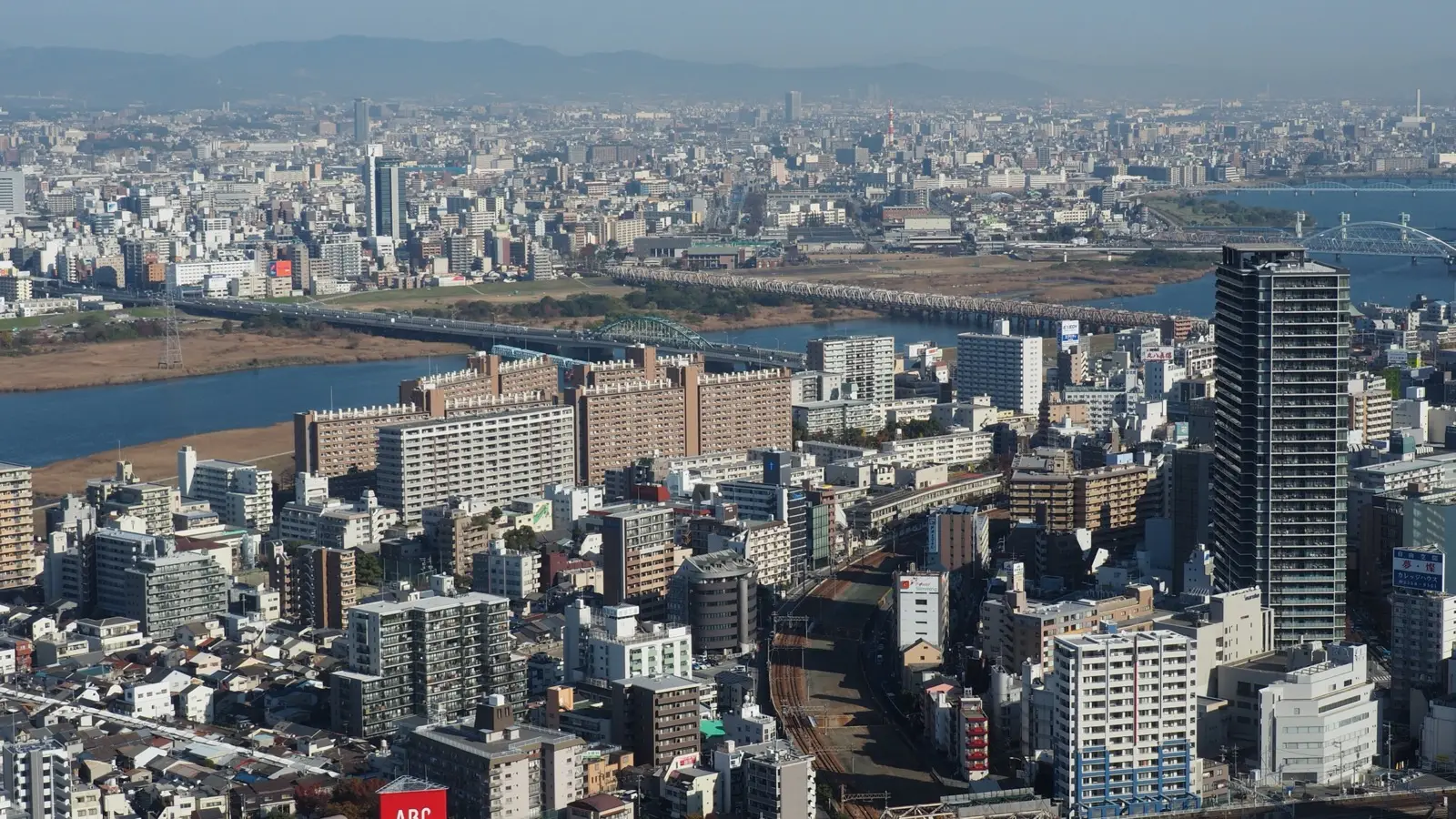
For travelers seeking dramatic high-altitude vistas, take the subway north to Umeda Sky Building's 'Floating Garden Observatory'. Perched 173 meters aloft on an open-air circular rooftop deck, the 360-degree sunset over the winding Yodo River and Osaka Bay is celebrated as one of the most breathtaking panoramas in Japan.
Late-Night Provisions: 551 Horai Buns and Konbini Essentials
Returning toward your hotel after dark, conclude day one with an authentic Osaka tradition: picking up steaming pork buns from '551 Horai' (551蓬萊). Passing Namba Station or department store food halls, the irresistible aroma of sweet onions and savory pork steam stops commuters in their tracks. Celebrated as Osaka's ultimate soul food, 551's handmade butaman feature tender, slightly sweet dough stuffed with juicy minced pork and diced onions.
With a warm 2-piece box in hand, step into a nearby 7-Eleven or Lawson to assemble evening provisions. Secure a 2-liter bottle of mineral water, an electrolyte-replenishing Pocari Sweat, and an ice-cold Suntory The Premium Malt's draft can or unsweetened green tea to cleanse the palate.
Browse snack aisles for Kansai-exclusive treats, such as Calbee's Kansai dashi soy sauce potato chips. Back in your hotel room, spread spicy yellow mustard (Karashi) across the warm pork bun and pair it with a crisp sip of beer, sealing your sensory arrival in Japan's culinary capital.
Before sleep, apply Kyusoku Jikan cooling gel pads to fatigued calves and feet. The invigorating menthol soothingly relieves thousands of walking steps, ensuring you awake rested and ready for day two of your Kansai journey.
Frequently Asked Questions
Field-tested answers to transit navigation, neighborhood choices, and payment traps.
Q1.Which is faster from Kansai Airport: Nankai Rapi:t or JR Haruka?
Q2.Is the Osaka Subway pass (Enjoy Eco Card) cheaper on weekends?
Q3.Why is double-dipping strictly forbidden in Osaka kushikatsu shops?
Q4.Can I board the Tombori River Cruise without advance reservations?
The Smart Traveler's Essential Toolkit
Prepare instant mobile data, private airport transfers, and skip-the-line passes in one place.
Pick a base in Osaka by your route
Choose the places you want to see and get the neighbourhood with the shortest travel.
Compare Osaka Hotel Rates
Find the cheapest channel across Agoda and major booking engines with Tripdify.
Share This Guide with Your Companions
When shared via chat or social media, a curated summary card is sent along.
Recommended Guides
Osaka Itinerary: Dotonbori and Umeda in Two Nights
Osaka is Japan culinary powerhouse where feasting is an art. Navigate Rapi:t airport transfers, Namba vs Umeda hotels, and street food corridors with veteran precision.
Osaka or Kyoto: Where to Base Yourself and Whether to Split the Stay
Why splitting short Kansai trips across multiple hotels exhausts travelers, navigating Haruka vs. Rapi:t airport rail lines, and choosing between Umeda hubs and Gion alleys.
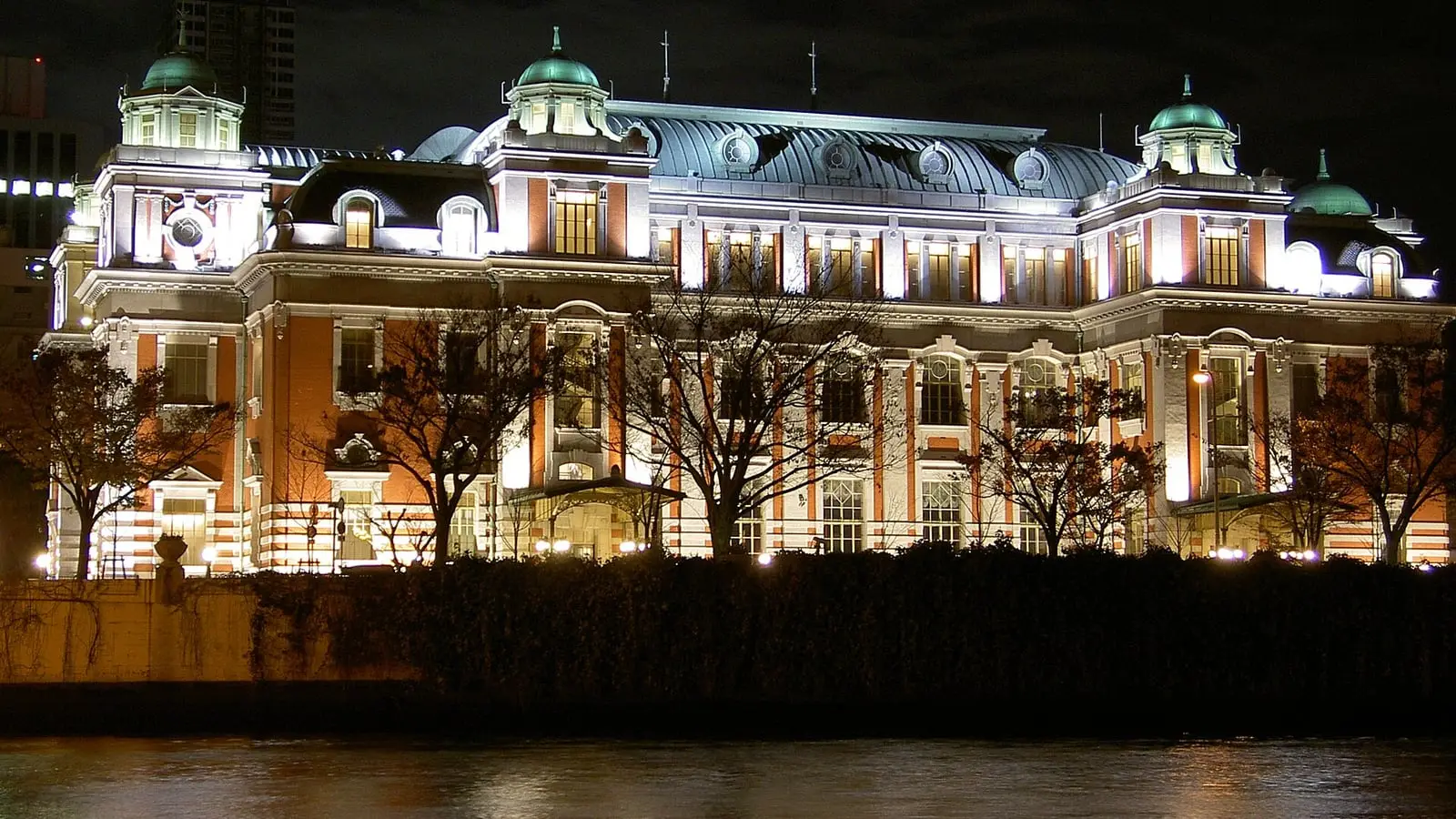
Where to Stay in Osaka: Umeda vs Namba Compared
Behind Osaka's vibrant culinary spirit and affable banter lies a sharp geographic contrast between northern corporate efficiency and southern commercial chaos. Choosing between the labyrinth of Umeda and the neon crowds of Namba dictates your transit ease to Kyoto and Kansai Airport. Here is an unvarnished field guide to selecting strategically sound lodging and avoiding neighborhood missteps.
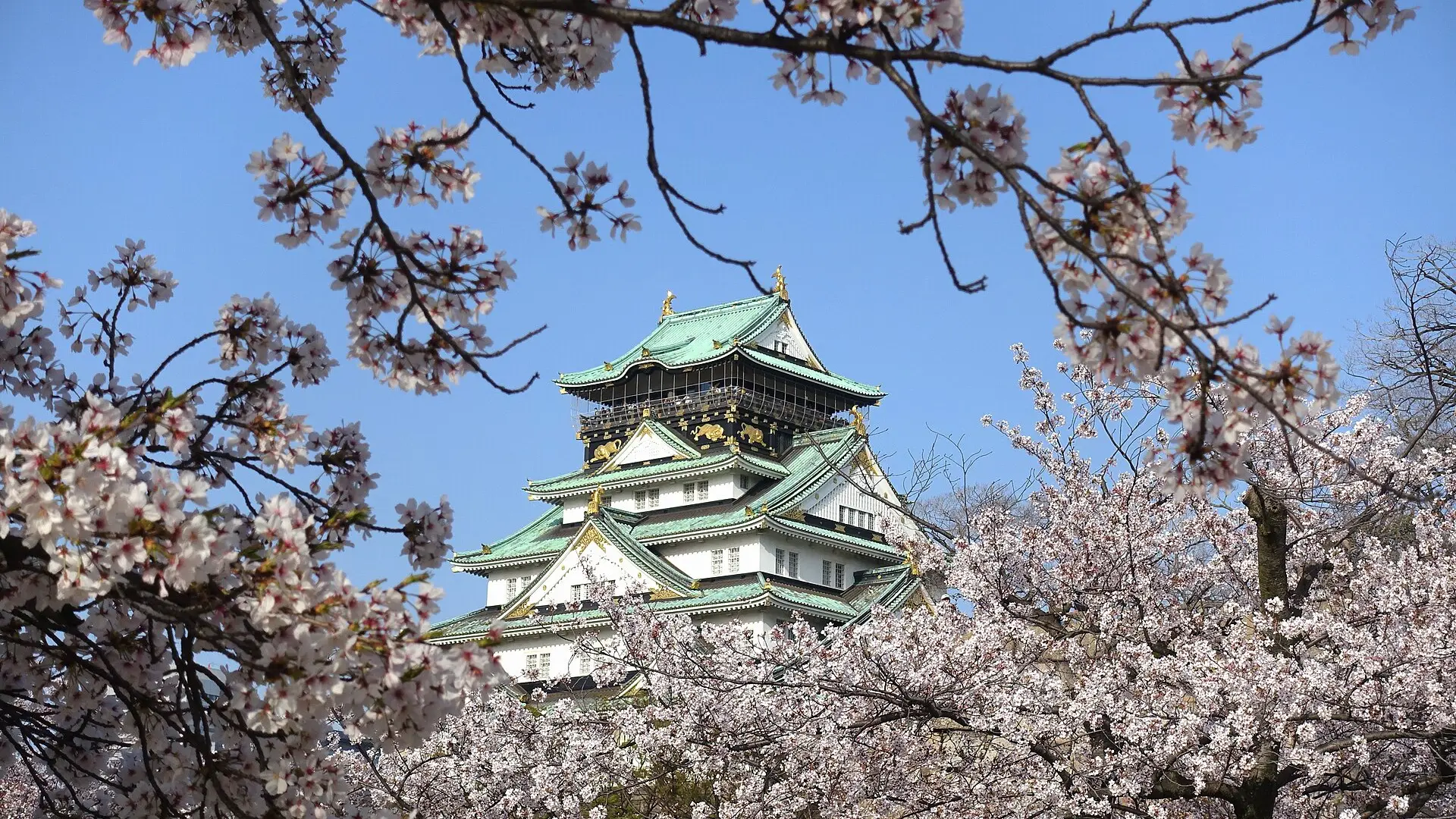
Osaka Day 2 Itinerary: Osaka Castle, Umeda Sky Building and Shinsekai Kushikatsu
Traversing past and future on Day 2 in Osaka: morning tranquility along the moats of Osaka Castle, futuristic open-air views from Umeda Sky Building, the iconic HEP FIVE red wheel, and dusk kushikatsu feasts in the neon shadow of Tsutenkaku.
Osaka Day 3 Itinerary: Kuromon Market, Shinsaibashi Shopping and the Airport Run
The definitive closing chapter to your Osaka journey: fresh sashimi feasts at Kuromon Market, vintage shopping along Amerikamura, covered retail in Shinsaibashi, and 34-minute express transit to Kansai Airport (KIX) aboard the iconic Nankai Rapi:t.
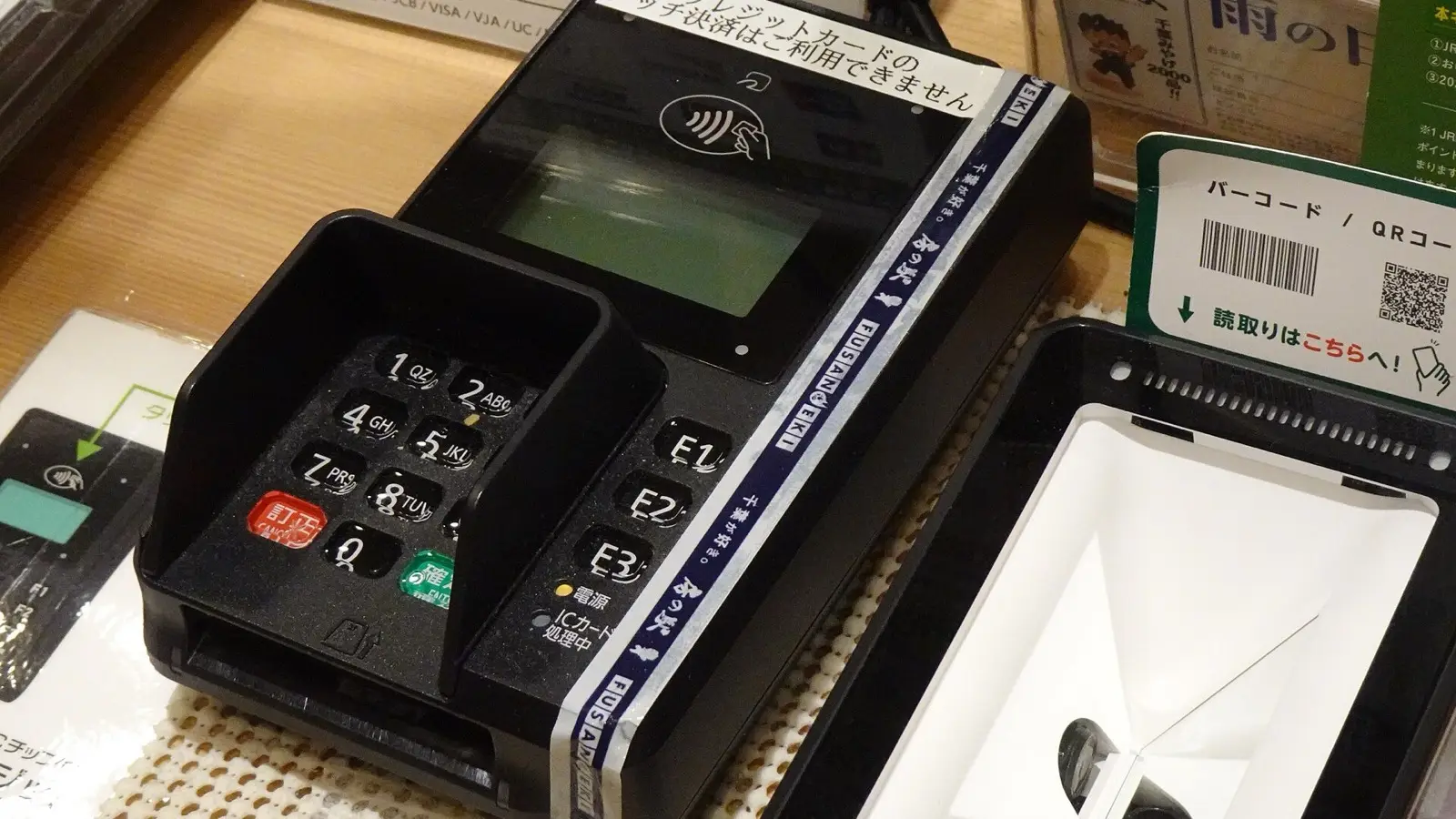
Travel Card or Credit Card Abroad: Which Wins and When
A practical breakdown comparing multi-currency travel debit cards against premium credit card travel rewards, highlighting standalone ATM traps and hotel deposit holds.
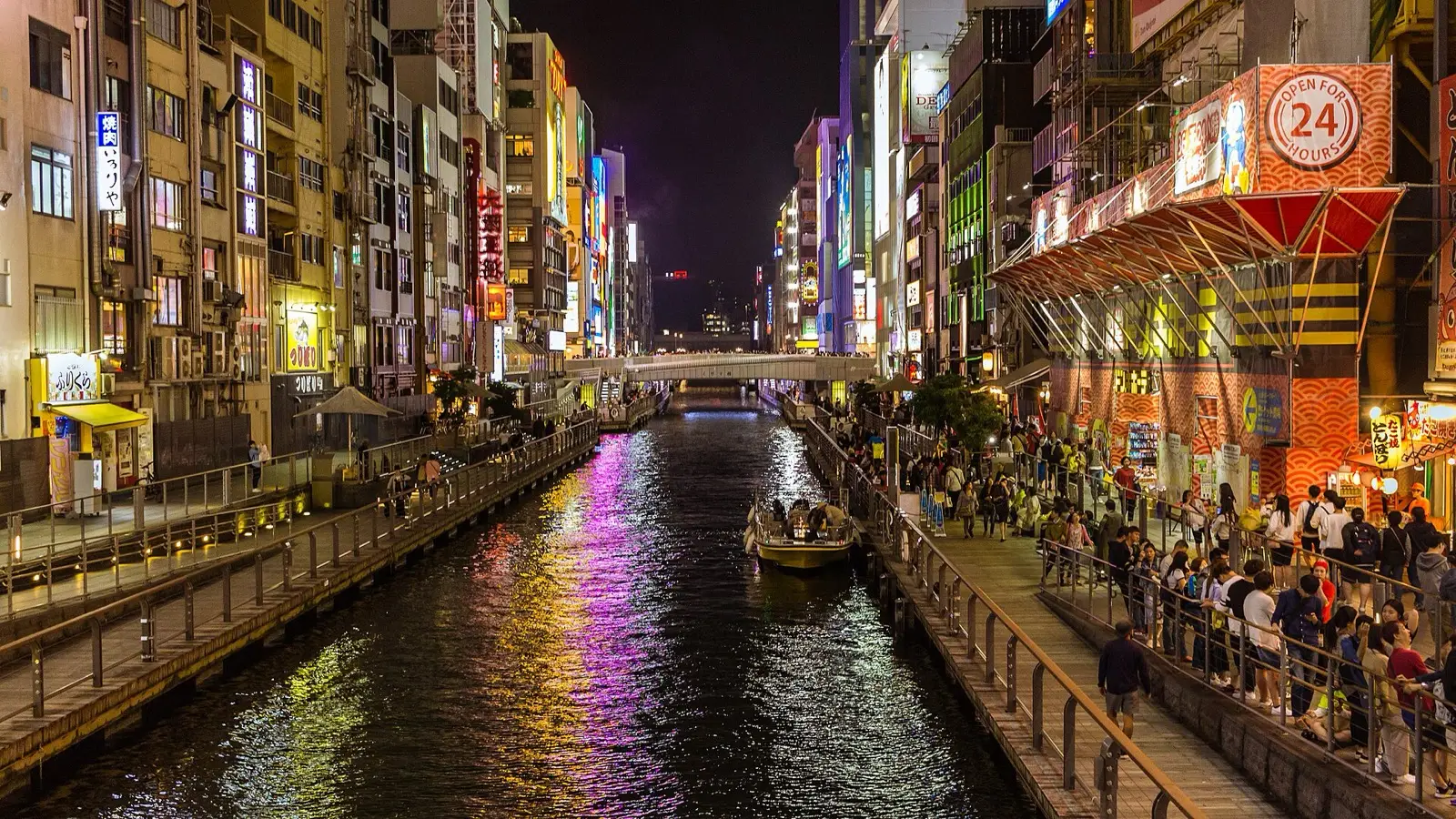
Best Hotels in Osaka: Namba vs Umeda vs Tennoji Compared
Selecting the ideal neighborhood base dictates the pace and ease of your entire Osaka itinerary. From the neon nightlife, late-night dining, and Nankai Rapi:t airport express links of Namba and Shinsaibashi, to the unmatched rail connectivity to Kyoto and Kobe found in Umeda, and the affordable panoramic luxury of Tennoji anchored by Abeno Harukas, this neighborhood curation breaks down top accommodations for every travel style.
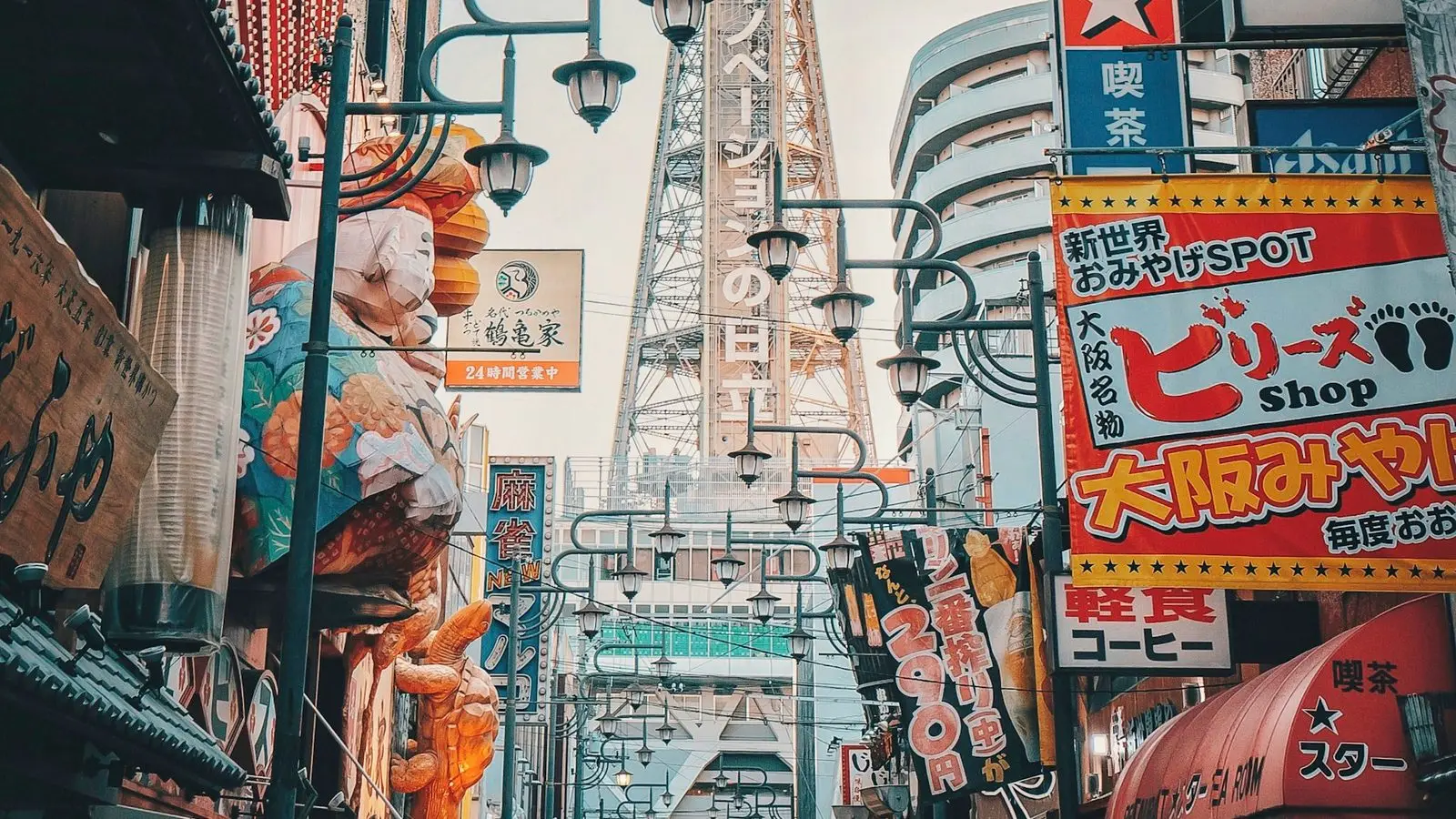
5 Best Value Hotels Near Osaka Namba & Dotonbori: Nankai Rapi:t Access and Quiet Alleyways
When planning an Osaka getaway, the Namba district invariably claims the top spot for accommodation. Boarding the futuristic Nankai Rapi:t airport express whisks travelers from Kansai International Airport straight into Nankai Namba Station in just 34 minutes without transfers, placing the famous Glico Running Man, sizzling takoyaki stalls, and Shinsaibashi shopping arcades within effortless walking distance. However, booking properties directly along the Dotonbori canal strip often backfires with thumping street noise, rowdy late-night crowds, and micro-sized floor plans that cannot accommodate open suitcases. The secret lies in positioning yourself just two blocks back into tranquil residential corridors like Sennichimae and Hozenji. Here is a definitive guide to five top-value Namba hotels under $100 per night, complete with natural hot spring onsen baths, complimentary late-night ramen, and restful soundproofing.
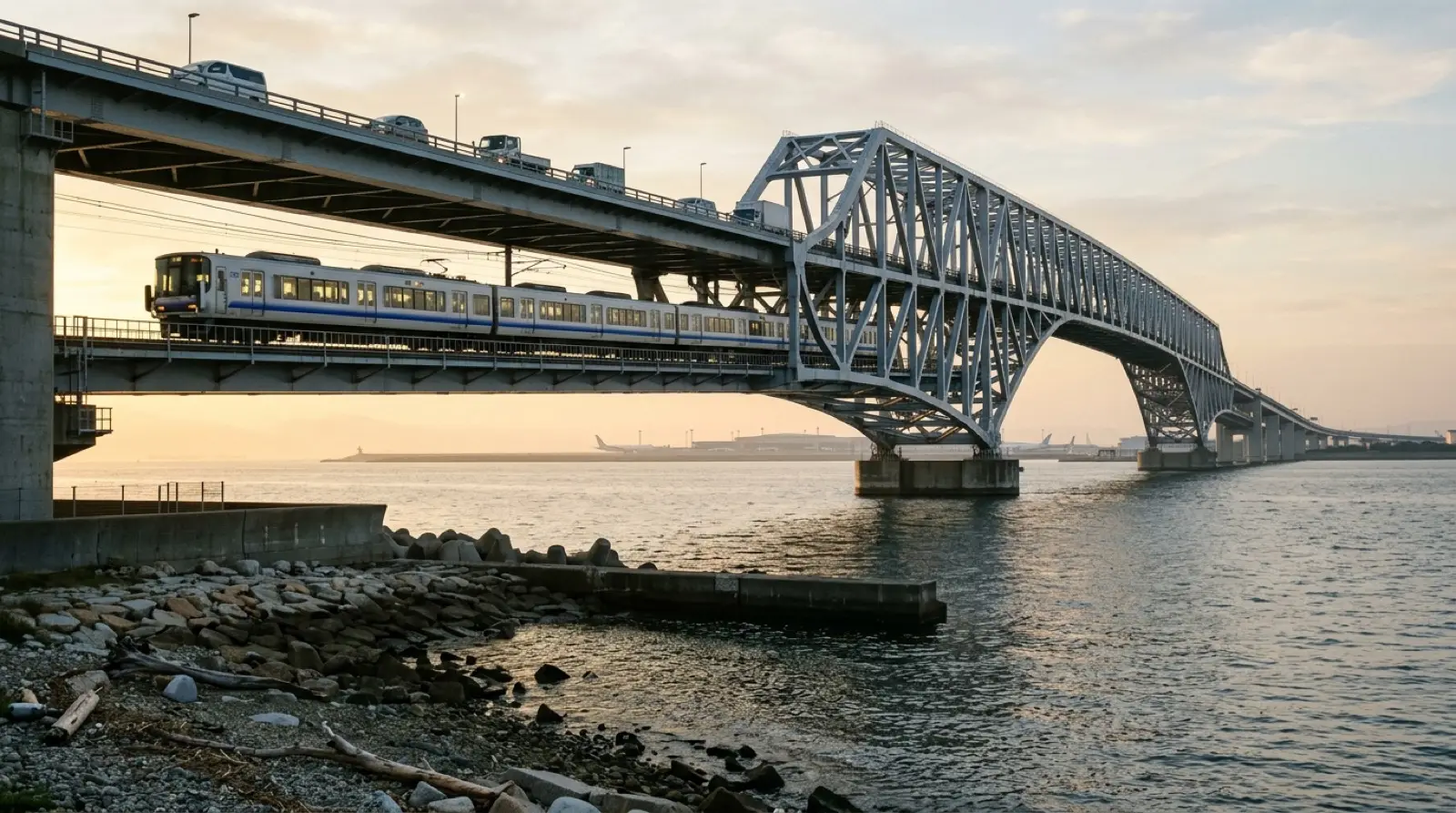
Kansai Airport to Osaka and Kyoto: Train, Bus and Taxi Fares Compared
For a hotel in Namba, the Nankai Airport Express is the cheapest ride at 970 yen and about 45 minutes, while the all-reserved Rapi:t does it in as little as 34. For Osaka Station, Shin-Osaka and Kyoto, JR's Haruka runs direct in about 47 and 80 minutes, and the discounted one-way ticket for short-term visitors brings Kyoto down to 2,200 yen. Land late and your options shrink to a cashless-only night bus to Umeda (0:15 from Terminal 1) or a taxi.
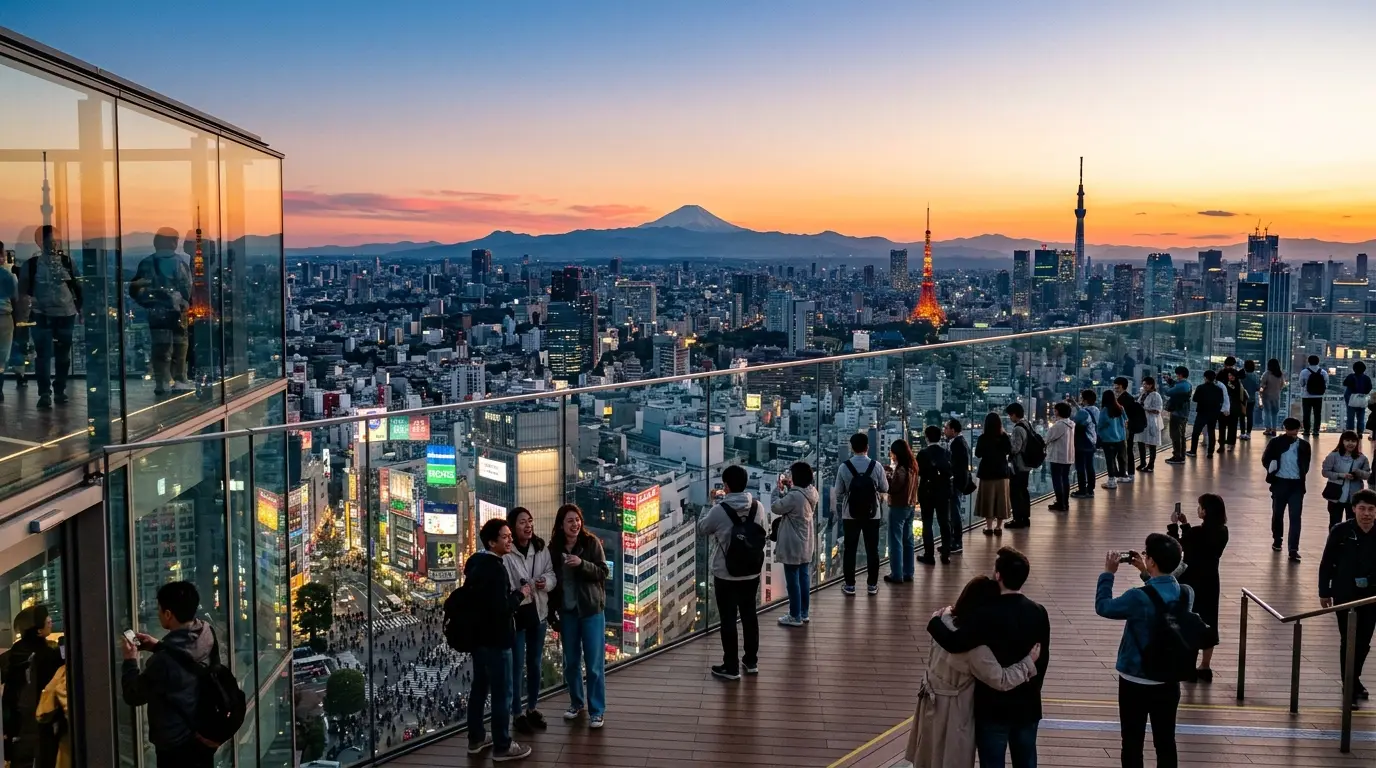
Where to Stay in Tokyo: Shinjuku vs Shibuya vs Ginza
Comparing room footprints across Shinjuku, Ginza, and Ueno, locking in sudden 14-day cancellation drops, and eliminating DCC fees with clean Yen checkout.
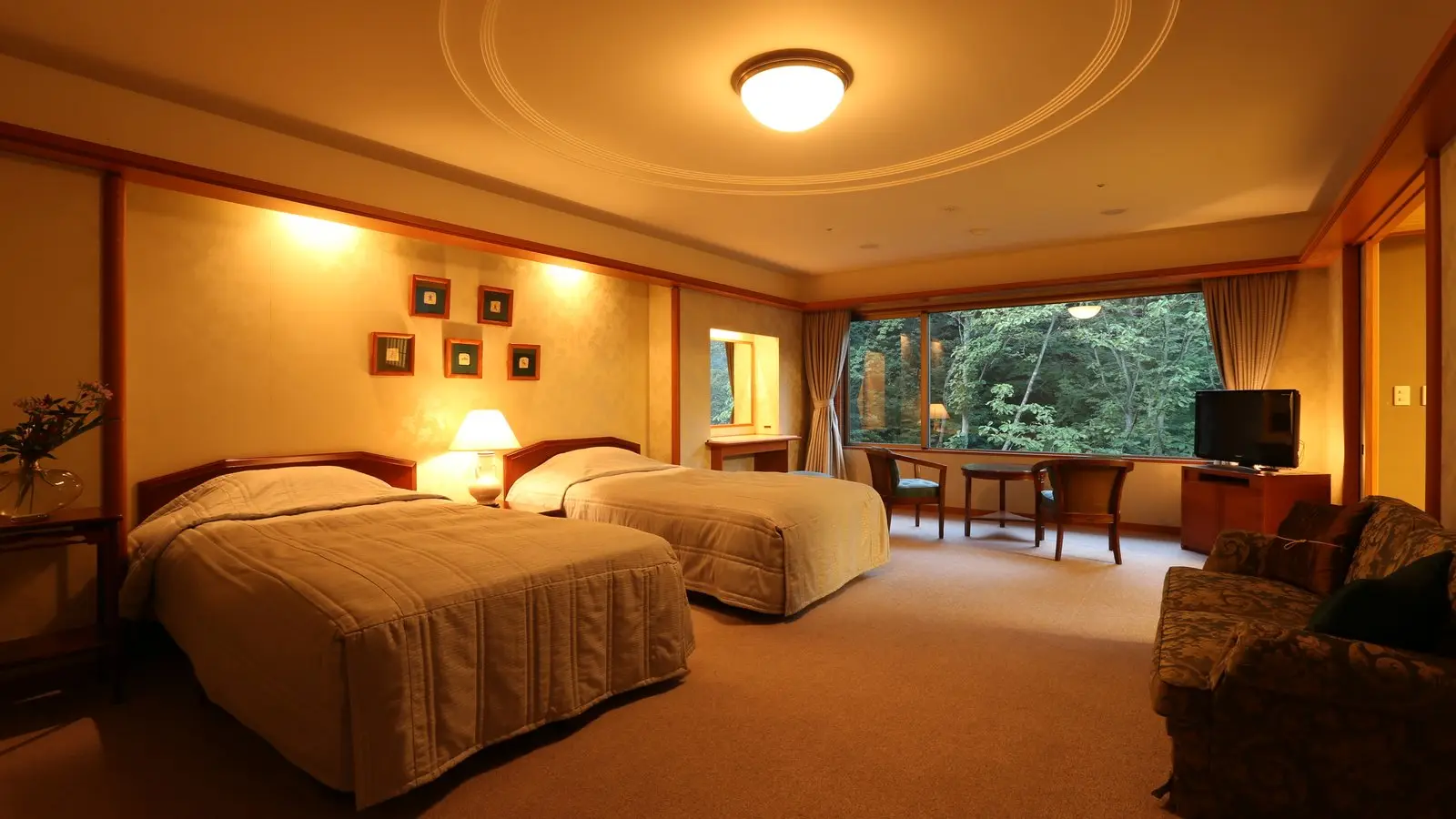
7 Budget Hotels in Tokyo Under $100 on the Yamanote Line
Even amid yen fluctuations, central Tokyo hotel rates have soared. Learn how to secure Yamanote loop line hotels at half the price of Shinjuku, compare onsen bath chains like Dormy Inn, trigger secret Agoda VIP and Booking.com Genius discounts, and dodge hidden currency fees with yen settlement.
How to Read the Tokyo Subway Map and Where to Stay on the Yamanote Line
How to choose between Keisei Skyliner and Narita Express, avoid the Tokyo Subway Ticket trap, use Apple Wallet Suica, and select the ideal hotel base in Tokyo.