
FukuokaTips
Fukuoka Airport to Hakata and Tenjin: The 5-Minute Subway Miracle, Free Shuttle, Bus, and 1,500 Yen Taxis
Just 2 stops and 5 minutes to Hakata, the missing subway link at the International Terminal, and why a 1,500 yen taxi wins for groups
The 5-Minute Subway Miracle: Asia's Most Accessible Airport
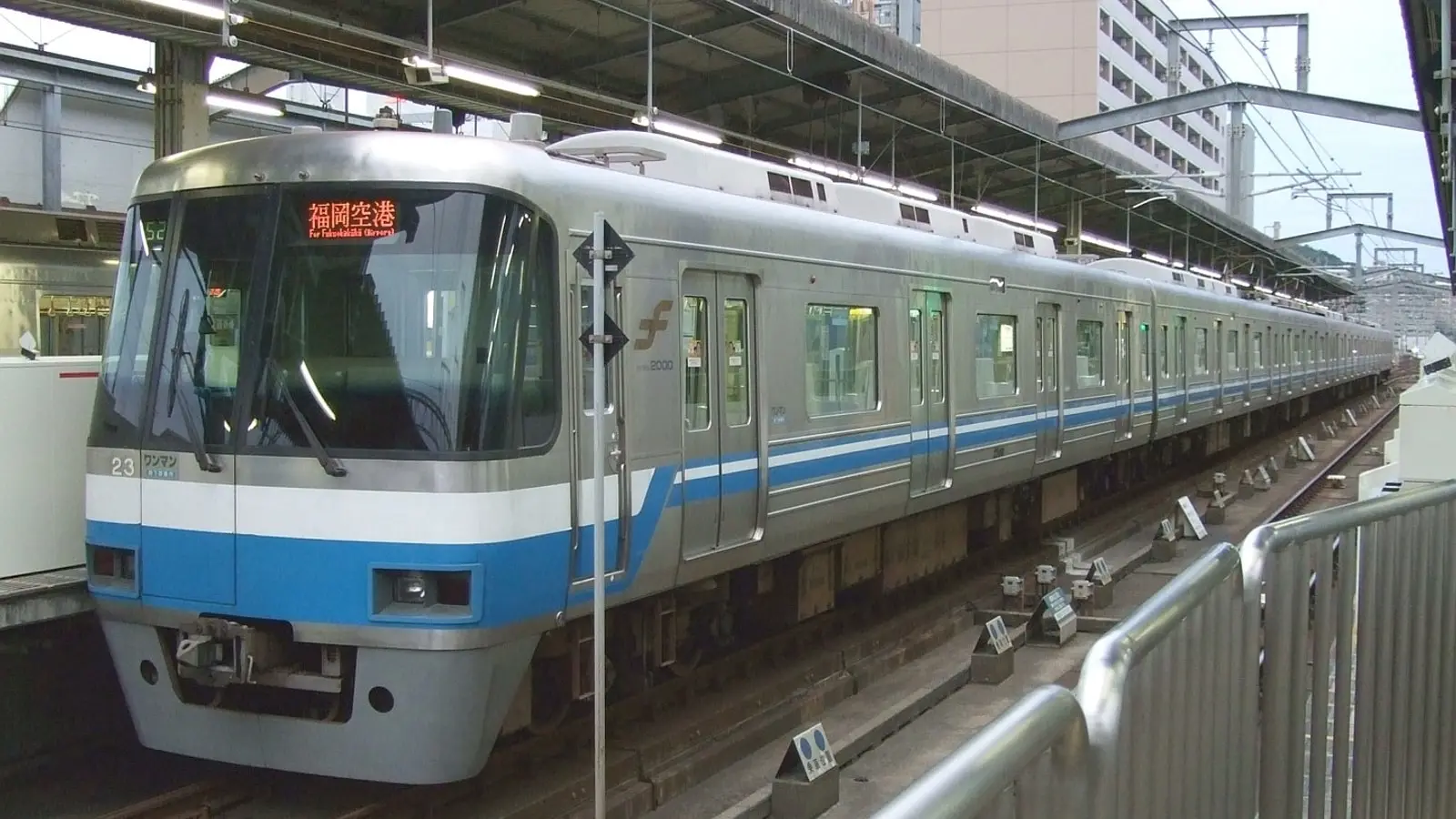
Fukuoka stands in a league of its own when it comes to seamless airport access. Situated virtually in the geographic center of the metropolis, Fukuoka Airport Station sits along the municipal Kuko Subway Line. Boarding a subway train whisks passengers to Hakata Station, the bullet train hub of Kyushu, in exactly two stops and five minutes. The city's bustling lifestyle center at Tenjin is reached in just five stops and eleven minutes.
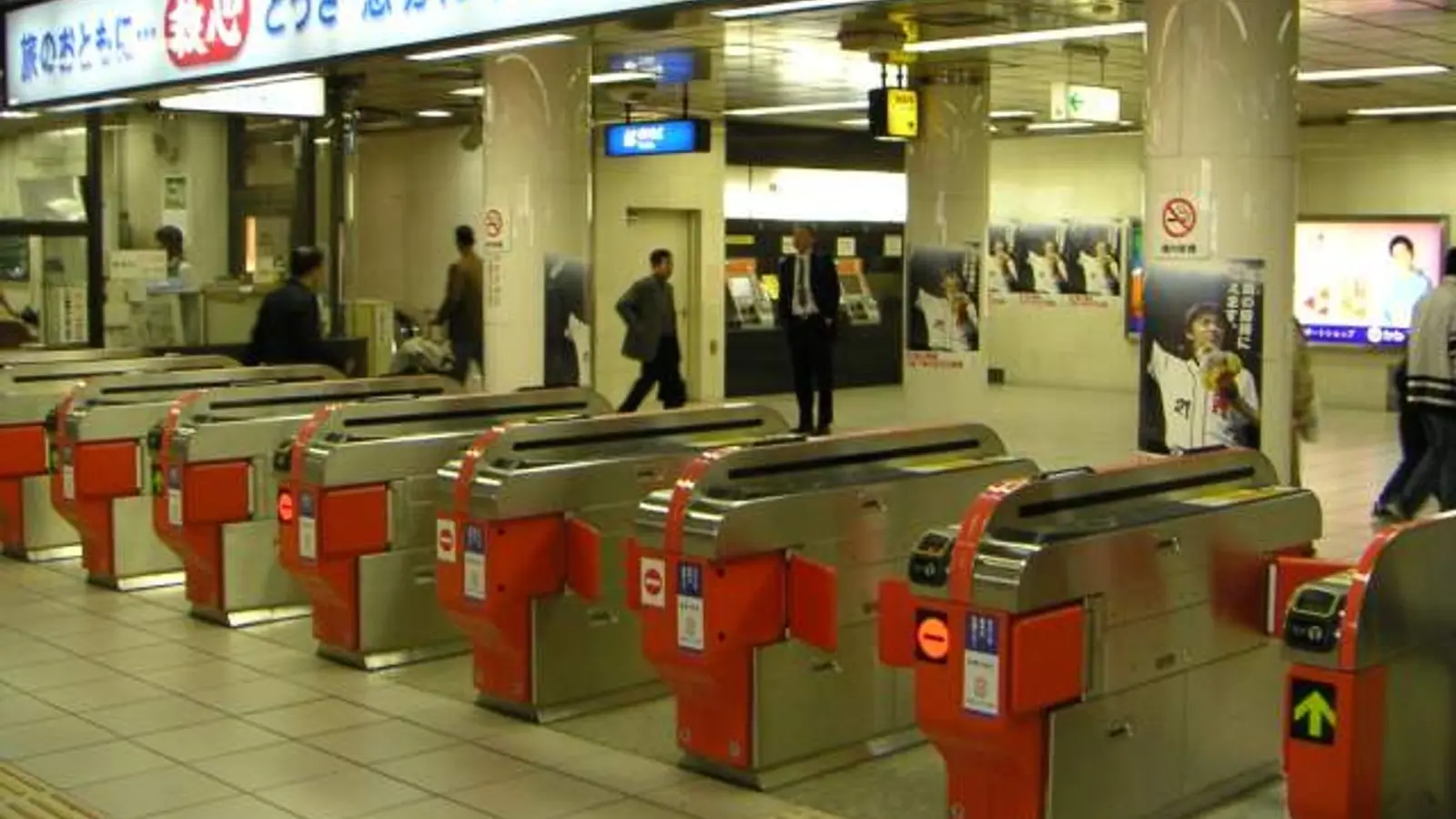
A one-way subway fare to either Hakata or Tenjin is a modest 260 JPY (roughly $1.80 USD). In a major technological leap for Japanese transit, Fukuoka City Subway has equipped fare turnstiles across all stations with open-loop contactless payment terminals. Passengers can simply tap an overseas Visa, Mastercard, or JCB debit or credit card at the gate to pass straight through without buying tickets.
Naturally, nationwide Japanese IC transit cards such as Suica, Pasmo, and Icoca remain fully supported. For travelers planning an active first day riding transit around town, the 640 JPY One-Day Subway Pass represents excellent value. With an airport round-trip already totaling 520 JPY, taking just a single additional subway hop anywhere across the city puts you squarely ahead.
Carriages feature clean, quiet longitudinal bench seating maintained to Japanese cleanliness standards, complete with bilingual digital displays and clear English voice announcements. Train frequencies are tight and dependable, arriving every three to five minutes during morning commuter rushes and every six to eight minutes throughout the rest of the day.
The Hidden Catch: No Subway Station at the International Terminal
Despite Fukuoka's legendary proximity, first-time arrivals face an immediate structural surprise: while international flights touch down at the International Terminal, the famous 5-minute subway station is physically located across the runway at the Domestic Terminal.
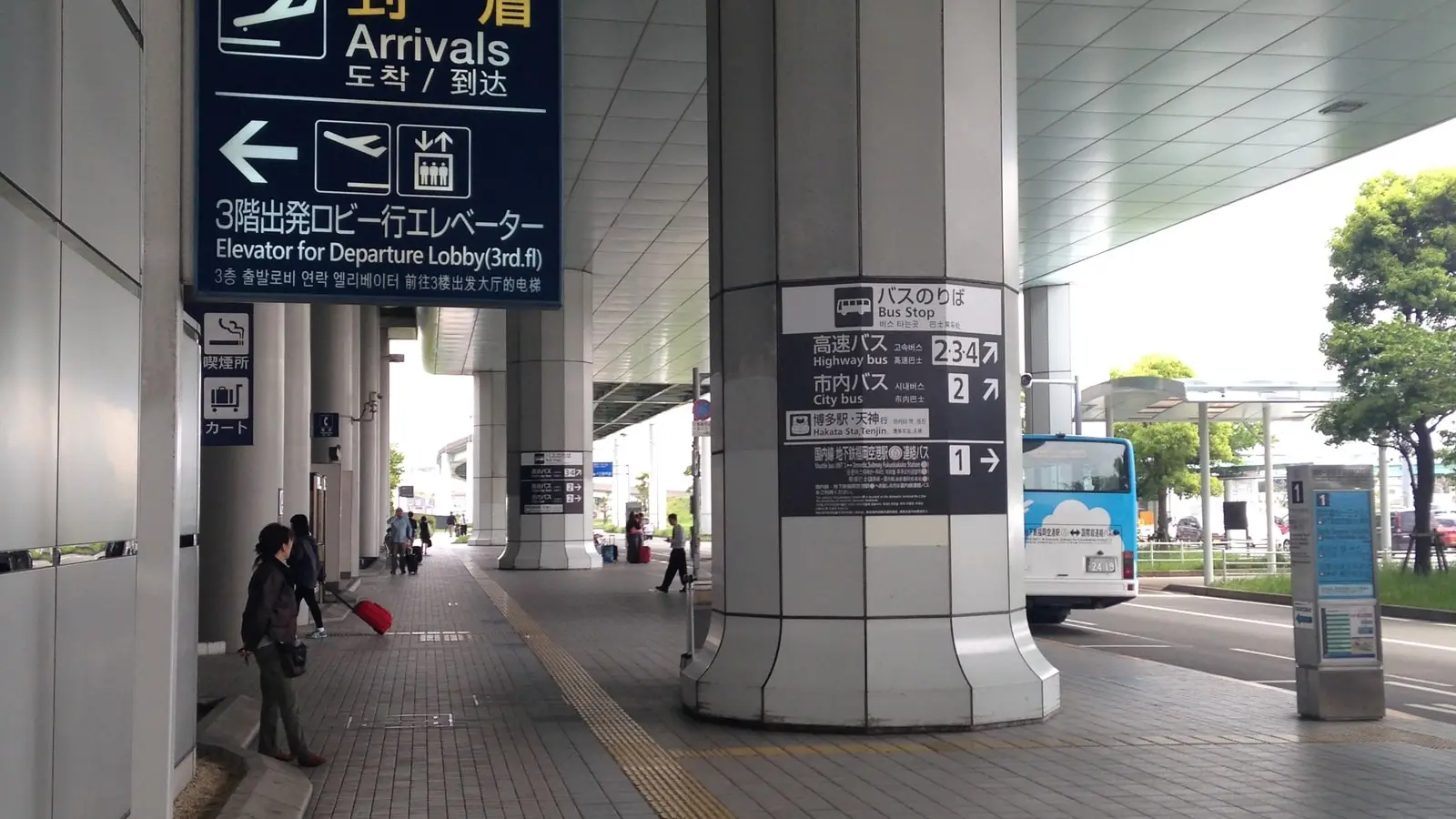
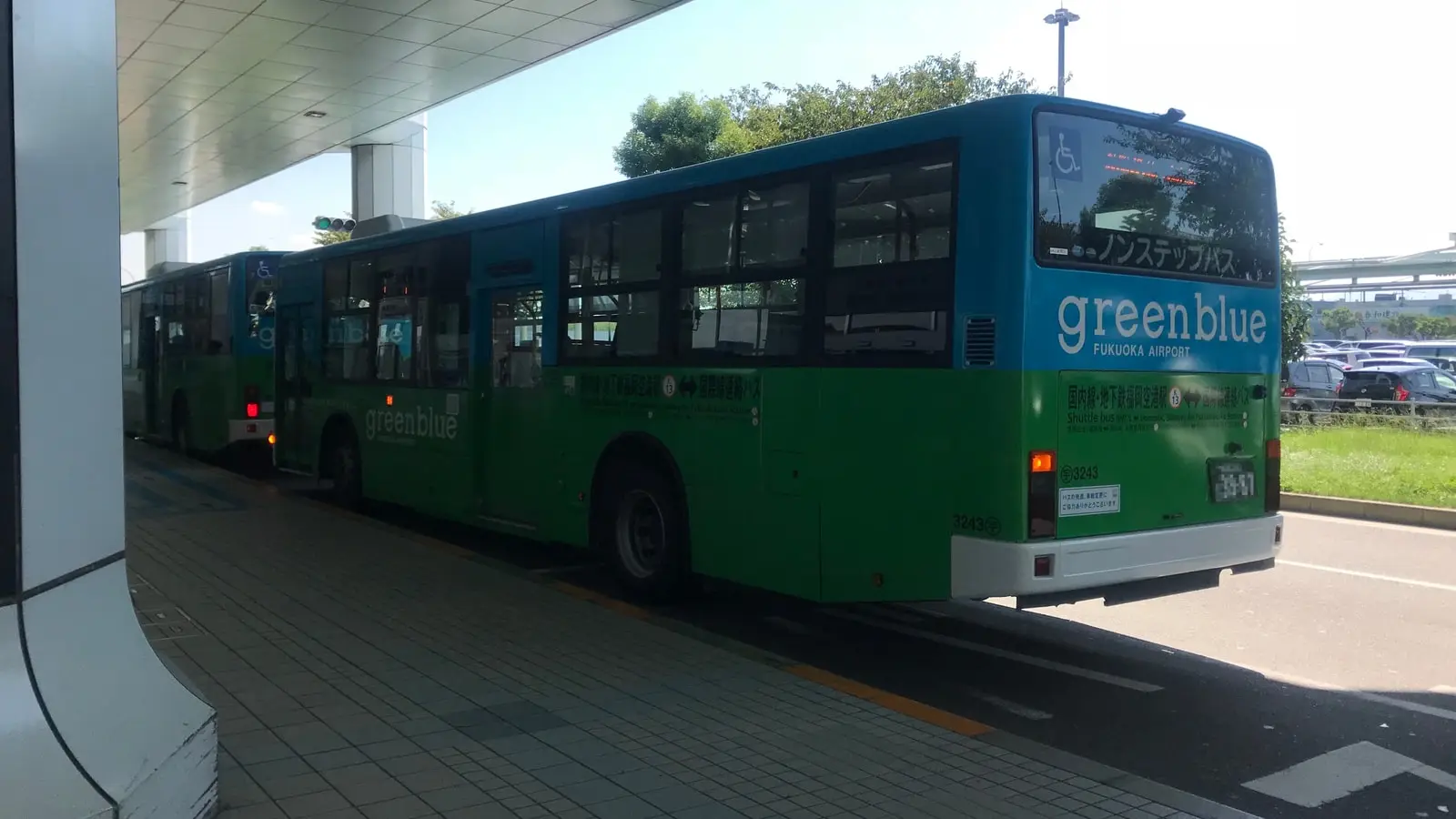
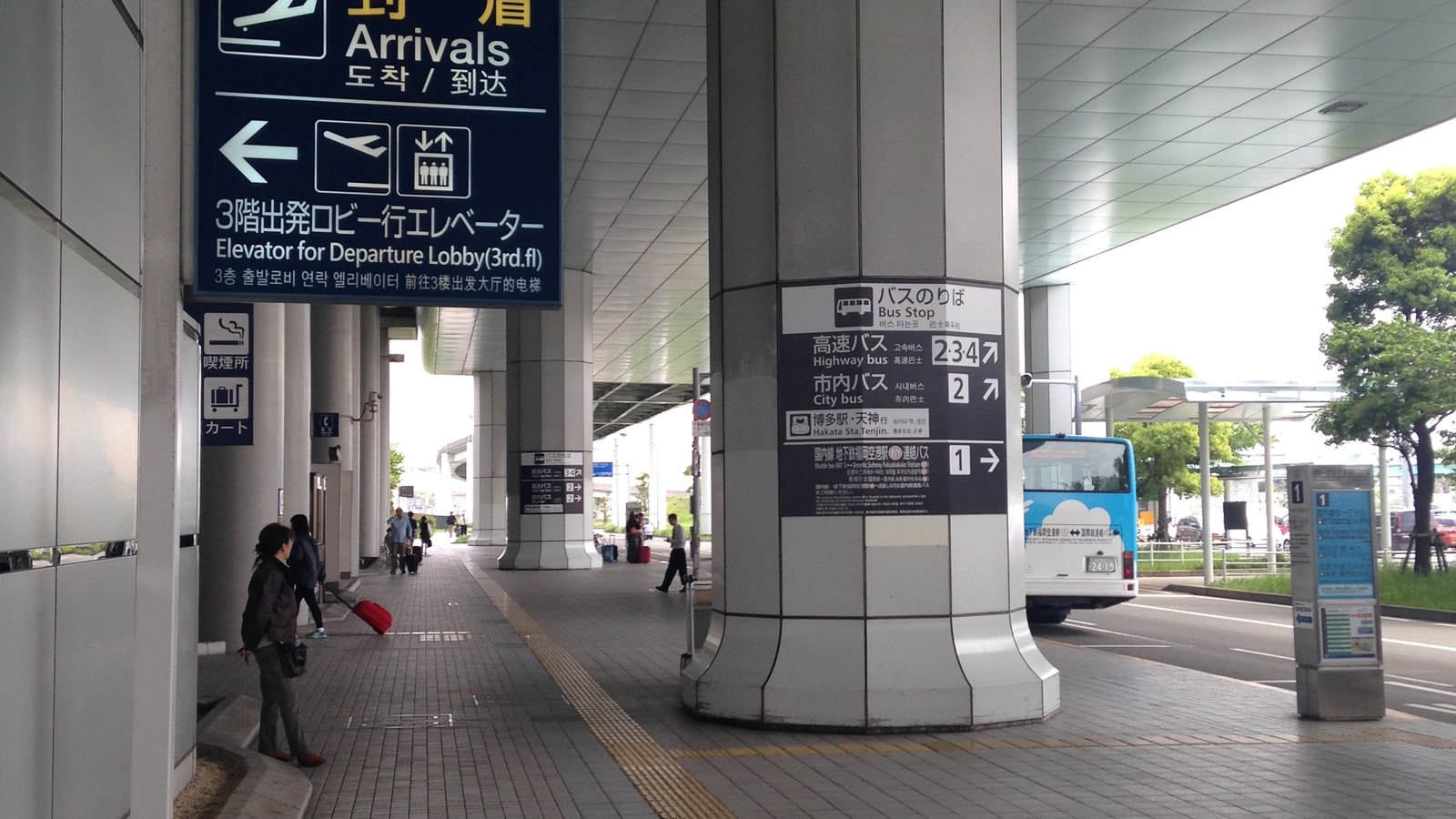
Stepping outside Exit 1 of the international arrivals concourse, passengers must board the dedicated green free terminal shuttle bus. Because this shuttle must navigate the exterior perimeter service roads encircling the runway, the transit drive alone takes 10 to 15 minutes. During morning arrival banks when widebody flights land simultaneously, boarding queues for this shuttle can stretch 20 to 30 minutes long.
| Transport Option | Total Travel Time | Fare per Person | Transfers | Primary Advantage | Best Suited For |
|---|---|---|---|---|---|
| Free Shuttle + Subway | 25-35 min | 260 JPY | 1 (shuttle) | Punctual, direct to Tenjin | Solo backpackers, light bags |
| Nishitetsu Direct Bus | 18-25 min | 310 JPY | 0 (direct) | Direct to Hakata Bus Terminal | Staying near Hakata Station |
| Metered Street Taxi | 12-15 min | ~1,500-1,800 JPY | 0 (direct) | Hotel door-to-door, effortless | Groups of 2-3, family trips |
| Private Airport Van | 12-15 min | 4,500-6,000 JPY | 0 (reserved) | Large family and luggage hold | 4+ travelers, golf bags |
If your hotel sits around Hakata Station, bypassing the shuttle entirely by boarding the Nishitetsu Express Highway Coach from Platform 2 outside international arrivals is a vastly smarter move. For 310 JPY, this coach whisks you directly to Hakata Bus Terminal without the hassle of heaving heavy luggage between buses and subways.
The Nishitetsu direct coach accepts standard IC cards (Suica, Icoca) as well as contactless Visa credit card taps upon exiting. Be mindful, however, that weekday evening rush hours can introduce modest 10-minute traffic snarls on the surface roads approaching Hakata Station.
The 1,500 Yen Taxi Equation: Why Groups Always Win
Encountering a hundred-person queue winding along the free shuttle platform is your signal to execute the seasoned traveler's pivot: walk straight past the bus stop to the licensed taxi stand. The physical driving distance from the International Terminal to Hakata Station's Chikushi or Hakata exits is a mere 3.5 kilometers.
A metered standard cab ride to Hakata Station costs roughly 1,500 to 1,800 JPY ($10 to $12 USD). Split between two passengers, that amounts to roughly 800 JPY each; for a trio, it drops to 500 JPY per person. Comparing that nominal premium against the physical strain of boarding a packed bus, dragging suitcases down subway stairs, and buying tickets makes the taxi an overwhelming winner.
Even for hotels in the central Tenjin or Daimyo quarters, metered taxi fares typically cap out around 2,200 to 2,600 JPY. For travelers traveling with aging parents, families juggling strollers, or shoppers laden with multiple 28-inch hardshell suitcases, the direct door-to-door cab journey preserves vital vacation energy.
Fukuoka corporate taxi drivers are polite, professional, and held to strict municipal standards. Overcharging and passenger refusal are non-existent. Drivers assist willingly with heavy luggage in the boot, and displaying your hotel address or Google Maps pin on your smartphone gets you moving instantly without language barriers. Payment is accepted via credit cards, Suica, and Japanese yen cash.
Onward Transfers: Hakata Exits, Tenjin Arcades, and Lockers
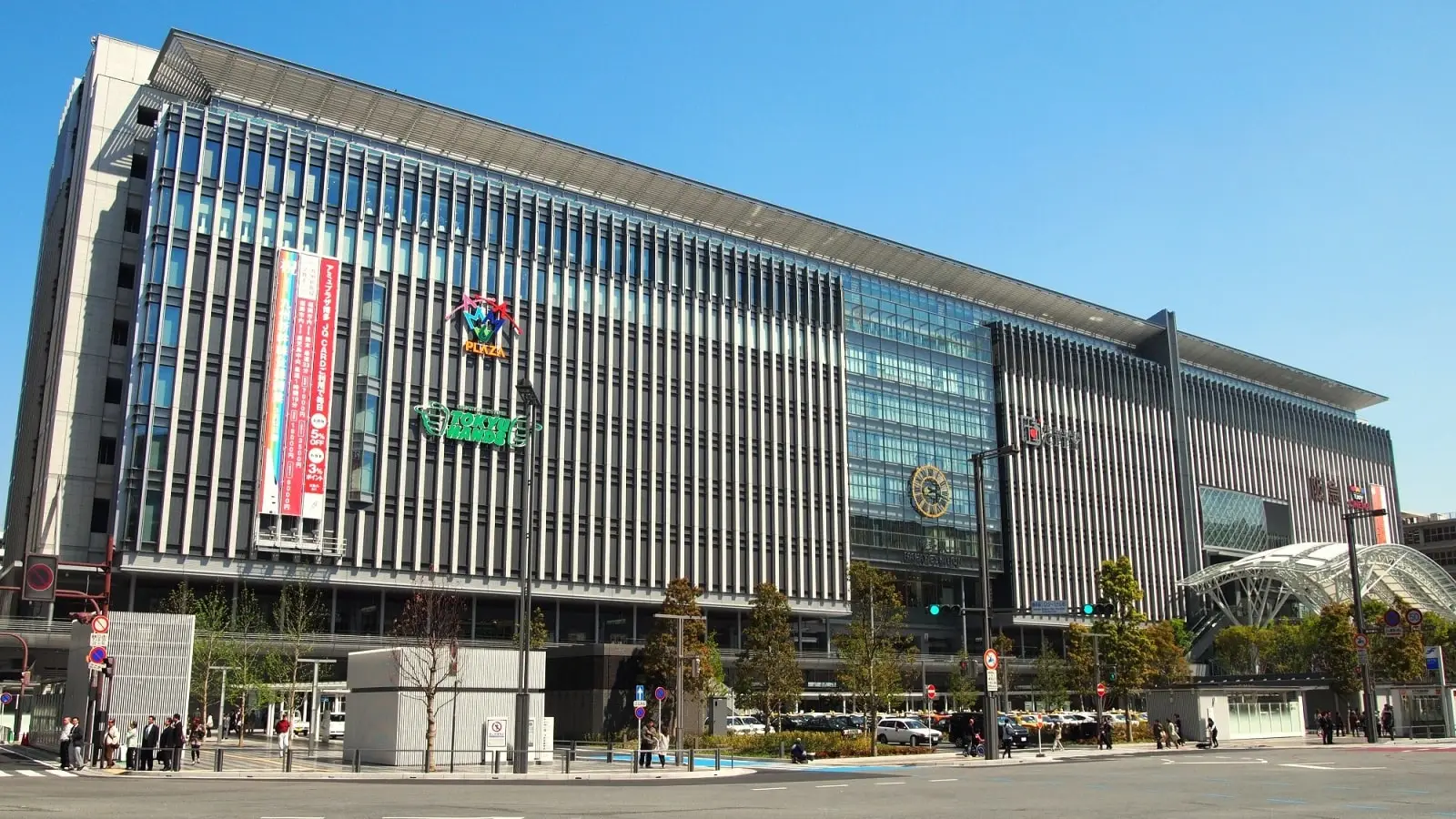
Understanding the layout of your destination station prevents unnecessary walking across multi-lane boulevards with heavy rolling bags. Hakata Station is split into two major exits: the western Hakata Exit (facing the bus terminal, Canal City, and Nakasu) and the eastern Chikushi Exit (adjoining the Shinkansen concourse and corporate business hotels).
Travelers heading to Tenjin should ride the subway straight to Tenjin Station. The underground platforms connect directly into the subterranean Tenjin Underground Shopping Mall (Tenjin Chikagai), an air-conditioned stone-vaulted arcade that connects directly to Parco, Iwataya Department Store, and Solaria Plaza without ever emerging into summer heat or rain.
If arriving well before the standard 15:00 hotel check-in window, dropping bags at your hotel reception is customary and free. However, if heading immediately outward to Dazaifu Shrine or the hot springs of Yufuin, utilize Hakata Station's ground-floor coin lockers. Standard lockers cost 400 JPY, while large lockers accommodating 28-inch suitcases run 700 to 800 JPY.
Because lockers along the central ground-floor concourses fill rapidly by midday on weekends, savvy travelers head downstairs to the B1 level of Amu Plaza or the underground luggage room below Hankyu Department Store. Lockers equipped with IC card readers dispense a printed QR receipt that unlocks your compartment, eliminating the risk of losing a physical key.
Departure Playbook: The Direct Airport Coach and Terminal Queues
When concluding your trip, routing your return to the airport requires deliberate care. Taking the subway back from the city drops you off at the Domestic Terminal, meaning you must repeat the 15-minute free shuttle transfer in reverse while burdened with heavy souvenir shopping bags.
The definitive return route is the Nishitetsu International Direct Coach departing from Platform 11 on the ground floor of Hakata Bus Terminal. For 310 JPY, this bus deposits passengers directly on the 3rd-floor departures concourse of the International Terminal, bypassing the domestic transfer entirely. Coaches depart reliably every 15 to 20 minutes.
Fukuoka's International Terminal handles substantial traffic relative to its physical floor footprint, making security screening queues notoriously bottlenecked during midday flights. Plan to arrive at least 2.5 hours prior to departure, or three hours during peak holiday seasons, to clear check-in and security smoothly.
Past immigration, the duty-free retail concourse features extensive queues for regional specialties like Fukuya spicy cod roe (mentaiko, packaged in cold-storage foil for 200 JPY), Hakata Torimon sweet buns, and Fukusaya castella cakes. Cashiers allow split payments between remaining Japanese yen coins and credit cards, making it an ideal opportunity to deplete spare physical pocket money.
Frequently Asked Questions
Field-tested answers to transit navigation, neighborhood choices, and payment traps.
Q1.What is the fastest way from Fukuoka Airport International Terminal to Hakata Station?
Q2.How do I get to the subway station from the International Terminal?
Q3.Can I use overseas contactless credit cards on the Fukuoka City Subway?
Q4.What is the most convenient way to return to the International Terminal on departure day?
The Smart Traveler's Essential Toolkit
Prepare instant mobile data, private airport transfers, and skip-the-line passes in one place.
Pick a base in Fukuoka by your route
Choose the places you want to see and get the neighbourhood with the shortest travel.
Compare Fukuoka Hotel Rates
Find the cheapest channel across Agoda and major booking engines with Tripdify.
Share This Guide with Your Companions
When shared via chat or social media, a curated summary card is sent along.
Recommended Guides
How to Book Fukuoka Hotels Cheaply: Four-Star Rates in Tenjin and Hakata
A complete guide comparing Hakata Station vs Tenjin hotel zones, avoiding DCC currency markup with JPY payments, and handling local accommodation taxes.
Getting Around Fukuoka: Subway Lines and Where to Stay in Hakata or Tenjin
How to bypass crowded airport terminal shuttles with direct buses in Fukuoka, master contactless subway gates, and pick the best base between Hakata and Tenjin.
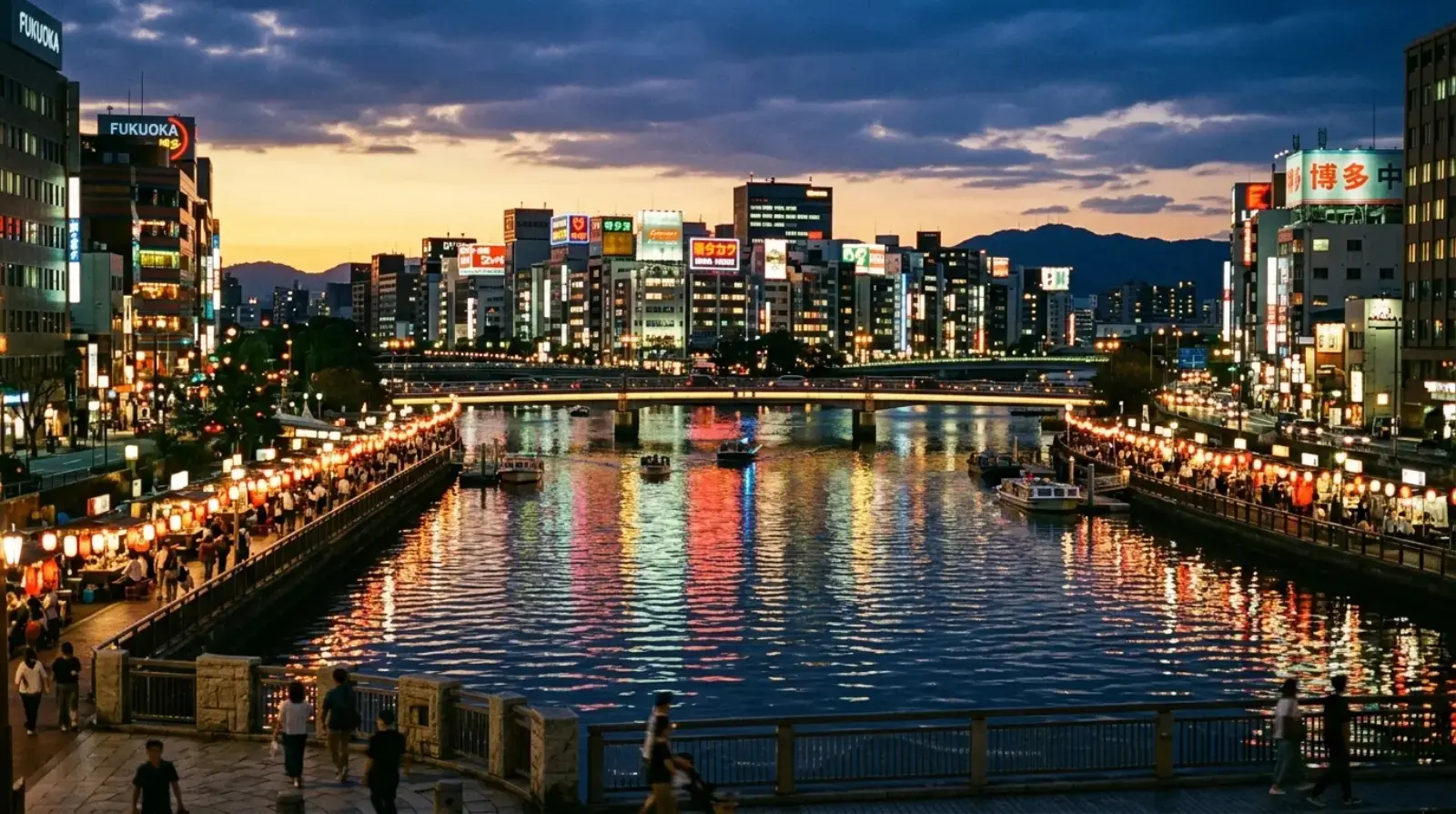
Fukuoka Day 1 Itinerary: Airport to Hakata and the Nakasu Yatai Stalls
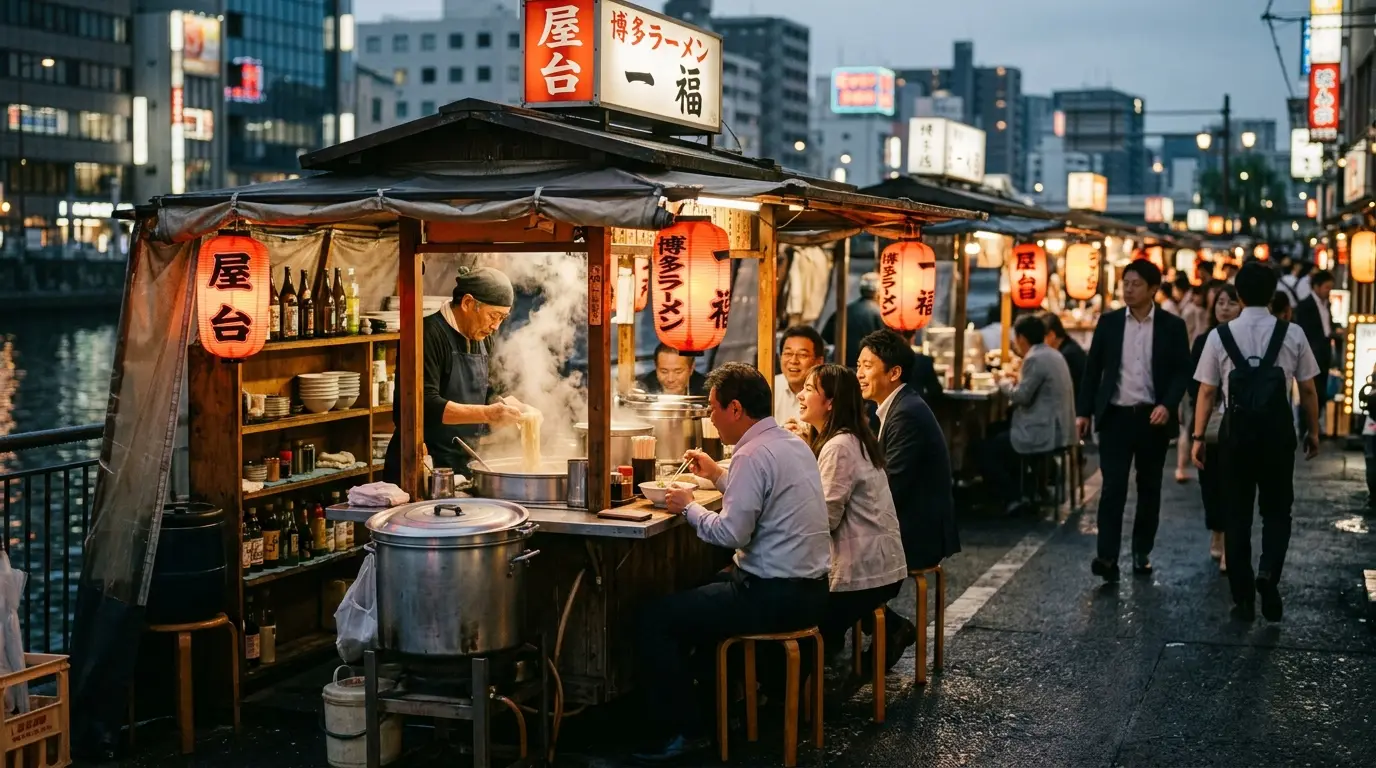
From reaching Hakata Station in five subway minutes to securing station lockers, ordering authentic tonkotsu ramen with custom firmness, and navigating Nakasu yatai etiquette. A veteran guide to your first 24 hours.
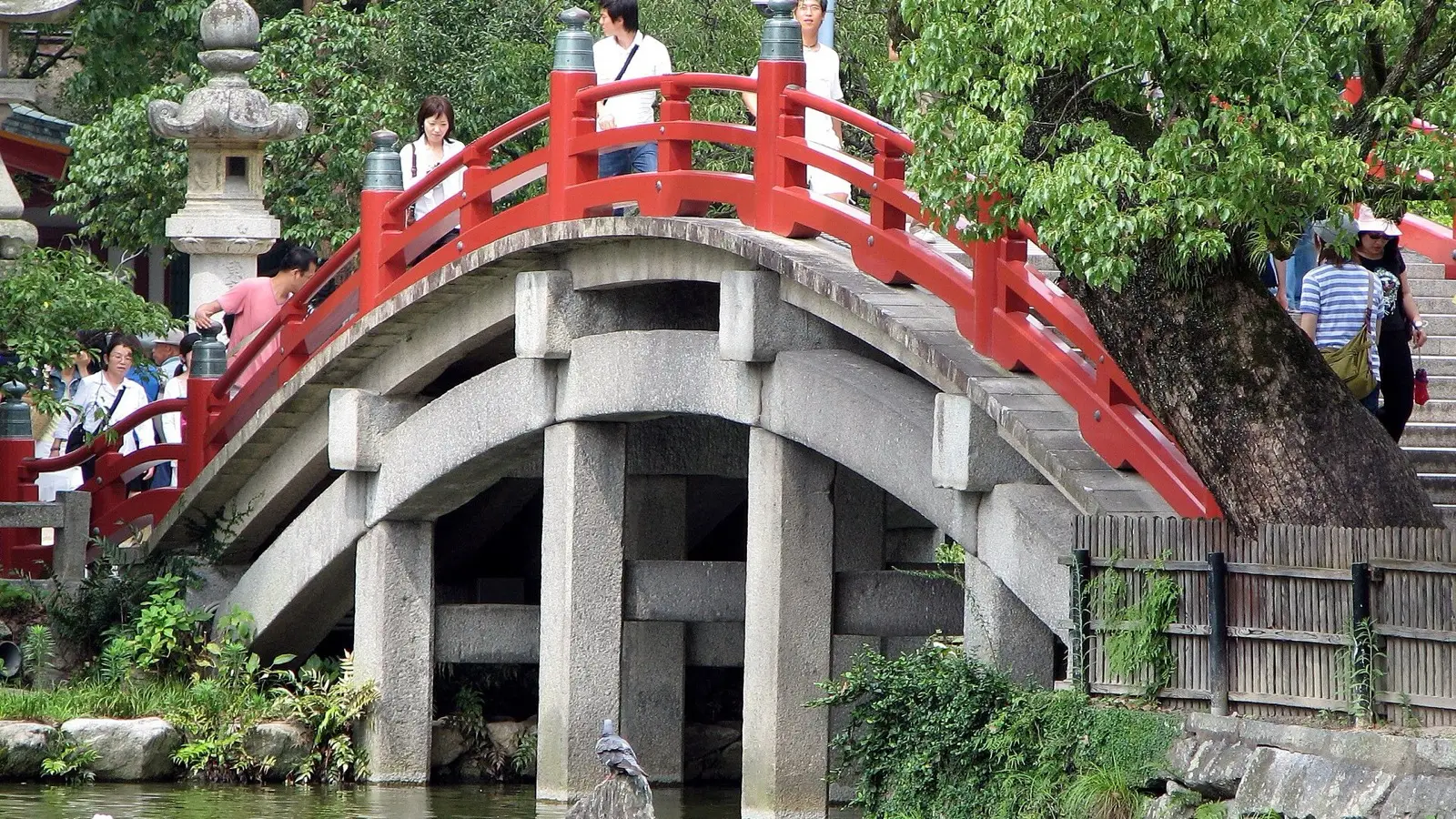
Fukuoka Day 2 Itinerary: Dazaifu, Ohori Park, Tenjin Shopping and Motsunabe
Day 2 immerses you in Fukuoka's finest cultural textures: riding the Nishitetsu express to ancient Dazaifu Tenmangu for crispy plum rice cakes, unwinding along the weeping willows of Ohori Park, exploring Tenjin Underground Mall's vaulted corridors, and dining over bubbling motsunabe beef offal hotpots.
Fukuoka Day 3 Itinerary: Kushida Shrine, Canal City and Hakata Station Shopping
The ultimate finale for your Fukuoka journey: morning serenity at eighth-century Kushida Shrine, dynamic musical water shows at Canal City Hakata, souvenir hauls at Hakata Hankyu, and world-class subway airport transit clocking in at just five minutes flat.
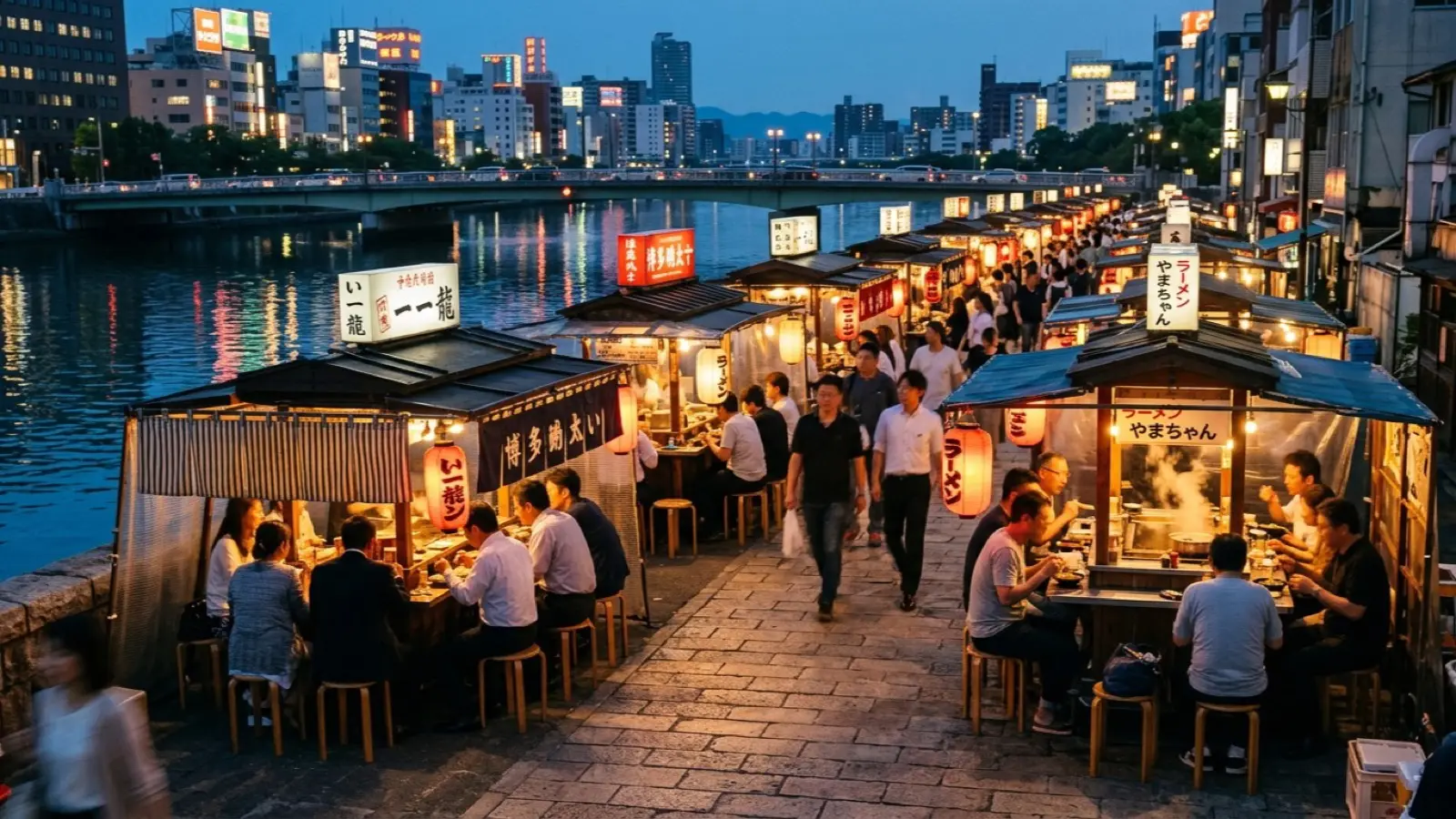
How to Use a Fukuoka Yatai: Ordering in Nakasu Without Overpaying
As twilight settles over the Naka River and red noren banners unfurl, Fukuoka's legendary street food scene comes alive. From seat fees and drink mandates to district rivalries across Nakasu, Tenjin, and Nagahama, here is how to savor Fukuoka's open-air yatai stalls like a seasoned local.
Best Hotels in Fukuoka: Hakata Station or Tenjin
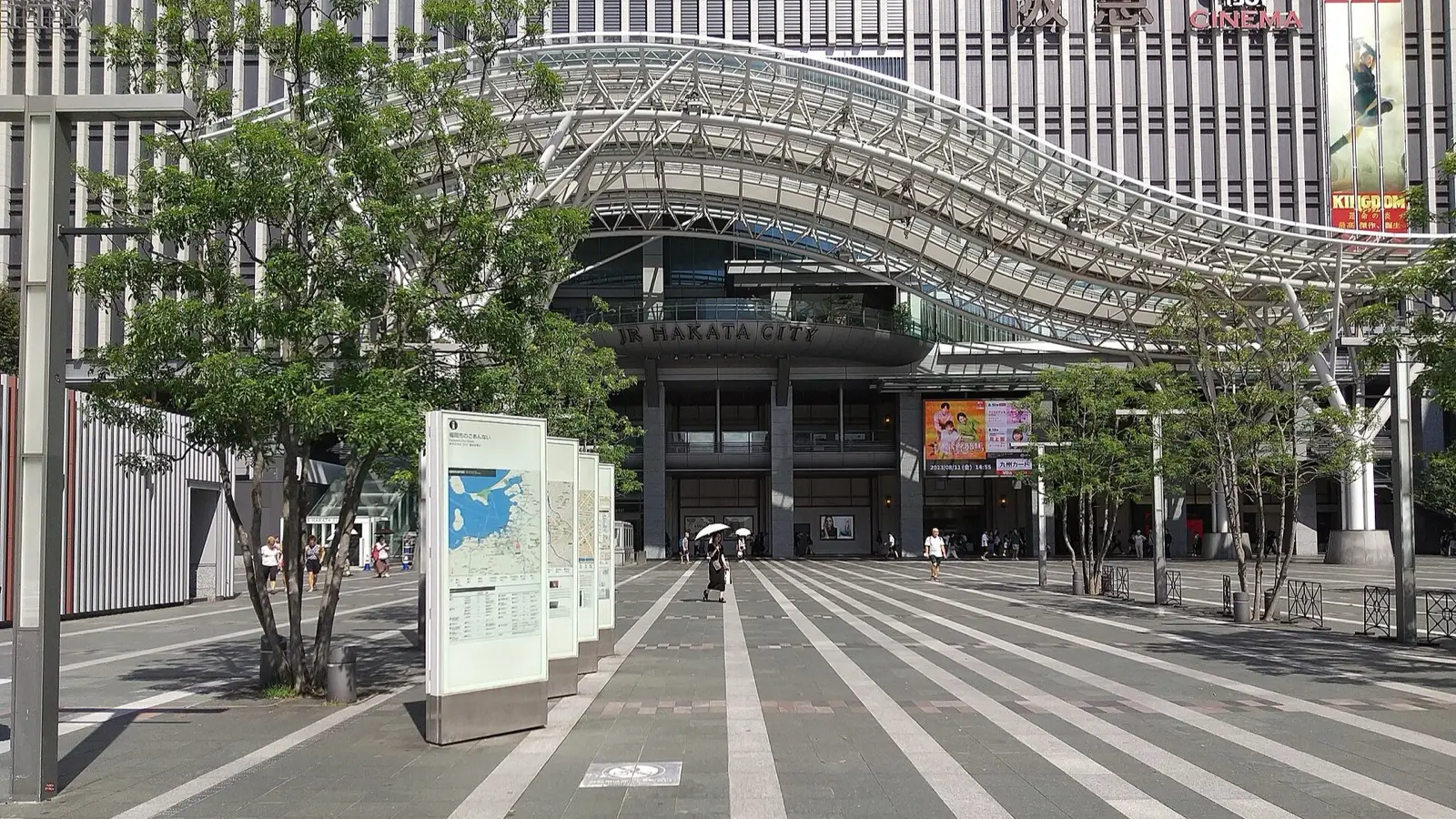
The eternal question when planning a trip to Fukuoka is whether to stay in Hakata or Tenjin. From Hakata Station's unrivaled transit power just five minutes by subway from the airport, to Tenjin's lively department stores and nightlife, plus riverside Nakasu in between, we curate four standout stays tailored to your travel priorities.
The Overseas Car Rental Playbook: Japan Zero-NOC Cover, Geneva Permits, and Accident Protocols
Exploring the secluded hot spring hamlets and coastal scenic bypasses of Kyushu, Hokkaido, or Okinawa by rental car unlocks unparalleled freedom that regional rail cannot match. Yet self-driving abroad harbors hidden regulatory and financial pitfalls that derail holidays before turning the ignition key. Many international travelers arrive at Japanese rental depots carrying standard domestic English driver licenses, only to be turned away because Japan strictly requires an original physical Geneva Convention 1949 International Driving Permit. Furthermore, settling for basic collision damage waivers (CDW) leaves drivers liable for steep Non-Operation Charges (NOC) when minor scratches occur, while failing to file a formal police report voids coverage entirely. This guide outlines every critical checkpoint, from foolproof permit validation and zero-deductible NOC packages to 360-degree vehicle inspection videos and regional expressway pass savings.

Dawn at Fukuoka Dazaifu Tenmangu: Warm Umegae Mochi, Sacred Ox Statues, and Verdant Shrine Gardens
Revered as the final resting place of Sugawara no Michizane, the patron deity of scholarship and literature, Dazaifu Tenmangu stands as Kyushu's most celebrated historic Shinto shrine. Yet visiting at midday frequently plunges travelers into dense crowds of tour groups, megaphone announcements, and packed souvenir corridors. The authentic soul of Dazaifu reveals itself only to those who arrive early at 8:00 AM. In the cool dawn mist, Shinji Pond mirrors ancient weeping willows as you step onto the three arched vermilion bridges known as Taikobashi, symbolizing the spiritual passage through past, present, and future. From gently rubbing the polished horns of the bronze sacred ox statues for academic luck to savoring piping-hot, griddled Umegae-mochi rice cakes stamped with plum crests, this peaceful morning itinerary unveils the serene heart of Fukuoka heritage.
5 Best Value Hotels in Fukuoka Tenjin: 11-Minute Direct Airport Subway, Shopping Hubs, and Onsen Baths
When selecting an urban sanctuary in Fukuoka, travelers perpetually weigh the competing virtues of Hakata versus Tenjin. While Hakata Station reigns supreme for bullet train intercity transit and Kyushu rail loops, Tenjin captures the lifestyle heart of the city, placing premier department stores including Iwataya, Parco, and Daimaru alongside trendy Daimyo boutiques within effortless footfall. Moreover, the Fukuoka City Subway whisks passengers from the airport terminal directly into central Tenjin in just 11 minutes, while Nishitetsu Fukuoka Station provides swift rail departures to Dazaifu Tenmangu shrine. However, finding tranquility amidst bustling neon requires insider curation. Here are five downtown value hotels, boasting soothing natural onsen hot spring baths, complimentary evening noodles, and peaceful acoustic insulation.
Where to Stay in Tokyo: Shinjuku vs Shibuya vs Ginza
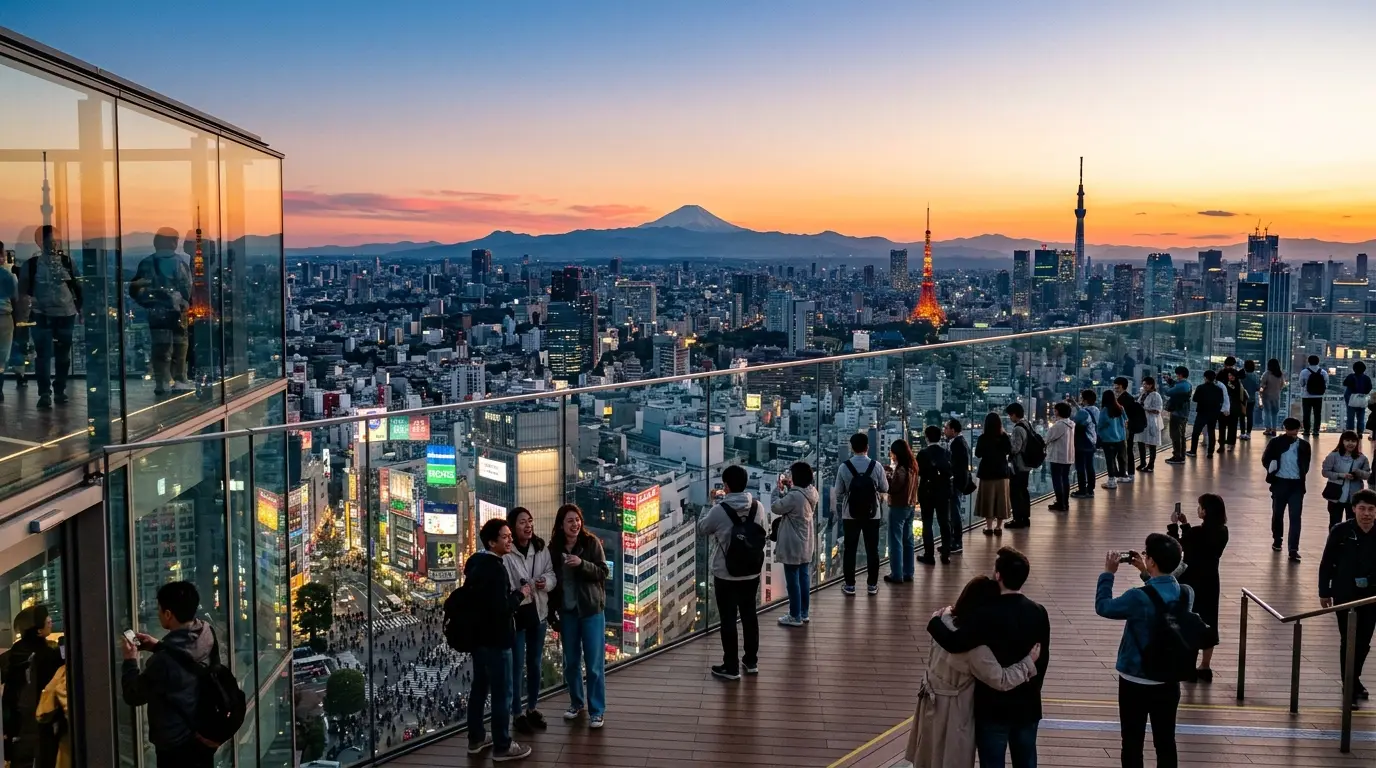
Comparing room footprints across Shinjuku, Ginza, and Ueno, locking in sudden 14-day cancellation drops, and eliminating DCC fees with clean Yen checkout.
7 Budget Hotels in Tokyo Under $100 on the Yamanote Line
Even amid yen fluctuations, central Tokyo hotel rates have soared. Learn how to secure Yamanote loop line hotels at half the price of Shinjuku, compare onsen bath chains like Dormy Inn, trigger secret Agoda VIP and Booking.com Genius discounts, and dodge hidden currency fees with yen settlement.