
RomeGuide
Rome Day 1 Itinerary: Fiumicino to the City, Monti and the Colosseum at Dusk
Leonardo Express 14 EUR ticketing hacks, cobblestone luggage maneuvering, coperto cover charges, and al banco espresso rules.
Leonardo Express to Roma Termini: 32-Minute Swift Gateway from FCO Airport
Stepping out of the terminal at Rome Leonardo da Vinci-Fiumicino Airport (FCO), travelers are greeted by dry Mediterranean warmth and rich espresso aromas. Ignore aggressive unlicensed taxi touts lingering near the arrivals doors and look up at the bold yellow train icons guiding you to the connected railway station. A brisk five-minute escalator ride brings you directly to the Trenitalia automated ticket concourse.
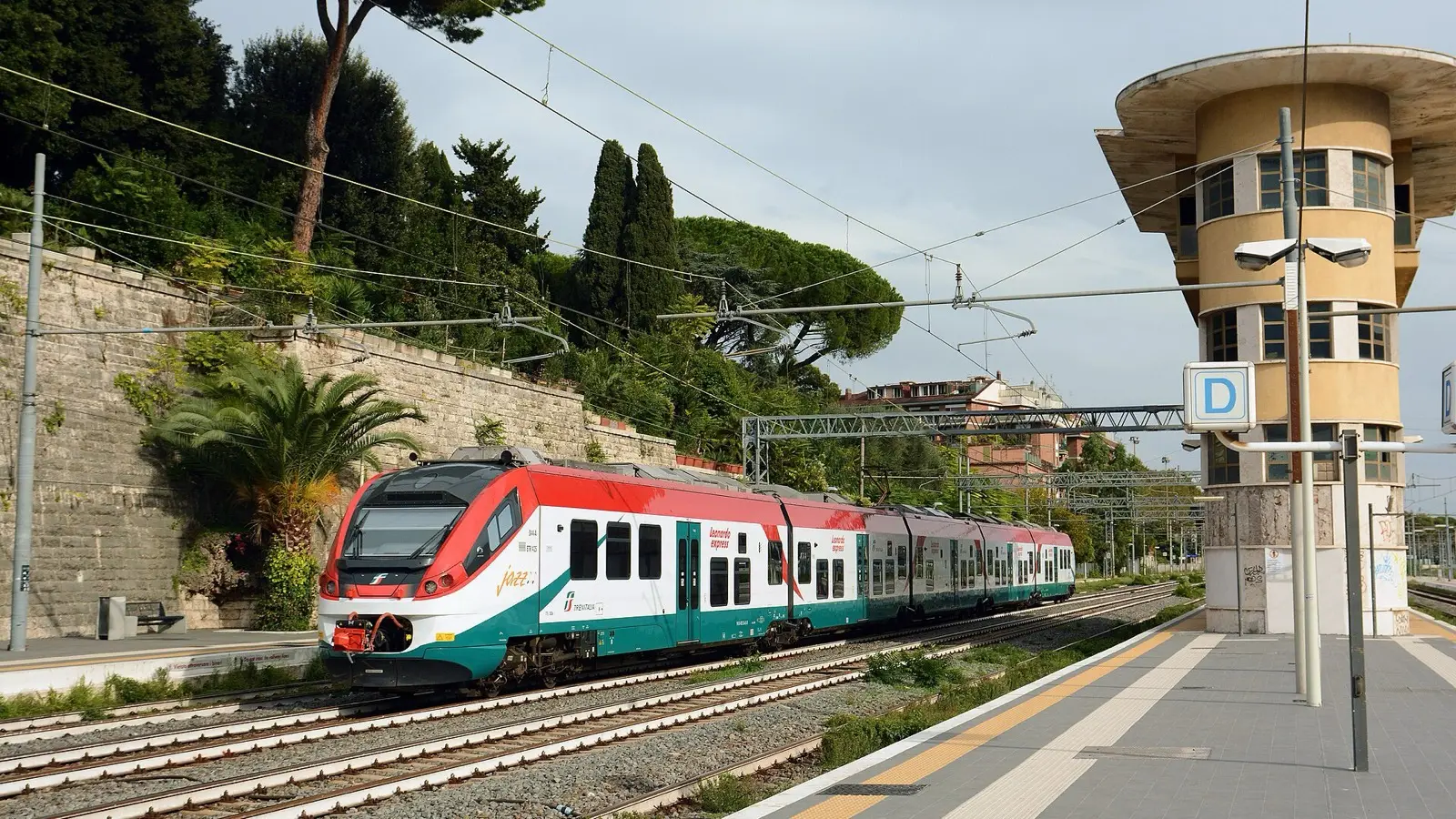
The fastest and most reliable transport into central Rome is the non-stop Leonardo Express rail service. Operating every 15 to 30 minutes for a fixed fare of 14 EUR, it bypasses Rome notorious highway bottlenecks and glides into Platforms 23 and 24 at Roma Termini in exactly 32 minutes. Tickets can be purchased in seconds using contactless credit cards at digital kiosks without needing physical time-stamp validation machines.
The moment your wheels touch down on Roma Termini platforms, practical travel wisdom becomes essential. Exiting the station with a heavy 28-inch suitcase brings you face to face with Rome unforgiving Sanpietrini basalt cobblestones. Dragging small roller luggage through narrow uneven alleys will rapidly shred wheels; instead, navigate toward Rione Monti along the wide, smoothly paved asphalt walkways of Via Cavour.
For seamless public transit throughout your stay, skip paper ticket queues and tap your contactless bank card directly at metro turnstiles and bus card readers using the ATAC Tap and Go system. A single 1.50 EUR charge grants 100 minutes of travel, including one metro ride and unlimited city bus transfers. When withdrawing euros from station ATMs, always decline dynamic currency conversion (DCC) to avoid a markup of several percent hidden in a poor exchange rate.
Cobblestones of Rione Monti and First Meal: Authentic Cacio e Pepe and Espresso
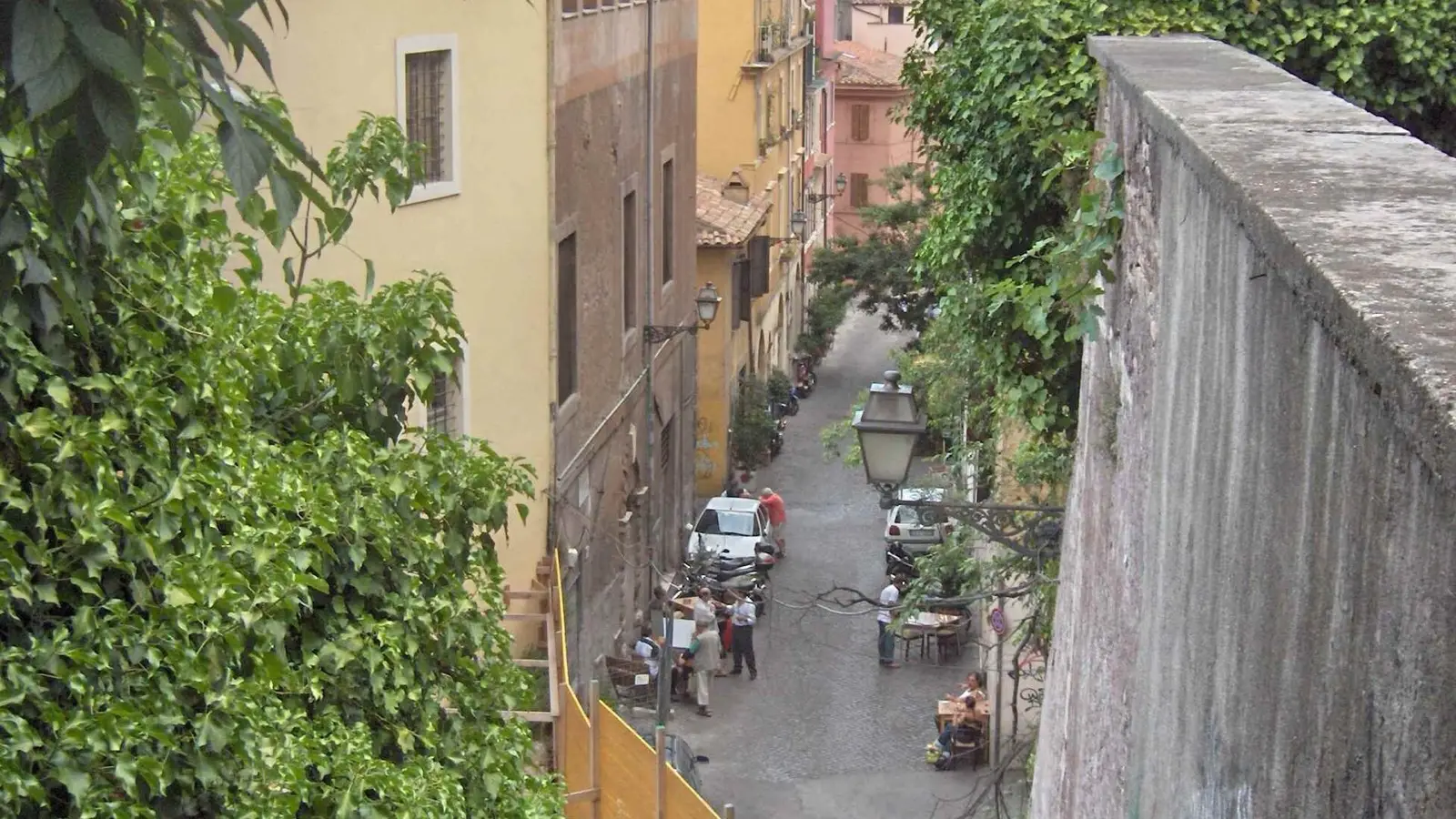
A brief seven-minute stroll southwest of Roma Termini brings you into Rione Monti, Rome oldest residential quarter and former Suburra of antiquity. Climbing ivy drapes over warm terracotta brick facades sheltering artisanal leather workshops, indie boutiques, and cozy neighbourhood trattorias. Rather than enduring high-pressure fine dining after a grueling intercontinental flight, settling into an unpretentious Monti dining room is the quintessential introduction to Roman hospitality.
The undisputed centerpiece of your arrival meal should be Cacio e Pepe, one of Rome holy trinity of pasta classics. Crafted solely from al dente spaghetti emulsified with aged sharp Pecorino Romano DOP cheese and freshly cracked toasted black pepper using starchy pasta cooking water, it delivers explosive savory richness from minimal ingredients. Those desiring crispy cured pork jowl can opt for authentic Carbonara, while tomato enthusiasts will relish a robust bucatini all Amatriciana.
To navigate the bill with local composure, understand the traditional Italian coperto cover charge. Typically ranging from 2 to 3 EUR per guest, this legal fee covers table settings, bread, and linens, and is universally accepted when stated on menus. When requesting water, clearly differentiate between still (Naturale) and sparkling (Frizzante), and feel empowered to ask for a carafe of tap water (Acqua di rubinetto) to keep expenses grounded.
Following your meal, step into a vintage neighbourhood bar for an essential Italian espresso ritual. Standing at the counter (Al Banco) costs a modest 1.20 to 1.50 EUR, whereas sitting at a terrace table (Al Tavolo) can quadruple the bill with service charges. Cleanse your palate with a customary complimentary sip of sparkling water, then down the thick, hazelnut-crema espresso in one decisive draught to banish jetlag instantly.
Imperial Twilight and Colosseum Walk: Watching Sunset Over the Roman Forum
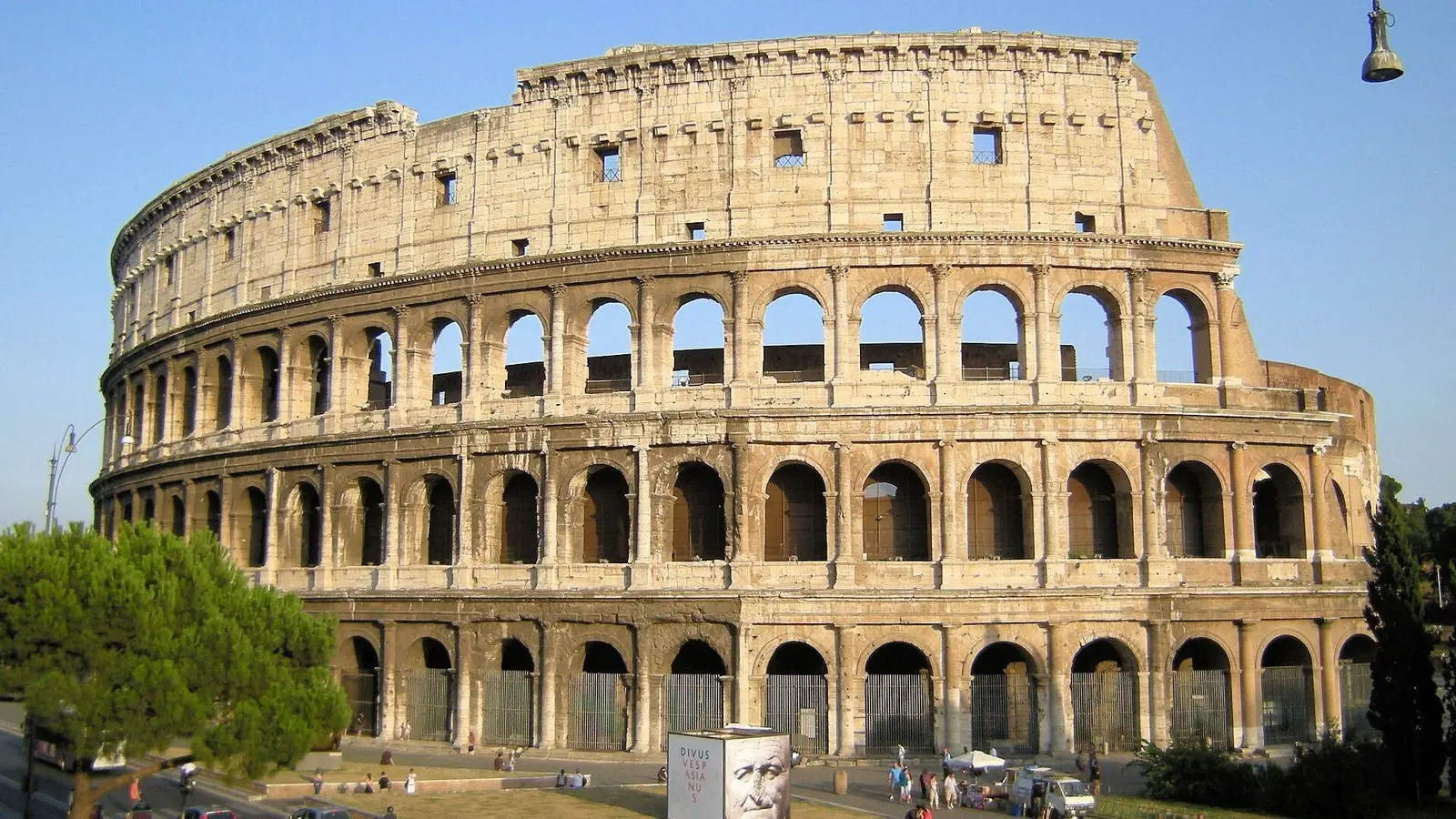
Wandering south along Monti charming Via dei Serpenti, the colossal upper tiers of the Flavian Amphitheatre suddenly rise between humble apartment blocks. On your first afternoon, resist the temptation to stand in long security queues to enter the monument. With tired feet and heavy jetlag, a perimeter walking route around the ancient imperial core provides a far more atmospheric and restorative introduction to the Eternal City.
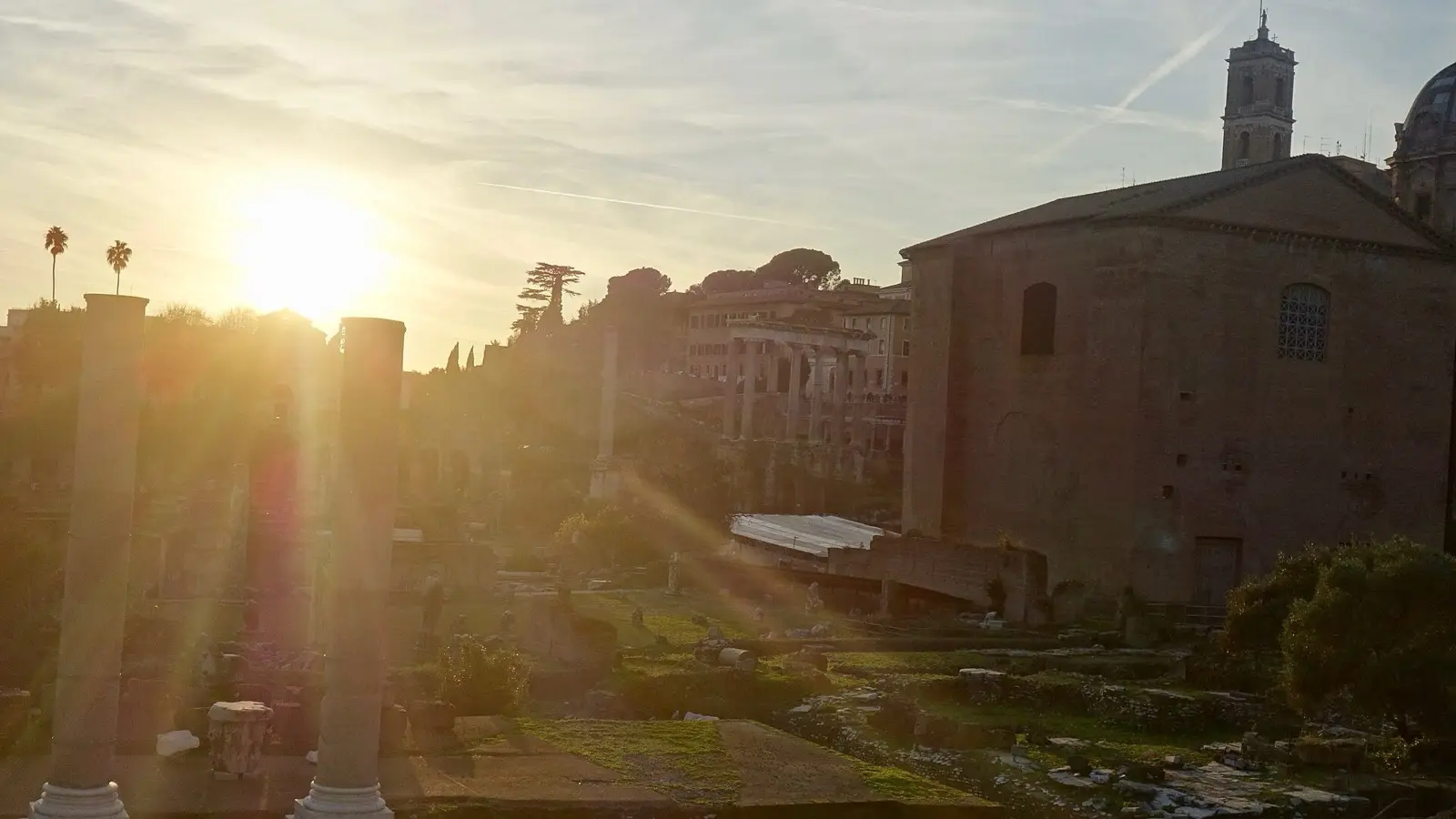
Reaching Via dei Fori Imperiali, the sprawling ruins of the Roman Forum unfold to the west. Two millennia ago, senators, emperors, and citizens walked these stone thoroughfares; as the sun sinks behind the Capitoline Hill, golden rays illuminate the grand Arch of Septimius Severus and surviving Corinthian temple pillars in radiant shades of amber and rose. Pausing on a stone roadside bench offers pure cinematic awe.
When thirst strikes during your walk, look out for Rome iconic cast-iron Nasoni public water fountains, numbering around 2,500 across the city. Flowing continuously with cold mountain water channeled straight from the Apennine aquifers, these fountains are pristine and completely safe. Simply cup your finger over the bottom snout opening to redirect an arc of water upward from the top hole for an effortless, free refill.
Circumventing the Colosseum outer arcade past the Arch of Constantine brings you up the gentle incline leading to the observation terrace behind Michelangelo Piazza del Campidoglio. Overlooking the illuminated Forum basin as dusk settles into deep twilight, the panoramic silhouette of ancient temples and cypress trees against the Roman evening sky creates an unforgettable visual memory.
Concluding your twilight walk beneath the towering Victor Emmanuel II National Monument on Piazza Venezia, steer clear of aggressive restaurant touts waving laminated multilingual menus. These establishments represent quintessential tourist traps charging exorbitant prices for frozen pasta; instead, point your compass toward the vibrant riverside quarter of Trastevere across the Tiber for genuine evening dining.
Trastevere Night Walk and River Atmosphere: Crossing Ponte Sisto by Starlight
A pleasant fifteen-minute evening walk westward from Piazza Venezia leads to Ponte Sisto, a historic pedestrian stone bridge spanning the River Tiber (Fiume Tevere). Street musicians strum acoustic ballads on the bridge stone parapets as St. Peter Basilica illuminated dome glows softly on the distant horizon. Taking in the cooling river breeze while crossing into Trastevere marks the official commencement of Rome nocturnal charm.
Trastevere is a neighborhood that truly awakens after sundown. Beneath warm fairy lights strung between weathered ochre facades, locals gather at bustling outdoor tables clinking glasses of bright orange Aperol Spritz. The steps surrounding the central octagonal fountain in Piazza Santa Maria in Trastevere serve as an open-air gathering spot where international travelers and local youths converse under starry skies.
No evening walk in Rome is complete without visiting an artisan gelateria. Look for shops storing natural, uncolored pistachio and dark chocolate batches in metal pozzetti containers rather than synthetic fluorescent mounds. When the scooper asks 'Con panna?', answer with an enthusiastic 'Sì' to crown your gelato with freshly whipped, unsweetened Italian cream for sublime balance.
As the clock strikes ten, head toward Viale di Trastevere to board Tram 8 to Piazza Venezia or bus H, which runs straight to Roma Termini. While central Rome remains generally welcoming after dark, stay mindful of personal belongings in crowded transit hubs and avoid walking isolated back alleys with smartphones held carelessly, ensuring your arrival day concludes peacefully.
Late-Night Essentials and Settling In: Supermarket Secrets and Jetlag Survival
Before returning to your hotel room for the night, make a crucial pitstop at a local Conad City or Carrefour Express supermarket. Most neighbourhood grocers close their doors between 21:00 and 22:00. While hotel minibars charge upwards of 4 to 5 EUR for a modest bottle of water, local supermarkets sell crisp 1.5-liter bottles of regional mineral water for less than 0.80 EUR.
Essential provisions to add to your basket include two large bottles of water and seasonal Italian fruits like sweet doughnut peaches or Sicilian blood oranges. Rome dry air quickly dehydrates weary travelers, making consistent hydration paramount. Pair your water with a small wedge of aged Parmigiano Reggiano and Taralli crackers for an effortless, budget-friendly late-night snack.
If your legs ache from walking over 15,000 steps across uneven Sanpietrini stone pavements, locate a pharmacy (Farmacia) displaying a glowing green cross to purchase blister plasters (Compeed) and effervescent magnesium supplements. Rather than overindulging in wine on your opening evening, take a warm shower, elevate your legs, and turn in early to build stamina for tomorrow Vatican and Pantheon expeditions.
Opening your window slightly allows the gentle night air and the faint tolling of distant cathedral bells to drift into your room. Having traversed centuries of history from airport runway to imperial ruins in a single afternoon, you can rest comfortably, ready for the wonders awaiting sunrise in the Eternal City.
Frequently Asked Questions
Field-tested answers to transit navigation, neighborhood choices, and payment traps.
Q1.What is the best way to travel from Fiumicino Airport (FCO) to central Rome?
Q2.How should travelers navigate Rome's uneven cobblestones (Sanpietrini) with luggage?
Q3.Why is coffee cheaper standing at the bar compared to sitting at a table in Rome?
Q4.What is the coperto cover charge on restaurant receipts, and what are Rome tipping rules?
The Smart Traveler's Essential Toolkit
Prepare instant mobile data, private airport transfers, and skip-the-line passes in one place.
Pick a base in Rome by your route
Choose the places you want to see and get the neighbourhood with the shortest travel.
Compare Rome Hotel Rates
Find the cheapest channel across Agoda and major booking engines with Tripdify.
Share This Guide with Your Companions
When shared via chat or social media, a curated summary card is sent along.
Recommended Guides
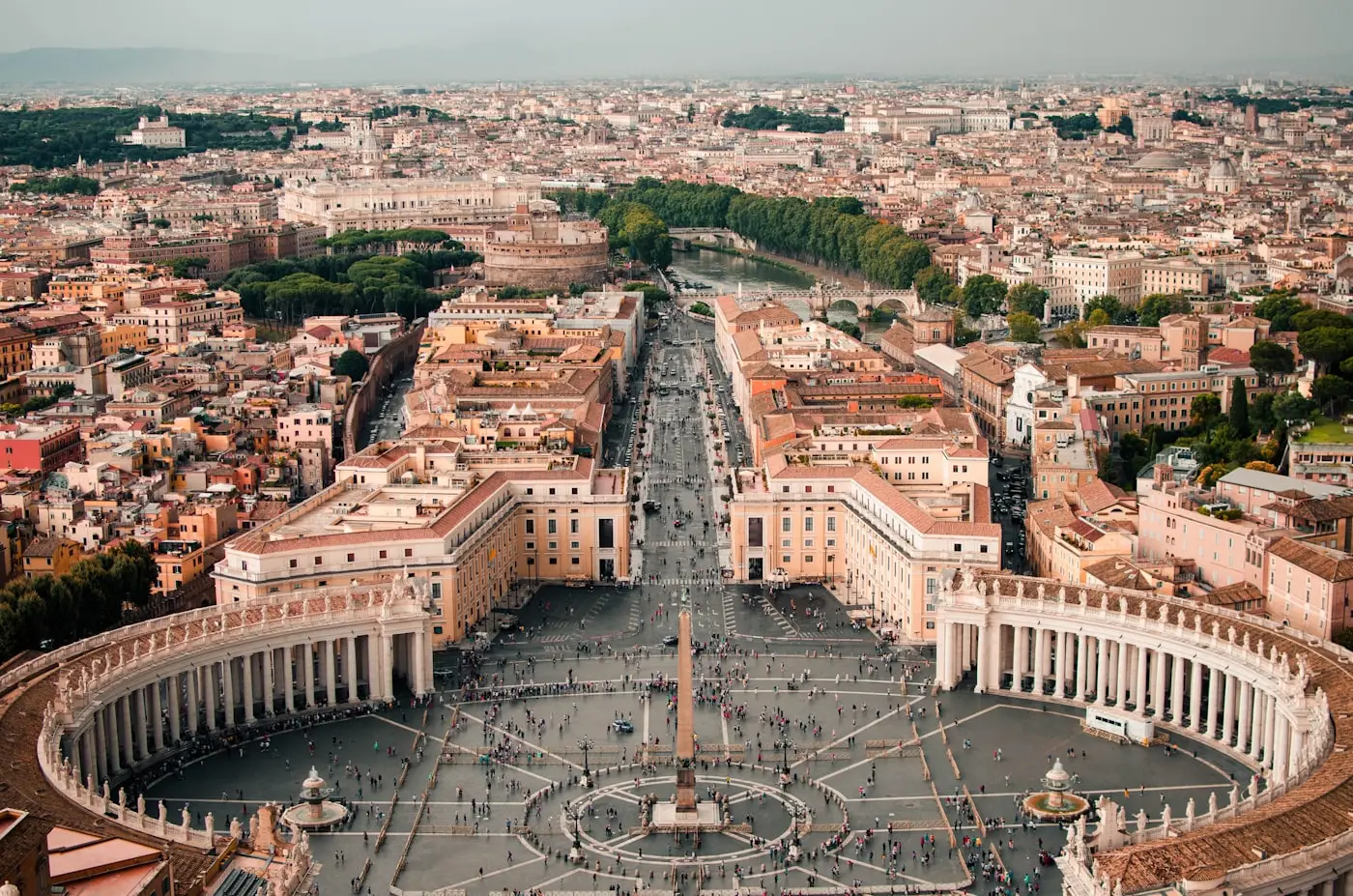
Rome Hotels and the ZTL Driving Zone: Termini vs the Pantheon
Comparing Termini station transit convenience with historic Pantheon and Navona luxury, plus critical advice on Italy's mandatory city tax.
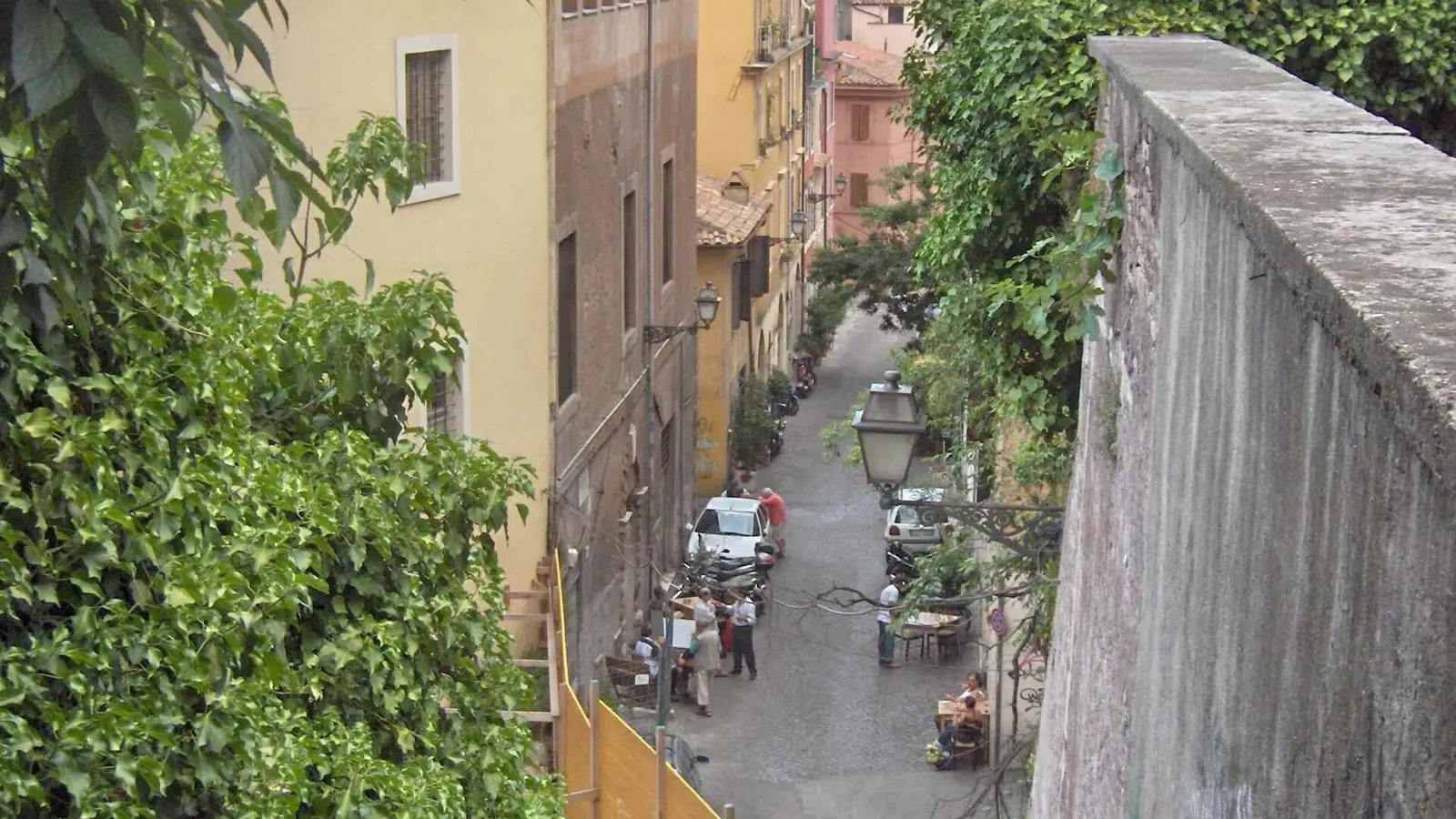
Where to Stay in Rome: Monti, Trastevere and Safety Around Termini
Beneath the eternal splendor of ancient forums and cobbled piazzas lies an aggressive pickpocket network and some of Europe's steepest municipal tourist surcharges. Escaping the chaotic fringes of Termini Station requires street-by-street local awareness. Here is an unvarnished investigative field guide to booking genuinely secure Roman lodging, evading transit scams, and navigating the Eternal City with seasoned confidence.
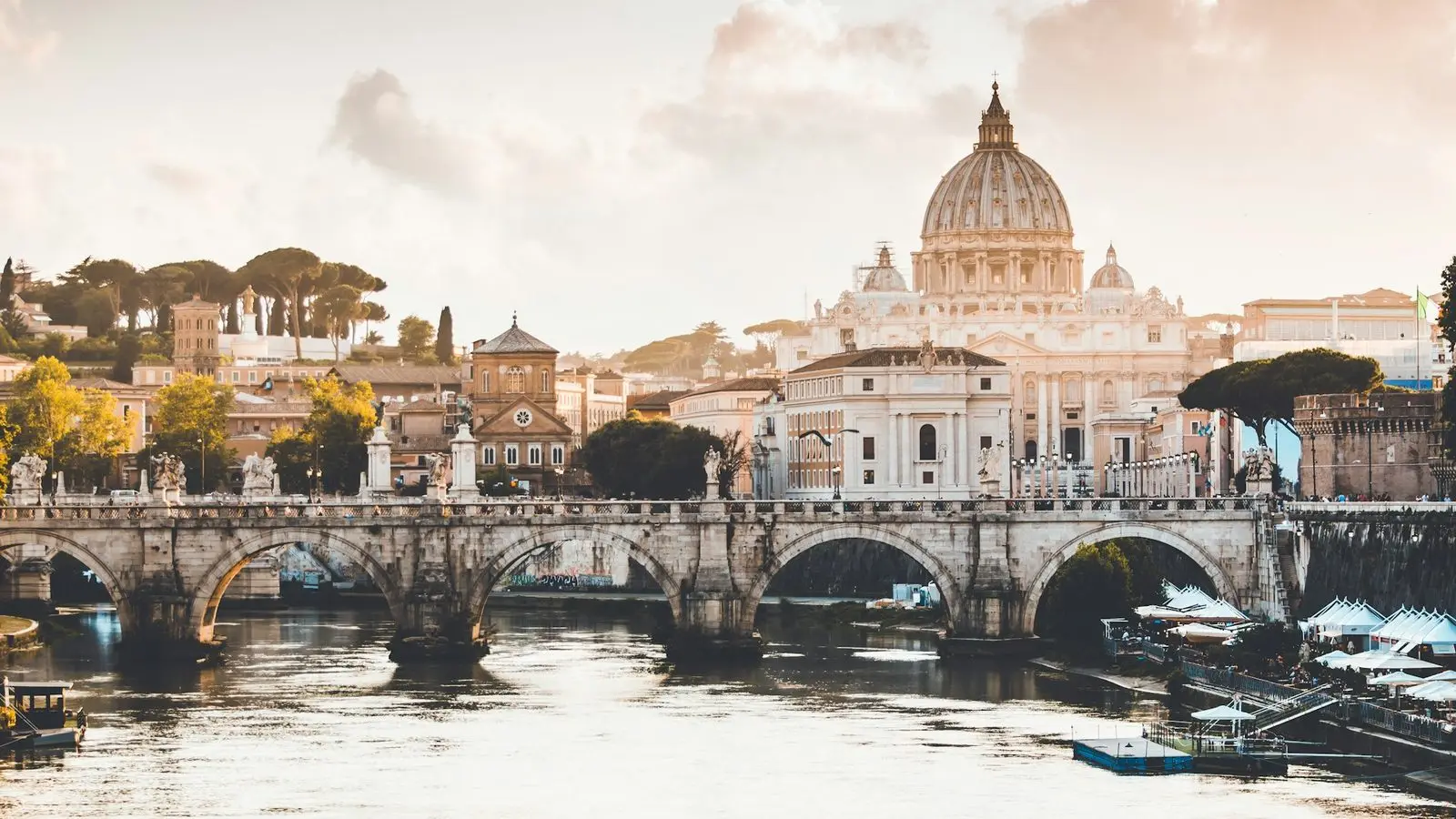
Top 5 Rome Termini Value Hotels: Safe District Stays and Rapid Transit Access
Rome Termini station is the premier gateway connecting Fiumicino Airport in 32 minutes while granting transfer-free access to Metro Lines A and B. However, safety concerns often cause hesitation when choosing accommodations. The critical distinction lies in understanding the northern versus southern perimeters. While the southern flank along Via Giolitti experiences noise and vagrancy, the northern perimeter stretching through Via Marsala into Castro Pretorio hosts international embassies, government ministries, and 24-hour police patrols. We curate five exceptional value boutique hotels situated within a flat five-minute walk of platforms, detailing double-glazed soundproofing, elevator layouts, and city tax requirements.
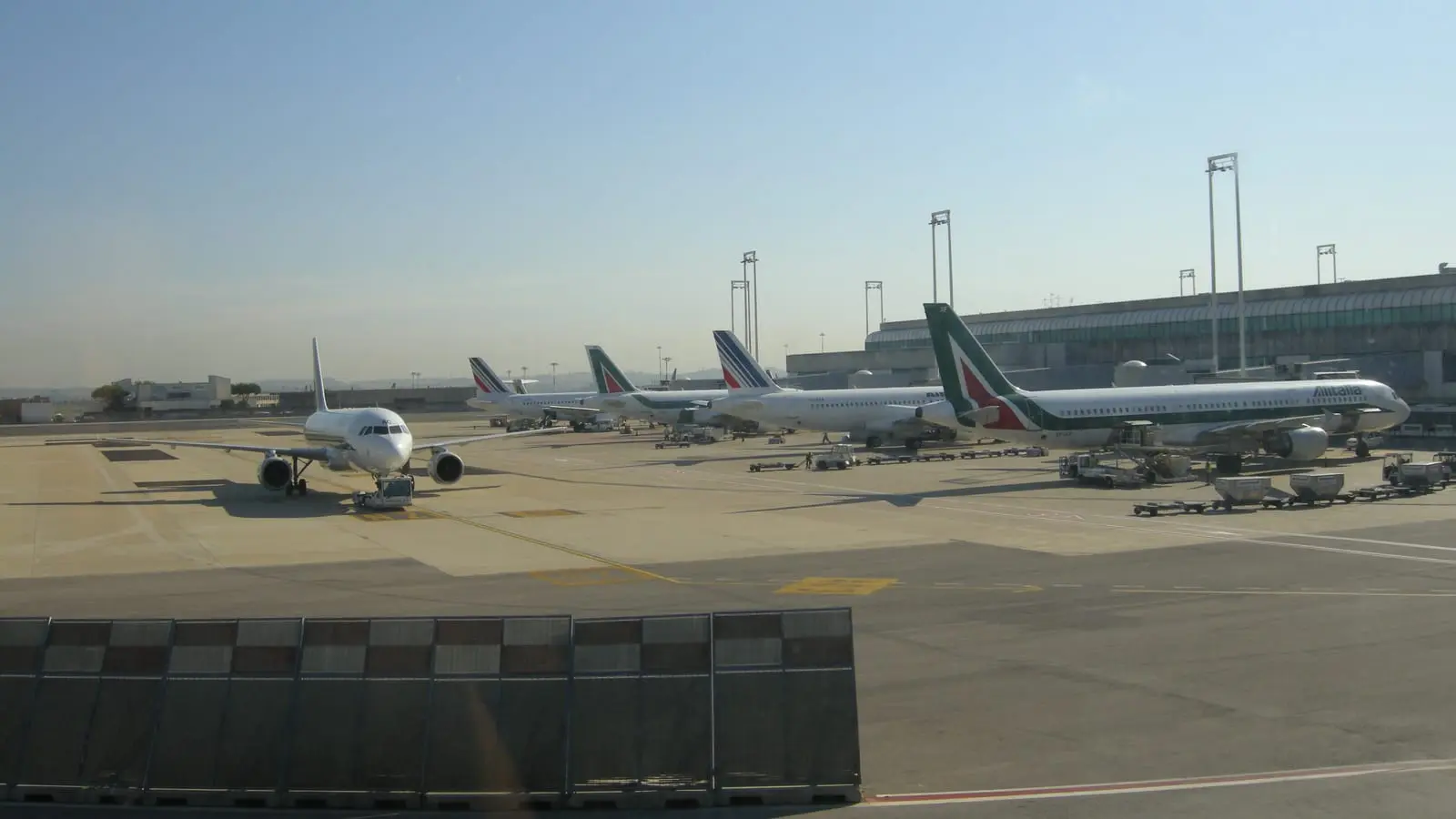
Rome Fiumicino Airport to City Centre: €14 Leonardo Express, €8 Regional Train, €6 Bus, and €55 Fixed Taxi
Landing at Rome's Leonardo da Vinci-Fiumicino International Airport (FCO), choosing your route into the Eternal City hinges directly on hotel geography and travel budget. For swiftest access to the central hub of Roma Termini, the nonstop Leonardo Express delivers you in 32 minutes flat for €14. However, travelers staying in the vibrant dining district of Trastevere or near Ostiense save half their fare by boarding the €8 regional FL1 train. Budget backpackers can rely on €6-€7 express shuttle buses, while parties of three or more benefit from the regulated €55 flat-fare city taxi.
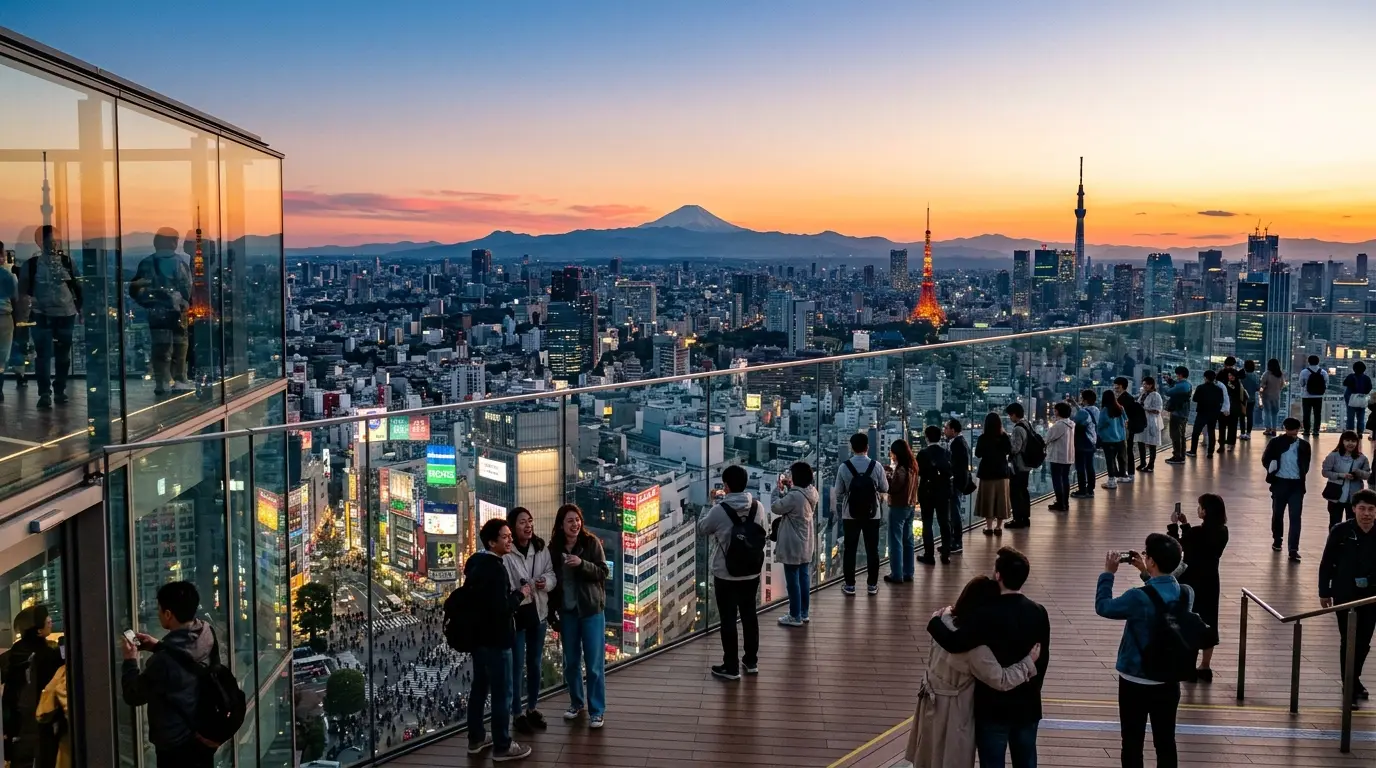
Where to Stay in Tokyo: Shinjuku vs Shibuya vs Ginza
Comparing room footprints across Shinjuku, Ginza, and Ueno, locking in sudden 14-day cancellation drops, and eliminating DCC fees with clean Yen checkout.
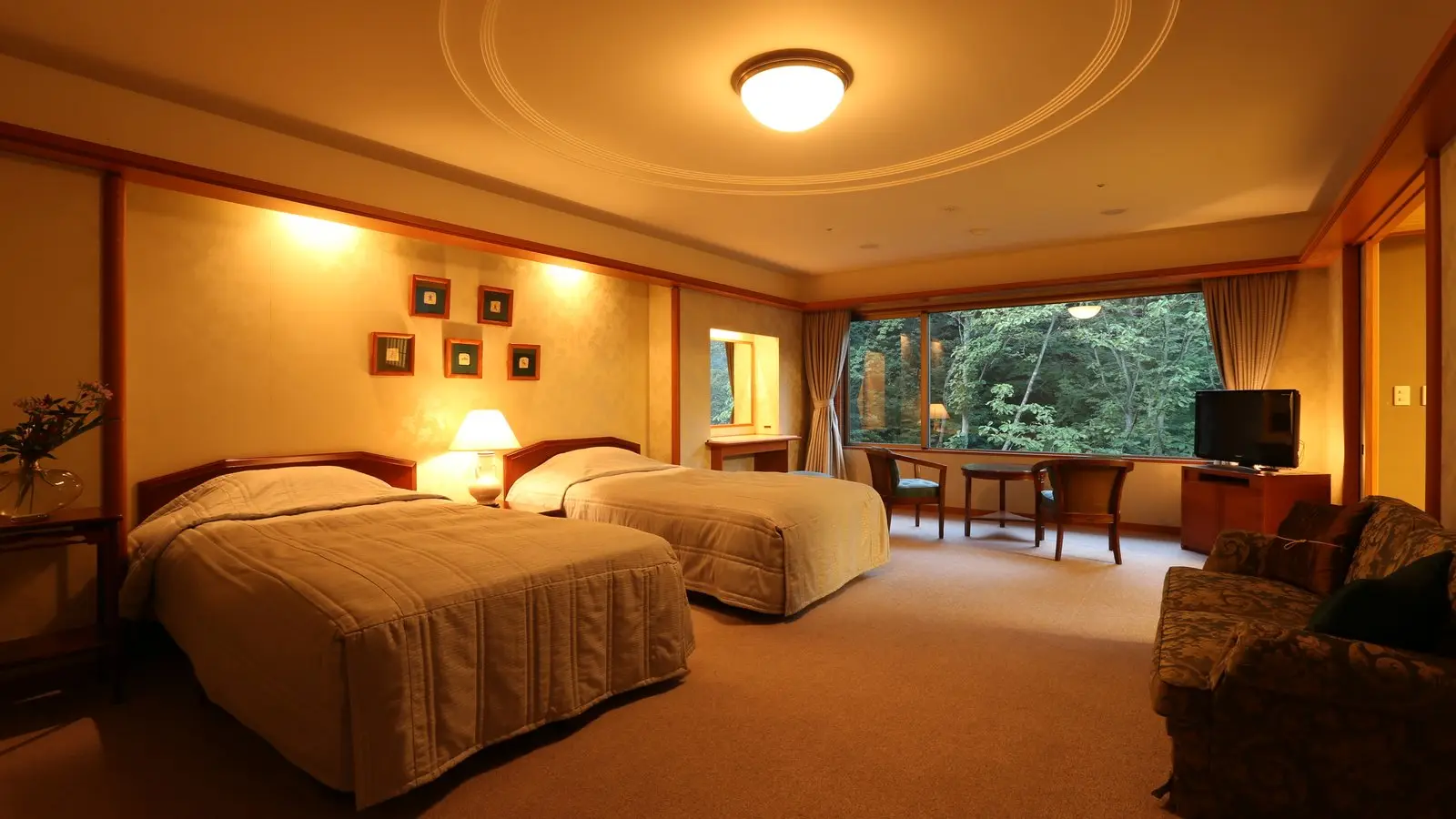
7 Budget Hotels in Tokyo Under $100 on the Yamanote Line
Even amid yen fluctuations, central Tokyo hotel rates have soared. Learn how to secure Yamanote loop line hotels at half the price of Shinjuku, compare onsen bath chains like Dormy Inn, trigger secret Agoda VIP and Booking.com Genius discounts, and dodge hidden currency fees with yen settlement.
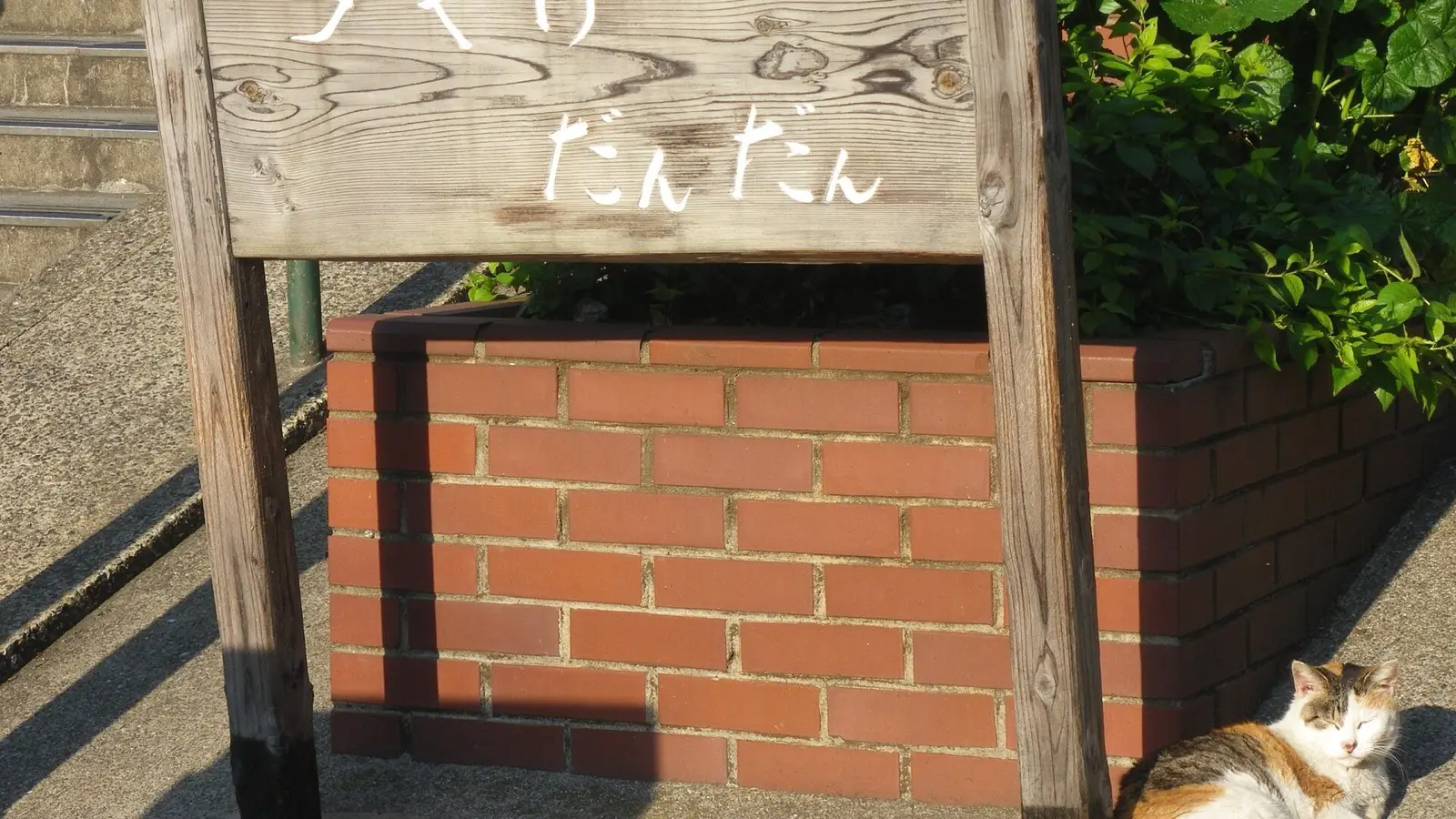
How to Read the Tokyo Subway Map and Where to Stay on the Yamanote Line
How to choose between Keisei Skyliner and Narita Express, avoid the Tokyo Subway Ticket trap, use Apple Wallet Suica, and select the ideal hotel base in Tokyo.
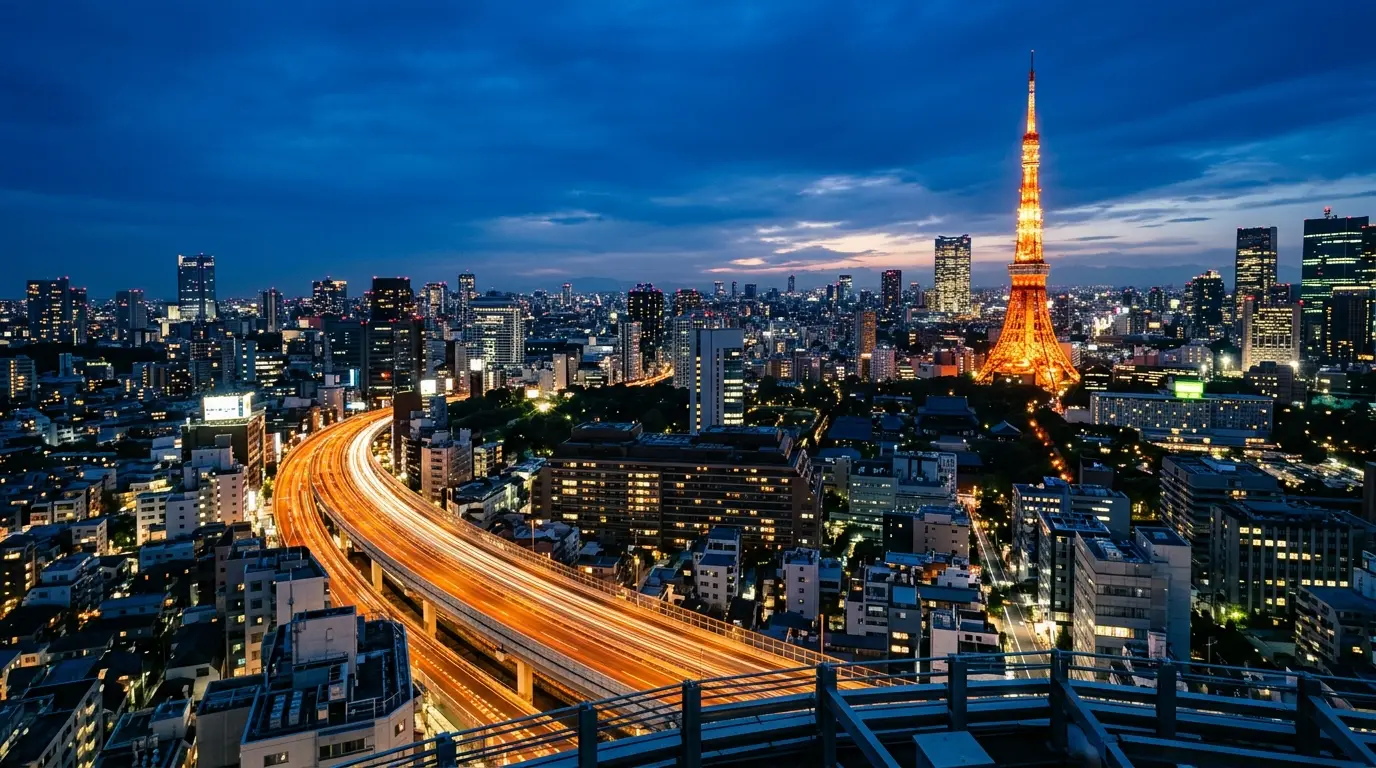
Tokyo Day 1 Itinerary: Narita Airport to the City and Your First 24 Hours
From stepping off at Narita Airport to mastering high-speed trains, navigating Tokyo's sprawling transit hubs, ordering counter ramen effortlessly, and catching sunset from Roppongi Hills. A definitive guide for your first 24 hours in Tokyo.
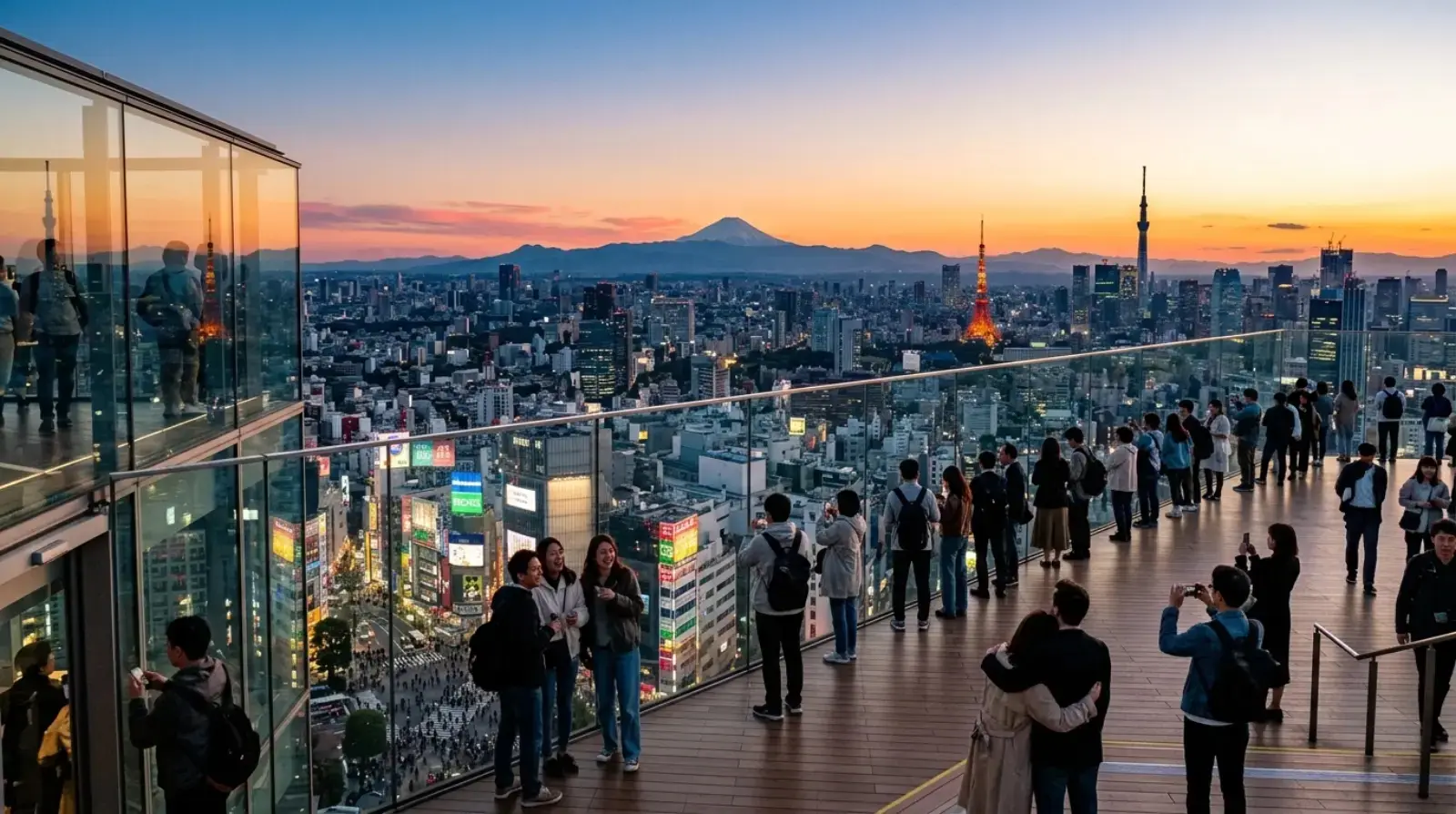
Tokyo Day 2 Itinerary: Booking Shibuya Sky, Harajuku Backstreets and Roppongi at Night
Securing prime sunset slots atop Shibuya Sky, navigating hidden boutiques along Harajuku Cat Street, immersing in the forested serenity of Meiji Jingu, and marveling at the crimson glow of Tokyo Tower from Roppongi Hills. A masterclass in Day 2 pacing.
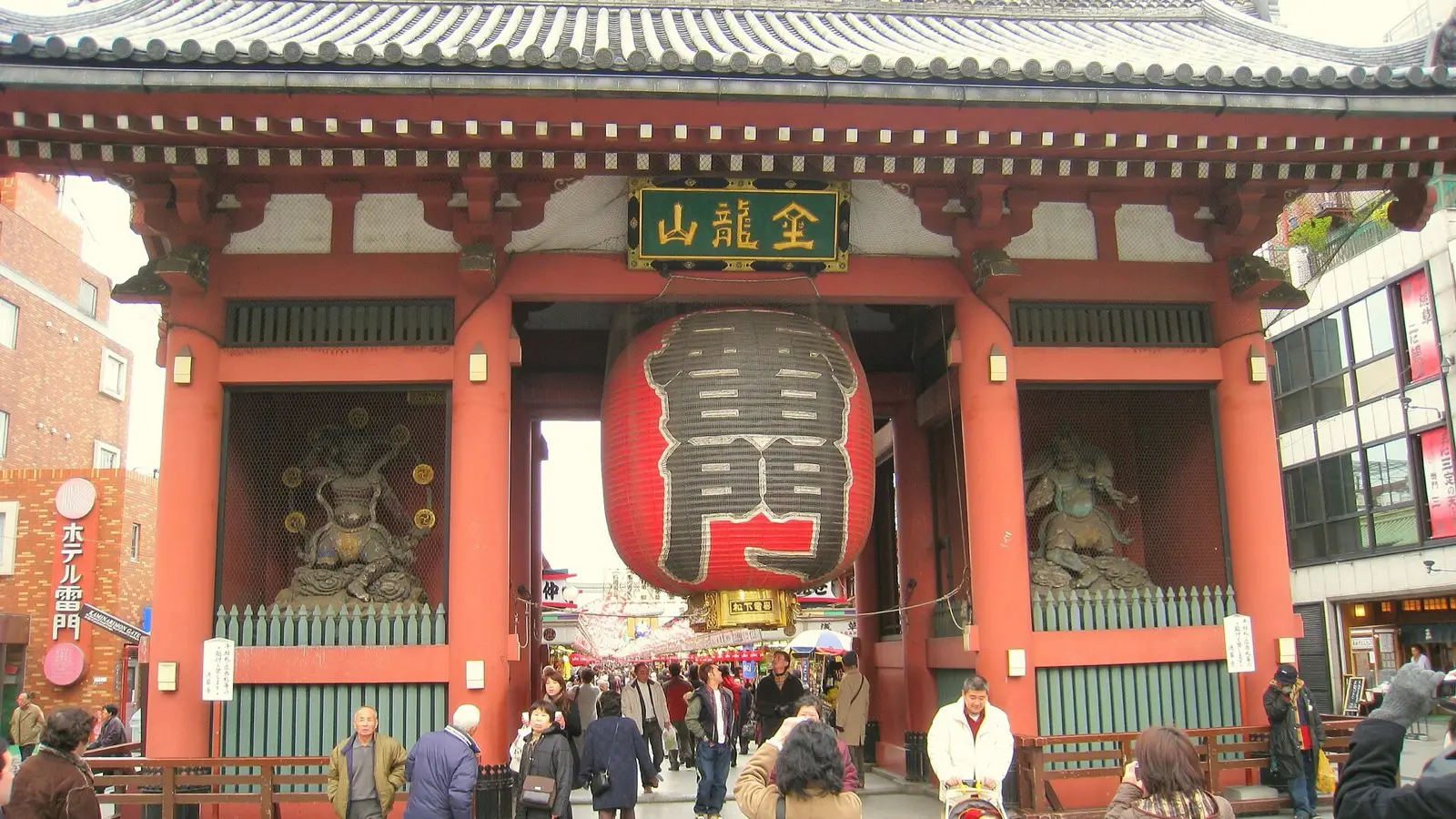
Tokyo Day 3 Itinerary: Asakusa, Akihabara, Ginza Depachika and Flying Home
The ultimate finale for your Tokyo stay: tranquil morning worship at Sensoji, retro subculture in Akihabara, Ginza Six architectural rooftop views and basement depachika feasts, capped by seamless Skyliner and N'EX airport connections.
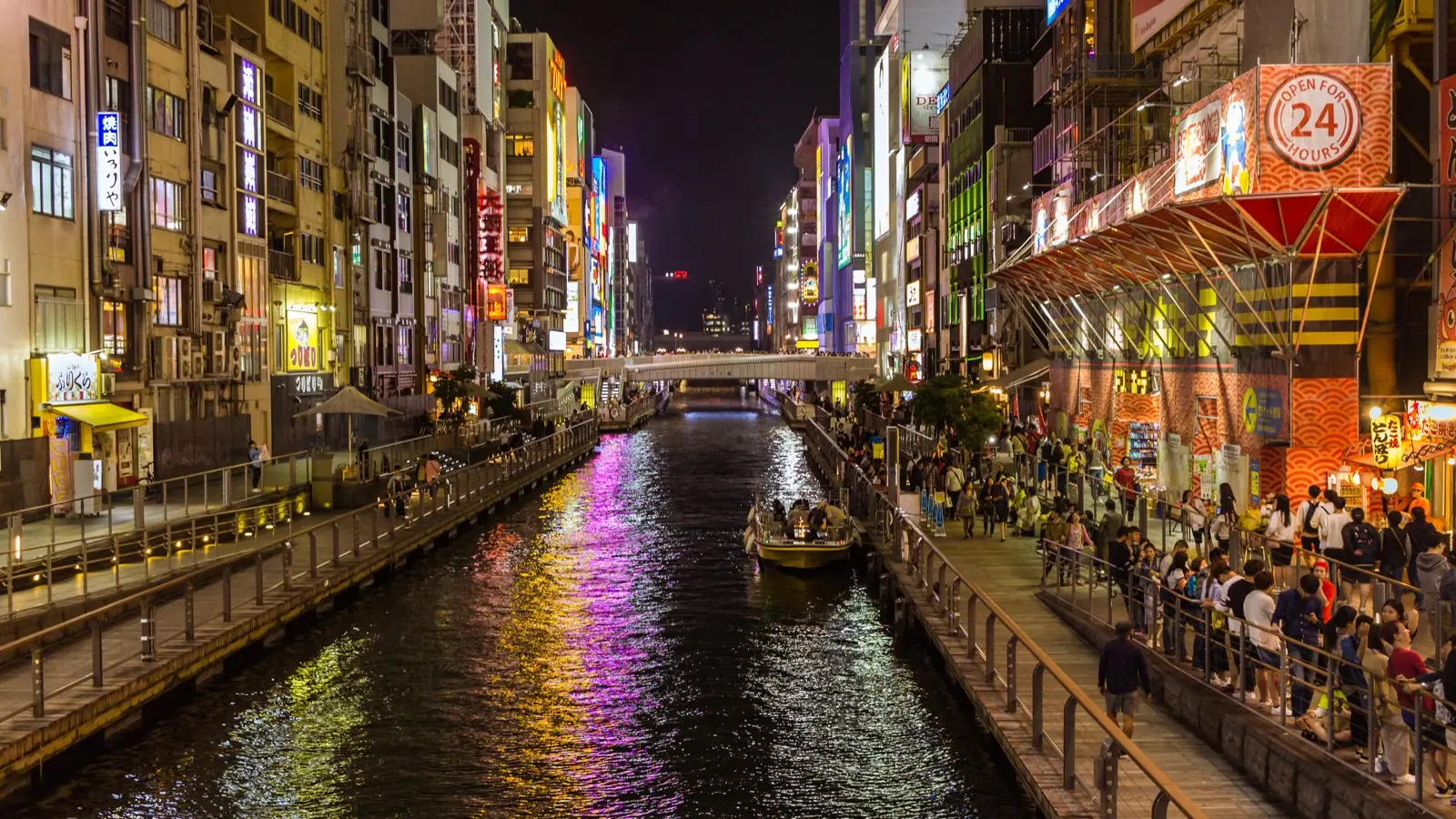
Osaka Itinerary: Dotonbori and Umeda in Two Nights
Osaka is Japan culinary powerhouse where feasting is an art. Navigate Rapi:t airport transfers, Namba vs Umeda hotels, and street food corridors with veteran precision.
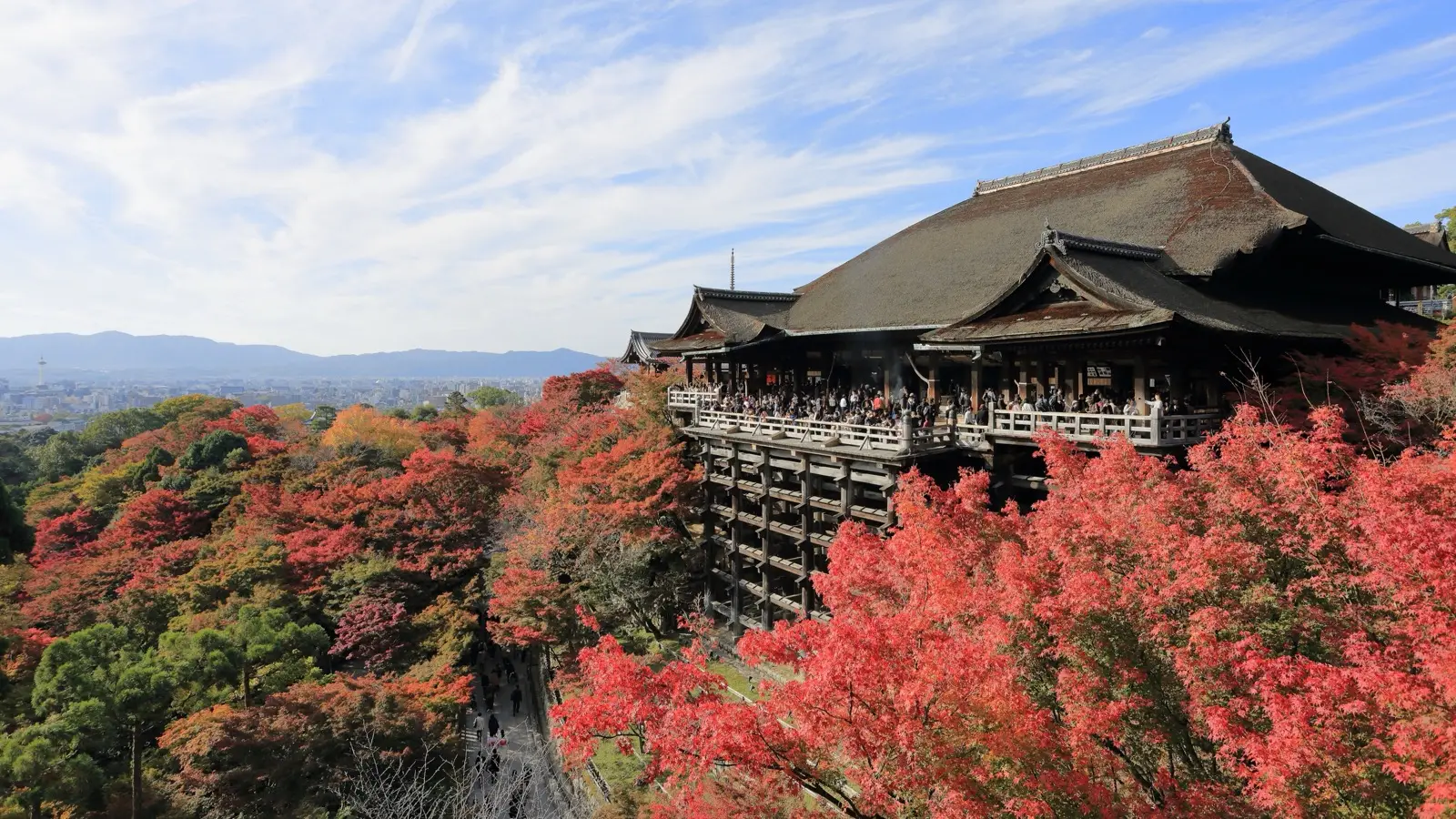
Kyoto Itinerary: Arashiyama, Gion and How to Pick a Ryokan
Kyoto compresses a millennium of Japanese aesthetic mastery. Discover how to evade bus congestion with private railways, master ryokan kaiseki booking windows, and savor early dawn stillness.