
Where to Stay in Hong Kong on a Budget: Avoiding Chungking and Booking Clean MTR Stays
Sheung Wan, Wan Chai, and Sham Shui Po compared: evading windowless traps and checking glass shower stalls
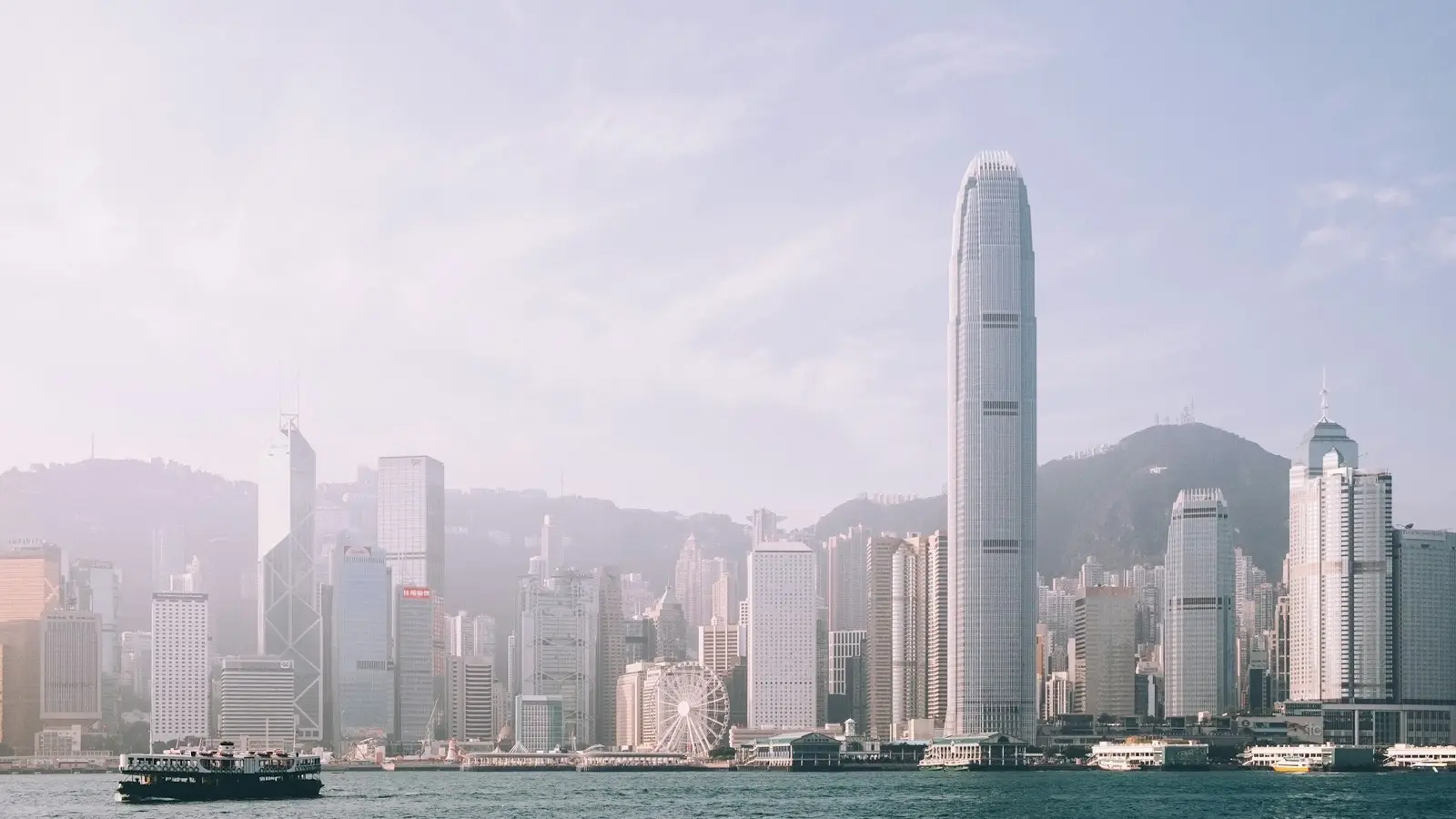
Escaping the Chungking Nightmare: The Reality of Hong Kong Budget Stays
Filtering for accommodations under seventy dollars per night in Hong Kong immediately populates your screen with listings surrounding Tsim Sha Tsui station. These notorious guesthouses clustered within Chungking Mansions and Mirador Mansions tempt budget conscious travelers with nightly rates between thirty and forty-five dollars. However, clicking confirm often turns an exciting vacation into an exhausting, stressful ordeal.
Constructed in the 1960s, these towering monolithic complexes present serious fire safety vulnerabilities and house dozens of partitioned, unlicensed hostels per floor. Rooms rarely exceed four to six square meters, leaving virtually no floor space to unzip a 24-inch suitcase. Furthermore, service elevators are bottlenecked: waiting fifteen to twenty minutes in the chaotic ground-floor concourse alongside hundreds of queueing guests is a daily reality.
Sanitation and ambient noise present severe friction. Stagnant hallway corridors reek of pungent incense, fried grease, and damp mold. Wall partitions are wafer-thin, transmitting neighbors coughs, television dialogue, and clattering footsteps directly into your sleeping quarters. Your basecamp, meant for restful recovery, rapidly degenerates into a claustrophobic prison.
Yet travelers do not need to subject themselves to squalor to stay within budget. Shifting your search just two or three MTR stops outside central Tsim Sha Tsui unlocks dozens of professionally operated boutique micro-hotels offering crisp white linen, pristine private bathrooms, and attentive front desk service for eighty to one hundred dollars per night.

The Three High-Value Neighborhood Hubs: Sheung Wan, Wan Chai, and Sham Shui Po
The premier hub for value-conscious urbanites is Sheung Wan on Hong Kong Island. Situated directly west of the Central financial district, it seamlessly blends traditional dried seafood apothecaries and antique flea markets with cutting-edge specialty cafes. Properties like Ibis Hong Kong Central and Sheung Wan or Mini Hotel Central offer clean, functional rooms for eighty to one hundred ten dollars per night, steps from historic Ding Ding trams charging just three Hong Kong dollars.
The second strategic stronghold is Wan Chai, positioned between the high-octane commercialism of Causeway Bay and the polished towers of Central. Wan Chai is a haven for dependable business hotels, including South Pacific Hotel and The Wharney. Within a five-minute stroll of Wan Chai MTR station, you gain access to historic roast goose noodle institutions and bustling night wet markets while escaping exorbitant luxury tariffs.
For travelers with a strict sixty to eighty dollar per night ceiling, Sham Shui Po in northern Kowloon provides authentic urban salvation. Hong Kong heritage working-class district hosts YHA Mei Ho House, a thoughtfully converted mid-century public housing estate awarded a UNESCO Asia-Pacific Heritage distinction. Here, surprisingly generous 20-square-meter private guest rooms rent for roughly sixty-five dollars, a massive spatial luxury in this city.
All three enclaves share crucial advantages: immediate walking proximity to MTR subway arteries, an absence of aggressive street touts, safe residential streets late at night, and effortless access to authentic neighborhood culinary institutions.

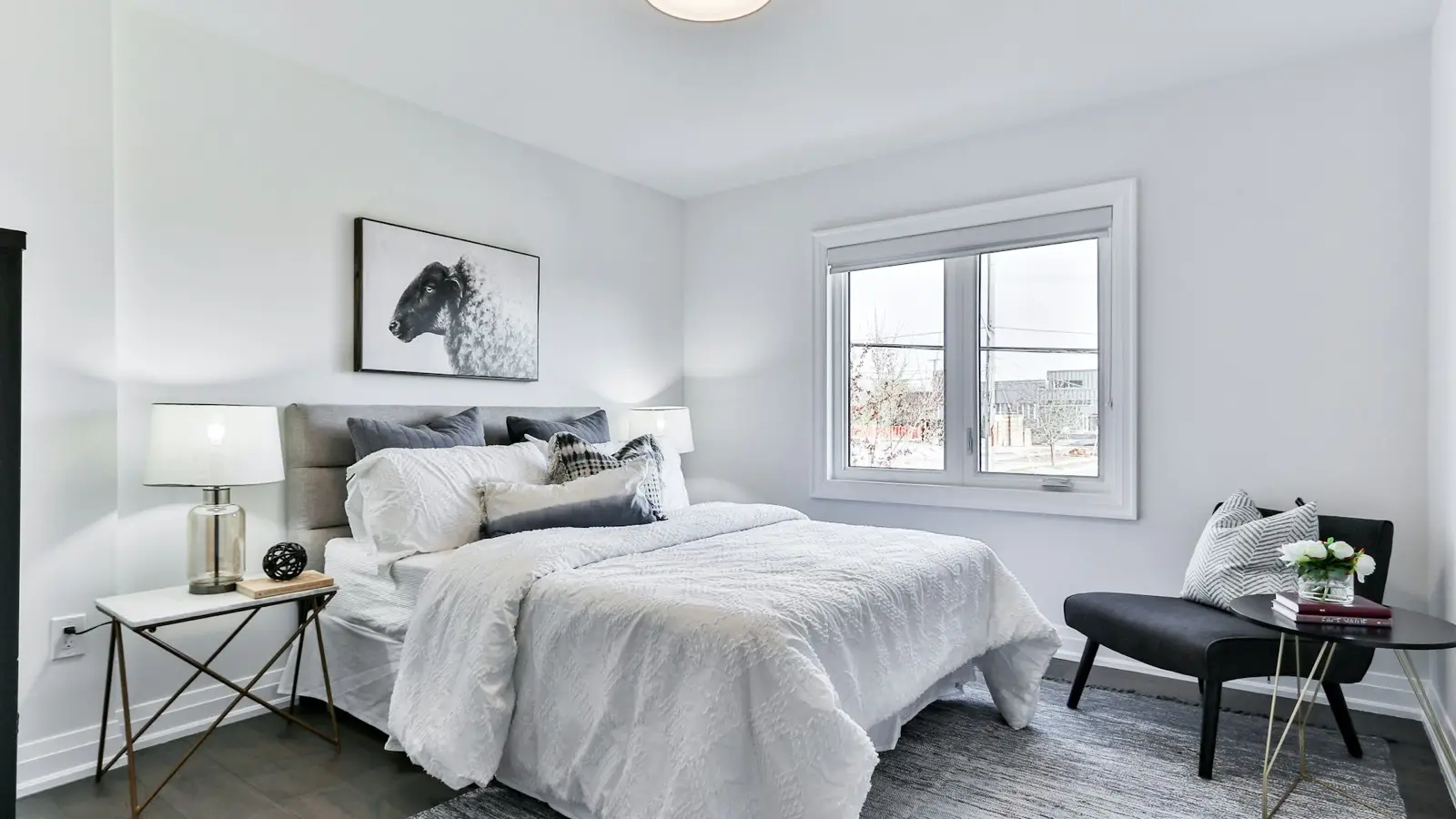
The Three Crucial Micro-Room Filters Every Traveler Must Apply
Booking budget lodging in Hong Kong based purely on wide-angle marketing photographs is an invitation to disaster. Given the hyper-dense architectural reality of local construction, you must rigorously inspect three specific interior features to guarantee your sanity during your stay.
The primary filter is distinguishing true exterior windows from internal shaft windows. Online booking platforms frequently advertise rooms with windows, neglecting to mention that the pane opens directly into an unventilated, pitch-black internal building light well. These windowless internal rooms trap stale humidity and disorient your circadian rhythm, make sure the room type explicitly states street view or city view.
The secondary filter is demanding an enclosed glass shower partition. In ten-square-meter micro-rooms, cut-rate designers frequently mount exposed showerheads directly over the toilet basin without any dividing curtain or glass stall. One five-minute shower completely douses the toilet seat, walls, and toilet paper roll. Scrutinize candid guest review photos to confirm a separated glass shower stall exists.
The tertiary filter is smart under-bed luggage architecture. In a twelve-square-meter room, open floor space accounts for less than twenty percent of the room footprint. Well-designed micro-hotels elevate the bed frame thirty centimeters above the floorboards, allowing you to slide large 28-inch suitcases horizontally beneath the mattress, keeping your narrow walking corridor entirely unobstructed.
Luggage Friction, Staircases, and Airport Transit Logistics
Hong Kong topography is surprisingly vertical and undulating. Central and Sheung Wan are carved directly into steep granite hillsides. A hotel appearing merely three hundred meters from an MTR exit on a map may actually require dragging heavy rolling luggage up four flights of outdoor stone steps and a punishing thirty-degree slope.
Before confirming your reservation, use street-level mapping tools to verify that the walking route from the nearest subway station is level, or located adjacent to the covered Central Mid-Levels Escalator system. If your accommodation sits atop a steep pedestrian terrace, hail a red urban taxi from the MTR rank, the minimum fare of 29 Hong Kong dollars spares your luggage wheels and knees immense trauma.
When commuting to and from Hong Kong International Airport, do not default to the pricey Airport Express Line (AEL). While the train is swift, round-trip tickets exceed two hundred Hong Kong dollars per person. Citybus routes A11 (serving Sheung Wan and Wan Chai) and A21 (serving Tsim Sha Tsui and Mong Kok) cost just forty to forty-five dollars, dropping you directly on main thoroughfares without complicated underground transfers.
Airport express buses feature spacious luggage racks on the lower deck, monitored in real time via live closed-circuit camera screens broadcast to upper-deck passenger displays. You can relax in comfortable panoramic front-row seats and enjoy breathtaking suspension bridge views of Tsing Ma Bridge while cruising smoothly toward your hotel.
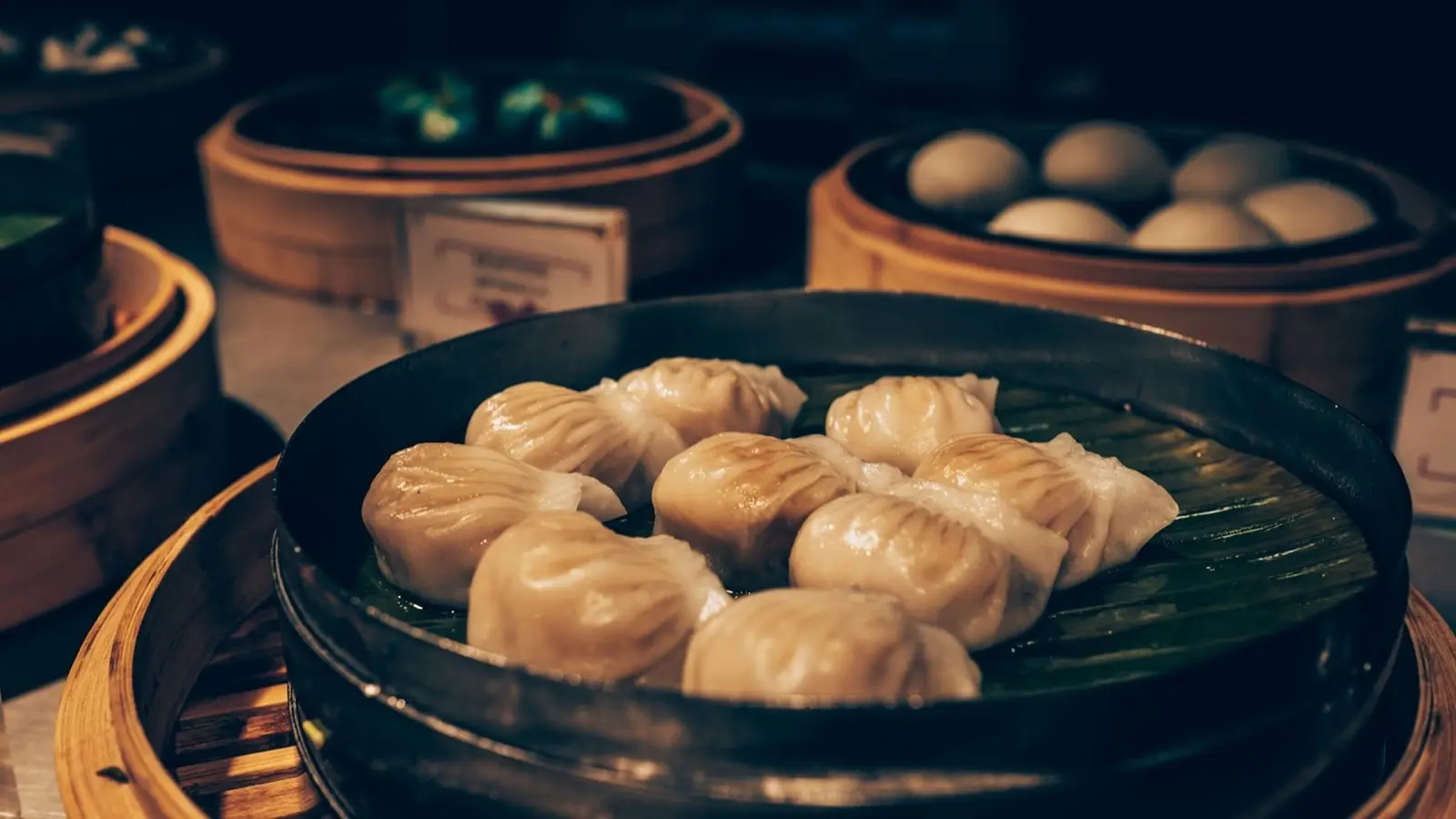
Booking Protocols, the 10% Service Surcharge, and Local Breakfast Hacks
Room rates across Hong Kong spike dramatically during mainland Chinese golden week holidays (Labor Day, National Day, Lunar New Year) and mega-trade expos at the HKCEC. Ordinary one-hundred-dollar business rooms regularly surge to three hundred dollars per night during peak events. Locking in a fully refundable reservation at least 45 days in advance is your strongest financial shield against sudden surges.
Scrutinize whether displayed rates include the ubiquitous mandatory ten percent hotel service charge. Several third-party search engines strip municipal fees and service percentages from preliminary search cards, tacking on the ten percent surcharge only at final checkout. Always benchmark hotel choices based on final card charges rather than deceptive headline rates.
Politely decline prepaid hotel breakfast packages. Morning buffets in budget properties consist primarily of lukewarm toast, watery coffee, and rubbery sausages priced at exorbitant rates. Instead, step onto the pavement and enter an authentic neighborhood cha chaan teng (tea restaurant). For forty Hong Kong dollars, you can savor steaming bowls of silky chicken congee, freshly baked pineapple buns with melting slabs of butter, and rich iced milk tea.
Finally, present a credit card rather than paper cash when settling the mandatory five-hundred to one-thousand Hong Kong dollar room deposit upon arrival. Card holds release automatically within days of checkout, preventing leftover currency from being trapped in your wallet as you depart for the airport. With smart planning, Hong Kong remains an extraordinarily rewarding, affordable cosmopolitan destination.
Frequently Asked Questions
Field-tested answers to transit navigation, neighborhood choices, and payment traps.
Q1.Are budget hotel rooms in Hong Kong under 100 dollars per night extremely small?
Q2.Is Chungking Mansions truly that bad despite its central Tsim Sha Tsui location?
Q3.Are there hidden taxes or resort fees charged on top of published Hong Kong room rates?
Q4.What is the best transit option between the airport and hotels in Sheung Wan or Wan Chai?
The Smart Traveler's Essential Toolkit
Prepare instant mobile data, private airport transfers, and skip-the-line passes in one place.
Pick a base in Hong Kong by your route
Choose the places you want to see and get the neighbourhood with the shortest travel.
Compare Hong Kong Hotel Rates
Find the cheapest channel across Agoda and major booking engines with Tripdify.
Share This Guide with Your Companions
When shared via chat or social media, a curated summary card is sent along.
Recommended Guides
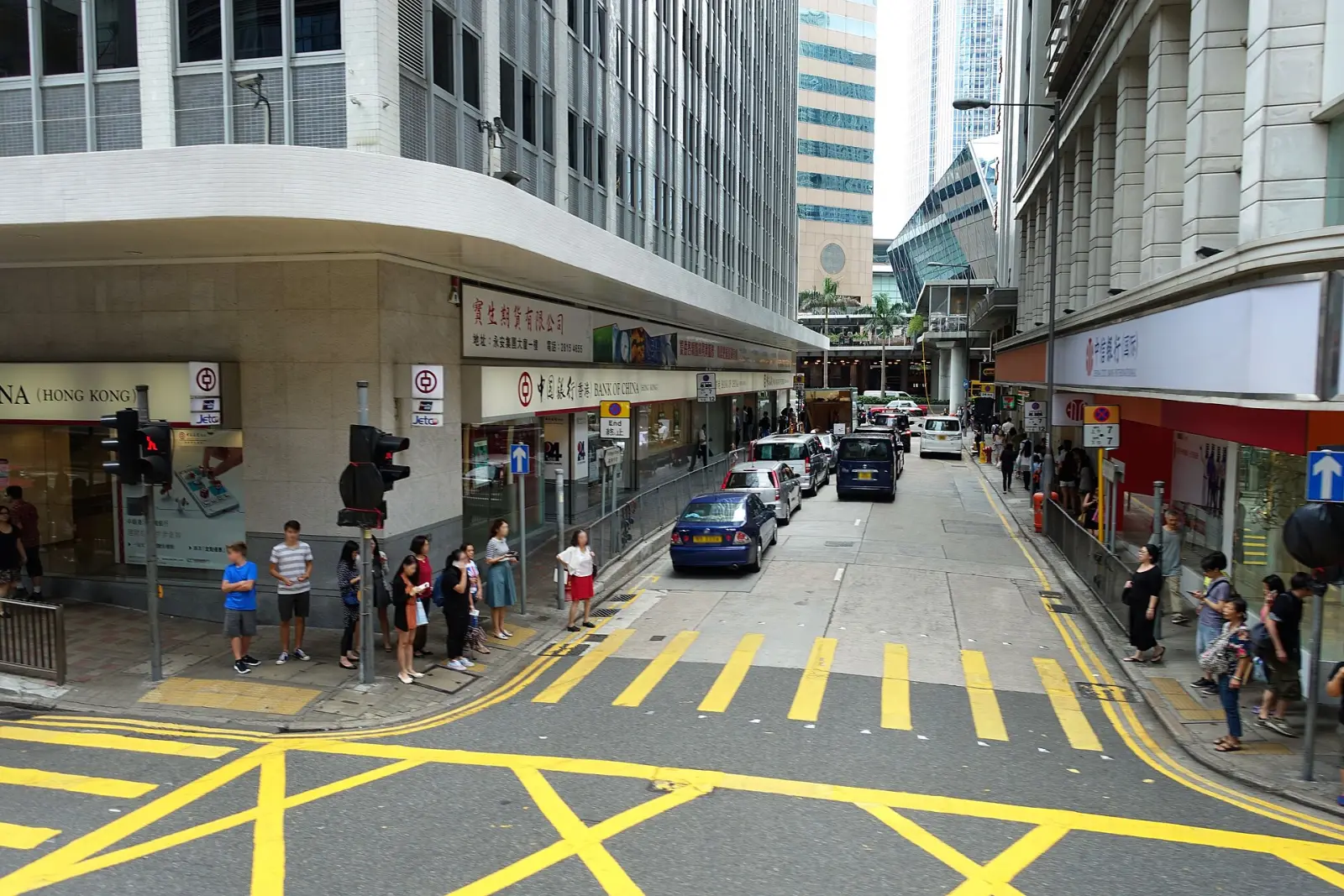
Hong Kong Itinerary and Where to Stay: Victoria Harbour in Two Nights
Skip the turnstiles straight onto the Airport Express, fund mobile Octopus cards instantly, and choose spacious Sheung Wan boutique lofts over cramped Tsim Sha Tsui shoebox rooms for a smarter 72-hour Hong Kong trip.
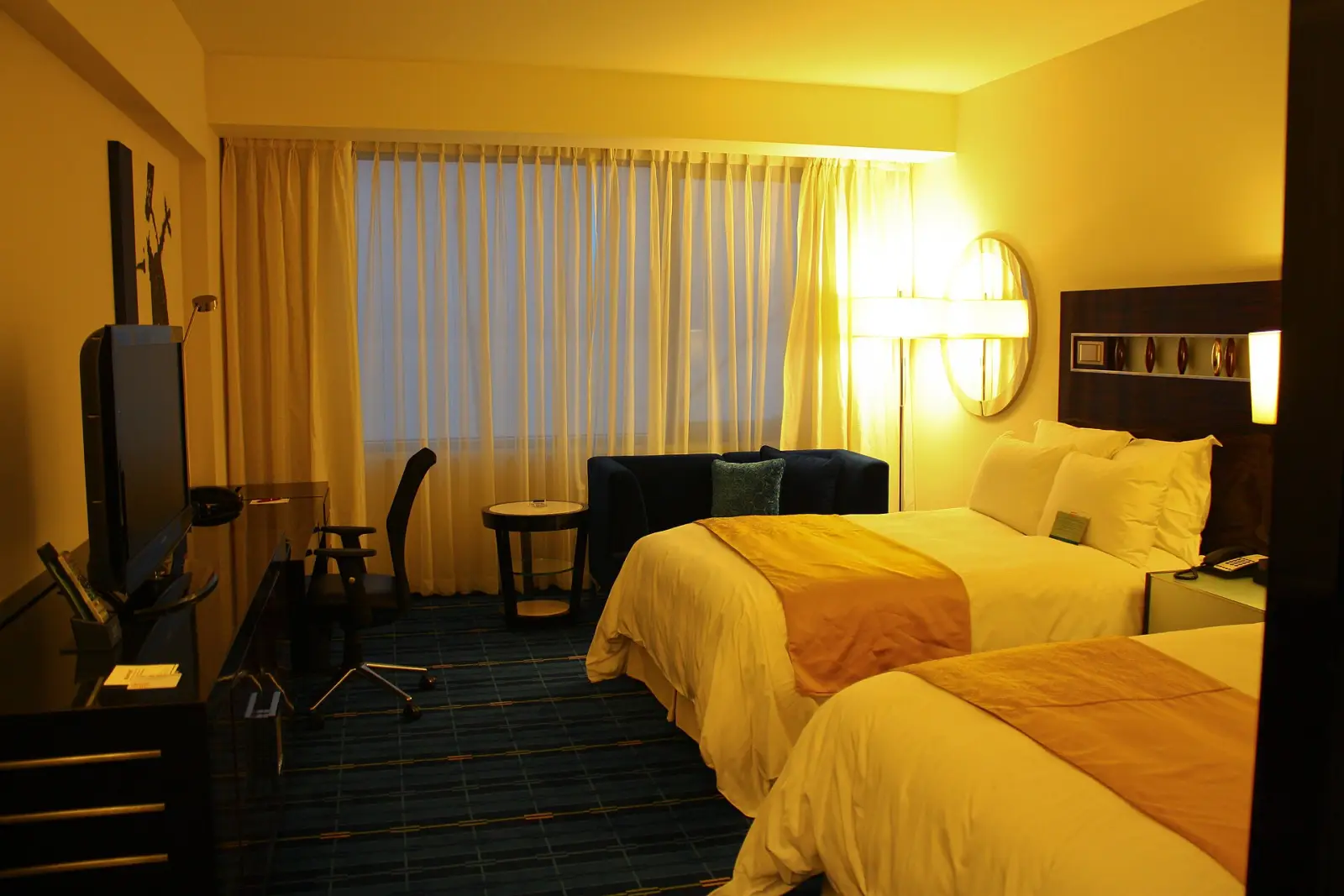
Boutique Hotels in Hong Kong: Central and Sheung Wan Compared
From the nostalgic romance of century-old Star Ferry crossings to chic boutique design havens in Sheung Wan and SoHo culinary alleys, an authoritative four-day Hong Kong guide.
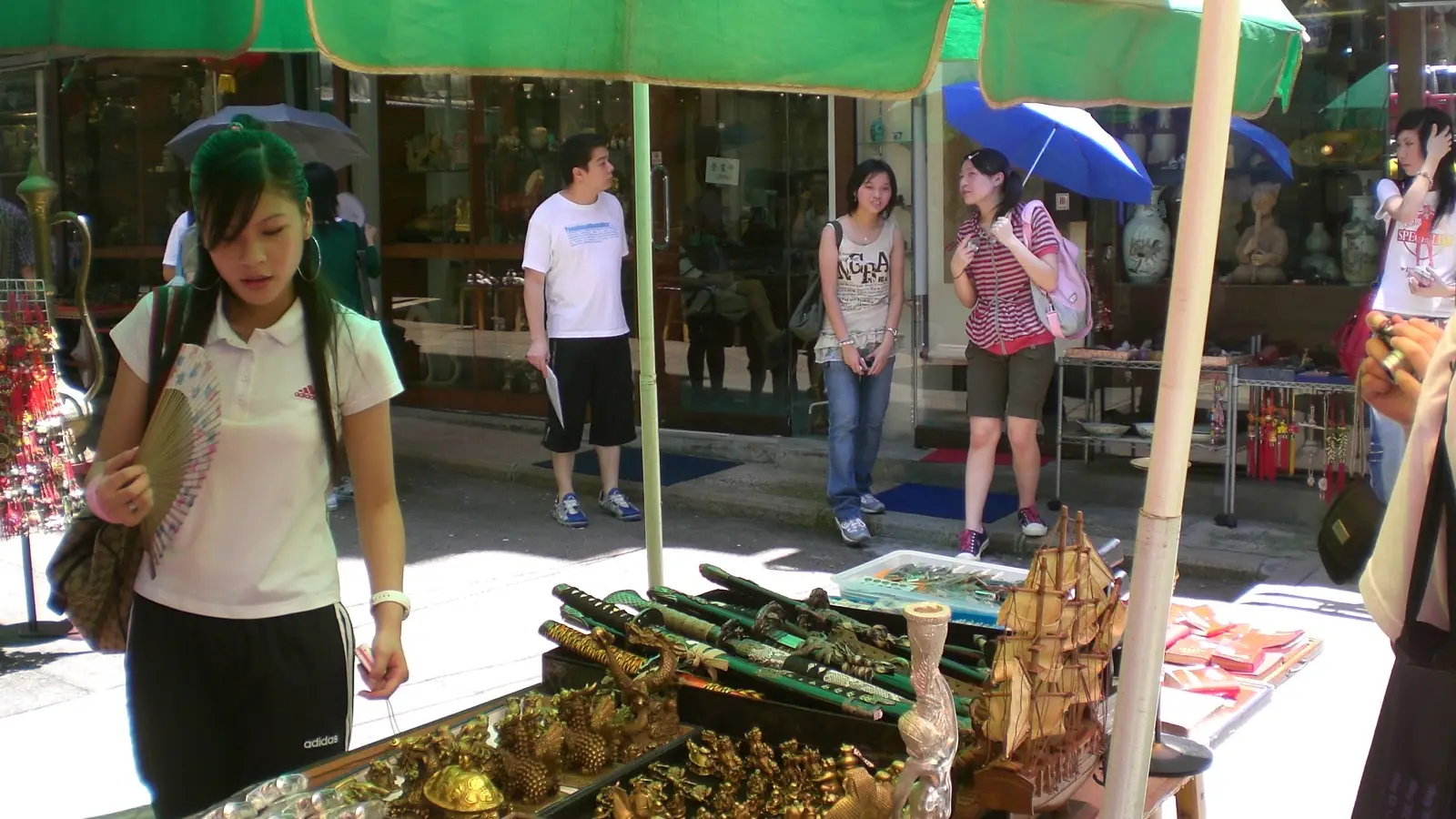
Where to Stay in Hong Kong: Tsim Sha Tsui vs Sheung Wan vs Hong Kong Island
Behind Hong Kong's dazzling skyline lies one of the world's most hyper-dense urban environments, where astronomical real estate costs have spawned notorious windowless micro-rooms. Escaping the elevator queues and safety liabilities of Kowloon's aging mansions requires strategic district selection. Here is an unvarnished field guide to securing functional, secure lodging and navigating local dining culture.
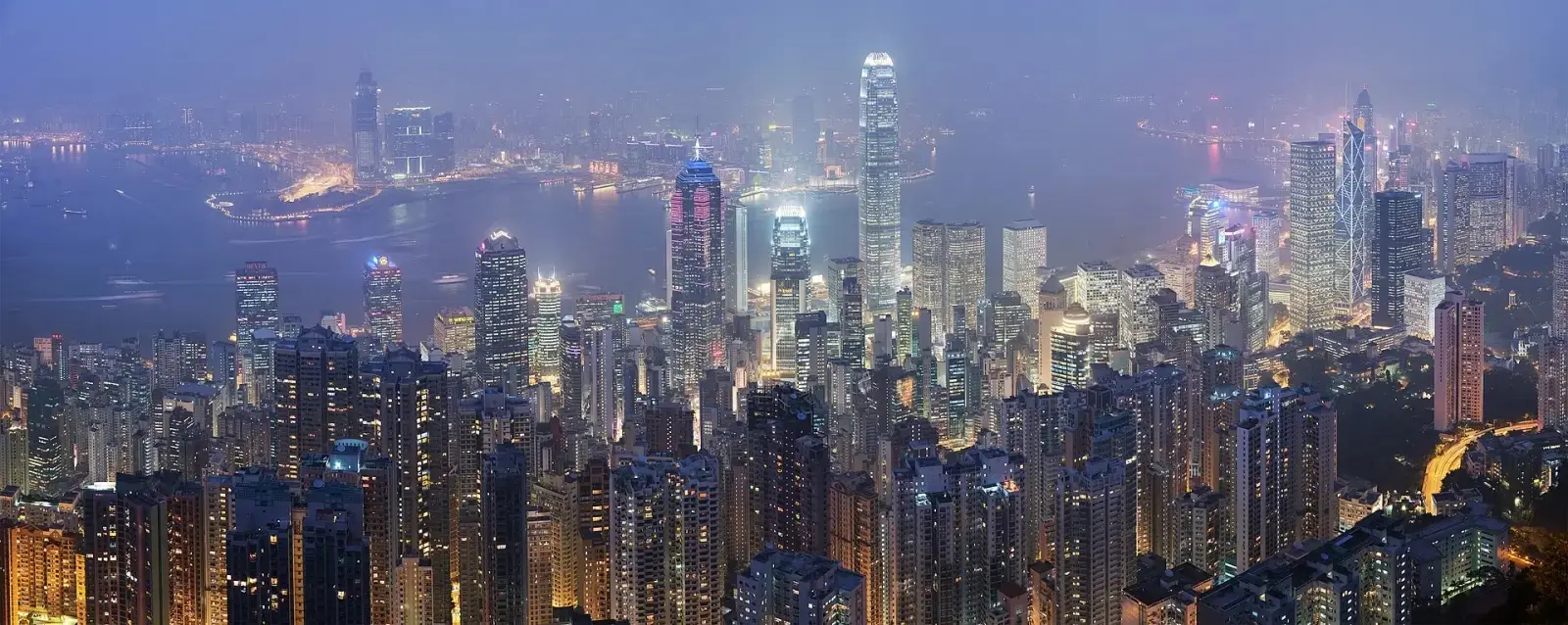
Hong Kong Day 1 Itinerary: Airport to the City and Victoria Harbour by Night
Mastering the 24-minute Airport Express to Central versus the scenic Cityflyer bus, authentic dim sum teacup rinsing rituals, and evening strolls along Victoria Harbour. A veteran field guide to your first 24 hours.
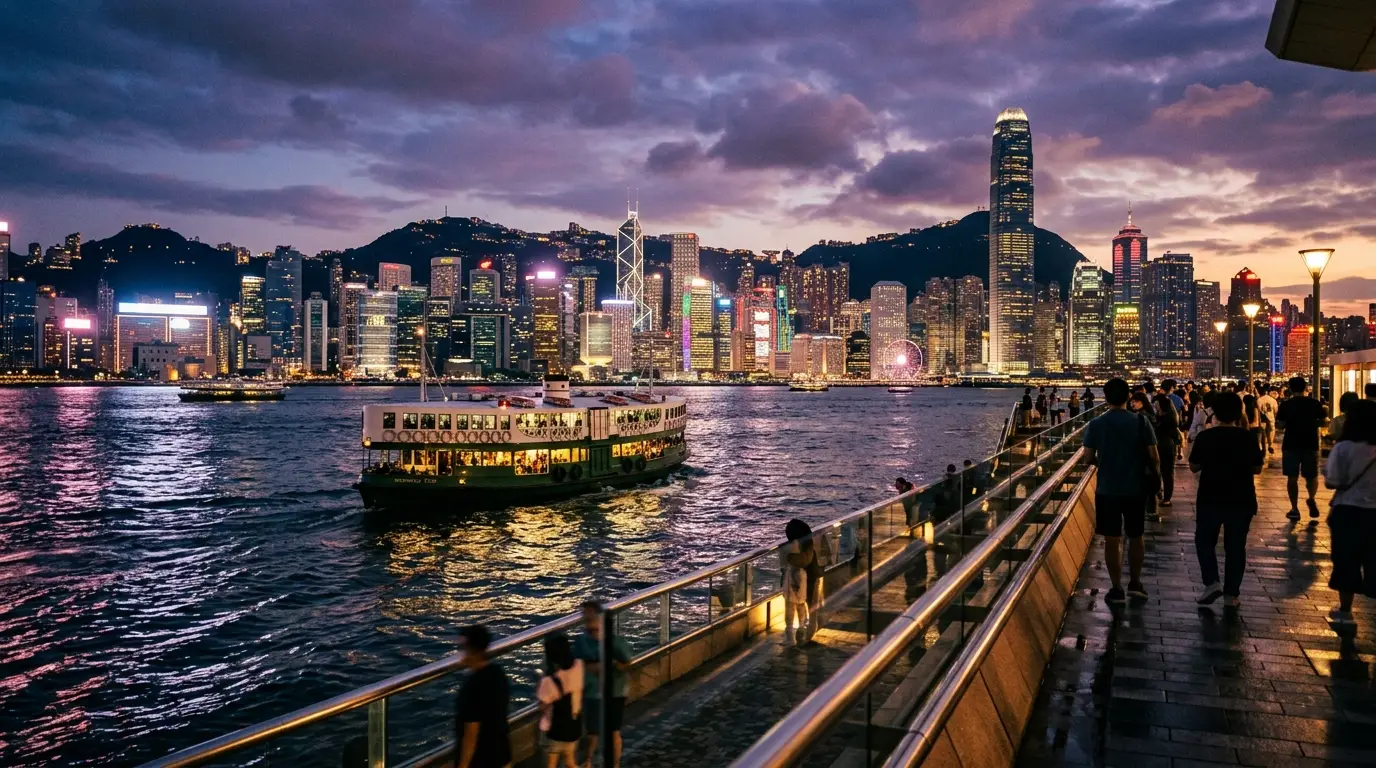
Hong Kong Day 2 Itinerary: Peak Tram, Soho, the Star Ferry and Tsim Sha Tsui
Beat the crowds on an early morning Peak Tram ascent, glide through Soho on the worlds longest outdoor escalator, savor crisp roast goose, and cross Victoria Harbour on the historic Star Ferry for the iconic Symphony of Lights.
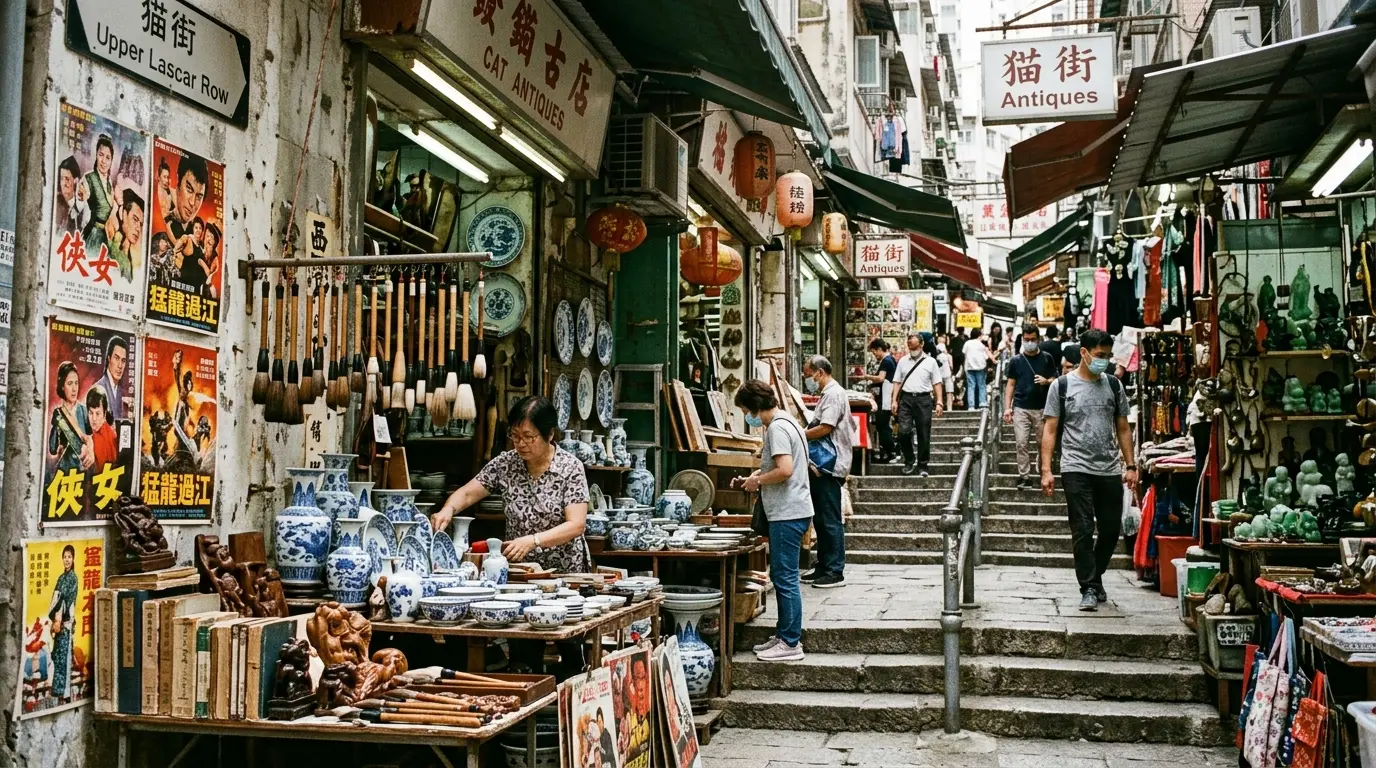
Hong Kong Day 3 Itinerary: Dim Sum, Sham Shui Po, M+ and In-Town Check-In
Start your final morning with authentic trolley dim sum, discover the authentic street pulse of Sham Shui Po, relax at the West Kowloon M+ waterfront, and use in-town check-in at Hong Kong Station for a baggage-free sprint to your flight.
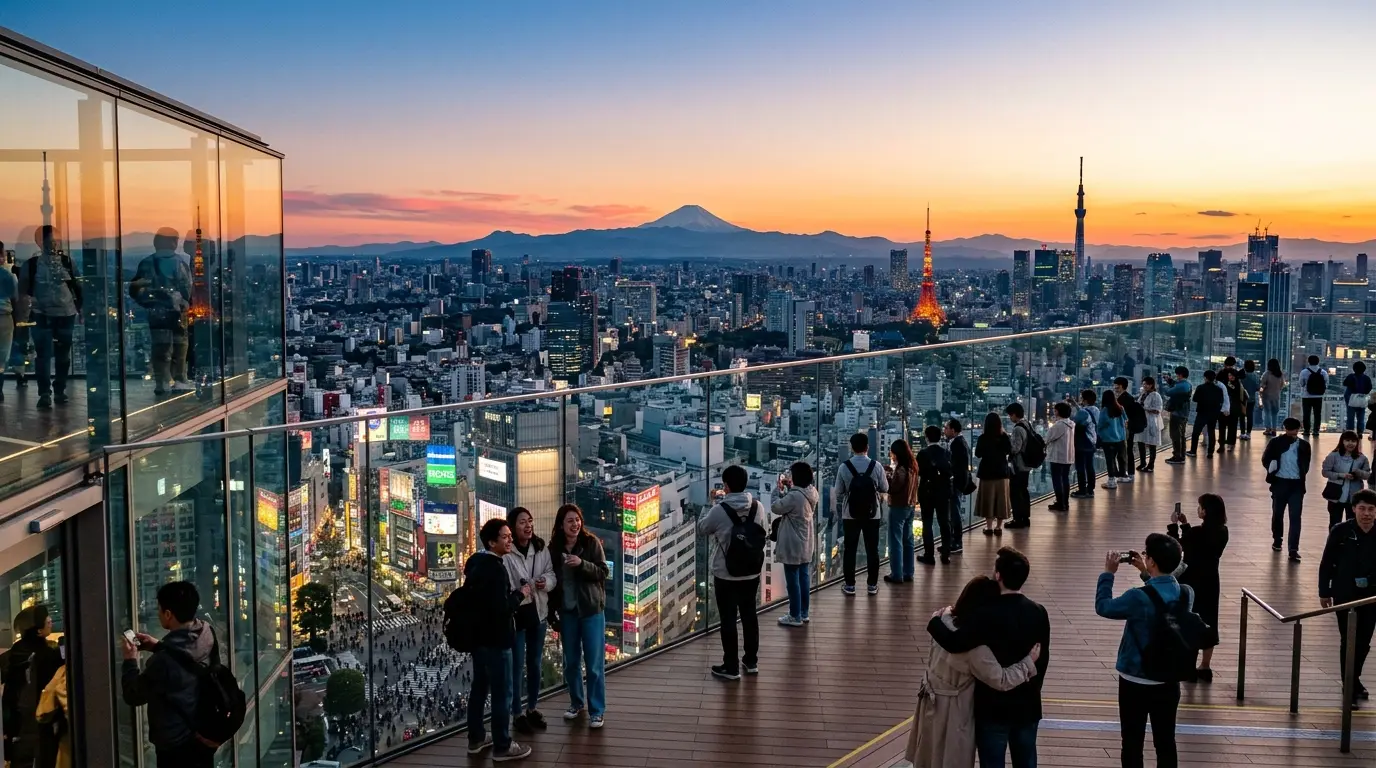
Where to Stay in Tokyo: Shinjuku vs Shibuya vs Ginza
Comparing room footprints across Shinjuku, Ginza, and Ueno, locking in sudden 14-day cancellation drops, and eliminating DCC fees with clean Yen checkout.
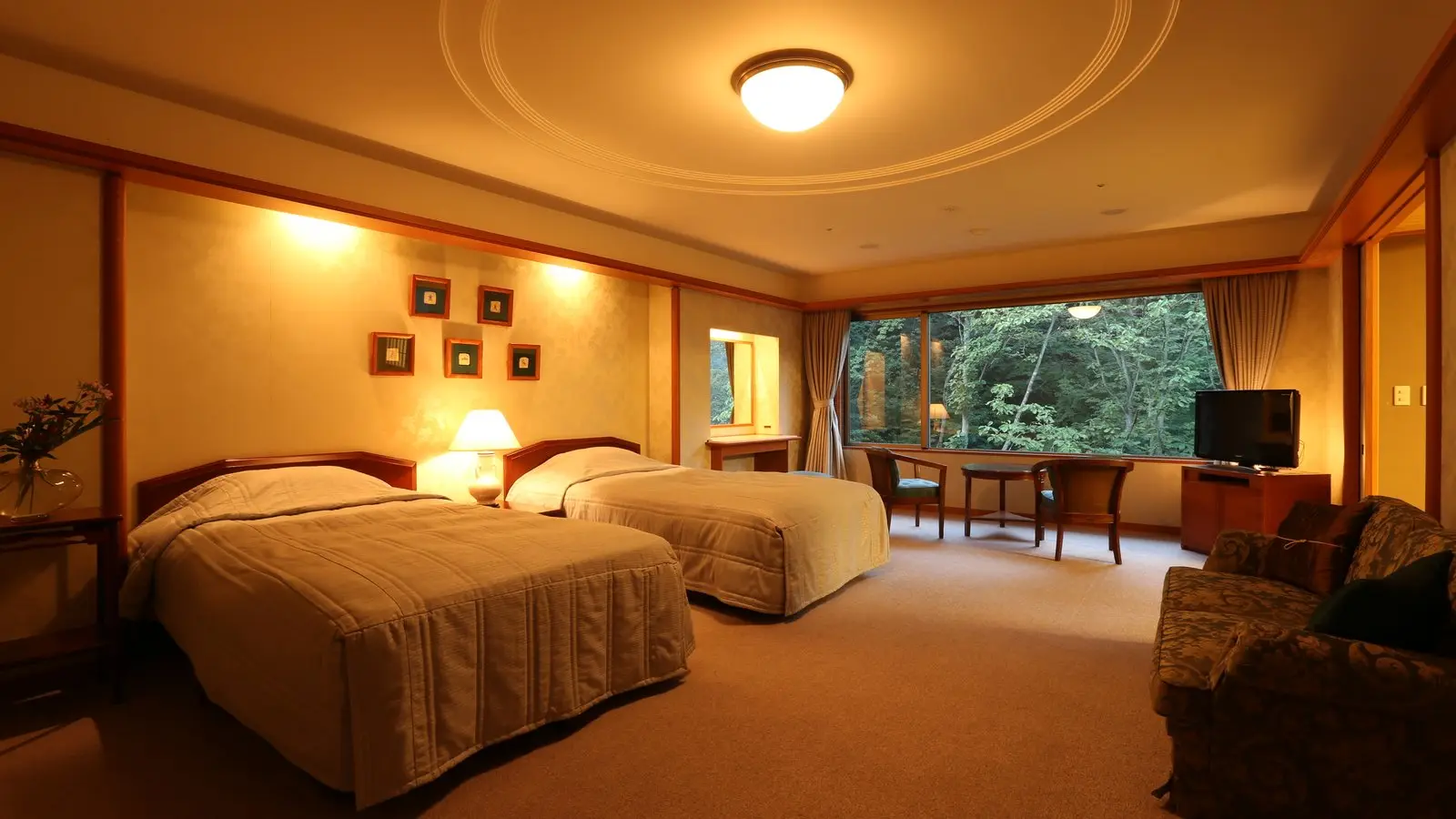
7 Budget Hotels in Tokyo Under $100 on the Yamanote Line
Even amid yen fluctuations, central Tokyo hotel rates have soared. Learn how to secure Yamanote loop line hotels at half the price of Shinjuku, compare onsen bath chains like Dormy Inn, trigger secret Agoda VIP and Booking.com Genius discounts, and dodge hidden currency fees with yen settlement.
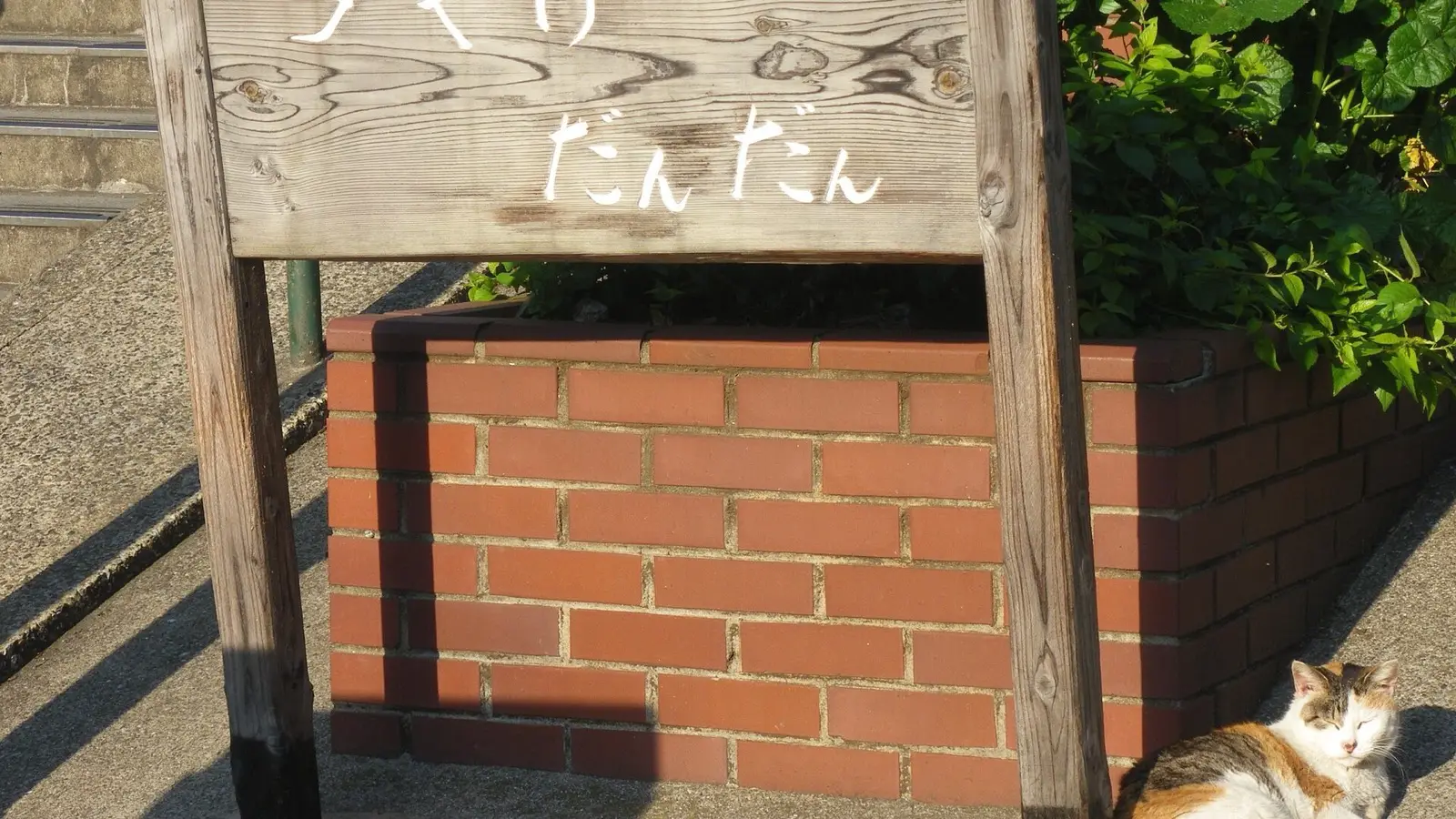
How to Read the Tokyo Subway Map and Where to Stay on the Yamanote Line
How to choose between Keisei Skyliner and Narita Express, avoid the Tokyo Subway Ticket trap, use Apple Wallet Suica, and select the ideal hotel base in Tokyo.
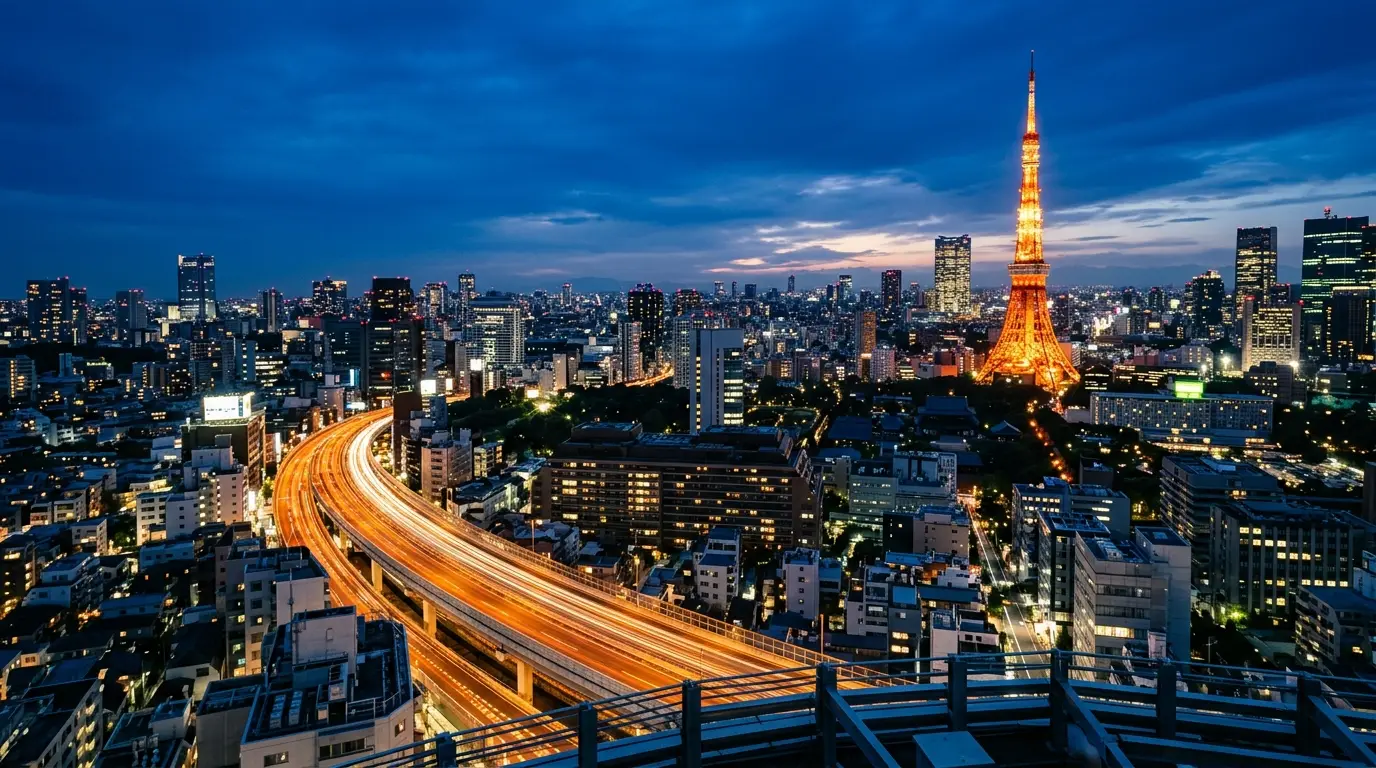
Tokyo Day 1 Itinerary: Narita Airport to the City and Your First 24 Hours
From stepping off at Narita Airport to mastering high-speed trains, navigating Tokyo's sprawling transit hubs, ordering counter ramen effortlessly, and catching sunset from Roppongi Hills. A definitive guide for your first 24 hours in Tokyo.
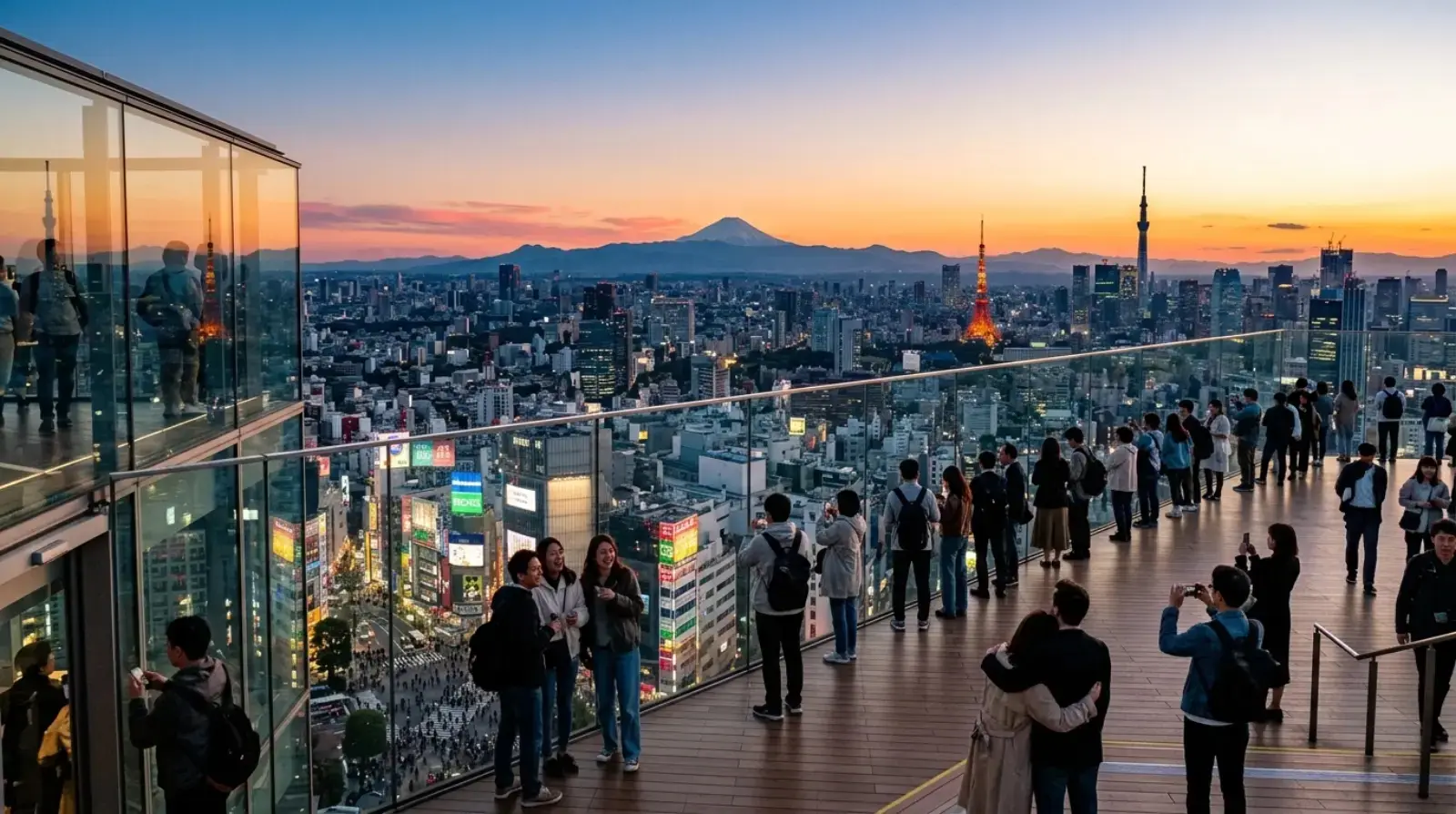
Tokyo Day 2 Itinerary: Booking Shibuya Sky, Harajuku Backstreets and Roppongi at Night
Securing prime sunset slots atop Shibuya Sky, navigating hidden boutiques along Harajuku Cat Street, immersing in the forested serenity of Meiji Jingu, and marveling at the crimson glow of Tokyo Tower from Roppongi Hills. A masterclass in Day 2 pacing.
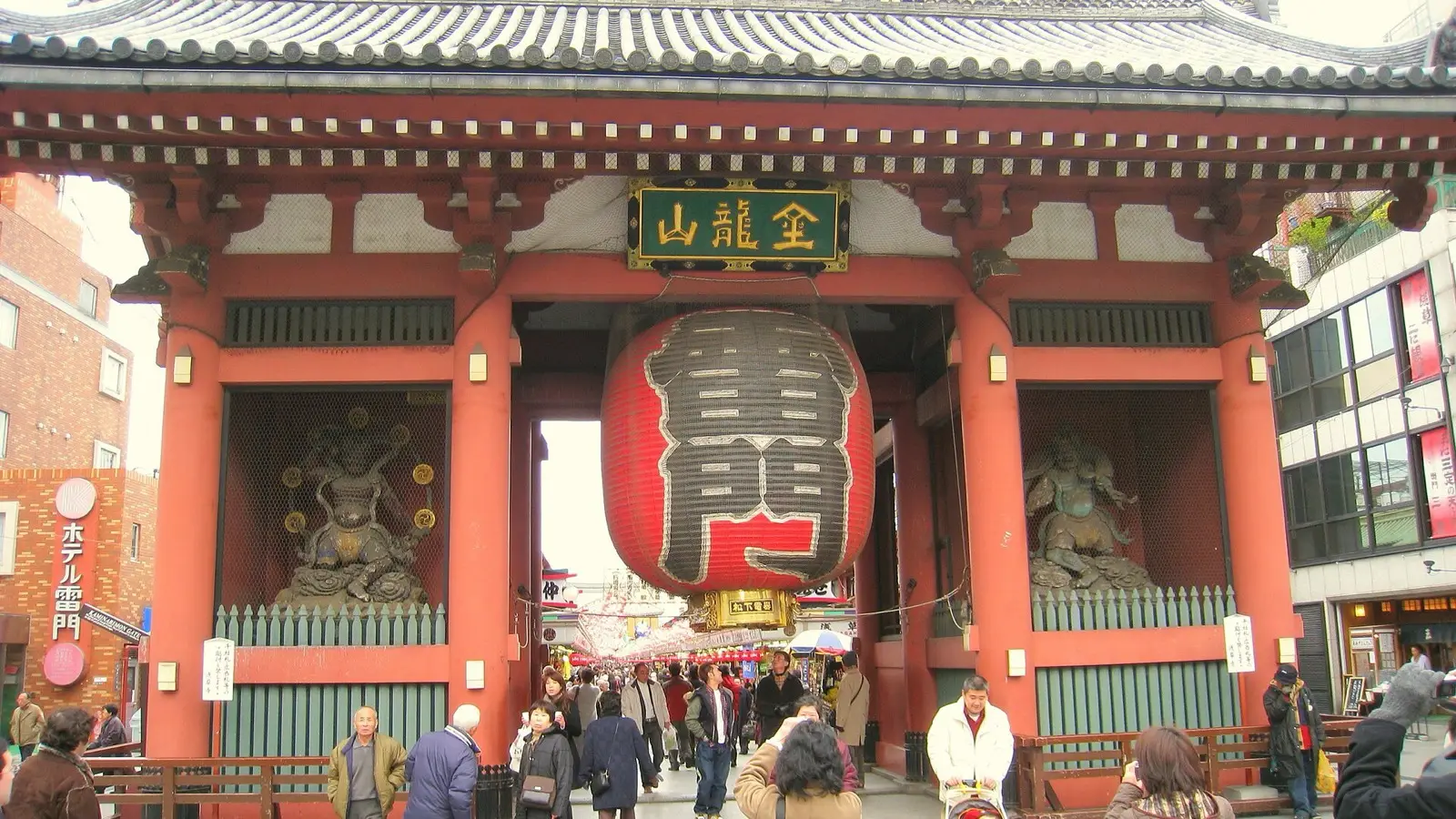
Tokyo Day 3 Itinerary: Asakusa, Akihabara, Ginza Depachika and Flying Home
The ultimate finale for your Tokyo stay: tranquil morning worship at Sensoji, retro subculture in Akihabara, Ginza Six architectural rooftop views and basement depachika feasts, capped by seamless Skyliner and N'EX airport connections.