
Kyoto on a Budget: Top 5 Value Hotels Under $90 and Station vs. Downtown Location Breakdown
Sotetsu Fresa Inn, Dormy Inn, and Sakura Terrace analyzed: the 200 yen lodging tax and peak season booking tactics
The Two Kyoto Hubs: Kyoto Station vs. Shijo Kawaramachi
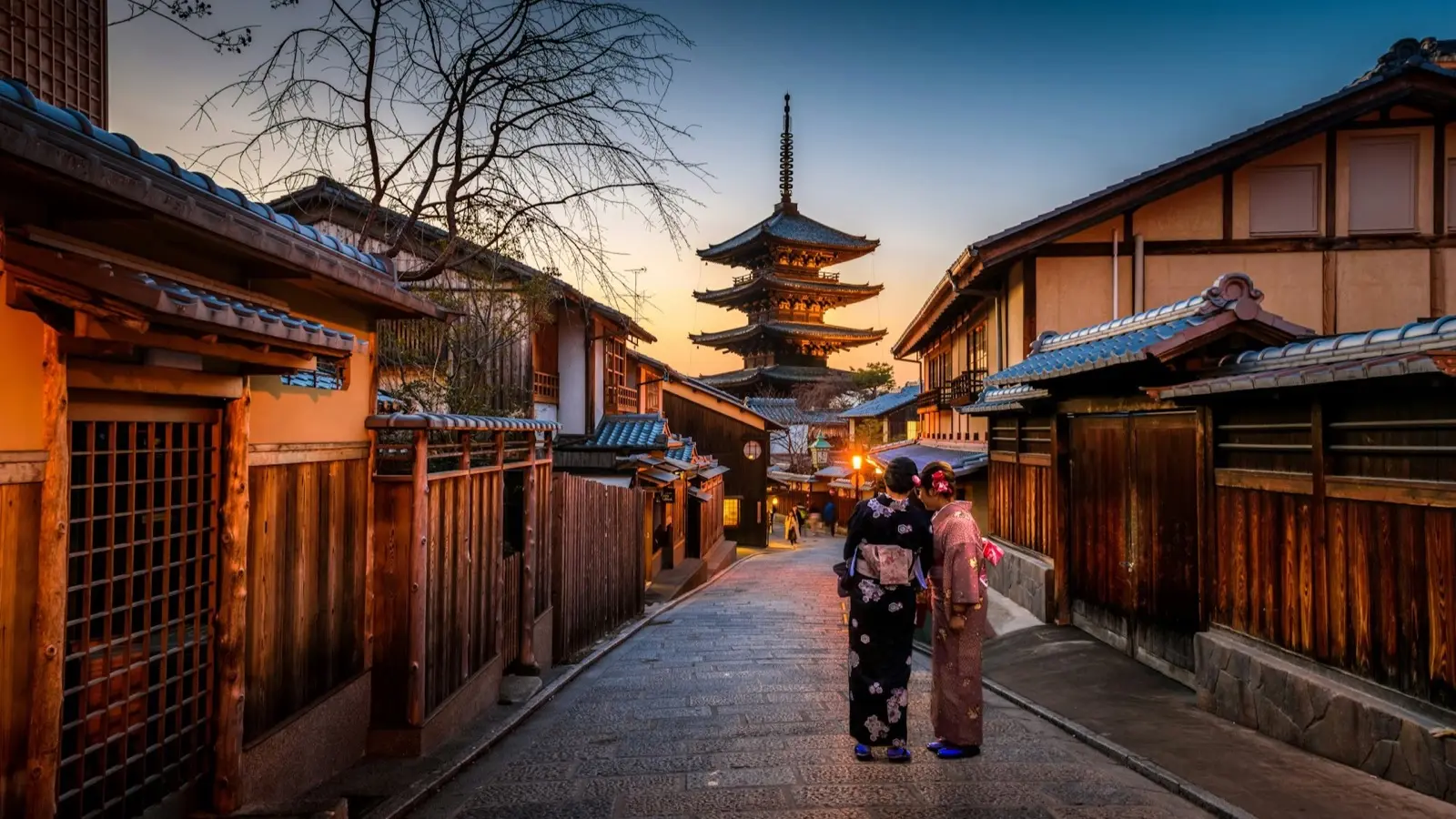
When selecting accommodations in Kyoto, your foundational decision is choosing between Kyoto Station and the downtown Shijo Kawaramachi / Karasuma corridor. These two neighborhoods represent entirely different travel rhythms. Your decision will determine both your daily transit stamina and how pleasantly you conclude your evenings.
Kyoto Station is the undisputed regional transit nexus. The Kansai Airport Haruka Express deposits you here in just 75 minutes without a single transfer, while Shinkansen bullet trains, JR regional lines to Osaka and Nara, and Kintetsu private railways all converge under its glass canopy. For travelers planning multiple day trips or wishing to avoid hauling 28-inch luggage onto packed city buses, staying within a 5-minute walk of Kyoto Station is the safest logistical choice.
Downtown Shijo Kawaramachi and neighboring Gion offer an intimate immersion into Kyoto's traditional atmosphere. Stepping out of your hotel lobby brings you to the banks of the Kamogawa river within three minutes. You can graze morning street food at Nishiki Market and linger over grilled yakitori skewers along Pontocho Alley until late at night before walking back to your room. The Hankyu Railway also whisks you to Osaka Umeda in 45 minutes flat.
In summary, if you have early morning airport train departures or heavy regional excursions, choose Kyoto Station Hachijo Exit (the south side). If your itinerary focuses on walking ancient temples, neighborhood cafes, and atmospheric evening dining, lock in a hotel around Shijo Kawaramachi or Shijo Karasuma.
Top 5 Foolproof Kyoto Value Hotels Under $90 per Night
Among Kyoto's crowded hospitality offerings, five standout budget properties consistently deliver exceptional cleanliness, prime locations, and competitive pricing. First is Sotetsu Fresa Inn Kyoto-Hachijoguchi, situated just three minutes on foot from Kyoto Station south exit, averaging 55 to 80 dollars during regular seasons. Featuring automated kiosk check-in, premium Simmons mattresses, and a well-stocked lobby amenity bar, it offers maximum practical efficiency.
Second is Dormy Inn Premium Kyoto Ekimae Natural Hot Spring, located four minutes north of Kyoto Station central exit. Priced between 70 and 95 dollars per night, it features unlimited access to genuine hot spring public baths and saunas. Dormy Inn's signature complimentary late-night Yonakisoba ramen and post-bath ice pops make it a beloved sanctuary after long sightseeing days.
Third is Sakura Terrace The Gallery, perched two minutes south of Kyoto Station. It boasts a stylish open-air courtyard, complimentary welcome cocktail lounge service, and boutique cafe vibes. With dedicated male and female public baths and saunas maintained at 65 to 85 dollars per night, it is an absolute favorite among independent millennial travelers.
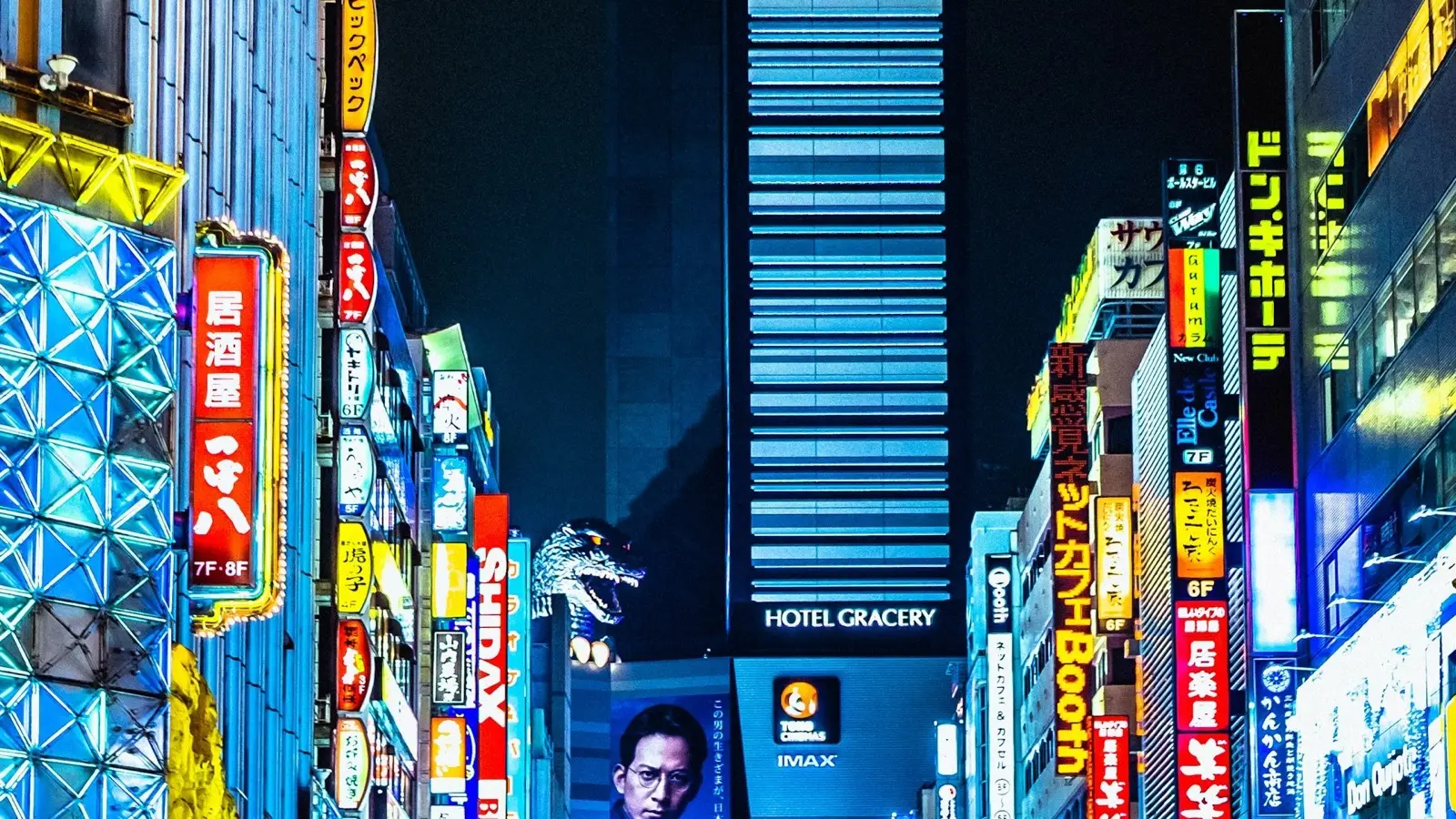
Fourth and fifth are downtown champions: Hotel Gracery Kyoto Sanjo and Daiwa Roynet Hotel Kyoto-Shijo Karasuma. Gracery sits directly inside the covered Teramachi shopping arcade, allowing umbrella-free access to dining on rainy days for roughly 65 dollars. Daiwa Roynet is one minute from Shijo subway station, offering generous 18-square-meter rooms and effortless transit toward both Kiyomizu-dera and Arashiyama.
The Sightseeing Lifesaver: Choosing Hotels with Natural Onsen Baths
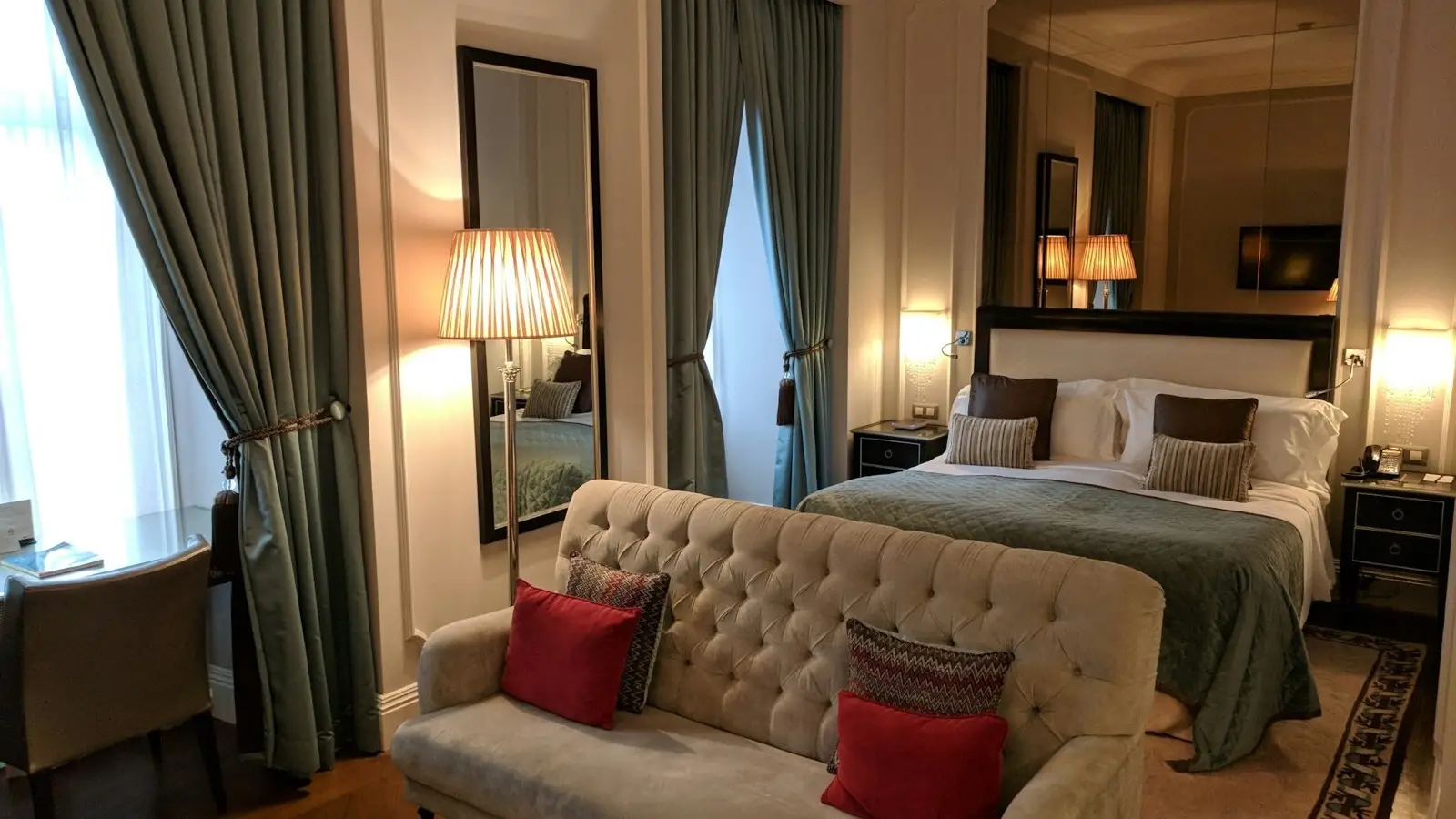
Sightseeing in Kyoto is an endurance sport. Between climbing the thousands of orange torii gates at Fushimi Inari and traversing the cobblestone slopes of Sannenzaka near Kiyomizu-dera, your smartphone pedometer will easily register 20,000 to 25,000 steps daily. Squeezing your tired limbs into a cramped plastic prefabricated hotel tub versus stretching out in a steaming hot spring onsen fundamentally alters your recovery.
When shortlisting value hotels, verify whether their bathing facility is a generic heated water public bath or certified natural geothermal spring water pumped from underground aquifers. Dormy Inn Premium Kyoto Ekimae utilizes certified subterranean onsen water whose mild alkaline profile dramatically soothes aching muscles and softens dry skin.
The Sakura Terrace collection operates sleek modern spa facilities paired with dry Finnish saunas. Relaxing in the cedar heat before sipping a complimentary glass of chilled sparkling wine or local Kyoto sake in the lounge restores your physical vitality after walking all afternoon.
Always inspect bath operating hours before confirming your reservation. Top-tier properties keep their public baths running continuously until 1:00 AM or 2:00 AM, re-opening at 5:00 AM. This extended schedule ensures you never have to rush through dinner or evening illuminated temple walks just to catch the hot spring.
Navigating the Mandatory Kyoto Municipal Lodging Tax at Check-In
Many travelers pay for their hotel booking entirely online through Agoda or Booking.com, only to be surprised when front desk receptionists request an additional cash payment of several hundred yen per person upon check-in. This is not an extra hidden fee, but the official Kyoto Municipal Accommodation Tax implemented by municipal ordinance since 2018.
The lodging tax is calculated per person per night based strictly on the net room rate (excluding sales taxes and breakfast charges). For standard budget properties where the nightly room cost falls under 20,000 yen per person, the statutory tax rate is fixed at 200 yen (roughly $1.40 USD). Rates between 20,000 and 50,000 yen incur 500 yen, while luxury ryokan over 50,000 yen charge 1,000 yen per night.
For example, two adults booking a 3-night stay at an $80 business hotel will owe exactly: 2 guests x 3 nights x 200 yen = 1,200 yen total (approximately $8.50 USD), payable directly at the front desk via cash or credit card during registration.
While a few travel portals occasionally bundle municipal taxes into the checkout total, the vast majority explicitly exclude local municipal taxes. If your booking voucher specifies 'Local taxes payable at property,' having small yen coins or a payment card ready at the desk will ensure an effortless check-in.

Outsmarting the 3x Peak Season Surge: The 180-Day Early Bird Strategy
Kyoto experiences some of the most dramatic seasonal hotel price volatility in global tourism. A modest business double room priced at 50 dollars in quiet January or June frequently rockets to 220 to 300 dollars during late March cherry blossom season and mid-November autumn leaf viewing peaks.
The foolproof defense against seasonal price gouging is locking in refundable bookings 180 days in advance. Major Japanese hotel chains release inventory exactly six months ahead of arrival. If planning a cherry blossom getaway, book in October; for autumn foliage, secure your rooms in May on official websites or OTAs with flexible free-cancellation policies to lock in normal rates.
If peak dates are approaching and Kyoto city center rooms are completely sold out or commanding exorbitant prices, deploy the classic commuter bypass: look along the JR Biwako Line at Otsu or Kusatsu stations. Located just two stops and 9 minutes from Kyoto Station on the JR Special Rapid train, Otsu hotels cost a third of downtown rates while providing serene Lake Biwa views.
Peak season travel in Kyoto does not require sacrificing your savings. By pairing strategic district selection with 180-day early bookings and onsen amenities, you can experience the timeless charm of Kyoto mornings comfortably within your budget.
Frequently Asked Questions
Field-tested answers to transit navigation, neighborhood choices, and payment traps.
Q1.Is it more convenient to stay near Kyoto Station or in Shijo Kawaramachi?
Q2.I prepaid my hotel reservation online. Why am I asked to pay accommodation tax at check-in?
Q3.Can travelers with tattoos use public onsen baths in Kyoto budget hotels?
Q4.What is the best alternative when Kyoto city hotels are ridiculously expensive during peak foliage or cherry blossoms?
The Smart Traveler's Essential Toolkit
Prepare instant mobile data, private airport transfers, and skip-the-line passes in one place.
Pick a base in Kyoto by your route
Choose the places you want to see and get the neighbourhood with the shortest travel.
Compare Kyoto Hotel Rates
Find the cheapest channel across Agoda and major booking engines with Tripdify.
Share This Guide with Your Companions
When shared via chat or social media, a curated summary card is sent along.
Recommended Guides
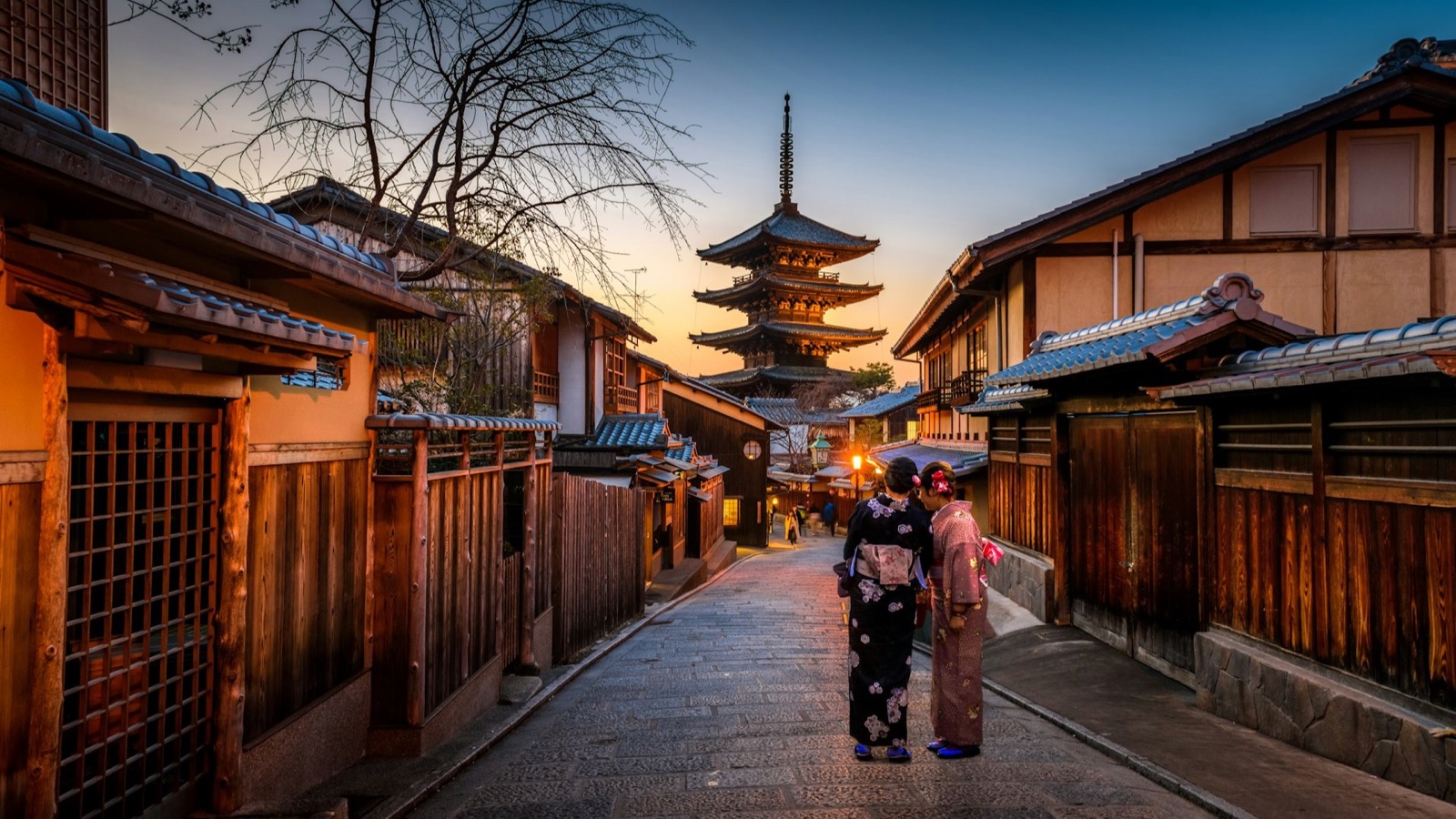
Kyoto Itinerary: Arashiyama, Gion and How to Pick a Ryokan
Kyoto compresses a millennium of Japanese aesthetic mastery. Discover how to evade bus congestion with private railways, master ryokan kaiseki booking windows, and savor early dawn stillness.
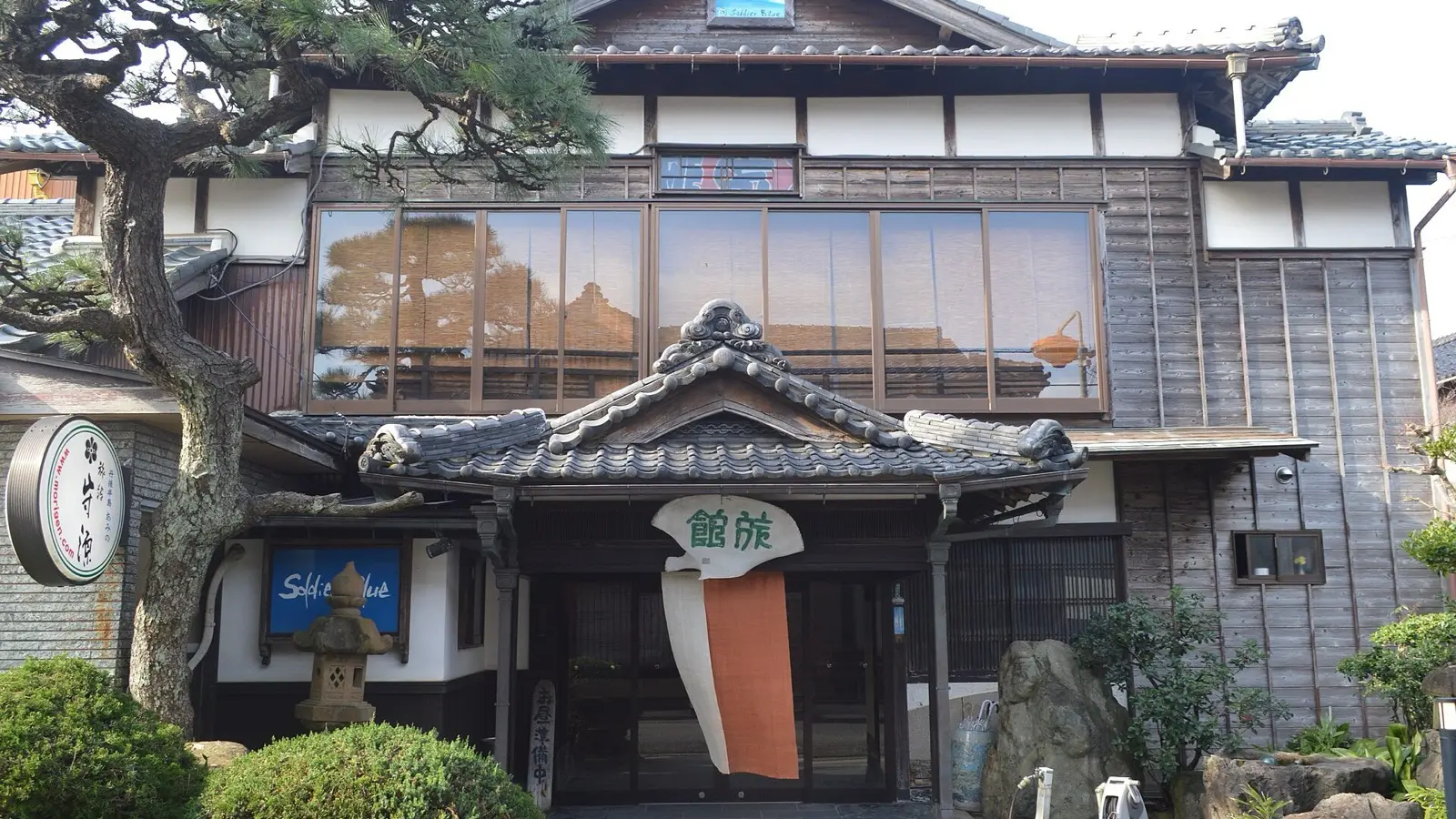
Kyoto Ryokan Prices and How to Choose: Kaiseki Terms and Machiya Stays
From hundred-year-old timber townhouses in Gion to misty Arashiyama riverside ryokan, staying in Kyoto demands cultural fluency and sharp booking discipline. An honest receipt audit covering kaiseki dinner curfews, private onsen etiquette, and avoiding dynamic pricing spikes.
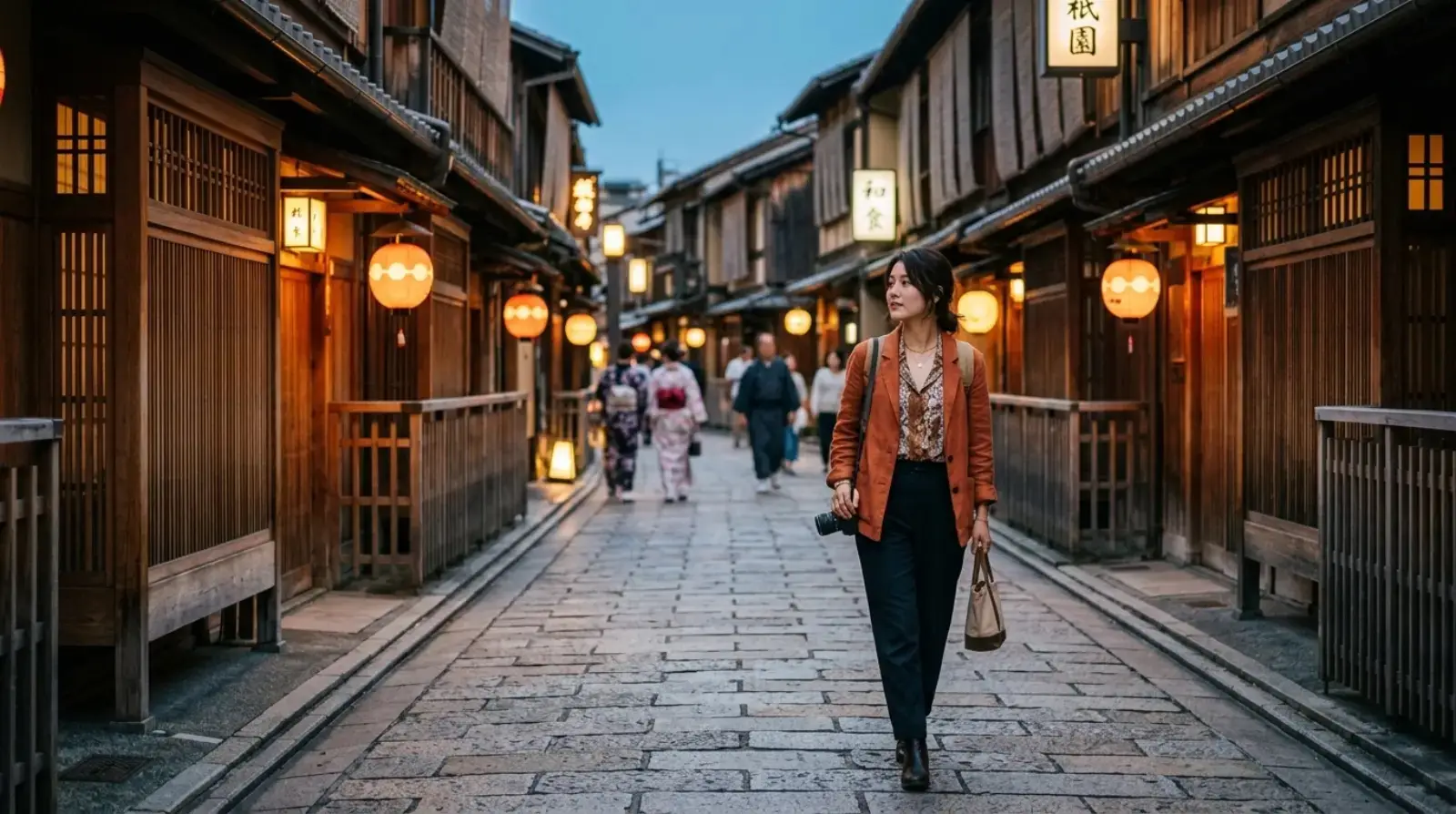
Kyoto Day 1 Itinerary: Kansai Airport to Kyoto and Your First Evening in Gion
Boarding the 75-minute Haruka Express from Kansai Airport, forwarding heavy bags straight to your hotel via Crosta at Kyoto Station, avoiding gridlocked buses using the subway, and an evening stroll through Gion to the Kamogawa. A field guide to your first 24 hours.
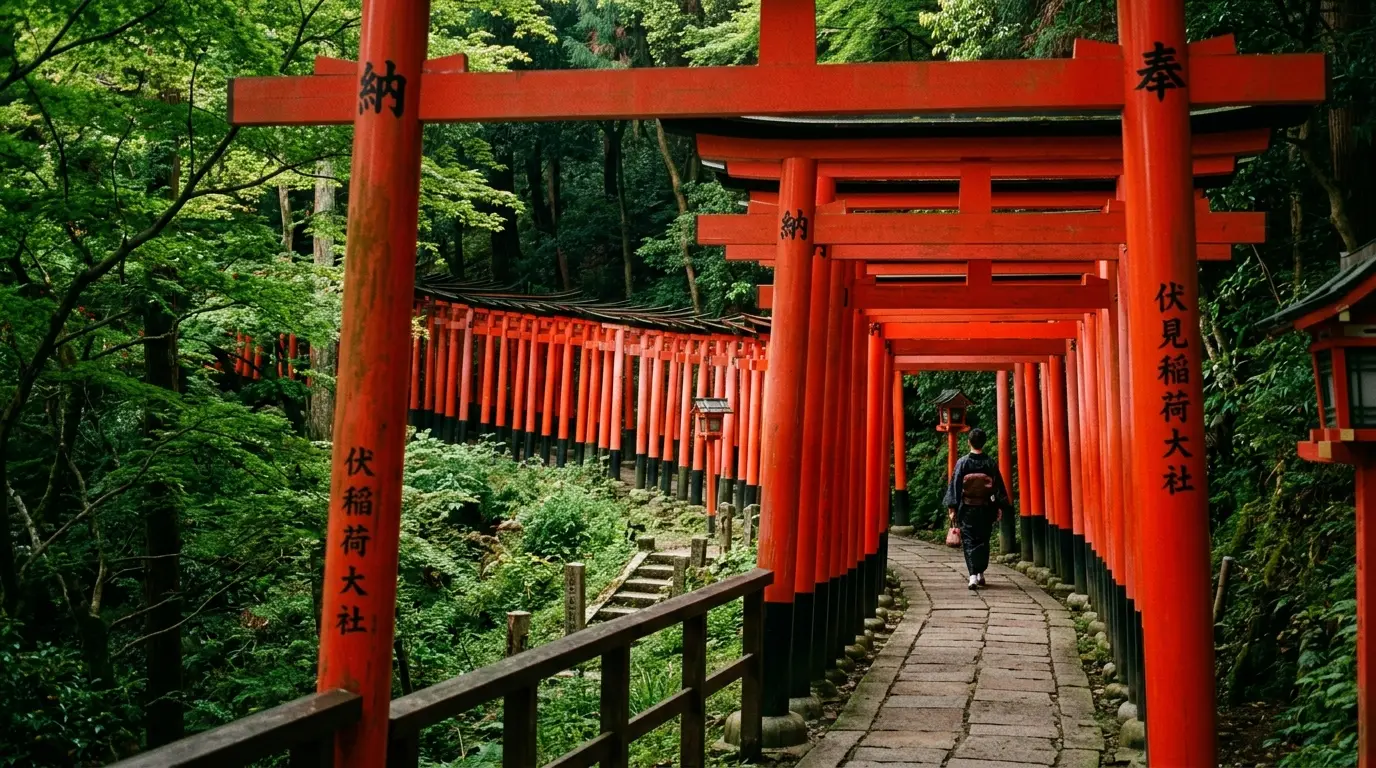
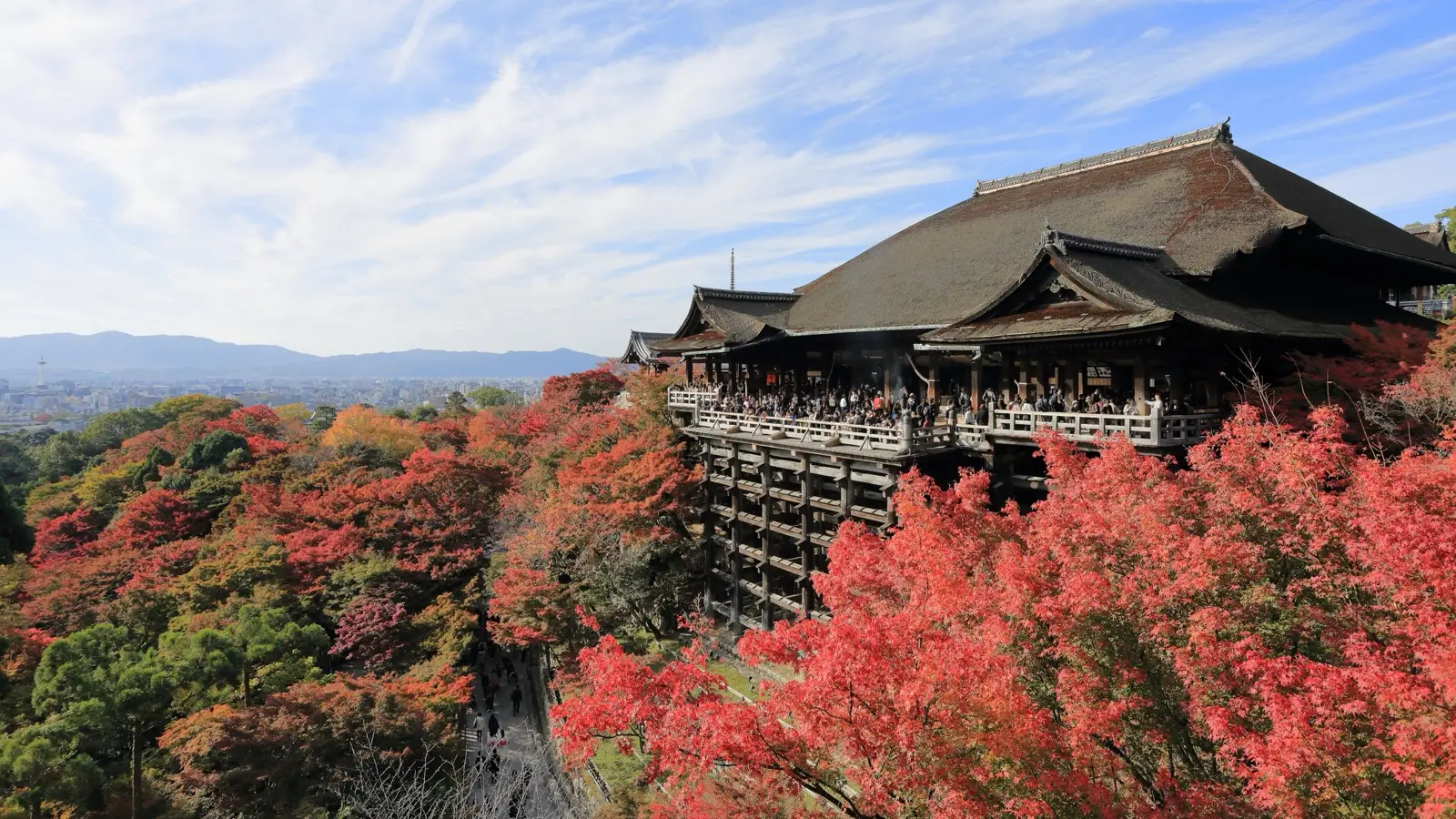
Kyoto Day 2 Itinerary: Fushimi Inari, Kiyomizu-dera, Sannenzaka and Gion
Day 2 immerses travelers into the spiritual heartbeat and preserved historic streets of Kyoto: early morning solace along thousands of vermilion torii gates at Fushimi Inari, sweeping mountain panoramas from the legendary wooden stage of Kiyomizu-dera, artisan tea shops and matcha sweets across cobblestoned Ninenzaka and Sannenzaka, followed by lantern-lit strolls in Gion Shirakawa and a refined multi-course Kaiseki dinner.
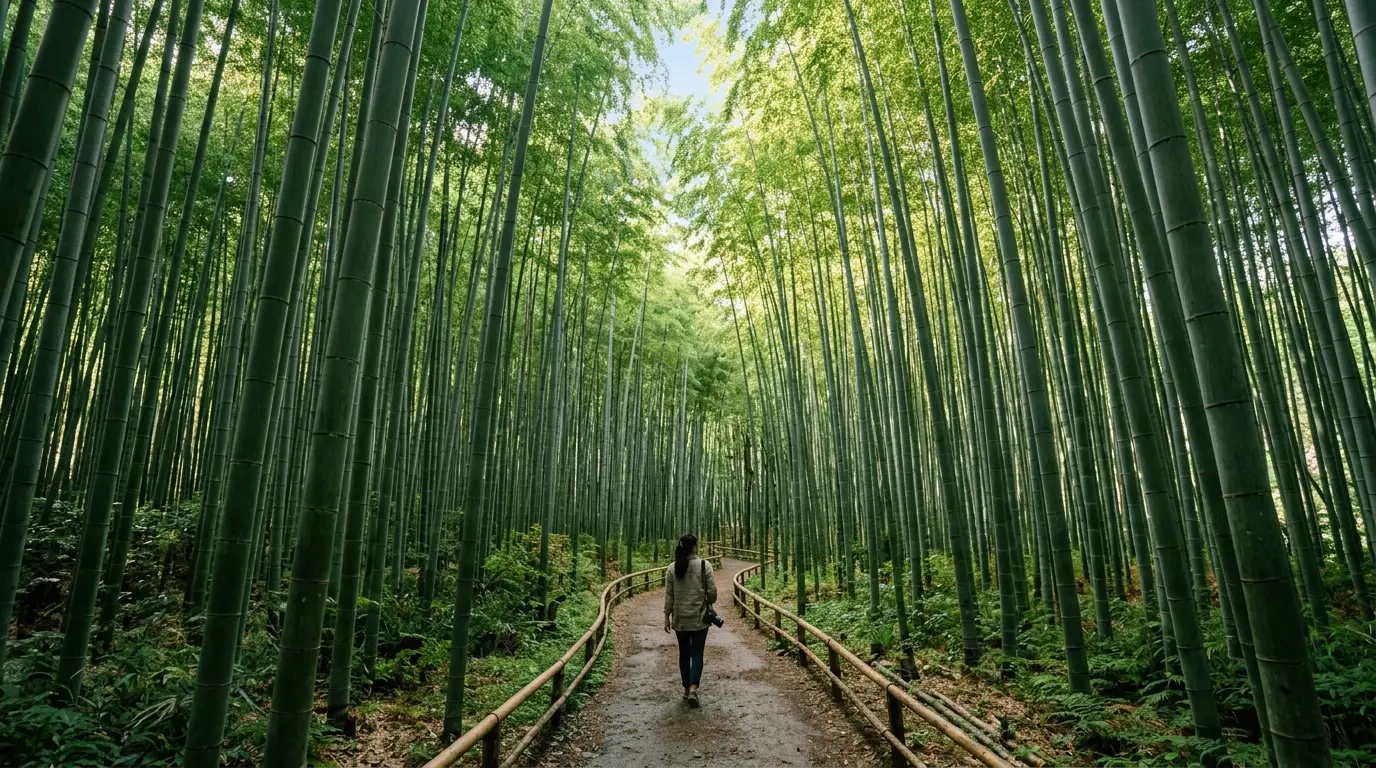
Kyoto Day 3 Itinerary: Arashiyama Bamboo Grove, Nishiki Market and the Journey Home
A sublime final chapter to your Kyoto journey: morning breezes whispering through towering emerald stalks in the Arashiyama Bamboo Grove, the UNESCO World Heritage mirror pond at Tenryu-ji, riverside specialty coffee by Togetsukyo Bridge, savory culinary treasures inside 400-year-old Nishiki Market, followed by Kyoto Station souvenir shopping and a swift 75-minute ride aboard the JR Haruka Express straight to Kansai Airport.
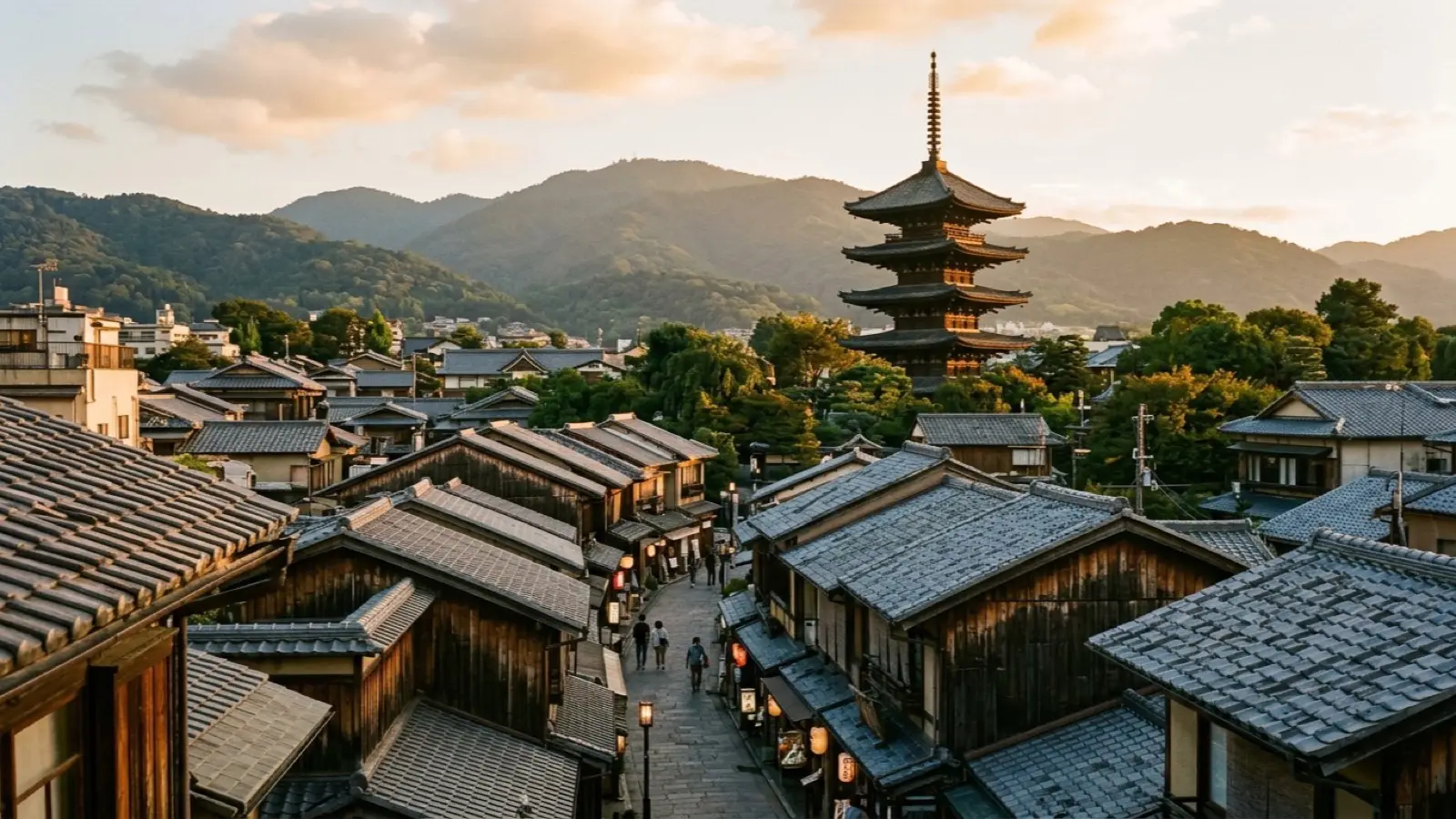
Where to Stay in Kyoto: Kyoto Station vs Gion vs Kawaramachi Compared
Your choice of base determines your entire Kyoto experience. Will you navigate crowded city buses with heavy luggage, or stroll riverside alleys lined with lantern-lit bistros? Here is a definitive breakdown of Kyoto's four premier districts.
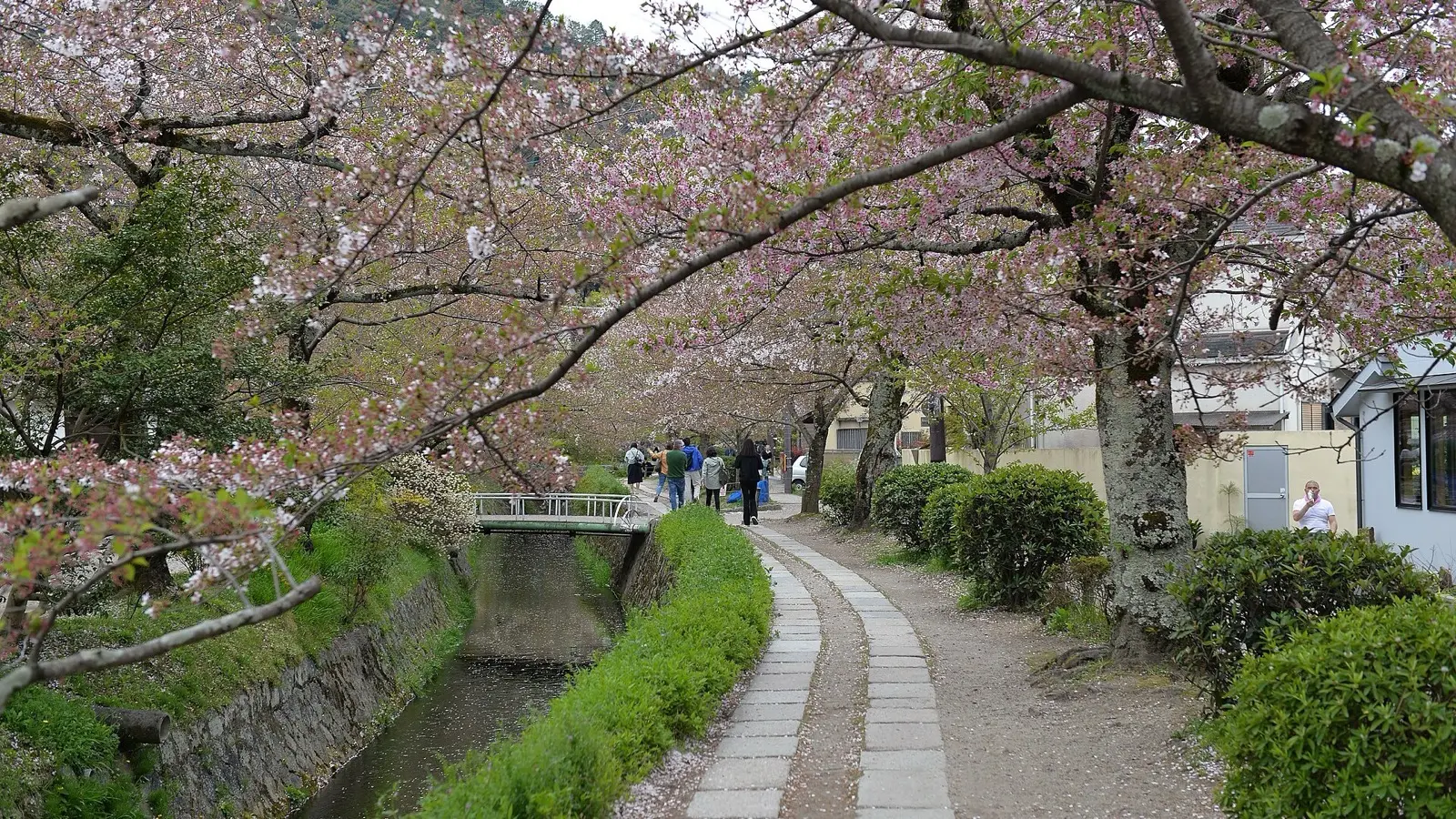
Kyoto Philosopher's Path Walk: From Ginkaku-ji to Nanzen-ji
To touch the true contemplative soul of Kyoto away from midday tour buses and crowds, one must walk the stone flagstones of the Philosopher's Path (Tetsugaku-no-Michi) under the soft mist of early dawn. Stretching two kilometers along the Lake Biwa Canal from Ginkaku-ji to Nanzen-ji, this tranquil waterway is where 20th-century philosopher Kitaro Nishida walked daily in meditative contemplation. From the murmur of mountain water and the moss-thatched timber gate of secluded Honen-in, to the weathered red-brick Romanesque arches of Suirokaku hidden within deep cedar woods, this immersive field report traces Kyoto's finest meditative journey.
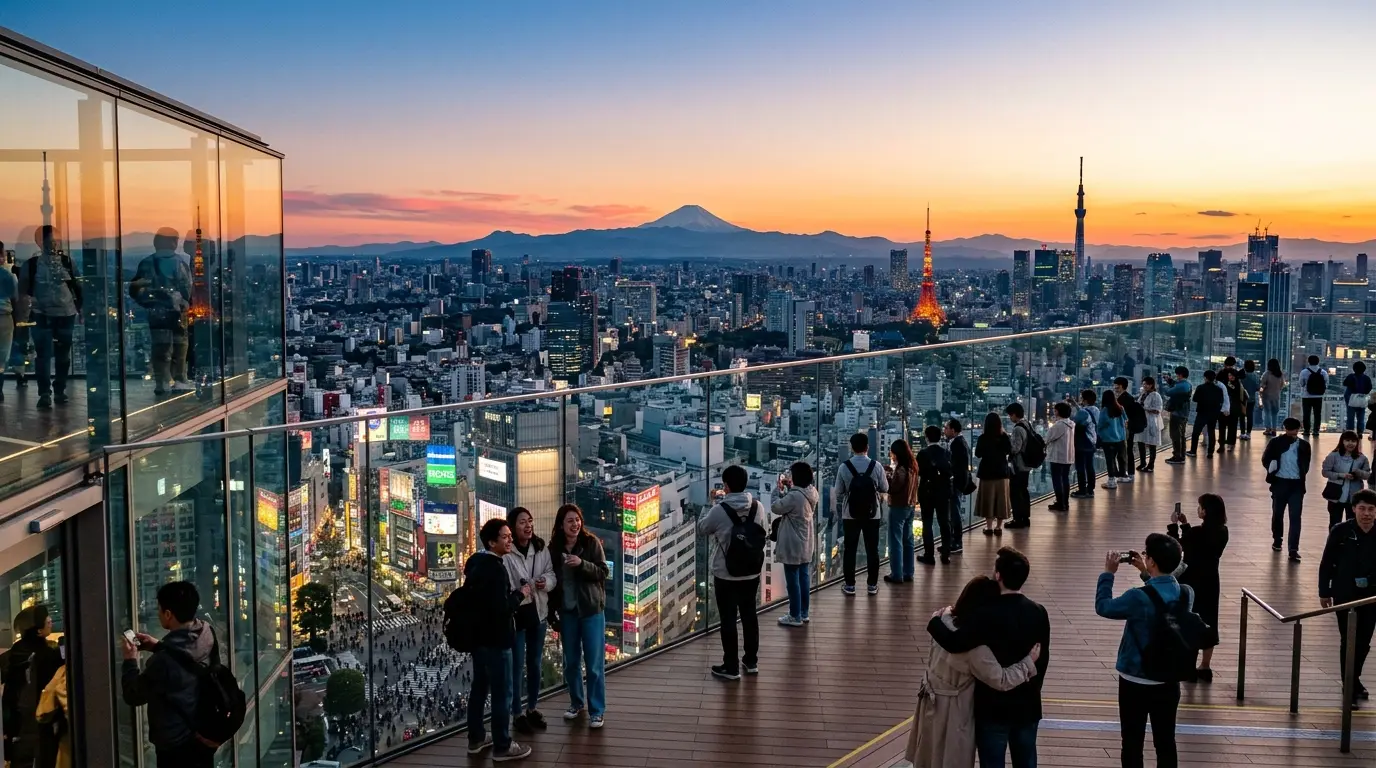
Where to Stay in Tokyo: Shinjuku vs Shibuya vs Ginza
Comparing room footprints across Shinjuku, Ginza, and Ueno, locking in sudden 14-day cancellation drops, and eliminating DCC fees with clean Yen checkout.
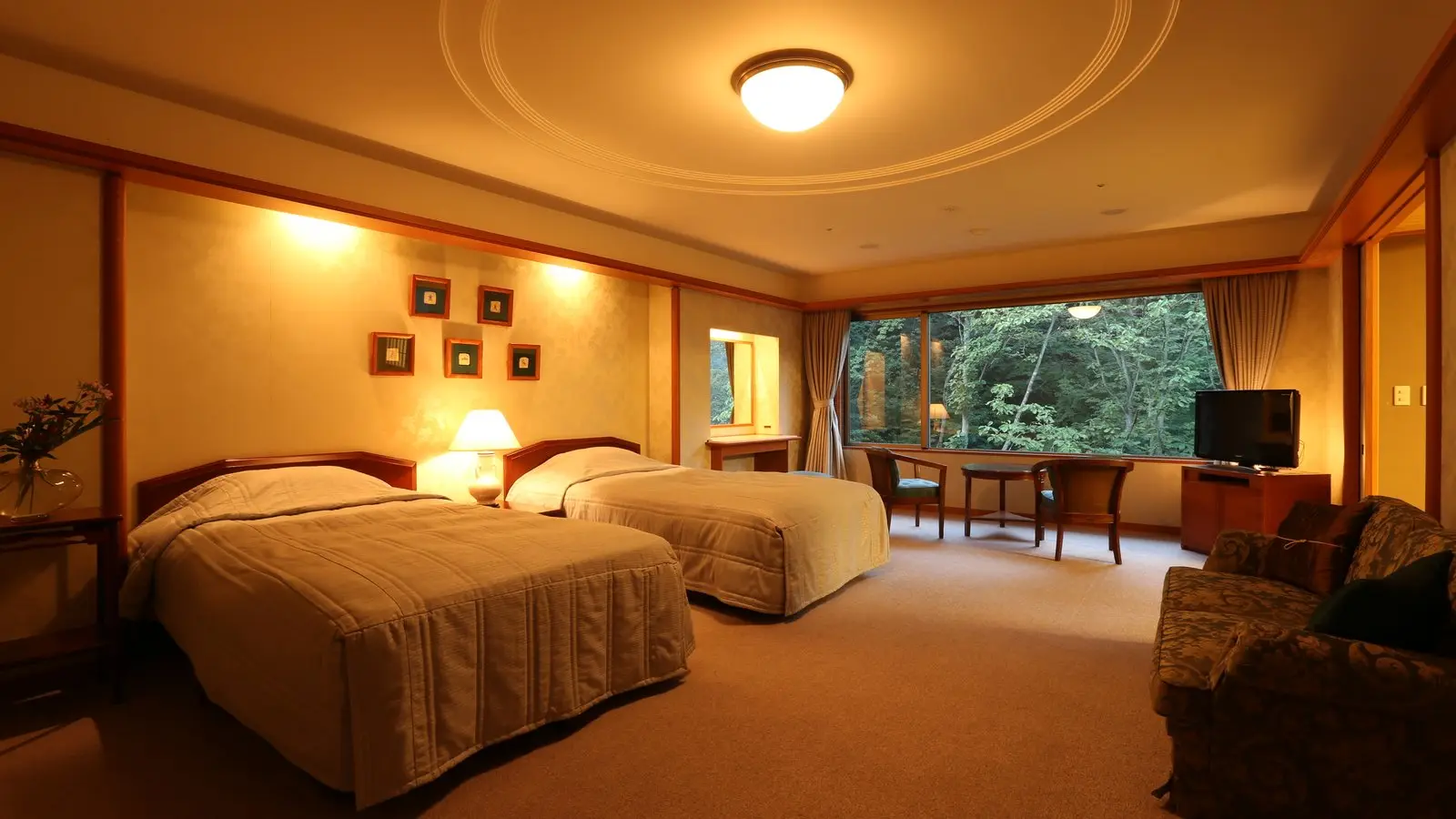
7 Budget Hotels in Tokyo Under $100 on the Yamanote Line
Even amid yen fluctuations, central Tokyo hotel rates have soared. Learn how to secure Yamanote loop line hotels at half the price of Shinjuku, compare onsen bath chains like Dormy Inn, trigger secret Agoda VIP and Booking.com Genius discounts, and dodge hidden currency fees with yen settlement.
How to Read the Tokyo Subway Map and Where to Stay on the Yamanote Line
How to choose between Keisei Skyliner and Narita Express, avoid the Tokyo Subway Ticket trap, use Apple Wallet Suica, and select the ideal hotel base in Tokyo.
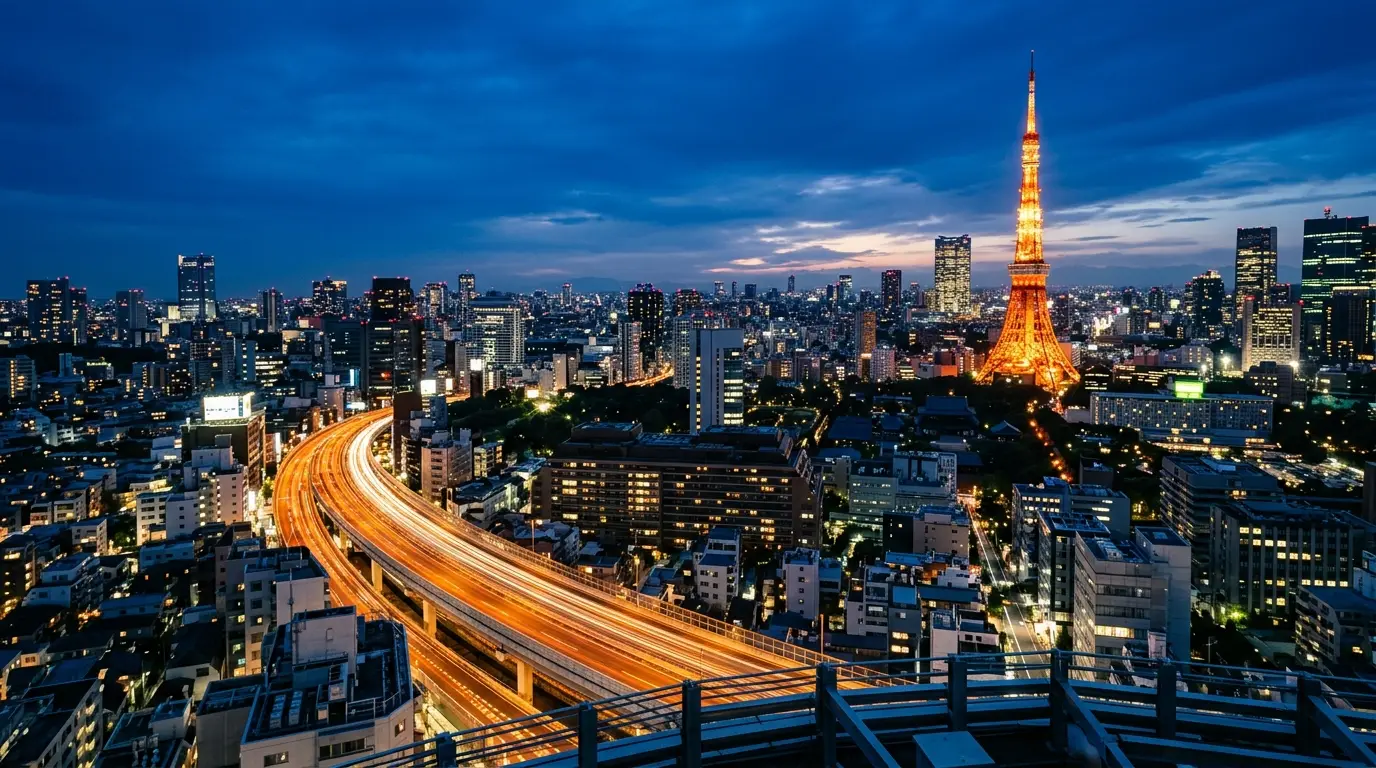
Tokyo Day 1 Itinerary: Narita Airport to the City and Your First 24 Hours
From stepping off at Narita Airport to mastering high-speed trains, navigating Tokyo's sprawling transit hubs, ordering counter ramen effortlessly, and catching sunset from Roppongi Hills. A definitive guide for your first 24 hours in Tokyo.
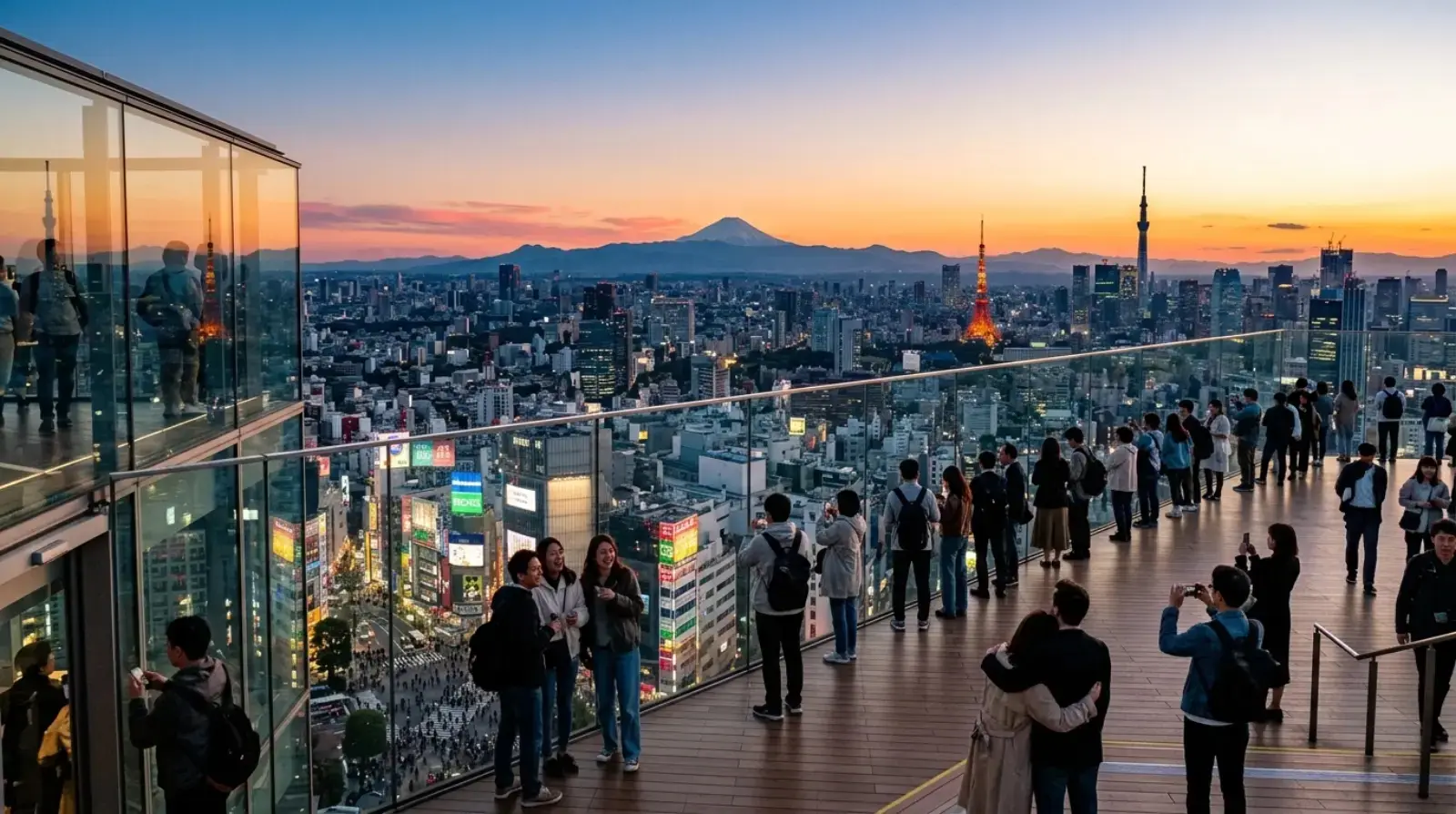
Tokyo Day 2 Itinerary: Booking Shibuya Sky, Harajuku Backstreets and Roppongi at Night
Securing prime sunset slots atop Shibuya Sky, navigating hidden boutiques along Harajuku Cat Street, immersing in the forested serenity of Meiji Jingu, and marveling at the crimson glow of Tokyo Tower from Roppongi Hills. A masterclass in Day 2 pacing.