
Dawn Through Sagano Bamboo Grove: Tenryu-ji Zen Gardens, Togetsukyo Mist, and Quiet Kyoto Mornings
The 7 AM miracle along the Chikurin path: Randen retro tramway, Katsura river mist, and garden matcha tea pavilions
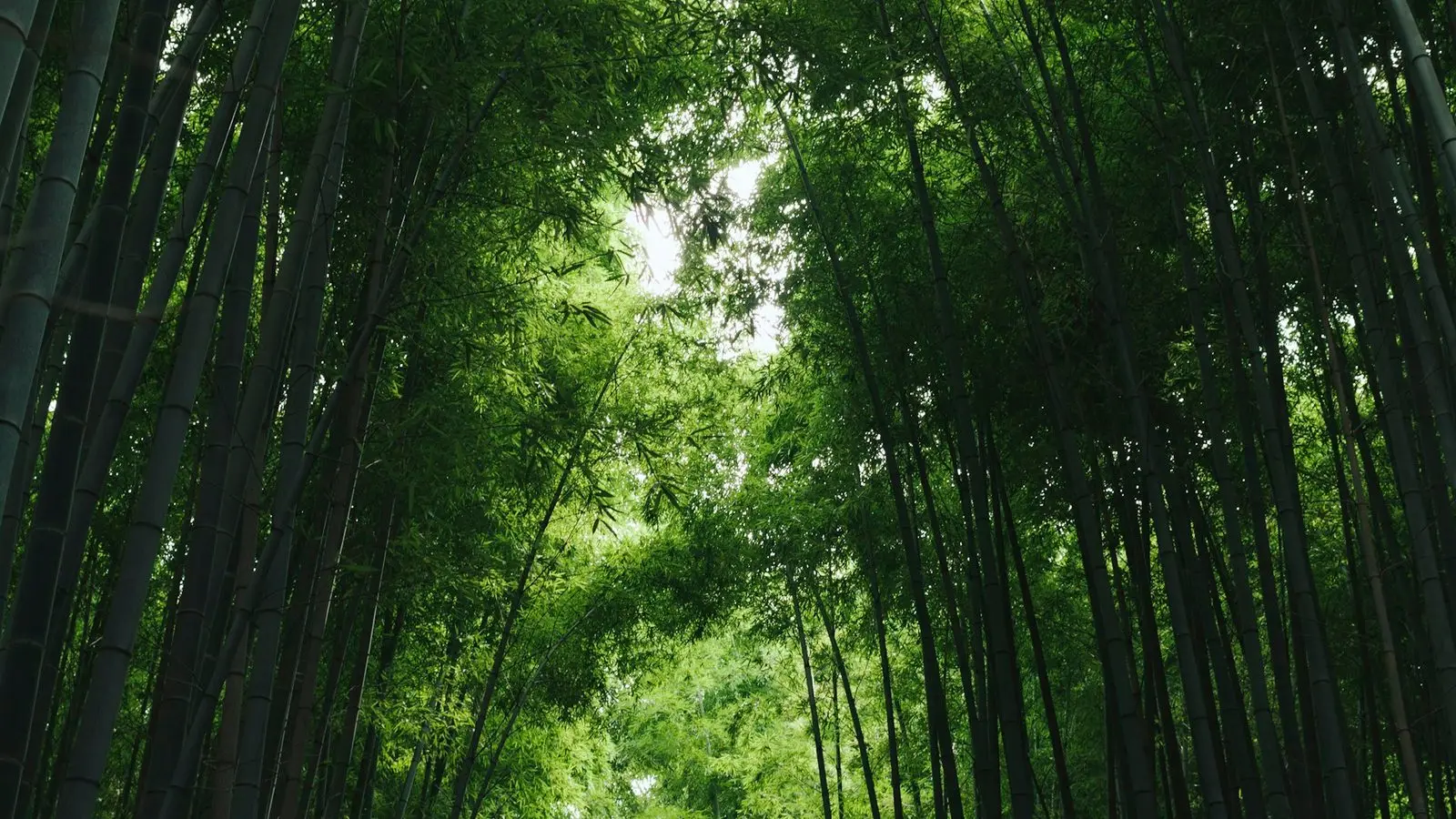
The 7 AM Miracle: Walking Chikurin no Michi Without Crowds
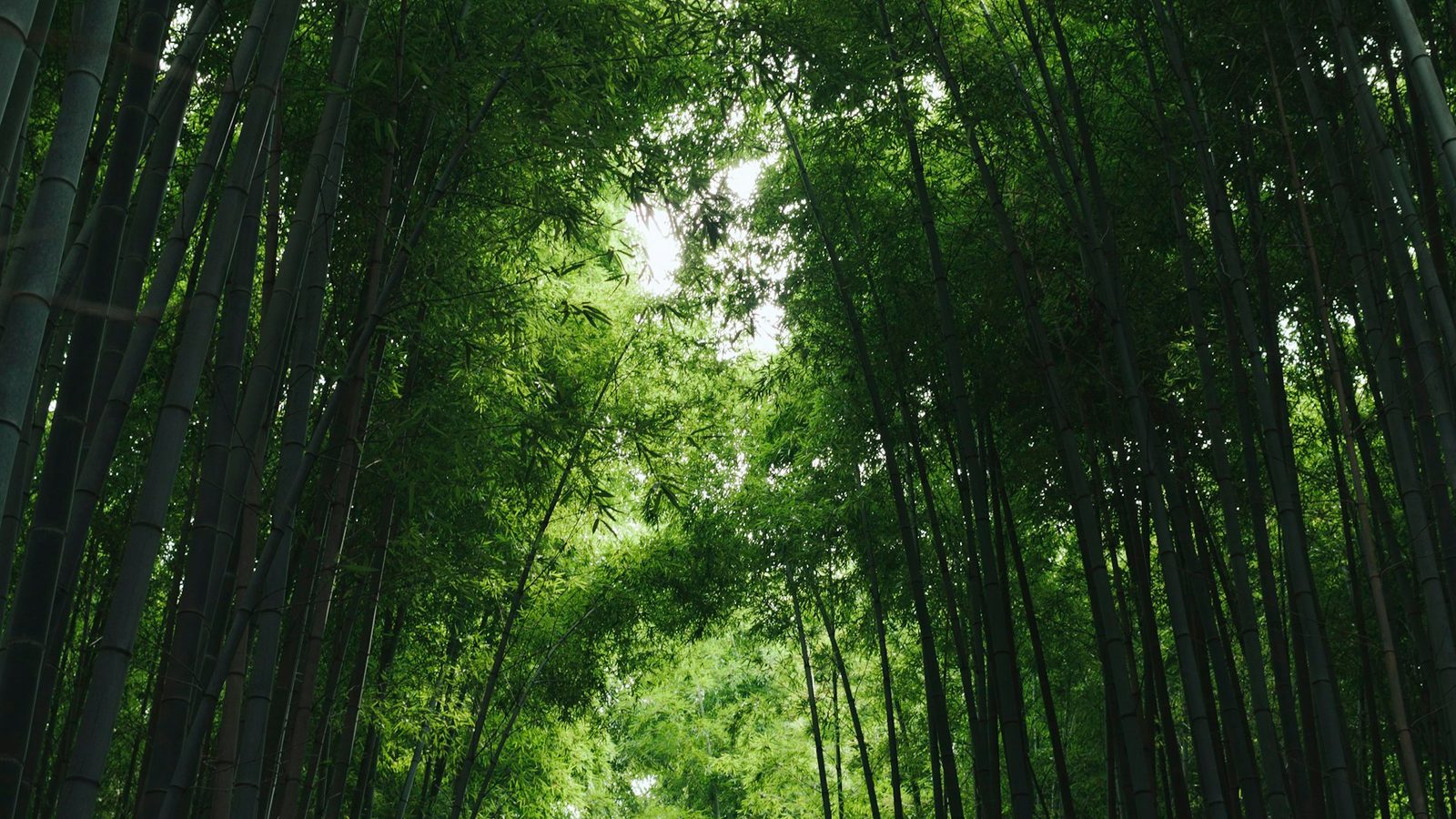
Kyoto famed Sagano Bamboo Grove (Chikurin no Michi) is frequently a source of immense disappointment for visitors arriving at 11:00 AM, greeted only by shoulder-to-shoulder crowds, selfie sticks, and tour flags. Yet setting your alarm to reach the woodland entrance before 7:00 AM completely transforms the experience into pure transcendence.
As the morning sun breaches eastern hills, crisp nocturnal mist dissolves into beams of radiant golden light piercing through towering stalks, known in Japanese as 'komorebi' (sunlight filtering through trees). Walking down the deserted earthen corridor completely alone, the only sound echoing is the gentle creaking and whispering of bamboo foliage swaying in mountain currents.
This natural rustle is officially designated by the Japanese Ministry of the Environment as one of the '100 Soundscapes of Japan'. To capture this morning tranquility, catch the JR San-in Main Line (Sagano Line) from Kyoto Station, which whisks travelers directly to JR Saga-Arashiyama Station in just seventeen minutes with departures starting well before dawn.
The main grove path spans approximately 400 meters, taking twenty unhurried minutes to traverse. At dawn, free from crowds obstructing sightlines, you can pocket your smartphone camera and simply breathe deeply, taking in the invigorating pine and cedar scents of the sacred mountain forest.
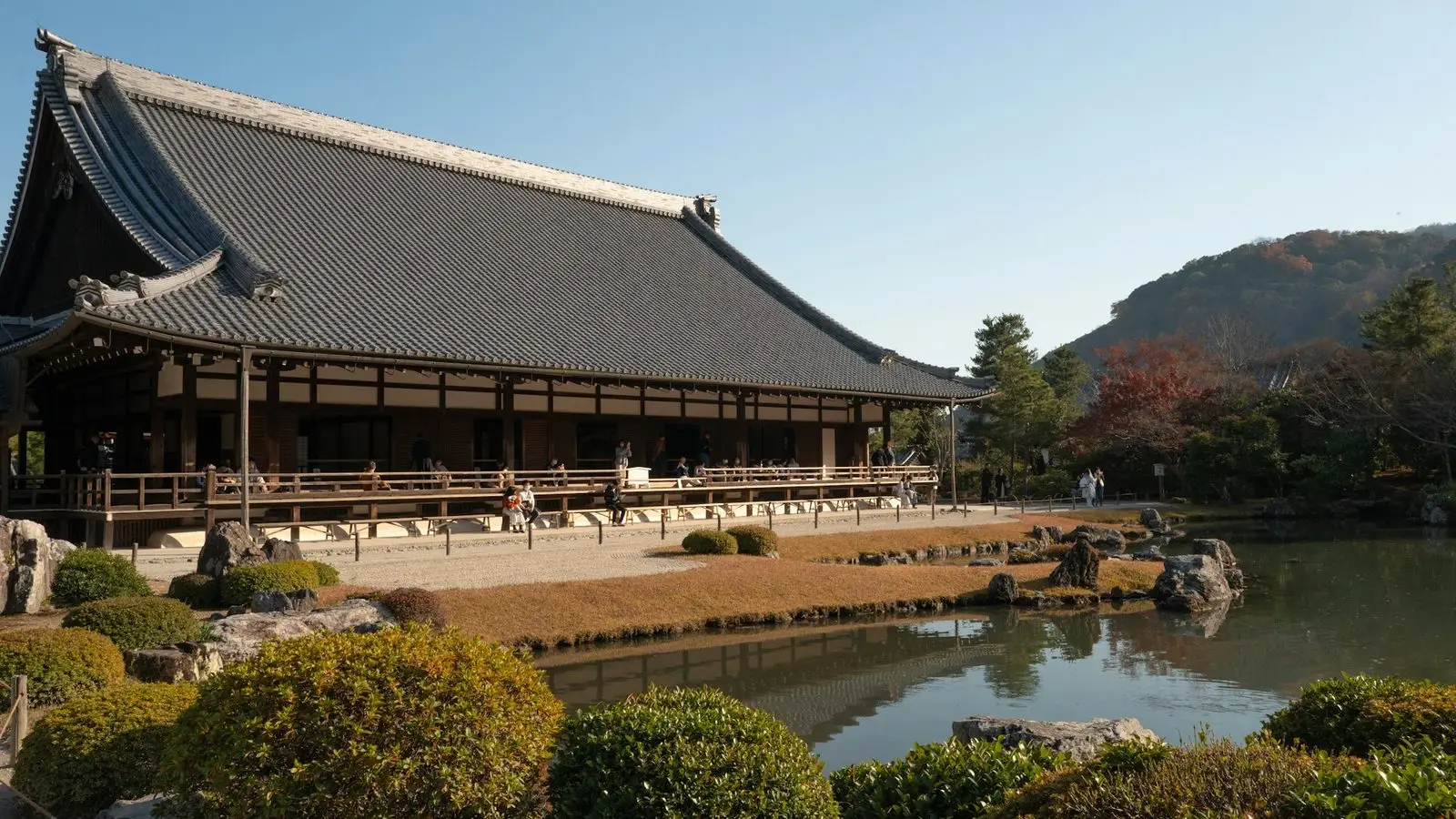
Tenryu-ji Sogenchi Zen Garden and Sacred Nonomiya Shrine
Midway along the shaded bamboo pathway stands Nonomiya Shrine, marked by its distinctive 'kuroki torii' shrine gate constructed from unpeeled, raw black pine timber. Celebrated in the classic epic The Tale of Genji, this secluded woodland shrine historically served as a sacred purification sanctuary for imperial priestesses before departing for Ise.
Today, travelers visit Nonomiya to pray for matrimonial fortune (enmusubi) and educational advancement. Gently stroking the sacred 'Okame-ishi' (Turtle Rock) inside the moss-covered precinct is said to grant a heartfelt wish within one year, attracting quiet dawn worshippers bowing in reverence.
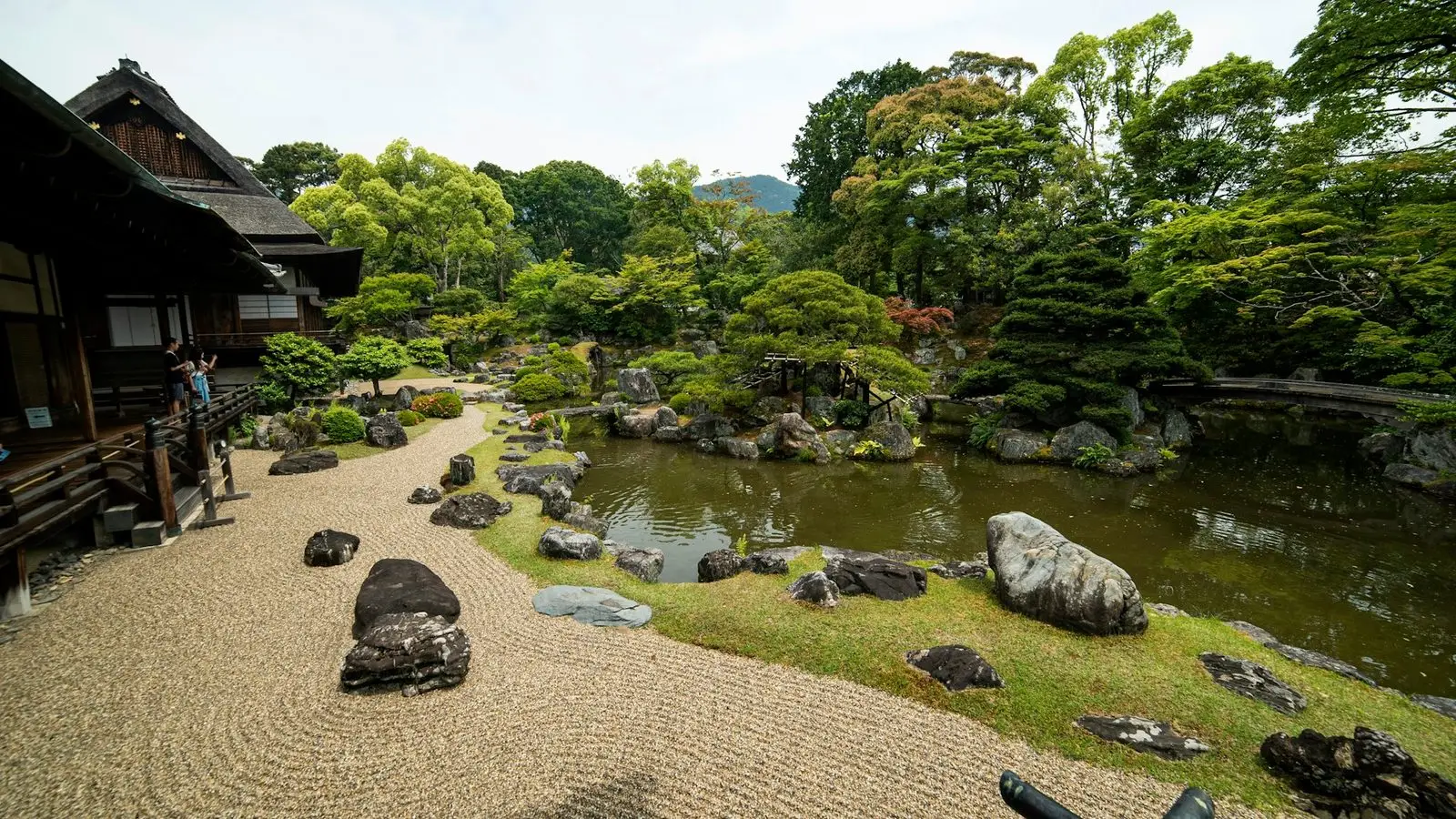
At 8:30 AM sharp, the wooden gates swing open at Tenryu-ji Temple, a premier Rinzai Zen monastery and designated UNESCO World Heritage site. Established in 1339 by Shogun Ashikaga Takauji and landscaped by Zen master Muso Soseki, its crowning jewel is the 700-year-old Sogenchi Pond Garden.
Resting silently upon the polished cedar verandas of the Hojo main hall, viewers witness the pinnacle of 'shakkei' (borrowed scenery), wherein the contours of Mount Arashiyama blend seamlessly into the pond shoreline. Gazing upon reflections of pines and graceful carp swimming beneath the morning sky induces profound inner stillness.
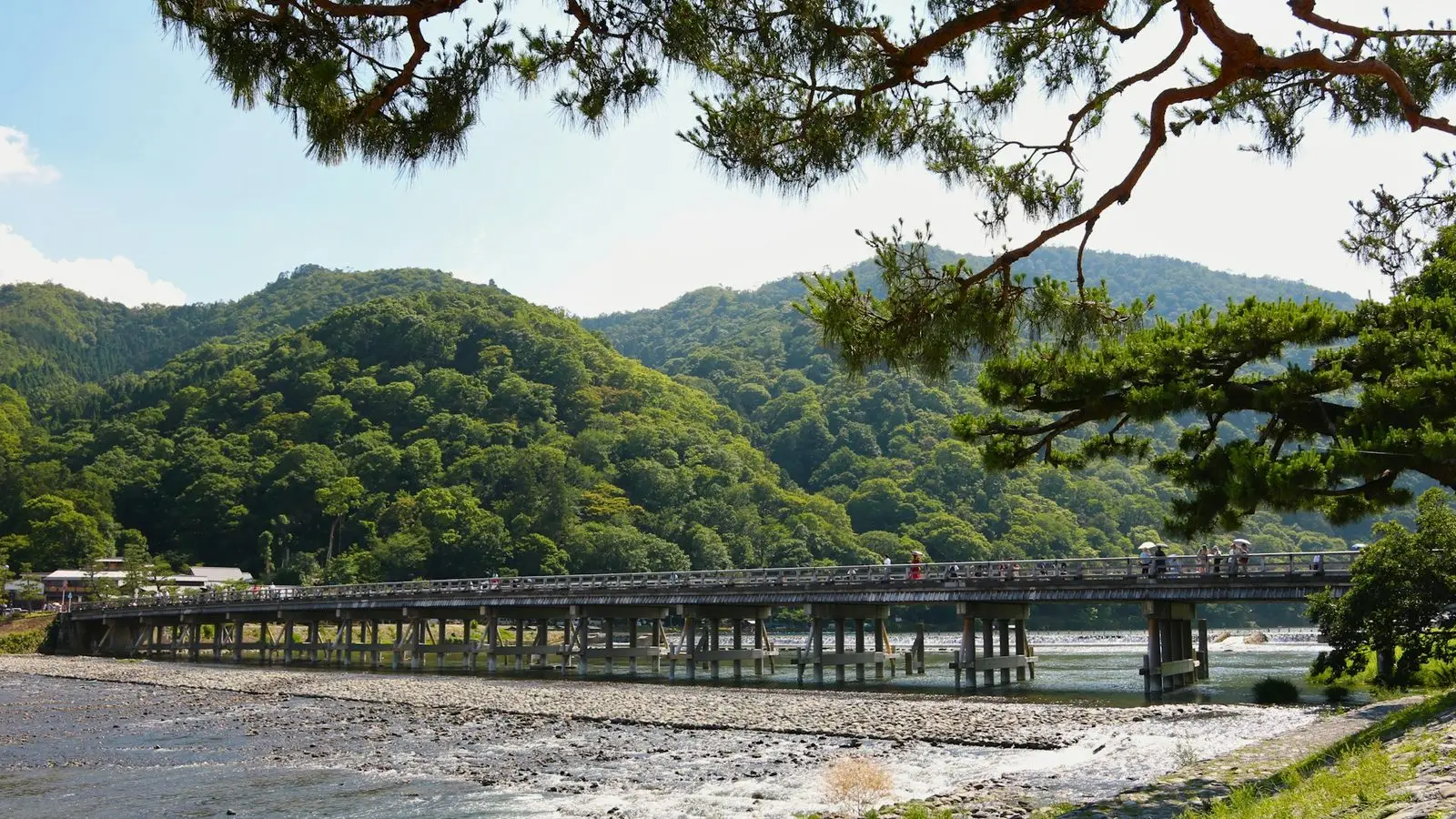
Togetsukyo Bridge Morning Mist and Sagano Historic Alleys
Exiting Tenryu-ji southern gate and strolling downriver for five minutes brings you to the foot of Togetsukyo Bridge (Moon Crossing Bridge), the quintessential panoramic landmark of Arashiyama. Spanning 155 meters across the Katsura River, aristocrats have celebrated this crossing for pleasure boating since the Heian Period.
During early morning hours, ethereal ribbons of mist dance across the jade surface of the Katsura River while distant mountain summits emerge through soft haze, resembling traditional sumi-e ink wash paintings. Leaning over the timber balustrades with brisk mountain winds on your face delivers an unforgettable breath of fresh air.
Following the southern shoreline footpath upriver leads toward quiet moorings where traditional wooden flat-bottom boatmen inspect their rivercraft in morning tranquility. Watching vivid foliage reflect upon the glassy current offers peaceful contemplation away from modern retail strips.
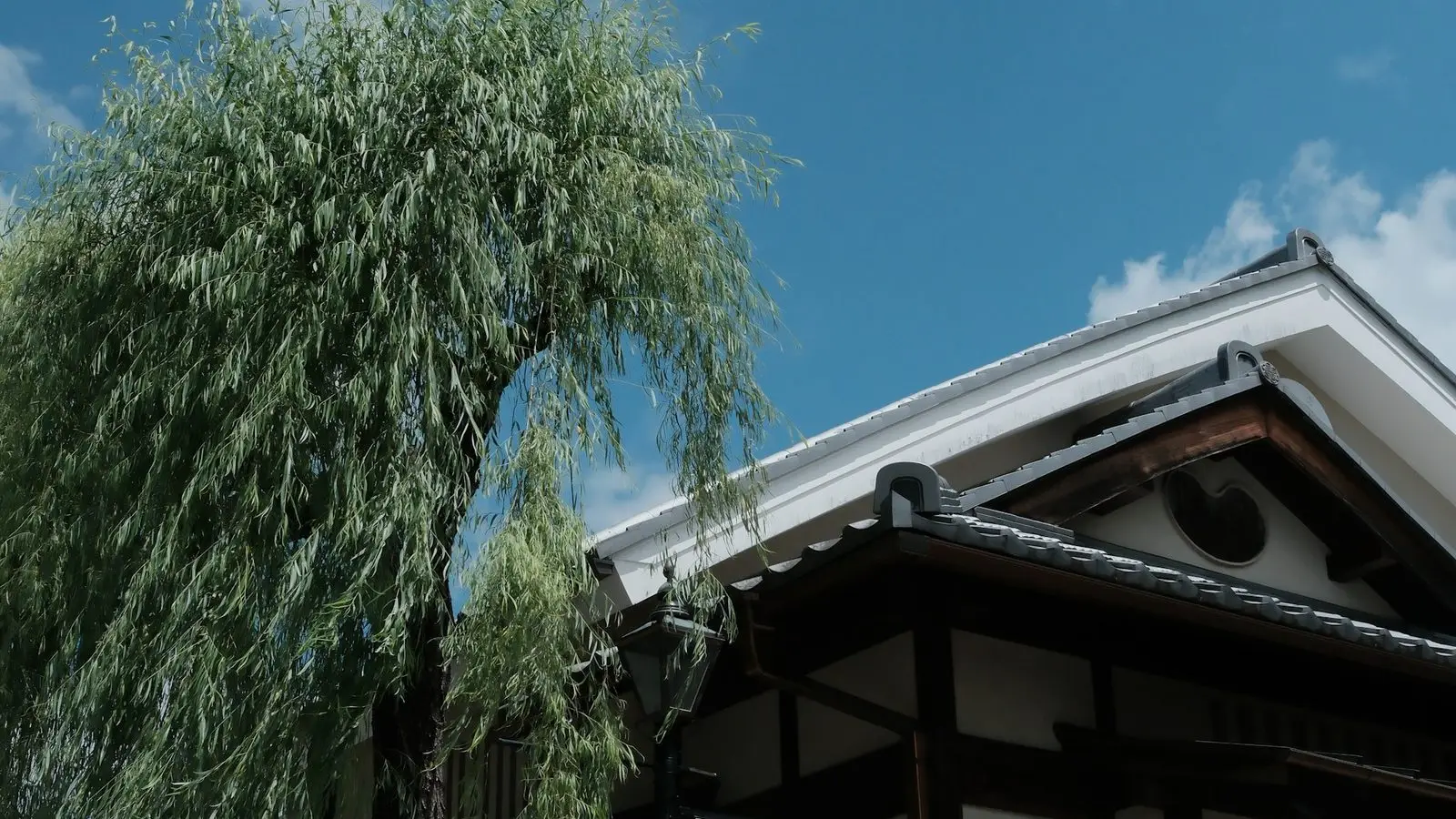
Drifting deeper into residential Sagano reveals quiet alleyways framed by historic kyo-machiya wooden townhomes with private bonsai rockeries nestled beside wooden doorways. These untamed residential lanes preserve the timeless architectural soul of old Kyoto.
Riverside Ceremonial Matcha and Early Morning Arabica Coffee
After logging a brisk early morning walking route, refueling with warm artisan beverages and traditional sweets becomes an absolute pleasure. Arashiyama premier riverside cafe is % Arabica Kyoto Arashiyama, positioned along the northern bank looking out across the river.
Known worldwide for its signature artisan roasts and sleek minimalist aesthetics, this branch commands two-hour queues by mid-afternoon. However, arriving precisely at its 8:00 AM opening grants your Kyoto Latte in ten minutes flat. Sipping creamy espresso while seated along the riverfront glass terrace washes away all travel fatigue.
Travelers craving authentic Japanese tea ceremony heritage can explore traditional tea cottages tucked behind northern Sagano. Pairing stone-ground ceremonial matcha with delicate seasonal wagashi confections or freshly grilled sweet dango skewers provides a harmonious balance of deep vegetal bitterness and comforting sweetness.
For lunch, indulge in Arashiyama signature culinary specialty: delicate yuba (fresh tofu skin sheets skimmed from simmering soy milk) and simmering yudofu (steamed hot-pot tofu). Gentle, wholesome, and profoundly flavorful, artisan tofu sets provide the perfect culinary companion to mindful morning strolls.
Randen Retro Tramways and Sagano Romantic Scenic Railways
When transitioning from the serenity of Arashiyama to other cultural temples across northwestern Kyoto, riding the Keifuku Electric Railroad (affectionately known as the Randen) offers nostalgic vintage charm. The retro purple single-car tram rumbles gently along residential streetcar tracks, offering picturesque glimpses into local neighborhood life.
Inside the Randen Arashiyama Station terminus, travelers discover an open-air natural thermal mineral footbath ('Ashiyu', 250 JPY) built right onto the boarding platform. Purchasing an entry ticket bundled with a souvenir drying towel at the station office allows you to soothe walking feet in steaming spring waters as vintage trams arrive.
For travelers desiring sweeping gorge panoramas, booking the Sagano Romantic Train provides an exhilarating scenic journey. Operating vintage open-sided diesel rolling stock along the winding Hozu River gorge from Saga Station to Kameoka, the 25-minute excursion frames jaw-dropping ravine cliffs.
The famed Car No. 5 'The Rich' is a fully open-air carriage with glass skylights and mesh flooring that can only be purchased on the day of travel. Arriving early in Arashiyama allows you to walk straight to Torokko Saga Station to secure coveted same-day seats before midday sellouts occur.
Frequently Asked Questions
Field-tested answers to transit navigation, neighborhood choices, and payment traps.
Q1.What is the best time of day to experience the Arashiyama Bamboo Grove without crowds?
Q2.What is the fastest public transit route from Kyoto Station to Arashiyama?
Q3.Can the open-air Car No. 5 (The Rich) on the Sagano Romantic Train be reserved in advance?
Q4.Can visitors enter the temple buildings at Tenryu-ji or only the outdoor Zen garden?
The Smart Traveler's Essential Toolkit
Prepare instant mobile data, private airport transfers, and skip-the-line passes in one place.
Pick a base in Kyoto by your route
Choose the places you want to see and get the neighbourhood with the shortest travel.
Compare Kyoto Hotel Rates
Find the cheapest channel across Agoda and major booking engines with Tripdify.
Share This Guide with Your Companions
When shared via chat or social media, a curated summary card is sent along.
Recommended Guides
Kyoto Itinerary: Arashiyama, Gion and How to Pick a Ryokan
Kyoto compresses a millennium of Japanese aesthetic mastery. Discover how to evade bus congestion with private railways, master ryokan kaiseki booking windows, and savor early dawn stillness.
Kyoto Ryokan Prices and How to Choose: Kaiseki Terms and Machiya Stays
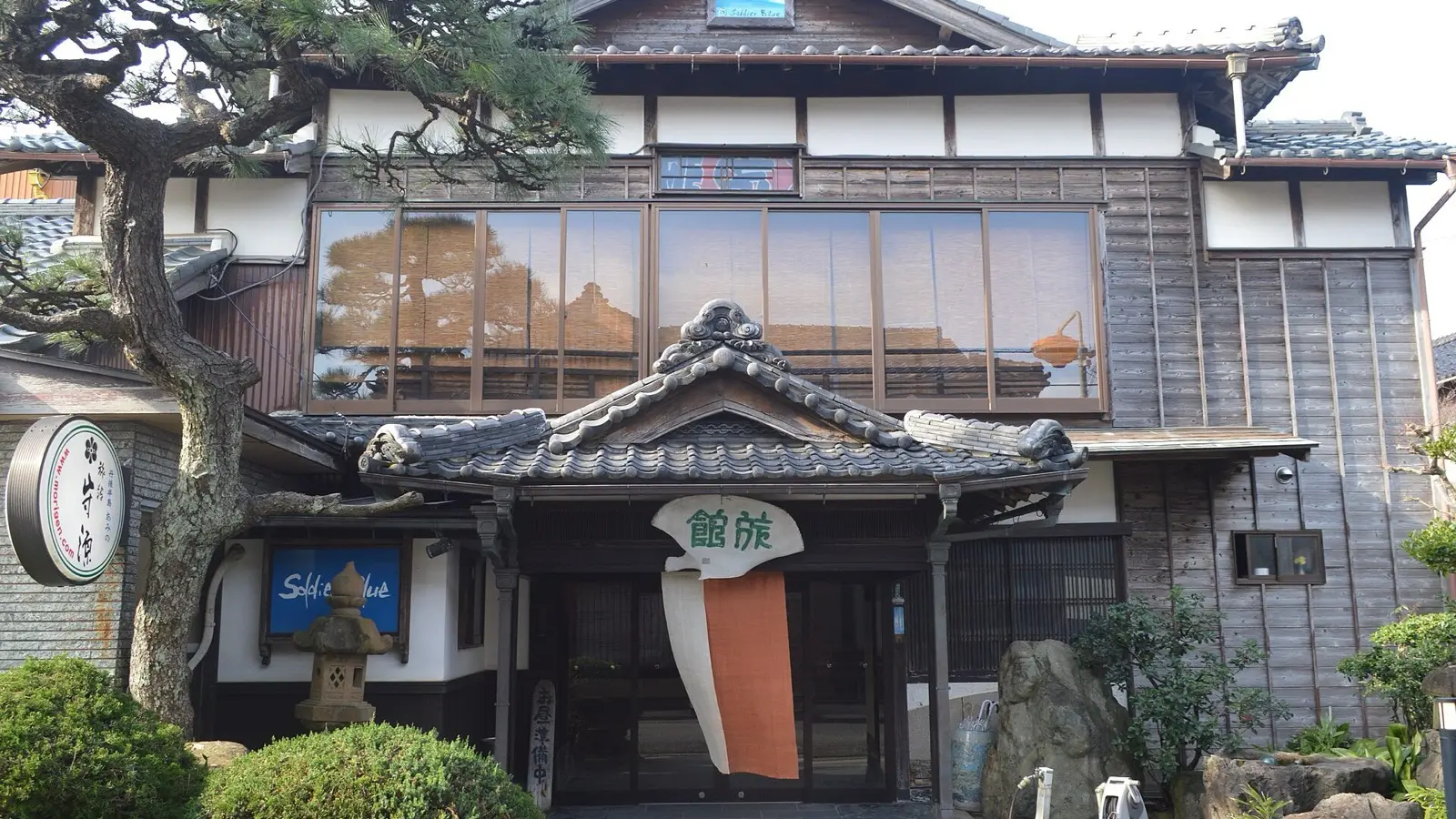
From hundred-year-old timber townhouses in Gion to misty Arashiyama riverside ryokan, staying in Kyoto demands cultural fluency and sharp booking discipline. An honest receipt audit covering kaiseki dinner curfews, private onsen etiquette, and avoiding dynamic pricing spikes.
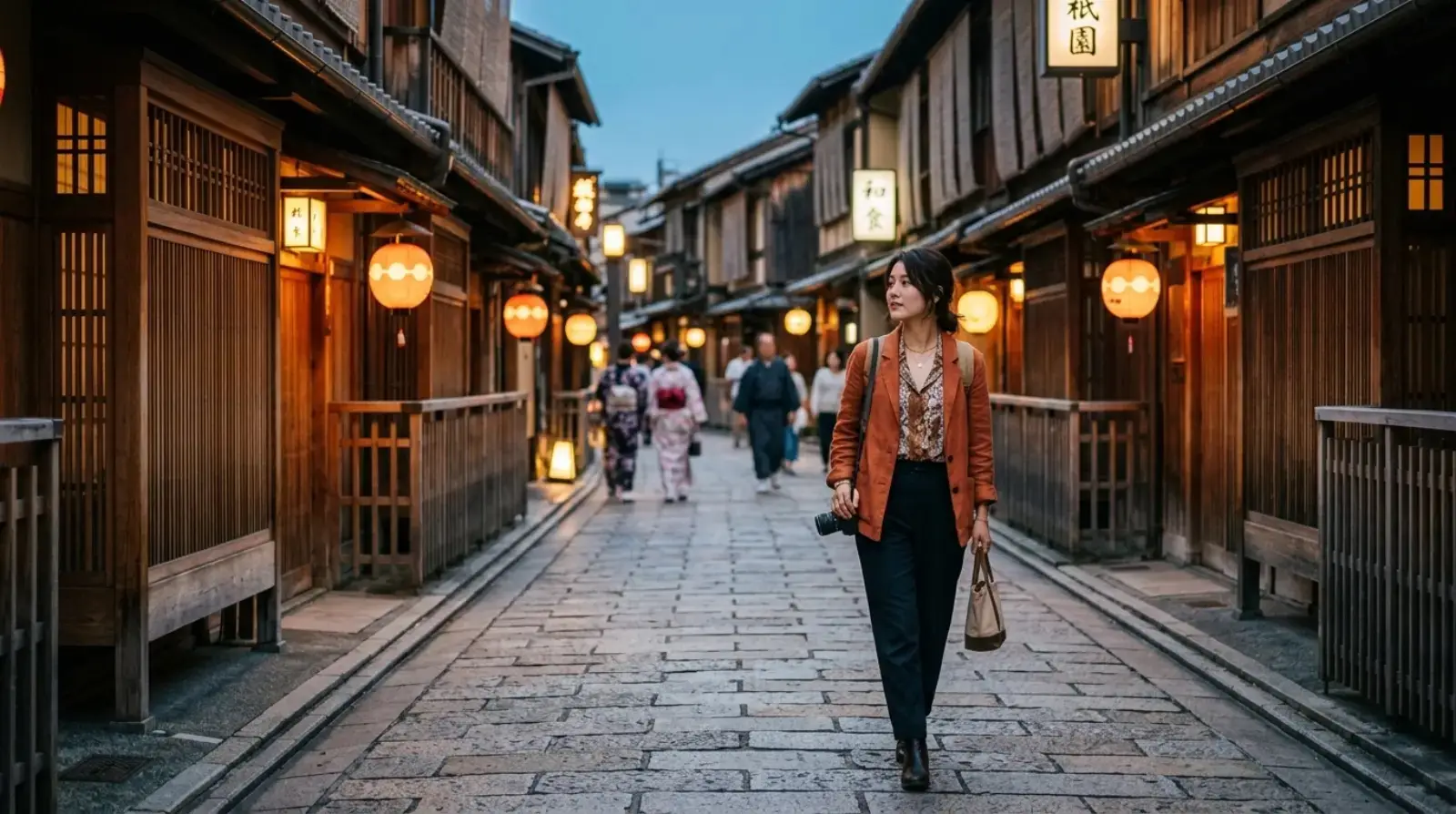
Kyoto Day 1 Itinerary: Kansai Airport to Kyoto and Your First Evening in Gion
Boarding the 75-minute Haruka Express from Kansai Airport, forwarding heavy bags straight to your hotel via Crosta at Kyoto Station, avoiding gridlocked buses using the subway, and an evening stroll through Gion to the Kamogawa. A field guide to your first 24 hours.
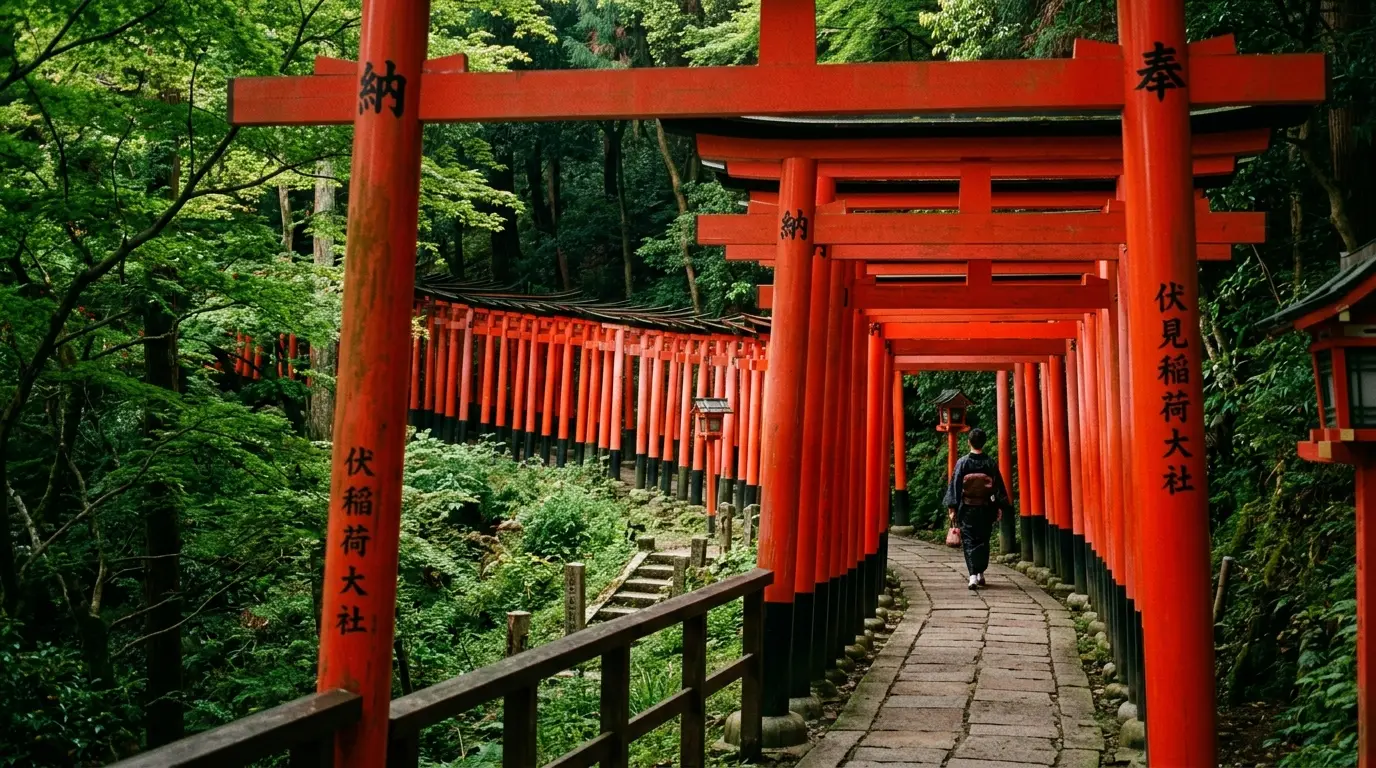
Kyoto Day 2 Itinerary: Fushimi Inari, Kiyomizu-dera, Sannenzaka and Gion
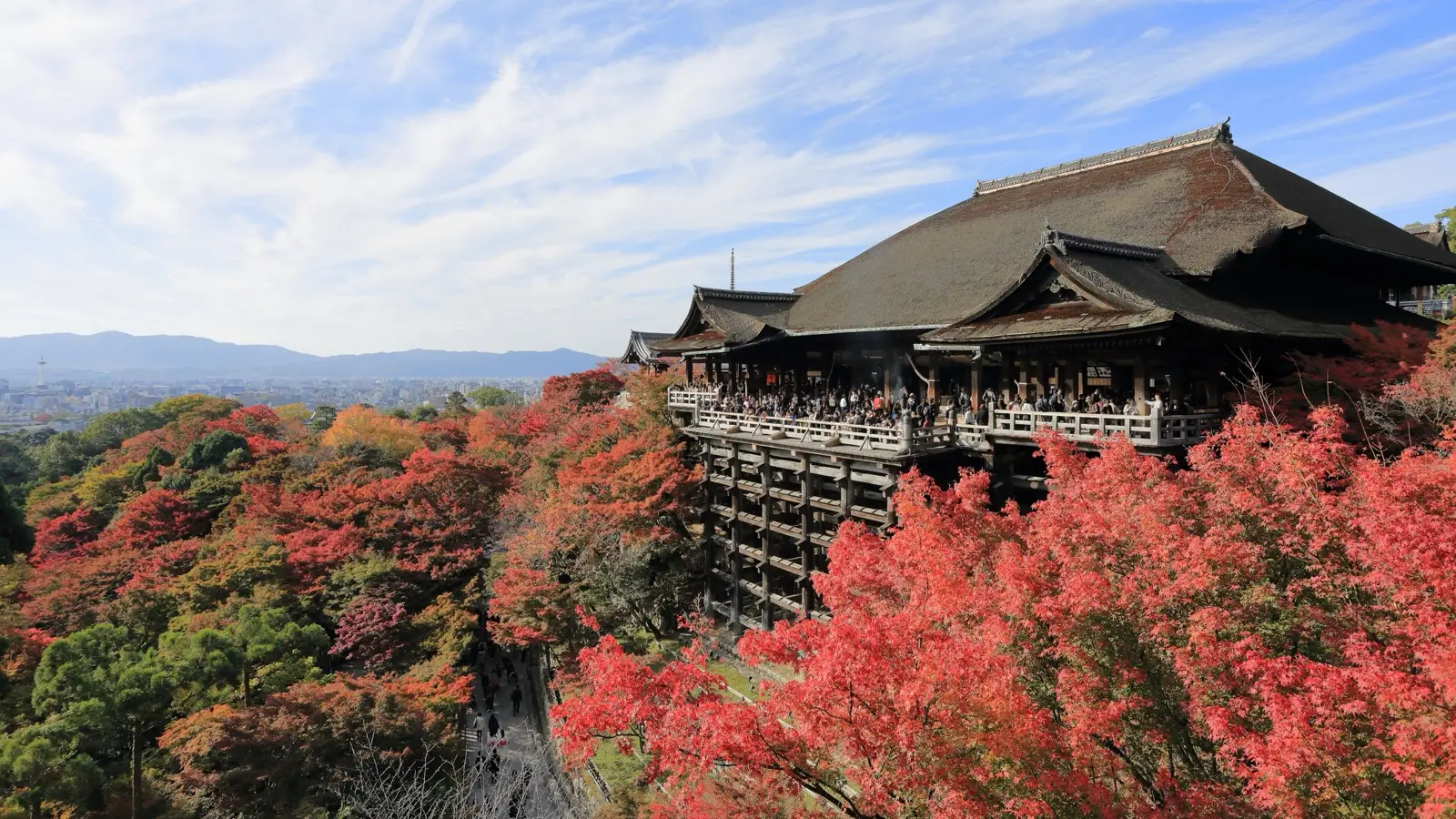
Day 2 immerses travelers into the spiritual heartbeat and preserved historic streets of Kyoto: early morning solace along thousands of vermilion torii gates at Fushimi Inari, sweeping mountain panoramas from the legendary wooden stage of Kiyomizu-dera, artisan tea shops and matcha sweets across cobblestoned Ninenzaka and Sannenzaka, followed by lantern-lit strolls in Gion Shirakawa and a refined multi-course Kaiseki dinner.
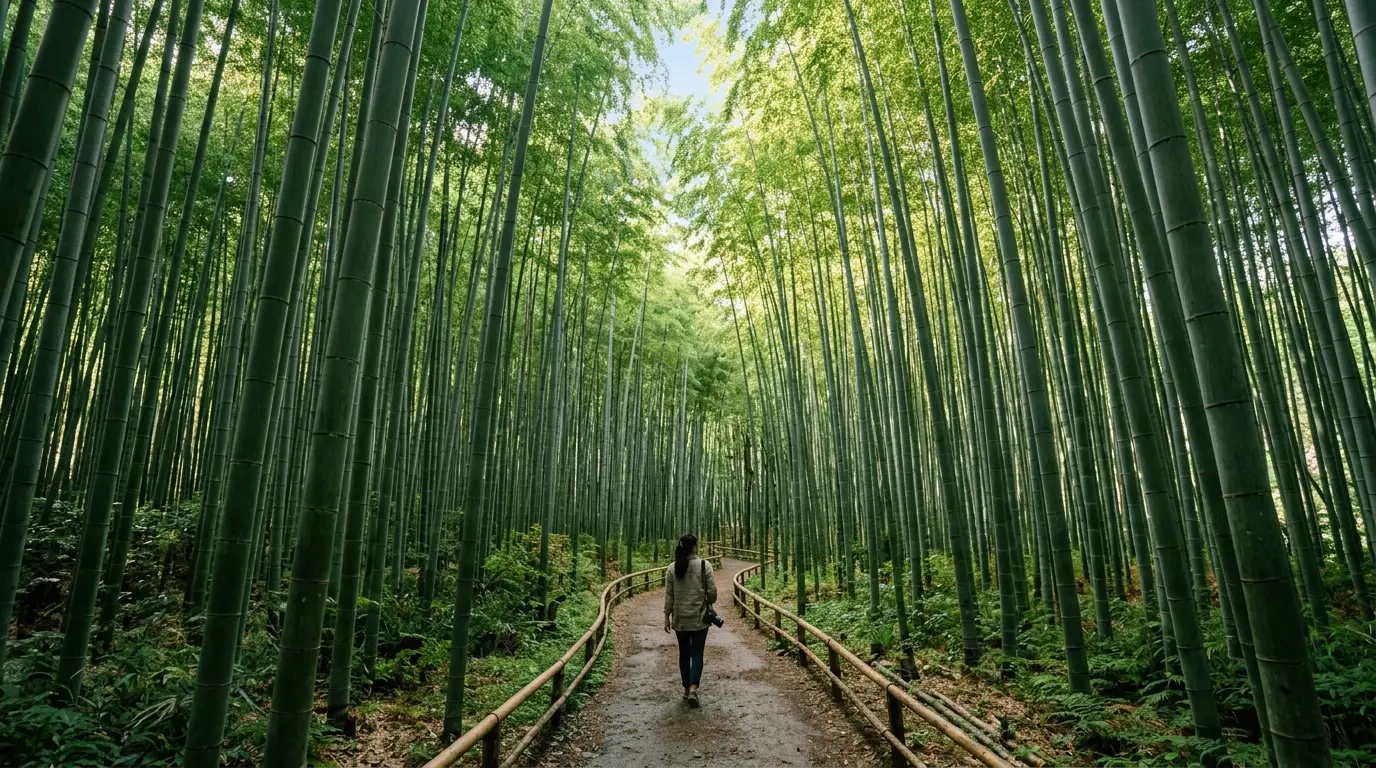
Kyoto Day 3 Itinerary: Arashiyama Bamboo Grove, Nishiki Market and the Journey Home
A sublime final chapter to your Kyoto journey: morning breezes whispering through towering emerald stalks in the Arashiyama Bamboo Grove, the UNESCO World Heritage mirror pond at Tenryu-ji, riverside specialty coffee by Togetsukyo Bridge, savory culinary treasures inside 400-year-old Nishiki Market, followed by Kyoto Station souvenir shopping and a swift 75-minute ride aboard the JR Haruka Express straight to Kansai Airport.
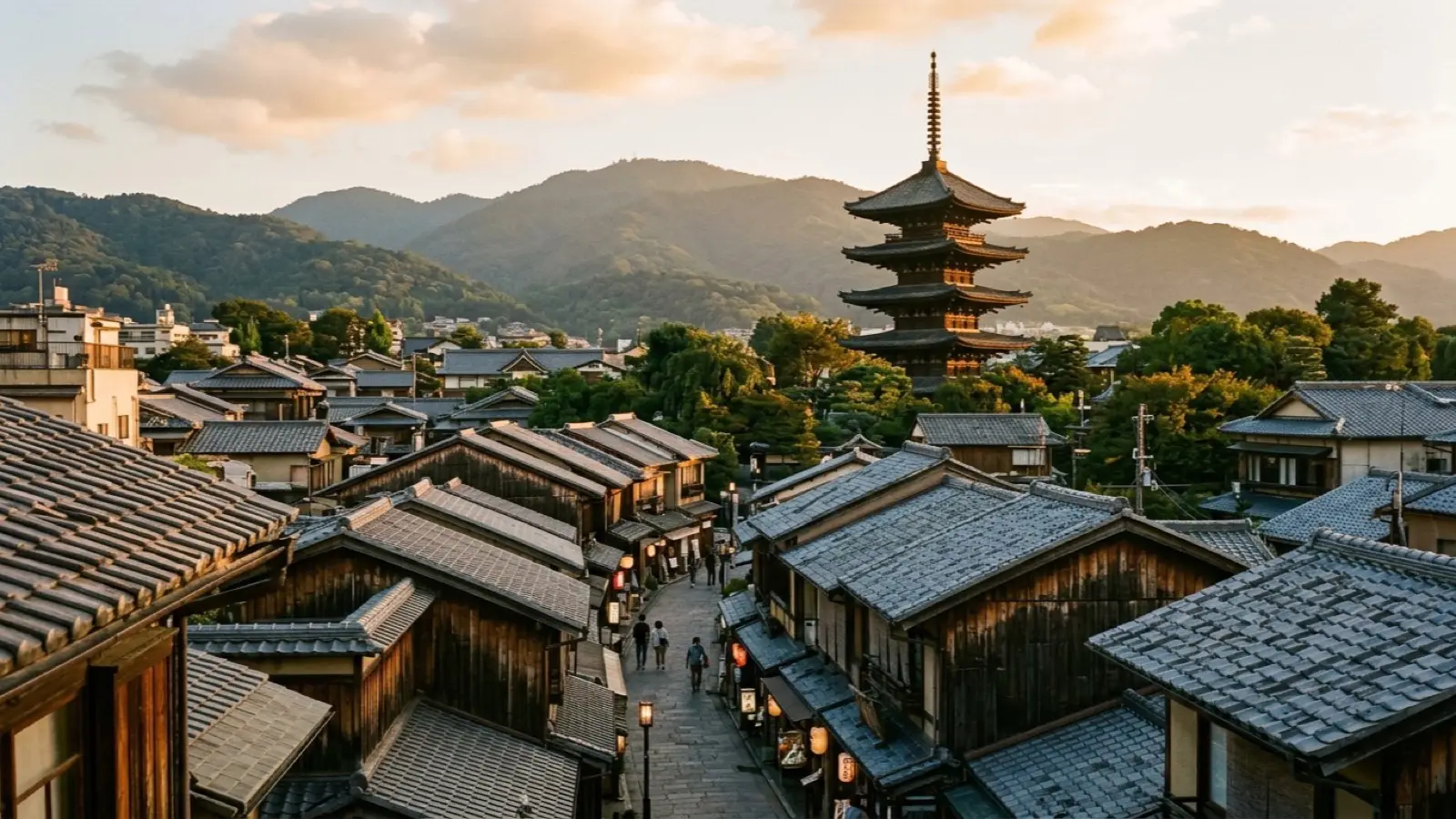
Where to Stay in Kyoto: Kyoto Station vs Gion vs Kawaramachi Compared
Your choice of base determines your entire Kyoto experience. Will you navigate crowded city buses with heavy luggage, or stroll riverside alleys lined with lantern-lit bistros? Here is a definitive breakdown of Kyoto's four premier districts.
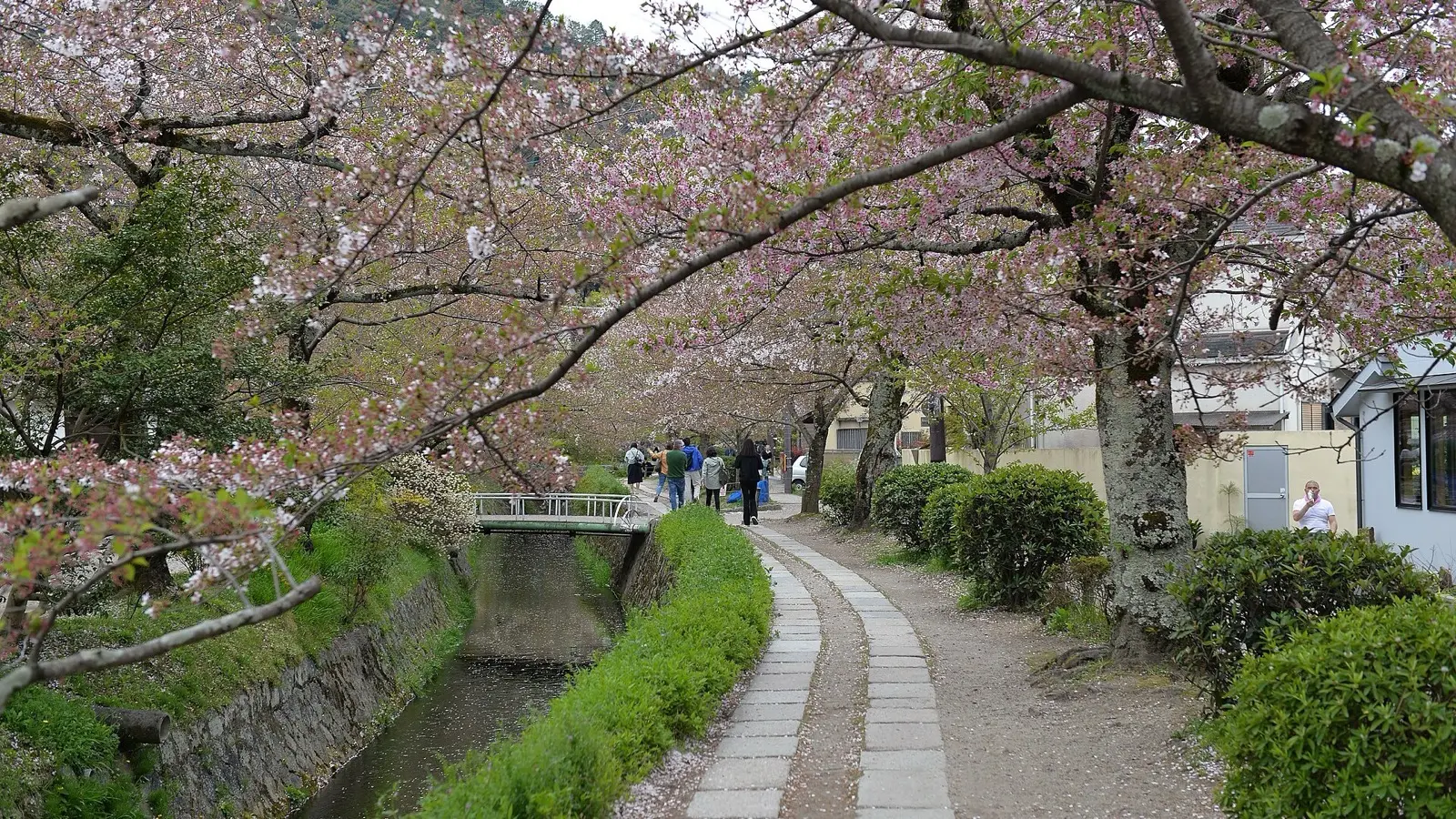
Kyoto Philosopher's Path Walk: From Ginkaku-ji to Nanzen-ji
To touch the true contemplative soul of Kyoto away from midday tour buses and crowds, one must walk the stone flagstones of the Philosopher's Path (Tetsugaku-no-Michi) under the soft mist of early dawn. Stretching two kilometers along the Lake Biwa Canal from Ginkaku-ji to Nanzen-ji, this tranquil waterway is where 20th-century philosopher Kitaro Nishida walked daily in meditative contemplation. From the murmur of mountain water and the moss-thatched timber gate of secluded Honen-in, to the weathered red-brick Romanesque arches of Suirokaku hidden within deep cedar woods, this immersive field report traces Kyoto's finest meditative journey.
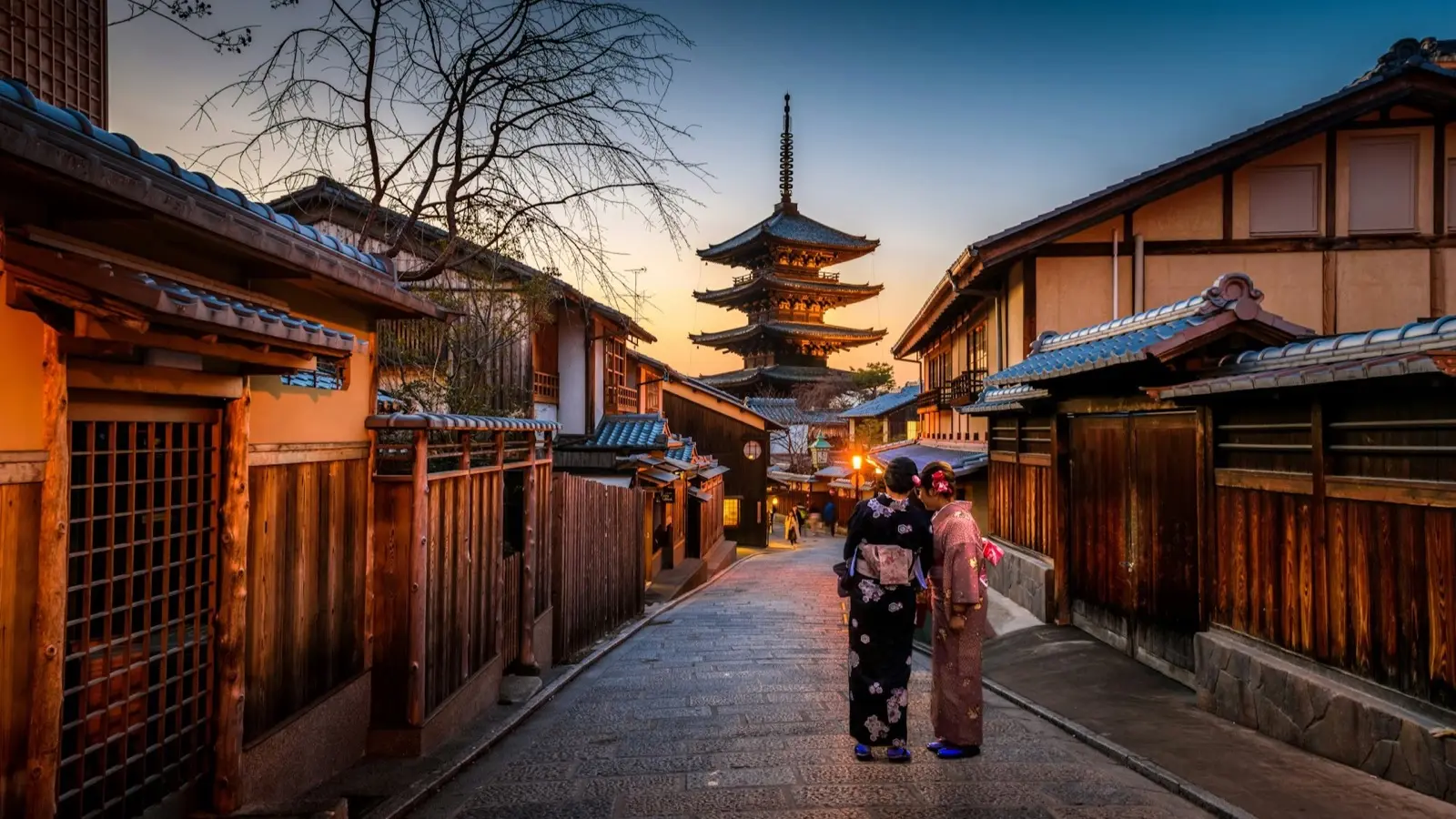
Kyoto on a Budget: Top 5 Value Hotels Under $90 and Station vs. Downtown Location Breakdown
Compared to neighboring Osaka, Kyoto hotel rates are notoriously 1.5 to 2 times higher, soaring to astronomical heights during spring cherry blossom and autumn foliage peaks. Finding clean, stylish accommodations between 50 and 90 dollars per night requires sharp logistical trade-offs. The Kyoto Station zone offers unbeatable rail access via the Kansai Airport Haruka Express, Shinkansen, and central bus terminals, while downtown Shijo Kawaramachi places you within walking distance of Gion, Nishiki Market, and evening riverside dining. From analyzing top value chains like Sotetsu Fresa Inn, Dormy Inn Premium, Sakura Terrace, and Daiwa Roynet to navigating Kyoto's 200 yen municipal lodging tax and selecting properties with restorative hot spring onsen baths, here is how to book smart in Japan's historic capital.

Kyoto Uji Morning Matcha Journey: Byodoin Phoenix Hall, 10-Yen Coin Vistas, and Tsuen Tea's 860-Year Legacy
Escaping central Kyoto aboard the Keihan Uji shuttle whisks travelers 25 minutes southward into an emerald riverside oasis steeped in the gentle perfume of roasted green tea leaves. Crossing historic Uji Bridge, first erected in 646 AD over turbulent river currents, instantly reveals why Heian-period imperial nobility chose this misty basin as their ultimate poetic country retreat. Pulling a polished 10-yen coin from your pocket to mirror the floating wooden silhouette of Byodoin Phoenix Hall across the reflecting lotus pond offers a timeless contemplation of Buddhist paradise. A short stroll upstream leads to Tsuen Tea, founded in 1160 and celebrated as Japan's oldest continuously operating tea house, where stone-ground matcha is ceremonially whisked over Tatami river views. From fragrant roasted hojicha aromas in the temple market to chilled matcha soba noodles, Uji delivers an enchanting morning itinerary.
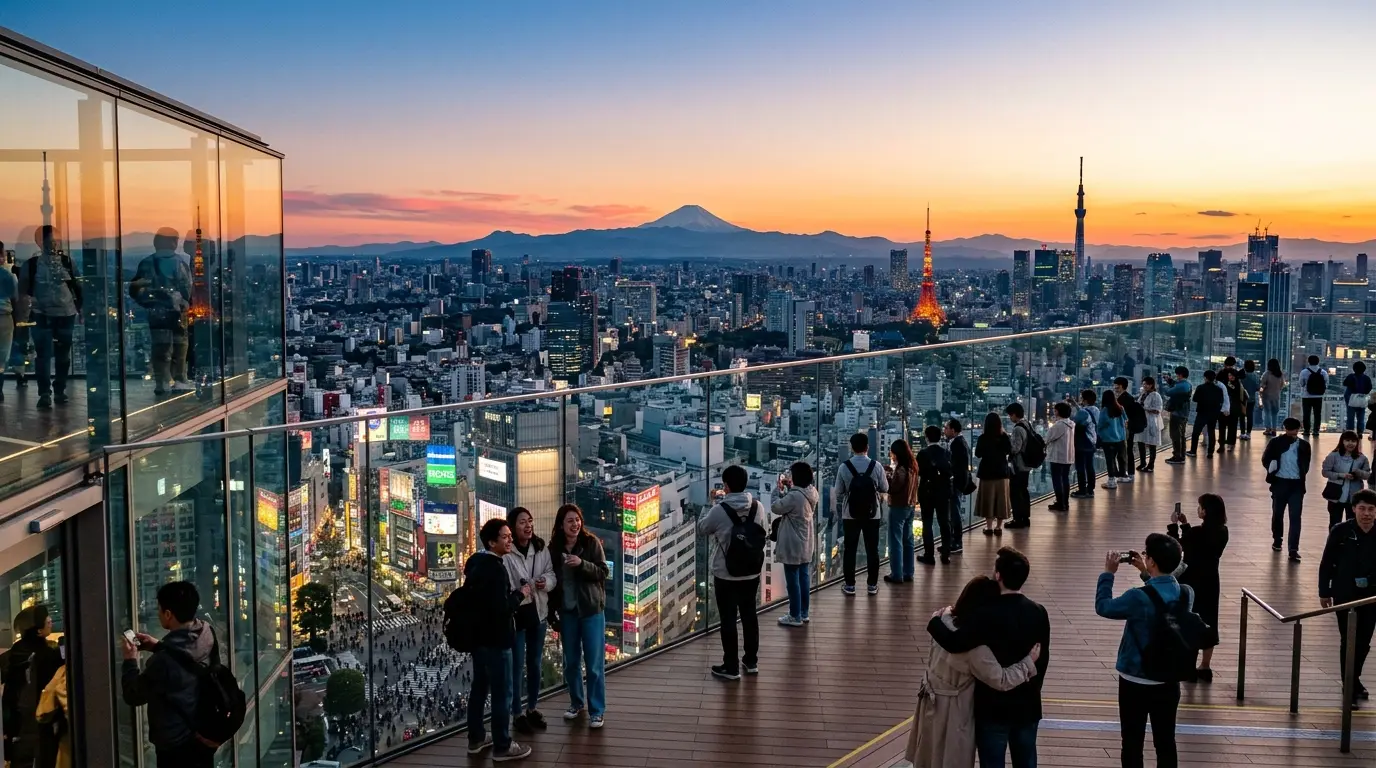
Where to Stay in Tokyo: Shinjuku vs Shibuya vs Ginza
Comparing room footprints across Shinjuku, Ginza, and Ueno, locking in sudden 14-day cancellation drops, and eliminating DCC fees with clean Yen checkout.
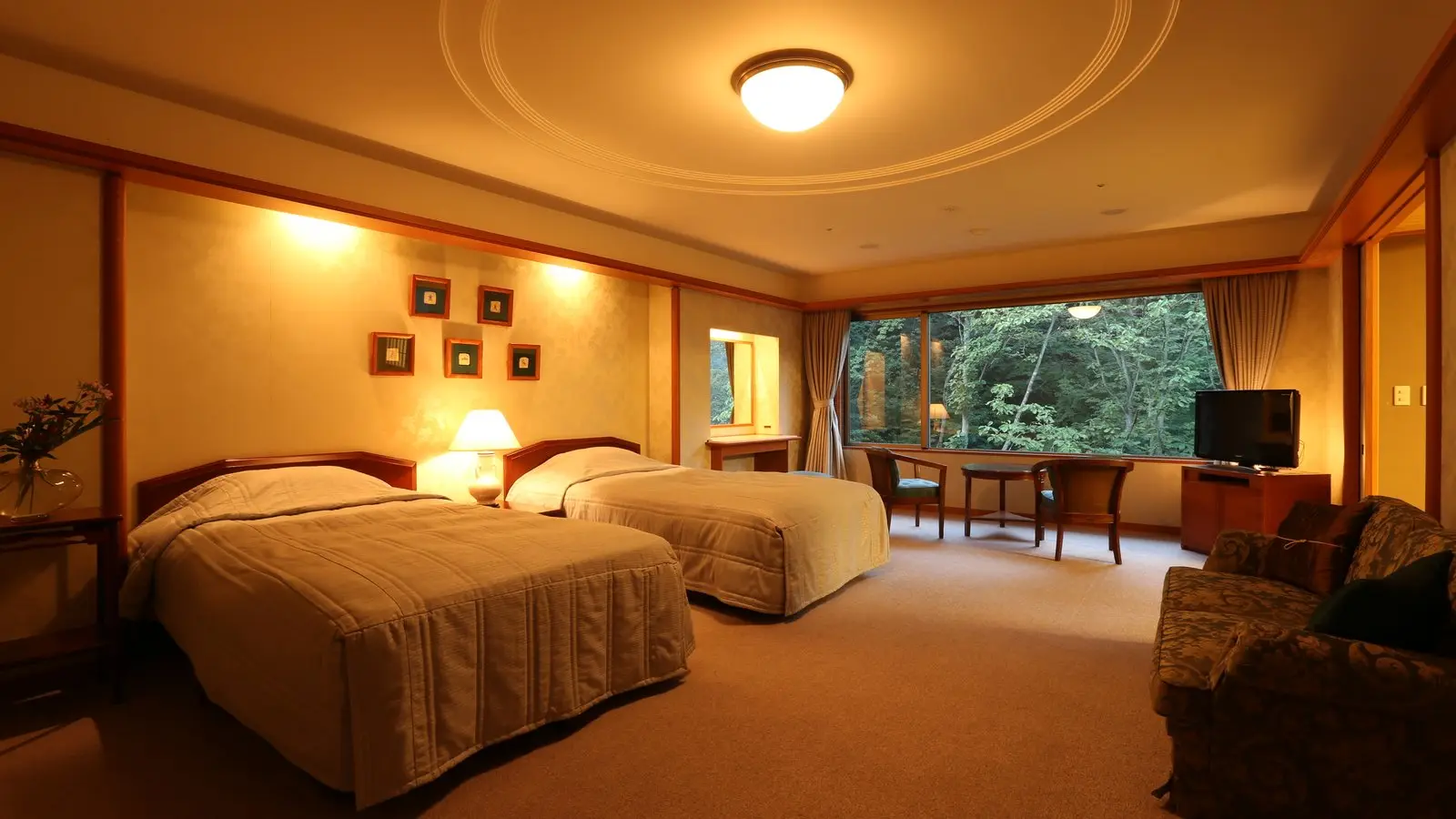
7 Budget Hotels in Tokyo Under $100 on the Yamanote Line
Even amid yen fluctuations, central Tokyo hotel rates have soared. Learn how to secure Yamanote loop line hotels at half the price of Shinjuku, compare onsen bath chains like Dormy Inn, trigger secret Agoda VIP and Booking.com Genius discounts, and dodge hidden currency fees with yen settlement.
How to Read the Tokyo Subway Map and Where to Stay on the Yamanote Line
How to choose between Keisei Skyliner and Narita Express, avoid the Tokyo Subway Ticket trap, use Apple Wallet Suica, and select the ideal hotel base in Tokyo.