
Kyoto Uji Morning Matcha Journey: Byodoin Phoenix Hall, 10-Yen Coin Vistas, and Tsuen Tea's 860-Year Legacy
Boarding the Keihan Uji line into mist-shrouded riverbanks, stone-ground matcha bowls, and millennium-old tea sanctuaries

Keihan Rails to Historic Timbers: Crossing Uji Bridge at Dawn
Before temple grounds across Kyoto fill with tourist crowds, boarding the pumpkin-orange Keihan Uji shuttle at Chushojima Station rewards early risers with sweeping views of rolling emerald tea plantations. The line terminates at Uji Station, a celebrated concrete circular dome masterpiece designed by architect Togo Murano, where cool river breezes immediately greet arriving passengers.
A short two-minute stroll brings you to Uji Bridge, sweeping majestically across the jade waters of the Uji River. First erected in 646 AD as one of Japan's three oldest bridges, this sacred crossing has witnessed centuries of samurai clashes and poetic gatherings.
Stepping onto the Sannoma viewing platform jutting out from the bridge deck offers enchanting vistas upstream: morning river mist swirling through deep cedar forests as emerald rapids dance over river stones. An unhurried, contemplative stillness pervades the basin, far removed from modern metropolitan speeds.
Crossing toward the western bank leads past the stone statue of Lady Murasaki Shikibu, author of The Tale of Genji. The climactic final ten chapters of the 11th-century literary classic unfold along these exact riverbanks, imbuing every stone path with profound poetic romance.

The 10-Yen Coin in Living Color: Byodoin Phoenix Hall Mirrored Upon Sacred Waters
Strolling south from the river leads to the vermilion entrance gates of Byodoin Temple, an inscribed UNESCO World Heritage marvel. Established in 1052 by Regent Fujiwara no Yorimichi, the temple complex was designed to embody the Pure Land Buddhist paradise on earthly soil.
Passing the gates reveals Phoenix Hall floating miraculously upon the tranquil lotus waters of Aji-ike pond. Featuring sweeping winged corridors designed to emulate a legendary bird taking flight and crowned by a pair of golden bronze phoenix statues, the hall exhibits flawless architectural symmetry.
Holding a shiny 10-yen coin from your wallet up against the horizon to align with the real hall remains an enduring ritual. The intricate wooden eaves, delicate brackets, and red timber pillars mirrored perfectly upon the glass-smooth pond water deliver an unforgettable visual experience.
Descending into the subterranean Hoshokan Museum reveals the authentic national treasure bronze phoenix statues alongside 52 celestial bodhisattvas sculpted from Japanese cypress, frozen mid-motion as they float upon clouds while plucking lutes and flutes.

Roasting Aromas: Byodoin Omotesando and Hand-Rolled Matcha Soba
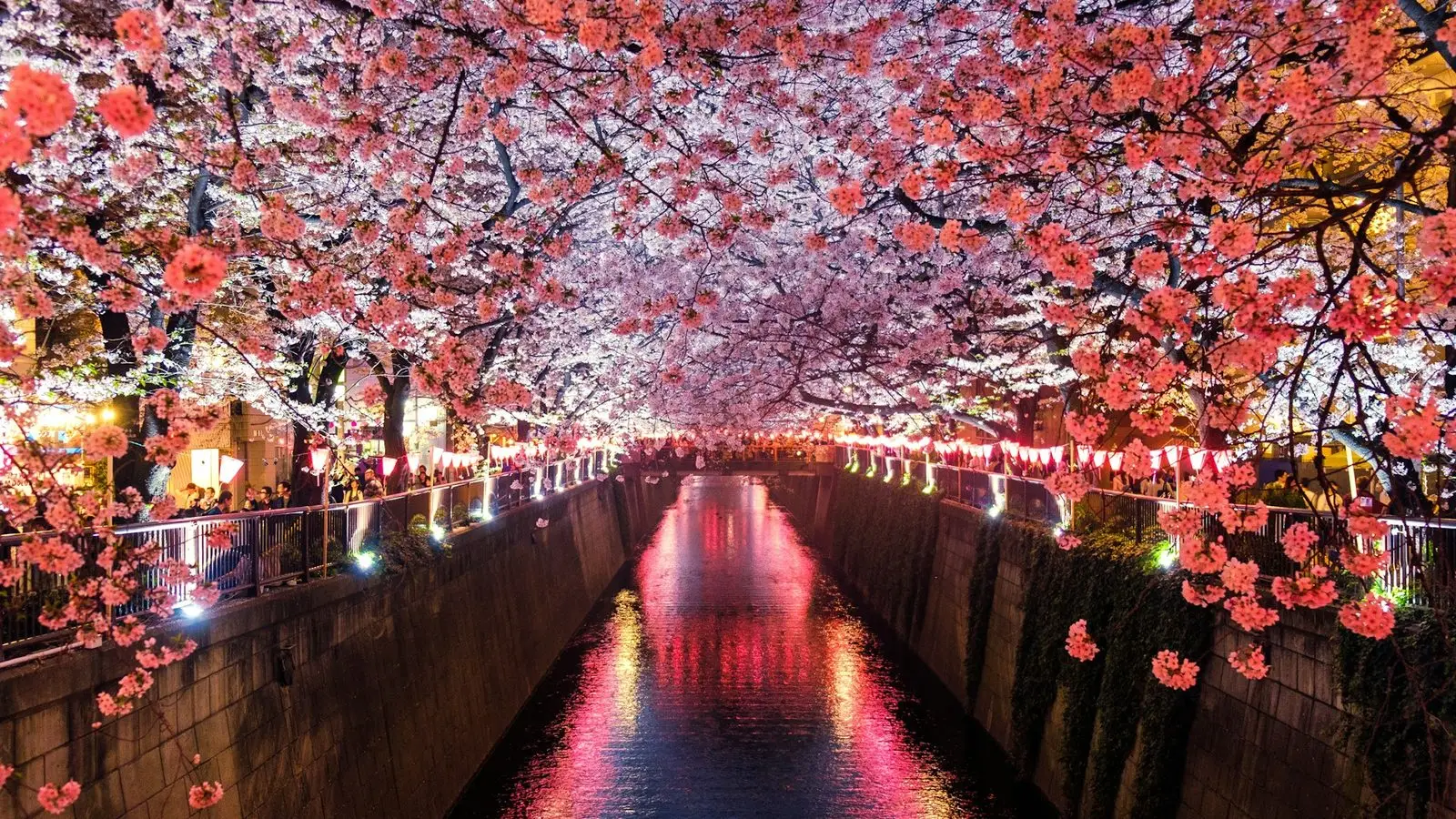
Exiting the northern gate of Byodoin transitions into the atmospheric 300-meter flagstone promenade of Byodoin Omotesando. From early morning, historic Edo-period wooden shopfronts operate open roasting ovens, perfuming the entire street with the intoxicating, toasty aroma of freshly roasted hojicha tea leaves.
These multi-generational tea merchants extend their artistry far beyond loose-leaf tea. The most sought-after midday meal along the avenue is handmade cha-soba: cold buckwheat noodles vigorously kneaded with premium grade stone-ground Uji matcha.
Dippered into savory dashi broth with a hint of fresh wasabi, the noodles release an initial nutty buckwheat richness followed by a crisp, cleansing wave of herbal green tea aroma. Paired with tempura prawns dusted with matcha salt, it represents culinary harmony at its peak.
Following lunch, wandering into flagship stores like Tsujiri or Ito Kyuemon rewards travelers with towering matcha parfaits layered with bittersweet tea jelly, chewy shiratama rice dumplings, and sweet red bean paste, topped with fresh soft-serve green tea ice cream.
Eight Centuries of Steeping: Stone-Ground Matcha at Historic Tsuen Tea
Returning across the bridge to the eastern riverbank reveals a humble wooden teahouse crowned with weathered ceramic roof tiles: Tsuen Tea. Founded in 1160 AD during the late Heian period and steered continuously by the same family for 24 generations, it stands as Japan's oldest operating teahouse.
Originally serving tea to pilgrims and ferry passengers traversing the turbulent river, Tsuen's riverside tatami parlor once hosted historic titans including warlords Toyotomi Hideyoshi and Tokugawa Ieyasu.
Taking a seat on tatami mats overlooking the rushing river, order a ceremonial bowl of usucha whisked from stone-ground Uji leaves. Taking your first sip, the initial velvety bitterness quickly dissolves into a profound, lingering wave of natural sweetness and savory umami.
Pairing the warm tea with delicate rice dumplings filled with sweet adzuki bean paste while watching wild river birds ride emerald currents connects you across 860 years of uninterrupted hospitality.

Nakanoshima Riverbanks and Returning to Kyoto: The Perfect Half-Day Loop
Following your tea ceremony, meander onto Nakanoshima, a tranquil sandbar island anchored in the center of the Uji River. Connected by vivid vermilion arched footbridges, the island provides a gentle promenade flanked by weeping willows and stone lanterns.
At the center of the island stands Japan's tallest ancient stone pagoda, a thirteen-tiered monument towering 15 meters high. During balmy summer evenings, historic wooden boats glide past with burning brazier lanterns, demonstrating the ancient craft of Ukai (cormorant fishing).
For the return journey back to central Kyoto, travelers have a seamless alternative: JR Uji Station. Boarding the JR Miyakoji Rapid train delivers passengers straight into Kyoto Station in just 17 minutes without transfers, ideal for JR Pass holders.
Departing Kyoto at 9 AM to stroll Byodoin's mirrored halls, savor stone-ground matcha, and wander quiet willow riverbanks before returning by 2 PM crafts an unforgettable half-day excursion steeped in peace and green tea perfume.
Frequently Asked Questions
Field-tested answers to transit navigation, neighborhood choices, and payment traps.
Q1.What is the fastest transit option between Kyoto Station and Uji?
Q2.How many hours should I allocate for a half-day morning tour of Uji?
Q3.Can anyone enter the interior of Byodoin Phoenix Hall, and how do tickets work?
Q4.What are the most popular edible souvenirs to purchase in Uji?
The Smart Traveler's Essential Toolkit
Prepare instant mobile data, private airport transfers, and skip-the-line passes in one place.
Pick a base in Kyoto by your route
Choose the places you want to see and get the neighbourhood with the shortest travel.
Compare Kyoto Hotel Rates
Find the cheapest channel across Agoda and major booking engines with Tripdify.
Share This Guide with Your Companions
When shared via chat or social media, a curated summary card is sent along.

Recommended Guides
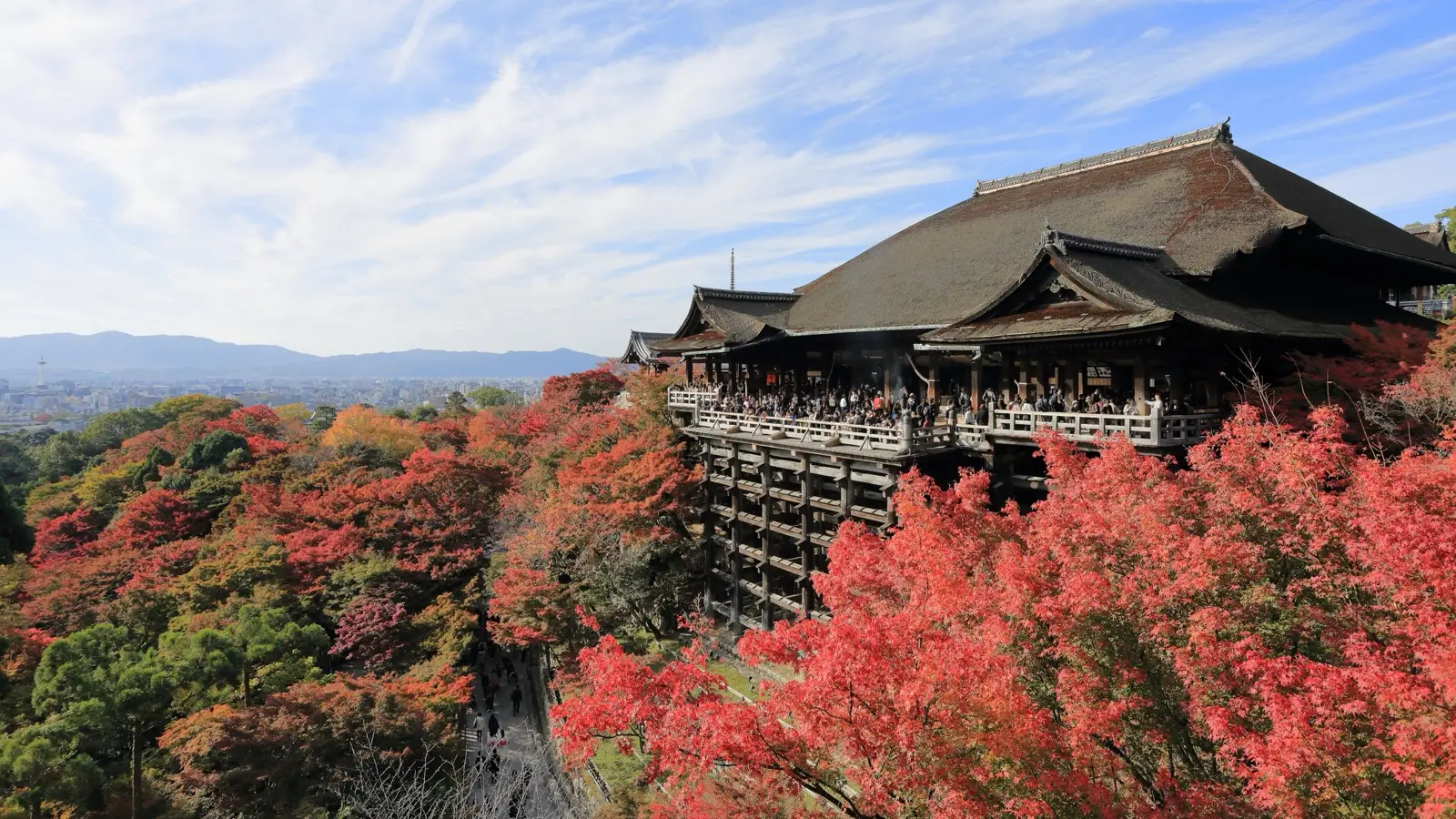
Kyoto Itinerary: Arashiyama, Gion and How to Pick a Ryokan
Kyoto compresses a millennium of Japanese aesthetic mastery. Discover how to evade bus congestion with private railways, master ryokan kaiseki booking windows, and savor early dawn stillness.
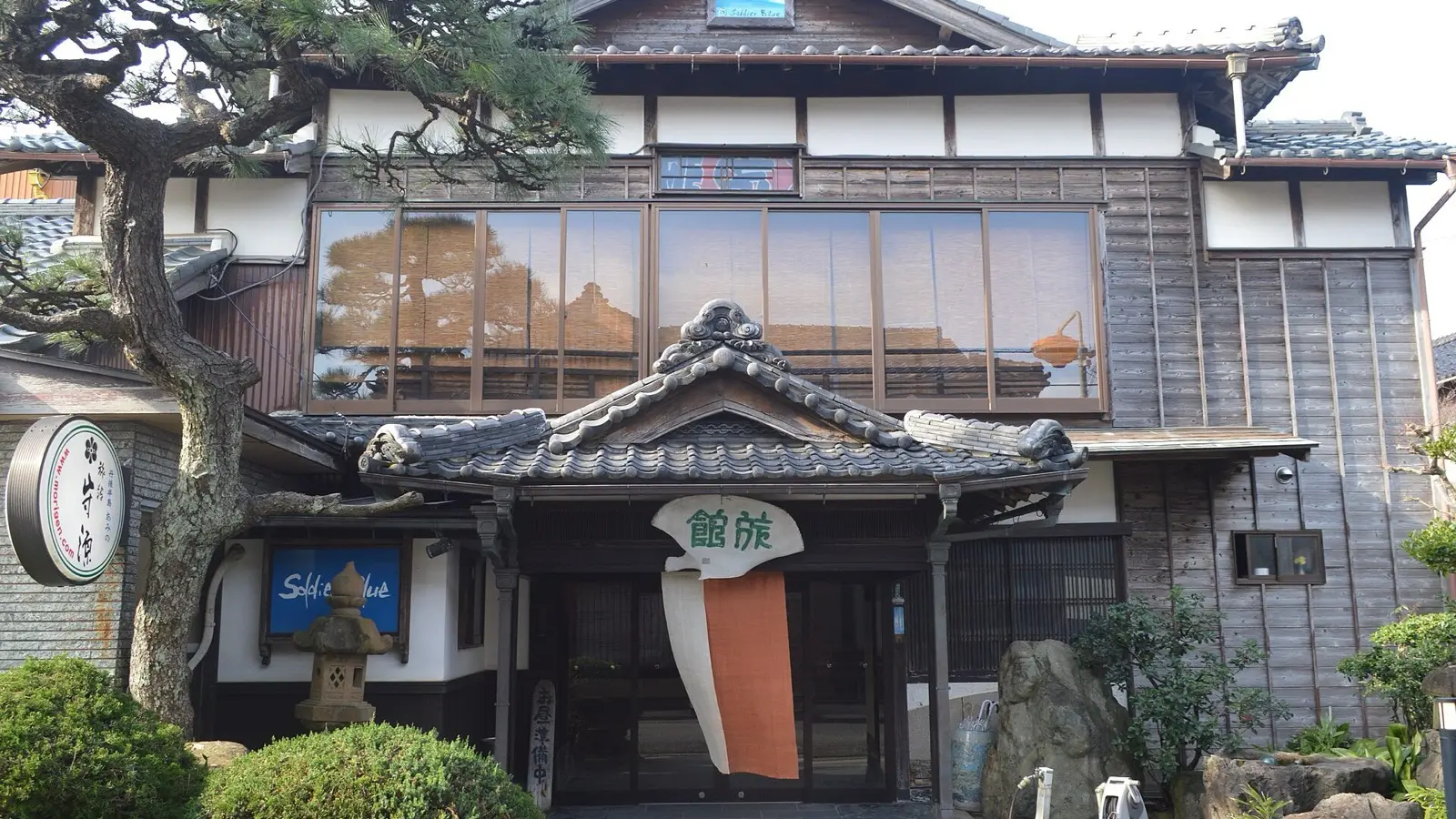
Kyoto Ryokan Prices and How to Choose: Kaiseki Terms and Machiya Stays
From hundred-year-old timber townhouses in Gion to misty Arashiyama riverside ryokan, staying in Kyoto demands cultural fluency and sharp booking discipline. An honest receipt audit covering kaiseki dinner curfews, private onsen etiquette, and avoiding dynamic pricing spikes.
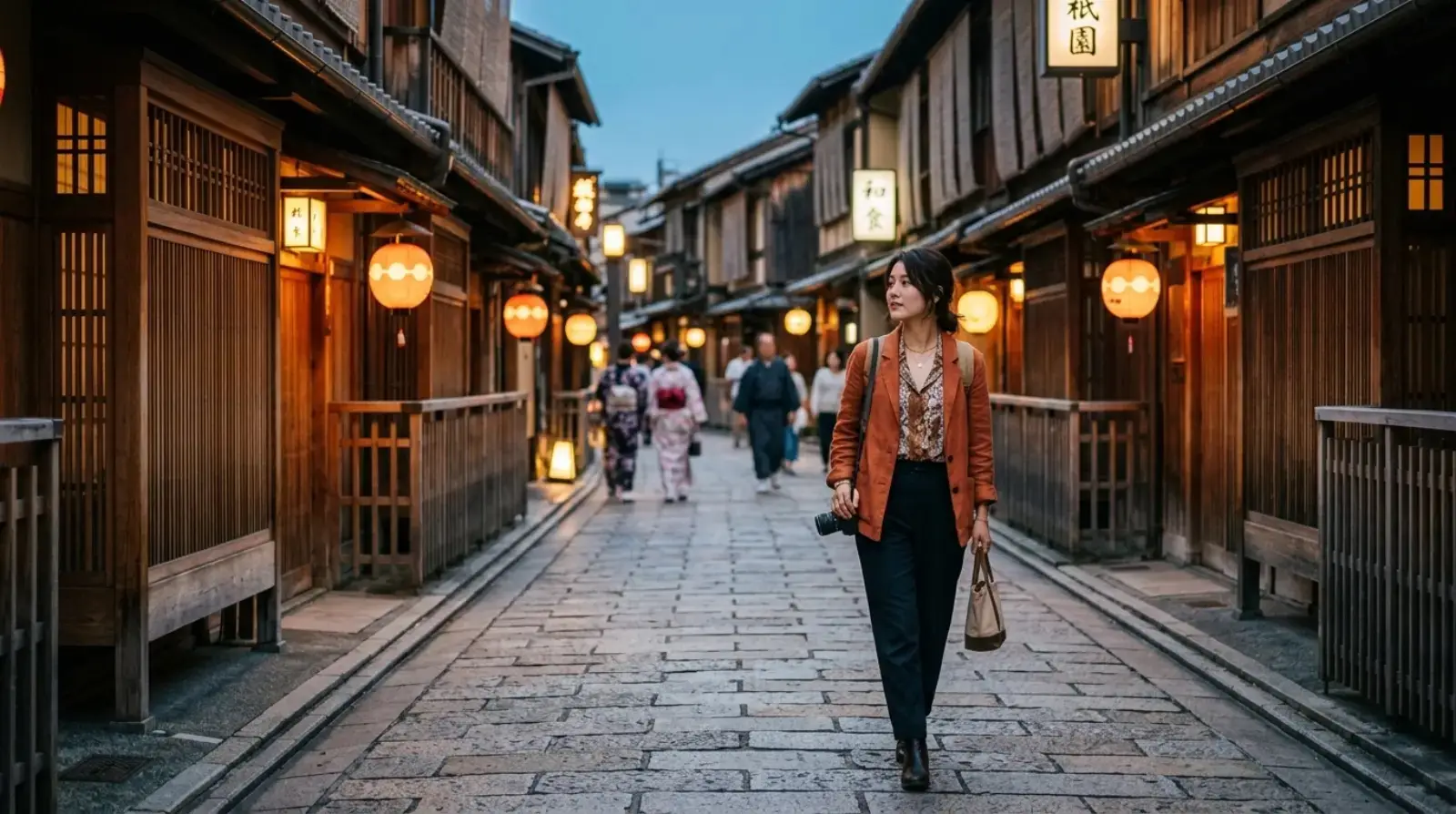
Kyoto Day 1 Itinerary: Kansai Airport to Kyoto and Your First Evening in Gion
Boarding the 75-minute Haruka Express from Kansai Airport, forwarding heavy bags straight to your hotel via Crosta at Kyoto Station, avoiding gridlocked buses using the subway, and an evening stroll through Gion to the Kamogawa. A field guide to your first 24 hours.
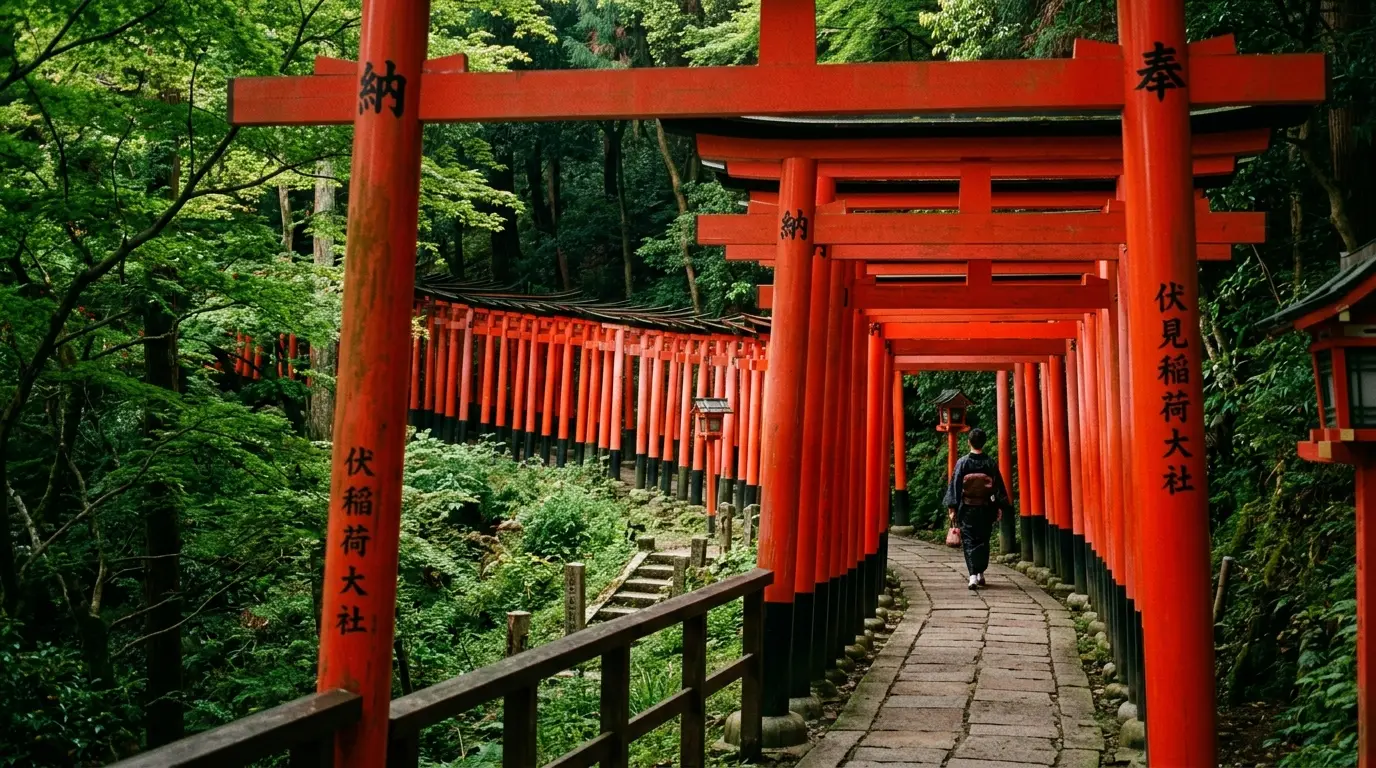
Kyoto Day 2 Itinerary: Fushimi Inari, Kiyomizu-dera, Sannenzaka and Gion
Day 2 immerses travelers into the spiritual heartbeat and preserved historic streets of Kyoto: early morning solace along thousands of vermilion torii gates at Fushimi Inari, sweeping mountain panoramas from the legendary wooden stage of Kiyomizu-dera, artisan tea shops and matcha sweets across cobblestoned Ninenzaka and Sannenzaka, followed by lantern-lit strolls in Gion Shirakawa and a refined multi-course Kaiseki dinner.
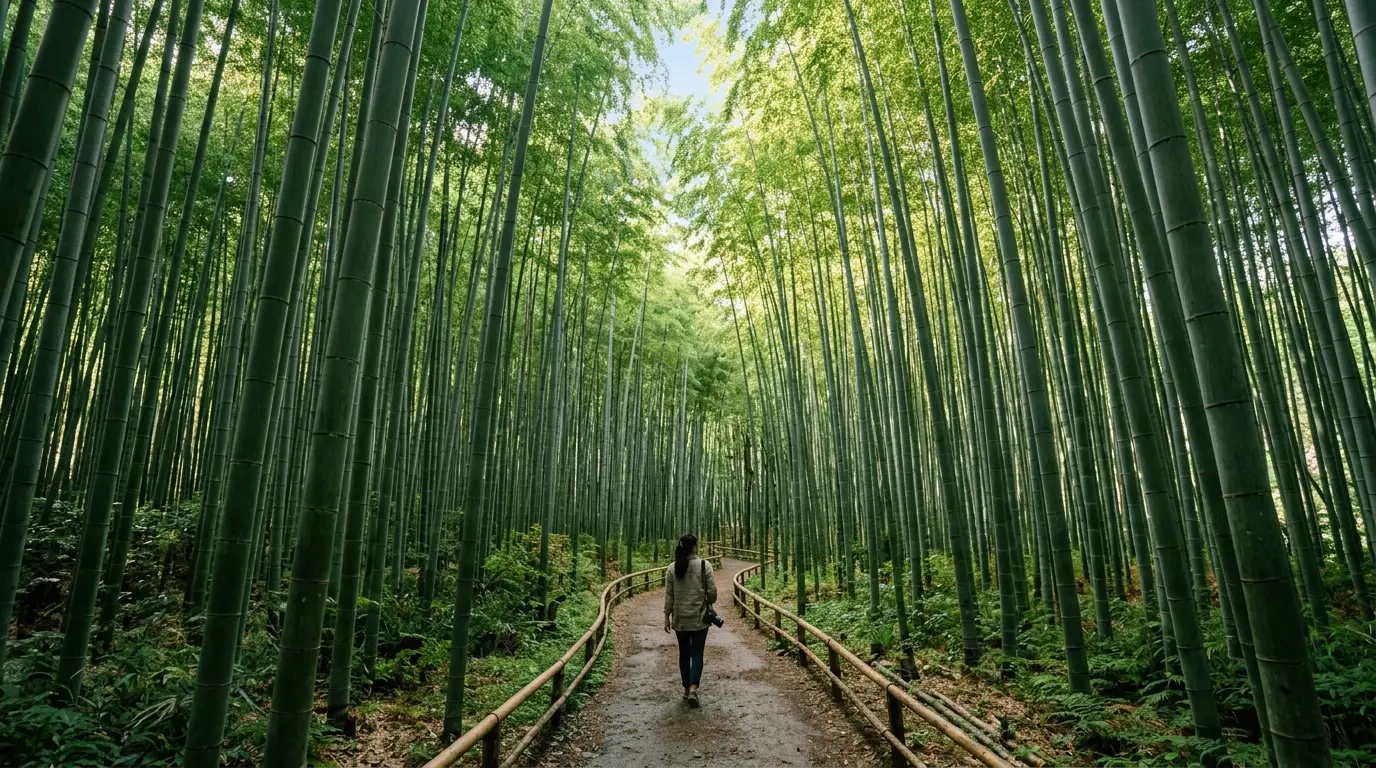
Kyoto Day 3 Itinerary: Arashiyama Bamboo Grove, Nishiki Market and the Journey Home
A sublime final chapter to your Kyoto journey: morning breezes whispering through towering emerald stalks in the Arashiyama Bamboo Grove, the UNESCO World Heritage mirror pond at Tenryu-ji, riverside specialty coffee by Togetsukyo Bridge, savory culinary treasures inside 400-year-old Nishiki Market, followed by Kyoto Station souvenir shopping and a swift 75-minute ride aboard the JR Haruka Express straight to Kansai Airport.
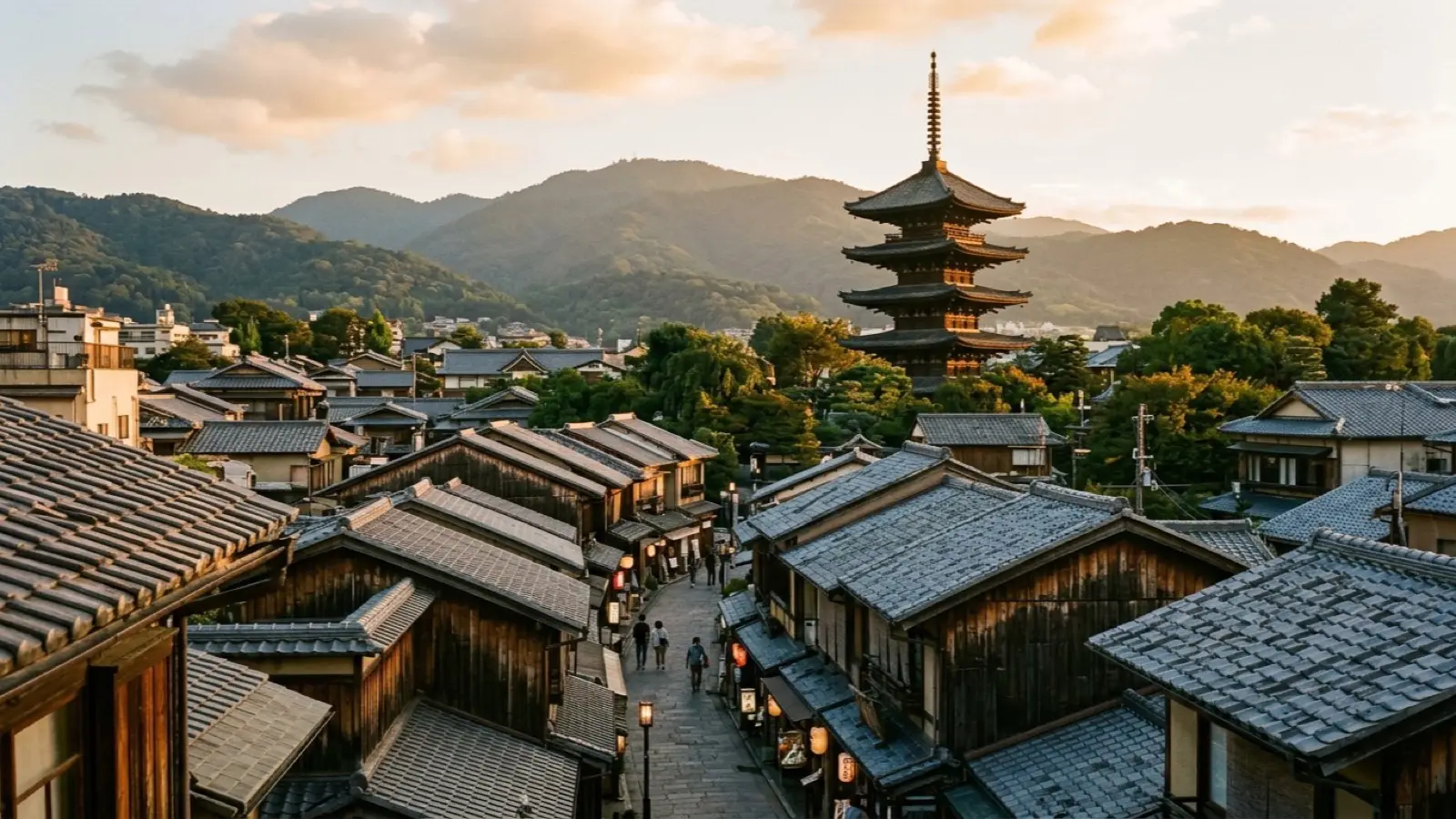
Where to Stay in Kyoto: Kyoto Station vs Gion vs Kawaramachi Compared
Your choice of base determines your entire Kyoto experience. Will you navigate crowded city buses with heavy luggage, or stroll riverside alleys lined with lantern-lit bistros? Here is a definitive breakdown of Kyoto's four premier districts.
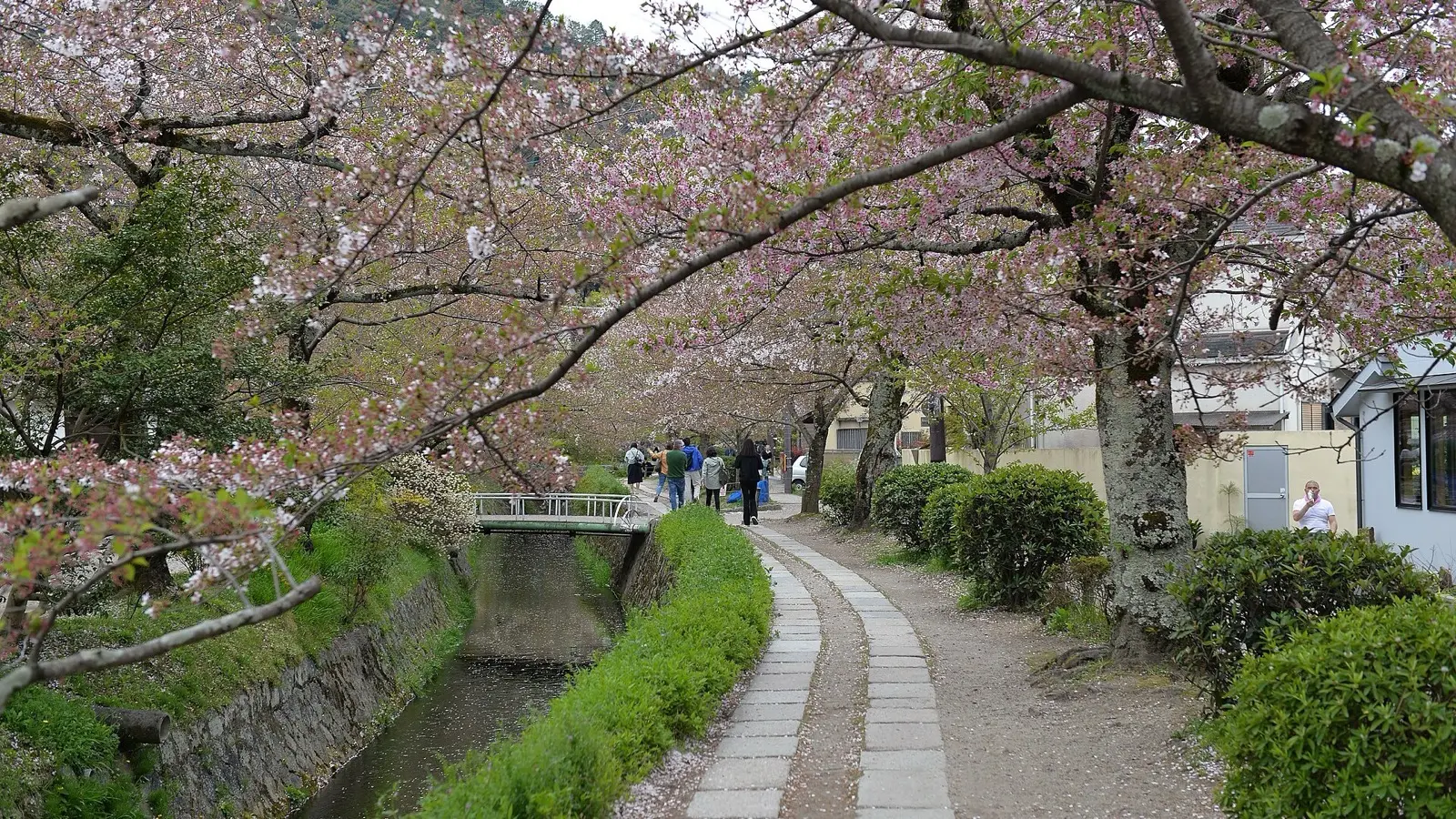
Kyoto Philosopher's Path Walk: From Ginkaku-ji to Nanzen-ji
To touch the true contemplative soul of Kyoto away from midday tour buses and crowds, one must walk the stone flagstones of the Philosopher's Path (Tetsugaku-no-Michi) under the soft mist of early dawn. Stretching two kilometers along the Lake Biwa Canal from Ginkaku-ji to Nanzen-ji, this tranquil waterway is where 20th-century philosopher Kitaro Nishida walked daily in meditative contemplation. From the murmur of mountain water and the moss-thatched timber gate of secluded Honen-in, to the weathered red-brick Romanesque arches of Suirokaku hidden within deep cedar woods, this immersive field report traces Kyoto's finest meditative journey.
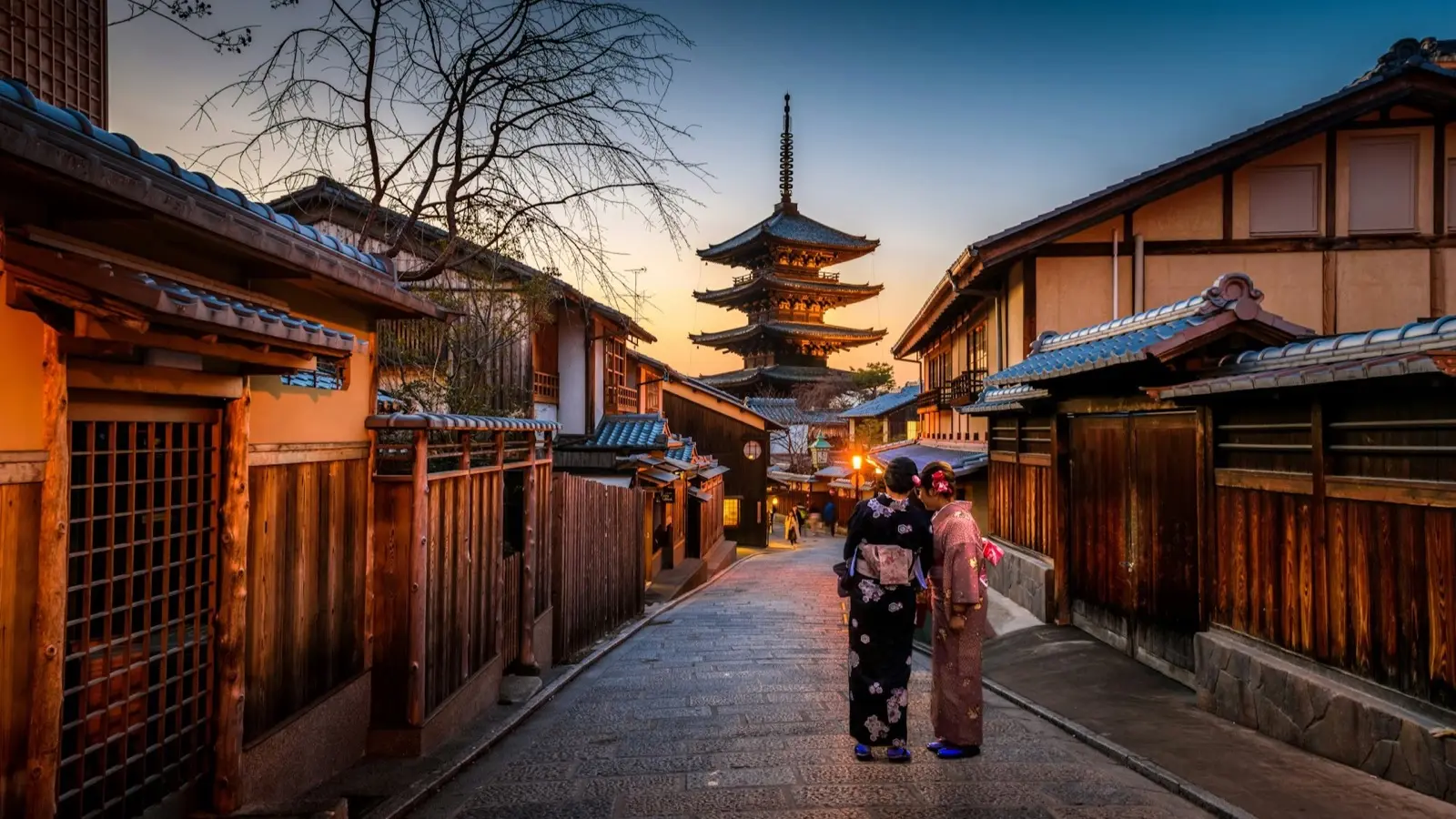
Kyoto on a Budget: Top 5 Value Hotels Under $90 and Station vs. Downtown Location Breakdown
Compared to neighboring Osaka, Kyoto hotel rates are notoriously 1.5 to 2 times higher, soaring to astronomical heights during spring cherry blossom and autumn foliage peaks. Finding clean, stylish accommodations between 50 and 90 dollars per night requires sharp logistical trade-offs. The Kyoto Station zone offers unbeatable rail access via the Kansai Airport Haruka Express, Shinkansen, and central bus terminals, while downtown Shijo Kawaramachi places you within walking distance of Gion, Nishiki Market, and evening riverside dining. From analyzing top value chains like Sotetsu Fresa Inn, Dormy Inn Premium, Sakura Terrace, and Daiwa Roynet to navigating Kyoto's 200 yen municipal lodging tax and selecting properties with restorative hot spring onsen baths, here is how to book smart in Japan's historic capital.
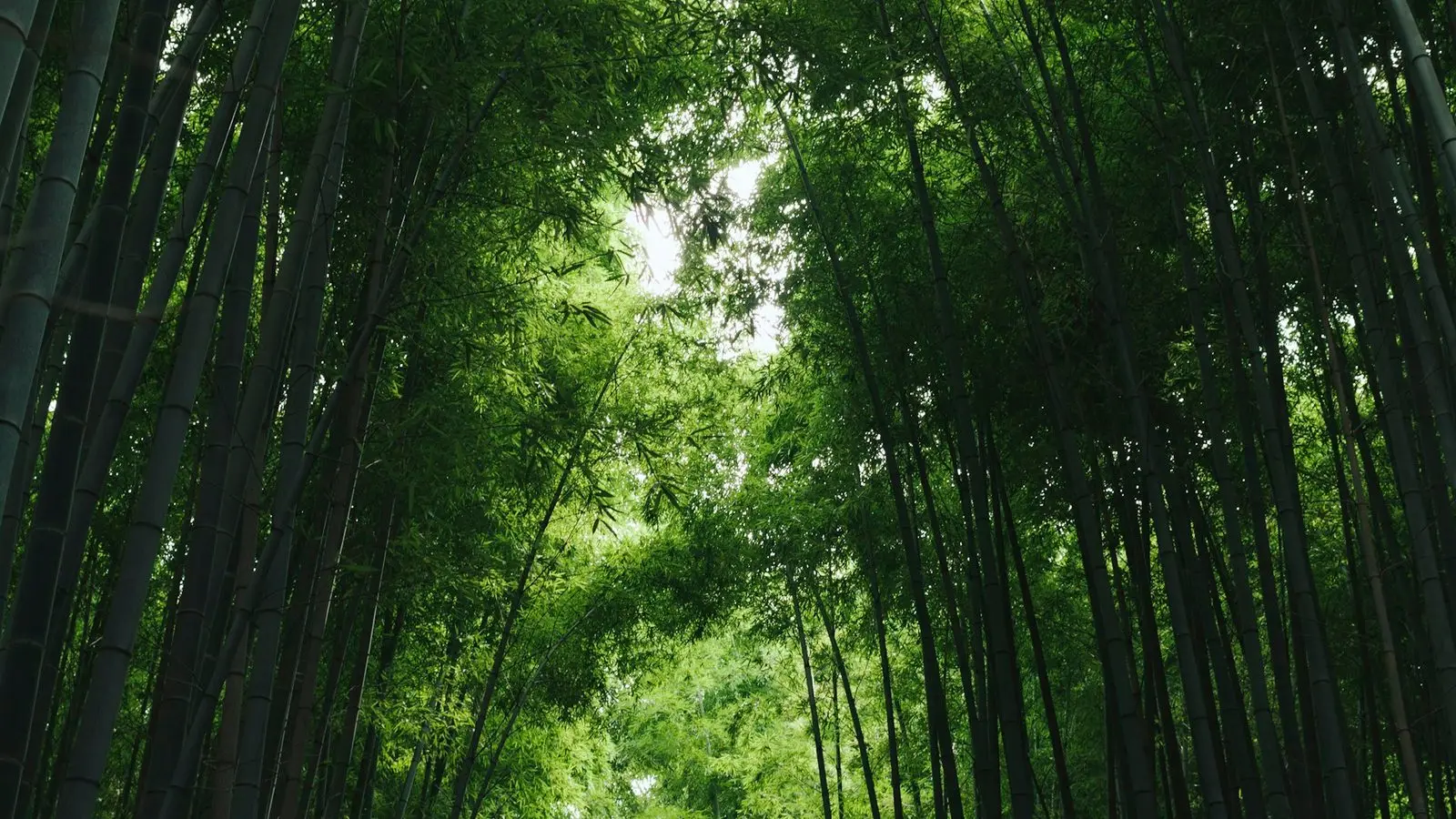
Dawn Through Sagano Bamboo Grove: Tenryu-ji Zen Gardens, Togetsukyo Mist, and Quiet Kyoto Mornings
By midday, the legendary bamboo avenues of Arashiyama in western Kyoto turn into a bustling hive of sightseers, camera flashes, and rickshaw queues. Yet at 7:00 AM, before the first tour coaches rumble into parking lots, Arashiyama reveals an ethereal, untouched beauty. Stepping into the famed Sagano Bamboo Grove (Chikurin no Michi) in the cool dawn air, visitors are enveloped by towering jade-green stalks creaking gently against the mountain breeze, an auditory symphony honored as one of Japan's preserved soundscapes. From sitting upon the polished cedar verandas of UNESCO-listed Tenryu-ji Temple gazing across misty pond gardens to crossing the historic wooden arches of Togetsukyo Bridge, this contemplative morning journey captures Kyoto at its purest. Discover the step-by-step dawn itinerary, Randen retro tramway transfers, and hidden tea pavilions that make early morning in Sagano truly magical.
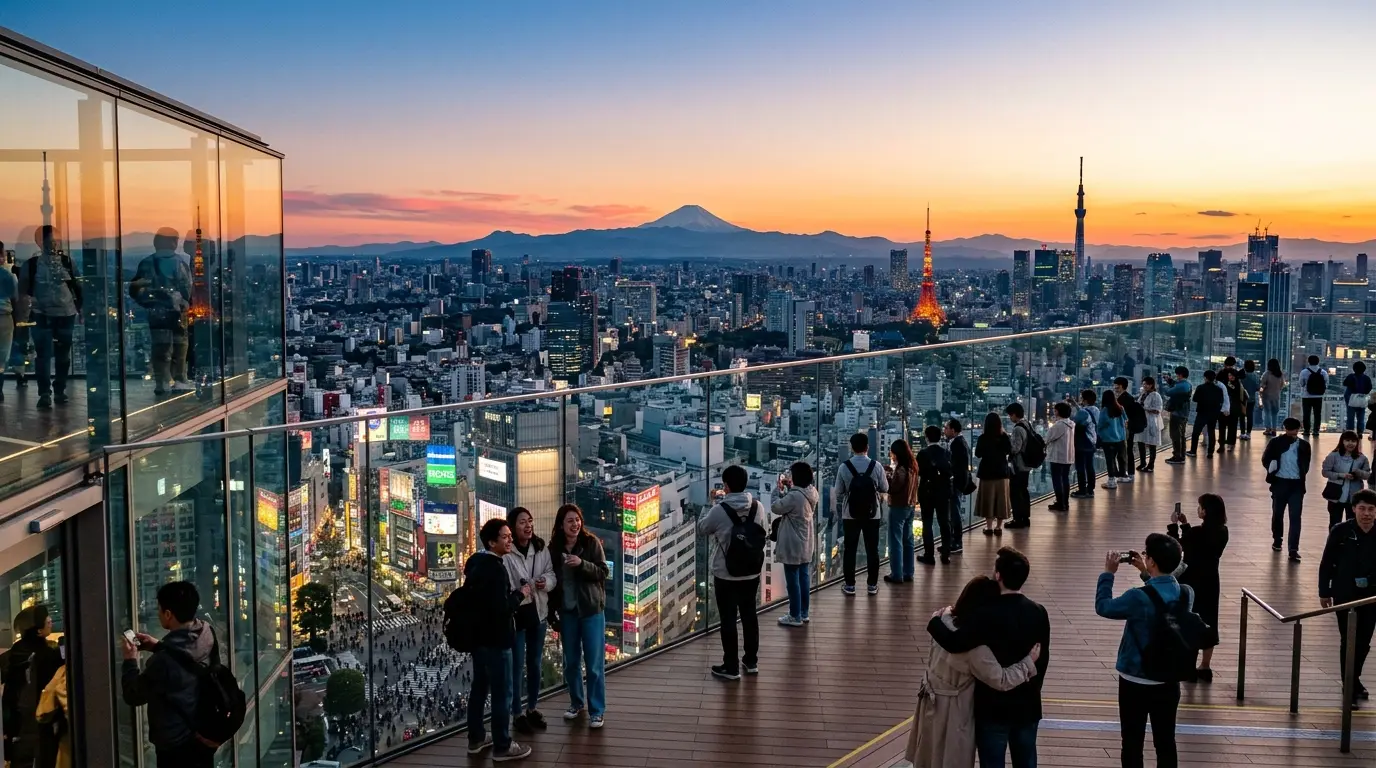
Where to Stay in Tokyo: Shinjuku vs Shibuya vs Ginza
Comparing room footprints across Shinjuku, Ginza, and Ueno, locking in sudden 14-day cancellation drops, and eliminating DCC fees with clean Yen checkout.
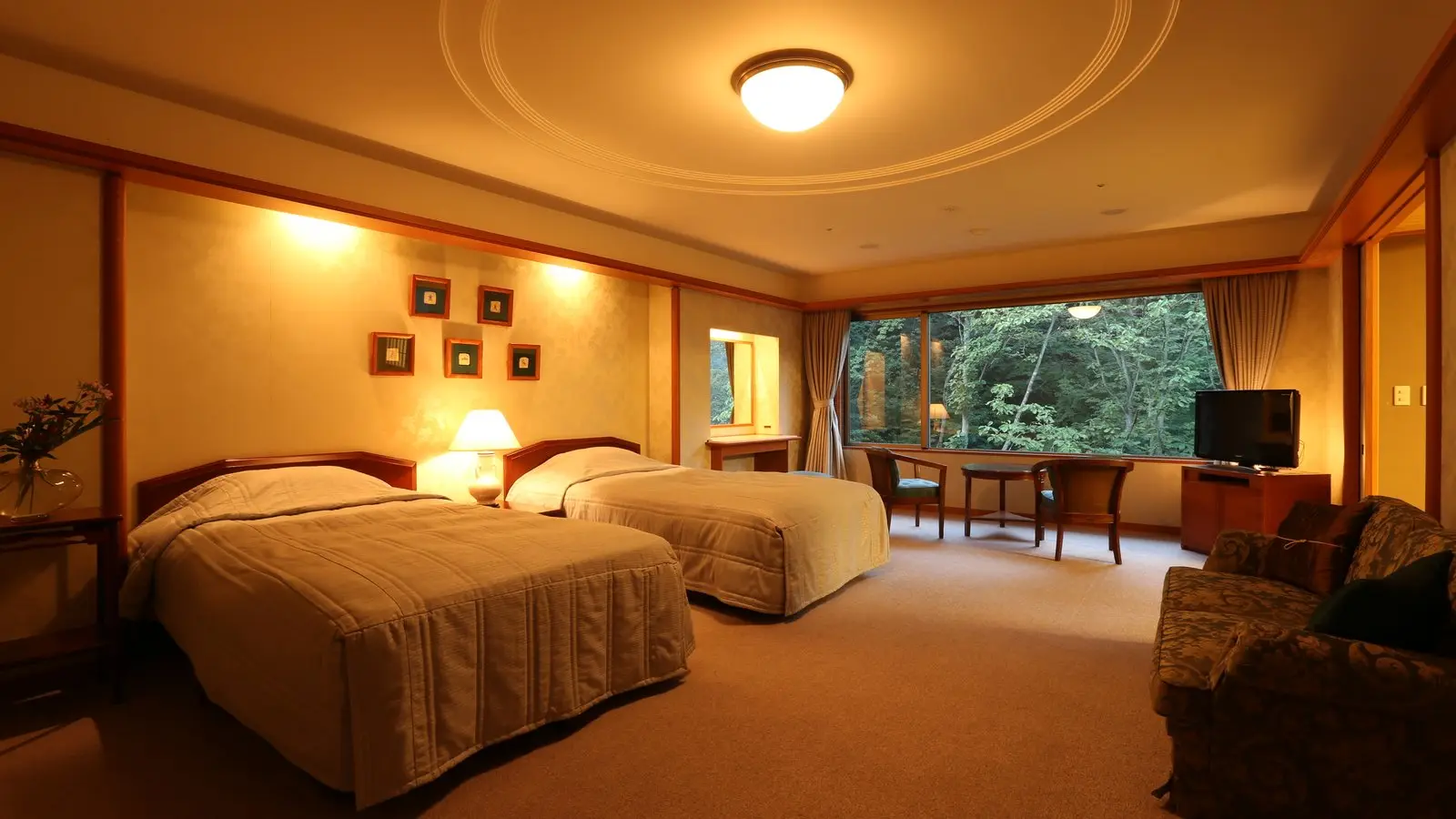
7 Budget Hotels in Tokyo Under $100 on the Yamanote Line
Even amid yen fluctuations, central Tokyo hotel rates have soared. Learn how to secure Yamanote loop line hotels at half the price of Shinjuku, compare onsen bath chains like Dormy Inn, trigger secret Agoda VIP and Booking.com Genius discounts, and dodge hidden currency fees with yen settlement.
How to Read the Tokyo Subway Map and Where to Stay on the Yamanote Line
How to choose between Keisei Skyliner and Narita Express, avoid the Tokyo Subway Ticket trap, use Apple Wallet Suica, and select the ideal hotel base in Tokyo.