
SingaporeTips
Agoda Pay Later: The Exchange Rate Markup and How to Claim the Cashback
Why guaranteed rates spike on auto-debit day: exposing internal exchange spreads and reclaiming cold hard bank deposits.

The Book Now Pay Later Illusion and the Payment Day Forex Shock
The Book Now, Pay Later option presented alongside free cancellation terms represents the ultimate digital travel temptation. It promises zero upfront capital commitment and delivers immense psychological comfort when travel dates remain fluid. The booking interface reassuringly announces: 'Amount due today: $0. Estimated charge on October 15: approximately $450.' Naive travelers routinely assume this settlement converts at fair institutional interbank rates on billing morning.
However, when the card notification arrives on payment day, some travelers find the charge is higher than the amount the booking screen estimated, even though currency markets barely moved in the meantime.
The mechanics lie in the payment terms. A Pay Later booking is converted at the moment it is charged, using Agoda's own exchange rate rather than the rate your bank would use, and that rate can be less favorable than the mid-market rate. Any currency swing before the charge date also lands on you.
| Payment Route | Pay Later (Delayed Auto-Debit) | Pay Now in Native Currency | Where You Save |
|---|---|---|---|
| Conversion Rate | Agoda's own rate on the charge date | Amount fixed when you pay | No rate swing or platform rate gap |
| DCC Risk | Home-currency billing can stack conversions | Billed in local currency | Avoids double conversion fees |
| Card Foreign Fee | Charged by some cards | 0 with a no-foreign-fee card | Saved by choosing the right card |
Travelers can end up paying a hidden currency premium for the comfort of postponement. Worse, card receipts never disclose this cost as a separate line-item fee. The difference is folded into the charged amount, so most cardholders never notice it unless they compare the booking screen with the statement.
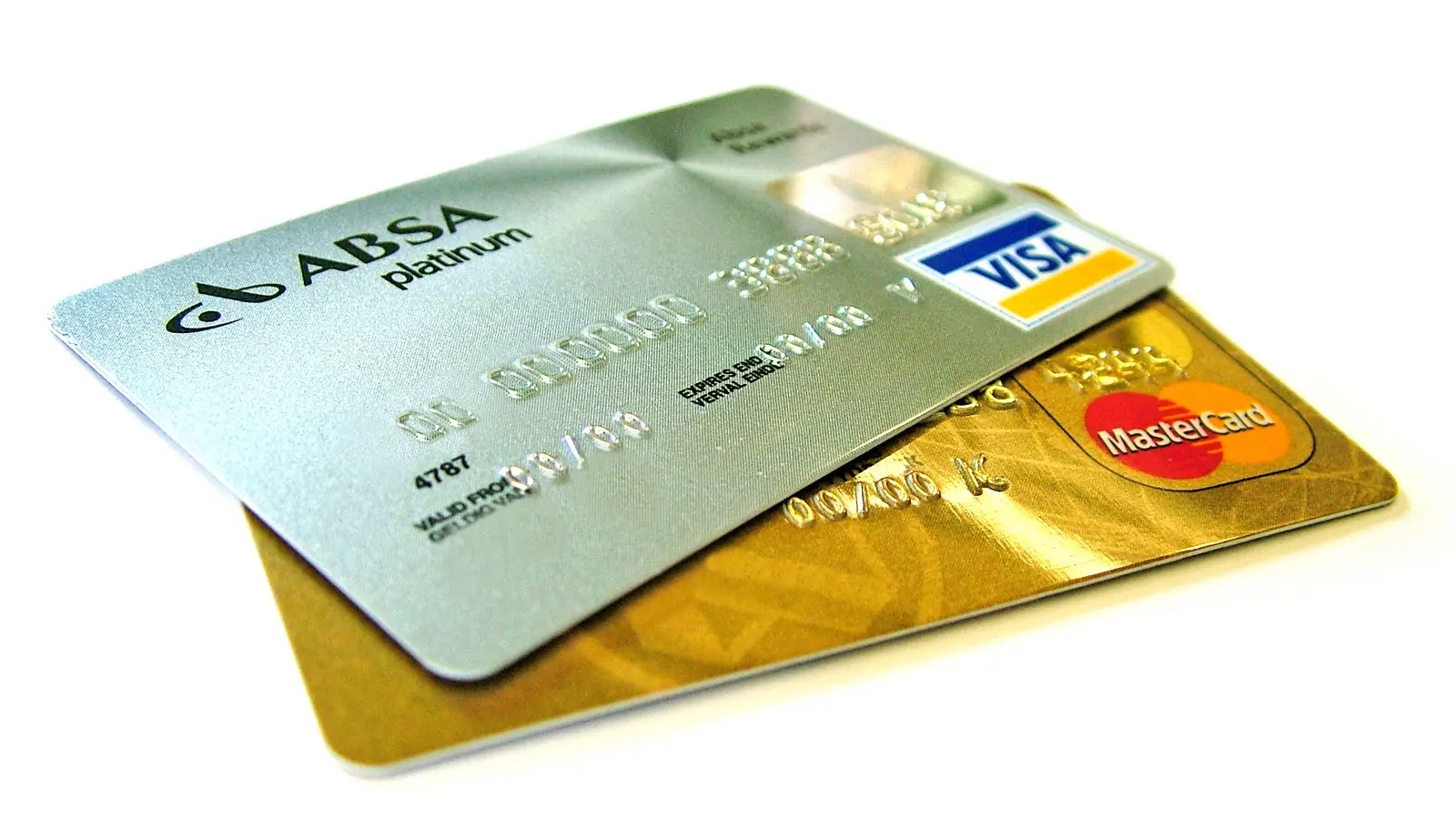
Dynamic Currency Conversion (DCC): Evading Redundant Multi-Tier Spreads
Erecting a defense against unexpected billing fees begins with the checkout currency selector. Millions of international travelers leave default home currencies (USD, GBP, EUR, AUD) untouched simply because domestic numbers feel familiar. Doing so steps directly into the predatory apparatus of Dynamic Currency Conversion (DCC).
Because Agoda bills as a Singapore-based foreign merchant, asking to be charged in your home currency triggers Dynamic Currency Conversion on top of any foreign transaction fee your card charges. DCC markups are commonly reported in the 3% to 8% range.
The antidote is absolute: lock the settlement currency strictly into the destination legal tender. Choose Japanese Yen (JPY) across Japan, Thai Baht (THB) throughout Thailand, Vietnamese Dong (VND) in Vietnam, Euros (EUR) across the Eurozone, and US Dollars (USD) for international properties elsewhere. The foreign figures look unfamiliar on screen, but the ultimate net debit remains undeniably lowest.
Pairing specialized multi-currency travel debit cards (Wise, Revolut) with immediate native-currency payment completely eliminates intermediary FX margins. For traditional credit cards, activating 'Block Foreign DCC' inside your banking app establishes an automated mechanical safeguard, instantly declining transactions attempted in domestic tender.


AgodaCash vs Real Bank Cashback Rewards: Dissecting True Economic Value
Auditing rate tables frequently reveals green promotional badges highlighting either 'Cashback Rewards' or 'AgodaCash'. While marketing copy portrays them as interchangeable perks, their economic realities diverge drastically. Failing to discern the difference forfeits hundreds in cold hard cash.
AgodaCash represents a closed-loop virtual credit balance trapped within platform walls. It has to be spent on a future Agoda booking within its validity period, and its use can be restricted depending on the booking. Conversely, 'Cashback Rewards' are real money that you claim after checkout and receive to your bank account or card.
| Metric | AgodaCash (Virtual Points) | Cashback Rewards (Liquid Cash) |
|---|---|---|
| Form | Locked inside the platform | Claimed as cash to your bank account or card |
| Expiration | Must be used within its validity period | Must be claimed within the claim window |
| Usage Constraints | Can be restricted on some bookings | Cash, so no restrictions on use |
| Realized Value | Only worth something on a future Agoda booking | Full face value in cash |
On a $1,500 luxury stay in Singapore returning $180 in Cashback Rewards, real accommodation overhead drops to $1,320. This penetrates far below the cheapest public quotes indexed by Google Hotels or major comparison engines.
However, algorithms never disburse these funds automatically. Post-checkout, travelers must manually trigger the claim flow within designated claim windows and input routing credentials. Missing the deadline by a single day forfeits the balance permanently into platform profit margins.
Mobile App Exclusives vs Desktop Bank Conduits: The Cross-Audit Rule
Launching smartphone apps triggers glowing banners boasting a 'Mobile Exclusive Discount'. Many travelers instinctively equate mobile screens with rock-bottom pricing, but comparing final checkout totals shows that is not always true.
Yet an app-only discount does not guarantee the lowest final price. Entering the desktop site through a card issuer's partner link (Visa, Mastercard or issuer CID links) can unlock a partner discount on some bookings.
On stays of three nights or more, or bookings above $1,000, the gap between channels can add up to real money. Rate plans such as breakfast-inclusive rooms that do not show in the app are sometimes sold through other channels.
Execute a 3-step cross-audit. First, record the all-inclusive mobile price. Second, launch an incognito desktop session through your credit card partner conduit. Third, compare final checkout figures side-by-side. Three minutes of auditing routinely saves enough cash to fund an exceptional omakase dinner.
The 5-Step SOP to Reclaiming 100% of Bank Cashback Rewards
Returning home from overseas travel plunges anyone into work backlogs, making past hotel receipts easy to forget. Cashback that has to be claimed manually is often lost simply because the deadline passes. Securing these funds demands an ironclad operational routine.
Step one: On checkout day, register a smartphone calendar reminder set exactly 60 days ahead. Cashback requires an audit buffer to verify authentic stays, shifting status from 'Pending' to 'Claimable' at the two-month mark. Label the alert with the specific dollar figure owed.
Step two: When the reminder fires, navigate into the app account menu under 'Cashback Rewards'. Tapping the active claim trigger opens the bank transfer ledger. Enter your bank clearing code, account number, and English passport name with surgical accuracy to prevent wire rejections.
Step three: Verify the one-time authentication passcode sent to your registered email address. Once authorized, the transfer to your nominated account is processed. Evading Pay Later rate gaps, neutralizing DCC, and capturing cashback lets you sleep well below the price most travelers pay.

Frequently Asked Questions
Field-tested answers to transit navigation, neighborhood choices, and payment traps.
Q1.How is the exchange rate applied to Agoda Pay Later bookings?
Q2.Is it cheaper to pay in domestic currency or the hotel local currency?
Q3.When can Cashback Rewards be claimed and how is the money transferred?
Q4.Is it always cheaper to book via the mobile app or a desktop browser?
The Smart Traveler's Essential Toolkit
Prepare instant mobile data, private airport transfers, and skip-the-line passes in one place.
Pick a base in Singapore by your route
Choose the places you want to see and get the neighbourhood with the shortest travel.
Compare Singapore Hotel Rates
Find the cheapest channel across Agoda and major booking engines with Tripdify.
Share This Guide with Your Companions
When shared via chat or social media, a curated summary card is sent along.
Recommended Guides
Singapore Itinerary: Marina Bay and Jewel Changi in Two Nights
Skip transit card lines with contactless bank cards, drop bags at Jewel before heading into town, and deploy a split-stay strategy that captures Marina Bay Sands pool access without draining your entire vacation budget.

Shophouse Hotels in Singapore: Tanjong Pagar vs Marina Bay
From suspended 200-meter infinity pool vistas over Marina Bay to heritage shophouse design retreats in Tanjong Pagar and UNESCO hawker feasts, an authoritative Singapore playbook.
Singapore Day 1 Itinerary: Changi to the City and Your First Hawker Centre Meal
Navigating Changi's Jewel Rain Vortex, tapping into the MRT network using foreign contactless credit cards via SimplyGo, mastering hawker center tissue packet reservations, and sunset along Marina Bay. A field guide to your first 24 hours.
Singapore Day 2 Itinerary: Gardens by the Bay, Chinatown and Marina Bay
Marvel at the 35-meter indoor waterfall inside the misty Cloud Forest, cross the OCBC Skyway between towering Supertrees, savor Michelin-recognized chicken rice at Maxwell, explore Kampong Glam, and end with the Spectra waterfront light show.

Singapore Day 3 Itinerary: Kaya Toast, Botanic Gardens and Jewel Changi
Savor iconic charcoal kaya toast with soft-boiled eggs, explore VIP orchids at the UNESCO Singapore Botanic Gardens, collect pandan cakes, and admire the 40-meter Rain Vortex waterfall before seamless early check-in at Jewel Changi Airport.
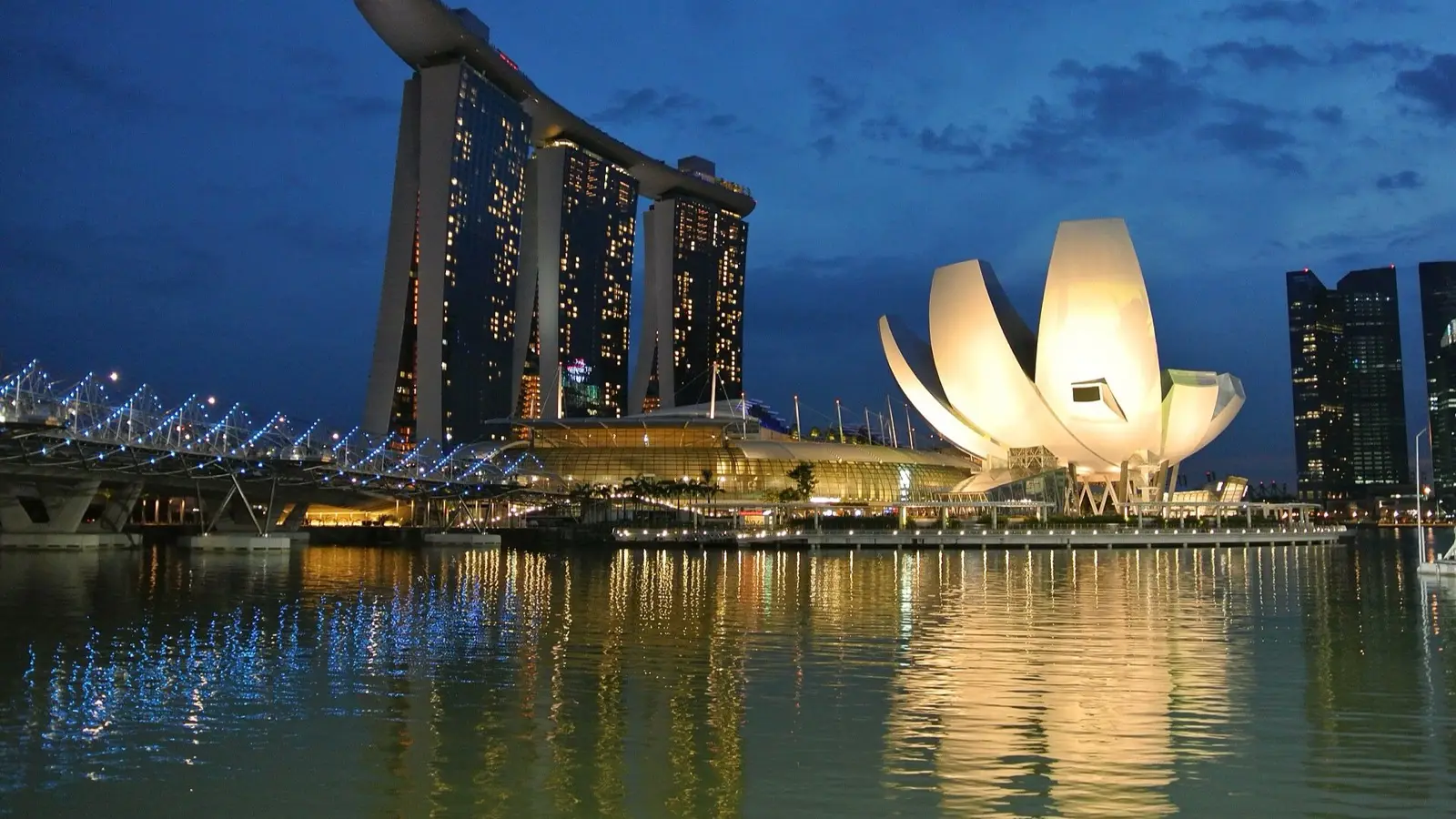
Where to Stay in Singapore: Marina Bay vs Bugis vs Orchard Compared
As one of the world's most premium hotel markets, choosing the right district in Singapore dictates both your daily itinerary ease and travel budget efficiency. Should you splurge on the world-famous infinity pool views of Marina Bay Sands, secure stylish boutique value along the airport-connected MRT corridors of Bugis and Kampong Glam, immerse yourself in the culinary heritage shophouses of Chinatown, or base your family along the air-conditioned shopping boulevard of Orchard Road? Here is the definitive neighborhood breakdown.
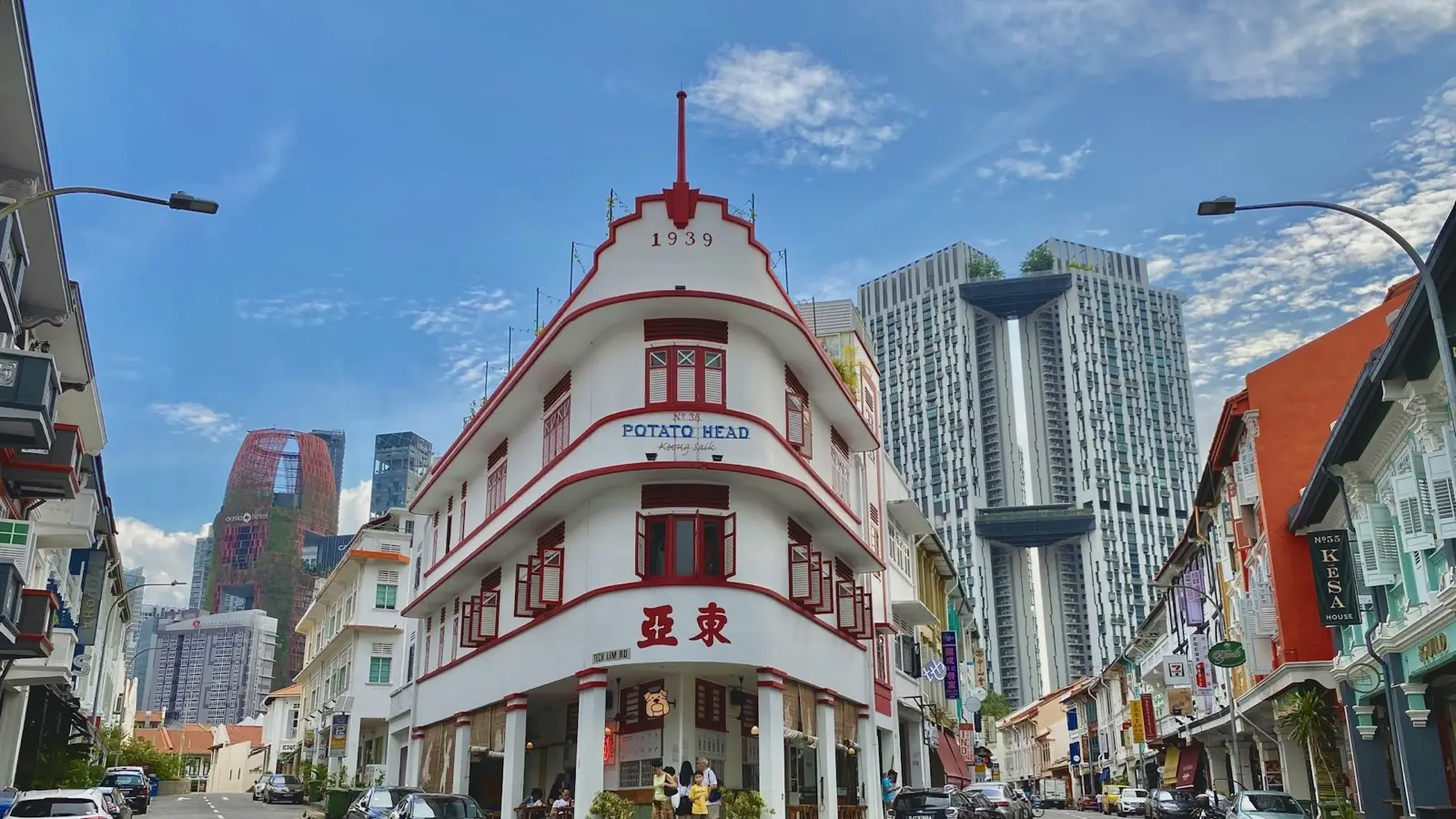
5 Best Budget Hotels in Singapore: Chinatown, Bugis, and Clarke Quay MRT Stays Under $120
Renowned as one of the world's priciest metropolitan destinations, Singapore presents a formidable challenge for value-conscious travelers, with landmark Marina Bay resorts regularly commanding over $700 USD per night and mid-tier chain hotels rarely dipping below $250. Blindly booking bottom-dollar options often leads to unpleasant surprises, such as subterranean windowless rooms with stifling humidity or remote locations far from the Mass Rapid Transit (MRT) network that drain budgets through daily ride-hailing fares. The golden rule for lodging efficiency in the Lion City is pinpointing compact, boutique properties situated within a 400-meter radius of key MRT interchange nodes across Chinatown, Bugis, and Clarke Quay. By factoring in the ubiquitous compounding 10 percent service charge and 9 percent Goods and Services Tax (GST), this curated field guide reveals five immaculate stays under $120 USD offering natural light, pristine air conditioning, and seamless luggage storage.

The Layover Flight Playbook: Free City Transit Tours, Airside Transit Hotels, and Terminal Lounges
Booking connecting flights can save hundreds of dollars compared to nonstop long-haul routes, yet many travelers view 6-to-12-hour layovers as grueling tests of endurance. With the right tactical preparation, modern transit hubs transform into vibrant mini-vacations that revitalize weary passengers while offering an effortless taste of an additional country. World-class hubs like Singapore Changi offer complimentary guided city tours for travelers with layovers of 5.5 hours or more, and Istanbul runs free city tours for eligible Turkish Airlines transit passengers. From verifying baggage through-check tags at initial departure desks to booking hourly airside transit rooms without clearing immigration, and unlocking refreshing hot shower suites via lounge access programs, this master guide unpacks the essential playbook for turning dead airport layover hours into seamless luxury.

Hotel Room Upgrade Secrets: Pre-Arrival Celebration Emails, Golden Check-In Hours, and Polite Front Desk Etiquette
While two travelers might pay identical rates for standard hotel rooms, one ends up placed next to a noisy service elevator while the other enjoys an unsolicited complimentary upgrade to a panoramic high-floor corner suite. This disparity rarely hinges on pure chance. Instead, it reflects a nuanced understanding of front-office room inventory algorithms and housekeeping room-release rotations. From crafting impactful English notes inside online booking request fields to sending polite celebration emails directly to the front office manager 72 hours before arrival, strategic timing matters. Arriving during the golden window between 2:30 PM and 3:30 PM, mastering courteous phrasing at the desk, negotiating low-cost paid upsells for unsold suites, and securing complimentary late check-out upon departure are actionable skills every traveler should master.

Changi Airport to Singapore city centre: MRT, bus, taxi and Grab compared
The cheapest way is the MRT: change once at Tanah Merah and the adult card fare to the city tops out at S$2.57. With heavy bags, or after the 11:18 PM last city bound connection, a taxi (about 30 minutes, S$25 to 45 plus an airport surcharge) or the 24 hour airport transfer desk (S$70 for a 4 seater) makes more sense. Here is how to choose by terminal, luggage and the neighbourhood you are sleeping in.

Where to Stay in Tokyo: Shinjuku vs Shibuya vs Ginza
Comparing room footprints across Shinjuku, Ginza, and Ueno, locking in sudden 14-day cancellation drops, and eliminating DCC fees with clean Yen checkout.

7 Budget Hotels in Tokyo Under $100 on the Yamanote Line
Even amid yen fluctuations, central Tokyo hotel rates have soared. Learn how to secure Yamanote loop line hotels at half the price of Shinjuku, compare onsen bath chains like Dormy Inn, trigger secret Agoda VIP and Booking.com Genius discounts, and dodge hidden currency fees with yen settlement.