
Walking Amsterdam's 9 Streets and Canals: Brown Cafes, Antique Bookshops, and the Quiet Cadence of Jordaan
From meditative strolls along Prinsengracht to historic apple pie bakeries and cycling rhythms
The 17th-Century Canal Ring: Golden Age Ambition Carved in Water
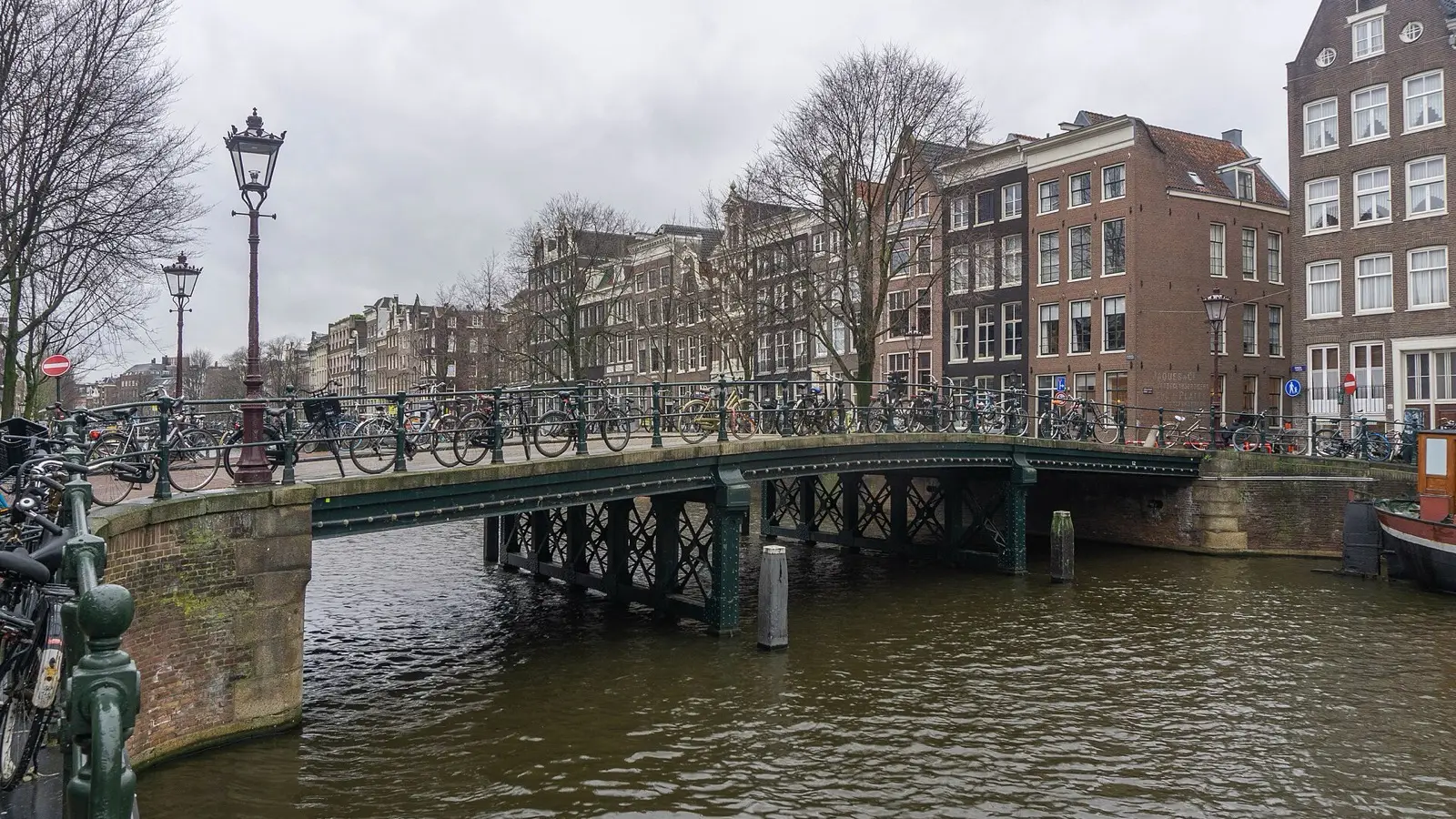
Stepping south from Amsterdam Centraal station, visitors encounter three colossal concentric waterways fanning outward in graceful arcs: Herengracht (Gentlemen's Canal), Keizersgracht (Emperor's Canal), and Prinsengracht (Prince's Canal). This marvel of seventeenth-century hydraulic engineering and urban planning, conceived when Dutch maritime commerce dominated world trade, remains fully intact four centuries later.
The canal houses lining these embankments present strikingly narrow and soaring facades. Because municipal taxes in the 1600s were calculated based on street frontage width along the water, wealthy merchants built their homes narrow and deep, extending vertically over four or five storeys. Iron hoisting beams jutting from rooftop gables and walls leaning subtly forward testify to how bulky trade goods were hoisted into attic storerooms.
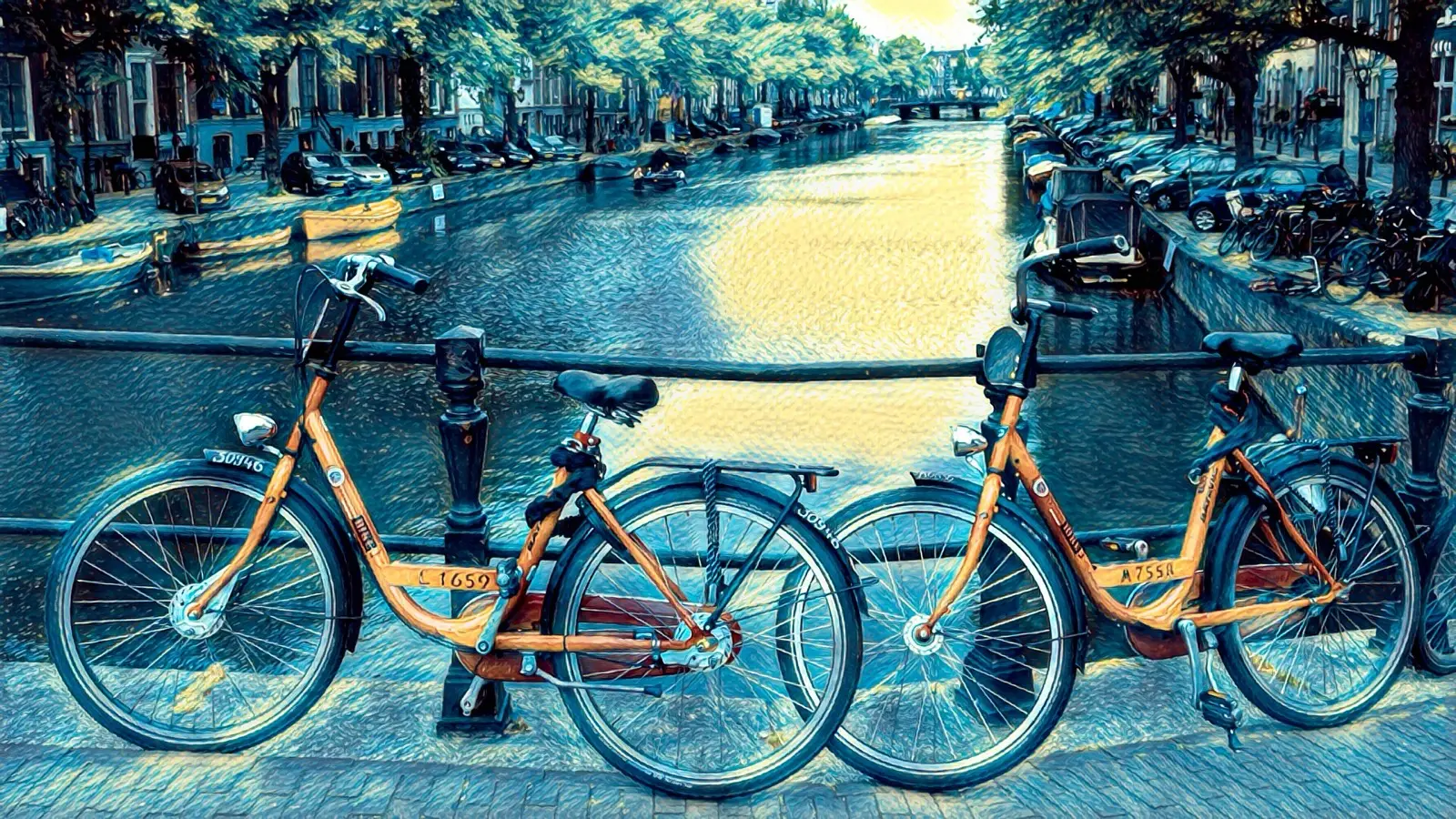
Graceful mature plane trees cast dappled shadows across cobblestone quays, under which hundreds of classic matte-black roadsters and omafiets bicycles stand tethered to iron railings. Absent the grating screech of motor vehicle horns, only the rhythmic chiming of bicycle bells and the muffled hum of electric salon boats disturb the air.
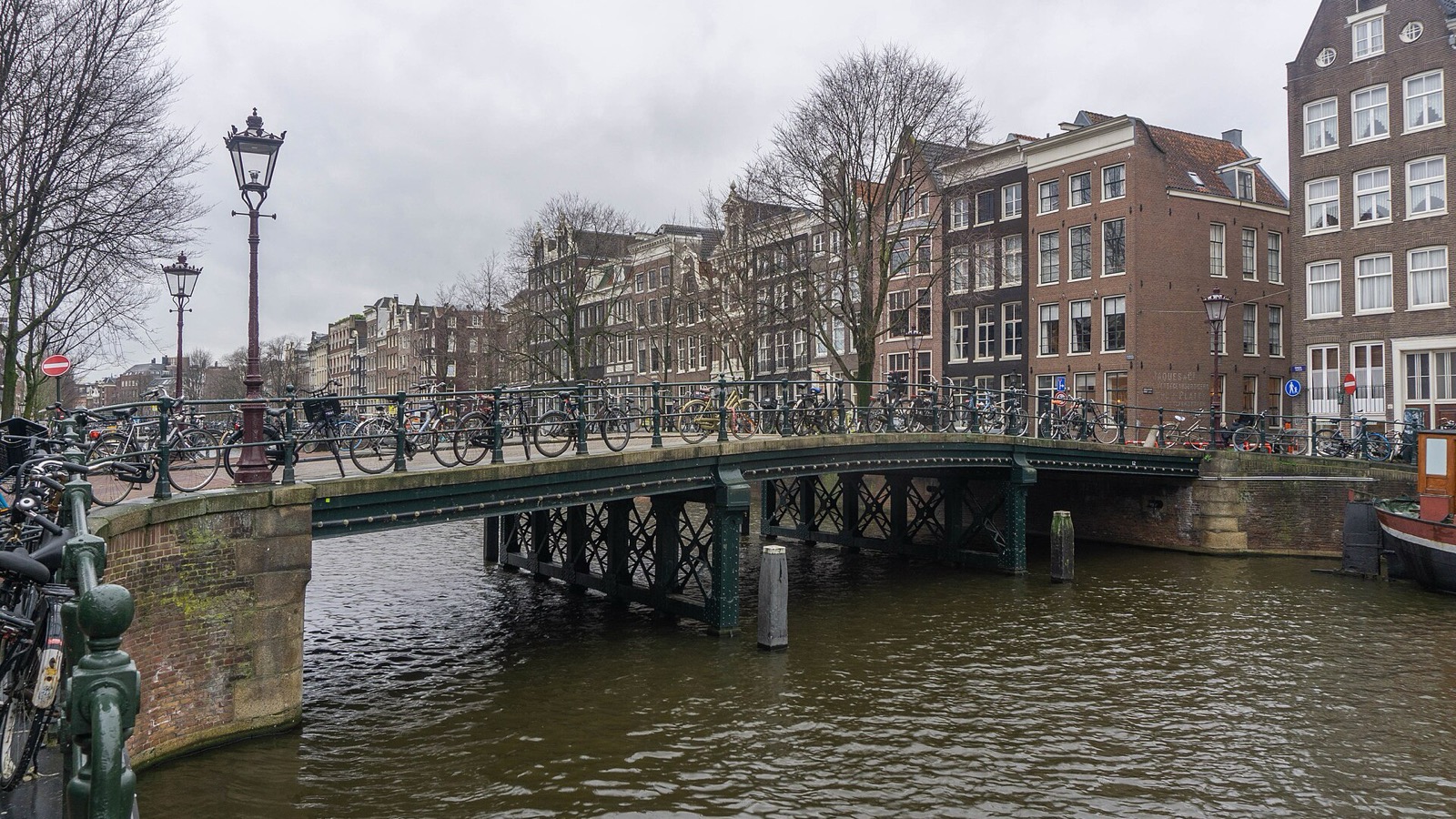
The consummate approach to absorbing the Canal Ring requires abandoning rigid itineraries and following the gentle bend of Prinsengracht. At each arched stone bridge, the low-angled northern European sunlight catches brick facades and canal ripples, conjuring scenes more vivid and luminous than any canvas in the Rijksmuseum.
The Jordaan Quarter: Working-Class Roots, Secret Hofjes, and Floral Alleys
Crossing westward over Keizersgracht leads into the atmospheric precincts of the Jordaan. Established during the 1600s to house thousands of tradesmen, textile workers, and French Huguenot immigrants fueling Amsterdam's expansion, this former blue-collar neighborhood has evolved into the city's most romantic bohemian sanctuary.
Likely derived from 'jardin', the French word for garden, Jordaan's intimate lanes are titled after flowers and plants: Anjelierstraat (Carnation), Tuinstraat (Garden), and Bloemgracht (Flower Canal). Residents nurture lush cascading greenery, with potted hydrangeas on Dutch doorsteps and ivy clinging tenaciously to aged terracotta masonry.
Venturing down Jordaan's labyrinthine alleys occasionally reveals heavy wooden doorways opening into hidden courtyard sanctuaries known as 'hofjes'. Built by philanthropic merchants between the fourteenth and nineteenth centuries as secure almshouses for elderly women and widows, these serene quadrangles instantly hush the city around you, replacing urban buzz with chirping sparrows and trickling stone fountains.
At Prinsengracht 263 stands the historic Secret Annex where Anne Frank penned her diary during the Nazi occupation. Bordered by solemn memory and contemporary creative verve, the Jordaan resonates with profound emotional depth across every brick.
De Negen Straatjes: Artisanal Emporiums and Arched Bridge Vistas
Intersecting the four grand radial canals are nine compact connecting streets collectively renowned as De Negen Straatjes (The Nine Streets). Spared from homogeneous global fashion chains, this protected historic retail district is celebrated for independently owned vintage ateliers, specialized galleries, and family-run workshops.
Tucked behind seventeenth-century shopfronts are shops you will encounter nowhere else on earth: specialist stationers stocking century-old fountain pens and handmade deckle-edge notebooks, curated vintage parlors brimming with archival leather coats, and apothecary studios hand-blending cold-pressed botanicals.
Antiquarian and independent bookshops along these lanes demand leisurely visits. Ascending creaking timber staircases reveals floor-to-ceiling shelves stacked with rare volumes on Dutch architecture, philosophy, and poetry. In sunlit corners, neighborhood patrons sit engrossed in paperbacks over porcelain cups of tea.
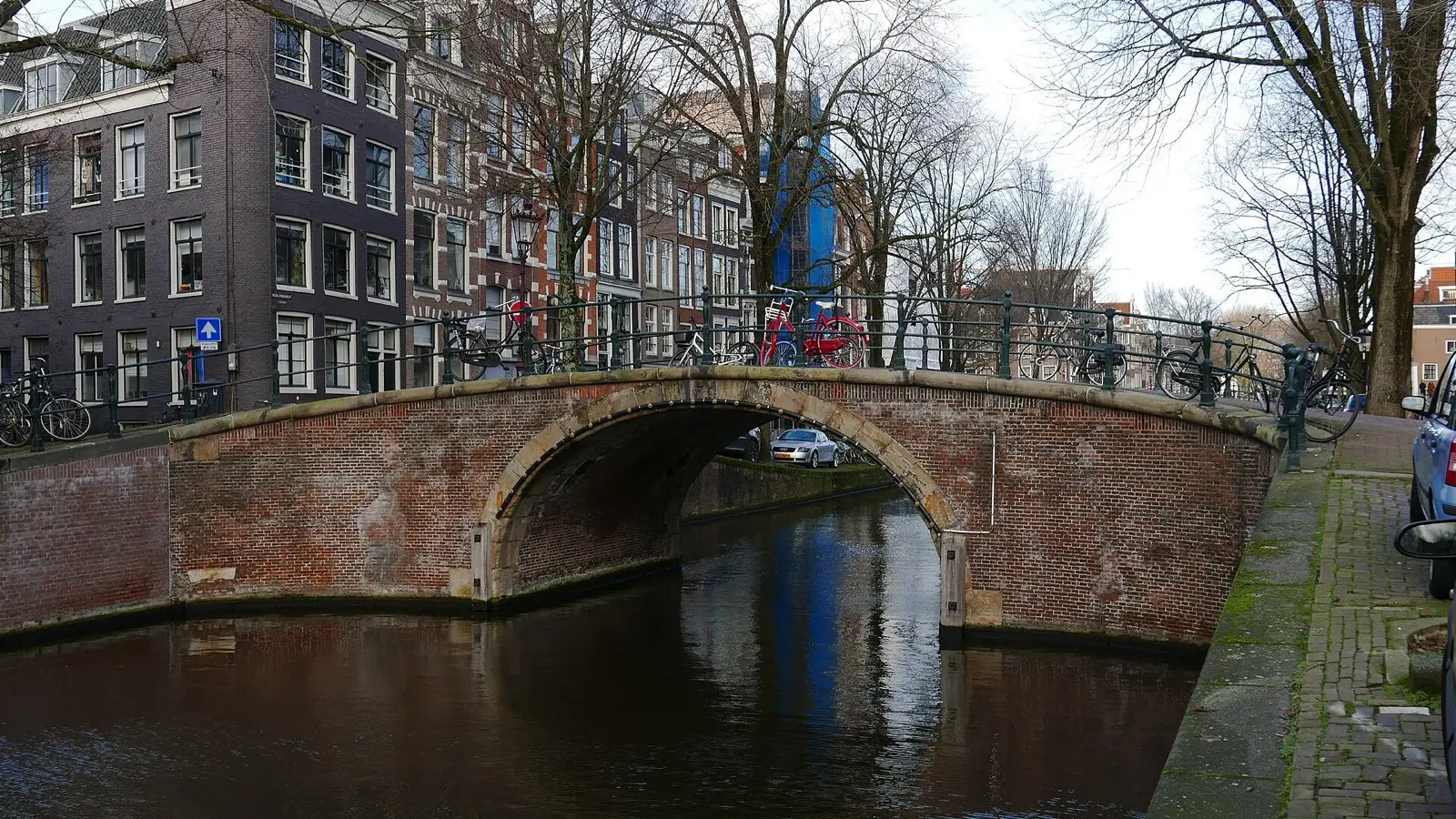
The crowning vantage points of the Nine Streets are the humpbacked brick bridges crossing the canals. Resting a bicycle against the iron balustrade to capture the vista of leaning canal mansions reflected in tranquil water delivers timeless, quintessential Amsterdam imagery without staged artifice.
Bruine Kroegen and Warm Apple Pie: Living Oak Wood and Golden Jenever
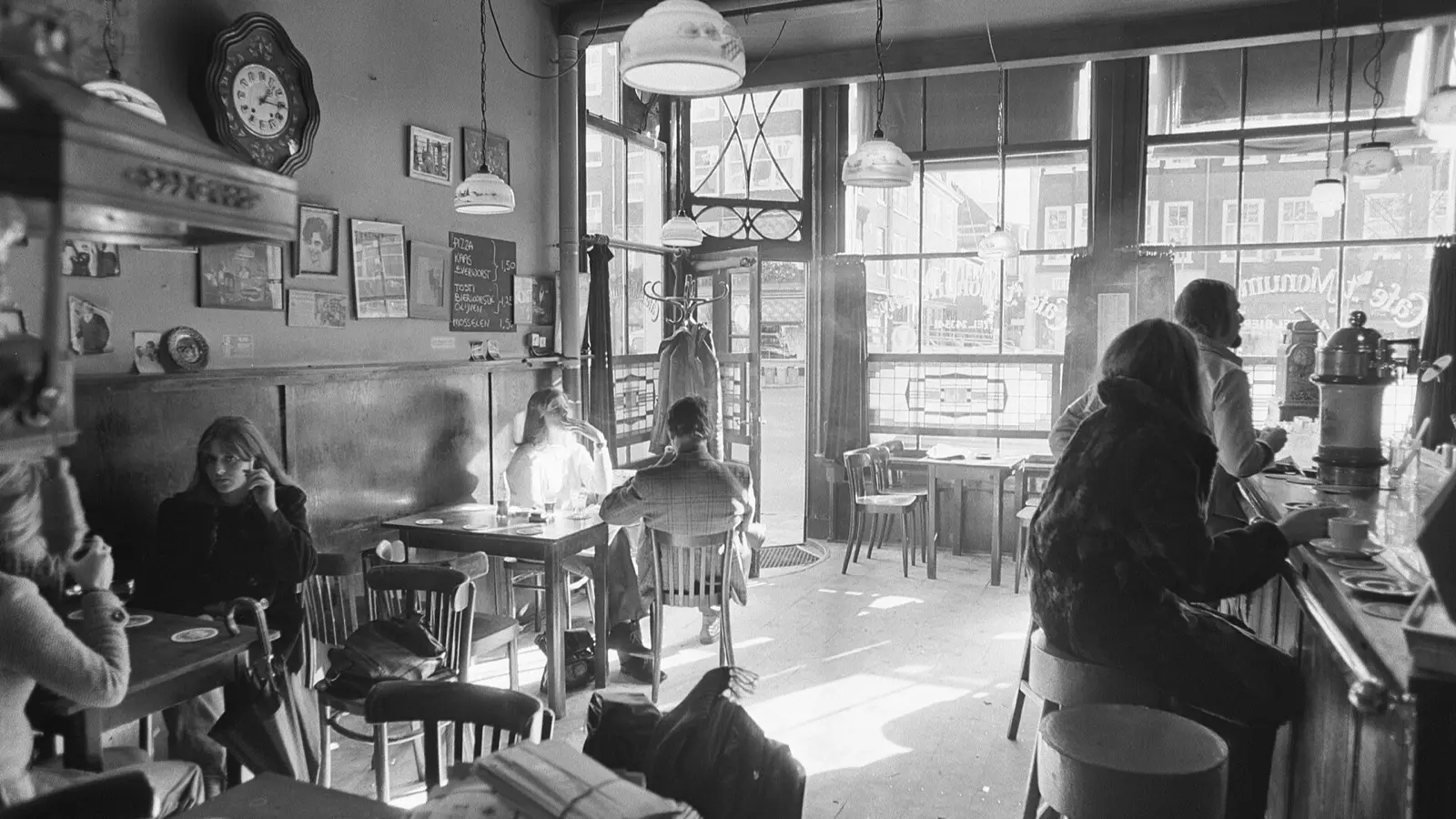
When weary legs demand respite, look for the weathered stained-glass lanterns of a traditional 'Bruin Café' (Brown Cafe). These historic taverns earned their moniker from centuries of pipe tobacco smoke and time-burnished oak wainscoting, functioning as warm neighborhood living rooms where locals have convened since the 1600s.
Stepping through the low timber doorway of institutions like Café 't Monumentje or Café Chris reveals candlelight flickering across marble tables and brass beer taps. Fine white sand remains dusted across dark floorboards, honoring a centuries-old Dutch maritime custom once used to absorb dirt and keep tavern floors immaculate.
The quintessential order here is a thick wedge of homemade Dutch apple pie (Appeltaart). Spiced with aromatic cinnamon, cloves, and plump sultanas encased in buttery crumble crust, it arrives warm from the oven crowned with a generous swirl of unsweetened fresh double cream (slagroom).
As twilight deepens, pairing pie or Dutch bitterballen with a tulip glass of chilled Jenever (traditional juniper malt spirit) completes the ritual. Bartenders pour the clear spirit until the meniscus bulges above the glass rim; tradition forbids lifting the glass with your hands, compelling drinkers to lean forward for the inaugural sip.
Magere Brug and Houseboat Lanterns: Twilight Reflections Across the Amstel
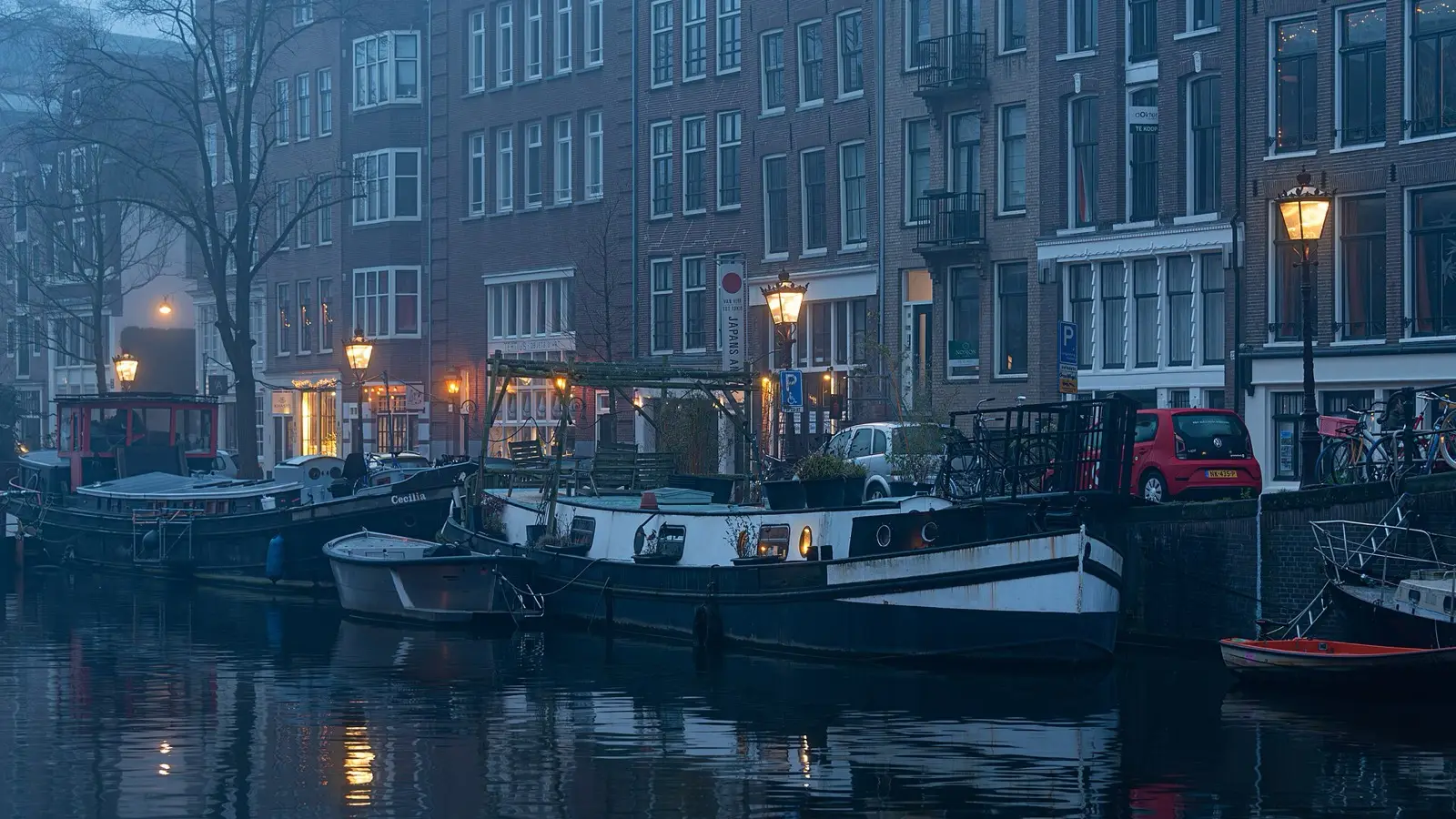
As dusk falls over Amsterdam, the urban waterways transform into an ethereal realm of golden illumination. Across the Amstel River, the historic white-painted wooden bascule bridge known as the Magere Brug (Skinny Bridge) comes alive with over twelve hundred incandescent bulbs casting shimmering reflections across the black water.
Leaning against the timber railings, you watch wooden motor launches and low-slung canal cruisers glide soundlessly beneath the drawbridge span. The wake sends ripples through the water, fracturing reflections of seventeenth-century street lamps into dancing ribbons of light.
Moored along almost every canal bank are colorful houseboats (woonboten). Born out of post-war housing shortages when resourceful citizens converted historic river barges into floating homes, these houseboats now represent permanent maritime heritage, their potted plants and soft curtained windows radiating warmth.
Inhaling the crisp evening breeze off the North Sea canal network, it becomes evident why generations of Dutch masters sought to capture this elusive light. Standing on the water's edge amidst the gentle lapping of waves, Amsterdam imparts its most profound and restorative calm.
Frequently Asked Questions
Field-tested answers to transit navigation, neighborhood choices, and payment traps.
Q1.What is the ideal time of day for walking the Amsterdam canals?
Q2.How can pedestrians avoid dangerous bicycle collisions?
Q3.What quintessential foods and drinks should one order in a traditional Bruin Cafe?
Q4.What are the typical operating hours for boutiques in the Nine Streets?
The Smart Traveler's Essential Toolkit
Prepare instant mobile data, private airport transfers, and skip-the-line passes in one place.
Pick a base in Amsterdam by your route
Choose the places you want to see and get the neighbourhood with the shortest travel.
Compare Amsterdam Hotel Rates
Find the cheapest channel across Agoda and major booking engines with Tripdify.
Share This Guide with Your Companions
When shared via chat or social media, a curated summary card is sent along.
Recommended Guides
Where to Stay in Tokyo: Shinjuku vs Shibuya vs Ginza
Comparing room footprints across Shinjuku, Ginza, and Ueno, locking in sudden 14-day cancellation drops, and eliminating DCC fees with clean Yen checkout.
7 Budget Hotels in Tokyo Under $100 on the Yamanote Line
Even amid yen fluctuations, central Tokyo hotel rates have soared. Learn how to secure Yamanote loop line hotels at half the price of Shinjuku, compare onsen bath chains like Dormy Inn, trigger secret Agoda VIP and Booking.com Genius discounts, and dodge hidden currency fees with yen settlement.
How to Read the Tokyo Subway Map and Where to Stay on the Yamanote Line
How to choose between Keisei Skyliner and Narita Express, avoid the Tokyo Subway Ticket trap, use Apple Wallet Suica, and select the ideal hotel base in Tokyo.
Tokyo Day 1 Itinerary: Narita Airport to the City and Your First 24 Hours
From stepping off at Narita Airport to mastering high-speed trains, navigating Tokyo's sprawling transit hubs, ordering counter ramen effortlessly, and catching sunset from Roppongi Hills. A definitive guide for your first 24 hours in Tokyo.
Tokyo Day 2 Itinerary: Booking Shibuya Sky, Harajuku Backstreets and Roppongi at Night
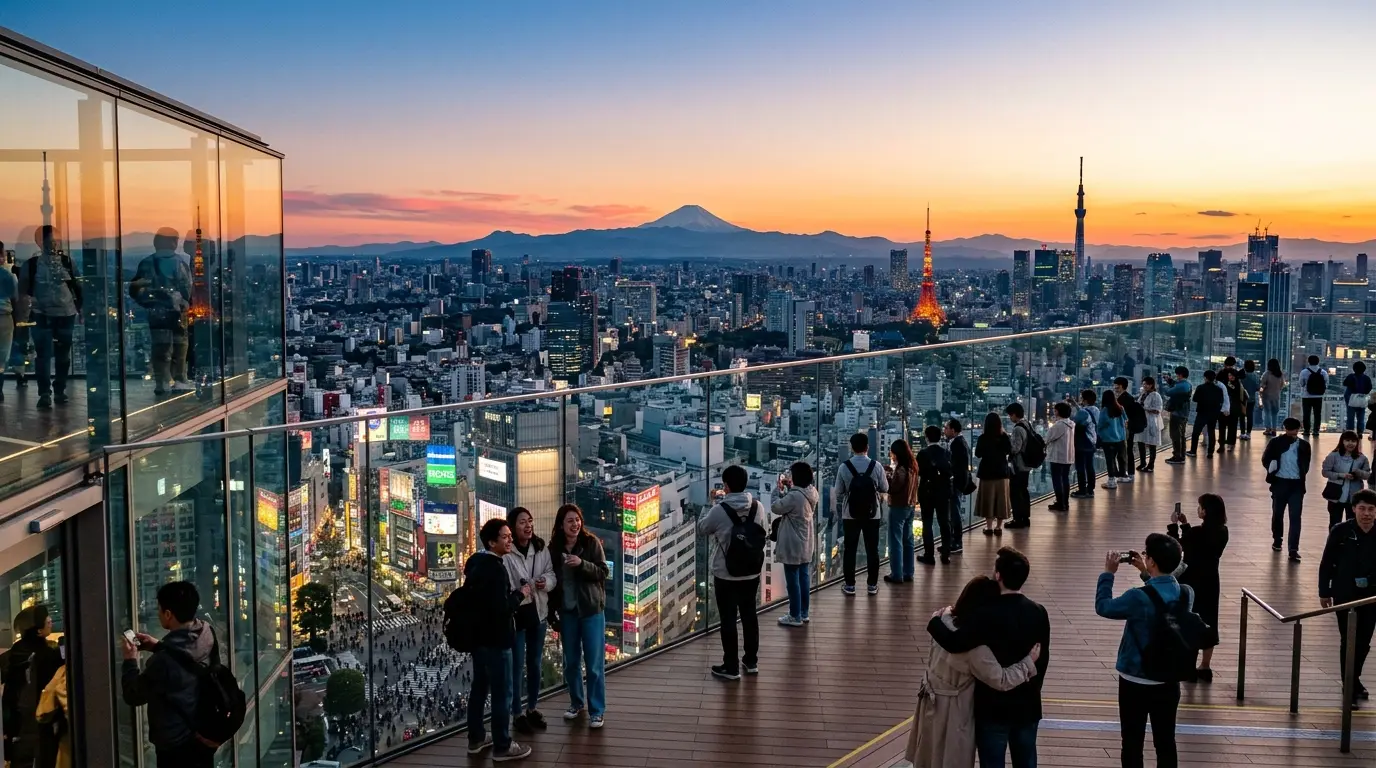
Securing prime sunset slots atop Shibuya Sky, navigating hidden boutiques along Harajuku Cat Street, immersing in the forested serenity of Meiji Jingu, and marveling at the crimson glow of Tokyo Tower from Roppongi Hills. A masterclass in Day 2 pacing.
Tokyo Day 3 Itinerary: Asakusa, Akihabara, Ginza Depachika and Flying Home
The ultimate finale for your Tokyo stay: tranquil morning worship at Sensoji, retro subculture in Akihabara, Ginza Six architectural rooftop views and basement depachika feasts, capped by seamless Skyliner and N'EX airport connections.
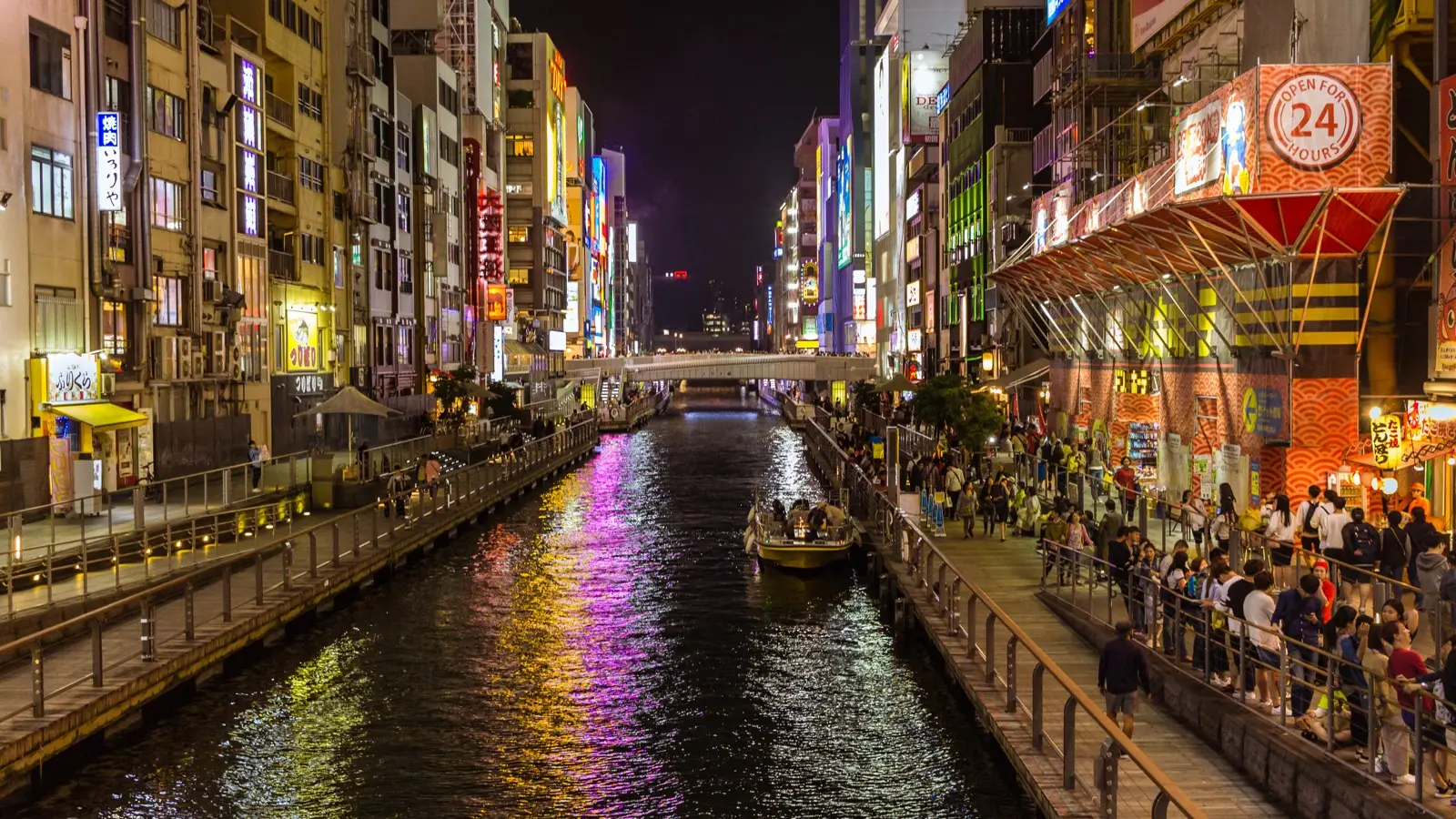
Osaka Itinerary: Dotonbori and Umeda in Two Nights
Osaka is Japan culinary powerhouse where feasting is an art. Navigate Rapi:t airport transfers, Namba vs Umeda hotels, and street food corridors with veteran precision.
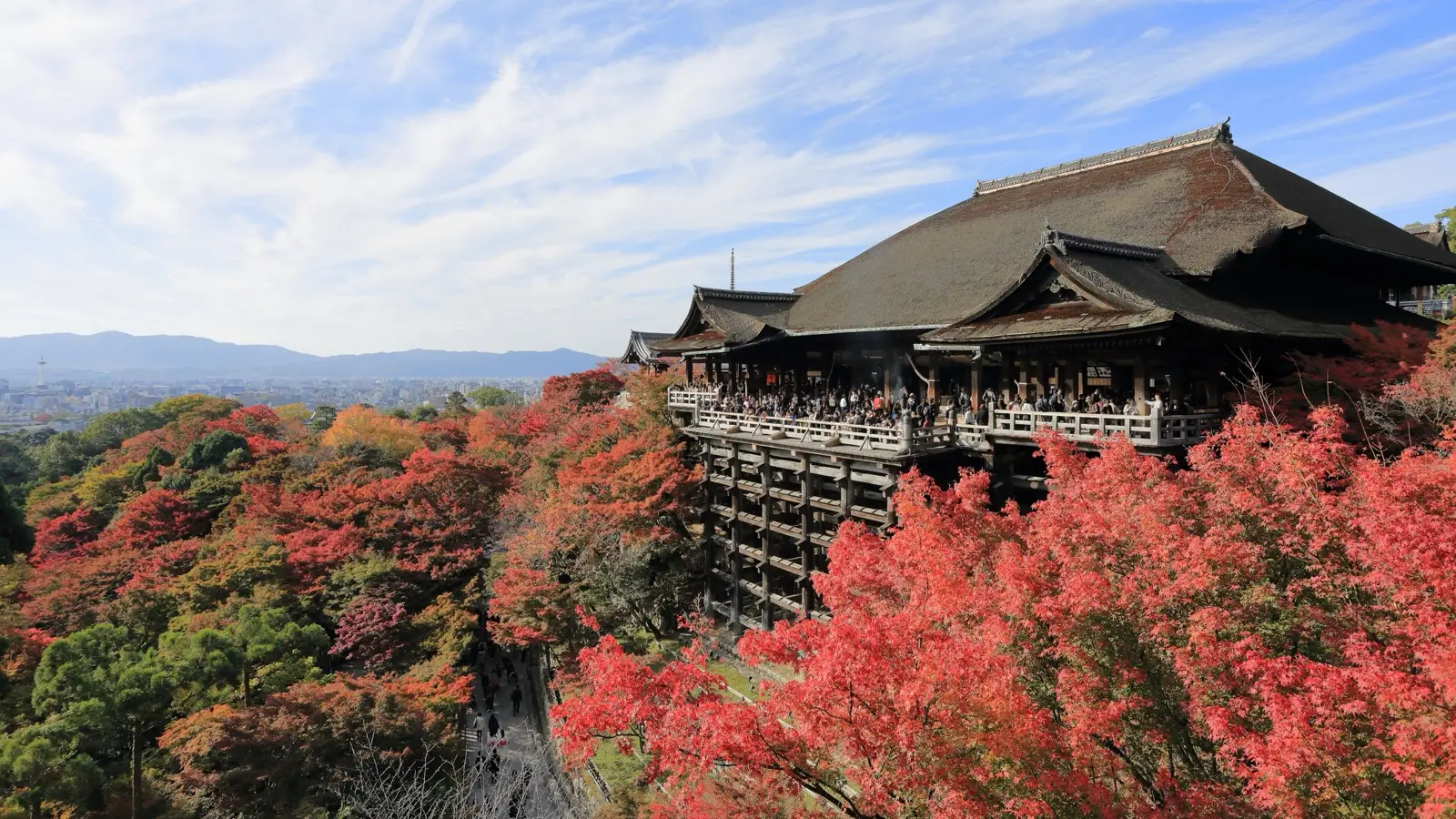
Kyoto Itinerary: Arashiyama, Gion and How to Pick a Ryokan
Kyoto compresses a millennium of Japanese aesthetic mastery. Discover how to evade bus congestion with private railways, master ryokan kaiseki booking windows, and savor early dawn stillness.
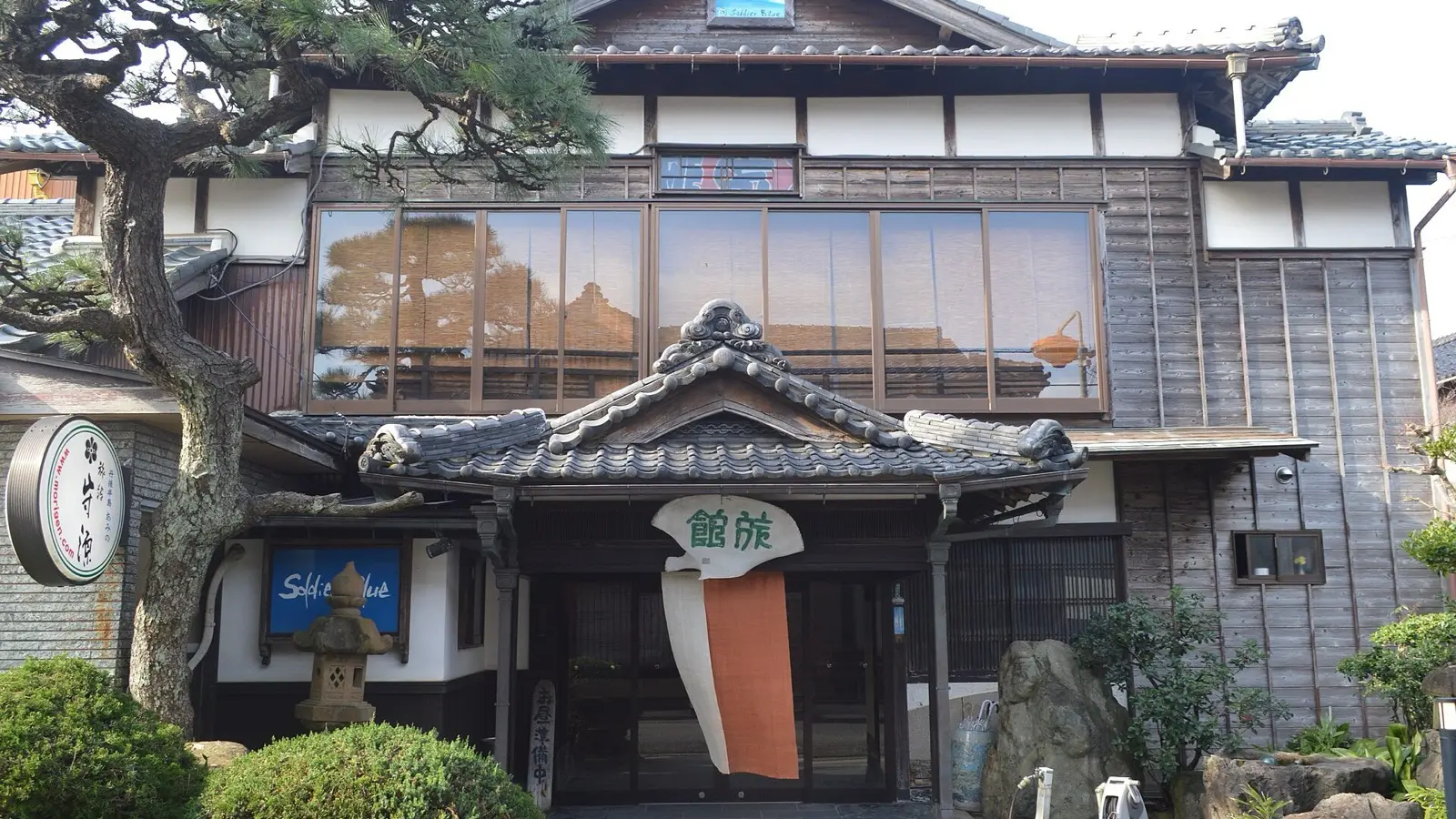
Kyoto Ryokan Prices and How to Choose: Kaiseki Terms and Machiya Stays
From hundred-year-old timber townhouses in Gion to misty Arashiyama riverside ryokan, staying in Kyoto demands cultural fluency and sharp booking discipline. An honest receipt audit covering kaiseki dinner curfews, private onsen etiquette, and avoiding dynamic pricing spikes.
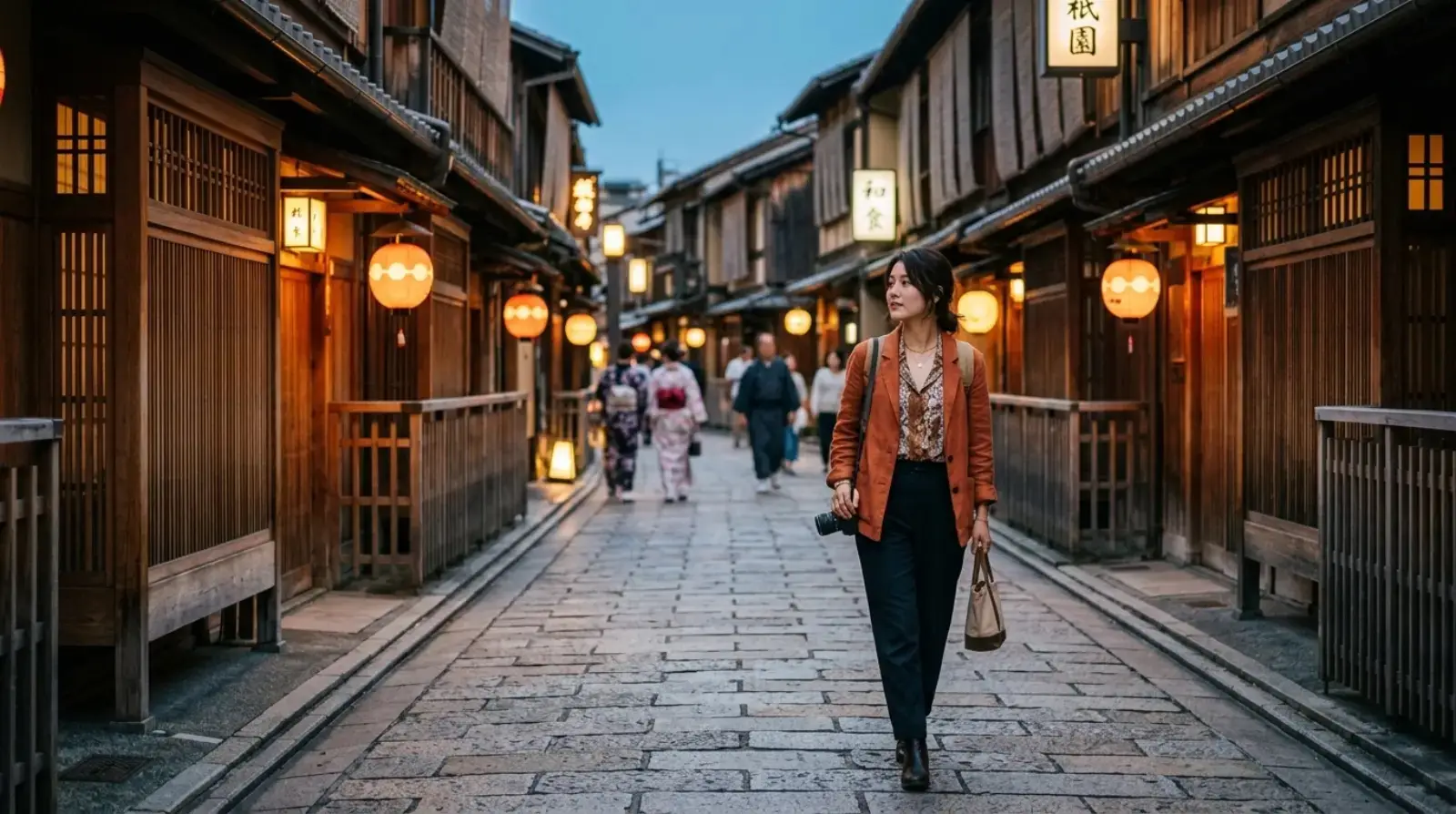
Kyoto Day 1 Itinerary: Kansai Airport to Kyoto and Your First Evening in Gion
Boarding the 75-minute Haruka Express from Kansai Airport, forwarding heavy bags straight to your hotel via Crosta at Kyoto Station, avoiding gridlocked buses using the subway, and an evening stroll through Gion to the Kamogawa. A field guide to your first 24 hours.
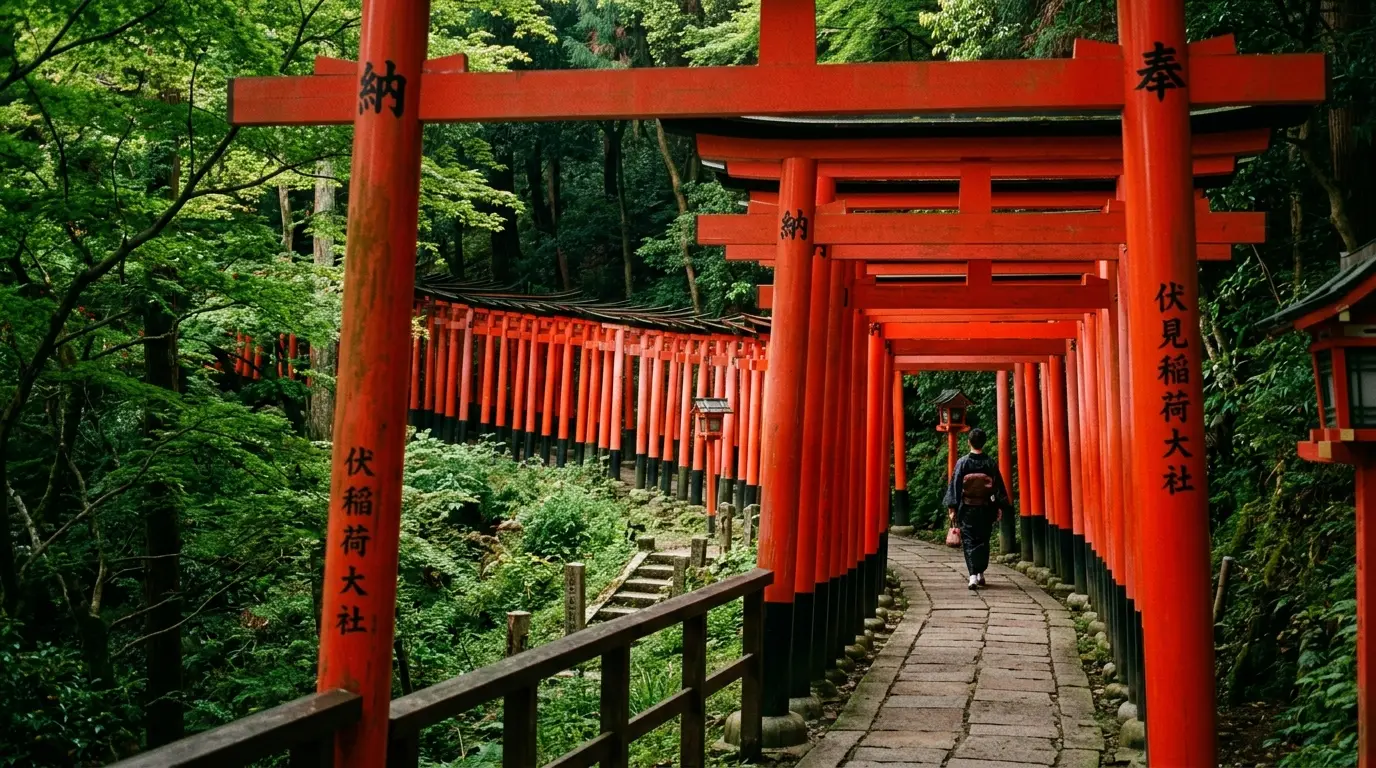
Kyoto Day 2 Itinerary: Fushimi Inari, Kiyomizu-dera, Sannenzaka and Gion
Day 2 immerses travelers into the spiritual heartbeat and preserved historic streets of Kyoto: early morning solace along thousands of vermilion torii gates at Fushimi Inari, sweeping mountain panoramas from the legendary wooden stage of Kiyomizu-dera, artisan tea shops and matcha sweets across cobblestoned Ninenzaka and Sannenzaka, followed by lantern-lit strolls in Gion Shirakawa and a refined multi-course Kaiseki dinner.
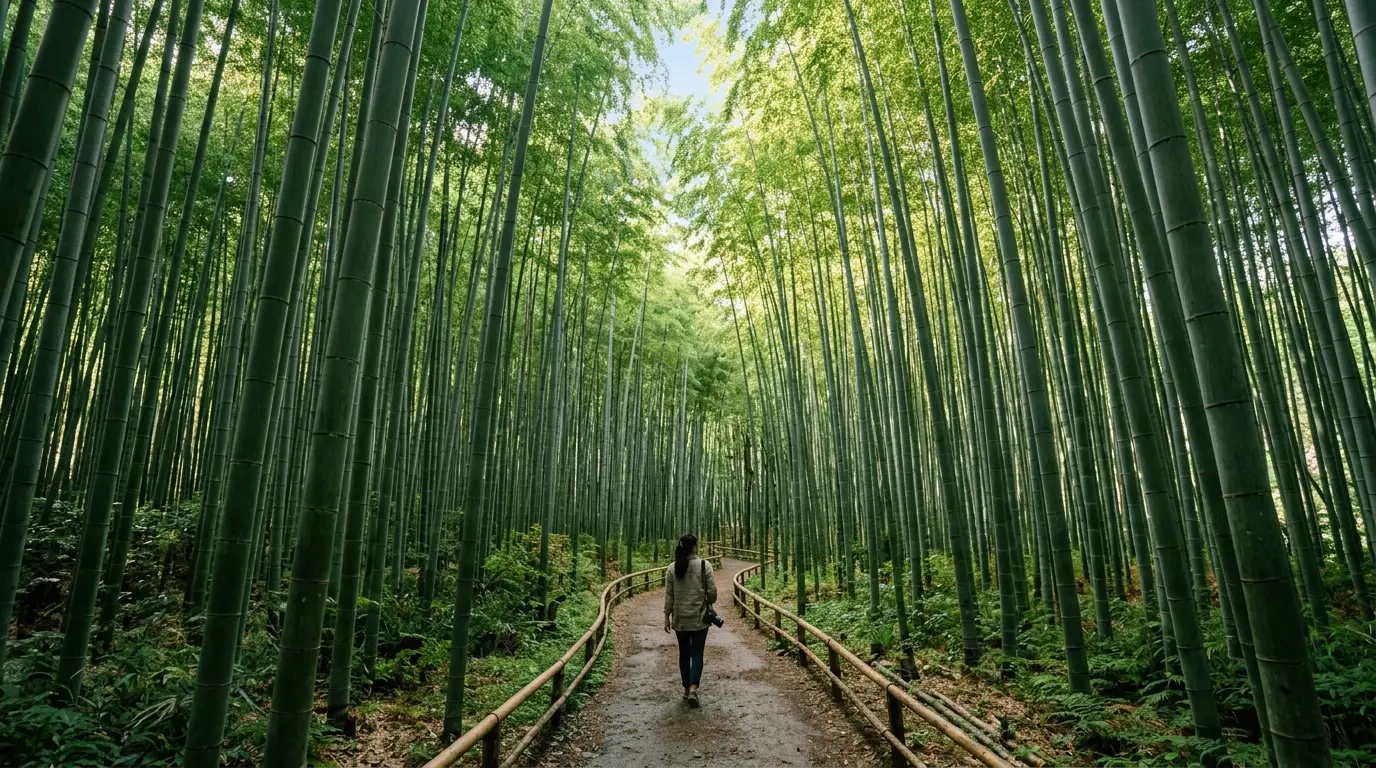
Kyoto Day 3 Itinerary: Arashiyama Bamboo Grove, Nishiki Market and the Journey Home
A sublime final chapter to your Kyoto journey: morning breezes whispering through towering emerald stalks in the Arashiyama Bamboo Grove, the UNESCO World Heritage mirror pond at Tenryu-ji, riverside specialty coffee by Togetsukyo Bridge, savory culinary treasures inside 400-year-old Nishiki Market, followed by Kyoto Station souvenir shopping and a swift 75-minute ride aboard the JR Haruka Express straight to Kansai Airport.