
Venice Burano Island Pastel Journey: The Line 12 Vaporetto, Needle Lace Artisans, and Sweet Bussolà Aromas
How foggy lagoon navigation gave birth to vivid kaleidoscopic canals, leaning bell towers, and peaceful morning strolls
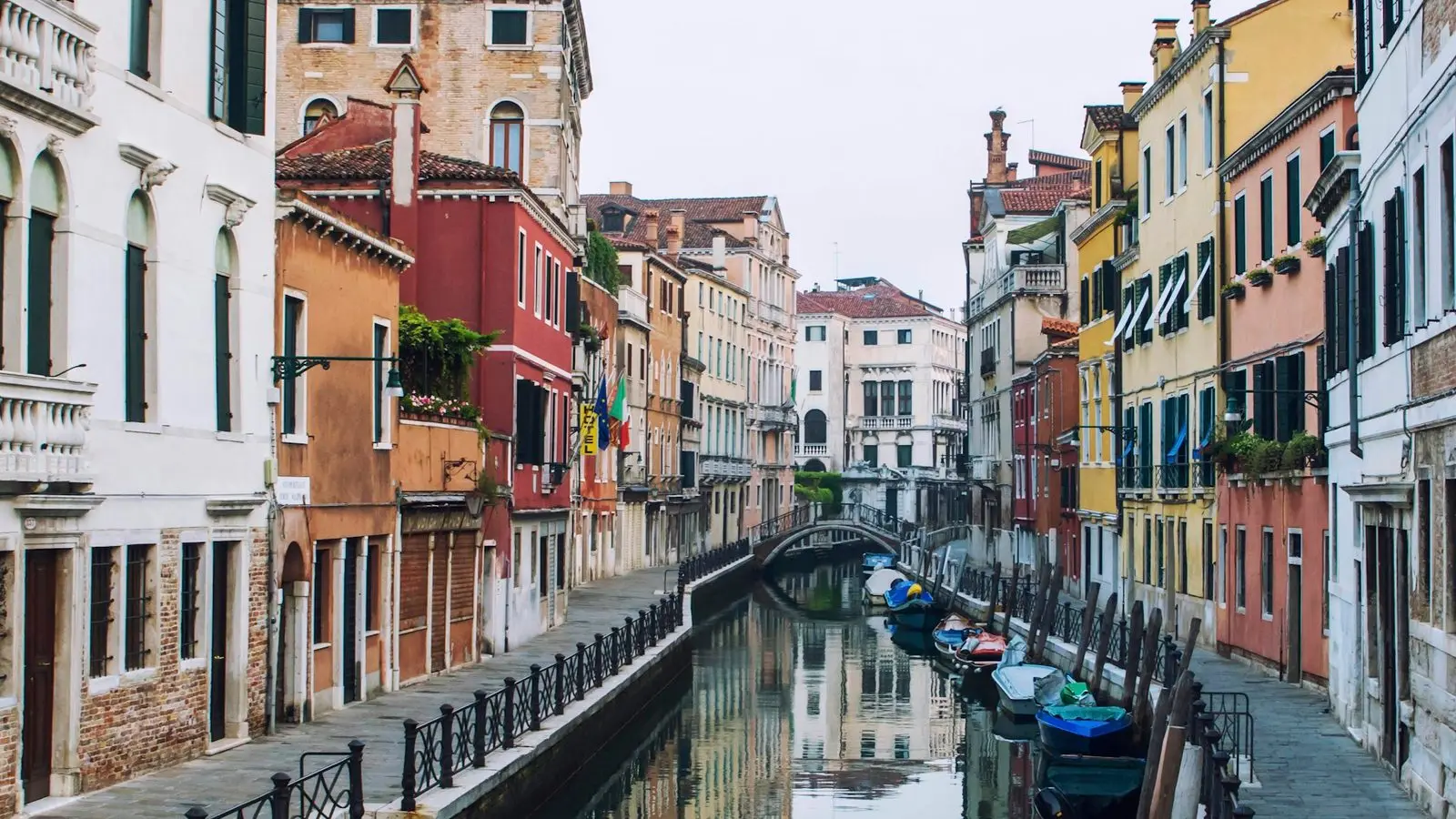
Departing Fondamente Nove: Morning Glides on Vaporetto Line 12
To experience the unhurried magic of Venice before daytime crowds envelop Saint Mark's Square, astute travelers head to the quiet northern ramparts of Fondamente Nove (F.te Nove). Catching the direct Line 12 Vaporetto at 8:00 AM opens a serene passage across northern Venetian waters.
Gliding past the glassmaking kilns of Murano, the water bus accelerates into the broad expanse of the open lagoon. Morning sea spray shimmers in the boat's wake while the distant dark cypress spires of San Michele island give way to silhouettes of the snow-capped pre-Alps.
Following a smooth 40-minute journey, vivid primary-colored roofs and an unmistakably tilted bell tower emerge on the horizon. Stepping ashore onto Burano's wooden ferry piers reveals a peaceful, gentle fishing village utterly removed from mainland hustle.
The pristine window between 9:00 AM and 11:00 AM, before day-tripper crowds arrive from Venice, represents the single golden hour to absorb Burano's authentic kaleidoscope.
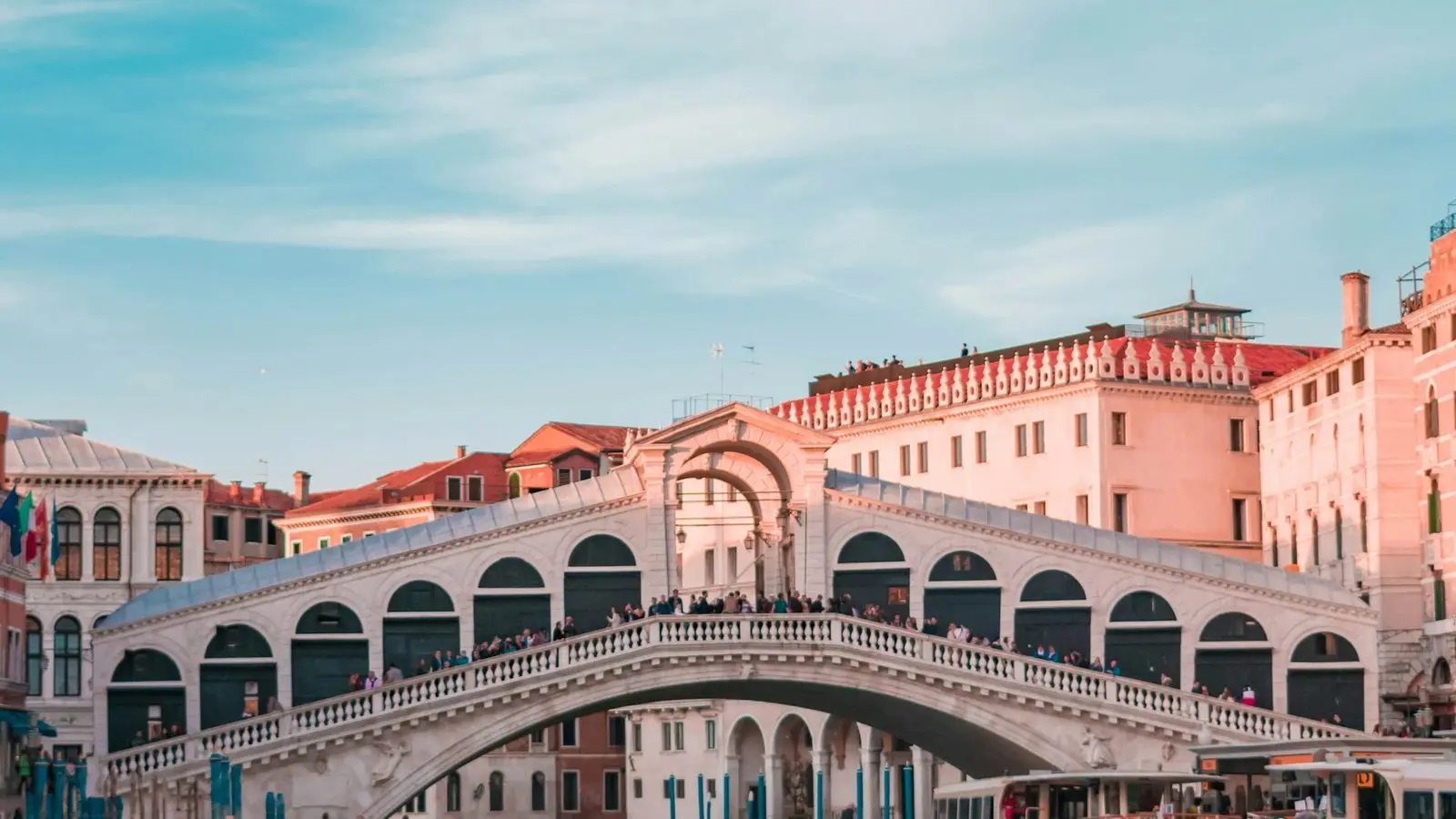
Beacons in the Mist: Kaleidoscopic Facades and Canal Aesthetics
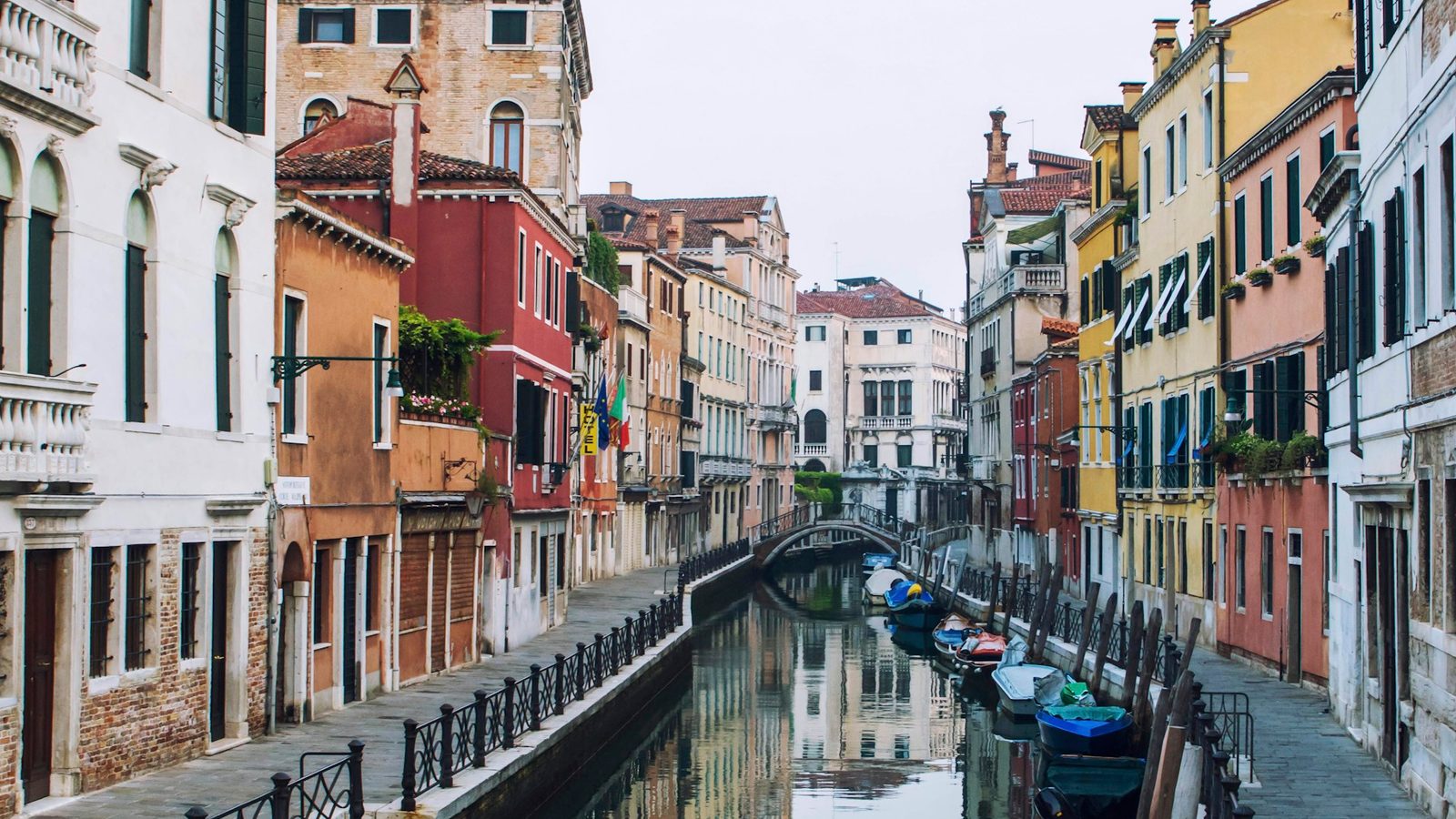
Wandering away from the ferry docks along winding canals, visitors are struck by dazzling chromatic brilliance. Emerald green, bright magenta, vivid saffron yellow, and deep cobalt facades face each other across glassy canals spanned by charming wooden bridges.
This striking rainbow aesthetic traces its origins to poignant maritime necessity. In winter, dense marine fog blankets the northern Adriatic lagoon. Local fishermen returning exhausted from overnight hauls originally painted their homes in distinctive neon primaries to identify their hearths through blinding mists.
Today, this historic legacy is rigorously preserved under municipal statutes. Homeowners wishing to repaint their exterior plaster must submit an official dossier to local authorities, who assign specific approved color codes to maintain harmonious palette distribution.
Crisp white needle-lace curtains adorning small windows, vivid drying laundry swaying gently above quiet canals, and reflections rippling in calm waters create painterly compositions at every turn.
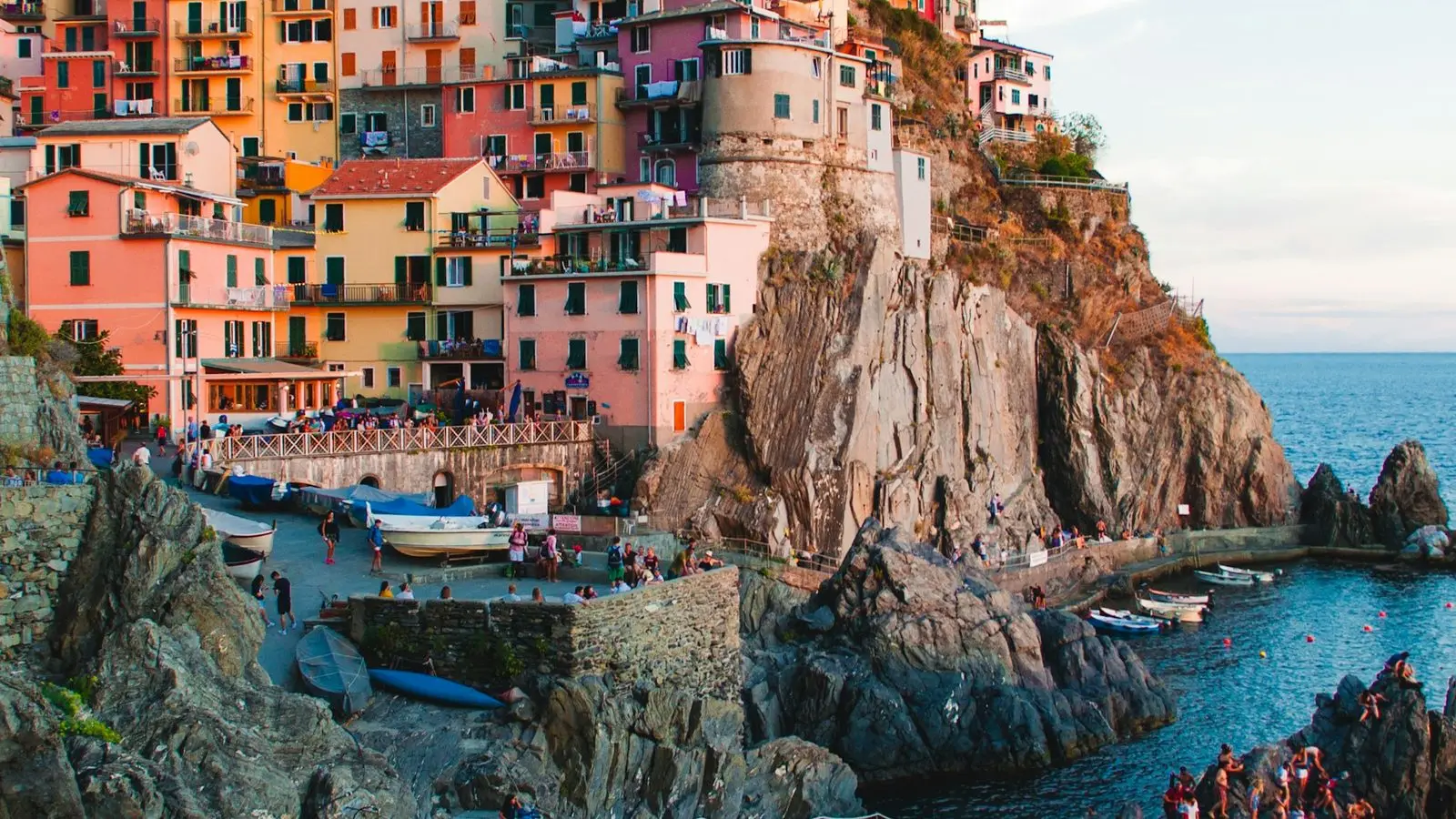
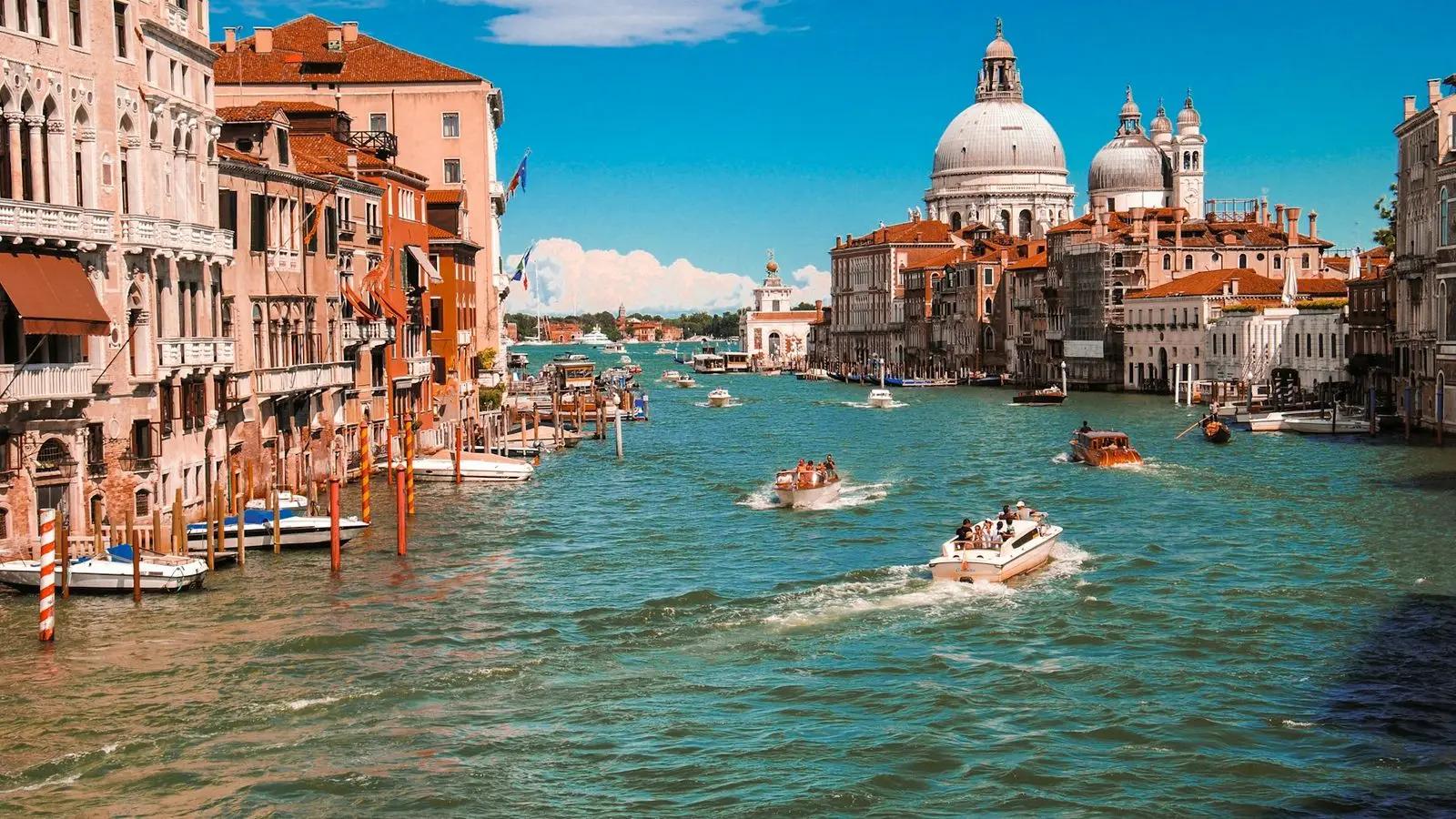
Artistry Woven from Needles: The Millennium Heritage of Burano Lace
While Burano's men ventured into rough seas to fish, the women remaining on the island transformed net-mending dexterity into one of history's most exquisite textile crafts: Punto in Aria needle lace.
During the Venetian Republic, Burano lace commanded astronomical prices across European royal courts. French King Louis XIV famously wore an ornate Burano lace collar for his coronation ceremony, crafted by island artisans across two dedicated years.
Visiting the Museo del Merletto (Lace Museum) on Piazza Galuppi showcases vintage 16th-century masterpieces alongside elderly master lacemakers practicing the craft with single needles and fine linen threads under magnifying lenses.
Be aware that inexpensive 10-euro lace souvenirs sold in souvenir stalls are modern machine-made polyester imitations. Authentic handmade Burano needle lace requires months of delicate craftsmanship, commanding higher prices and bearing official certificates of authenticity.
A Century of Baking: Historic Pasticceria Palmisano and Sweet Bussolà Biscuits
Meandering through quiet side alleys, an intoxicating aroma of warm butter and baked sugar draws you toward the heart of the island: the historic Bussolà and Esse biscuits of Burano.
Pasticceria Palmisano, founded along Via Galuppi in 1926, stands as the culinary beacon of the island. Its glass display cases showcase towering pyramids of golden ring-shaped Bussolà biscuits fresh from the oven.
Bussolà was originally baked by fishermen's wives as nutrient-dense seafaring rations. Enriched with egg yolks, butter, and lemon zest, the biscuits offer a crisp, crumbly texture bursting with warm dairy sweetness.
Ordering an espresso at an outdoor canal-side table to dip fresh Bussolà biscuits while watching traditional wooden skiffs navigate calm waters delivers an unforgettable morning sensory delight.
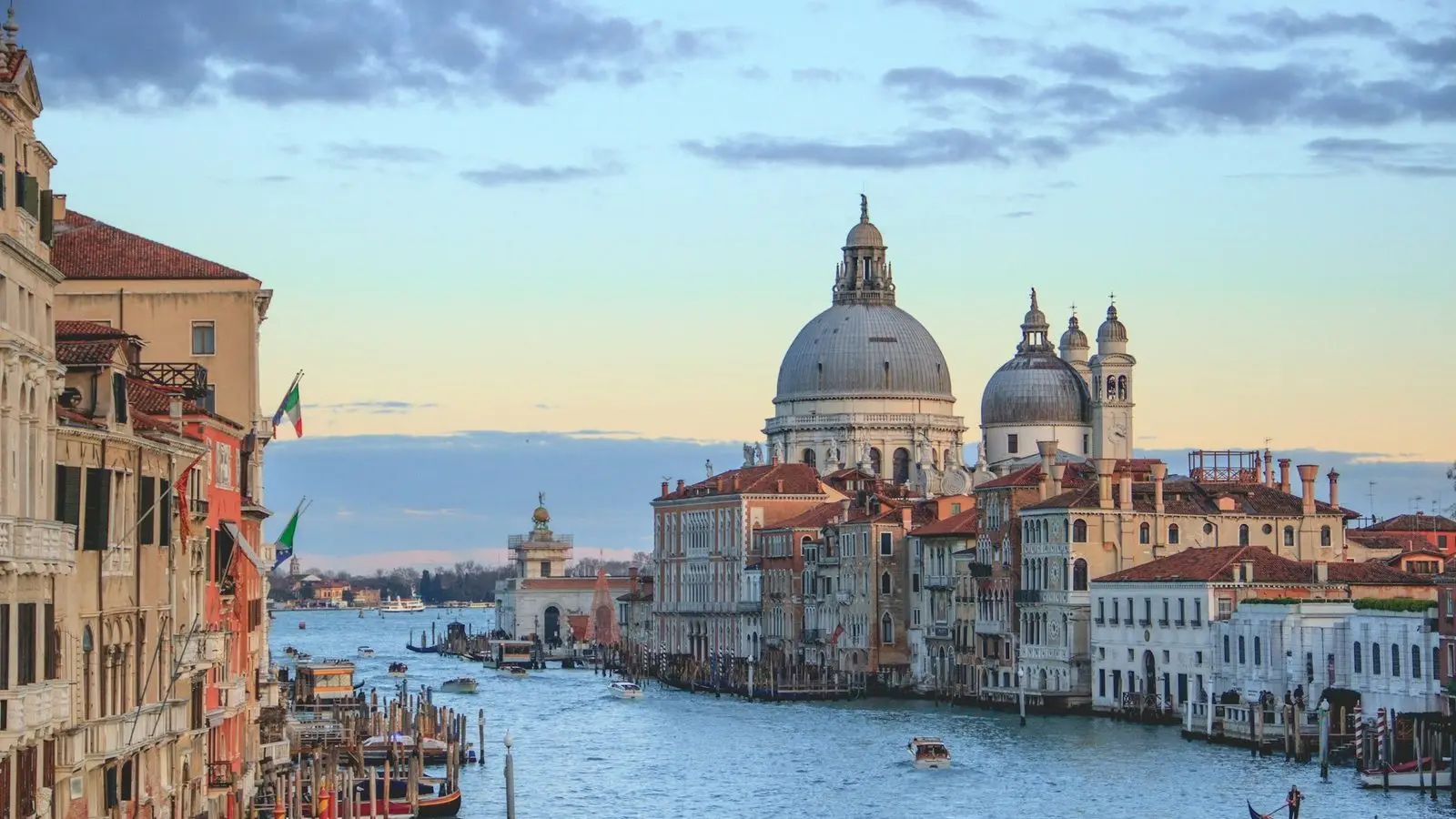
The Leaning Tower of San Martino and Beating the Return Crowds
Commanding the skyline above Piazza Galuppi stands the historic Church of San Martino. Gazing up at its 53-meter brick campanile reveals a striking architectural oddity: it leans noticeably sideways, rivaling the Leaning Tower of Pisa.
Constructed in the 16th century upon marshy silt, the foundation piles settled unevenly, tipping the summit 1.8 meters off perpendicular alignment. Framing the leaning brick tower between bright pastel cottages reflected in canal waters yields Burano's most iconic photograph.
As midday approaches, tourist ferry charters from Venice dock in droves, packing the narrow stone footpaths. Savvy travelers retreat toward the ferry terminal or cross the timber footbridge into neighboring Mazzorbo island to explore tranquil heritage vineyards.
Experiencing the stillness, vivid hues, and centuries of maritime warmth of Burano's early morning hours leaves an indelible imprint upon your Venetian memories.
Frequently Asked Questions
Field-tested answers to transit navigation, neighborhood choices, and payment traps.
Q1.Which vaporetto line goes to Burano Island and where does it depart from in Venice?
Q2.How many hours should I budget for an unhurried visit to Burano Island?
Q3.Why are the houses on Burano Island painted in such vibrant, contrasting colors?
Q4.What are the most authentic culinary and artisan souvenirs to buy on Burano?
The Smart Traveler's Essential Toolkit
Prepare instant mobile data, private airport transfers, and skip-the-line passes in one place.
Share This Guide with Your Companions
When shared via chat or social media, a curated summary card is sent along.
Recommended Guides
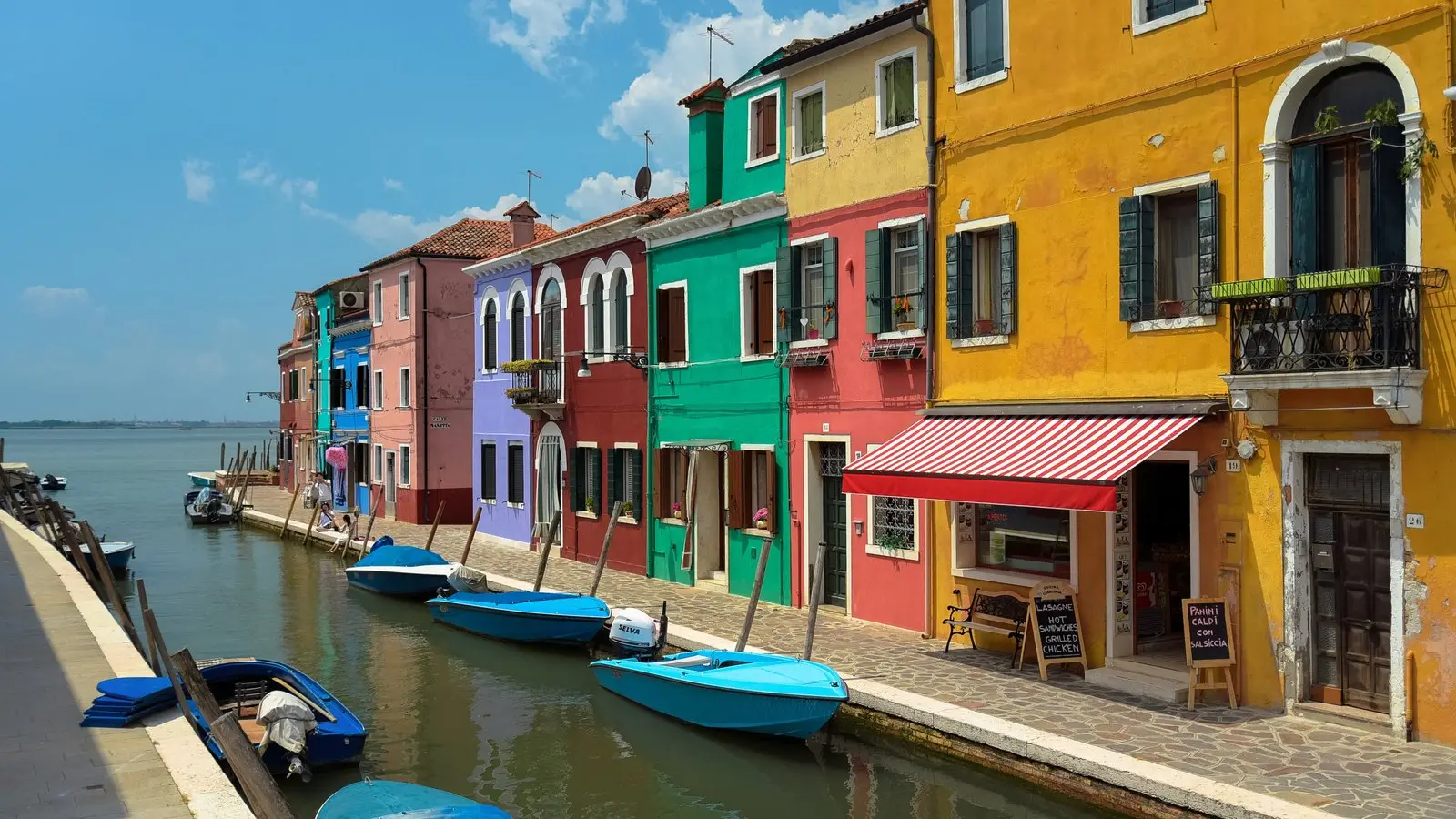
Venice Itinerary: St Mark's Square and How to Ride the Vaporetto
Master Italy's floating city: skip costly single-ride fares with timed boat passes, navigate Burano routes, discover bàcaro wine bars, and dodge hidden DCC card fees.
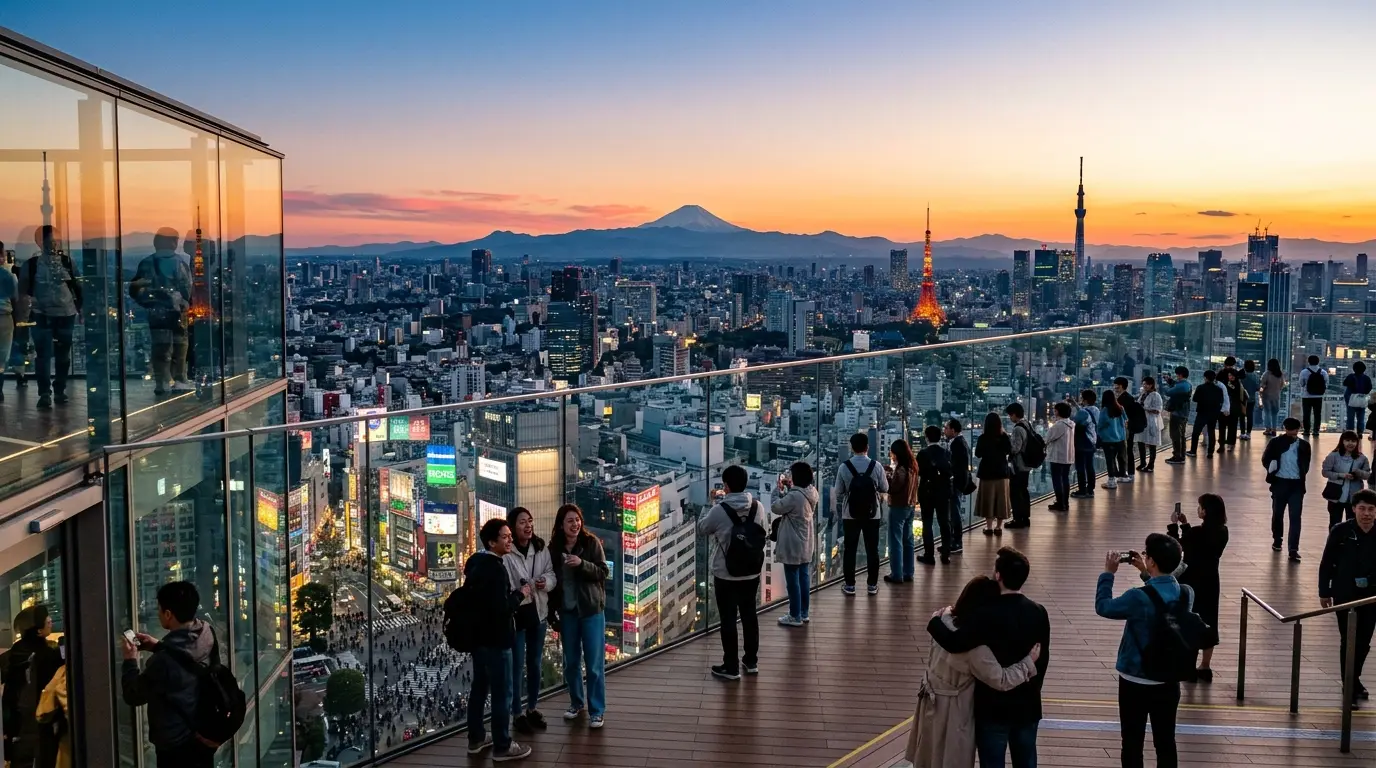
Where to Stay in Tokyo: Shinjuku vs Shibuya vs Ginza
Comparing room footprints across Shinjuku, Ginza, and Ueno, locking in sudden 14-day cancellation drops, and eliminating DCC fees with clean Yen checkout.
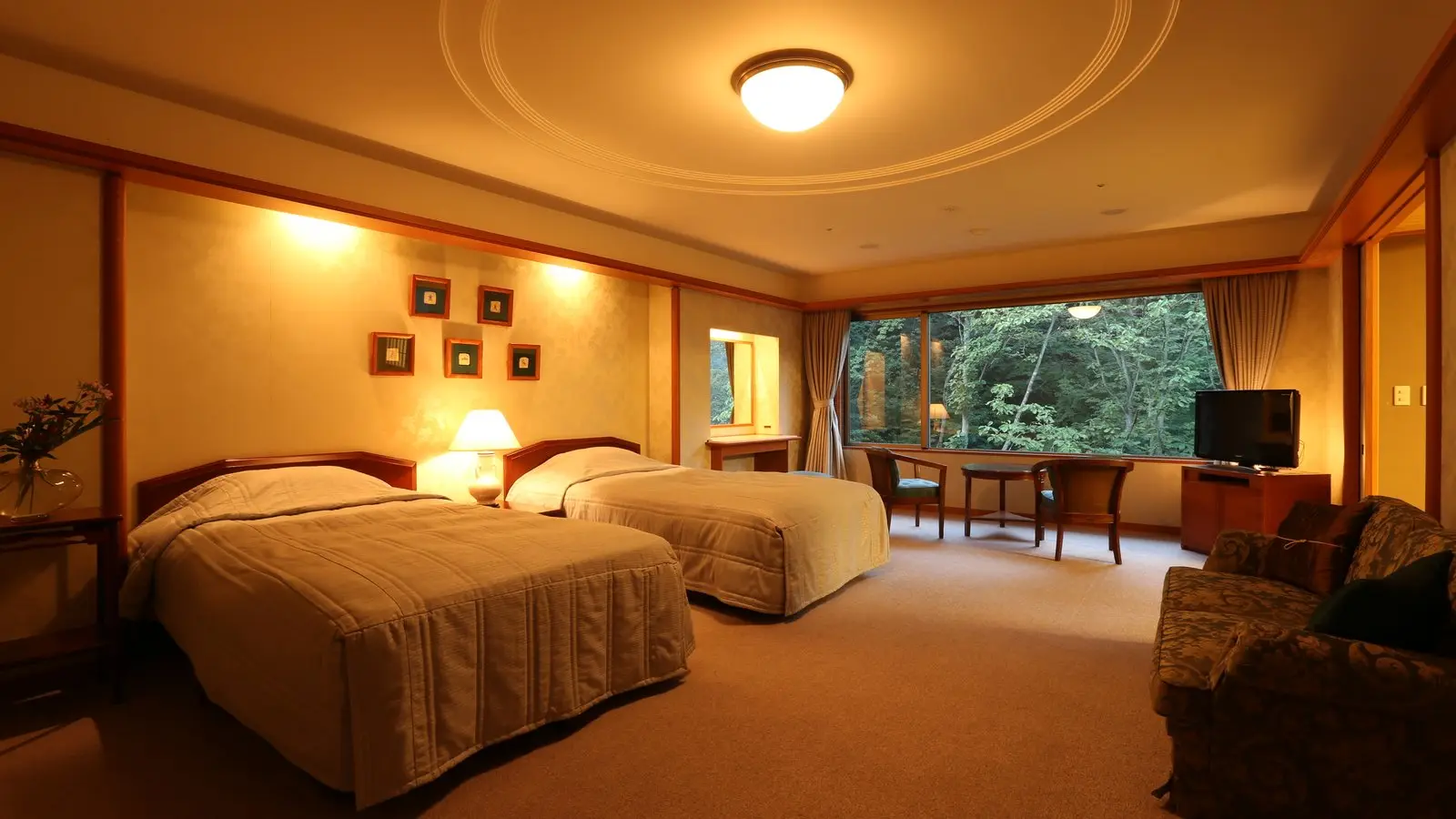
7 Budget Hotels in Tokyo Under $100 on the Yamanote Line
Even amid yen fluctuations, central Tokyo hotel rates have soared. Learn how to secure Yamanote loop line hotels at half the price of Shinjuku, compare onsen bath chains like Dormy Inn, trigger secret Agoda VIP and Booking.com Genius discounts, and dodge hidden currency fees with yen settlement.
How to Read the Tokyo Subway Map and Where to Stay on the Yamanote Line
How to choose between Keisei Skyliner and Narita Express, avoid the Tokyo Subway Ticket trap, use Apple Wallet Suica, and select the ideal hotel base in Tokyo.
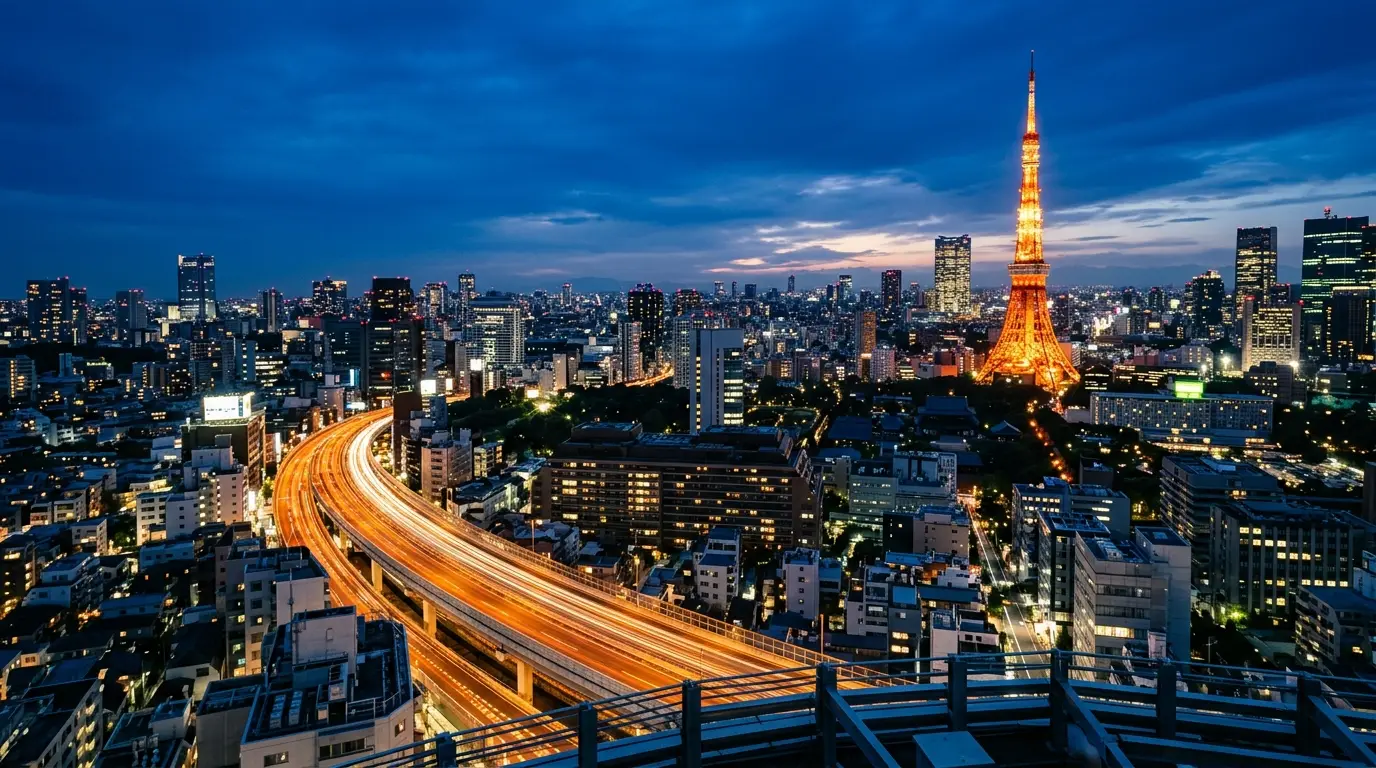
Tokyo Day 1 Itinerary: Narita Airport to the City and Your First 24 Hours
From stepping off at Narita Airport to mastering high-speed trains, navigating Tokyo's sprawling transit hubs, ordering counter ramen effortlessly, and catching sunset from Roppongi Hills. A definitive guide for your first 24 hours in Tokyo.
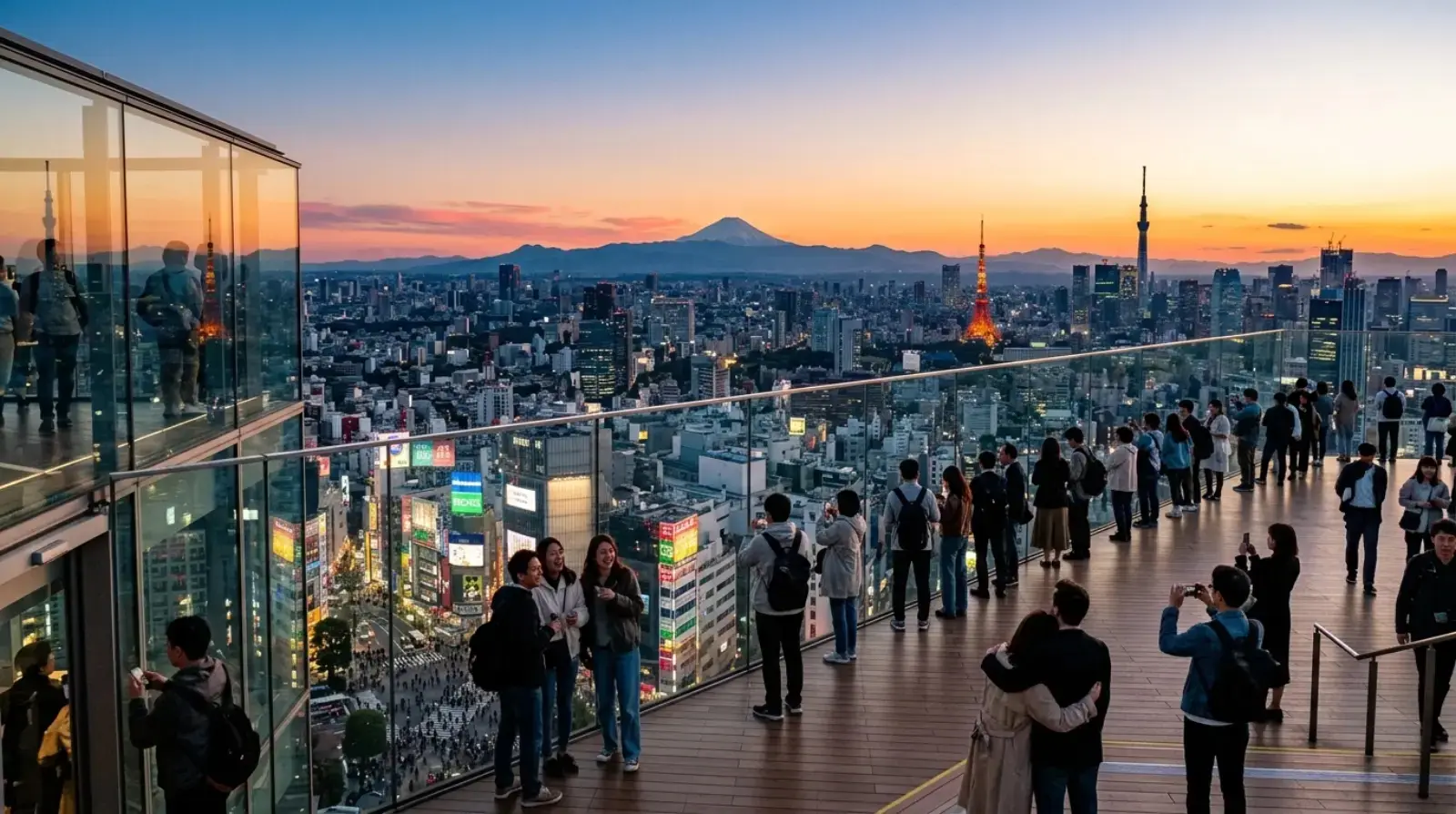
Tokyo Day 2 Itinerary: Booking Shibuya Sky, Harajuku Backstreets and Roppongi at Night
Securing prime sunset slots atop Shibuya Sky, navigating hidden boutiques along Harajuku Cat Street, immersing in the forested serenity of Meiji Jingu, and marveling at the crimson glow of Tokyo Tower from Roppongi Hills. A masterclass in Day 2 pacing.
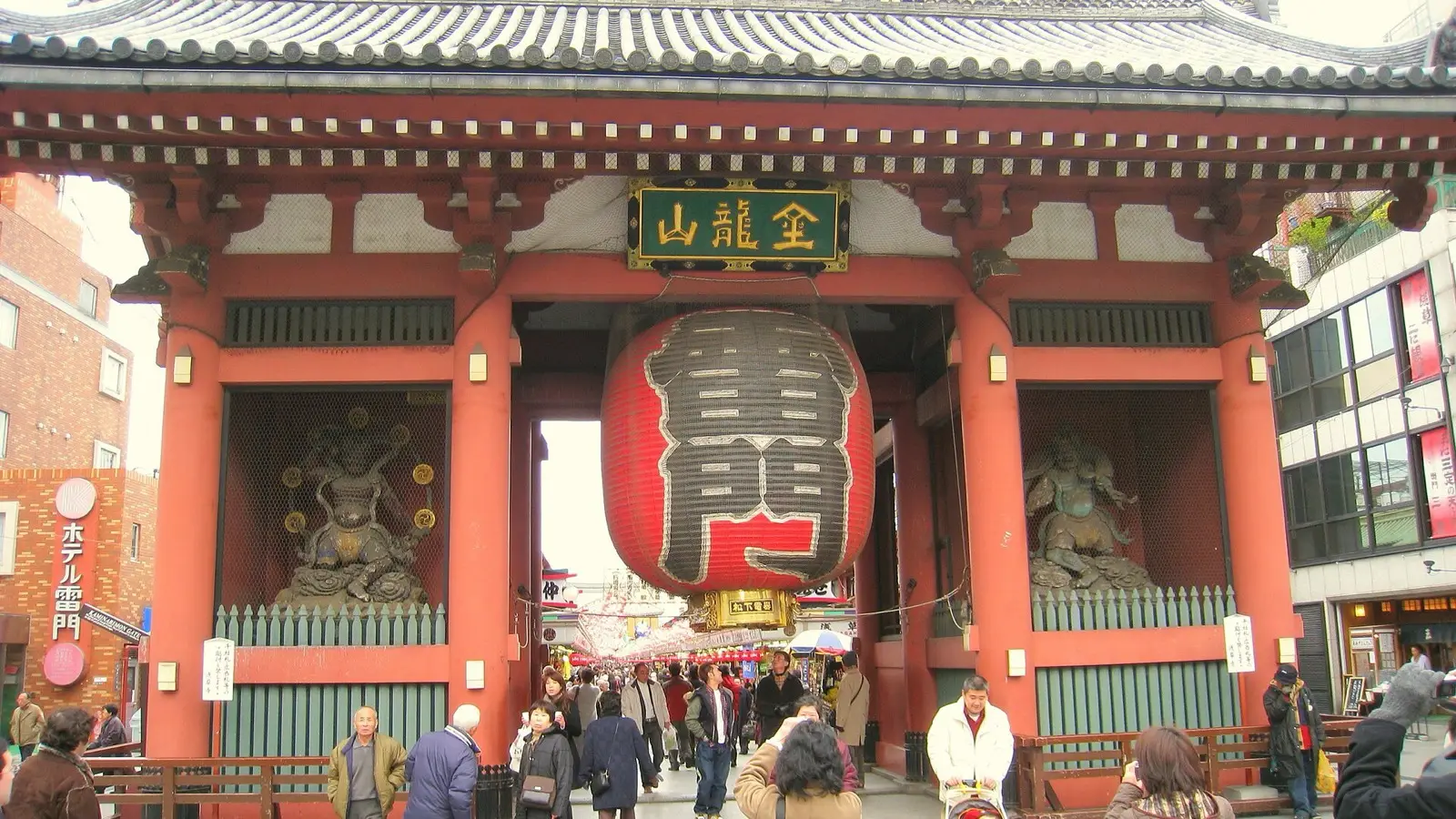
Tokyo Day 3 Itinerary: Asakusa, Akihabara, Ginza Depachika and Flying Home
The ultimate finale for your Tokyo stay: tranquil morning worship at Sensoji, retro subculture in Akihabara, Ginza Six architectural rooftop views and basement depachika feasts, capped by seamless Skyliner and N'EX airport connections.
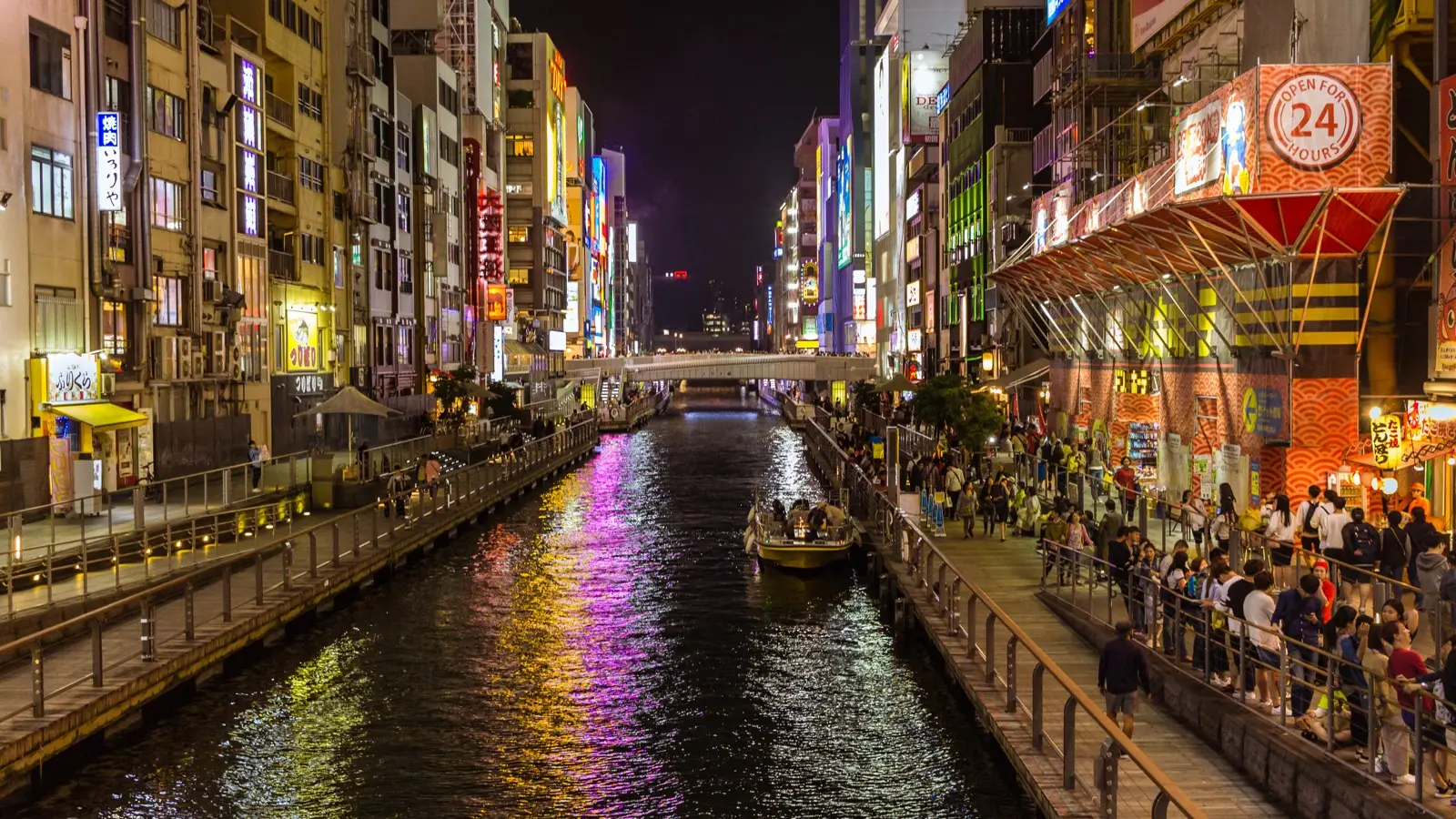
Osaka Itinerary: Dotonbori and Umeda in Two Nights
Osaka is Japan culinary powerhouse where feasting is an art. Navigate Rapi:t airport transfers, Namba vs Umeda hotels, and street food corridors with veteran precision.
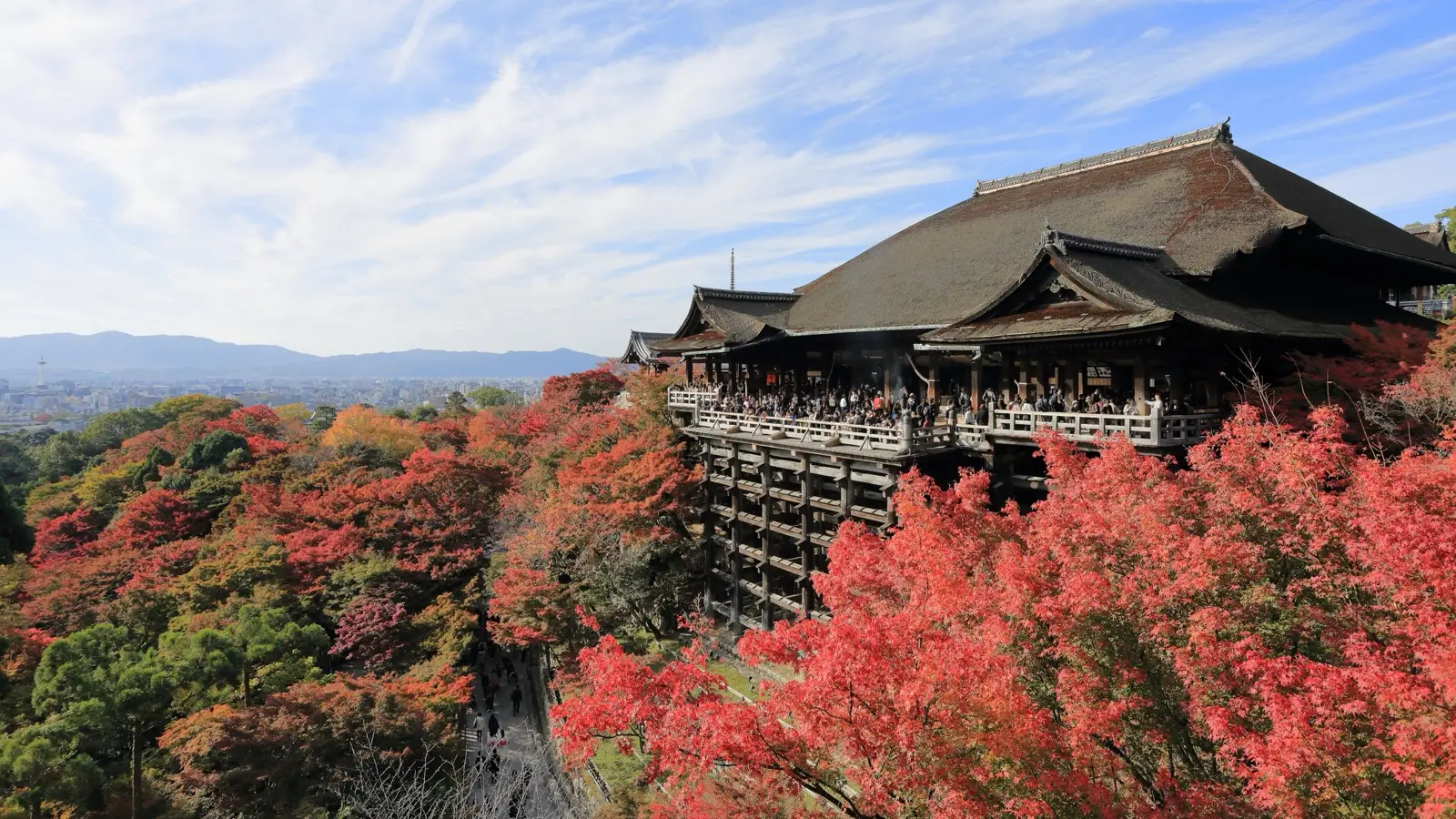
Kyoto Itinerary: Arashiyama, Gion and How to Pick a Ryokan
Kyoto compresses a millennium of Japanese aesthetic mastery. Discover how to evade bus congestion with private railways, master ryokan kaiseki booking windows, and savor early dawn stillness.
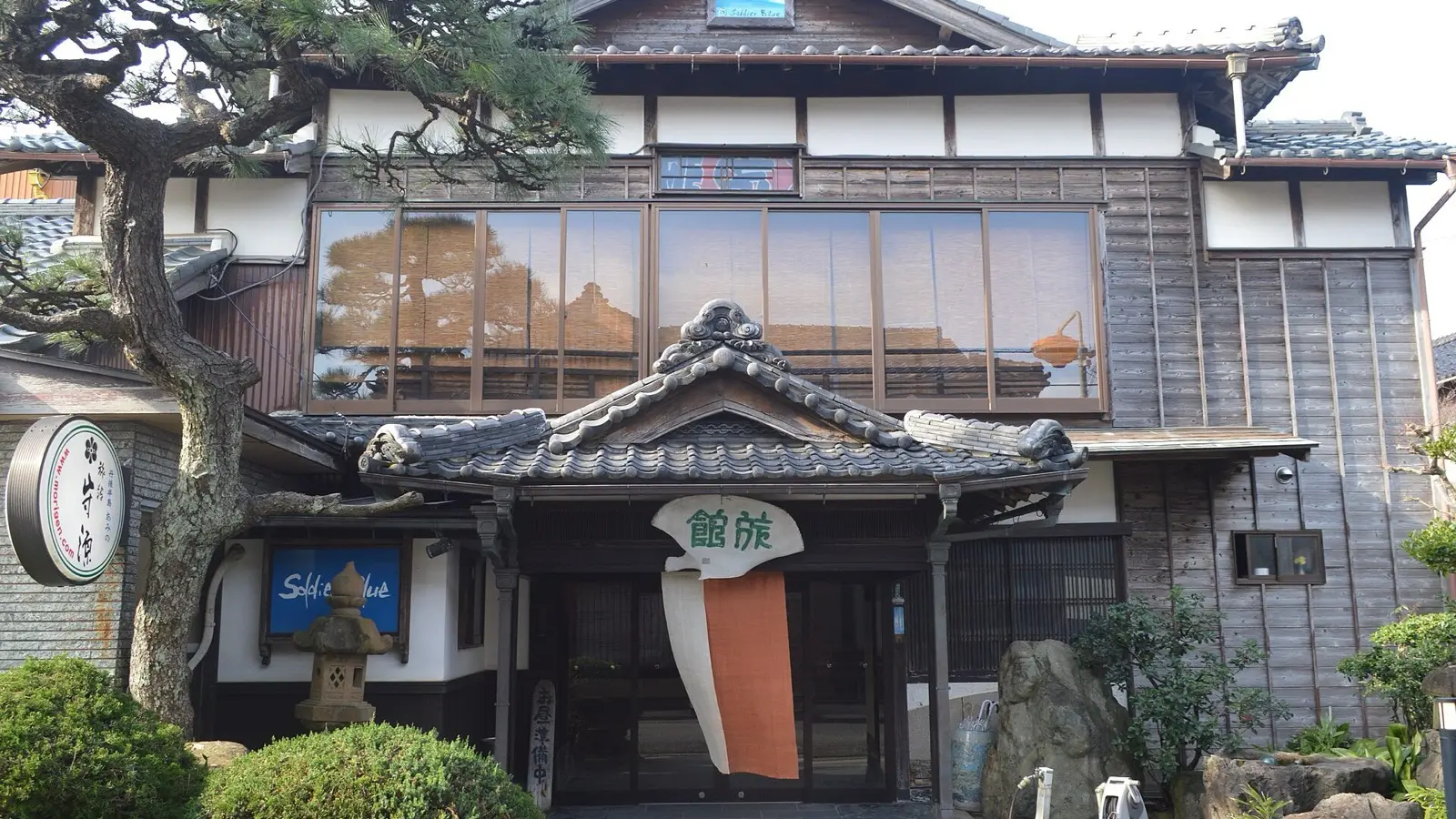
Kyoto Ryokan Prices and How to Choose: Kaiseki Terms and Machiya Stays
From hundred-year-old timber townhouses in Gion to misty Arashiyama riverside ryokan, staying in Kyoto demands cultural fluency and sharp booking discipline. An honest receipt audit covering kaiseki dinner curfews, private onsen etiquette, and avoiding dynamic pricing spikes.
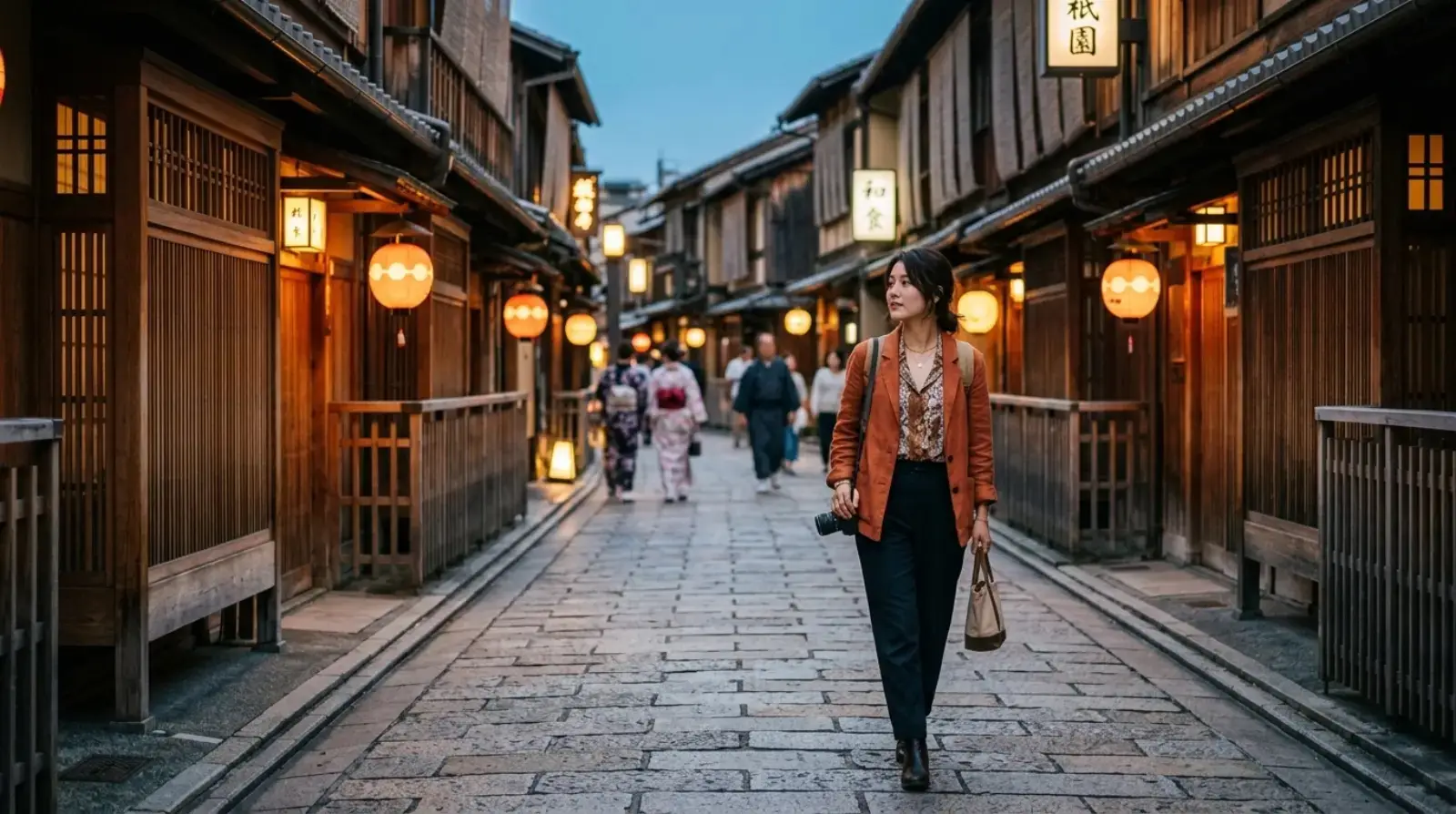
Kyoto Day 1 Itinerary: Kansai Airport to Kyoto and Your First Evening in Gion
Boarding the 75-minute Haruka Express from Kansai Airport, forwarding heavy bags straight to your hotel via Crosta at Kyoto Station, avoiding gridlocked buses using the subway, and an evening stroll through Gion to the Kamogawa. A field guide to your first 24 hours.
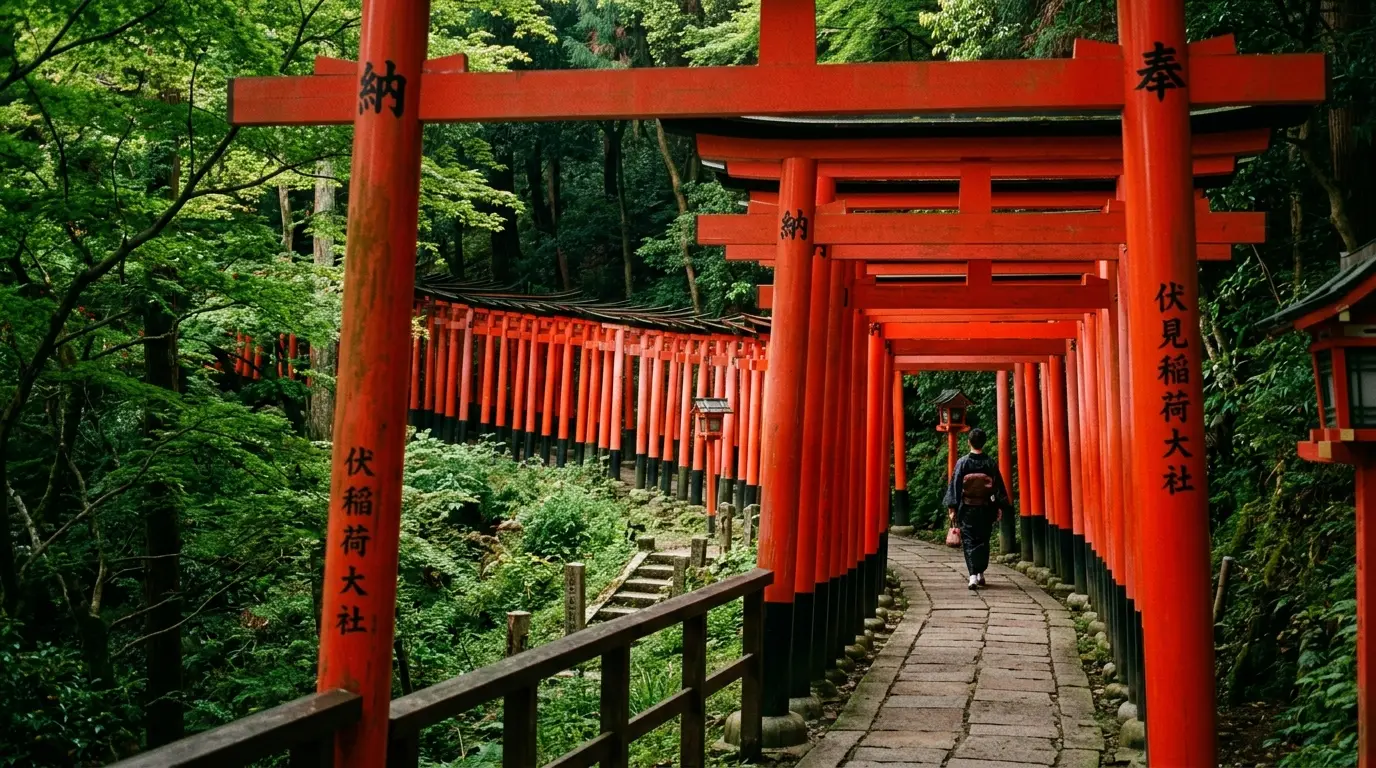
Kyoto Day 2 Itinerary: Fushimi Inari, Kiyomizu-dera, Sannenzaka and Gion
Day 2 immerses travelers into the spiritual heartbeat and preserved historic streets of Kyoto: early morning solace along thousands of vermilion torii gates at Fushimi Inari, sweeping mountain panoramas from the legendary wooden stage of Kiyomizu-dera, artisan tea shops and matcha sweets across cobblestoned Ninenzaka and Sannenzaka, followed by lantern-lit strolls in Gion Shirakawa and a refined multi-course Kaiseki dinner.