
Florentine Soul Stroll: Oltrarno Leather Ateliers, Boboli Greenery, and Piazza Santo Spirito Enotecas
Cross the Arno River to escape Duomo tourist crowds and discover true Renaissance craftsmanship and neighborhood enotecas.
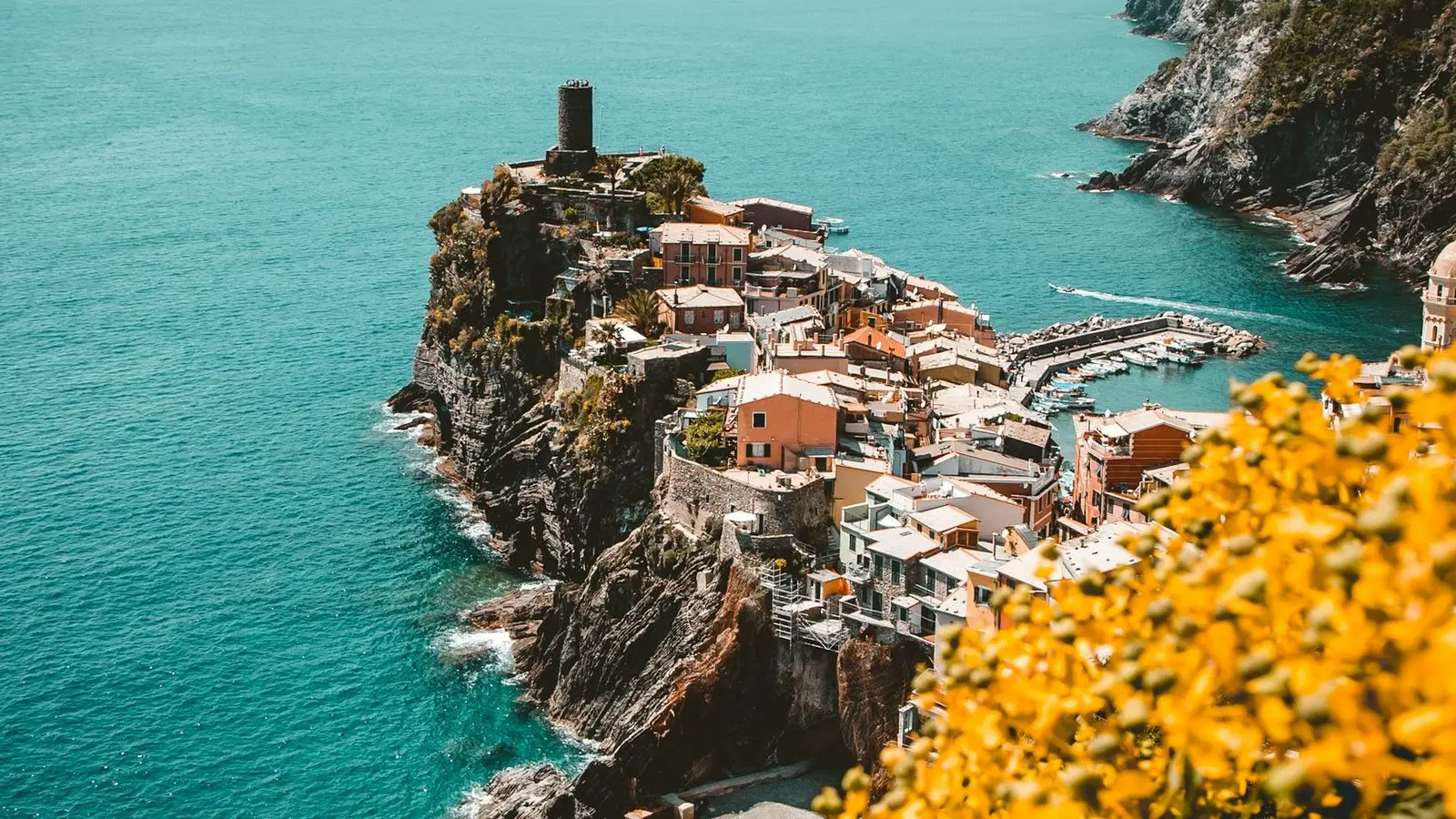
Crossing the Ponte Vecchio: Transitioning from Commerce to Craft
The celebrated spans of Florence's Ponte Vecchio remain perpetually congested with international sightseers admiring glittering gold display cases. Yet the instant your footsteps clear the bridge's southern stone buttress onto ancient paving stones, commercial chatter evaporates into tranquil, golden-hued neighborhood calm: welcome to historic Oltrarno.
Literally translating to 'Beyond the Arno,' Oltrarno historically housed ironmongers, leather tanners, and carpenters serving humble domestic needs rather than the ostentatious courtly displays of the Medici Duomo quarter. Defined by rusticated sandstone palazzos and weathered wooden shutters, these lanes preserve an unbroken five-hundred-year continuum of daily life.
Strolling down Via de' Guicciardini, the air quickly fills with the rich, earthy fragrance of vegetable-tanned leather mingled with aged timber shavings. Through modest storefront windows, master shoemakers in linen aprons sit with leather hides balanced across their knees, punching awls with practiced patience.
For travelers fatigued by mass-produced luxury brands, Oltrarno is an authentic craft sanctuary. Commissioning a bespoke leather wallet or handcrafted belt while conversing directly with the artisan embodies the finest cultural intimacy Florence can bestow.
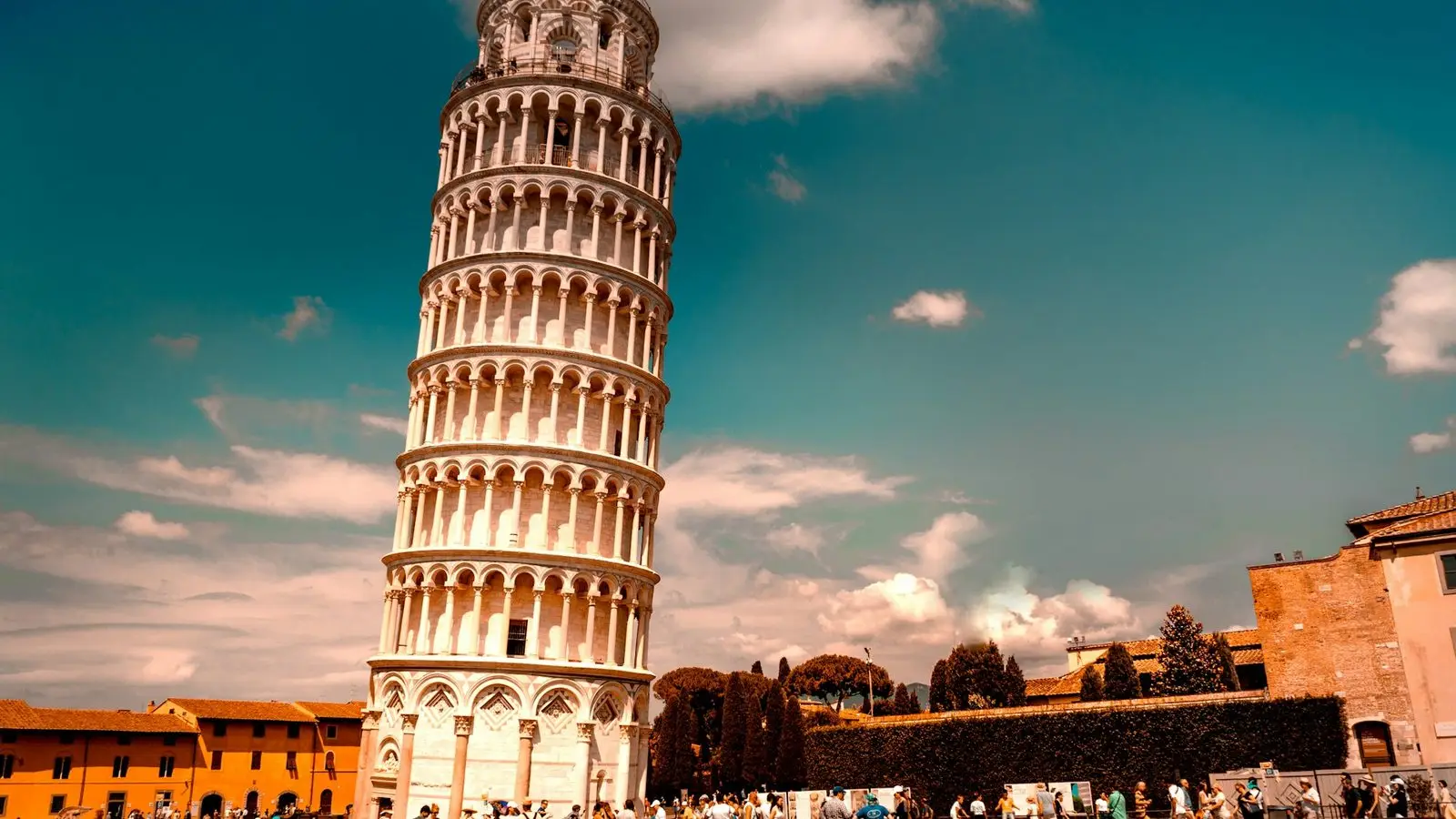
Piazza Santo Spirito and Brunelleschi's Hidden Basilica: The Local Living Room
The beating pulse of Oltrarno centers on Piazza Santo Spirito. In stark contrast to the Duomo's towering marble facade, this intimate public square frames unadorned ochre townhouses, functioning as the genuine communal living room of local Florentines.
At the foot of the central stone fountain, morning markets sprout with seasonal Tuscan produce, while weekends bring collectors hunting vintage leather-bound volumes and antique brass candleholders. Neighborhood elders read morning papers beside cafe terraces over steaming espresso cups, radiating the timeless ease of Tuscan life.
Dominating the northern edge stands the Basilica di Santo Spirito, the final architectural masterpiece designed by Filippo Brunelleschi, creator of the Duomo dome. While its exterior remains an unembellished plaster wall, stepping across the threshold reveals 38 monumental Corinthian stone columns in flawless mathematical harmony, alongside an exquisite wooden crucifix sculpted by Michelangelo during his youth.
Pausing inside this serene, admission-free sanctuary to absorb pure Renaissance spatial symmetry provides profound artistic meditation far removed from crowded museum turnstiles.


Antique Curiosities on Via Maggio and Living Leather Ateliers
Departing the square leads into Via Maggio, which flourished as Florence's premier aristocratic boulevard when the Grand Dukes relocated their primary court to the Pitti Palace in the 16th century. Grand palazzos bearing weathered stone family crests line both sides, now hosting premier antique dealerships and classical antiquarian bookshops.
Ducking into intersecting lanes like Via dei Serragli reveals working master ateliers. Leather crafters here strictly reject industrial chromium tanning, exclusively embracing traditional Vacchetta leather vegetable-tanned with organic extracts from chestnut and mimosa bark.
Over months of use, Vacchetta leather deepens from pale tan into a rich amber patina, recording the owner's journeys across its supple surface. Opening hand-bound travel journals reveals Italian deckled paper trimmed with hand-swirled Florentine marbled sheets, celebrating dedication to tangible craft.
These workshops operate as creative ateliers rather than standard shops. Stepping quietly inside and offering a respectful greeting frequently prompts artisans to pause their work, proudly demonstrating wooden burnishing tools and historic bookbinding presses.
The Terraced Greenery of Boboli Gardens and Twilight at Forte di Belvedere
After exploring artisan alleys, cross toward the massive rusticated stone facade of Palazzo Pitti, leading directly into the sprawling terraced sanctuary of the Boboli Gardens. Conceived for the Medici dynasty, this expansive hillside landscape represents the pinnacle of Italian Renaissance garden design.
Wandering along uphill avenues bordered by towering Italian cypress trees, classical marble statues, and grottoes completely insulates visitors from urban traffic. Reaching the porcelain museum terrace at the garden's crest rewards hikers with sweeping panoramas of terracotta rooftops framed by rolling Tuscan hills.
Exiting eastward brings travelers to Forte di Belvedere, an insider twilight vantage point free from the bus tour crowds congesting Piazzale Michelangelo. Leaning against weathered stone ramparts, sightseers enjoy unimpeded views of the Arno reflecting pastel sunset skies.
As golden hour illuminates Brunelleschi's dome and the arches of the Ponte Vecchio in honeyed warmth, gazing down from Oltrarno's hill provides an unforgettable poetic climax to your Florentine journey.

Twilight in Santo Spirito: Chianti Classico and Bistecca alla Fiorentina
As dusk falls across the city, Oltrarno assumes an atmospheric, convivial rhythm. While mainstream tour crowds funnel into tourist restaurants in central districts, local Florentines gather casually around outdoor tables in Piazza Santo Spirito.
Down neighboring alleys, wood-fired grills sizzle inside heritage trattorias. Florence's culinary centerpiece, the massive Bistecca alla Fiorentina, arrives at the table: seared crisp over glowing embers while remaining tender, rosy, and juicy within, perfectly matched with structured Chianti Classico wine.
Following dinner, procure a scoop of dark chocolate and pistachio gelato from a neighborhood gelateria before joining locals congregating around the fountain. Acoustic guitar melodies strummed by street musicians blend with relaxed conversation under warm streetlight.
Florence's enduring magic extends far beyond textbook museum masterpieces. Crossing the river to walk ancient flagstones, watch master craftspeople at work, and toast rustic wineglasses in open squares reveals the city's truest, most generous soul.
Frequently Asked Questions
Field-tested answers to transit navigation, neighborhood choices, and payment traps.
Q1.Is the Oltrarno district walkable from Florence Santa Maria Novella (SMN) Station?
Q2.How can I distinguish authentic artisanal leather goods in Oltrarno from mass-market souvenirs?
Q3.How much time should I dedicate to exploring Palazzo Pitti and Boboli Gardens?
Q4.What is the best way to enjoy an aperitivo and dinner like a local around Piazza Santo Spirito?
The Smart Traveler's Essential Toolkit
Prepare instant mobile data, private airport transfers, and skip-the-line passes in one place.
Share This Guide with Your Companions
When shared via chat or social media, a curated summary card is sent along.
Recommended Guides
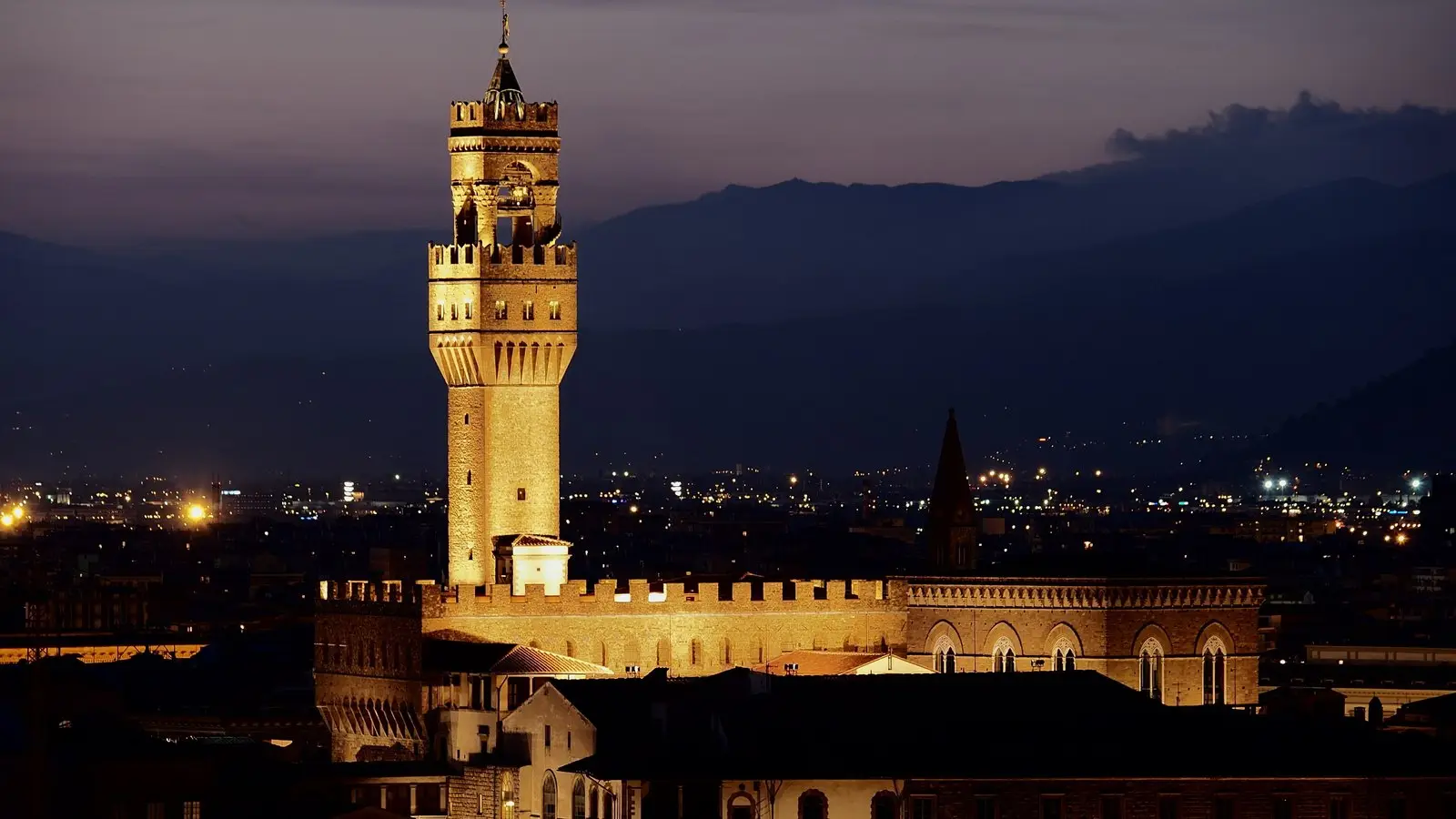
Florence Itinerary: Booking the Duomo Dome and the Uffizi
Navigate the cradle of the Renaissance: skip-the-line museum tickets, 463-step Duomo climbs, artisan Oltrarno stays, and DCC credit card savings.
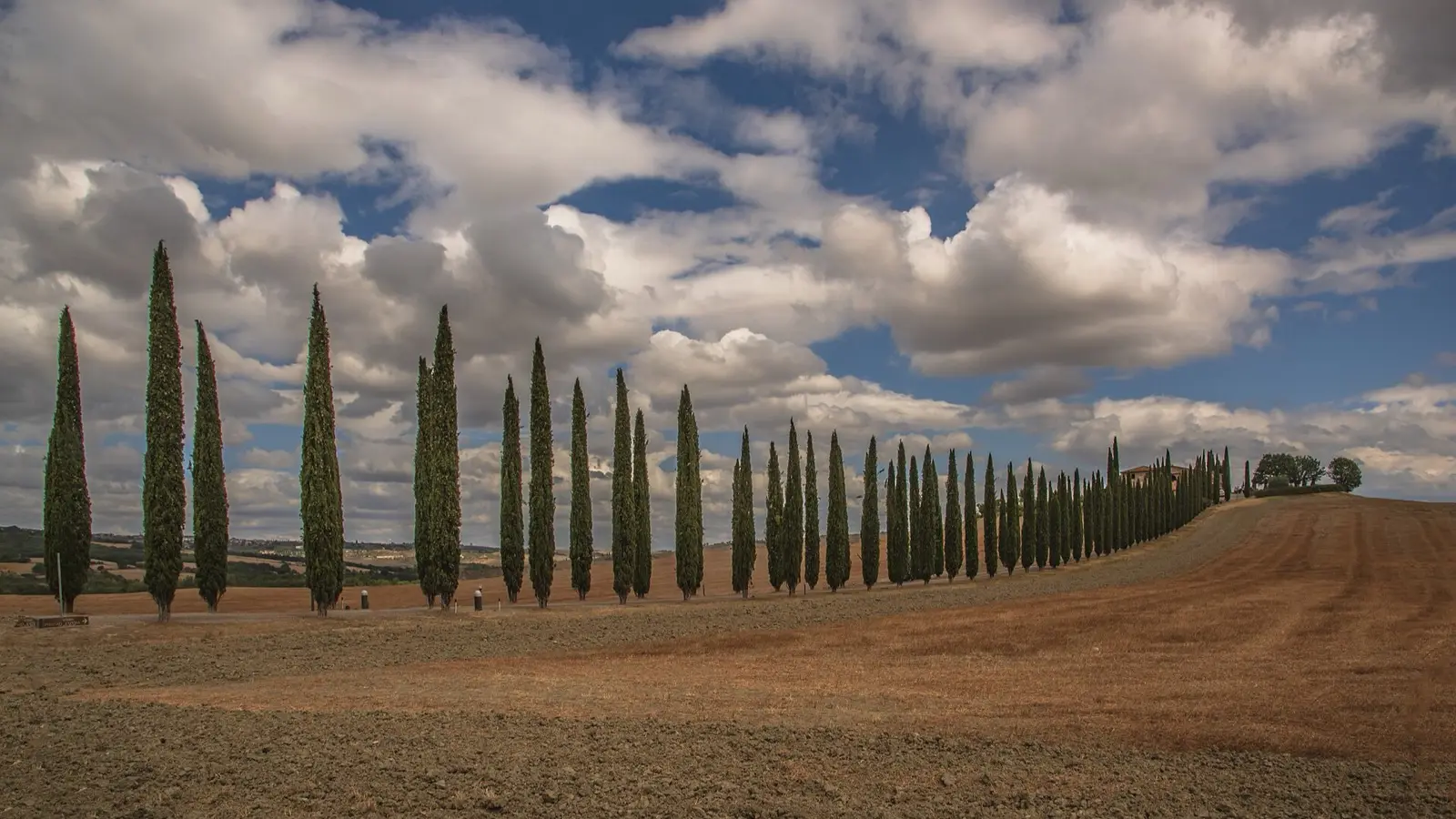
Tuscany Driving Route: Val d'Orcia and Pienza as a Day Trip
Leaving behind the bustling Renaissance galleries of Florence, cruising south along scenic highway SR2 reveals the breathtaking golden panoramas of UNESCO-listed Val d'Orcia. From postcard-perfect cypress avenues curving over undulating hills and the 15th-century humanist dream town of Pienza filled with savory Pecorino scents, to rustic evenings tasting Chianti on a sunlit agriturismo terrace, this journey captures the timeless essence of road tripping across rural Tuscany.
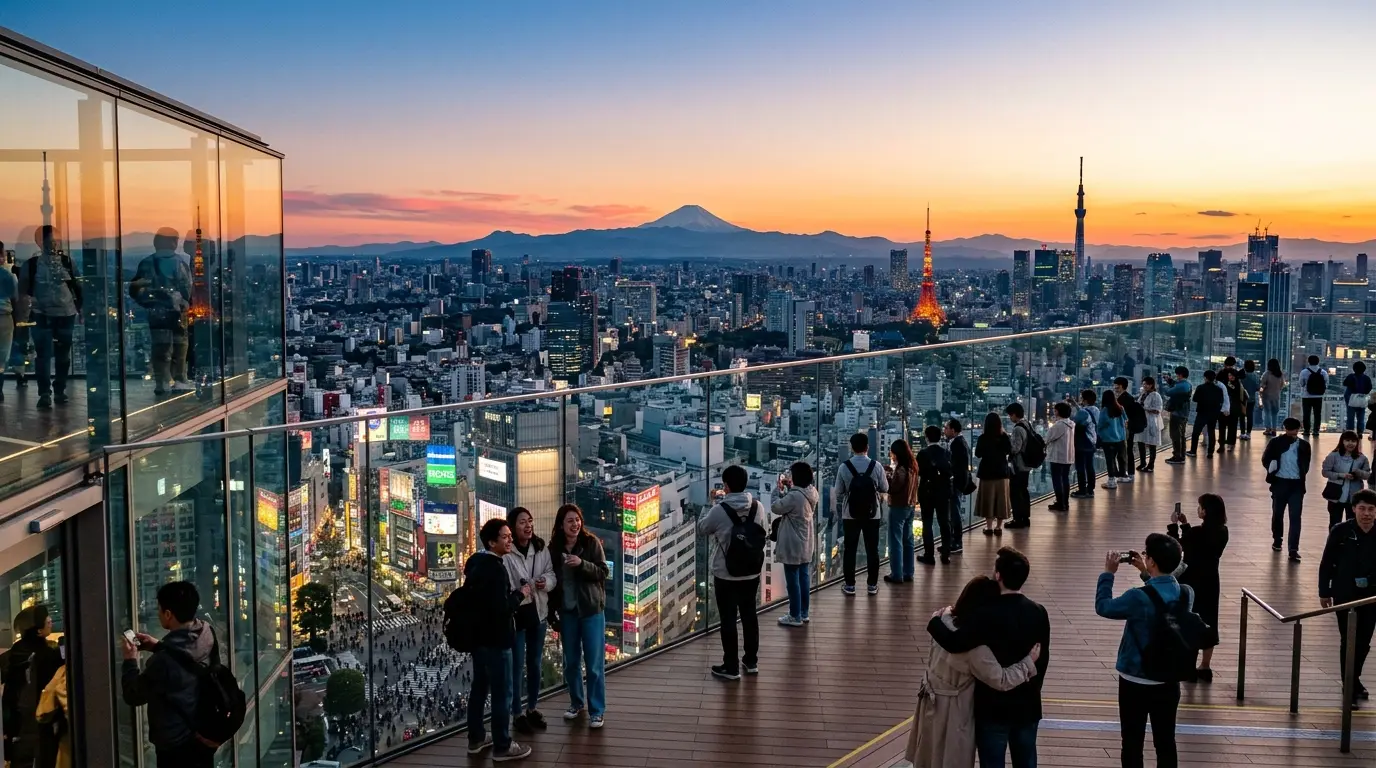
Where to Stay in Tokyo: Shinjuku vs Shibuya vs Ginza
Comparing room footprints across Shinjuku, Ginza, and Ueno, locking in sudden 14-day cancellation drops, and eliminating DCC fees with clean Yen checkout.
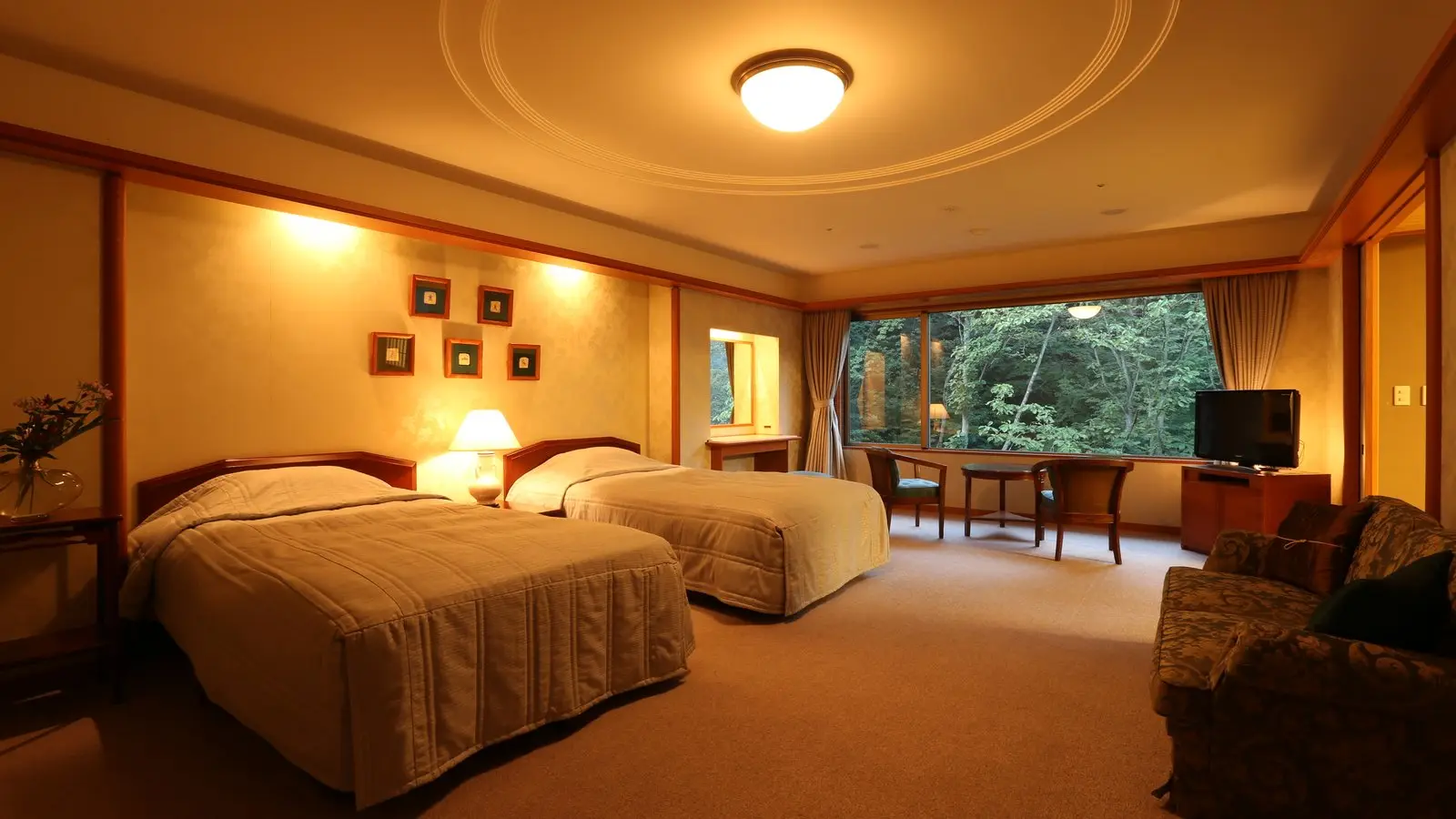
7 Budget Hotels in Tokyo Under $100 on the Yamanote Line
Even amid yen fluctuations, central Tokyo hotel rates have soared. Learn how to secure Yamanote loop line hotels at half the price of Shinjuku, compare onsen bath chains like Dormy Inn, trigger secret Agoda VIP and Booking.com Genius discounts, and dodge hidden currency fees with yen settlement.
How to Read the Tokyo Subway Map and Where to Stay on the Yamanote Line
How to choose between Keisei Skyliner and Narita Express, avoid the Tokyo Subway Ticket trap, use Apple Wallet Suica, and select the ideal hotel base in Tokyo.
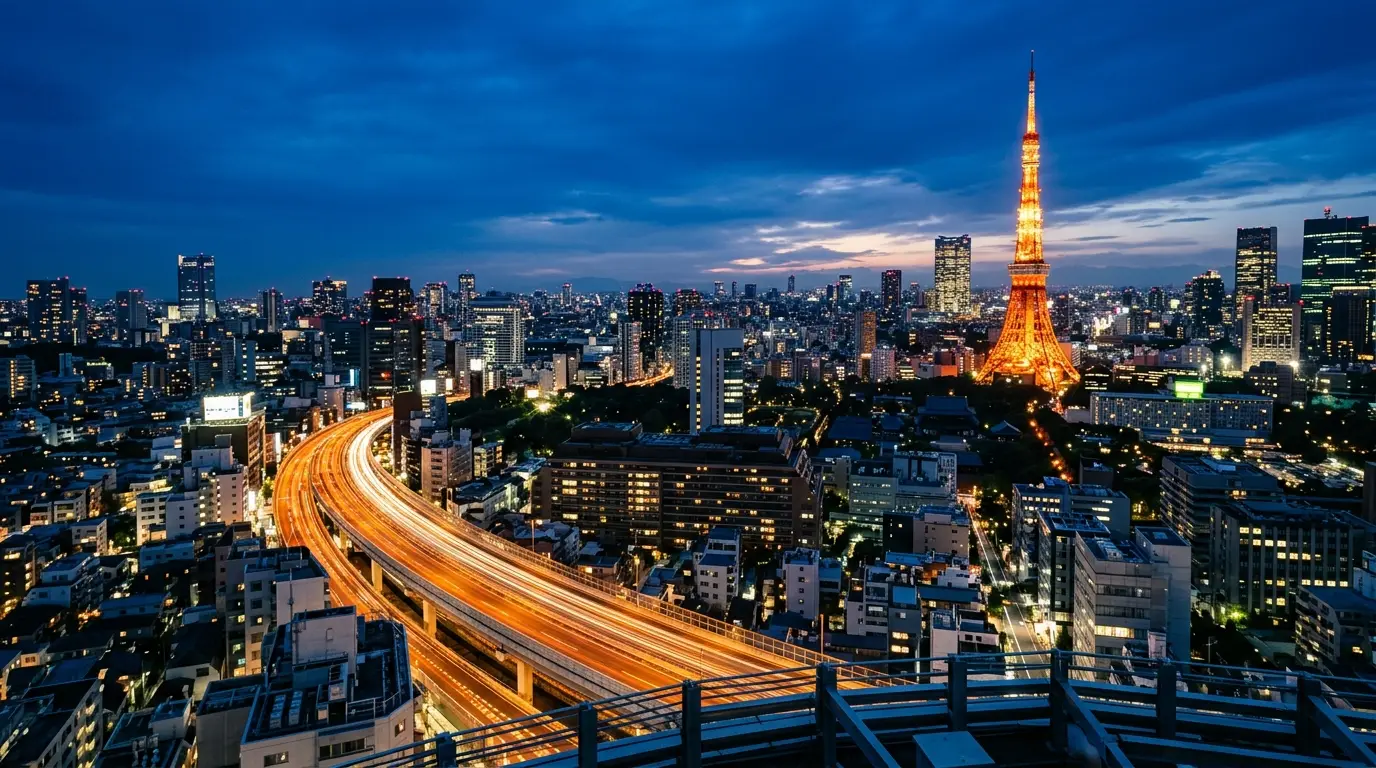
Tokyo Day 1 Itinerary: Narita Airport to the City and Your First 24 Hours
From stepping off at Narita Airport to mastering high-speed trains, navigating Tokyo's sprawling transit hubs, ordering counter ramen effortlessly, and catching sunset from Roppongi Hills. A definitive guide for your first 24 hours in Tokyo.
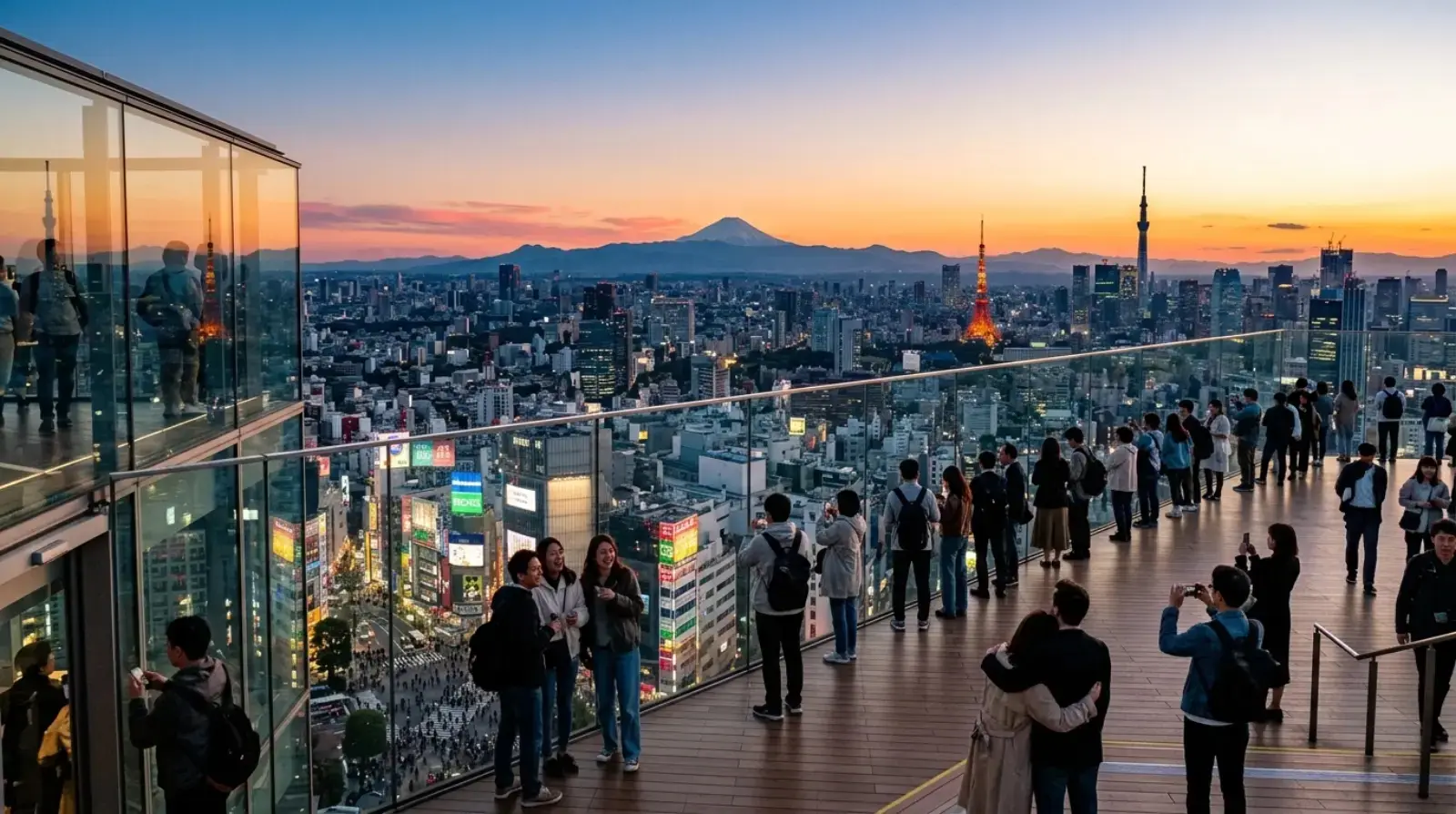
Tokyo Day 2 Itinerary: Booking Shibuya Sky, Harajuku Backstreets and Roppongi at Night
Securing prime sunset slots atop Shibuya Sky, navigating hidden boutiques along Harajuku Cat Street, immersing in the forested serenity of Meiji Jingu, and marveling at the crimson glow of Tokyo Tower from Roppongi Hills. A masterclass in Day 2 pacing.
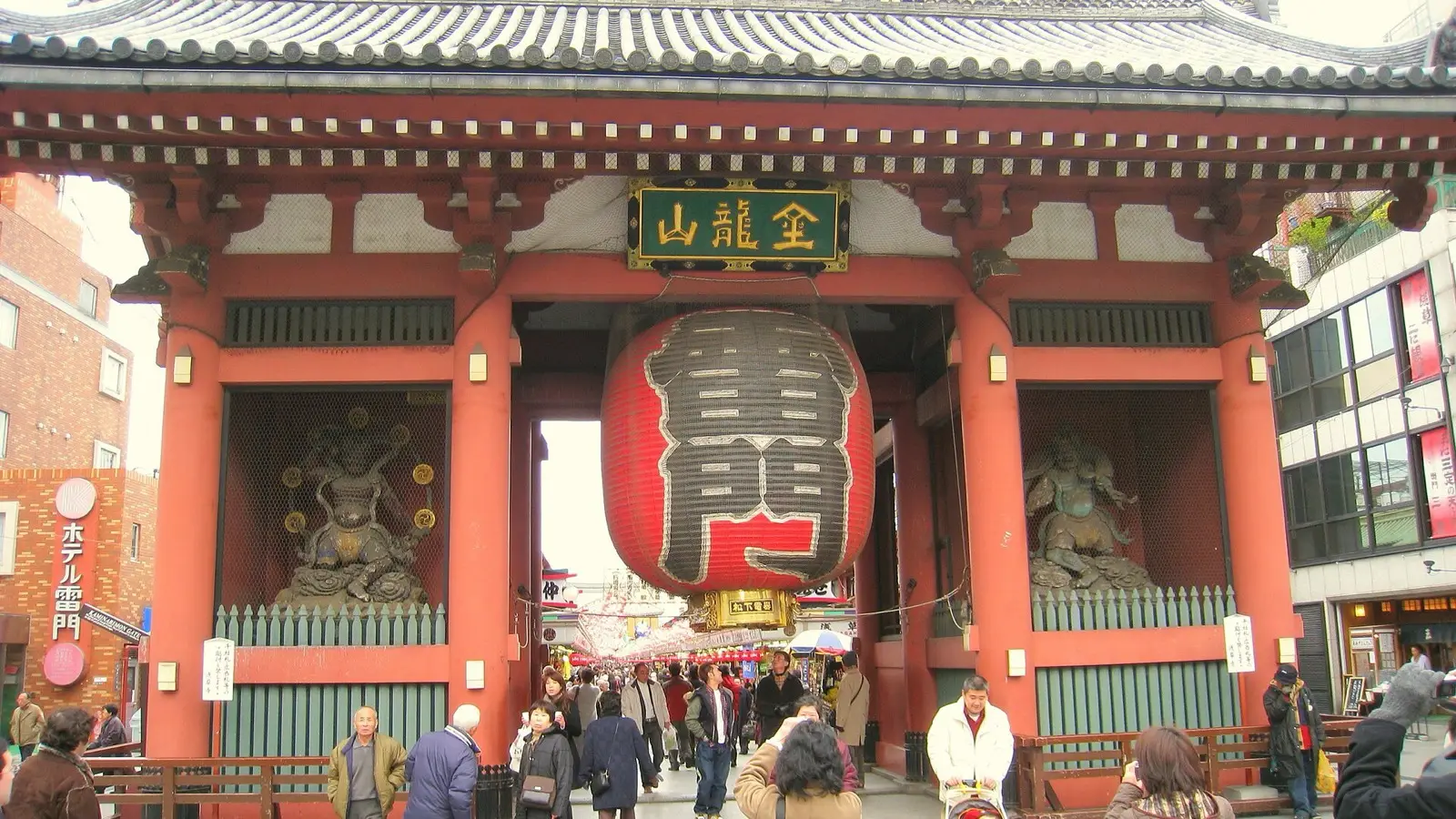
Tokyo Day 3 Itinerary: Asakusa, Akihabara, Ginza Depachika and Flying Home
The ultimate finale for your Tokyo stay: tranquil morning worship at Sensoji, retro subculture in Akihabara, Ginza Six architectural rooftop views and basement depachika feasts, capped by seamless Skyliner and N'EX airport connections.
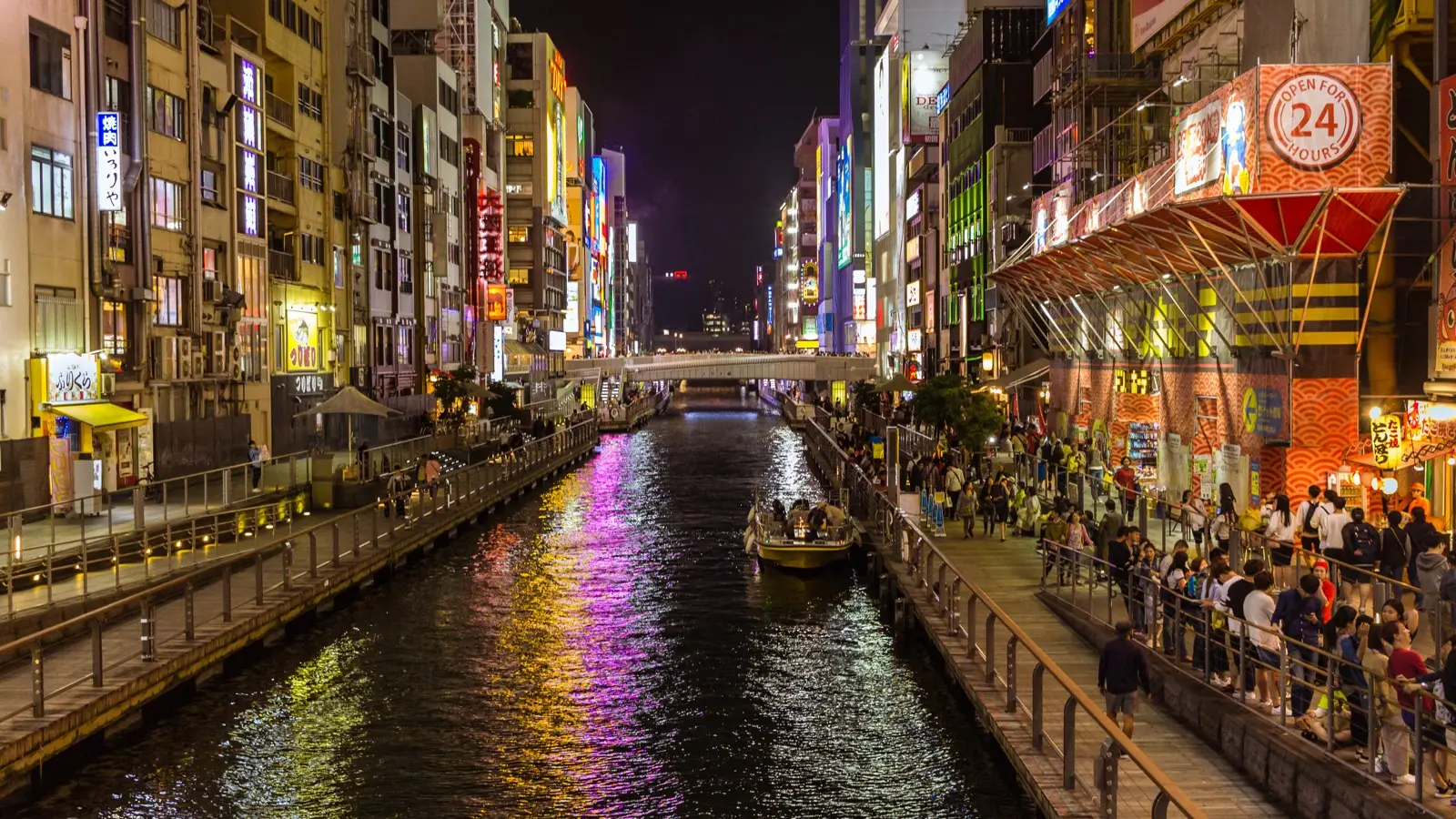
Osaka Itinerary: Dotonbori and Umeda in Two Nights
Osaka is Japan culinary powerhouse where feasting is an art. Navigate Rapi:t airport transfers, Namba vs Umeda hotels, and street food corridors with veteran precision.
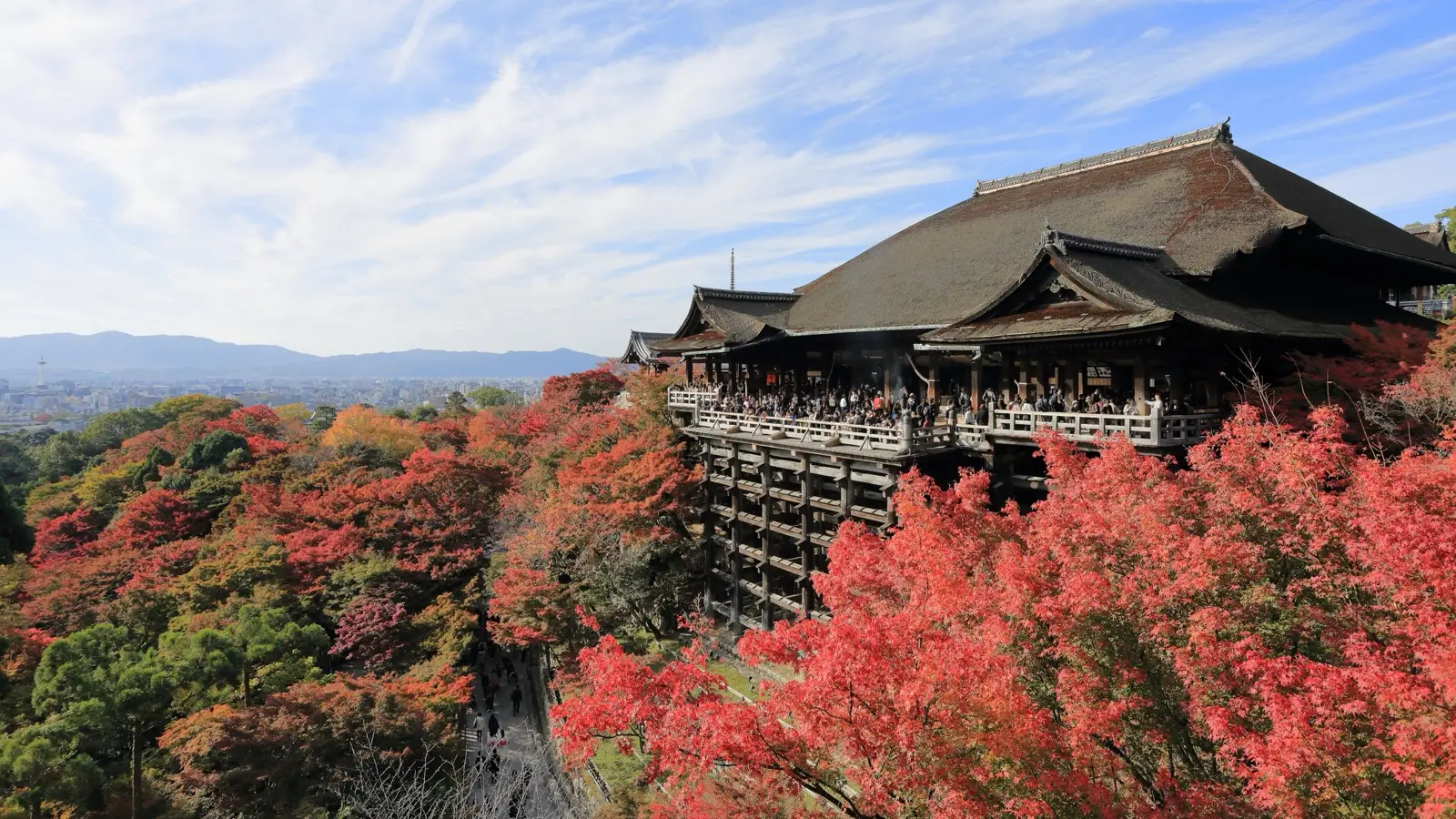
Kyoto Itinerary: Arashiyama, Gion and How to Pick a Ryokan
Kyoto compresses a millennium of Japanese aesthetic mastery. Discover how to evade bus congestion with private railways, master ryokan kaiseki booking windows, and savor early dawn stillness.
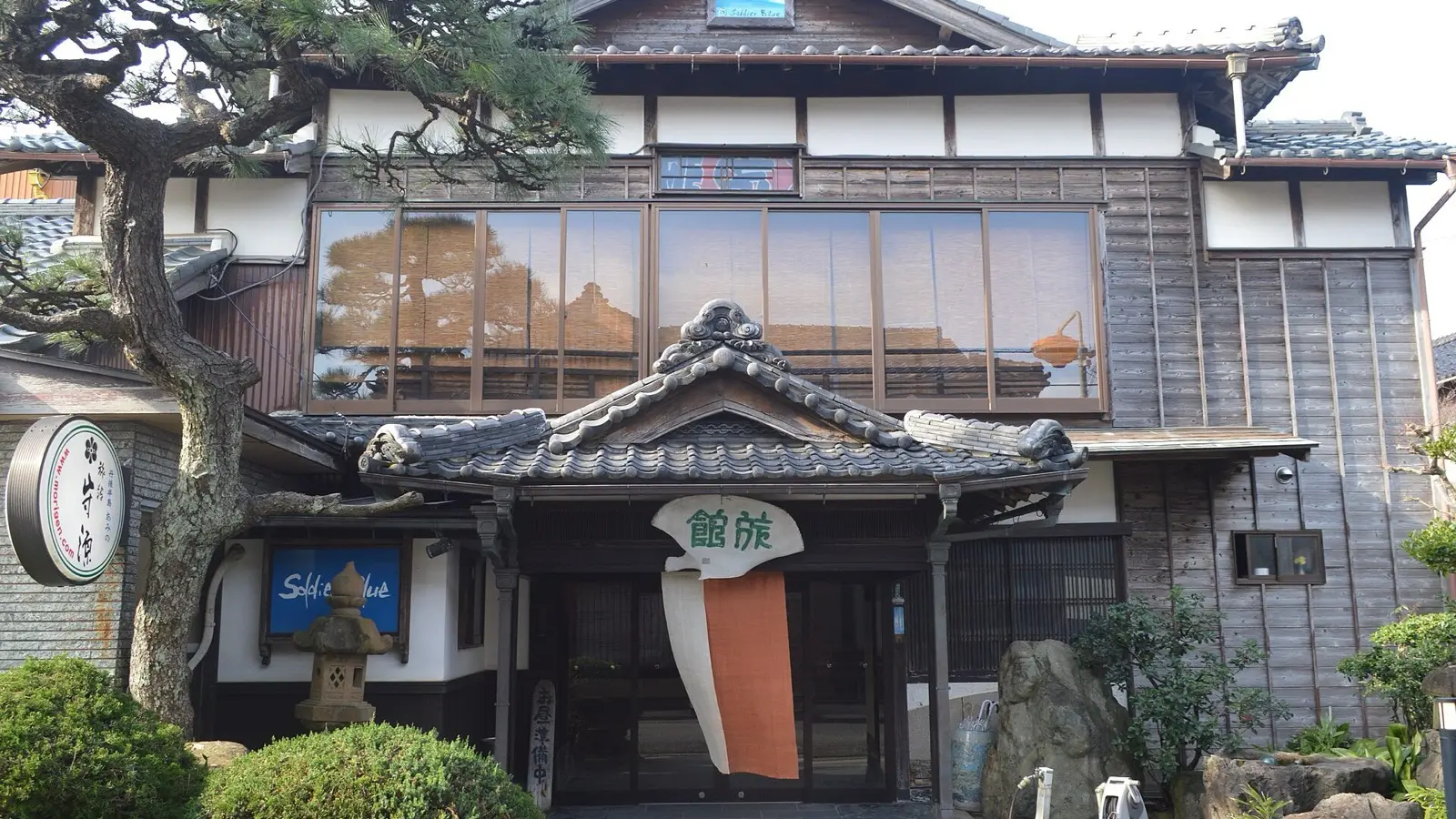
Kyoto Ryokan Prices and How to Choose: Kaiseki Terms and Machiya Stays
From hundred-year-old timber townhouses in Gion to misty Arashiyama riverside ryokan, staying in Kyoto demands cultural fluency and sharp booking discipline. An honest receipt audit covering kaiseki dinner curfews, private onsen etiquette, and avoiding dynamic pricing spikes.
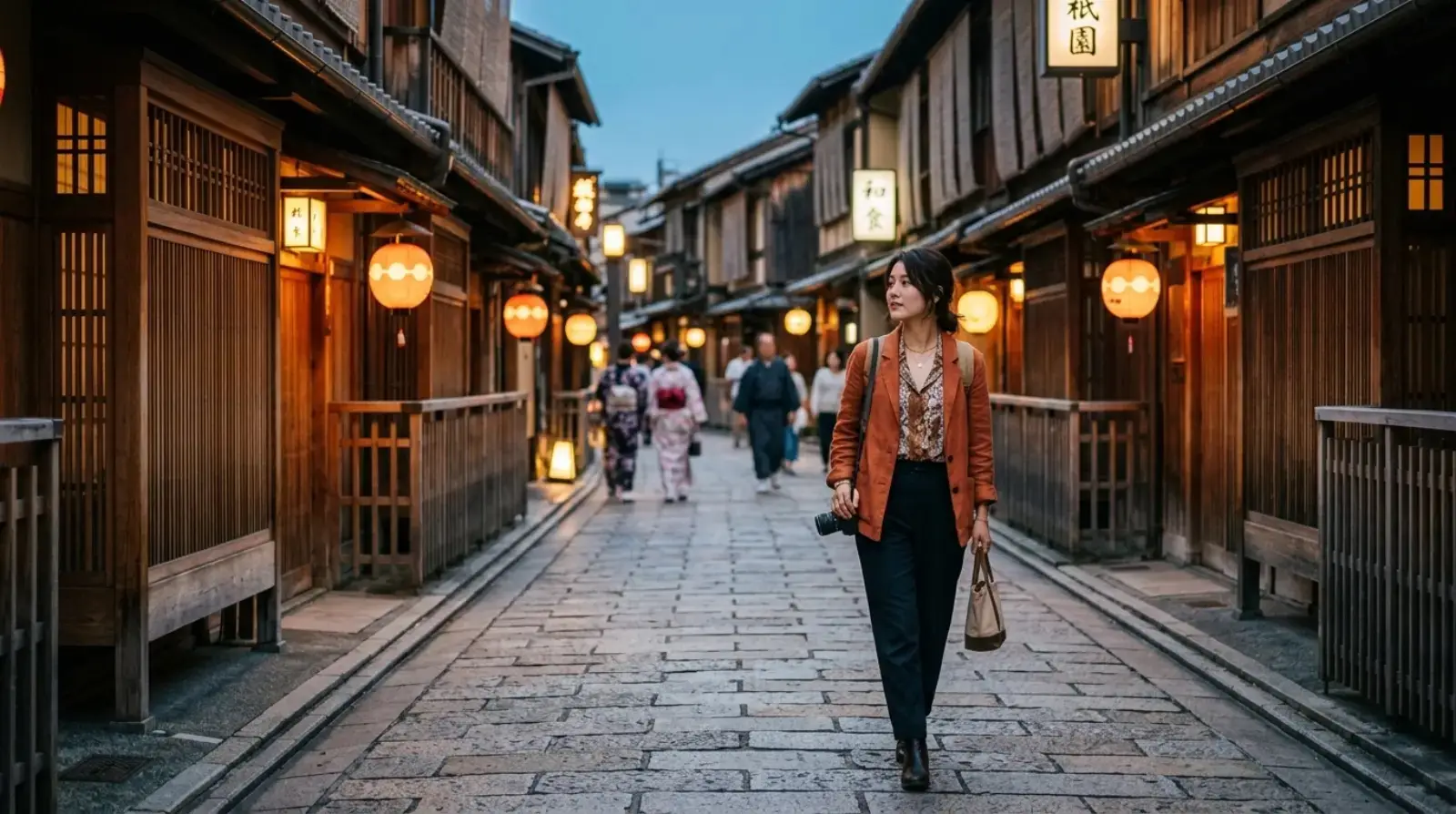
Kyoto Day 1 Itinerary: Kansai Airport to Kyoto and Your First Evening in Gion
Boarding the 75-minute Haruka Express from Kansai Airport, forwarding heavy bags straight to your hotel via Crosta at Kyoto Station, avoiding gridlocked buses using the subway, and an evening stroll through Gion to the Kamogawa. A field guide to your first 24 hours.