
New YorkTips
What is a hotel destination fee or amenity fee? Five extra charges, defined
Resort fee, urban fee, occupancy tax and the deposit hold: who keeps each one, when it is paid, and whether your booking total already includes it
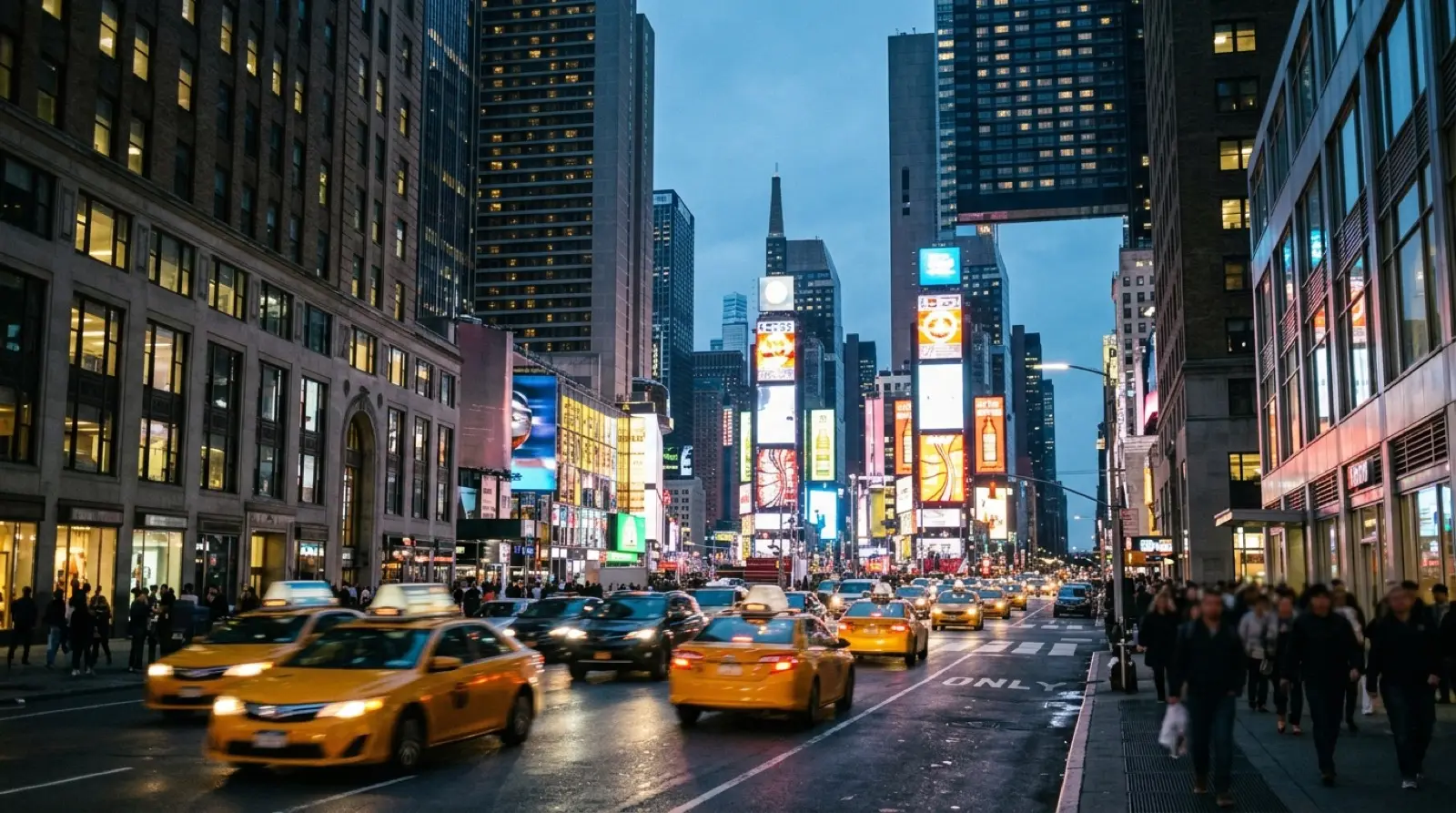
A destination fee is part of the room rate, not a tax
A destination fee is a mandatory charge a hotel adds to every night of your stay, on top of the advertised room rate. The money stays with the hotel; no government sees it. The word "destination" exists mostly because city hotels wanted the same charge resorts collect without calling a Midtown tower a resort. Since you cannot opt out, the honest way to read it is as part of the room price.
The same charge travels under several names. Amenity fee, urban fee, facility fee and resort fee all belong to one family. The fine print usually lists perks such as Wi-Fi, bottled water, a gym or lobby coffee, but the fee applies whether you use any of them or not. Whatever the label, if the word "mandatory" sits next to it, treat it as the same thing.
The confusing part is when you pay it. Sometimes it is already inside the total you pay at booking. Other times the booking site lists it under "pay at property", and the front desk charges it to your card at check-in or checkout. In that case your confirmation and your final folio show different numbers, which is exactly when most people first search what the line means.
In the United States the rules changed in 2025. The FTC's Rule on Unfair or Deceptive Fees took effect on May 12, 2025, and requires hotels and booking sites to show the total price, including all mandatory fees, as the most prominent price. Taxes may still be shown separately as long as they are clearly disclosed before you pay, so the first number on screen and the final charge can still differ.
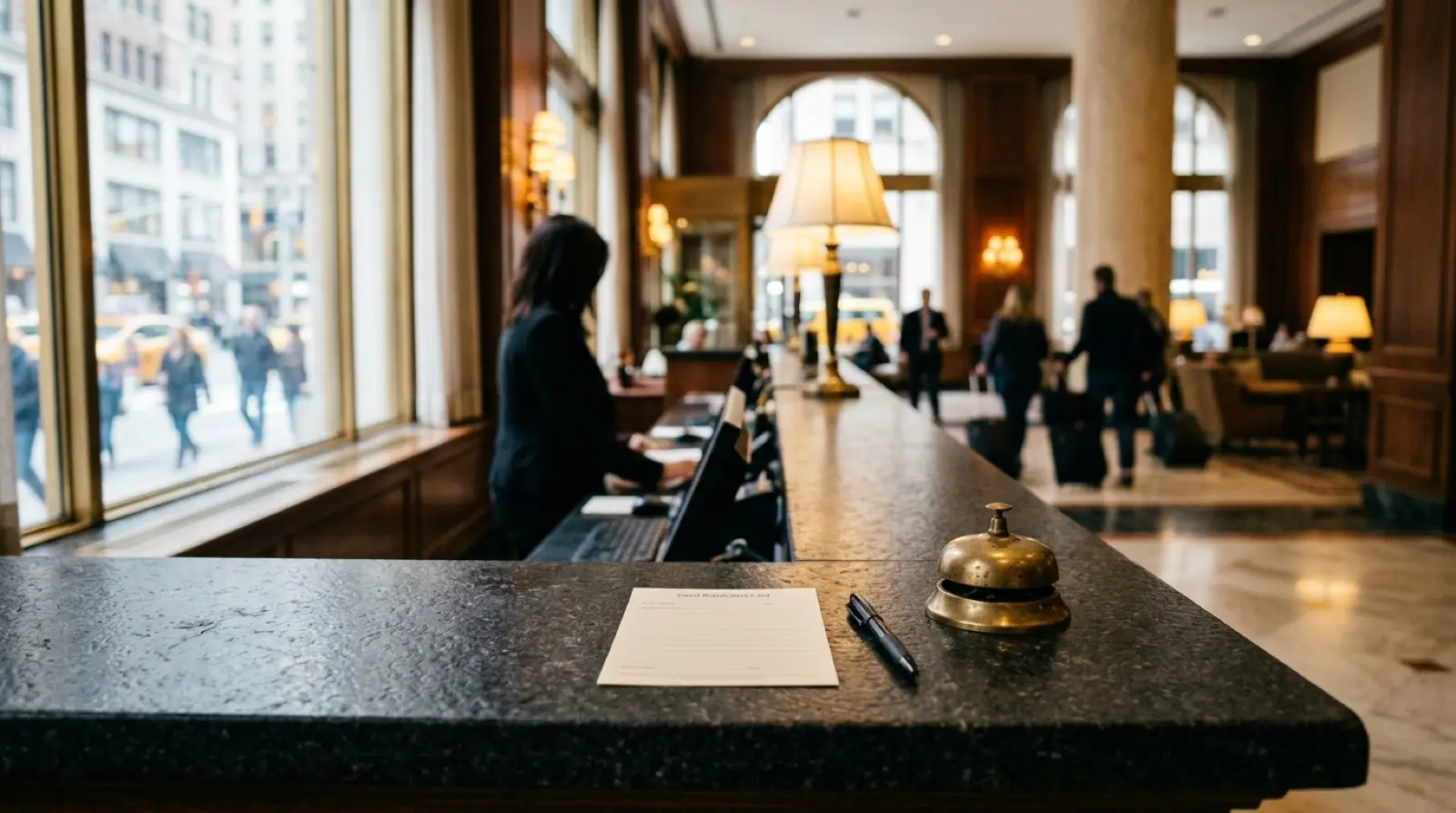
Put all five side by side and the confusion mostly goes away
Extra amounts on a hotel bill fall into five groups. Three are mandatory hotel fees, one is a government tax, and the last is not a payment at all but a temporary hold on your card limit. Keeping those three kinds apart is enough to know which line on a folio is worth questioning.
The table below reflects the FTC rule and official agency guidance as of October 2026. The "In booking total?" column describes hotels in the United States; outside the US it varies by site and by hotel, so check the booking screen itself.
| Charge | What it is | Who keeps it | When paid | In booking total? | Where to spot it |
|---|---|---|---|---|---|
| Destination fee | Mandatory hotel fee | Hotel | Booking or on site | US: required | Mandatory fees line |
| Resort fee | Mandatory hotel fee | Hotel | Booking or on site | US: required | Mandatory fees line |
| Amenity, urban, facility fee | Same fee, other name | Hotel | Booking or on site | US: required | Price breakdown |
| Occupancy or city tax | Government tax | Government | Booking or on site | May be separate | Taxes line |
| Deposit hold | Card limit held | Released later | Held at check-in | No | Hotel policy |
These mandatory fees show up most often in dense US hotel markets like Manhattan and in resort areas. Around Times Square, hotels at similar prices line the side streets block after block, and picking by the first number on screen can land you in the one that ends up dearer once its nightly fee is added. The fair comparison is always the nightly price with mandatory fees in and taxes aside.
The perk list attached to an amenity fee is worth reading. Most of it is the sort of thing that used to be free: two bottles of water, lobby coffee, Wi-Fi. Now and then it includes something genuinely useful, such as luggage storage or a late checkout. You are paying for it either way, so use what is included.
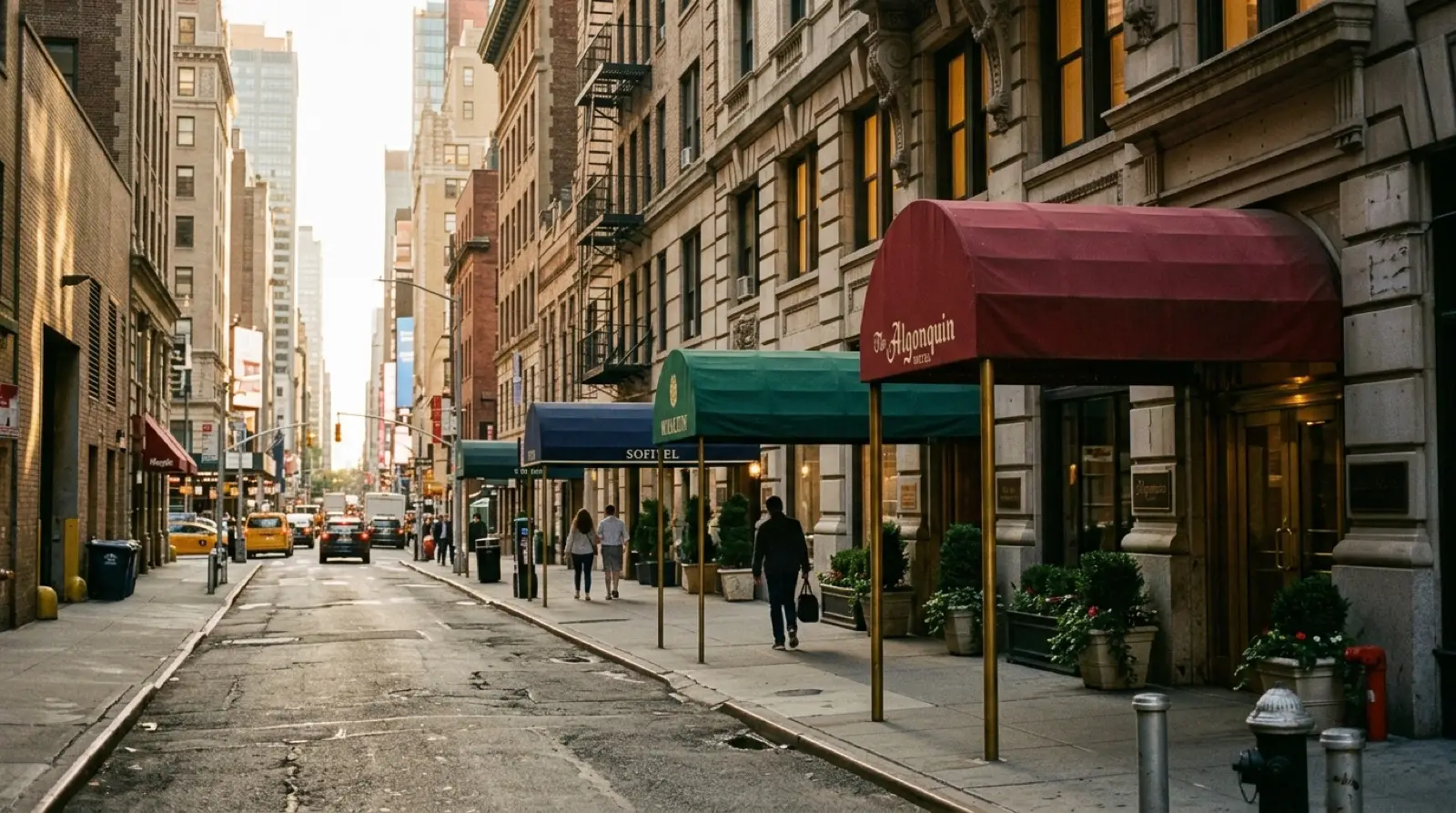

Occupancy tax belongs to the government, so there is nothing to negotiate
Occupancy tax, city tax and tourist tax are collected by the hotel and passed to the government. The hotel cannot waive them, and the amounts are set by law. You can avoid a destination fee by choosing a different hotel; you cannot avoid the tax by doing the same, because every hotel in that city charges it.
New York City stacks several layers. According to NYC Department of Finance guidance, a room renting for $40 or more a night carries the city hotel room occupancy tax of $2.00 per room per night plus a percentage portion of 5.875%. On top of that comes New York City sales tax of 8.875% under New York State's published rates, and a hotel unit fee of $1.50 per unit per night. Taxes alone add a double-digit percentage and a few flat dollars to every night.
Tokyo offers a contrast. Under the Tokyo Metropolitan Government Bureau of Taxation, the current accommodation tax is ¥100 per person per night for stays of ¥10,000 to under ¥15,000, and ¥200 at ¥15,000 or more, with nothing charged below ¥10,000. From April 1, 2027 it is set to become 3% of the room charge for stays of ¥13,000 or more per person per night, and will also cover private rentals and simple lodgings.
Taxes are sometimes prepaid with the booking and sometimes collected at the desk, as many European cities do. Either way, the check is the same: is it inside the "taxes and fees" line, or listed separately under "pay at property"? Where the tax is charged per person, enter the right number of guests or the estimate will be wrong.
A deposit hold does not take your money, it locks your limit
When the front desk asks for a credit card at check-in, it is for the security deposit hold, also called a pre-authorisation. The hotel reserves an amount on your card against minibar use, damage or extra charges, but it is not a charge. If nothing is added, the hold is released after checkout, though when it actually disappears depends on the hotel and your card issuer, so the limit can look tied up for days.
That matters when your limit is tight. Put spending money and the deposit on one card, and a restaurant or transit payment can be declined halfway through the trip. The hold amount, and whether it is per night or for the whole stay, is usually stated in the hotel's policy page or the hotel rules section of your confirmation.
With a debit card, the hold can work differently: the money actually leaves your account and returns later. If you hold a multi-currency or travel card, exchange rates may move in between, so the amount coming back in your home currency can differ slightly. That is why many travellers put the deposit on a credit card with headroom and pay real charges with a low-fee travel card.
If the terminal at checkout offers to charge you in your home currency, decline and choose the local currency, US dollars in New York. This is dynamic currency conversion, and it uses the hotel side's exchange rate, which usually costs you more. Destination fees and pay-at-property taxes are often charged in this same moment, so check both the items and the currency on the folio.
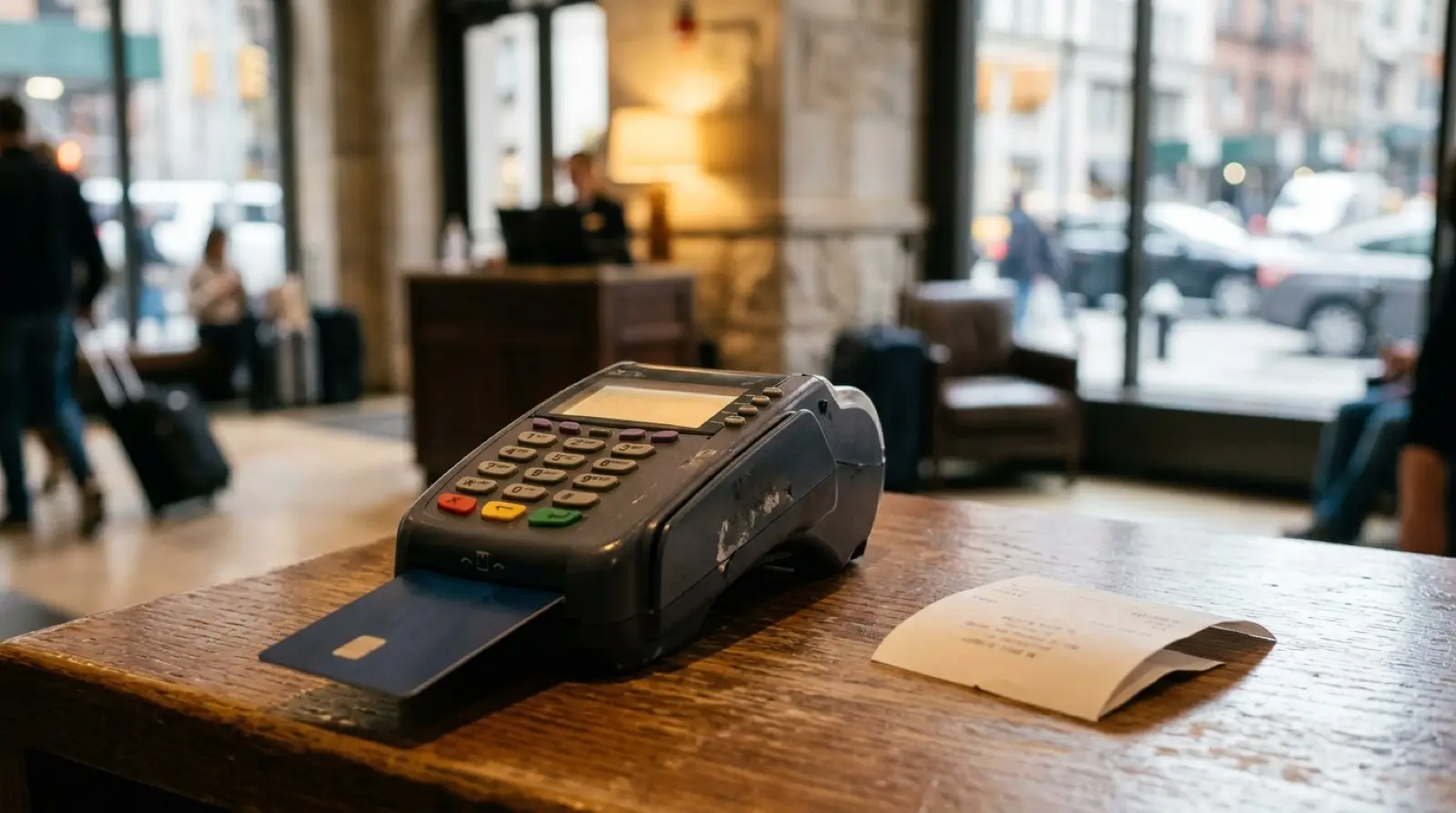
Three places to see the real total before you pay
First, the price breakdown on the booking site. Lines such as "pay at property", "excluded fees" or "mandatory fees charged by the hotel" sit near the pay button or inside an expandable price detail. For US hotels, the FTC rule means mandatory fees should already be in the total, but taxes can still appear separately, so read both lines.
Second, the hotel's own website. Hotels that charge a destination fee usually state the amount and its perks under "Fees", "Hotel policies" or "Resort fee". If the booking site and the hotel disagree, the hotel's figure is often what ends up on your bill, so ask the hotel before paying if you see two numbers.
Third, the price display setting. Many booking sites have a "show total price" or "include taxes and fees" option. Turn it on before comparing, so a hotel with a destination fee and one without are measured the same way. Picking on the nightly rate alone looks fine for one night and adds up quickly over three or five.
Finally, screenshot the price lines on your confirmation. If the checkout folio has an item you did not expect, showing that screen and asking what it is gets the fastest answer. A destination fee is mandatory and hard to remove, but a charge applied twice or never disclosed can sometimes be corrected right at the desk.
Frequently Asked Questions
Field-tested answers to transit navigation, neighborhood choices, and payment traps.
Q1.What does destination fee mean at a hotel?
Q2.Is an amenity fee different from a destination fee?
Q3.Is the destination fee included in the booking site total?
Q4.How much is hotel tax in New York City?
The Smart Traveler's Essential Toolkit
Prepare instant mobile data, private airport transfers, and skip-the-line passes in one place.
Pick a base in New York by your route
Choose the places you want to see and get the neighbourhood with the shortest travel.
Compare New York Hotel Rates
Find the cheapest channel across Agoda and major booking engines with Tripdify.
Share This Guide with Your Companions
When shared via chat or social media, a curated summary card is sent along.
Recommended Guides
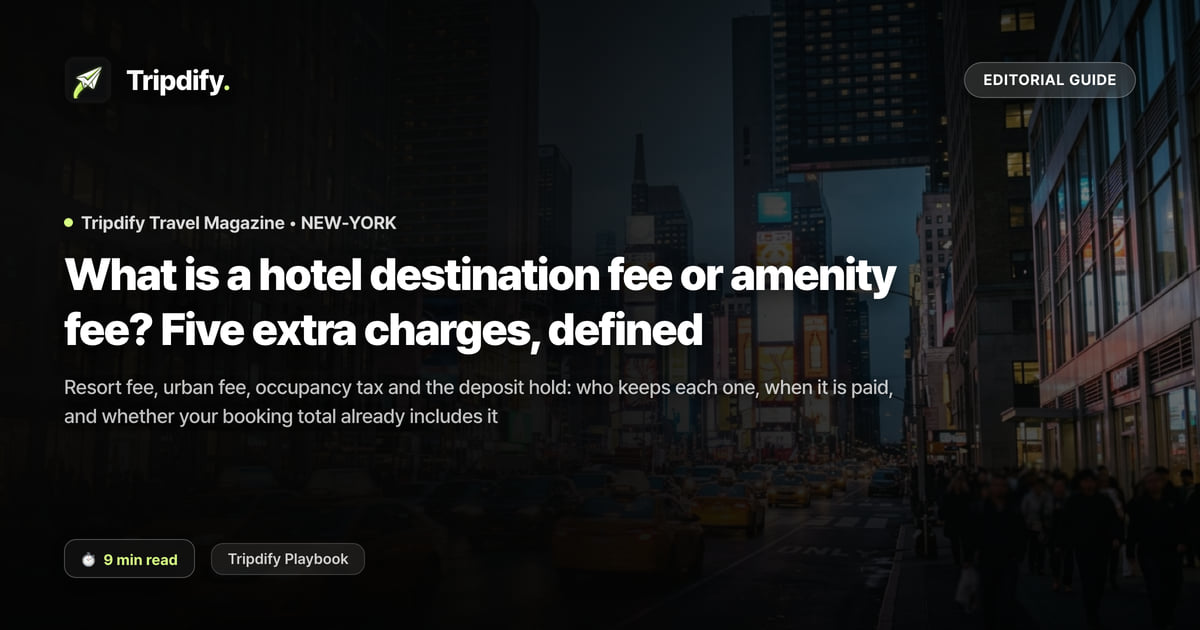
Best Hotels in New York: Avoiding Resort Fees and Staying in Brooklyn
An insider playbook on avoiding notorious $40-$65/night check-in amenity fees and leveraging transit-rich Long Island City and Brooklyn hubs for panoramic Manhattan skyline views.
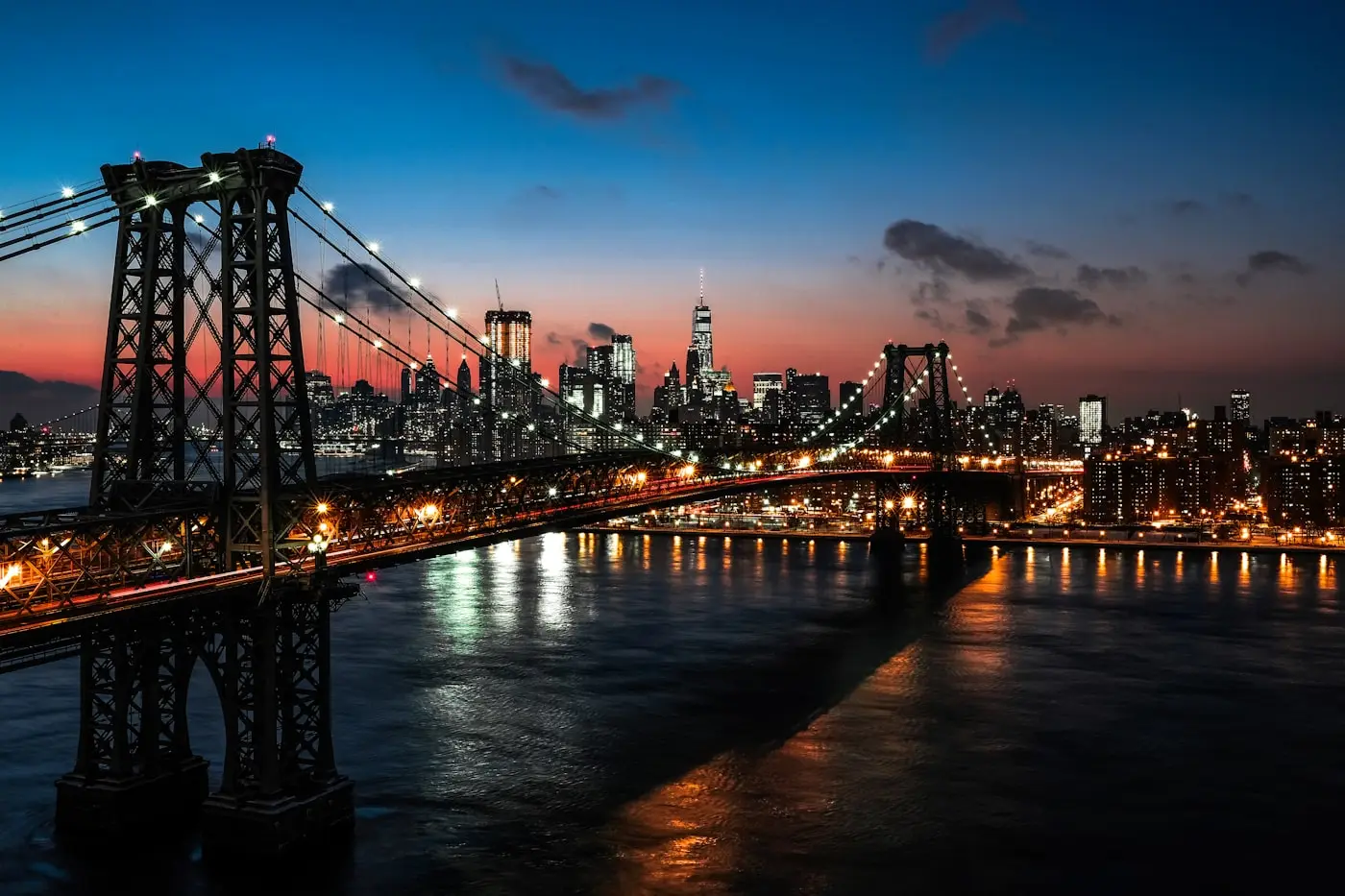
Where to Stay in New York: Long Island City and Brooklyn Instead of Manhattan
Amidst relentless inflation and soaring hotel rates, Manhattan room prices now routinely exceed $350 per night before taxes. Tacking on predatory $40 to $50 nightly 'Urban Destination Fees' can derail any travel budget. By shifting your lodging horizon just one subway stop across the East River to Long Island City (LIC) or Brooklyn's Williamsburg, you can cut accommodation costs substantially while enjoying larger rooms and legendary skyline views. Here is the insider blueprint.

Where to Stay in Tokyo: Shinjuku vs Shibuya vs Ginza
Comparing room footprints across Shinjuku, Ginza, and Ueno, locking in sudden 14-day cancellation drops, and eliminating DCC fees with clean Yen checkout.

7 Budget Hotels in Tokyo Under $100 on the Yamanote Line
Even amid yen fluctuations, central Tokyo hotel rates have soared. Learn how to secure Yamanote loop line hotels at half the price of Shinjuku, compare onsen bath chains like Dormy Inn, trigger secret Agoda VIP and Booking.com Genius discounts, and dodge hidden currency fees with yen settlement.
How to Read the Tokyo Subway Map and Where to Stay on the Yamanote Line
How to choose between Keisei Skyliner and Narita Express, avoid the Tokyo Subway Ticket trap, use Apple Wallet Suica, and select the ideal hotel base in Tokyo.
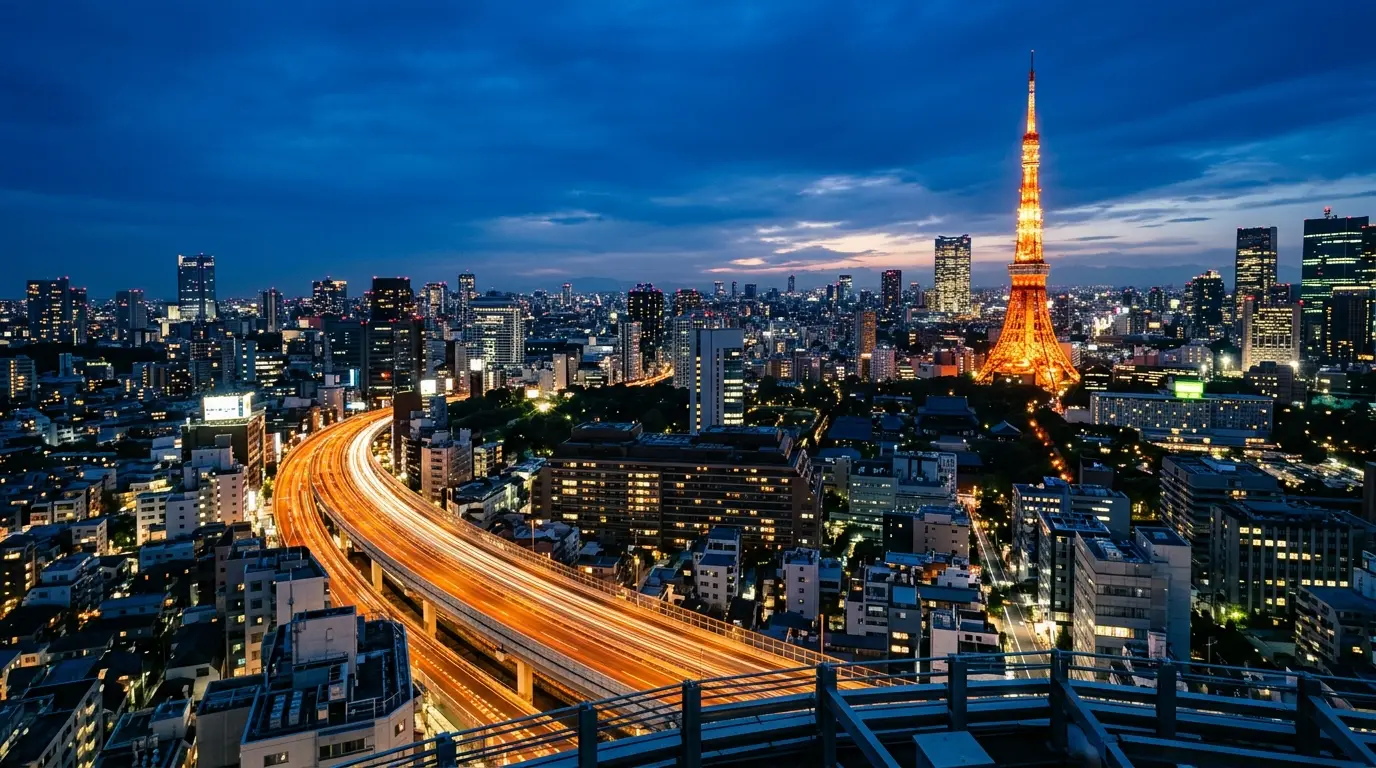
Tokyo Day 1 Itinerary: Narita Airport to the City and Your First 24 Hours
From stepping off at Narita Airport to mastering high-speed trains, navigating Tokyo's sprawling transit hubs, ordering counter ramen effortlessly, and catching sunset from Roppongi Hills. A definitive guide for your first 24 hours in Tokyo.

Tokyo Day 2 Itinerary: Booking Shibuya Sky, Harajuku Backstreets and Roppongi at Night
Securing prime sunset slots atop Shibuya Sky, navigating hidden boutiques along Harajuku Cat Street, immersing in the forested serenity of Meiji Jingu, and marveling at the crimson glow of Tokyo Tower from Roppongi Hills. A masterclass in Day 2 pacing.
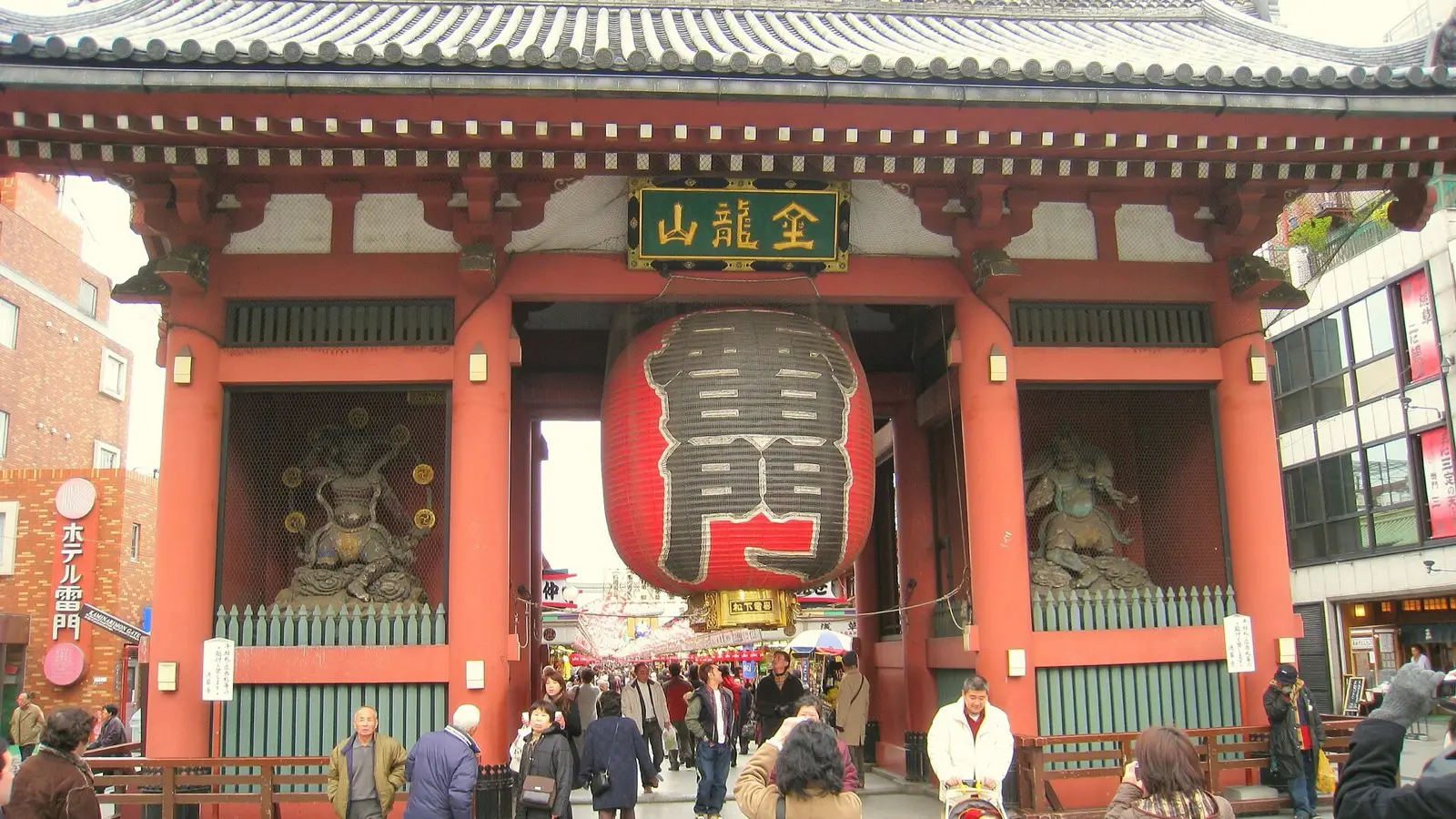
Tokyo Day 3 Itinerary: Asakusa, Akihabara, Ginza Depachika and Flying Home
The ultimate finale for your Tokyo stay: tranquil morning worship at Sensoji, retro subculture in Akihabara, Ginza Six architectural rooftop views and basement depachika feasts, capped by seamless Skyliner and N'EX airport connections.
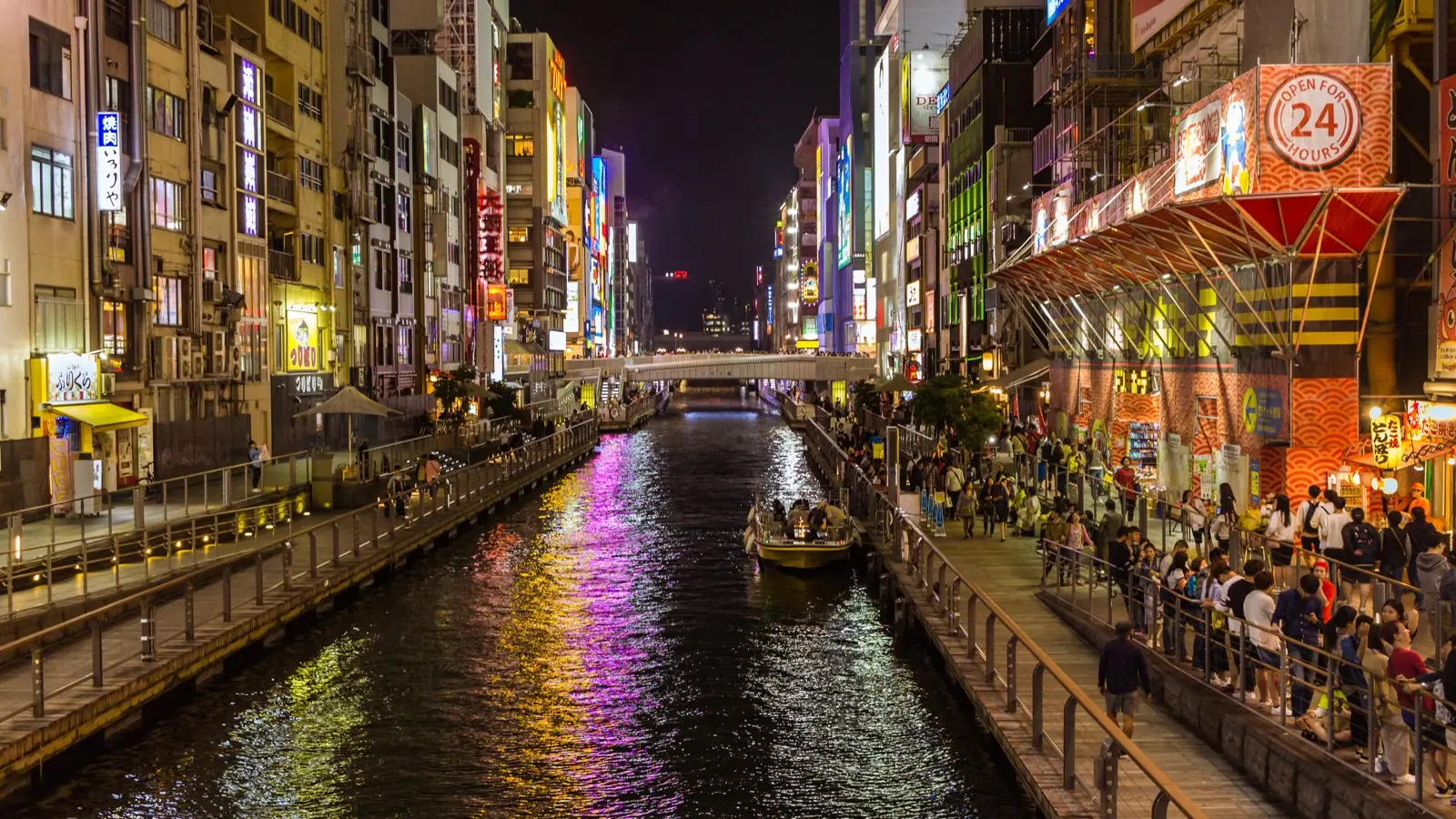
Osaka Itinerary: Dotonbori and Umeda in Two Nights
Osaka is Japan culinary powerhouse where feasting is an art. Navigate Rapi:t airport transfers, Namba vs Umeda hotels, and street food corridors with veteran precision.
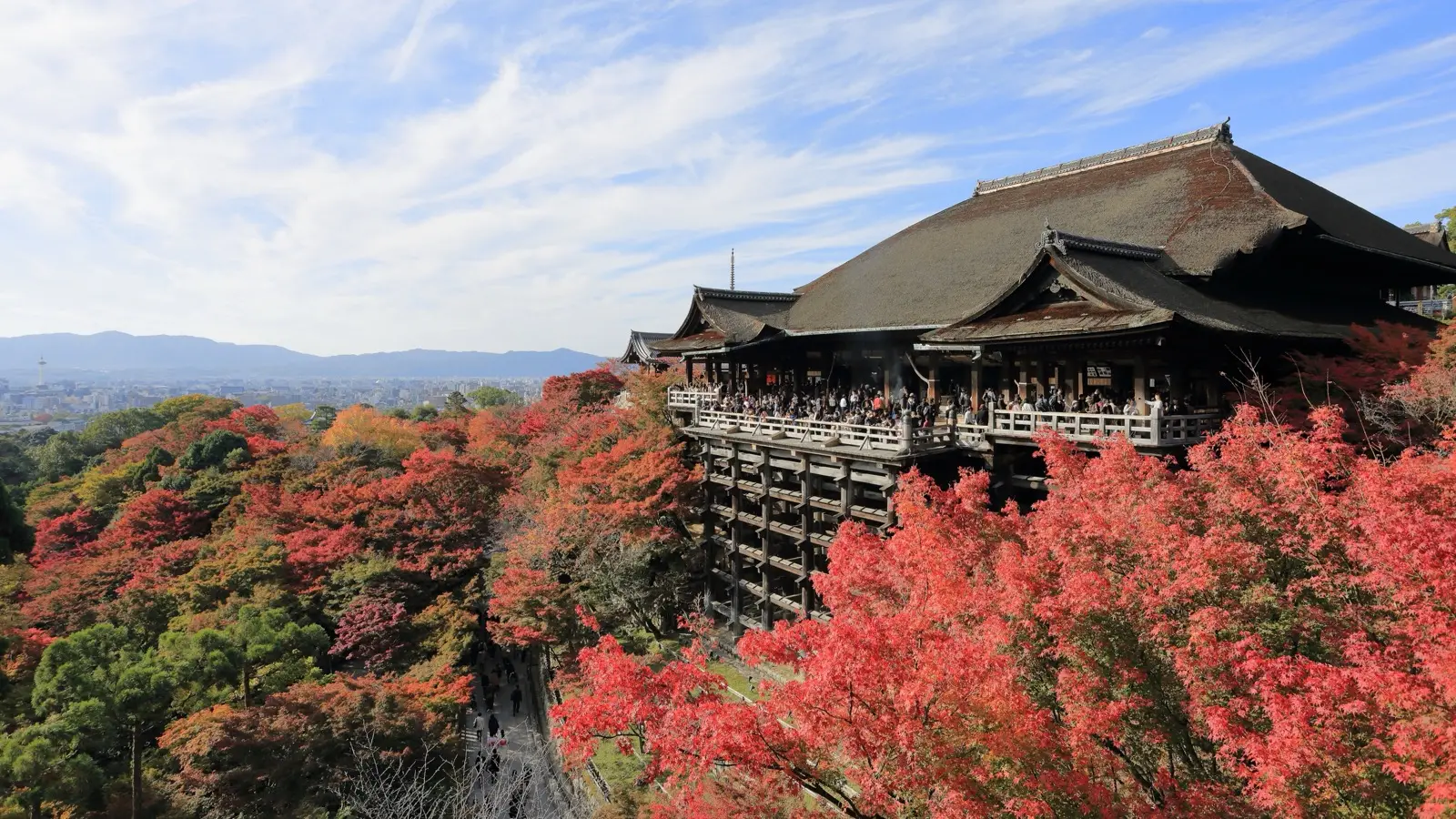
Kyoto Itinerary: Arashiyama, Gion and How to Pick a Ryokan
Kyoto compresses a millennium of Japanese aesthetic mastery. Discover how to evade bus congestion with private railways, master ryokan kaiseki booking windows, and savor early dawn stillness.
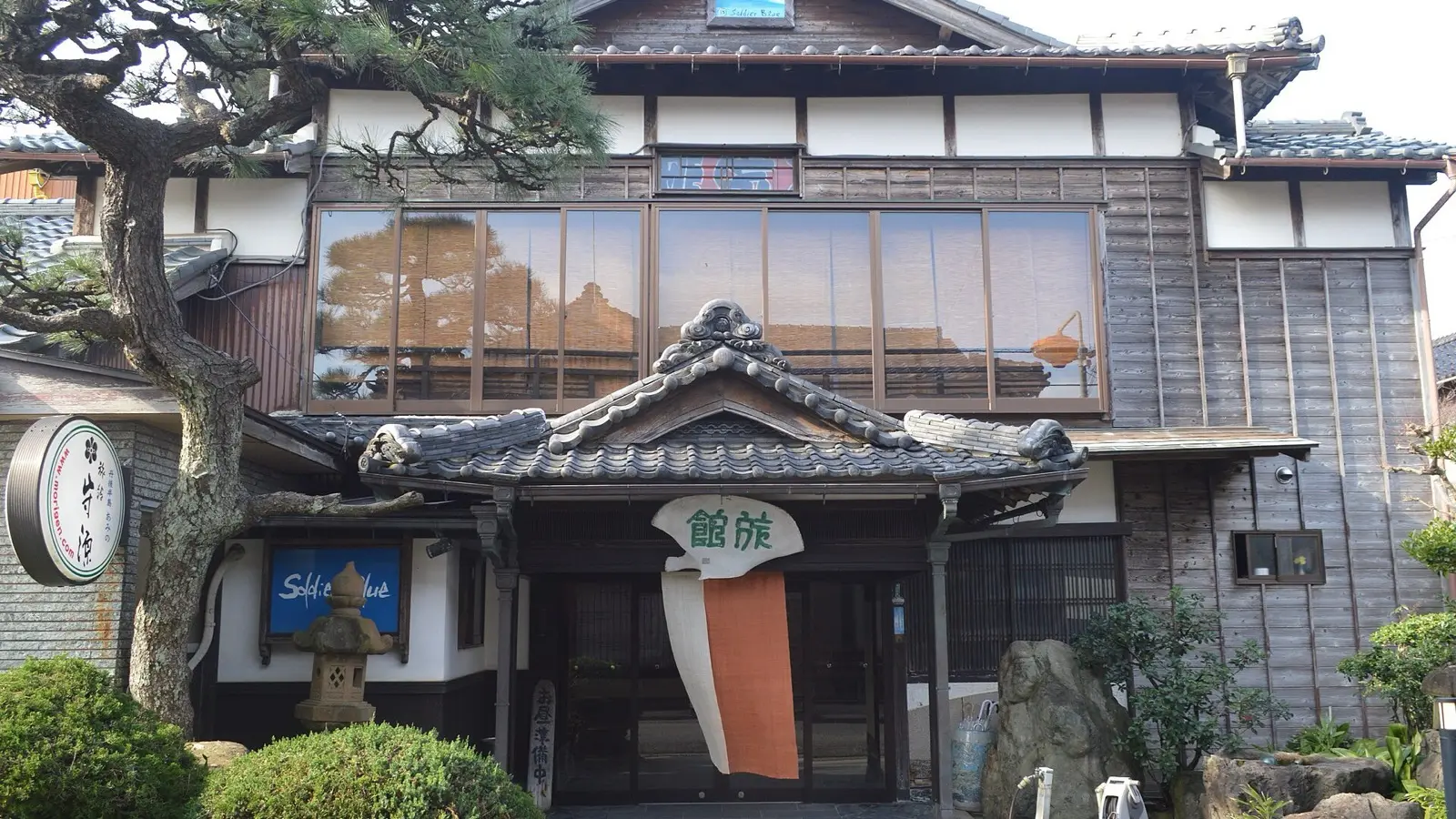
Kyoto Ryokan Prices and How to Choose: Kaiseki Terms and Machiya Stays
From hundred-year-old timber townhouses in Gion to misty Arashiyama riverside ryokan, staying in Kyoto demands cultural fluency and sharp booking discipline. An honest receipt audit covering kaiseki dinner curfews, private onsen etiquette, and avoiding dynamic pricing spikes.

Kyoto Day 1 Itinerary: Kansai Airport to Kyoto and Your First Evening in Gion
Boarding the 75-minute Haruka Express from Kansai Airport, forwarding heavy bags straight to your hotel via Crosta at Kyoto Station, avoiding gridlocked buses using the subway, and an evening stroll through Gion to the Kamogawa. A field guide to your first 24 hours.