
TokyoTips
Tokyo Subway and Train Navigation Playbook: Metro Pass Break-Even Math and Transfer Gates
Demystifying Tokyo Metro vs Toei vs JR lines, mastering the 800-yen Subway Ticket, the 30-minute orange gate rule, and mobile Suica setup.
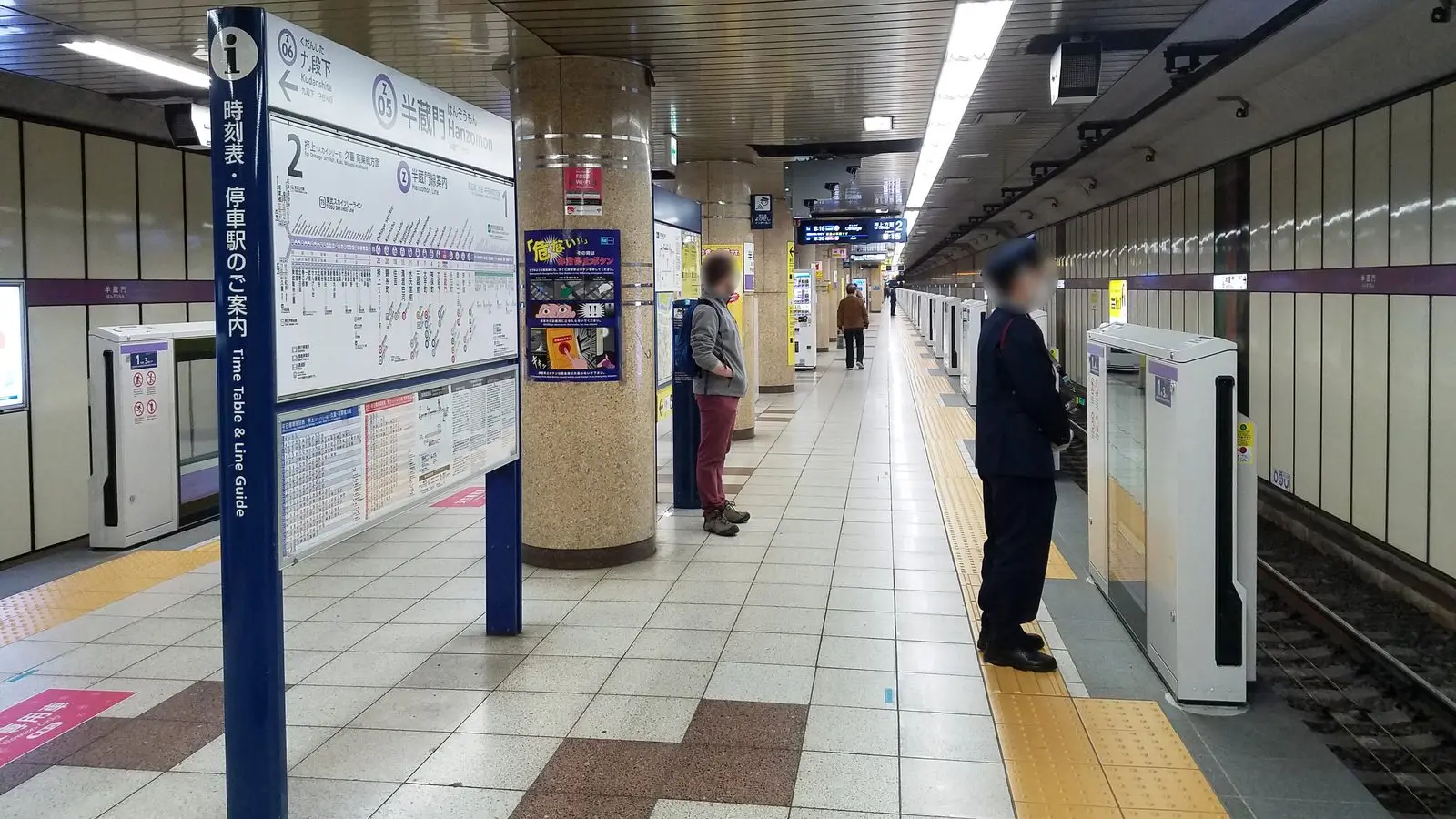
Order Behind the Labyrinth: Decoding Tokyo Metro, Toei, and JR Lines
First-time visitors unfolding a Tokyo railway map are inevitably bewildered by the tangled web of thirty overlapping lines and hundreds of interlocking station nodes.
However, this apparent chaos immediately transforms into an elegant order once you realize that Tokyo's rail transit rests on three distinct operational pillars.
First is Tokyo Metro, a private network of nine underground lines (Ginza, Marunouchi, Hibiya, etc.) connecting Tokyo's historic shopping avenues, corporate corridors, and cultural flagships. Second is Toei Subway, a municipal system of four lines (Asakusa, Oedo, etc.) serving strategic arterial connections across outer perimeters.
Third is JR East, the passenger rail network operating the legendary elevated Yamanote loop line encircling Shinjuku, Shibuya, Harajuku, Ikebukuro, and Tokyo stations. Because these three systems maintain independent tracks and ticketing concourses, travelers must pass through dedicated fare turnstiles each time they transfer between networks.
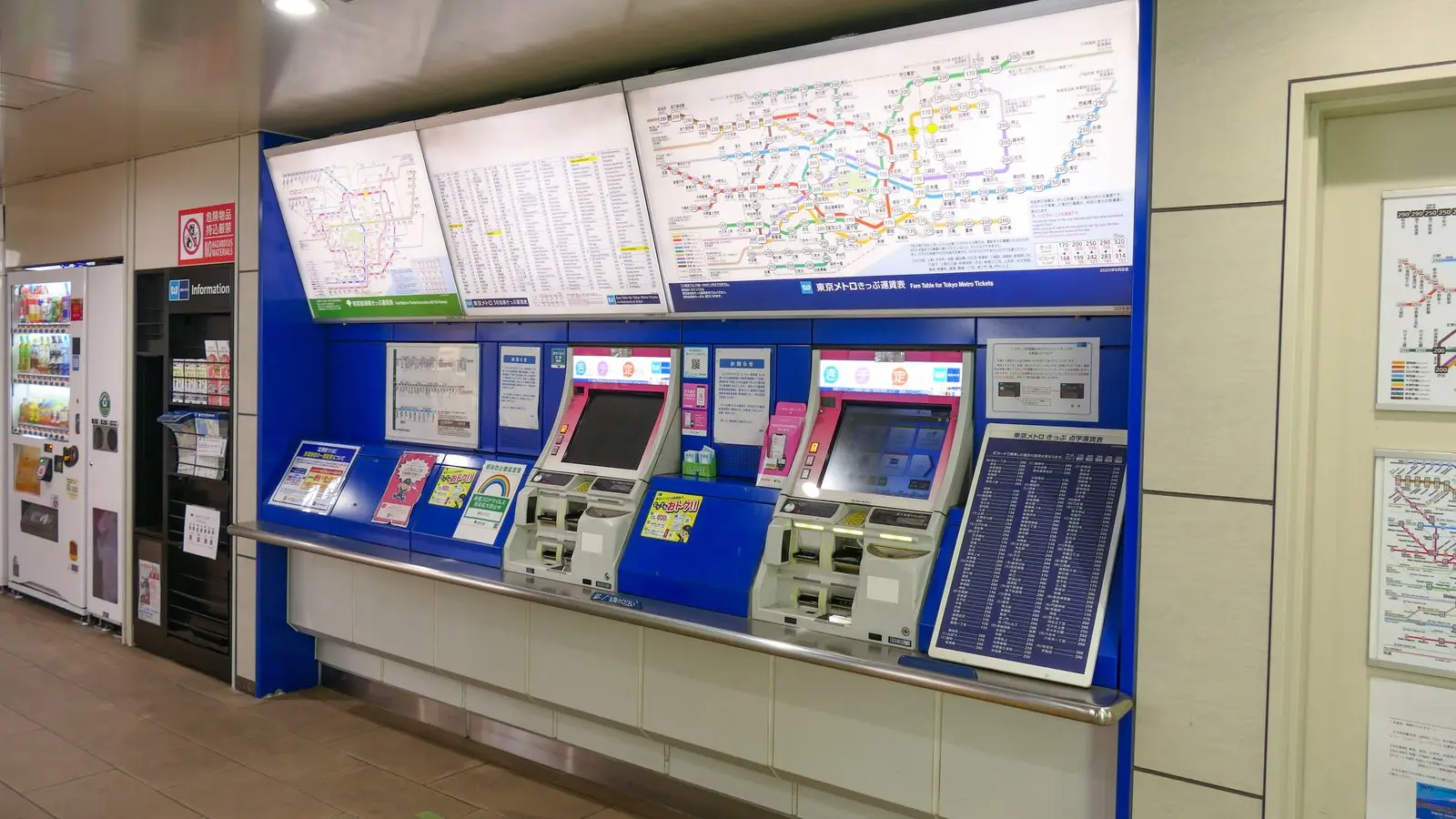
The 800-Yen Pass Economics: The Tokyo Subway Ticket Break-Even Rule
For international visitors exploring Tokyo, the absolute gold standard of transit budgeting is the tourist-exclusive Tokyo Subway Ticket.
This pass grants unlimited access across all 13 underground lines operated by both Tokyo Metro (9 lines) and Toei Subway (4 lines), forming an all-encompassing subterranean transit blanket.
Fares are structured as 24-hour (800 yen), 48-hour (1,200 yen, or 600 yen/day), and 72-hour (1,500 yen, or 500 yen/day) passes. Because base subway fares range between 180 and 210 yen, taking just four rides a day covers the 24-hour ticket, while just three daily trips makes the 72-hour ticket an irresistible financial bargain.
Its defining advantage is that validity runs on a continuous clock rather than calendar days. If you first tap into a station at 2:00 PM on Day 1, your pass remains active until 1:59 PM on Day 2. Furthermore, tapping in at 1:58 PM allows you to complete your entire journey and exit smoothly, even if you emerge at your destination well after the 2:00 PM cutoff.
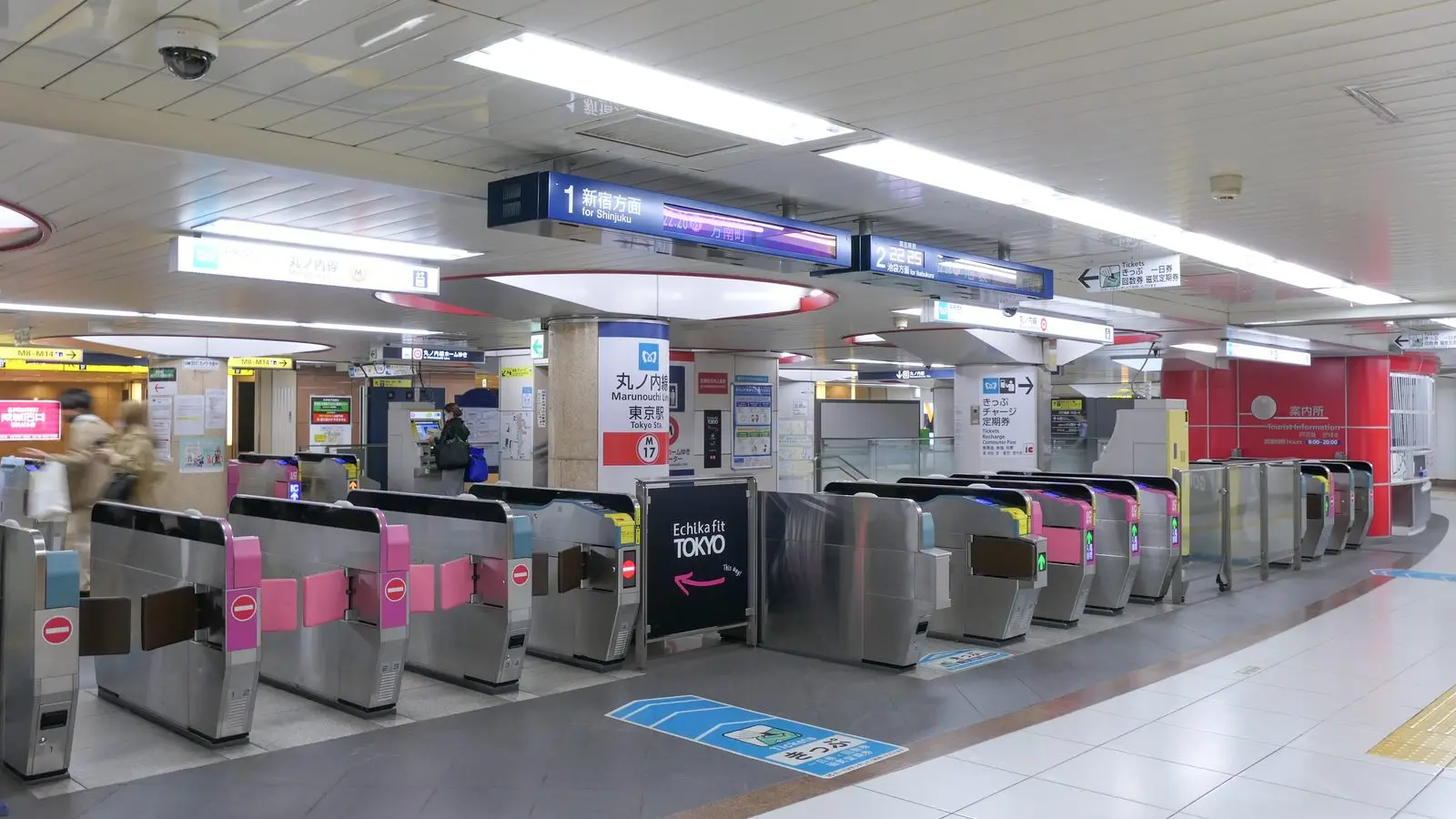

The Out-of-Station Transfer Trap: The 30-Minute Orange Gate Rule
The most common way travelers unintentionally overpay on Tokyo subways occurs at complex stations requiring passengers to exit the gates to complete a line transfer.
At hubs like Ueno (transferring between Ginza and Hibiya lines) or Kuramae (connecting Asakusa and Oedo lines), transferring requires stepping out onto public concourses before re-entering adjacent fare gates.
At these junctions, you must look for gates marked with distinctive orange panels, known as Orange Transfer Gates. Exiting through standard silver gates signals the end of your trip, which will swallow magnetic paper tickets or deduct a fresh base fare from your transit card.
Once you pass through an orange gate, you have exactly 30 minutes to tap into the next subway line to preserve your fare discount. While 30 minutes is generous for walking, stopping to browse station convenience stores or dine will reset your journey, resulting in a full secondary fare deduction.
Beating the Card Shortage: Setting Up Mobile Suica on iPhone in Seconds
A global shortage of specialized semiconductors has resulted in prolonged sales suspensions of physical anonymous Suica and PASMO smartcards at Tokyo train counters.
Rather than waiting in frustrating queues at airport stations to purchase limited-duration Welcome Suica cards, the sleekest move is issuing a digital Suica directly on your smartphone.
iPhone owners can complete setup from anywhere in the world in under two minutes without downloading third-party apps. Simply open Apple Wallet, tap '+', select 'Transit Card', choose 'Japan', pick 'Suica', and select your opening recharge amount using a linked credit card.
Once active, Mobile Suica requires zero face or fingerprint authentication. Simply hold the top of your dark-screen iPhone over the turnstile sensor, and the gates swing open in a tenth of a second. The card functions seamlessly at convenience stores, vending machines, and casual eateries across Japan.
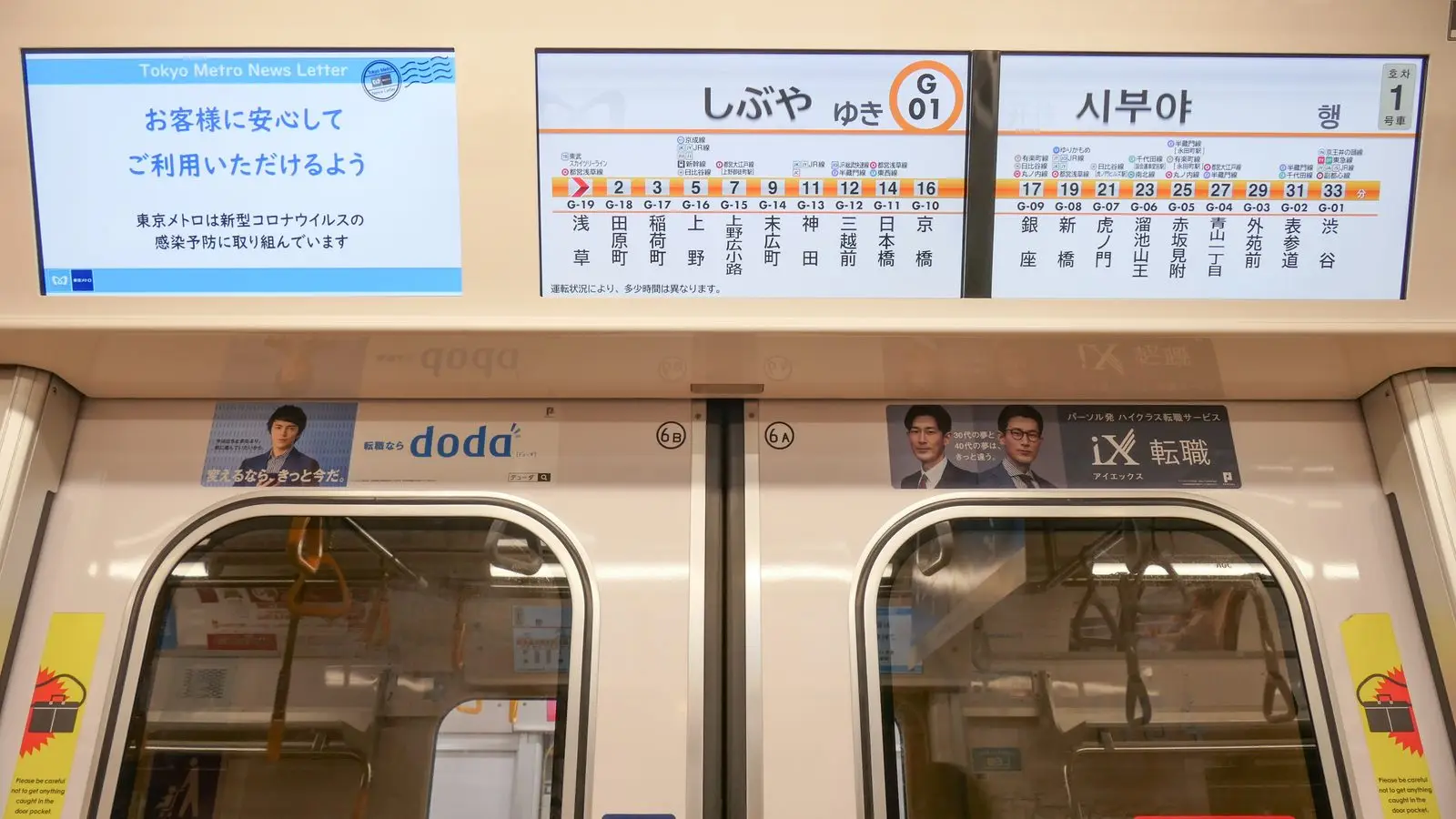
Mastering Massive Stations: Shibuya, Shinjuku, and Track Finding
Mega-terminals like Shinjuku and Shibuya process millions of passengers daily, functioning as underground cities where taking one wrong turn can cost you thirty minutes of wandering.
The secret to effortless navigation is ignoring complex multi-character station names and focusing solely on line color badges and alphabet letters. Follow bright circular icons such as orange 'G' for Ginza, red 'M' for Marunouchi, or purple 'Z' for Hanzomon like navigation beacons.
When verifying track direction on platform overhead monitors, check the terminal destination of the line. On the Ginza line, for instance, you only need to determine whether your stop lies toward Asakusa or toward Shibuya to ensure you board the right train.
Platform screen doors prominently display ascending and descending numerical station codes like 'M16' and 'M17', ensuring that travelers can track their progress with complete confidence, navigating Tokyo's transit veins with the ease of a veteran local commuter.
Frequently Asked Questions
Field-tested answers to transit navigation, neighborhood choices, and payment traps.
Q1.Can I ride the JR Yamanote Line using the Tokyo Subway Ticket?
Q2.How many rides do I need to take to break even on the Tokyo Subway Ticket?
Q3.What is the purpose of the orange ticket gates at Tokyo Metro stations?
Q4.How can I instantly add a digital Suica card to my smartphone?
The Smart Traveler's Essential Toolkit
Prepare instant mobile data, private airport transfers, and skip-the-line passes in one place.
Pick a base in Tokyo by your route
Choose the places you want to see and get the neighbourhood with the shortest travel.
Compare Tokyo Hotel Rates
Find the cheapest channel across Agoda and major booking engines with Tripdify.
Share This Guide with Your Companions
When shared via chat or social media, a curated summary card is sent along.
Recommended Guides
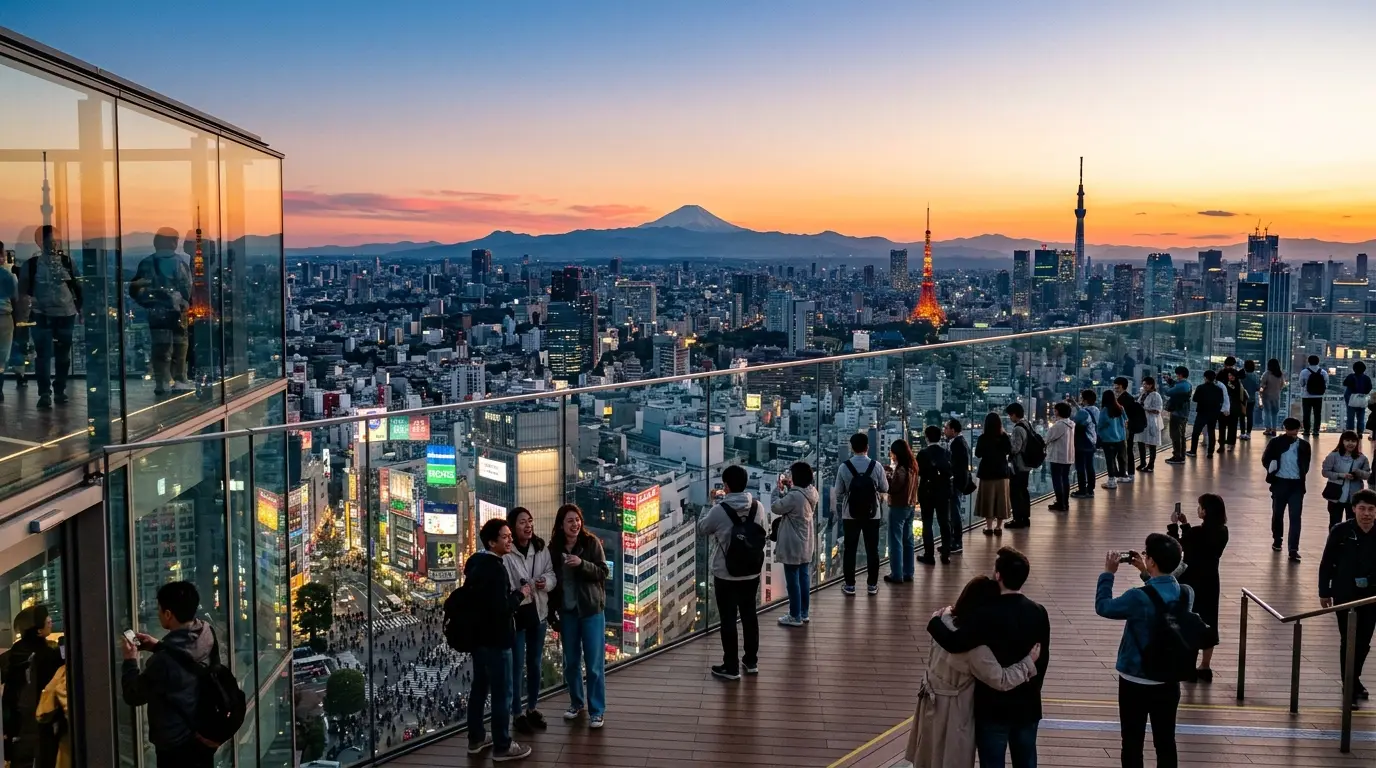
Where to Stay in Tokyo: Shinjuku vs Shibuya vs Ginza
Comparing room footprints across Shinjuku, Ginza, and Ueno, locking in sudden 14-day cancellation drops, and eliminating DCC fees with clean Yen checkout.

7 Budget Hotels in Tokyo Under $100 on the Yamanote Line
Even amid yen fluctuations, central Tokyo hotel rates have soared. Learn how to secure Yamanote loop line hotels at half the price of Shinjuku, compare onsen bath chains like Dormy Inn, trigger secret Agoda VIP and Booking.com Genius discounts, and dodge hidden currency fees with yen settlement.
How to Read the Tokyo Subway Map and Where to Stay on the Yamanote Line
How to choose between Keisei Skyliner and Narita Express, avoid the Tokyo Subway Ticket trap, use Apple Wallet Suica, and select the ideal hotel base in Tokyo.
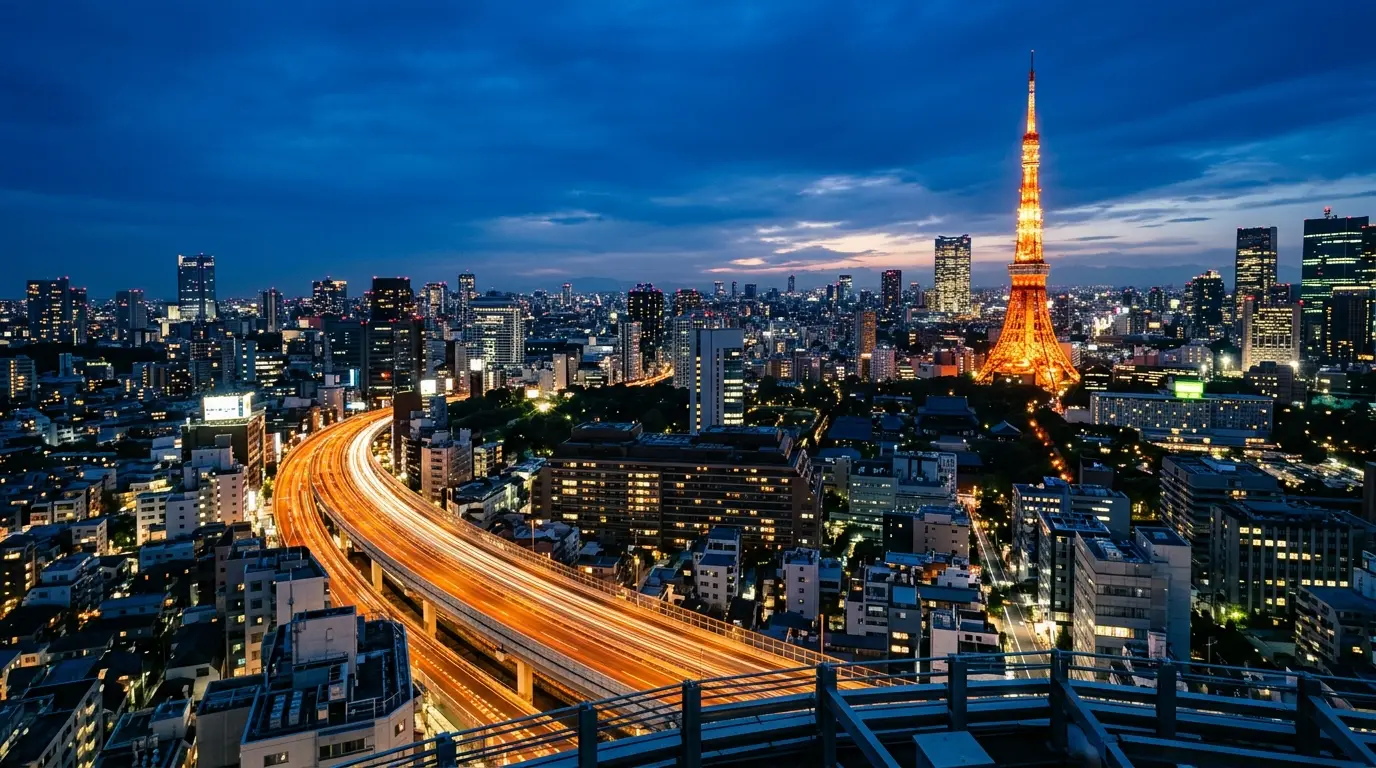
Tokyo Day 1 Itinerary: Narita Airport to the City and Your First 24 Hours
From stepping off at Narita Airport to mastering high-speed trains, navigating Tokyo's sprawling transit hubs, ordering counter ramen effortlessly, and catching sunset from Roppongi Hills. A definitive guide for your first 24 hours in Tokyo.
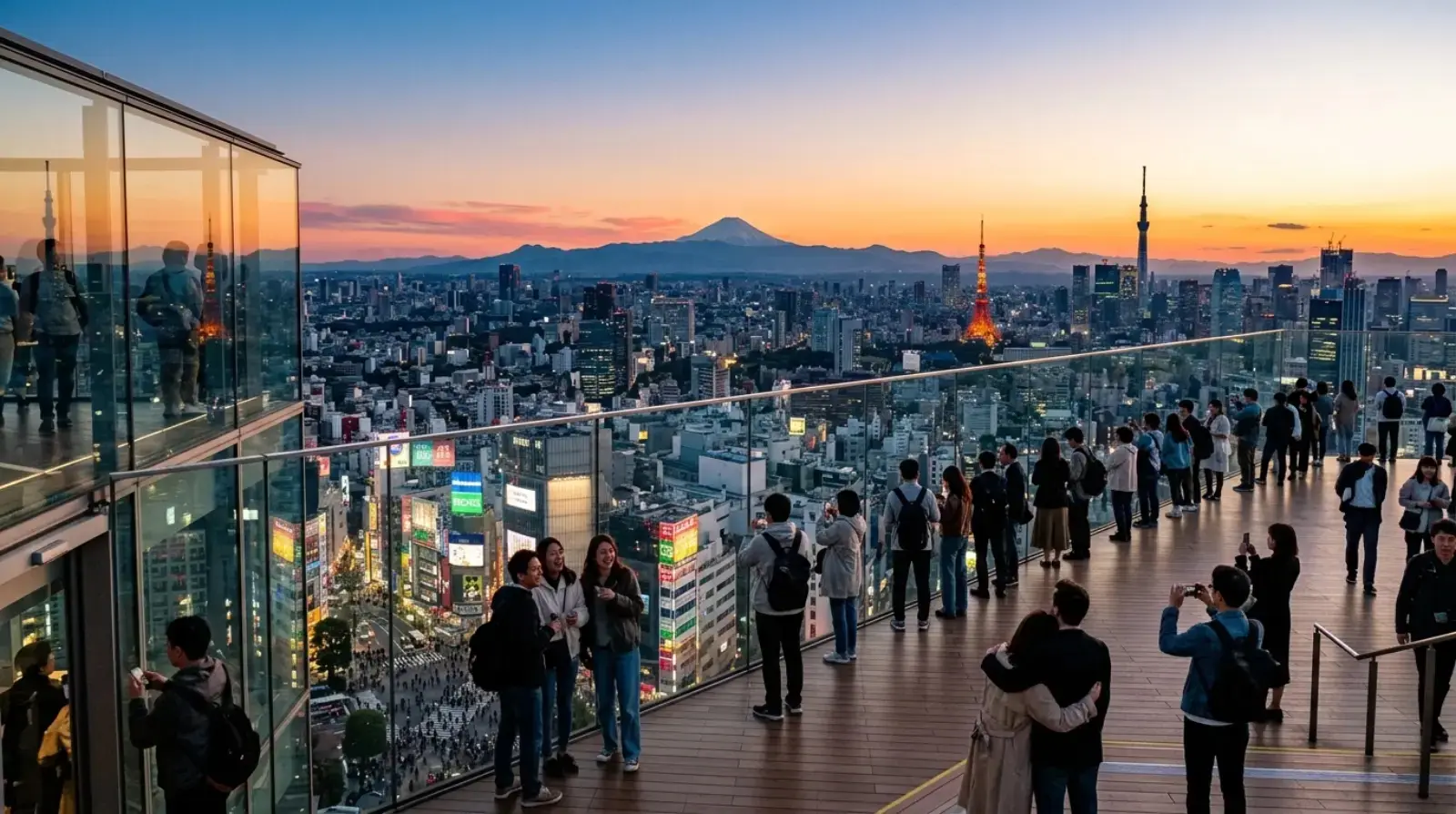
Tokyo Day 2 Itinerary: Booking Shibuya Sky, Harajuku Backstreets and Roppongi at Night
Securing prime sunset slots atop Shibuya Sky, navigating hidden boutiques along Harajuku Cat Street, immersing in the forested serenity of Meiji Jingu, and marveling at the crimson glow of Tokyo Tower from Roppongi Hills. A masterclass in Day 2 pacing.
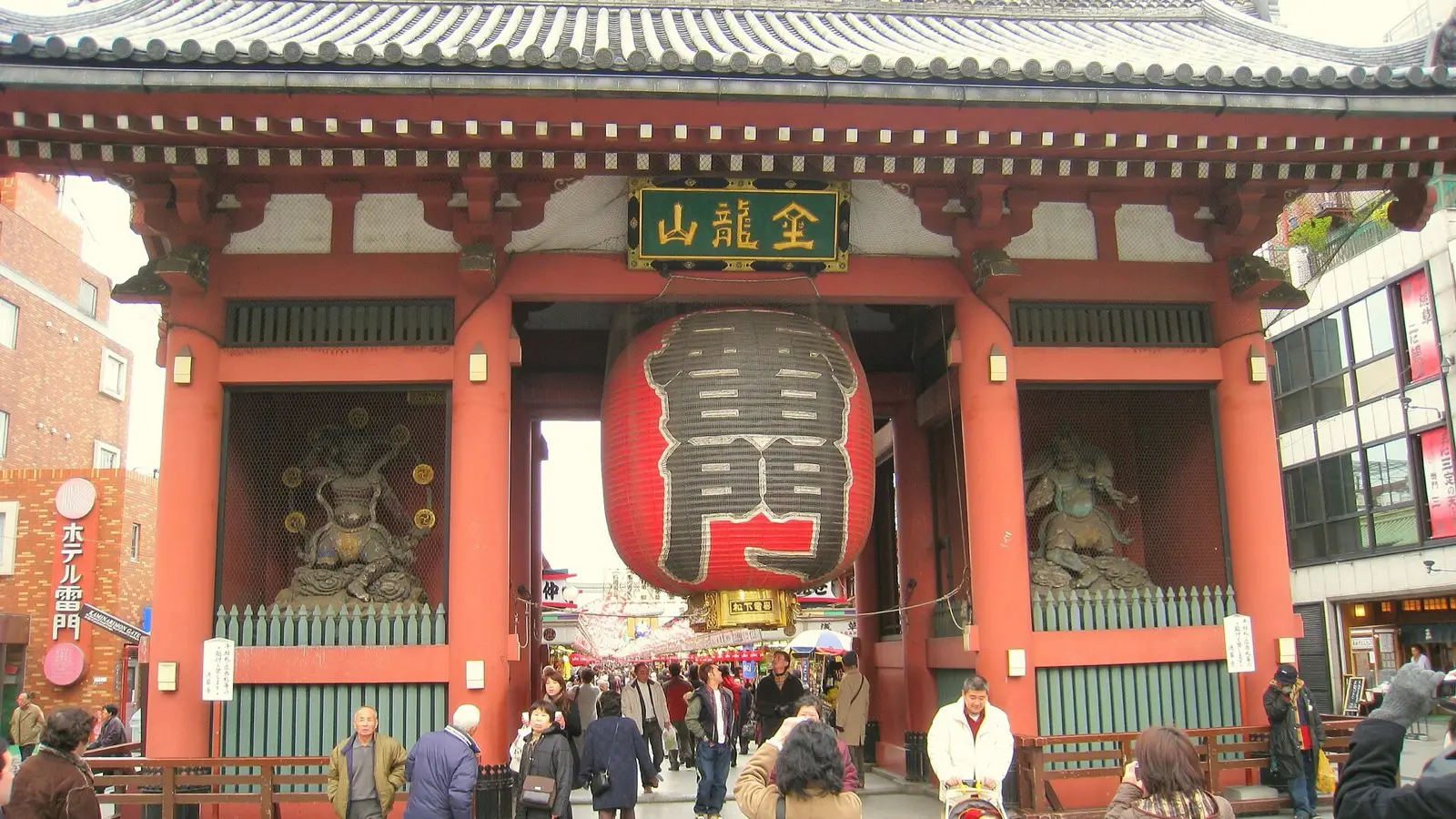
Tokyo Day 3 Itinerary: Asakusa, Akihabara, Ginza Depachika and Flying Home
The ultimate finale for your Tokyo stay: tranquil morning worship at Sensoji, retro subculture in Akihabara, Ginza Six architectural rooftop views and basement depachika feasts, capped by seamless Skyliner and N'EX airport connections.
Exchange Rate Tricks and Hidden Fees When Booking Hotels Abroad
An investigative playbook uncovering why OTA final totals escalate, why card issuer partner links are worth comparing against mobile app rates, and the exact local-currency checklist to stop hidden fees.
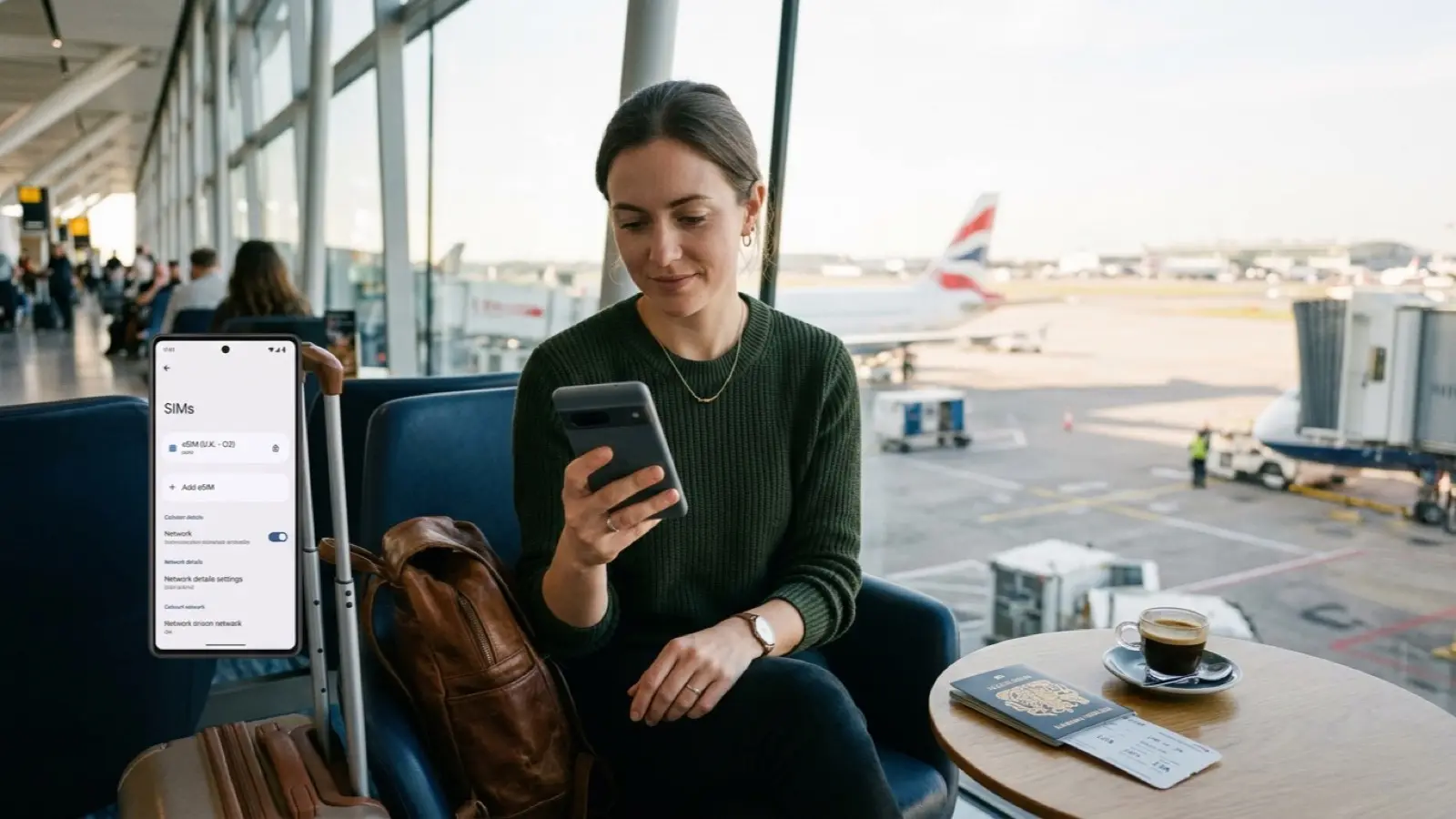
eSIM vs Roaming vs a Local SIM: Which Is Cheapest for Travel Data
Never wait in line for physical SIM swaps or haul heavy battery packs again. From solo weekend getaways to multi-week family tours, here is how to pick the right mobile data setup without wasting money.
Does Incognito Mode Make Flights Cheaper? What Dynamic Pricing Really Does
Does clearing cookies or going incognito actually save cash on flights and hotels? We pull back the curtain on airline revenue management engines, fare bucket mechanics, currency routing quirks, and what day-of-week booking data really shows.
Tax-Free Shopping in Japan: How It Works and What Voids It
While enjoying ten percent consumption tax exemptions in Japan is a cornerstone of travel, the country enforces rigorous customs data tracking and strict packing rules. From general goods accidentally locked inside tamper-evident consumable bags to department stores taking a 1.55 percent handling fee and airport electronic customs audits clawing back taxes on broken seals, here is your essential guide to navigating Japan duty-free shopping without penalty.
Tokyo's Yanaka Ginza Shitamachi Walk: Crispy Croquettes, Quiet Cat Alleys, and Showa Retro Soul
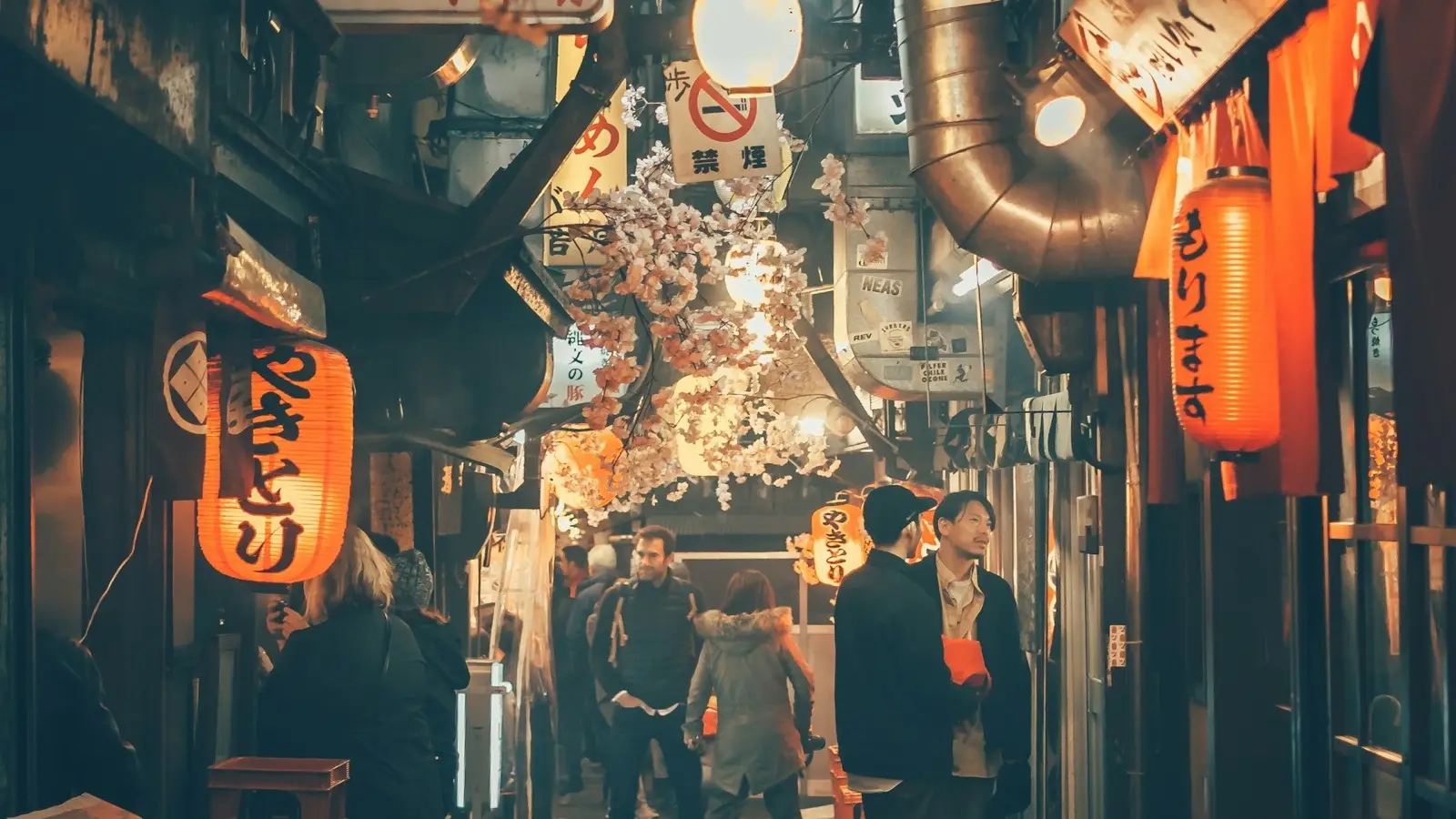
When the sensory overload of Shinjuku's neon billboards and Shibuya's scrambling crosswalks wears thin, seek refuge in Yanesen (the historic triangle of Yanaka, Nezu, and Sendagi), one of the exceedingly rare Tokyo neighborhoods that miraculously escaped both the 1923 Great Kanto Earthquake and World War II firebombings. Beginning from the west exit of JR Nippori Station, this serene walking route descends the famous Yuyake Dandan (Sunset Steps) into the nostalgic, pedestrian-only Yanaka Ginza shopping arcade. From biting into crispy beef menchi-katsu freshly fried at a multi-generational butcher stall to greeting neighborhood alley cats and sipping dark pour-over coffee on the tatami mats of 1938-built Kayaba Coffee, here is your definitive field guide to Tokyo's enduring Showa-era soul.

The Japan Shinkansen Booking Playbook: Mount Fuji Row E Strategy, Oversized Luggage, and Smart EX Savings
Slicing through Japan's industrial and cultural heartland between Tokyo, Kyoto, and Osaka, the Tokaido Shinkansen bullet train network represents the pinnacle of railway engineering. Cruising smoothly at 285 km/h, the Nozomi super-express covers the 515-kilometer corridor in just two hours and twenty minutes. Yet navigating the nuances of seat selection dictates whether your journey becomes a dream sightseeing passage or a cramped logistical hassle. Missing out on the coveted two-abreast 'Row E' window seats when departing Tokyo forfeits uninhibited vistas of Mount Fuji. Furthermore, failing to pre-book dedicated Oversized Baggage seats for luggage whose total dimensions exceed 160 cm triggers an unexpected 1,000 JPY penalty fee enforced by conductors on board. This tactical manual reveals the exact seat reservation rules, paperless Smart EX mobile discounts, oversized luggage exemptions, and post-price-hike JR Rail Pass breakeven mathematics.