
TokyoTips
Narita and Haneda to central Tokyo: fares and times for every train, bus and taxi
Ueno, Tokyo Station, Shinjuku, Shibuya or Ginza: the right ride depends on the station next to your hotel. Official fares for trains, buses, fixed fare taxis and after midnight arrivals
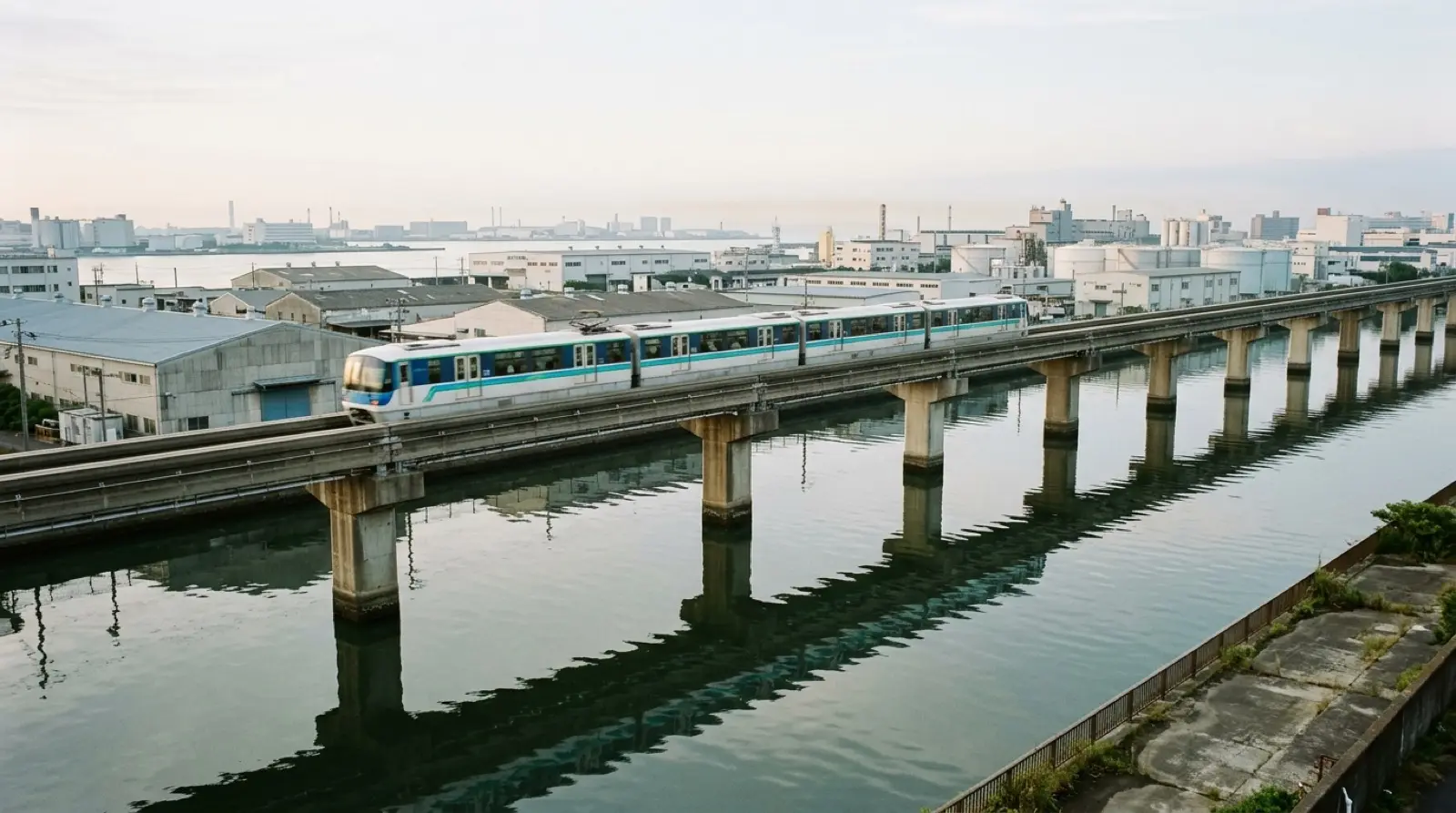
Pick the station before you pick the train
Getting from either Tokyo airport into the city depends less on where you land than on which station sits next to your hotel. From Narita, the Keisei line runs straight to Ueno, Nippori and the Asakusa side of town, while JR's Narita Express (N'EX) runs without a change to Tokyo Station, Shinagawa, Shibuya and Shinjuku. Haneda works differently. It sits close to the city, so Keikyu reaches Shinagawa and the Tokyo Monorail reaches Hamamatsucho in a little over ten minutes, and you change to JR or the subway from there.
Whatever you ride, sort out a transit card first. The cards built for Japan's station gates are IC cards such as Suica and PASMO, so plan on one of those. JR East sells Welcome Suica for short stays: it is valid for 28 days from the day you buy it, and it works on the Tokyo Monorail between Haneda and the city. Limited express trains such as the Skyliner and N'EX are different, because the card alone does not cover the seat and you need a separate express ticket.
Running short of yen is not a problem at Haneda. Keikyu's own guide says the ticket machines there sell ordinary tickets by credit card, and you enter your card PIN on the screen. If your card normally works by signature, check that you know its PIN before you fly. The same guide notes that round trip tickets and discount tickets cannot be bought by card.
In short: a solo traveller with one bag will find rail cheapest and fastest. A family pushing two or three large suitcases will be happier on the N'EX, which needs no change, or on a limousine bus that stops outside the hotel. If your flight lands after midnight, the late night buses and fixed fare taxis are what is left. Find your hotel's station in the table below first.
Narita and Haneda, every fare in one table
The table shows adult one way fares and travel times from each operator's official page as of October 2026. Haneda's main options are included so both airports can be compared at a glance. Rail times are the fastest times the operators publish, and bus times come from timetables, so traffic can stretch them. Fares change, so check the operator's page again right before you pay.
| Airport | Option | To | Time | Adult fare |
|---|---|---|---|---|
| Narita | Skyliner | Nippori, Ueno | 36, 41 min | ¥2,580 |
| Narita | N'EX | Tokyo Sta. | 53 min | ¥3,140 |
| Narita | N'EX | Shinjuku, Shibuya | See timetable | ¥3,330 |
| Narita | TYO-NRT bus | Tokyo Sta. | approx. 68 min | ¥1,500 |
| Narita | Limousine bus | Shinjuku | approx. 105 min | ¥3,600 |
| Narita | Fixed fare taxi | Ginza, Ueno | Traffic | ¥29,000 + tolls |
| Haneda | Keikyu | Shinagawa | 11 to 14 min | ¥330 |
| Haneda | Monorail | Hamamatsucho | 13 min | ¥520 |
| Haneda | Limousine bus | Shinjuku | 40 to 55 min | ¥1,400 |
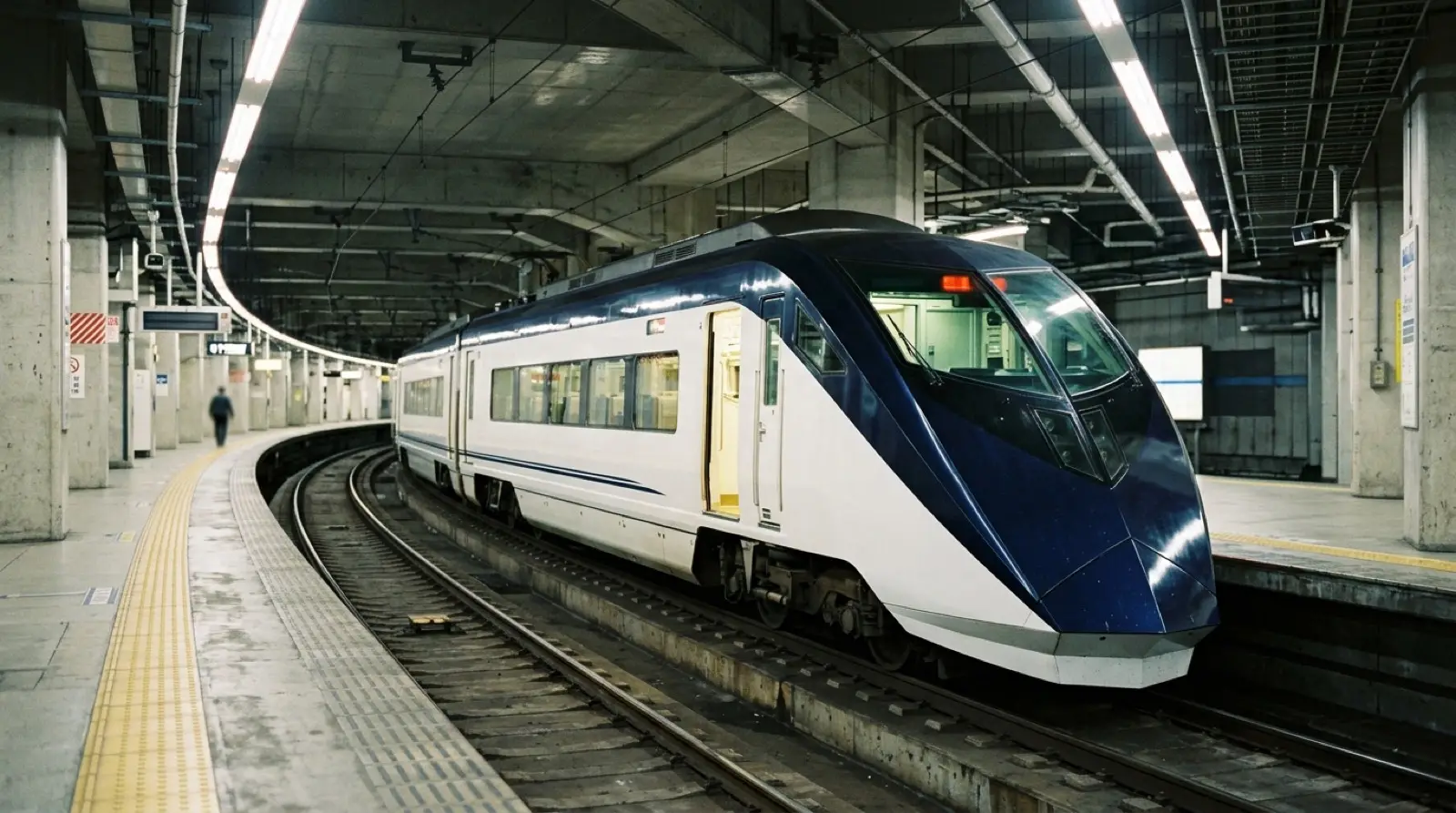
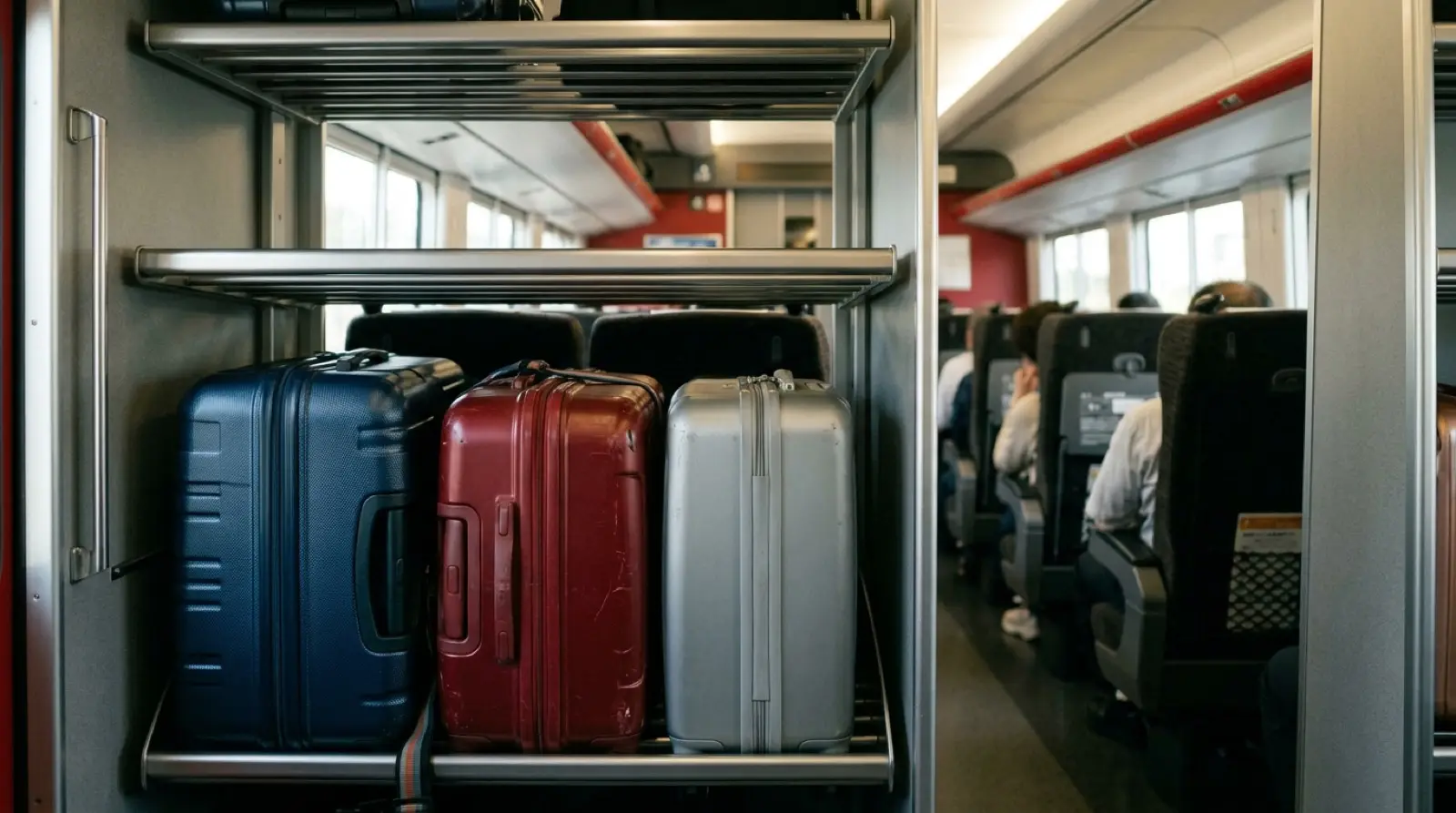
If you are staying around Ueno or Nippori, the Keisei Skyliner is the fastest way in. It takes 36 minutes at best from Narita Airport Terminal 2 and 3 Station to Nippori and 41 minutes to Keisei Ueno, and the adult fare is ¥2,580: a ¥1,280 base fare plus a ¥1,300 Skyliner fee. Every seat is reserved, so nobody stands, and there is luggage space between the cabin and the doors. The catch for Shinjuku or Shibuya is a change to JR at Nippori.
If you are heading for Tokyo Station, Shinagawa, Shibuya or Shinjuku, the N'EX gets you there without a change. The fastest run from Narita Airport to Tokyo Station is 53 minutes, and an ordinary car seat costs ¥3,140 to Tokyo Station and ¥3,330 to Shinagawa, Shibuya or Shinjuku. Holders of non Japanese passports can buy the N'EX TOKYO Round Trip Ticket for ¥5,200, good for one ride in and one ride out within 14 days. Two singles to Tokyo Station come to ¥6,280, so the round trip saves ¥1,080, and ¥1,460 if you are going to Shinjuku.
The deciding question is simply where you sleep. The N'EX does not stop at Ueno, so Ueno means Skyliner. Shinjuku means N'EX, especially on a heavy luggage day when one less change matters. Near Tokyo Station both work, but for overseas visitors who qualify for the round trip ticket the N'EX maths is cleaner. If saving money is the whole point, skip rail and look at the ¥1,500 bus in the next section.
Buses and fixed fare taxis, for families with luggage
The Airport Bus Tokyo Narita (TYO-NRT) takes about 68 minutes from Narita Terminal 1 to Tokyo Station and about 81 minutes to Ginza Station. The official site advertises 65 minutes at best between Tokyo Station and the airport, and it also warns that traffic can make the trip longer. All services currently run without reservations and with free seating, so you buy a ticket at the airport counter and join the queue. The ¥1,500 fare excludes the late night and early morning services.
The Airport Limousine bus to Shinjuku costs ¥3,600 for adults and ¥1,800 for children. The timetable gives a morning departure from Terminal 1 roughly an hour and 45 minutes to Shinjuku Station, which is much slower than rail. What you get in return is the stop list: besides Shinjuku Station at the Keio Department Store, it stops at hotels such as the Keio Plaza Hotel and Hilton Tokyo, so if yours is on the list you arrive at the door. Online reservations close five minutes before departure.
Narita also runs fixed fare taxis priced by zone across Tokyo. Taito ward (Ueno), Chuo ward (Ginza) and Chiyoda ward (Tokyo Station) form Zone C at ¥29,000 via the Keiyo Road, and Shinjuku and Shibuya fall in Zone D at ¥31,500. Expressway tolls are added on top, and a late night and early morning surcharge applies from 10 p.m. to 5 a.m. No booking is needed: ask the driver at the taxi stand whether the car runs the fixed fare.
In numbers, a taxi stays expensive even for four people. Four Skyliner tickets cost ¥10,320, while the Zone C taxi is ¥29,000 before tolls. The taxi only earns its price with small children, with more luggage than anyone can drag through one transfer, or after the last train has gone. The middle ground is the limousine bus that stops at your hotel.
Haneda: Keikyu or the monorail, decided by where you sleep
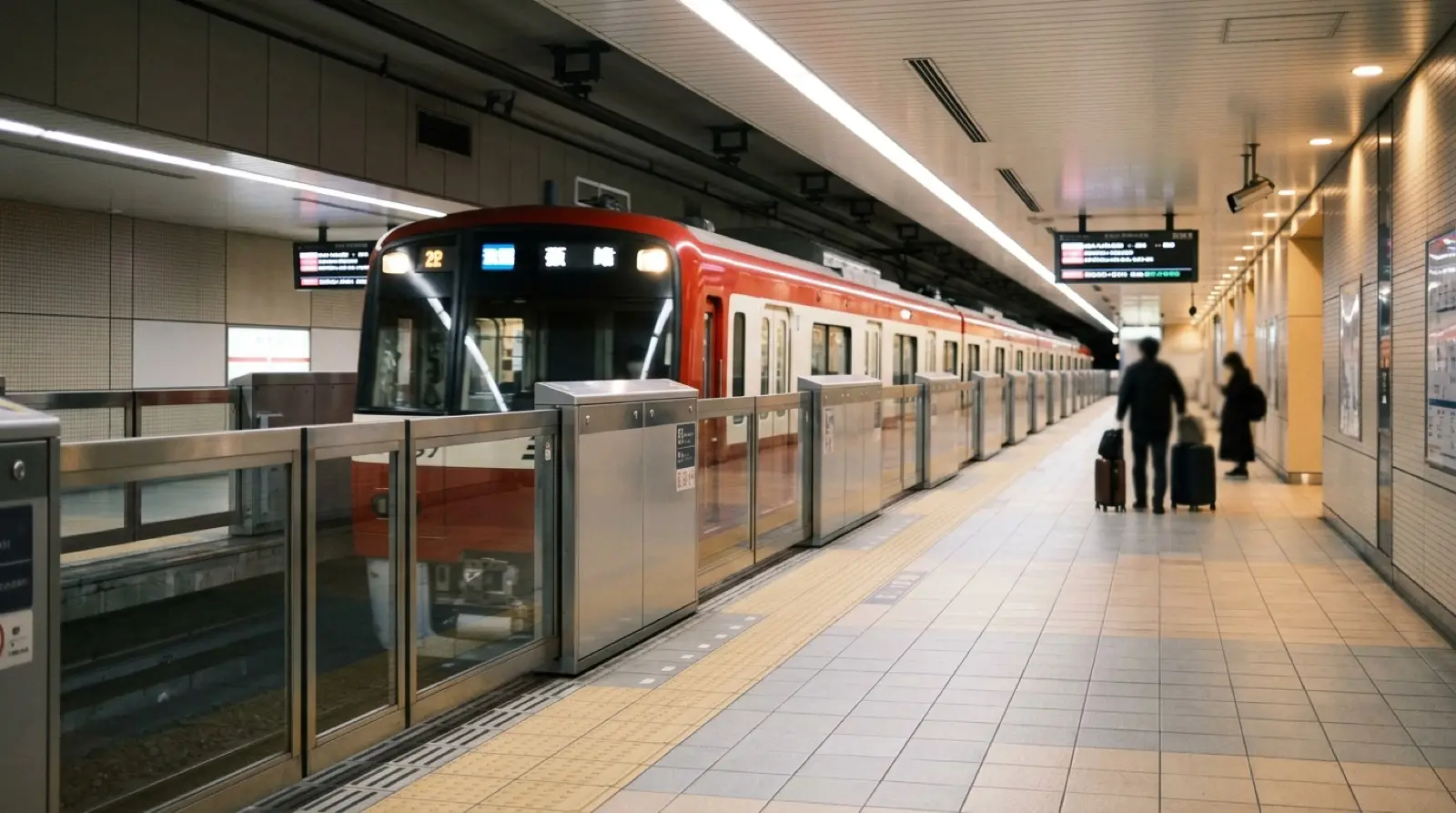
The cheapest way into the city from Haneda is the Keikyu line. From both Haneda Airport Terminal 3 Station and Terminal 1 and 2 Station the fare to Shinagawa is ¥330 (¥327 by IC card), and Keikyu's guide puts the trip at 11 and 14 minutes respectively. Keikyu runs through onto the Toei Asakusa Line, and Keikyu's guide gives 23 minutes to Higashi-ginza and 34 minutes to Asakusa from Terminal 3. If you are staying in Ginza or Asakusa, this is the simplest route.
The Tokyo Monorail reaches Hamamatsucho in 13 minutes at best, and the fare is ¥520 (¥519 by IC card) from every terminal. Trains run about every five minutes on average, so the timetable barely matters. With a change to the JR Yamanote Line at Hamamatsucho, the monorail's own guide gives 19 minutes to Tokyo Station, 27 to Ueno, 30 to Shibuya and 37 to Shinjuku. It costs ¥190 more than Keikyu, but the JR connection at Hamamatsucho is straightforward.
With heavy luggage, the limousine bus is worth a look at Haneda too. It costs ¥1,400 for adults and ¥700 for children to Shinjuku, and the timetable allows about 40 minutes from Terminal 1 and about 55 minutes from Terminal 3. The big advantage is that nobody has to carry a suitcase through the transfer corridors at Shinagawa or Hamamatsucho. Allow for traffic, which can stretch those times.
Haneda also has fixed fare taxis approved by the Ministry of Land, Infrastructure, Transport and Tourism. With the exception of some areas, they cover Tokyo and Kanagawa at a set price that assumes the Shuto Expressway, so tolls are paid on top. Between 10 p.m. and 5 a.m. a higher late night fixed fare applies. The zone prices are published in the Tokyo Hire-Taxi Association's Haneda fixed fare chart.
Landing after midnight
If you land at Haneda around midnight, look at the late night limousine buses first. The Shinjuku services leave Haneda after midnight, and the adult fare is ¥2,800, twice the daytime price. Besides Shinjuku Station, the stops include Higashi-Shinjuku Station and Ikebukuro Station East Exit. Because these buses leave after the date changes, the official timetable asks passengers to take care with the date when booking.
At Narita, TYO-NRT runs late night buses to Tokyo Station in the 11 p.m., midnight and 1 a.m. hours. Late night and early morning services cost double, ¥3,000 for adults and ¥1,500 for children. That is still around a tenth of a fixed fare taxi, so for one or two people it is worth the wait. It is also far better value than a night on an airport bench.
If you plan to use a taxi app, Haneda has separate pickup points. According to the airport's official guide, app dispatched and reserved taxis board on the 2nd floor departure level near Exit 7 at Terminal 1 and near Exit 2 at Terminal 2, and on the 8th floor of P5 parking at Terminal 3. Regular taxis board outside the 1st floor arrival lobby of each terminal. Locations can change when it is busy, so check the pickup point shown in the app first.
In the end it comes down to three questions: which station is next to your hotel, how many bags you have, and what time you land. Answer those and the nine rows in the table shrink to one. First and last services can change, so open each operator's timetable again the day before you fly.
Frequently Asked Questions
Field-tested answers to transit navigation, neighborhood choices, and payment traps.
Q1.What is the cheapest way from Narita Airport to central Tokyo?
Q2.What is the fastest way from Narita Airport to Ueno or Shinjuku?
Q3.How to get from Haneda Airport to Shibuya or Shinjuku?
Q4.How to get into Tokyo from Haneda Airport after midnight?
The Smart Traveler's Essential Toolkit
Prepare instant mobile data, private airport transfers, and skip-the-line passes in one place.
Pick a base in Tokyo by your route
Choose the places you want to see and get the neighbourhood with the shortest travel.
Compare Tokyo Hotel Rates
Find the cheapest channel across Agoda and major booking engines with Tripdify.
Share This Guide with Your Companions
When shared via chat or social media, a curated summary card is sent along.
Recommended Guides
Where to Stay in Tokyo: Shinjuku vs Shibuya vs Ginza
Comparing room footprints across Shinjuku, Ginza, and Ueno, locking in sudden 14-day cancellation drops, and eliminating DCC fees with clean Yen checkout.
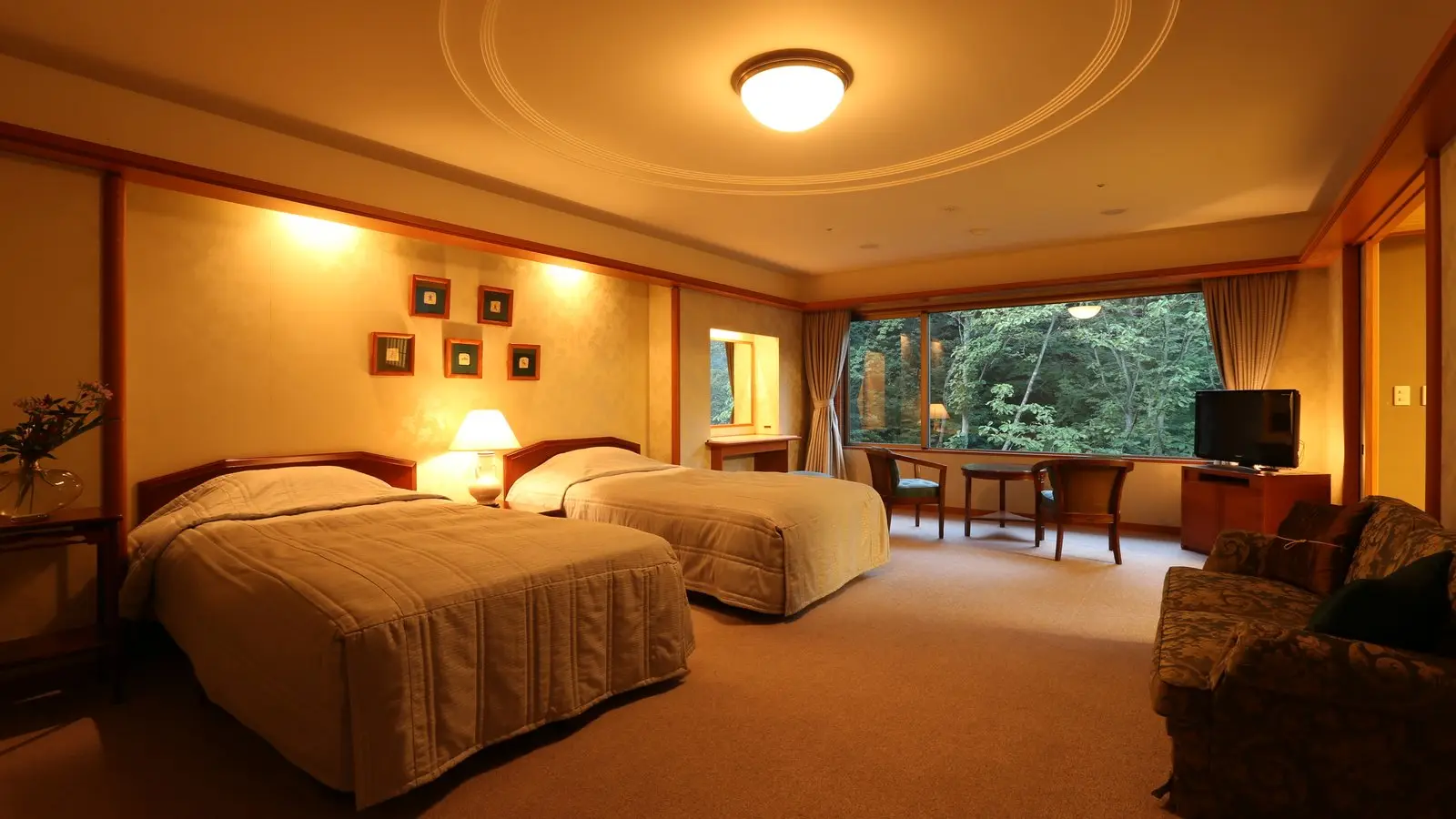
7 Budget Hotels in Tokyo Under $100 on the Yamanote Line
Even amid yen fluctuations, central Tokyo hotel rates have soared. Learn how to secure Yamanote loop line hotels at half the price of Shinjuku, compare onsen bath chains like Dormy Inn, trigger secret Agoda VIP and Booking.com Genius discounts, and dodge hidden currency fees with yen settlement.
How to Read the Tokyo Subway Map and Where to Stay on the Yamanote Line
How to choose between Keisei Skyliner and Narita Express, avoid the Tokyo Subway Ticket trap, use Apple Wallet Suica, and select the ideal hotel base in Tokyo.
Tokyo Day 1 Itinerary: Narita Airport to the City and Your First 24 Hours
From stepping off at Narita Airport to mastering high-speed trains, navigating Tokyo's sprawling transit hubs, ordering counter ramen effortlessly, and catching sunset from Roppongi Hills. A definitive guide for your first 24 hours in Tokyo.
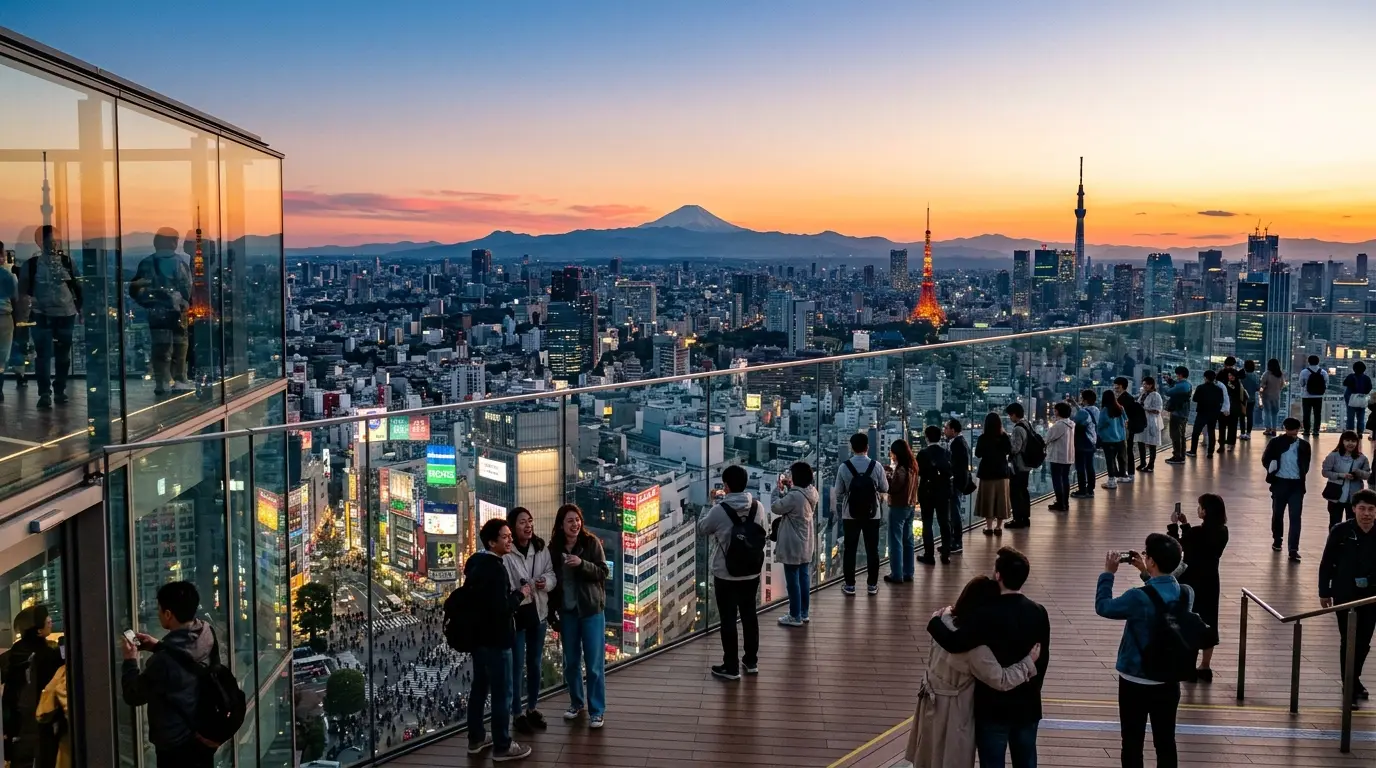
Tokyo Day 2 Itinerary: Booking Shibuya Sky, Harajuku Backstreets and Roppongi at Night
Securing prime sunset slots atop Shibuya Sky, navigating hidden boutiques along Harajuku Cat Street, immersing in the forested serenity of Meiji Jingu, and marveling at the crimson glow of Tokyo Tower from Roppongi Hills. A masterclass in Day 2 pacing.
Tokyo Day 3 Itinerary: Asakusa, Akihabara, Ginza Depachika and Flying Home
The ultimate finale for your Tokyo stay: tranquil morning worship at Sensoji, retro subculture in Akihabara, Ginza Six architectural rooftop views and basement depachika feasts, capped by seamless Skyliner and N'EX airport connections.
Exchange Rate Tricks and Hidden Fees When Booking Hotels Abroad
An investigative playbook uncovering why OTA final totals escalate, why card issuer partner links are worth comparing against mobile app rates, and the exact local-currency checklist to stop hidden fees.
eSIM vs Roaming vs a Local SIM: Which Is Cheapest for Travel Data
Never wait in line for physical SIM swaps or haul heavy battery packs again. From solo weekend getaways to multi-week family tours, here is how to pick the right mobile data setup without wasting money.
Does Incognito Mode Make Flights Cheaper? What Dynamic Pricing Really Does
Does clearing cookies or going incognito actually save cash on flights and hotels? We pull back the curtain on airline revenue management engines, fare bucket mechanics, currency routing quirks, and what day-of-week booking data really shows.
Tax-Free Shopping in Japan: How It Works and What Voids It
While enjoying ten percent consumption tax exemptions in Japan is a cornerstone of travel, the country enforces rigorous customs data tracking and strict packing rules. From general goods accidentally locked inside tamper-evident consumable bags to department stores taking a 1.55 percent handling fee and airport electronic customs audits clawing back taxes on broken seals, here is your essential guide to navigating Japan duty-free shopping without penalty.
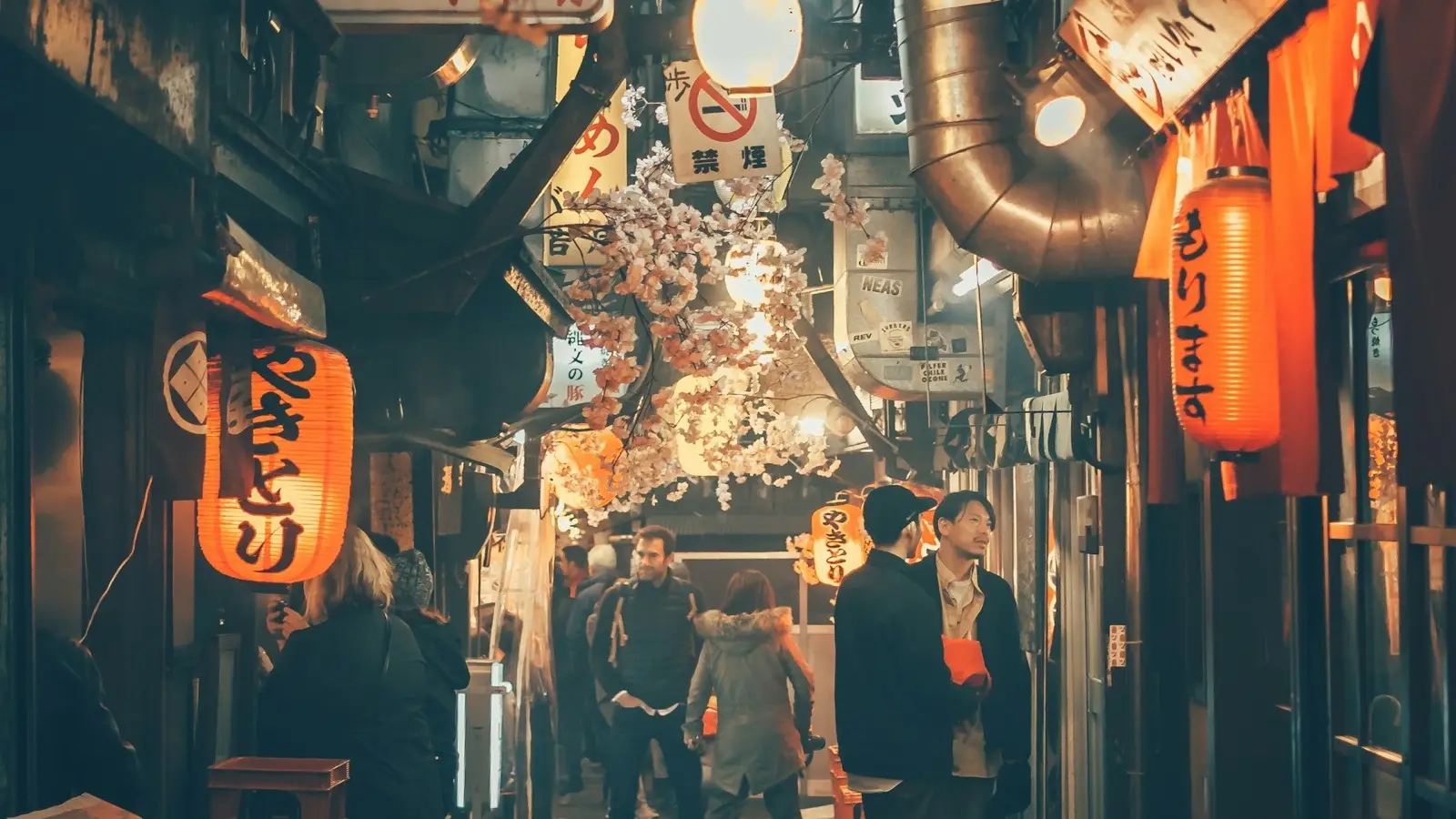
Tokyo's Yanaka Ginza Shitamachi Walk: Crispy Croquettes, Quiet Cat Alleys, and Showa Retro Soul
When the sensory overload of Shinjuku's neon billboards and Shibuya's scrambling crosswalks wears thin, seek refuge in Yanesen (the historic triangle of Yanaka, Nezu, and Sendagi), one of the exceedingly rare Tokyo neighborhoods that miraculously escaped both the 1923 Great Kanto Earthquake and World War II firebombings. Beginning from the west exit of JR Nippori Station, this serene walking route descends the famous Yuyake Dandan (Sunset Steps) into the nostalgic, pedestrian-only Yanaka Ginza shopping arcade. From biting into crispy beef menchi-katsu freshly fried at a multi-generational butcher stall to greeting neighborhood alley cats and sipping dark pour-over coffee on the tatami mats of 1938-built Kayaba Coffee, here is your definitive field guide to Tokyo's enduring Showa-era soul.

The Japan Shinkansen Booking Playbook: Mount Fuji Row E Strategy, Oversized Luggage, and Smart EX Savings
Slicing through Japan's industrial and cultural heartland between Tokyo, Kyoto, and Osaka, the Tokaido Shinkansen bullet train network represents the pinnacle of railway engineering. Cruising smoothly at 285 km/h, the Nozomi super-express covers the 515-kilometer corridor in just two hours and twenty minutes. Yet navigating the nuances of seat selection dictates whether your journey becomes a dream sightseeing passage or a cramped logistical hassle. Missing out on the coveted two-abreast 'Row E' window seats when departing Tokyo forfeits uninhibited vistas of Mount Fuji. Furthermore, failing to pre-book dedicated Oversized Baggage seats for luggage whose total dimensions exceed 160 cm triggers an unexpected 1,000 JPY penalty fee enforced by conductors on board. This tactical manual reveals the exact seat reservation rules, paperless Smart EX mobile discounts, oversized luggage exemptions, and post-price-hike JR Rail Pass breakeven mathematics.