
Tapas Crawling Barcelona's Gothic and El Born Quarters: Century-Old Bodegas, Pinchos Counters, and Flutes of Crisp Cava
From the aroma of cured jamon slicing through medieval alleys to standing-only anchovy and bomba bars
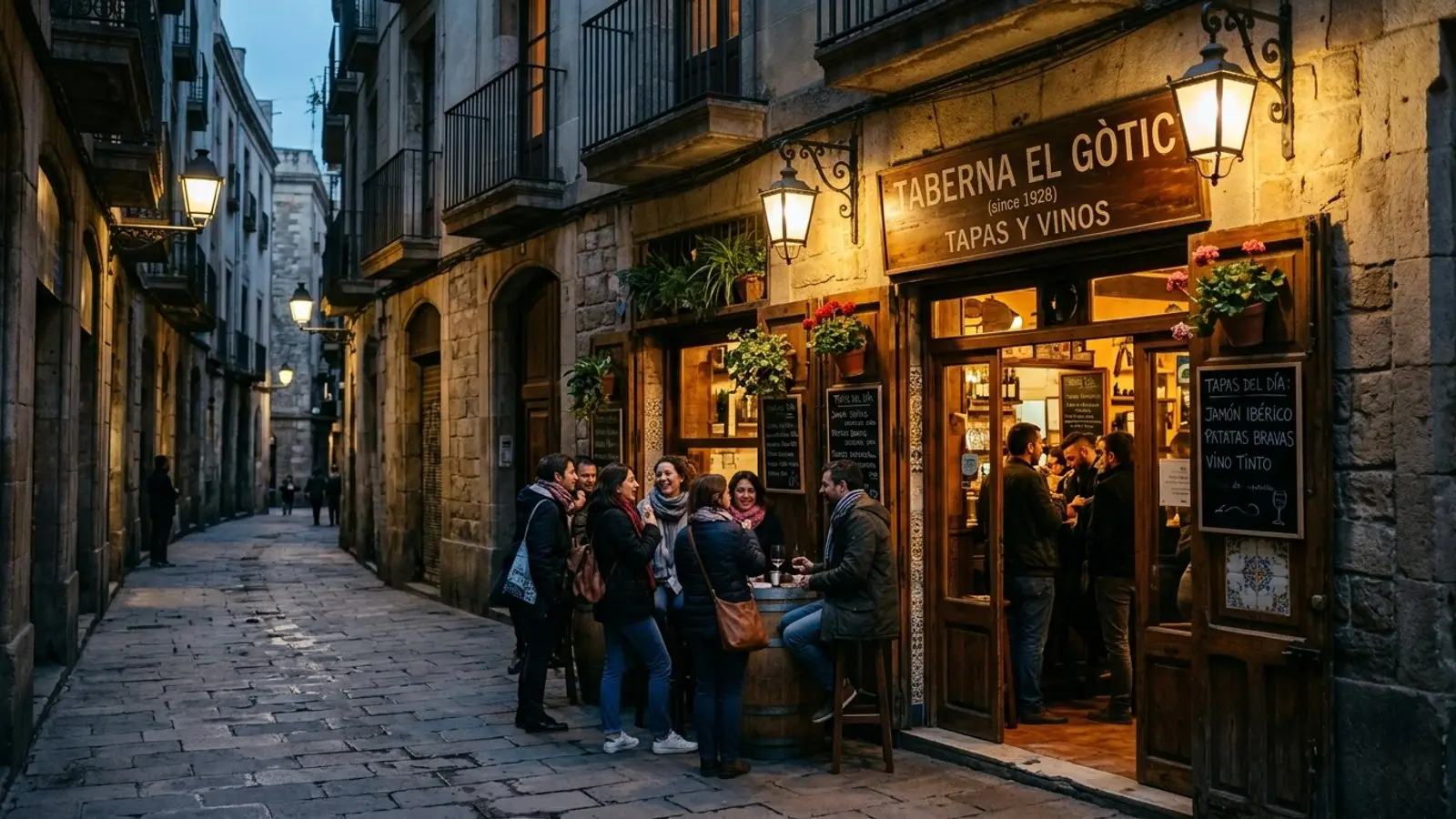
Medieval Alleys and Living Taverns: Setting Out from the Gothic Quarter into El Born
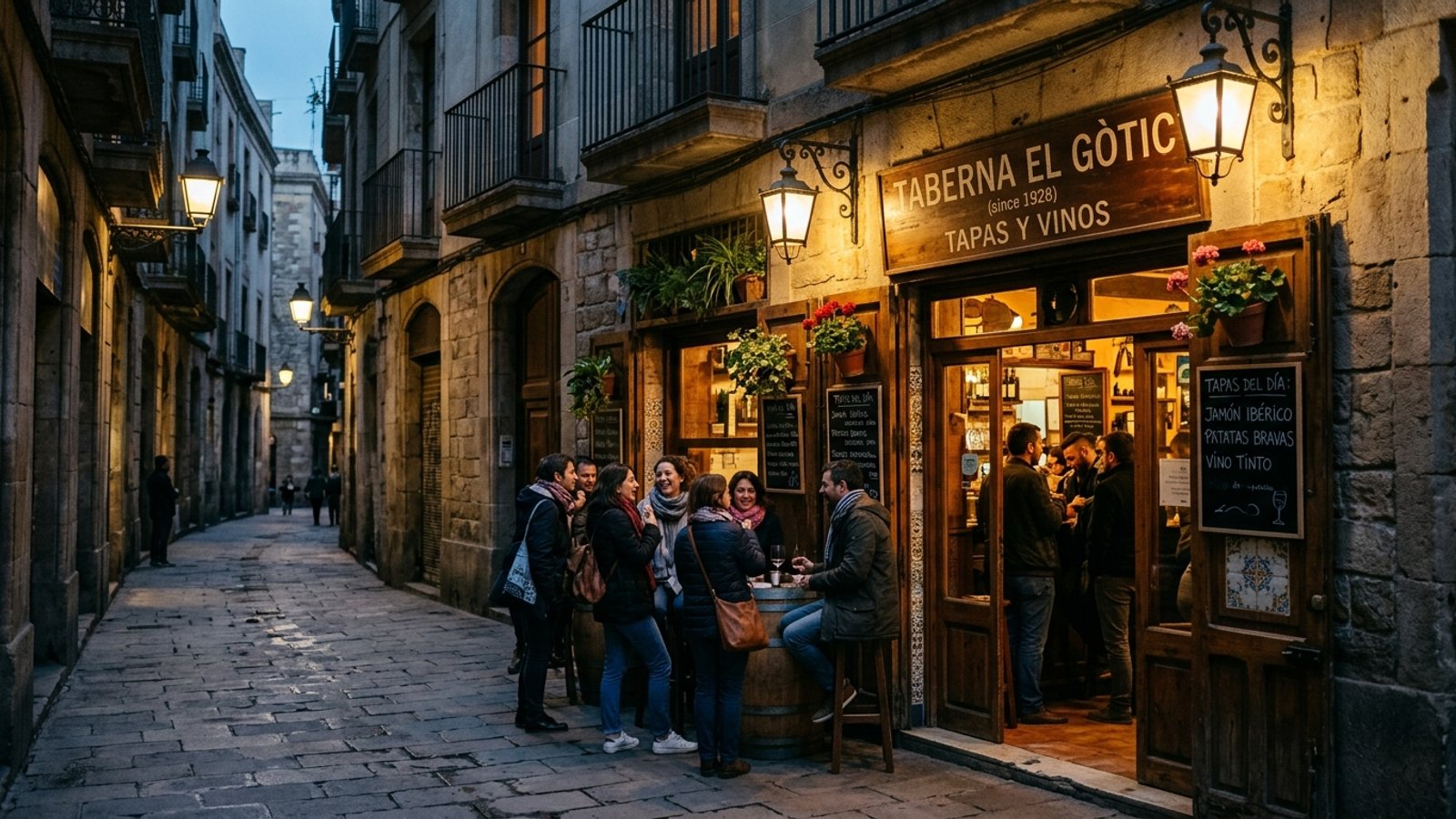
Evening in Barcelona arrives far more languidly than in northern capitals. Because authentic Spanish dinners rarely commence before nine-thirty at night, the transitional hours around seven o'clock belong entirely to the ritual of the tapas crawl, where weary workers and curious travelers mingle over small bites and glasses of wine.
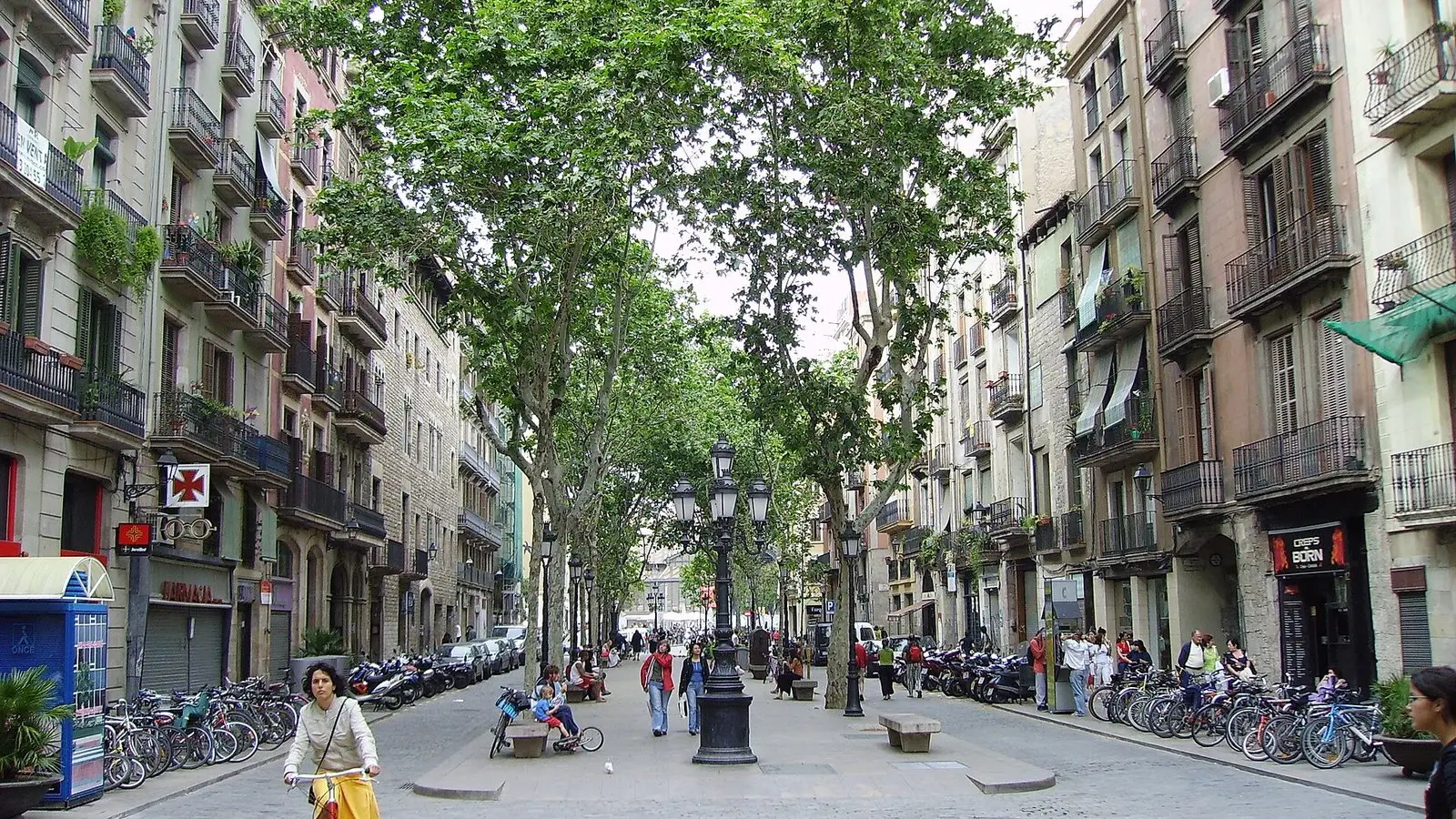
The ideal starting point is the Barri Gotic, where thirteenth-century masonry forms an atmospheric pedestrian maze. Brushing against Roman defensive walls and soaring Gothic archways, muffled laughter and the ringing clatter of porcelain plates drift into cobblestone lanes from behind worn cedar doors.
In Catalonia, tapas is not a culinary category, but an art form of human connection. Rather than settling rigidly at a single white-clothed table for three hours, tradition dictates grazing across three or four distinct taverns, sampling each kitchen's solitary signature dish at the standing bar before moving along.
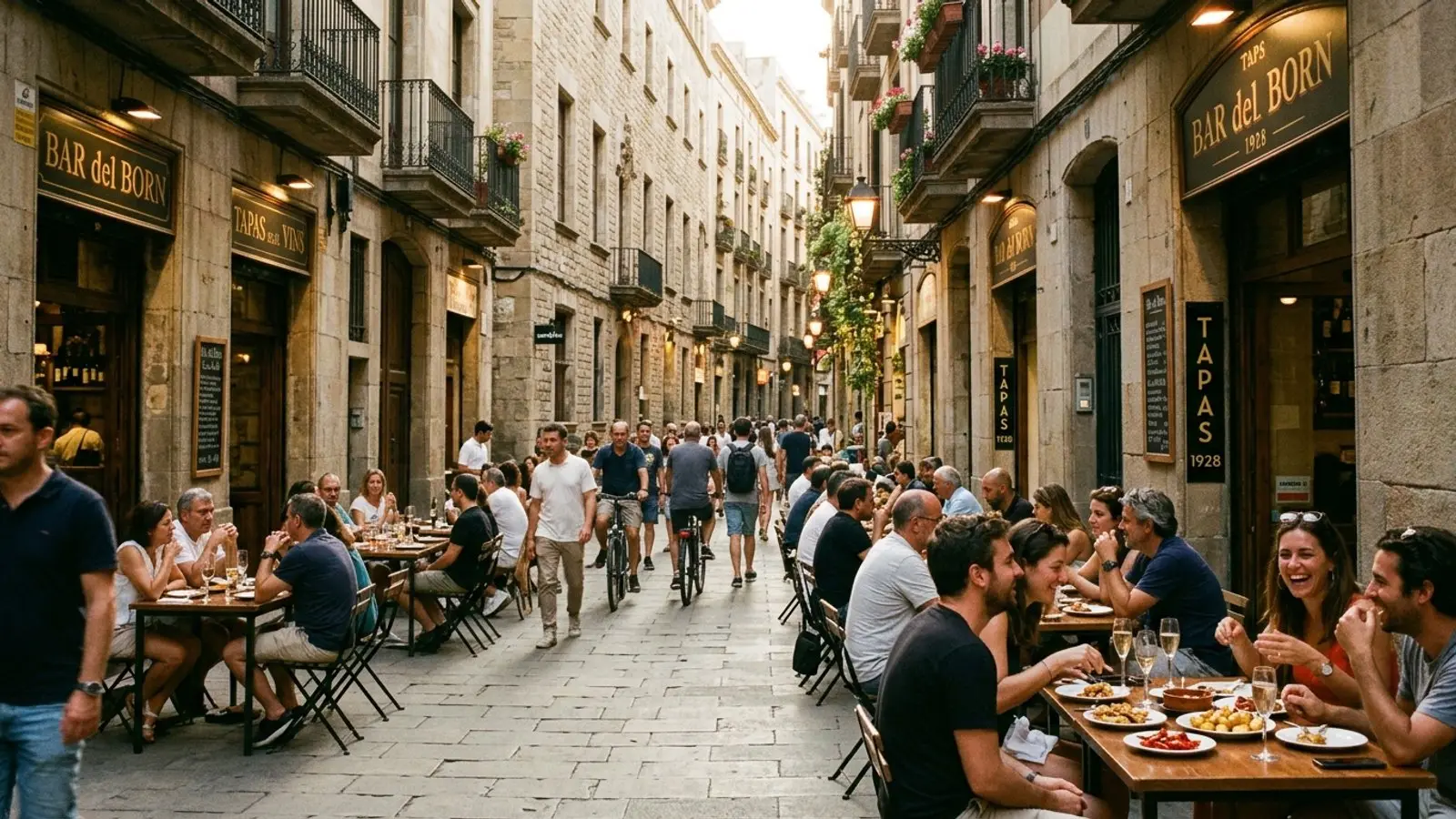
Turning east past the bustling thoroughfare of Via Laietana into the historic artisan quarter of El Born, commercial tourist traps evaporate. Here, lantern-lit alleys lined with golden stone yield century-old bodegas that preserve the true hospitable warmth of Catalonia.
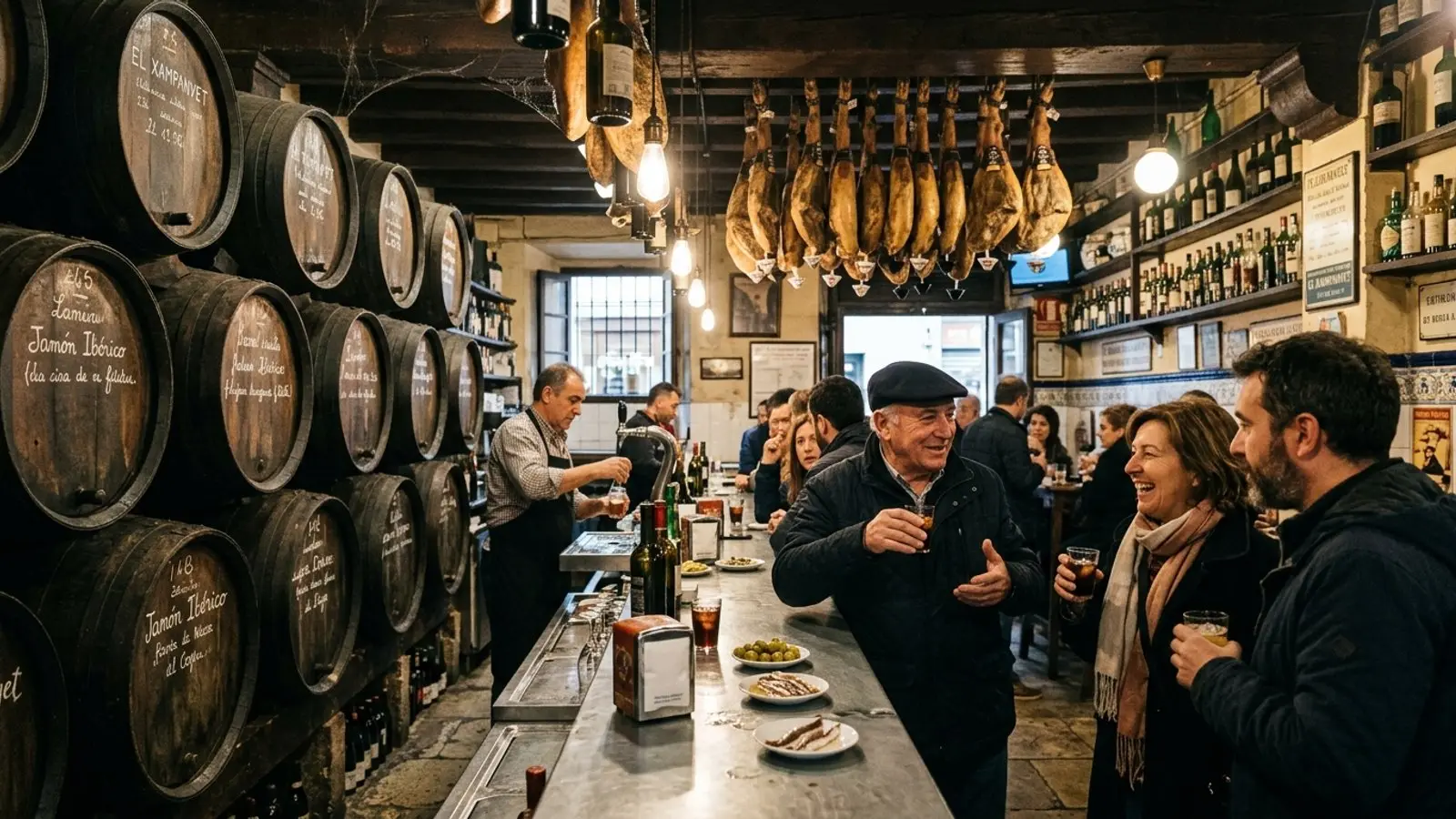
Hanging Jamon and Heritage Bodegas: Standing at the Counter for Pan con Tomate
Stepping across the threshold of a historic Catalan bodega represents a profound sensory transition. Suspended from soot-blackened timber beams are dozens of cured Jamon Iberico legs, their salt crystals glistening under amber filament bulbs, while monumental century-old oak wine vats loom majestically along perimeter walls.
Inside revered institutions like El Xampanyet or Bodega La Palma, assigned seating is non-existent. Patrons press shoulder-to-shoulder three rows deep along zinc counter tops; catching the eye of the proprietor amidst the cheerful bedlam is your inaugural rite of passage.
Your immediate order must be Catalonia's culinary cornerstone: Pan con Tomate. Slices of airy crystal bread (pan de cristal) are toasted crisp, scraped vigorously with raw garlic cloves, rubbed with the pulp of overripe hanging tomatoes, and finished with golden olive oil and flaky sea salt - an elementary yet sublime masterpiece.
Next, reach for toothpicked pintxos lined up across glass displays: plump white marinated boquerones anchovies, skewered green Manzanilla olives, or wedges of freshly flipped potato tortilla still warm from the skillet. The collision of rich olive oil and bright tomato acidity cuts cleanly through travel fatigue.
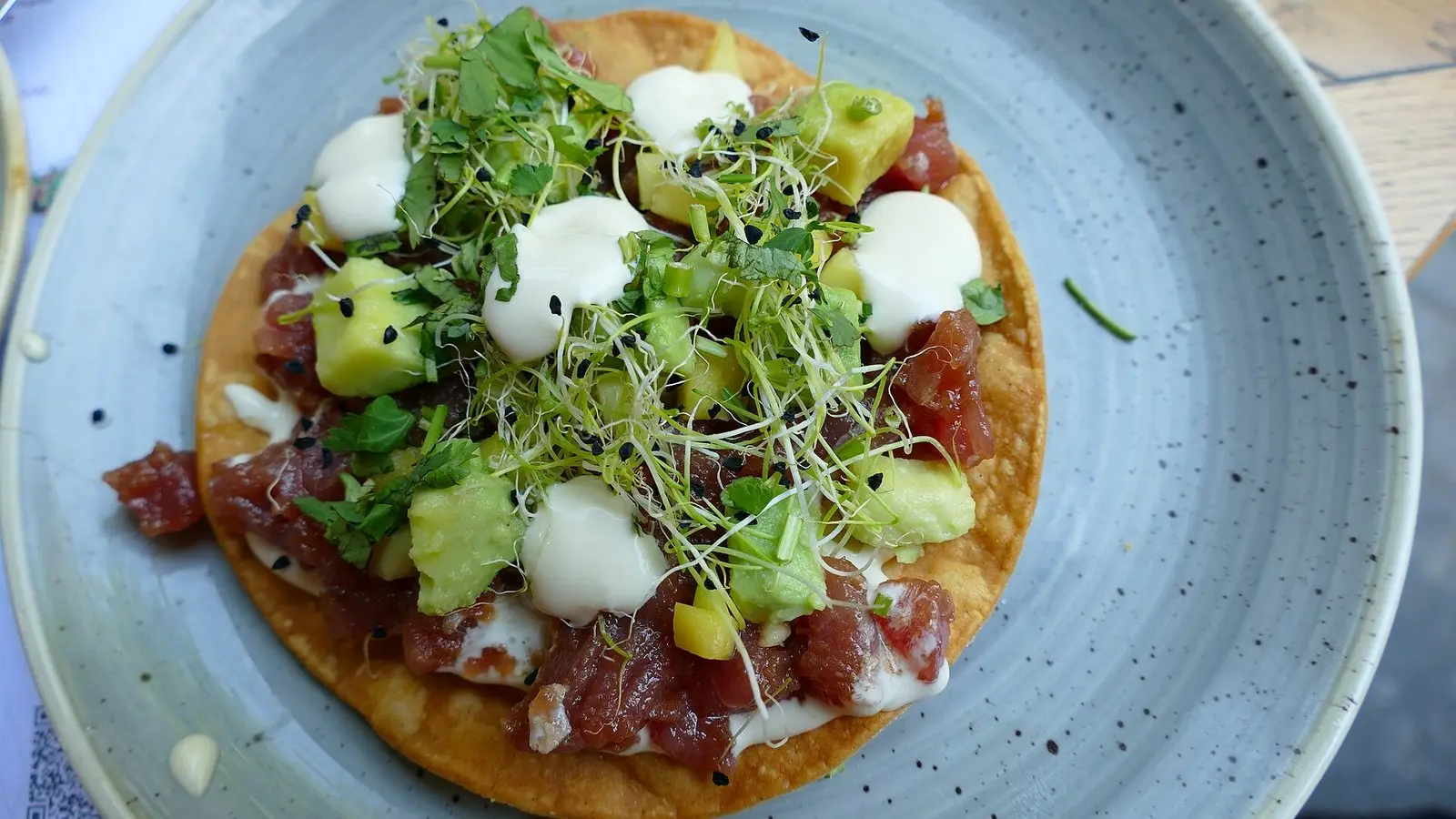
The Barceloneta 'La Bomba' and Sizzling Seafood of the Fishermen's Quarter
Wandering further south into the grid of Barceloneta, the historic fishermen's village abutting the Mediterranean, the smell of sea brine intermingles with smoking olive oil and toasted garlic. Travelers venture here specifically to seek out the district's legendary edible explosive: La Bomba.
Invented during the 1950s to sustain dockworkers, a bomba consists of spiced minced pork encased in mashed potato, rolled into a sphere, breaded, and deep-fried golden. Crowning the sphere are two contrasting sauces: garlicky white aioli and fiery brava chili sauce, symbolizing the anarchist fuse-bombs of Barcelona's industrial past.
Historic cantinas like La Cova Fumada remain completely signless, yet culinary pilgrims queue down the street from opening hour to snag bombas and whole sardines blistered over iron planchas. Crushed paper napkins discarded casually across tiled floors reflect the raucous, unpretentious spirit of maritime tavern culture.
Pairing a bomba with earthenware ramekins of sizzling garlic prawns (Gambas al Ajillo) or tender griddled baby squid (Chipirones) captures the maritime bounty of the Balearic Sea in its purest, most invigorating form.
Effervescent Cava and Aromatic Vermut: Celebrating the Sunday Midday Ritual
The ultimate accompaniment to Catalan small plates is the regional sparkling wine known as Cava. Crafted in the nearby Penedes valley using traditional bottle-fermentation techniques identical to Champagne, artisanal Cava delivers delicate persistent beads of carbonation at the remarkably friendly price of three to four euros per flute.
Served bone-chilled in slender glasses, Cava's crisp green apple acidity and mineral snap effortlessly slice through the rich fats of fried croquetas and cured pork. Taking a chilled sip between bites cleanses the palate instantly, resetting the appetite for another round of tapas.
On weekend afternoons, the beverage of choice pivots toward traditional botanical Vermut. Following Sunday morning strolls, neighborhoods congregate under the social mandate of 'fer el vermut' (making the vermouth), sharing leisurely hours before afternoon family meals.
A goblet of homemade artisanal red vermouth poured over ice, garnished with an orange wedge and skewered olive, then spritzed with a vintage soda siphon, represents the definitive soundtrack to Mediterranean leisure.
Beneath the Gaslights of Santa Maria del Mar: Barcelona's Enduring Midnight Warmth
After grazing through three or four lively taverns, bring your culinary pilgrimage to rest upon the stone benches of Placa de Santa Maria. Dominating the intimate square is the fourteenth-century Basilica of Santa Maria del Mar, constructed stone-by-stone by medieval dockworkers as their dedicated maritime cathedral.
Even past eleven o'clock, cafe terrace tables remain animated with shared bottles and soft Spanish guitar melodies drifting through the Mediterranean breeze. Golden lantern light washes over ancient Gothic stonework, illuminating the soaring rose window against the ink-black night.
Holding a final glass of effervescent Cava while gazing upon the weathered sandstone facade, travelers grasp why Barcelona captures imaginations so permanently. It is not merely Gaudi's flamboyant monuments, but the vibrant, democratic street life flourishing within its medieval corridors.
Stepping away from polished tourist corridors to converse with tavern keepers and rub elbows with neighborhood residents at zinc counters leaves a lingering, unforgettable warmth that defines authentic Catalan hospitality.
Frequently Asked Questions
Field-tested answers to transit navigation, neighborhood choices, and payment traps.
Q1.What is the optimal time of evening to embark on a Barcelona tapas crawl?
Q2.Are standing tapas bars approachable and welcoming for solo travelers?
Q3.Which quintessential tapas dishes should first-time visitors prioritize?
Q4.What primary safety precautions prevent pickpocketing inside crowded tapas bars?
The Smart Traveler's Essential Toolkit
Prepare instant mobile data, private airport transfers, and skip-the-line passes in one place.
Pick a base in Barcelona by your route
Choose the places you want to see and get the neighbourhood with the shortest travel.
Compare Barcelona Hotel Rates
Find the cheapest channel across Agoda and major booking engines with Tripdify.
Share This Guide with Your Companions
When shared via chat or social media, a curated summary card is sent along.
Recommended Guides
Barcelona Itinerary and Where to Stay: Gaudi Sites and the Tourist Tax
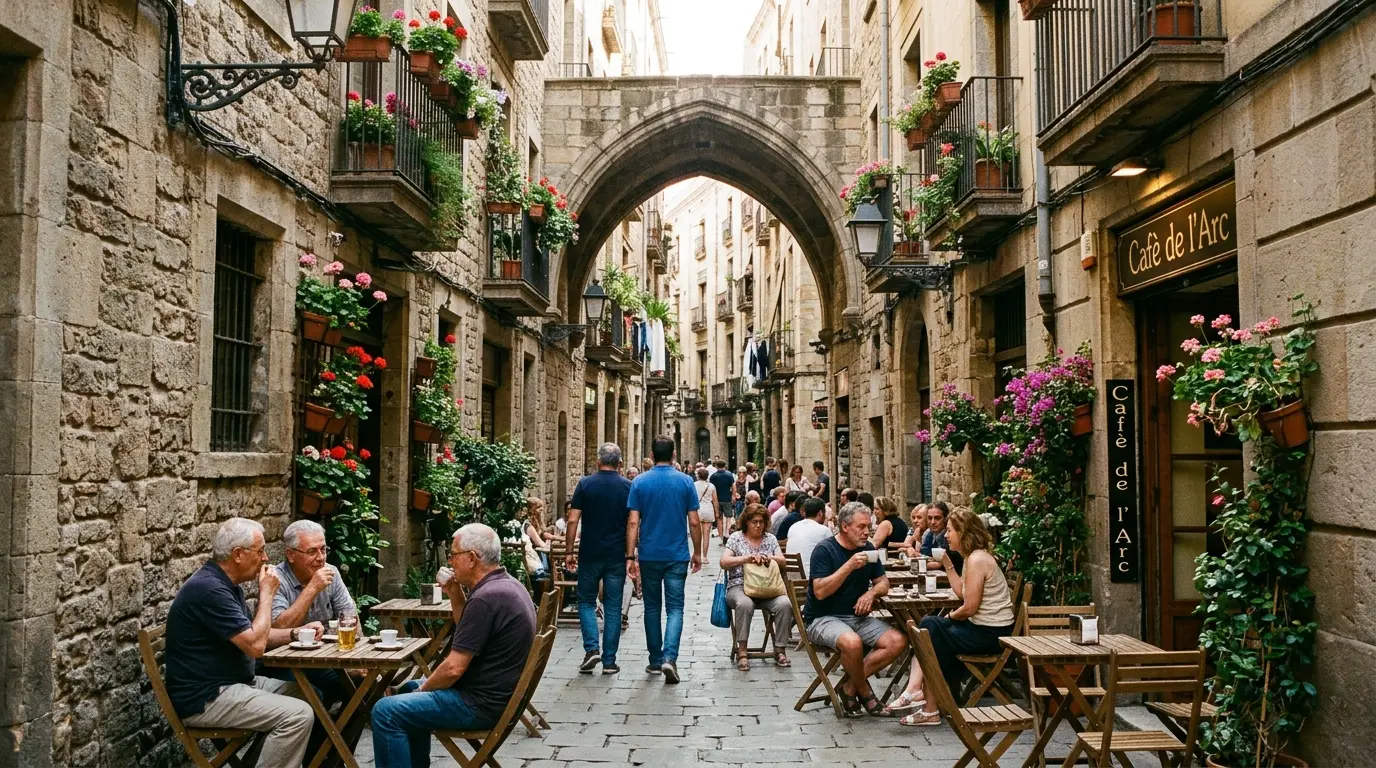
Comparing Eixample, the Gothic Quarter, and coastal Poblenou, deconstructing local tourist taxes, and managing strict Gaudí ticketing rules.
Where to Stay in Barcelona: Eixample vs the Gothic Quarter Compared
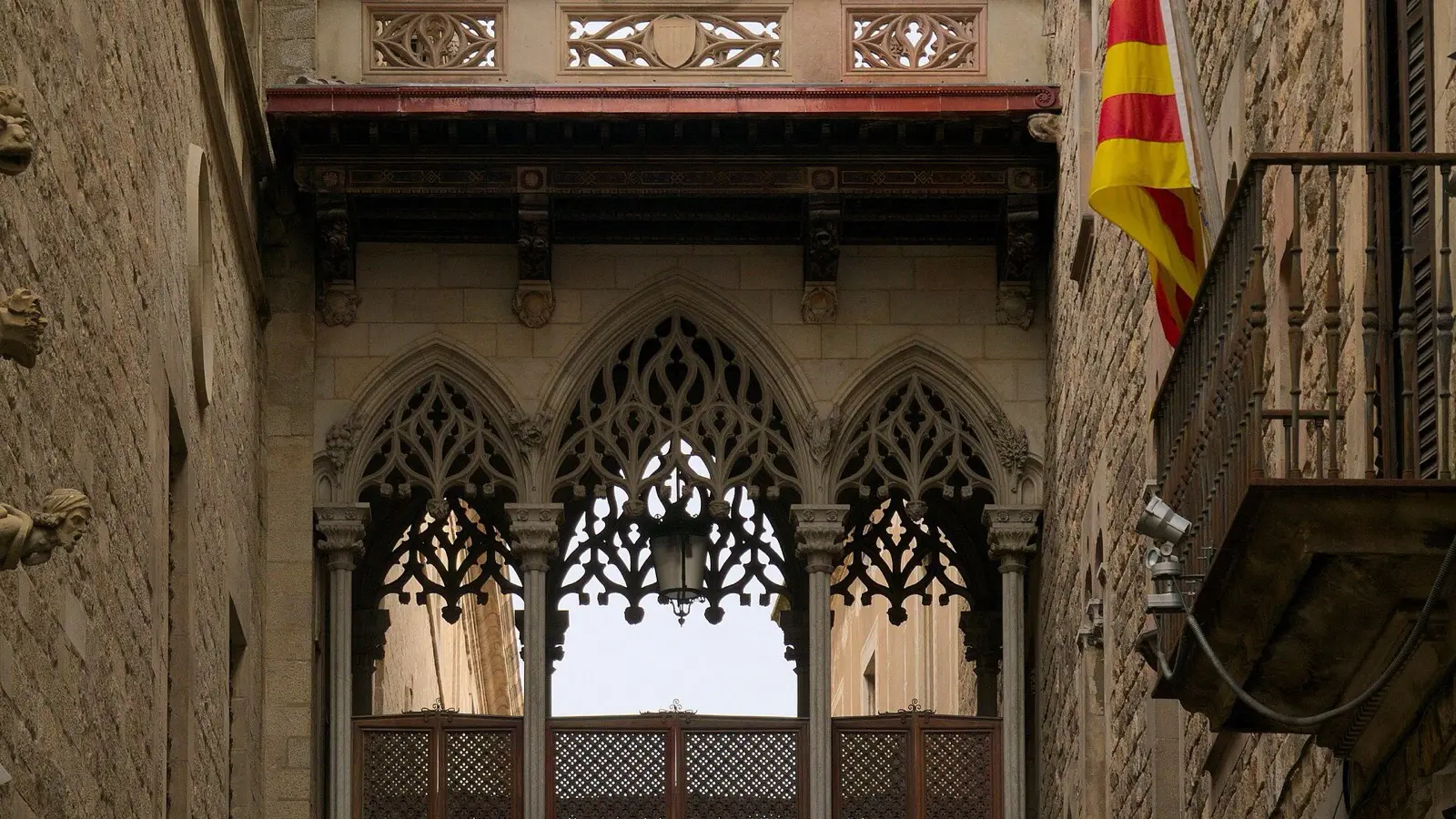
Behind Barcelona's Mediterranean sunshine and Gaudi masterworks lies Europe's most notorious pickpocket ecosystem and rapidly escalating tourist surcharges. Escaping the noise and petty crime of the Ciutat Vella requires knowing exactly where to cross the street. Here is an unvarnished insider guide to securing safe, value-driven Catalan lodging and navigating the city with seasoned poise.
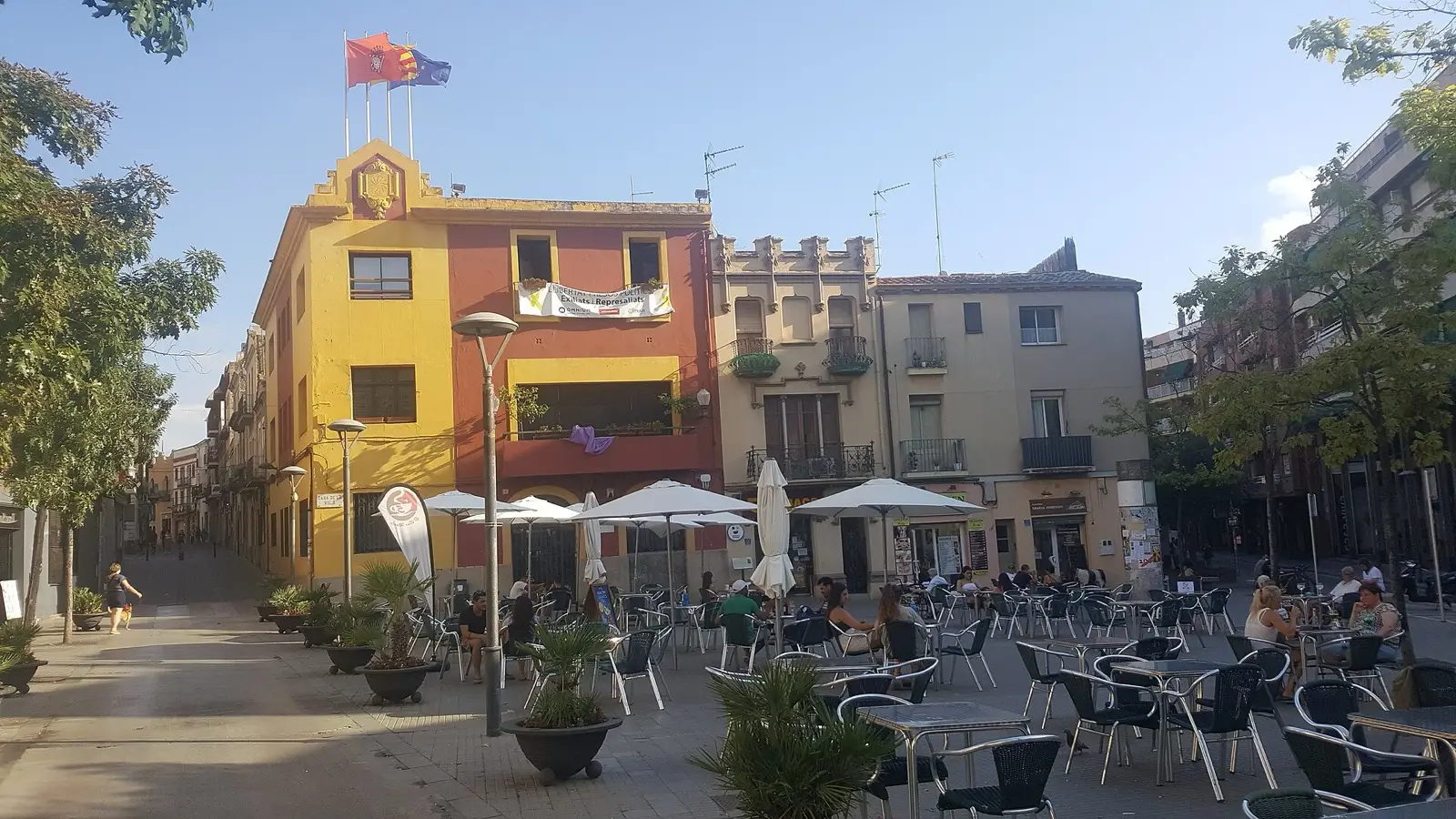
Barcelona Day 1 Itinerary: Airport to the City and Your First Night in the Gothic Quarter
From stepping off the plane at El Prat Airport to reaching Placa de Catalunya in 35 minutes aboard the blue Aerobus, here is how to dodge tourist traps and settle into El Born. Savor toothpick-tallied pintxos, crack the code of weekday Menu del Dia bargains, and wander ancient Gothic alleys as golden hour floods the Mediterranean coast.

Where to Stay in Tokyo: Shinjuku vs Shibuya vs Ginza
Comparing room footprints across Shinjuku, Ginza, and Ueno, locking in sudden 14-day cancellation drops, and eliminating DCC fees with clean Yen checkout.
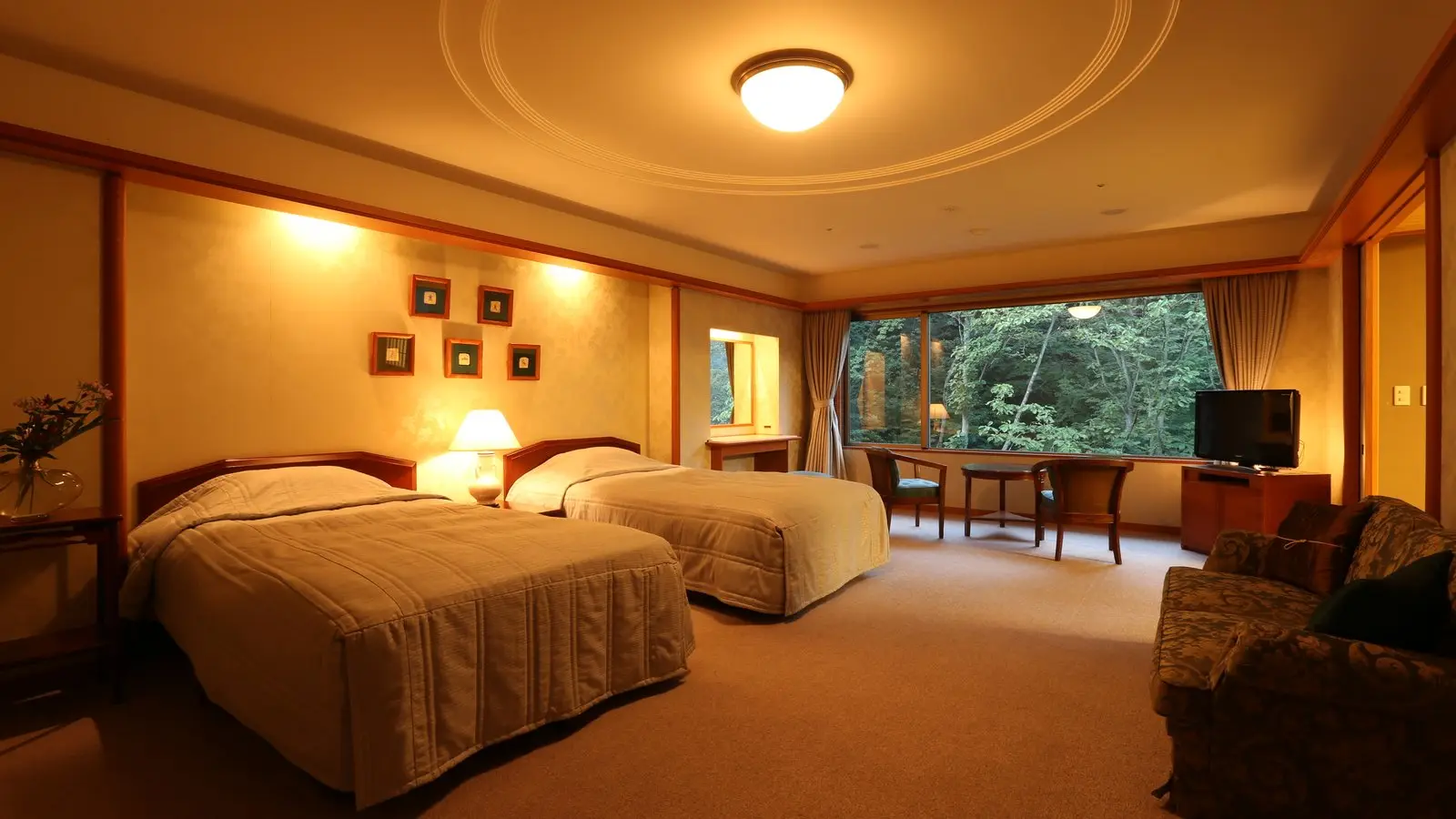
7 Budget Hotels in Tokyo Under $100 on the Yamanote Line
Even amid yen fluctuations, central Tokyo hotel rates have soared. Learn how to secure Yamanote loop line hotels at half the price of Shinjuku, compare onsen bath chains like Dormy Inn, trigger secret Agoda VIP and Booking.com Genius discounts, and dodge hidden currency fees with yen settlement.
How to Read the Tokyo Subway Map and Where to Stay on the Yamanote Line
How to choose between Keisei Skyliner and Narita Express, avoid the Tokyo Subway Ticket trap, use Apple Wallet Suica, and select the ideal hotel base in Tokyo.

Tokyo Day 1 Itinerary: Narita Airport to the City and Your First 24 Hours
From stepping off at Narita Airport to mastering high-speed trains, navigating Tokyo's sprawling transit hubs, ordering counter ramen effortlessly, and catching sunset from Roppongi Hills. A definitive guide for your first 24 hours in Tokyo.

Tokyo Day 2 Itinerary: Booking Shibuya Sky, Harajuku Backstreets and Roppongi at Night
Securing prime sunset slots atop Shibuya Sky, navigating hidden boutiques along Harajuku Cat Street, immersing in the forested serenity of Meiji Jingu, and marveling at the crimson glow of Tokyo Tower from Roppongi Hills. A masterclass in Day 2 pacing.
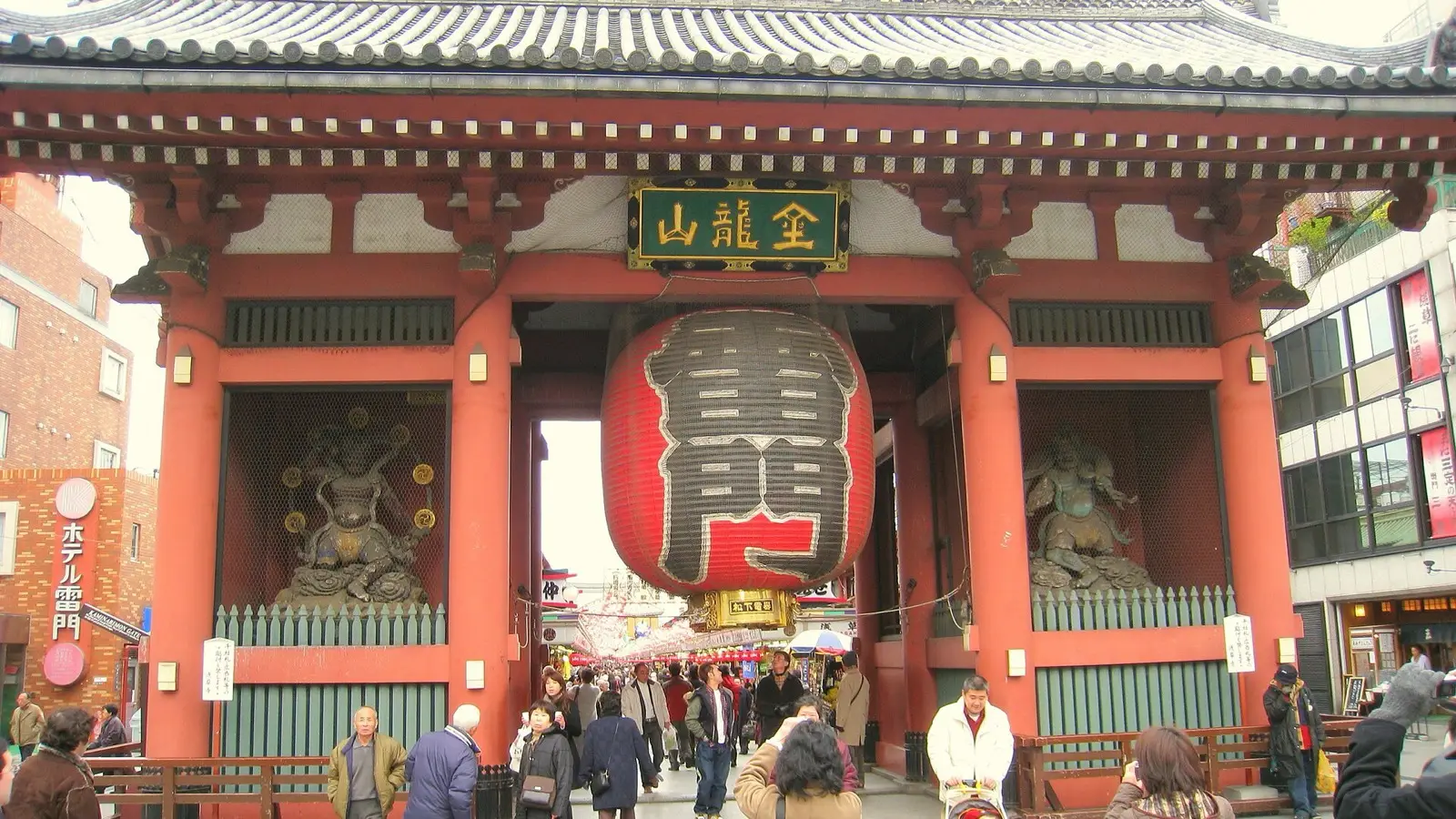
Tokyo Day 3 Itinerary: Asakusa, Akihabara, Ginza Depachika and Flying Home
The ultimate finale for your Tokyo stay: tranquil morning worship at Sensoji, retro subculture in Akihabara, Ginza Six architectural rooftop views and basement depachika feasts, capped by seamless Skyliner and N'EX airport connections.
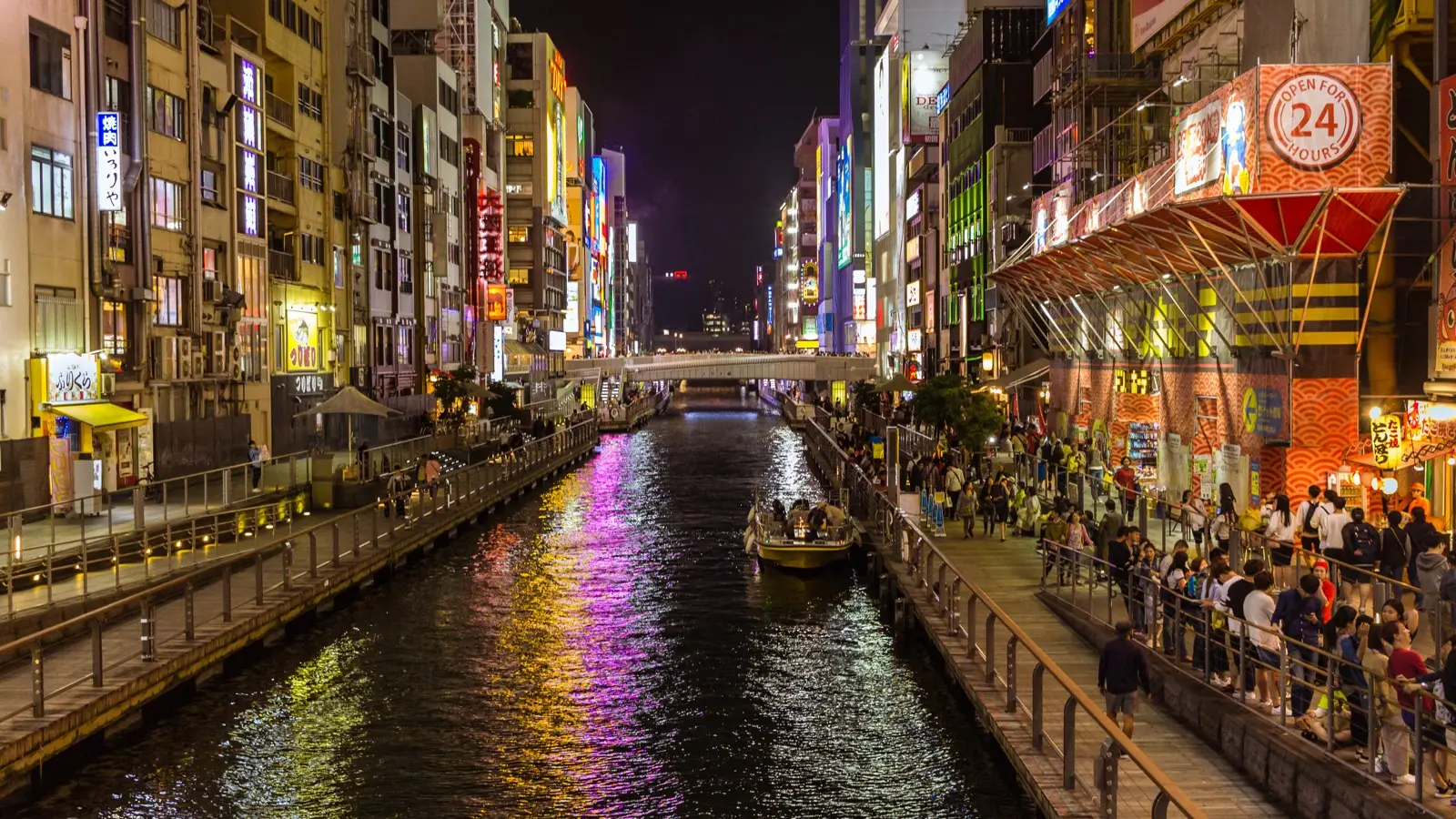
Osaka Itinerary: Dotonbori and Umeda in Two Nights
Osaka is Japan culinary powerhouse where feasting is an art. Navigate Rapi:t airport transfers, Namba vs Umeda hotels, and street food corridors with veteran precision.
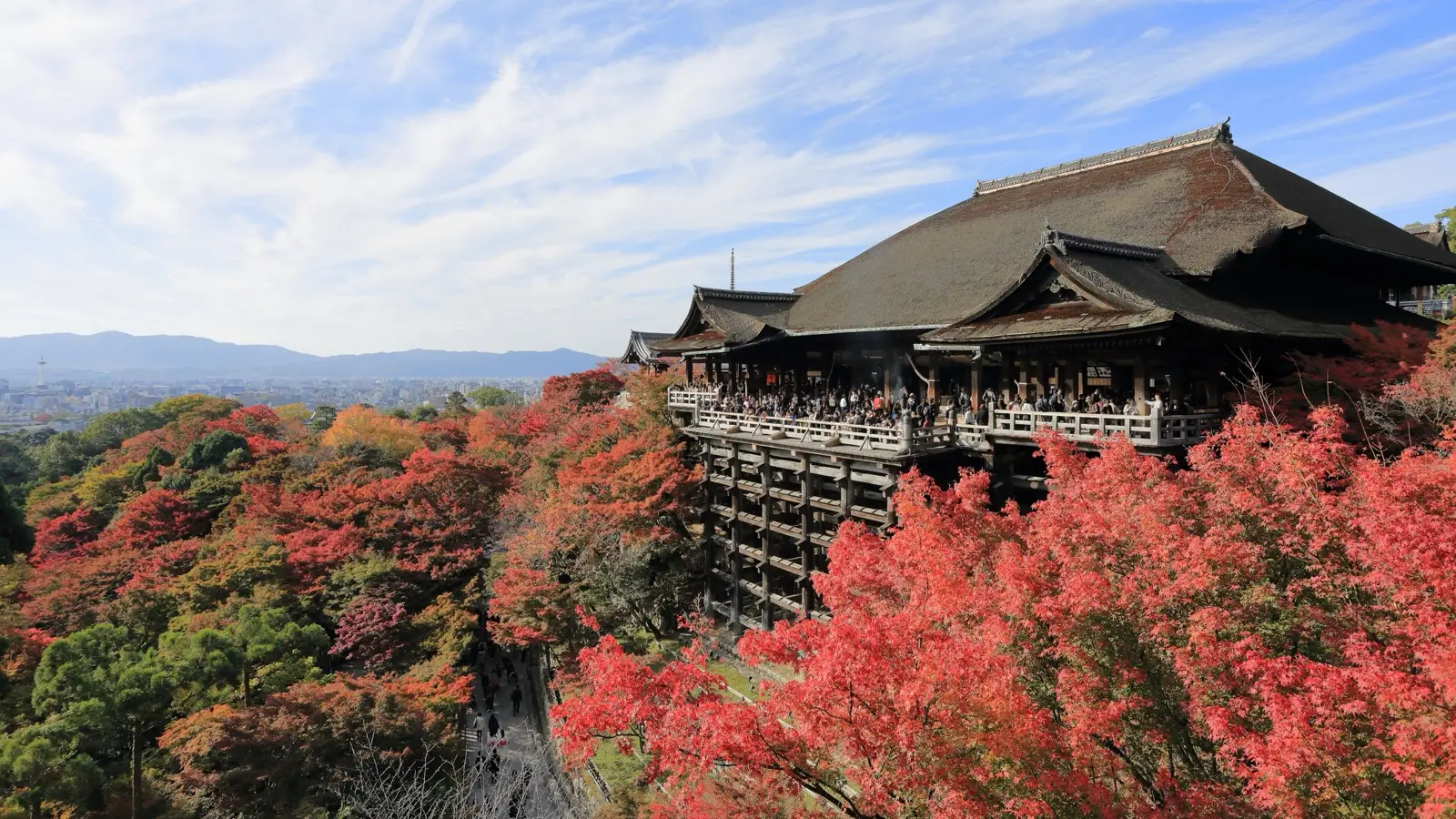
Kyoto Itinerary: Arashiyama, Gion and How to Pick a Ryokan
Kyoto compresses a millennium of Japanese aesthetic mastery. Discover how to evade bus congestion with private railways, master ryokan kaiseki booking windows, and savor early dawn stillness.
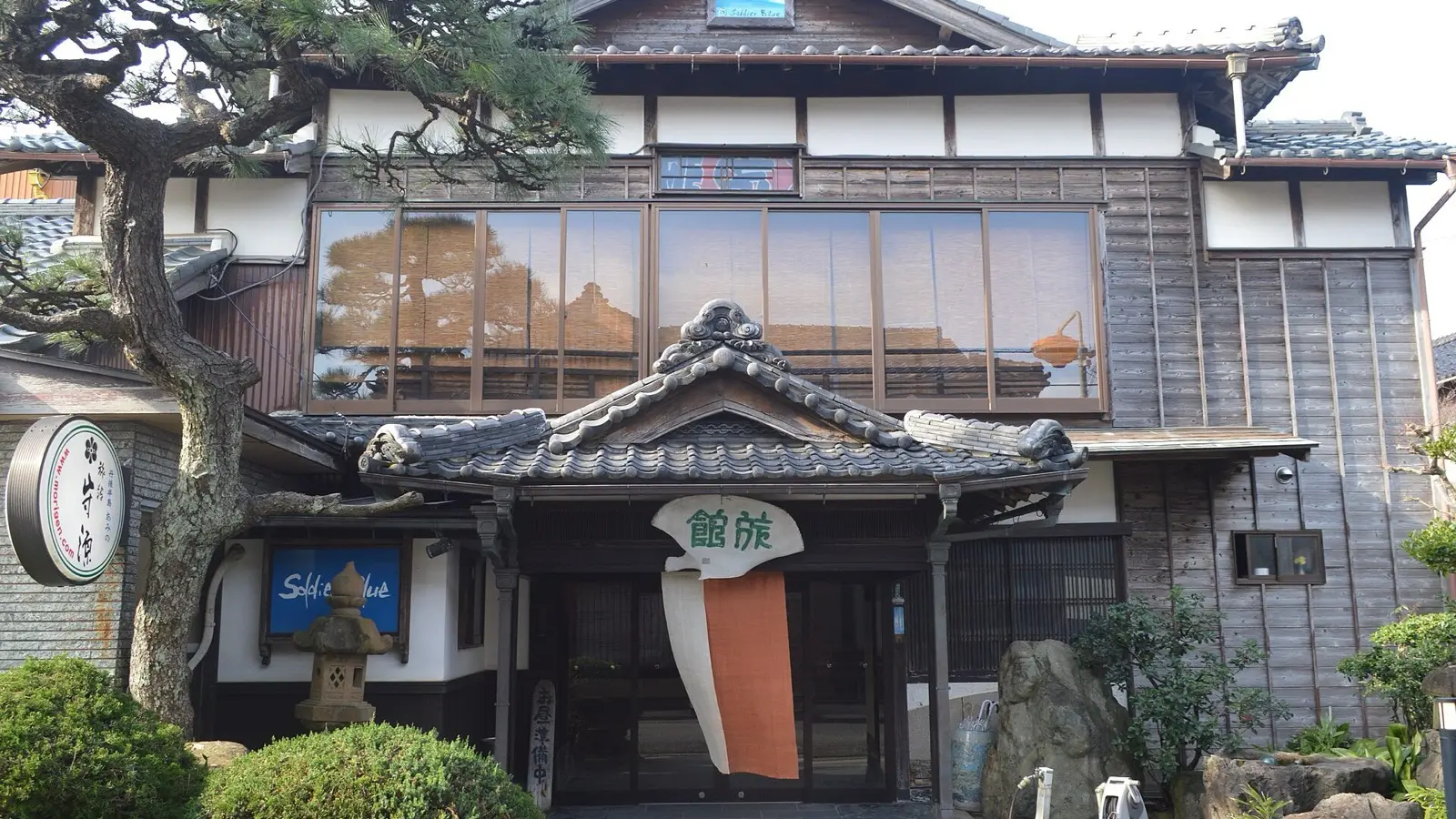
Kyoto Ryokan Prices and How to Choose: Kaiseki Terms and Machiya Stays
From hundred-year-old timber townhouses in Gion to misty Arashiyama riverside ryokan, staying in Kyoto demands cultural fluency and sharp booking discipline. An honest receipt audit covering kaiseki dinner curfews, private onsen etiquette, and avoiding dynamic pricing spikes.