
SeoulTips
Incheon Airport to Seoul city centre: AREX trains, limousine buses, night buses and taxi fares compared
Ride times from T1 and T2, first and last departures by route, and what is left once the last train has gone, all taken from the operators' own pages
Check whether you land at T1 or T2 first
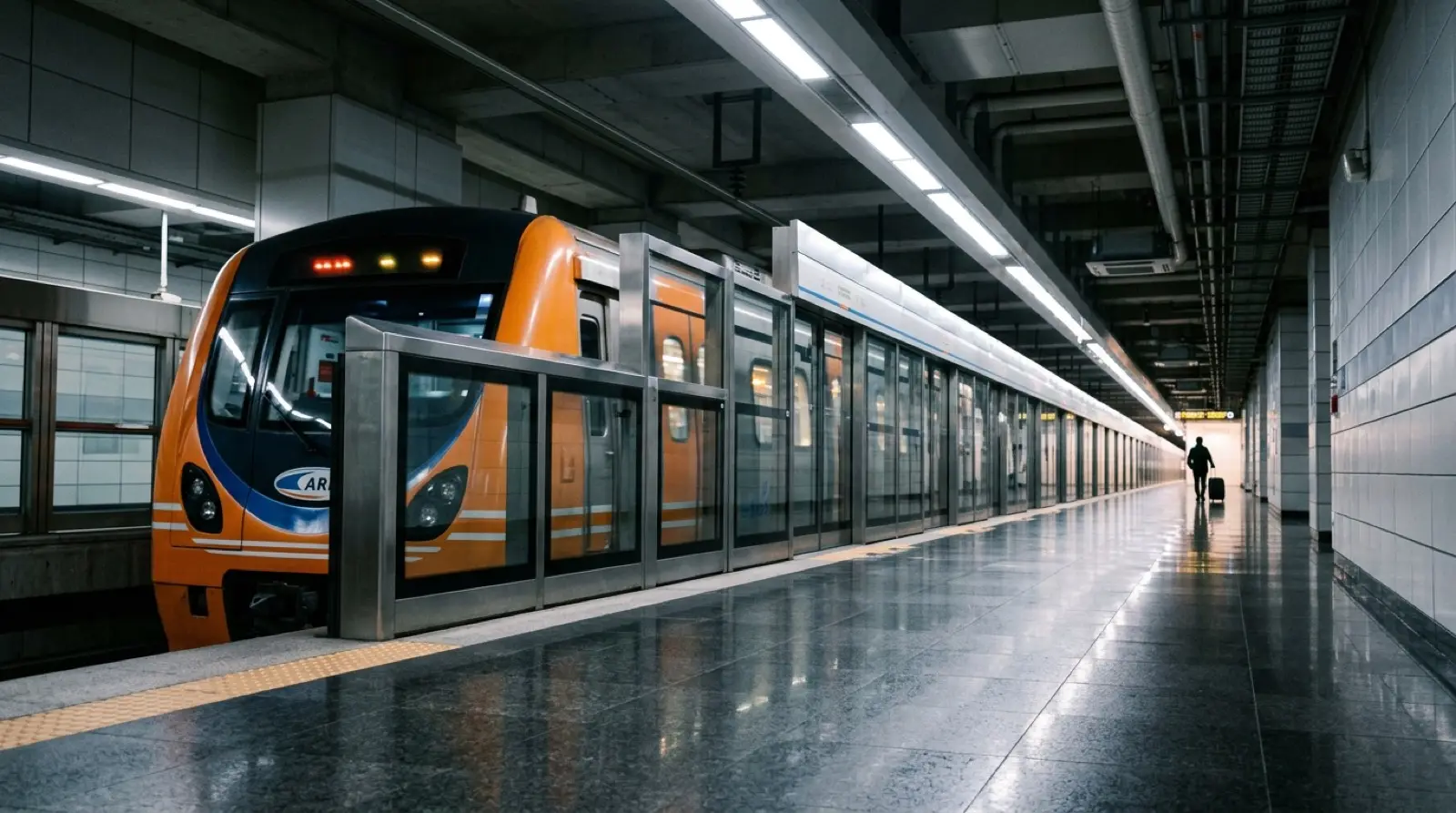
There are three ways from Incheon Airport into central Seoul: the AREX airport railway, limousine buses and taxis. All three leave from both Terminal 1 and Terminal 2, but where you board and how long the ride takes differ by terminal. T2 is the end of the line for AREX, so trains start at T2, call at T1 and then head for Seoul. Boarding the same train at T2 adds roughly eight minutes.
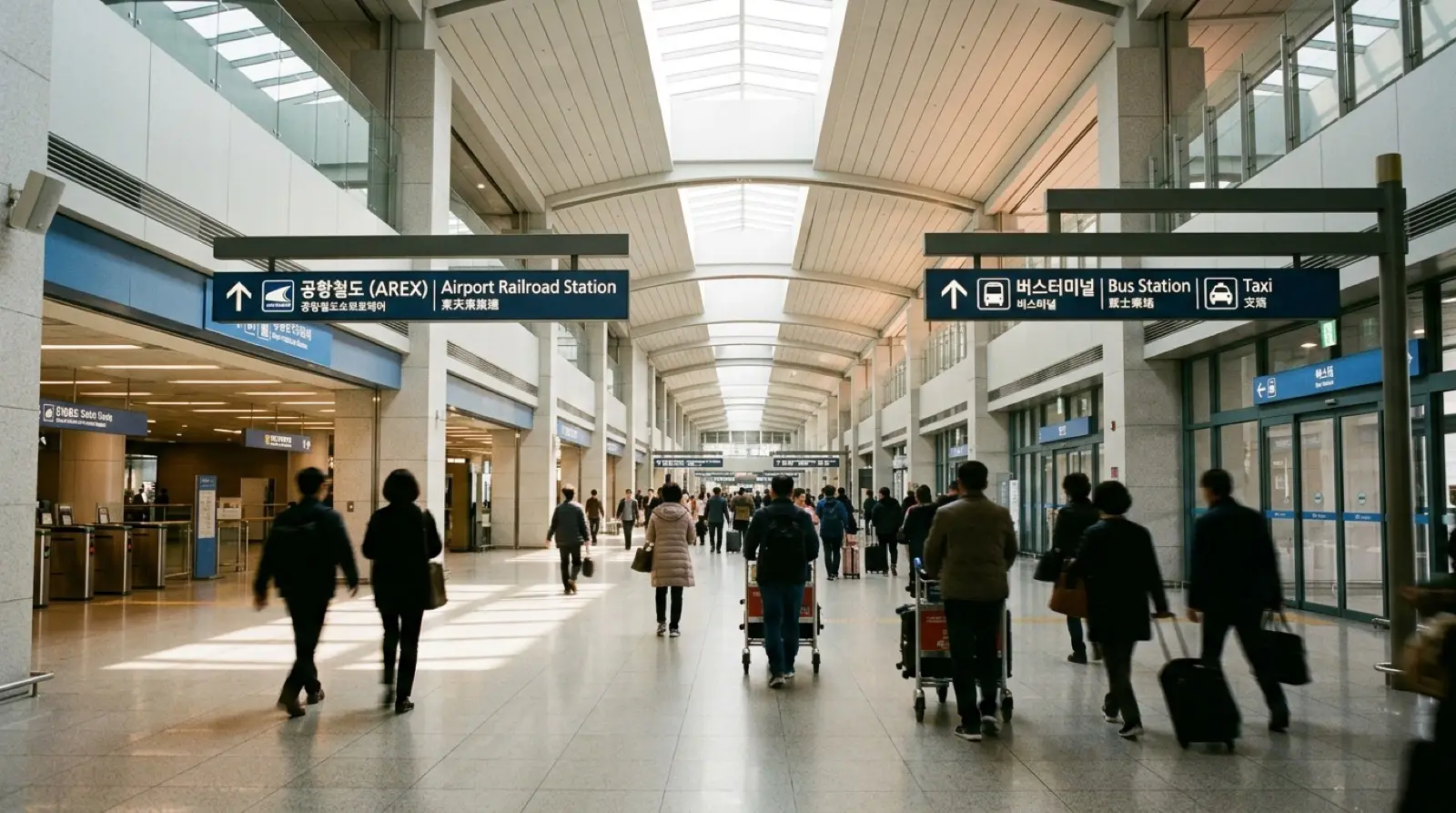
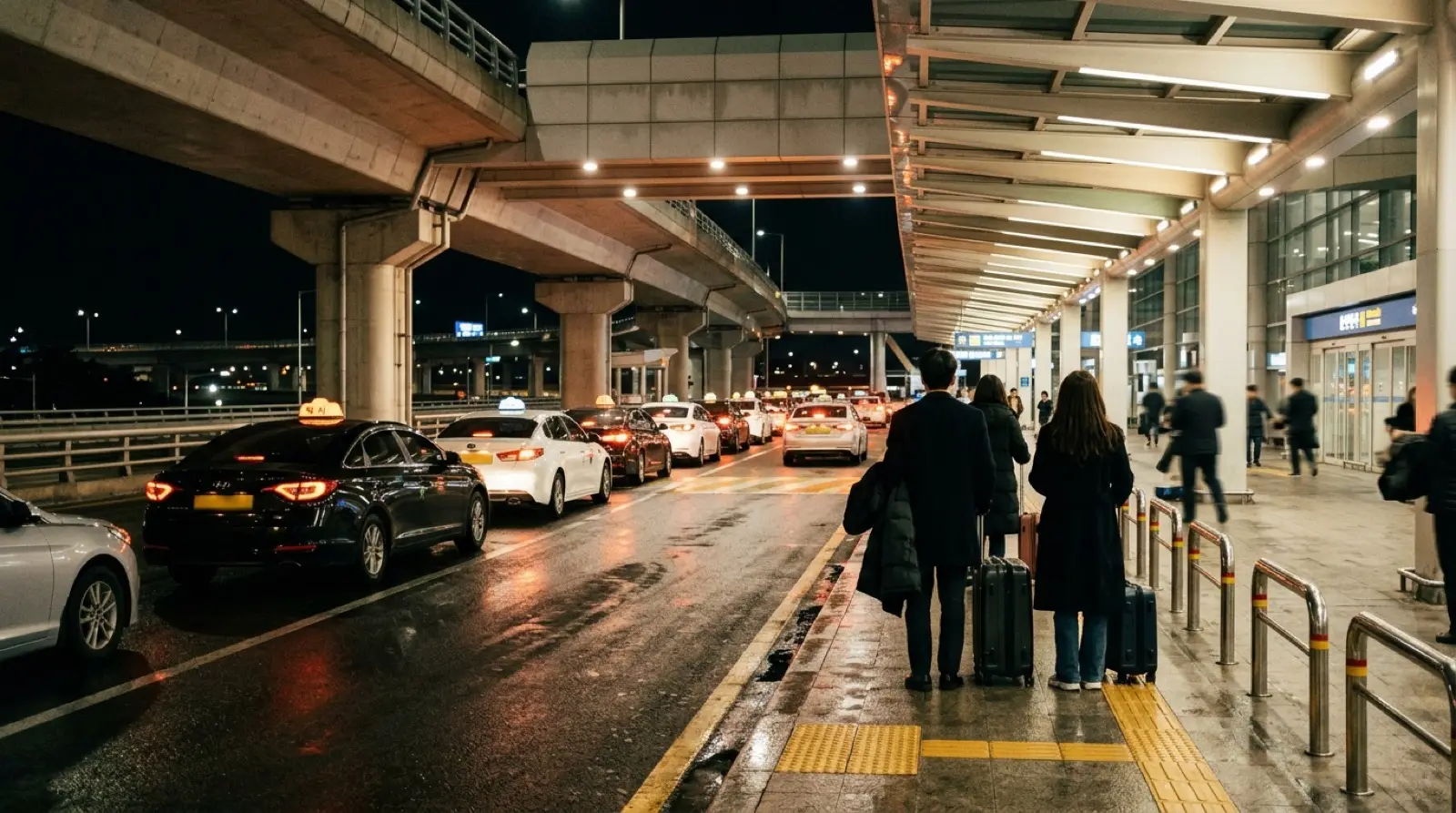
At both terminals the AREX station sits off the basement transportation centre. Leave arrivals, follow the railway signs, and you will find the Express train customer centre on that same level. Limousine buses to Seoul leave from outside exits 3 to 7 on the ground floor of T1, and from bays 11 to 35 in the middle of the basement transportation centre at T2.
Do one piece of arithmetic before you choose. Incheon Airport's own guidance says to allow one to two hours after landing for immigration when you book onward transport. On a flight that lands after 10 p.m., that hour or two is often exactly what costs people the last train. Plan around the time you will walk out of arrivals, not the time the wheels touch down.
Then weigh your bags against where you are sleeping. AREX is cheap and punctual, but changing to the subway at Seoul Station or Hongik Univ. can mean stairs and long passages. A limousine costs more and stops outside the hotel, and a taxi goes to the door. Which one pays off depends on your neighbourhood and how many of you there are.
Fares and times in one table
The table below gathers AREX's own fares and timetables, the bus and taxi information on Incheon Airport's official site, and International Taxi's published rates, all as of October 2026. Train times are split into T1 and T2, and first and last departures are from T1. Limousine operators do not publish a ride time because traffic changes it so much, so the table does not invent one. Fares change, so check the operator's page again before you ride.
| Option | Adult fare | Ride (T1/T2) | First to last (T1) | Best for |
|---|---|---|---|---|
| AREX Express | ₩13,000 | 43 / 51 min | 05:24 to 22:48 | Seoul Station stays |
| AREX All-stop | ₩4,750 / ₩5,350 | 59 / 66 min | 05:14 to 23:38 | Hongdae, budget |
| Limousine 6001 | ₩17,000 | Traffic | 05:29 to 23:09 | Myeongdong, Dongdaemun |
| Limousine 6015 | ₩17,000 | Traffic | 05:39 to 23:19 | Mapo, Euljiro |
| Limousine 6703 | ₩18,000 | Traffic | 06:15 to 22:55 | Gangnam, COEX |
| Night bus N6701 | ₩18,000 | About 60 min to Seoul Stn | 23:50 to 04:40 | After midnight |
| Standard taxi | ₩4,800 base + meter | Traffic | No timetable | Groups with luggage |
| International Taxi | ₩70,000 to ₩95,000 | Traffic | Book ahead | Language help |
The Express train runs nonstop to Seoul Station with reserved seats. It costs ₩13,000 for adults and ₩9,500 for children, and you need a ticket before boarding. With 26 departures a day it runs every 30 to 65 minutes, so if one has just left, the all-stop train may get you there sooner. It suits anyone staying near Seoul Station or connecting straight to a KTX train there.
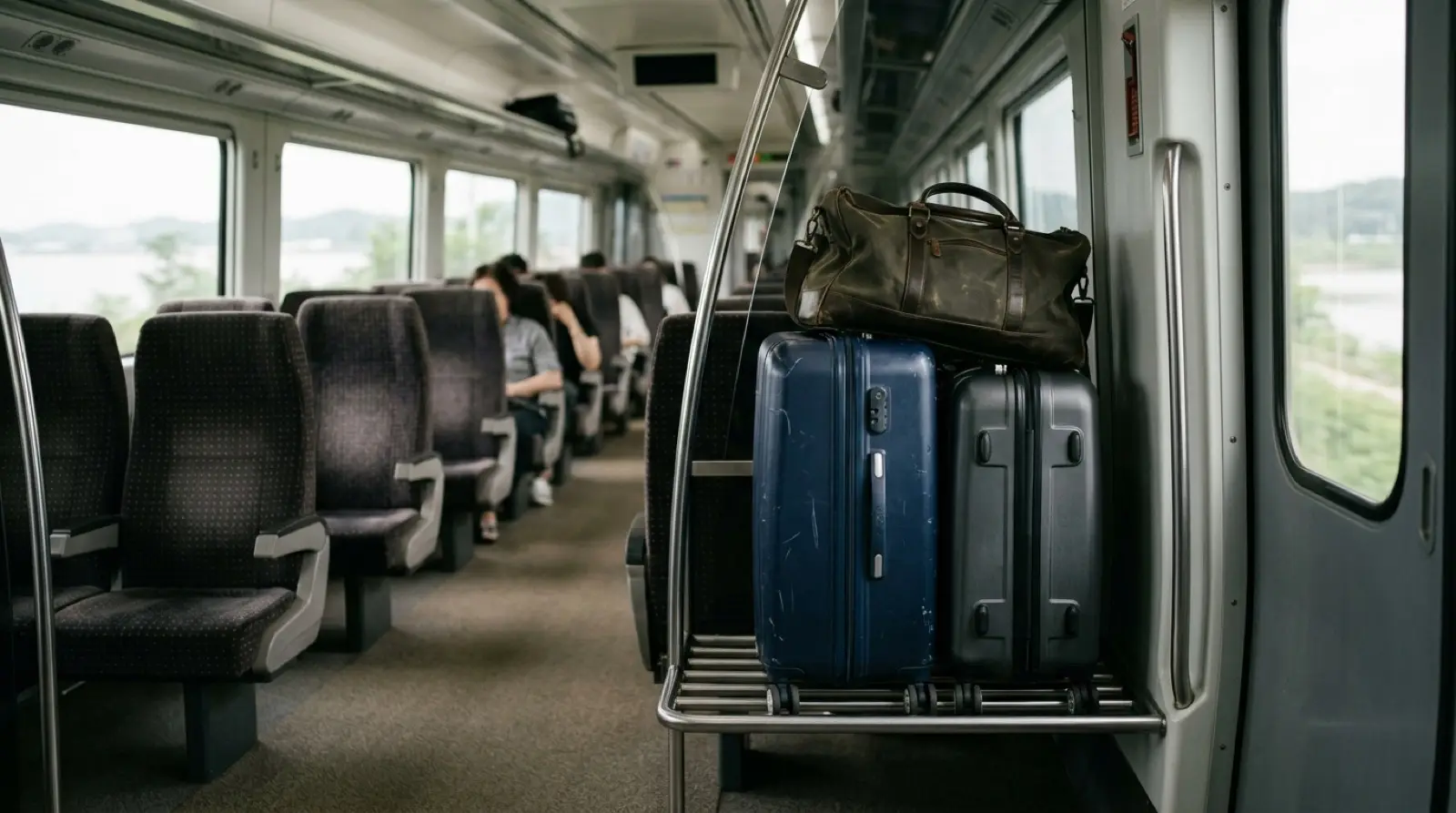
The all-stop train is an ordinary commuter line you tap into with a transport card. It costs ₩4,750 from T1 or ₩5,350 from T2 to Seoul Station, and on the way you can change at Gongdeok (Lines 5 and 6), Hongik Univ. (Line 2), Magongnaru (Line 9) and Gimpo Airport (Lines 5 and 9). Hongik Univ. is ₩4,650 from T1, which makes it the cheapest and quickest option for Hongdae and Yeonnam-dong. At rush hour you may have to stand, which is hard work with two large cases.
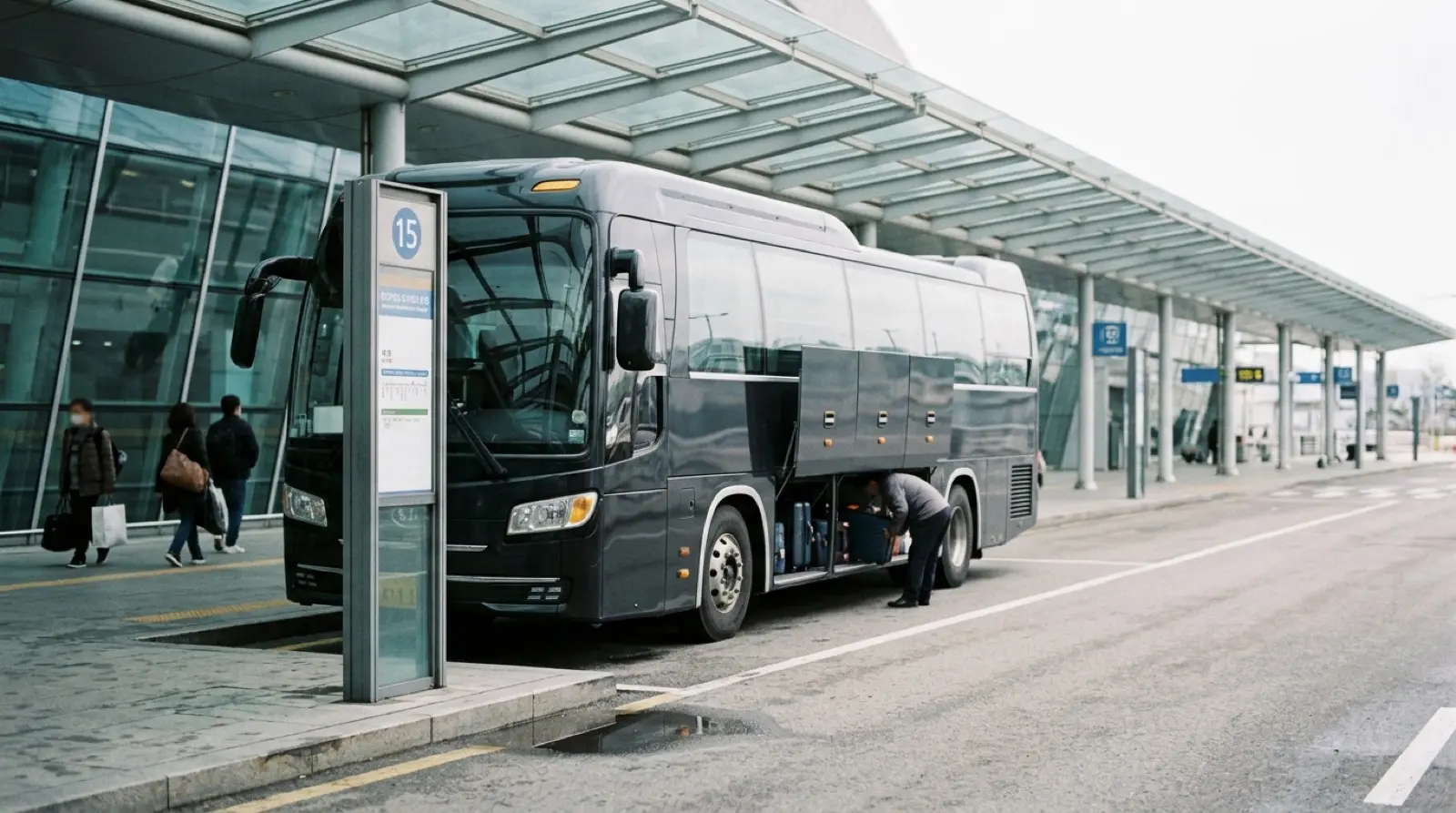
Limousine buses are coaches that stop at named hotel stops. Route 6001 runs past Seoul Station and Myeongdong Station to Dongdaemun, 6015 goes via Gongdeok and Euljiro to Myeongdong Station, and 6703 loops through the Gangnam hotels around Sinnonhyeon and COEX. On 6001 seats are first come, first served, there is no online booking, and you pay by transport card or cash. Your cases go in the hold and you sit the whole way, which makes it good value for families with small children or anyone who wants to avoid stairs.
Where you sleep decides the answer
If you are staying in Myeongdong or Euljiro, limousine 6001 or 6015 is the easiest choice. By train you would change to Line 4 at Seoul Station, and that transfer passage is long enough to wear you out with heavy bags. A solo traveller with one bag will save a lot by combining the all-stop train and the subway. Two or more people with big cases are usually happier paying ₩17,000 each to step off outside the hotel.
For Hongdae, Yeonnam-dong or Hapjeong there is little to think about. Take the all-stop train to Hongik Univ. Station and you are there for under ₩5,000. The same goes for hotels around Magok or Gimpo Airport. The Express train does not stop at Hongik Univ., so make sure you board the right one.
Gangnam, Samseong and COEX mean extra changes if you go by rail. A Gangnam limousine such as 6703 works better here. Note that 6703's first departure from T1 is 06:15 and it runs every 45 minutes to an hour, so an early morning arrival can mean a long wait. Look up the departure times on the airport's bus search page before you land.
If four adults are travelling together, or a family has three or four suitcases, compare against a taxi too. A limousine charges ₩17,000 per person, so four adults pay ₩68,000, while a taxi charges by the car, not by the head. Nine-seat jumbo taxis have their own stands: 7C and 8C at T1, 7D at T2. Whether it works out cheaper depends on the distance, so sketch the route to your hotel first and the choice gets easy.
What is left after the last train to Seoul Station
The last all-stop train that reaches Seoul Station leaves T1 at 23:38 and T2 at 23:32. One more train follows at 23:56 from T1 and 23:50 from T2, but it terminates at Digital Media City. The last Express train goes much earlier, at 22:48 from T1. If your flight lands late, allow for a slow immigration queue and plan on a night bus or taxi from the start.
Four night bus routes run to Seoul: N6000, N6002, N6701 and N6703. N6701 goes via Mapo Station, Seoul Station and Euljiro 1-ga to Dongdaemun Design Plaza, reaching Seoul Station about 60 minutes after leaving T1. N6000 runs to the Express Bus Terminal in Gangnam, N6002 goes via Hongdae to Cheongnyangni, and N6703 passes COEX and Jamsil. N6000 and N6002 cost ₩17,000, while N6701 and N6703 cost ₩18,000.
Night buses are sparse. N6701, for example, leaves T1 at 23:50, 00:40, 01:40, 03:45 and 04:40, so missing one can mean a wait of more than an hour. Buy tickets at the ticket booth or a kiosk; N6701 and N6703 tickets are also sold in the T-money GO app. You board on the ground floor at T1 and in the basement at T2.
Taxis keep no timetable, but night surcharges apply. A standard Seoul taxi starts at ₩4,800, with 20% added from 22:00 to 23:00, 40% from 23:00 to 02:00 and 20% from 02:00 to 04:00. Deluxe and jumbo taxis start at ₩7,000 with 20% from 22:00 to 04:00. The airport does not publish the expressway toll, so check it separately from the meter fare on your receipt.
Paying by card, and checking in at Seoul Station on the way home
The all-stop train and limousine 6001 both take Korean transport cards such as T-money. AREX's fare table is based on prepaid and postpaid transport cards; a single-use card costs ₩100 more and carries a ₩500 deposit that you get back at your destination station. Overseas IC cards are a separate system and are not part of that fare table. Without a Korean card, buy a single-use card from the machines in the station.
The Express train is not a tap-and-go service. Book on the AREX website or buy at the Express train customer centre in the basement of the T1 or T2 station. Online-only discounts appear from time to time, but they cannot be combined with other discounts. Seats are reserved, so sit in the car and seat printed on your ticket.
International Taxi is an officially designated taxi with foreign language support, charging flat zone fares within Seoul. Standard cars cost ₩70,000 to ₩95,000 and deluxe or large cars ₩100,000 to ₩140,000, payable in cash or by Visa, Mastercard or Amex. If you pay by foreign card, choose to be charged in won rather than your home currency. The stands are 4C at T1 and 3C at T2.
On the way home, remember the City Airport Terminal at Seoul Station. Express ticket holders can check in, drop bags and clear departure immigration on the second basement level of Seoul Station. Check-in runs from 05:20 to 19:00 and closes three hours before departure for T1 flights and three hours twenty minutes before for T2 flights. Some airlines and routes are excluded, so ask your airline first.
Frequently Asked Questions
Field-tested answers to transit navigation, neighborhood choices, and payment traps.
Q1.How much is the AREX Express train from Incheon Airport to Seoul Station, and how long does it take?
Q2.What is the cheapest way from Incheon Airport to central Seoul?
Q3.What time is the last train from Incheon Airport to Seoul, and what if you miss it?
Q4.How much is a taxi from Incheon Airport to Seoul?
The Smart Traveler's Essential Toolkit
Prepare instant mobile data, private airport transfers, and skip-the-line passes in one place.
Pick a base in Seoul by your route
Choose the places you want to see and get the neighbourhood with the shortest travel.
Compare Seoul Hotel Rates
Find the cheapest channel across Agoda and major booking engines with Tripdify.
Share This Guide with Your Companions
When shared via chat or social media, a curated summary card is sent along.
Recommended Guides
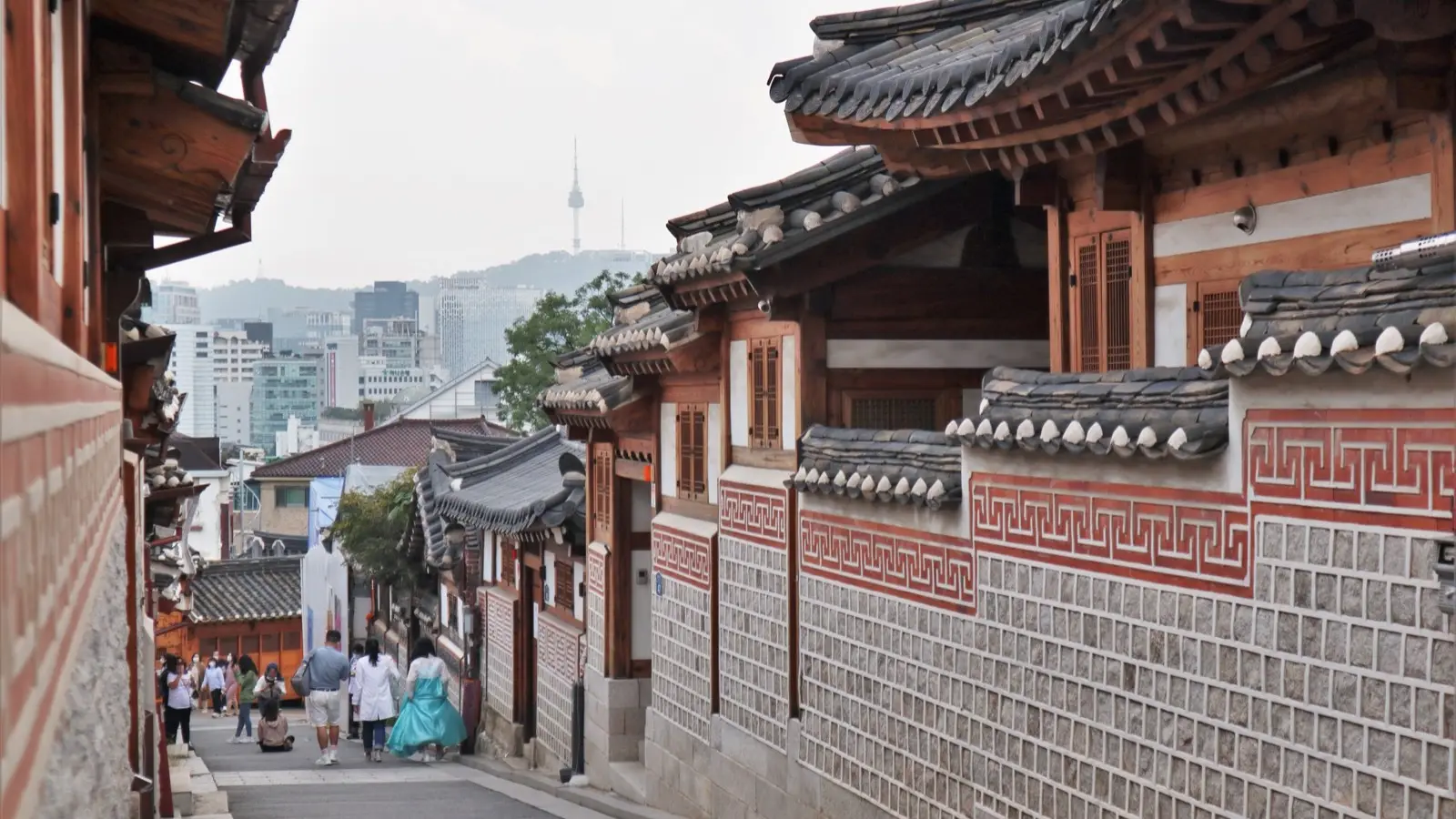
Seoul Itinerary: Bukchon, Seongsu and the Han River in Two Nights
From the 43-minute AREX express from Incheon Airport to tranquil Hanok courtyard stays, industrial red brick roasteries in Seongsu, and Banpo Han River instant ramen picnics.
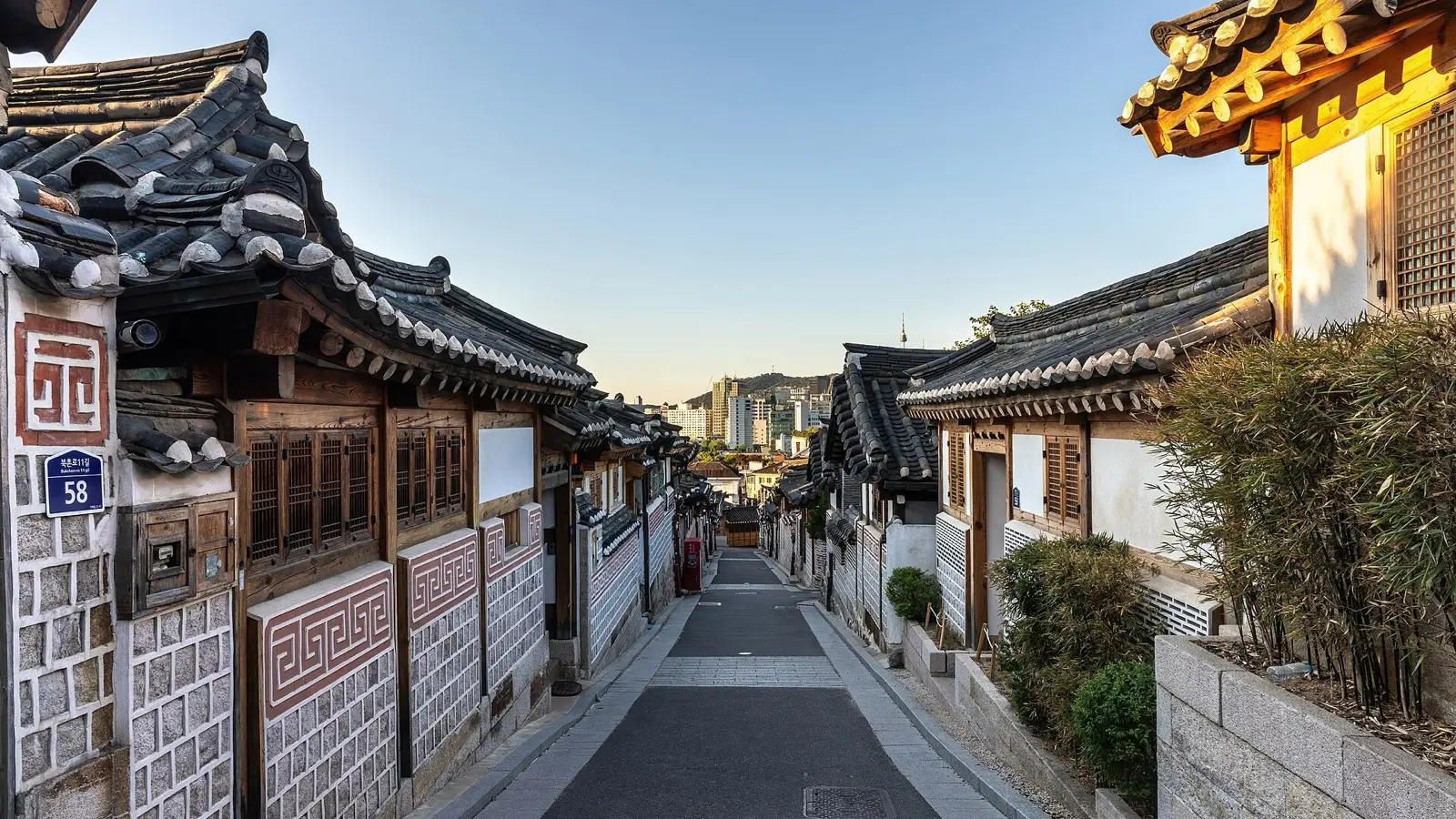
Hanok Stays in Seoul: How to Book in Bukchon and What to See in Seongsu
Amid the relentless futuristic pace of contemporary Seoul, stepping through the wooden gate of a century-old hanok courtyard offers an astonishing immersion in quietude. From booking private heritage residences in Bukchon and Seochon to navigating Seongsu craft coffee roasteries, this field guide audits real costs, visiting-hour limits, and transit hacks.
Seoul Day 1 Itinerary: Incheon Airport to the City, Bukchon and Gwangjang Market
The definitive first 24-hour Seoul playbook: mastering the 43-minute AREX airport express, navigating Bukchon quiet hours, savoring sizzling Gwangjang mung bean pancakes, and ending with a serene midnight stroll along Cheonggyecheon stream.
Seoul Day 2 Itinerary: Gyeongbokgung Guard Ceremony, Seongsu Cafes and N Seoul Tower
An extraordinary second day across Seoul: witnessing the solemn Changing of the Royal Guard at Gyeongbokgung, bartering antique brass coins for lunch in Seochon, discovering Seongsu's industrial-chic design universe, and capping the twilight with riverside instant ramen and glittering N Seoul Tower views.
Seoul Day 3 Itinerary: Yeonnam-dong, The Hyundai Seoul and City Airport Check-In
The ultimate finale in Seoul: a morning stroll down the lush Gyeongui Line Forest Trail, browsing trendsetting designer boutiques in Hongdae, experiencing the architectural wonder of The Hyundai Seoul, and utilizing Seoul Station's in-town check-in to glide through Incheon Airport departure queues hands-free.
How to Book Flights Cheaply: Split Ticketing and Why Fares Move
An investigative deep dive into airline revenue management algorithms, exposing why incognito mode fails while multi-city open-jaw routing and baggage decoupling can cut flight costs noticeably.
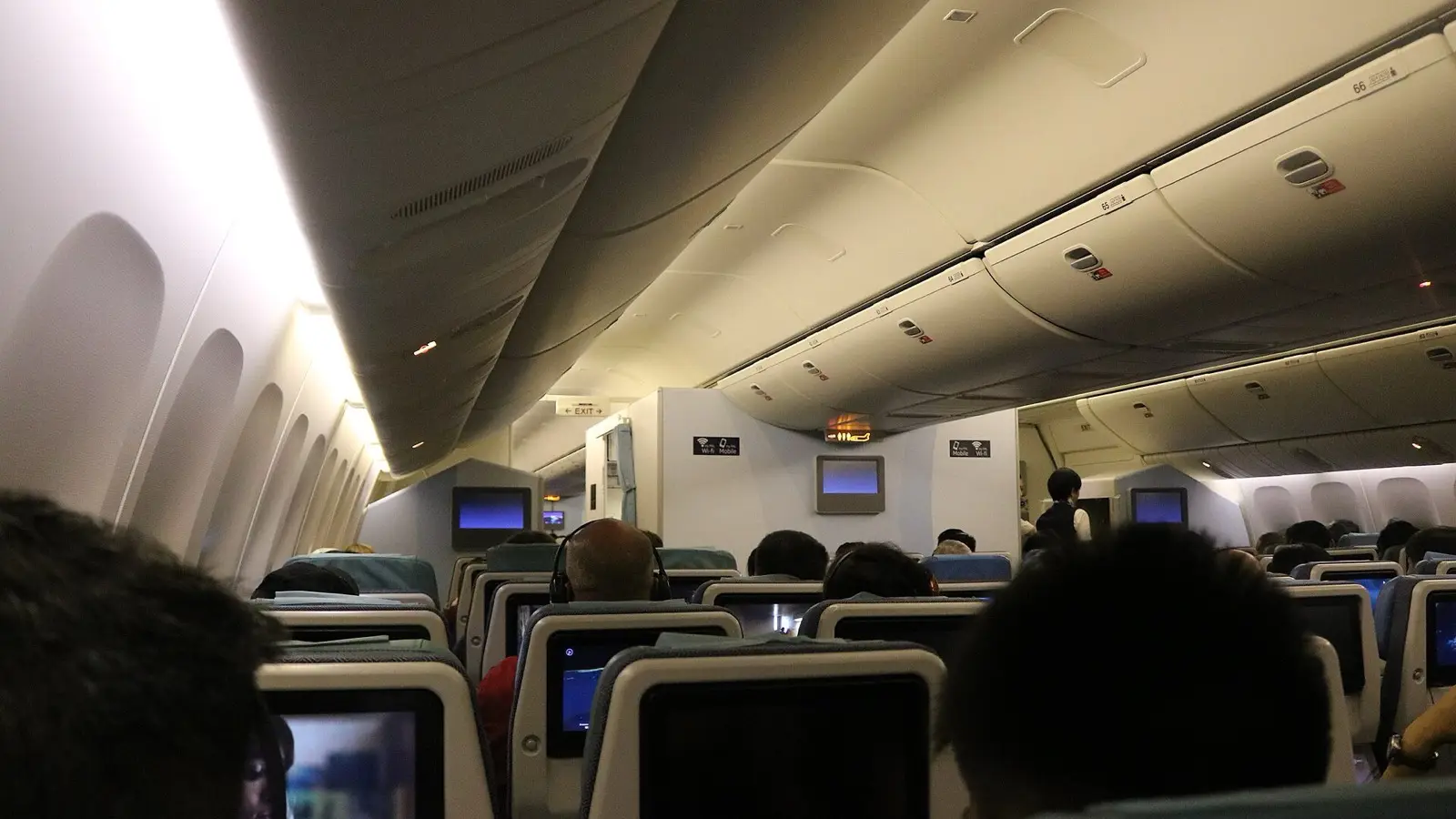
5 Secrets to Snagging Prime Airline Seats: The Exit Row Paradox, Tail-Section Twins, and Check-in Golden Hours
On long-haul flights spanning ten hours across continents, your seat allocation dictates whether you arrive invigorated or physically broken. Within standard 31-inch economy cabins, subtle variations create vast differences in comfort. From the unvarnished realities of exit rows and bulkhead bassinet positions to sidestepping misaligned 'windowless window seats', claiming quiet two-seat pairs along tapering tail fuselages, and timing the check-in window, 24 to 48 hours before departure, when some paid seats often open free of charge, here is your definitive field guide to mastering aircraft seat selection.
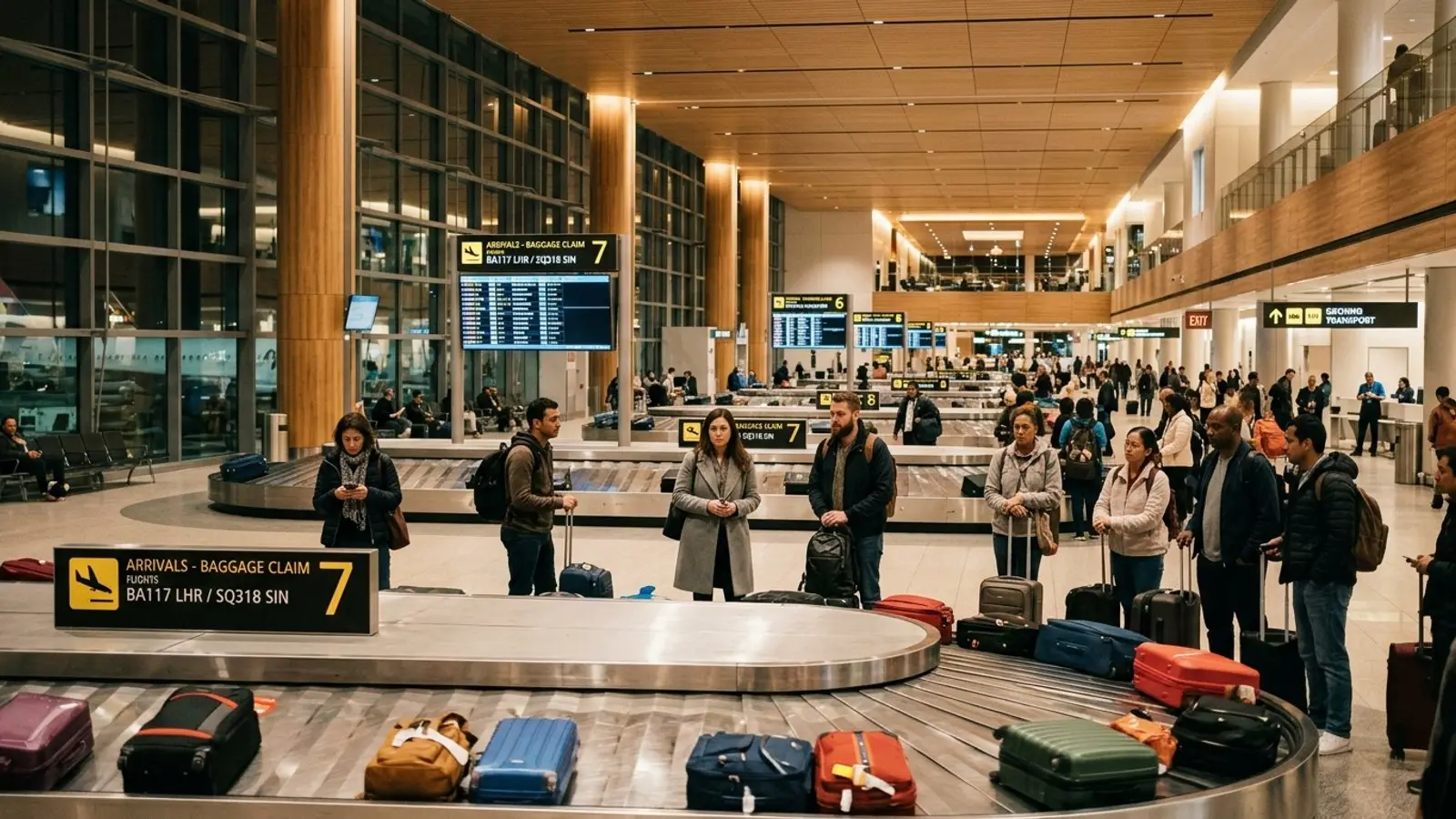
The Definitive Airline Baggage Claim Playbook: Montreal Convention SDR Caps, On-Site PIR Filing, and Insurance Stacking
Watching the final suitcase circle the baggage carousel while yours fails to materialize, or seeing your hardshell case emerge with sheared wheels and split seams, is every international traveler's acute nightmare. Stepping past the customs exit doors without official paperwork permanently forfeits your statutory leverage. From securing the critical Property Irregularity Report (PIR) before leaving the baggage reclaim area to invoking the Montreal Convention liability cap of roughly 2,000 dollars (1,519 SDR), claiming emergency clothes and toiletries on the carrier's dime, and legally stacking airline payouts against private travel insurance policies, here is your definitive field guide to getting fully reimbursed.
The Hotel Best Rate Guarantee (BRG) Playbook: Finding Cheaper OTAs and Claiming 25% Off
Many travelers assume online travel agencies (OTAs) like Agoda or Trip.com are always cheaper than booking direct, while others blindly believe official hotel websites guarantee the absolute lowest rate. To avoid paying steep 15 to 25 percent middleman commissions, global hotel giants operate Best Rate Guarantee (BRG) programs: if you find a lower public rate elsewhere, they will match it and slash an additional 20 to 25 percent off or award thousands of loyalty points. From unpacking the exact rules of Marriott Bonvoy, Hilton Honors, World of Hyatt, and IHG One Rewards to matching room tiers, cancellation deadlines, and currency conversion traps, here is your definitive field guide to locking in luxury rooms at unheard-of discounts.
The Budget Airline 7kg Carry-On Survival Guide: Dodging Gate Fees and Airport Scale Discrepancies
Scoring an ultra-cheap budget airline flight ticket feels like a major victory until you reach the boarding gate and watch the scale read 7.4kg, triggering a ruthless 50 to 80 dollar gate baggage penalty on the spot. Low-cost carriers including Jeju Air, Peach Aviation, AirAsia, and Scoot generate massive ancillary revenue by rigorously policing the 7kg to 10kg carry-on allowance across two personal pieces. From understanding mechanical scale calibration differences across airport zones to leveraging wearable cargo tricks, tech pouch distribution, and duty-free exemption rules, this comprehensive playbook ensures your cabin bag glides through check-in and gate scrutiny without paying an extra dime.
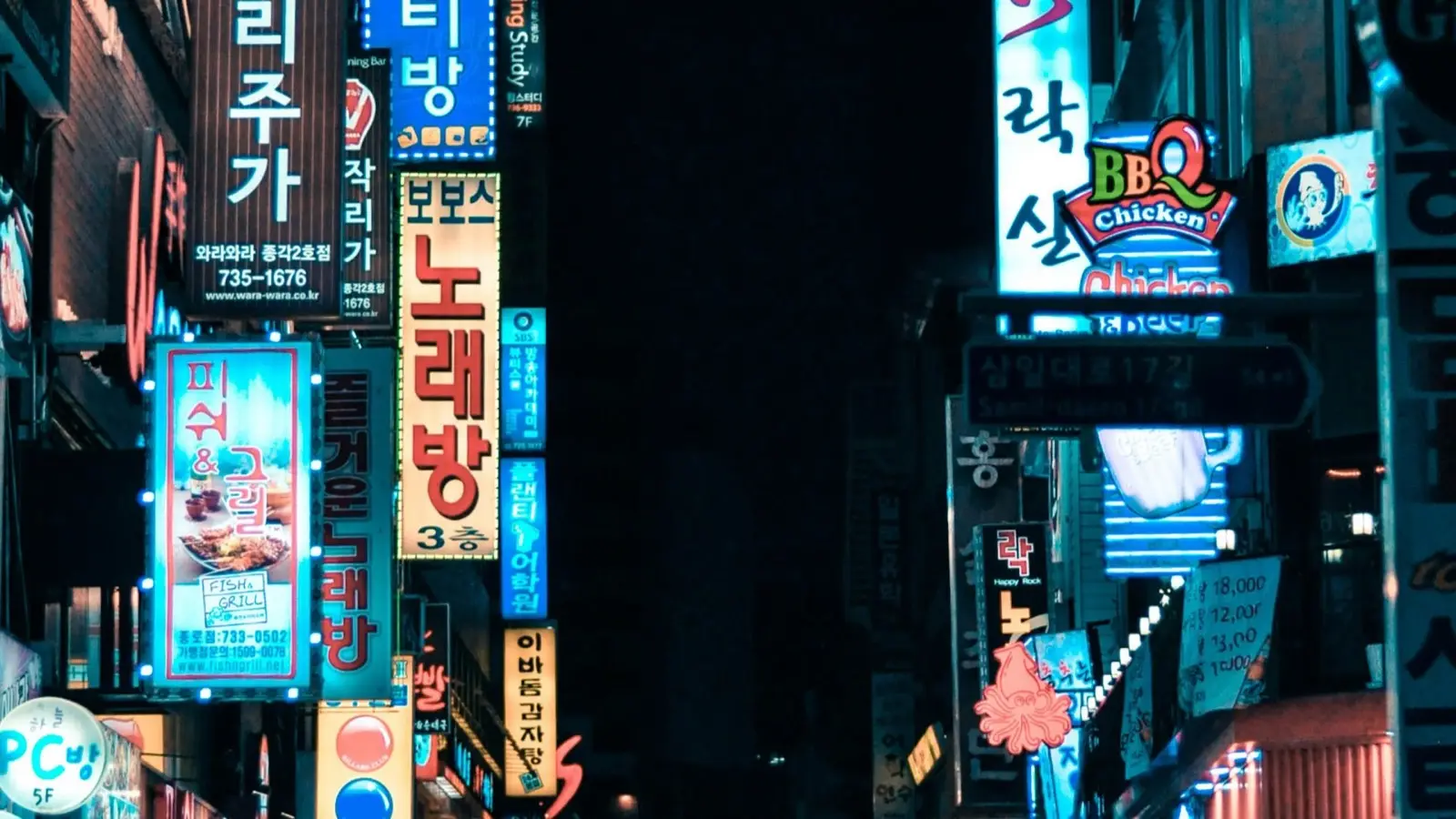
Seoul's Euljiro Alleyways: Industrial Print Shops, Vintage Tearooms, and Hidden Hipjiro Wine Bars
Nestled between central Seoul's Jongno and Toegyero avenues, Euljiro is an urban paradox where day and night belong to completely different eras. At high noon, its labyrinthine alleys hum with roaring printing presses, metal-cutting lathes, and darting delivery scooters. Yet as dusk settles over its weathered concrete, narrow unlit stairwells illuminate with warm tungsten glow, unlocking the magnetic retro world known locally as Hipjiro. From decades-old dabang tearooms serving egg-yolk herbal tea to speakeasy natural wine bars tucked behind nondescript iron doors, here is your insider's guide to navigating Euljiro's legendary blend of working-class heritage and cutting-edge culture.
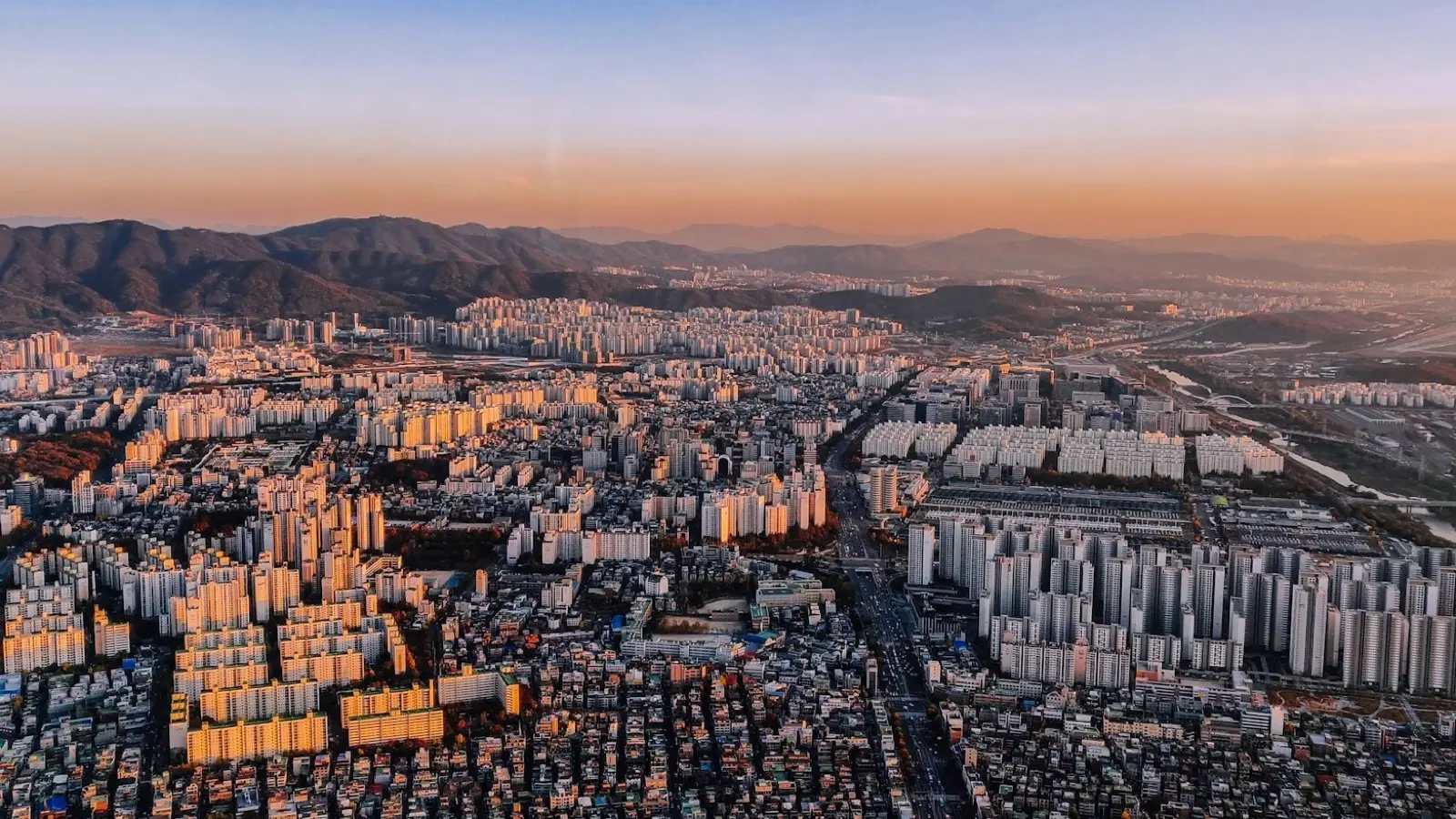
Seoul Neighborhoods Guide: Hongdae, Myeongdong, Seongsu, and Bukchon Area Breakdown
Covering 605 square kilometers, Seoul is a dynamic global metropolis where six-hundred-year-old royal palaces seamlessly coexist with cutting-edge streetwear pop-ups and neon-lit skyscrapers. First-time visitors often default to Myeongdong or Dongdaemun, but choosing where to sleep fundamentally transforms your daily transit efficiency and evening lifestyle. From Hongdae and Yeonnam-dong with their direct Airport Railroad link and indie art vitality to Myeongdong and Euljiro's central shopping convenience, Seongsu-dong's post-industrial creative enclaves, Gangnam's sleek luxury towers, and Bukchon's serene hanok alleys, this exhaustive field guide dissects Seoul's five primary neighborhood clusters to help you book your perfect base.