
Da Nang and Hoi An Beachfront Resort Field Guide: My Khe, Non Nuoc, and An Bang Pool Villas Compared
From urban beachfront high-rises to secluded private-sand sanctuaries and heritage villa retreats
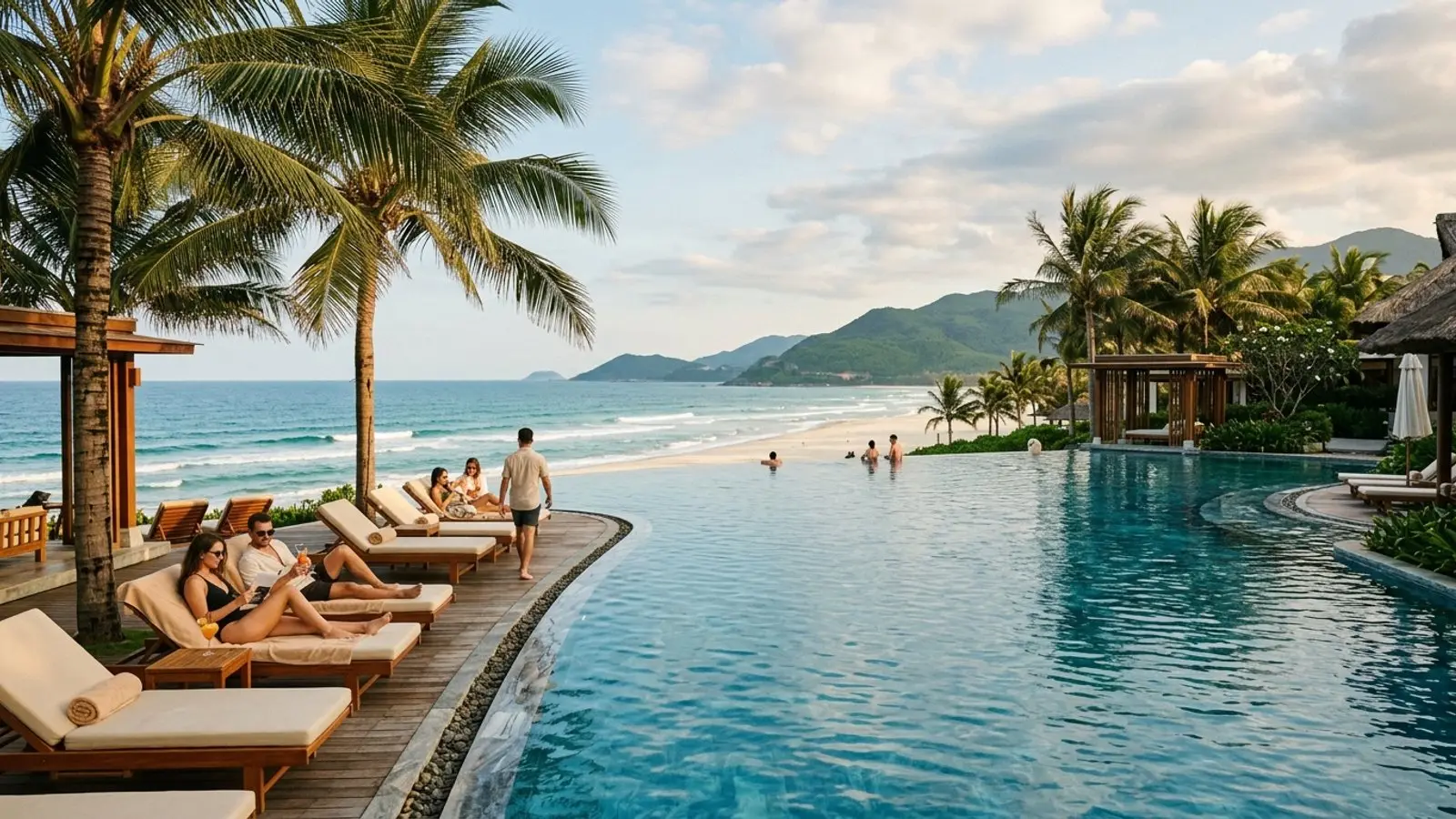
The Da Nang Resort Rulebook: Geographic Quadrants and Seasonal Seas
Da Nang's coastline unfurls across thirty kilometers of uninterrupted golden sands, stretching from the lush cliffs of the Son Tra Peninsula south to Hoi An's An Bang beach. While online portals label every property an 'oceanfront resort', operational reality divides the coast into vastly distinct experiences based on highway separation, private sand access, and proximity to dining.
Your initial choice centers on daily travel rhythm: whether you demand spontaneous walking access to neighborhood noodle counters and massage parlors, or prefer tranquil self-contained seclusion inside an all-inclusive sanctuary. Exploring street markets necessitates staying along urban My Khe, whereas restorative pool lounging points directly toward Non Nuoc or Hoi An.
Seasonality introduces a pivotal environmental variable. During Da Nang's dry season from February through August, the East Sea remains glassy and crystal clear, ideal for ocean paddling and swimming. Conversely, during monsoon months between September and January, massive ocean swells and powerful rip currents trigger mandatory red-flag swimming bans across public beaches.
Travelers visiting during late-year monsoon months should avoid oceanfront hotels that rely entirely on open sea swimming. Selecting properties featuring wind-sheltered courtyard pools, indoor heated wellness facilities, or private plunge villas ensures a restorative escape independent of inclement marine forecasts.
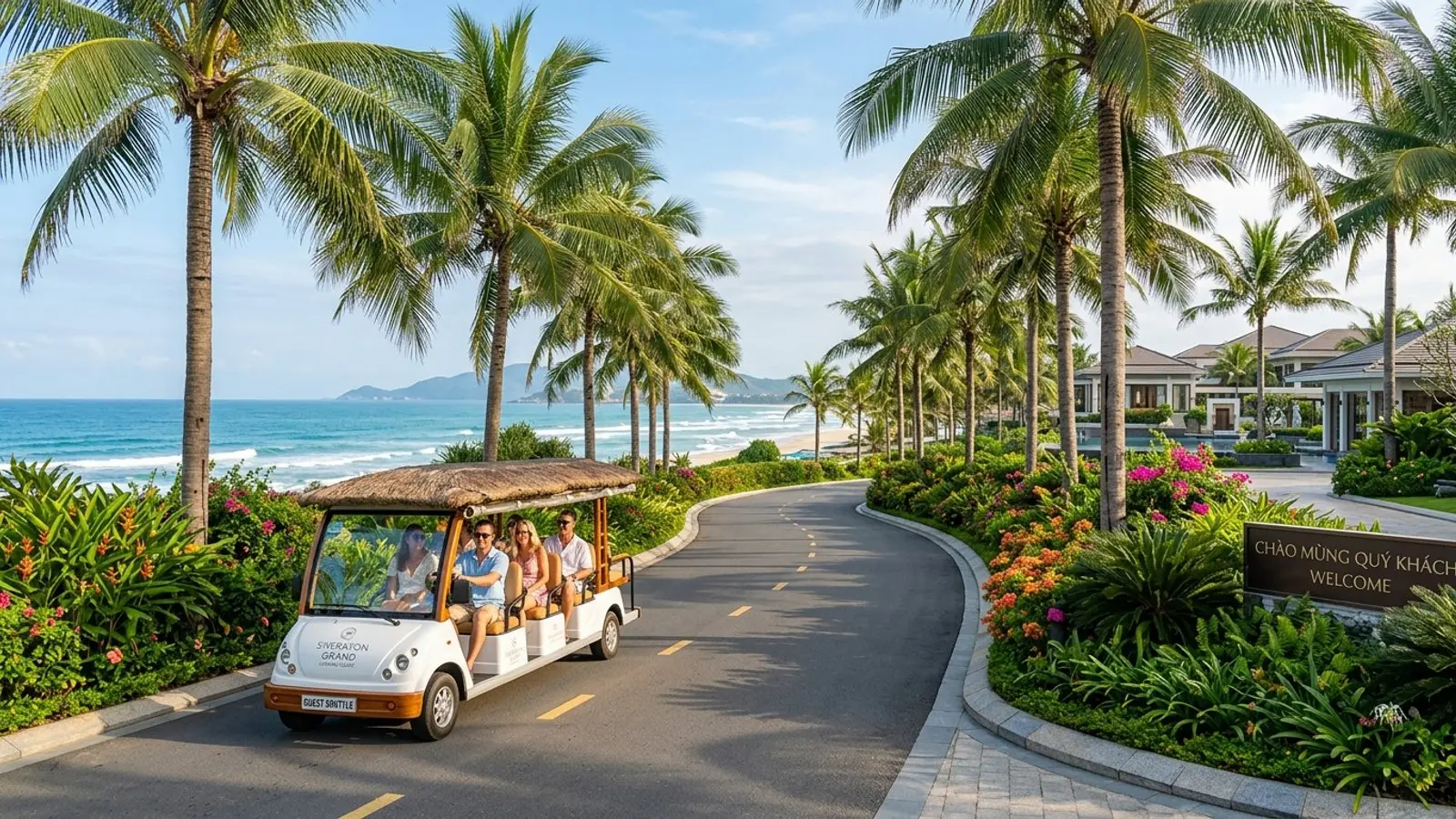
[My Khe Beach] Urban Dining Walkability vs. The Reality of Coastal Highway Noise
Recognized internationally as one of Asia's great urban beaches, My Khe benefits from unparalleled proximity to downtown Da Nang and the Han River dragon bridges. While lacking the sprawling acreage of traditional compound estates, My Khe hosts a dramatic line of modern thirty-story towers, including TMS Hotel, Sala Danang, and Four Points by Sheraton.
The supreme advantage here is peerless value. Between 60 and 100 dollars per night secures high-floor suites looking directly into the sun rising over the boundless East Sea, topped with glamorous rooftop infinity swimming pools. Stepping out the lobby places travelers within steps of live seafood tanks, clay-pot eateries, and boutique coffee shops.
However, My Khe harbors a critical geographic trade-off. Running directly between the hotel towers and the sandy beach is Vo Nguyen Giap street, a heavily trafficked six-lane coastal boulevard. Crossing to the water involves stepping into an endless stream of speeding motorbikes and tour coaches with sparse pedestrian crosswalks.
Furthermore, late-night traffic rumble and honking motorbikes penetrate glass balconies on lower floors. Sleep-sensitive travelers should explicitly request rooms situated on the twentieth floor or higher, or deliberately book boutique properties located one block inland behind the noisy frontline.
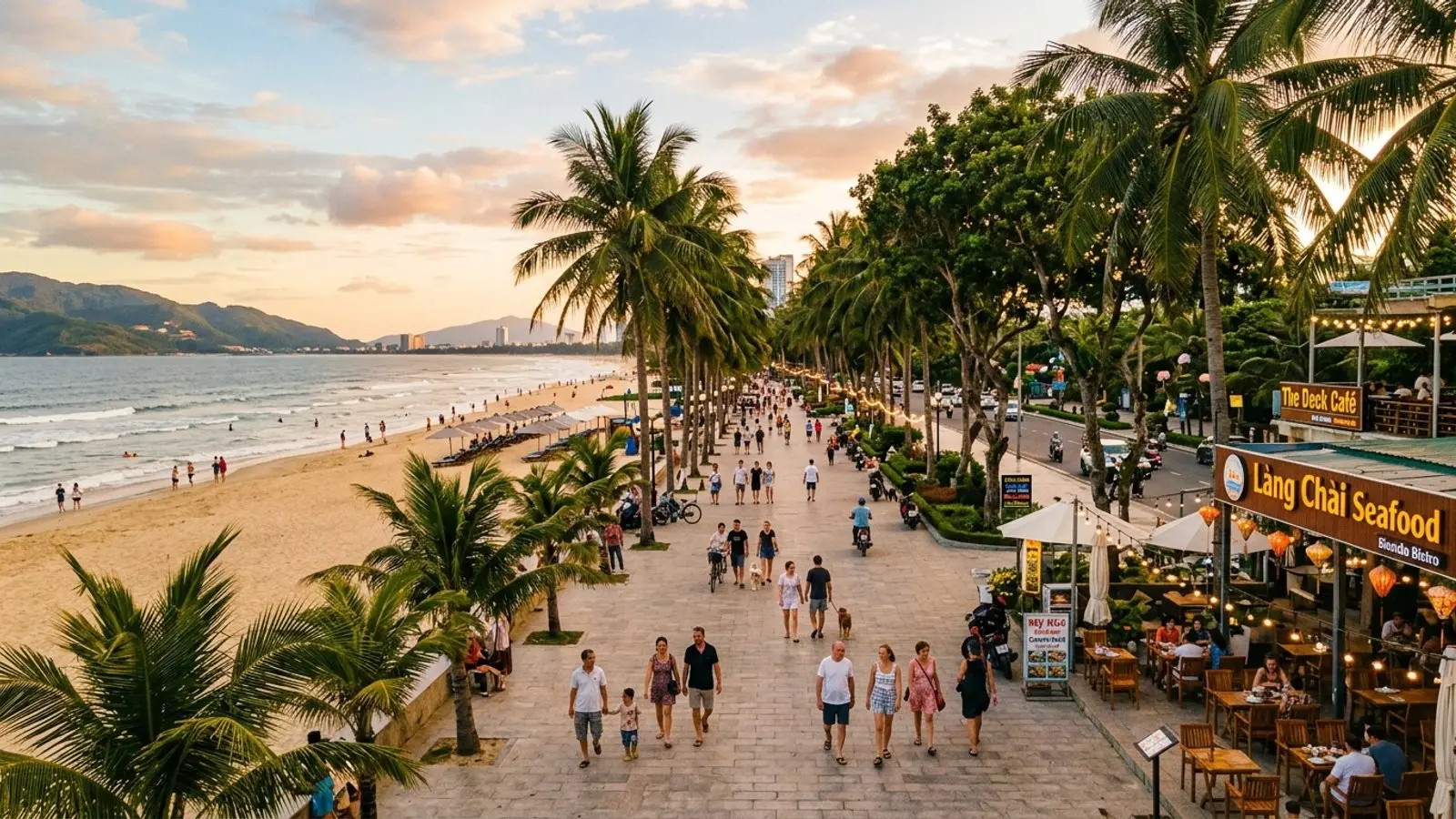
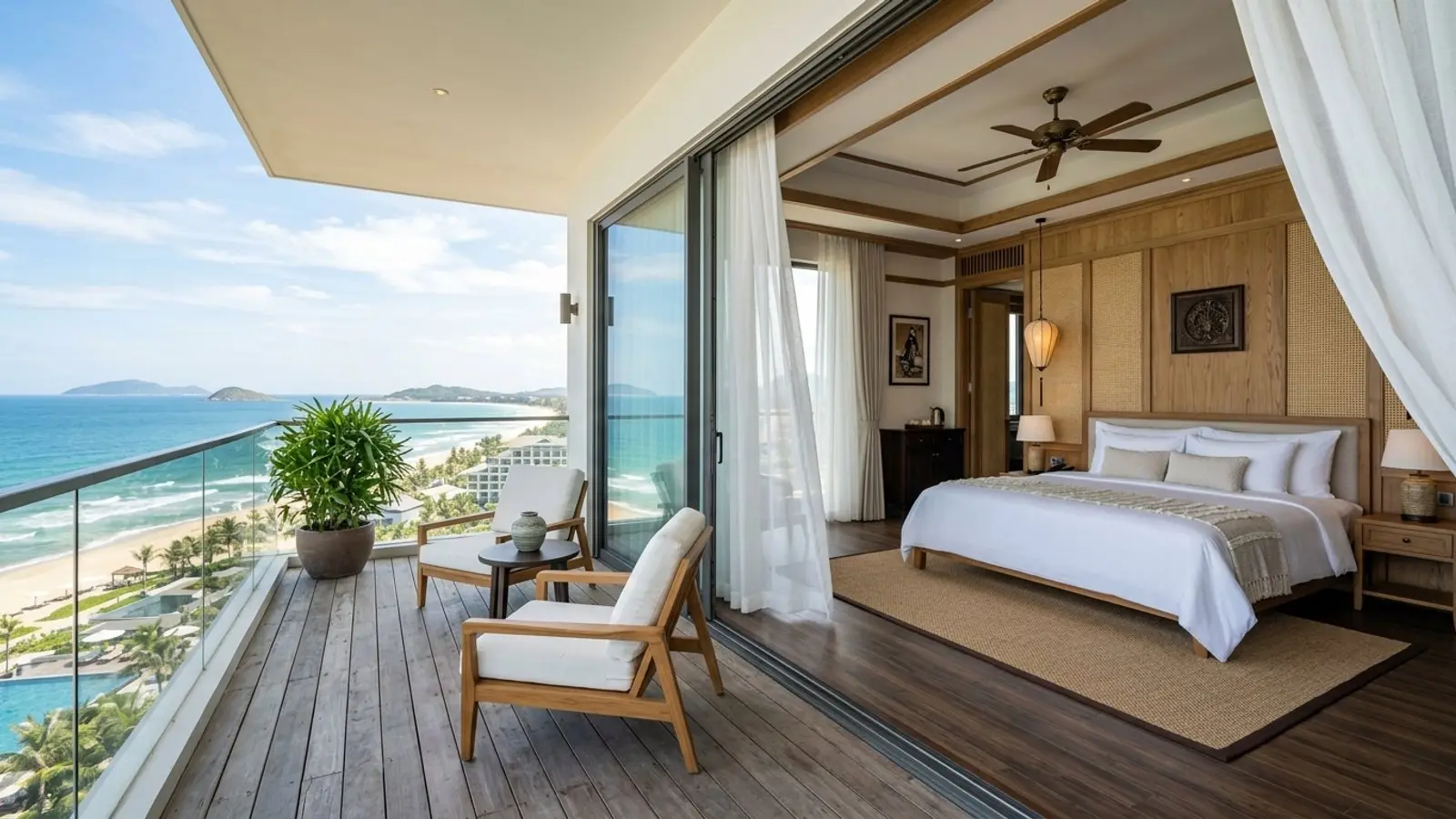
[Non Nuoc & Marble Mountains] True Private Sands, Tropical Grounds, and Family Villas
Driving ten minutes south of My Khe brings you into Non Nuoc, an elite coastal strip framed by the limestone peaks of the Marble Mountains. Here, international flagships like Hyatt Regency Danang, Danang Marriott Resort, Naman Retreat, and Sheraton Grand command private estate grounds spanning dozens of oceanfront hectares.
Non Nuoc's crowning virtue is seamless, vehicle-free beach connectivity. Guests step out of villa sliding glass doors directly onto immaculate palm-shaded lawns and stroll straight onto powdery white sands without crossing roads. Private loungers, manicured coconut trees, and certified lifeguards ensure complete peace of mind for families with young children.
Accommodation diversity is exceptional. Inventory spans elegant standard ocean-view hotel wings starting around 150 dollars nightly to sprawling two- and three-bedroom standalone pool villas ranging from 300 to 600 dollars. For multi-generational family reunions or milestones, Non Nuoc's private villas deliver unmatched residential grandeur.
The strategic compromise is dining isolation. No independent restaurants or convenience marts sit within walking distance outside resort perimeters. Downtown Da Nang and Lotte Mart require a fifteen-minute ride via Grab taxi (roughly 5 to 7 dollars), making a routine of relaxing poolside by day and heading downtown for evening dining the most rewarding pattern.
[Hoi An An Bang & Cua Dai] Heritage Atmosphere, Bohemian Beach Bars, and Value Villas
For travelers who value the atmospheric yellow plaster walls and silk lanterns of UNESCO-listed Hoi An Ancient Town over urban city lights, relocating thirty minutes south to An Bang and Cua Dai beach is transformative. This coastal stretch exudes an earthy, bohemian charm fueled by expat surf clubs, seaside bistro terraces, and artisanal cafe culture.
Accommodations eschew concrete high-rises in favor of single-story thatched pavilions, bamboo garden suites, and intimate plunge pool residences. Boutiques such as An Bang Beach Villas, La Siesta Hoi An Resort, and Silk Sense Resort deliver design-driven hospitality steeped in tropical tranquility for 80 to 140 dollars per evening.
Mornings at An Bang begin with cycling past lush emerald rice paddies and water buffalo herds toward ancient town bakeries for steaming bowls of Mi Quang noodles, while afternoons drift away beneath thatch parasols over ice-cold Saigon beers and fresh mango juices.
Hoi An's ancient commercial heart lies just ten minutes inland by taxi or shuttle. Most beach properties operate complimentary guest shuttles throughout the day, eliminating transit frictions. Implementing a split-stay playbook - two nights in Da Nang followed by two nights in Hoi An - represents the seasoned traveler's gold standard.
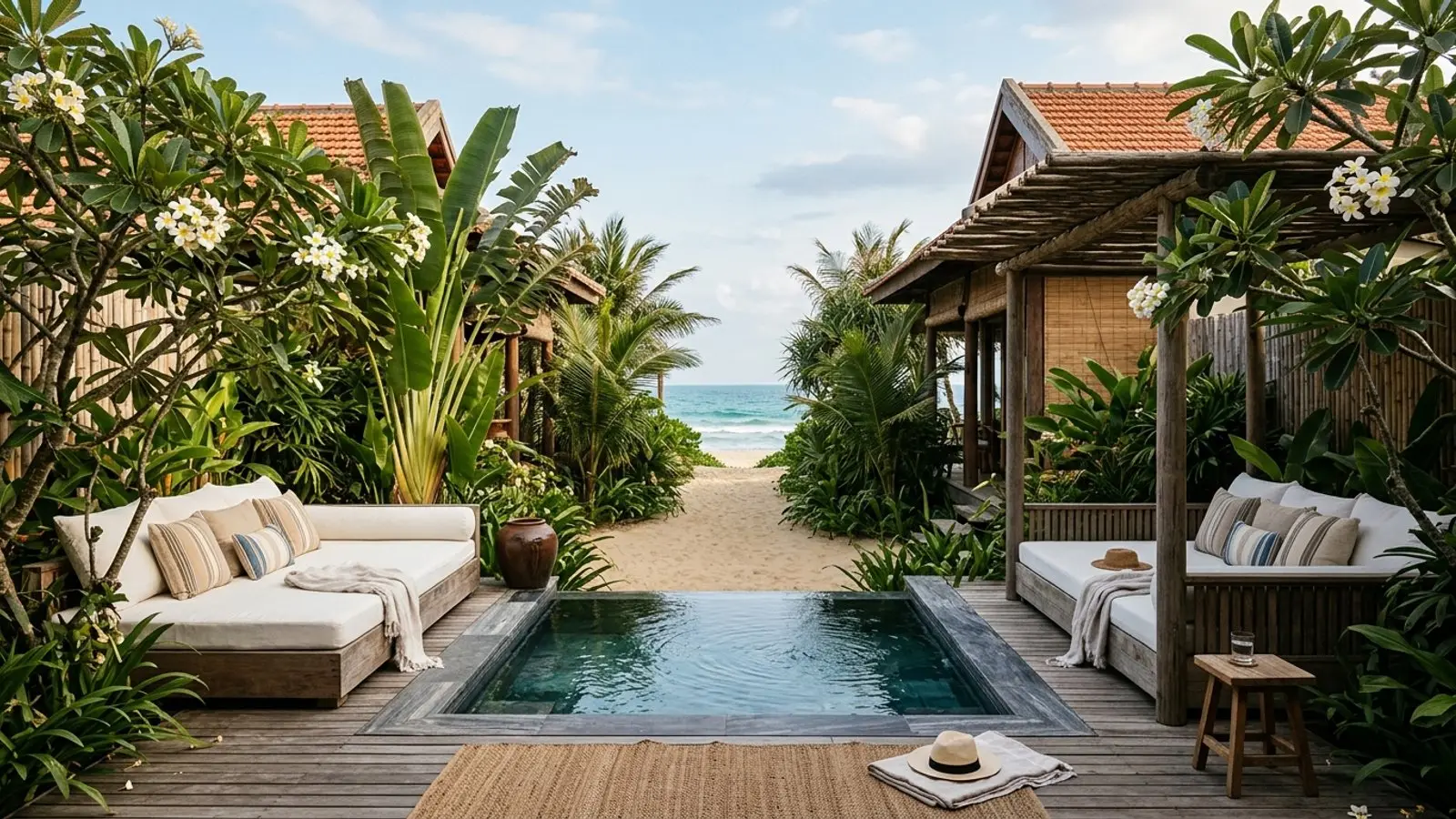
[Son Tra Peninsula] The Cliffside Sanctuary of InterContinental: Maximizing Luxury Returns
Perched precariously along the jungle sea cliffs of the Son Tra Peninsula northeast of Da Nang sits the InterContinental Danang Sun Peninsula Resort, an architectural masterwork universally celebrated among global luxury circles. Conceived by visionary resort designer Bill Bensley, this secluded fortress overlooks a private crescent bay populated by rare red-shanked douc langur monkeys.
Arranged across four stepped elevation levels named Heaven, Sky, Earth, and Sea, guests traverse the vertical jungle hillside aboard the Nam Tram, a whimsical cable funicular styled after traditional Vietnamese basket boats. Every suite features oversized open-air terraces and deep soaking tubs framing dramatic sea mists and forested headlands.
With rack rates commanding 600 to upwards of 1,200 dollars per night, maximizing your financial outlay requires a dedicated on-property strategy. Squeeze full value out of the investment by clearing outside itineraries entirely: linger over artisan cocktails at the iconic Long Bar, paddle ocean kayaks in the private cove, and absorb complimentary yoga workshops from dawn to dusk.
Attempting an entire week here strains travel budgets unnecessarily. The consummate booking strategy entails spending the first three nights exploring Da Nang and Hoi An from comfortable 80-dollar value hotels, then booking your final one or two nights at Son Tra to indulge in pure, uninterrupted sanctuary living.
Frequently Asked Questions
Field-tested answers to transit navigation, neighborhood choices, and payment traps.
Q1.What is the single biggest difference between staying on My Khe Beach versus Non Nuoc?
Q2.What should travelers consider when booking Da Nang beach resorts during the monsoon season?
Q3.How easy is it to travel between Hoi An's An Bang Beach accommodations and the Ancient Town?
Q4.How many nights should travelers book at ultra-luxury resorts like the InterContinental?
The Smart Traveler's Essential Toolkit
Prepare instant mobile data, private airport transfers, and skip-the-line passes in one place.
Share This Guide with Your Companions
When shared via chat or social media, a curated summary card is sent along.
Recommended Guides
Splitting a Stay Between Da Nang and Hoi An: How Many Nights in Each
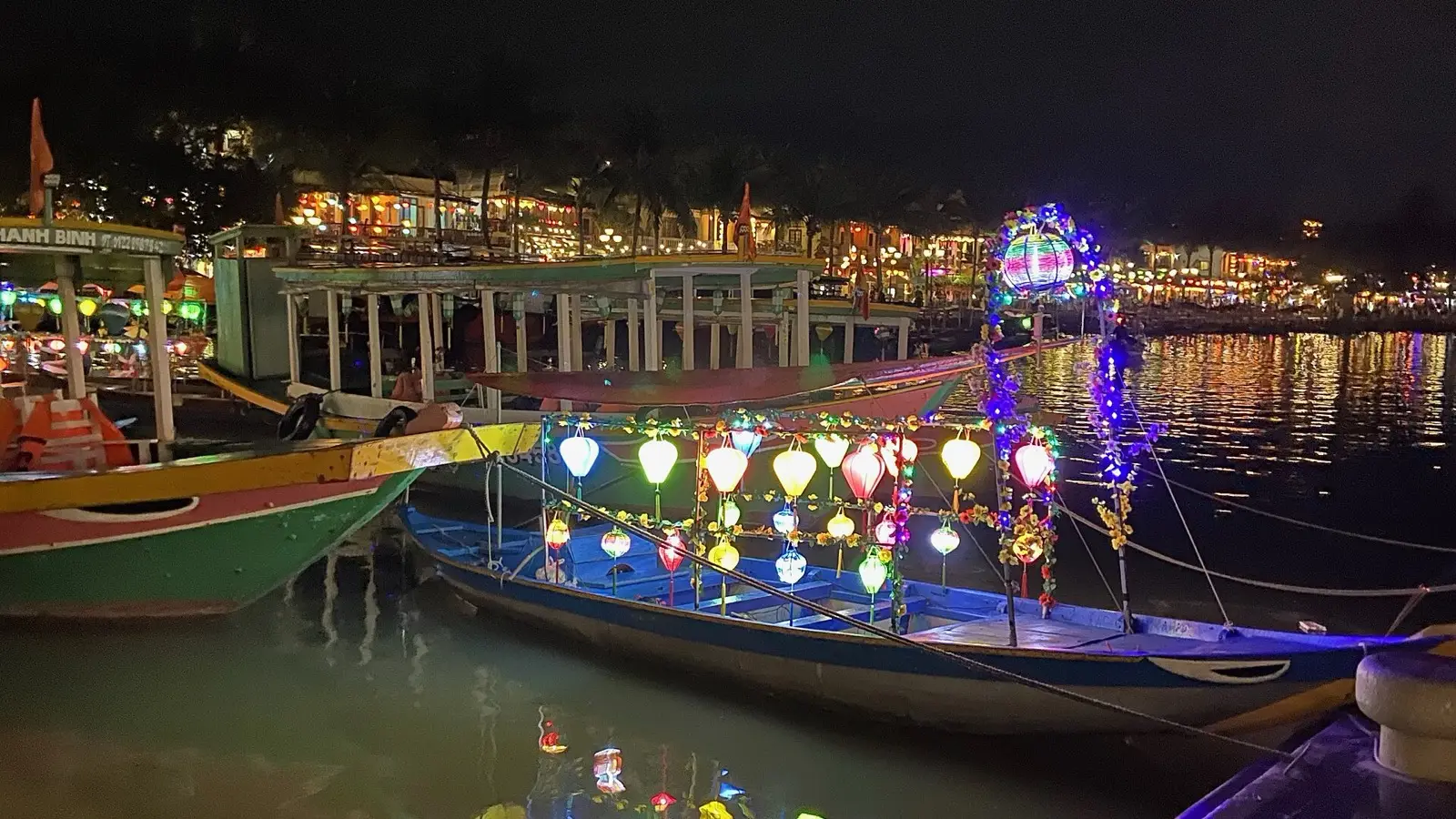
Thirty kilometers separate Da Nang's gleaming beachfront skyline from the timeless, lantern-lit yellow shophouses of Hoi An Ancient Town. Rather than suffering through exhausting day-trip tour buses, this comprehensive field playbook shows you how to execute a seamless dual-stay itinerary, outsmart street boat touts, and master local Grab transport.

Where to Stay in Da Nang: My Khe Beach, the Han River or Hoi An
How to dodge airport taxi traps with official Grab bays in Da Nang, analyze ride-hailing economics, and choose the right stay between My Khe Beach, downtown, and Hoi An.
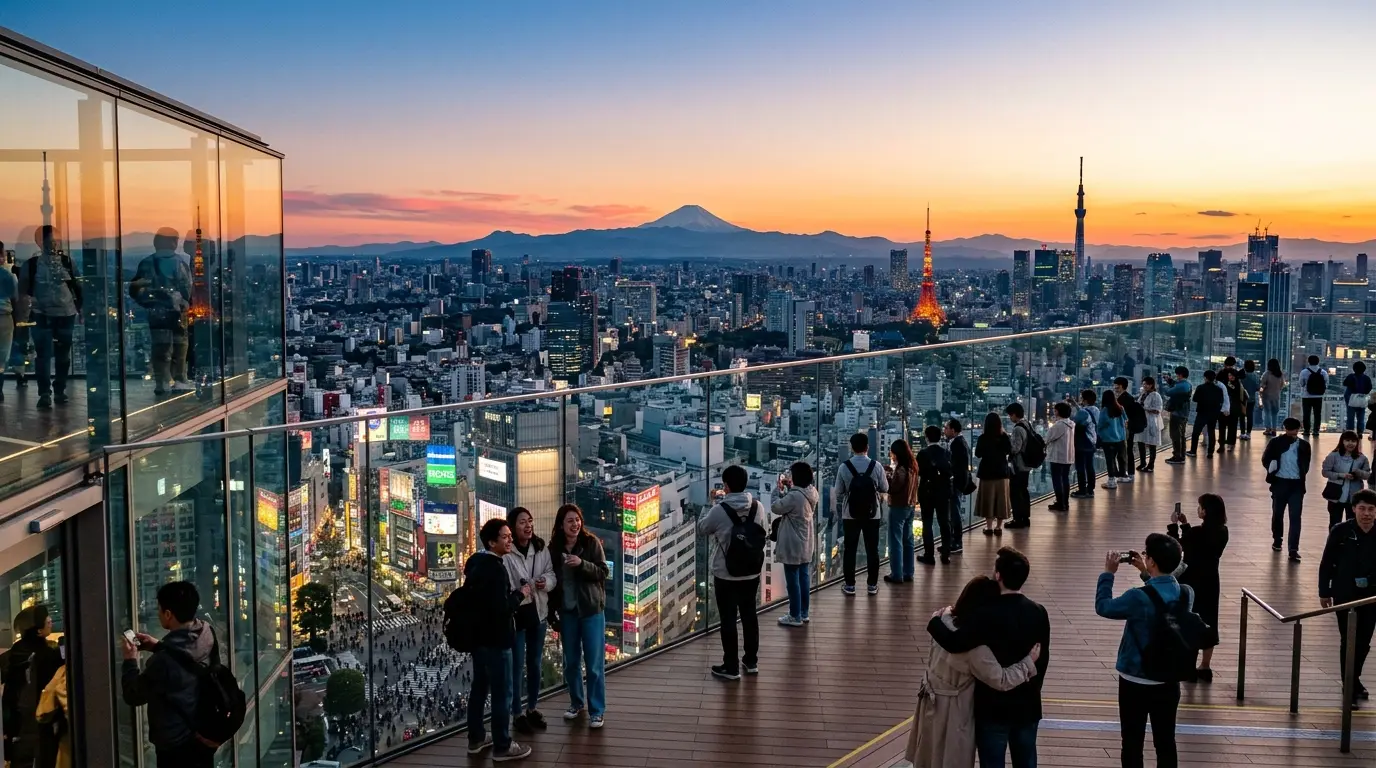
Where to Stay in Tokyo: Shinjuku vs Shibuya vs Ginza
Comparing room footprints across Shinjuku, Ginza, and Ueno, locking in sudden 14-day cancellation drops, and eliminating DCC fees with clean Yen checkout.
7 Budget Hotels in Tokyo Under $100 on the Yamanote Line
Even amid yen fluctuations, central Tokyo hotel rates have soared. Learn how to secure Yamanote loop line hotels at half the price of Shinjuku, compare onsen bath chains like Dormy Inn, trigger secret Agoda VIP and Booking.com Genius discounts, and dodge hidden currency fees with yen settlement.
How to Read the Tokyo Subway Map and Where to Stay on the Yamanote Line
How to choose between Keisei Skyliner and Narita Express, avoid the Tokyo Subway Ticket trap, use Apple Wallet Suica, and select the ideal hotel base in Tokyo.
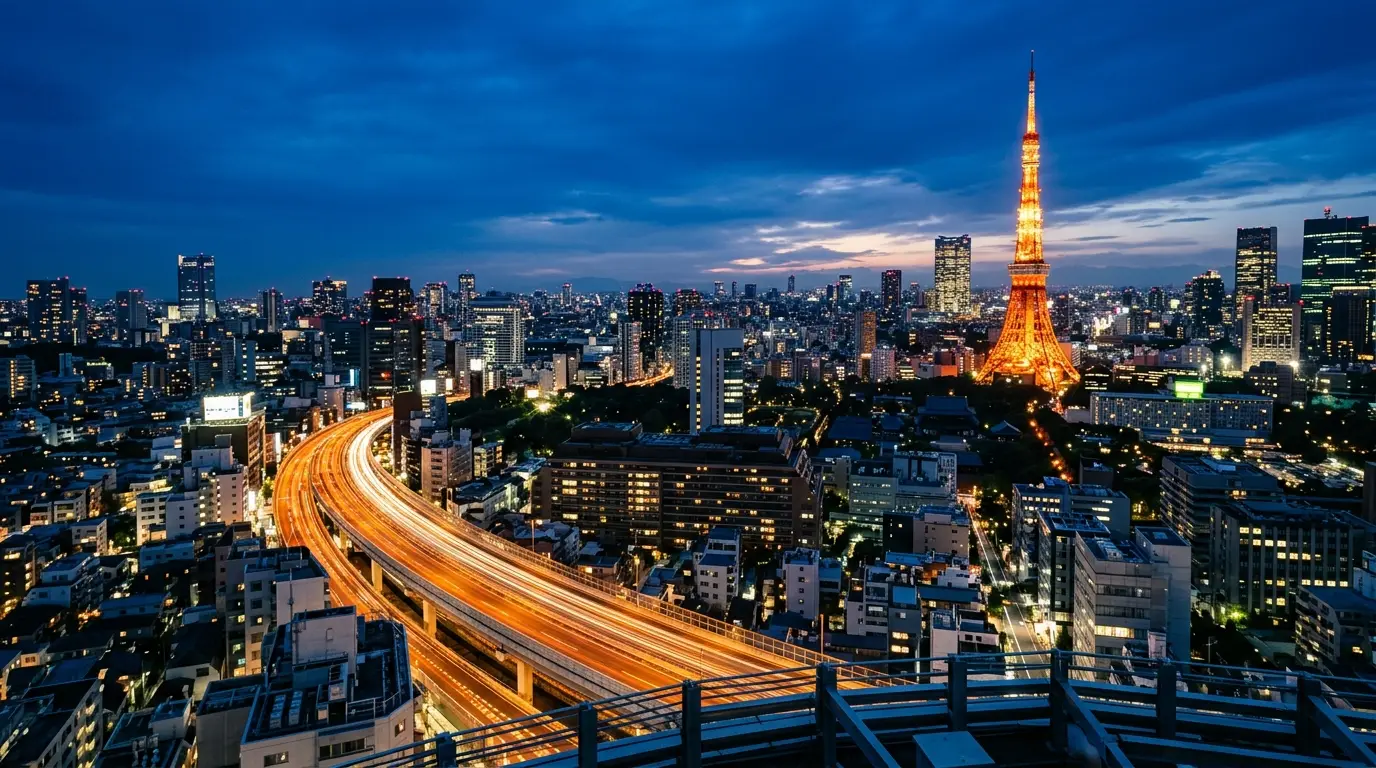
Tokyo Day 1 Itinerary: Narita Airport to the City and Your First 24 Hours
From stepping off at Narita Airport to mastering high-speed trains, navigating Tokyo's sprawling transit hubs, ordering counter ramen effortlessly, and catching sunset from Roppongi Hills. A definitive guide for your first 24 hours in Tokyo.
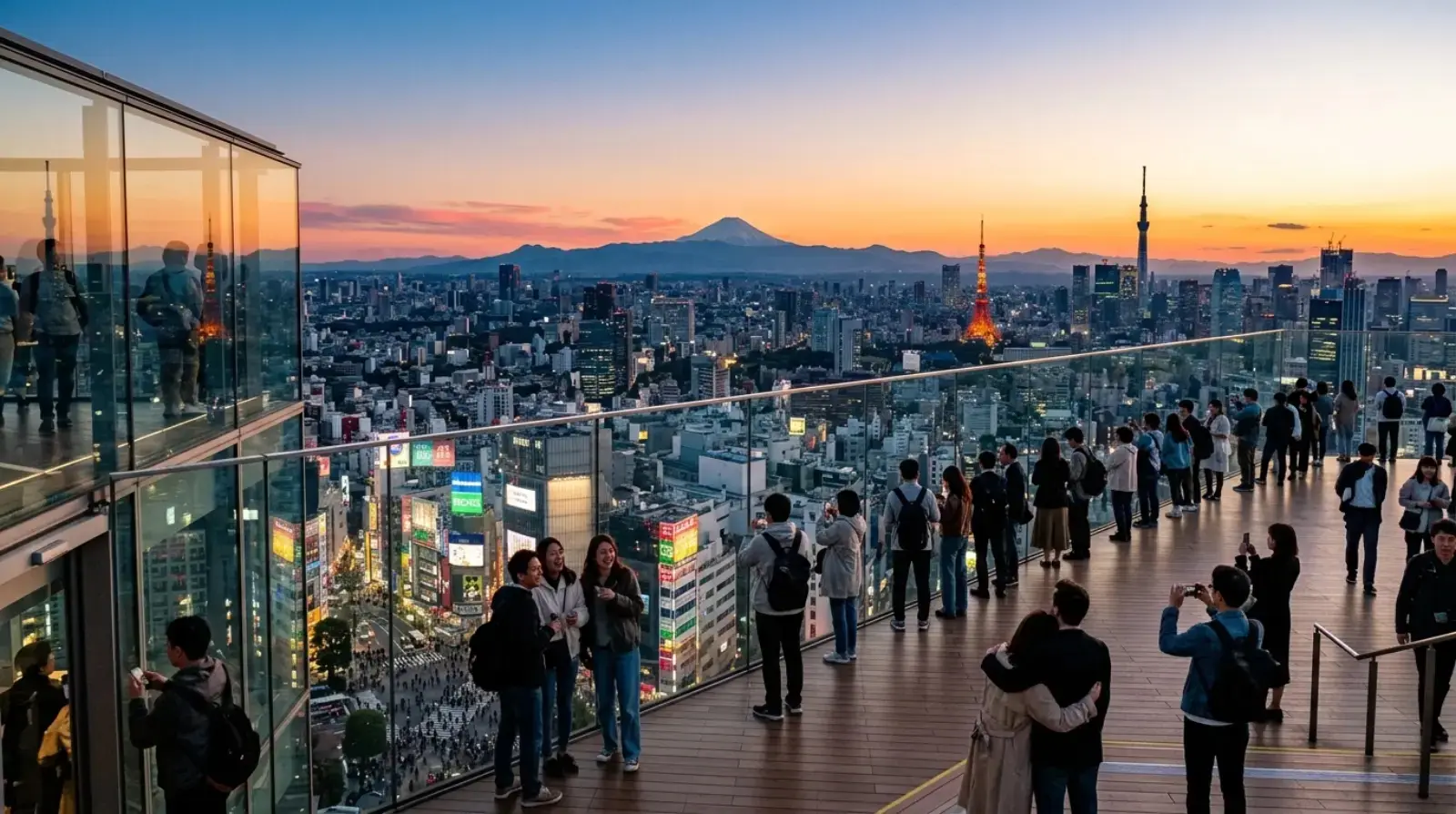
Tokyo Day 2 Itinerary: Booking Shibuya Sky, Harajuku Backstreets and Roppongi at Night
Securing prime sunset slots atop Shibuya Sky, navigating hidden boutiques along Harajuku Cat Street, immersing in the forested serenity of Meiji Jingu, and marveling at the crimson glow of Tokyo Tower from Roppongi Hills. A masterclass in Day 2 pacing.
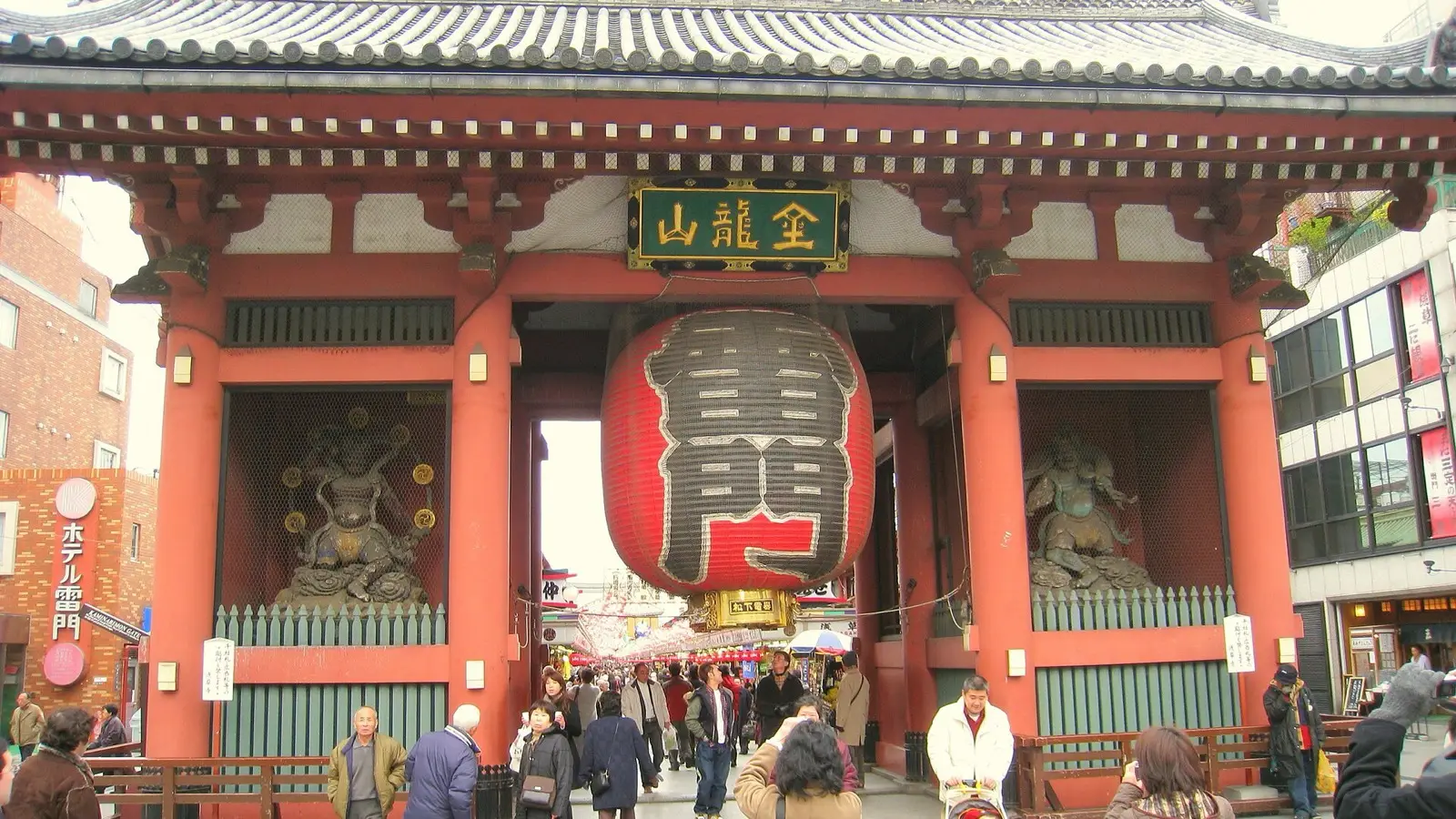
Tokyo Day 3 Itinerary: Asakusa, Akihabara, Ginza Depachika and Flying Home
The ultimate finale for your Tokyo stay: tranquil morning worship at Sensoji, retro subculture in Akihabara, Ginza Six architectural rooftop views and basement depachika feasts, capped by seamless Skyliner and N'EX airport connections.
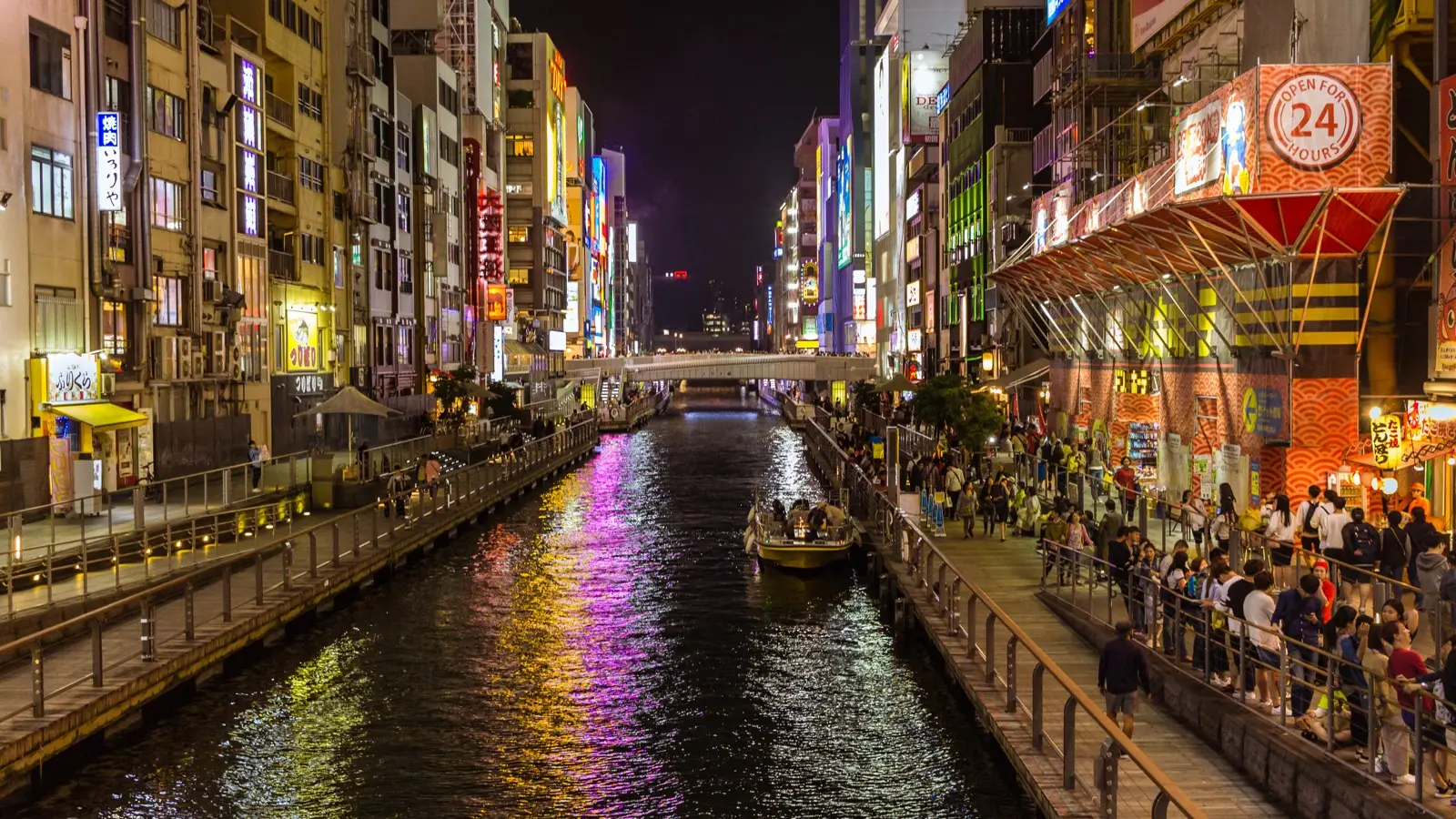
Osaka Itinerary: Dotonbori and Umeda in Two Nights
Osaka is Japan culinary powerhouse where feasting is an art. Navigate Rapi:t airport transfers, Namba vs Umeda hotels, and street food corridors with veteran precision.
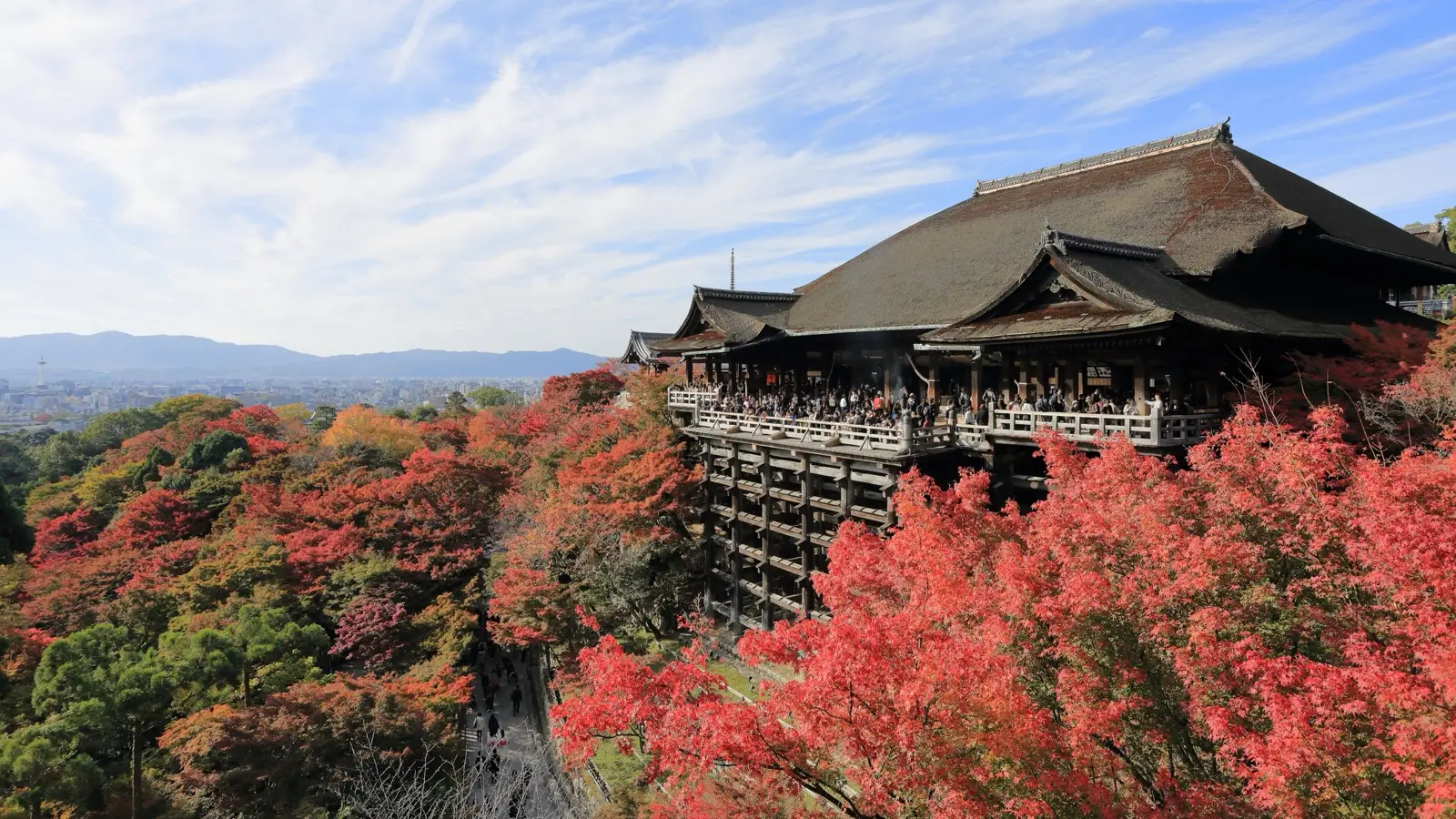
Kyoto Itinerary: Arashiyama, Gion and How to Pick a Ryokan
Kyoto compresses a millennium of Japanese aesthetic mastery. Discover how to evade bus congestion with private railways, master ryokan kaiseki booking windows, and savor early dawn stillness.
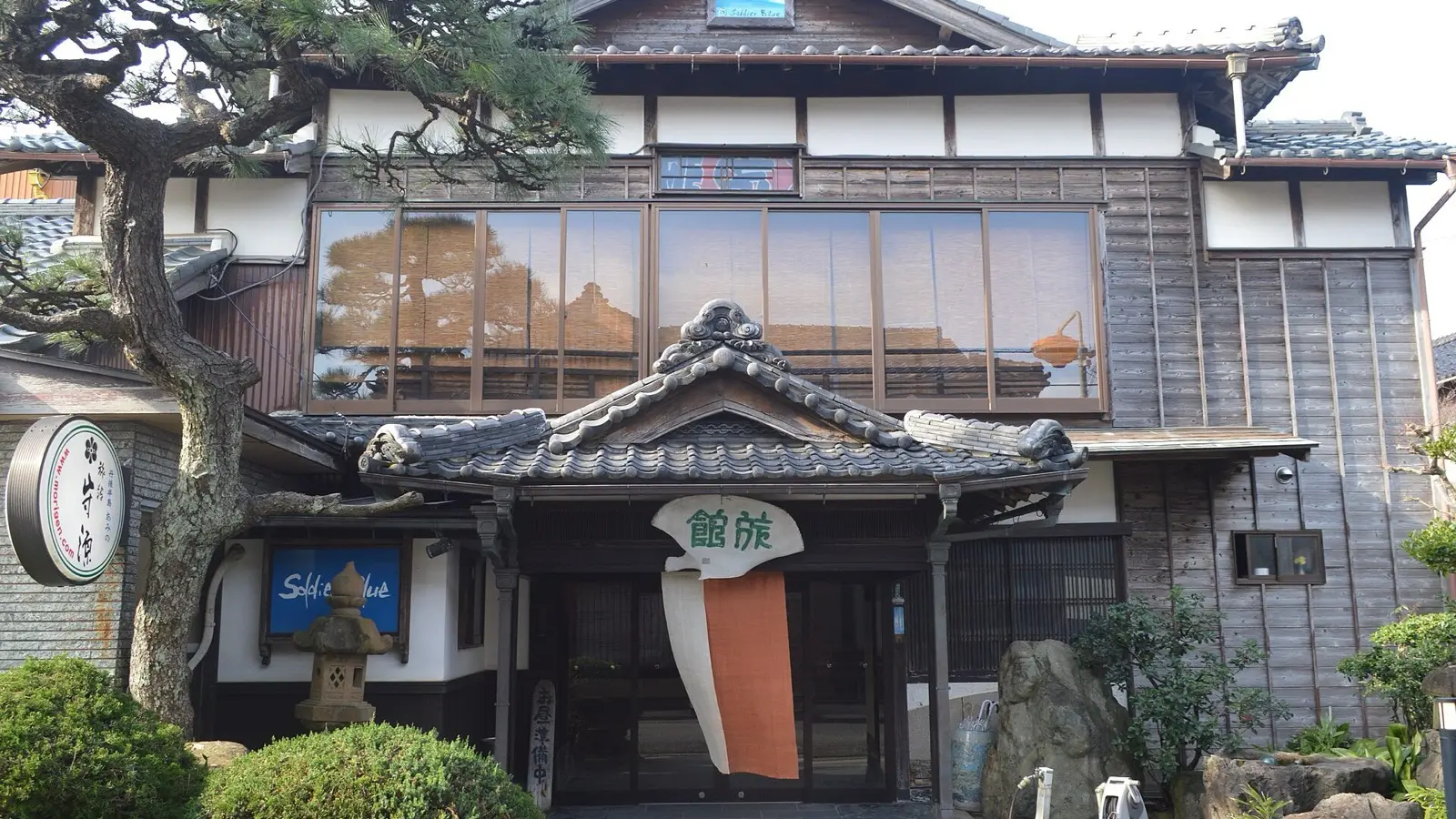
Kyoto Ryokan Prices and How to Choose: Kaiseki Terms and Machiya Stays
From hundred-year-old timber townhouses in Gion to misty Arashiyama riverside ryokan, staying in Kyoto demands cultural fluency and sharp booking discipline. An honest receipt audit covering kaiseki dinner curfews, private onsen etiquette, and avoiding dynamic pricing spikes.
Kyoto Day 1 Itinerary: Kansai Airport to Kyoto and Your First Evening in Gion
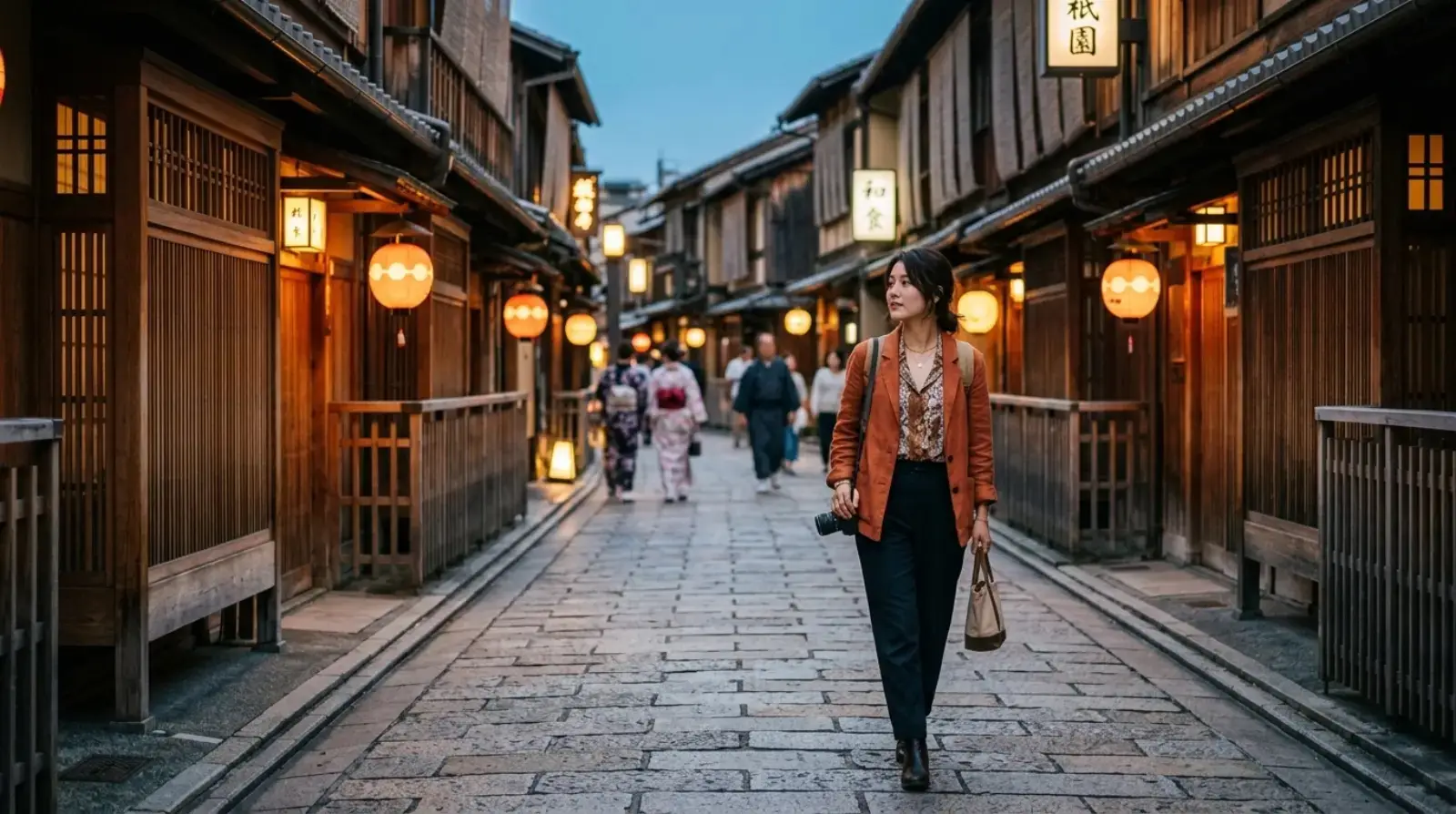
Boarding the 75-minute Haruka Express from Kansai Airport, forwarding heavy bags straight to your hotel via Crosta at Kyoto Station, avoiding gridlocked buses using the subway, and an evening stroll through Gion to the Kamogawa. A field guide to your first 24 hours.