
A Parisian Bistro Walk in the 11th: Natural Wine Bars, Zinc Counters, and Classic Steak Frites
From Rue Paul Bert to Charonne: zinc bar etiquette, decoding chalk slates, and ordering free carafe d eau like a local
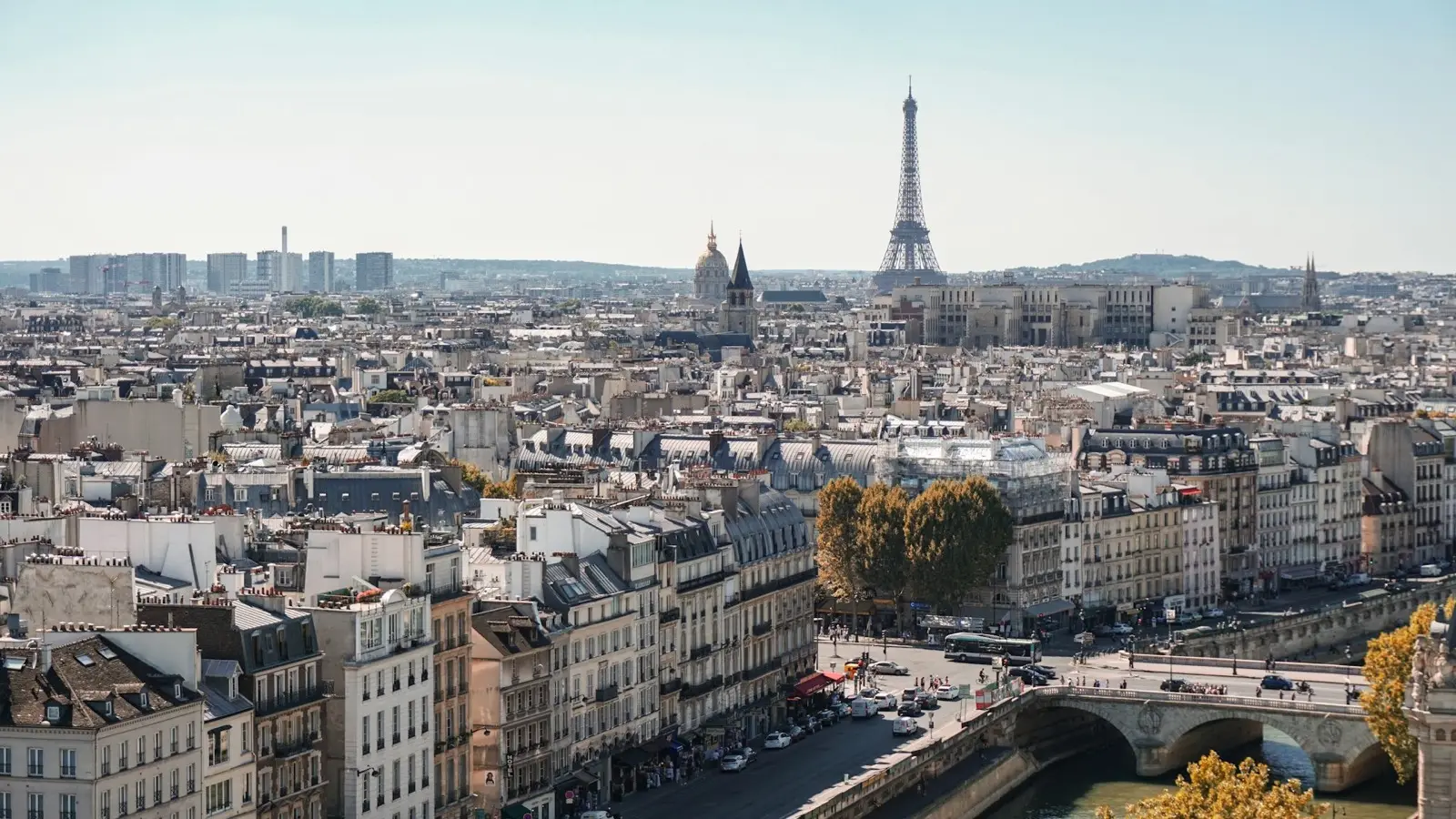
Twilight in the 11th: Real Parisian Tables Beyond Tourist Traps
At 7:30 PM, as the western horizon softens into dusky violet, antique cast-iron streetlamps flicker awake along Rue Paul Bert in Paris 11th arrondissement. For travelers weary of pushy touts and laminated tri-lingual menus around the Eiffel Tower, stepping onto these cobblestones feels like entering an entirely different city. Beneath weathered canvas awnings, aromas of sizzling butter, garlic, and seared beef waft gently into the cool evening air.
Historically a gritty enclave of cabinetmakers, artisans, and printers, the 11th arrondissement has undergone an authentic culinary renaissance. Talented young chefs and independent sommeliers, priced out of central Paris, took over centuries-old working-class taverns. Instead of starched white linens and stiff multi-course rituals, they celebrate unpretentious, market-driven recipes served on heavy earthenware crockery.
Stepping through the frosted-glass doorway, your gaze is instantly captured by the centerpiece of French tavern culture: the glowing, patinated zinc (Zinc) bar counter. Neighborhood locals, dropping in unannounced on their walk home from work, lean casually against the curved metal rim, sipping glasses of crisp Chenin Blanc while bantering with the bartender.
The dining room is tight: wooden bistrot chairs are separated by barely a handspan, and parquet boards creak underfoot. Yet that intimate physical proximity generates the warm acoustic hum that defines true Parisian hospitality. The clink of cutlery and melodic French laughter wrap around you like a familiar coat. You are ready to dine like a local.
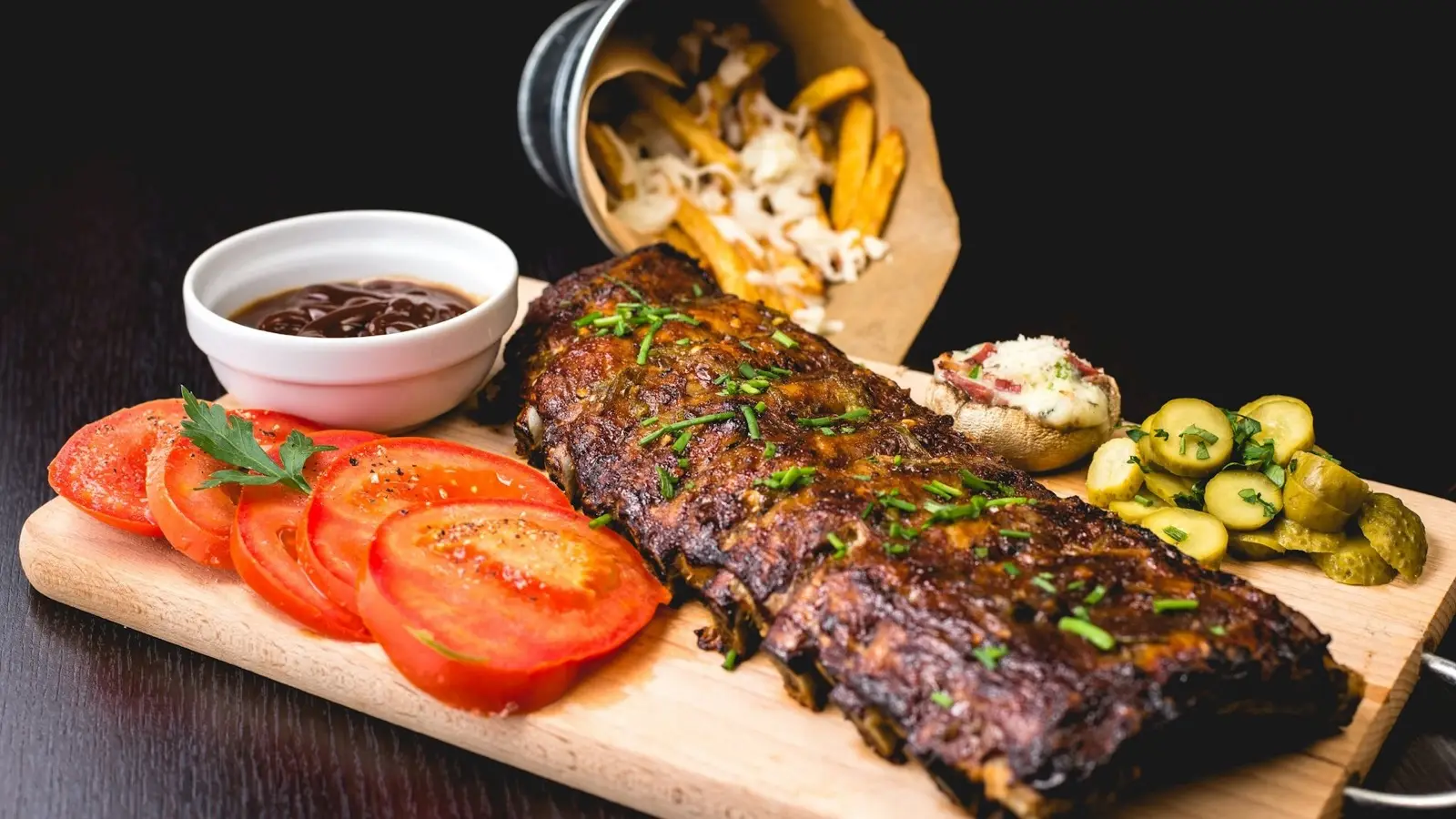
The Sacred Duet: Saignant Steak Frites and Natural Wines
While chalkboard menus tempt with sweetbreads and terrines, the ultimate benchmark of any respected Parisian bistro is Steak Frites. Thick, heavily marbled cuts of beef flank or hanger steak are seared in blistering cast-iron skillets with foaming butter, sealing in ruby-red juices while forming an addictive mahogany crust.
When your server queries your preferred doneness (Cuisson), do not hesitate. State saignant (medium-rare) with quiet confidence. Even travelers accustomed to medium-well beef at home should trust the French kitchen here: cooked saignant, the muscle fibers remain supple, succulent, and infused with natural flavor. Paired with hand-cut double-fried pommes frites and glossy peppercorn pan jus, the dish washes away transatlantic flight fatigue in a single bite.
The ideal partner for this robust plate is an expressive natural wine (Vin Naturel), the liquid soul of the 11th arrondissement. Vinified with zero chemical fertilizers and wild indigenous yeasts, natural wines offer an unfiltered, vibrant acidity, crushed berry aromas, and a faint mineral sparkle that slices through rich pan sauces effortlessly.
If the bottle list feels overwhelming, simply ask for wine by the glass (Un verre). Uttering un verre de vin rouge, s'il vous plaît prompts the host to retrieve an open bottle, share a sixty-second anecdote about the biodynamic vigneron in the Loire, and pour a generous burgundy glass at your elbow.

Decoding Chalkboard Slates and Dodging the Eight-Euro Water Trap
Authentic neighborhood bistros rarely hand guests printed paper menus. Instead, daily creations are scribbled in white cursive chalk on a massive wall-mounted slate board (L'Ardoise), reflecting whatever prime cuts, root vegetables, or wild mushrooms caught the chef's eye at market that morning. Navigating the board is simple once you identify the three core pillars: Entrée (starter), Plat (main course), and Dessert (sweet).
The first financial trap arises the moment you are seated and asked what water you prefer. Answering mineral or sparkling water prompts the server to uncork an artisanal bottle of Evian, adding seven to eight euros to your bill. Instead, utter the single most empowering phrase in the French dining lexicon: une carafe d'eau.
Under longstanding French statutory law, every licensed restaurant is legally mandated to provide clean, filtered tap water in a chilled glass pitcher completely free of charge upon request. Parisian municipal tap water undergoes rigorous filtration and tastes remarkably pure; over ninety percent of resident Parisians drink carafes exclusively.
Similarly, the wicker bread basket placed on your paper table runner is included without surcharge. Bread in a bistro is not merely a side snack; it serves as your primary utensil. Following French tradition, tear a small piece of crusty sourdough baguette and use it to wipe your plate clean of every last drop of velvet pan sauce (a time-honored practice known as saucer).
Strolling Charonne to Oberkampf: Evening Alleys and Historic Stays
Stepping out into the crisp evening breeze at 9:30 PM, Rue de Charonne invites unhurried foot exploration. Returning immediately to your hotel room would be a missed opportunity. Peer into warm illuminated windows of natural wine cellars (Caves à vin) and vintage vinyl shops as you wander north toward Oberkampf.
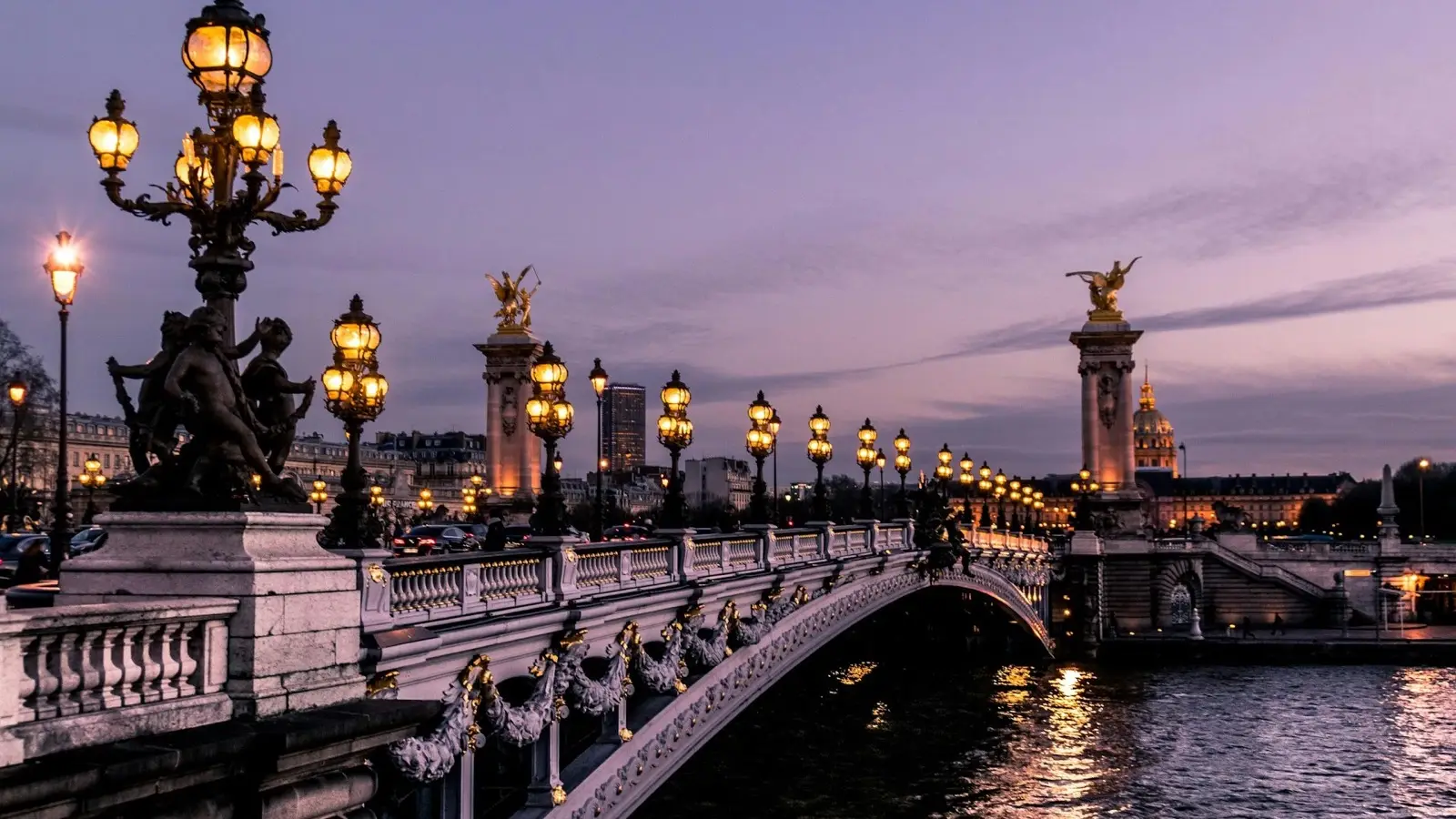
Unlike congested tourist corridors, the residential avenues of the 11th arrondissement remain lively and remarkably safe late into the night. Sidewalks are lined with young artists and neighborhood book clubs lingering over digestifs. Cobblestones glisten softly under the amber glow of wrought-iron street lanterns, creating an intimate cinematic tableau.
When anchoring your Paris accommodations, bypassing the overpriced hotels of the 1st through 8th arrondissements in favor of Bastille or République represents a masterstroke. For roughly 120 to 160 dollars per night, you can secure boutique rooms inside classic Haussmannian limestone facades, complete with herringbone chevron timber floors, decorative marble fireplaces, and private wrought-iron balconies.
Bastille station, where Metro Lines 1, 5, and 8 converge, provides frictionless high-speed links across the capital. You can reach the Louvre or Notre-Dame in ten minutes, or connect directly to Gare du Nord for express trains to Charles de Gaulle Airport, making it the supreme tactical base for discerning urban travelers.
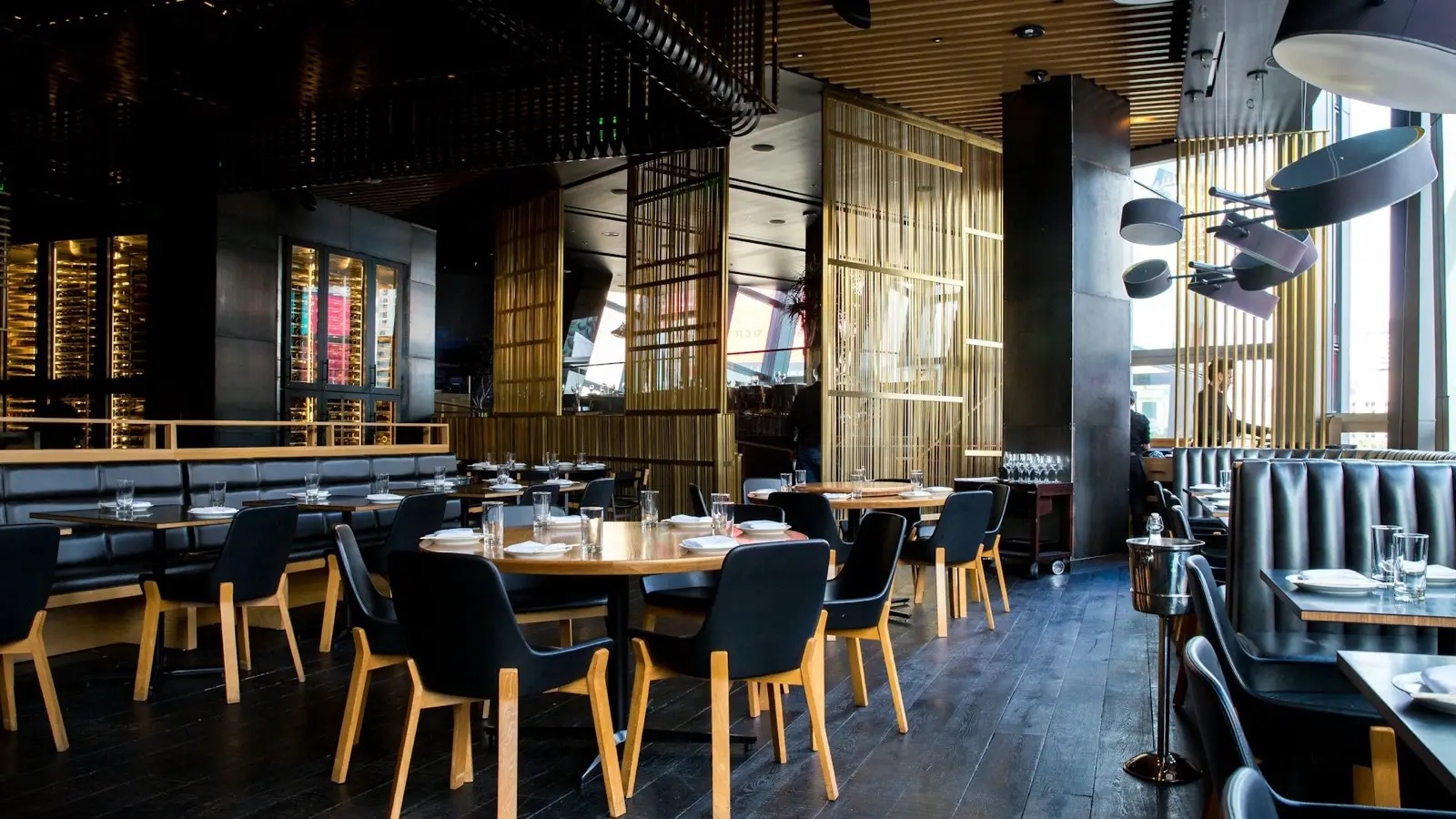
The Standing Nightcap at the Zinc: Tipping Realities and Evocative Departures
Before calling it a night, seek out a glowing neighborhood corner bar and step directly up to the zinc counter for a standing nightcap. Ordering an espresso or draft blonde beer standing at the bar (Au comptoir) costs roughly two euros, a thirty to forty percent discount compared to sitting at outdoor terrace tables. Standing shoulder-to-shoulder with locals amid clinking glassware is quintessential Parisian culture.
When requesting your bill (L'addition), note that French law automatically includes a mandatory fifteen percent service fee (Service Compris). Unlike North American tipping culture, there is zero expectation to calculate an eighteen or twenty percent gratuity. If your server was warm and attentive, leaving one or two euros in small copper coins on the silver saucer is considered an elegant gesture of appreciation.
Pushing through the heavy wooden door into the midnight air, your shoes strike rhythmic echoes across damp paving stones. In the distance, the gilded silhouette of the Spirit of Freedom atop the July Column in Place de la Bastille glimmers quietly against the deep ink-blue sky.
Far removed from manufactured tourist clichés and exorbitant markups, the genuine soul of Paris reveals itself at these honest bistro tables. Surrounded by the warmth of good wine, crusty bread, and shared laughter, you realize that the magic of Paris is not locked inside museum display cases, it is alive and thriving along these cobblestone alleys.
Frequently Asked Questions
Field-tested answers to transit navigation, neighborhood choices, and payment traps.
Q1.Can I order in English at authentic bistros in the 11th arrondissement?
Q2.Will Parisian waitstaff judge me for ordering a free tap water carafe instead of bottled water?
Q3.Can I get a table at popular bistros along Rue Paul Bert without a reservation?
Q4.How much should I tip at Parisian bistros and neighborhood cafes?
The Smart Traveler's Essential Toolkit
Prepare instant mobile data, private airport transfers, and skip-the-line passes in one place.
Pick a base in Paris by your route
Choose the places you want to see and get the neighbourhood with the shortest travel.
Compare Paris Hotel Rates
Find the cheapest channel across Agoda and major booking engines with Tripdify.
Share This Guide with Your Companions
When shared via chat or social media, a curated summary card is sent along.
Recommended Guides
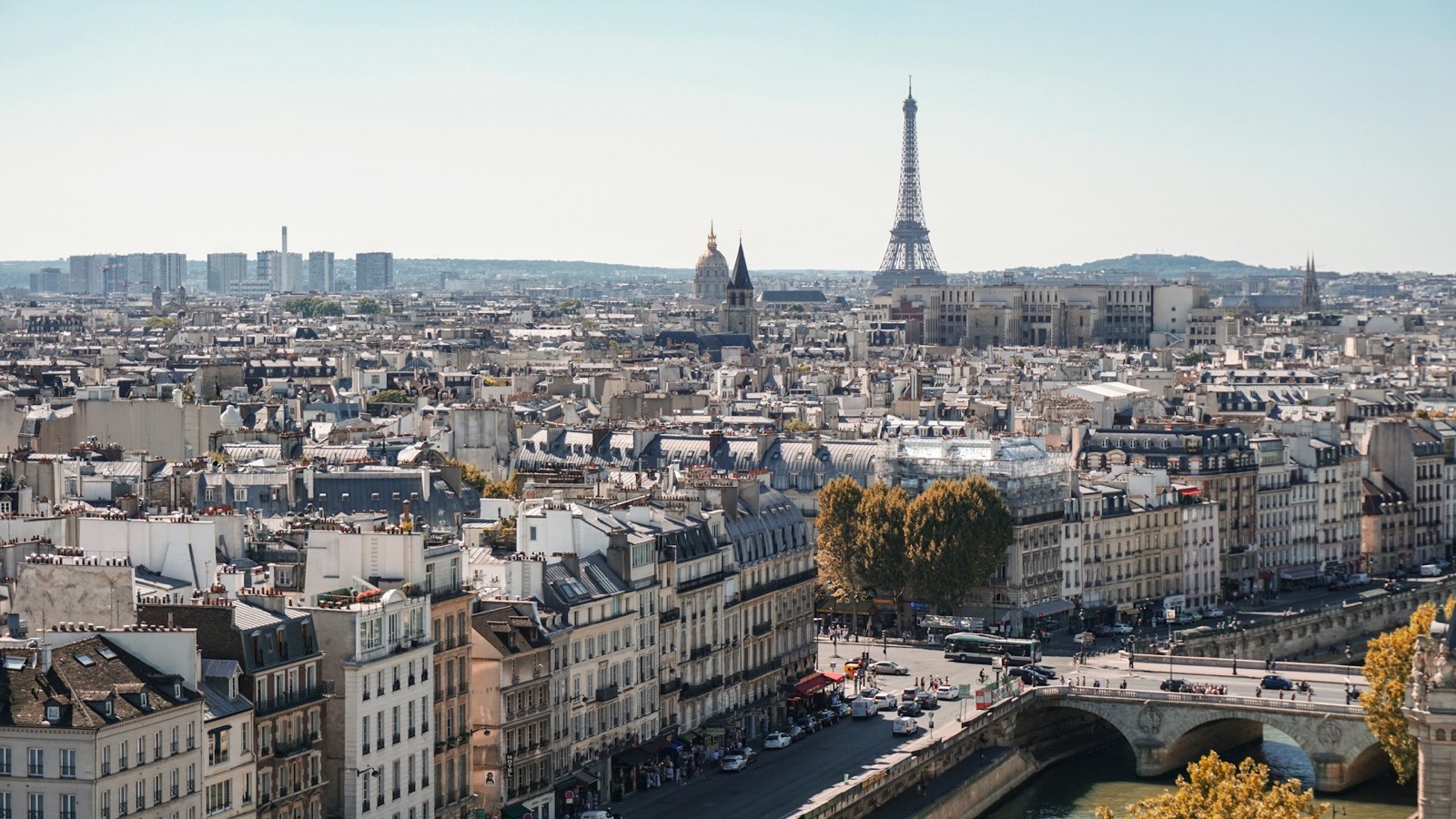
Paris Hotels and Transport Passes: Boutique Stays and Using the Metro
How to budget for unexpected Parisian municipal taxes, choose boutique stays between Le Marais and the Latin Quarter, and master CDG airport transit with Navigo Easy.

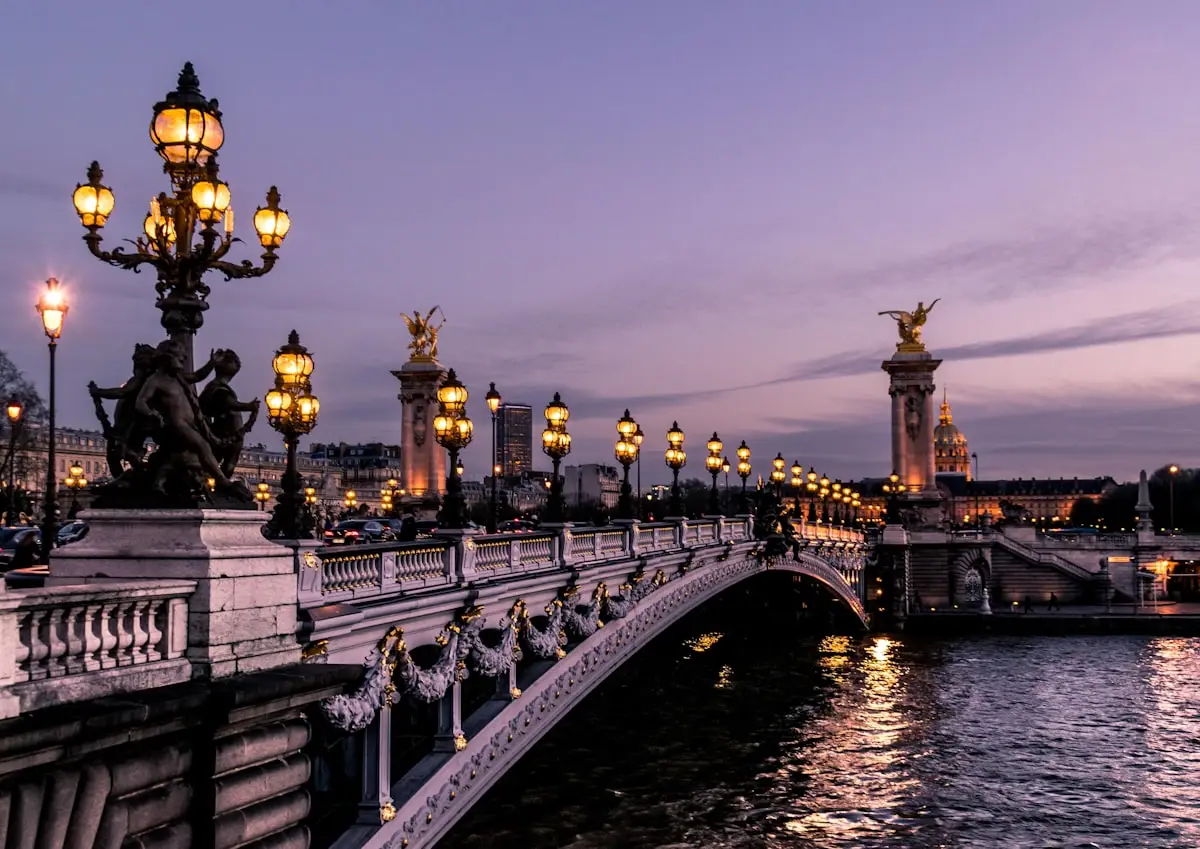
Where to Stay in Paris: Which Arrondissements to Choose and Which to Avoid
Behind the postcards of the Louvre and the Seine lies a city of stark contrast, sudden tourist tax spikes, and vast neighborhood disparities. Spanning 20 arrondissements spiraling clockwise from the historic core, choosing the right basecamp dictates whether your trip feels like a romantic dream or an exhausting obstacle course. Here is the definitive field guide to securing safe, value-packed Parisian lodging with local mastery.
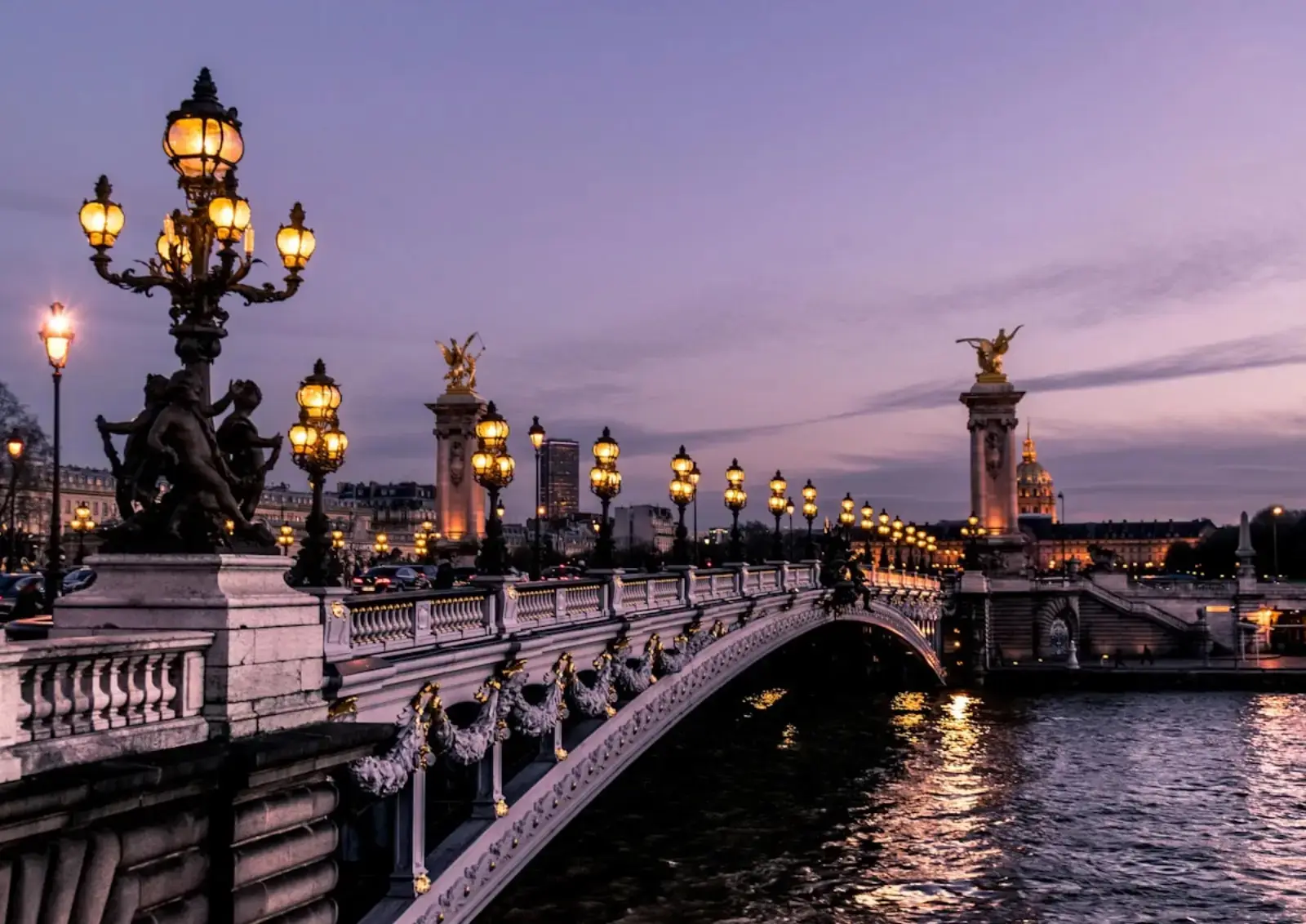
Paris Day 1 Itinerary: Charles de Gaulle to the City and Getting a Navigo Pass
Dodging illegal taxi touts at CDG for official flat-rate ranks, safe transit aboard the RER B, digital Navigo Easy ticketing, boulangerie ordering rituals, and golden hour along the Seine. A veteran field guide to your first 24 hours.
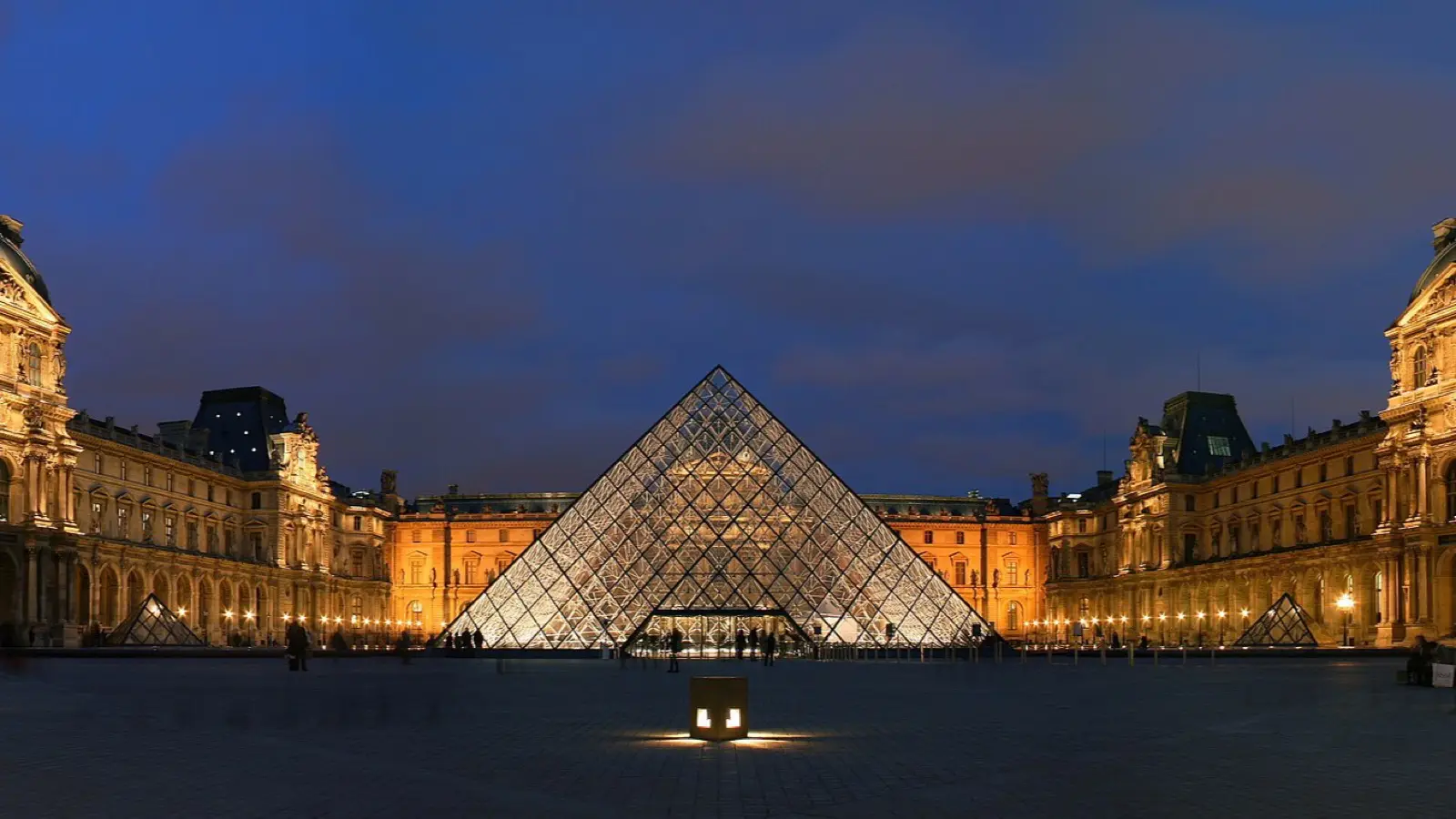
Paris Day 2 Itinerary: Louvre, Musee d'Orsay, the Eiffel Tower and a Seine Cruise
Experience an unhurried morning sprint to the Mona Lisa at the Louvre, stroll through the Tuileries to Musee dOrsay, browse Shakespeare and Company in the Latin Quarter, and glide past the sparkling Eiffel Tower on a twilight Seine River cruise.
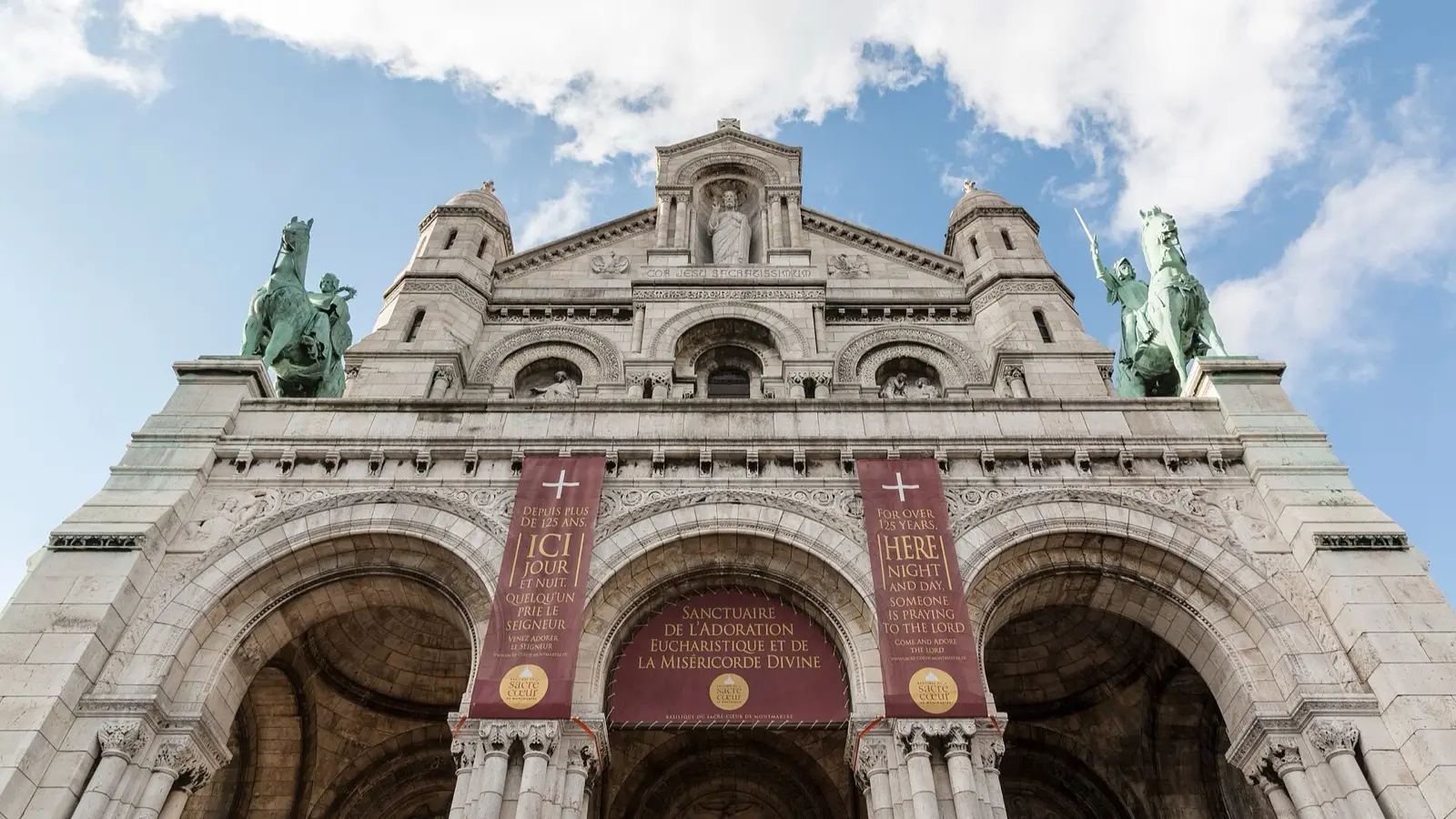
Paris Day 3 Itinerary: Montmartre, the Marais, Galeries Lafayette and Flying Home
Ascend Montmartre for sweeping panoramas from Sacré-Cœur, hunt for vintage treasures and street falafel in Le Marais, enjoy free rooftop skyline views at Galeries Lafayette, and streamline departure via automated PABLO kiosks at Charles de Gaulle Airport.
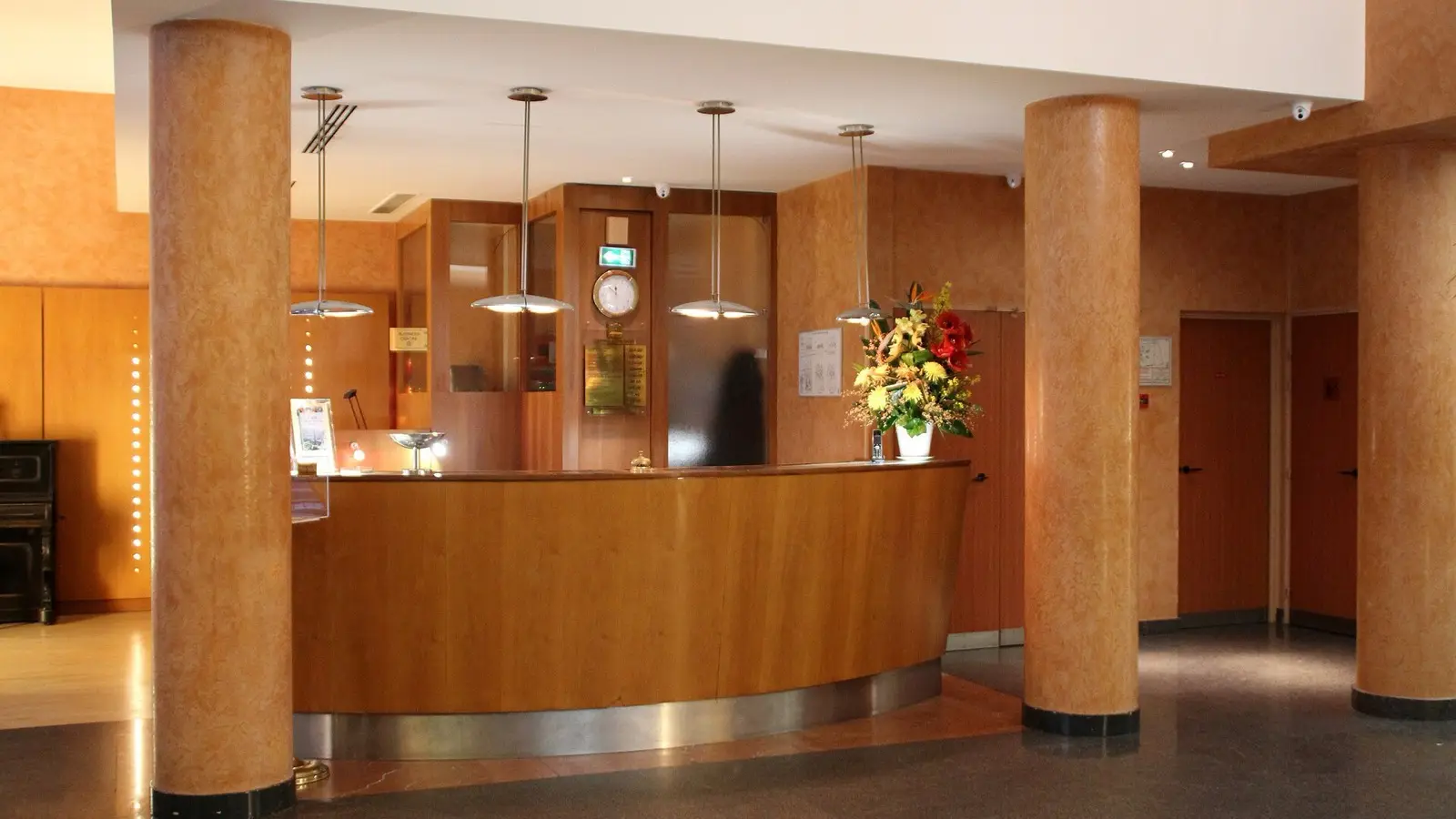
Hotel Check-In Abroad: Deposits, Resort Fees and City Taxes Explained
Prepaying your hotel room online does not mean your billing is settled. From pre-authorization holds tying up credit limits for weeks, to mandatory fifty-dollar nightly resort fees in Hawaii, European city taxes demanded in cash, and automated sensor minibars triggering false charges, we dissect the top five hotel front desk billing traps and how to defend your travel funds.
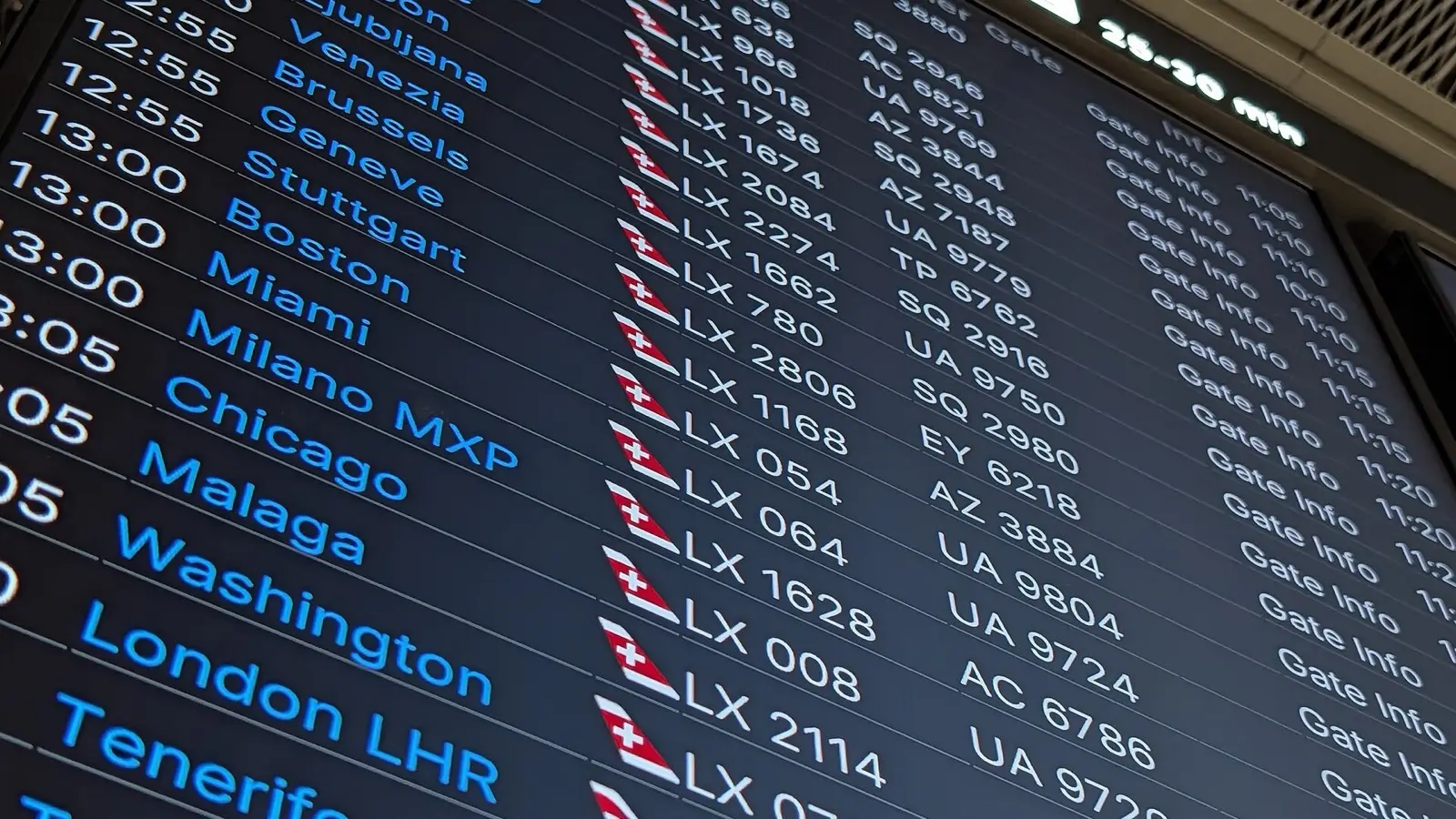
Flight Delay and Cancellation Compensation: Claiming up to EUR 600 Under EC 261
When 'DELAYED' or 'CANCELLED' flashes in red across the airport departure board, panic often sets in. However, under European Regulation EU261, passengers arriving three or more hours late on eligible flights are legally entitled to up to 600 euros in cash compensation per person. Learn how to file claims directly without forfeiting 35% commissions to third-party claim portals, secure complimentary transit hotels and dining vouchers under duty of care, and collect bulletproof evidence that disproves bogus weather excuses.
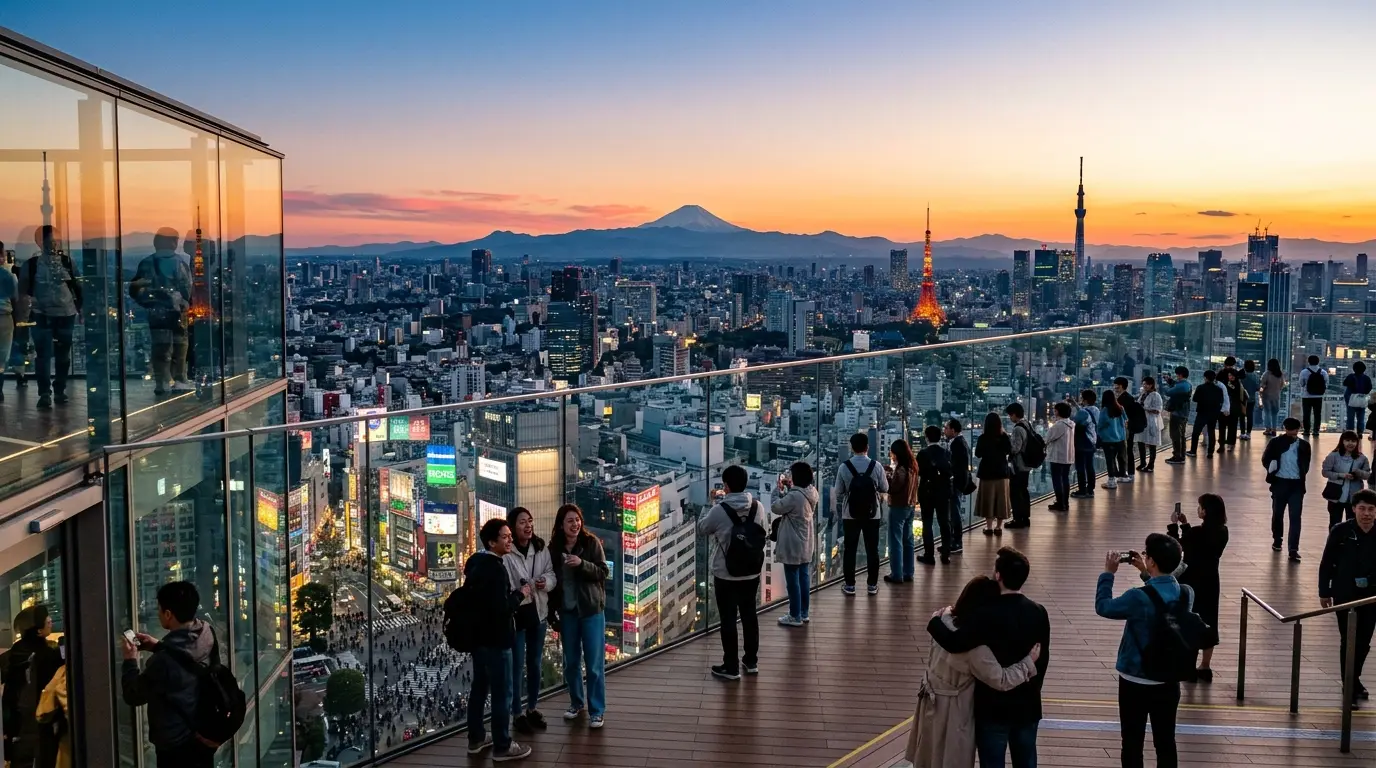
Where to Stay in Tokyo: Shinjuku vs Shibuya vs Ginza
Comparing room footprints across Shinjuku, Ginza, and Ueno, locking in sudden 14-day cancellation drops, and eliminating DCC fees with clean Yen checkout.
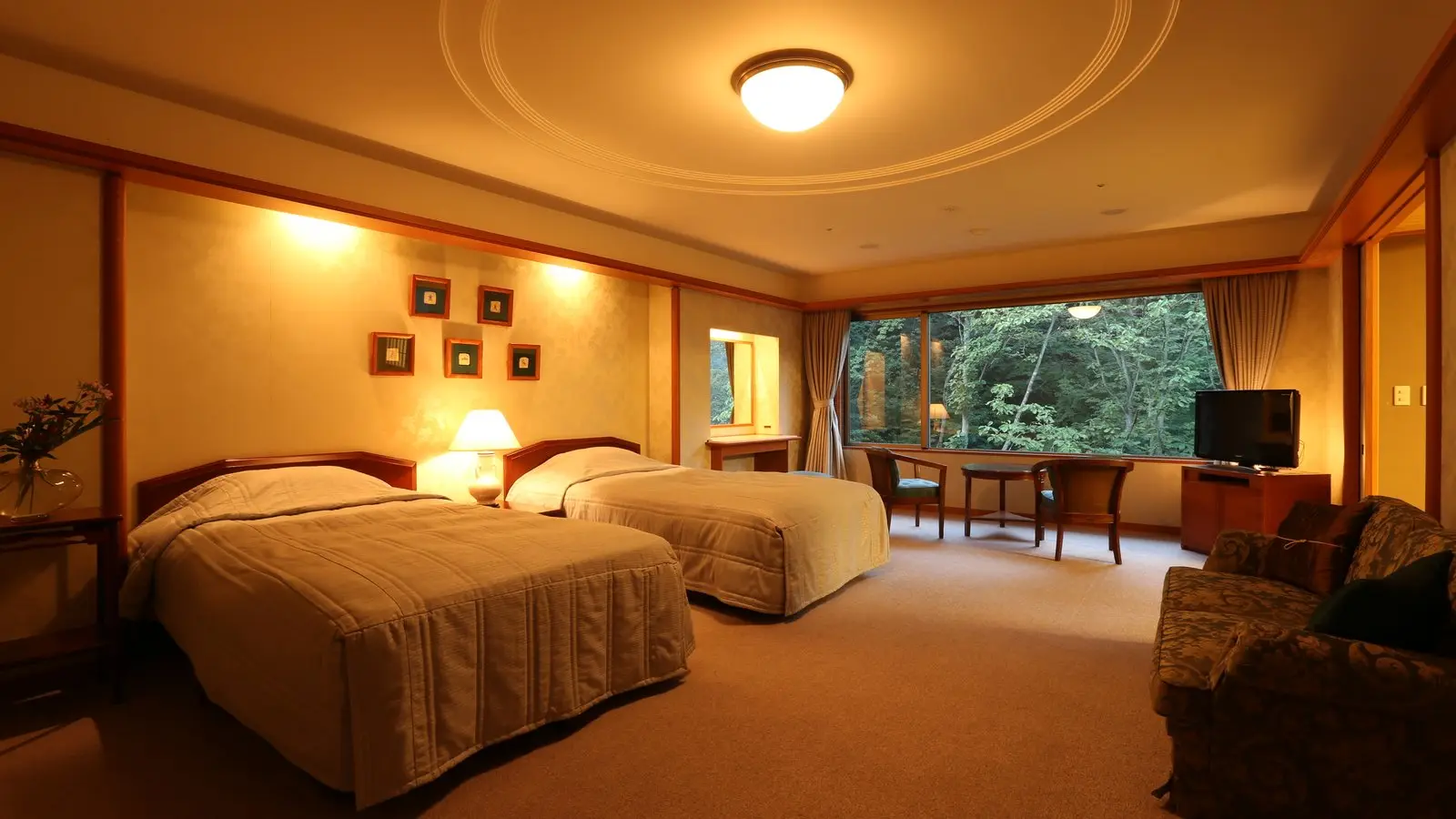
7 Budget Hotels in Tokyo Under $100 on the Yamanote Line
Even amid yen fluctuations, central Tokyo hotel rates have soared. Learn how to secure Yamanote loop line hotels at half the price of Shinjuku, compare onsen bath chains like Dormy Inn, trigger secret Agoda VIP and Booking.com Genius discounts, and dodge hidden currency fees with yen settlement.
How to Read the Tokyo Subway Map and Where to Stay on the Yamanote Line
How to choose between Keisei Skyliner and Narita Express, avoid the Tokyo Subway Ticket trap, use Apple Wallet Suica, and select the ideal hotel base in Tokyo.
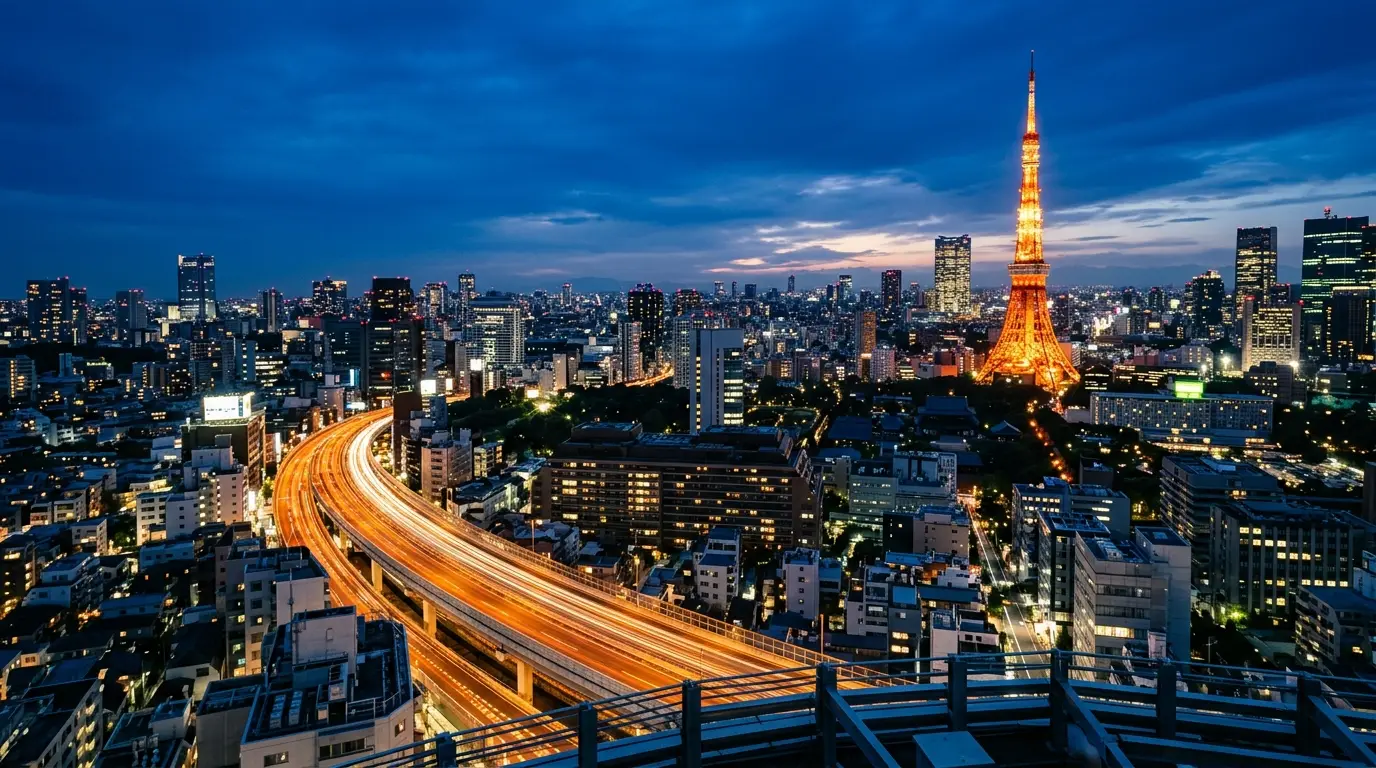
Tokyo Day 1 Itinerary: Narita Airport to the City and Your First 24 Hours
From stepping off at Narita Airport to mastering high-speed trains, navigating Tokyo's sprawling transit hubs, ordering counter ramen effortlessly, and catching sunset from Roppongi Hills. A definitive guide for your first 24 hours in Tokyo.

Tokyo Day 2 Itinerary: Booking Shibuya Sky, Harajuku Backstreets and Roppongi at Night
Securing prime sunset slots atop Shibuya Sky, navigating hidden boutiques along Harajuku Cat Street, immersing in the forested serenity of Meiji Jingu, and marveling at the crimson glow of Tokyo Tower from Roppongi Hills. A masterclass in Day 2 pacing.