
Sapporo & Otaru Snow Country Masterclass: Susukino Gastronomy, Canal Gas Lamps, and Onsen Ryokans
Navigating the heated Chi-Ka-Ho subterranean grid, claiming coastal-side seats on the JR Otaru train, and beating the Daruma queue.
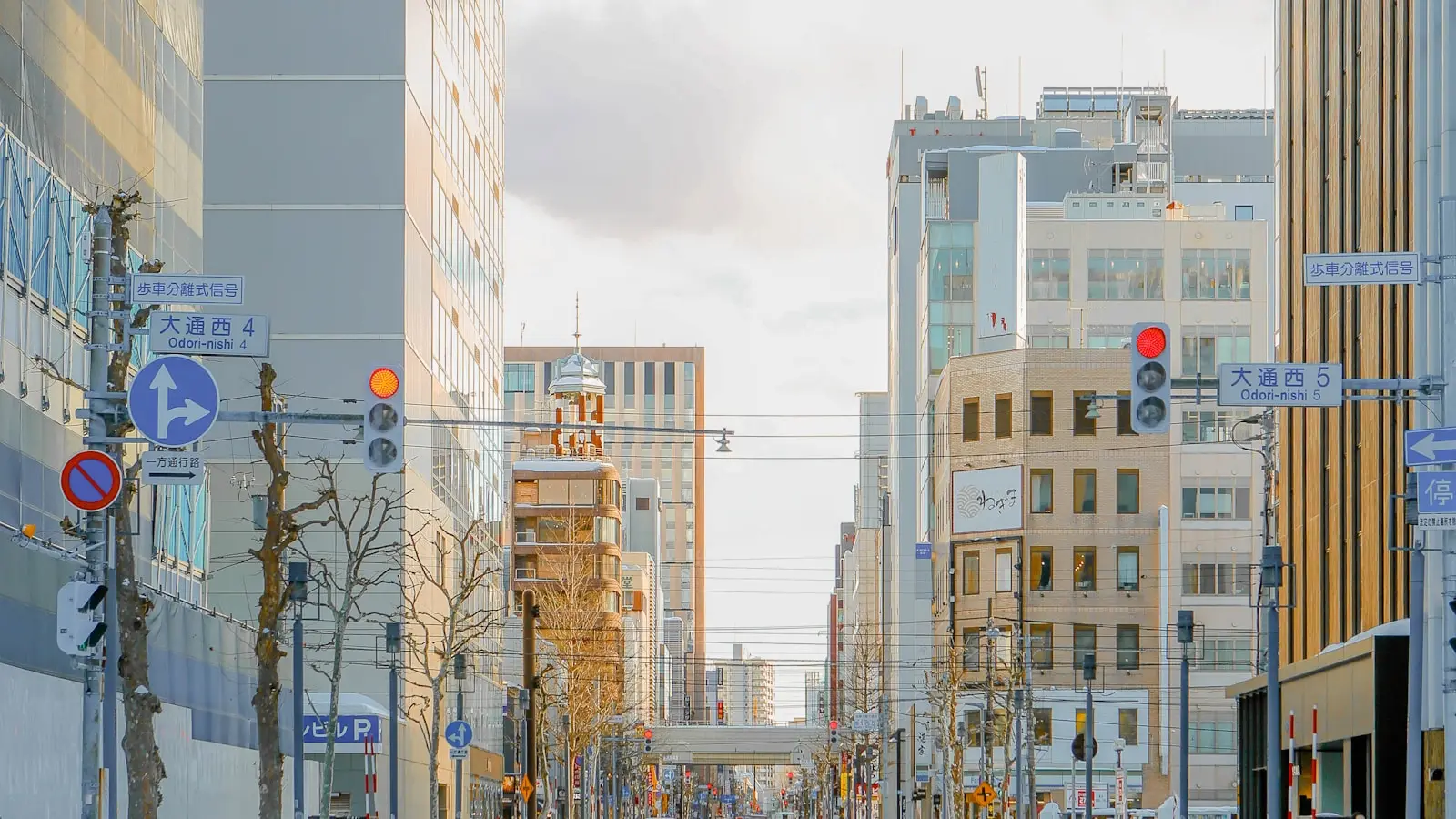
Sub-Zero Blizzards and the Heated Chi-Ka-Ho Spine: First Steps in Winter Sapporo
Stepping off the JR Rapid Airport express into Sapporo Station in midwinter delivers an immediate shock of Arctic air. Outside the ticket barriers, knee-deep powder and fierce blizzard gusts can swallow the swivel wheels of a 28-inch suitcase in seconds. Yet local residents navigate the downtown core effortlessly in light woolen overcoats without a flake of snow on their shoulders. Their secret weapon is the Chi-Ka-Ho, a remarkable subterranean pedestrian thoroughfare spanning 1.9 kilometers beneath the city.
Stretching from Sapporo Station straight through Odori Park down to the bustling nightlife district of Susukino, Chi-Ka-Ho is far more than a typical transit tunnel. Fully heated and brilliantly lit, this underground highway bypasses frozen crosswalks, traffic lights, and treacherous black ice. It connects directly into department store basements, subway junctions, and dozens of major hotels. When selecting your winter accommodation, the key specification is not street distance, but whether the property offers direct sheltered elevator access into the Chi-Ka-Ho grid.
Hauling luggage five minutes across icy street pavement requires twenty minutes of grueling physical effort. Hotels such as the Cross Hotel, Sapporo Grand Hotel, and Sapporo View Hotel boast direct underground links that allow travelers to reach the front lobby without facing the blizzard. Eliminating the risk of frozen baggage casters and slippery sidewalks cuts arrival friction in half from day one.
When traveling in from New Chitose Airport, reserving a reserved U-Seat on the JR Rapid Airport train for 1,990 yen is well worth the minor surcharge. It guarantees dedicated overhead and floor luggage racks, sparing you the exhaustion of standing packed shoulder-to-shoulder with ski gear bags on a crowded 37-minute commuter run into the central terminus.
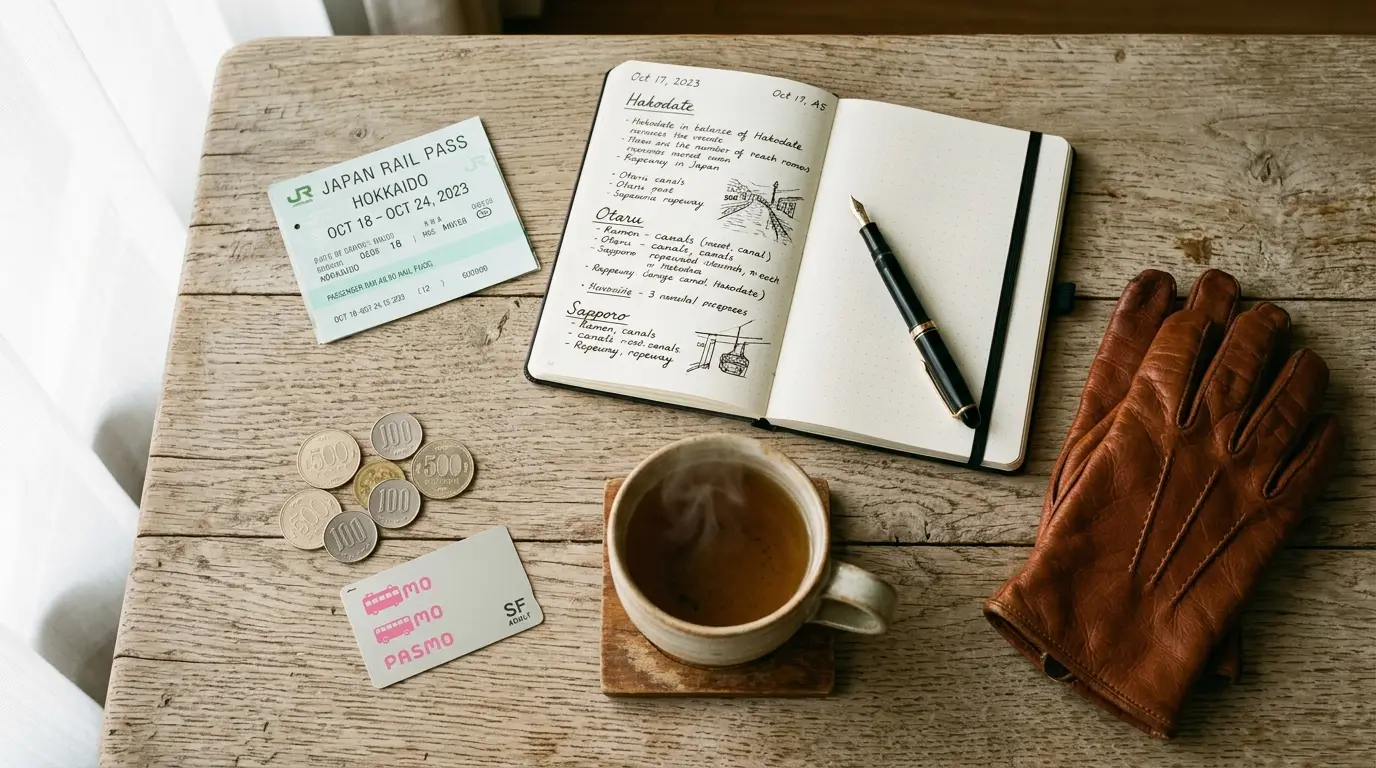
Day-Tripping to Otaru via JR Coastal Rail: Right-Side Window Views and Heritage Canals
Located 38 kilometers west along Ishikari Bay, the historic merchant port of Otaru represents the quintessential day excursion from Sapporo. The JR Hakodate Main Line express whisks passengers between the two cities in just 35 minutes. The cardinal rule of this rail journey is securing a seat on the right-hand side of the train when departing Sapporo. Past Zenibako Station, the tracks run along the sea edge, offering cinematic panoramas of crashing surf against snow-capped boulders.
Savvy travelers disembark at Minami-Otaru Station rather than the central Otaru terminus. Starting from Minami-Otaru positions you at the crest of the gentle downhill slope leading through the Marchen Crossroads, past the antique music box museum and Sakaimachi Dori, ending naturally at the Otaru Canal. Reversing this route forces you to trudge uphill against biting coastal sea breezes.
Along Sakaimachi Street, take refuge in the LeTAO pastry flagship for double fromage cheesecake or enter the Kitaichi Glass Hall No. 3, where 167 antique kerosene gas lamps provide the sole illumination. Sipping hot pour-over coffee beneath the soft amber flicker of oil lamps provides a deeply atmospheric respite from the biting winter cold.
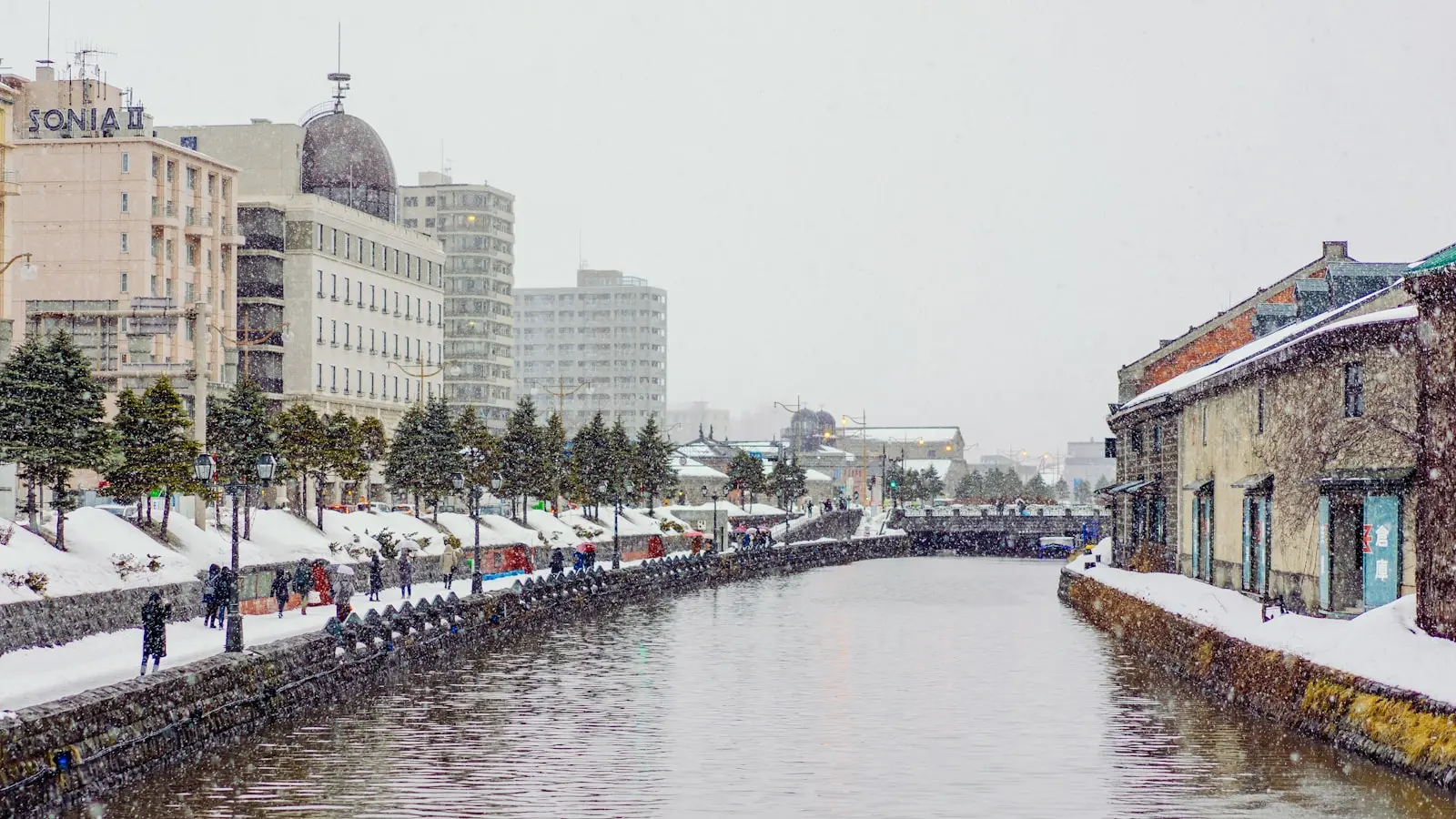
By 4:30 PM, sixty-three authentic gas lamps illuminate along the snow-covered stone promenade of the Otaru Canal. The brick warehouse facades built a century ago reflect off the glassy water, evoking a timeless romantic ambiance. Tour bus crowds peak around 5:00 PM, so secure your tripod spot on the Asakusa Bridge thirty minutes before twilight to capture the pristine blue-hour glow.
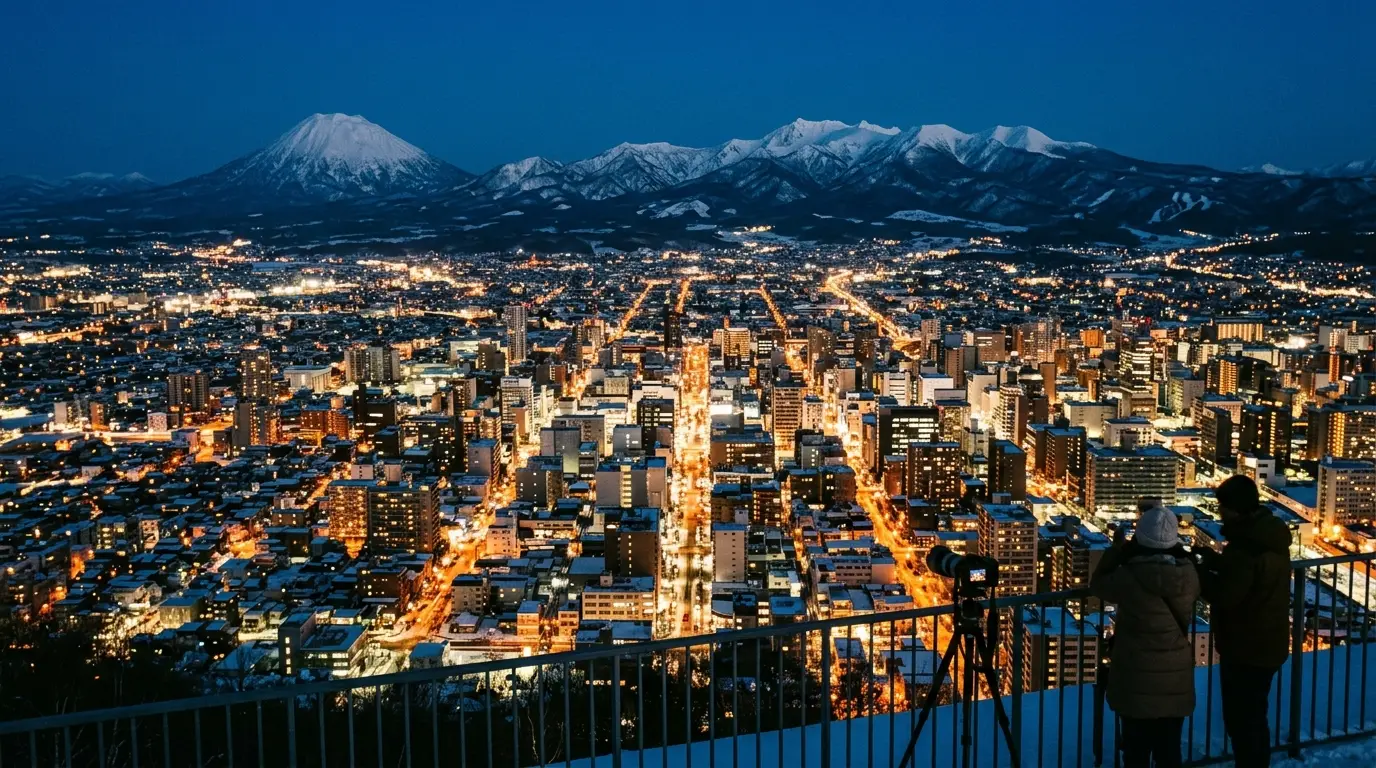
The Late-Night Susukino Food Battlefield: Daruma Genghis Khan and Soup Curry Secrets
As dusk falls and temperatures drop past minus ten degrees, Sapporo's heartbeat shifts southward to Susukino beneath the neon glow of the iconic Nikka Whisky billboard. The definitive local feast is Genghis Khan, succulent cuts of tender mutton and sweet yellow onions grilled over a dome-shaped cast-iron skillet. Founded in 1954, Daruma remains the undisputed pilgrimage destination, drawing block-long queues through blinding snowstorms.
Rather than shivering outside the cramped historic flagship for two hours, seasoned foodies divert to nearby direct branches such as Daruma 5.5 or 6.4. These modern outposts feature high-efficiency ventilation hoods, private coat lockers, and identical prime cuts of chilled Australian lamb. Dipped into house-made garlic soy sauce spiked with chili flakes and washed down with cold Sapporo Classic draft beer, it is an unforgettable culinary ritual.
Equally famous is Sapporo soup curry, a rich, aromatic medicinal broth packed with whole roasted root vegetables and fall-off-the-bone chicken drumsticks. Suage+ and GARAKU anchor the city's soup curry hierarchy. Suage+ skewers sweet Hokkaido pumpkin, lotus root, and crisp potatoes before flash-frying them, preserving supreme texture within a complex chicken-and-pork broth.
GARAKU emphasizes a dashi-forward profile infused with twenty-one delicate ground spices, though peak lunch hours command long waits. Take advantage of their digital line queue system, grab a numbered QR ticket, and browse the covered Tanukikoji shopping arcade while awaiting your table.
Cap off your culinary expedition with Shime-Parfait, Sapporo's unique late-night ritual of eating extravagant soft-serve parfaits after drinks. Specialty parlors like Parfaiteria PaL and Chocolate & Bar Mix serve architectural dessert wonders layered with Haskap berry sorbet and bitter chocolate until 1:00 AM.
An Overnighter in Jozankei Onsen: Kappa Liner Bookings and Secluded Snow Rotenburo
To escape the neon buzz and immerse yourself in absolute winter tranquility, journey one hour southwest to Jozankei Onsen. Nestled along the Toyohira River gorge, this historic hot spring enclave yields sodium chloride waters renowned for deep heat retention, ensuring bathers remain toasty hours after stepping out of the steam.
Transit logistics hinge on the Kappa Liner direct express bus departing from Sapporo Station bus terminal. Because seats are strictly reserved and winter weekend departures sell out weeks in advance, advance online booking is mandatory. Day-trippers can purchase the discounted Onsen Package ticket, bundling round-trip coach fare with public bath entry for a 30 percent savings over separate ticketing.
Jozankei accommodation falls into two distinct categories. Historic luxury ryokans like Jozankei Daiichi Hotel Suizantei and Hanamomiji deliver multi-course seasonal kaiseki dinners served in private dining rooms alongside private cypress-wood baths. Soaking on your private balcony while gazing upon snow-dusted birch forests provides an exquisite sense of quiet indulgence.
Alternatively, sprawling family onsen resorts like Jozankei View Hotel offer cavernous communal rotenburo and indoor wave pools at competitive pricing. Submerging your body into steaming natural mineral springs while snowflakes dissolve across your hair remains the quintessential Hokkaido winter dream.
Defeating New Chitose Airport Bottle-Necks and DCC Foreign Exchange Fees
New Chitose Airport is widely celebrated as Japan's ultimate shopping haven, housing a massive culinary bazaar on the domestic terminal's second floor and a ramen dojo on the third. However, the international departure lounge past security is notoriously cramped, generating excruciating thirty-minute queues for popular confectioneries like Shiroi Koibito cookies and Royce chocolate bars.
The professional strategy is completing tax-free souvenir shopping in the domestic terminal prior to clearing security. Major domestic shops process instant 8 to 10 percent tax-free refunds on purchases over 5,000 yen upon passport presentation, carefully packing perishable sweets with dry ice in insulated thermal bags. You can then breeze through international customs carrying only your duty-free receipts.
When paying for lodging or shopping, beware of Dynamic Currency Conversion (DCC). When a payment terminal asks whether you wish to be billed in your home currency or JPY, selecting your home currency imposes an unnecessary 3 to 5 percent foreign exchange margin. Always select Japanese Yen (JPY) to ensure your bank handles conversion at clean mid-market wholesale rates.
Pairing multi-currency cards like Wise or Revolut with fee-free credit cards guarantees zero FX markups and frictionless IC card reloads. With thoughtful transit planning and sharp financial tactics, your journey across Sapporo and Otaru transcends ordinary tourism, cementing itself as a timeless winter masterpiece.
The Smart Traveler's Essential Toolkit
Prepare instant mobile data, private airport transfers, and skip-the-line passes in one place.
Pick a base in Sapporo by your route
Choose the places you want to see and get the neighbourhood with the shortest travel.
Compare Sapporo Hotel Rates
Find the cheapest channel across Agoda and major booking engines with Tripdify.
Recommended Guides
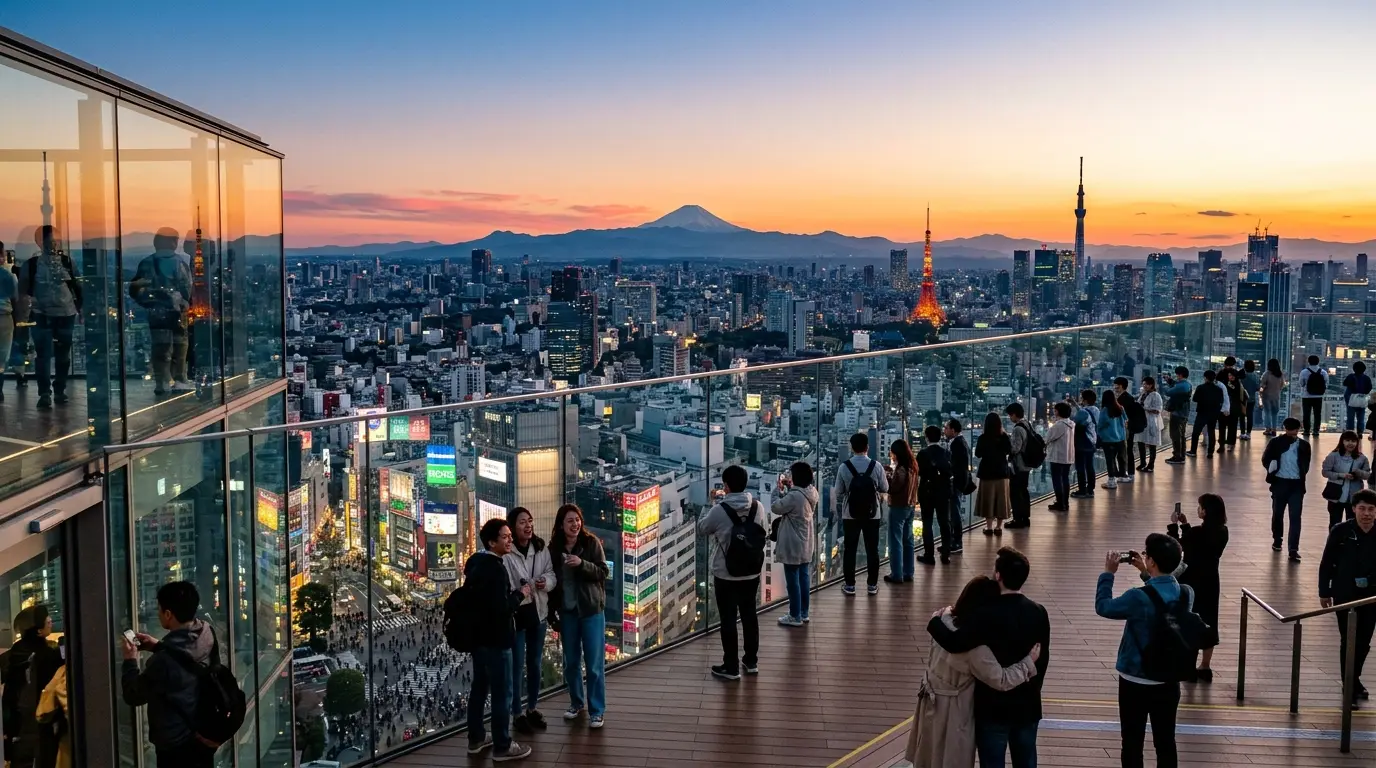
Before Regretting a 13-Sqm Shoebox: The Tokyo 3-Zone and 14-Day Booking Playbook
Comparing room footprints across Shinjuku, Ginza, and Ueno, locking in sudden 14-day cancellation drops, and eliminating DCC fees with clean Yen checkout.
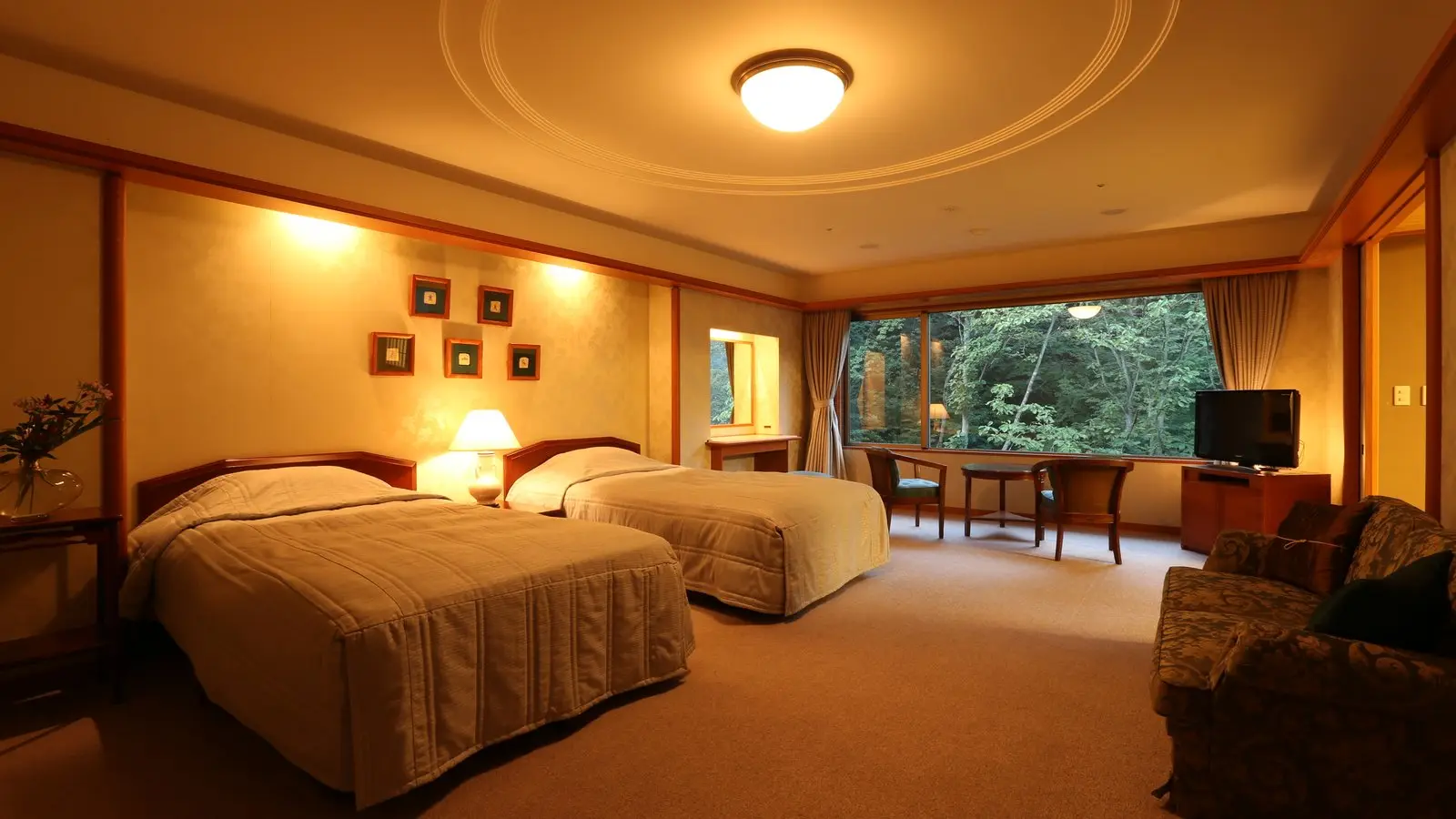
Tokyo Value Hotels Playbook: 7 Smart Yamanote Stays, Onsen Baths and OTA Rate Hacks
Even amid yen fluctuations, central Tokyo hotel rates have soared. Learn how to secure Yamanote loop line hotels at half the price of Shinjuku, compare onsen bath chains like Dormy Inn, trigger secret Agoda VIP and Booking.com Genius discounts, and dodge hidden currency fees with yen settlement.
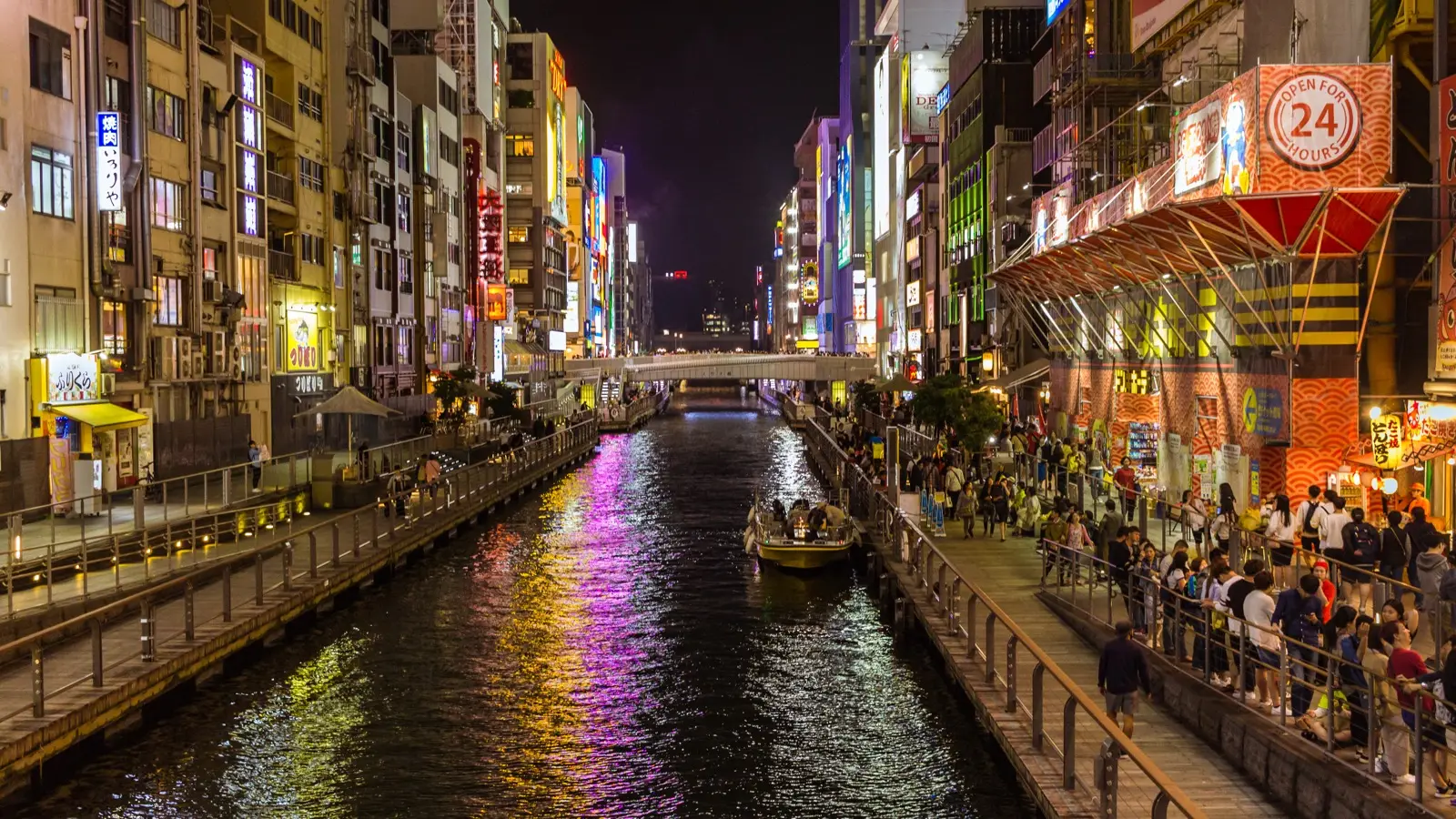
Osaka 72-Hour Feast: Dotonbori Canal Neon, Kuromon Market & Umeda Heights
Osaka is Japan culinary powerhouse where feasting is an art. Navigate Rapi:t airport transfers, Namba vs Umeda hotels, and street food corridors with veteran precision.
Kyoto Arashiyama & Gion Retreat: Historic Ryokans and Early Dawn Bamboo Groves
Kyoto compresses a millennium of Japanese aesthetic mastery. Discover how to evade bus congestion with private railways, master ryokan kaiseki booking windows, and savor early dawn stillness.
Kyoto Ryokan & Machiya Masterclass: Kaiseki Economics, Sukiya Timber, and Quiet Alleys
From hundred-year-old timber townhouses in Gion to misty Arashiyama riverside ryokan, staying in Kyoto demands cultural fluency and sharp booking discipline. An honest receipt audit covering kaiseki dinner curfews, private onsen etiquette, and avoiding dynamic pricing spikes.
Bangkok 72-Hour Field Guide: Chao Phraya Sunsets, Street Food & Hotel Strategy
Master Bangkok with confidence: airport express logistics, Riverside vs Sukhumvit accommodation bases, temple morning protocols, and cashless GLN QR payments.
The Definitive Bali Field Guide: Ubud Jungles, Coastlines & Split-Stay Playbook
Navigate Bali with ease: electronic visa tricks, private airport transfers, Ubud jungle villas vs Canggu coastal suites, and Nusa Penida speedboat crossings.
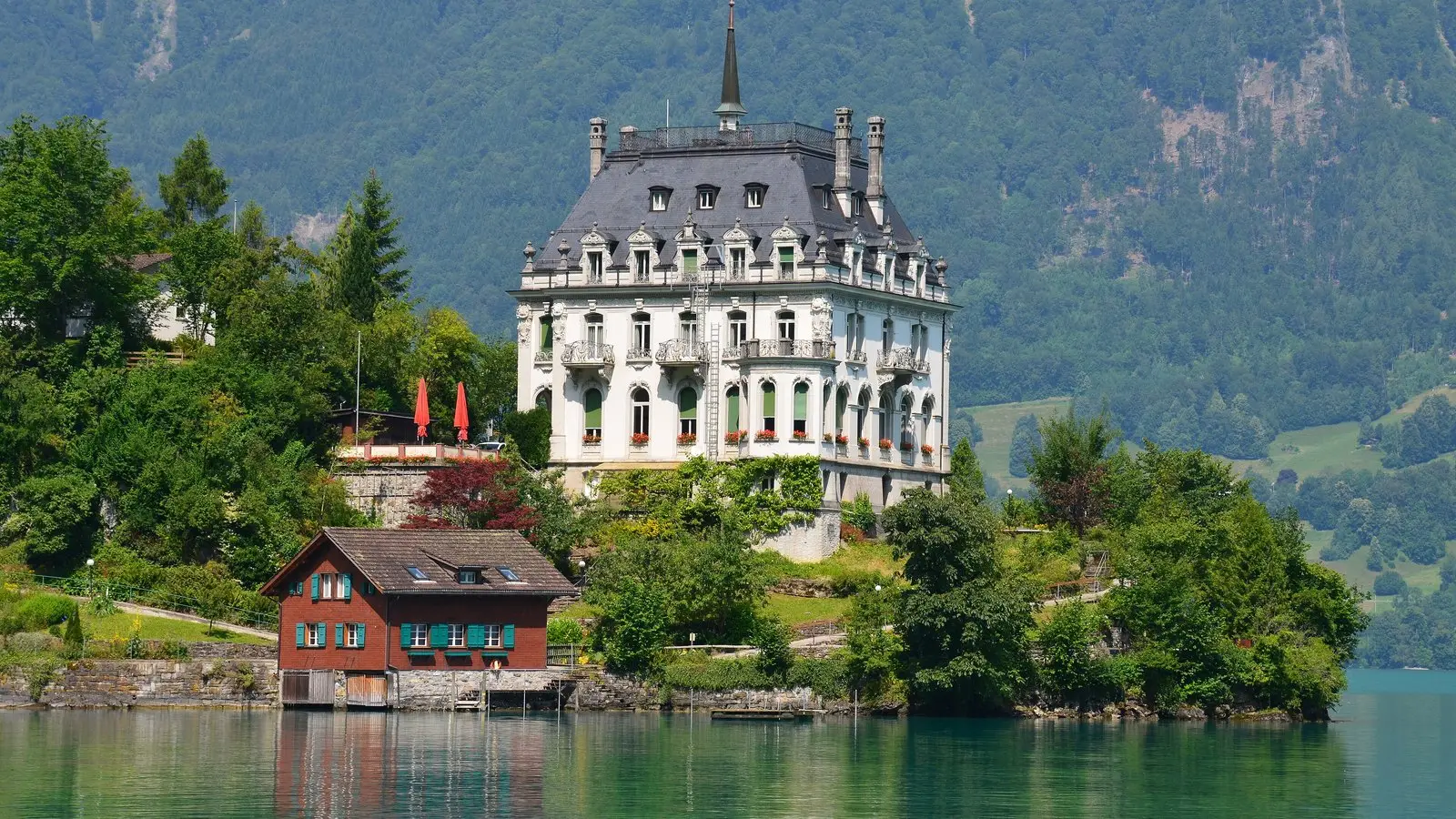
Interlaken & Jungfrau Field Guide: Alpine Passes, Eiger Chalets & Glacier Trails
Master Switzerland's Bernese Oberland: Top of Europe ascent routes, Swiss Travel Pass vs Jungfrau VIP Pass comparisons, Lauterbrunnen hikes, and DCC currency savings.

Florence 72-Hour Renaissance Field Guide: Duomo Climbs, Uffizi & Tuscan Tables
Navigate the cradle of the Renaissance: skip-the-line museum tickets, 463-step Duomo climbs, artisan Oltrarno stays, and DCC credit card savings.
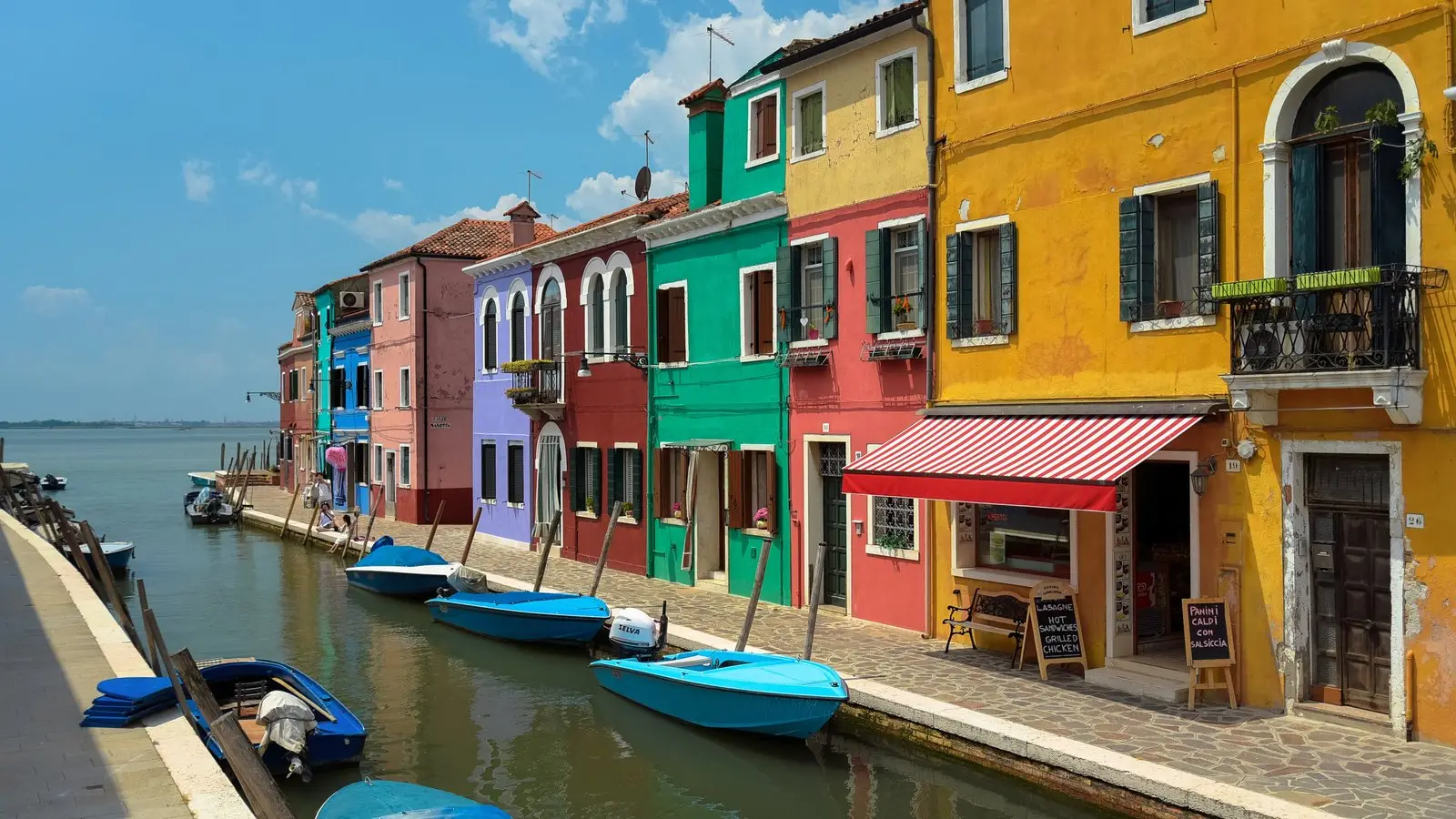
Venice 72-Hour Water City Guide: St Mark's Piazza, Vaporetto Boats & Island Stays
Master Italy's floating city: skip costly single-ride fares with timed boat passes, navigate Burano routes, discover bàcaro wine bars, and dodge hidden DCC card fees.
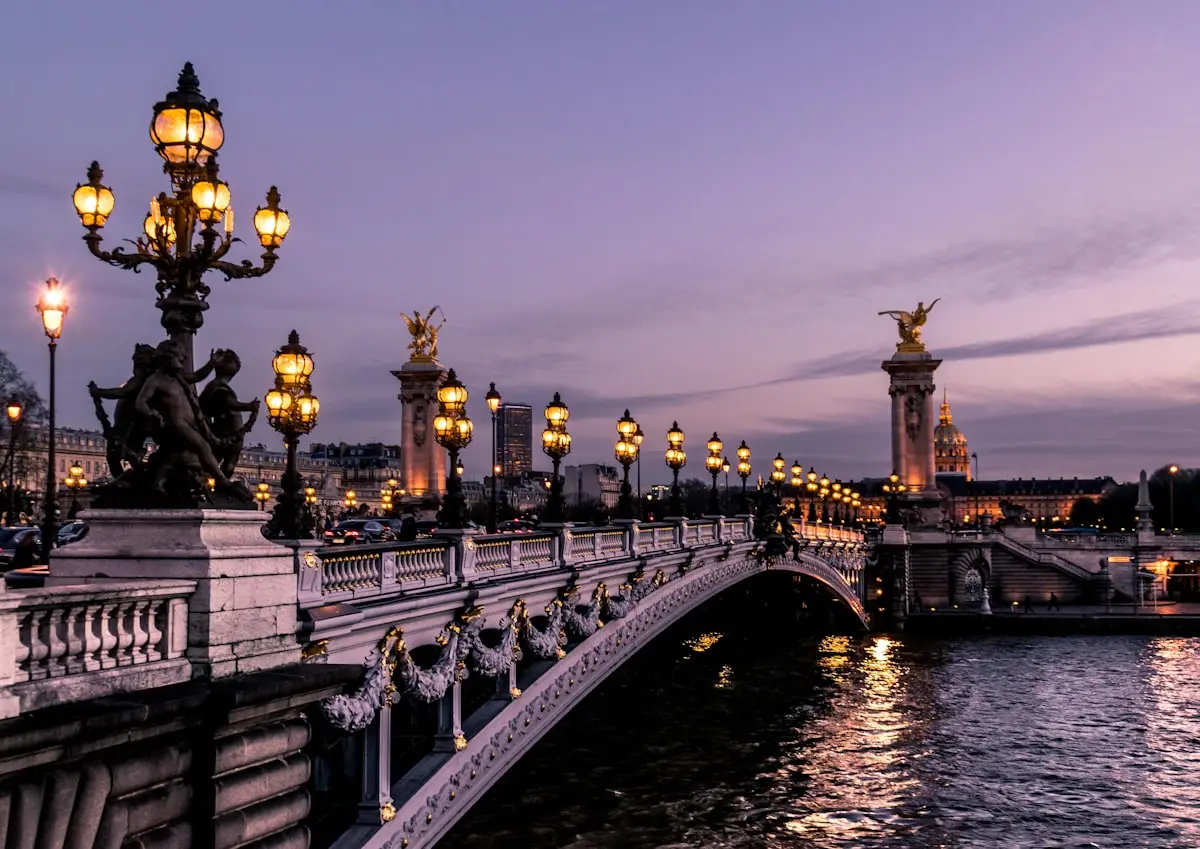
Haussmann Balconies and Twilight Over the Seine: A Discerning Guide to Parisian Boutique Hotels
Arrondissement safety breakdowns, understanding mandatory local city taxes, and unlocking curated Left and Right bank boutique stays.
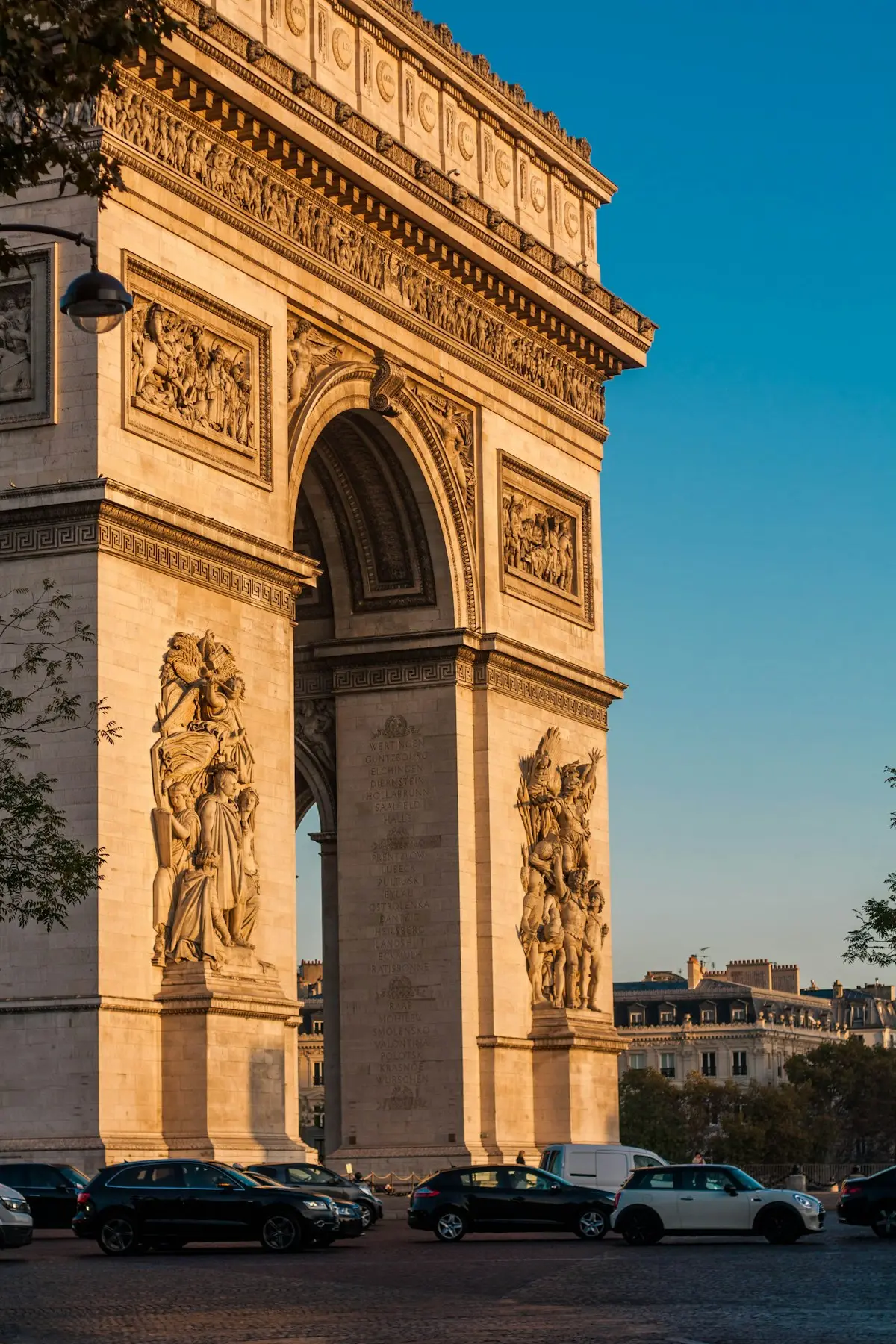
Paris 20 Arrondissements Field Guide: Safe Stays, Dodging Tourist Tax Hikes, and Metro Pickpocket Evasion
Behind the postcards of the Louvre and the Seine lies a city of stark contrast, sudden tourist tax spikes, and vast neighborhood disparities. Spanning 20 arrondissements spiraling clockwise from the historic core, choosing the right basecamp dictates whether your trip feels like a romantic dream or an exhausting obstacle course. Here is the definitive field guide to securing safe, value-packed Parisian lodging with local mastery.

Between Ubud Jungles and Uluwatu Cliffs: Securing Private Bali Pool Villas for Half the Peak Price
Smart 2+2 split stays across Ubud and Uluwatu, avoiding currency conversion markups, and getting real value from luxury pool estates.
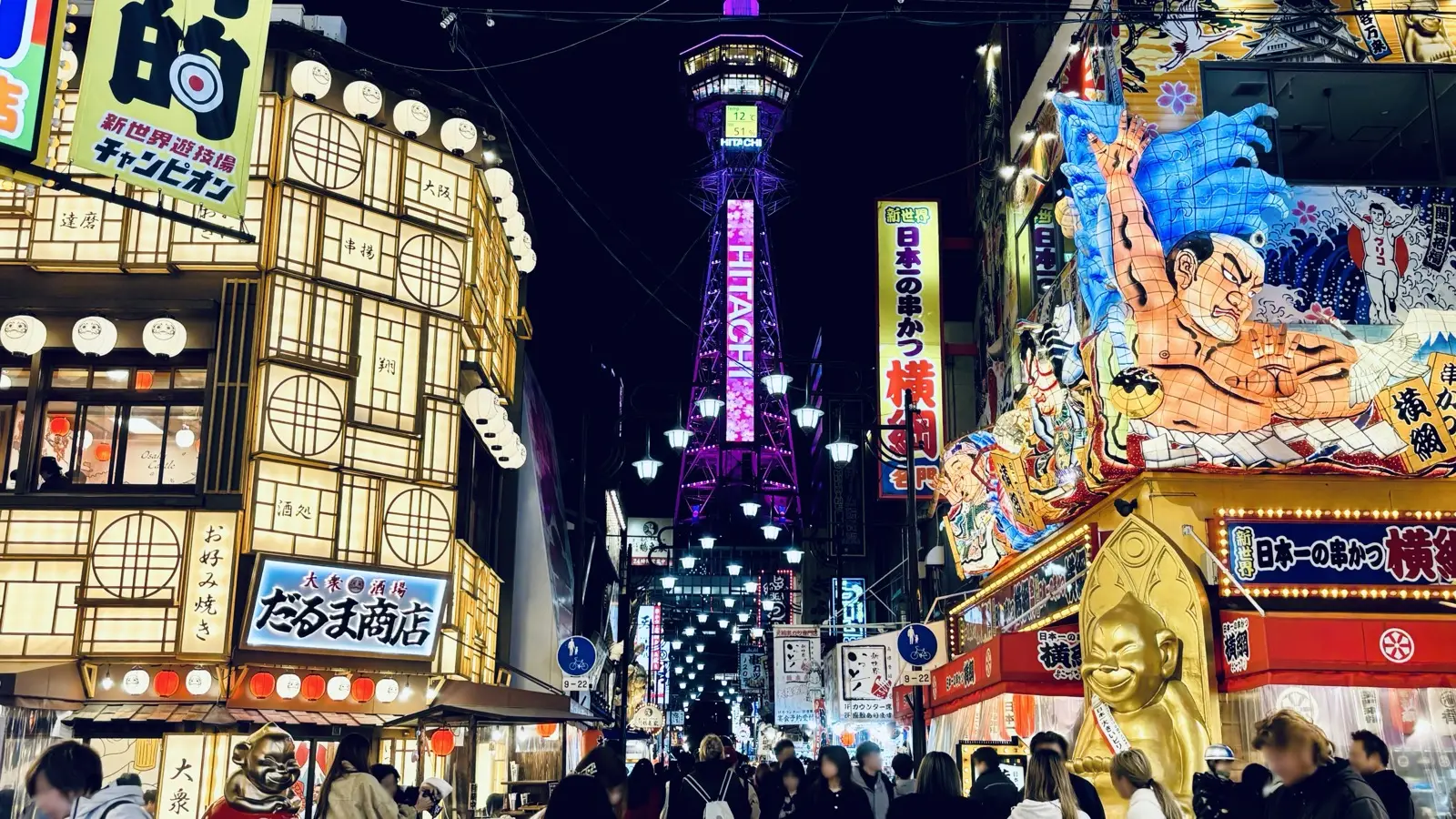
Base in Osaka and Commute, or Wake Up on Kyoto's Kamo River?
Why splitting short Kansai trips across multiple hotels exhausts travelers, navigating Haruka vs. Rapi:t airport rail lines, and choosing between Umeda hubs and Gion alleys.
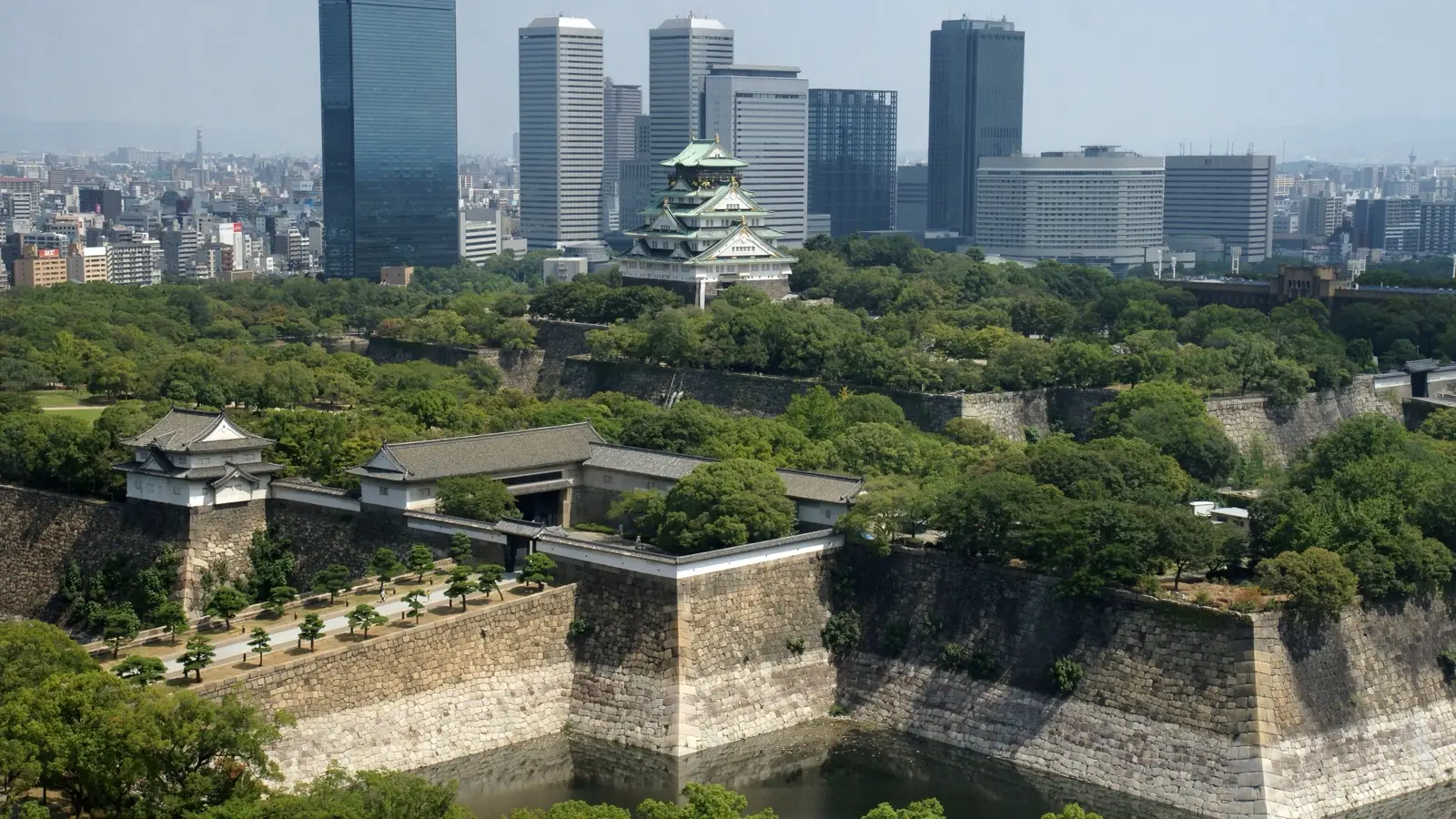
Osaka District Safety Guide: Kita (Umeda) vs Minami (Namba), Shin-Imamiya Realities, and Kushikatsu Etiquette
Behind Osaka's vibrant culinary spirit and affable banter lies a sharp geographic contrast between northern corporate efficiency and southern commercial chaos. Choosing between the labyrinth of Umeda and the neon crowds of Namba dictates your transit ease to Kyoto and Kansai Airport. Here is an unvarnished field guide to selecting strategically sound lodging and avoiding neighborhood missteps.
The 10-Second Global Hotel Rate Audit: Defeating Checkout Price Hikes and Currency Spreads
An investigative playbook uncovering why OTA final totals escalate, how desktop bank partner links consistently beat mobile app rates, and the exact local-currency checklist to stop hidden fees.
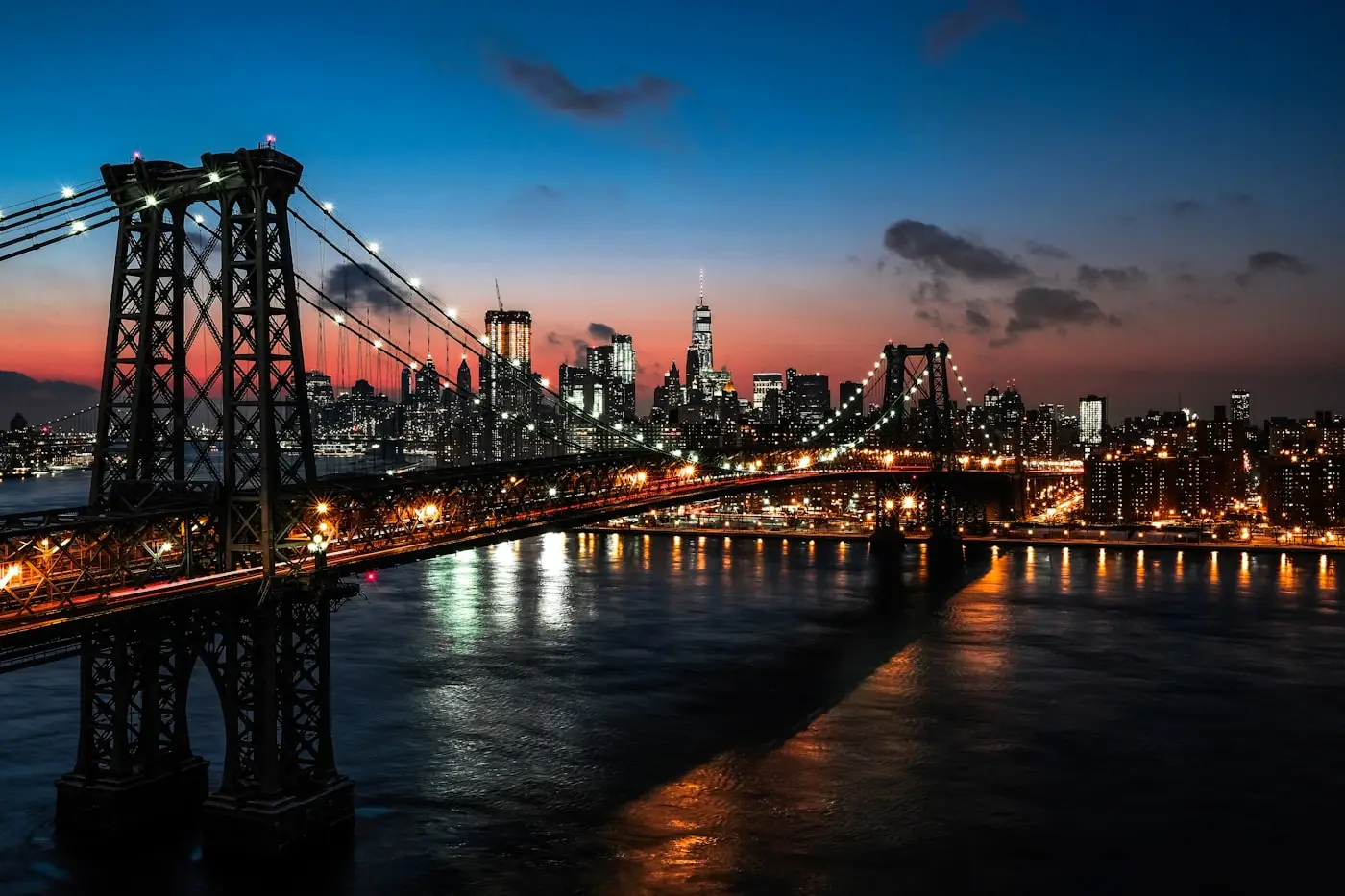
Outsmarting Manhattan's $50 Resort Fees: How to Claim Brooklyn & LIC Skyline Panoramas
An insider playbook on avoiding notorious $40-$65/night check-in amenity fees and leveraging transit-rich Long Island City and Brooklyn hubs for panoramic Manhattan skyline views.
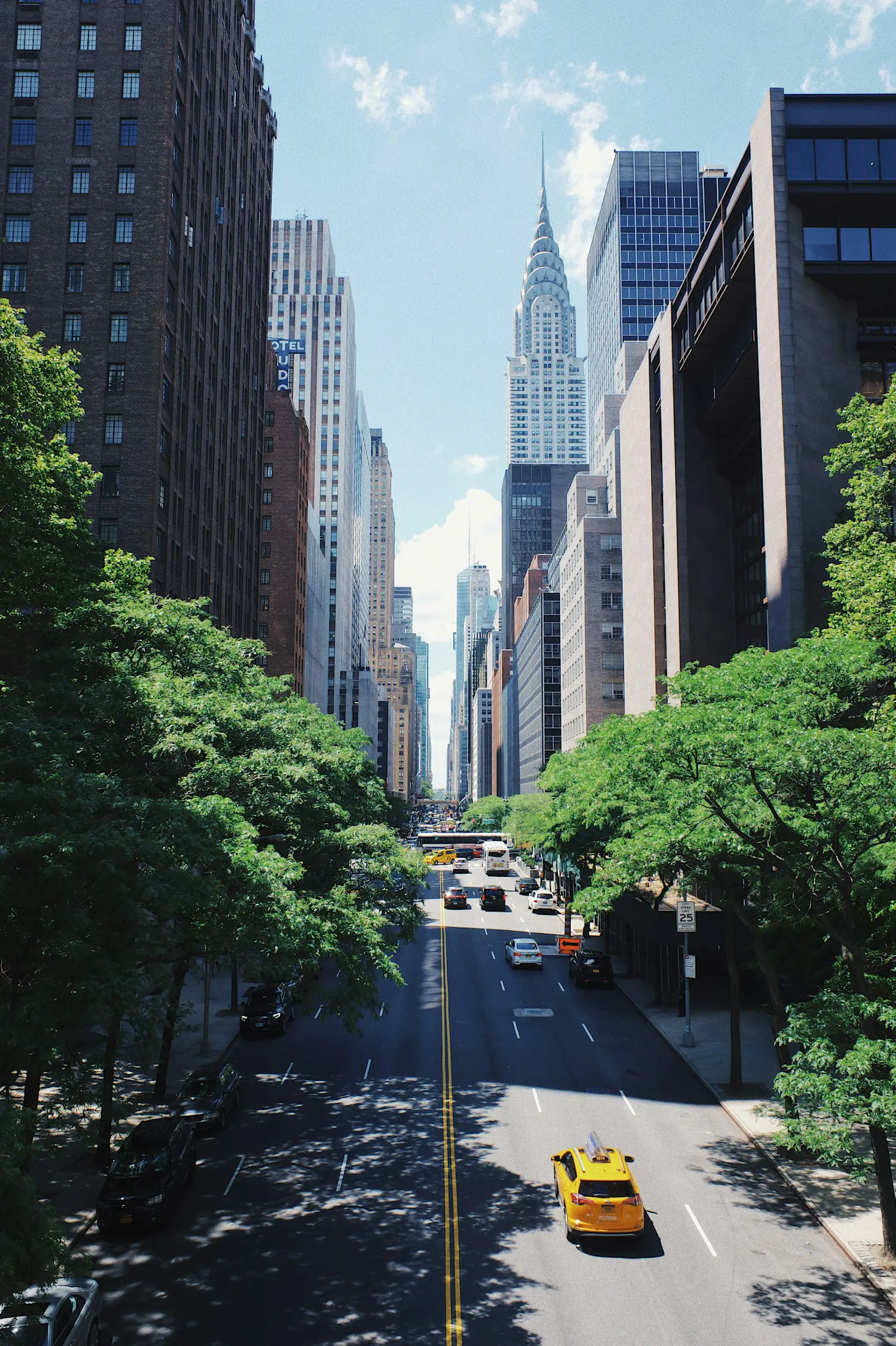
Escaping Manhattan's $350 Room Shock: The LIC & Brooklyn Blueprint, Dodging $50 Resort Fees, and OMNY Hacks
Amidst relentless inflation and soaring hotel rates, Manhattan room prices now routinely exceed $350 per night before taxes. Tacking on predatory $40 to $50 nightly 'Urban Destination Fees' can derail any travel budget. By shifting your lodging horizon just one subway stop across the East River to Long Island City (LIC) or Brooklyn's Williamsburg, you can slash accommodations costs by 45% while enjoying larger rooms and legendary skyline views. Here is the insider blueprint.
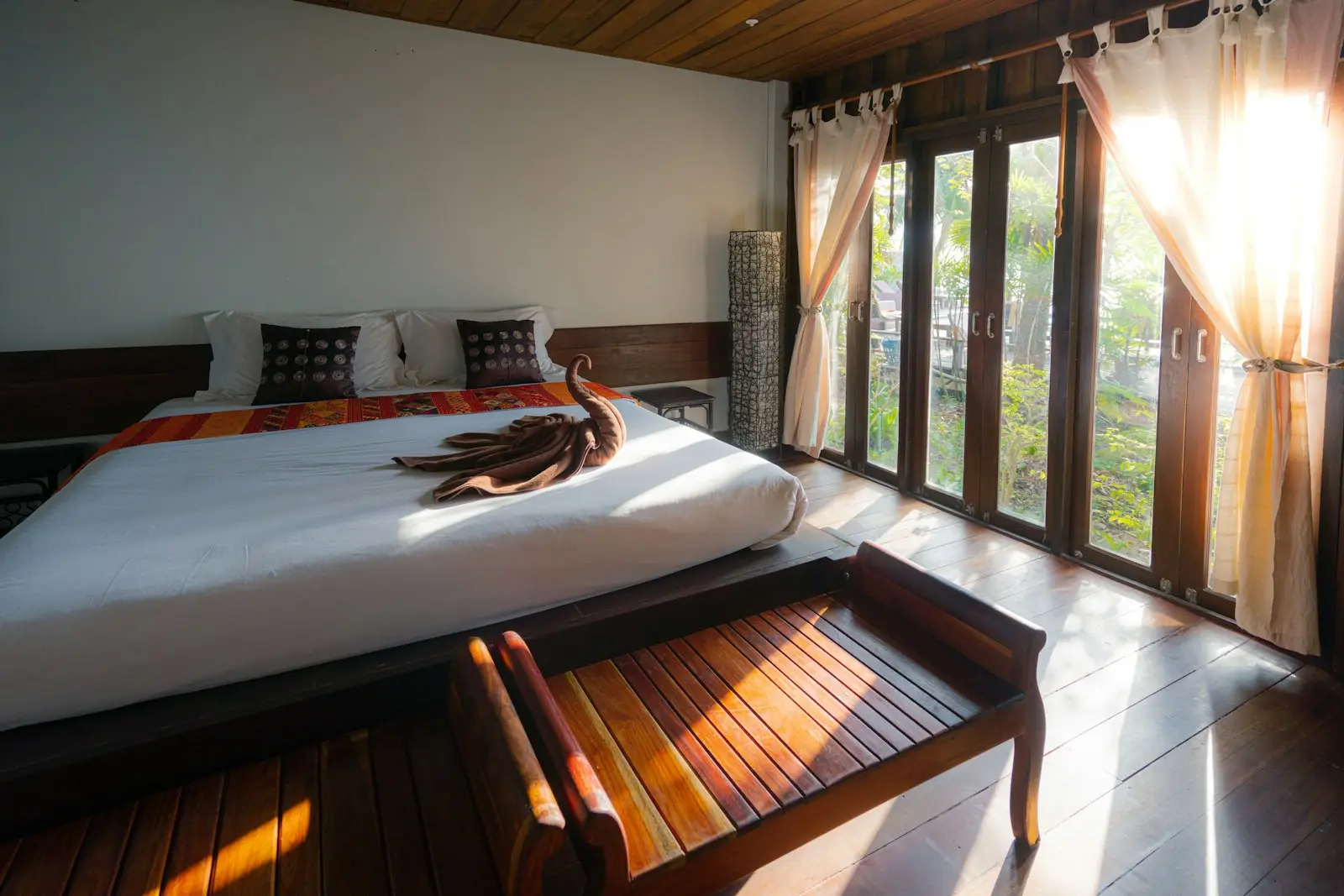
The Bangkok Luxury Hotel Playbook: Riverside Grandeur and Rooftop Pools Under $150
Comparing riverside and BTS shopping hubs, hacking executive club dining packages, and locking in pure THB settlement to dodge costly DCC card spreads.
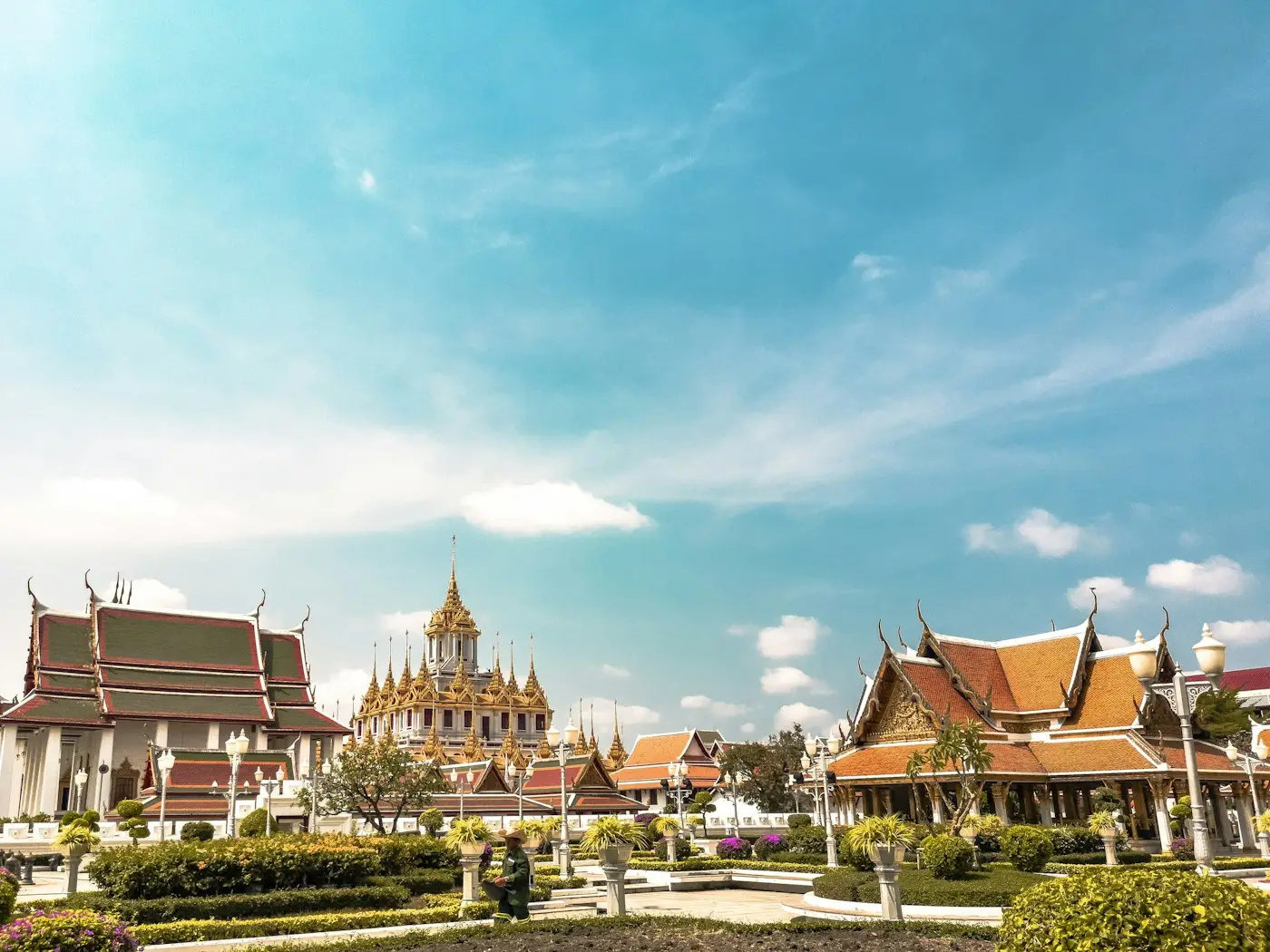
Bangkok Neighborhood Field Guide: Sukhumvit vs Silom vs Ari, Dodging Tuk-Tuk Scams, and Airport Taxi Realities
Beneath Bangkok's golden stupas and celebrated culinary vitality lies the world's most notorious gridlock and predatory transport rackets. Choosing where to drop your luggage dictates whether your holiday is spent absorbing local charm or trapped in exhaust-choked taxis. Here is an unvarnished field guide to selecting strategically sound lodging, evading classic tout operations, and mastering local transit.
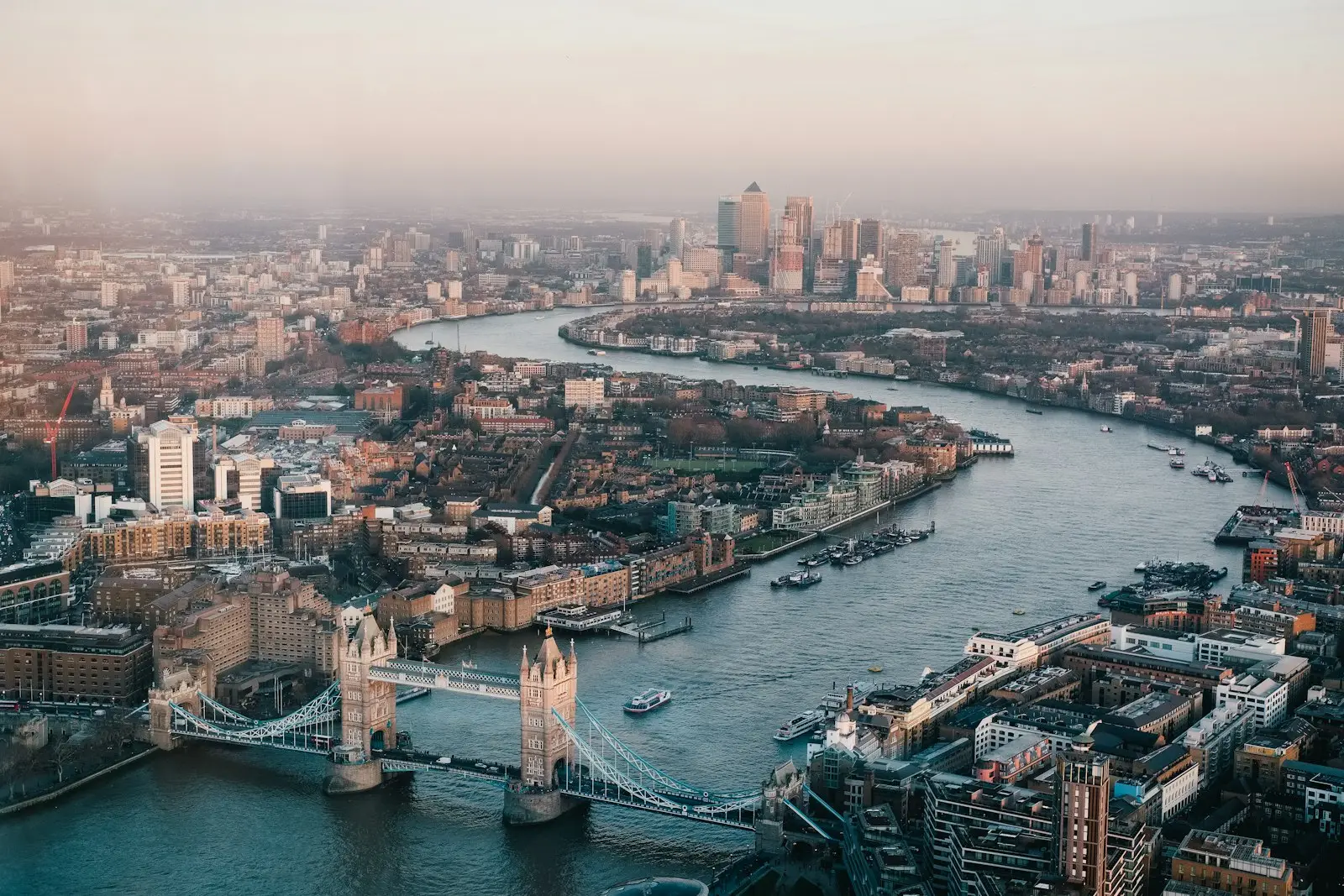
Victorian Mews and River Thames Skylines: A Discerning Guide to London's Zone 1-2 Stays and West End Days
A strategic guide to beating London's sky-high hotel rates with Zone 1-2 boundary hubs, contactless fare caps, and West End day seats.
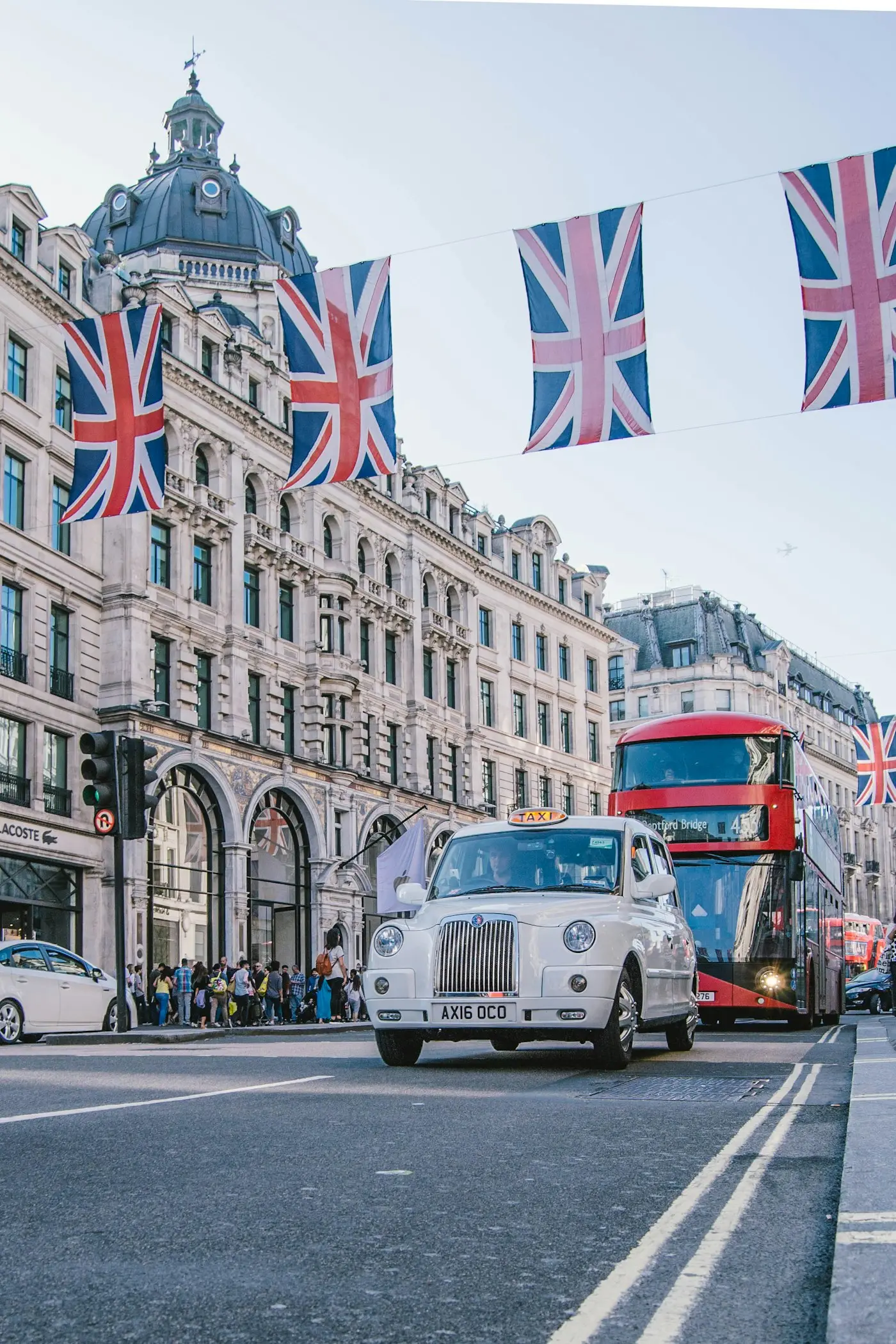
London Neighborhood Stays Masterclass: Soho, Shoreditch, Kensington, and South Bank
London is not a monolithic sightseeing checklist, it is an archipelago of distinctive urban villages. From the electric late-night pub theater of Soho and the raw industrial design ateliers of Shoreditch to the refined Victorian museum promenades of South Kensington and the culinary riverside walks of South Bank, this comprehensive field guide unpacks where to stay, how to conquer the Elizabeth Line, and how to avoid the £7 Oyster card trap.
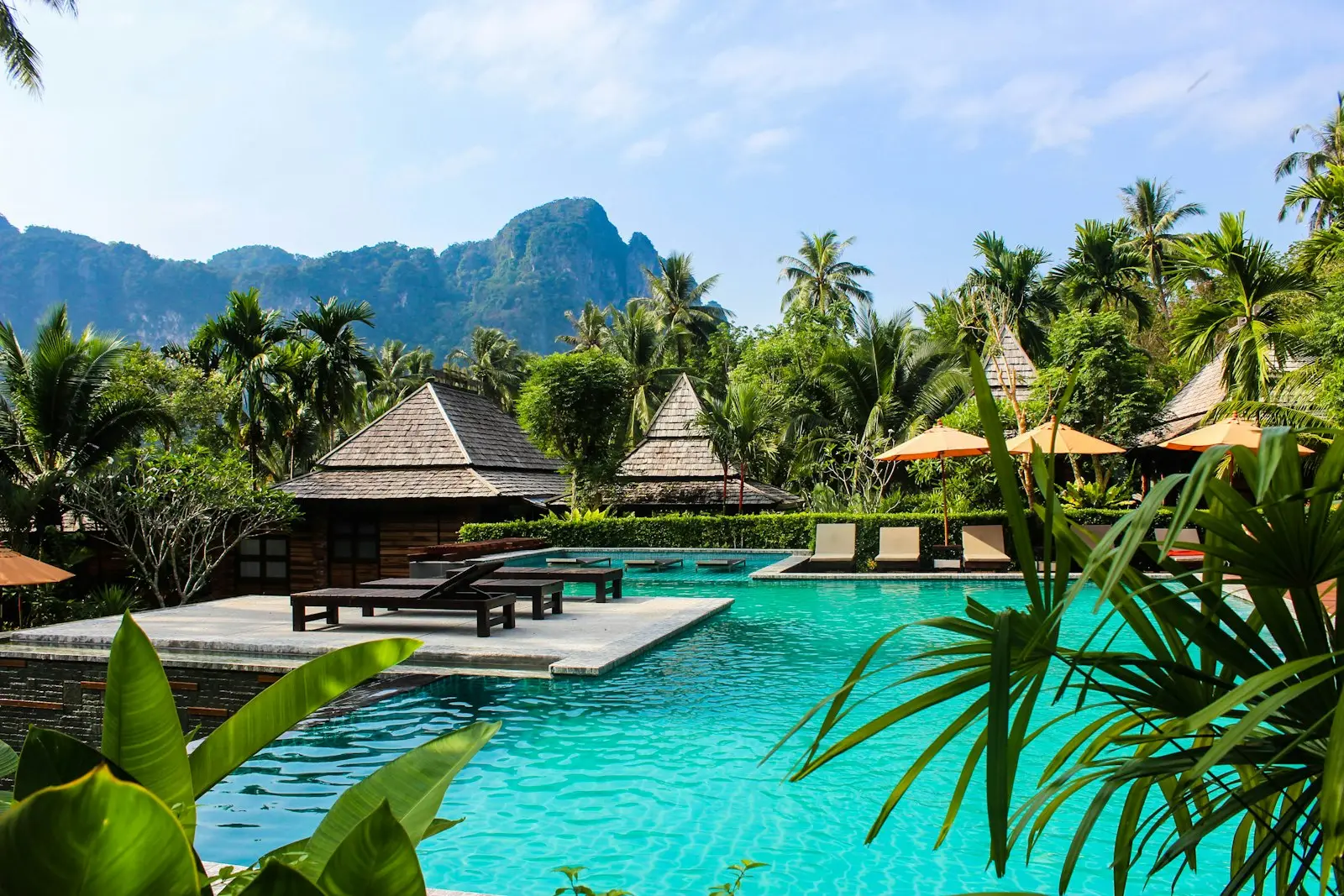
Danang and Hoi An Luxury Beachfronts: Securing 30% Off Private Pool Villas
A strategic breakdown of My Khe, Non Nuoc, and Hoi An lodging hubs, locking in 60-day early-bird villa rates, and mastering VND zero-markup payments.
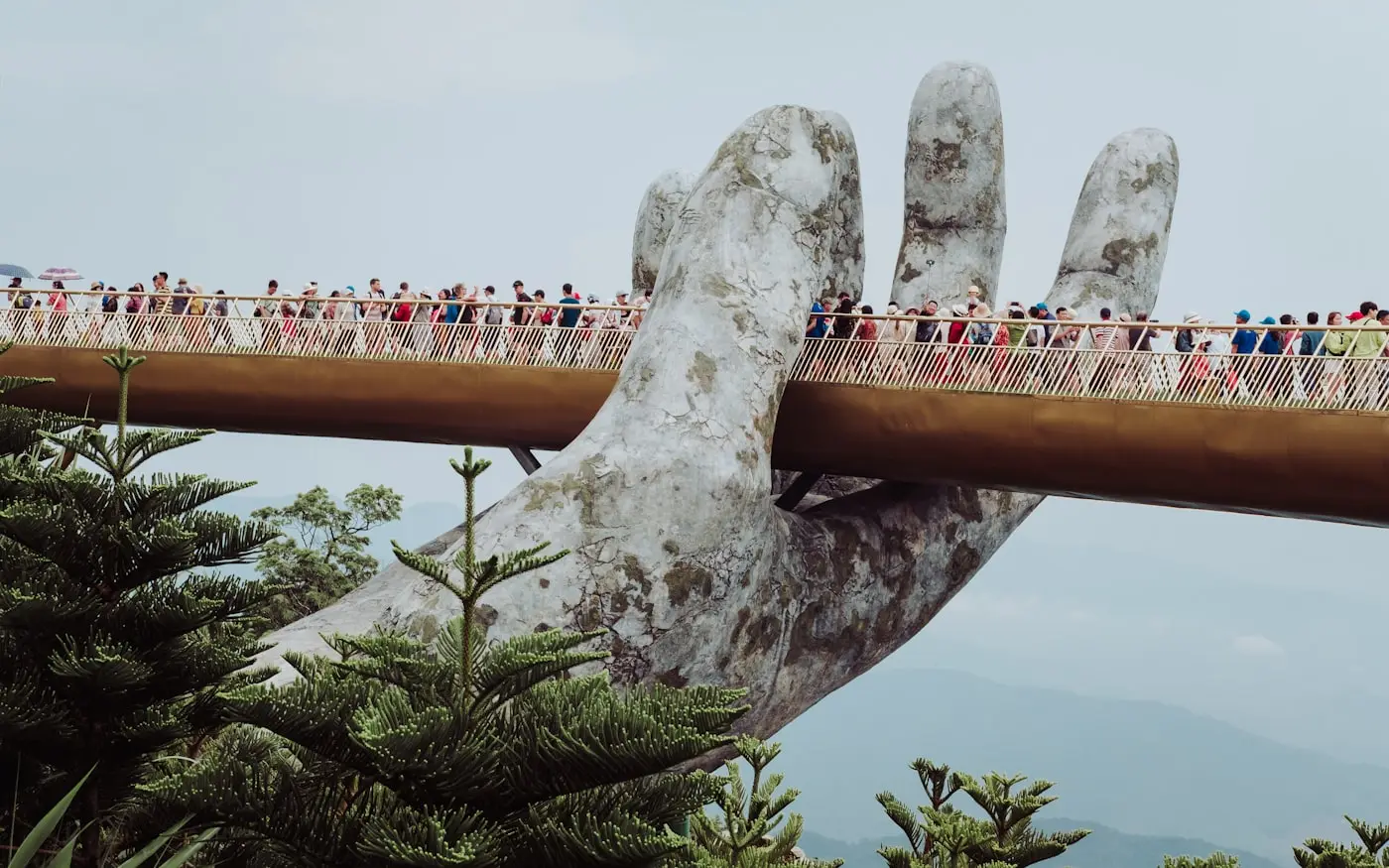
Da Nang & Hoi An Dual-Stay Masterclass: Oceanfront Towers, Lantern Alleys, and Grab Logistics
Thirty kilometers separate Da Nang's gleaming beachfront skyline from the timeless, lantern-lit yellow shophouses of Hoi An Ancient Town. Rather than suffering through exhausting day-trip tour buses, this comprehensive field playbook shows you how to execute a seamless dual-stay itinerary, outsmart street boat touts, and master local Grab transport.
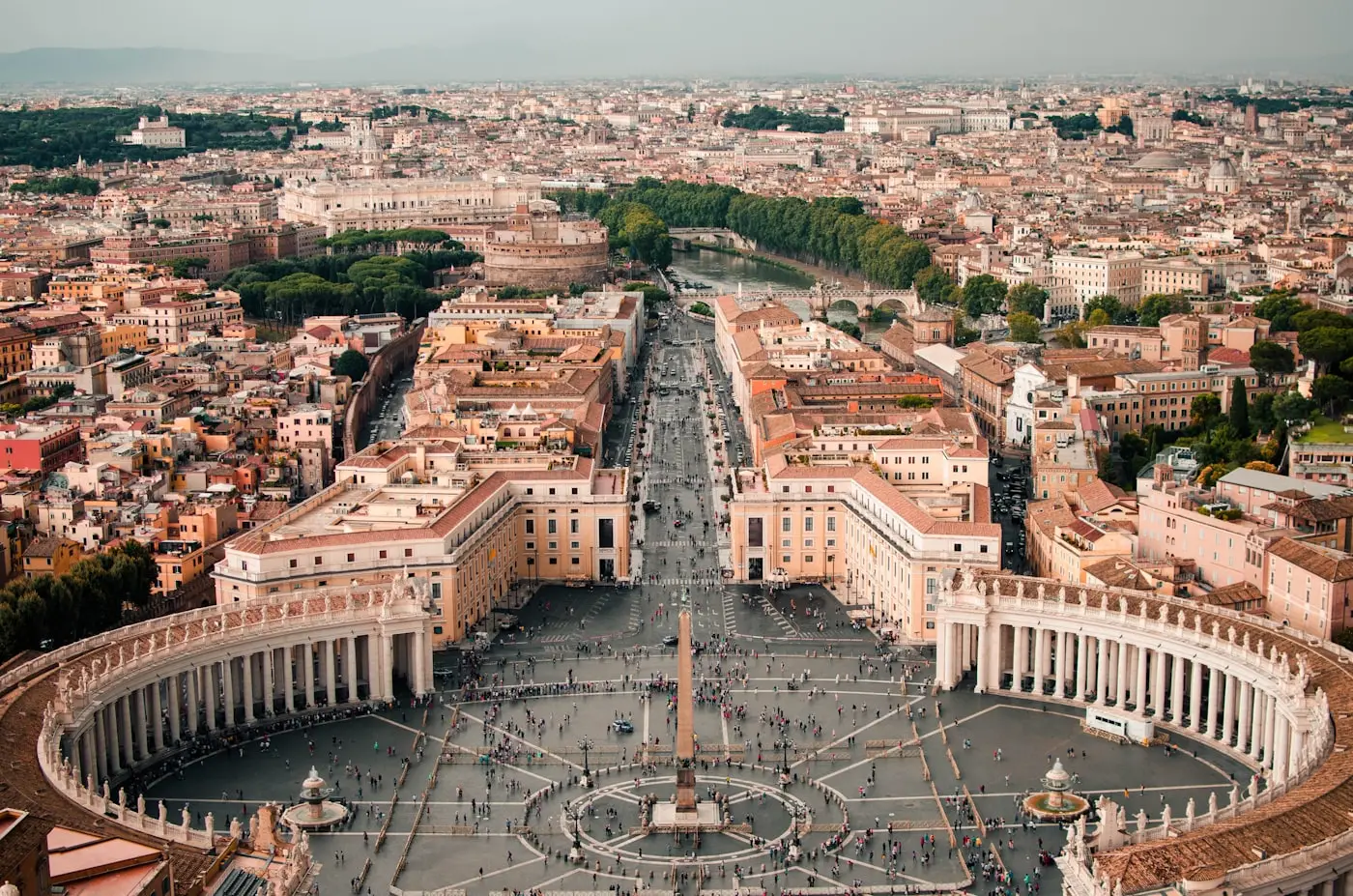
Tiber Twilight and Cobblestone Corridors: Conquering Rome's Historic Stays and ZTL Traps
Comparing Termini station transit convenience with historic Pantheon and Navona luxury, plus critical advice on Italy's mandatory city tax.
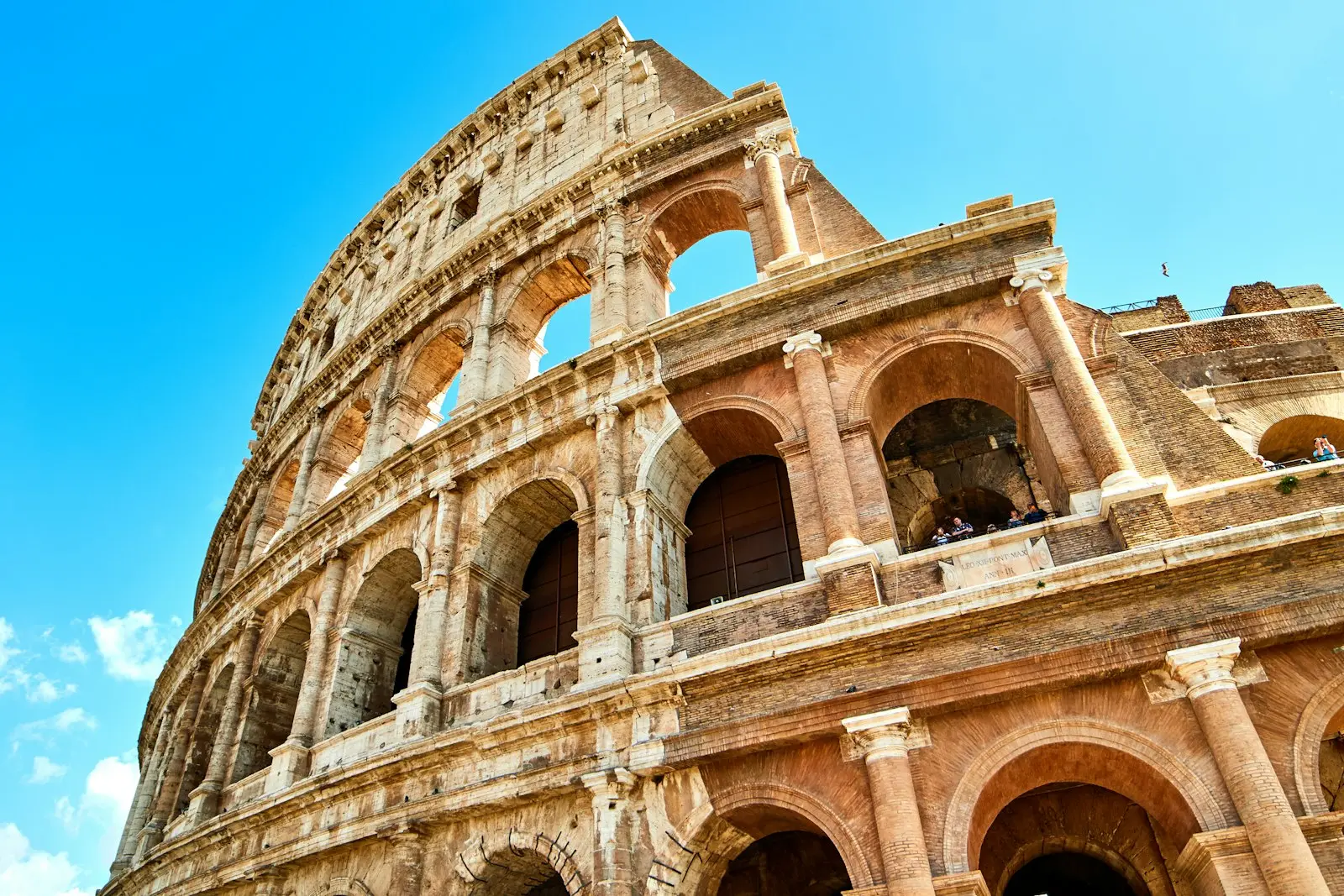
Rome District Safety Guide: Monti vs Trastevere vs Prati, Navigating Termini, and Evading €7.50 City Tax Traps
Beneath the eternal splendor of ancient forums and cobbled piazzas lies an aggressive pickpocket network and some of Europe's steepest municipal tourist surcharges. Escaping the chaotic fringes of Termini Station requires street-by-street local awareness. Here is an unvarnished investigative field guide to booking genuinely secure Roman lodging, evading transit scams, and navigating the Eternal City with seasoned confidence.
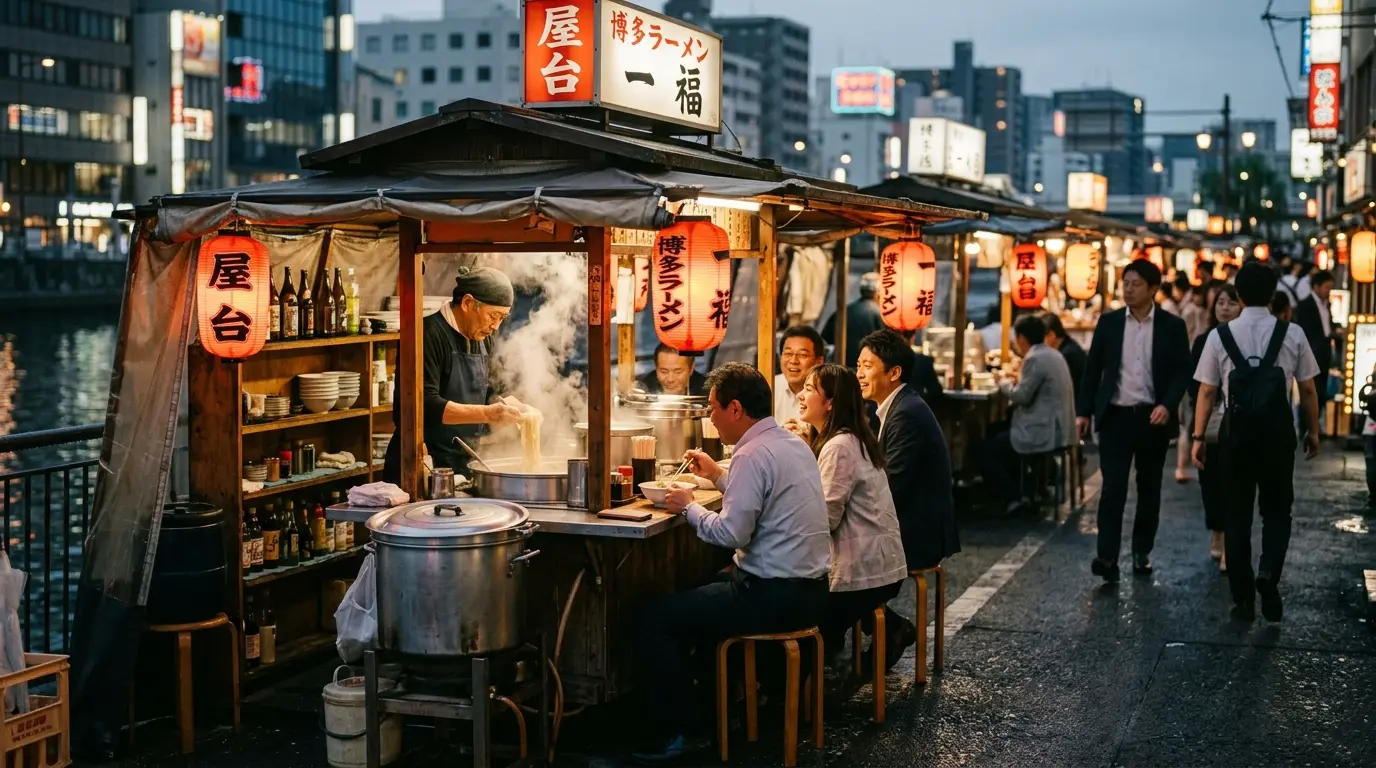
The Fukuoka Insider Booking Guide: 5 Rules for 4-Star Stays in Tenjin & Hakata
A complete guide comparing Hakata Station vs Tenjin hotel zones, avoiding DCC currency markup with JPY payments, and handling local accommodation taxes.
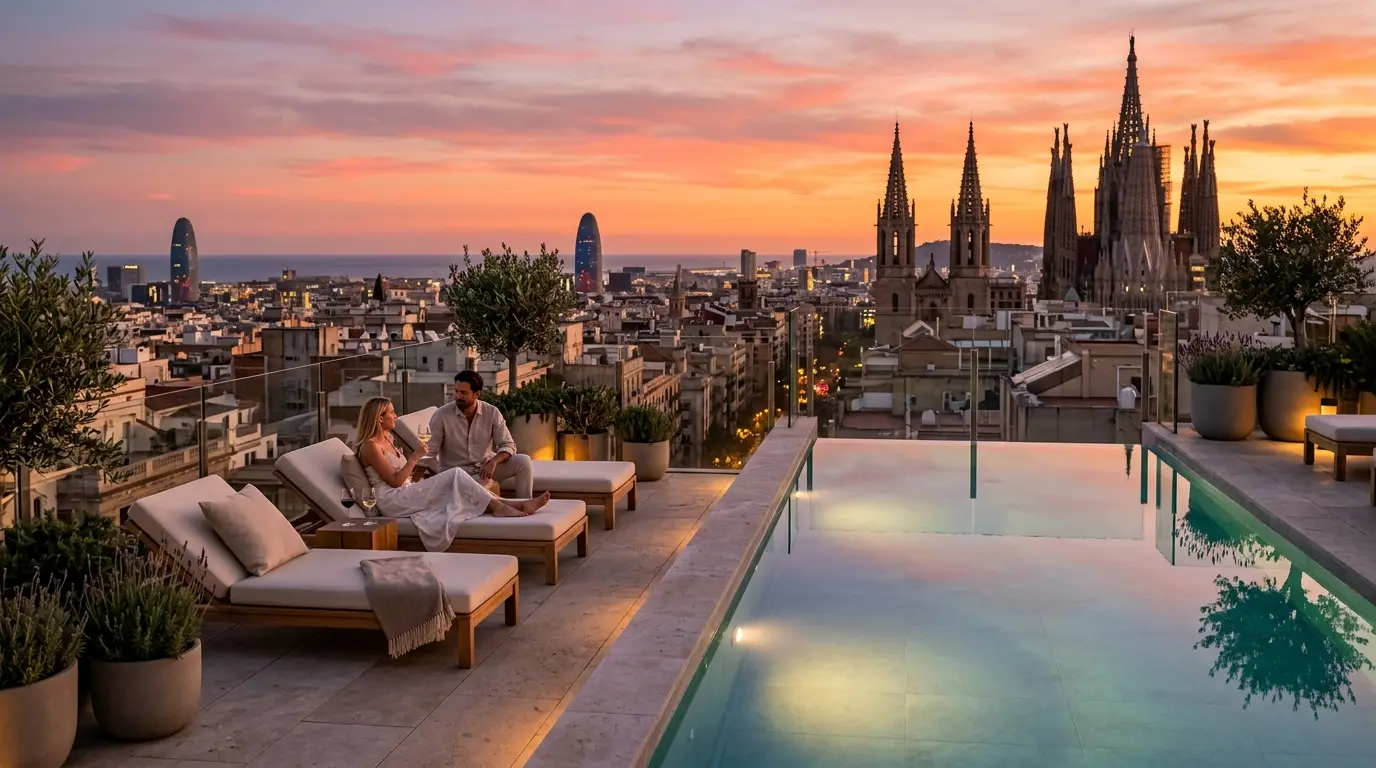
Gaudí's Skylines and Mediterranean Twilights: A Connoisseur's Guide to Barcelona's Eixample Stays
Comparing Eixample, the Gothic Quarter, and coastal Poblenou, deconstructing local tourist taxes, and managing strict Gaudí ticketing rules.
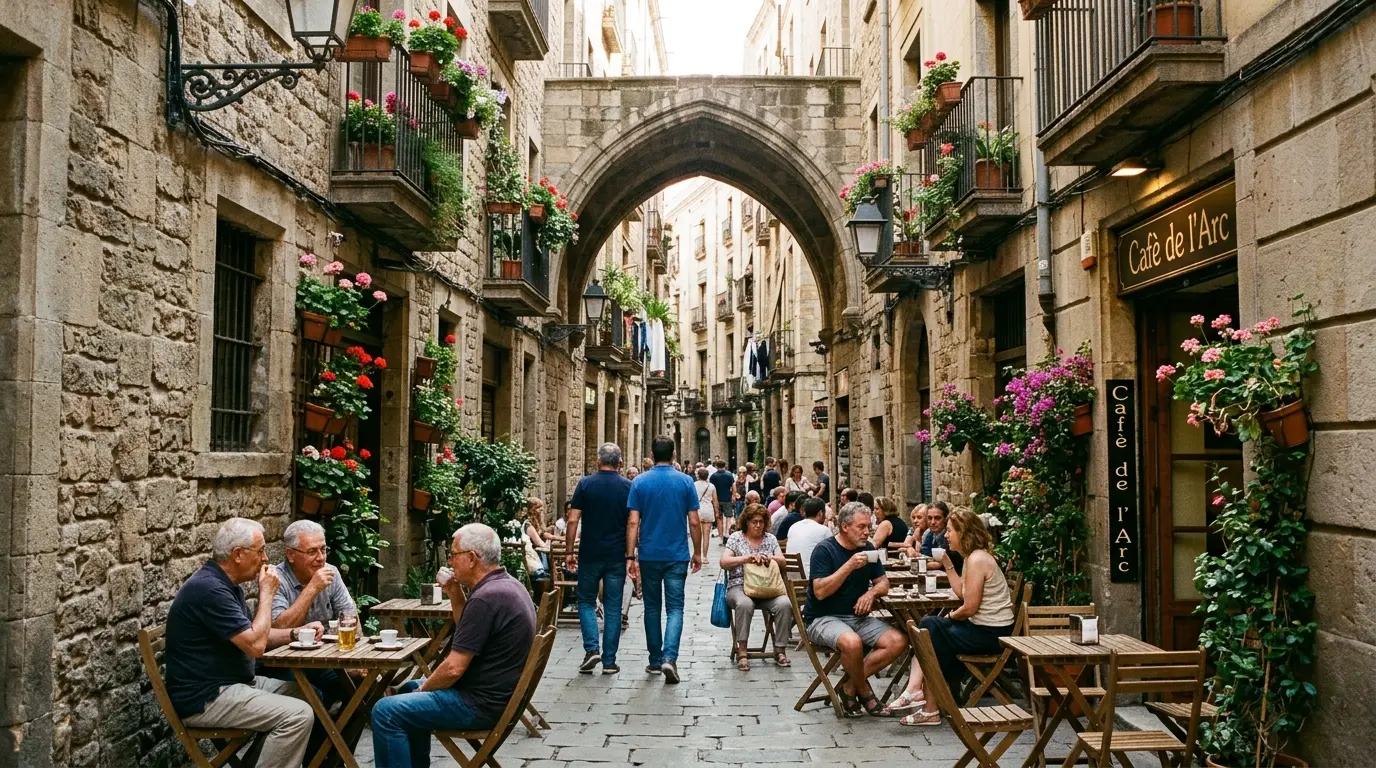
Barcelona Neighborhood Safety Guide: Eixample vs Gothic Quarter, Evading Paella Traps, and Direct Gaudi Bookings
Behind Barcelona's Mediterranean sunshine and Gaudi masterworks lies Europe's most notorious pickpocket ecosystem and rapidly escalating tourist surcharges. Escaping the noise and petty crime of the Ciutat Vella requires knowing exactly where to cross the street. Here is an unvarnished insider guide to securing safe, value-driven Catalan lodging and navigating the city with seasoned poise.
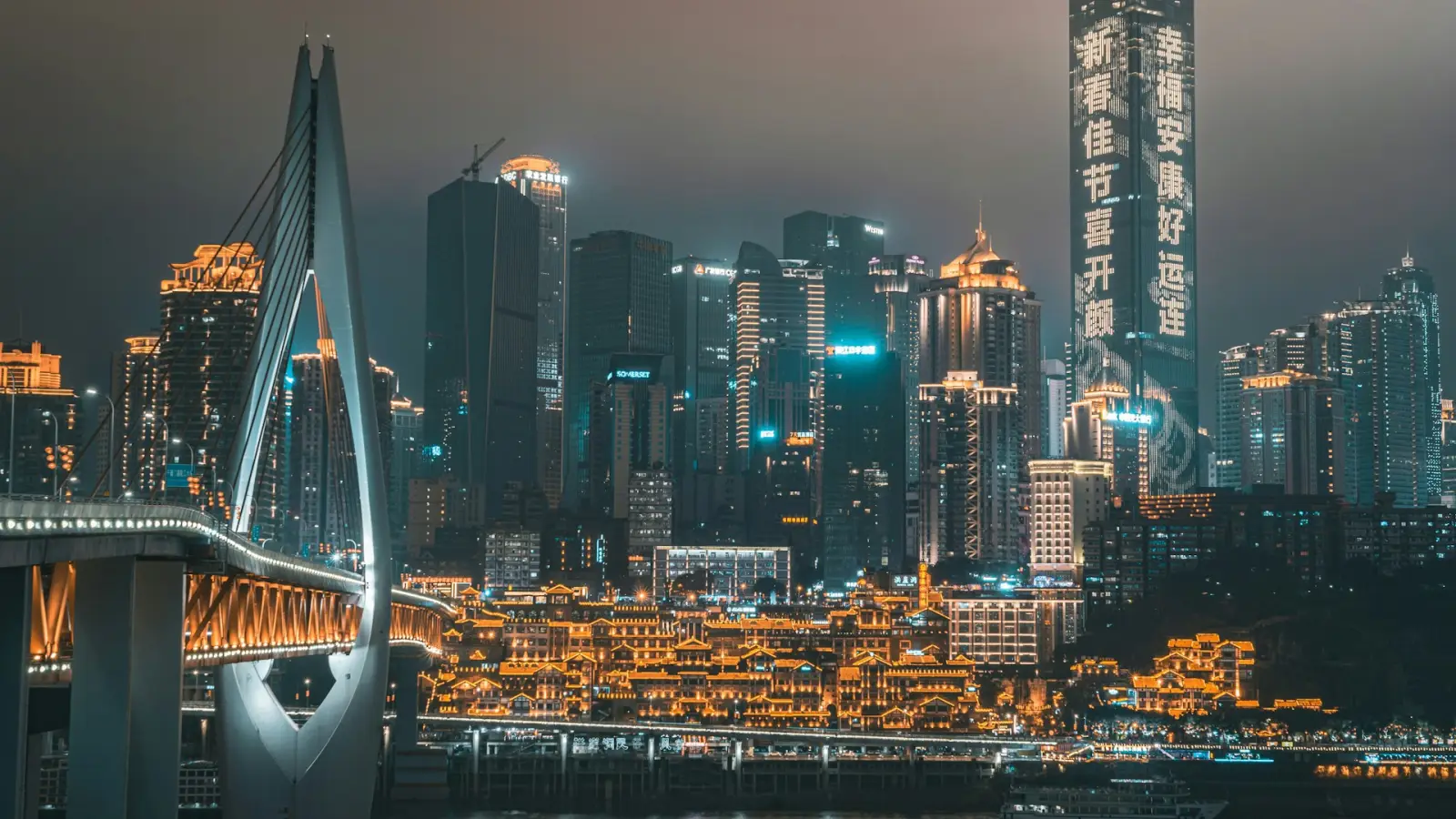
Navigating Chongqing 8D Cyberpunk Labyrinth and Scoring $50 Riverfront Suites
A field guide to mastering vertical geography, comparing Jiefangbei and Nanbin Road riverfront bases, eliminating transaction fees via Alipay, and navigating 3D hills with Didi ride-hailing.
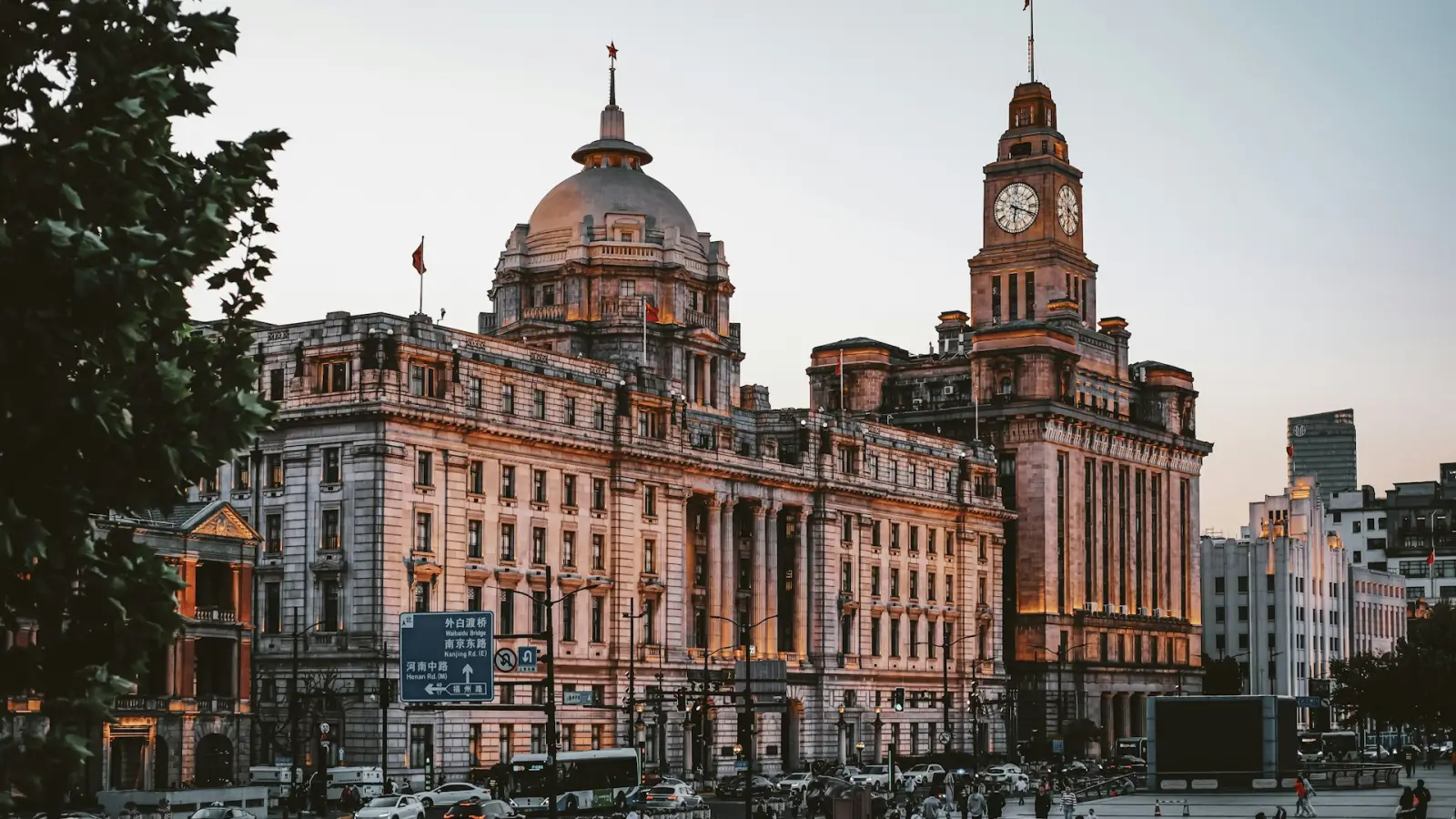
Friday Night in Shanghai: 100 Minutes to the Glowing Bund Skyline
Comparing Bund riverview suites vs. Wukang Road heritage villas, evading checkout Yajin security deposit card holds, and mobile transit hacks.
How to Avoid Dragging Frozen Suitcases Through Minus-Ten Sapporo
An insider guide to heated underground walkways, securing 7:30 AM Biei snow tour departures at Sapporo Station, and evading New Chitose airport blizzard traps.
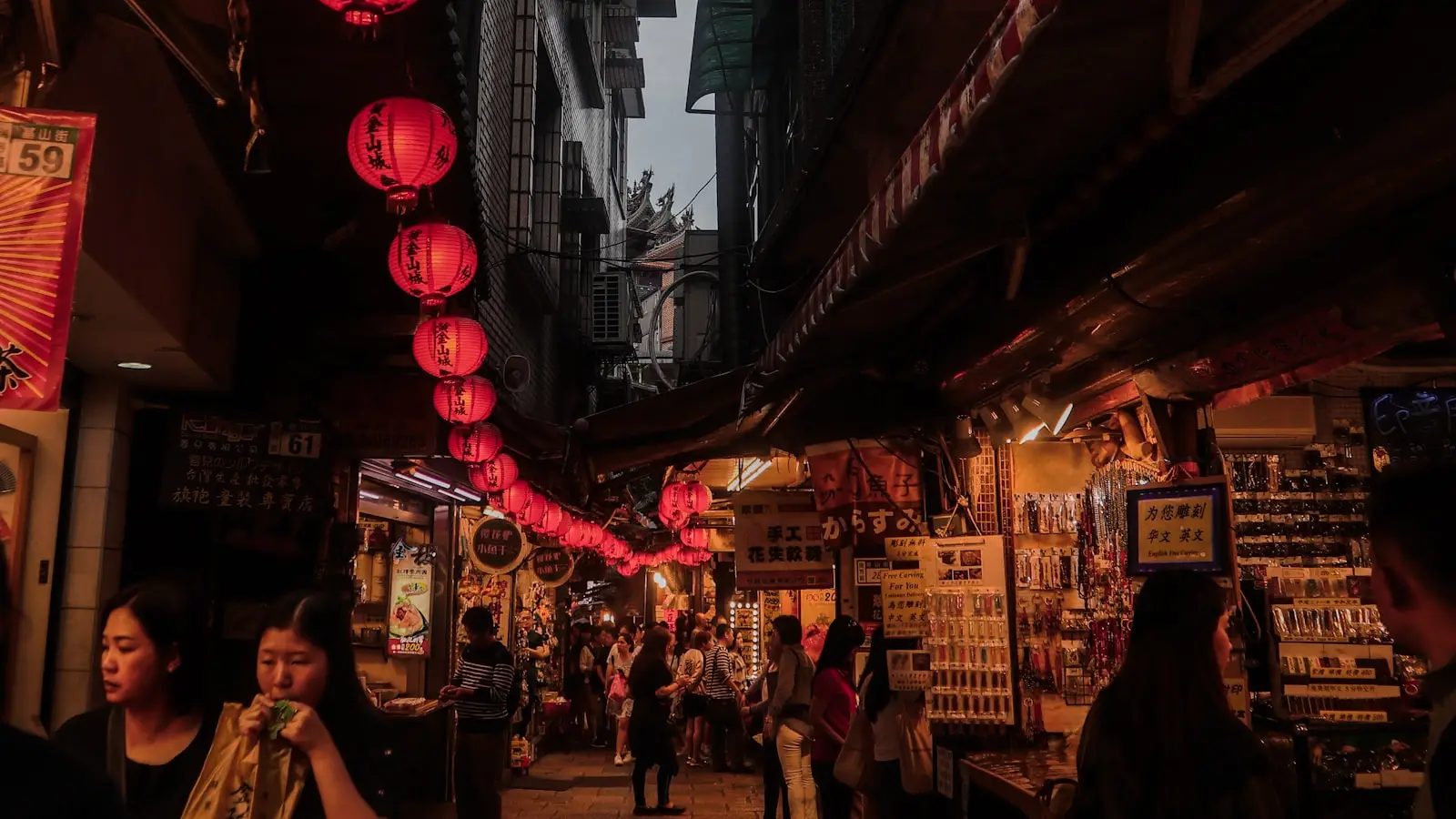
Dodging Taipei Windowless Rooms: The Weekend Red-Eye Playbook
Comparing Ximending boutiques against Taipei Main Station hubs, stacking Taiwan 5,000 TWD Lucky Land draw at front desks, and dodging credit card DCC surcharges.
Taipei Beitou Thermal Springs & Dadaocheng Tea Haven Playbook
From soothing natural sulfur hot springs in Beitou via MRT Red Line to century-old tea salons in Dadaocheng and Ningxia culinary night markets, an authentic 4-day Taipei itinerary.
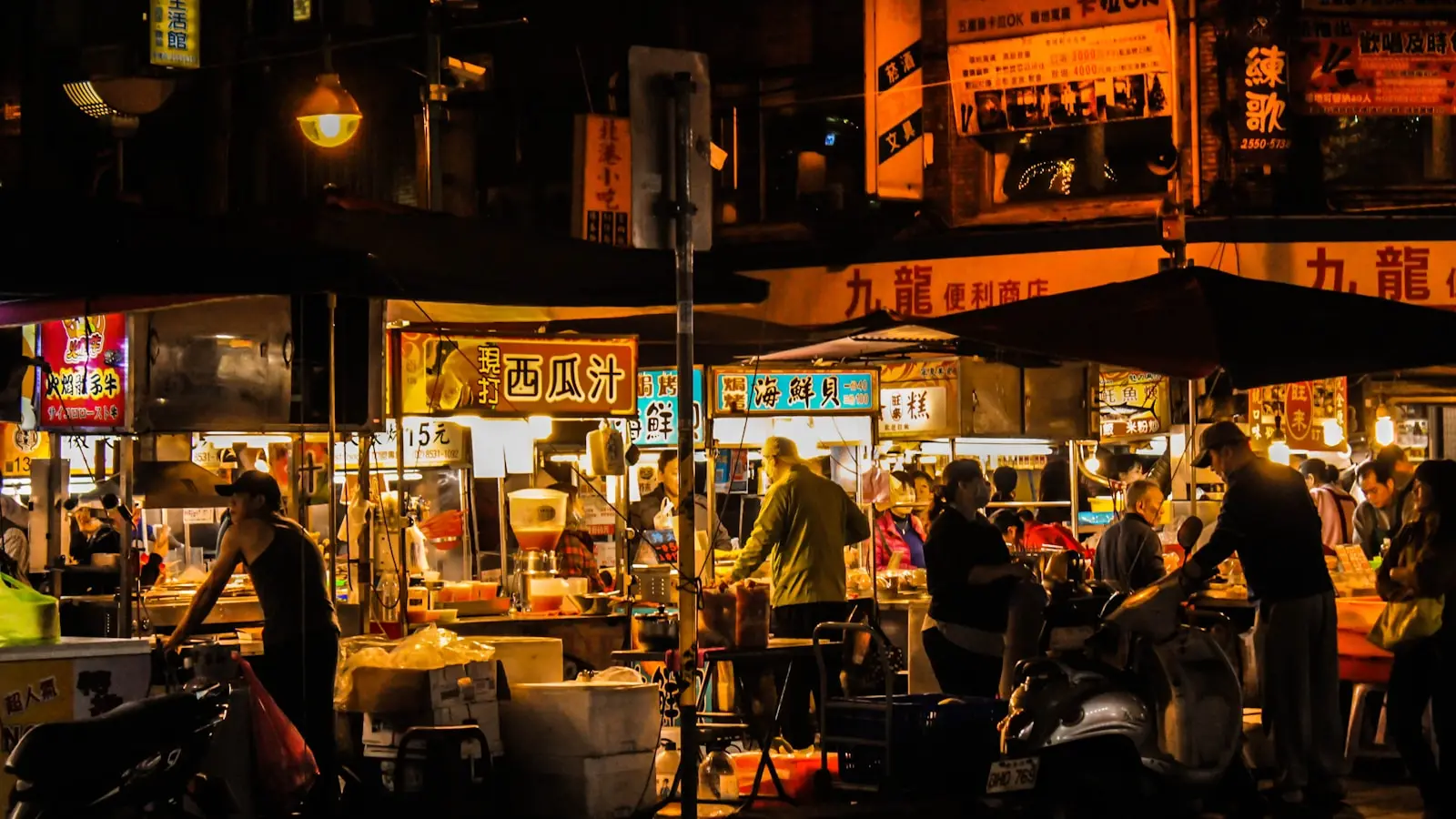
Taipei District Field Guide: Ximending vs Zhongshan vs Daan, Wanhua Safety, and Dehumidifier Realities
Behind Taipei's warm hospitality and celebrated night market gastronomy lies a relentless subtropical climate where humidity and mold present persistent challenges in aging budget hotels. Escaping the confusing underground concourses of Taipei Main Station requires street-by-street location intelligence. Here is an unvarnished field guide to selecting healthy, strategically positioned lodging and navigating local customs.
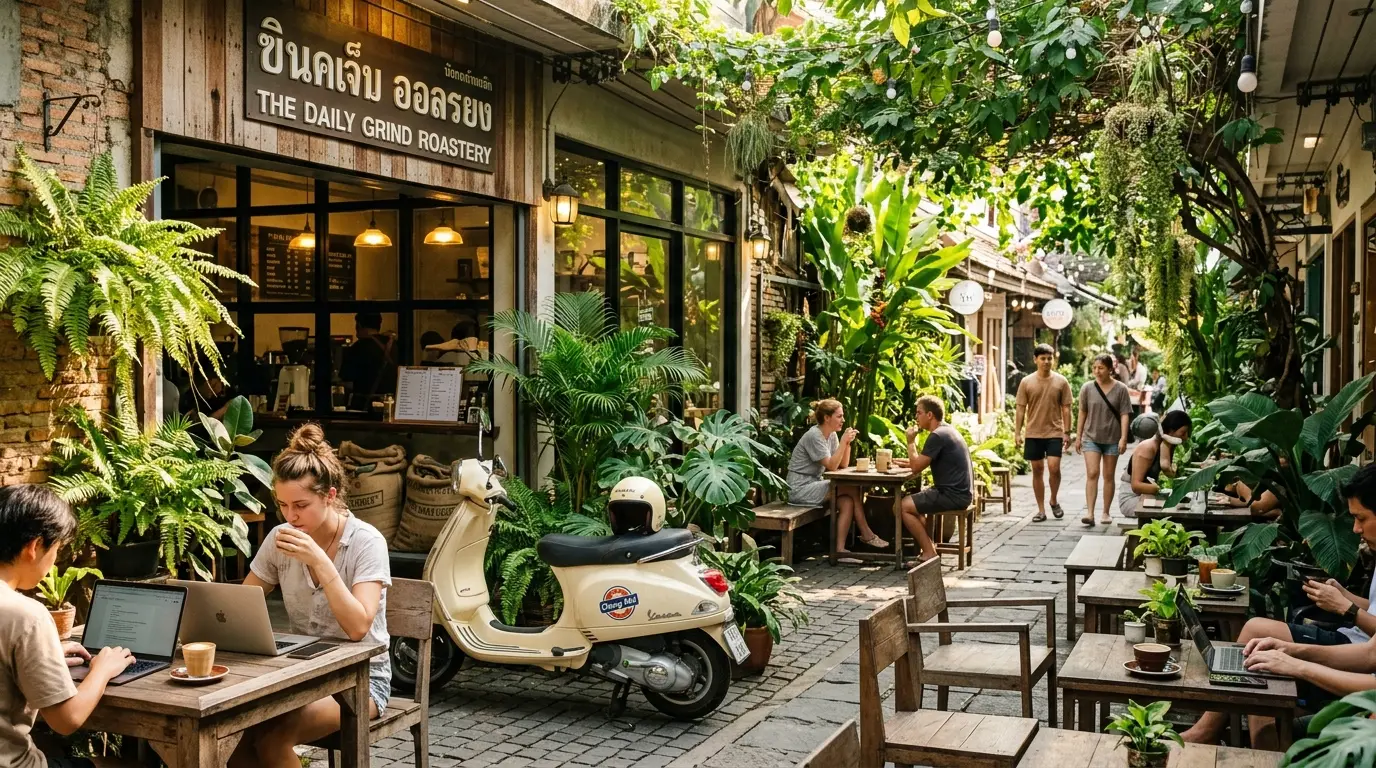
Living Slow in Chiang Mai: 3rd-Wave Roasteries and $45 Boutique Havens
Comparing Nimman and Old City living hubs, unlocking automatic Agoda weekly stay markdowns, and mastering PromptPay QR with Bolt transit across northern Thailand.
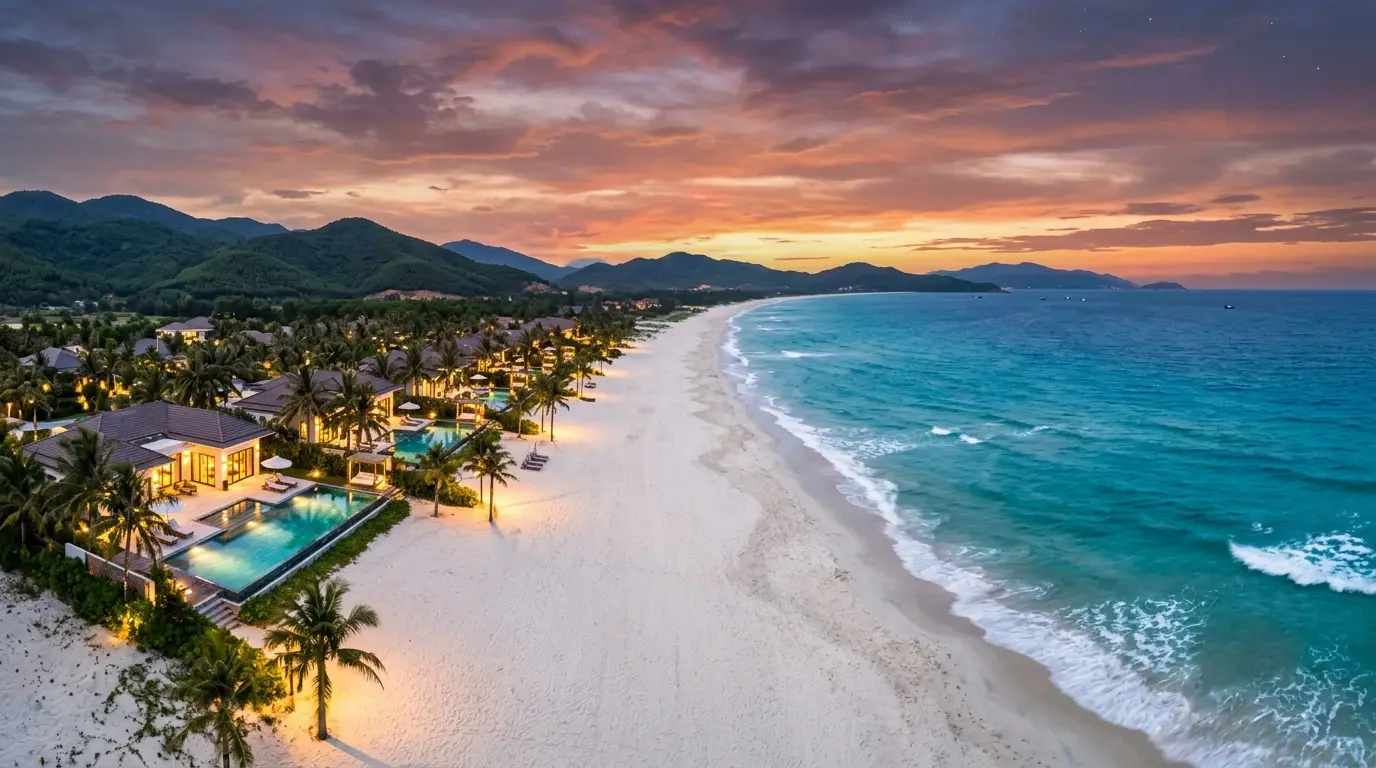
Nha Trang Cam Ranh Playbook: Securing $100 Private Oceanfront Pool Villas
Comparing Cam Ranh resort sanctuaries and downtown Nha Trang, locking in 45-day early-bird rates on luxury villas, and mastering private transfers with Grab safety rules.
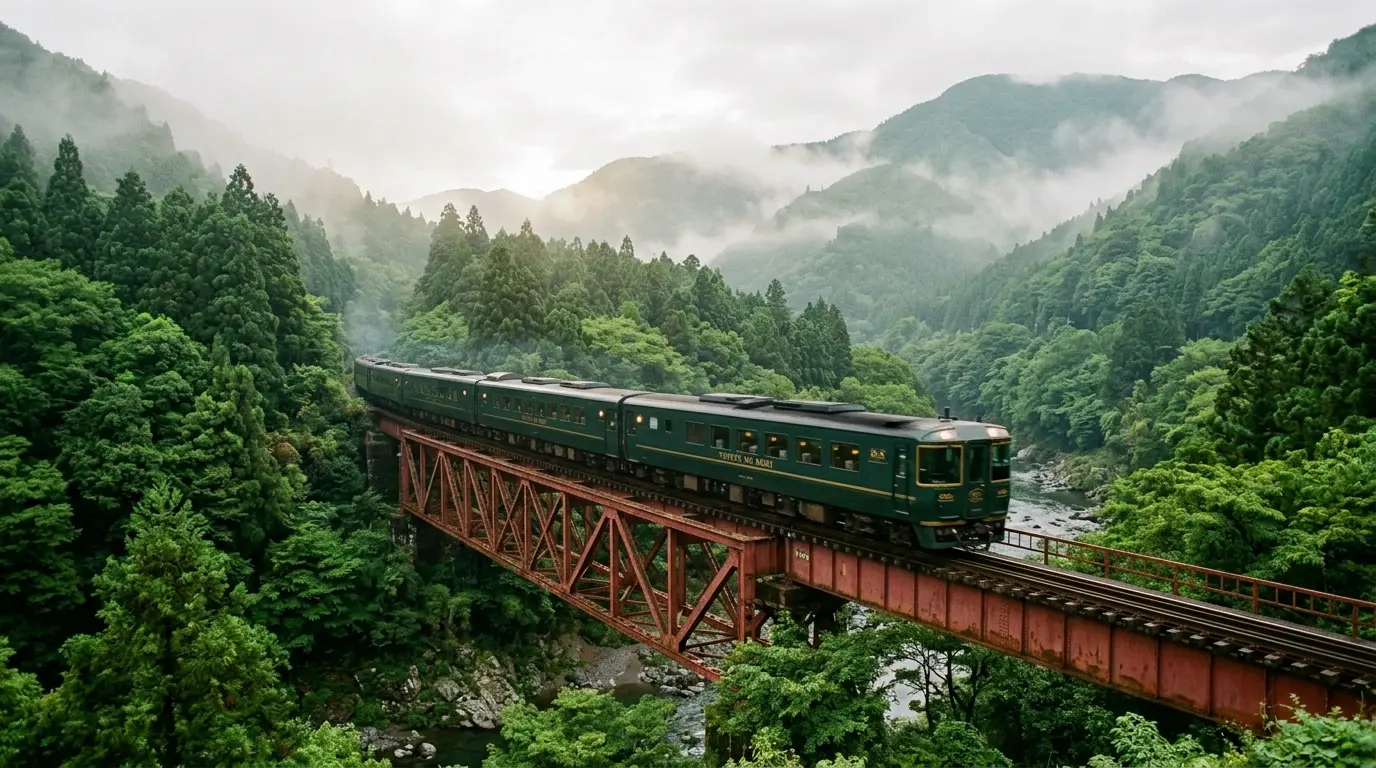
Leaving Hakata for the Misty Foothills of Mount Yufu
How to lock in Car 1 panoramic seats on the Yufuin no Mori, comparing Lake Kinrin vs. Okuyufuin valleys, and optimizing kaiseki half-board packages.
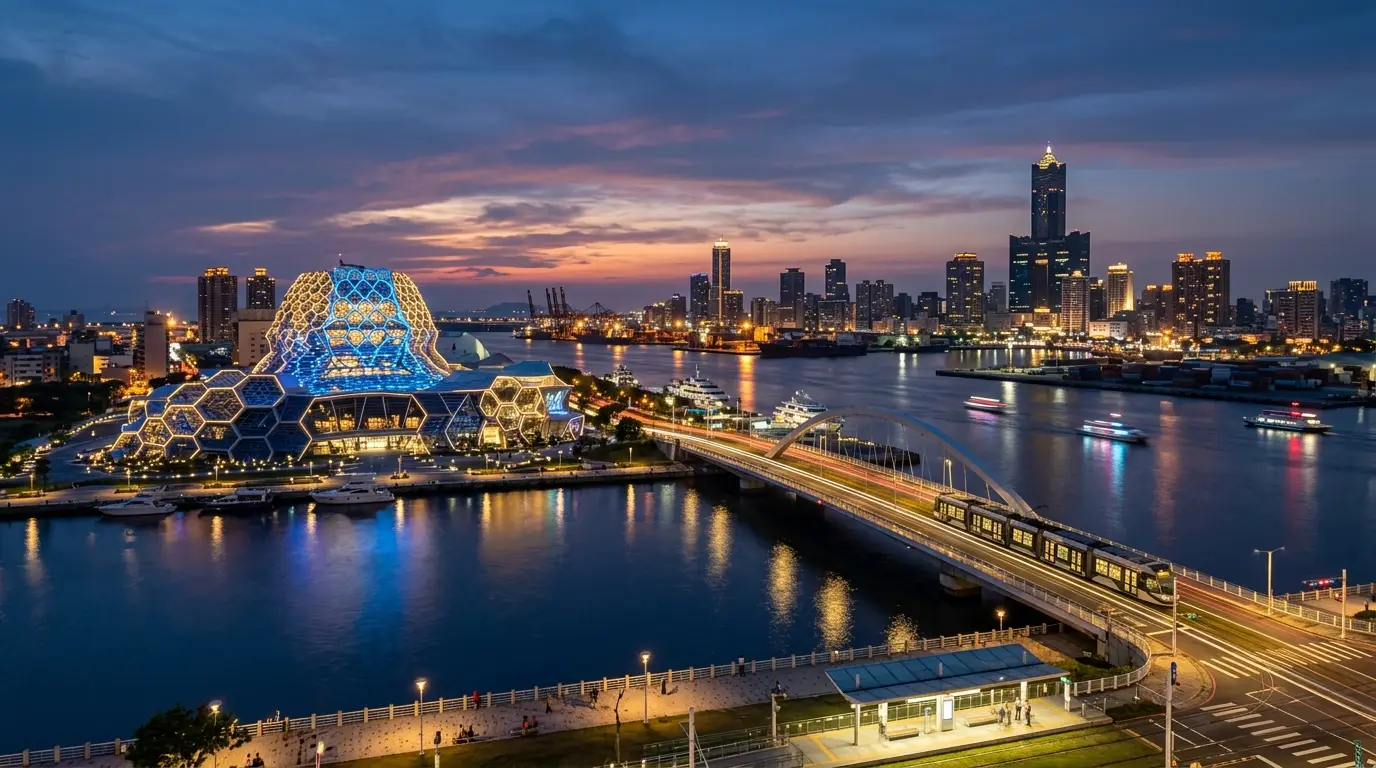
Ditching Taipei's Drizzle for Southern Sunshine in Ninety Minutes
How to unlock the foreigner-exclusive THSR buy-one-get-one bullet train deal, comparing Pier-2 vs. Formosa Boulevard, and scoring $45 design harbor suites.
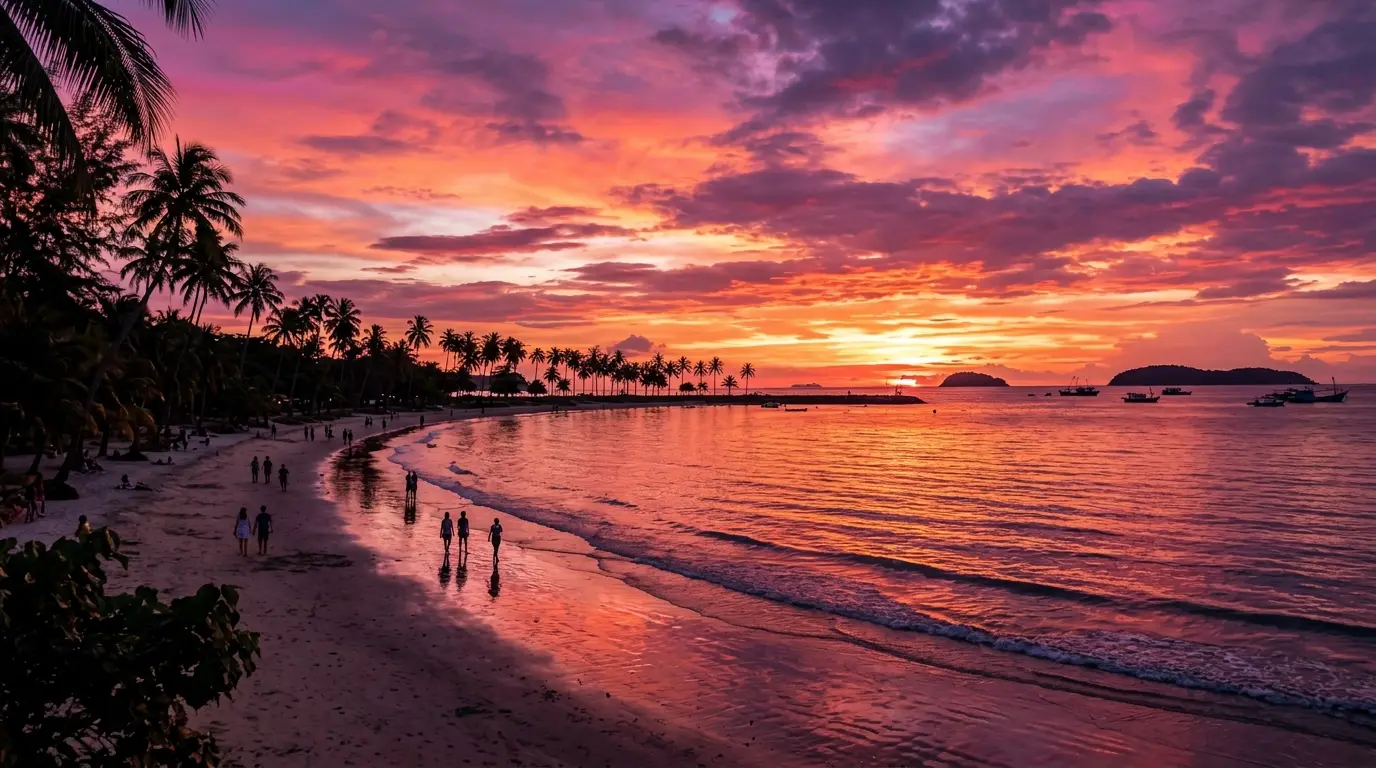
Chasing Kota Kinabalu World-Class Sunsets: $100 Oceanfront Sanctuaries and Firefly Rivers
An insider guide comparing Tanjung Aru and Sutera Harbour enclaves, claiming front-row sunset perches, booking mangrove firefly boats, and mastering Ringgit currency rules.

Under the Infinite Vault of Central Asian Stars: A Tactical 6-Day Overland Guide to Mongolia's Gobi Steppe
Soviet Furgons vs. modern 4WDs, auditing traditional gers against heated glamping lodges, and cutting expedition costs by 50% via group assembly.
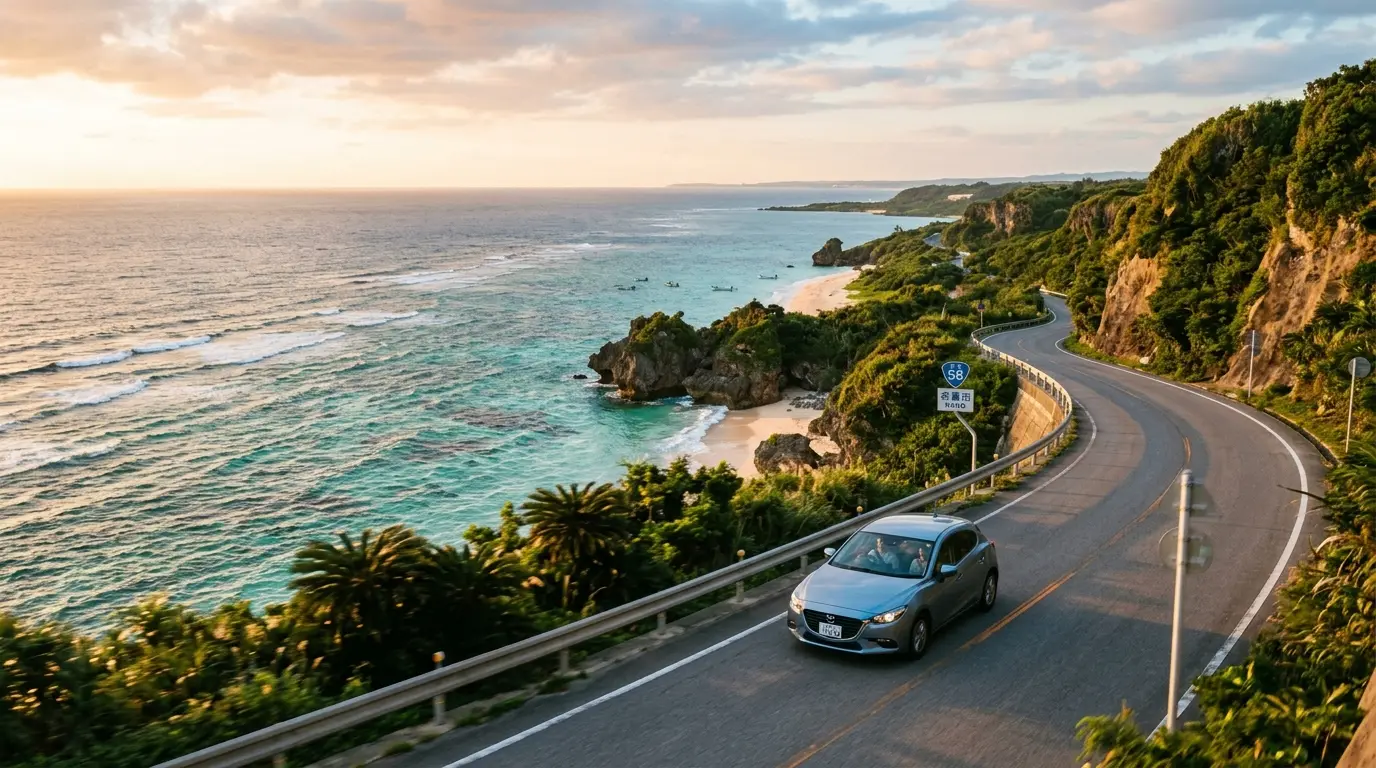
Route 58 Ocean Highway and Onna Luxury Coves: A Tactical Driving and Resort Guide to Okinawa
Cutting airport rental queues with smart split-stays, booking oceanfront Onna suites below peak rates, and dodging resort parking fees and DCC markups.
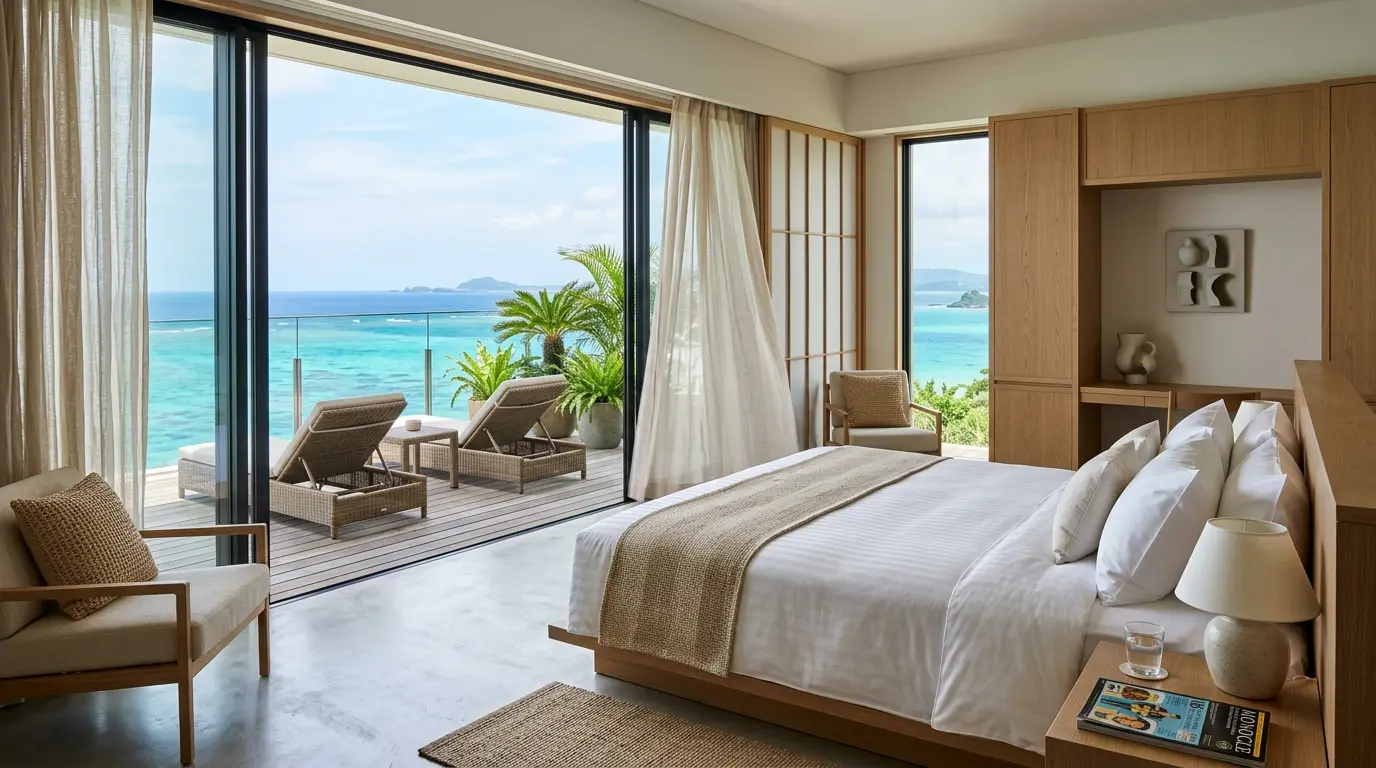
Okinawa Onna Coast Luxury Beach Resorts & Kerama Blue Playbook
From premier oceanfront resort sanctuaries along the Onna coastline to crystalline diving expeditions in the Kerama Islands, an authoritative four-day playbook for island indulgence.
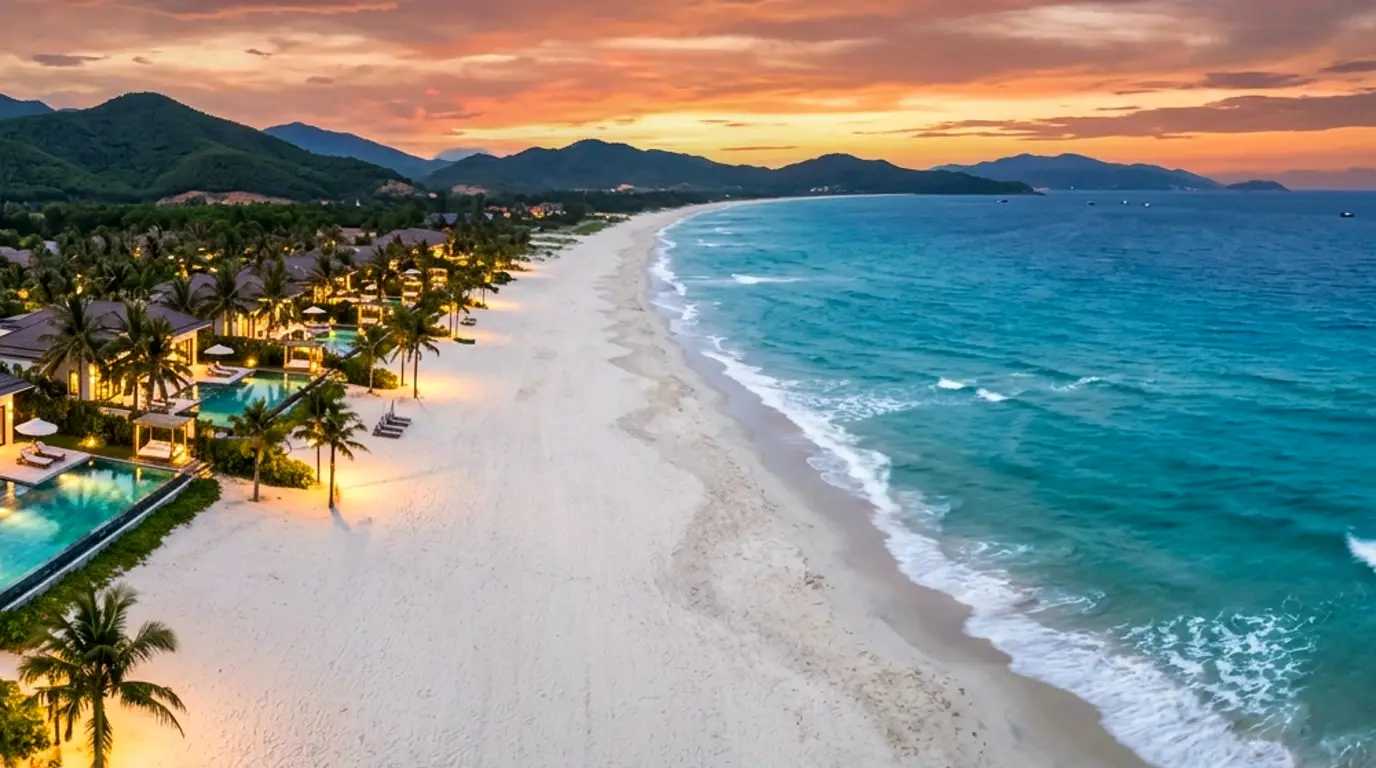
Mactan Coral Reef Enclaves and the 3 AM Oslob Run: A Tactical Luxury Guide to Cebu
Navigating midnight airport taxi queues, factoring in 22% VAT and service charge surprises, auditing Mactan's private reef resorts, and minimizing Oslob expedition fatigue.

Hong Kong 72-Hour Skyline Playbook: Star Ferry and Sheung Wan Boutiques
Skip the turnstiles straight onto the Airport Express, fund mobile Octopus cards instantly, and choose spacious Sheung Wan boutique lofts over cramped Tsim Sha Tsui shoebox rooms for a smarter 72-hour Hong Kong trip.
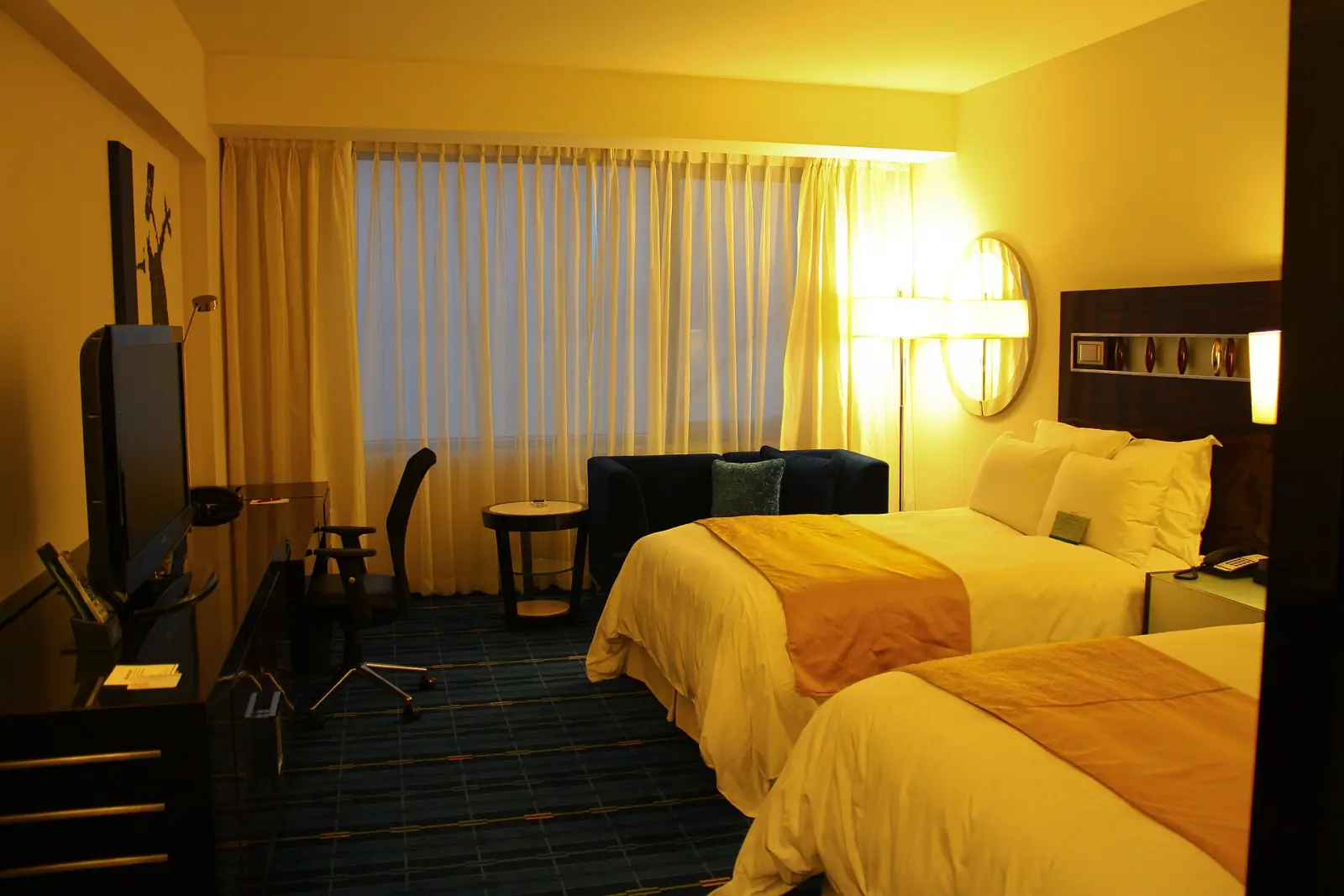
Hong Kong Central & Sheung Wan Boutique Haven & Star Ferry Playbook
From the nostalgic romance of century-old Star Ferry crossings to chic boutique design havens in Sheung Wan and SoHo culinary alleys, an authoritative four-day Hong Kong guide.

Hong Kong District Field Guide: Tsim Sha Tsui vs Sheung Wan vs Fortress Hill, Dodging Mansions, and Diner Etiquette
Behind Hong Kong's dazzling skyline lies one of the world's most hyper-dense urban environments, where astronomical real estate costs have spawned notorious windowless micro-rooms. Escaping the elevator queues and safety liabilities of Kowloon's aging mansions requires strategic district selection. Here is an unvarnished field guide to securing functional, secure lodging and navigating local dining culture.
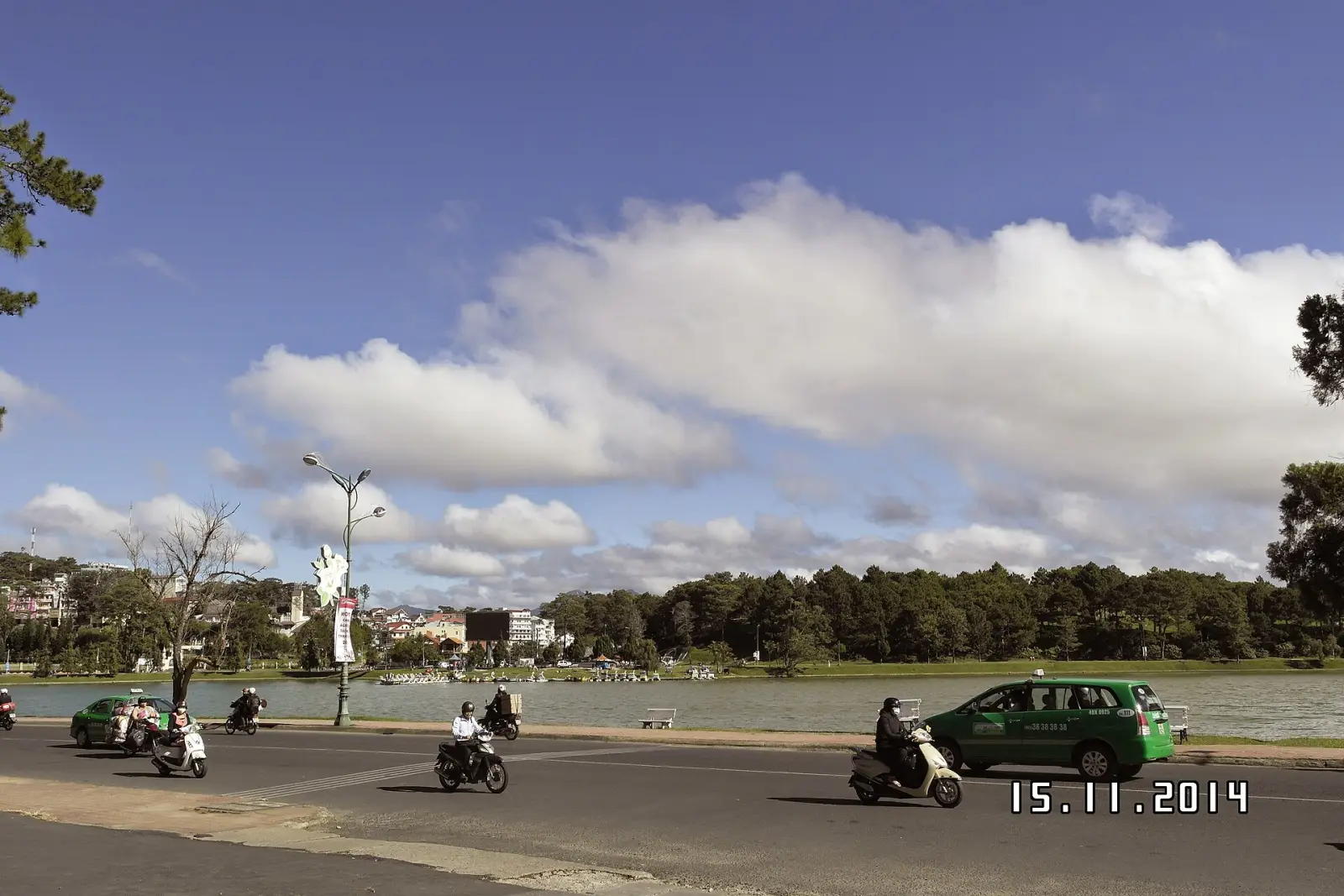
Da Lat Highland Escape: French Colonial Heritage Villas and Pine Forest Retreats
Wake to 14C morning mountain air, dodge grueling 7-hour sleeper bus mountain passes with a 45-minute domestic hop, and trade noisy central motels for 1920s French governor villas tucked beneath whispering pines.

Singapore 72-Hour Skyline Playbook: Marina Bay Sands and Changi Jewel
Skip transit card lines with contactless bank cards, drop bags at Jewel before heading into town, and deploy a split-stay strategy that captures Marina Bay Sands pool access without draining your entire vacation budget.

Singapore Marina Bay Luxury & Tanjong Pagar Heritage Shophouse Playbook
From suspended 200-meter infinity pool vistas over Marina Bay to heritage shophouse design retreats in Tanjong Pagar and UNESCO hawker feasts, an authoritative Singapore playbook.
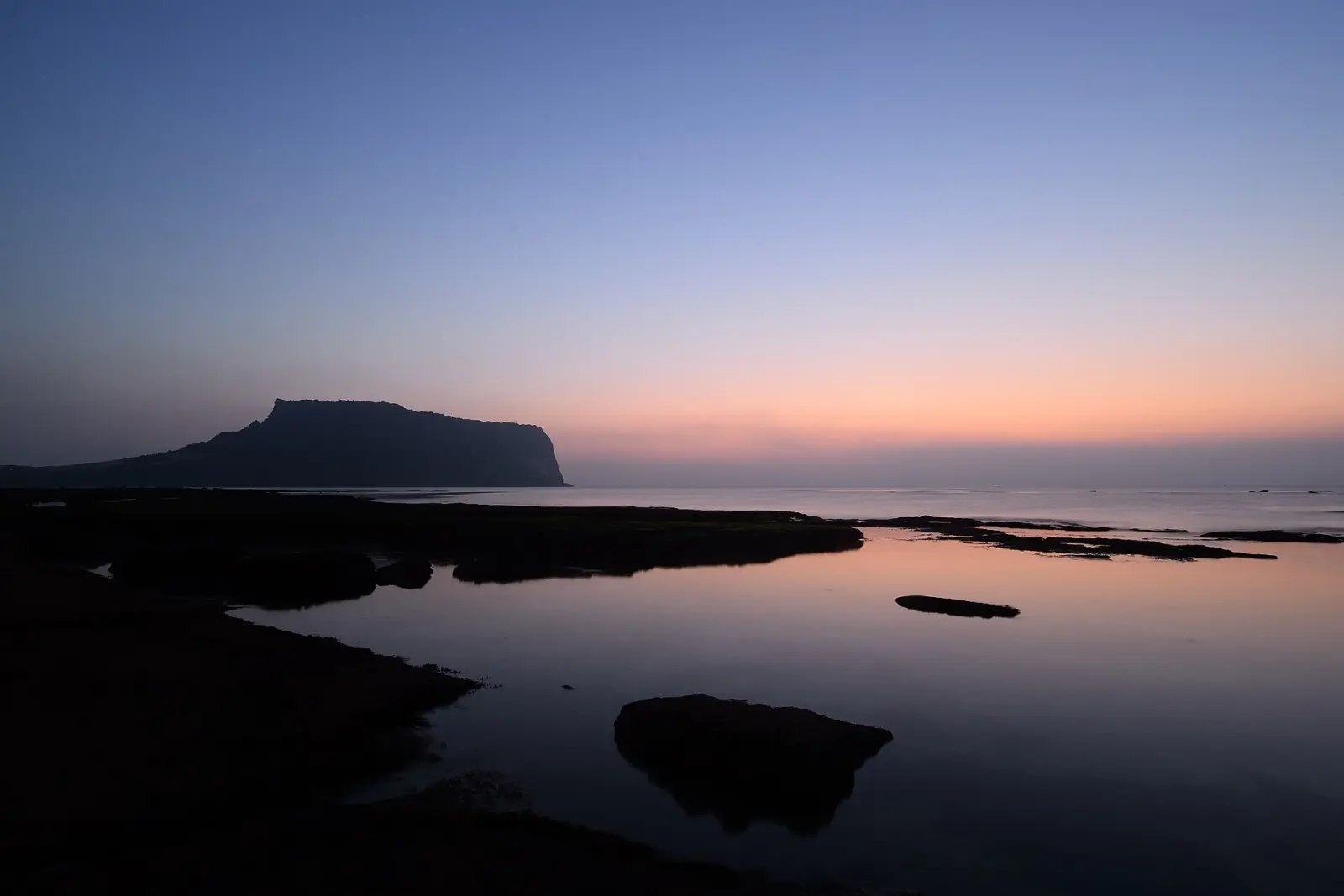
Jeju Coastal Drive: Seogwipo Oceanfront Pool Villas and Gotjawal Forests
Discover why cruising the gentle Pyeonghwa-ro bypass easily trumps dangerous mountain passes, master zero-deductible rental car insurance safeguards, and trade generic resort hotels for secluded private pool sanctuaries in Seogwipo.

Jeju Coastal Roadtrip & Basalt Cottage Masterclass: Aewol Sunsets, Super CDW Hacks, and Local Butcher Audits
Leaving Jeju Airport behind to hit the coastal curves of Aewol, the raw geological beauty of black volcanic rock against turquoise surf unfolds. This field guide bypasses crowded Instagram traps to audit private basalt courtyard cottages, explain why zero-deductible Super CDW insurance is mandatory on rural roads, and steer you toward authentic haenyeo diver kitchens.

Hanoi 72-Hour Skyline Playbook: French Colonial Heritage and Old Quarter Roasteries
Morning mist rising over Hoan Kiem Lake, the bittersweet aroma of egg coffee, and century-old French colonial villas. A curated blueprint for navigating Hanoi without noise, exhaustion, or tourist traps.

Phuket Andaman Skyline Playbook: Kata Noi Oceanfront Villas and Old Town Heritage
Leaving behind the frantic nightlife of Patong for the pristine granite coves of Kata Noi and Kamala. An insider guide to cliffside Andaman infinity pools, historic Old Town Sino-Portuguese architecture, and seamless island exploration.

Seoul Heritage & Creative Scene: Bukchon Hanoks, Seongsu Boutiques and Han River Sunsets
From the 43-minute AREX express from Incheon Airport to tranquil Hanok courtyard stays, industrial red brick roasteries in Seongsu, and Banpo Han River instant ramen picnics.

Seoul Hanok Heritage & Seongsu Craft Alleys: Century-Old Tiles, Courtyard Tea, and Urban Contrasts
Amid the relentless futuristic pace of contemporary Seoul, stepping through the wooden gate of a century-old hanok courtyard offers an astonishing immersion in quietude. From booking private heritage residences in Bukchon and Seochon to navigating Seongsu craft coffee roasteries, this field guide audits real costs, noise curfews, and transit hacks.

Kuala Lumpur Skyline Stays: Petronas View Infinity Pools and Jalan Alor Street Food
From the 28-minute KLIA Ekspres airport transit to luxury twin tower infinity pool stays, Jalan Alor charcoal satay feasts, and the vibrant rainbow steps of Batu Caves.

Macau Heritage & Cotai Strip: 400 Years of Portuguese Culture and Luxury Stays
Discover Macau where Portuguese stone facades meet dazzling Cotai skylines. Master the 40-minute HZMB cross-sea bus transit, free casino shuttle routes, and authentic egg tarts in peaceful Coloane Village.
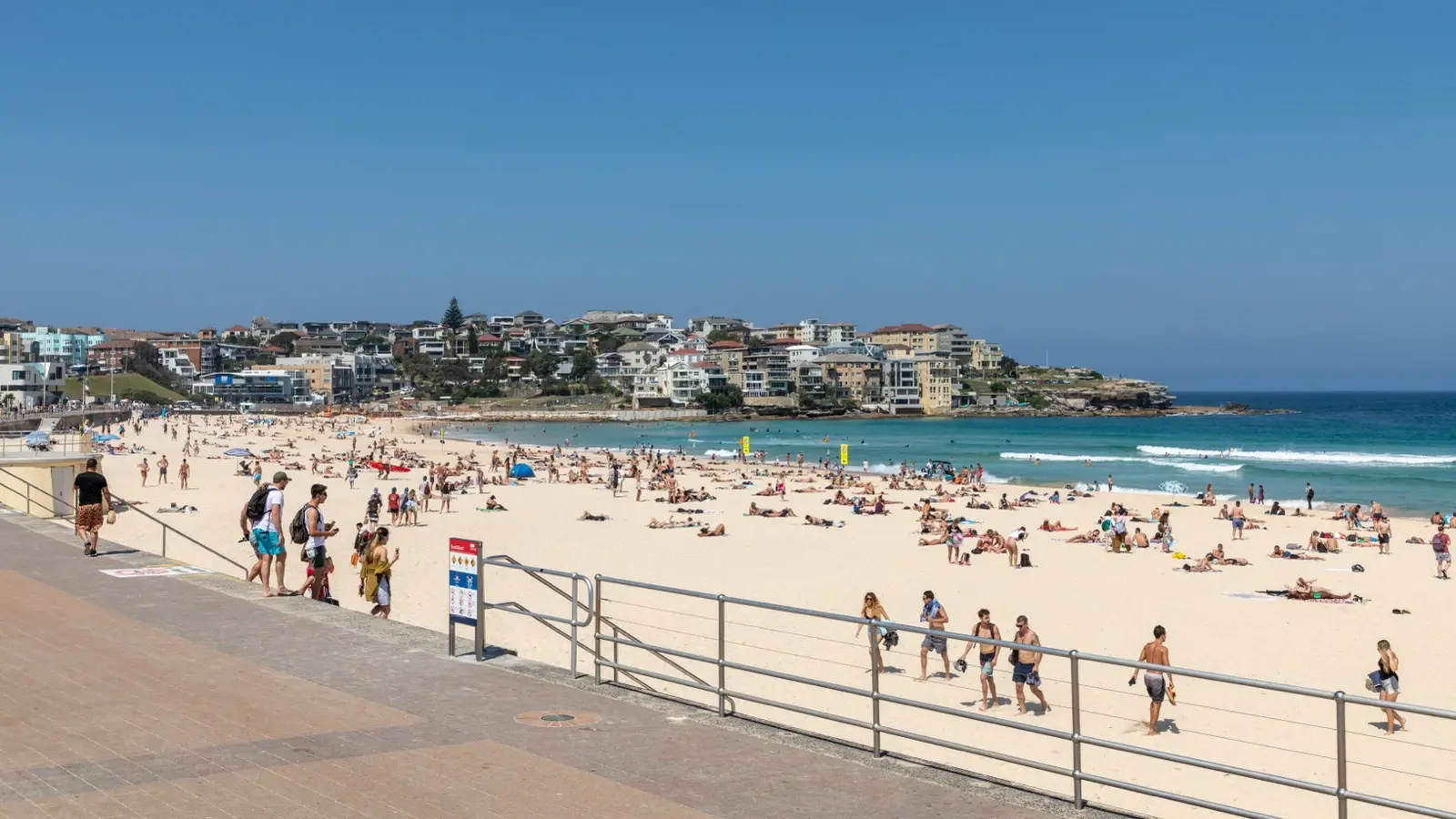
Sydney Harbour & Coastal Trails: Opera House Sunsets and the Manly Ferry Playbook
Experience Sydney where modern sail architecture meets raw Pacific coastlines. Navigate the 30-minute Manly ferry cruise under A$10, trek the dramatic Bondi to Coogee clifftop path, and taste third-wave flat whites in Surry Hills.

Busan Ocean Escape: Haeundae Blue Line Park, Gwangalli Nightlines and KTX Express Travel
Experience South Korea's vibrant coastal capital. In just 2 hours and 15 minutes by KTX from Seoul, step aboard the scenic Haeundae Sky Capsule gliding above turquoise waves, witness Saturday night drone spectacles over Gwangalli Bridge, and savor authentic seafood at Jagalchi.

Busan Oceanfront & Coastal Rail Masterclass: Gwangan Bridge Sunsets, Jagalchi Alleys, and Split-Stay Planning
From the glittering bridge views of Gwangalli to the high-rise luxury resorts of Haeundae and the salt-crusted alleys of Jagalchi, Busan's coastal identity spans dramatic contrasts. This field audit delivers actionable advice on hotel split-stays, booking the Blue Line sky capsule before sold-out surges, and navigating local fish market markups without awkward confrontation.
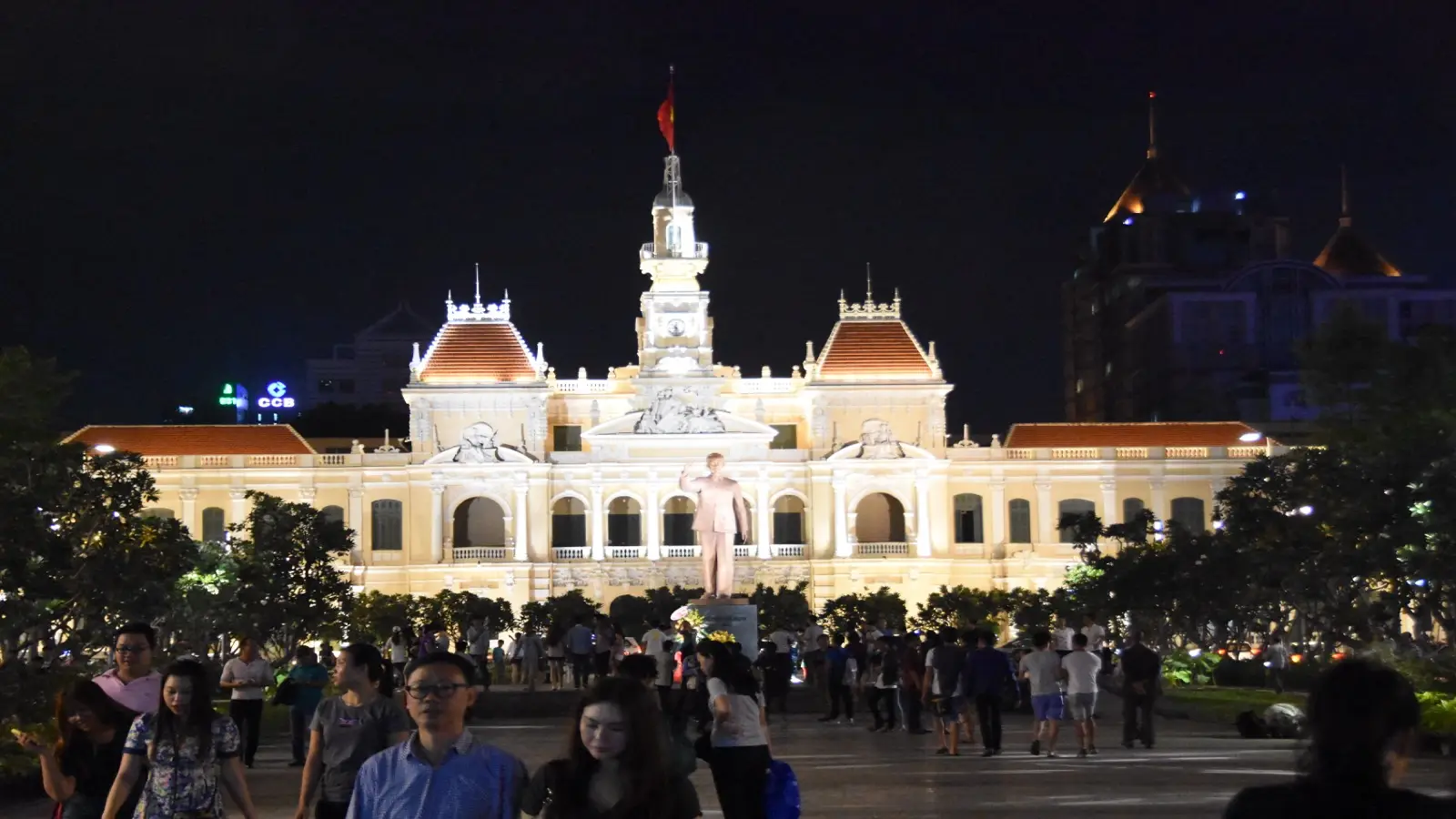
Ho Chi Minh City Heritage: French Architecture, Cafe Apartments and Saigon River Sunsets
Discover Vietnam's pulsing commercial metropolis where broad colonial boulevards meet creative third-wave roasteries. Explore the Gustave Eiffel-designed Central Post Office, the 9-story cafe collective at 42 Nguyen Hue, and sunset boat cruises along the Saigon River.

Nagoya Urban Rhythm & Ghibli Park: Hitsumabushi Dining and 72-Hour Meieki Playbook
Strategically located between Tokyo and Osaka, Nagoya blends cutting-edge industrial innovation with deep samurai heritage. Discover how to ride the 28-minute mu-SKY express from Chubu Centrair Airport, navigate high-demand Ghibli Park bookings, savor multi-step charcoal hitsumabushi eel, and photograph illuminated skylines at Oasis 21.

Dubai Skylines & Crimson Dunes: 72-Hour Luxury Guide from Burj Khalifa to Old Dubai Creek
Rising from golden desert shores into the future, Dubai seamlessly fuses hyper-modern architecture with authentic Arabian heritage. Journey through 828-meter panoramas atop Burj Khalifa, front-row views of choreographed Dubai Fountains, exhilarating desert dune bashing, and evocative cross-creek voyages aboard traditional wooden abras for a single dirham.

Oahu Island Drive & Waikiki Playbook: Dodging Resort Fees and North Shore Surf Stays
Beyond the postcard allure of Waikiki lies one of the most fee heavy hotel markets on earth. Learn how to calculate surprise resort surcharges, navigate Hanauma Bay conservation permits, secure reasonable parking rates, and embark on a panoramic coastal journey through Oahu eastern cliffs and North Shore shrimp trucks.

Guam Tumon Bay Playbook: Beachfront Family Stays and Tax-Free Hacks
Just a short four-hour flight from major East Asian hubs, Guam offers calm turquoise lagoons and barrier reefs. Discover how to evade airport transit price gouging, choose between beachfront luxury towers and sprawling waterpark resorts in Tumon, and unlock southern coastal heritage and zero-sales-tax retail bargains.

Saipan Lagoon & Grotto Escape: Managaha Coral Cay and Northern Cliffs
Encircled by seven shades of turquoise water, Saipan is the crowning sanctuary of the Northern Mariana Islands. Master the logistics of taking a 15-minute speedboat to Managaha Island, descend the 112 limestone steps into the ethereal sapphire light of The Grotto, and drive through historical coastal monuments at Banzai Cliff and Bird Island.

Manila 72-Hour Contrast: 400-Year Intramuros Fortress and Modern BGC Skylines
Beyond the congested traffic lies a city of dramatic historical dualities. Learn how to navigate Ninoy Aquino International Airport arrivals using official Grab kiosks, pedal bamboo bicycles atop 400-year-old stone walls in Intramuros, photograph fiery Pacific sunsets over Manila Bay, and unwind in the safe, pedestrianized lifestyle corridors of Bonifacio Global City.

Los Angeles California Dreaming: Santa Monica Pier & Griffith Sunset Playbook
Sprawling beneath endless Southern California sunshine, Los Angeles is a patchwork of cinematic landscapes. Conquer the notorious LAX-it rideshare and rental car shuttle maze, secure sunset perches overlooking downtown skylines from Griffith Observatory, cruise beachside paths from Santa Monica to Venice, and reserve timed admission to the hilltop Getty Center.

Prague 72-Hour Fairy Tale: Charles Bridge Sunrise and Bohemian Castle Heights
Draped in Gothic mystery and Baroque elegance, Prague is Europe best-preserved open-air museum. Master the early morning rhythm to experience Charles Bridge in silence, evade notorious currency exchange scams near Wenceslas Square, explore St. Vitus Cathedral atop Prague Castle, and drink fresh unpasteurized Pilsner Urquell where beer is cheaper than water.

Istanbul Bosphorus Crossroads: Hagia Sophia and Two Continents in 72 Hours
Spanning two continents separated by the deep currents of the Bosphorus Strait, Istanbul is a breathtaking crossroad of empires. Discover how to ride Havaist express airport coaches, observe respectful dress codes inside Hagia Sophia, negotiate with merchant masters across 4,000 stalls in the Grand Bazaar, and cross between Europe and Asia on scenic commuter ferries.