
The Fukuoka Insider Booking Guide: 5 Rules for 4-Star Stays in Tenjin & Hakata
Just five minutes by subway from the airport runway to the city center, Fukuoka is Asia's compact culinary capital. Here is how savvy travelers dodge peak-season surcharges and secure Hakata's best rooms.
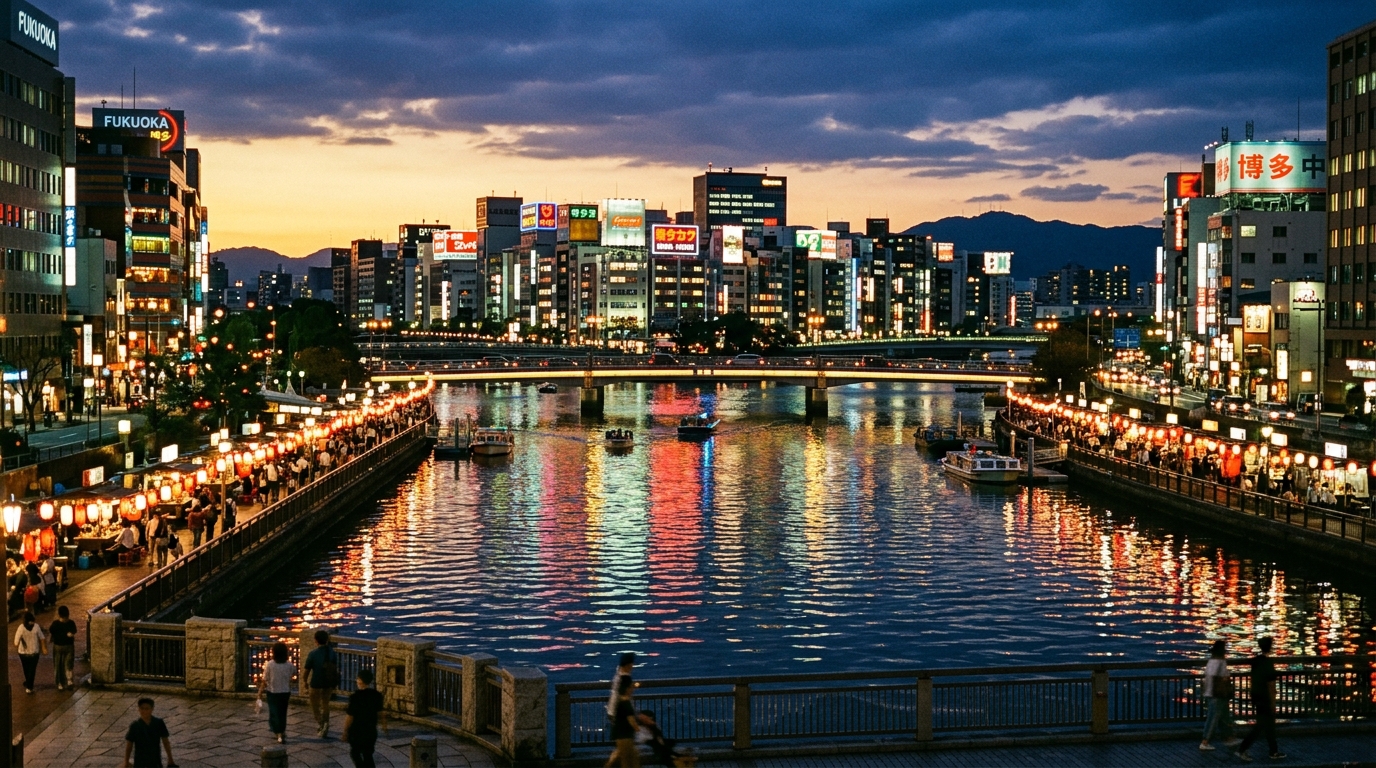
Dawn Fog over the Naka River: The 5-Minute Transit Blessing and Weekend Price Surge
At 5:40 AM, as cool river mist drifts across the Naka River, Nakasu's open-air yatai stalls dismantle their wooden frames with the metallic rattle of pickup trucks. The distinct aroma of rich tonkotsu pork broth mingles with salty sea breezes. Fukuoka's greatest asset is its compact geography: the domestic runway sits a mere two subway stops (5 minutes) from Hakata Station, and just 11 minutes from central Tenjin.
Yet behind this effortless convenience lurks an aggressive surge-pricing algorithm. A pristine business hotel commanding 8,000 JPY on a Tuesday routinely quadruples to 32,000 JPY on Friday and Saturday nights. When stadium concerts at Mizuho PayPay Dome align with medical conventions at Marine Messe, citywide occupancy hits 98%, leaving late bookers stranded with astronomical rates.
The insider solution lies in itinerary splitting and free-cancellation locks. If your trip spans Friday through Monday, retreat to the rustic hot springs of Yufuin or Beppu on the weekend, and migrate into central Fukuoka on Sunday and Monday when corporate rates plummet by over 60%.
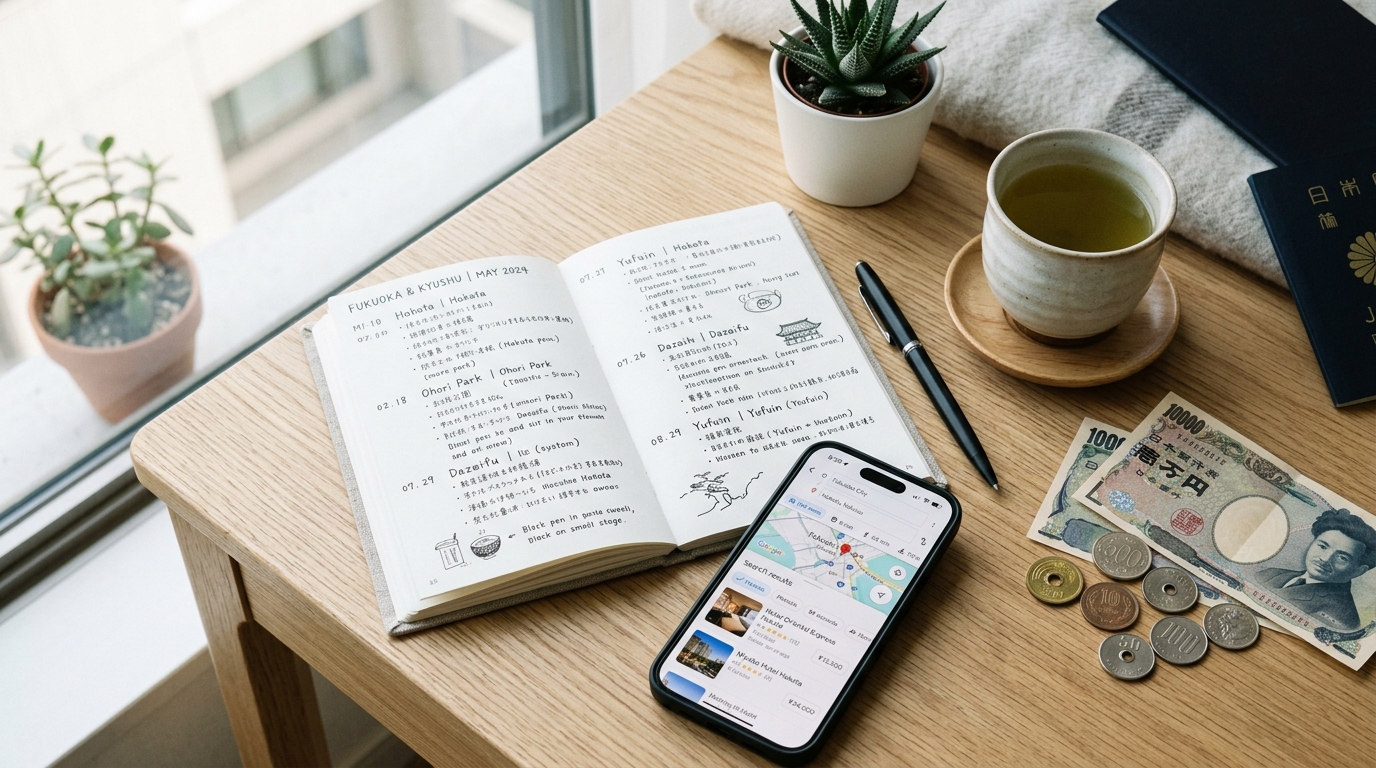
The JPY Currency Lock and Coin Friction: Handling Local Accommodation Taxes
Never approve a hotel checkout total displayed in your home currency. Doing so triggers Dynamic Currency Conversion (DCC), quietly adding a 3% to 5% foreign exchange surcharge directly to the card processor's ledger. Lock the display currency strictly to Japanese Yen (JPY) and settle with a zero-markup travel debit card.
The real friction arrives at the front desk. Under prefectural and municipal ordinances, Fukuoka levies an accommodation tax (200 JPY per person per night for room rates under 20,000 JPY; 500 JPY for rates above). Most major online travel agencies exclude this municipal fee from their prepayment vouchers, resulting in front desk clerks requesting cash coins at check-in.
A couple staying three nights must produce 1,200 to 3,000 JPY on the spot. Break a large bill at an airport convenience store upon landing and keep small coins ready in your wallet pocket to ensure a seamless check-in experience.
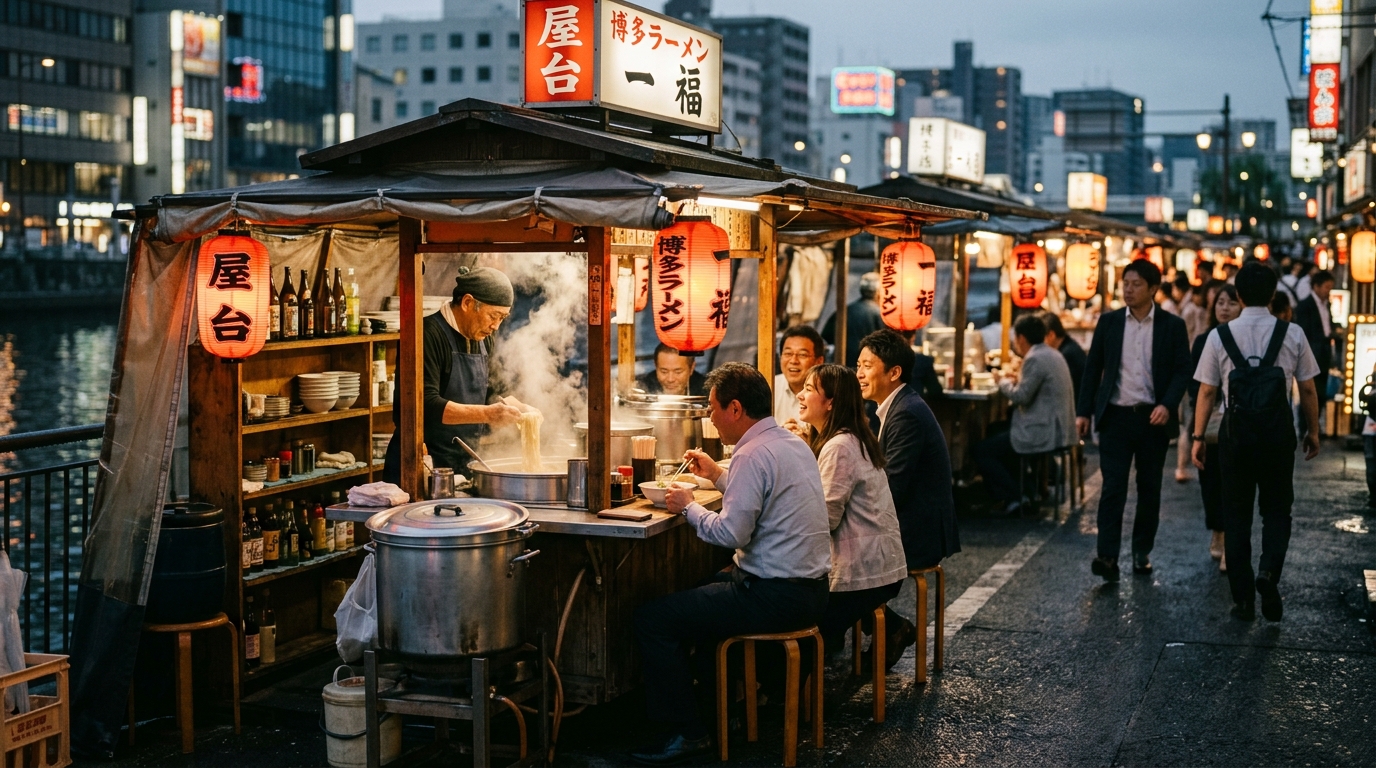
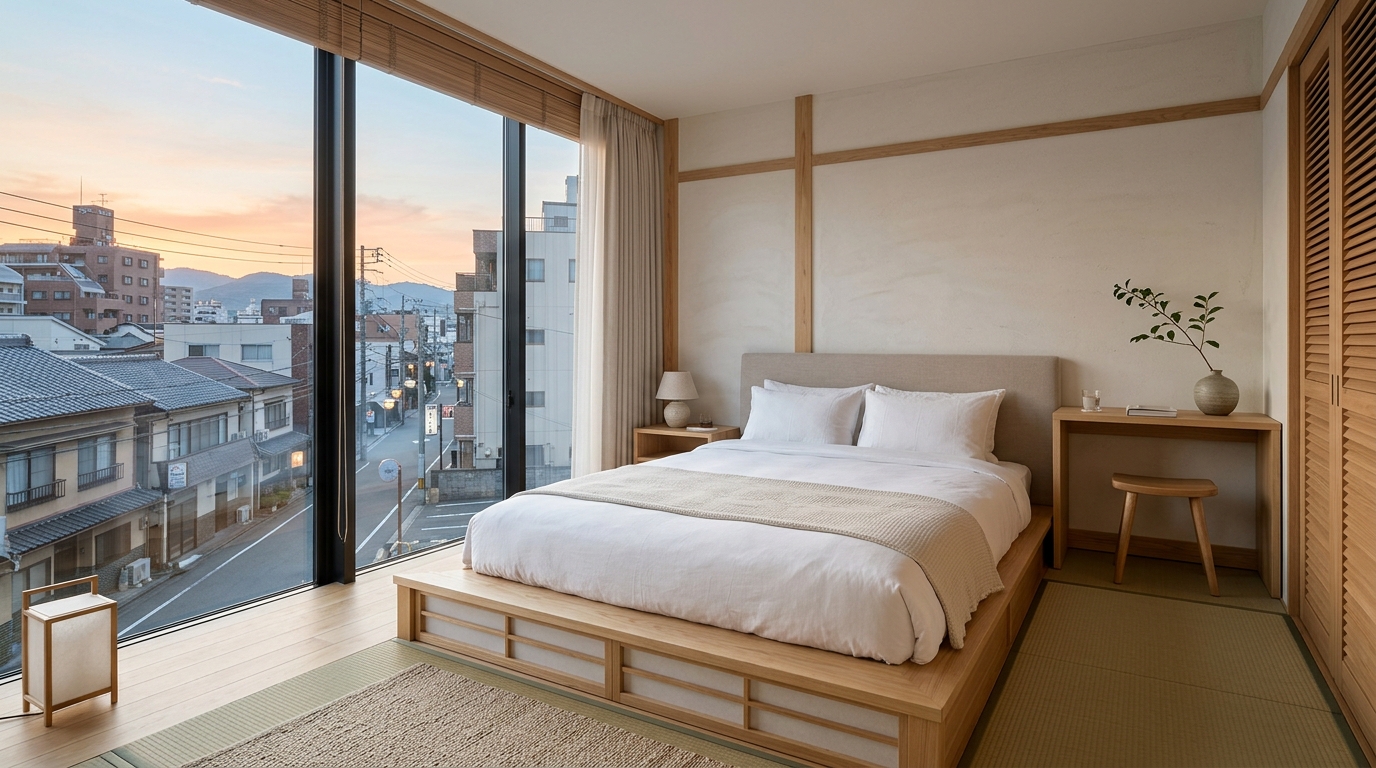
Hakata vs Tenjin vs Nakasu: The Three Essential Stays
While compact, Fukuoka's neighborhoods serve distinctly different travel rhythms.
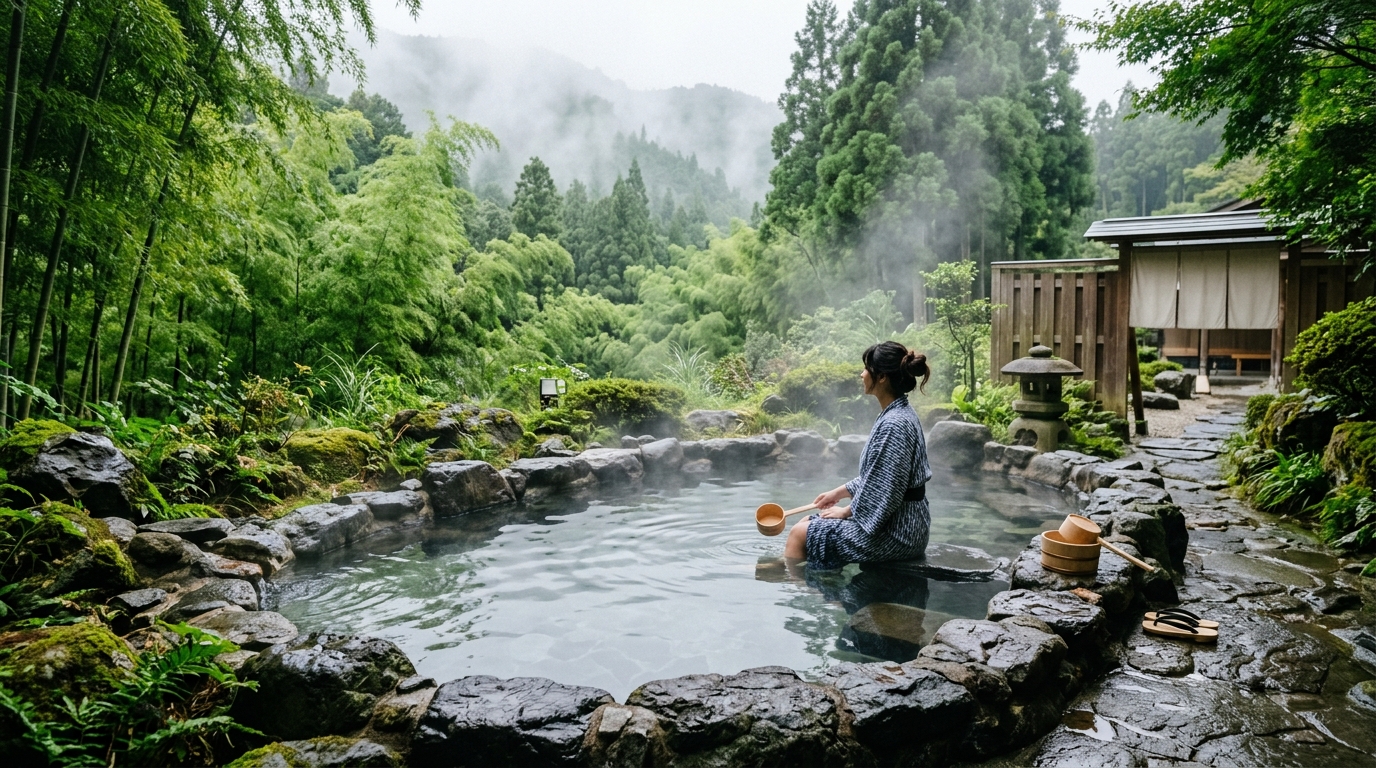
The Onsen Link: 2 Nights Tenjin + 1 Night Yufuin Ryokan
A classic Fukuoka itinerary pairs urban dining with pastoral hot springs. A scenic two-hour ride aboard the emerald 'Yufuin no Mori' limited express train transports travelers straight into the steaming cedar foothills of Mount Yufu.
The common misstep is either booking an exhausting single-day tour or overcommitting to three consecutive nights at an expensive ryokan where multi-course kaiseki meals become redundant.
Adopt the 2+1 Golden Ratio: spend two nights at a smart Tenjin boutique hotel exploring Hakata's culinary landscape, then conclude with a single transcendent night at an authentic ryokan featuring private open-air mineral baths. This strategy cuts overall accommodation costs by over 40% while preserving the luxury highlight of the journey.
Essential Fukuoka Smart Travel Toolkit
The Smart Traveler's Essential Toolkit
Prepare instant mobile data, private airport transfers, and skip-the-line passes in one place.
Compare Fukuoka Hotel Rates
Find the cheapest channel across Agoda and major booking engines with Tripdify.
Recommended Guides

The Tokyo Insider's Booking Playbook: 5 Secrets to 4-Star Stays for 20% Less
A comprehensive guide on booking Tokyo boutique hotels for less using channel comparisons, avoiding DCC currency fees, and timing free cancellations.

The Paris & Europe Boutique Masterclass: City Tax Traps and River View Value Stays
An insider guide to Paris's 20 arrondissements, navigating local tourist taxes, and handpicked boutique hotels in Le Marais and the Latin Quarter.
The Bali Private Villa Playbook: How Savvy Travelers Book Luxury Pools for 50% Less
A comprehensive breakdown of Ubud rainforest villas vs. Seminyak beach retreats, avoiding currency spreads, and securing complimentary perks.
The Kansai Stay Blueprint: Namba vs. Umeda vs. Kawaramachi Compared
From Namba's lively food alleys to Umeda's transportation hub and Kyoto's historic machiya districts, find your ideal Kansai base.

The 10-Second Global Hotel Audit: How Savvy Travelers Save $50 on Every Booking
Learn the mechanics behind checkout price hikes, credit card CID partner discounts, and the exact checklist to prevent overpaying.

New York Hotel Booking Masterclass: Dodging $50 Resort Fees & Finding Skyline Stays in Brooklyn & LIC
An insider guide to dodging mandatory $40-$60/night facility fees and leveraging subway-linked Brooklyn and LIC hubs for budget luxury.
Bangkok 5-Star Luxury Stay Playbook: Riverside Splendor & Rooftop Infinity Pools Under $150
How to experience world-class 5-star riverfront hotels, club lounge all-inclusive privileges, and infinity pools on an unbeatable budget.
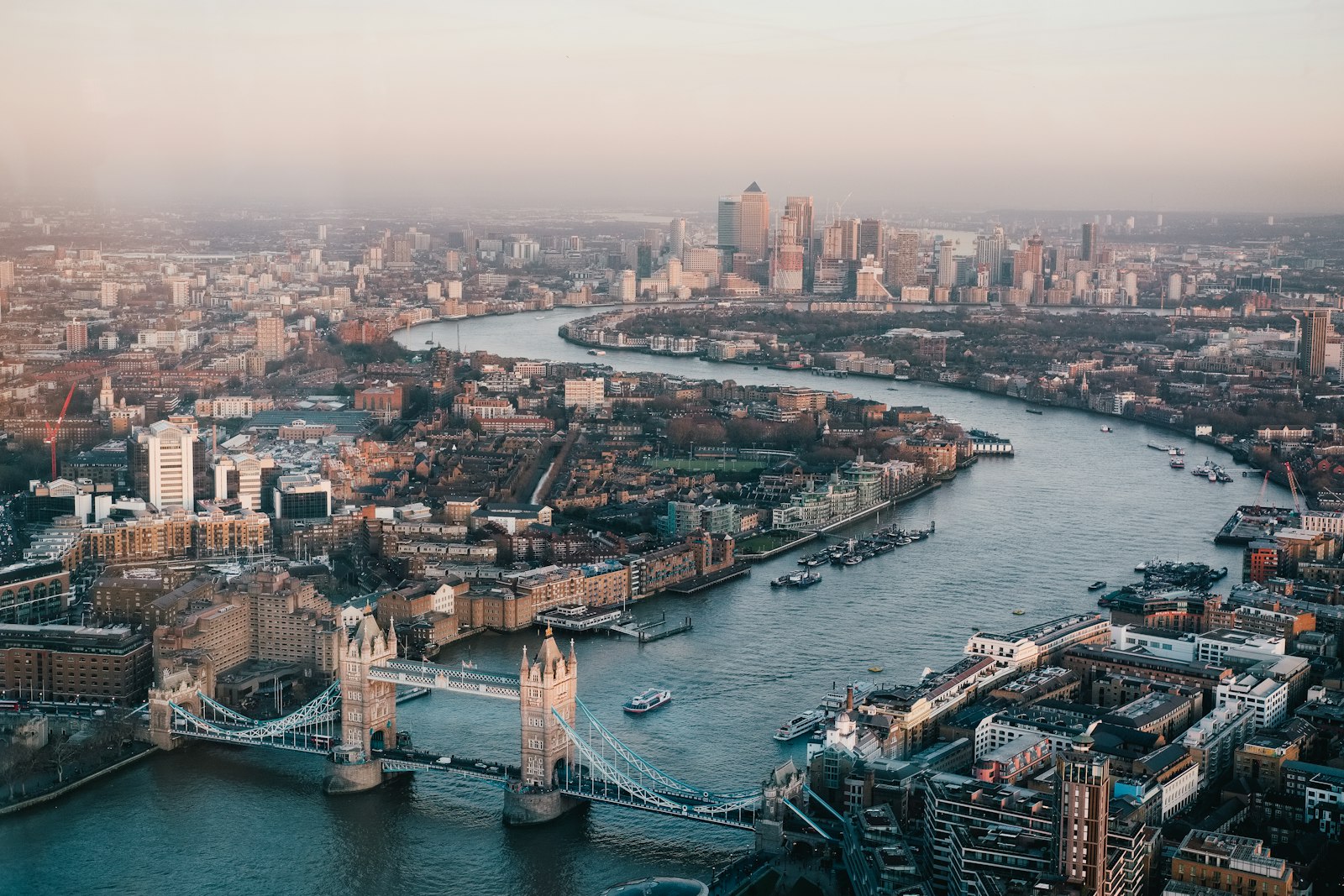
London Hotel & West End Masterclass: Saving on Zone 1-2 Transit & Unlocking Historic Boutique Stays
A strategic guide to beating London's sky-high hotel rates and transit costs with Zone 1-2 boundary hubs, West End lottery seats, and zero-DCC booking.
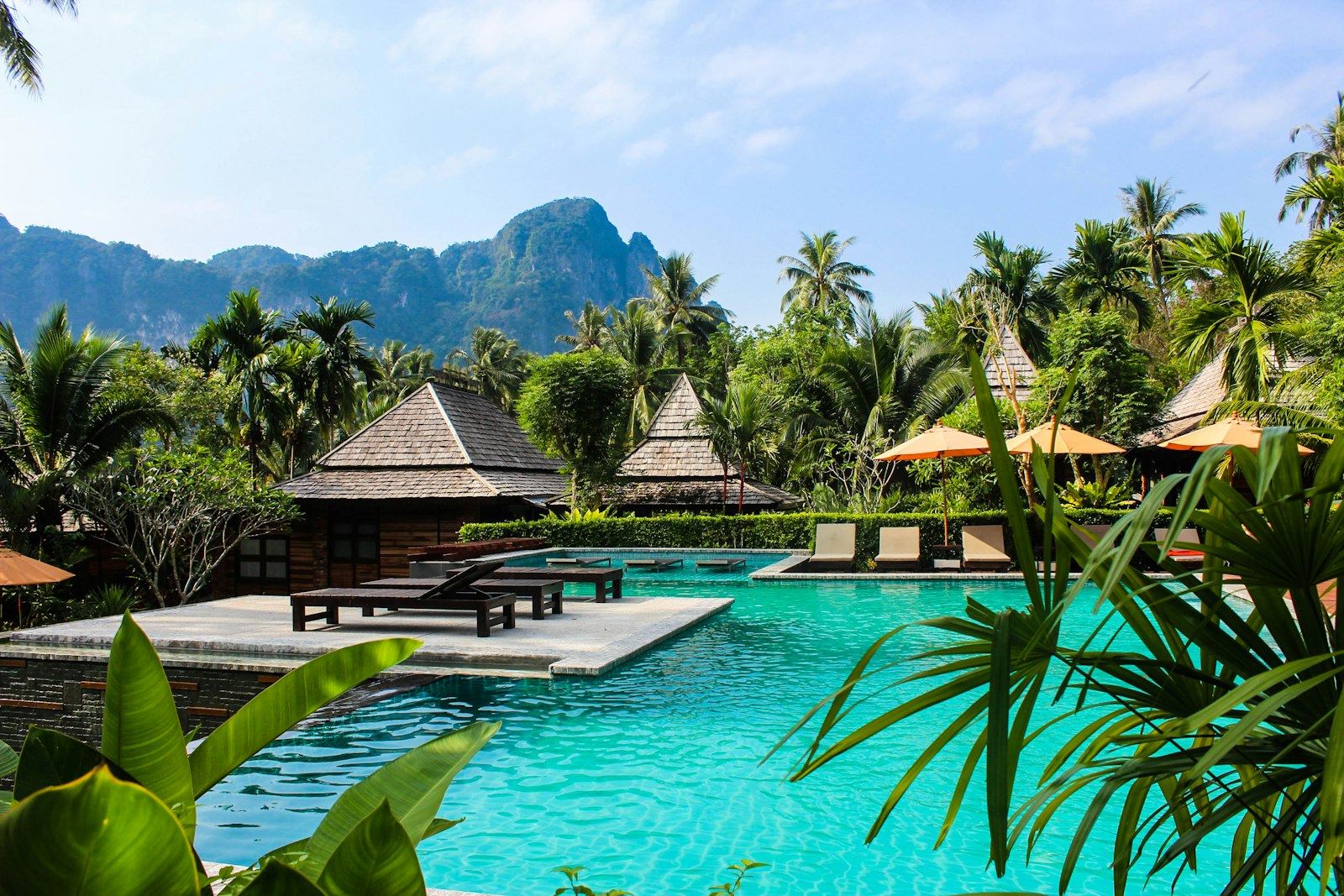
Danang & Hoi An 5-Star Beachfront Playbook: Private Pool Villas at 30% Off & My Khe Beach Gems
An insider resort guide breaking down My Khe Beach vs Non Nuoc vs Hoi An stays, pool villa early-bird bookings, and VND zero-fee currency tricks.

Rome & Florence Historic Stays: Navigating ZTL Traps & Choosing Termini vs Navona Hubs
Comparing Termini station convenience with historic Pantheon and Navona luxury, plus critical advice on Italy's mandatory municipal city tax.

The Barcelona Booking Playbook: How to Secure Eixample Boutique Stays for Less
An insider guide comparing Eixample vs Gothic Quarter hotels, calculating Catalonia tourist taxes, and saving 3-5% with direct EUR payments.
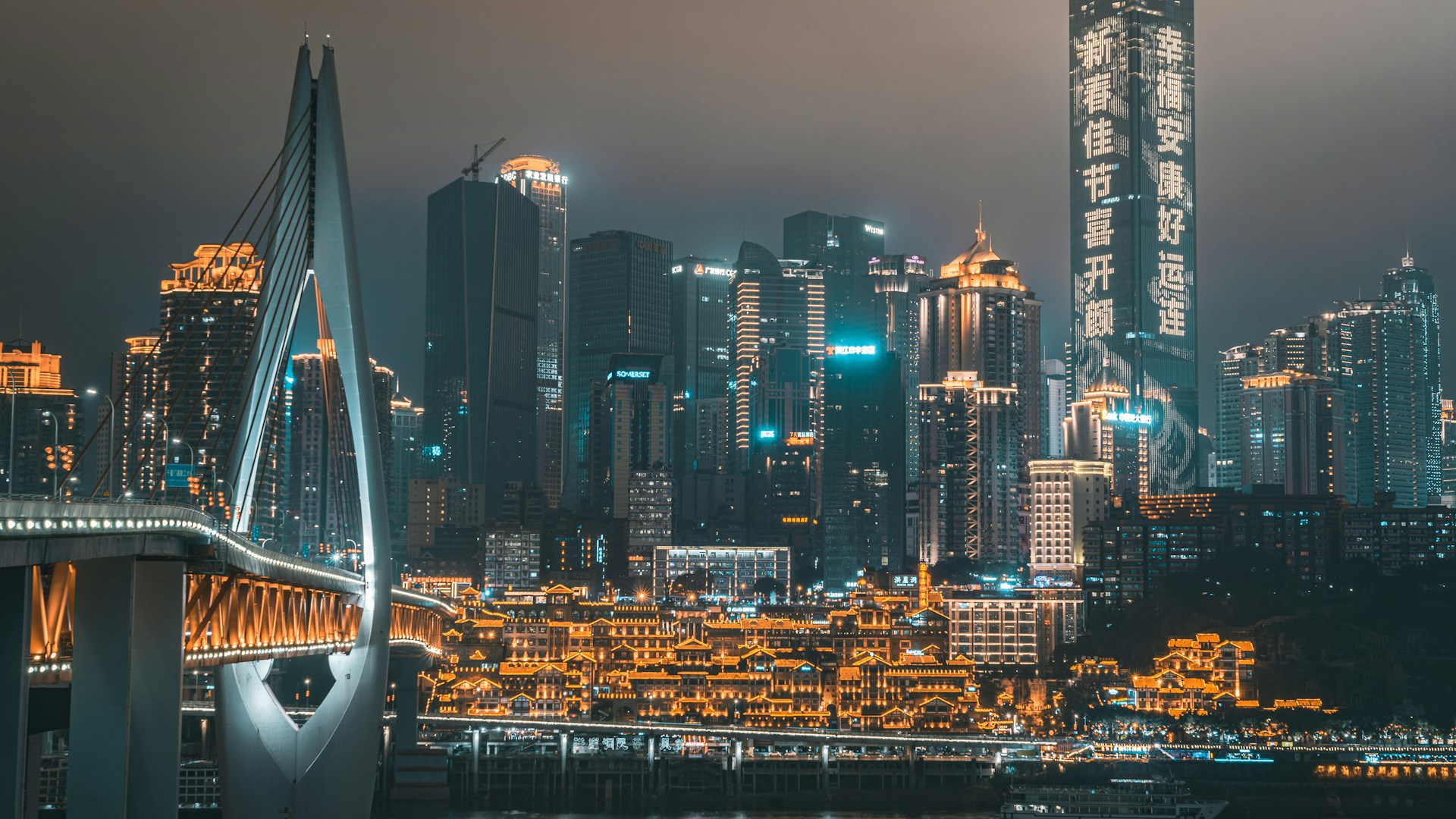
The Chongqing 8D Cyberpunk Playbook: 5-Star River Views for $50 a Night
An insider playbook covering Hongyadong and Jiefangbei lodging hubs, scoring $40-60 high-floor river view suites, and mastering Alipay and Didi navigation across 3D terrain.

The 72-Hour Shanghai Red-Eye Playbook: The Bund Skyline vs French Concession Boutiques
An insider guide comparing The Bund vs French Concession stays, optimized weekend itineraries, handling hotel Yajin security deposits, and mobile transit hacks.

The Sapporo Winter Playbook: Hot Spring Bath Stays for $80 and Biei Tour Logistics
An insider guide comparing Sapporo Station vs Susukino stays, scoring central hotels with natural hot spring onsens, and navigating New Chitose airport snow contingencies.
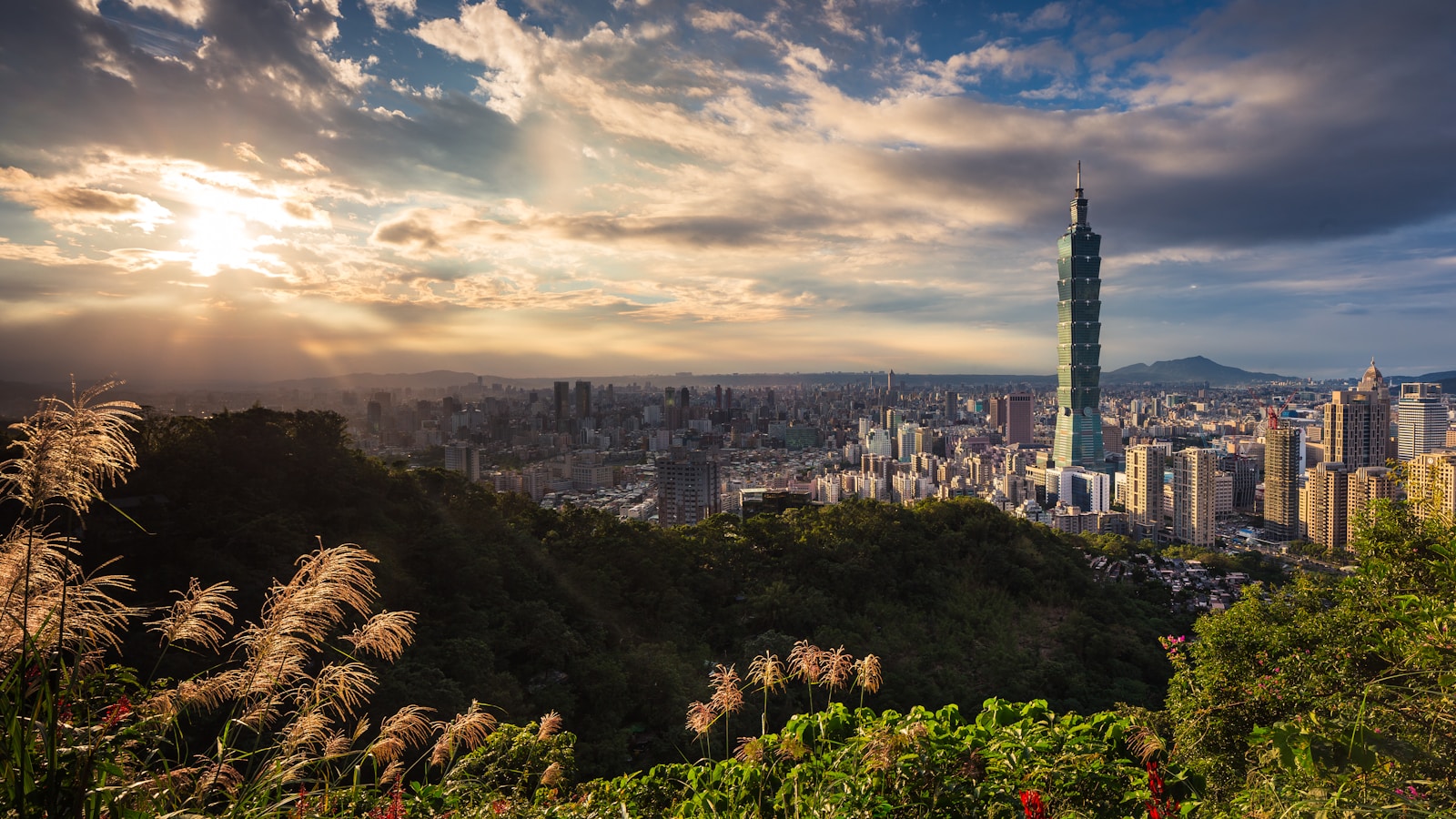
The 72-Hour Taipei Playbook: 5,000 TWD Lucky Draws and Ximending Boutique Deals
An insider guide comparing Ximending vs Taipei Main Station, utilizing Taiwan 5,000 TWD Lucky Land hotel vouchers, and saving 3-5% on direct TWD bookings.

Chiang Mai Nomad Playbook: 3rd-Wave Roasteries and $45 Boutique Havens
Comparing Nimman and Old City hubs, unlocking hidden Agoda long-stay discounts, mastering GLN QR mobile payments, and navigating Bolt mobility across Chiang Mai.

Nha Trang Cam Ranh Playbook: 5-Star Private Pool Villas for $100 a Night
Comparing Cam Ranh resort sanctuaries and downtown Nha Trang, securing $100-150 five-star private villas, and mastering private airport shuttles and Grab logistics.

The Yufuin Ryokan Blueprint: Open-Air Onsen and Scenic Forest Train Hacks
Mastering the 30-day advance Yufuin no Mori train seat release, comparing Yunotsubo vs. Okuyufuin lodging, and unlocking the best half-board kaiseki ryokan rates.