
Route 58 Ocean Highway and Onna Luxury Coves: A Tactical Driving and Resort Guide to Okinawa
Evading the 60-minute Naha rental bus queue, dodging hidden 2,000 yen nightly resort parking fees, and mastering the split-stay strategy from city monorail to Onna reef suites.
Roll Down the Windows at Mile Marker 58: Salty Spray, Cicadas, and Cobalt Horizons
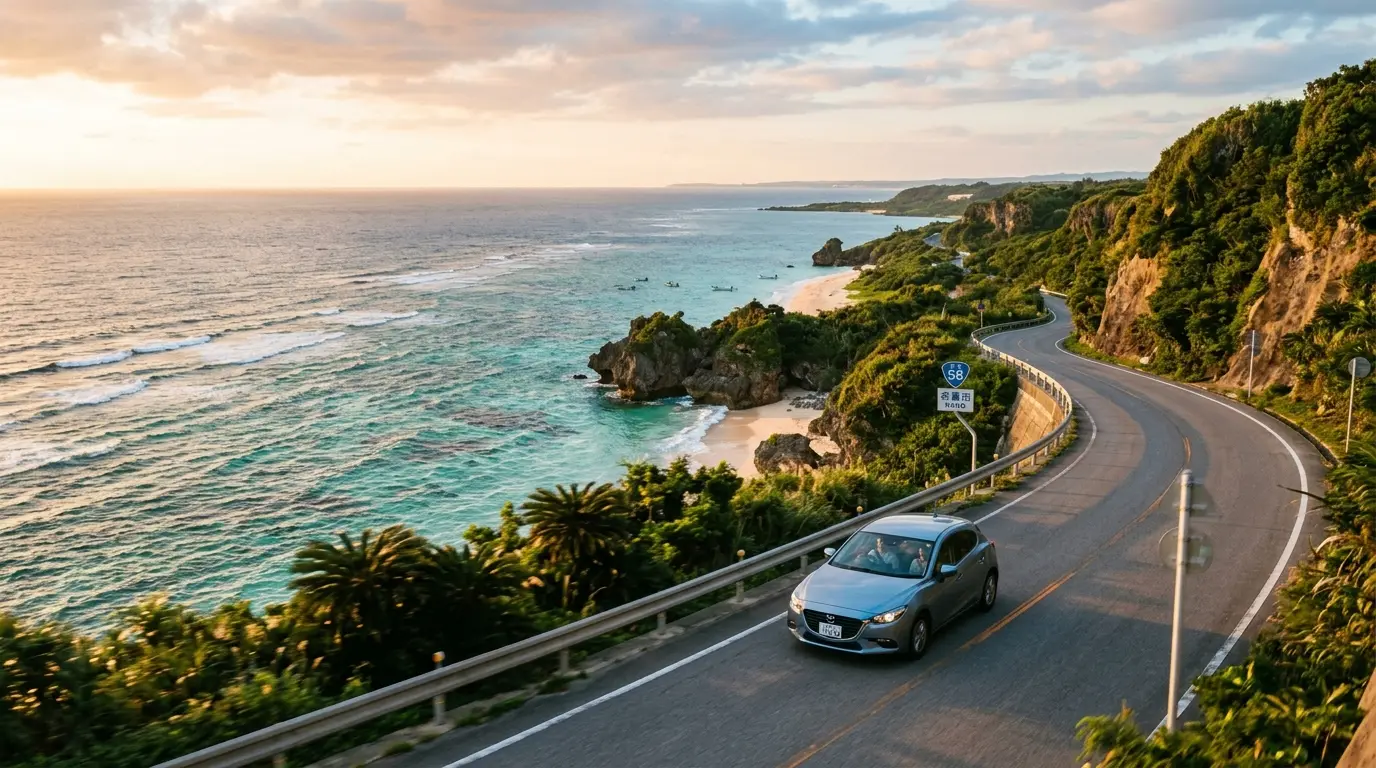
At twenty past three in the afternoon, pulling out of the Naha car rental depot and merging onto Route 58, you drop both front windows completely. A blast of thirty-degree subtropical air floods the cabin, carrying the salty tang of the East China Sea and the relentless drone of cicadas echoing through coastal pines.
To your left, a shifting gradient of reef colors unfurls from pale milky jade over inner shallows to deep cobalt beyond the breaker line. The frantic pace of mainland Japan dissolves into the slow, sun-drenched cadence of the Ryukyu archipelago the moment your tires hit coastal asphalt.
Yet beneath this tropical postcard lies real logistical friction that trips up first-time drivers: hour-long airport shuttle bottlenecks, 2,000 yen nightly resort parking traps, and hidden foreign card markups that quietly inflate your getaway expenses if left unchecked.
The 50-Minute Rental Shuttle Bottleneck and the First-Night City Pivot
The single most common tactical misstep travelers make in Okinawa is attempting to pick up a rental car immediately upon touch down at Naha Airport.
The ground-floor shuttle zone resembles a crowded terminal in itself, with hundreds of families standing under humid subtropical heat waiting for depot minibuses. Between queueing, the 15-minute transfer to off-airport industrial zones, contract paperwork, and vehicle inspection, two valuable vacation hours evaporate before you touch a steering wheel.
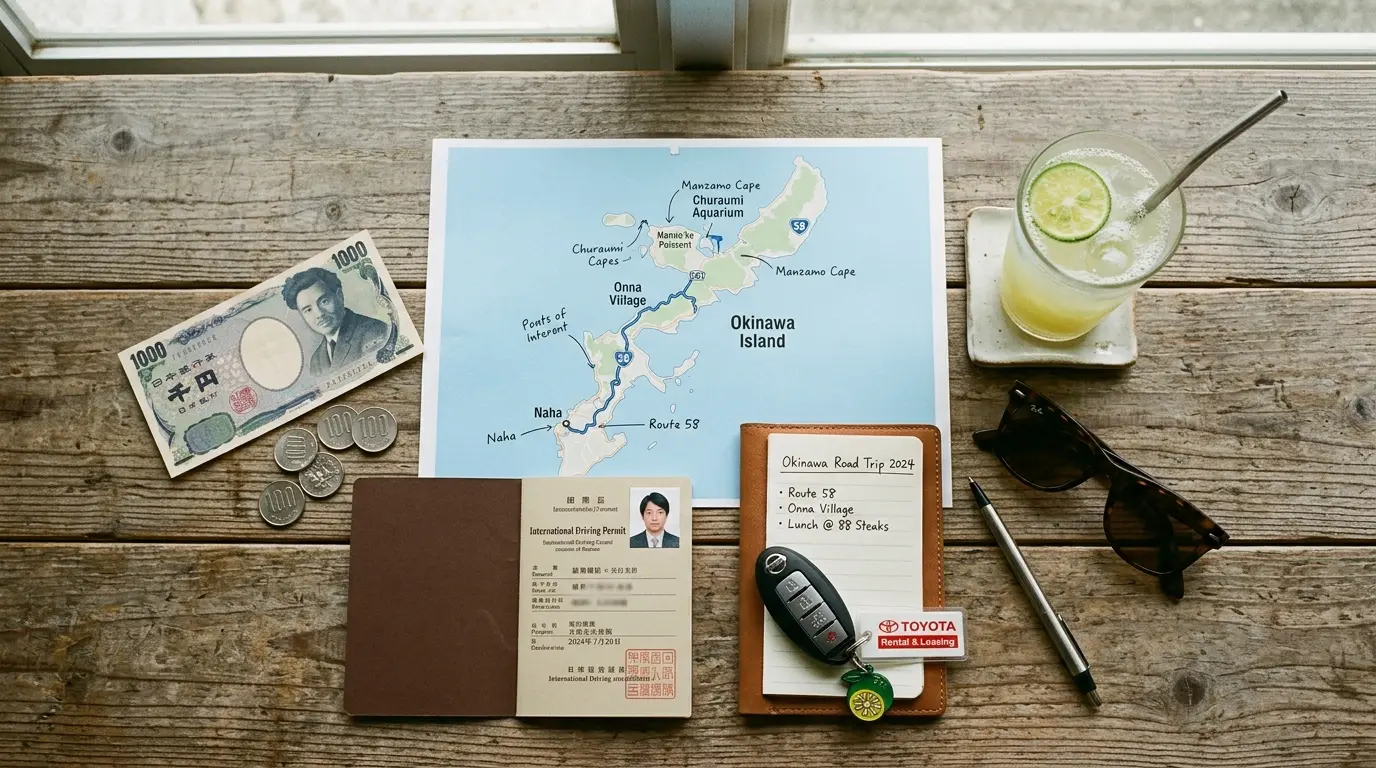
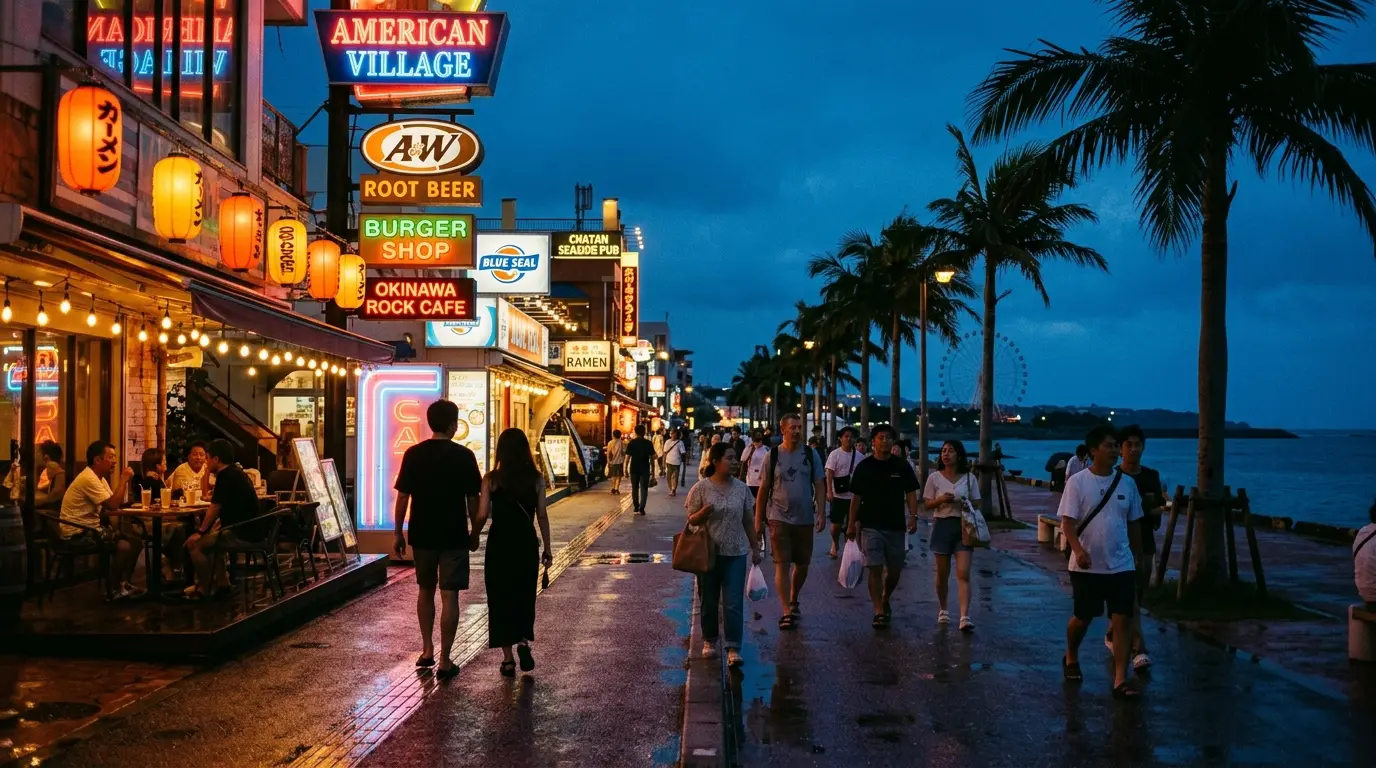
The seasoned traveler playbook executes a split-stay strategy: ride the Yui Rail monorail from the airport directly to Asahibashi or Kencho-mae in just 15 minutes, check into an affordable city hotel, and spend day one exploring the lantern-lit alleys of Makishi Public Market with cold Orion draft beer. The following morning at 9 AM, collect your rental car from a quiet downtown branch in under five minutes and cruise north unobstructed.
The 2,000 Yen Nightly Parking Surcharge and Partial Oceanview Optical Illusions
When auditing luxury oceanfront resorts in Onna Village and Chatan, scrutiny must fall on ancillary fees, particularly parking overhead.
Unlike Japanese traditional hot spring ryokans or Southeast Asian seaside retreats, major Okinawa resort properties routinely charge guests between 1,500 and 2,500 yen per night purely to park their vehicle on resort grounds. Across a four-night stay, this adds up to an unexpected 10,000 yen checkout levy. Always verify whether parking is bundled or billed separately before committing.
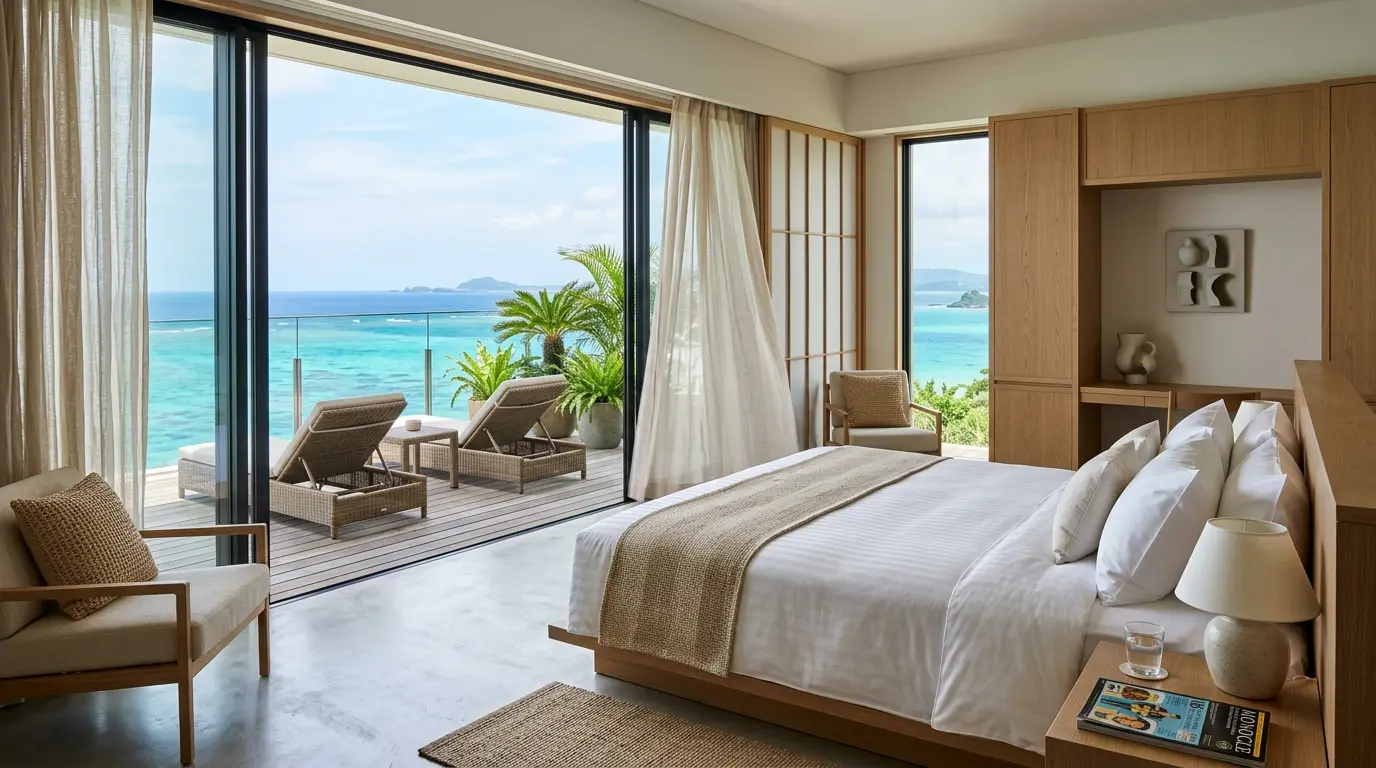
Furthermore, beware the marketing euphemism of 'Partial Ocean View.' In many coastal properties, this translates to pressing your face against the balcony railing to glimpse a distant slice of water over parking garages. Paying a modest $25 nightly premium for a guaranteed high-floor 'Ocean Front' terrace is the single best investment for restorative island downtime.
The 4% DCC Surcharge Trap and Riding the 10-Day Cancellation Wave
Booking Okinawa accommodations via international OTAs like Agoda requires strict currency hygiene to avoid the notorious Dynamic Currency Conversion (DCC) fee.
Always ensure the billing currency is locked to Japanese Yen (JPY) and settle payments using fee-free multi-currency cards. Allowing platforms to charge your home currency incurs a hidden 3 to 5 percent exchange markup, quietly wasting $40 to $60 across a typical family resort itinerary.
Additionally, Okinawa's resort calendar experiences massive cancellation waves seven to ten days prior to check-in, driven by shifting typhoon forecasts and airline schedule changes. Securing a free-cancellation safety booking months in advance and auditing rates via Tripdify's issuer channels ten days out often unlocks sudden 20 percent markdown opportunities.

ETC Toll Card Logistics, Tollbooth Cash Pockets, and Island Fuel Protocol
- Secure an ETC Toll Card at Pickup: Spending 330 yen to rent an electronic toll card with your vehicle saves immense frustration. Traversing the Okinawa Expressway from Naha to Kyoda IC allows you to glide through dedicated 20 km/h ETC gantries while cash lanes queue up under the midday sun.
- Keep Physical Yen Notes and Coins in the Glovebox: Venturing into northern Yanbaru forests, Bise Fukugi tree lanes, and beach coin showers requires cash. Keep at least 10,000 yen in small notes and 100-yen coins in your console, as automated beach barriers and rural fruit stands reject cards.
- Retain Your Final Gas Station Receipt: Okinawa rental agencies enforce strict full-to-full fuel policies. Fleet attendants will physically inspect the printed timestamp and liter receipt from an approved station within 5 km of the return depot, so keep the slip clipped to the sun visor.
The Smart Traveler's Essential Toolkit
Prepare instant mobile data, private airport transfers, and skip-the-line passes in one place.
Pick a base in Okinawa by your route
Choose the places you want to see and get the neighbourhood with the shortest travel.
Compare Okinawa Hotel Rates
Find the cheapest channel across Agoda and major booking engines with Tripdify.
Recommended Guides
The Tokyo Insider's Booking Playbook: 5 Secrets to 4-Star Stays for 20% Less
A comprehensive guide on booking Tokyo boutique hotels for less using channel comparisons, avoiding DCC currency fees, and timing free cancellations.
Haussmann Balconies and Twilight Over the Seine: A Discerning Guide to Parisian Boutique Hotels
Arrondissement safety breakdowns, understanding mandatory local city taxes, and unlocking curated Left and Right bank boutique stays.

Between Ubud Jungles and Uluwatu Cliffs: Securing Private Bali Pool Villas for Half the Peak Price
Smart 2+2 split stays across Ubud and Uluwatu, avoiding currency conversion markups, and getting real value from luxury pool estates.
Base in Osaka and Commute, or Wake Up on Kyoto's Kamo River?
Why splitting short Kansai trips across multiple hotels exhausts travelers, navigating Haruka vs. Rapi:t airport rail lines, and choosing between Umeda hubs and Gion alleys.

The 10-Second Global Hotel Rate Audit: Defeating Checkout Price Hikes and Currency Spreads
An investigative playbook uncovering why OTA final totals escalate, how desktop bank partner links consistently beat mobile app rates, and the exact local-currency checklist to stop hidden fees.

Outsmarting Manhattan's $50 Resort Fees: How to Claim Brooklyn & LIC Skyline Panoramas
An insider playbook on avoiding notorious $40-$65/night check-in amenity fees and leveraging transit-rich Long Island City and Brooklyn hubs for panoramic Manhattan skyline views.
The Bangkok Luxury Hotel Playbook: Riverside Grandeur and Rooftop Pools Under $150
Comparing riverside and BTS shopping hubs, hacking executive club dining packages, and locking in pure THB settlement to dodge costly DCC card spreads.
Victorian Mews and River Thames Skylines: A Discerning Guide to London's Zone 1-2 Stays and West End Days
A strategic guide to beating London's sky-high hotel rates with Zone 1-2 boundary hubs, contactless fare caps, and West End day seats.
Danang and Hoi An Luxury Beachfronts: Securing 30% Off Private Pool Villas
A strategic breakdown of My Khe, Non Nuoc, and Hoi An lodging hubs, locking in 60-day early-bird villa rates, and mastering VND zero-markup payments.

Tiber Twilight and Cobblestone Corridors: Conquering Rome's Historic Stays and ZTL Traps
Comparing Termini station transit convenience with historic Pantheon and Navona luxury, plus critical advice on Italy's mandatory city tax.
The Fukuoka Insider Booking Guide: 5 Rules for 4-Star Stays in Tenjin & Hakata
A complete guide comparing Hakata Station vs Tenjin hotel zones, avoiding DCC currency markup with JPY payments, and handling local accommodation taxes.

Gaudí's Skylines and Mediterranean Twilights: A Connoisseur's Guide to Barcelona's Eixample Stays
Comparing Eixample, the Gothic Quarter, and coastal Poblenou, deconstructing local tourist taxes, and managing strict Gaudí ticketing rules.

Navigating Chongqing 8D Cyberpunk Labyrinth and Scoring $50 Riverfront Suites
A field guide to mastering vertical geography, comparing Jiefangbei and Nanbin Road riverfront bases, eliminating transaction fees via Alipay, and navigating 3D hills with Didi ride-hailing.

Friday Night in Shanghai: 100 Minutes to the Glowing Bund Skyline
Comparing Bund riverview suites vs. Wukang Road heritage villas, evading checkout Yajin security deposit card holds, and mobile transit hacks.

How to Avoid Dragging Frozen Suitcases Through Minus-Ten Sapporo
An insider guide to heated underground walkways, securing 7:30 AM Biei snow tour departures at Sapporo Station, and evading New Chitose airport blizzard traps.
Dodging Taipei's Windowless Rooms: The Weekend Red-Eye Playbook
Comparing Ximending boutiques against Taipei Main Station hubs, stacking Taiwan's 5,000 TWD Lucky Land draw at front desks, and dodging credit card DCC surcharges.

Living Slow in Chiang Mai: 3rd-Wave Roasteries and $45 Boutique Havens
Comparing Nimman and Old City living hubs, unlocking automatic Agoda weekly stay markdowns, and mastering PromptPay QR with Bolt transit across northern Thailand.

Nha Trang Cam Ranh Playbook: Securing $100 Private Oceanfront Pool Villas
Comparing Cam Ranh resort sanctuaries and downtown Nha Trang, locking in 45-day early-bird rates on luxury villas, and mastering private transfers with Grab safety rules.
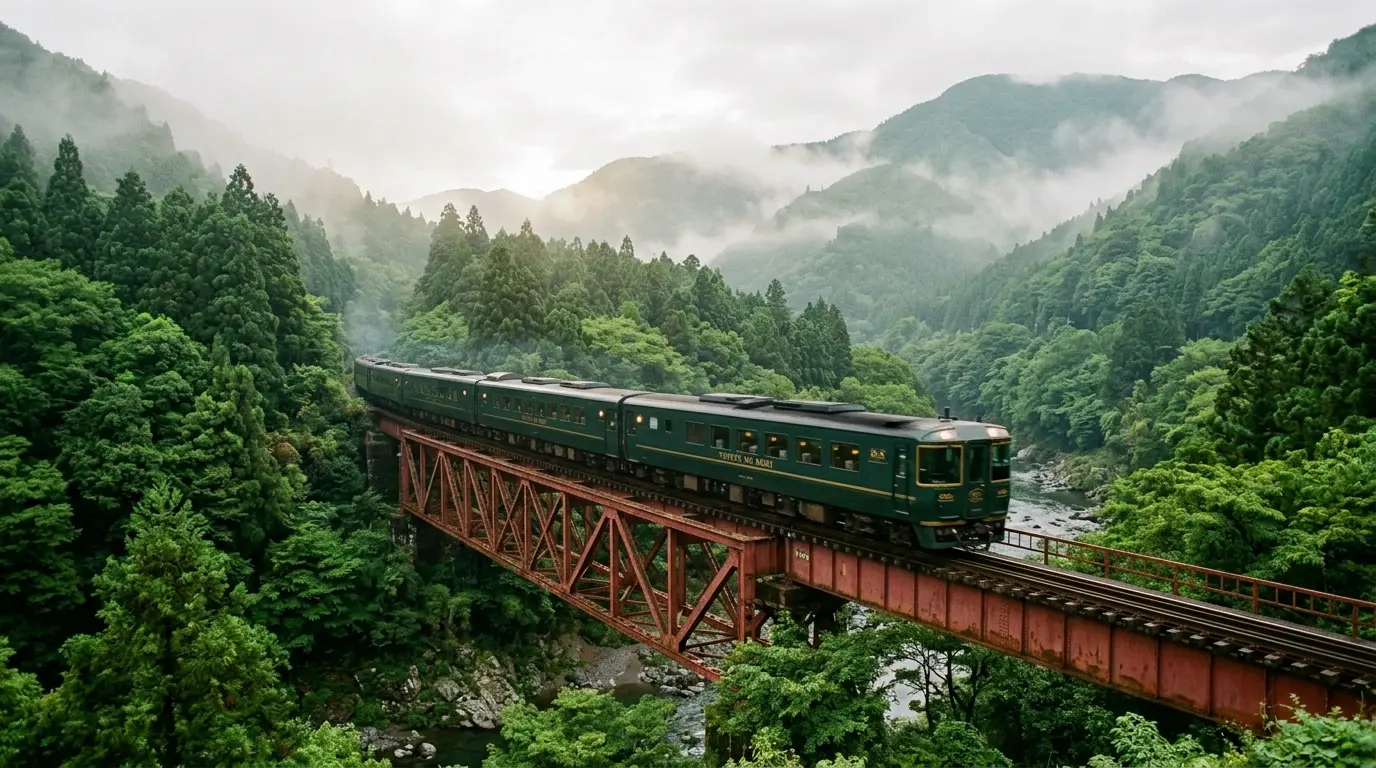
Leaving Hakata for the Misty Foothills of Mount Yufu
How to lock in Car 1 panoramic seats on the Yufuin no Mori, comparing Lake Kinrin vs. Okuyufuin valleys, and optimizing kaiseki half-board packages.
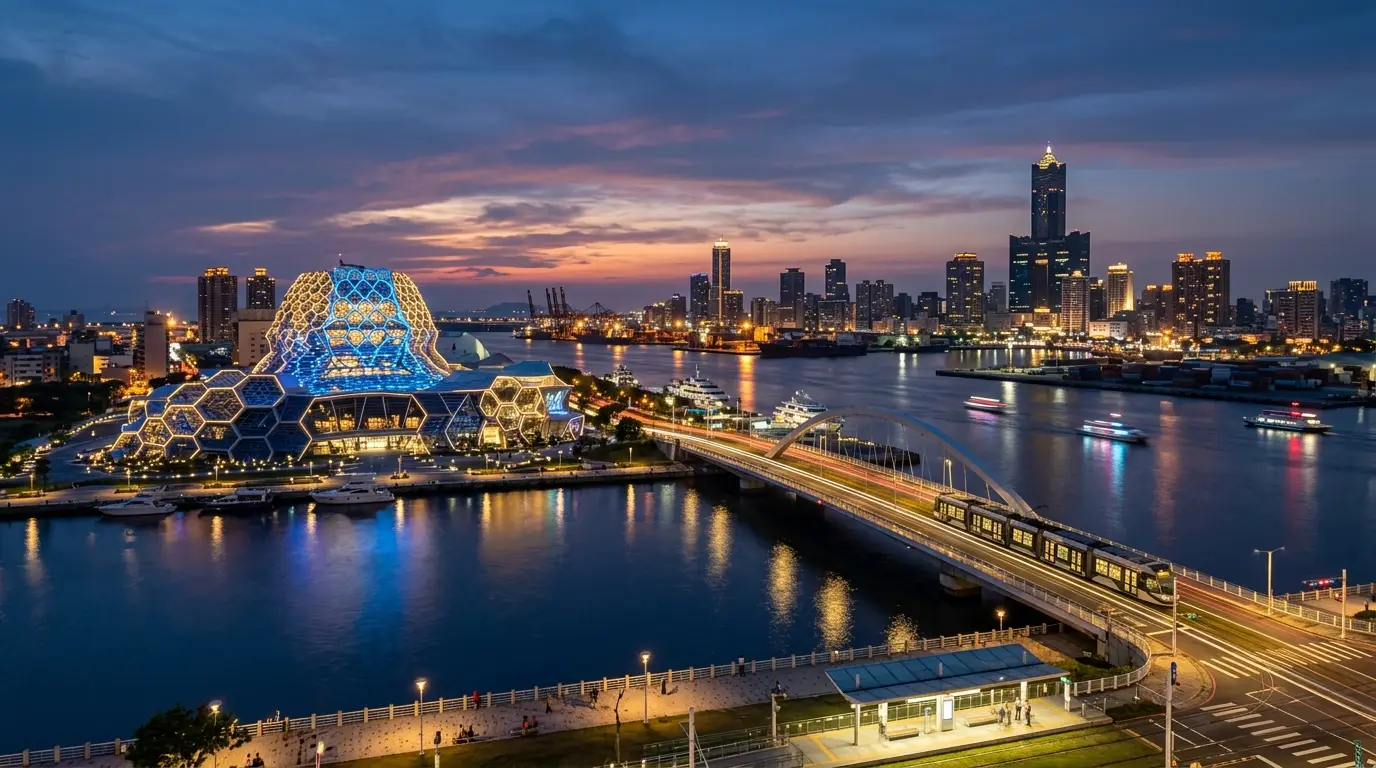
Ditching Taipei's Drizzle for Southern Sunshine in Ninety Minutes
How to unlock the foreigner-exclusive THSR buy-one-get-one bullet train deal, comparing Pier-2 vs. Formosa Boulevard, and scoring $45 design harbor suites.

Chasing Kota Kinabalu World-Class Sunsets: $100 Oceanfront Sanctuaries and Firefly Rivers
An insider guide comparing Tanjung Aru and Sutera Harbour enclaves, claiming front-row sunset perches, booking mangrove firefly boats, and mastering Ringgit currency rules.

Under the Infinite Vault of Central Asian Stars: A Tactical 6-Day Overland Guide to Mongolia's Gobi Steppe
Soviet Furgons vs. modern 4WDs, auditing traditional gers against heated glamping lodges, and cutting expedition costs by 50% via group assembly.