
The Top 5 Japan Tax-Free Shopping Traps: Consumables Seal Breaches, Department Store 1.55% Fees, and Customs QR Audits
From combined general and consumable packing rules to checking liquid duty-free goods with airline baggage agents
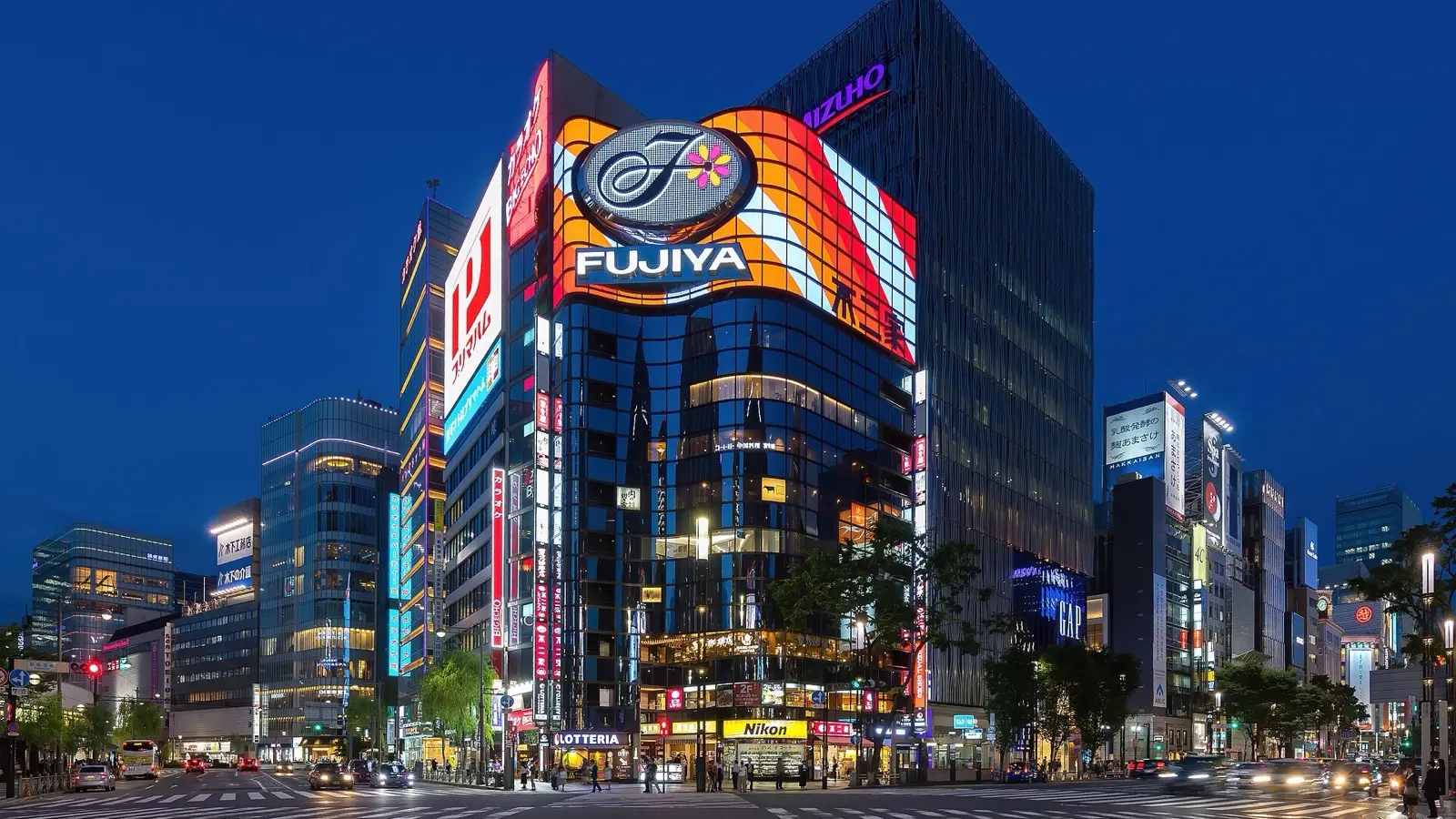
Strict Separation of General and Consumable Goods: The 5,000 Yen Rule and Security Seals
Shopping is an essential pleasure of visiting Japan, but the country's tax-free exemption system carries stringent tax regulations and coordinated customs monitoring. As of 2026, Japan's consumption tax stands at ten percent, and qualifying for tax exemption requires spending at least 5,000 yen excluding tax (5,500 yen including tax) at a single shop on the same calendar day.
The most common point of confusion among travelers is the strict legal boundary between general goods (electronics, clothing, shoes, bags, luxury apparel) and consumable items (confectionery, packaged ramen, cosmetics, health supplements, alcohol). While general goods can be legally unpacked and worn or used inside Japan, consumables are exempted on the strict condition that they leave the country unopened, sealed inside designated plastic bags with red security tape.
What happens if you buy a 3,000-yen shirt and 2,500-yen worth of snacks in the same store to cross the 5,000-yen minimum? In this combined purchase scenario, the shirt forfeits its status as a general good and is classified as a consumable, sealed tightly in the tamper-evident bag until you clear international departures.
Opening the bag inside your hotel to wear the shirt or splitting packages to save suitcase room constitutes an immediate violation of Japanese tax law. If selected during customs screening at departure, you will be required to pay the full ten percent consumption tax on the spot. Items you plan to wear or consume during your stay must always be paid for separately with regular tax.
The Department Store 1.55% Handling Fee Trap vs Instant Retailer Deductions
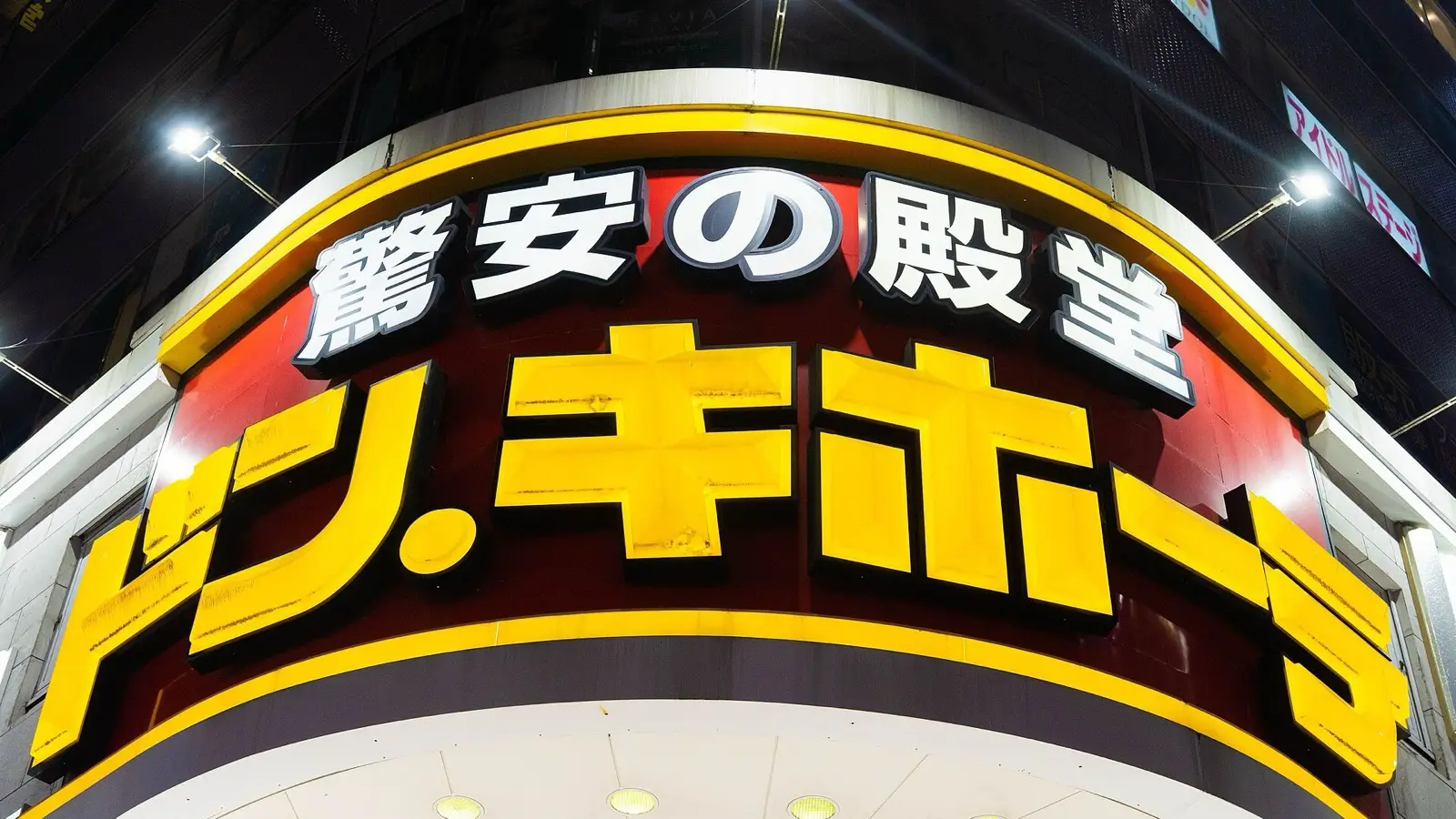
When purchasing luxury goods at prestigious department stores in Ginza, Shinjuku, or Nihombashi, travelers who scrutinize their receipts often notice an unexpected discrepancy. Rather than receiving the full ten percent tax rebate, the customer service refund counter deducts a 1.55 percent handling fee, leaving an effective refund of only 8.45 percent.
This administrative deduction is standard practice across member stores of the Japan Department Stores Association, silently siphoning substantial sums on high-ticket luxury designer items. In contrast, major discount retailers such as Don Quijote, Matsumoto Kiyoshi, and Bic Camera apply direct tax exemption at the register, subtracting the full ten percent immediately from your invoice.
When combined with promotional tourist coupon discounts ranging from five to seven percent, your actual savings at standalone retailers can climb as high as fifteen to seventeen percent. If a flagship boutique and a department store concession sit on the same avenue, purchasing directly from the standalone boutique without handling fees yields substantially more value.
Furthermore, claiming tax refunds at department stores requires presenting paper receipts, physical payment cards, and passports at the centralized counter before the store closes on the purchase day, with zero retroactive processing permitted on subsequent dates.
The Visit Japan Web Tax-Free QR Reality and Physical Passport Requirements
Japan's Digital Agency introduced a digital tax-free QR code feature within the Visit Japan Web portal to streamline tourist shopping. The initiative aimed to let visitors display a mobile screen barcode instead of handing over their physical travel document at retail registers across the country.
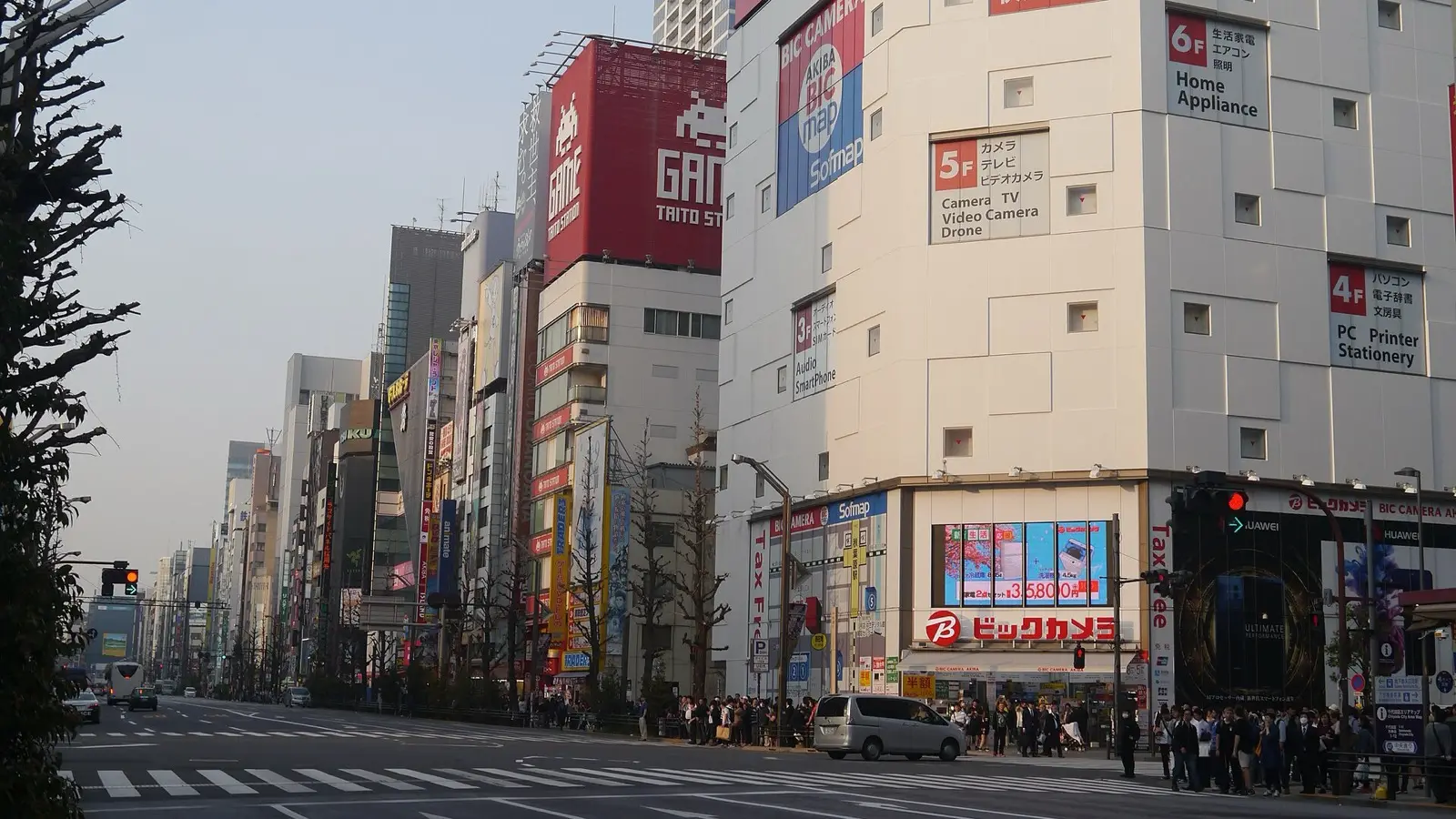
However, real-world retail infrastructure across Tokyo and Osaka remains noticeably fragmented. Outside of select electronics giants like Bic Camera and designated convenience chains, the vast majority of local boutiques, pharmacies, and specialty shops lack 2D barcode scanners and still require reading the physical IC chip inside your passport.
Paper photocopies and smartphone photos of your passport are universally rejected under Japanese National Tax Agency guidelines. Travelers who leave their passports in hotel safety deposit boxes routinely find themselves forced to abandon shopping carts loaded with thousands of yen in merchandise.
Always carry your original, undamaged physical passport when shopping in Japan. Furthermore, if you use automated facial recognition e-gates upon entering the country without receiving the physical temporary visitor landing sticker, retail tax systems cannot verify your status, resulting in complete denial of tax exemptions.
Airport Customs Electronic Terminals and Checking Liquid Duty-Free Items
Since April 2020, all tax-free purchase data throughout Japan has been synchronized in real time with National Tax Agency cloud servers. The moment a cashier scans your passport, transaction records and itemized manifests transmit directly to customs databases at Narita, Haneda, and Kansai airports.
Under standard regulations, duty-free items must be carried as cabin baggage so that customs officers stationed after security screening can inspect physical goods upon request. In response to commercial reselling abuse, customs authorities have stepped up random and targeted physical audits for passengers flagged with high spending totals.
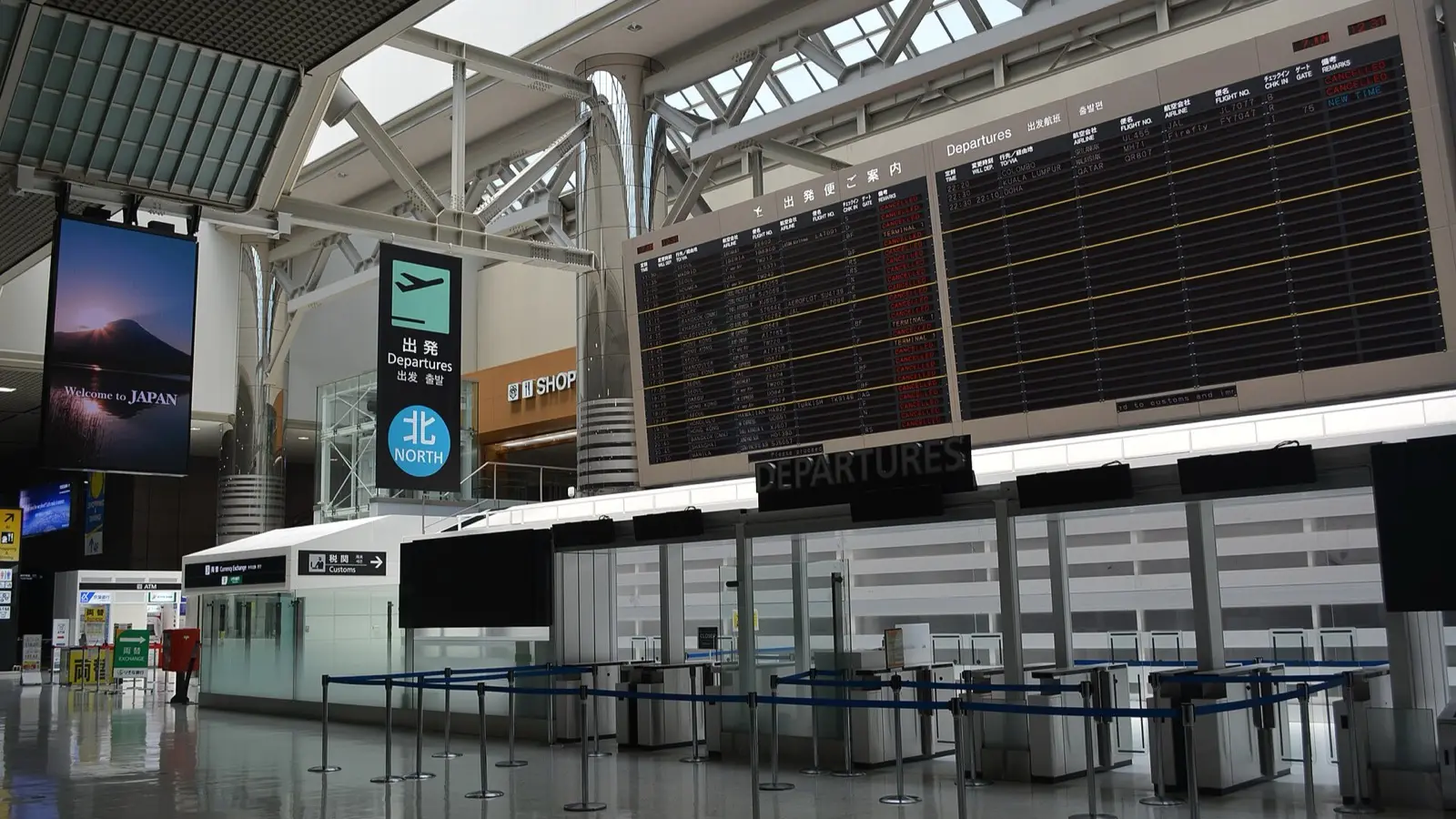
A major conflict arises with liquid tax-free items exceeding 100ml, including skincare toners, sunscreen lotions, sake, and Japanese whisky, which are strictly prohibited in carry-on luggage under international aviation security rules. To reconcile this, airport departure desks operate an official procedure for declaring tax-free liquids inside checked bags before security screening.
At airline check-in counters, present your luggage, request baggage tagging, and inform the agent that your suitcase contains duty-free liquids requiring customs verification. The agent will direct you to the adjacent customs desk where an officer scans your passport and confirms the luggage before it enters the automated conveyor system.
Credit Card Name Verification and Safe Unsealing Upon Return
The final hurdle at tax-free registers involves strict payment card matching rules. Under Japanese tax statutes, the English full name embossed on your physical credit or debit card must match the name in the presented passport down to the exact alphabet character.
Attempting to pay with a spouse's card while presenting your own passport, or using a parent's card for a student's purchase, triggers immediate system rejections. Each traveler in your group must carry their own dedicated payment card matching their personal identification documents.
When paying in cash, the passport holder must still be physically present at the register, as proxy purchases on behalf of third parties are strictly prohibited. Always retain paper purchase receipts inside your wallet until you touch down in your home country, providing vital backup evidence should airport cloud records fail.
Only after your return flight takes off and crosses out of Japanese airspace are you legally permitted to break the red security tape on consumable bags. Unpacking your treasures at home ensures total compliance and guarantees a smooth, penalty-free conclusion to your journey.
Frequently Asked Questions
Field-tested answers to transit navigation, neighborhood choices, and payment traps.
Q1.Will Japanese customs really charge me 10% tax if I open duty-free bags inside Japan?
Q2.Can I combine general goods and consumables to meet the 5,000 yen tax-free threshold?
Q3.Can I present a passport photocopy or smartphone picture to claim tax exemption?
Q4.How do I clear customs for liquid tax-free items like cosmetics or sake packed in checked luggage?
The Smart Traveler's Essential Toolkit
Prepare instant mobile data, private airport transfers, and skip-the-line passes in one place.
Pick a base in Tokyo by your route
Choose the places you want to see and get the neighbourhood with the shortest travel.
Compare Tokyo Hotel Rates
Find the cheapest channel across Agoda and major booking engines with Tripdify.
Share This Guide with Your Companions
When shared via chat or social media, a curated summary card is sent along.
Recommended Guides
Before Regretting a 13-Sqm Shoebox: The Tokyo 3-Zone and 14-Day Booking Playbook
Comparing room footprints across Shinjuku, Ginza, and Ueno, locking in sudden 14-day cancellation drops, and eliminating DCC fees with clean Yen checkout.

Tokyo Value Hotels Playbook: 7 Smart Yamanote Stays, Onsen Baths and OTA Rate Hacks
Even amid yen fluctuations, central Tokyo hotel rates have soared. Learn how to secure Yamanote loop line hotels at half the price of Shinjuku, compare onsen bath chains like Dormy Inn, trigger secret Agoda VIP and Booking.com Genius discounts, and dodge hidden currency fees with yen settlement.
Tokyo Transit Survival Blueprint: Airport Rail Hacks, Metro Pass Math, and Yamanote Hubs
How to choose between Keisei Skyliner and Narita Express, avoid the Tokyo Subway Ticket trap, use Apple Wallet Suica, and select the ideal hotel base in Tokyo.
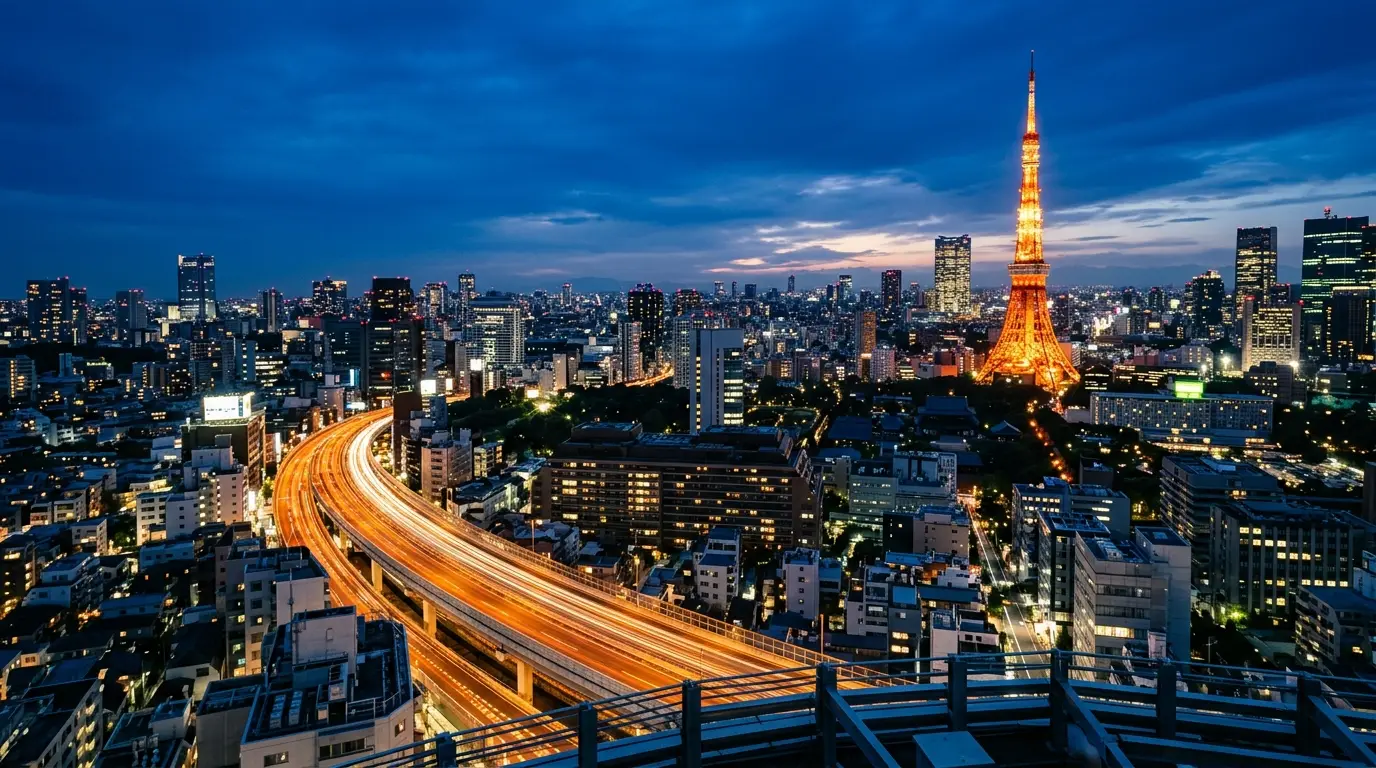
Tokyo Day 1 Arrival Blueprint: Narita Skyliner, Frictionless Ramen, and 24-Hour Settlement
From stepping off at Narita Airport to mastering high-speed trains, navigating Tokyo's sprawling transit hubs, ordering counter ramen effortlessly, and catching sunset from Roppongi Hills. A definitive guide for your first 24 hours in Tokyo.
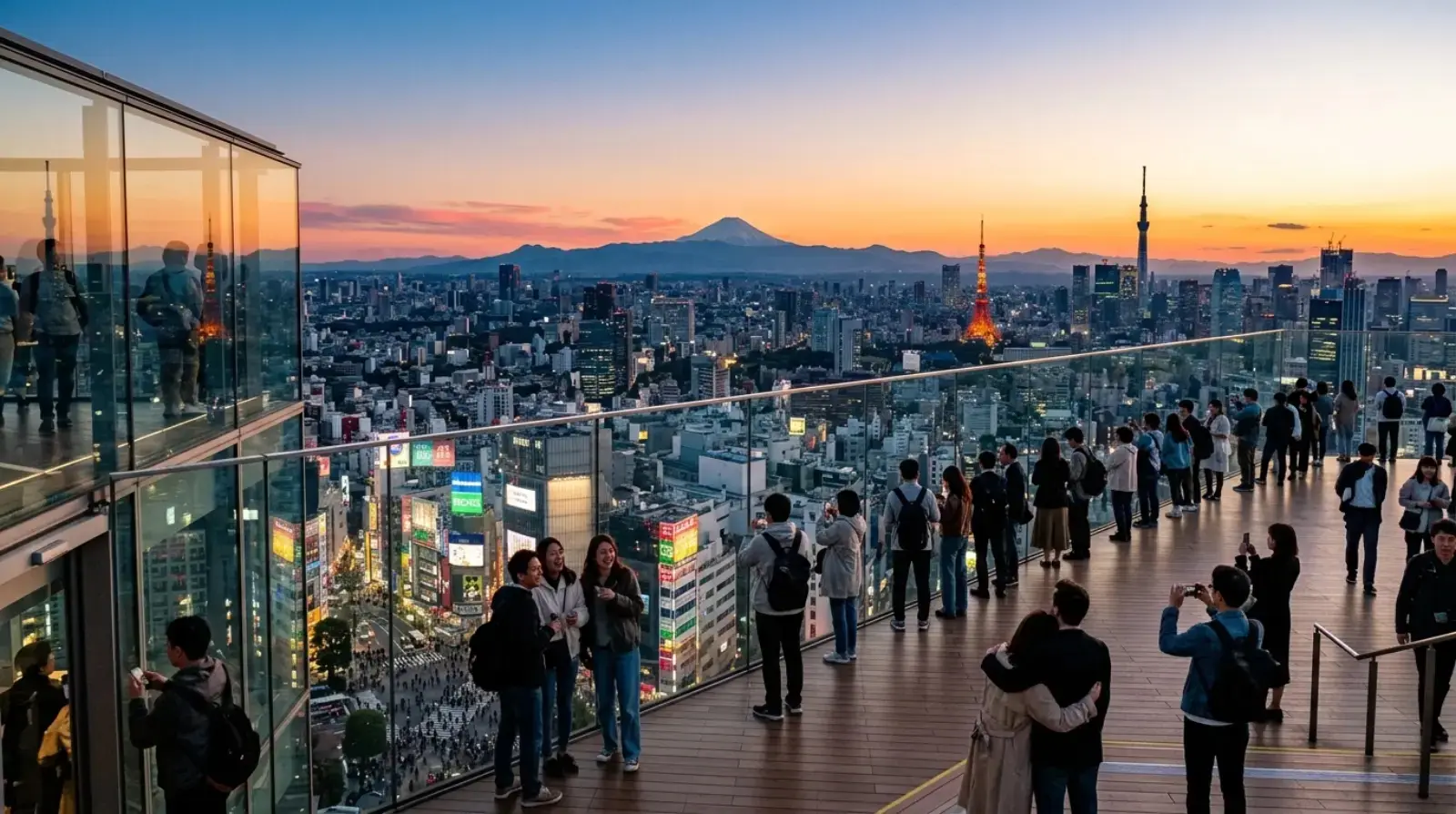
Tokyo Day 2 Iconic Sights Playbook: Shibuya Sky Sunset Booking, Harajuku Alleys, and Roppongi Nightscapes
Securing prime sunset slots atop Shibuya Sky, navigating hidden boutiques along Harajuku Cat Street, immersing in the forested serenity of Meiji Jingu, and marveling at the crimson glow of Tokyo Tower from Roppongi Hills. A masterclass in Day 2 pacing.
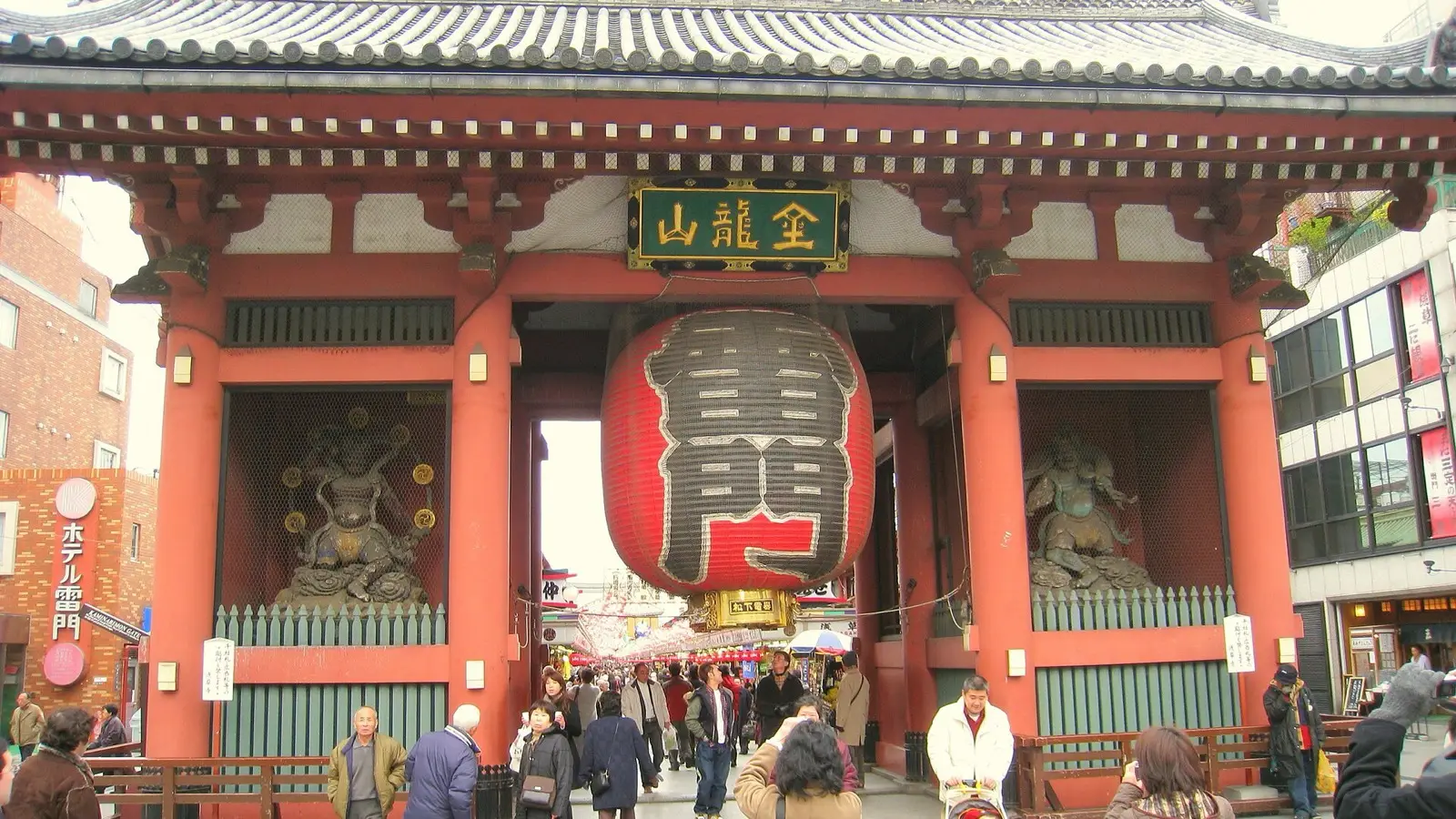
Tokyo Day 3: Asakusa Heritage, Akihabara Pulse, Ginza Depachika, and Seamless Airport Departure
The ultimate finale for your Tokyo stay: tranquil morning worship at Sensoji, retro subculture in Akihabara, Ginza Six architectural rooftop views and basement depachika feasts, capped by seamless Skyliner and N'EX airport connections.
The 10-Second Global Hotel Rate Audit: Defeating Checkout Price Hikes and Currency Spreads
An investigative playbook uncovering why OTA final totals escalate, how desktop bank partner links consistently beat mobile app rates, and the exact local-currency checklist to stop hidden fees.
The Definitive Travel Data Blueprint: eSIM vs. Roaming vs. Local SIM vs. Pocket Wi-Fi
Never wait in line for physical SIM swaps or haul heavy battery packs again. From solo weekend getaways to multi-week family tours, here is how to pick the right mobile data setup without wasting money.
The Truth About Flight & Hotel Dynamic Pricing: Incognito Myths and Real Fare Defense
Does clearing cookies or going incognito actually save cash on flights and hotels? We pull back the curtain on airline revenue management engines, fare bucket mechanics, currency routing quirks, and the genuine mid-week price drop cycles that actually protect your travel wallet.
Osaka 72-Hour Feast: Dotonbori Canal Neon, Kuromon Market & Umeda Heights
Osaka is Japan culinary powerhouse where feasting is an art. Navigate Rapi:t airport transfers, Namba vs Umeda hotels, and street food corridors with veteran precision.
Kyoto Arashiyama & Gion Retreat: Historic Ryokans and Early Dawn Bamboo Groves
Kyoto compresses a millennium of Japanese aesthetic mastery. Discover how to evade bus congestion with private railways, master ryokan kaiseki booking windows, and savor early dawn stillness.
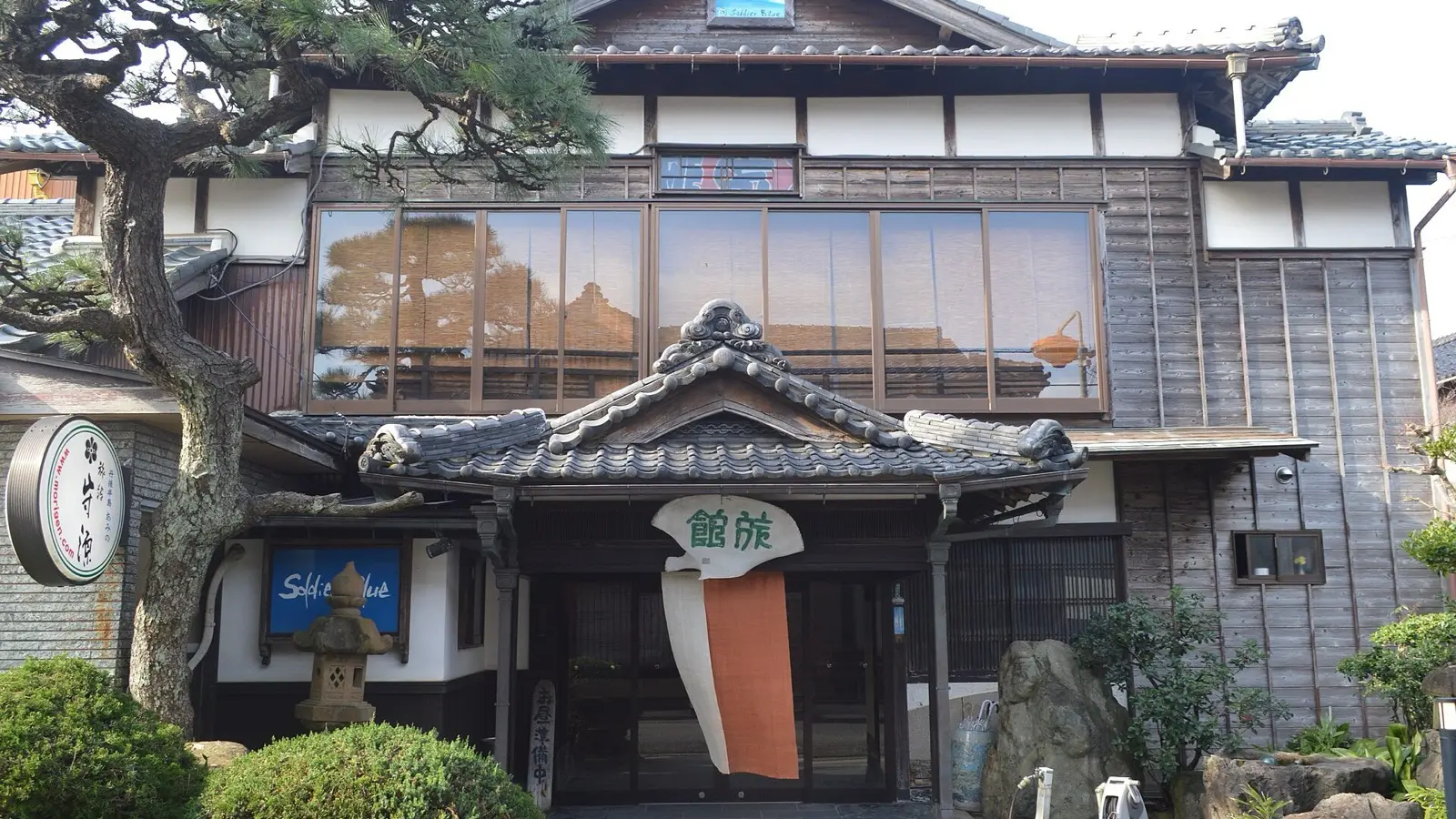
Kyoto Ryokan & Machiya Masterclass: Kaiseki Economics, Sukiya Timber, and Quiet Alleys
From hundred-year-old timber townhouses in Gion to misty Arashiyama riverside ryokan, staying in Kyoto demands cultural fluency and sharp booking discipline. An honest receipt audit covering kaiseki dinner curfews, private onsen etiquette, and avoiding dynamic pricing spikes.