
The Truth About Flight & Hotel Dynamic Pricing: Incognito Myths and Real Fare Defense
Does repeated searching really raise your price? Debunking myths and timing real fare drops
The Incognito & Cookie Myth: The Real Drivers of Fare Fluctuations
One of the most persistent travel myths shared across forums and social media is that you must always browse flights in incognito mode or clear your browser cookies. The narrative claims airline algorithms detect your repeated interest and artificially inflate the fare to trigger panic purchasing. Thousands of travelers diligently clear their browser caches before booking.
In reality, this assumption diverges significantly from modern airline revenue management systems. Airline pricing engines handle hundreds of millions of search queries daily across global distribution systems. Engineering a tracking mechanism to trace individual desktop cookies and deliver custom inflated prices for a single user is computationally expensive and legally precarious.
When you close a tab and reopen it to find the price jumped by fifty dollars, it was not caused by your cookies. It simply means another traveler across the globe completed payment on the final seat available in that specific fare bucket. Airline seats are sliced into narrow inventory classes designated by letter codes.
While incognito mode does not trigger magical fare discounts, it does prevent stale currency selections, outdated airport origins, and session glitches during checkout. Use it to keep your browsing session tidy, but never expect it to alter fundamental fare structures.

Inside Fare Buckets: Why That Fifty Dollar Fare Jump Actually Happened
The core mechanism behind airline ticket inventory is the fare bucket system. On a widebody aircraft with three hundred economy seats, seats are never sold under a single static price tag. Airline revenue algorithms segment those three hundred seats into distinct lettered buckets such as Q, V, W, T, and K months ahead of departure.
If the ultra-deep promotional Q bucket contains only fifteen seats, the moment someone confirms the fifteenth ticket, that bucket closes permanently. Your subsequent search query automatically pulls from the next higher V bucket, instantly displaying a higher total fare on your screen.
The reverse phenomenon occurs with equal frequency. When tour operators release unsold group blocks back into global reservation databases before deadline cutoffs, closed lower buckets suddenly reappear with inventory, causing sudden price drops that feel miraculous to observing travelers.
If traveling as a family or group of four, searching for four passengers simultaneously can backfire. If only two promotional seats remain, booking engines bump all four passengers into the next expensive fare tier. Split your bookings into individual searches to secure remaining bottom inventory.

VPN Myths and IP Routing: Protecting Against Currency Surcharges
The internet claim that switching your VPN location slashes airfares in half holds only partial validity. Certain regional domestic carriers in South America or Southeast Asia do offer preferential resident fares priced in local currencies on local domains for native domestic routes.
However, across major international corridors between Asia, Europe, and North America, engaging a VPN rarely produces dramatic discounts. Instead, using an offshore IP frequently triggers payment gateway fraud flags, automated booking cancellations, or cross-border billing mismatches.
Where actual financial divergence occurs is between your selected billing currency and card transaction surcharges. Global booking portals routinely default users into home currency charges based on geo-IP detection, imposing hidden dynamic currency conversion markups of three to five percent.
The superior defense is avoiding convoluted IP routing and strictly selecting the host airline's native operating currency or US Dollars. Pairing this with zero-markup multi-currency travel debit cards guarantees payment at clean baseline interbank rates.
Weekly Rhythms & Inventory Cycles: When Empty Seats Return to Market
Airlines and hotels operate under subtle rhythmic pricing cycles throughout the week. While the classic adage that Tuesday at 2 AM is universally cheapest has softened with autonomous algorithmic pricing, human revenue management routines still dictate tangible fare adjustments.
Major airline revenue teams analyze weekend booking trends on Monday evenings and push competitive tariff adjustments by Tuesday midday. Additionally, unconfirmed commercial wholesale reservations expire and return to inventory around midnight on Tuesday nights, creating brief windows of promotional fare availability.
Hotel inventories follow similar calendar pressure points. The fourteen-day, seven-day, and three-day marks before check-in represent major free-cancellation deadlines. As canceled guest rooms flood hotel property systems, managers deploy aggressive last-minute discounts to ensure baseline room occupancy.
Conversely, Friday evenings through Sunday nights experience peak consumer browsing traffic, where entry-level fare buckets sell out rapidly. Complete your itinerary research over the weekend, but execute actual ticket purchases during calm weekday mornings.

The Practical Checkout Checklist: Three Verifications Before Purchase
To safeguard your travel budget, execute three rigorous checks before clicking the final payment button. First, verify whether checked baggage allowances and seat selection are incorporated into the quoted price. An initial budget airline fare loses its economic advantage once standard fifteen-kilogram baggage charges are factored in.
Second, audit the checkout page for pre-selected ancillary charges. Travel portals regularly pre-check paid flight cancellation policies, premium SMS notifications, and priority boarding tiers. Deselecting these optional checkboxes preserves the authentic baseline ticket rate.
Third, verify that foreign currency blocking protections or multi-currency account linkages are functioning on your card. If local currency defaults misfire into domestic billings, transaction guard rails will reject the payment and protect you from unintended conversion fees.
Savvy travelers avoid wasting hours chasing folklore tips. By mastering inventory buckets, eliminating payment processing surcharges, and timing purchases during inventory release windows, you secure the best travel value without unnecessary friction.
Frequently Asked Questions
Field-tested answers to transit navigation, neighborhood choices, and payment traps.
Q1.Does searching flights in incognito mode genuinely save money?
Q2.Can you get cheaper flights by changing countries with a VPN?
Q3.What day of the week do flight prices actually drop?
Q4.What is the biggest hidden cost when booking flights online?
The Smart Traveler's Essential Toolkit
Prepare instant mobile data, private airport transfers, and skip-the-line passes in one place.
Pick a base in Tokyo by your route
Choose the places you want to see and get the neighbourhood with the shortest travel.
Compare Tokyo Hotel Rates
Find the cheapest channel across Agoda and major booking engines with Tripdify.
Share This Guide with Your Companions
When shared via chat or social media, a curated summary card is sent along.
Recommended Guides

Before Regretting a 13-Sqm Shoebox: The Tokyo 3-Zone and 14-Day Booking Playbook
Comparing room footprints across Shinjuku, Ginza, and Ueno, locking in sudden 14-day cancellation drops, and eliminating DCC fees with clean Yen checkout.

Tokyo Value Hotels Playbook: 7 Smart Yamanote Stays, Onsen Baths and OTA Rate Hacks
Even amid yen fluctuations, central Tokyo hotel rates have soared. Learn how to secure Yamanote loop line hotels at half the price of Shinjuku, compare onsen bath chains like Dormy Inn, trigger secret Agoda VIP and Booking.com Genius discounts, and dodge hidden currency fees with yen settlement.

Tokyo Transit Survival Blueprint: Airport Rail Hacks, Metro Pass Math, and Yamanote Hubs
How to choose between Keisei Skyliner and Narita Express, avoid the Tokyo Subway Ticket trap, use Apple Wallet Suica, and select the ideal hotel base in Tokyo.

Tokyo Day 1 Arrival Blueprint: Narita Skyliner, Frictionless Ramen, and 24-Hour Settlement
From stepping off at Narita Airport to mastering high-speed trains, navigating Tokyo's sprawling transit hubs, ordering counter ramen effortlessly, and catching sunset from Roppongi Hills. A definitive guide for your first 24 hours in Tokyo.

Tokyo Day 2 Iconic Sights Playbook: Shibuya Sky Sunset Booking, Harajuku Alleys, and Roppongi Nightscapes
Securing prime sunset slots atop Shibuya Sky, navigating hidden boutiques along Harajuku Cat Street, immersing in the forested serenity of Meiji Jingu, and marveling at the crimson glow of Tokyo Tower from Roppongi Hills. A masterclass in Day 2 pacing.

Tokyo Day 3: Asakusa Heritage, Akihabara Pulse, Ginza Depachika, and Seamless Airport Departure
The ultimate finale for your Tokyo stay: tranquil morning worship at Sensoji, retro subculture in Akihabara, Ginza Six architectural rooftop views and basement depachika feasts, capped by seamless Skyliner and N'EX airport connections.

The 10-Second Global Hotel Rate Audit: Defeating Checkout Price Hikes and Currency Spreads
An investigative playbook uncovering why OTA final totals escalate, how desktop bank partner links consistently beat mobile app rates, and the exact local-currency checklist to stop hidden fees.
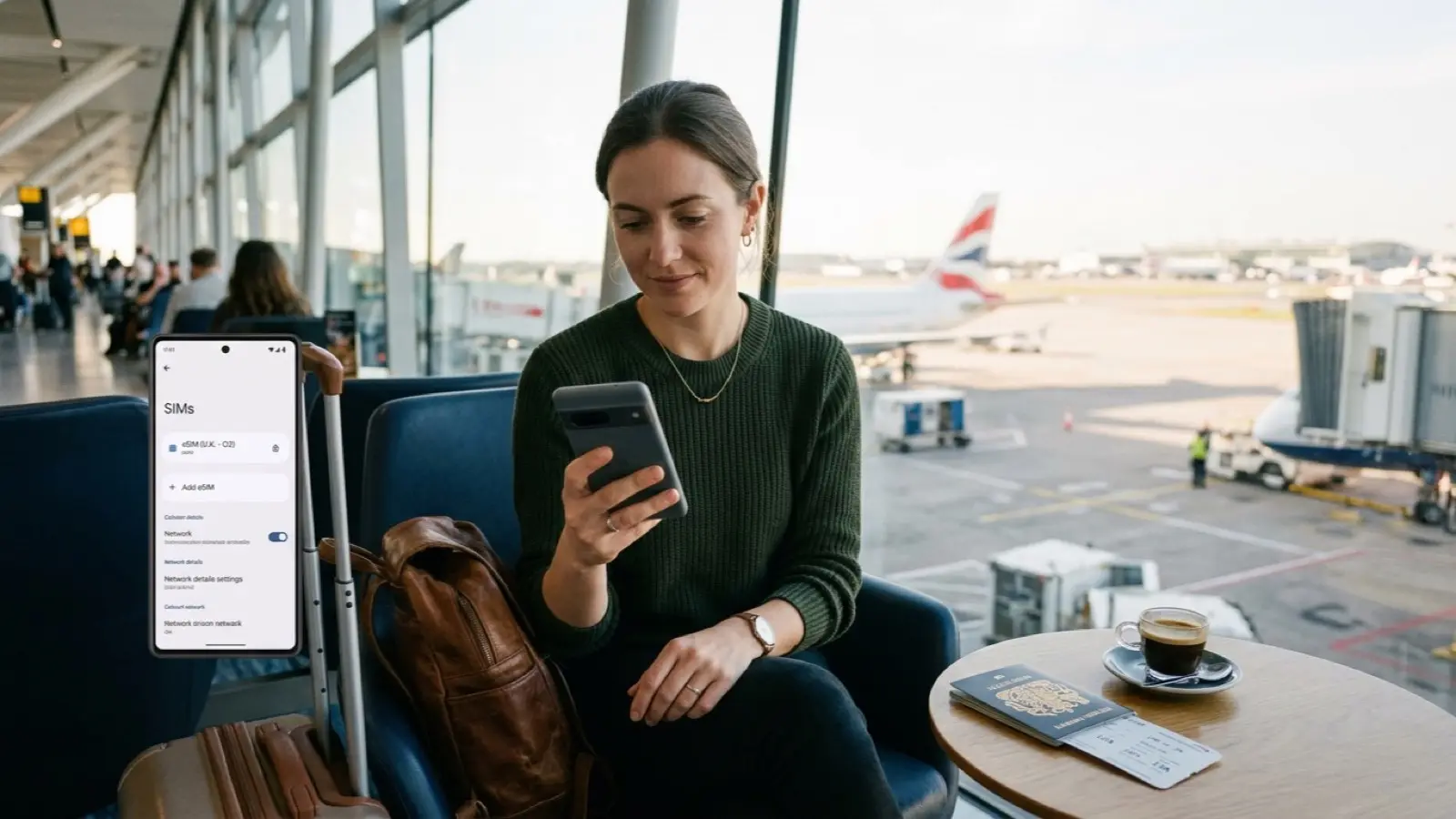
The Definitive Travel Data Blueprint: eSIM vs. Roaming vs. Local SIM vs. Pocket Wi-Fi
Never wait in line for physical SIM swaps or haul heavy battery packs again. From solo weekend getaways to multi-week family tours, here is how to pick the right mobile data setup without wasting money.
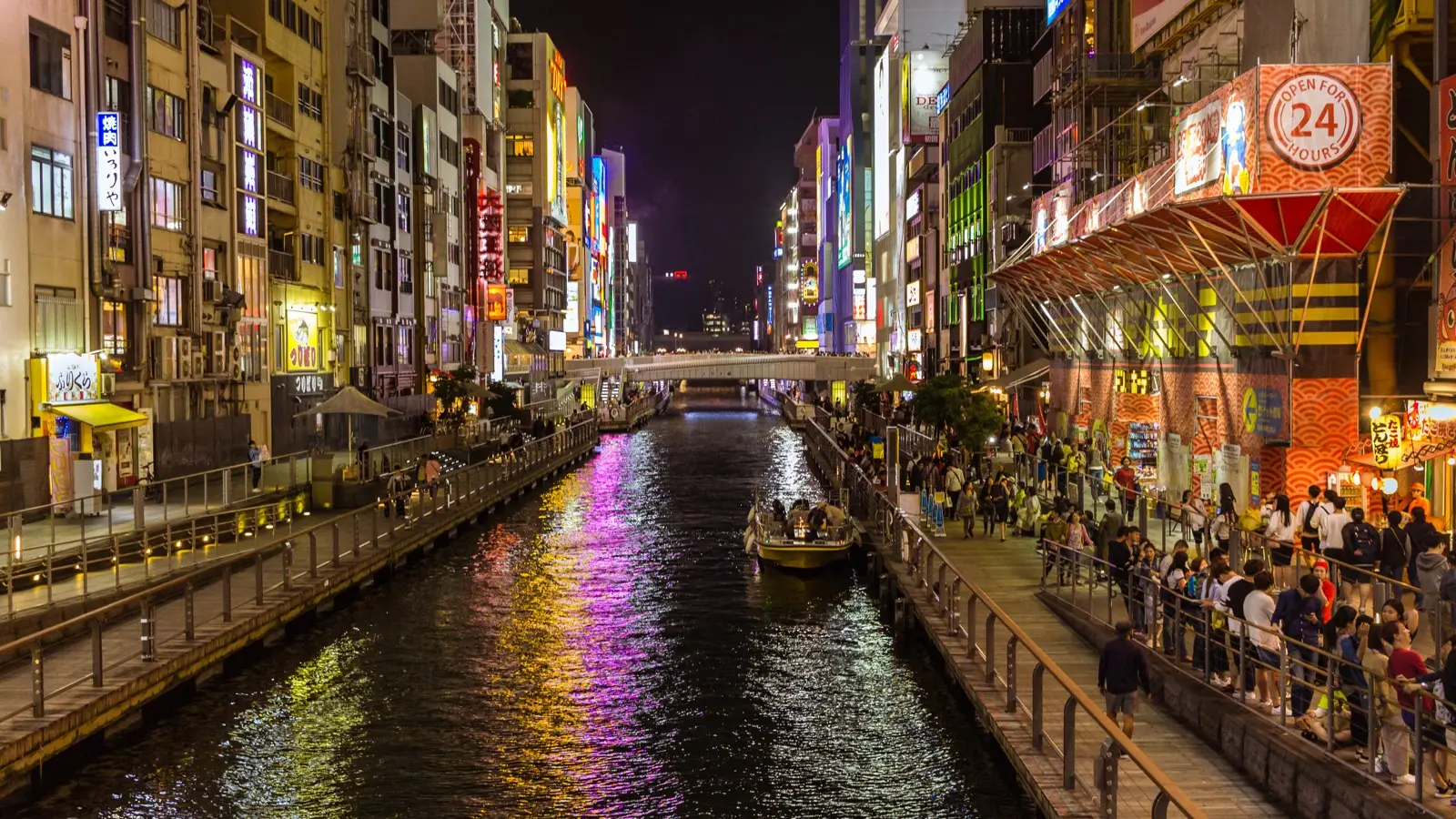
Osaka 72-Hour Feast: Dotonbori Canal Neon, Kuromon Market & Umeda Heights
Osaka is Japan culinary powerhouse where feasting is an art. Navigate Rapi:t airport transfers, Namba vs Umeda hotels, and street food corridors with veteran precision.

Kyoto Arashiyama & Gion Retreat: Historic Ryokans and Early Dawn Bamboo Groves
Kyoto compresses a millennium of Japanese aesthetic mastery. Discover how to evade bus congestion with private railways, master ryokan kaiseki booking windows, and savor early dawn stillness.
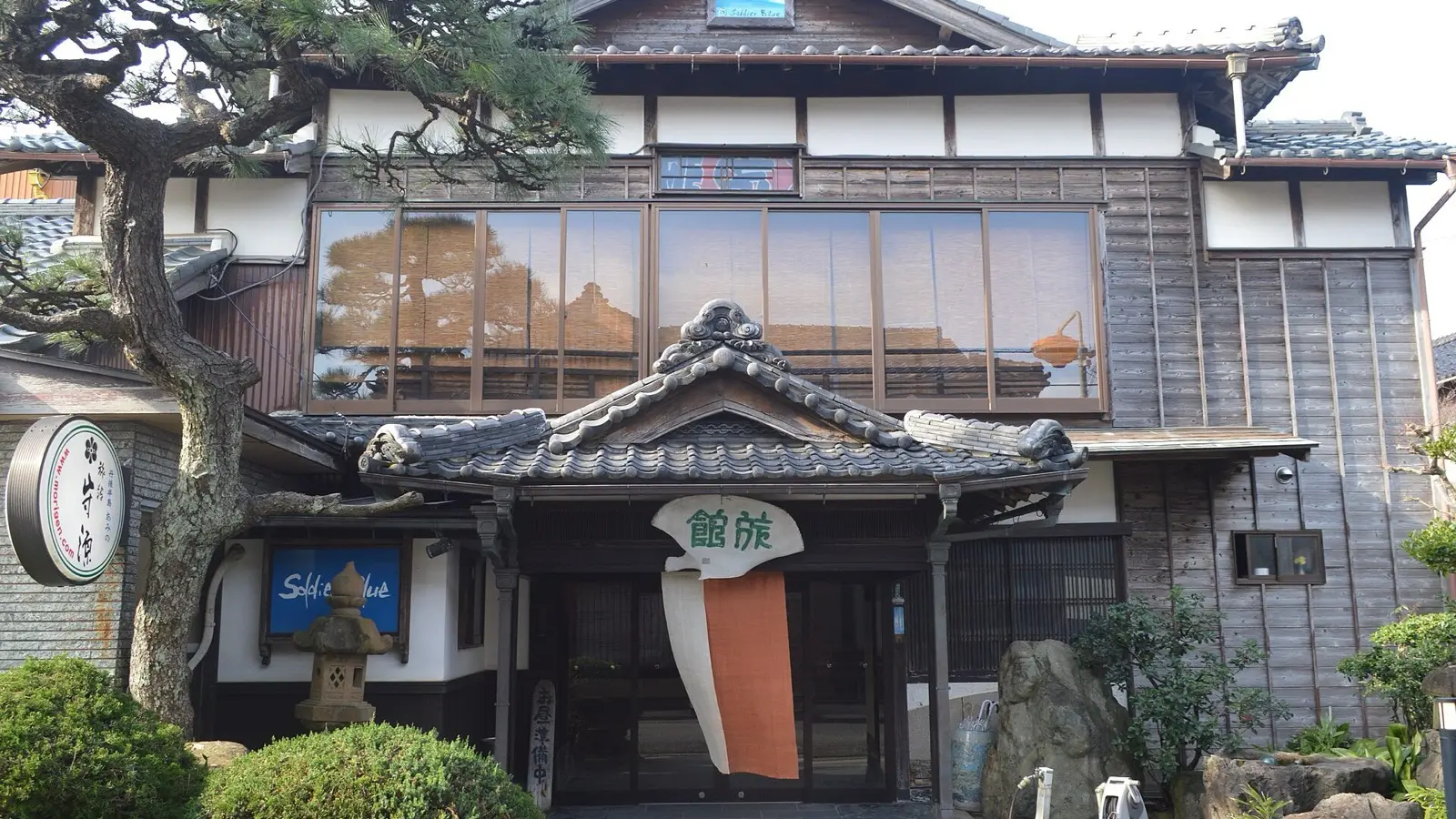
Kyoto Ryokan & Machiya Masterclass: Kaiseki Economics, Sukiya Timber, and Quiet Alleys
From hundred-year-old timber townhouses in Gion to misty Arashiyama riverside ryokan, staying in Kyoto demands cultural fluency and sharp booking discipline. An honest receipt audit covering kaiseki dinner curfews, private onsen etiquette, and avoiding dynamic pricing spikes.

Kyoto Day 1 Arrival Playbook: 75-Minute Haruka Express, Station Luggage Delivery, and Gion Twilight
Boarding the 75-minute Haruka Express from Kansai Airport, forwarding heavy bags straight to your hotel via Crosta at Kyoto Station, avoiding gridlocked buses using the subway, and an evening stroll through Gion to the Kamogawa. A field guide to your first 24 hours.