
Early Morning Walk along Kyoto's Philosopher's Path: From Ginkaku-ji to Nanzen-ji Suirokaku
A 2-kilometer reflective canal stroll tracing thatched temple gates and Roman brick arches
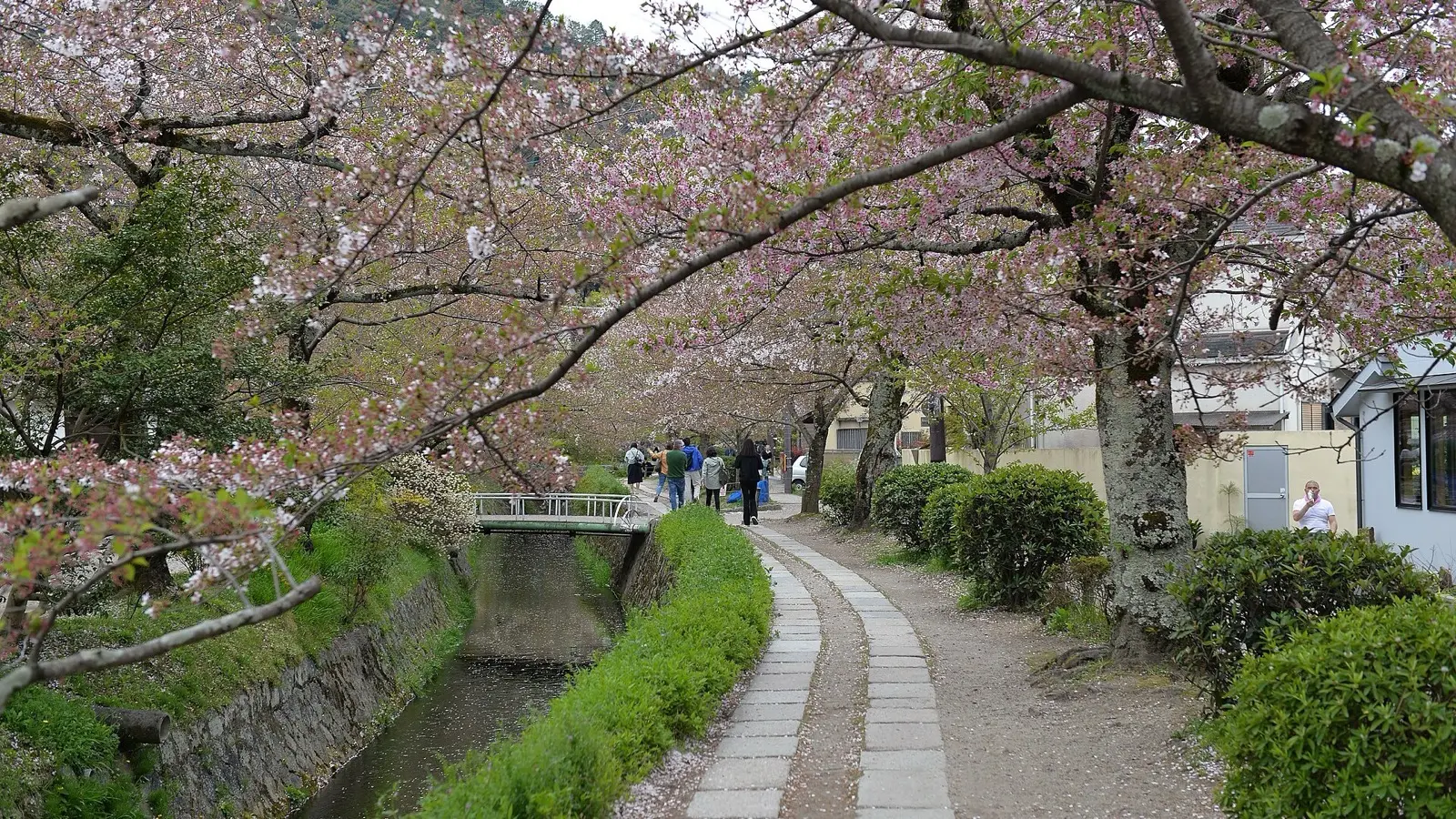
Dawn Stillness at 6:30 AM: Beginning along the Lake Biwa Canal at Ginkaku-ji
Stepping off the morning bus at the Ginkaku-ji terminus at 6:30 AM while commercial storefront shutters remain bolted shut, the sensory landscape is strikingly pristine. Cool mountain breezes descending from the Higashiyama peaks brush your cheeks, and the only audible sound in the quiet dawn is the steady, crystalline rushing of the Lake Biwa Canal. The approach road, impassable with crowds by noon, presents itself as an unhurried sanctuary.
The Philosopher's Path (Tetsugaku-no-Michi) is a gentle two-kilometer pedestrian waterway tracing southward from the stone bridge of Ginkaku-ji toward Nyakuoji Shrine near Nanzen-ji. Originally engineered during the Meiji Era to transport industrial and drinking water from Lake Biwa in Shiga Prefecture into the imperial capital, city planners lined the stone banks with cherry and maple trees.
Strolling slowly beside the stone embankment, silver scales of ornamental carp catch early morning rays as they glide through cold mountain runoff. Century-old cherry boughs arch overhead to form a natural canopy, creating pink clouds in April, vibrant jade shade in summer, and burning scarlet foliage throughout late autumn.
At this quiet hour, one encounters neighborhood elders strolling leashed shiba inus and residents bicycling softly to work rather than heavy tour groups. Exchanging quiet morning bows grounds the mind, replacing tourist urgency with deep contemplative ease.
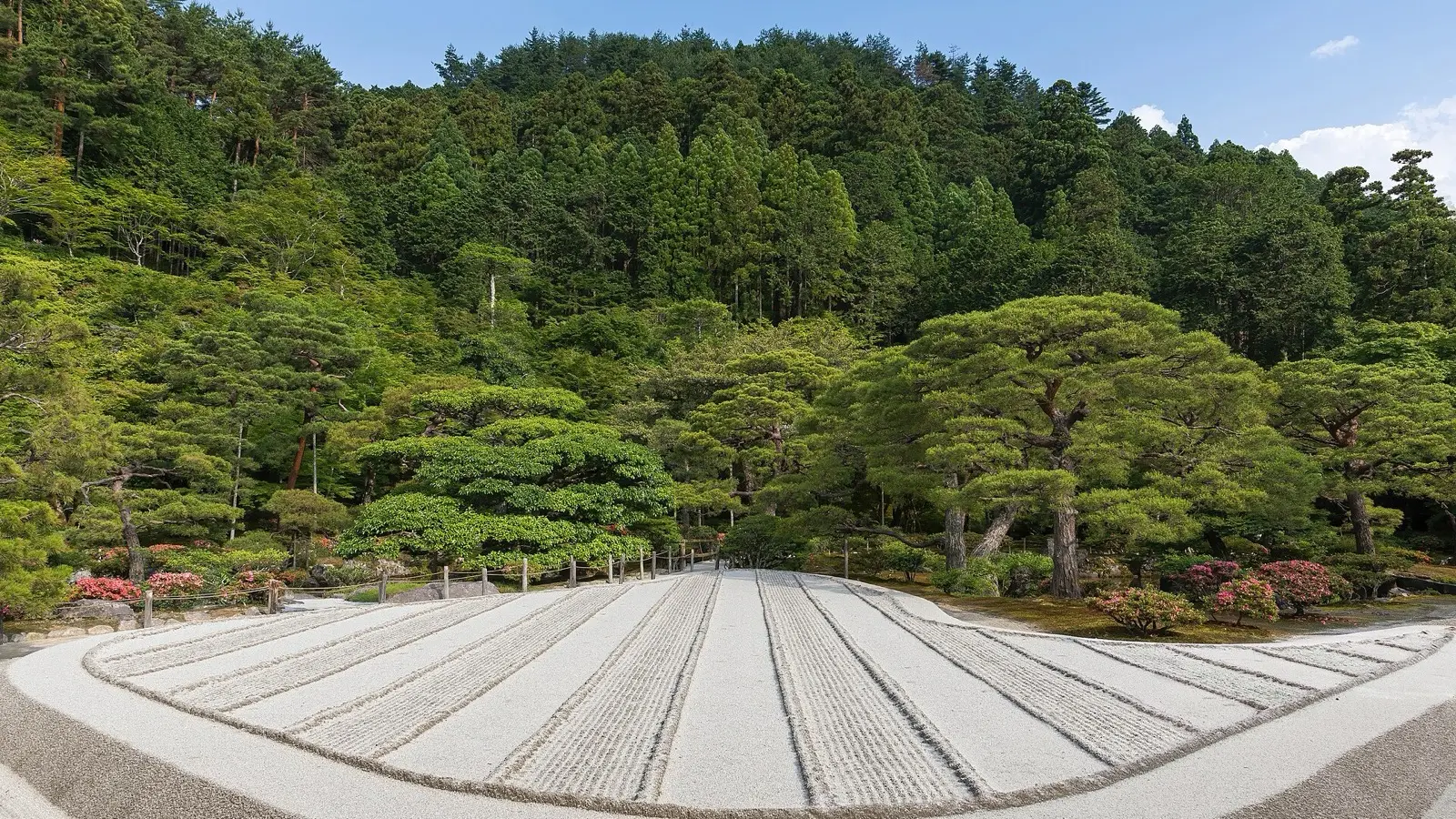
In the Footsteps of Kitaro Nishida: Cherry Tree Tunnels and Moss-Covered Stone Bridges
The canal path acquired its evocative title from Kitaro Nishida, Kyoto Imperial University's preeminent modern philosopher. In the early 20th century, Nishida pioneered a revolutionary philosophical synthesis uniting Western epistemology with Eastern Zen mindfulness, walking this very path daily to reflect before his university lectures.
Midway along the bank rests a simple carved stone monument bearing Nishida's enduring verse: 'Others are others, I am myself; nonetheless, I walk the path that is mine to walk.' Its resolute simplicity strikes a deep emotional chord with contemporary travelers weary of perpetual digital comparison.
Every few hundred meters, petite mossy stone footbridges span the water, each framing a distinct perspective. Thick velvet moss coats ancient handrails, while across the water, weathered wooden machiyas awaken softly to morning light. Persimmon boughs and scarlet camellia blooms leaning over earthen walls complete the watercolor aesthetic.
Your walking pace instinctively moderates. Putting away your smartphone to tune into the rhythmic melody of tumbling water, one understands intimately why a world-class thinker abandoned enclosed libraries each morning to commune with this flowing stream.
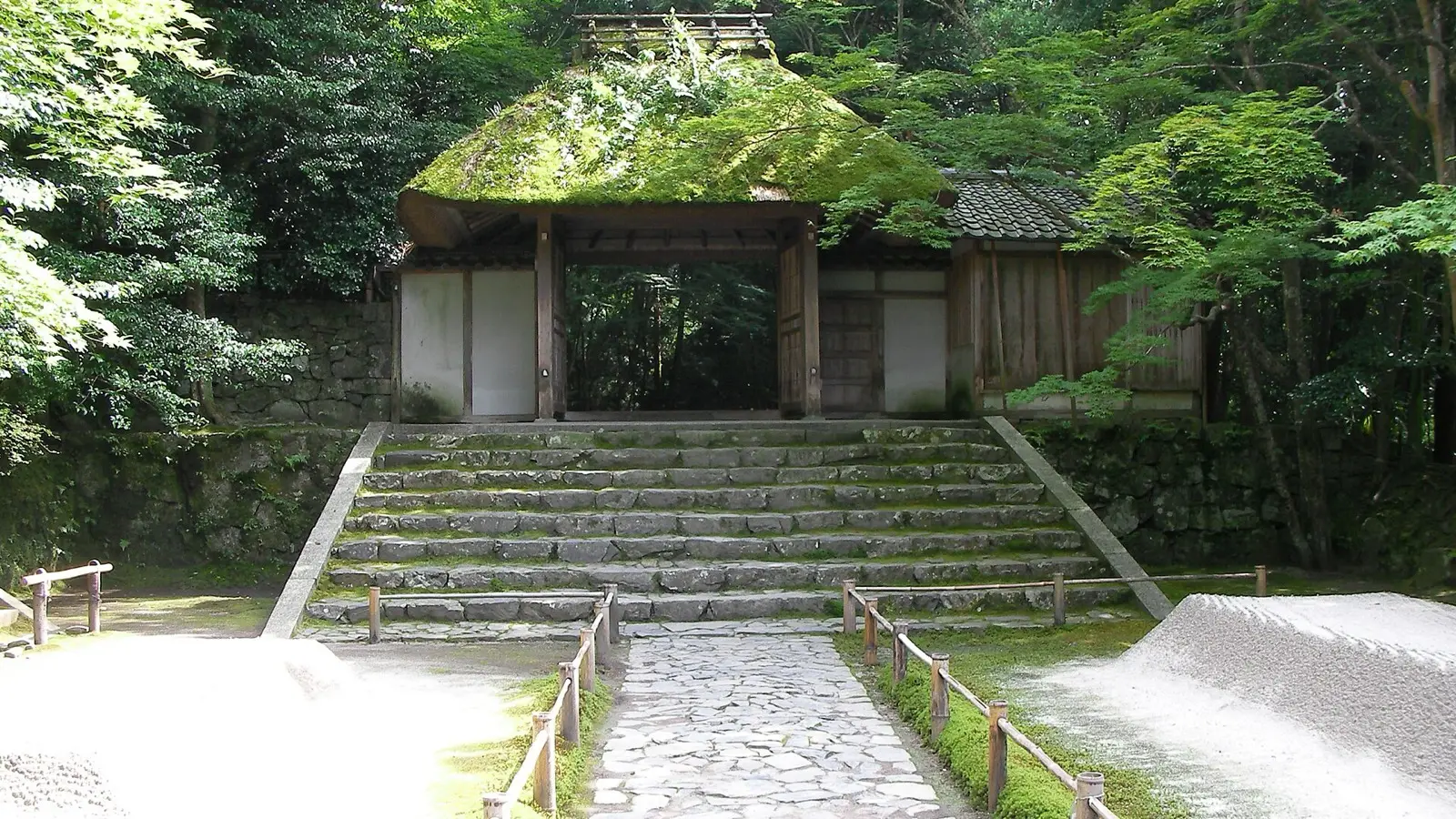
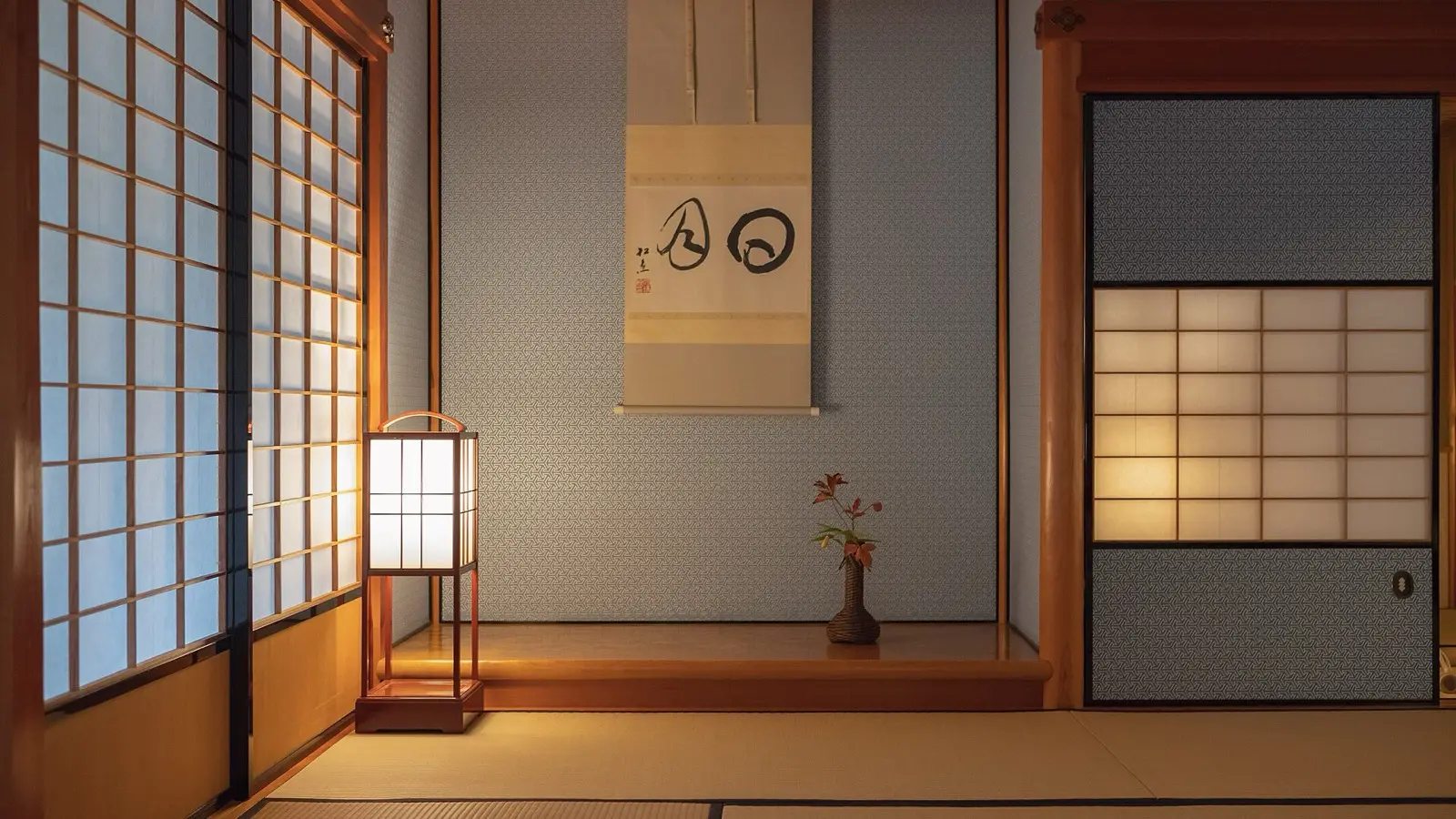
The Hidden Sanctuary of Honen-in: Moss-Thatched Gates and White Sand Altars
Roughly midway along the path, an unpaved forest trail veers eastward toward the mountain slopes. Group tours universally bypass this unassuming fork, missing one of Kyoto's most sublime spiritual sanctuaries: the quiet Jodo-sect temple of Honen-in.
Ascending through thick stands of towering Japanese cedar, Honen-in's rustic Sanmon gate emerges. Forgoing ornate ceramic tiling, the gate features a humble thatched roof woven from wild grass, blanketed in a lush, velvety coat of emerald moss cultivated over decades of moist mountain humidity.
Passing beneath the thatched portal, visitors encounter two symmetrical mounds of raked white sand known as Byakusadan. Swept afresh each morning with bamboo brooms into delicate waves and seasonal floral motifs, stepping between these sand altars symbolizes the ritual purification of worldly illusions before entering sacred ground.
In spring, fallen camellia blossoms dot the emerald moss carpet like drops of crimson paint; in autumn, fiery maple leaves float upon misty carp ponds. Sitting upon a stone bench in this admission-free sanctuary with eyes closed, the only sounds are woodpeckers knocking against cedar bark and mountain leaves whispering in the wind.
Eikan-do's Autumn Maples and the Monumental Sanmon of Nanzen-ji
Continuing fifteen minutes southward brings travelers to Zenrin-ji, universally celebrated throughout Japan as 'Eikan-do of the Maples'. Home to over three thousand Japanese maples embracing hillside pagodas and reflecting ponds, it represents Kyoto's most lavish autumnal display.
Walking just beyond Eikan-do reveals the sprawling, cedar-draped precinct of Nanzen-ji, head temple of the Rinzai Zen sect. Standing before its monumental two-story wooden Sanmon gate immediately brings to mind the legendary Kabuki rogue Ishikawa Goemon, who gazed from its upper gallery proclaiming: 'What a magnificent view, what a magnificent view!'
As slanted morning sunlight cuts between colossal timber pillars, gazing upward into dark cedar joinery weathered by centuries of rain imparts profound humility. The sweeping shadow cast across the gravel courtyard illustrates the austere dignity of Zen aesthetic discipline.
Arriving early affords solitary contemplation before Nanzen-ji's renowned Hojo dry landscape rock garden. Contemplating raked gravel seas and massive moss-rimmed boulders in complete silence sweeps away metropolitan clutter.
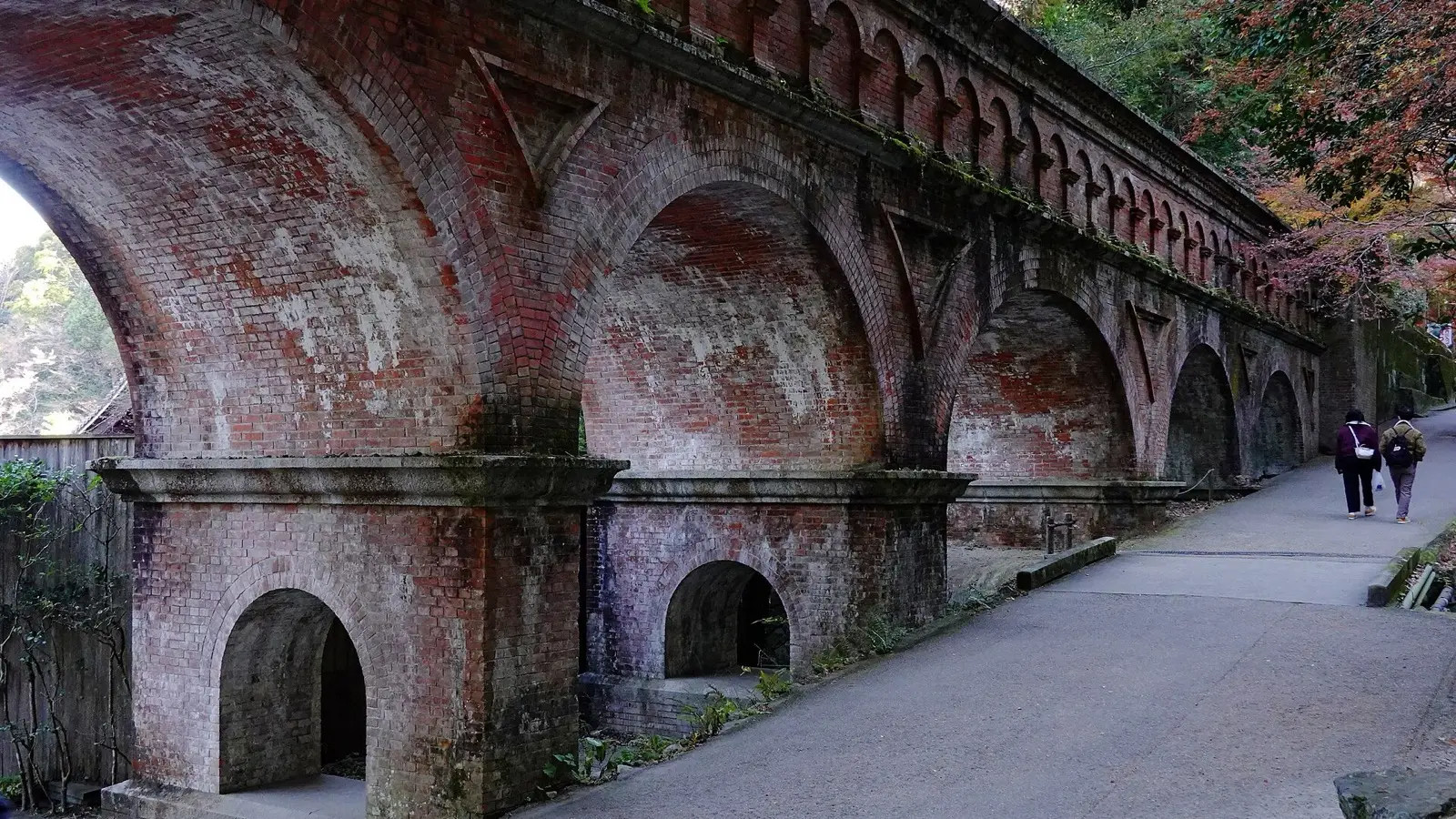
The Romanesque Arches of Suirokaku Aqueduct and Warming Bowls of Yudofu
Stepping into the secluded cedar forest behind Nanzen-ji's main hall reveals an astonishing visual paradox: a towering piece of classic Western civil engineering nestled seamlessly inside a Japanese Zen monastery. This is Suirokaku, Kyoto's most arresting architectural landmark.
Completed in 1890, this monumental red-brick and granite aqueduct was modeled after ancient Roman waterways to channel clean drinking and turbine water from Lake Biwa into urban Kyoto. Over 130 years of mountain weather have weathered its brick piers with wild green moss, forging an extraordinary organic unity with surrounding pines.
Peering down the arcade of rhythmic arches creates a hypnotic framed perspective of overlapping brick curves, verdant forest, and shifting light shafts, evoking a forgotten film set. Nowhere else on earth do ancient Japanese Buddhist aesthetics and 19th-century Western industrial heritage achieve such harmonious coexistence.
Concluding your two-kilometer dawn walk with a steaming bowl of artisanal Yudofu (simmered silken tofu) at a historic roadside teahouse outside the temple gates provides the consummate finale. Dipping tender tofu simmered in kelp dashi into soy sauce, fresh scallions, and ginger melts away the early morning chill, delivering Kyoto's quietest, deepest gift of contentment.
Frequently Asked Questions
Field-tested answers to transit navigation, neighborhood choices, and payment traps.
Q1.What is the recommended walking direction and duration for the Philosopher's Path?
Q2.What is the best time of day to experience the walk?
Q3.Is there an admission fee to enter Honen-in Temple?
Q4.Can I ride a rental bicycle along the path?
The Smart Traveler's Essential Toolkit
Prepare instant mobile data, private airport transfers, and skip-the-line passes in one place.
Pick a base in Kyoto by your route
Choose the places you want to see and get the neighbourhood with the shortest travel.
Compare Kyoto Hotel Rates
Find the cheapest channel across Agoda and major booking engines with Tripdify.
Share This Guide with Your Companions
When shared via chat or social media, a curated summary card is sent along.
Recommended Guides
Kyoto Arashiyama & Gion Retreat: Historic Ryokans and Early Dawn Bamboo Groves
Kyoto compresses a millennium of Japanese aesthetic mastery. Discover how to evade bus congestion with private railways, master ryokan kaiseki booking windows, and savor early dawn stillness.
Kyoto Ryokan & Machiya Masterclass: Kaiseki Economics, Sukiya Timber, and Quiet Alleys
From hundred-year-old timber townhouses in Gion to misty Arashiyama riverside ryokan, staying in Kyoto demands cultural fluency and sharp booking discipline. An honest receipt audit covering kaiseki dinner curfews, private onsen etiquette, and avoiding dynamic pricing spikes.
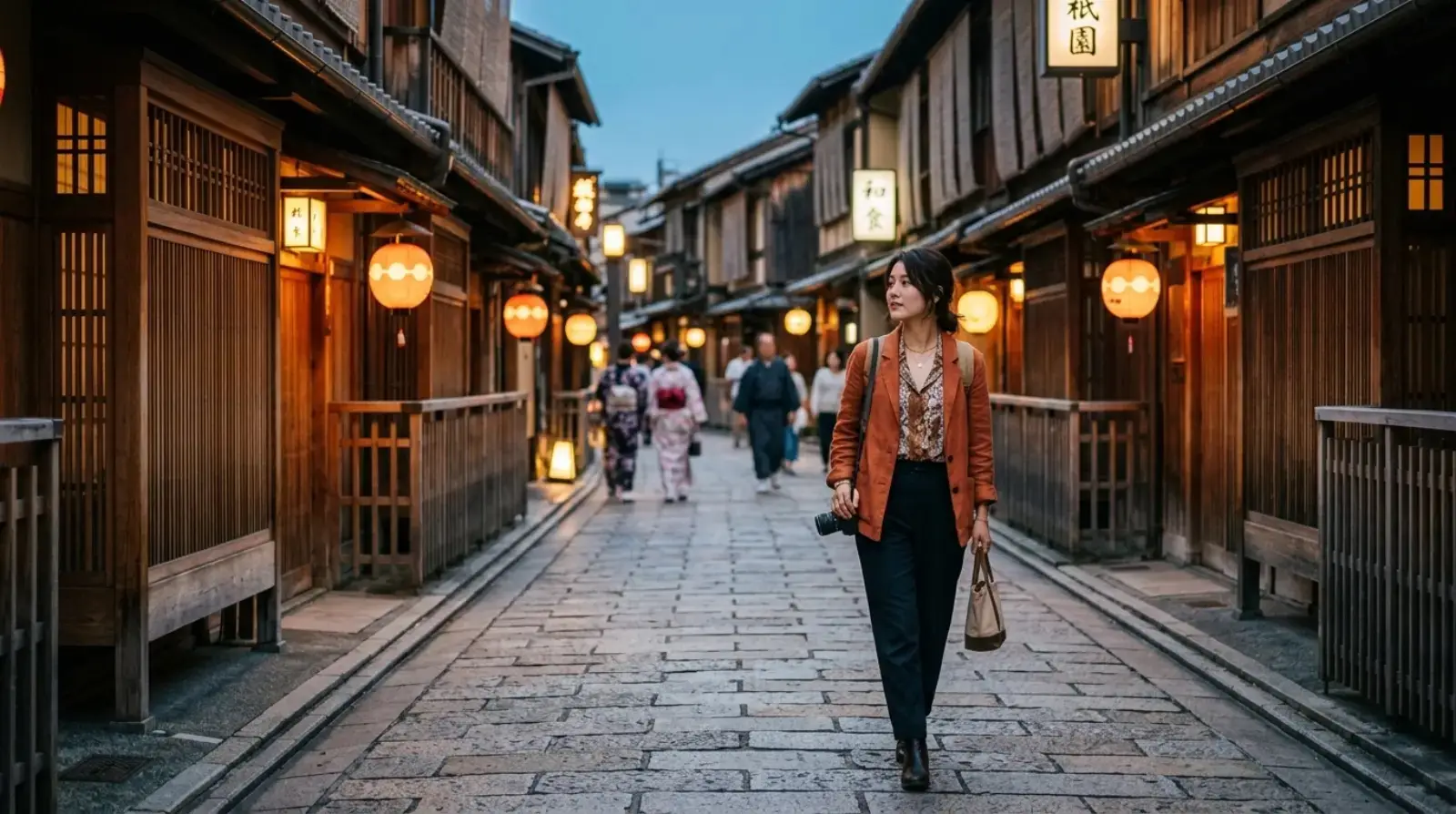
Kyoto Day 1 Arrival Playbook: 75-Minute Haruka Express, Station Luggage Delivery, and Gion Twilight
Boarding the 75-minute Haruka Express from Kansai Airport, forwarding heavy bags straight to your hotel via Crosta at Kyoto Station, avoiding gridlocked buses using the subway, and an evening stroll through Gion to the Kamogawa. A field guide to your first 24 hours.
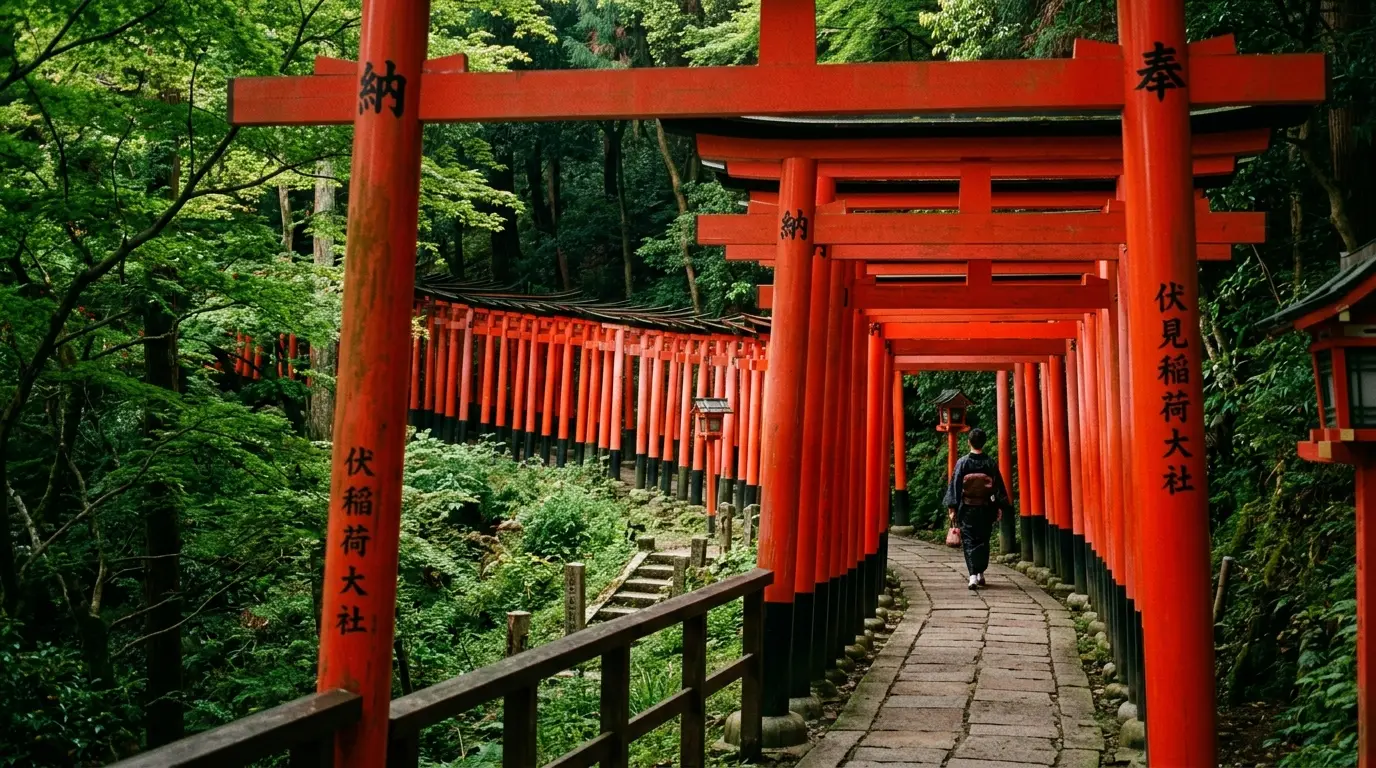
Kyoto Day 2: Fushimi Inari Torii Path, Kiyomizu-dera Heights, Ninenzaka Lanes, and Gion Kaiseki Feast
Day 2 immerses travelers into the spiritual heartbeat and preserved historic streets of Kyoto: early morning solace along thousands of vermilion torii gates at Fushimi Inari, sweeping mountain panoramas from the legendary wooden stage of Kiyomizu-dera, artisan tea shops and matcha sweets across cobblestoned Ninenzaka and Sannenzaka, followed by lantern-lit strolls in Gion Shirakawa and a refined multi-course Kaiseki dinner.
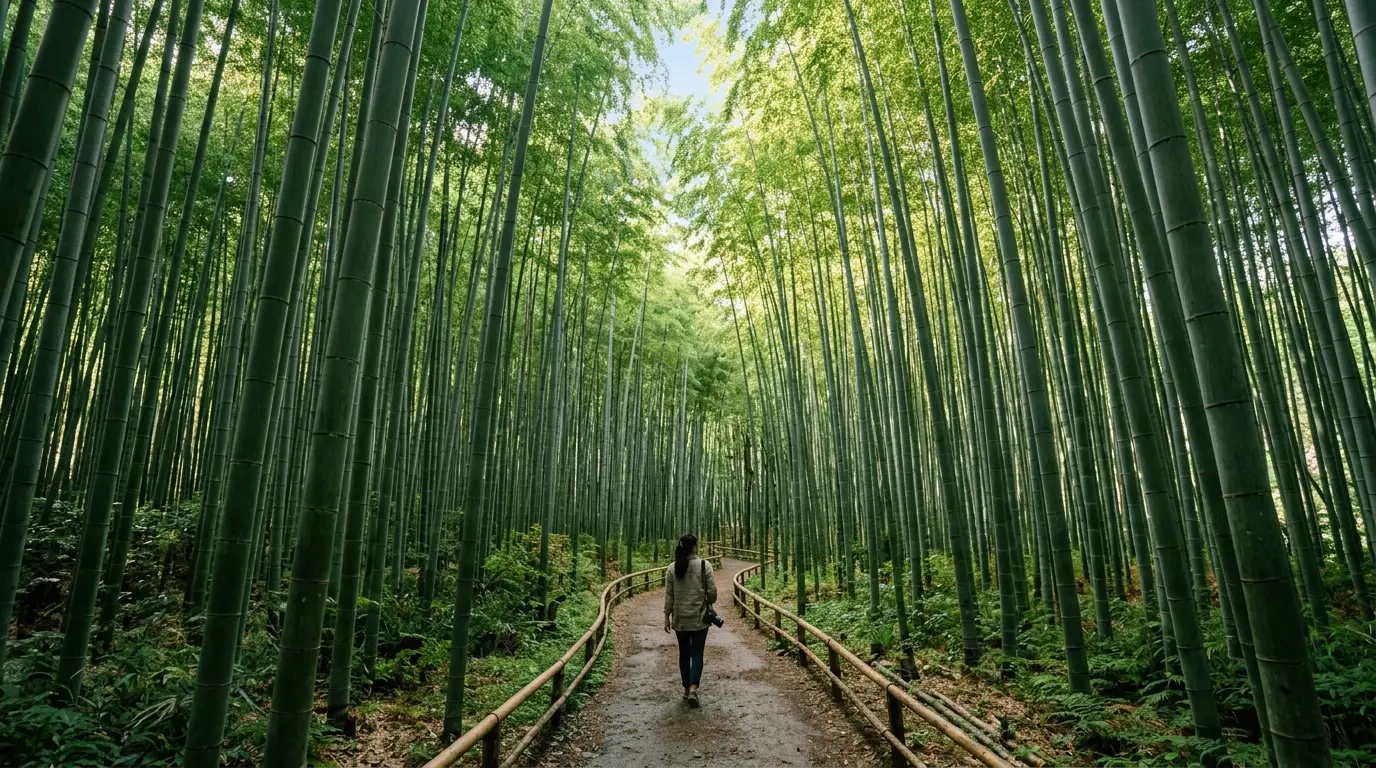
Kyoto Day 3: Arashiyama Bamboo Grove, Tenryu-ji Zen Pond, Nishiki Market, and Haruka Airport Express
A sublime final chapter to your Kyoto journey: morning breezes whispering through towering emerald stalks in the Arashiyama Bamboo Grove, the UNESCO World Heritage mirror pond at Tenryu-ji, riverside specialty coffee by Togetsukyo Bridge, savory culinary treasures inside 400-year-old Nishiki Market, followed by Kyoto Station souvenir shopping and a swift 75-minute ride aboard the JR Haruka Express straight to Kansai Airport.
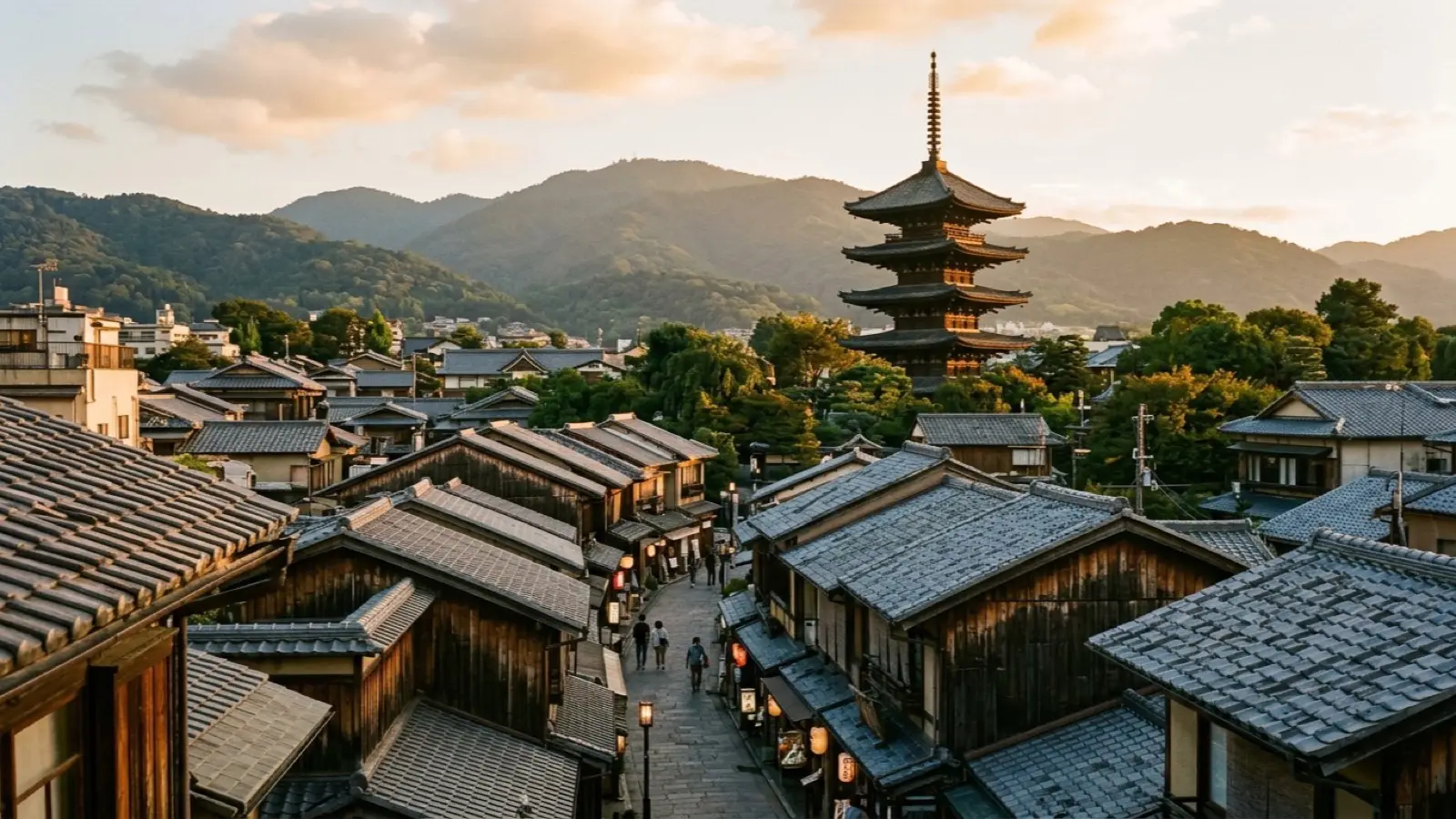
Where to Stay in Kyoto: Kyoto Station vs. Gion-Kawaramachi vs. Shijo-Karasuma vs. Arashiyama
Your choice of base determines your entire Kyoto experience. Will you navigate crowded city buses with heavy luggage, or stroll riverside alleys lined with lantern-lit bistros? Here is a definitive breakdown of Kyoto's four premier districts.
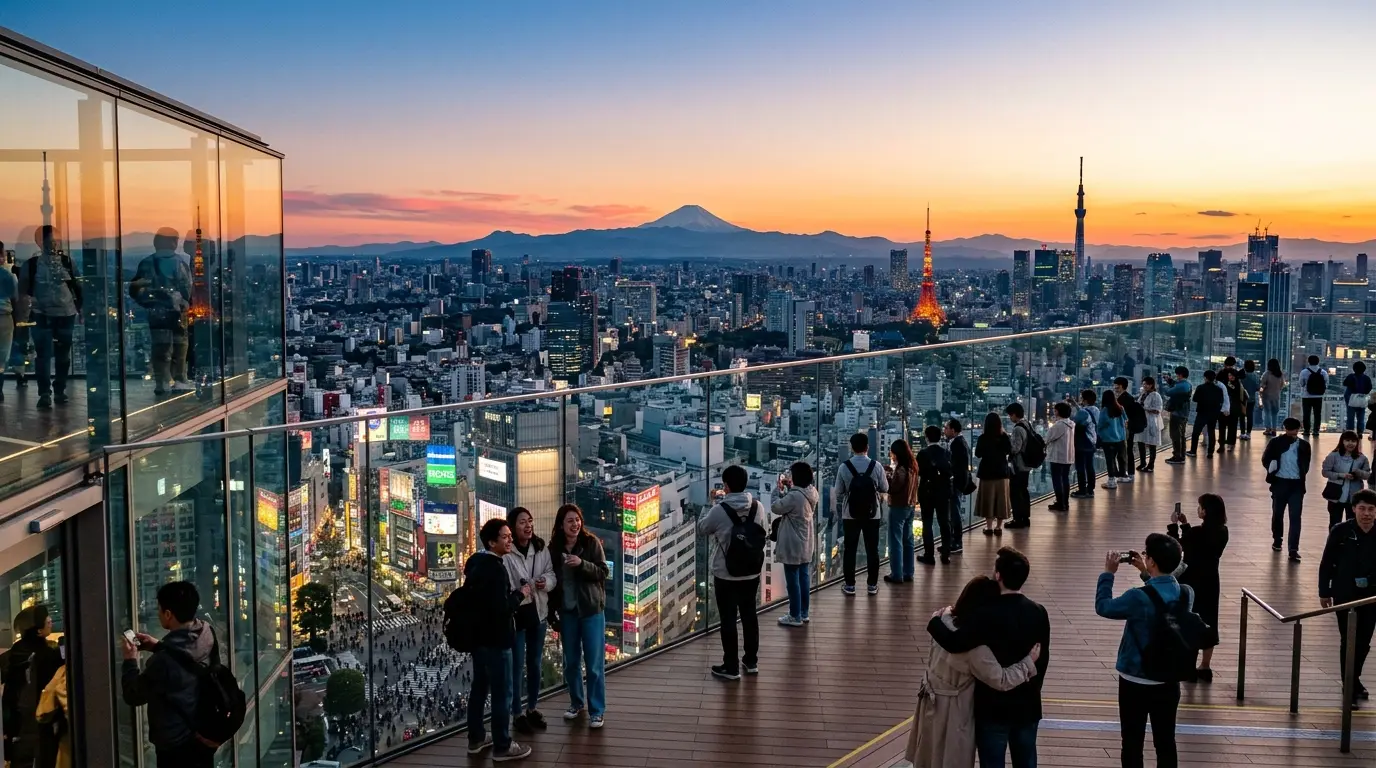
Before Regretting a 13-Sqm Shoebox: The Tokyo 3-Zone and 14-Day Booking Playbook
Comparing room footprints across Shinjuku, Ginza, and Ueno, locking in sudden 14-day cancellation drops, and eliminating DCC fees with clean Yen checkout.
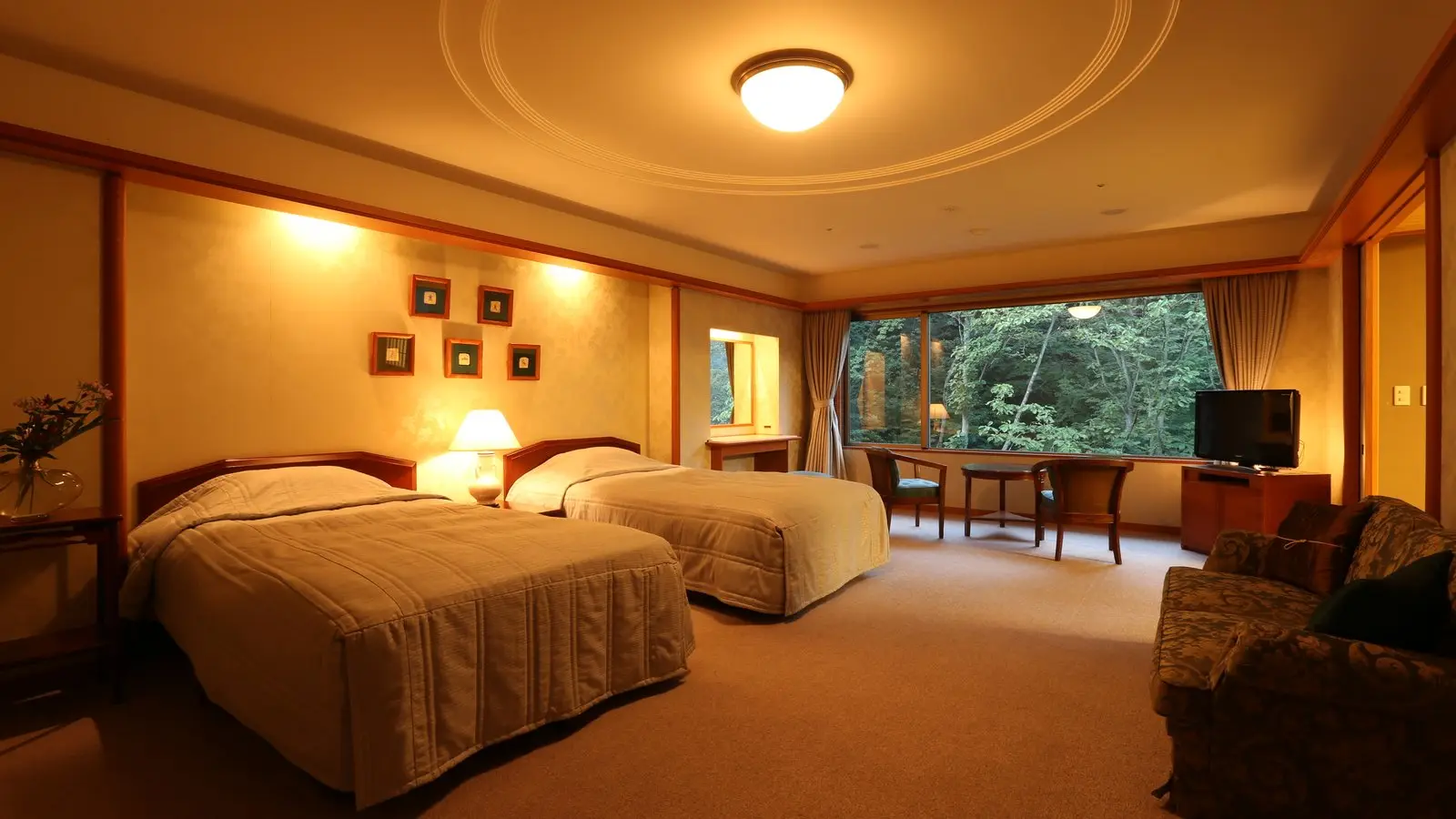
Tokyo Value Hotels Playbook: 7 Smart Yamanote Stays, Onsen Baths and OTA Rate Hacks
Even amid yen fluctuations, central Tokyo hotel rates have soared. Learn how to secure Yamanote loop line hotels at half the price of Shinjuku, compare onsen bath chains like Dormy Inn, trigger secret Agoda VIP and Booking.com Genius discounts, and dodge hidden currency fees with yen settlement.
Tokyo Transit Survival Blueprint: Airport Rail Hacks, Metro Pass Math, and Yamanote Hubs
How to choose between Keisei Skyliner and Narita Express, avoid the Tokyo Subway Ticket trap, use Apple Wallet Suica, and select the ideal hotel base in Tokyo.
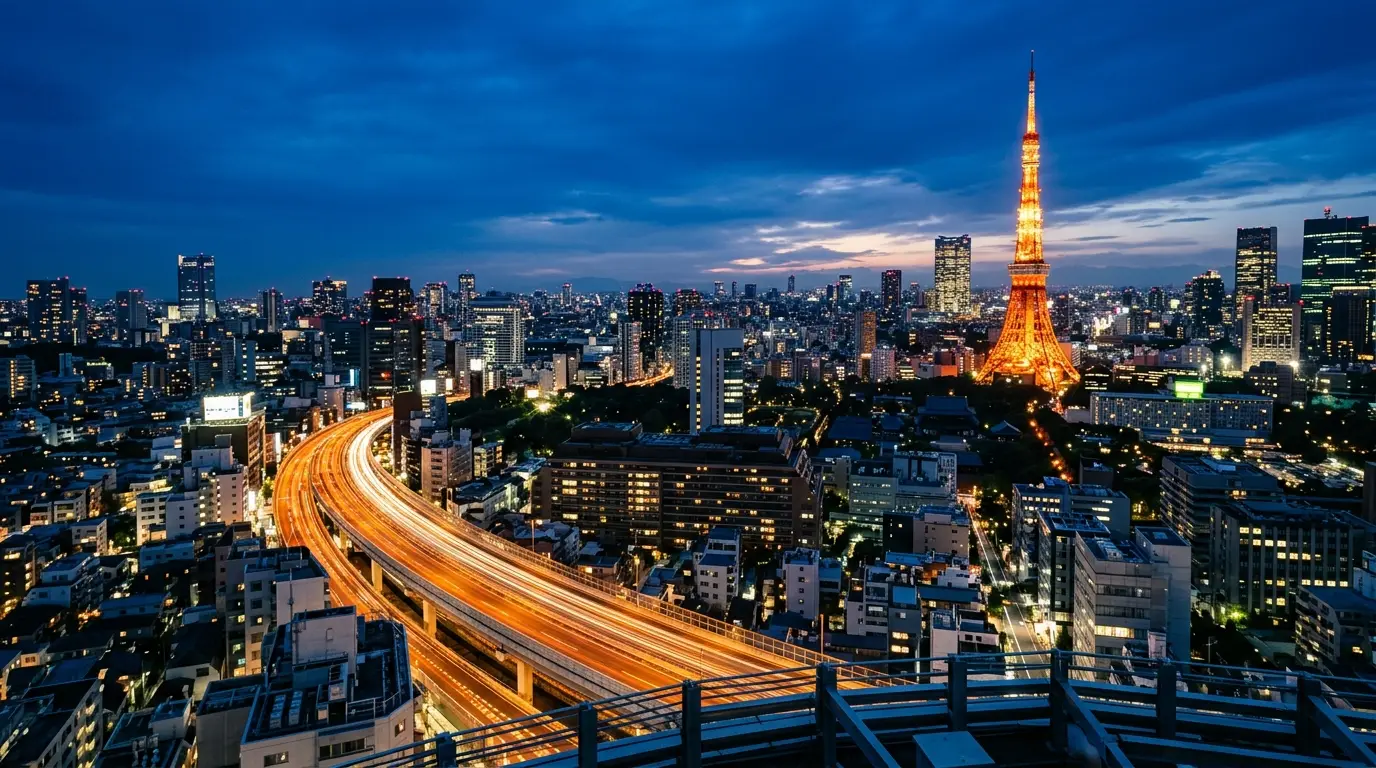
Tokyo Day 1 Arrival Blueprint: Narita Skyliner, Frictionless Ramen, and 24-Hour Settlement
From stepping off at Narita Airport to mastering high-speed trains, navigating Tokyo's sprawling transit hubs, ordering counter ramen effortlessly, and catching sunset from Roppongi Hills. A definitive guide for your first 24 hours in Tokyo.
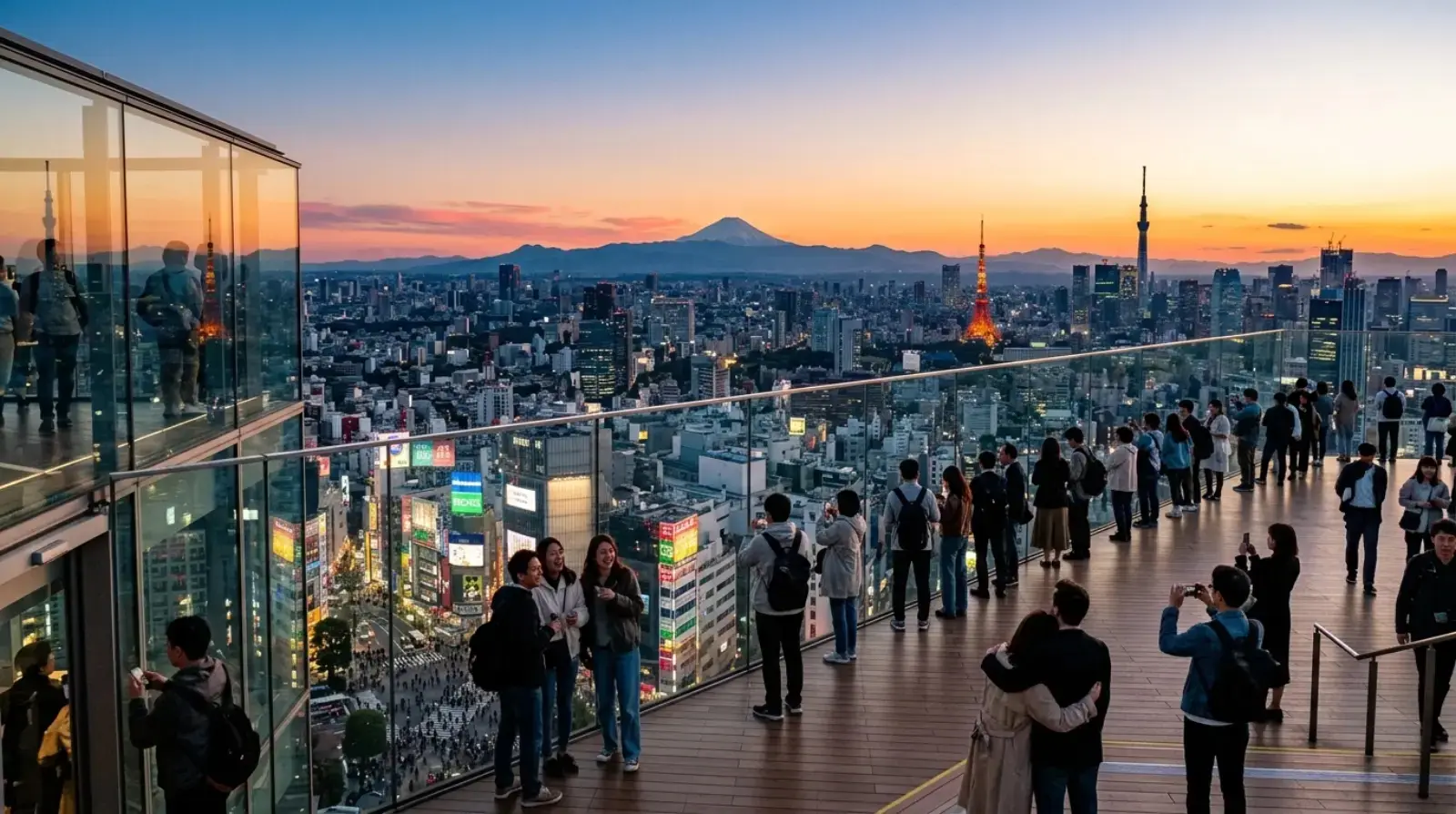
Tokyo Day 2 Iconic Sights Playbook: Shibuya Sky Sunset Booking, Harajuku Alleys, and Roppongi Nightscapes
Securing prime sunset slots atop Shibuya Sky, navigating hidden boutiques along Harajuku Cat Street, immersing in the forested serenity of Meiji Jingu, and marveling at the crimson glow of Tokyo Tower from Roppongi Hills. A masterclass in Day 2 pacing.
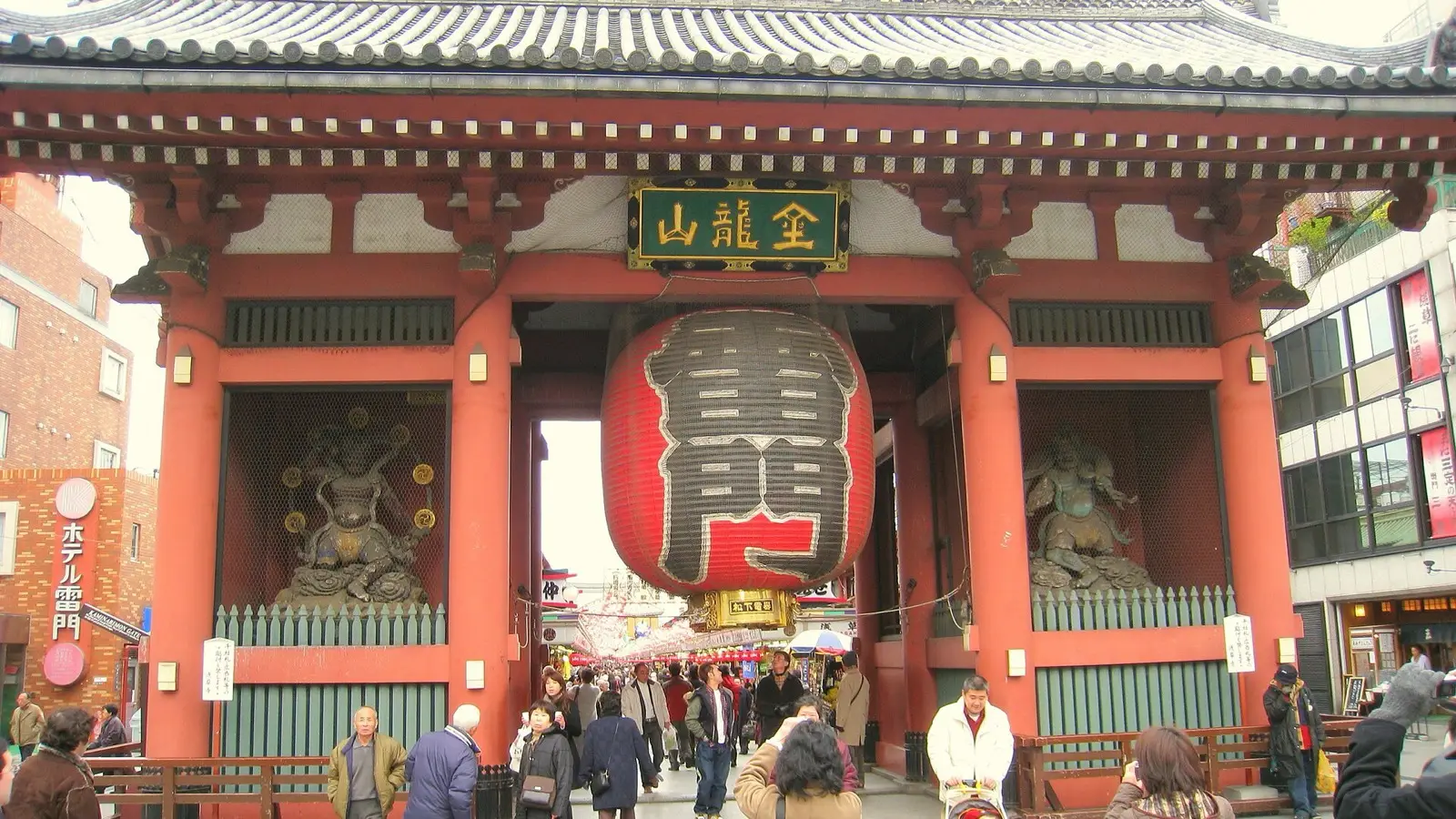
Tokyo Day 3: Asakusa Heritage, Akihabara Pulse, Ginza Depachika, and Seamless Airport Departure
The ultimate finale for your Tokyo stay: tranquil morning worship at Sensoji, retro subculture in Akihabara, Ginza Six architectural rooftop views and basement depachika feasts, capped by seamless Skyliner and N'EX airport connections.