
Where to Stay in Kyoto: Kyoto Station vs. Gion-Kawaramachi vs. Shijo-Karasuma vs. Arashiyama
Will you get stuck on packed buses with luggage, or stroll riverside alleys? A candid breakdown of Kyoto's four premier districts.
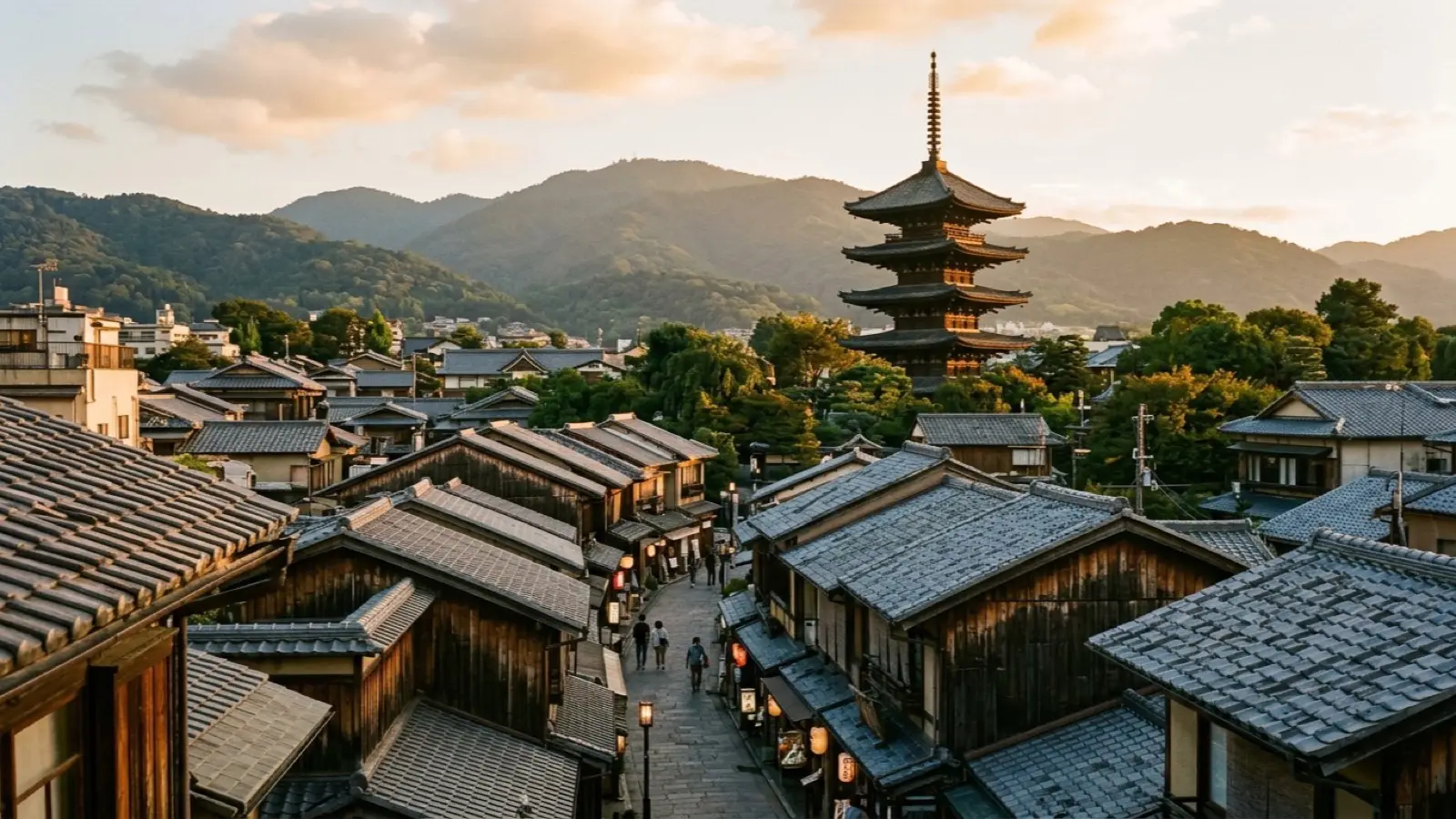
Kyoto Transit Bottlenecks: Why Hotel Location Dictates Travel Fatigue
Travelers arriving in Kyoto expecting an intricate metro network like Tokyo or Osaka are often caught off guard on day one. Due to strict municipal heritage preservation policies safeguarding ancient temple foundations, Kyoto operates only two modest subway lines: the north-south Karasuma Line and the east-west Tozai Line. Major hillside shrines remain heavily reliant on municipal buses.
The reality on the ground is that city buses are continuously inundated with global visitors and local commuters alike. Boarding with bulky suitcases is practically impossible, and popular bus stops heading toward Kiyomizu-dera or Kinkaku-ji regularly force queues to watch three or four overcrowded buses pass by before boarding.
Choosing your base is therefore far more than an aesthetic lodging choice: it determines whether you forfeit two exhausting transit hours each day. Factoring in seamless luggage transfers on arrival and departure days makes district selection the cornerstone of a smooth itinerary.
Lodging across the ancient capital divides into four primary sectors: the ultra-connected transit hub of Kyoto Station, the vibrant heritage alleys of Gion-Kawaramachi, the balanced subway crossroads of Shijo-Karasuma, and the serene hot-spring retreat of Arashiyama.
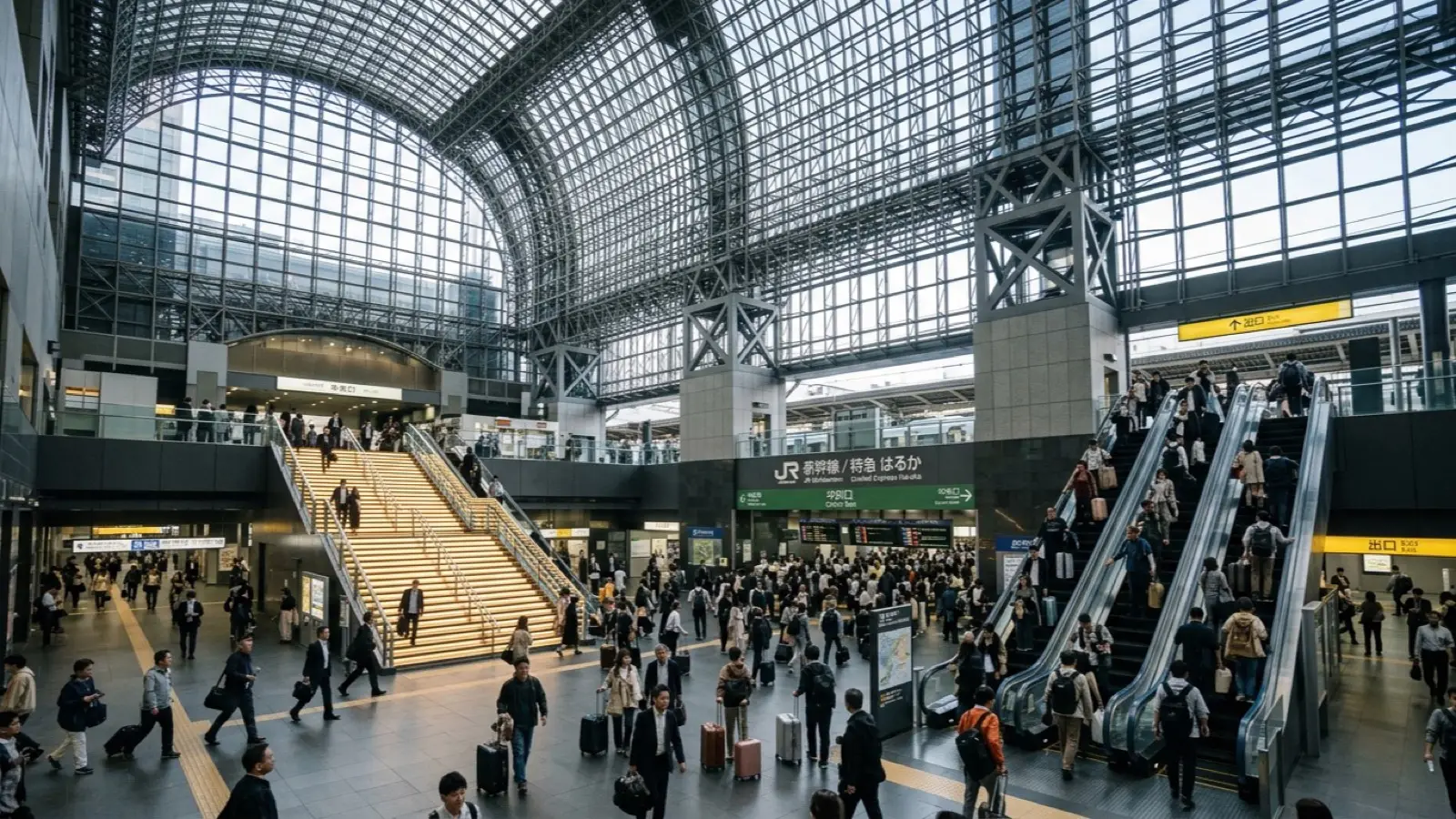
[Kyoto Station] Peak Shinkansen Transit vs. Quieter Nightscapes
The precinct surrounding JR Kyoto Station provides unbeatable ease for visitors arriving via the Kansai Airport Haruka Express or bullet trains from Tokyo and Osaka. Stepping off the platform puts you within a five-minute walk of major business hotels and subterranean gourmet halls, making luggage drop-off completely effortless.
The vast station plaza functions as the city's central nervous system, housing extensive bus terminals and regional train lines reaching Nara, Uji, and Osaka. Boarding early morning departures to Fushimi Inari Taisha or the Arashiyama bamboo path before mass tour crowds arrive is a massive tactical advantage unique to this hub.
The primary trade-off is the atmosphere after dark. Once the high-tech station mall and Isetan department store close around 9:00 PM, the immediate streets turn relatively quiet and utilitarian. If you crave picturesque wooden eaves and hidden lantern-lit sake taverns right outside your lobby, the concrete office corridors can feel somewhat sterile.
Recommended for: First-time visitors to Kyoto, families carrying large suitcases, and ambitious travelers using Kyoto as a launchpad for regional day trips across the Kansai area.
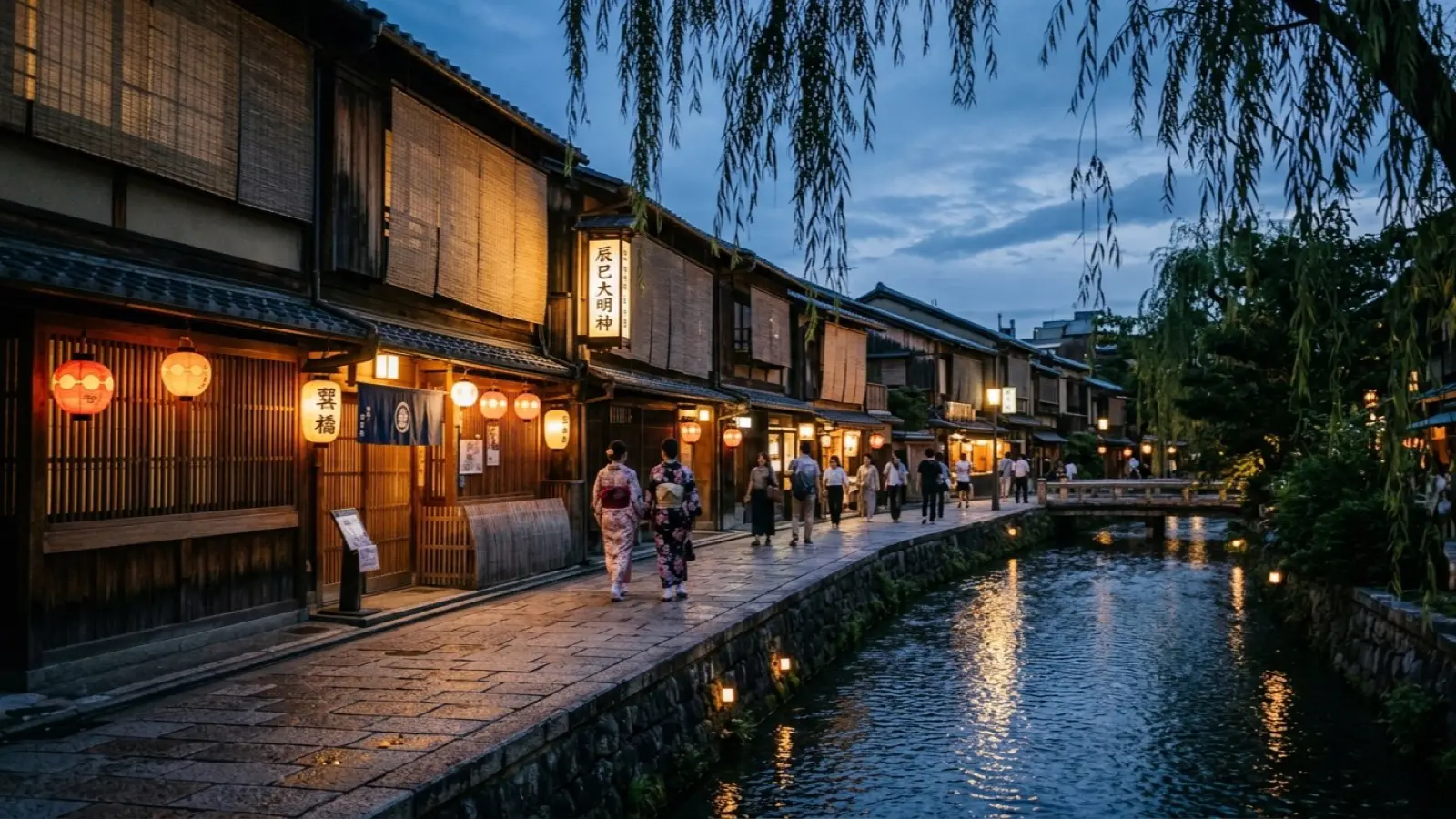
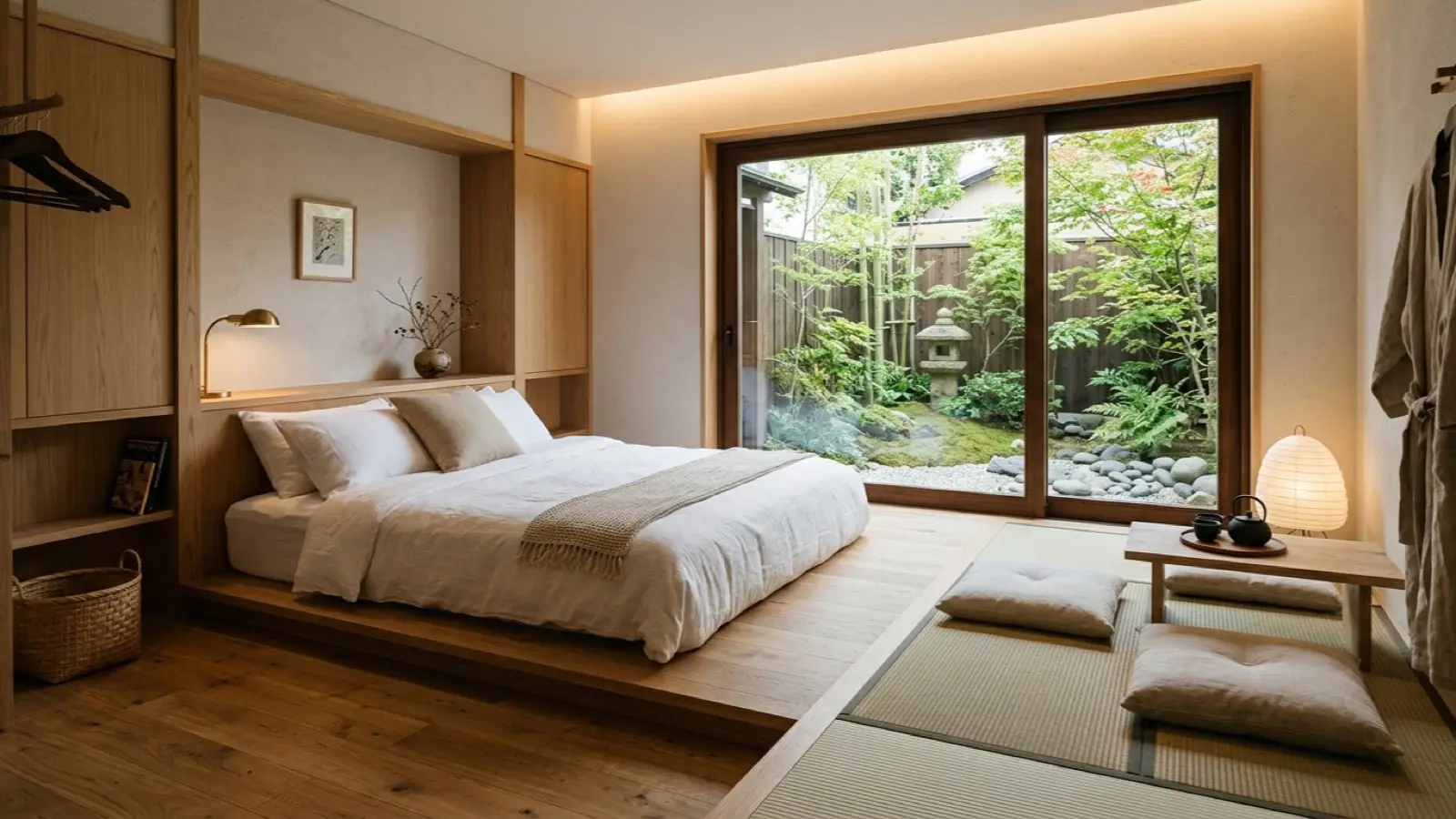
[Gion & Kawaramachi] Riverside Strolls and Midnight Bistro Alleys vs. Crowds
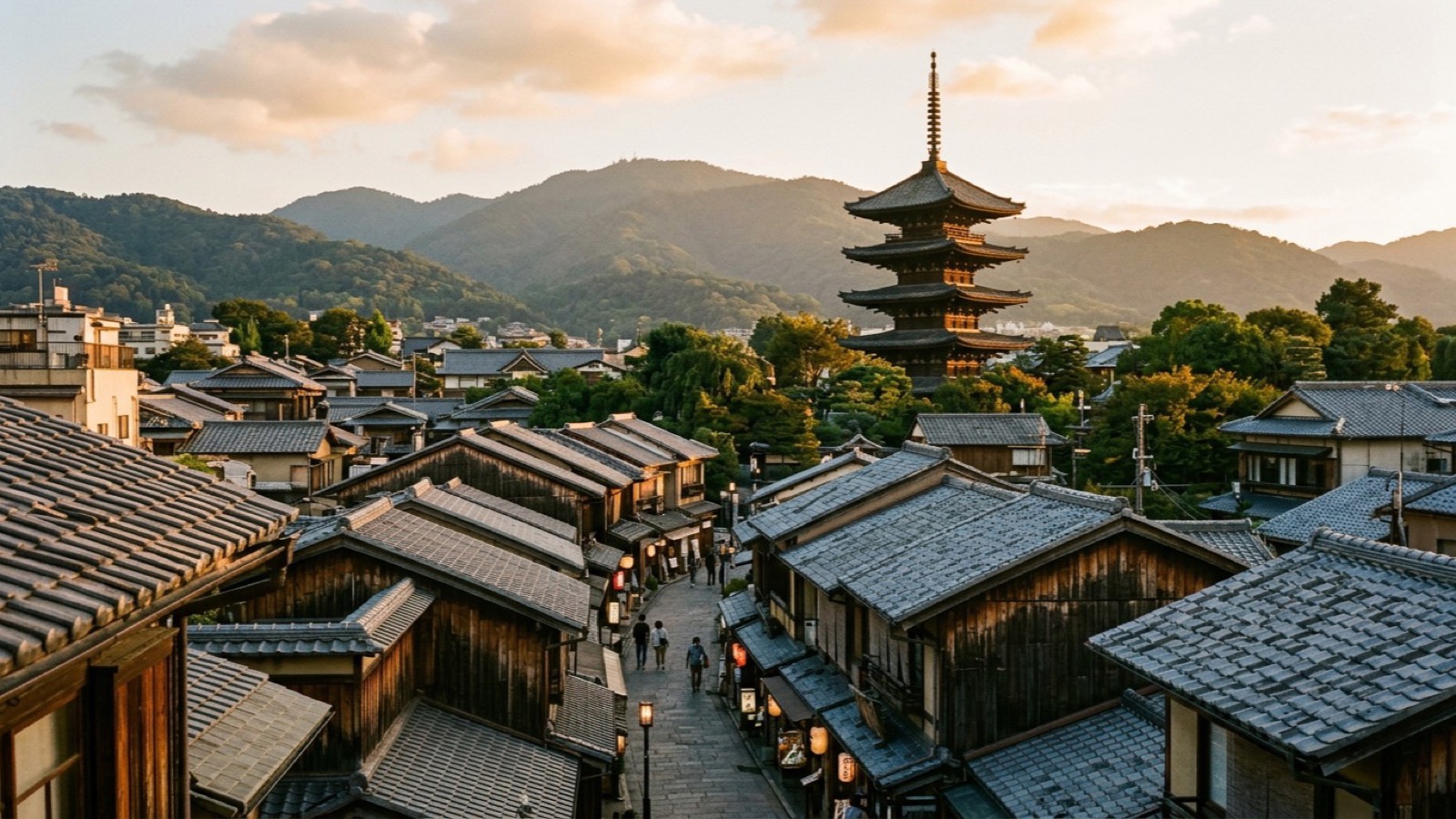
If your ideal journey revolves around timeless old-world atmosphere and vibrant evening dining, Gion and Hankyu Kawaramachi Station represent the quintessential base. Stepping out of your accommodation immediately immerses you in the weeping willows of Shirakawa canal and illuminated wooden machiya teahouses, with Kamogawa river walks and lively bistros accessible well past midnight.
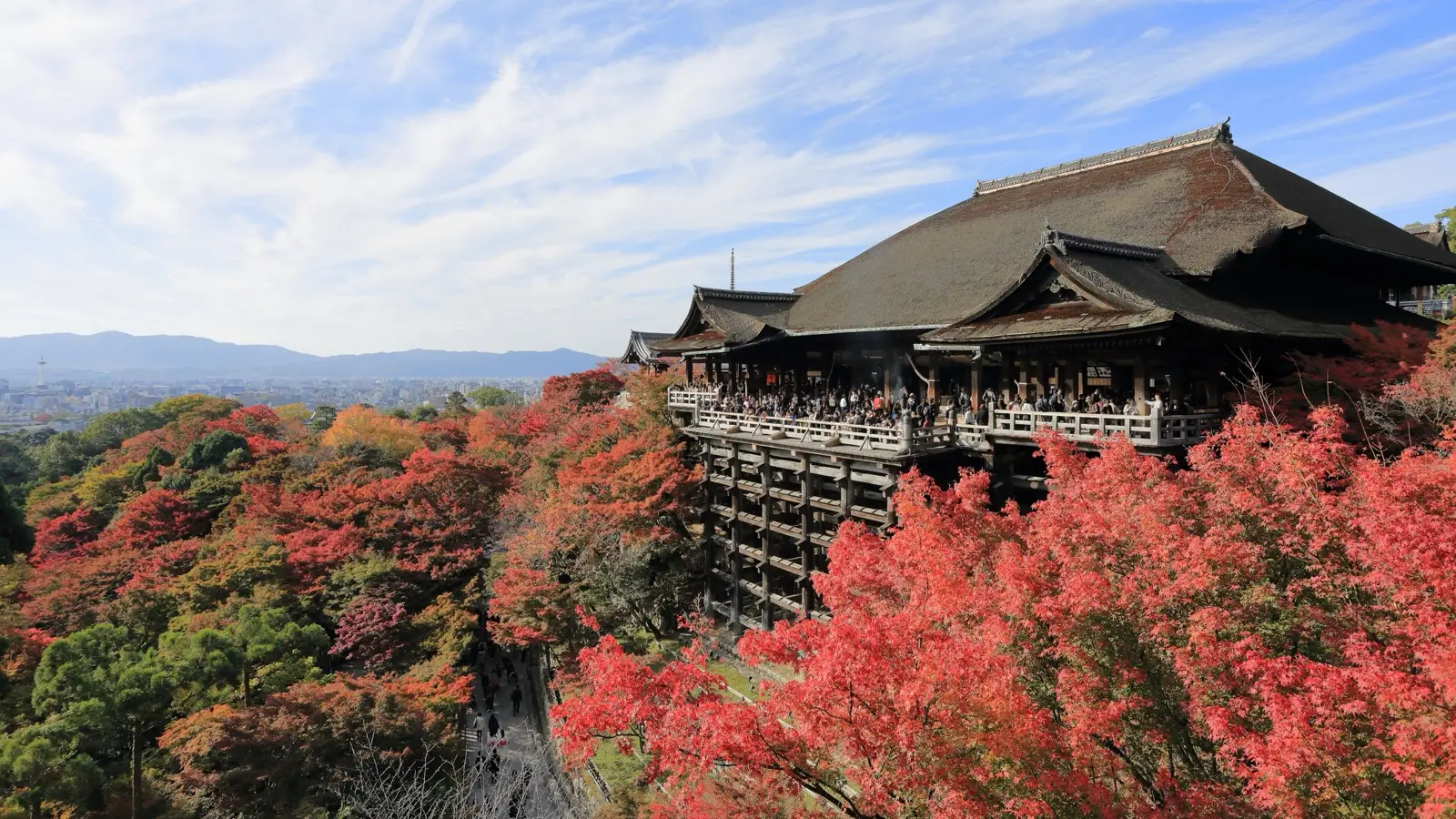
The greatest luxury of this neighborhood is walking to iconic landmarks like Kiyomizu-dera, Ninenzaka, Sannenzaka, and Yasaka Shrine without touching a bus. Climbing the peaceful cobblestone steps of Ninenzaka at 6:30 AM in solitude, hours before daytime sightseers arrive, is a privilege reserved exclusively for nearby guests.
The downside stems from the district's historic heritage footprint: boutique hotels often work with narrow plots, resulting in compact 14 to 17 square meter footprints. Maneuvering two full-sized suitcases can feel cramped, and room rates spike by thirty percent or more during peak cherry blossom and autumn foliage weeks.
Recommended for: Culinary enthusiasts eager to explore late-night sake bars, couples seeking romantic heritage backdrops, and active walkers who prioritize atmospheric immersion over large rooms.
[Shijo-Karasuma & Arashiyama] Balanced Metro Grid vs. Forest Onsen Retreat
Shijo-Karasuma serves as Kyoto's smartest insider hub. As the sole underground intersection connecting the Karasuma subway line and the Hankyu Kyoto Line, it allows seamless all-weather transit toward Osaka Umeda or central sightseeing districts. The area hosts numerous modern business hotels offering generous 19 to 23 square meter layouts and public onsen baths at compelling rates.
Furthermore, Nishiki Market sits a leisurely five-minute stroll away, surrounded by artisan bakeries, third-wave specialty roasters, and local izakayas. It offers an authentic, liveable downtown pulse where you wake among working locals rather than tourist crowds.
In sharp contrast, Arashiyama on the far western city fringe offers a completely distinct sanctuary. Flanking the Oi River and the iconic bamboo groves, traditional luxury ryokans provide open-air thermal baths and exquisite multi-course seasonal kaiseki dinners.
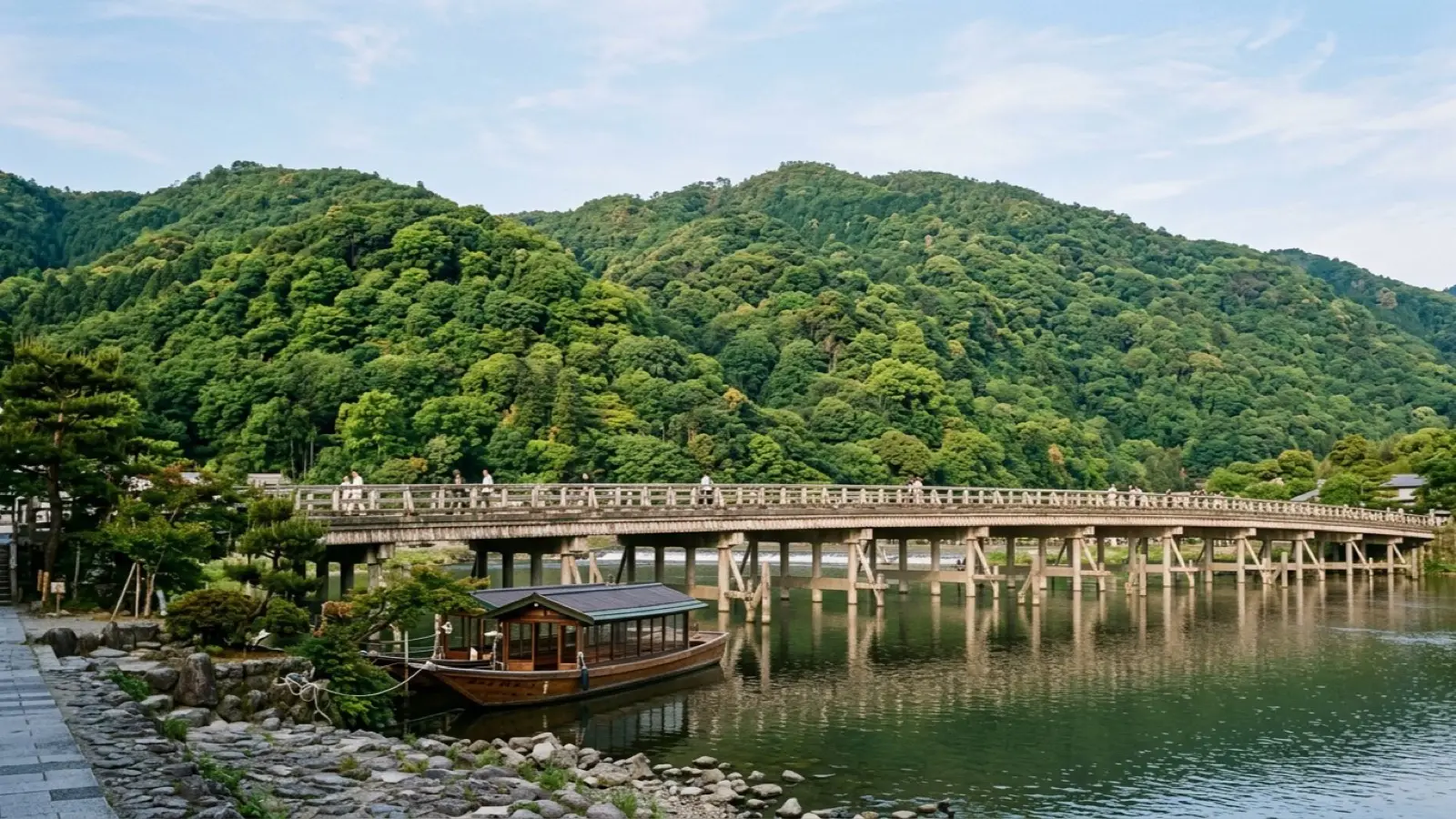
Arashiyama is best reserved for the concluding night or two of an extended itinerary. Crossing the wooden Togetsukyo Bridge at dusk after daytime sightseers have returned to central Kyoto, listening to the gentle flow of the river under mountain shadows, provides unforgettable restorative peace.
Booking Lead Times and the Kyoto Municipal Accommodation Tax
Kyoto ranks among the most fiercely contested hotel markets worldwide. For the late March sakura bloom and the mid-November crimson foliage seasons, prime central hotels regularly sell out four to five months ahead. Securing flexible reservations with free cancellation options as early as possible guarantees the best balance of price and location.
To ensure a seamless check-in experience, familiarize yourself with Kyoto's mandatory municipal accommodation tax. The fee scales per guest per night: 200 yen for room rates under 20,000 yen, 500 yen for rates between 20,000 and 50,000 yen, and 1,000 yen for luxury stays exceeding 50,000 yen per night.
Crucially, many boutique hotels and traditional ryokans do not roll this municipal tax into automated online pre-payments, requesting payment in physical Japanese cash at the front reception desk. Keeping a modest envelope with exact coins and small bills avoids any unexpected check-in friction.
A proven strategic blueprint is dividing your trip: spending your initial active sightseeing days at a transit-friendly hub in Kyoto Station or Shijo-Karasuma, then concluding with an experiential night in a Gion boutique or an Arashiyama onsen. Thoughtful staging turns an ordinary vacation into an extraordinary journey.
Frequently Asked Questions
Field-tested answers to transit navigation, neighborhood choices, and payment traps.
Q1.For a first-time visitor, is Kyoto Station or Gion a better base?
Q2.Can I bring full-sized suitcases onto Kyoto city buses?
Q3.How much is Kyoto's mandatory municipal accommodation tax?
Q4.How far in advance should I book for cherry blossom or autumn foliage peaks?
The Smart Traveler's Essential Toolkit
Prepare instant mobile data, private airport transfers, and skip-the-line passes in one place.
Pick a base in Kyoto by your route
Choose the places you want to see and get the neighbourhood with the shortest travel.
Compare Kyoto Hotel Rates
Find the cheapest channel across Agoda and major booking engines with Tripdify.
Share This Guide with Your Companions
When shared via chat or social media, a curated summary card is sent along.
Recommended Guides
Kyoto Arashiyama & Gion Retreat: Historic Ryokans and Early Dawn Bamboo Groves
Kyoto compresses a millennium of Japanese aesthetic mastery. Discover how to evade bus congestion with private railways, master ryokan kaiseki booking windows, and savor early dawn stillness.
Kyoto Ryokan & Machiya Masterclass: Kaiseki Economics, Sukiya Timber, and Quiet Alleys
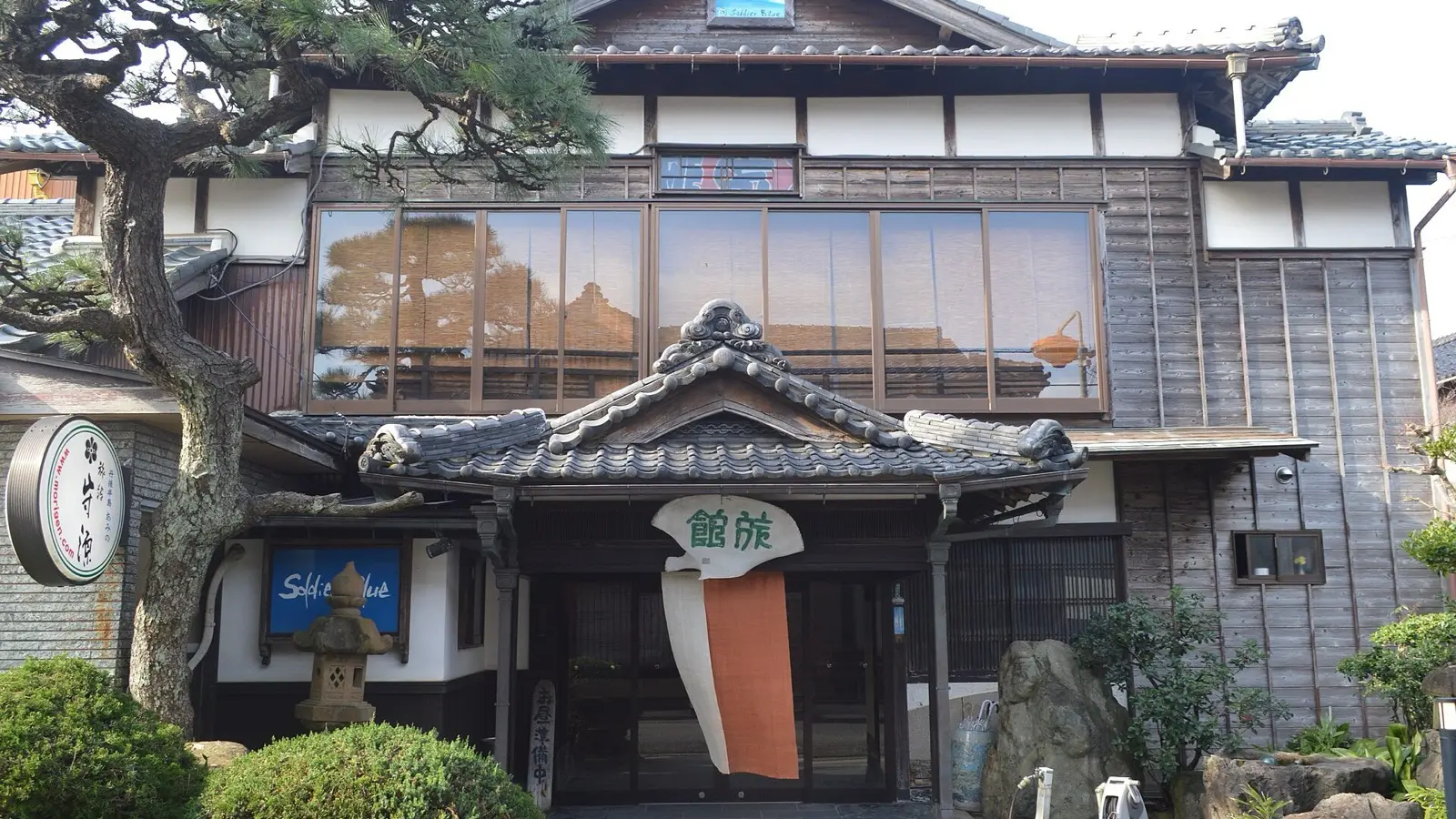
From hundred-year-old timber townhouses in Gion to misty Arashiyama riverside ryokan, staying in Kyoto demands cultural fluency and sharp booking discipline. An honest receipt audit covering kaiseki dinner curfews, private onsen etiquette, and avoiding dynamic pricing spikes.
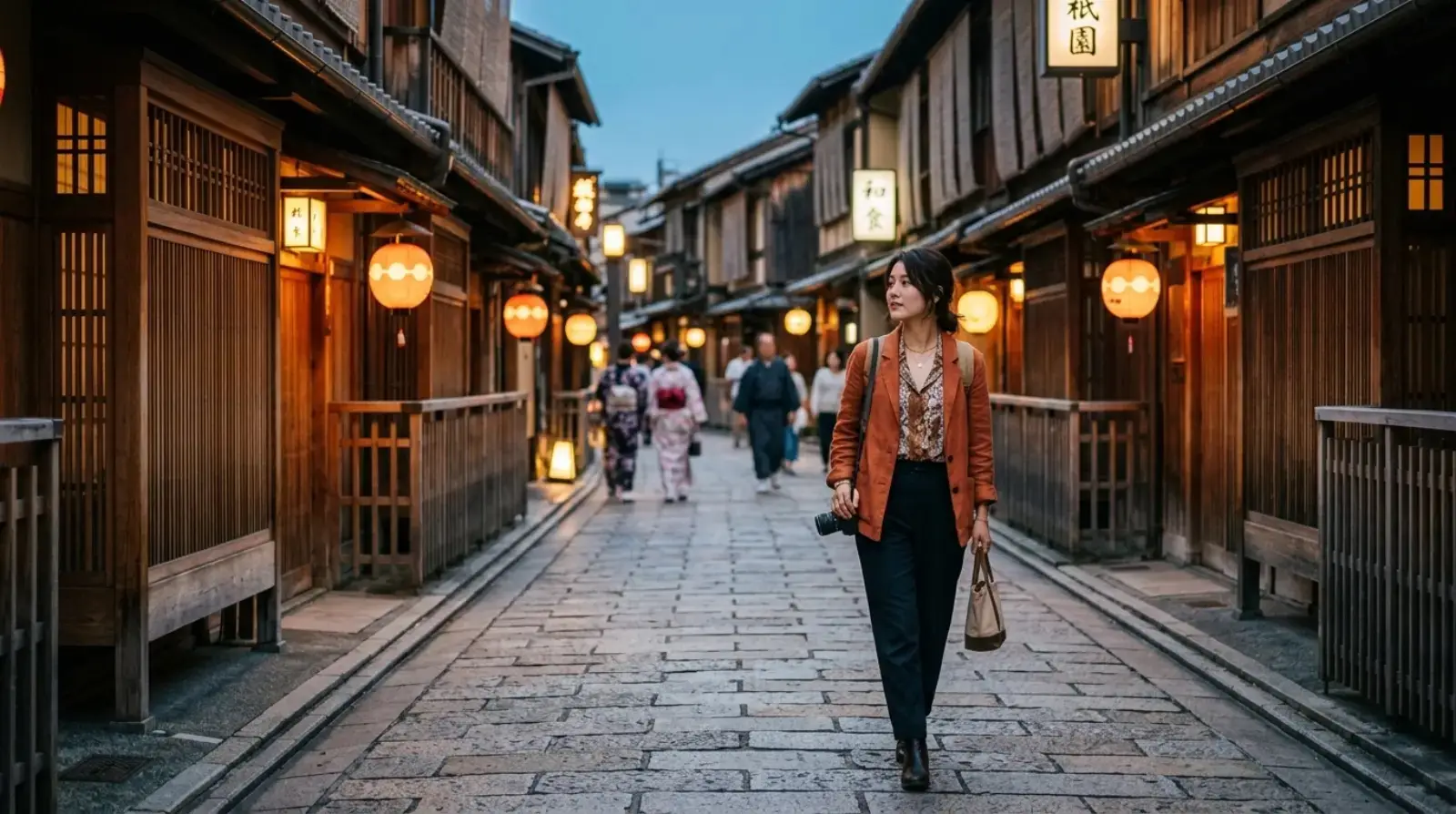
Kyoto Day 1 Arrival Playbook: 75-Minute Haruka Express, Station Luggage Delivery, and Gion Twilight
Boarding the 75-minute Haruka Express from Kansai Airport, forwarding heavy bags straight to your hotel via Crosta at Kyoto Station, avoiding gridlocked buses using the subway, and an evening stroll through Gion to the Kamogawa. A field guide to your first 24 hours.
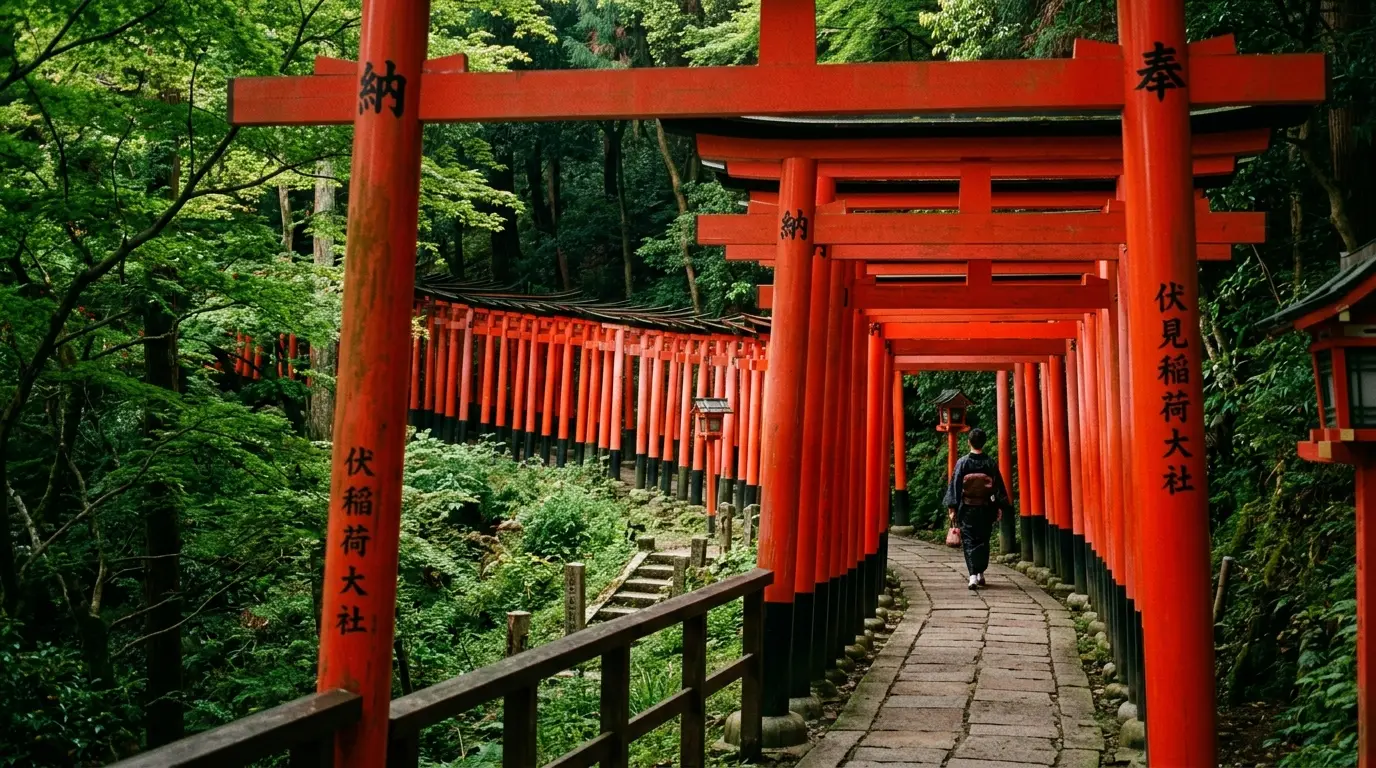
Kyoto Day 2: Fushimi Inari Torii Path, Kiyomizu-dera Heights, Ninenzaka Lanes, and Gion Kaiseki Feast
Day 2 immerses travelers into the spiritual heartbeat and preserved historic streets of Kyoto: early morning solace along thousands of vermilion torii gates at Fushimi Inari, sweeping mountain panoramas from the legendary wooden stage of Kiyomizu-dera, artisan tea shops and matcha sweets across cobblestoned Ninenzaka and Sannenzaka, followed by lantern-lit strolls in Gion Shirakawa and a refined multi-course Kaiseki dinner.
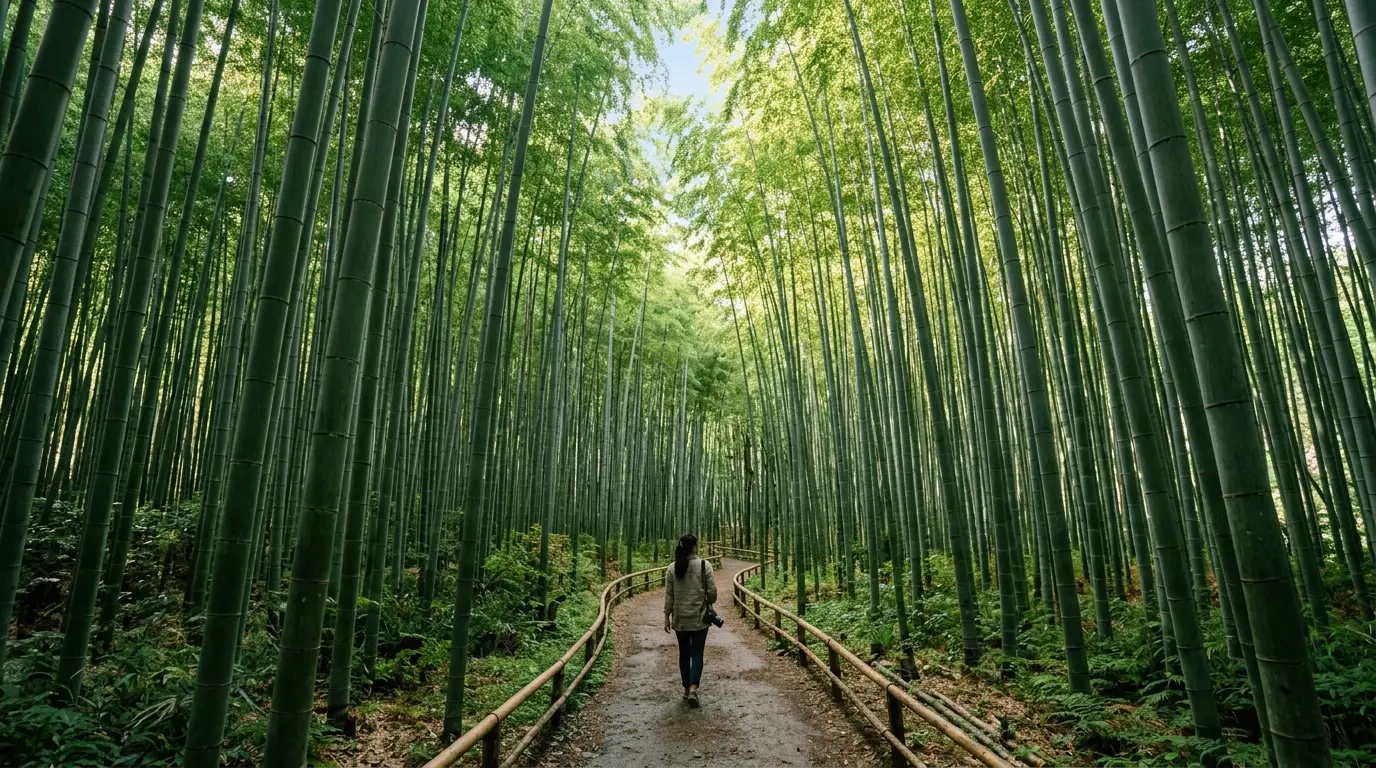
Kyoto Day 3: Arashiyama Bamboo Grove, Tenryu-ji Zen Pond, Nishiki Market, and Haruka Airport Express
A sublime final chapter to your Kyoto journey: morning breezes whispering through towering emerald stalks in the Arashiyama Bamboo Grove, the UNESCO World Heritage mirror pond at Tenryu-ji, riverside specialty coffee by Togetsukyo Bridge, savory culinary treasures inside 400-year-old Nishiki Market, followed by Kyoto Station souvenir shopping and a swift 75-minute ride aboard the JR Haruka Express straight to Kansai Airport.
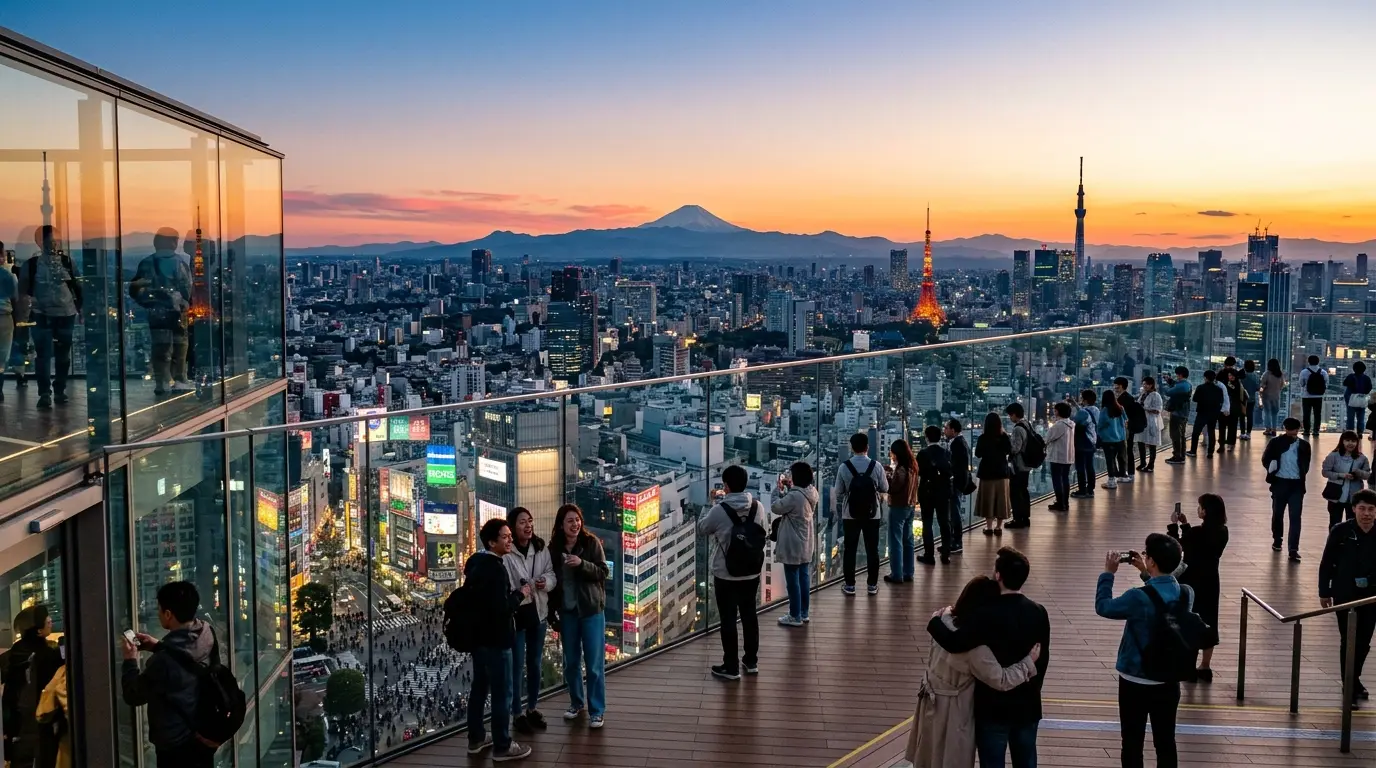
Before Regretting a 13-Sqm Shoebox: The Tokyo 3-Zone and 14-Day Booking Playbook
Comparing room footprints across Shinjuku, Ginza, and Ueno, locking in sudden 14-day cancellation drops, and eliminating DCC fees with clean Yen checkout.
Tokyo Value Hotels Playbook: 7 Smart Yamanote Stays, Onsen Baths and OTA Rate Hacks
Even amid yen fluctuations, central Tokyo hotel rates have soared. Learn how to secure Yamanote loop line hotels at half the price of Shinjuku, compare onsen bath chains like Dormy Inn, trigger secret Agoda VIP and Booking.com Genius discounts, and dodge hidden currency fees with yen settlement.
Tokyo Transit Survival Blueprint: Airport Rail Hacks, Metro Pass Math, and Yamanote Hubs
How to choose between Keisei Skyliner and Narita Express, avoid the Tokyo Subway Ticket trap, use Apple Wallet Suica, and select the ideal hotel base in Tokyo.
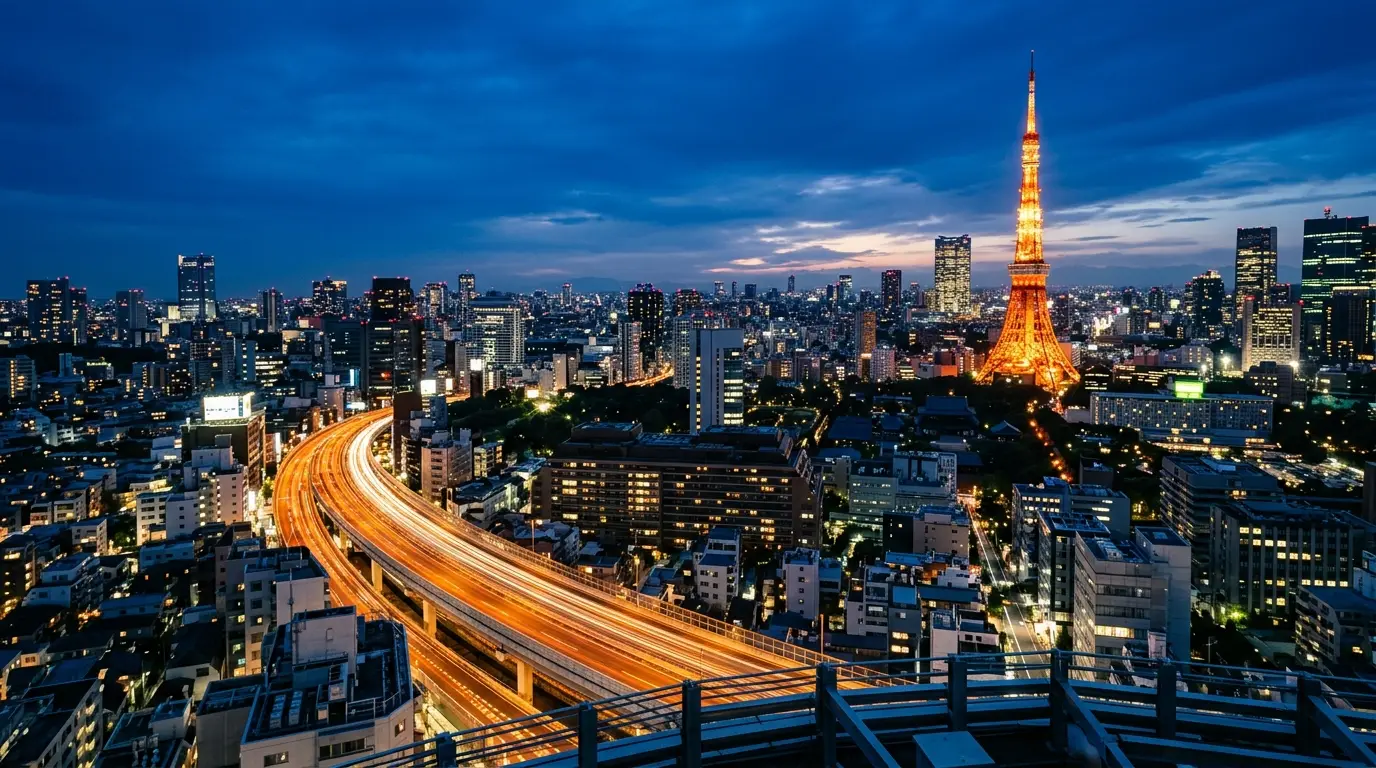
Tokyo Day 1 Arrival Blueprint: Narita Skyliner, Frictionless Ramen, and 24-Hour Settlement
From stepping off at Narita Airport to mastering high-speed trains, navigating Tokyo's sprawling transit hubs, ordering counter ramen effortlessly, and catching sunset from Roppongi Hills. A definitive guide for your first 24 hours in Tokyo.
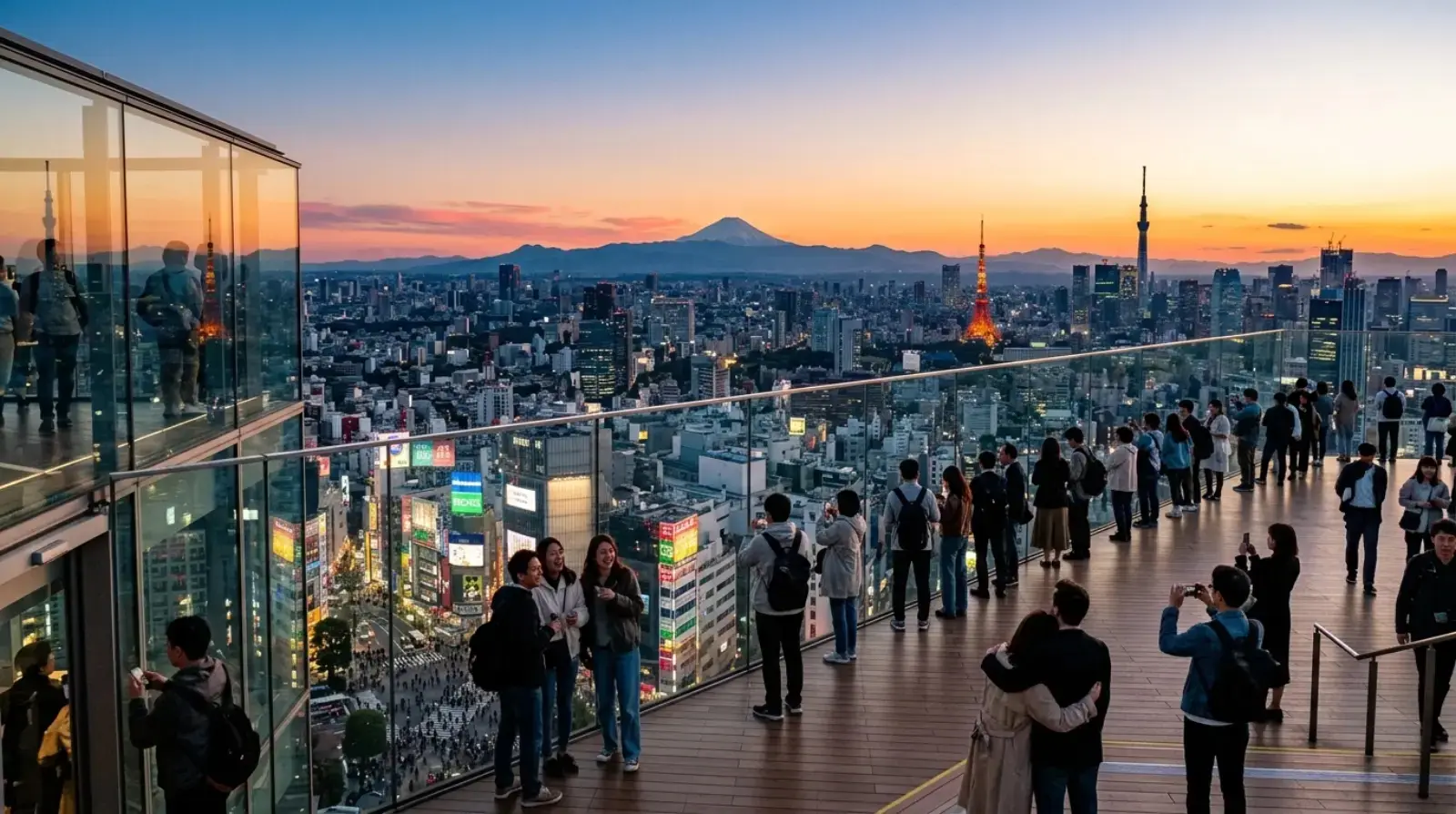
Tokyo Day 2 Iconic Sights Playbook: Shibuya Sky Sunset Booking, Harajuku Alleys, and Roppongi Nightscapes
Securing prime sunset slots atop Shibuya Sky, navigating hidden boutiques along Harajuku Cat Street, immersing in the forested serenity of Meiji Jingu, and marveling at the crimson glow of Tokyo Tower from Roppongi Hills. A masterclass in Day 2 pacing.
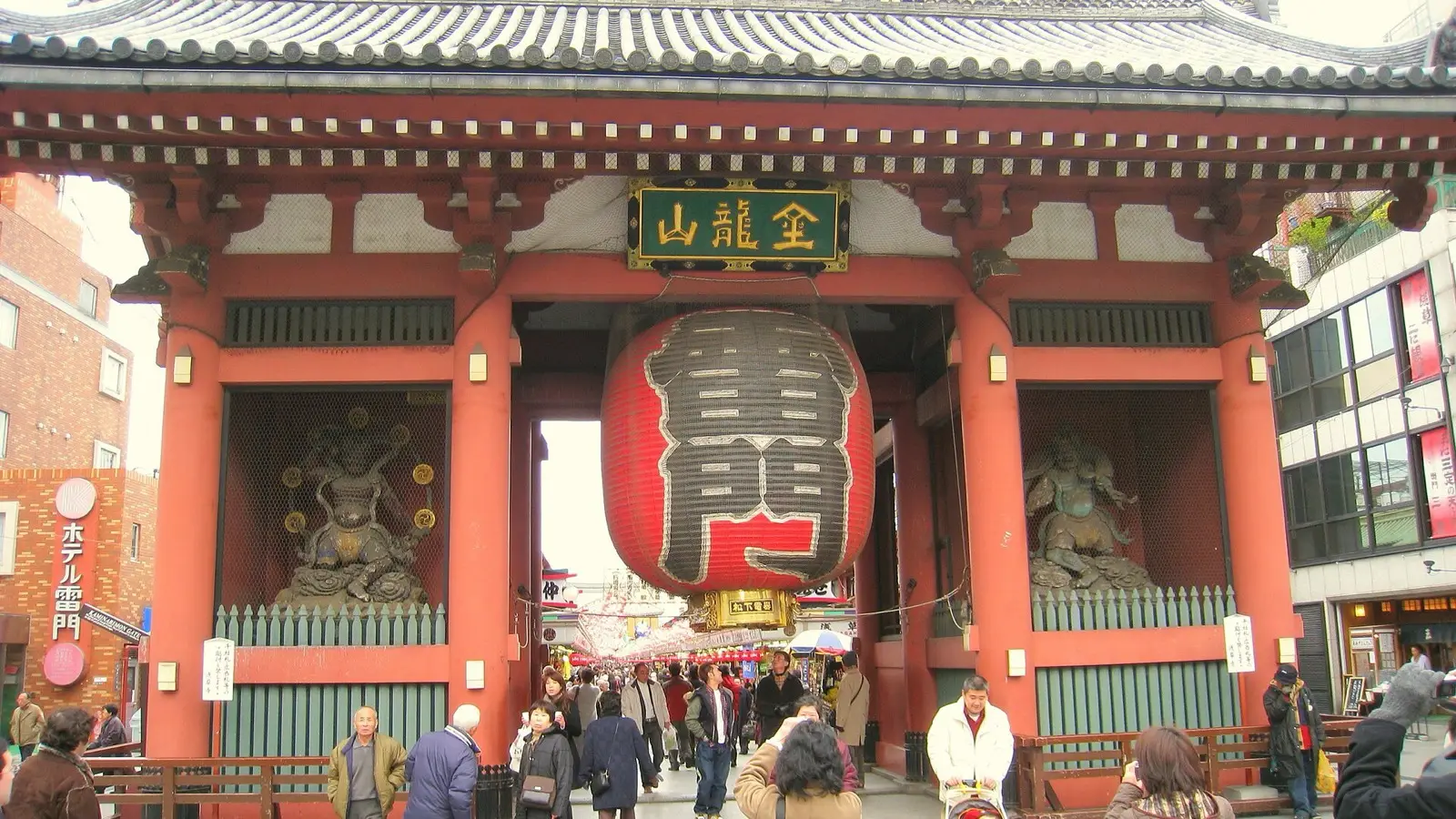
Tokyo Day 3: Asakusa Heritage, Akihabara Pulse, Ginza Depachika, and Seamless Airport Departure
The ultimate finale for your Tokyo stay: tranquil morning worship at Sensoji, retro subculture in Akihabara, Ginza Six architectural rooftop views and basement depachika feasts, capped by seamless Skyliner and N'EX airport connections.
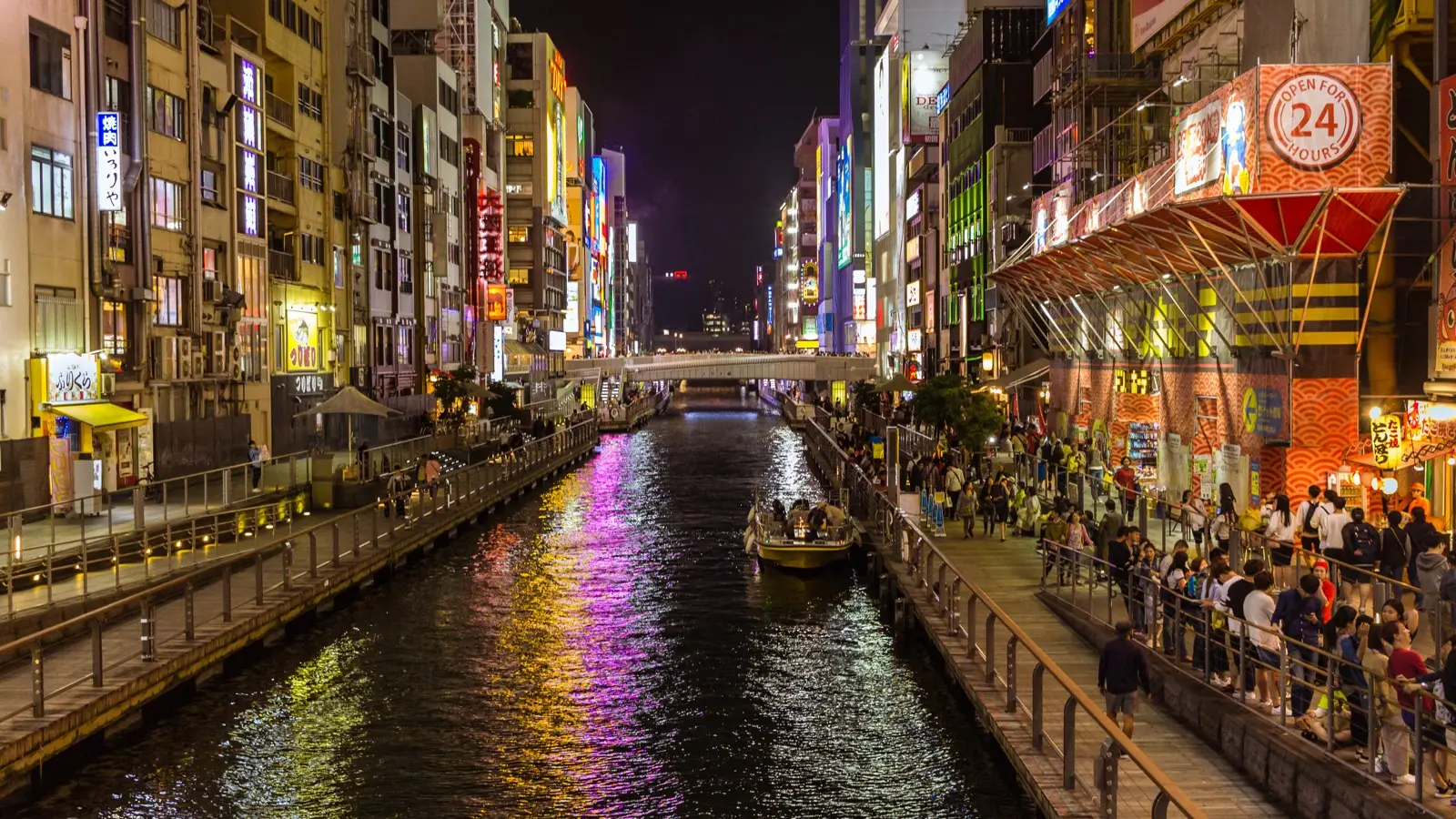
Osaka 72-Hour Feast: Dotonbori Canal Neon, Kuromon Market & Umeda Heights
Osaka is Japan culinary powerhouse where feasting is an art. Navigate Rapi:t airport transfers, Namba vs Umeda hotels, and street food corridors with veteran precision.