
Top 5 Overseas ATM Withdrawal Traps: Dodging Predatory Euronet Fees, DCC Markups, and Skimming Devices
Why you must always select 'Without Conversion' and how to pull zero-fee cash across Thailand, Europe, and Japan
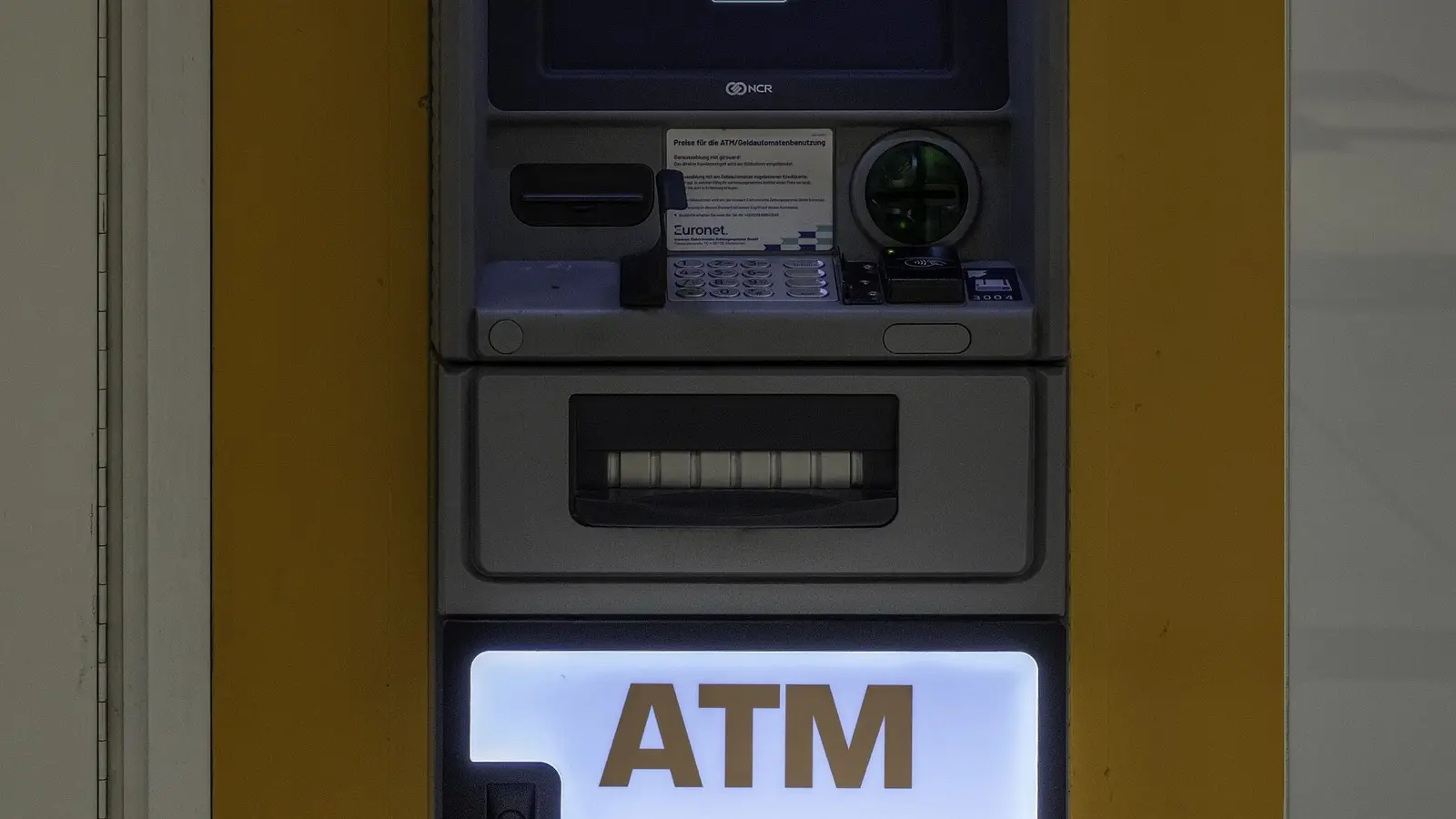
The Standalone Tourist ATM Trap: Bank Branch Terminals vs Private Operator Kiosks
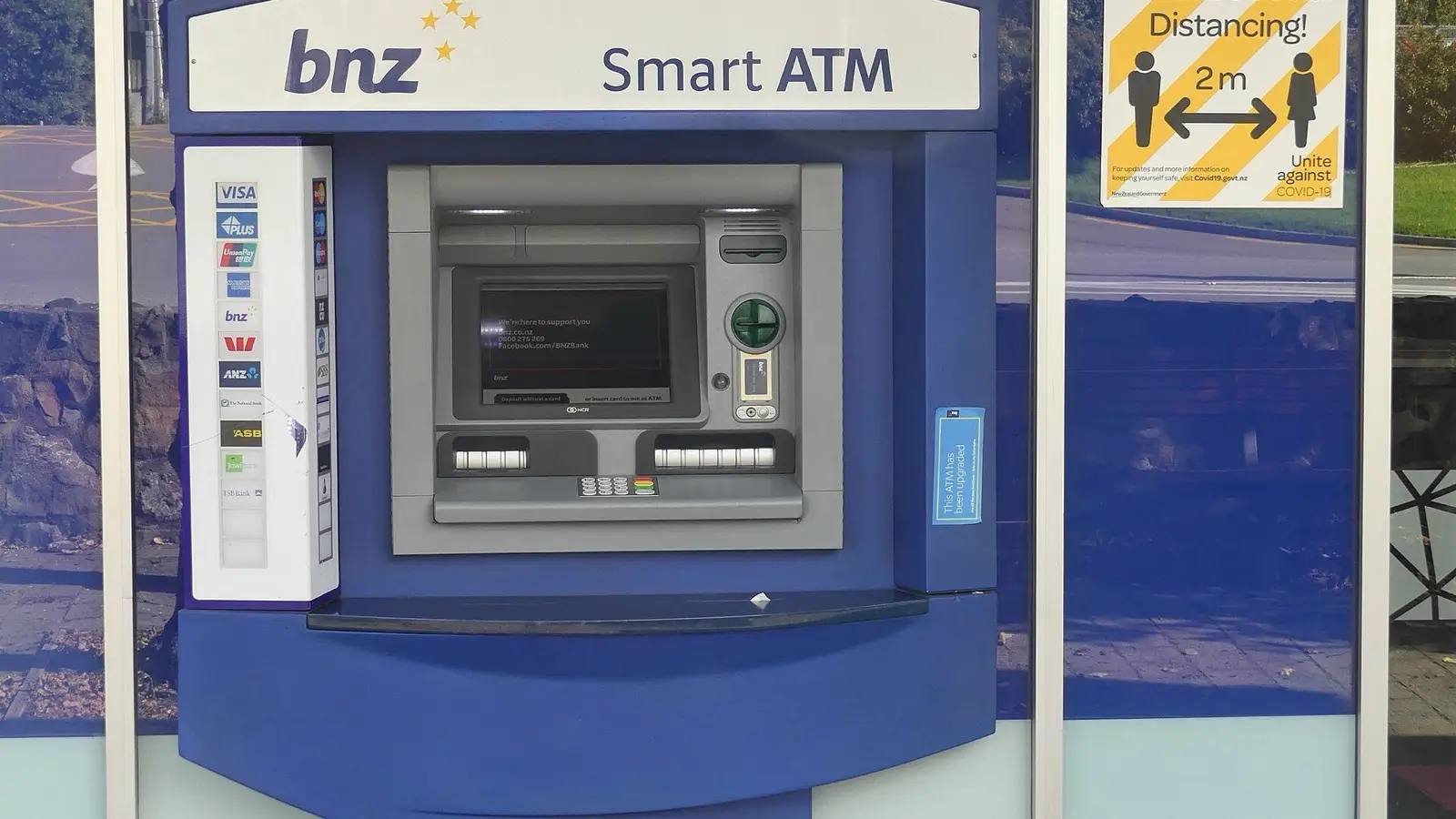
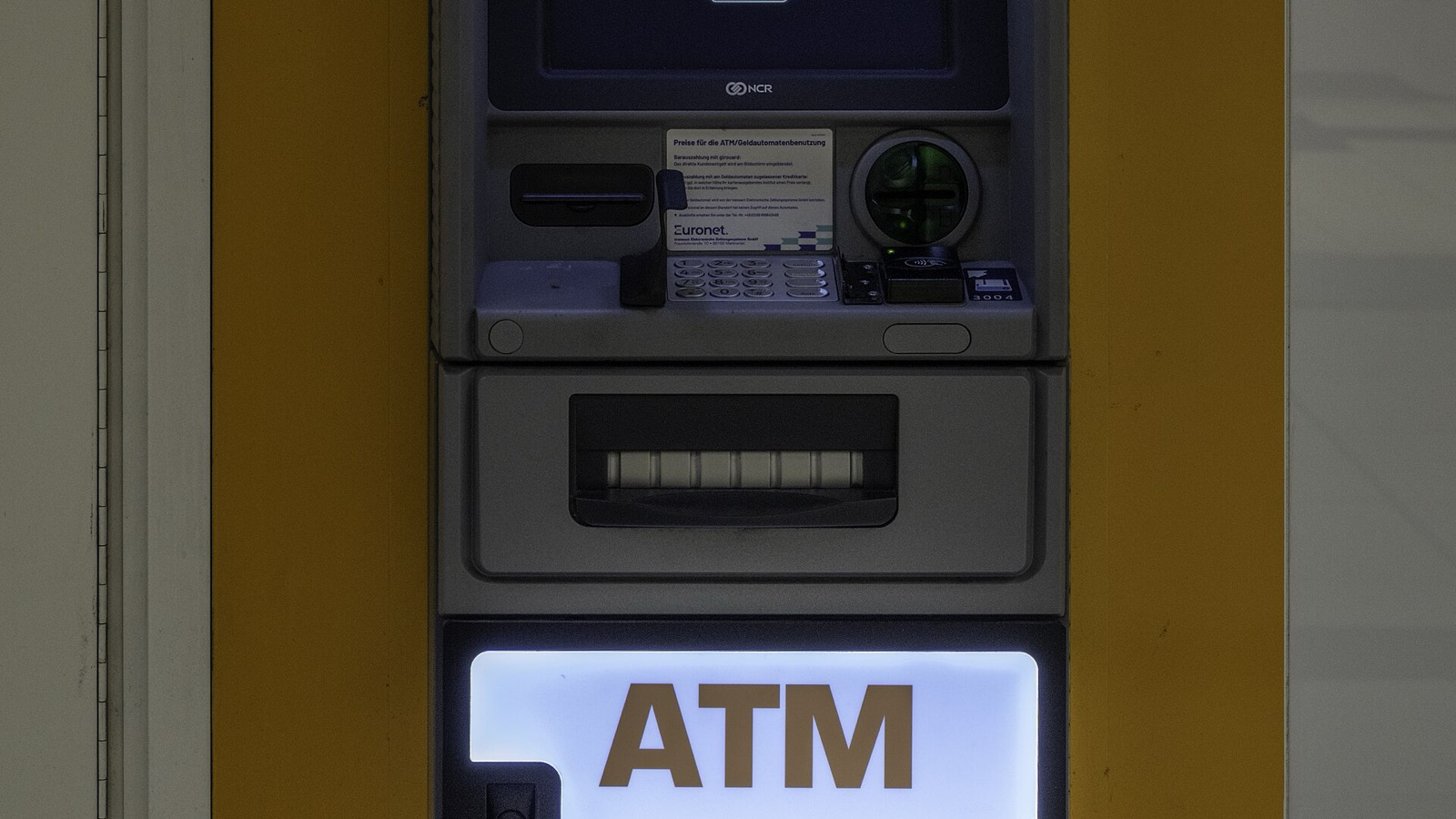
Wandering through bustling tourist corridors across Europe and Southeast Asia, colorful yellow and blue kiosks emblazoned with giant 'ATM' signs stand on every corner. Predominantly operated by independent commercial vendors such as Euronet, these machines blanket train stations, nightlife districts, and historic squares worldwide.
Unlike regulated retail banking machines, private independent terminals operate on commercial currency exchange markups as their primary profit engine. The exchange rates programmed into their internal software run anywhere from 8 to 15 percent worse than official interbank rates, while layering on aggressive fixed operator fees of 4 to 5 euros per transaction.
In contrast, official ATMs affiliated with licensed commercial retail banks (such as HSBC or Barclays in the UK, Bangkok Bank or Kasikornbank in Thailand, and Seven Bank in Japan) adhere to transparent global network rules. Bank branch machines impose minimal or legally capped operator fees, shielding your travel funds from silent attrition.
When foreign cash becomes necessary, bypass standalone sidewalk kiosks entirely. Use mobile navigation apps to search for 'Bank Branch' and withdraw funds exclusively from authenticated indoor lobbies or secure vestibules inside reputable financial institutions.
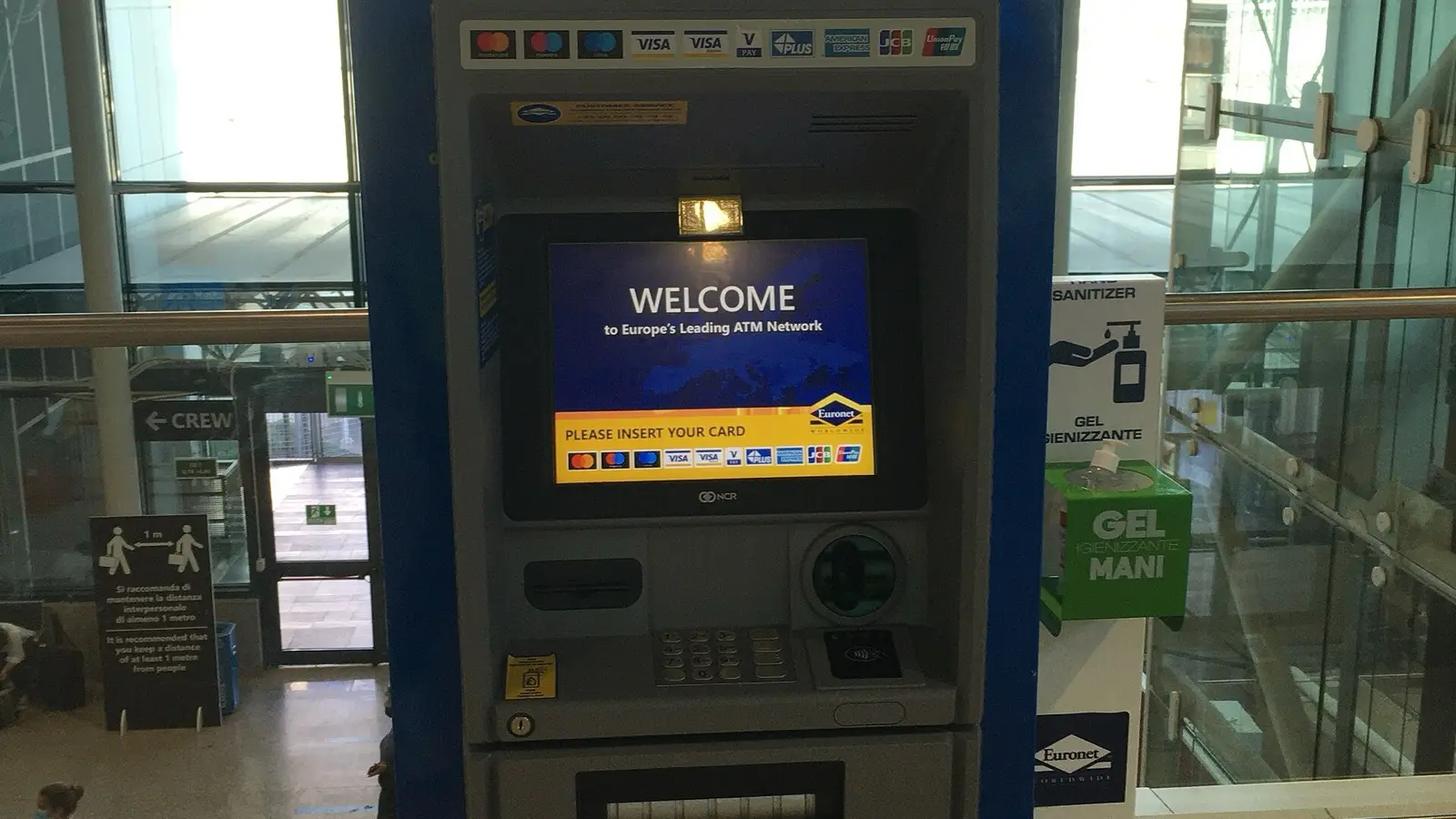
The Terminal Golden Rule: Mastering 'Without Conversion' to Defeat DCC Traps
After inserting your travel card and selecting a withdrawal sum, the ATM screen presents an engineered psychological trap. In bold, reassuring fonts, it asks: 'Would you like to be billed in your home currency?' accompanied by a prominent green button reading 'Accept with Conversion.'
This deceptive prompt represents Dynamic Currency Conversion (DCC), the most expensive trap in international financial travel. Opting for your home currency authorizes the machine operator to execute the exchange using their own inflated conversion spread, tacking an immediate 10 to 13 percent surcharge onto your ledger.
The unbreakable rule of overseas cash machines is to ignore bright graphical cues and actively locate the discreet grey prompt reading 'Without Conversion,' 'Decline Conversion,' or 'Debit in Local Currency.'
Choosing to decline conversion frequently triggers intimidating follow-up warnings stating that exchange rates cannot be guaranteed. This is purely predatory corporate posturing designed to preserve profit margins. Declining the conversion forces the transaction into the local currency, ensuring your own home card issuer handles the settlement at wholesale interbank rates.
Country-Specific Operator Fee Models: Thailand's 220-Baht Trap vs Japan's Free Network
Modern multi-currency travel cards (such as TravelLog, Revolut, or Wise) eliminate international transaction charges and card issuer markup, yet they cannot unilaterally override independent foreign ATM operator fees charged by the machine itself.
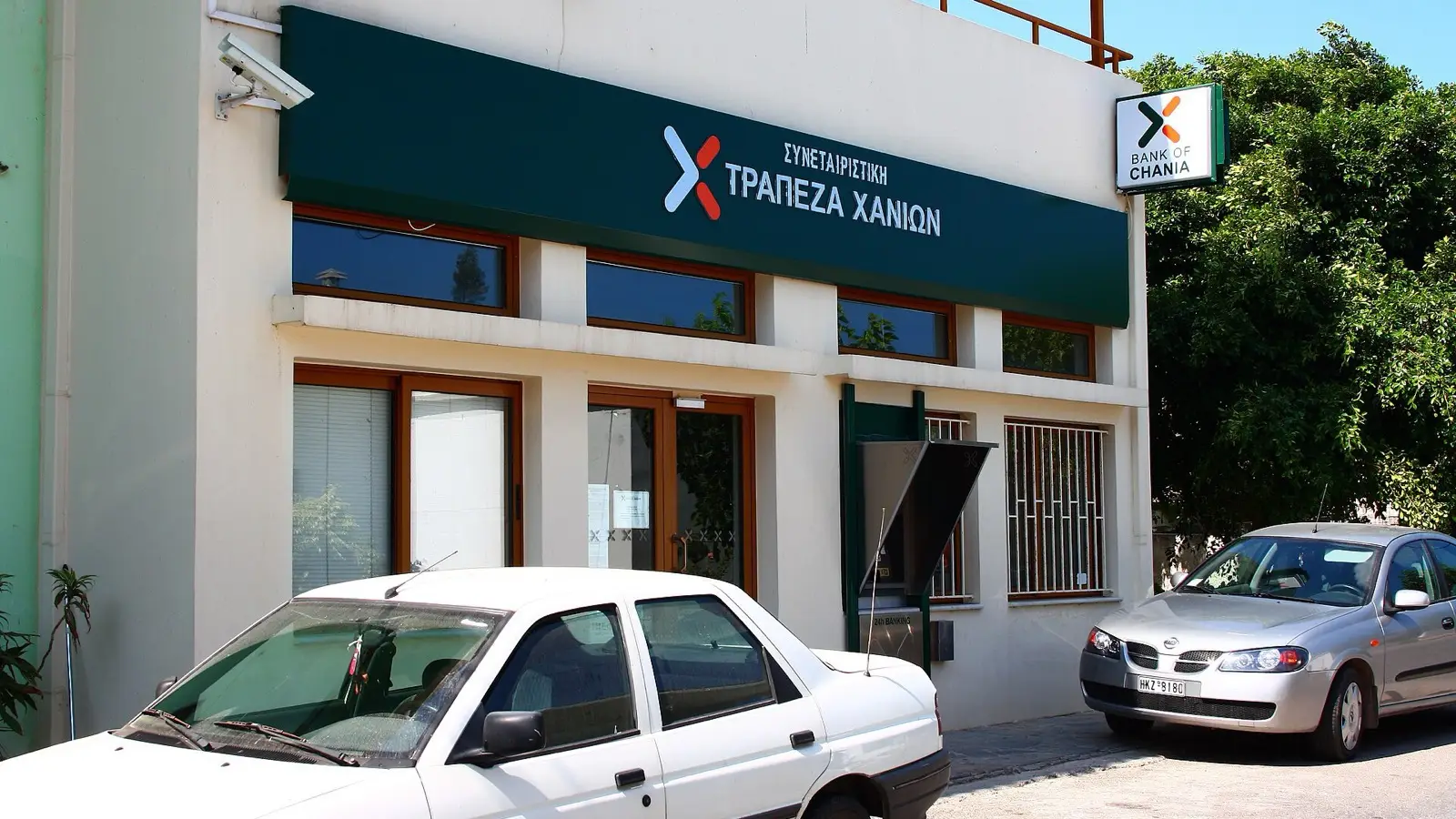
Thailand stands as a prime example of this mechanism. Every major commercial bank ATM in Thailand (SCB, Kasikorn, Bangkok Bank) levies a mandatory, non-negotiable operator fee of 220 Thai Baht (roughly 6.50 USD) on all foreign cards per withdrawal. Because withdrawing 1,000 Baht incurs the exact same 220-Baht charge as 20,000 Baht, withdrawing larger sums at once minimizes the percentage loss.
The rare exception to Thailand's universal 220-baht charge is finding designated AEON Bank ATMs located inside Japanese department stores and select shopping malls. AEON waives local operator fees for international partner cards, making these machines essential pilgrimage points for savvy long-term travelers.
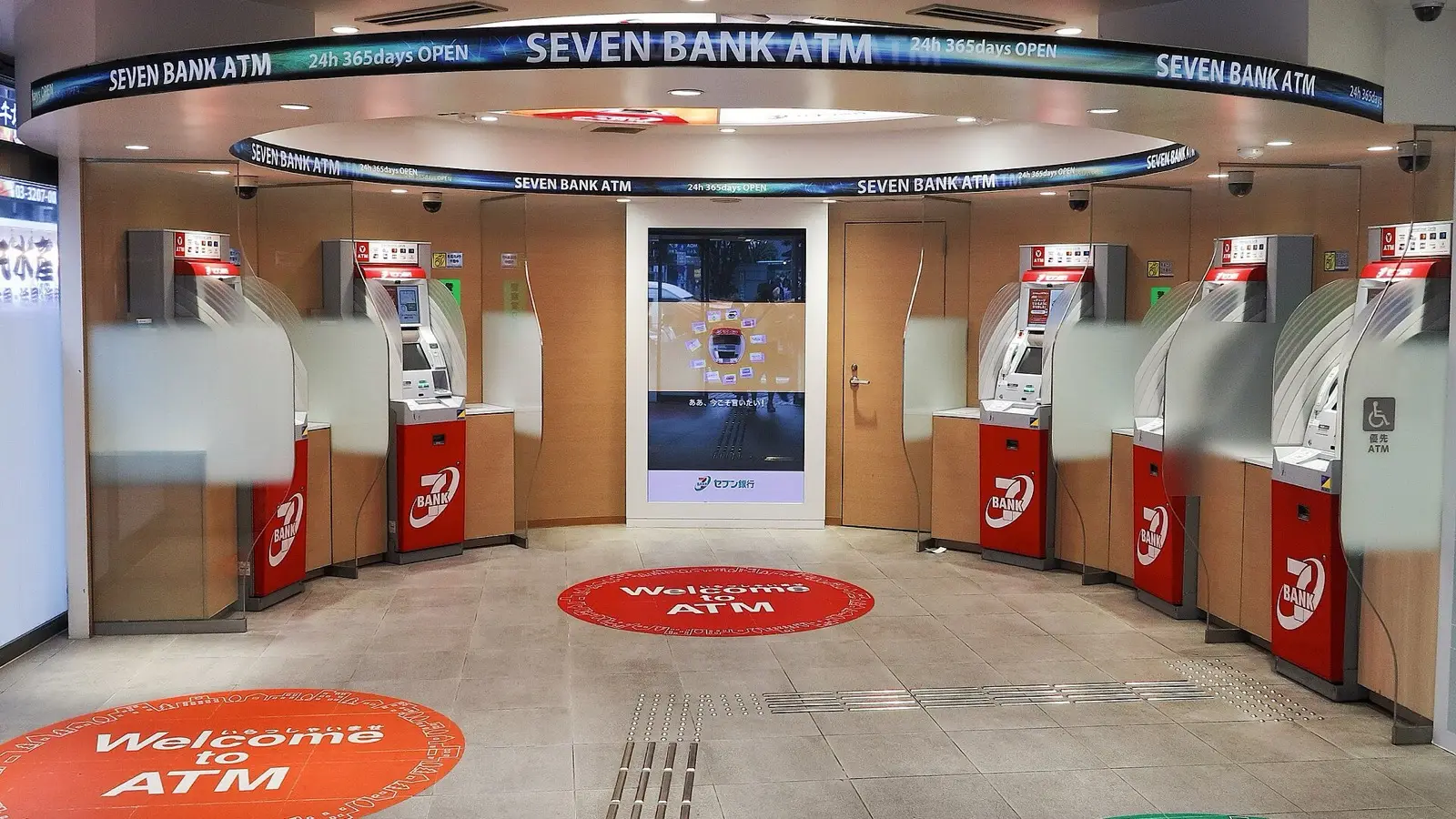
Japan, by contrast, offers the gold standard in seamless global cash access. Seven Bank ATMs located inside every 7-Eleven convenience store operate in direct partnership with international Visa and Mastercard networks, levying zero local operator fees and dispensing crisp 1,000-yen notes around the clock.
Defending Against Magnetic Skimmers and Solving 6-Digit PIN Prompts
The most insidious criminal danger when utilizing foreign cash machines is card skimming. Sophisticated syndicates overlay fraudulent magnetic card readers over legitimate machine slots while mounting pinhole spy cameras directly above the numerical keypad to harvest PIN codes.
Before sliding your card into any foreign terminal, physically grasp and wiggle the plastic mouth of the card slot. If the assembly feels loose, uneven, or bears suspicious adhesive residue, abort the transaction immediately. Furthermore, form the instinctive habit of shielding the keypad with your wallet or palm when entering secret codes.
Travelers frequently face sudden confusion when an overseas cash machine requests a six-digit personal identification number, even though their domestic card uses only a four-digit PIN.
Entering erroneous codes three times will trigger permanent card confiscation by the terminal. In the vast majority of systems demanding a six-digit code, appending '00' to the end of your standard four-digit PIN (e.g., 123400) successfully satisfies the terminal validation logic. Verifying international withdrawal PIN settings in your banking app before departure remains the safest prevention.
Dynamic Withdrawal Limits and Managing Backup Secondary Travel Cards
The final layer of financial defense lies in active mobile banking controls. Modern digital travel card applications allow users to keep foreign currency wallets empty until moments before withdrawal, while toggling 'Overseas ATM Access' off during routine daytime touring.
Similarly, maintaining tight daily withdrawal thresholds (equivalent to 100 or 200 USD) and temporarily lifting limits only on the morning of a planned cash run prevents catastrophic loss in the event of digital compromise.
To safeguard against unexpected card swallowing or physical microchip degradation, always carry two distinct travel cards operating on competing payment rails (one Visa and one Mastercard).
Carrying your primary card in an interior travel pouch while securing the backup card inside your hotel room safe alongside your passport ensures complete resilience, keeping your holiday fully funded regardless of unexpected terminal mishaps.
Frequently Asked Questions
Field-tested answers to transit navigation, neighborhood choices, and payment traps.
Q1.Should I choose 'Without Conversion' or 'With Conversion' at foreign ATMs?
Q2.How can I avoid Thailand's universal 220-baht ATM fee?
Q3.What should I do if an overseas ATM asks for a 6-digit PIN?
Q4.What should I do if an overseas ATM swallows my travel card?
The Smart Traveler's Essential Toolkit
Prepare instant mobile data, private airport transfers, and skip-the-line passes in one place.
Pick a base in Bangkok by your route
Choose the places you want to see and get the neighbourhood with the shortest travel.
Compare Bangkok Hotel Rates
Find the cheapest channel across Agoda and major booking engines with Tripdify.
Share This Guide with Your Companions
When shared via chat or social media, a curated summary card is sent along.
Recommended Guides

Bangkok 72-Hour Field Guide: Chao Phraya Sunsets, Street Food & Hotel Strategy
Master Bangkok with confidence: airport express logistics, Riverside vs Sukhumvit accommodation bases, temple morning protocols, and cashless GLN QR payments.
The Bangkok Luxury Hotel Playbook: Riverside Grandeur and Rooftop Pools Under $150
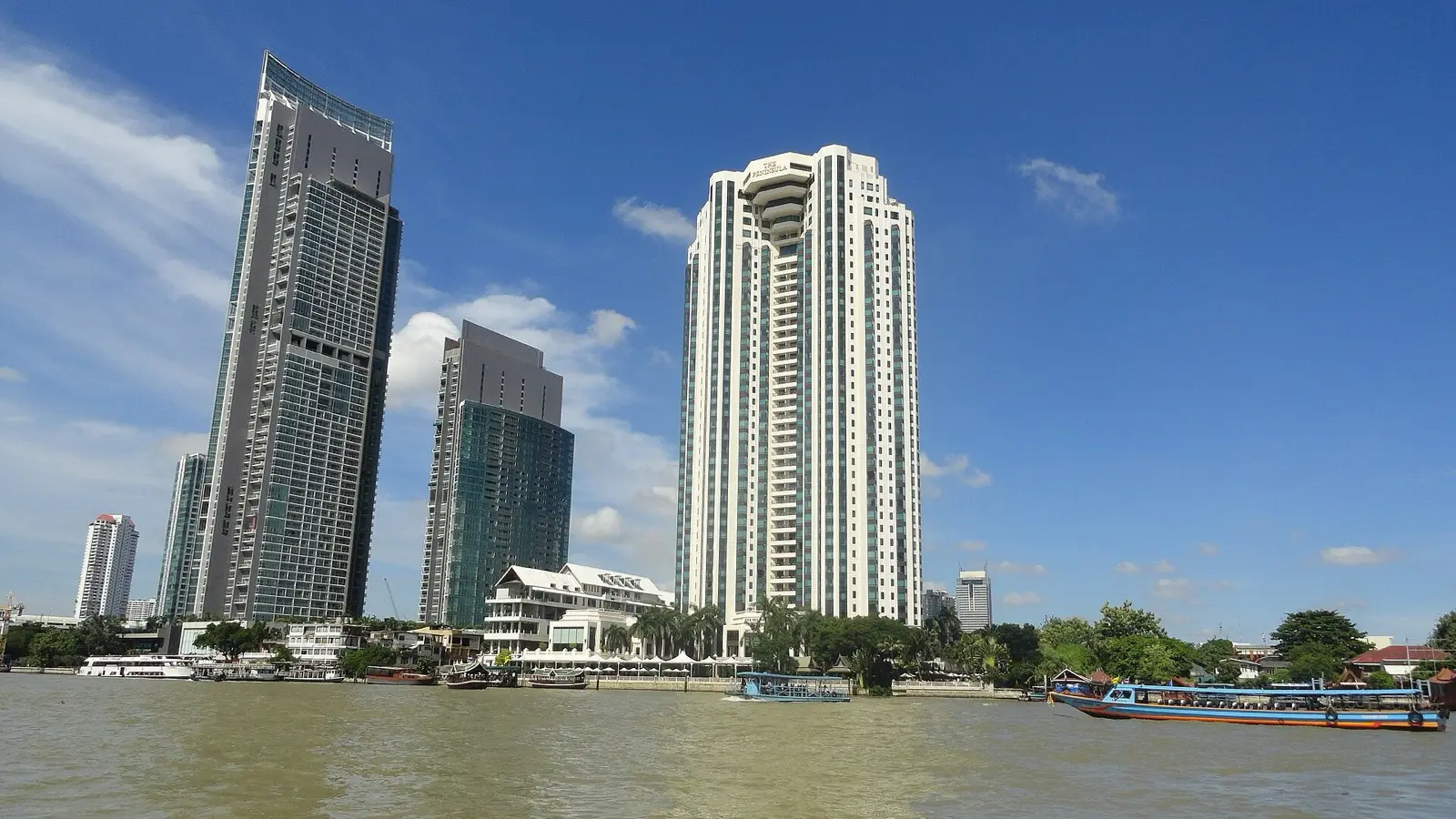
Comparing riverside and BTS shopping hubs, hacking executive club dining packages, and locking in pure THB settlement to dodge costly DCC card spreads.
Bangkok Neighborhood Field Guide: Sukhumvit vs Silom vs Ari, Dodging Tuk-Tuk Scams, and Airport Taxi Realities
Beneath Bangkok's golden stupas and celebrated culinary vitality lies the world's most notorious gridlock and predatory transport rackets. Choosing where to drop your luggage dictates whether your holiday is spent absorbing local charm or trapped in exhaust-choked taxis. Here is an unvarnished field guide to selecting strategically sound lodging, evading classic tout operations, and mastering local transit.
Bangkok Day 1 Survival Blueprint: Suvarnabhumi Airport Escape and the First 24 Hours
How to escape Suvarnabhumi Airport for 45 THB, order stress-free first meals without cilantro, catch golden hour at Lumphini Park, and stock up at 7-Eleven.
Bangkok Day 2: Chao Phraya River Cruise, Wat Arun, ICONSIAM, and Yaowarat Feasts
A sensory odyssey along the River of Kings on Day 2: breezy Chao Phraya express boats, the colossal 46-meter reclining gold Buddha at Wat Pho, shimmering porcelain spires of Wat Arun, air-conditioned street food delights inside ICONSIAM's SookSiam, and late-night wok-fried Michelin feasts in neon-lit Yaowarat.
Bangkok Day 3: Chatuchak Market, Siam Retail, Luxury Spas, and Suvarnabhumi Airport Departure
A flawless final 24 hours in Bangkok: treasure hunting across 15,000 stalls at Chatuchak Weekend Market, vacuum-sealed mango and tom yum snack hauls in Siam, soothing two-hour traditional herbal massages, and friction-free Airport Rail Link connections to Suvarnabhumi Airport (BKK).
Walking Bangkok's Talat Noi: Rusting Engines, River Breezes, and Vintage Alleyway Cafes
Leaving behind the air-conditioned mega-malls of Sukhumvit, we wander into Talat Noi, Bangkok's storied riverside quarter south of Chinatown. Among grease-stained alleyways stacked with vintage engine parts (Sieng Kong), contemporary coffee roasteries and street murals emerge beside the 200-year-old courtyard of So Heng Tai mansion, capturing an intimate narrative of the Chao Phraya at dusk.
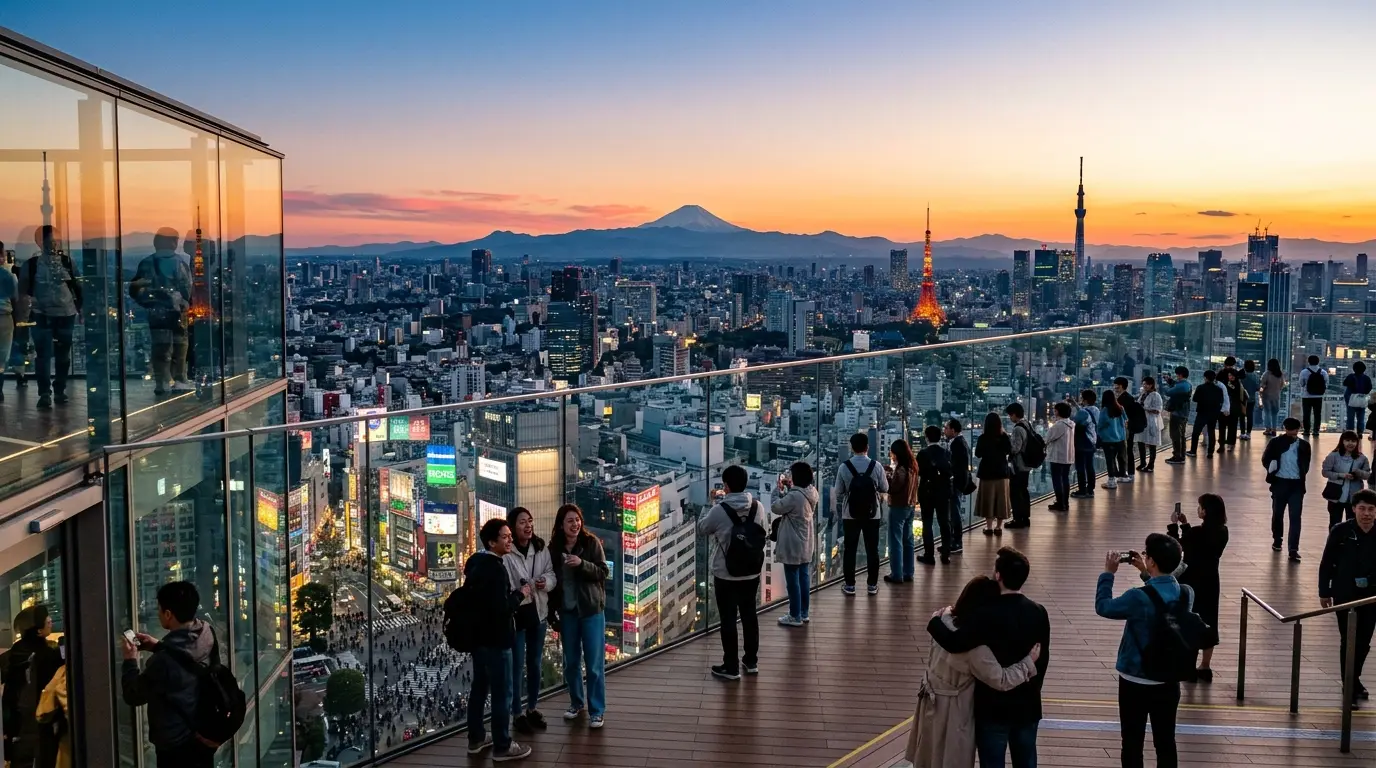
Before Regretting a 13-Sqm Shoebox: The Tokyo 3-Zone and 14-Day Booking Playbook
Comparing room footprints across Shinjuku, Ginza, and Ueno, locking in sudden 14-day cancellation drops, and eliminating DCC fees with clean Yen checkout.

Tokyo Value Hotels Playbook: 7 Smart Yamanote Stays, Onsen Baths and OTA Rate Hacks
Even amid yen fluctuations, central Tokyo hotel rates have soared. Learn how to secure Yamanote loop line hotels at half the price of Shinjuku, compare onsen bath chains like Dormy Inn, trigger secret Agoda VIP and Booking.com Genius discounts, and dodge hidden currency fees with yen settlement.
Tokyo Transit Survival Blueprint: Airport Rail Hacks, Metro Pass Math, and Yamanote Hubs
How to choose between Keisei Skyliner and Narita Express, avoid the Tokyo Subway Ticket trap, use Apple Wallet Suica, and select the ideal hotel base in Tokyo.
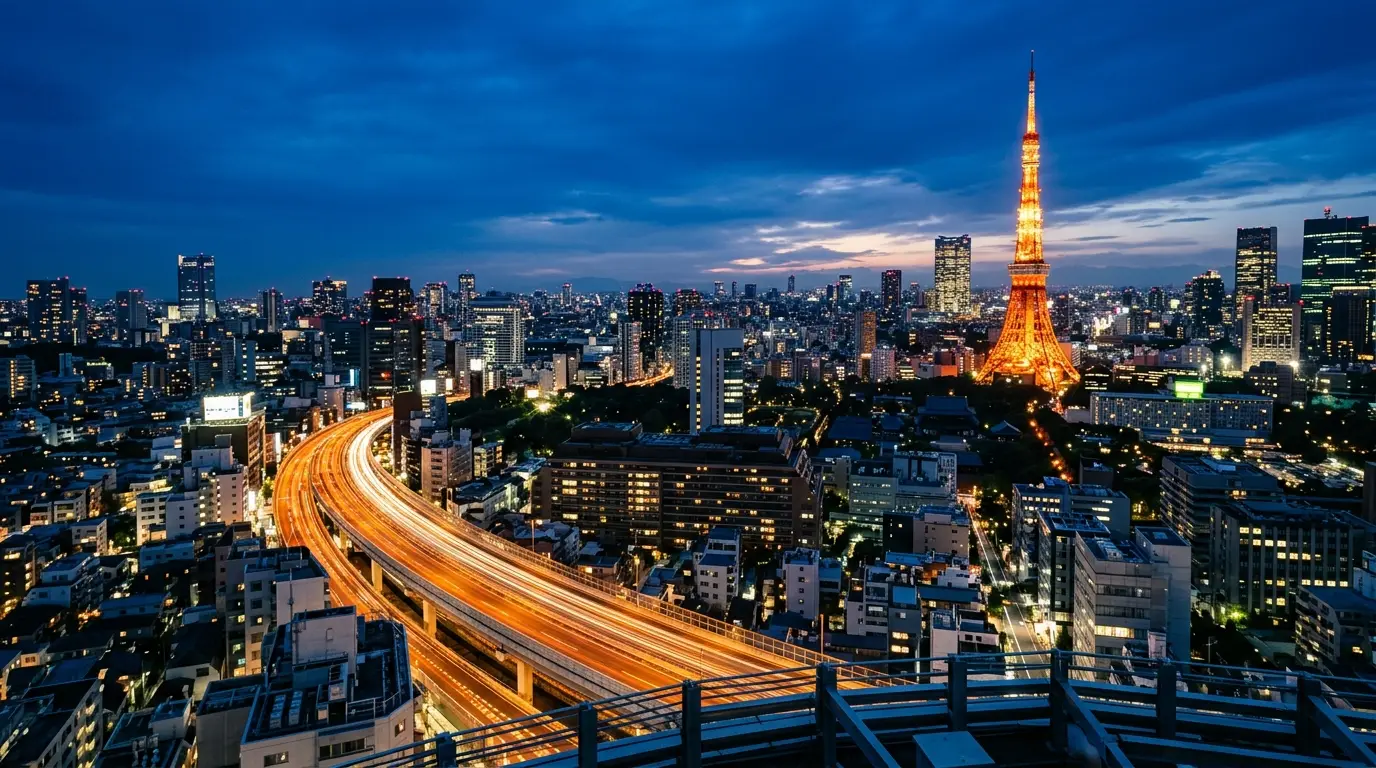
Tokyo Day 1 Arrival Blueprint: Narita Skyliner, Frictionless Ramen, and 24-Hour Settlement
From stepping off at Narita Airport to mastering high-speed trains, navigating Tokyo's sprawling transit hubs, ordering counter ramen effortlessly, and catching sunset from Roppongi Hills. A definitive guide for your first 24 hours in Tokyo.
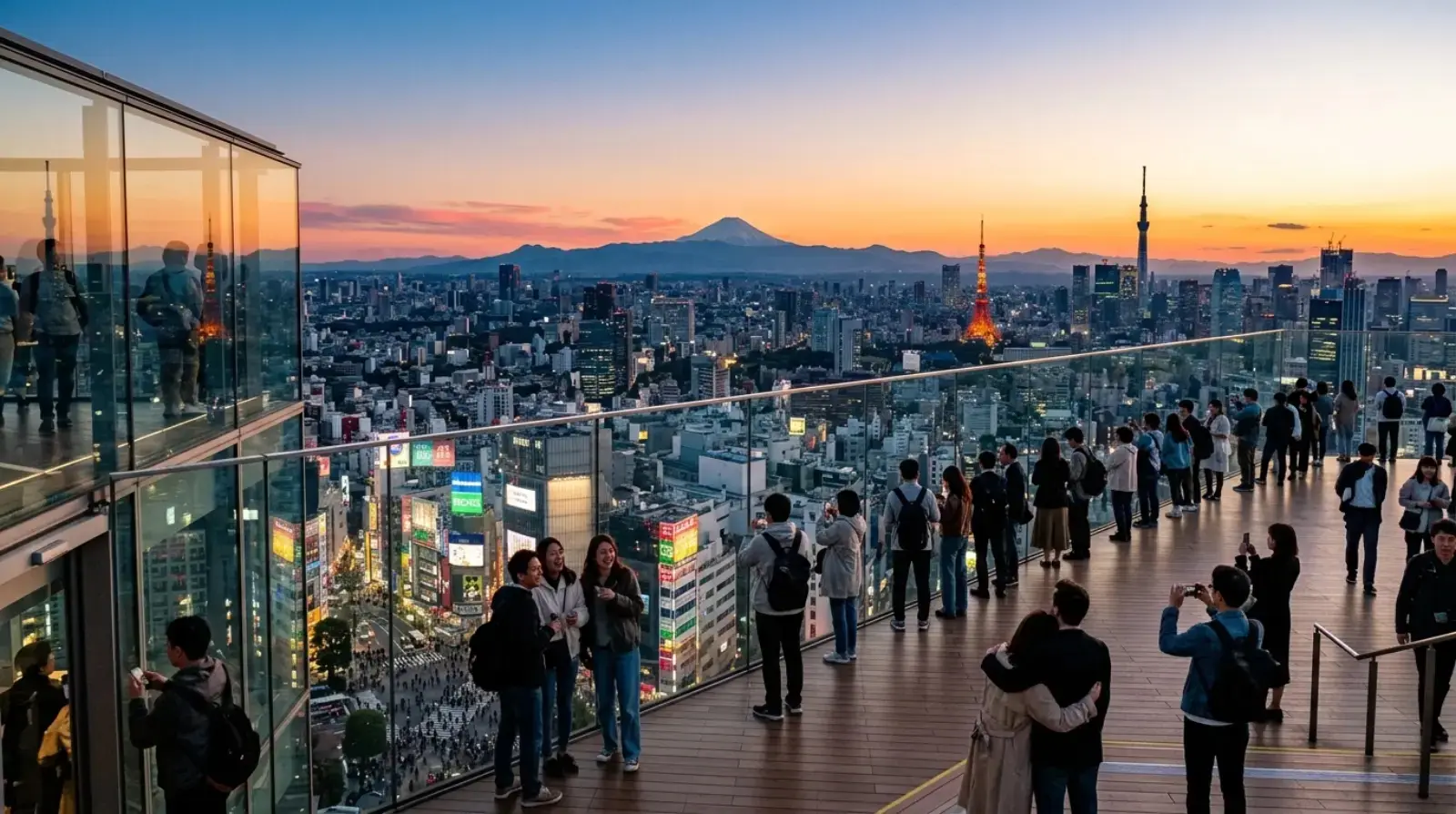
Tokyo Day 2 Iconic Sights Playbook: Shibuya Sky Sunset Booking, Harajuku Alleys, and Roppongi Nightscapes
Securing prime sunset slots atop Shibuya Sky, navigating hidden boutiques along Harajuku Cat Street, immersing in the forested serenity of Meiji Jingu, and marveling at the crimson glow of Tokyo Tower from Roppongi Hills. A masterclass in Day 2 pacing.