
5 Hidden Hotel Fee Traps Overseas: Resort Fees, City Taxes, Early Check-in Charges, and Deposit Hold Defenses
Why your checkout bill exceeds your online booking total and how to safeguard your card credit limit
The Anatomy of Resort Fees: The Hidden Surcharge Wave Across North America
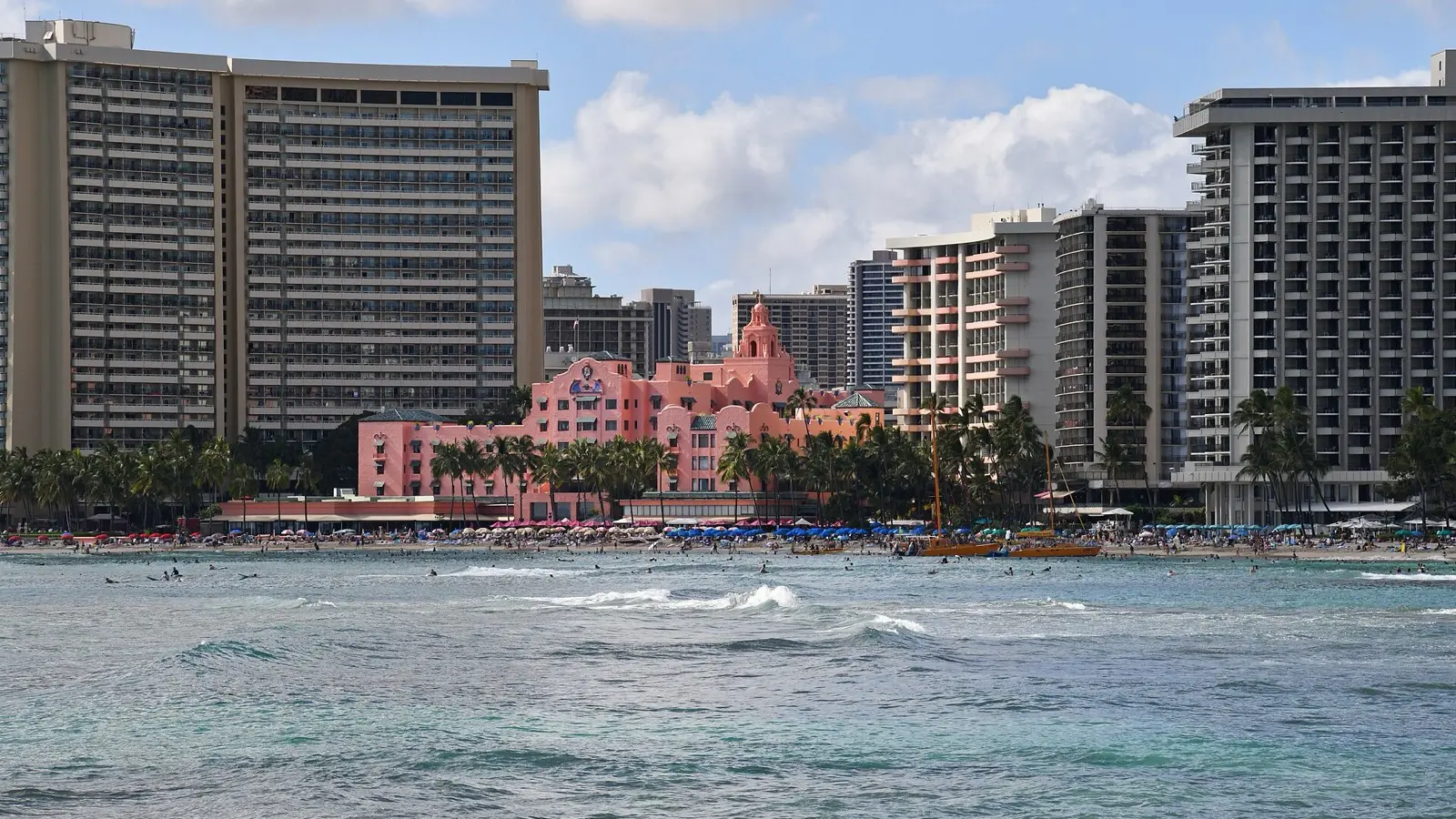
When browsing hotels in Honolulu, Las Vegas, Miami, or New York, the most pervasive financial ambush is the mandatory 'Resort Fee' or 'Destination Amenity Fee'. An appealing promotional nightly rate of 150 dollars on travel search engines frequently conceals an inescapable 40 to 60 dollar daily surcharge billed either in the checkout fine print or directly at the hotel front desk.
Hotels defend these mandatory add-ons by claiming they bundle high-speed Wi-Fi, in-room coffee capsules, fitness center access, pool towel service, and unlimited local phone calls. In reality, bundling basic amenities that contemporary travelers expect standard into an unbundled mandatory fee functions as a search-engine arbitrage tactic to artificially suppress base rates in search algorithms.
What makes resort fees particularly egregious is their non-negotiable nature: guests who never step into the swimming pool, utilize fitness equipment, or take advantage of packaged perks remain legally obligated to pay the full daily surcharge. Polite front desk requests to opt out are routinely rejected under corporate property terms.
When evaluating American properties, never calculate budgets solely off the headline nightly rate. Click into the taxes and fees breakdown before finalizing reservations to verify mandatory on-property charges. On a four-night holiday, resort fees alone routinely add upwards of 200 dollars to your total checkout balance.
European City Taxes and Japanese Accommodation Levies: Calculating Per-Person Fees
Throughout Europe and parts of Japan, travelers encounter municipal occupancy taxes that hotels collect directly on behalf of local governments. Popular historic hubs including Paris, Rome, Barcelona, Florence, and Venice enforce statutory city tourist taxes scaled by hotel star rating, running anywhere from 3 euros to well over 10 euros per person per night.
For a couple staying four nights in a central four-star Parisian hotel, an 8-euro per person daily tax totals 64 euros due upon checkout. Because international booking engines frequently exclude municipal levies from initial card charges, many visitors are caught off guard when handed this secondary tax bill.
Major Japanese metropolitan destinations like Tokyo, Kyoto, Osaka, and Fukuoka similarly levy local accommodation taxes ranging from 100 to 1,000 yen per person nightly based on room rate tiers. Kyoto in particular enforces strict progressive tax bands across luxury ryokans, traditional machiyas, and contemporary hotels alike.
Because municipal occupancy taxes represent legal mandates beyond hotel discretion, properties cannot waive them. Some historic boutique properties and heritage guesthouses even require cash payment for local taxes, making it prudent to carry sufficient small-denomination euro or yen notes to settle these levies at departure.

The Early Arrival and Late Checkout Price Trap: Courtesy vs Contractual Charges
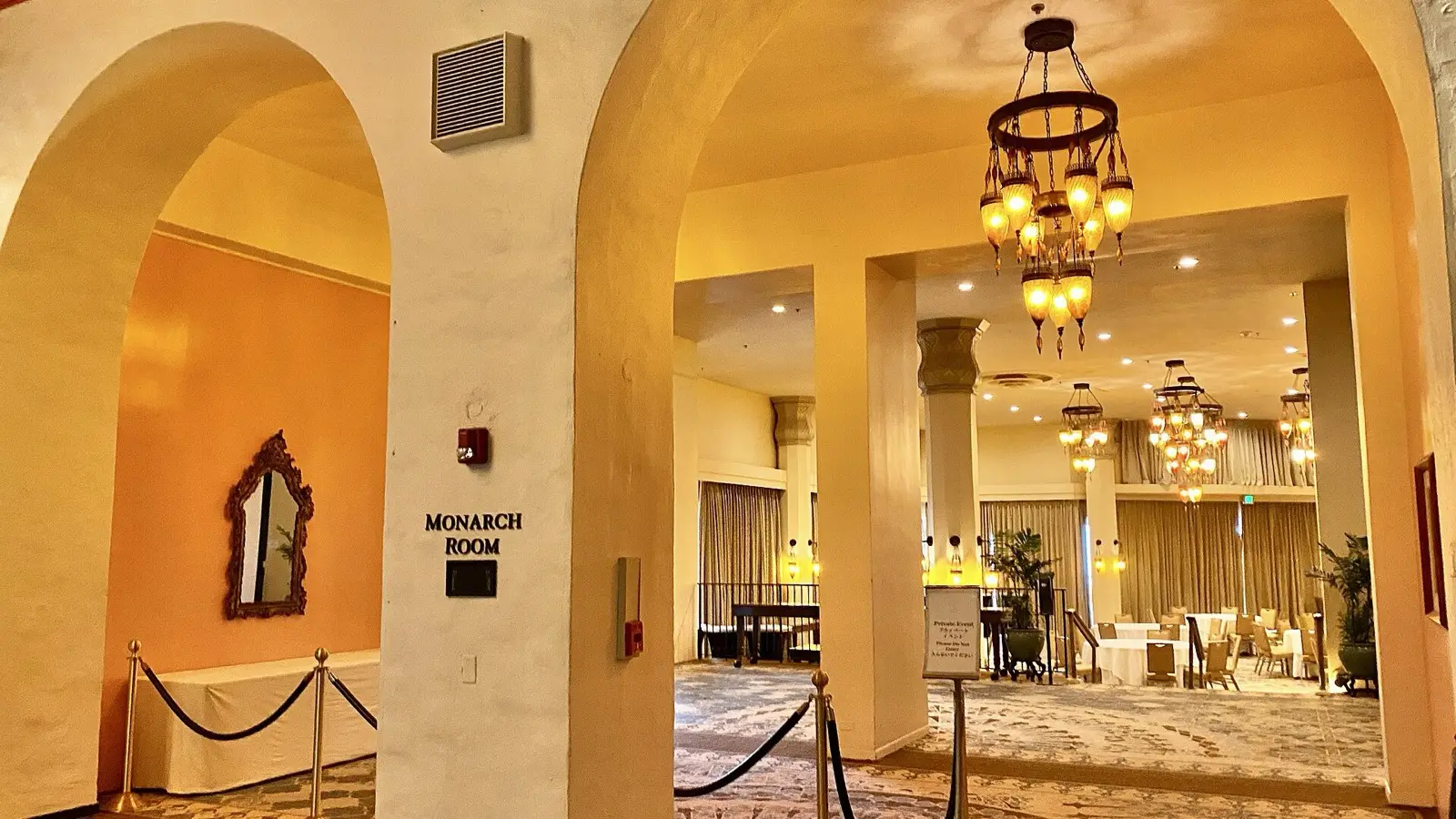
Stepping into a hotel lobby at 10:00 AM after an exhausting long-haul flight and inquiring about room availability is a universal traveler reflex. However, hearing a receptionist confirm that clean rooms are open but require a mandatory 50-dollar early check-in fee introduces immediate frustration.
While legacy hospitality traditions frequently offered complimentary early keys whenever housekeeping finished ahead of standard check-in hours, major international hotel groups have increasingly formalized early arrivals into automated revenue streams. Entering rooms three hours early now routinely incurs half-day rates, while morning arrivals can trigger full overnight charges.
Late checkout requests encounter similar scrutiny. While elite hotel loyalty members or off-peak weekday guests may receive complimentary extensions until 1:00 PM, overstaying checkout by as little as thirty minutes without prior agreement risks automated hourly penalties or full subsequent-night billing charged straight to your credit card.
To bypass unnecessary early check-in surcharges, simply hand your heavy bags to the bell desk for complimentary luggage storage and set off to explore nearby neighborhood cafés and restaurants. Politely asking staff to notify you via email or text if housekeeping clears your room early frequently yields complimentary early access without paying property premiums.
Credit Card Pre-Authorization Holds: Guarding Your Travel Spending Limit
Upon presenting your passport and payment card at check-in, the receptionist swipes the terminal to register an incidental security deposit. Intended to cover potential mini-bar consumption, room service, or room damages, properties typically place pre-authorization holds between 50 and 200 dollars per night.
Crucially, an incidental deposit is not a simple paperwork record: it functions as a temporary credit pre-authorization that locks a corresponding portion of your card's available spending limit, preventing those funds from being spent elsewhere.
On a five-night reservation carrying a 150-dollar nightly deposit, a total of 750 dollars in credit limit becomes entirely inaccessible. For travelers relying on modest credit card limits or prepaid foreign currency debit cards like TravelWallet or Wise, this sudden freeze frequently causes unexpected transaction declines at retail shops and restaurants.
Furthermore, releasing pre-authorization holds is notoriously sluggish: even after front desk agents release deposits at checkout, banking interchange protocols can take anywhere from three business days to several weeks to restore available balances. To preserve spending liquidity, always supply a high-limit standard credit card for incidentals, keeping dedicated debit and travel money cards free for daily expenses.
Folio Auditing at Checkout: Disputing Phantom Mini-Bar Charges and Post-Stay Billings
Dropping your keycard into a quick-checkout lobby drop-box and hurrying to the airport is a hazardous hospitality habit. Without receiving a printed itemized folio to scrutinize line by line at the counter, travelers frequently fall victim to unconsumed minibar charges or stray restaurant tabs mistakenly routed to their room.
Modern properties increasingly deploy sensor-equipped smart minibars that utilize weight or infrared triggers. Simply lifting an expensive bottle of water or soda to inspect the label or make space for personal groceries can register on hotel servers as a completed purchase, automatically generating costly folio debits.
Always allocate five minutes at checkout to review your room folio directly with the receptionist. If erroneous minibar items appear, calmly state that items were disturbed but never consumed; front desk staff routinely reverse sensor false-positives on the spot. Leaving with a physical or emailed PDF receipt showing a zero ending balance constitutes your definitive protection.
If mysterious secondary charges appear on your credit card statement weeks after returning home, immediately email hotel guest relations with copies of your booking confirmation and zero-balance checkout folio. Should management fail to respond, filing an official transaction dispute with your credit card issuer backed by your checkout documentation guarantees a prompt chargeback.
Frequently Asked Questions
Field-tested answers to transit navigation, neighborhood choices, and payment traps.
Q1.Do I still have to pay resort fees on-site if I fully prepaid my reservation online?
Q2.Can I decline the resort fee if I have no intention of using the pool or gym?
Q3.Can I provide a debit card or travel currency card instead of a credit card for the deposit?
Q4.What should I do if an unexplained hotel charge hits my card after returning home?
The Smart Traveler's Essential Toolkit
Prepare instant mobile data, private airport transfers, and skip-the-line passes in one place.
Pick a base in Honolulu by your route
Choose the places you want to see and get the neighbourhood with the shortest travel.
Compare Honolulu Hotel Rates
Find the cheapest channel across Agoda and major booking engines with Tripdify.
Share This Guide with Your Companions
When shared via chat or social media, a curated summary card is sent along.
Recommended Guides
Oahu Island Drive & Waikiki Playbook: Dodging Resort Fees and North Shore Surf Stays
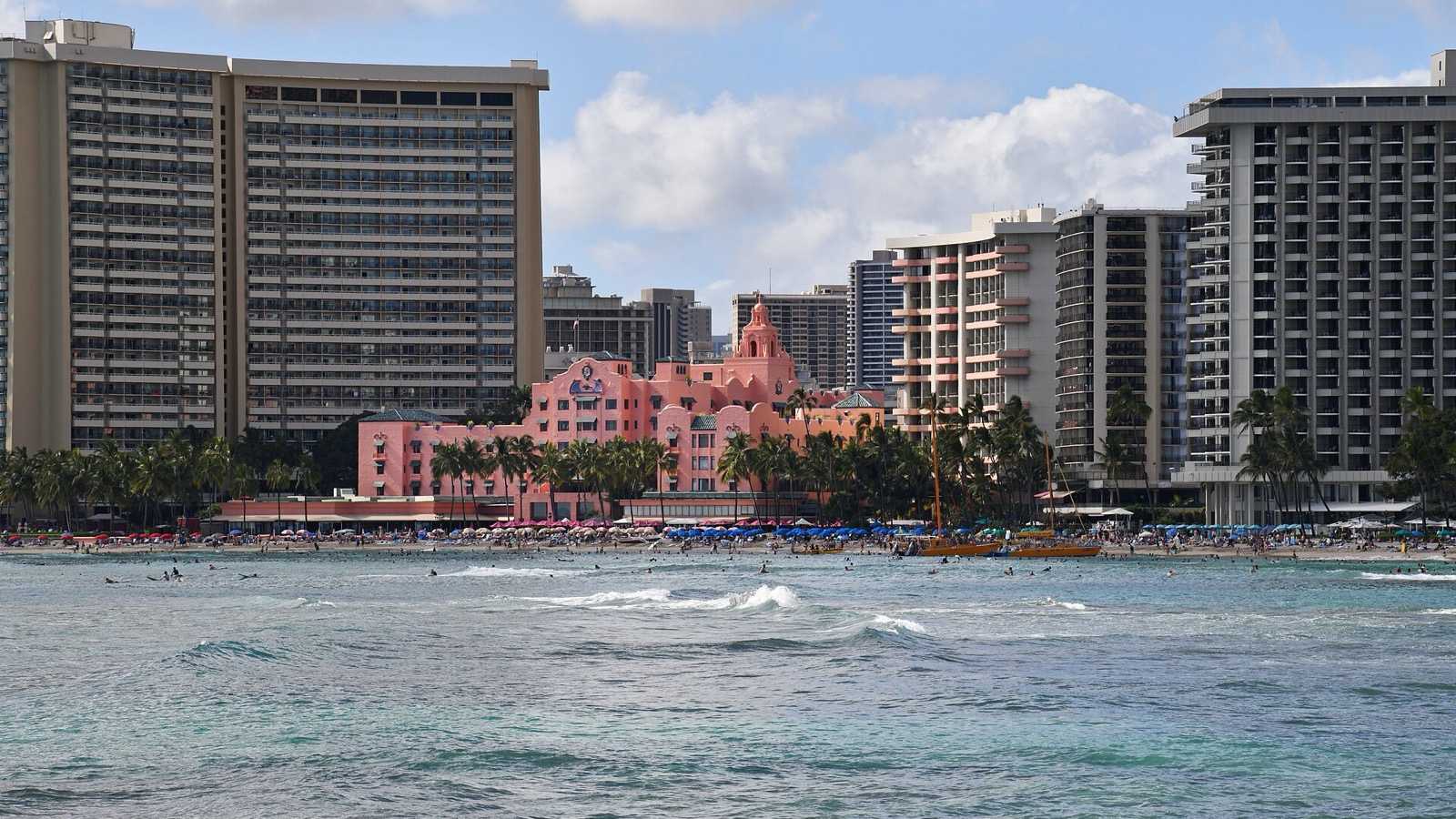
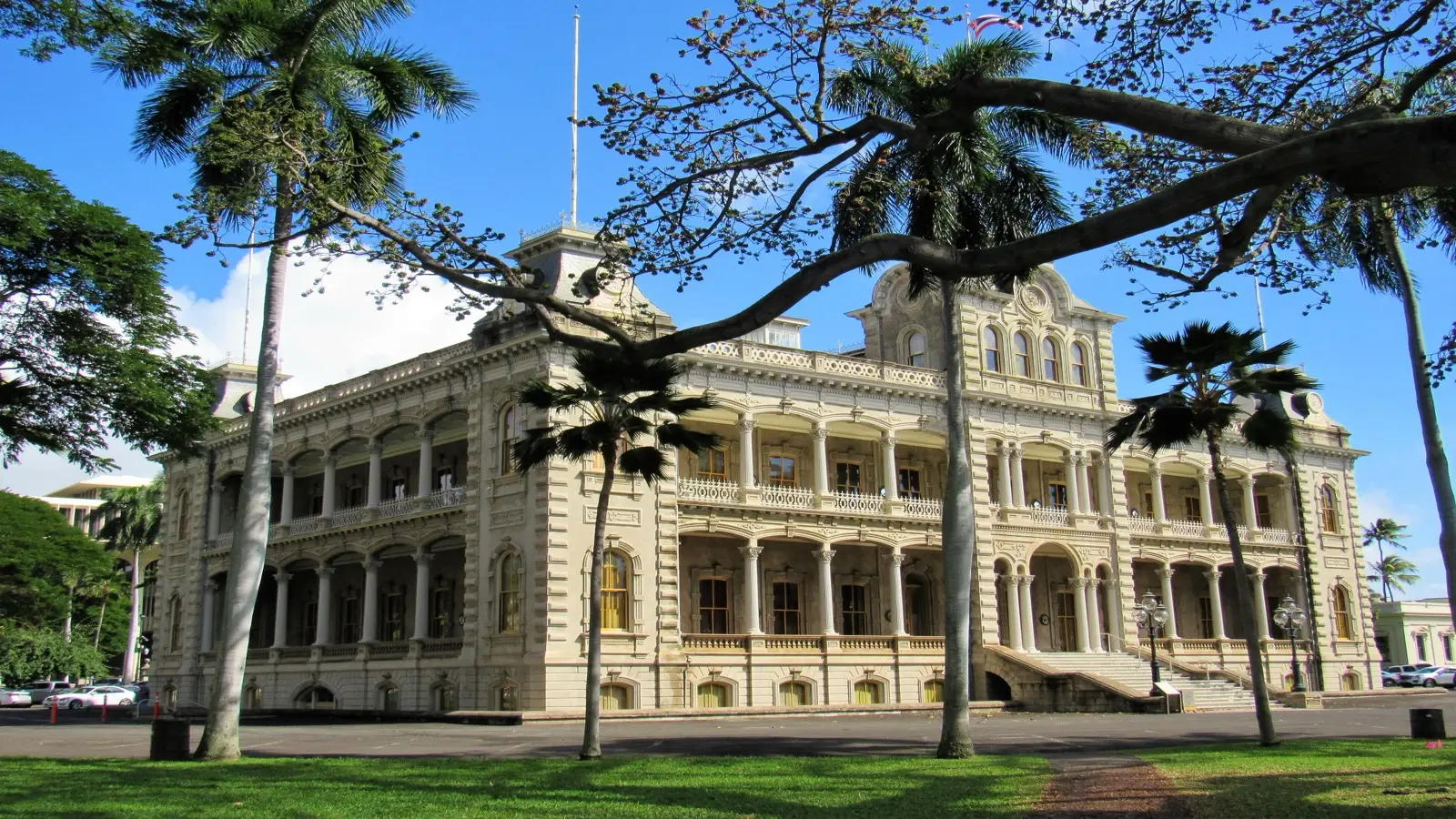
Beyond the postcard allure of Waikiki lies one of the most fee heavy hotel markets on earth. Learn how to calculate surprise resort surcharges, navigate Hanauma Bay conservation permits, secure reasonable parking rates, and embark on a panoramic coastal journey through Oahu eastern cliffs and North Shore shrimp trucks.
Before Regretting a 13-Sqm Shoebox: The Tokyo 3-Zone and 14-Day Booking Playbook
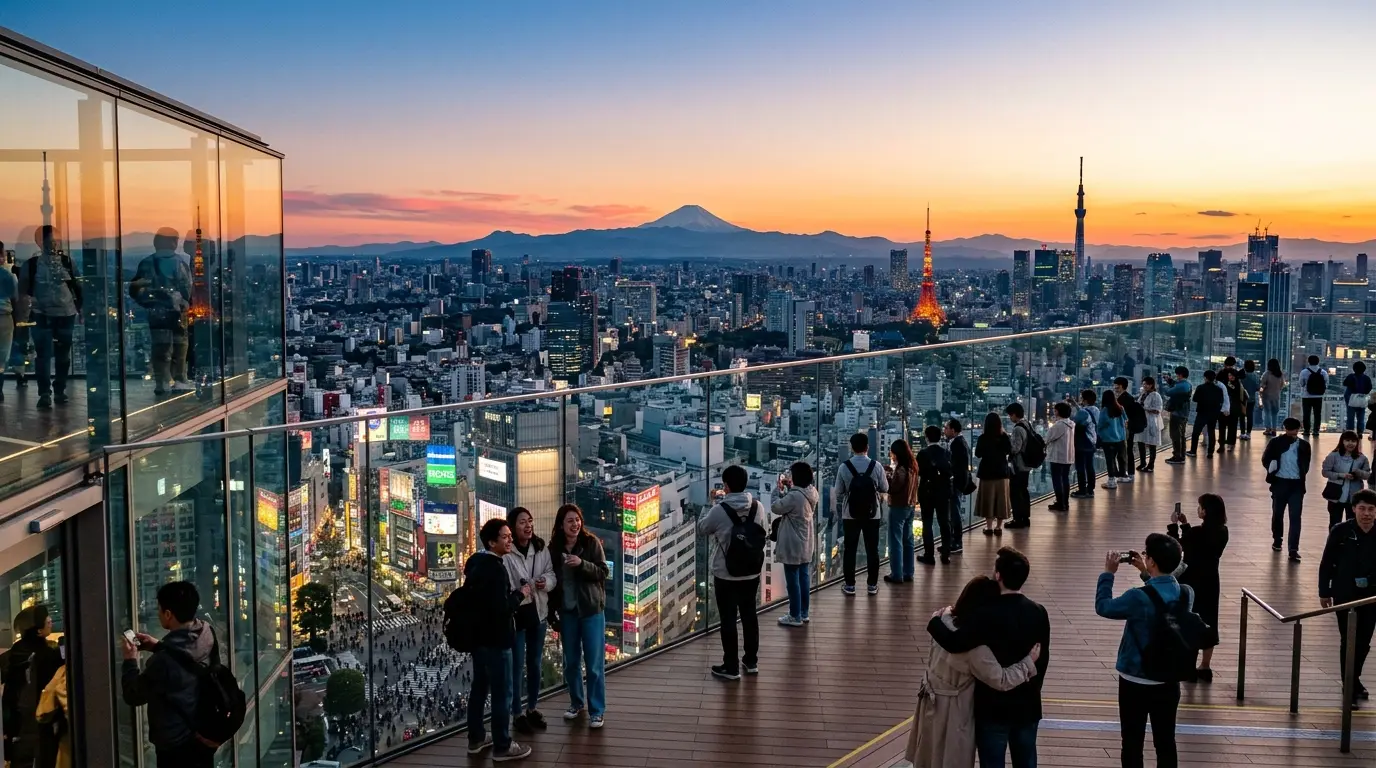
Comparing room footprints across Shinjuku, Ginza, and Ueno, locking in sudden 14-day cancellation drops, and eliminating DCC fees with clean Yen checkout.
Tokyo Value Hotels Playbook: 7 Smart Yamanote Stays, Onsen Baths and OTA Rate Hacks
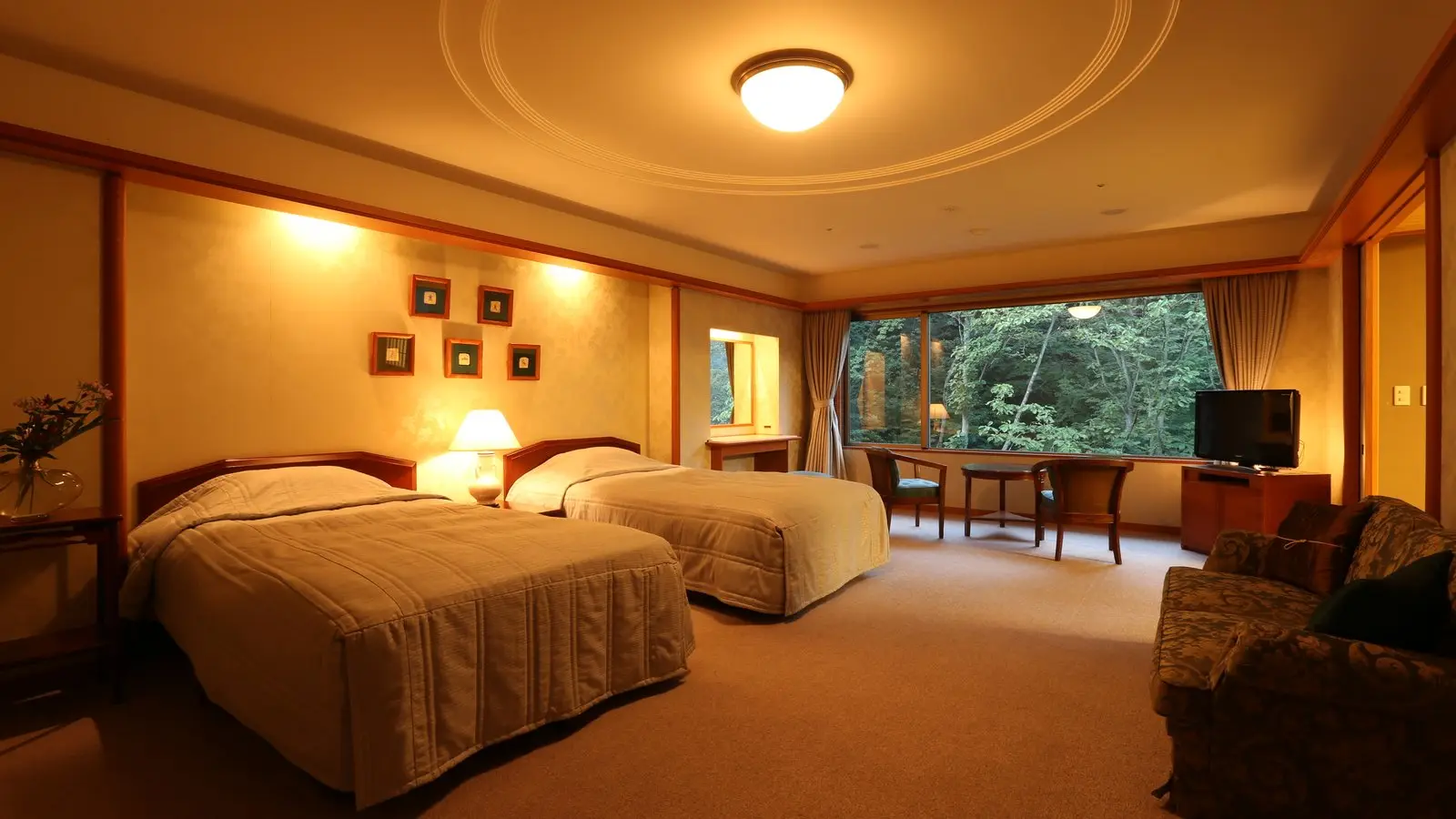
Even amid yen fluctuations, central Tokyo hotel rates have soared. Learn how to secure Yamanote loop line hotels at half the price of Shinjuku, compare onsen bath chains like Dormy Inn, trigger secret Agoda VIP and Booking.com Genius discounts, and dodge hidden currency fees with yen settlement.
Tokyo Transit Survival Blueprint: Airport Rail Hacks, Metro Pass Math, and Yamanote Hubs
How to choose between Keisei Skyliner and Narita Express, avoid the Tokyo Subway Ticket trap, use Apple Wallet Suica, and select the ideal hotel base in Tokyo.
Tokyo Day 1 Arrival Blueprint: Narita Skyliner, Frictionless Ramen, and 24-Hour Settlement
From stepping off at Narita Airport to mastering high-speed trains, navigating Tokyo's sprawling transit hubs, ordering counter ramen effortlessly, and catching sunset from Roppongi Hills. A definitive guide for your first 24 hours in Tokyo.
Tokyo Day 2 Iconic Sights Playbook: Shibuya Sky Sunset Booking, Harajuku Alleys, and Roppongi Nightscapes
Securing prime sunset slots atop Shibuya Sky, navigating hidden boutiques along Harajuku Cat Street, immersing in the forested serenity of Meiji Jingu, and marveling at the crimson glow of Tokyo Tower from Roppongi Hills. A masterclass in Day 2 pacing.
Tokyo Day 3: Asakusa Heritage, Akihabara Pulse, Ginza Depachika, and Seamless Airport Departure
The ultimate finale for your Tokyo stay: tranquil morning worship at Sensoji, retro subculture in Akihabara, Ginza Six architectural rooftop views and basement depachika feasts, capped by seamless Skyliner and N'EX airport connections.
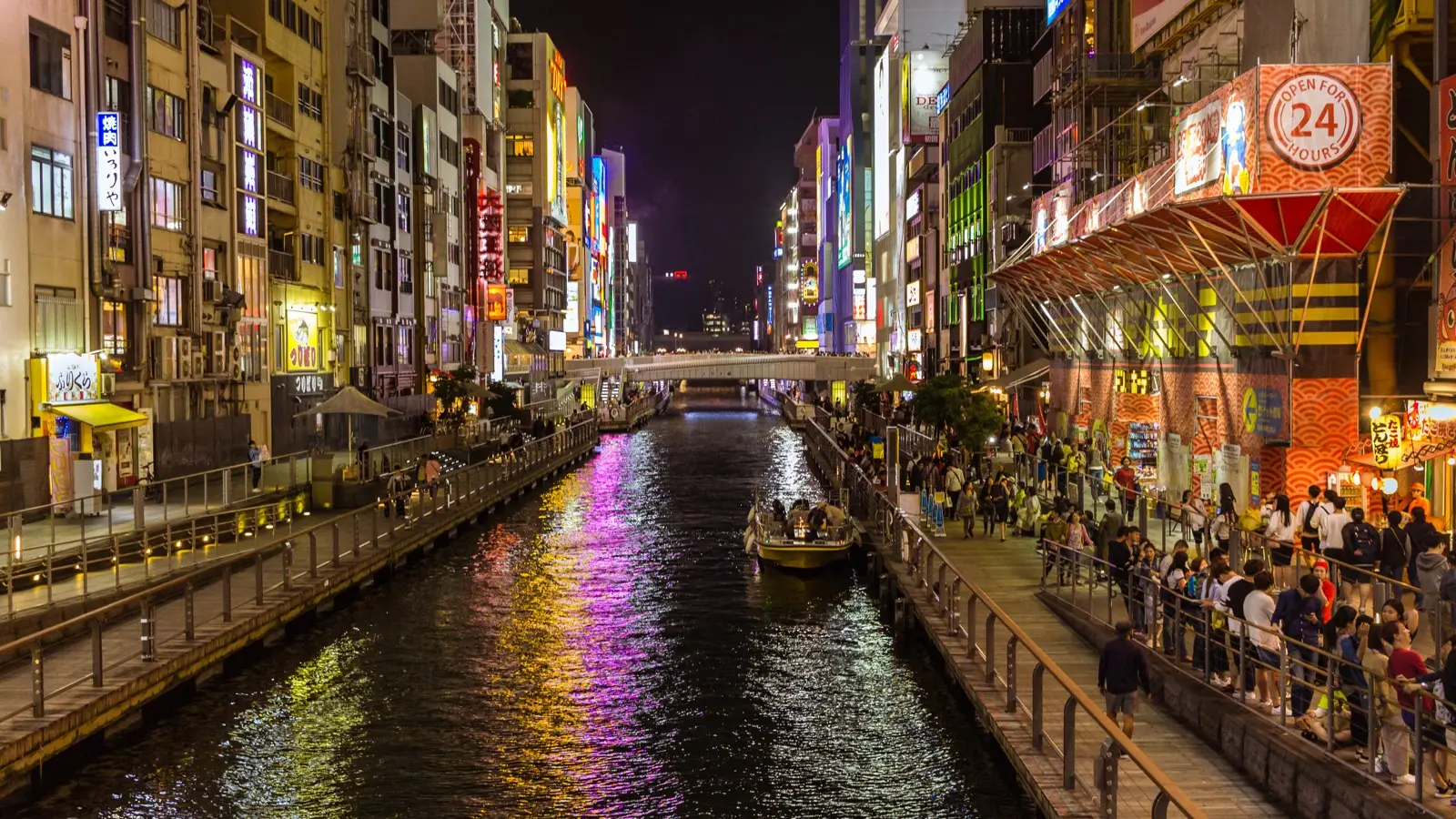
Osaka 72-Hour Feast: Dotonbori Canal Neon, Kuromon Market & Umeda Heights
Osaka is Japan culinary powerhouse where feasting is an art. Navigate Rapi:t airport transfers, Namba vs Umeda hotels, and street food corridors with veteran precision.
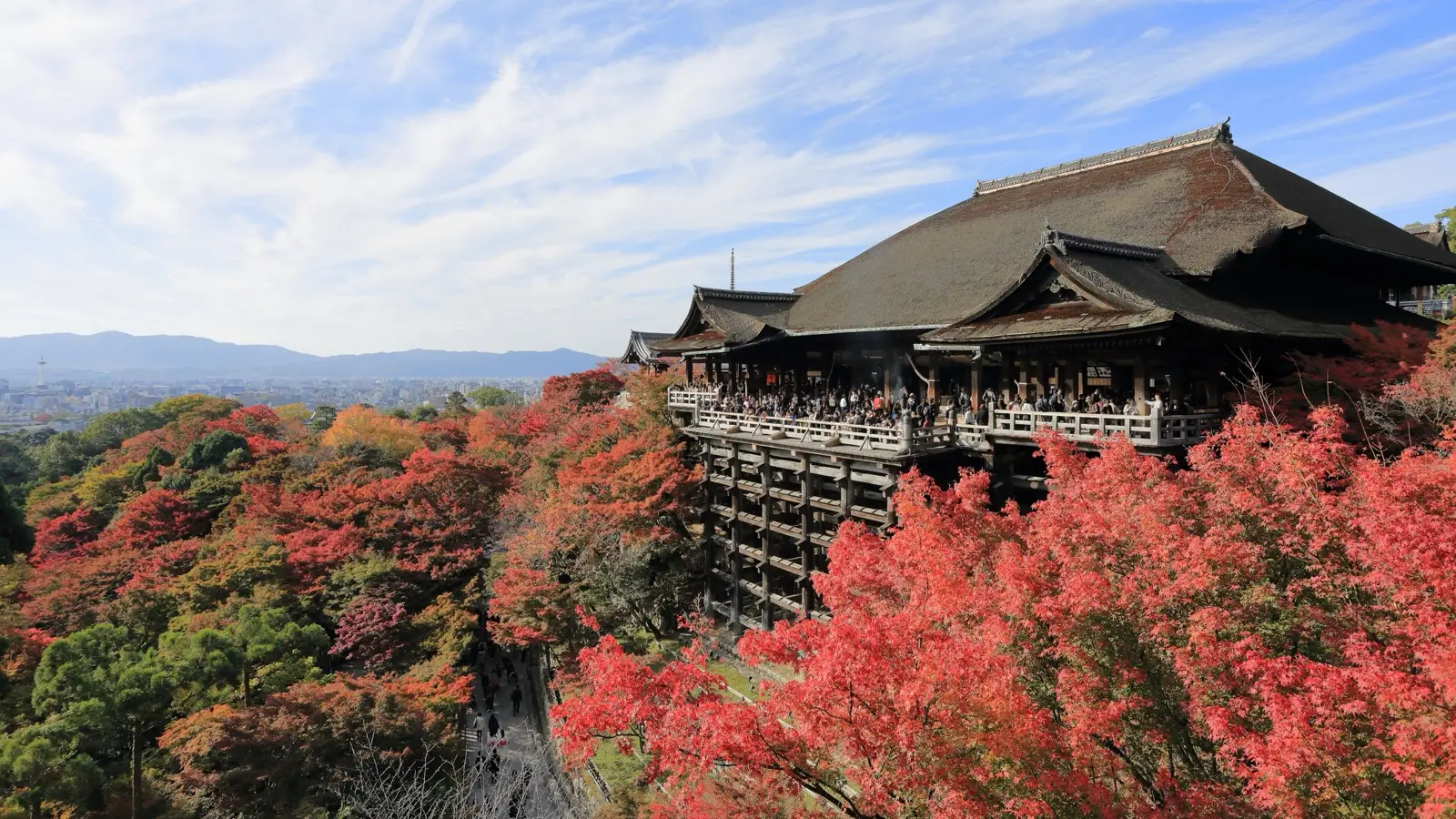
Kyoto Arashiyama & Gion Retreat: Historic Ryokans and Early Dawn Bamboo Groves
Kyoto compresses a millennium of Japanese aesthetic mastery. Discover how to evade bus congestion with private railways, master ryokan kaiseki booking windows, and savor early dawn stillness.
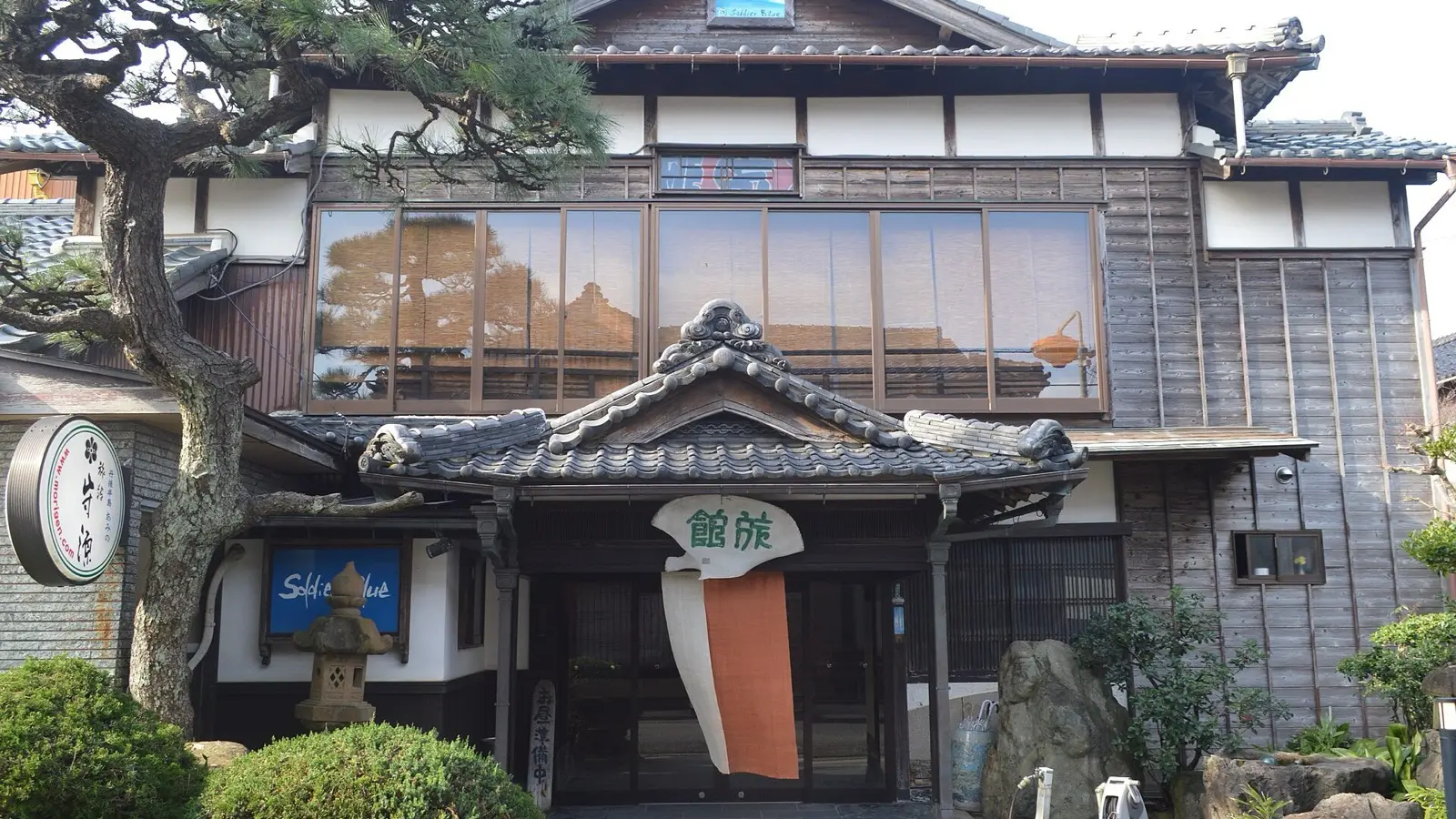
Kyoto Ryokan & Machiya Masterclass: Kaiseki Economics, Sukiya Timber, and Quiet Alleys
From hundred-year-old timber townhouses in Gion to misty Arashiyama riverside ryokan, staying in Kyoto demands cultural fluency and sharp booking discipline. An honest receipt audit covering kaiseki dinner curfews, private onsen etiquette, and avoiding dynamic pricing spikes.
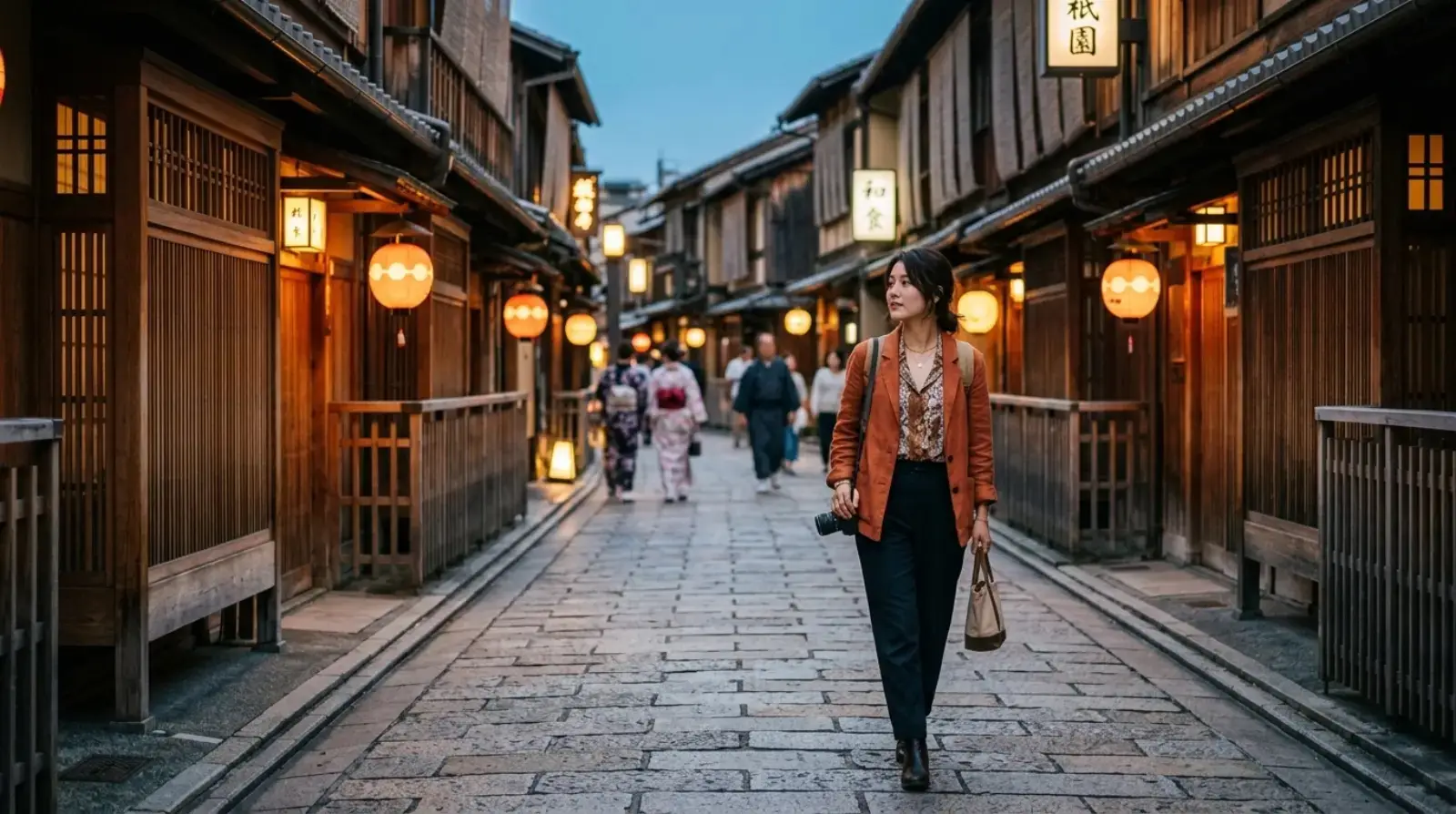
Kyoto Day 1 Arrival Playbook: 75-Minute Haruka Express, Station Luggage Delivery, and Gion Twilight
Boarding the 75-minute Haruka Express from Kansai Airport, forwarding heavy bags straight to your hotel via Crosta at Kyoto Station, avoiding gridlocked buses using the subway, and an evening stroll through Gion to the Kamogawa. A field guide to your first 24 hours.
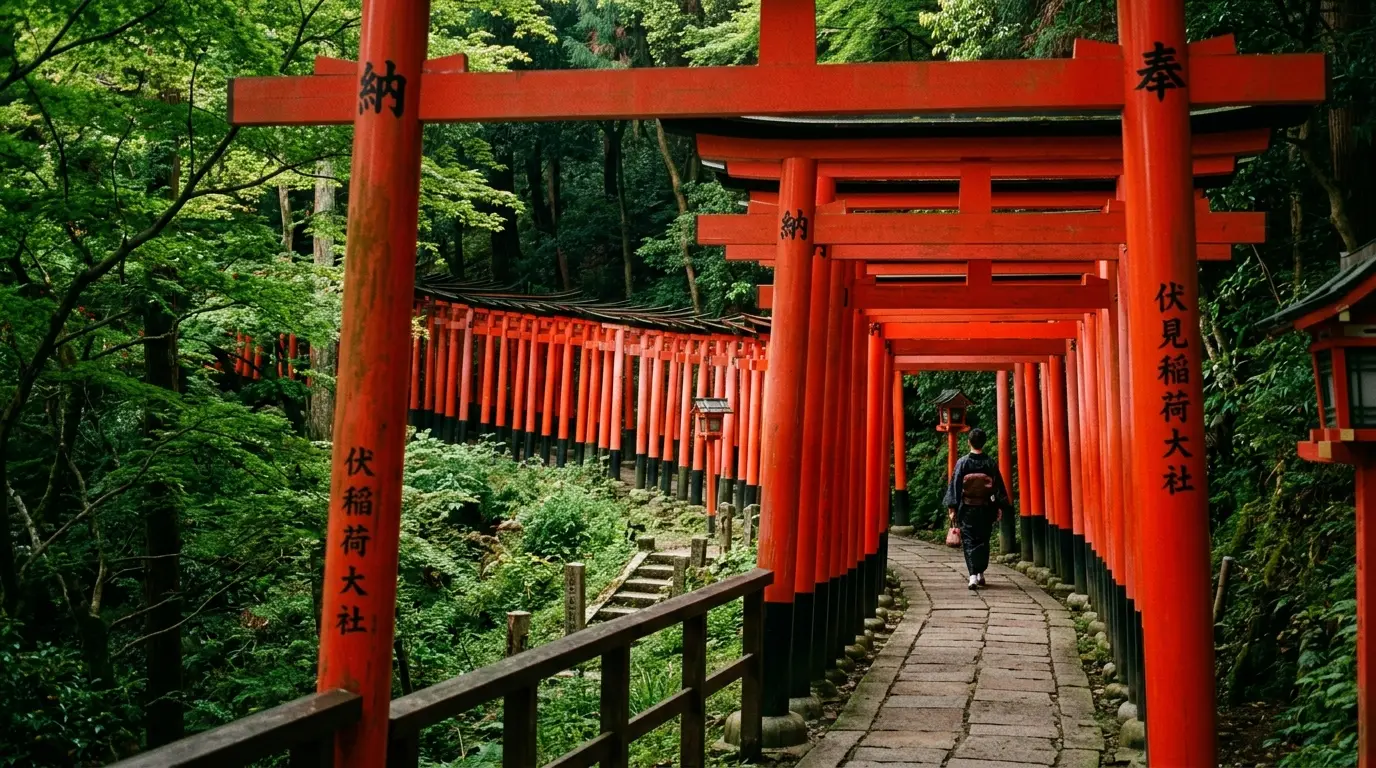
Kyoto Day 2: Fushimi Inari Torii Path, Kiyomizu-dera Heights, Ninenzaka Lanes, and Gion Kaiseki Feast
Day 2 immerses travelers into the spiritual heartbeat and preserved historic streets of Kyoto: early morning solace along thousands of vermilion torii gates at Fushimi Inari, sweeping mountain panoramas from the legendary wooden stage of Kiyomizu-dera, artisan tea shops and matcha sweets across cobblestoned Ninenzaka and Sannenzaka, followed by lantern-lit strolls in Gion Shirakawa and a refined multi-course Kaiseki dinner.