
The Top 5 Hotel Check-In Traps: Deposit Pre-Auth Delays, Resort Fees, and City Taxes
Why you should never use a debit card for room deposits, and how to contest surprise fees at checkout
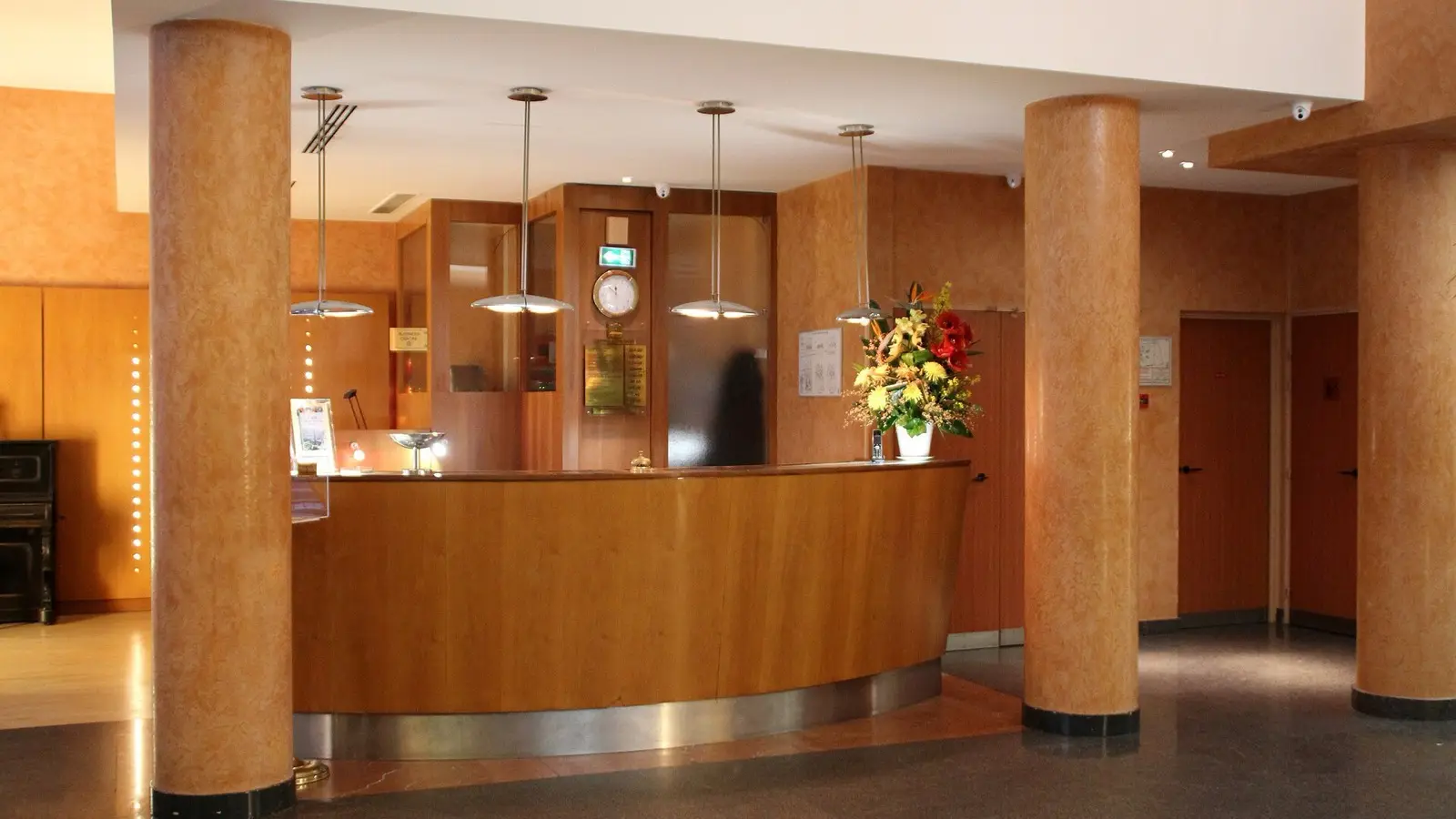
The Room Deposit Trap: Why You Must Never Use a Debit Card
Upon arriving at an international hotel check-in desk, the receptionist's first request is always your passport and credit card. Even if you fully prepaid your three-night accommodation online, staff will swipe your card for an incidental security deposit to cover potential room service, minibar, or property damages. Nightly authorization holds range from fifty to two hundred dollars.
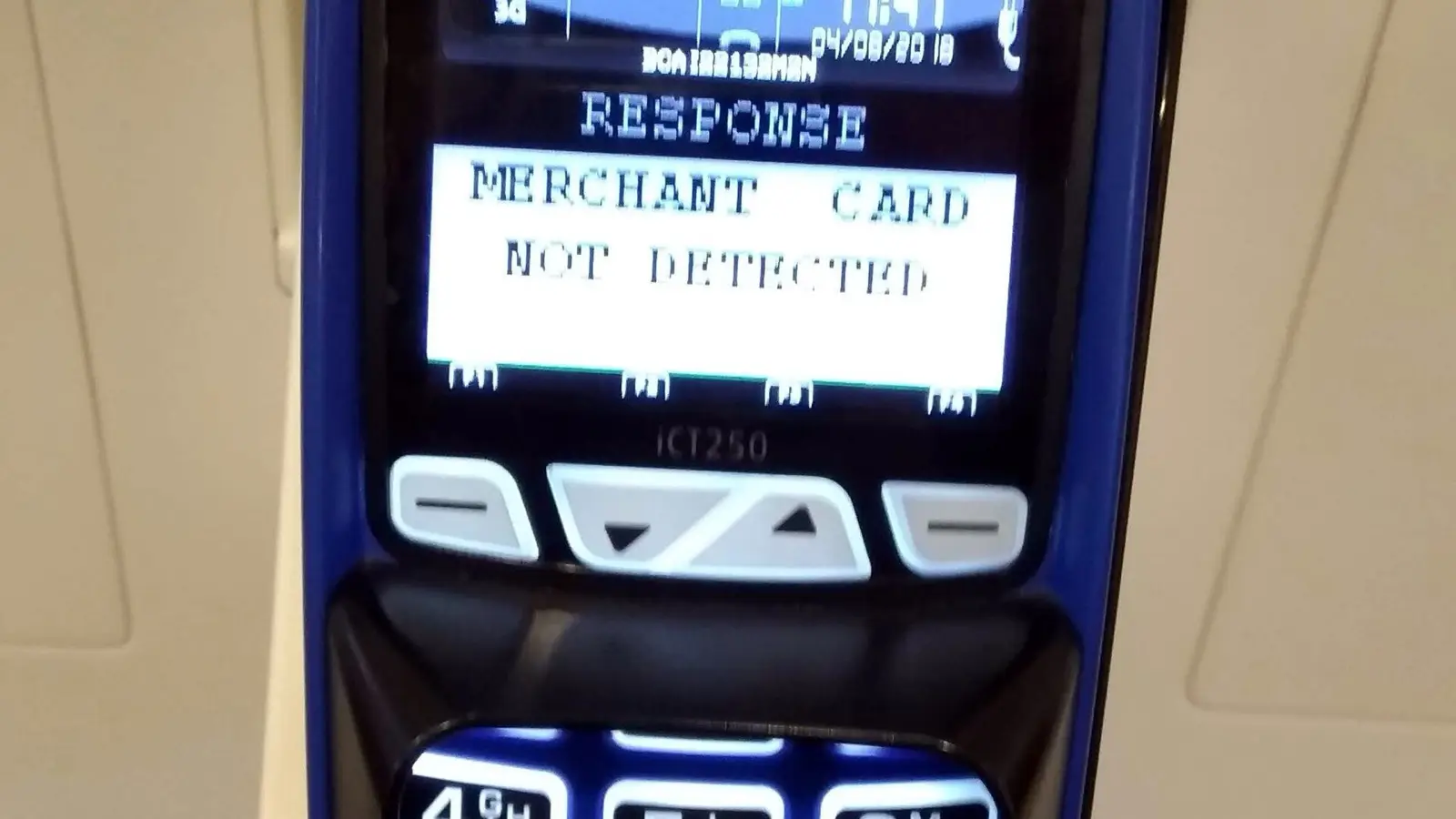
Disaster strikes when travelers present a debit card or prepaid travel card for this deposit. With a true credit card, the transaction is processed as a mere pre-authorization hold against your credit line without moving physical funds. With a debit card, that money is immediately frozen and carved out of your actual checking account balance.
Even if the desk agent assures you the deposit was released at checkout, clearing international card settlement and interbank networks takes anywhere from fourteen to thirty business days. As a result, hundreds of dollars of your active travel funds remain locked in limbo, leaving you stranded with cash shortages during your trip.
The absolute rule of global travel is reserving hotel check-in deposits strictly for traditional credit cards with generous limits. If forced to use cash, request an official receipt and reclaim your physical paper notes in full upon departure.
The Resort Fee Nightmare: How Fifty Dollars Per Night Sneaks onto Bills
Travelers booking resorts across Hawaii, Las Vegas, Miami, or Cancun frequently experience sticker shock at checkout. What appeared online as a sparkling one-hundred-dollar flash sale mysteriously balloons on property through mandatory daily resort fees or facility amenities fees adding forty to sixty dollars per night.
Hotels justify these levies by bundling swimming pool access, guestroom Wi-Fi, fitness centers, and beach towels. In reality, even if you never dip a toe in the pool or step foot near the gym, these fees remain entirely non-negotiable, acting as disguised rate hikes.
This unbundled pricing strategy is a textbook example of drip pricing. Hotels intentionally suppress baseline room rates to rank atop online price comparison portals, deliberately shifting mandatory ancillary fees to the front desk checkout counter.
The primary defense is always enabling total price filters showing all taxes and mandatory fees during your initial search. In destinations like Las Vegas or Oahu, redeeming loyalty points through global chains like Marriott or Hilton frequently waives resort fees entirely.
City Taxes & Local Levies: The Hidden In-Person Settlement
The most common regional surprise across European and Japanese travel is the municipal tourist tax. Landmark cultural capitals like Paris, Rome, Barcelona, and Florence levy statutory tourist taxes scaling from three to ten euros per person per night depending on official hotel star ratings. A family of four staying four nights in Rome can easily face over one hundred euros in checkout taxes.
Japan maintains similar municipal lodging taxes across Kyoto, Tokyo, Osaka, and Fukuoka. In Kyoto, tiered taxes range from two hundred to one thousand yen per guest per night, with municipal councils progressively increasing rates to combat overtourism strain on infrastructure.
Many travelers wave their booking confirmation emails protesting that their trip was fully prepaid. However, because tourist taxes are statutory levies hotels collect directly on behalf of municipal city halls, international OTAs are legally prohibited from collecting them in advance.
Always research municipal tax schedules for your itinerary destinations ahead of departure, and keep small local currency banknotes and coins tucked in a dedicated envelope to handle checkout taxes effortlessly.
Automated Minibar Sensors: Ten Dollars Just for Touching a Can
Recently renovated upscale hotels across North America and Europe increasingly feature automated infrared sensor minibars. These smart refrigerators detect when a beverage or snack is lifted from its cradle, automatically posting charges to your room portfolio after thirty to sixty seconds.
Travelers who innocently remove canned beverages to chill their own convenience store drinks frequently discover eighty dollars in bogus soda and snack charges on their checkout folio. The automated sensors register movement as consumption regardless of whether seals were broken.
Bottled water on desks and nightstands requires equal vigilance. Inspect bottle necks closely for discreet hanging tags. Unless clearly labeled complimentary, luxury brand mineral waters like Evian or Fiji will instantly add ten to fifteen dollars to your folio upon opening.
If sensor errors generate false minibar billings, calmly notify the front desk clerk at checkout that you consumed nothing from the minibar and request the immediate removal of disputed charges. Front desk agents routinely waive these line items upon verbal contestation.
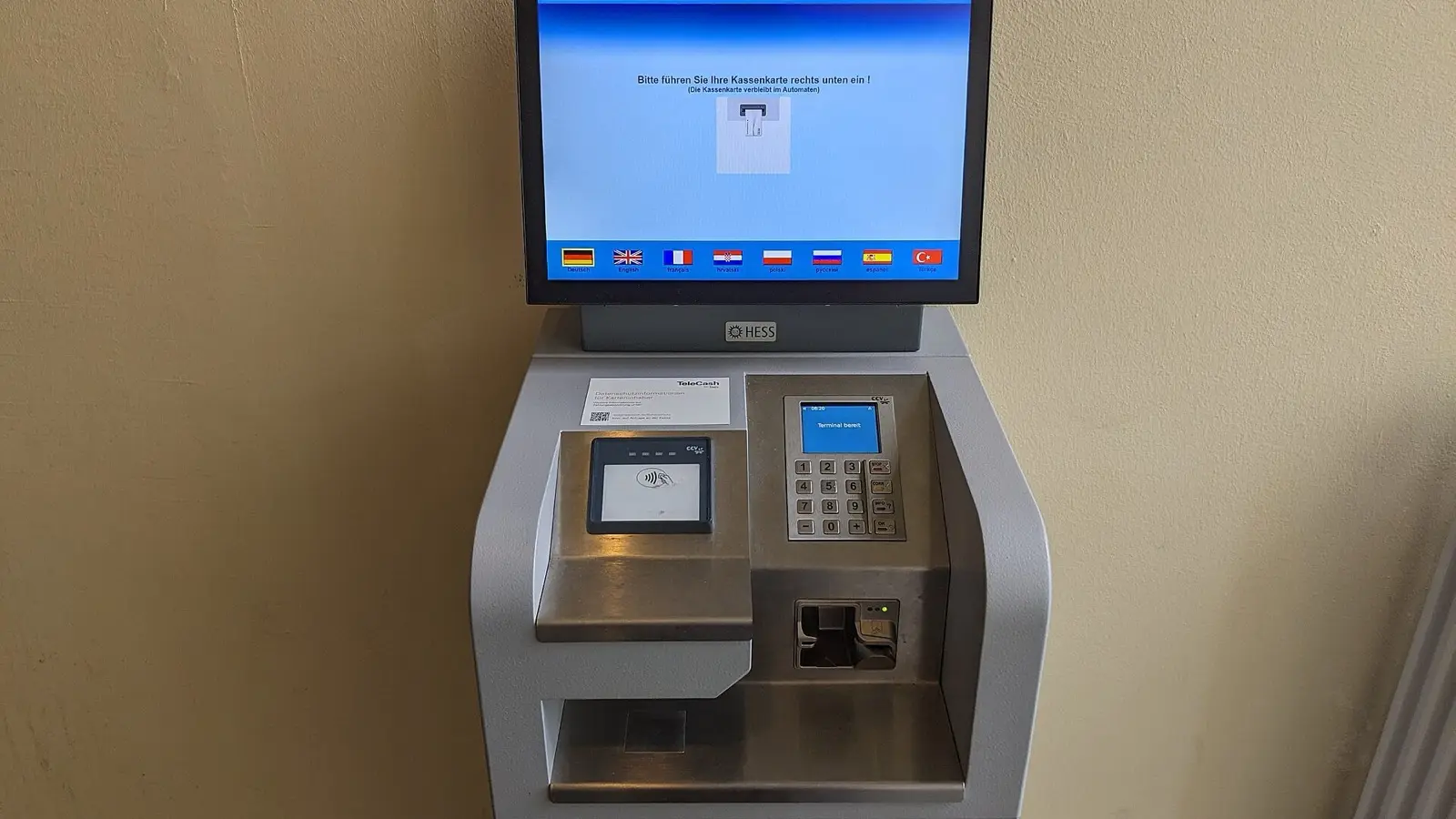
Early Check-In vs Free Luggage Storage: Recharging Without Extra Fees
Touching down on long-haul overnight flights at 7:00 AM leaves travelers utterly exhausted. Stumbling into a hotel lobby seeking immediate room access four to five hours ahead of official 3:00 PM check-in times often results in staff demanding thirty to eighty dollars in early arrival surcharges.
While generous front desk clerks occasionally offer complimentary early access during slow low-season periods, travelers must never expect this as an entitlement. When denied, paying steep hourly fees is rarely your best economic option.
The foundational strategy is taking full advantage of complimentary hotel luggage storage. Checking your heavy luggage at the concierge desk frees you to enjoy local cafe breakfasts and leafy park strolls unencumbered while housekeeping readies your room.
If profound exhaustion demands immediate showers or naps, bypassing hotel surcharges in favor of local day spas, bathhouses, or airport transit lounges provides superior restoration at a fraction of the cost.
Frequently Asked Questions
Field-tested answers to transit navigation, neighborhood choices, and payment traps.
Q1.Why is using a debit card for a hotel room deposit risky?
Q2.Must resort fees be paid even if hotel amenities are never used?
Q3.Why are European and Japanese city taxes excluded from online prepayments?
Q4.What should you do if an automated sensor minibar generates false charges?
The Smart Traveler's Essential Toolkit
Prepare instant mobile data, private airport transfers, and skip-the-line passes in one place.
Pick a base in Paris by your route
Choose the places you want to see and get the neighbourhood with the shortest travel.
Compare Paris Hotel Rates
Find the cheapest channel across Agoda and major booking engines with Tripdify.
Share This Guide with Your Companions
When shared via chat or social media, a curated summary card is sent along.
Recommended Guides
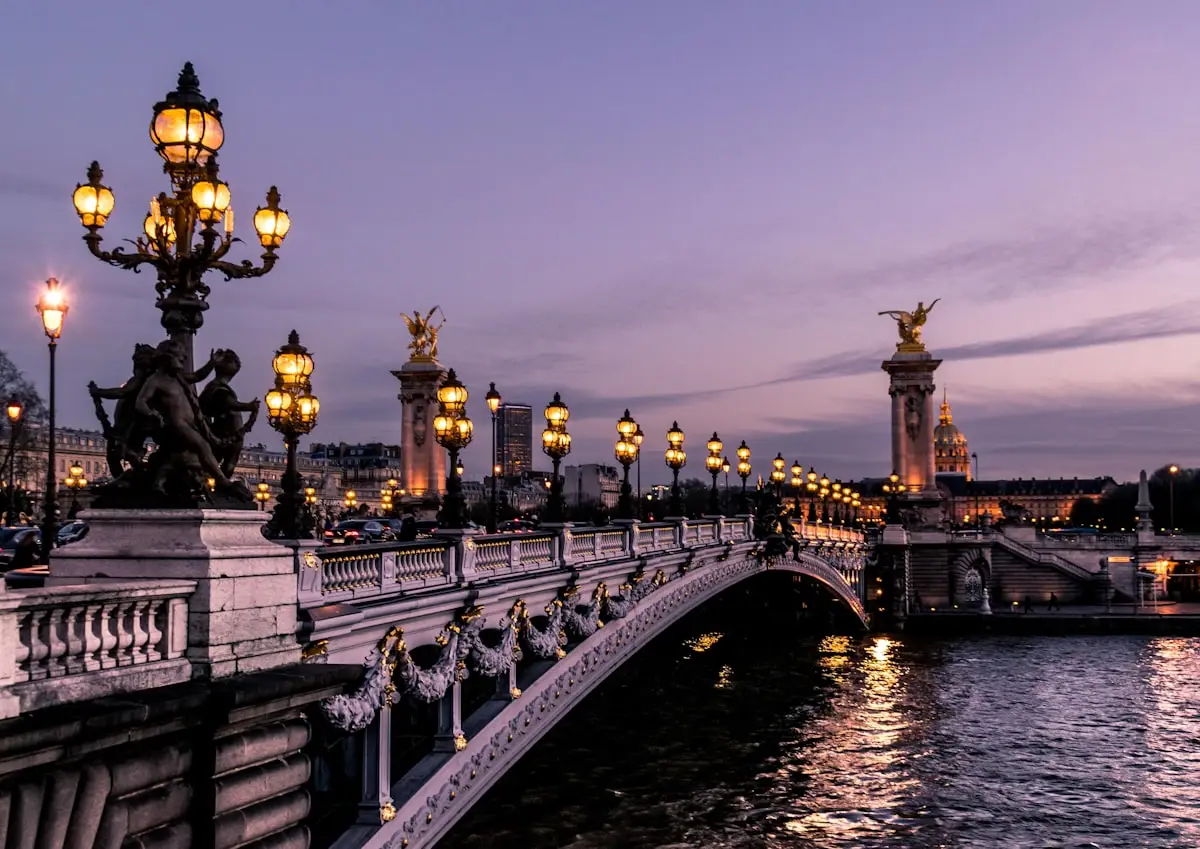
Haussmann Balconies and Seine Twilight: Parisian Boutique Hotels and Transit Blueprint
How to budget for unexpected Parisian municipal taxes, choose boutique stays between Le Marais and the Latin Quarter, and master CDG airport transit with Navigo Easy.

Paris 20 Arrondissements Field Guide: Safe Stays, Dodging Tourist Tax Hikes, and Metro Pickpocket Evasion
Behind the postcards of the Louvre and the Seine lies a city of stark contrast, sudden tourist tax spikes, and vast neighborhood disparities. Spanning 20 arrondissements spiraling clockwise from the historic core, choosing the right basecamp dictates whether your trip feels like a romantic dream or an exhausting obstacle course. Here is the definitive field guide to securing safe, value-packed Parisian lodging with local mastery.
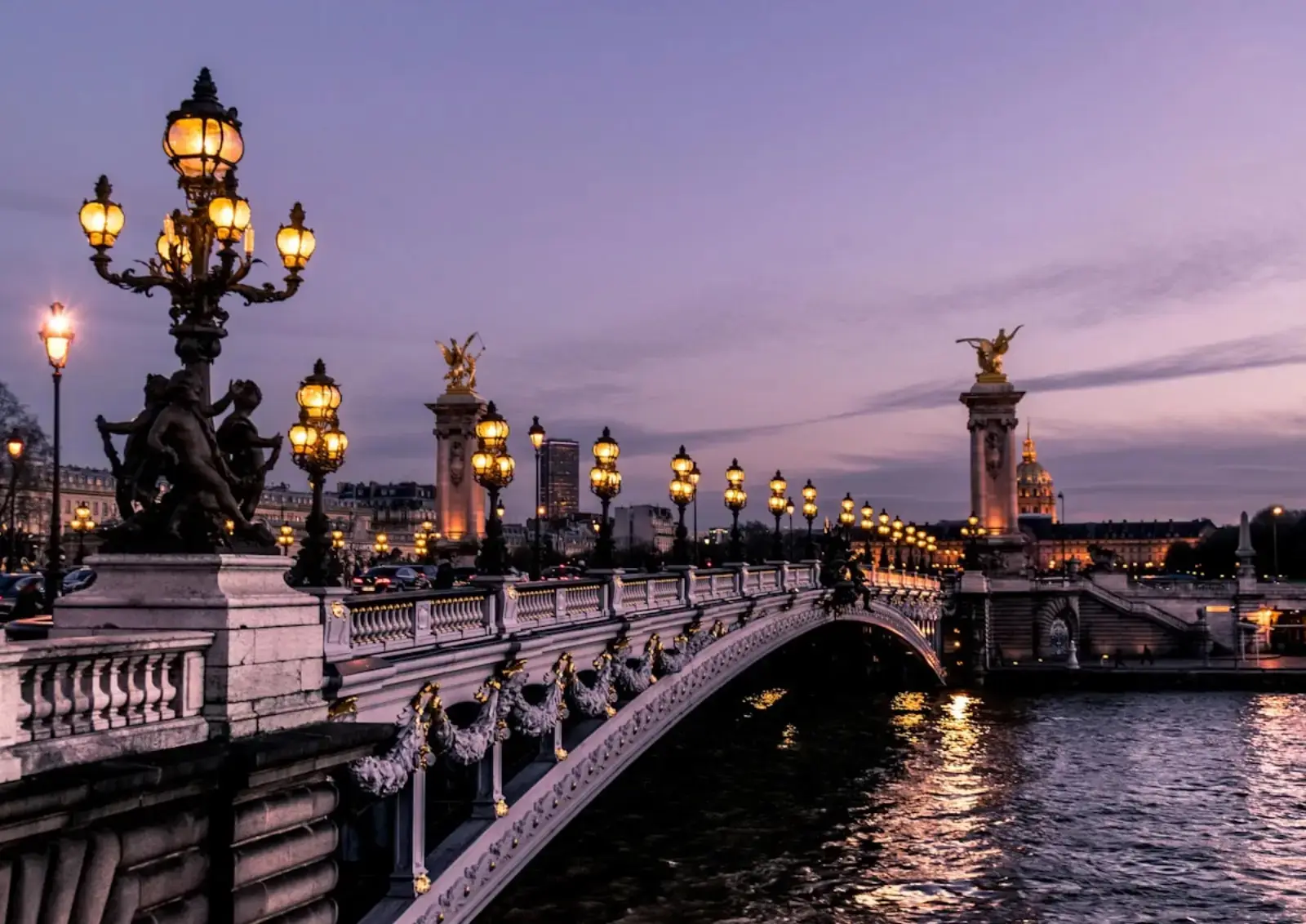
Paris Day 1 Arrival Playbook: CDG Airport Official Taxi vs. RER B, Navigo Easy, and Seine Sunset
Dodging illegal taxi touts at CDG for official flat-rate ranks, safe transit aboard the RER B, digital Navigo Easy ticketing, boulangerie ordering rituals, and golden hour along the Seine. A veteran field guide to your first 24 hours.

Paris Day 2 Playbook: Louvre Mona Lisa Sprint, Musee dOrsay, Latin Quarter, and Seine River Cruise
Experience an unhurried morning sprint to the Mona Lisa at the Louvre, stroll through the Tuileries to Musee dOrsay, browse Shakespeare and Company in the Latin Quarter, and glide past the sparkling Eiffel Tower on a twilight Seine River cruise.
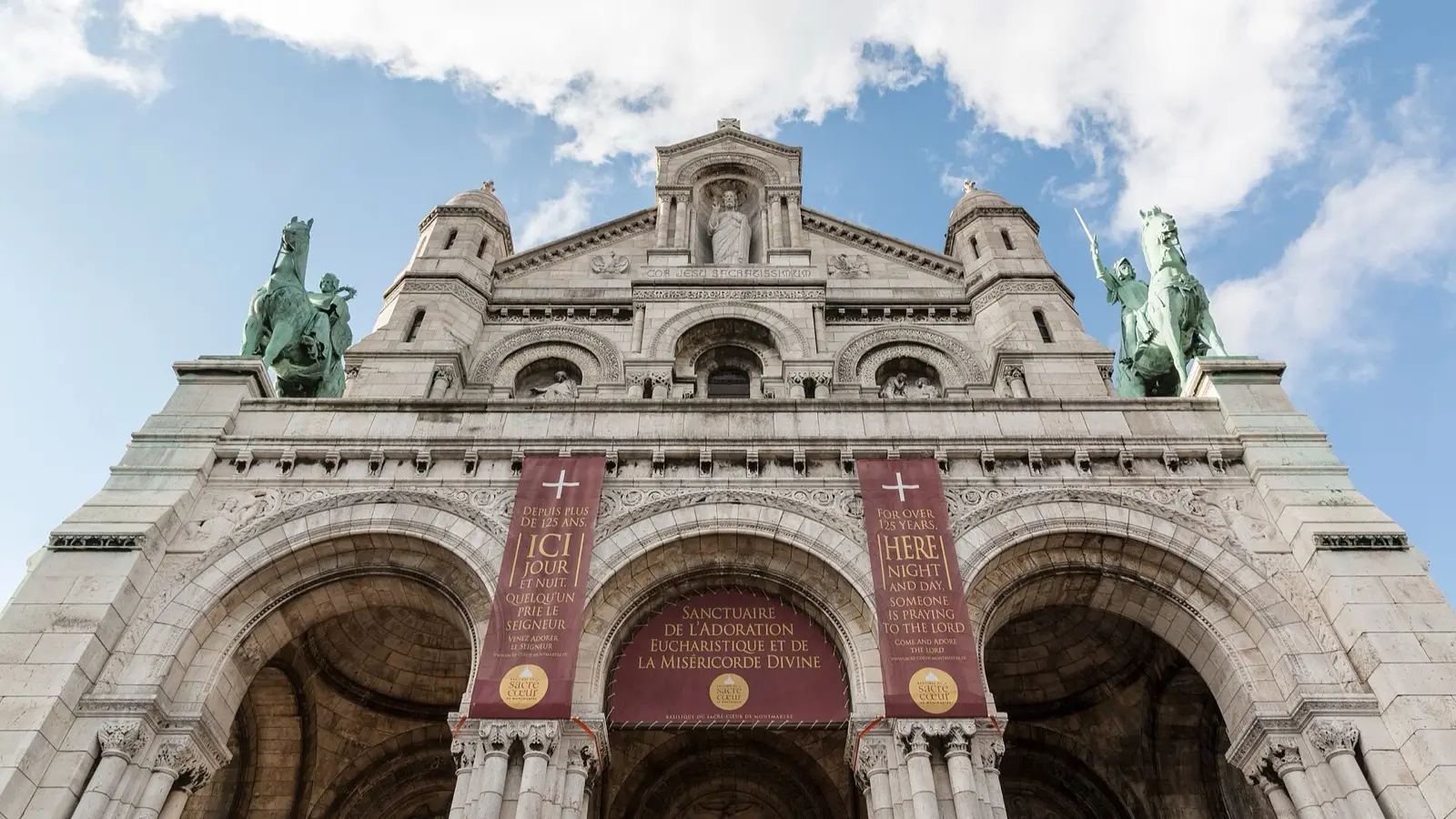
Paris Day 3 Finale: Montmartre Sacre-Coeur, Le Marais Boutiques, Galeries Lafayette, and CDG Departure
Ascend Montmartre for sweeping panoramas from Sacré-Cœur, hunt for vintage treasures and street falafel in Le Marais, enjoy free rooftop skyline views at Galeries Lafayette, and streamline departure via automated PABLO kiosks at Charles de Gaulle Airport.
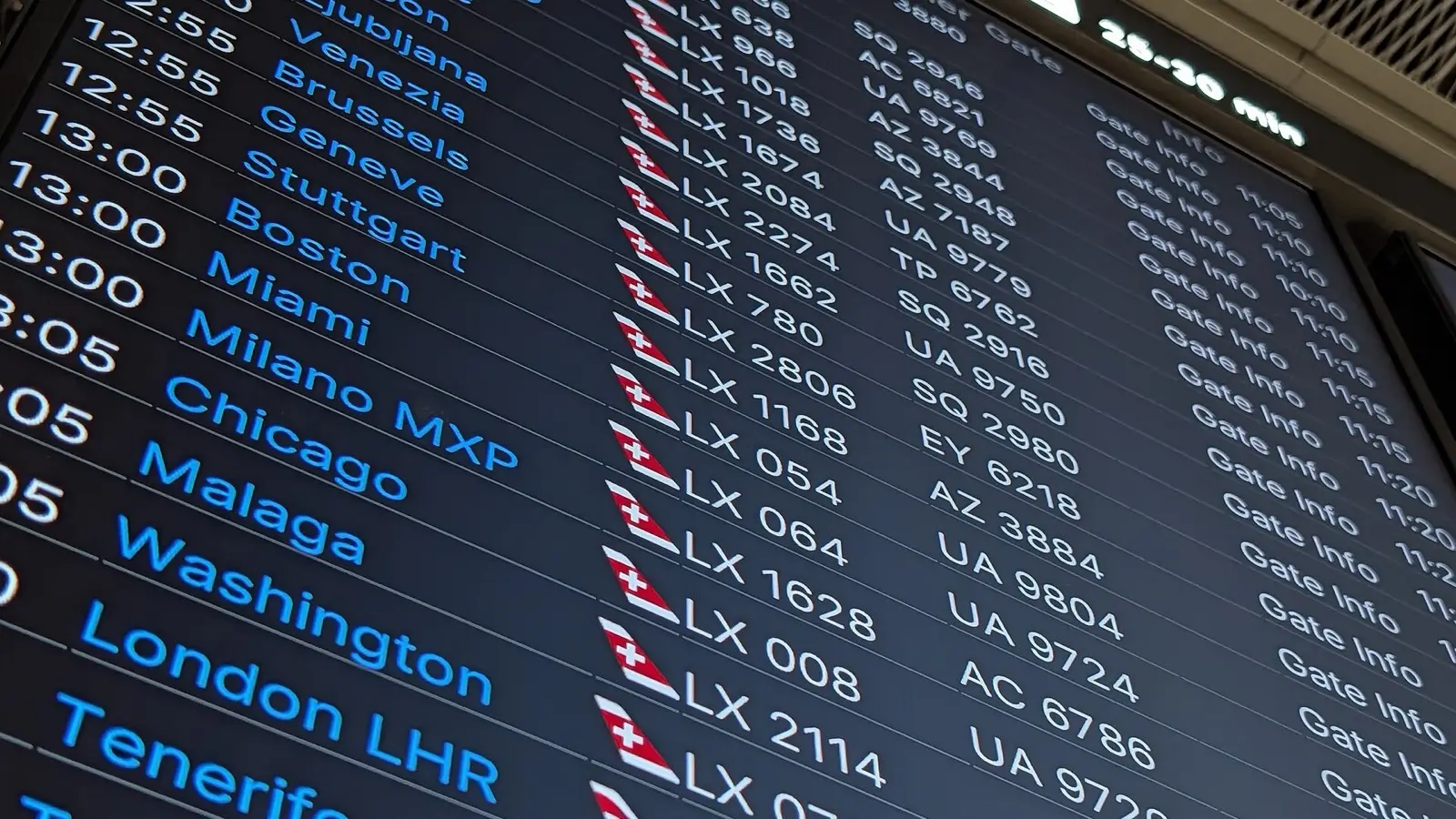
Flight Delay & Cancellation Compensation: Claiming Up to 600 Euros Under EU261 and Securing Hotel Care
When 'DELAYED' or 'CANCELLED' flashes in red across the airport departure board, panic often sets in. However, under European Regulation EU261, passengers arriving three or more hours late on eligible flights are legally entitled to up to 600 euros in cash compensation per person. Learn how to file claims directly without forfeiting 35% commissions to third-party claim portals, secure complimentary transit hotels and dining vouchers under duty of care, and collect bulletproof evidence that disproves bogus weather excuses.
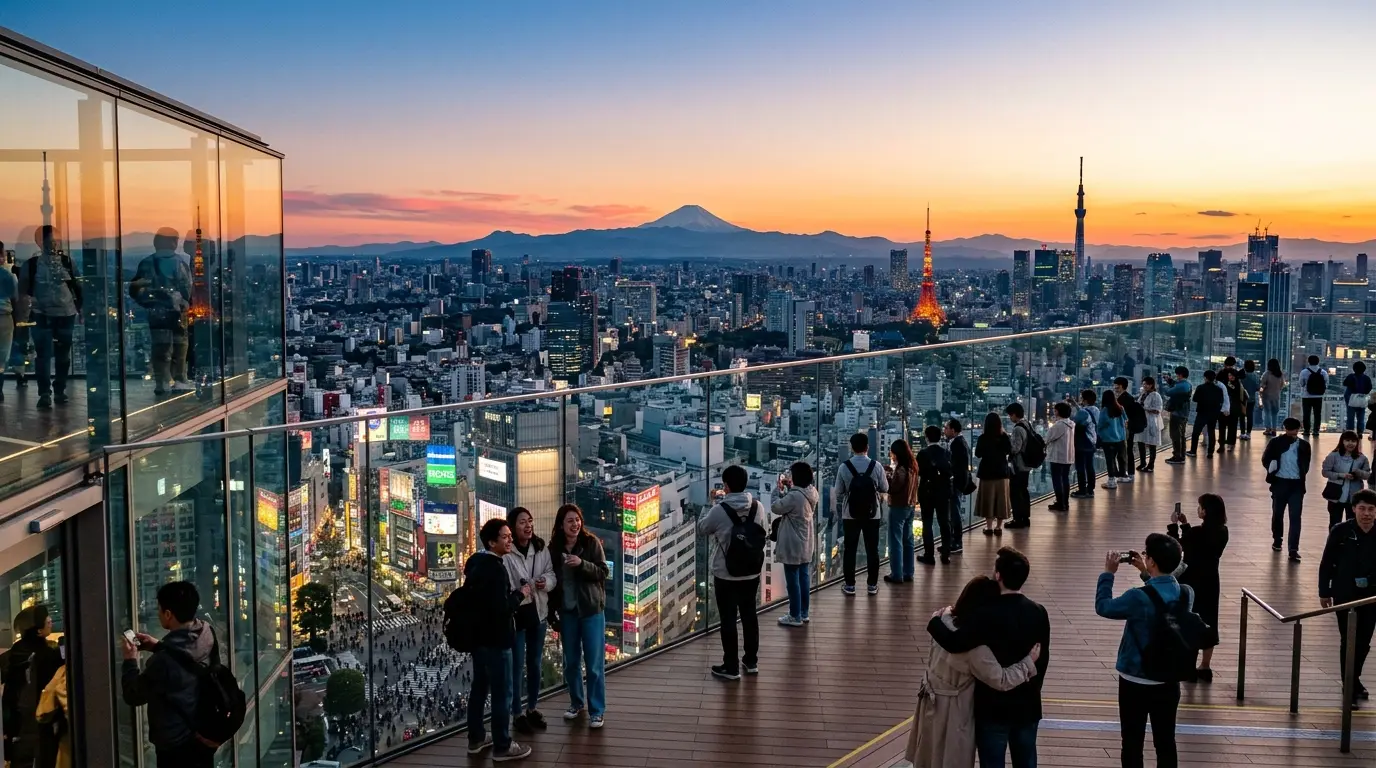
Before Regretting a 13-Sqm Shoebox: The Tokyo 3-Zone and 14-Day Booking Playbook
Comparing room footprints across Shinjuku, Ginza, and Ueno, locking in sudden 14-day cancellation drops, and eliminating DCC fees with clean Yen checkout.

Tokyo Value Hotels Playbook: 7 Smart Yamanote Stays, Onsen Baths and OTA Rate Hacks
Even amid yen fluctuations, central Tokyo hotel rates have soared. Learn how to secure Yamanote loop line hotels at half the price of Shinjuku, compare onsen bath chains like Dormy Inn, trigger secret Agoda VIP and Booking.com Genius discounts, and dodge hidden currency fees with yen settlement.
Tokyo Transit Survival Blueprint: Airport Rail Hacks, Metro Pass Math, and Yamanote Hubs
How to choose between Keisei Skyliner and Narita Express, avoid the Tokyo Subway Ticket trap, use Apple Wallet Suica, and select the ideal hotel base in Tokyo.
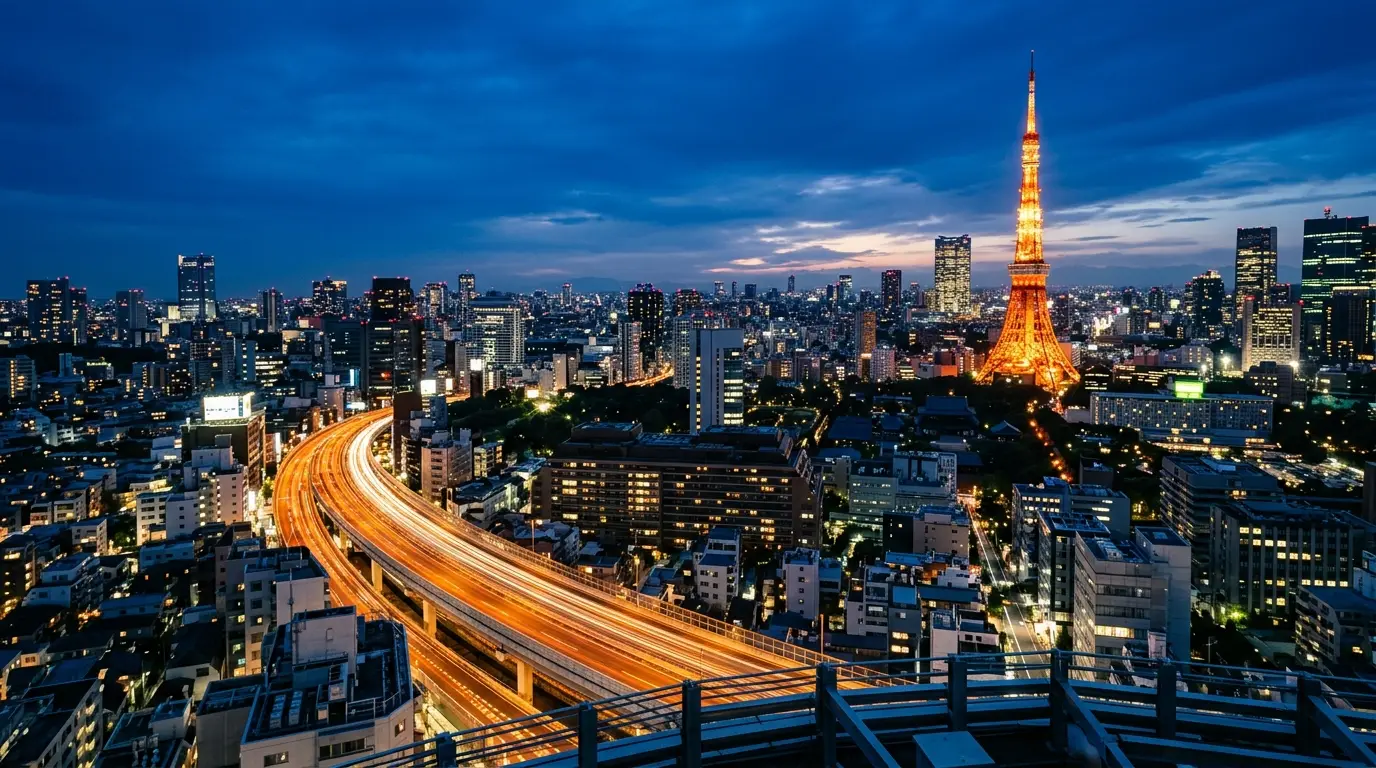
Tokyo Day 1 Arrival Blueprint: Narita Skyliner, Frictionless Ramen, and 24-Hour Settlement
From stepping off at Narita Airport to mastering high-speed trains, navigating Tokyo's sprawling transit hubs, ordering counter ramen effortlessly, and catching sunset from Roppongi Hills. A definitive guide for your first 24 hours in Tokyo.
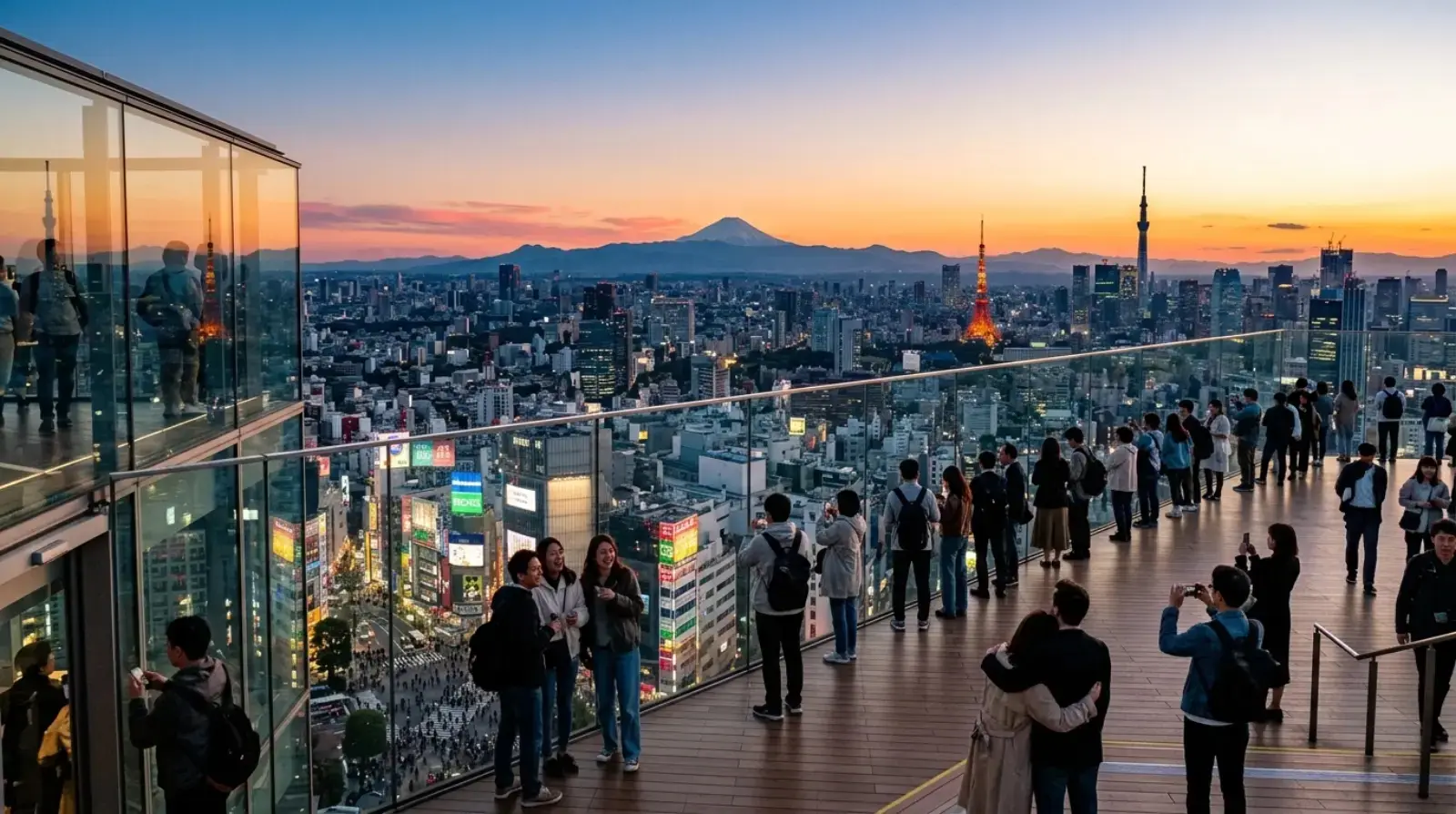
Tokyo Day 2 Iconic Sights Playbook: Shibuya Sky Sunset Booking, Harajuku Alleys, and Roppongi Nightscapes
Securing prime sunset slots atop Shibuya Sky, navigating hidden boutiques along Harajuku Cat Street, immersing in the forested serenity of Meiji Jingu, and marveling at the crimson glow of Tokyo Tower from Roppongi Hills. A masterclass in Day 2 pacing.
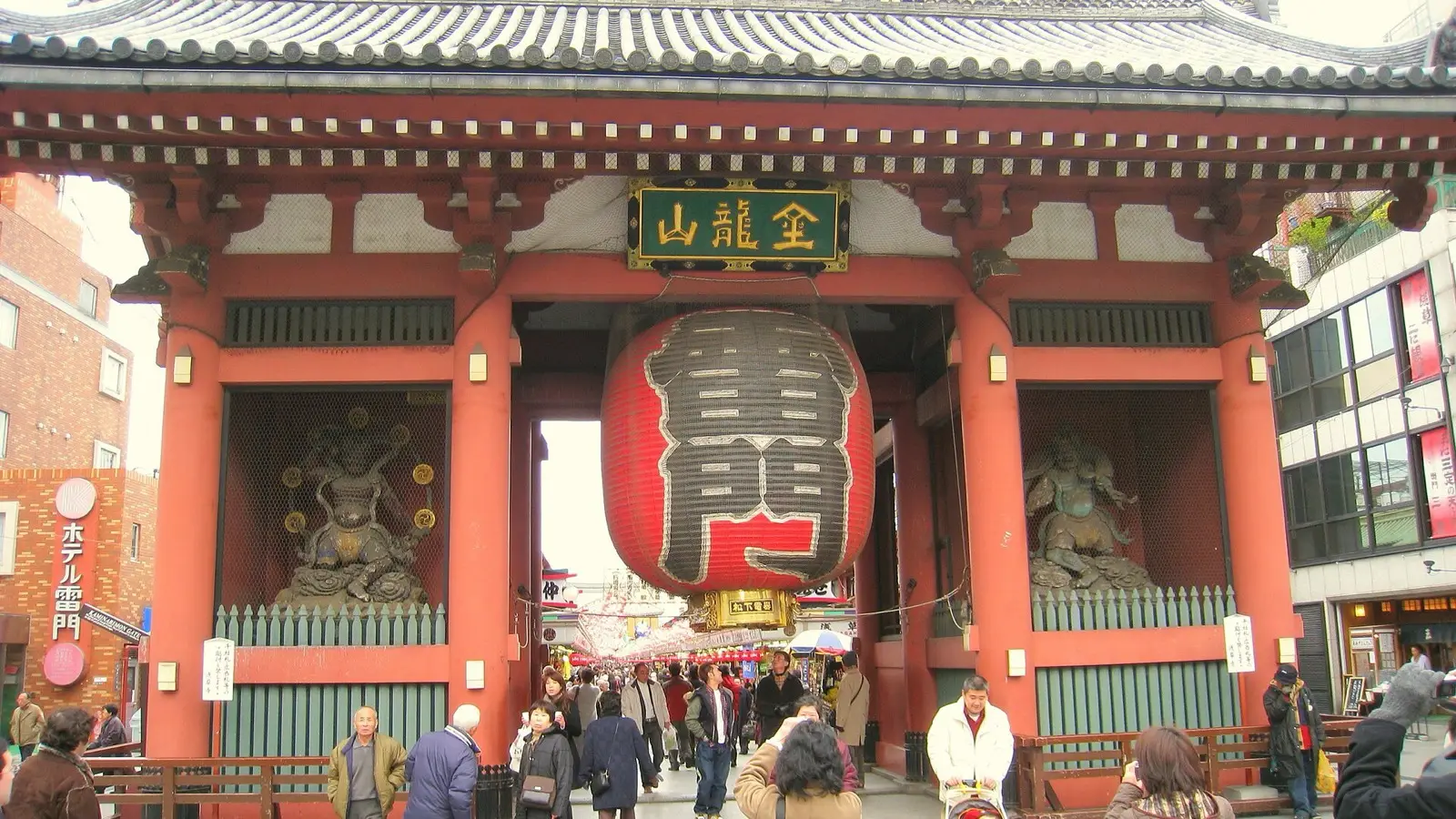
Tokyo Day 3: Asakusa Heritage, Akihabara Pulse, Ginza Depachika, and Seamless Airport Departure
The ultimate finale for your Tokyo stay: tranquil morning worship at Sensoji, retro subculture in Akihabara, Ginza Six architectural rooftop views and basement depachika feasts, capped by seamless Skyliner and N'EX airport connections.