
Tuscany Cypress Hills Scenic Drive: Golden Waves of Val d'Orcia and the Peaceful Alleys of Pienza
From cinematic cypress country lanes to tranquil rustic evenings at authentic agriturismo farmhouses
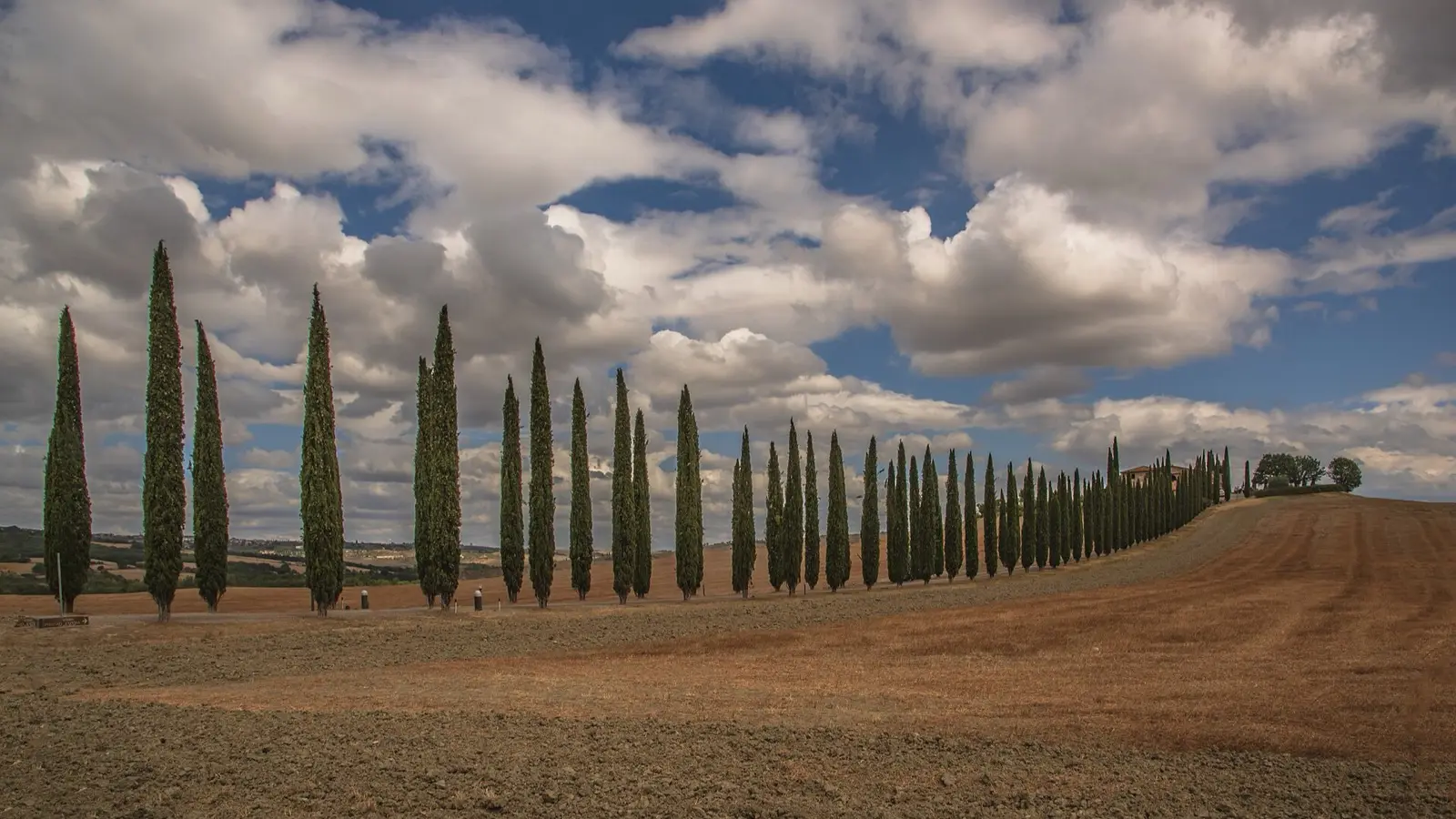
Heading South from Florence: Leaving the City via the SR2 Route into Val d'Orcia
The moment you start the ignition of a compact rental hatchback at Florence airport and steer south, the lingering hustle of museum queues and urban alleyways instantly dissolves. While the high-speed A1 autostrada offers a rapid transit corridor, experiencing the genuine soul of Tuscany requires taking historic route SR2, the ancient Via Cassia, winding gently past Siena. Lowering the side windows invites a fresh sensory breeze laden with warm hay, pine needles, and sun-baked earth.
Passing the terraced Chianti vineyards south of Florence and rounding Siena, the landscape undergoes a dramatic transformation. Dense woodlands and vine trellises give way to sweeping, undulating swells of golden hills stretching to the distant horizon: the grand threshold of Val d'Orcia. Depending on the season, early spring blankets the earth in an impossibly vibrant emerald velvet, while late summer and autumn unveil golden wheat stubble dotted with sculptural hay bales.
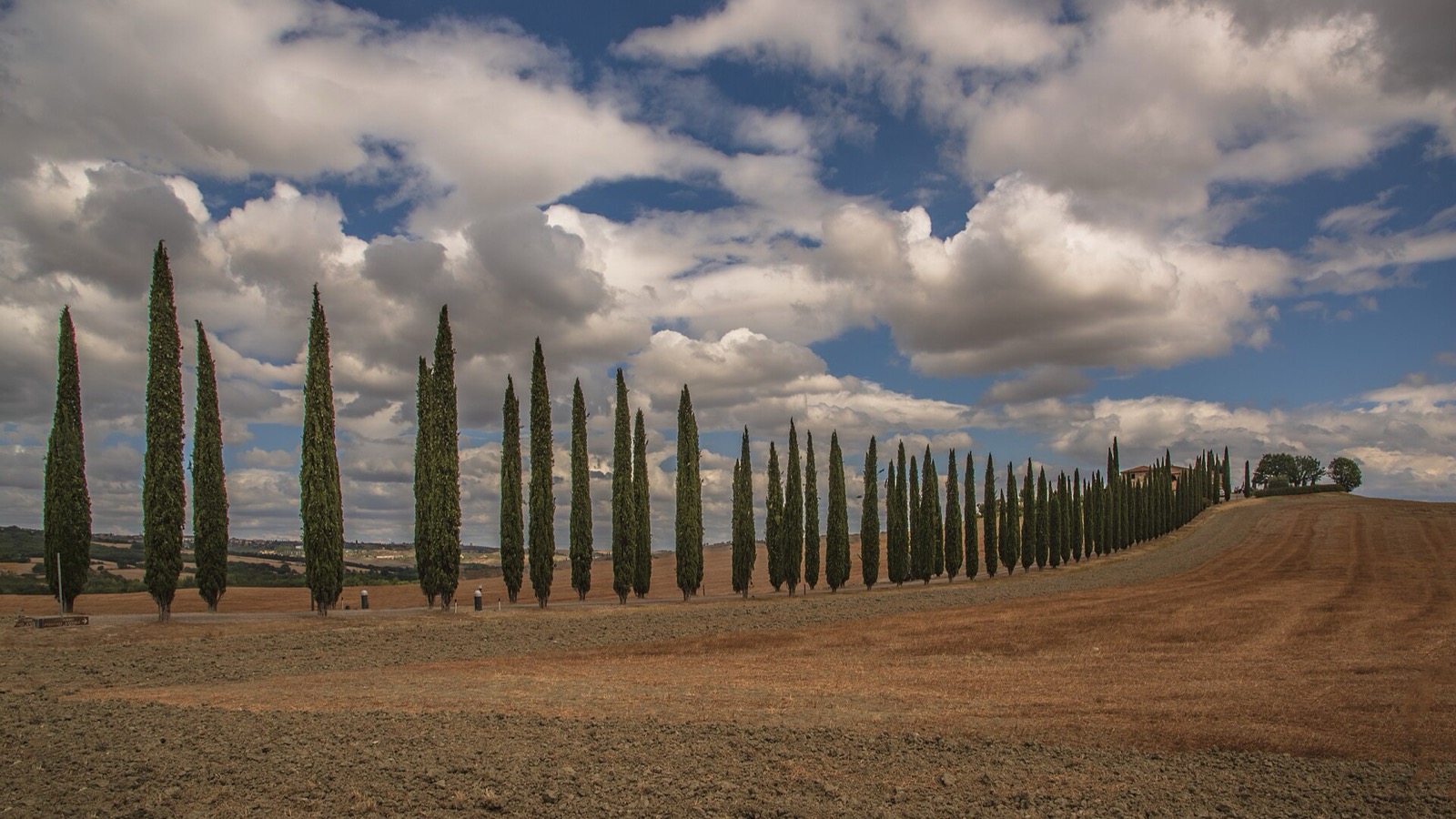
Designated a UNESCO World Heritage cultural landscape in 2004, Val d'Orcia is far more than accidental nature. It is a carefully orchestrated Renaissance masterpiece conceived by 14th and 15th-century Sienese merchants and humanists who sought to engineer an agrarian utopia. Slender columnar cypress trees, originally planted as windbreaks along ridgelines and driveway approaches, stand with striking geometry that mirrors the tranquil backdrops of vintage tempera paintings.
Standard GPS travel estimates quickly lose meaning on these country lanes. Around nearly every gentle bend, an astonishing vista of rippling hills topped by weathered stone farmsteads compels you to pull over. Switching off the engine at roadside gravel shoulders reveals a crystalline stillness broken only by the whispering crest winds and distant songbirds.
San Quirico d'Orcia and the Circular Cypress Grove: Renaissance Paintings Brought to Life
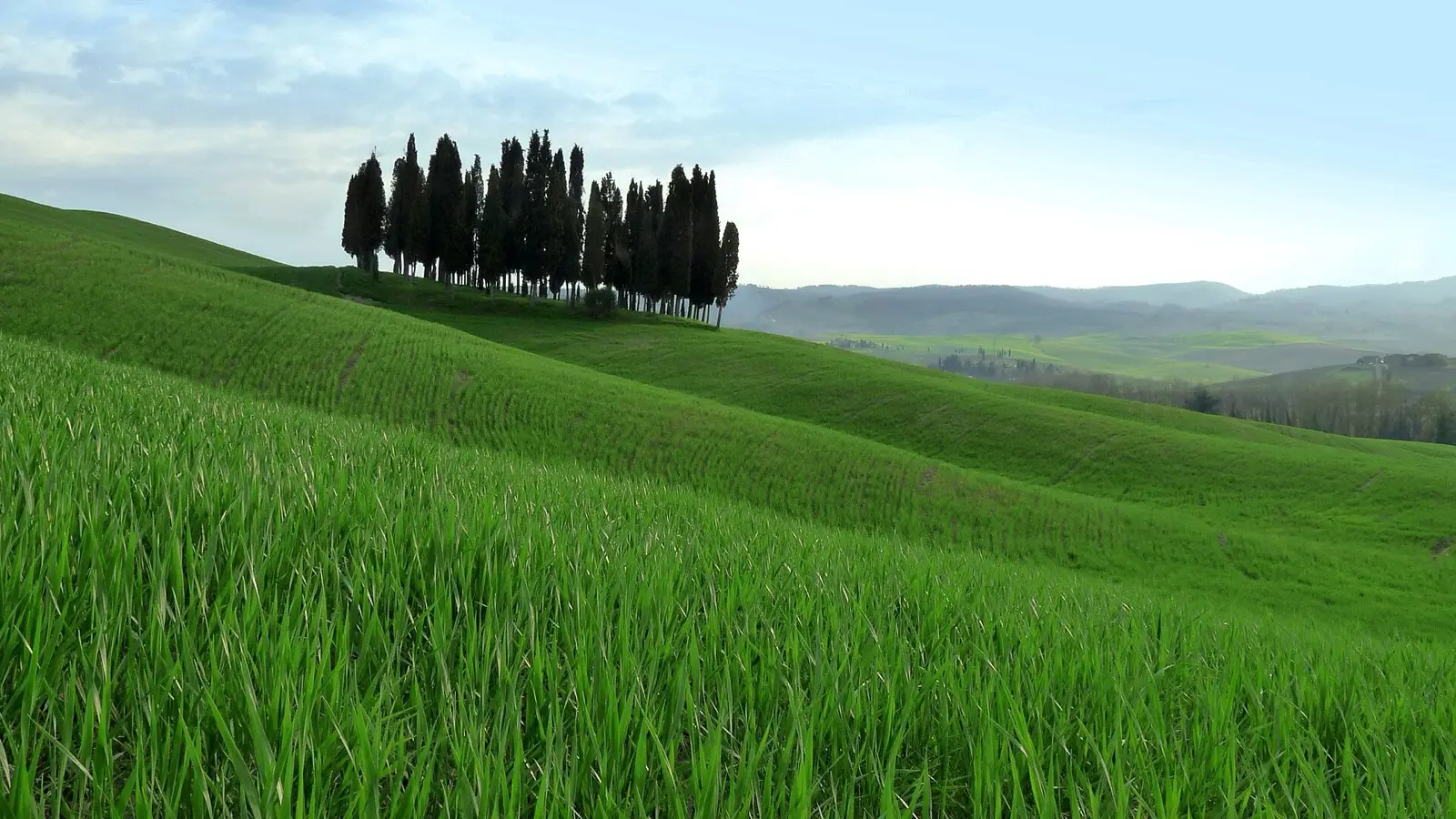
The first definitive milestone along this journey is the iconic circular cypress grove (Cipressi di San Quirico d'Orcia) perched upon an open hillside just off highway SR2. Clustered tightly in an isolated crown amid expansive fields, these trees have graced countless fine art prints and travel covers as the quintessential symbol of rural Tuscany.
After parking safely in the designated turnout and walking a short distance along the ridge, the shifting angle of the afternoon sun creates pure visual poetry. As golden hour approaches, the deep evergreen hue of the cypress needles contrasts sharply with the pale amber contours of the harvested fields, bringing classical Renaissance chiaroscuro principles into vivid physical reality.
Standing on this ridge offers an immediate sense of stillness. Unmarred by overhead power lines or modern developments, the sweeping 360-degree panorama consists solely of harmonic hills rolling toward Mount Amiata in the far distance. As gentle breezes stir the aromatic foliage, one immediately recognizes the dreamlike Elysian Fields from Ridley Scott's film Gladiator.
Entering the historic core of San Quirico d'Orcia reveals the quiet Romanesque Collegiata church and peaceful cobblestone piazzas. Far from urban tourist throngs, local elders gather at shaded outdoor café tables to sip midday espressos, offering a glimpse into unhurried provincial life.
The Renaissance Utopian Town of Pienza: Strolling Alleys Rich with Aged Pecorino
Driving ten kilometers east from San Quirico brings you to Pienza, an architectural jewel crowning a high bluff over the valley. Born in the 15th century when Pope Pius II commissioned master architect Bernardo Rossellino to transform his humble birthplace into the world's first planned Renaissance 'Ideal City', Pienza stands as an enduring monument to humanistic town planning.
At the town's focal point, Piazza Pio II, the cathedral, Palazzo Piccolomini, and town hall form a harmonious geometric ensemble. Entering the hanging garden of Palazzo Piccolomini reveals an open loggia gazing straight across the sweeping expanses of Val d'Orcia, illustrating the deliberate Renaissance dialogue between cultured architecture and sculpted pastoral nature.
Wandering the pristine stone lanes, an intoxicating aroma soon greets your senses: aged Pecorino di Pienza, the region's famed ewe's-milk cheese. Traditional alimentari and botteghe display circular wheels aged in walnut leaves, olive pomace, or ash. Friendly shopkeepers routinely carve tasting slivers ranging from mild, buttery frescos to sharp, granular stagionatos.
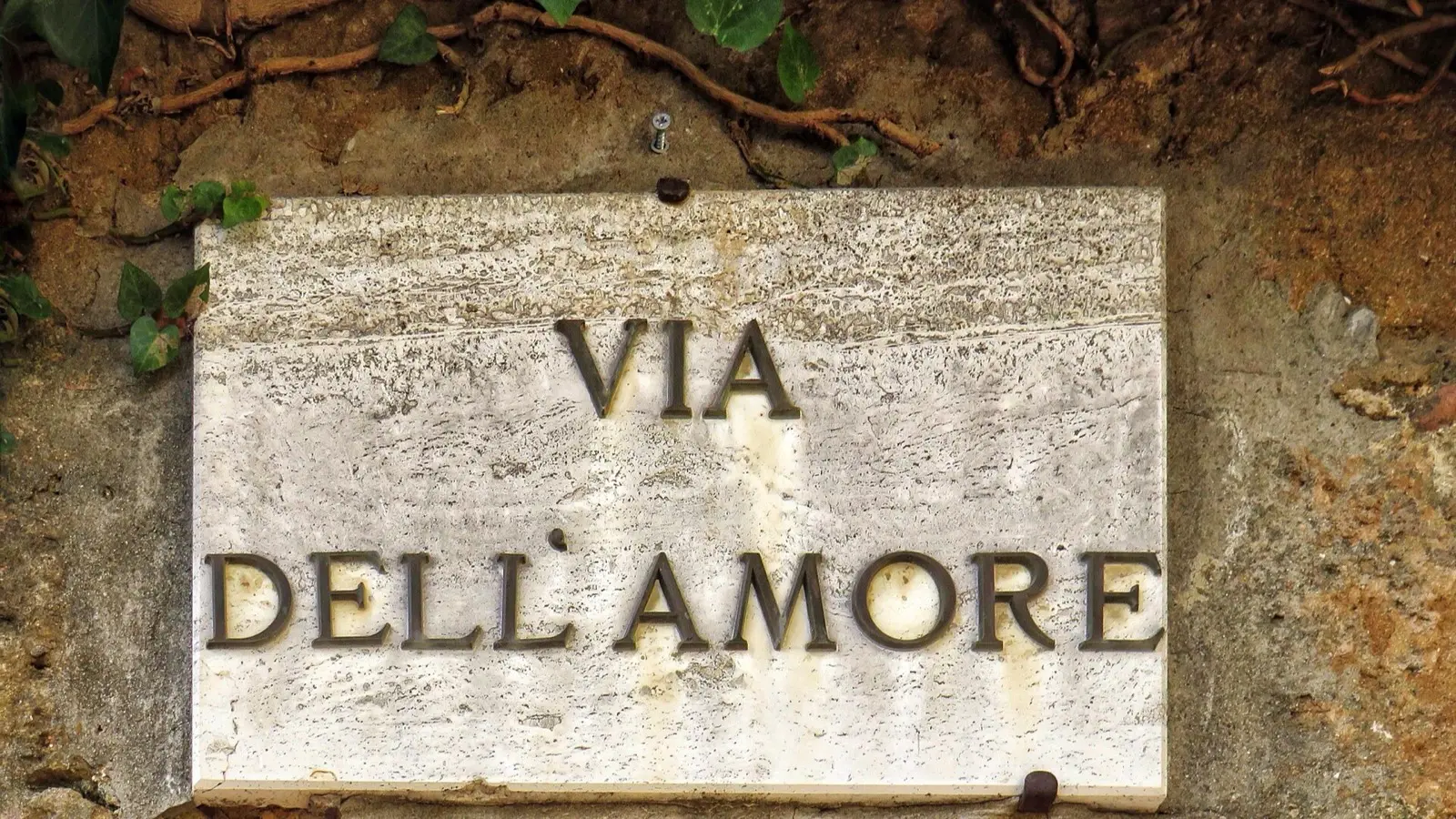
Alleys bearing poetic names like Via del Bacio (Kiss Street) and Via dell'Amore (Love Street) are draped in climbing jasmine and terracotta planters. Sitting atop the medieval fortification walls while savoring a fresh crusty panino layered with aged pecorino and wild boar prosciutto offers an unforgettable encounter with Tuscan heritage.
Vitaleta Chapel and Agriturismo Farmstays: Local Wine and Crimson Sunsets
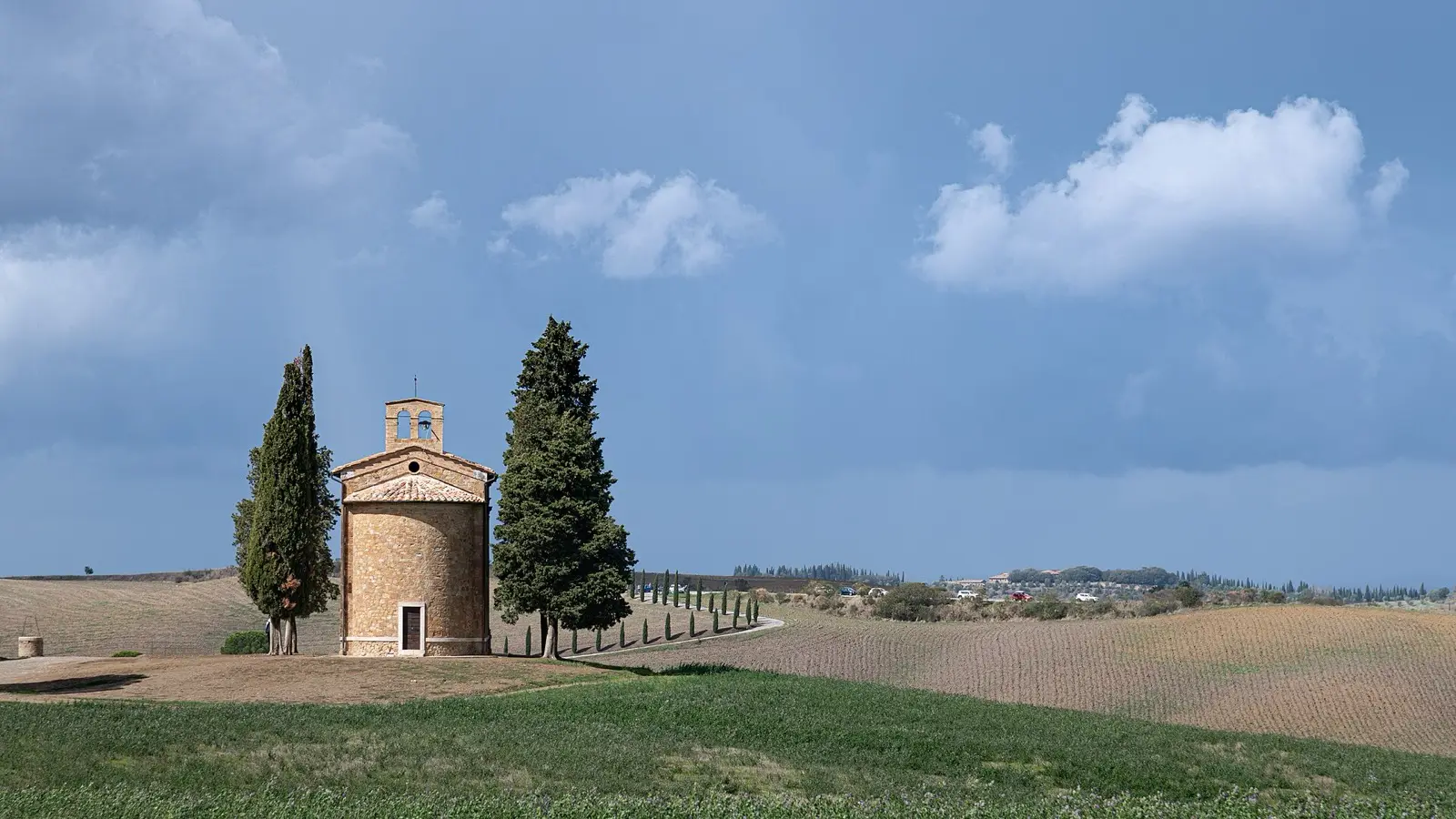
Tucked along an unpaved ridge between Pienza and San Quirico sits the solitary Chapel of Madonna di Vitaleta. Framed symmetrically by two slender cypress sentinels on either flank, this diminutive 16th-century stone sanctuary embodies the sublime tranquility of the Tuscan countryside.
Leaving your vehicle at the designated perimeter lot and walking roughly fifteen minutes down the dusty farm track builds a meditative anticipation. When the chapel finally emerges against the vast sky as the golden hour turns deep crimson, illuminating its pale stone walls, travelers are enveloped in a rare, reverent quietude.
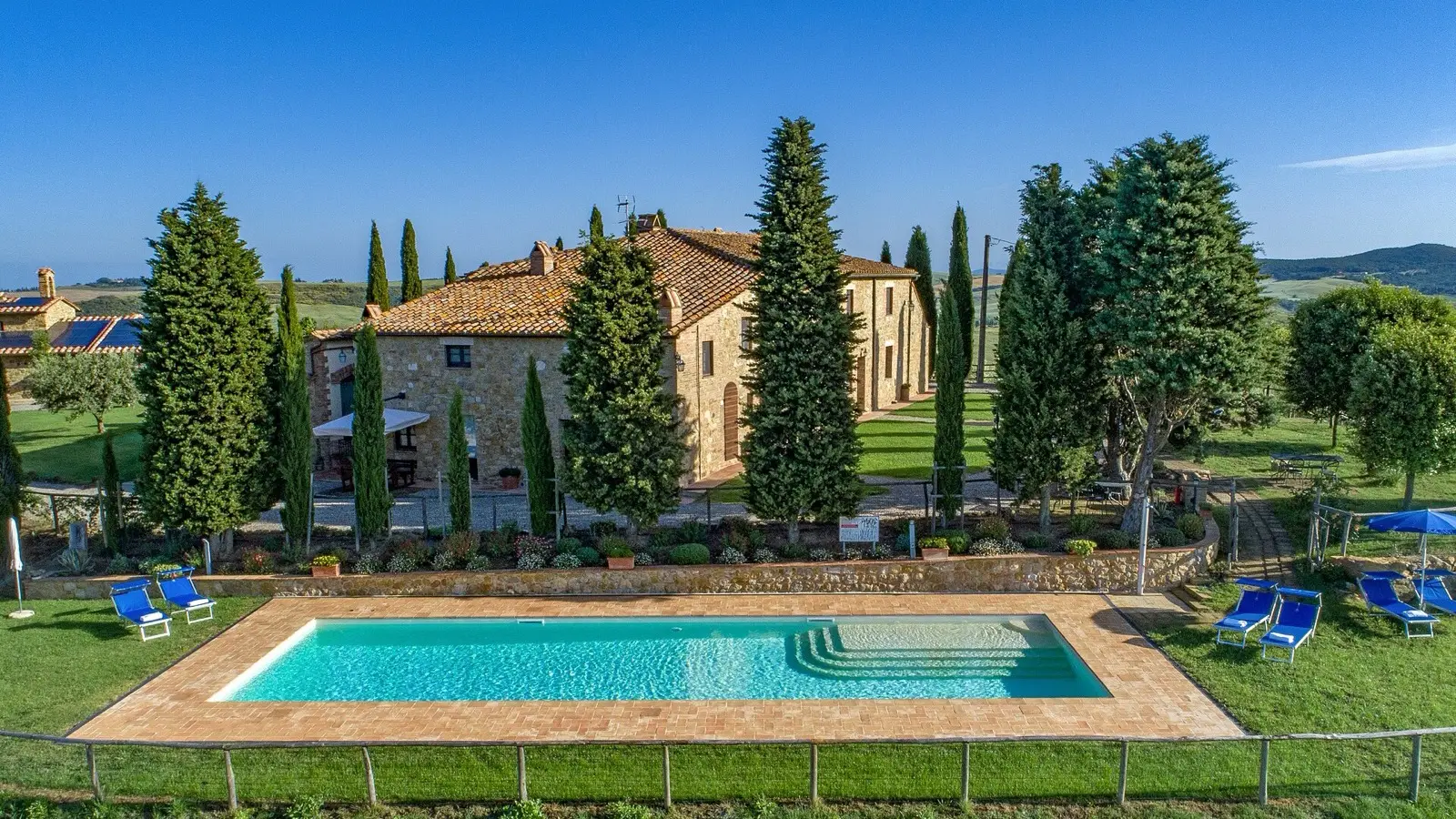
The crowning conclusion to any Tuscan drive is staying overnight at an authentic agriturismo. These converted historic stone farmsteads pair rustic terracotta floors and timber beams with modern en-suite comforts, often featuring refreshing swimming pools surrounded by century-old olive groves.
As dusk deepens into starry night, the host serves an intimate terrace dinner featuring estate-produced Chianti Colli Senesi wine, grilled bruschetta drizzled with green olive oil, and handmade pici pasta. Dining under an unobstructed canopy of twinkling stars offers a depth of contentment unmatched by any metropolitan luxury hotel.
Gregorian Chants at Sant'Antimo Abbey: Lasting Echoes of a Tuscan Road Trip
The final chapter of this Tuscan drive leads deeper into the southern valleys near Montalcino to the secluded Abbey of Sant'Antimo. Legend holds that Charlemagne founded this 12th-century Romanesque abbey, whose luminous alabaster and travertine masonry rests serenely amid centuries-old olive orchards.
Timing your arrival with the monks' daytime prayers allows you to witness the otherworldly resonance of Gregorian chant echoing through the vaulted stone nave. Unaccompanied by instruments, the pure harmonic cadence washes over the cloister, bringing profound peacefulness to the end of a long cross-country drive.
Climbing up to the hilltop fortress town of Montalcino, home of world-celebrated Brunello di Montalcino wines, one reflects on the voyage over an evening espresso. While Florence dazzles with grand Renaissance treasures, the gentle, unhurried cadence of these rolling countryside hills provides Tuscany's most lasting emotional resonance.
Heading back northward as twilight settles and the long shadows of cypress trees dissolve into dusk, the road imparts its essential lesson. True travel lies not in racing between landmarks, but in surrendering to the quiet rhythm of the land and allowing each undulating curve to reveal its own unhurried beauty.
Frequently Asked Questions
Field-tested answers to transit navigation, neighborhood choices, and payment traps.
Q1.Is a rental car essential for exploring Val d'Orcia from Florence?
Q2.What is the most critical traffic regulation when driving in rural Tuscany?
Q3.What should travelers keep in mind when booking an agriturismo farmstay?
Q4.When is the best season to experience this Tuscan road trip?
The Smart Traveler's Essential Toolkit
Prepare instant mobile data, private airport transfers, and skip-the-line passes in one place.
Share This Guide with Your Companions
When shared via chat or social media, a curated summary card is sent along.
Recommended Guides
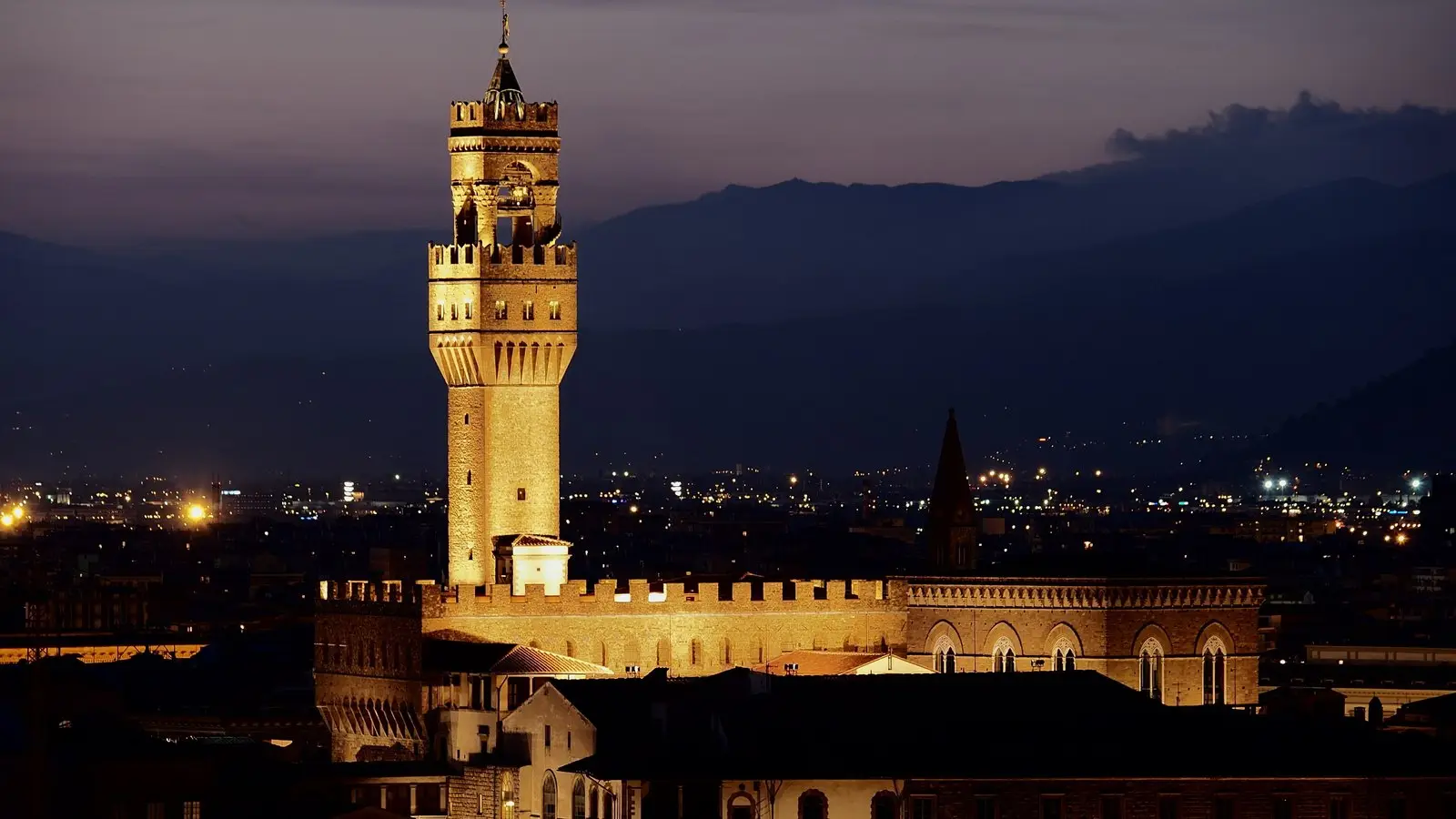
Florence 72-Hour Renaissance Field Guide: Duomo Climbs, Uffizi & Tuscan Tables
Navigate the cradle of the Renaissance: skip-the-line museum tickets, 463-step Duomo climbs, artisan Oltrarno stays, and DCC credit card savings.
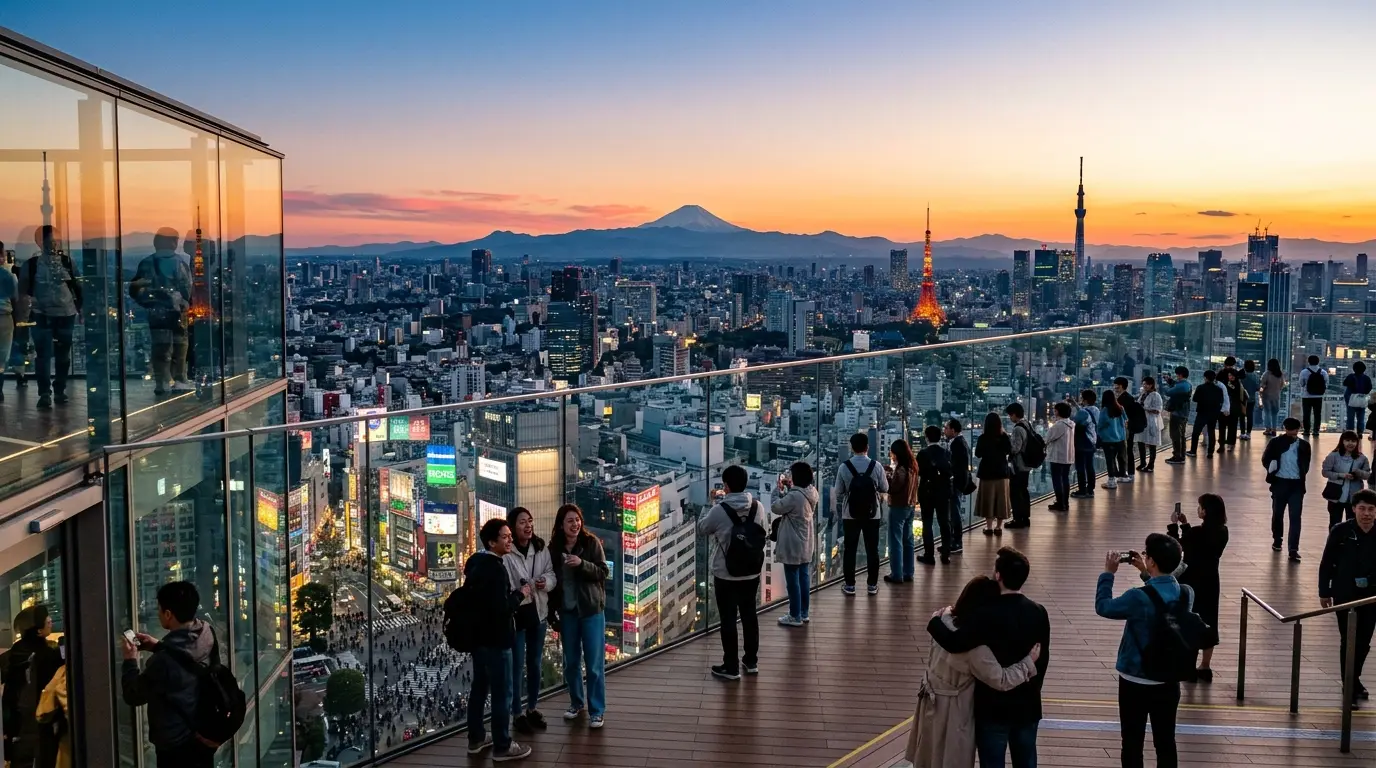
Before Regretting a 13-Sqm Shoebox: The Tokyo 3-Zone and 14-Day Booking Playbook
Comparing room footprints across Shinjuku, Ginza, and Ueno, locking in sudden 14-day cancellation drops, and eliminating DCC fees with clean Yen checkout.
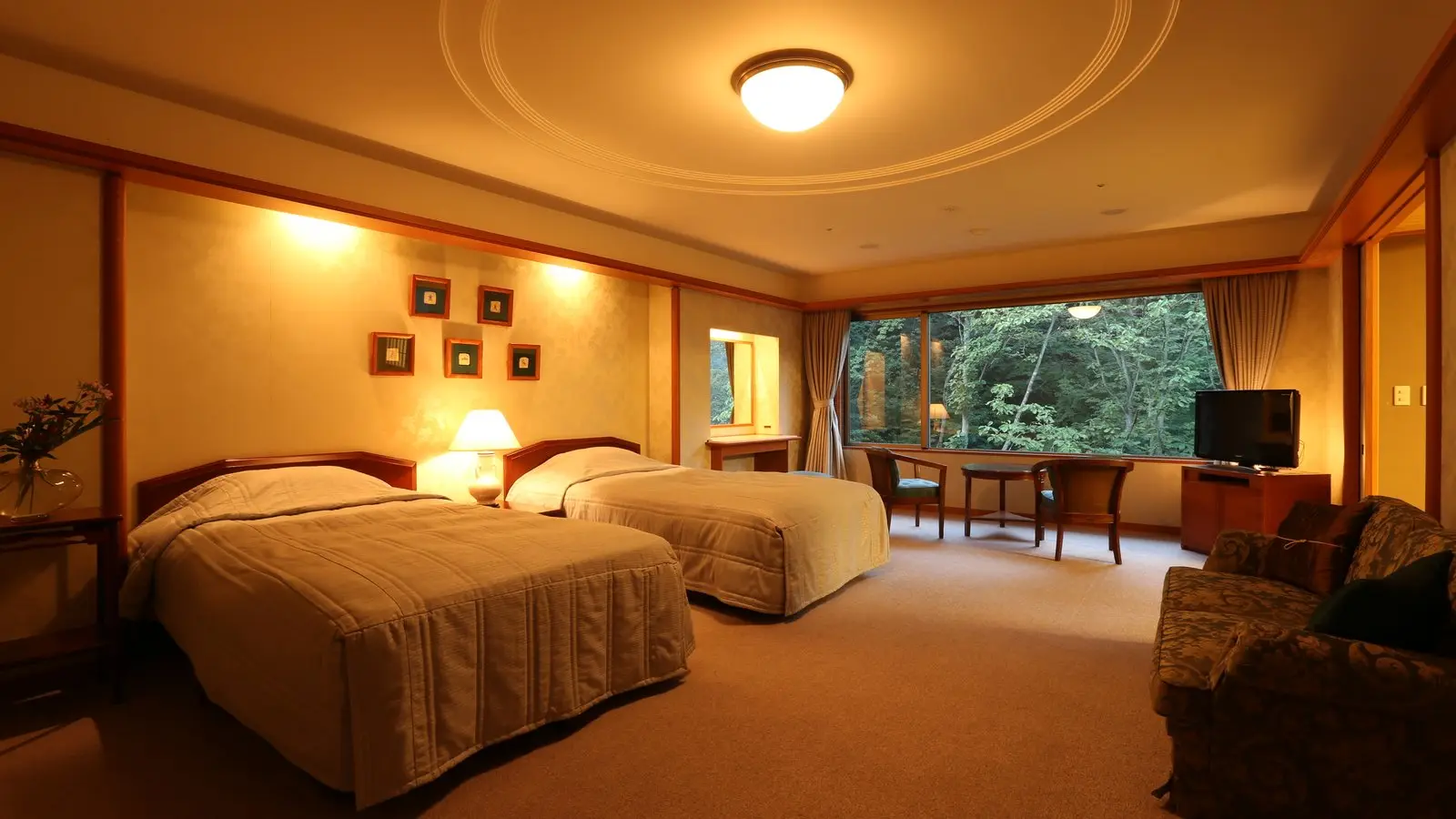
Tokyo Value Hotels Playbook: 7 Smart Yamanote Stays, Onsen Baths and OTA Rate Hacks
Even amid yen fluctuations, central Tokyo hotel rates have soared. Learn how to secure Yamanote loop line hotels at half the price of Shinjuku, compare onsen bath chains like Dormy Inn, trigger secret Agoda VIP and Booking.com Genius discounts, and dodge hidden currency fees with yen settlement.
Tokyo Transit Survival Blueprint: Airport Rail Hacks, Metro Pass Math, and Yamanote Hubs
How to choose between Keisei Skyliner and Narita Express, avoid the Tokyo Subway Ticket trap, use Apple Wallet Suica, and select the ideal hotel base in Tokyo.
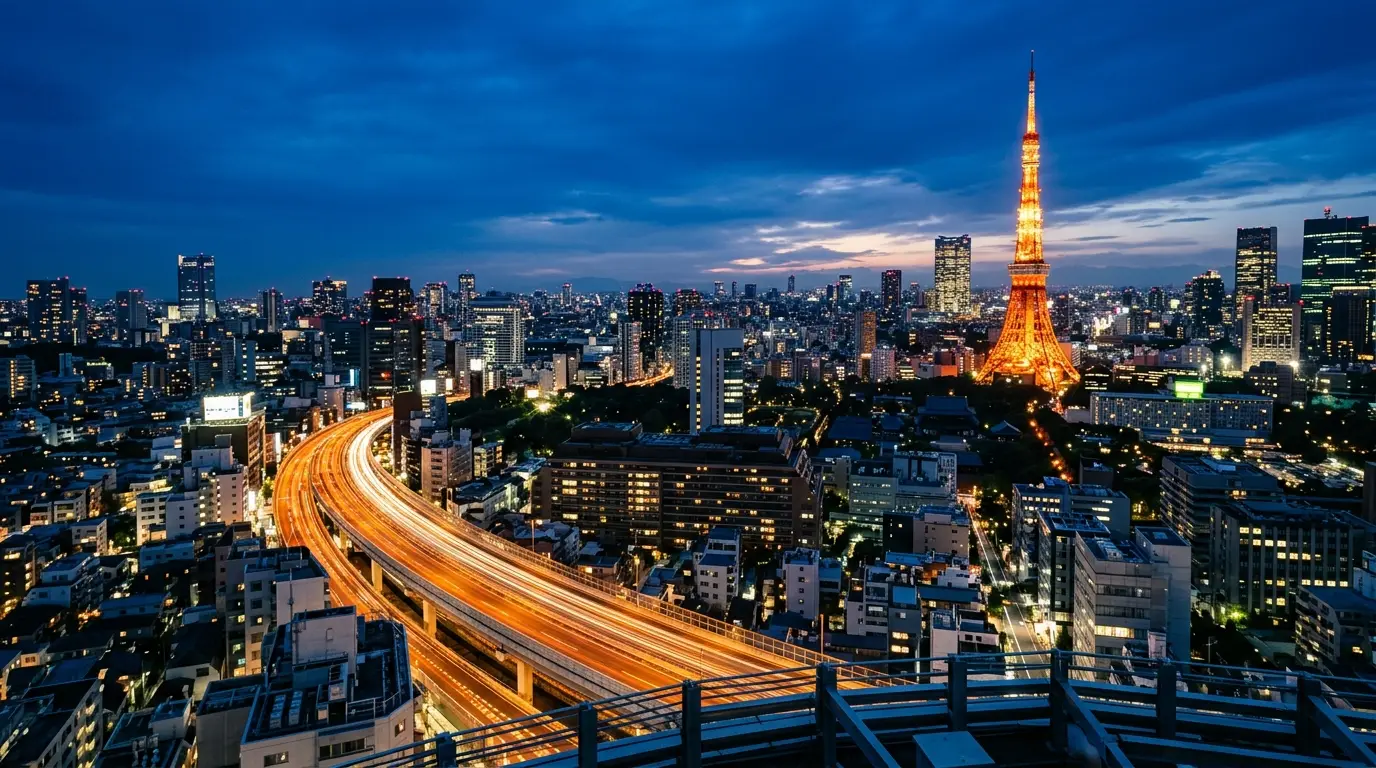
Tokyo Day 1 Arrival Blueprint: Narita Skyliner, Frictionless Ramen, and 24-Hour Settlement
From stepping off at Narita Airport to mastering high-speed trains, navigating Tokyo's sprawling transit hubs, ordering counter ramen effortlessly, and catching sunset from Roppongi Hills. A definitive guide for your first 24 hours in Tokyo.
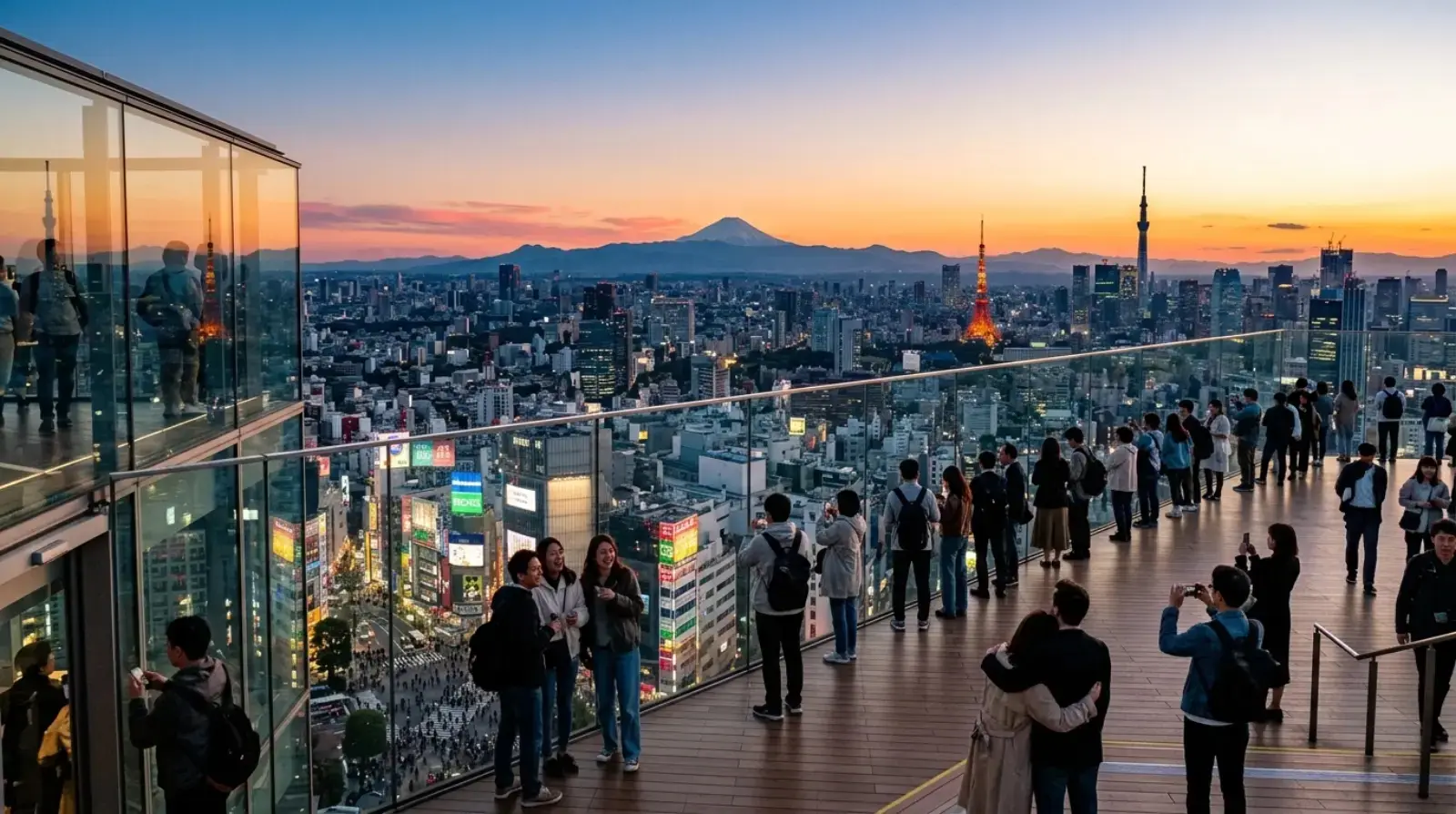
Tokyo Day 2 Iconic Sights Playbook: Shibuya Sky Sunset Booking, Harajuku Alleys, and Roppongi Nightscapes
Securing prime sunset slots atop Shibuya Sky, navigating hidden boutiques along Harajuku Cat Street, immersing in the forested serenity of Meiji Jingu, and marveling at the crimson glow of Tokyo Tower from Roppongi Hills. A masterclass in Day 2 pacing.
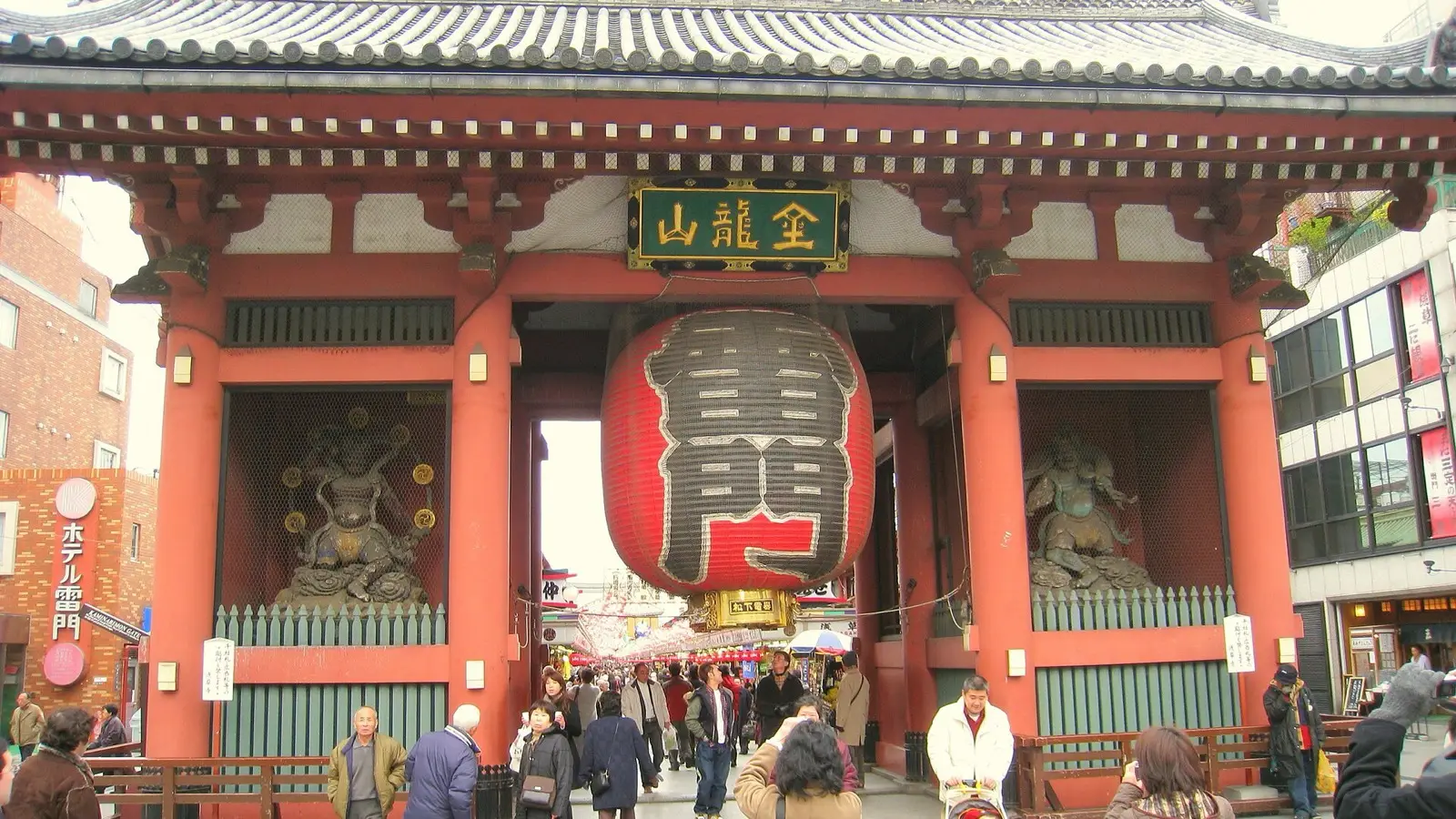
Tokyo Day 3: Asakusa Heritage, Akihabara Pulse, Ginza Depachika, and Seamless Airport Departure
The ultimate finale for your Tokyo stay: tranquil morning worship at Sensoji, retro subculture in Akihabara, Ginza Six architectural rooftop views and basement depachika feasts, capped by seamless Skyliner and N'EX airport connections.
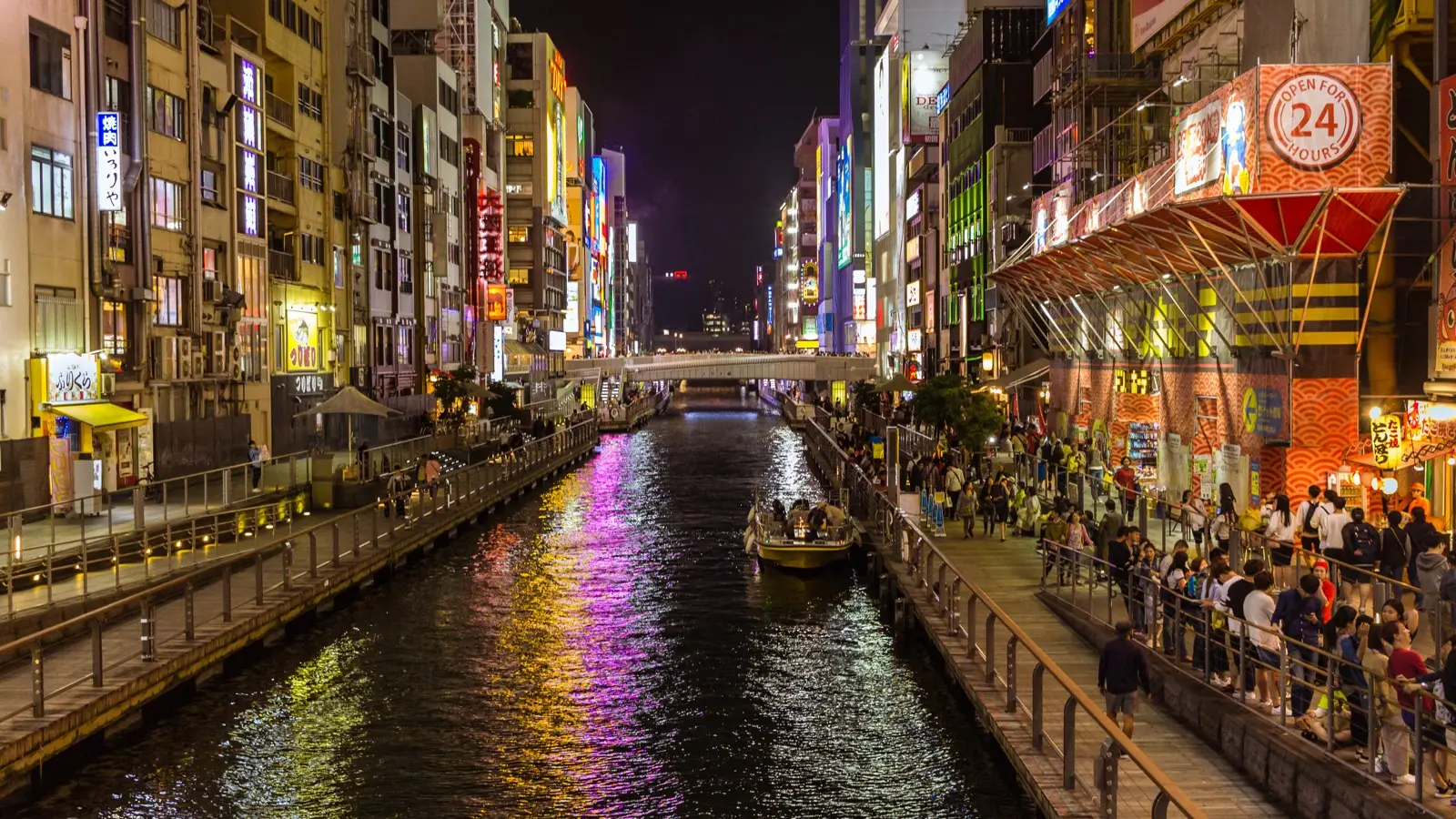
Osaka 72-Hour Feast: Dotonbori Canal Neon, Kuromon Market & Umeda Heights
Osaka is Japan culinary powerhouse where feasting is an art. Navigate Rapi:t airport transfers, Namba vs Umeda hotels, and street food corridors with veteran precision.
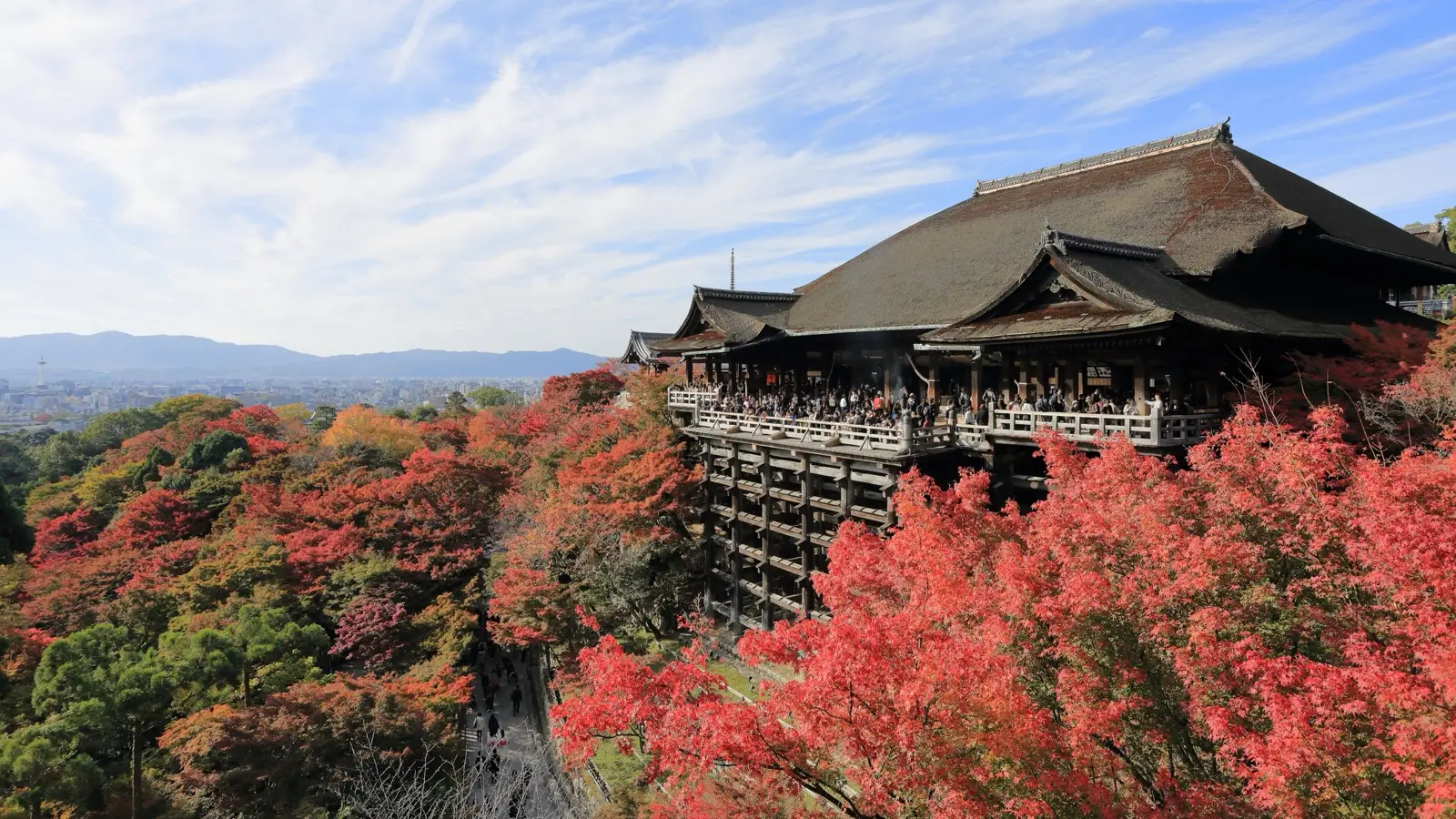
Kyoto Arashiyama & Gion Retreat: Historic Ryokans and Early Dawn Bamboo Groves
Kyoto compresses a millennium of Japanese aesthetic mastery. Discover how to evade bus congestion with private railways, master ryokan kaiseki booking windows, and savor early dawn stillness.
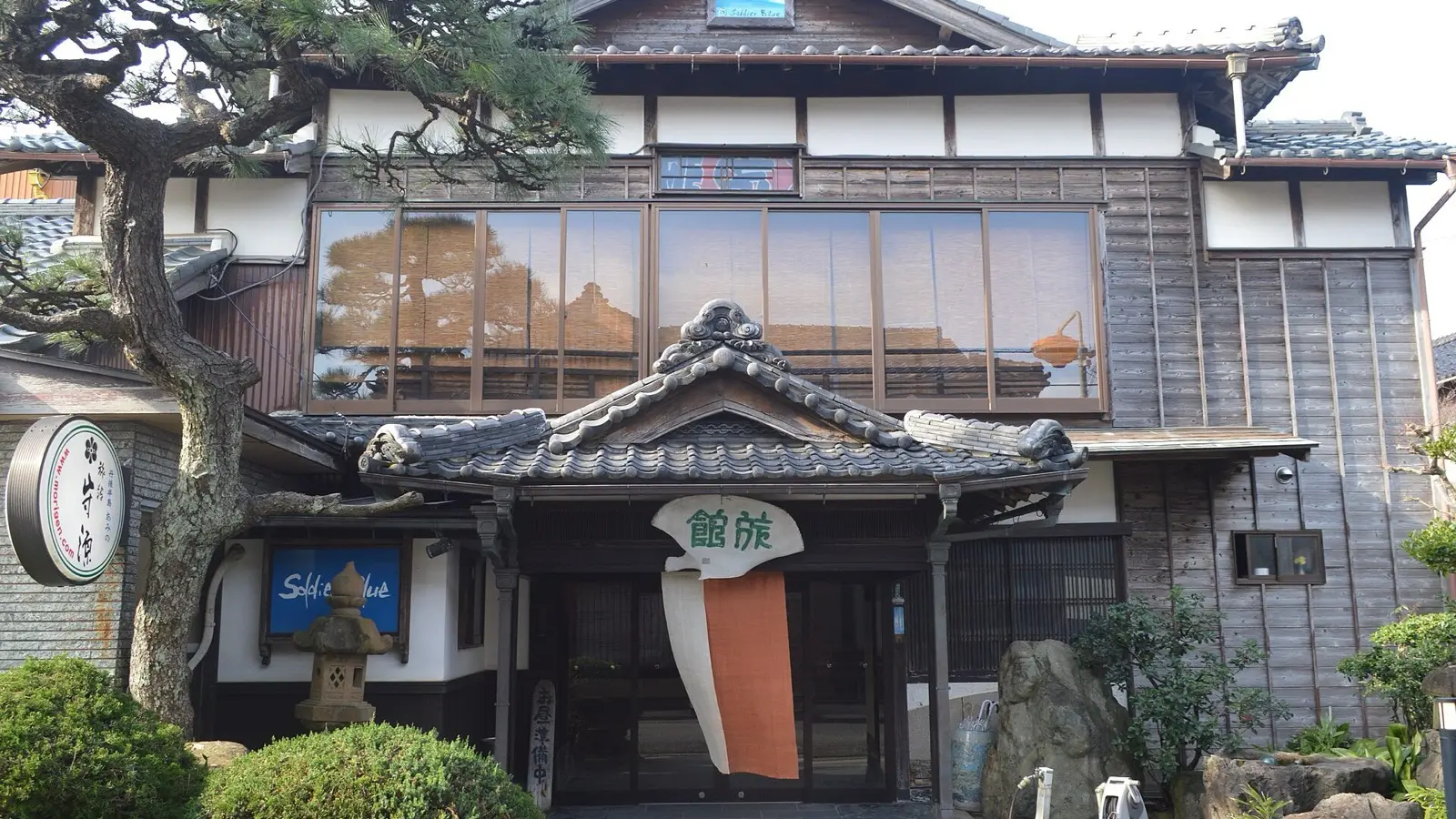
Kyoto Ryokan & Machiya Masterclass: Kaiseki Economics, Sukiya Timber, and Quiet Alleys
From hundred-year-old timber townhouses in Gion to misty Arashiyama riverside ryokan, staying in Kyoto demands cultural fluency and sharp booking discipline. An honest receipt audit covering kaiseki dinner curfews, private onsen etiquette, and avoiding dynamic pricing spikes.
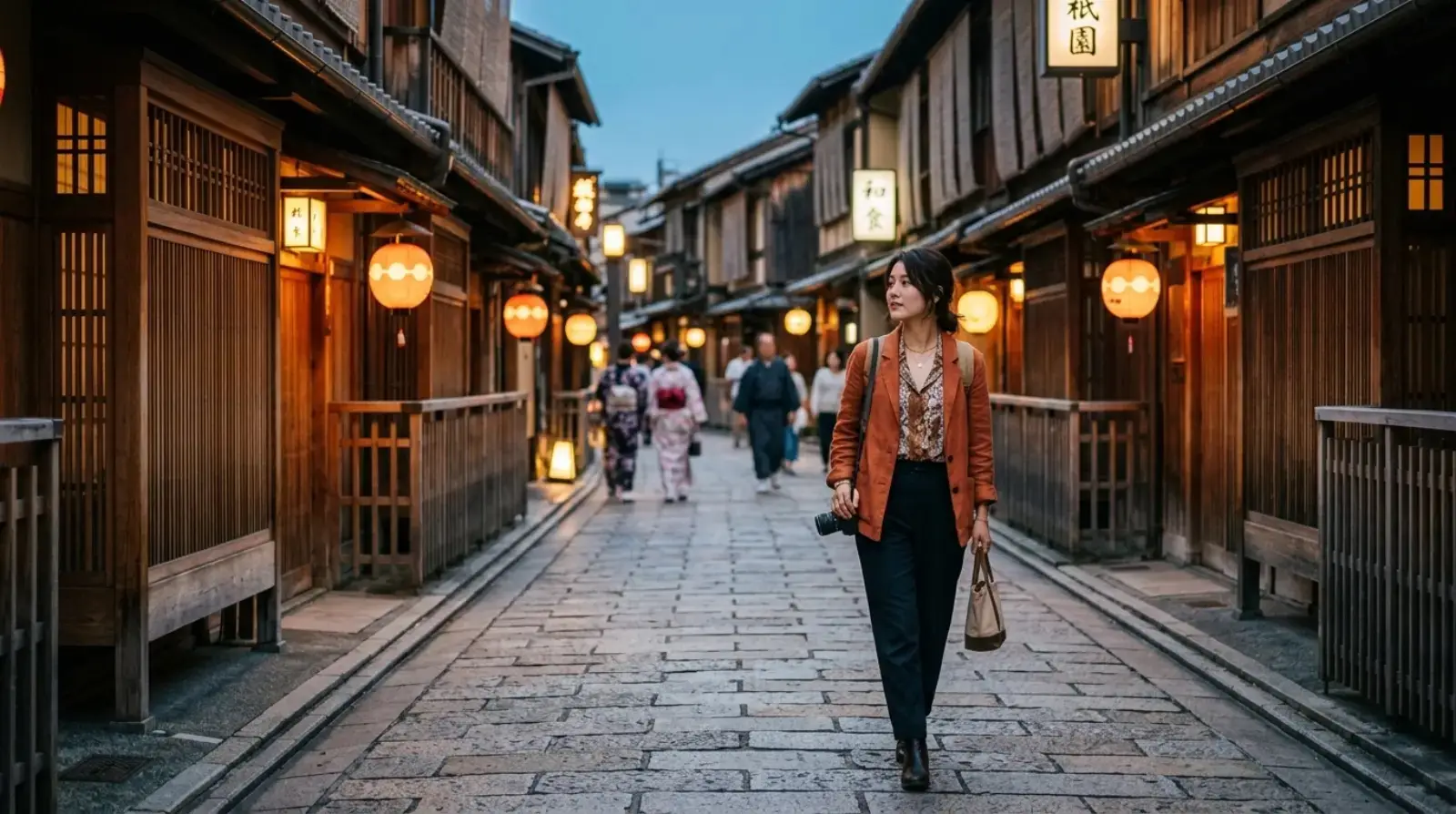
Kyoto Day 1 Arrival Playbook: 75-Minute Haruka Express, Station Luggage Delivery, and Gion Twilight
Boarding the 75-minute Haruka Express from Kansai Airport, forwarding heavy bags straight to your hotel via Crosta at Kyoto Station, avoiding gridlocked buses using the subway, and an evening stroll through Gion to the Kamogawa. A field guide to your first 24 hours.
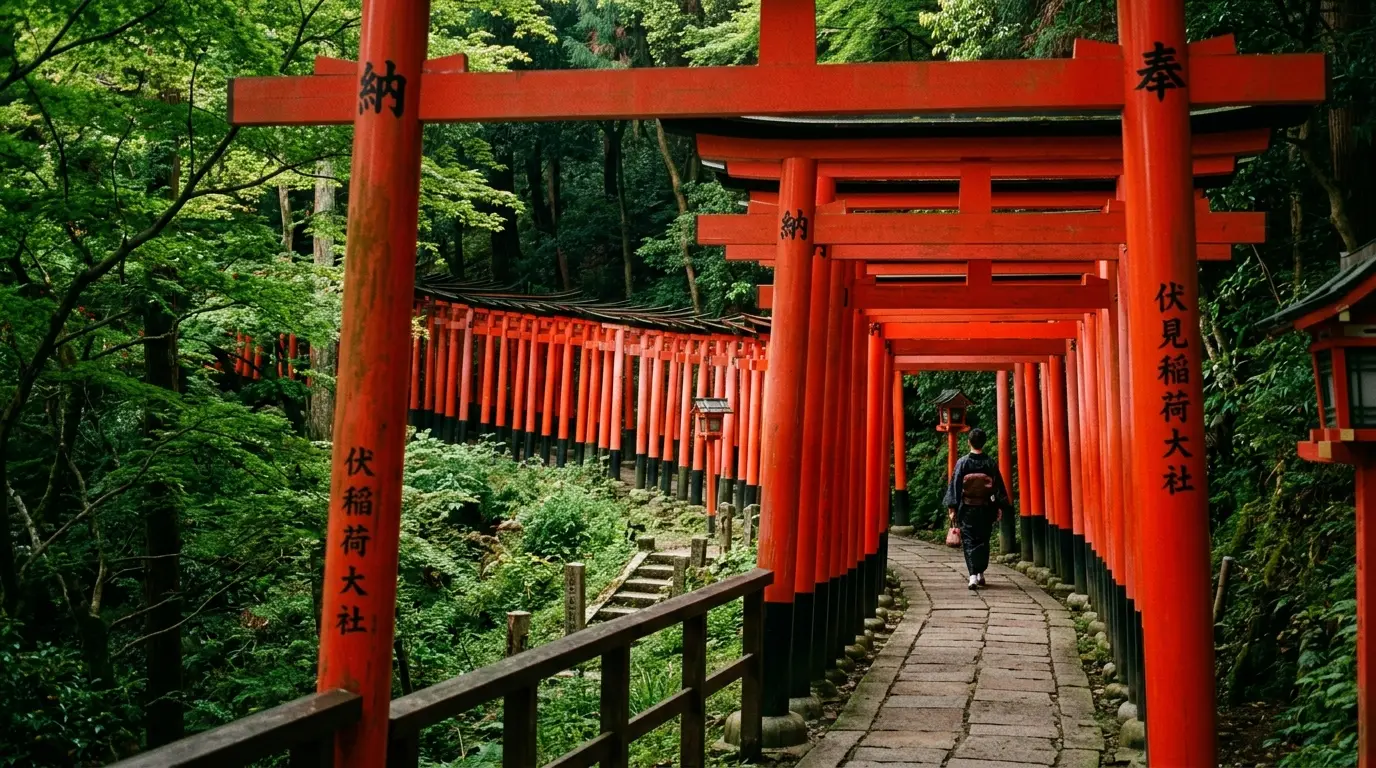
Kyoto Day 2: Fushimi Inari Torii Path, Kiyomizu-dera Heights, Ninenzaka Lanes, and Gion Kaiseki Feast
Day 2 immerses travelers into the spiritual heartbeat and preserved historic streets of Kyoto: early morning solace along thousands of vermilion torii gates at Fushimi Inari, sweeping mountain panoramas from the legendary wooden stage of Kiyomizu-dera, artisan tea shops and matcha sweets across cobblestoned Ninenzaka and Sannenzaka, followed by lantern-lit strolls in Gion Shirakawa and a refined multi-course Kaiseki dinner.